When you pair this non-boozy drink with Scotch, it can reveal layers of flavor that might otherwise remain hidden. Just don’t serve it on the rocks.

Food Republic – Restaurants, Reviews, Recipes, Cooking Tips










When you pair this non-boozy drink with Scotch, it can reveal layers of flavor that might otherwise remain hidden. Just don’t serve it on the rocks.
Food Republic – Restaurants, Reviews, Recipes, Cooking Tips

Wondering how it all works? We explain the food science behind it, the best chicken cuts to use this trick on, and more. And no, your chicken won’t taste weird.

Mashed – Fast Food, Celebrity Chefs, Grocery, Reviews

 Demi Lovato is wearing her lionheart on her sleeve.
The “Lionheart” singer brought out her husband Jutes for a surprise performance during her It’s Not That Deep Tour in New York City April 24,…
E! Online (US) – Top Stories
![<a href="https://theboot.com/ixp/204/p/ella-langley-stagecoach-theo-von-duet-you-look-like-you-love-me/" target="_blank">Ella Langley Fires Up Stagecoach Crowd With Theo Von Duet [Watch]</a>](https://townsquare.media/site/204/files/2026/04/attachment-ella-theo-duet.jpg?format=natural)
The audience looked like they loved it! Continue reading…The Boot – Country Music News, Music Videos and Songs
The audience looked like they loved it! Continue reading…Country Music News – Taste of Country
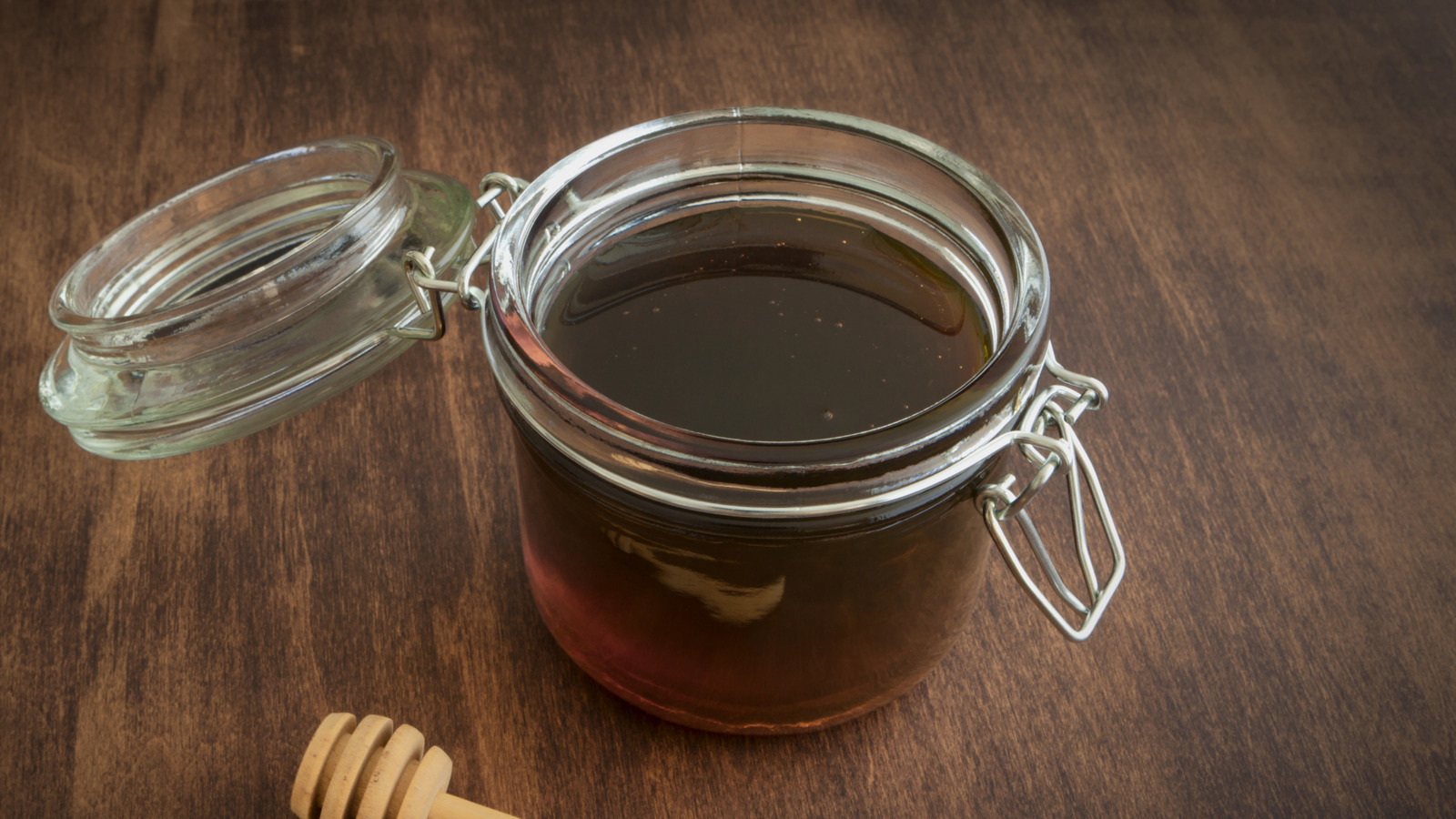
Chances are you haven’t of this replacement syrup, but it comes from an African crop widely grown in the Midwestern U.S. You could drizzle it on your breakfast.
Mashed – Fast Food, Celebrity Chefs, Grocery, Reviews
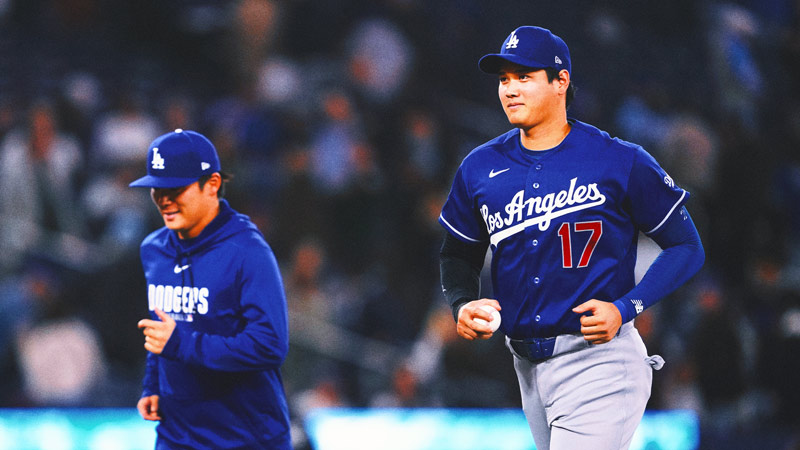
The Los Angeles Dodgers have been as advertised out of the gate, and the Chicago Cubs are on a heater, winning each of their last 10 games. In fact, the two teams are in the midst of a three-game series in Los Angeles. Catch Game 2 of the series on Saturday at 7:15 p.m. ET on FOX. But what should we take from the two teams’ respective hot starts? Thanks to injury, 2025 rookie Roki Sasaki has just 54 regular-season innings under his belt as well as another 10.2 in the postseason. While his ERA was sparkling out of the bullpen, he still struck out just six batters and walked five, and similar troubles persist in 2026. How long can the Dodgers stick with Sasaki in the rotation if his control and command issues continue? Rowan Kavner: They’re intent on letting him work out his issues in the big leagues, despite the control problems that persist. They can survive Sasaki’s volatility when Yoshinobu Yamamoto, Shohei Ohtani and Tyler Glasnow are excelling atop the rotation — combined, that trio has a 1.91 ERA with 91 strikeouts and 18 walks this year — and when Justin Wrobleski is 3-0 with a 1.88 ERA as the team’s sixth starter. Despite Sasaki’s unseemly 6.11 ERA and 1.87 WHIP, the Dodgers have the best starters’ ERA and WHIP in the National League. Those numbers should get even better when Blake Snell returns sometime next month. So, while I think Sasaki should either be in the bullpen or in the minors in a more controlled environment working on his erratic command and the development of his third pitch, it doesn’t sound like that will happen. Even when Snell is activated, the Dodgers, at least right now, are saying Sasaki won’t go to the bullpen. The control issues are concerning and ongoing, but at least holding his velocity in the upper-90s and missing more bats than he did last year. With top pitching prospect River Ryan currently on the shelf with a hamstring issue (and with the Dodgers being careful about Ryan’s innings after he missed last year recovering from Tommy John surgery), there aren’t a lot of obvious alternatives knocking down the door at the moment. Deesha Thosar: The Dodgers have the type of depth that other executives dream about, making it a no-brainer to let Sasaki work out his troubles and give him a long leash, at that. It’s not like Sasaki is that much of a detriment that he’s throwing the Dodgers’ bullpen out of whack. Though he’s allowed multiple runs in his last three starts, and is having trouble issuing walks, he’s averaging four-plus innings pitched each time out, which is manageable for now. In the meantime, Los Angeles can figure out whether Sasaki belongs in the rotation or the bullpen and hope something clicks to let him settle into the former. Sasaki’s command issues are a problem, no doubt. That 14.1% walk rate is up from last year. But, in a vacuum, that’s not hurting the club’s chances to compete in October. The only real red flag to watch out for with the young right-hander is any potential dip in velocity. His fastball lives in the upper 90s, and he’s able to repeat his mechanics while still generating swings and misses. So, now he has to settle in, pitch with confidence and find a balance that lets him thrive, not overthink, on the mound. Outfielder Andy Pages took a leap last summer, producing nearly a four-win season for the Dodgers that was overshadowed by their lineup of stars. He’s off to a scorching start in 2026: is this another jump in production, or just a hot April? Kavner: Pages is prone to these wild swings in which he’s running scorching hot for a few weeks and then ice cold for the next few. Last year, he had a .544 OPS with three extra-base hits through his first 20 games before producing a 1.056 OPS with 11 extra-base hits over his next 20 games. We might be seeing something similar now, but in the opposite order. Pages had a 1.186 OPS with nine extra-base hits through his first 16 games before falling back down to earth over the last week, registering a .500 OPS with no extra-base hits over his last eight games. So, no, I don’t expect him to be challenging for the batting crown at season’s end as he’s doing right now, and I do think he’ll have a month or two where he cools off considerably before heating back up again. But I also think this production is at least a bit more sustainable. His hard-hit rate and average exit velocity have skyrocketed from last year, and while he’s still below league average in walk rate, he’s at least shown more of a willingness to take a free pass when it’s given. Pages’ tendency to chase will make him vulnerable to ebbs and flows throughout the year, but he’s shown a slight improvement in his selectivity, and I think he could be poised for a career year with an OPS+ well above the 115 mark he finished with last season. Thosar: It’s always a positive sign to look at a third-year player’s Baseball Savant page and see flashes of bright red in all the right places. For Pages, those key areas setting him apart from the pack are an elite batting run value, hard-hit rate and expected batting average. Pages’ quality of contact has been excellent so far this season. Sure, Pages is likely to cool off some, as his high BABIP suggests he can’t maintain a top-three average in MLB all year. And when he does inevitably experience a dip at the plate, I’d like to see him chase less and walk more so that he can still get on base and be a factor for the Dodgers. But the underlying metrics are encouraging and suggest that this season could be the real deal. Pages could actually finish among the top 15 leaders in batting average if he improves his chase rate and remains consistent with his plate approach. The Cubs are looking like a contender as expected despite getting absolutely nothing offensively out of first baseman Michael Busch and center fielder Pete Crow-Armstrong. Are you concerned that the struggles of either will be a long-term issue? Kavner: Yes, although right now I’m almost more confused than concerned about Busch. The declines in hard-hit rate and exit velocity are so steep and dramatic compared to what he was doing last year that I wonder if he’s been playing through something. He has the largest dropoff in average exit velocity (from 92.2 mph last year to 83.4 mph this year) of any qualified hitter in MLB, his bat speed has been slower, and he’s not pulling the ball in the air nearly as often. There was a moment last April when his exit velocity was down, so maybe he just needs the weather to warm up to start looking more like himself. The series against the Phillies have been much more encouraging. With Crow-Armstrong, the defense and speed provide such a reliable baseline of value, but I don’t know if we can expect him to put together a full season of the first half he had last year — one that would put him in the MVP conversation, as he was trending toward in 2025 before the late-season dropoff — until or unless he gets his whiff and chase rates more under control. Going back to the start of last August, he has the third-lowest wRC+ among all qualified hitters. In that time, he has just five home runs and a .563 OPS in more than 300 plate appearances, and his career OPS is down to .714, right around a league-average hitter. He’s still only 24, though, and already has a 30-30 season under his belt, so we know what he can do when he’s in the zone. It’s now a matter of finding a way to sustain what he had. Thosar: I’m not as concerned about Busch as I am about Crow-Armstrong as far as plate production. Last season, Busch had a slow start in April and May before he took off in the warmer months. He’s already started to show signs that he’s turning it around, suggesting he could find his groove at the plate even earlier than his hot June last year. There’s no question he’s been a major disappointment for the Cubs to start the season, and his reduced bat speed is something to keep an eye on. But for now, Busch’s track record is working in his favor. As far as PCA, he’s starting the season similarly to the way he ended it last year, which is slightly concerning. The outfielder experienced a harsh second-half slump in 2025, with his OPS dropping to a dreadful .446 in 28 August games. In the early going, opposing pitchers are exposing PCA’s rotten plate approach. He’s elite at chasing the ball out of the zone, to the point where it’s actually a mistake for an opposing pitcher to throw him a strike. He’s more likely to swing and miss on balls low and away, and his barrel rate is half of what it was last year. PCA will always provide value defensively, and it’s a great sign that the Cubs are winning despite his offensive struggles. It’s too early to panic, but these seem to be lingering issues at the plate for the 24-year-old. Chicago has received serious production from 22-year-old designated hitter and catcher Moises Ballesteros, after a short but impressive debut in 2025. Expecting an Aaron Judge impression for the season is likely optimistic, but what kind of year do you see the rookie having in ‘26? Kavner: The kid can flat-out mash right-handed pitching, possessing a rare combination of bat-to-ball skills, power and the ability to control the zone. He’s also doing a better job of getting the ball in the air, which should lead to more home runs considering his penchant for hard contact. Because the Cubs aren’t exposing him to lefties and are mostly keeping him off the field— there are questions about his defensive abilities behind the plate, and at 5-foot-8 it’s tough to imagine him moving elsewhere full-time — he’s providing the best version of himself without getting overexposed. While it might be tough for him to contend for the NL Rookie of the Year Award when he’s barely playing the field, I wouldn’t be surprised if he remains a well above-average hitter the rest of the way with 15-20 homers and staggering rate stats. His bat is legit and impossible to ignore, even if his .400+ BABIP is unsustainable. Thosar: Encouragingly, Ballesteros has continued where he left off in his major-league cameo last September, when he recorded a .999 OPS in 46 plate appearances. So far this year, he’s been able to increase his bat speed and hard-hit rate, and as we’ve discussed with other slow-starting hitters, Ballesteros would be forgiven if he struggled to get going in April. Instead, there are talks around Wrigleyville of wanting the Cubs to extend this kid. One of the most encouraging signs of his hot start is how well he’s squaring the ball. Ballesteros has slashed his ground-ball rate from 62.2% in 2025 to 38.1% this year. He’s hitting the ball in the air more, with an apparent intent on getting out in front of it. None of these things are flukey. Ballesteros is staking his claim as Chicago’s up-and-coming DH.Latest Sports News from FOX Sports

You might think that, since you can see the price as it goes up, using a dining kiosk or service tablet would help you spend less, but the opposite is true.

Food Republic – Restaurants, Reviews, Recipes, Cooking Tips
Reading Time: 4 minutes
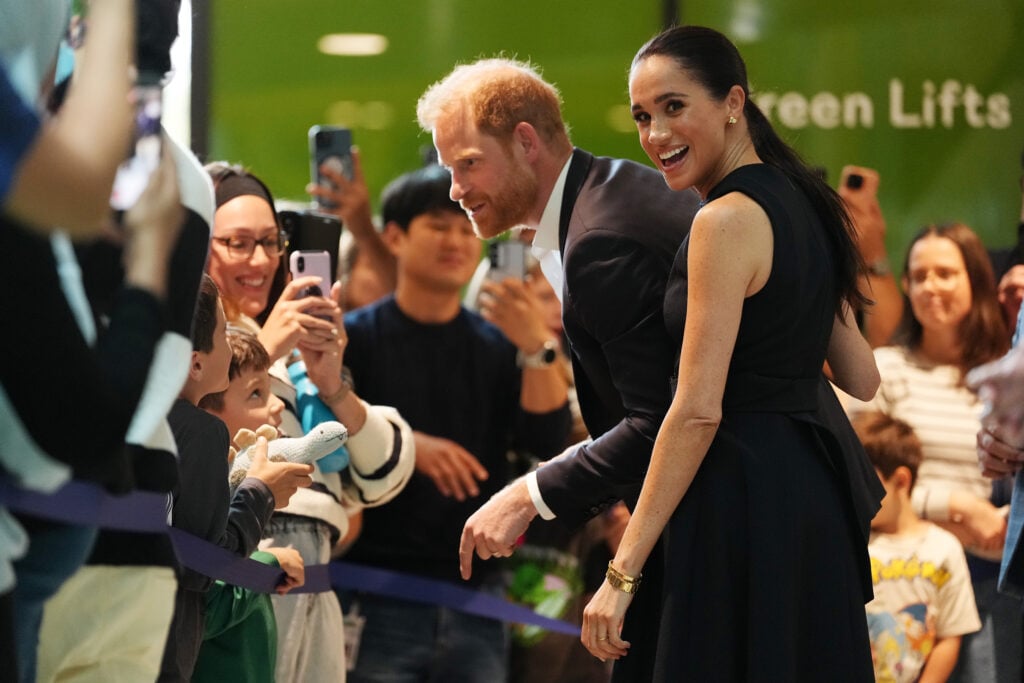
Recenty, Prince Harry and Meghan Markle’s trip to Australia put smiles on the faces of everyone they encountered.
This has put hardcore royalists, who cling to the ailing monarchy and despise the Sussexes for escaping it, into a panic.
A series of weird hit pieces have come out. One in particular calls for Harry to divorce his wife and come crawling back and marry and “English Rose.”
Please do not play a drinking game every time that you encounter a racist dogwhistle. You’d surely perish.
It really feels like hardcore supporters of the royal family — and perhaps the royal firm itself — are crashing out over Harry and Meghan’s popularity.
It’s not that everyone likes them. Some people have no opinion on them whatsoever.
But it seems like the two are very well-liked in every part of the English-speaking world except for one little island. It just happens to be the island on which Harry was born.
Amidst the Sussex pair’s trip Down Under, hit pieces have included weird fanfiction about Queen Elizabeth, weird insinuations that Meghan is greedy or a flake (or both?), and whining about the couple’s daughter’s name.
Another new, deeply weird article wants to “save” Harry from … happiness? Freedom? From the love of his life?
The Spectator‘s William Atkinson, who does not even have the most British name that we’ll mention, argues that “Britain must welcome its wayward prince home.”
In an article that claims to have been initially supportive of Harry and Meghan’s wedding at the time, it doesn’t take long before deeply weird, racist dogwhistles emerge.
“The presence of Oprah Winfrey and an over-enthusiastic American preacher had been a little gauche,” the writer seemingly cannot help but announce.
In the article, Harry’s time serving in the military in Afghanistan was not a praiseworthy act of public service, but something to give a “troubled” prince structure.
The writer also contrasts Harry with another royal from the literal actual 1300s, lamenting that Harry “did not have the delights of conquering the French.” Someone sounding nostalgic for The Hundred Years’ War carries a certain kind of vibe that is unsurprising in such an article.

The article says that, after his military service, “rather than settle down with a Chelsy Davy or a Cressida Bonas, Harry found himself adrift.”
Those are not exaggerated hypothetical British person names, but the names of actual women. Would it surprise you to hear that both of the women in question are white?
Would it surprise you to learn that the author goes on to describe anyone calling out racism as “grievance-mongering,” even if they themselves are on the receiving end of the racism?
One cannot help but get the impression that the issue with Meghan is that she does not sunburn as easily as the “new Sloane or English Rose” that the author urges him to marry.
The other issue, of course, is that she seems to care about Harry’s mental health. The author doesn’t seem to love that Harry himself cares about it, either.
During the article, there is whining that Harry is “still trotting out tired cliches about his mental health.”
The author then spirals, spewing out meaningless claims like: “Harry was a victim of peak woke.”
Bizarrely, the article accuses: “His wife embodies all its worst excesses: the stultifying focus on mental health, a nihilistic desire to tear down institutions, perpetual grievance-mongering around sex and race.”
It’s true that, if someone believes that acknowledging systemic inequality and wanting them to change is bad — the definition of woke — then they probably do not like Meghan.
Yes, she cares about these things. But the tone and diction of the article feel like a big priority would be for Harry’s hypothetical “English Rose” to be lily white. Yikes!
We don’t even point this out to call out this particular writer. Mostly.
As we said, it’s only one of several panicked hitpieces that have emerged in recent weeks as the royals watch Harry and Meghan’s effortless charisma in places where their own visits fell flat.
Prince Harry Urged to Divorce Meghan Markle & Marry ‘Traditional’ (White) … was originally published on The Hollywood Gossip.
The Hollywood Gossip
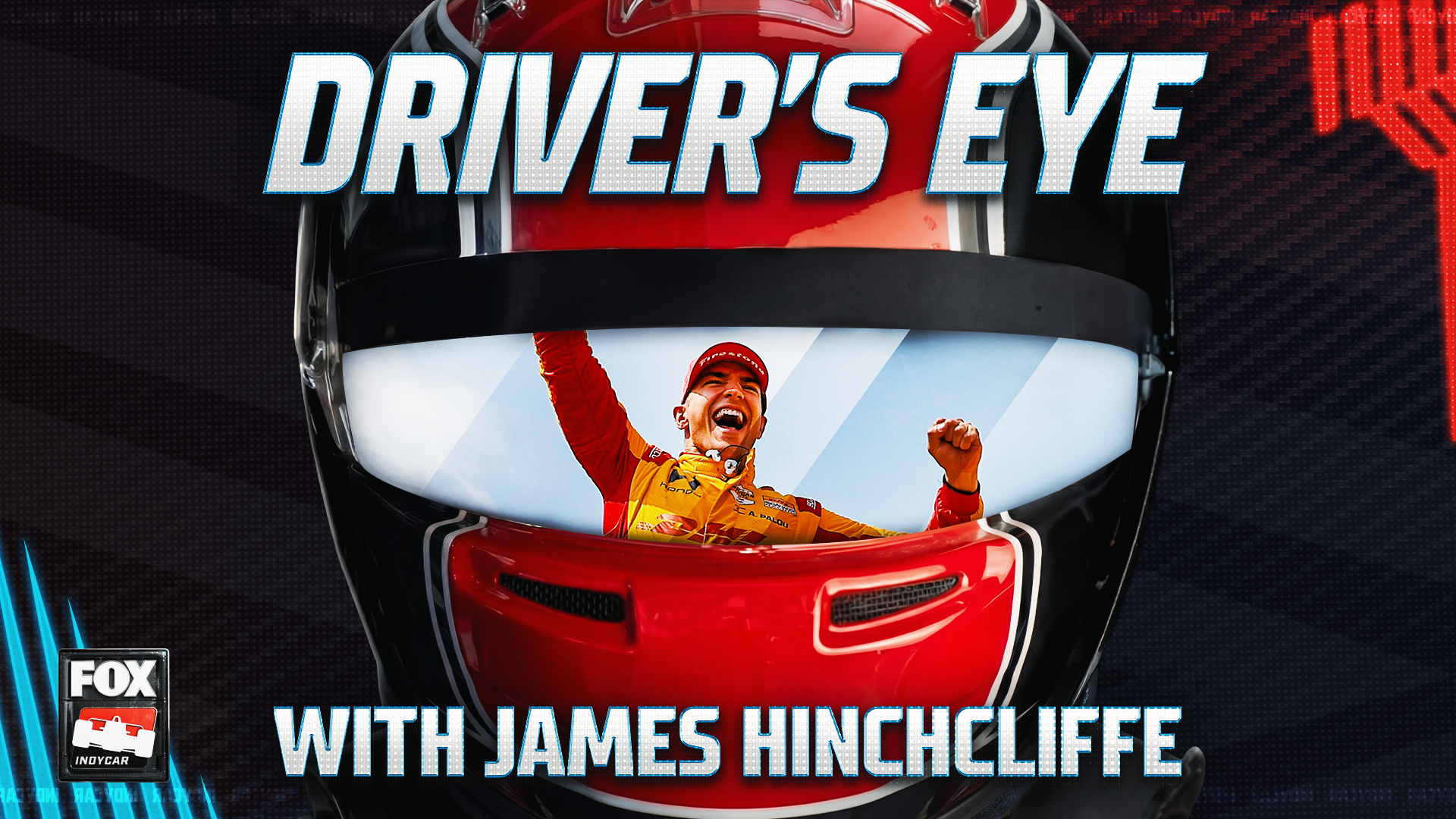
In Driver’s Eye with James Hinchcliffe, the six-time INDYCAR winner will bring you inside the mind of a racer while breaking down the nuts and bolts of the sport for fans. Still riding the joy from a fantastic INDYCAR trip to the West Coast last weekend. The Acura Grand Prix of Long Beach delivered perfect weather, plenty of action and more fans than I can ever remember being at the 1.968-mile, 11-turn street course venue. It had an amazing vibe that makes me wish we could go back and race there again this week, which is a familiar feeling when leaving Long Beach. However, there was another familiar feeling leaving the latest INDYCAR race — and one that surely hasn’t left drivers feeling all warm and fuzzy inside. But it has left them with two choices as they attempt to solve the biggest predicament in the sport this season… HOW DOES ANYONE STOP ALEX PALOU?! You guessed it: Alex Palou and the No. 10 Chip Ganassi Racing team pulled off another victory, adding to the list of tracks in their W column. And they snatched their third win of the season with their trademark combination of blinding speed and perfect execution, once again. At this point, it is genuinely tough to think of another driver that has maintained such a level of dominance over this elite competition. It’s not just the wins; it’s also the consistency (but more on that later!). I remember in the early 2010s, Will Power would be good for four to six wins a season, and each time, I would think, “Man, he got another one!” When he was out front, it was so tough to beat him, and it hurt to lose to him so often. But mixed in with those dominant wins were tough days at the office, so the title was still a down-to-the-wire proposition. Palou and his squad just aren’t having those days. At Long Beach, pole-sitter Felix Rosenqvist had the edge in qualifying and in the first two-thirds of the 90-lap race. But during a pit stop under a full-course caution, Palou & Co. capitalized and emerged ahead by less than a car length. The stop for Rosenqvist and his No. 60 Meyer Shank Racing crew was marginally slower, no massive mistakes, but it was enough to make the difference. For their first pit stop of the race, Palou and Rosenqvist came in together, and it was a straight fight between the No. 10 crew and the No. 60 crew. And in that instance, the MSR team nailed it, and Rosenqvist came out in front by about 1.5 seconds. But on the second stop at Lap 59, a one-second delay in the grand scheme of a nearly two-hour race was the difference. When a driver is so thoroughly dominant for so long, one of two things happens to the rest of the competition. The first choice is accepting the inevitable. You end up thinking, “They are truly unbeatable. There is nothing I can do. I am racing for second place.” When you think like that, he has already beaten you. It becomes a self-fulfilling prophecy. If you see him in your mirror, you assume he is going past. If you pit with him behind you, you expect him to leave in front. And when that’s your attitude, that’s exactly what happens. The other choice is to get mad. Drivers hate to lose as much as they love to win. Use the feeling of getting beat as fuel to do more, push further, train harder. Study the data. Review the video of onboards to find any little thing you can do better. Whatever you have to do to beat the guy. But it can’t just be the driver. This is a team sport, after all, and you need to motivate your whole crew to embrace the anger and frustration of losing to get the best out of themselves. Get so mad at losing that you refuse to let him win. It is certainly easier said than done, but the competition getting better is a lot more likely than Palou slowing down at any point in the near future. The trick is not to spiral. Getting mad should fuel what you do off track, but on track, you need to stay cool and calm. In these situations, when you’re pushing yourself harder than ever, if the results don’t start falling your way, the frustration can get to a point where it lingers in your head while you’re racing, which can lead to going slower and making mistakes. It’s a fine balance and so tough to do. So, how does someone beat Palou? Be perfect. That’s all there is to it. The confidence and momentum the No. 10 team has right now can’t be topped any other way. Palou and his crew are beatable in a straight-up fight. Kyle Kirkwood proved that at the Arlington street course in Texas, but it has to be on a day when not a single mistake is made. Drivers once used to be able to have a small bobble on track or in the pits and maybe still grab the win. But Palou and CGR have raised the bar so high that overcoming a tiny misstep now can be insurmountable. SOUND LIKE AN INDYCAR EXPERT Let’s dive into the championship standings, how points are earned and how they can be used to try catching up to Palou — if you can’t beat him outright. Always remember: Every point counts. There is a famous case illustrating this from late in the 2015 season. Scott Dixon — now in his 25th season with Chip Ganassi Racing — was in a title battle with Juan Pablo Montoya, and the race at Iowa Speedway was a pivotal moment. Montoya crashed out early in the race, and Dixon saw a chance to close in on the title. But he hit mechanical issues in pit lane, and it looked like his day was done. But points could be salvaged. So instead of giving up, Dixon’s team worked on his car, falling dozens of laps down. Eventually, he got back on track, and if anyone else wrecked or had an issue, he and his team could pick up a single position. Sure enough, another driver crashed out, so Dixon moved up one spot on track. He finished 18th — 37 laps behind the leader and dead last among cars still running by the end — but earned one more point than he and his team would have had they parked the car when trouble hit. Fast-forward to the final race of the year, and Dixon and Montoya were tied on points. But Dixon was awarded the title on a tiebreaker — who had more wins — and that single point made the difference, giving the New Zealand driver his fourth (of six total) INDYCAR titles. Now, back to Palou and attempt to beat him on track or catch him in the championship standings. As I have said, the biggest key to his title runs is consistency. Sure, to be the champ, you have to have speed. But if you’re mixing speed with a lot of mistakes and crashes, you won’t be in the title conversation come the last race. Put another way, it’s better to finish fourth than to crash trying to pass a guy for the last podium place and end up with a DNF (did not finish). On a day when your car isn’t fast enough for a top-5 finish, settle for that eighth place and bag the points. One of the important metrics we love to look at is: Who has the best worst finish? A driver may only have one win on the season, but if 12 races in, they have nine top-10 finishes and a worst finish of 12th, that consistency will keep you in the fight. Points start at 50 for a win, then 40 for second, 35 for third. From fourth, at 32 points, it goes down in increments of two until 10th. Then, it’s one point per position to 24th, and 25th and lower get five points. So 50 points for a win, five points for a last-place finish. It’s a big swing. You can also get a bonus point for qualifying on the pole, for leading a lap and two bonus points for leading the most laps. And, again, every point counts. At the end of the day, to be a champion in this series, you need the speed, but you also need the consistency. Alex Palou has both in spades. It’s up to the rest of the field to get mad and start winning. MORE DRIVER’S EYE:Latest Sports News from FOX Sports