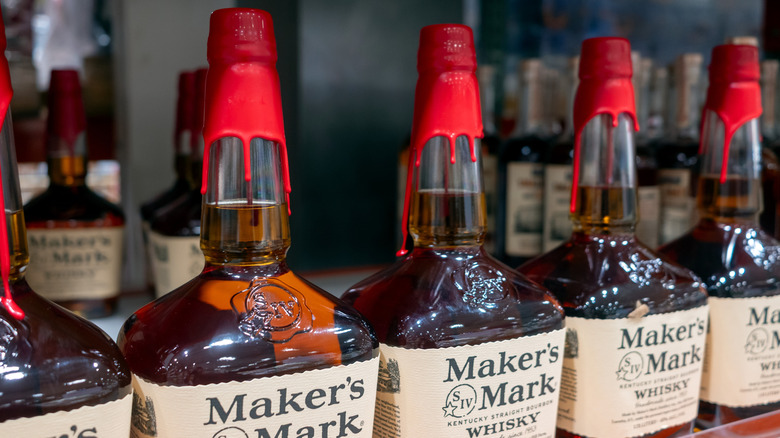
Fans of Maker’s Mark will be interested to learn that the brand is re-releasing a rare whisky from 2025, but when will it hit shelves, and where?
Mashed – Fast Food, Celebrity Chefs, Grocery, Reviews








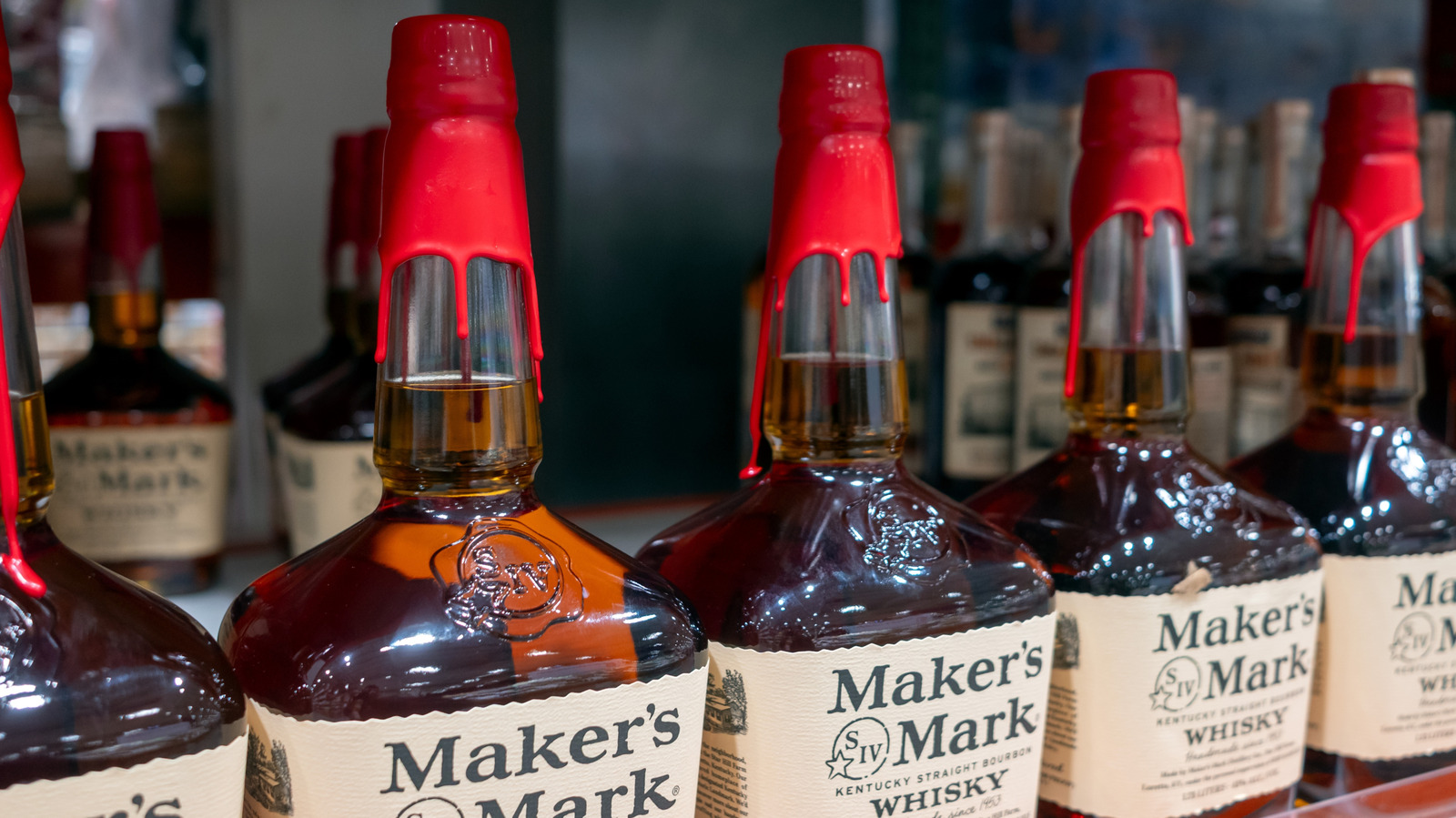
Fans of Maker’s Mark will be interested to learn that the brand is re-releasing a rare whisky from 2025, but when will it hit shelves, and where?
Mashed – Fast Food, Celebrity Chefs, Grocery, Reviews
The recent publication of confidential Supreme Court memoranda by The New York Times has brought to light a pivotal moment in the court’s history. “The birth of the Supreme Court’s shadow docket has long been a mystery,” wrote reporters Jodi Kantor and Adam Liptak. “Until now.”
Originally coined by legal scholar William Baude, the term “shadow docket” refers to the Supreme Court’s emergency docket, which, as Baude wrote, includes “a range of orders and summary decisions that defy its normal procedural regularity.”
That’s law professor-speak for cases that are given abbreviated consideration and accelerated review by the justices, all out of public view – what The New York Times story referred to as the court “sprinting.” These cases aren’t included in the annual list of cases the justices have chosen to consider and that are presented by attorneys in public sessions, called “oral argument,” at the court.
During the second Trump administration, such shadow docket cases have proliferated as President Donald Trump has continued to push boundaries, challenge precedents and expand executive power. These cases have typically involved a request by the presidential administration “to suspend lower court orders” that temporarily block “an administration policy from taking effect,” according to liberal legal advocacy group the Brennan Center for Justice at New York University School of Law.
The lack of transparency in considering and ruling on the shadow docket, combined with the weight of the issues presented to the court via that docket, mean that the practice has come under strong criticism by many court watchers. Here’s how the process works and what you need to know to evaluate it.

The emergency docket is different from the court’s merits docket, which is the customary path for cases to reach the Supreme Court.
Ordinarily, in federal courts, a case begins in a federal district court. An appeal of the decision in the case is made to a federal appeals court. If a party in the case wants to appeal further, they can aim for U.S. Supreme Court review. That requires filing a “petition for writ of certiorari” to the court.
The Supreme Court does not take all the cases for which it has been petitioned. The court holds complete discretion to choose which cases to consider each term and always rejects the vast majority of petitions that it receives. By custom, the court agrees to consider a case if at least four justices vote to grant the writ of certiorari.
For the cases that the court agrees to consider, the parties to that case file briefs – written legal arguments – with the Supreme Court. Third parties can also file briefs with the court to assert their own arguments; these are known as “friend of the court” or amicus curiae briefs.
The justices then read those briefs and hear oral arguments in the case in a public session, during which they can question attorneys for both sides, before they meet and confer. At the end of this conference, the justices vote on the outcome in the case before assigning an author to draft the opinions.
The merits docket – the ordinary process – is methodical. It promotes deliberation and reasoned decision-making resulting in lengthy opinions that explain the justices’ rationale and provide guidance for lower courts in future cases.
On the other hand, the emergency docket is a process whereby the court makes quick decisions without full briefing and deliberation, and it produces orders and rulings that almost always present little to no explanation.
As Baude wrote, “Many of the orders lack the transparency that we have come to appreciate in its merits cases.”
Most of the court’s rulings and orders in cases on the emergency docket go without explanation. On occasion, however, the court produces short opinions that provide some explanation in emergency docket cases, albeit these are often dissents from the justices who disagree with the ruling.
Transparency is important, especially for the Supreme Court, because it builds trust and legitimacy. According to Gallup, as of September 2025, 42% of respondents approve, 52% disapprove and 6% have no opinion of the Supreme Court. A 2025 Pew Research Center poll found that 48% of Americans have a favorable view of the court, down from 70% five years earlier.
As a constitutional law scholar, I’ve written elsewhere that the low approval might be attributable to the court’s undisciplined overruling of landmark cases regarding individual rights, such as the abortion rights case Roe v. Wade. In my view, it is reasonable to conclude that the court’s lack of transparency, specifically with its growing emergency docket, contributes to distrust in the court.
As the late Justice Sandra Day O’Connor stated, “The Court’s power lies … in its legitimacy, a product of substance and perception that shows itself in the people’s acceptance of the Judiciary as fit to determine what the Nation’s law means and to declare what it demands.”
Conversely, a lack of transparency breeds distrust and erodes institutional legitimacy.
The 2016 case at the center of the memoranda published by The New York Times –West Virginia v. EPA – concerned environmental regulation. As the justices’ memoranda illustrate, West Virginia, North Dakota and several energy companies sued the Obama administration over its Clean Power Plan and sought to block the new, transformative regulation from going into effect.
The Clean Power Plan would have required states and energy companies to shift electricity production from higher-emitting to lower-emitting production methods to reduce carbon dioxide emissions.
After losing at the trial court, the states and energy companies filed an emergency appeal to the Supreme Court asking the justices to pause the Obama regulation from going into effect while the parties litigated the case in the lower courts.
This was a highly unusual request because, as Taraleigh Davis at SCOTUSblog confirms, “nobody had previously asked the court to halt such a major executive regulatory action before any appellate court had ruled on it.”
The court granted the unprecedented stay on Feb. 9, 2016, without any explanation as to why it temporarily blocked the Clean Power Plan. It eventually struck down the plan on June 22, 2022.
Defenders of the emergency docket frequently claim that the court’s conduct is permissible because its orders are temporary. In West Virginia v. EPA, the court temporarily blocked the Clean Power Plan from going into effect until it eventually struck it down after hearing the case on its merits docket.
What is overlooked, however, is that even temporary orders from the court can have lasting implications that are difficult, and in some cases impossible, to undo.

Consider the example of one of Trump’s immigration actions.
The administration seeks to terminate the temporary protected status for Haitian nationals, which had shielded them from deportation. But a federal district court temporarily blocked the president from doing so as the litigation continued.
The administration then filed an emergency appeal to the Supreme Court – still pending as of this writing – asking the court to overrule the district court. If granted, the court effectively would allow the administration to revoke TPS for Haitian nationals.
As an amicus brief in the case articulated, if TPS is revoked, Haitians “will be forced to face the untenable options of leaving behind their citizen children and/or partners, bringing family members with them to a country submerged in crisis, violence, and food insecurity, or staying in the U.S. without any legal status or work authorization and facing the constant threat of deportation.”
In other words, if the Supreme Court overrules the district court in this case on its emergency docket, then the Trump administration could deport the Haitian nationals even as their cases challenging the revocation of their TPS continue.
If the Haitian nationals ultimately prevail, reversing their deportation would be exceptionally difficult to do.

Wayne Unger does not work for, consult, own shares in or receive funding from any company or organization that would benefit from this article, and has disclosed no relevant affiliations beyond their academic appointment.
Politics + Society – The Conversation
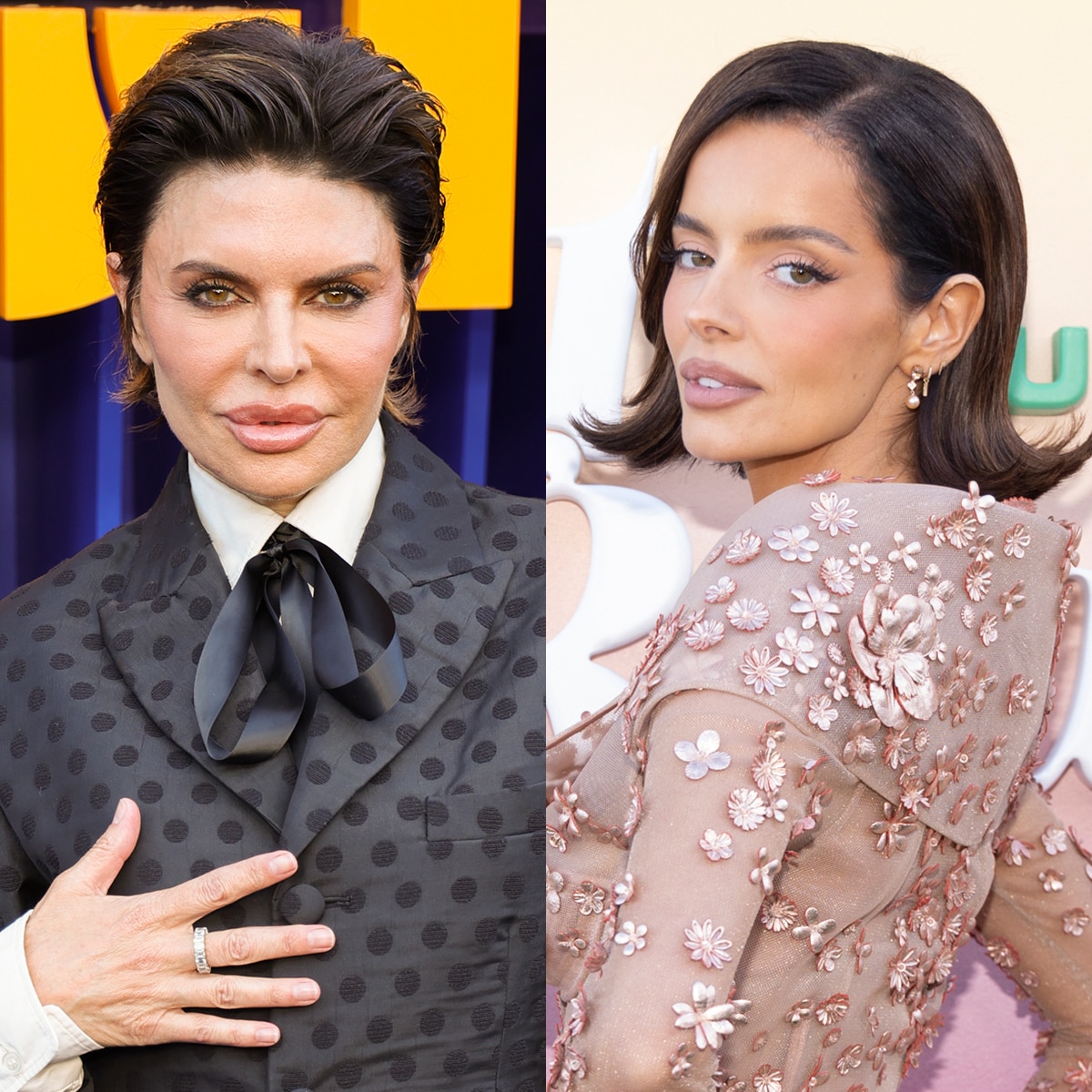
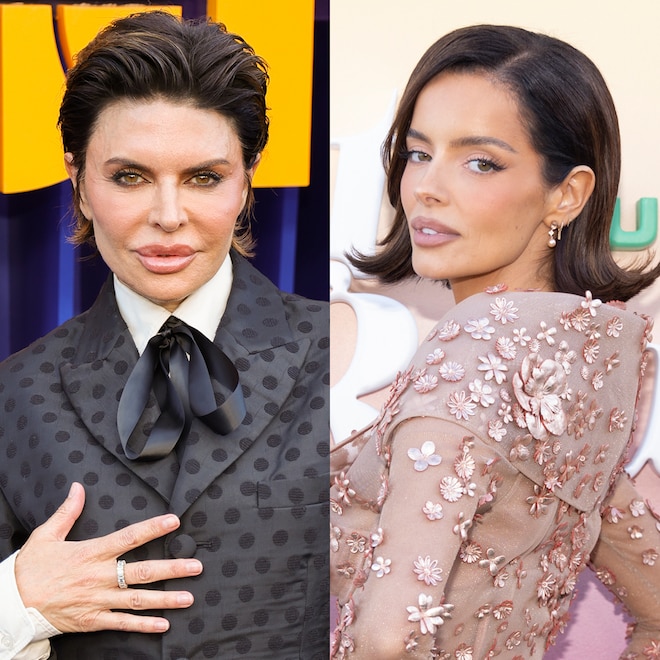 Lisa Rinna is giving Maura Higgins her flowers—or should we say roses?
Following news that the Love Island USA: Aftersun host is joining season 35 of Dancing With the Stars, Lisa revealed she’s…
E! Online (US) – Top Stories
Reading Time: 2 minutes
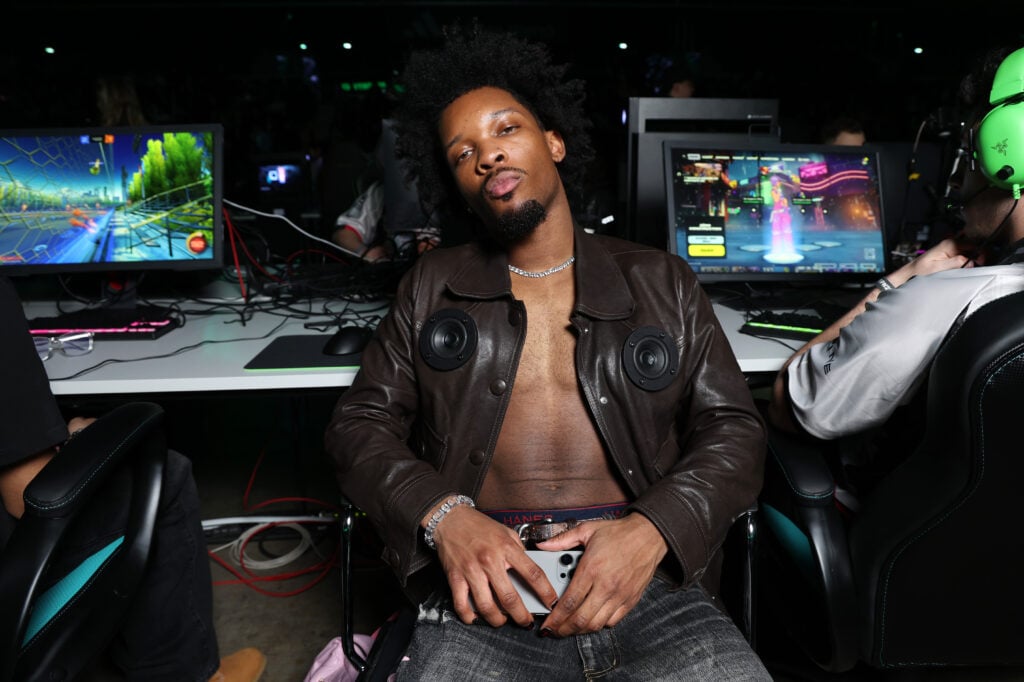
Last week, R&B singer D4vd was arrested in connection with the death Celeste Rivas Hernandez.
On Monday, more than seven months after a body was found in the trunk of his car, D4vd was charged with murdering Rivas Hernandez.
Earlier today, the singer was back in court for a hearing in which both sides presented new information, including a claim from the prosecution that d4vd — whose real name is David Burke — had stored a “significant amount” of child sexual abuse images on his phone.
Prosecutors said today that they have more than 40 terabytes of discovery to turn over to the defense.
Thus far, only about 30 percent of the evidence has been turned over, a fact that is expected to delay the start of the trial.
Currently, D4vd is being held without bail at Twin Towers Correctional Facility in Los Angeles.
According to NBC News, the 21-year-old was “stoic” in the courtroom today.
He spoke only twice, once mumbling “yeah” when the judge asked if he agreed to the date of his next hearing, which is set for Friday, May 1.
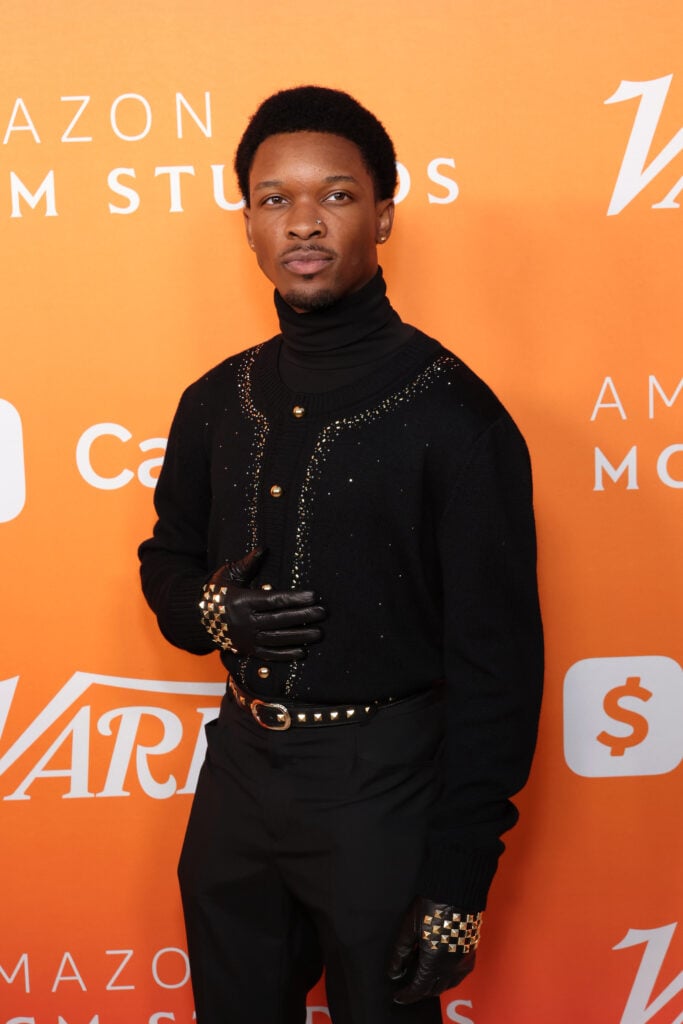
On a second occasion, David said, “Yes, ma’am,” when the judge asked if he understood how his next hearing would be conducted.
Attorneys for Burke claimed that their client is innocent of any wrongdoing, and they announced their intention to “vigorously defend his innocence.”
It is unclear at this time how much of the massive data file recovered from Burke’s devices is believed to be sexual abuse material.
Prosecutors also did not reveal if any of the explicit images were of Rivas.
The 14-year-old disappeared from home in April of last year. Prosecutors allege that Burke murdered her with a sharp object shortly thereafter before dismembering her body and hiding it in the trunk of his Tesla.
The Rivas Hernandez family was not present in court today
“These findings have caused profound emotional pain for the family,” Rivas Hernandez family attorney Patrick Steinfeld said this week.
“They respectfully ask for privacy, understanding, and patience as they process this information.”
We will have further updates on this developing story as new information becomes available.
D4vd: Singer, Accused Murderer Had ‘Significant Amount’ of Child Sex Abuse … was originally published on The Hollywood Gossip.
The Hollywood Gossip
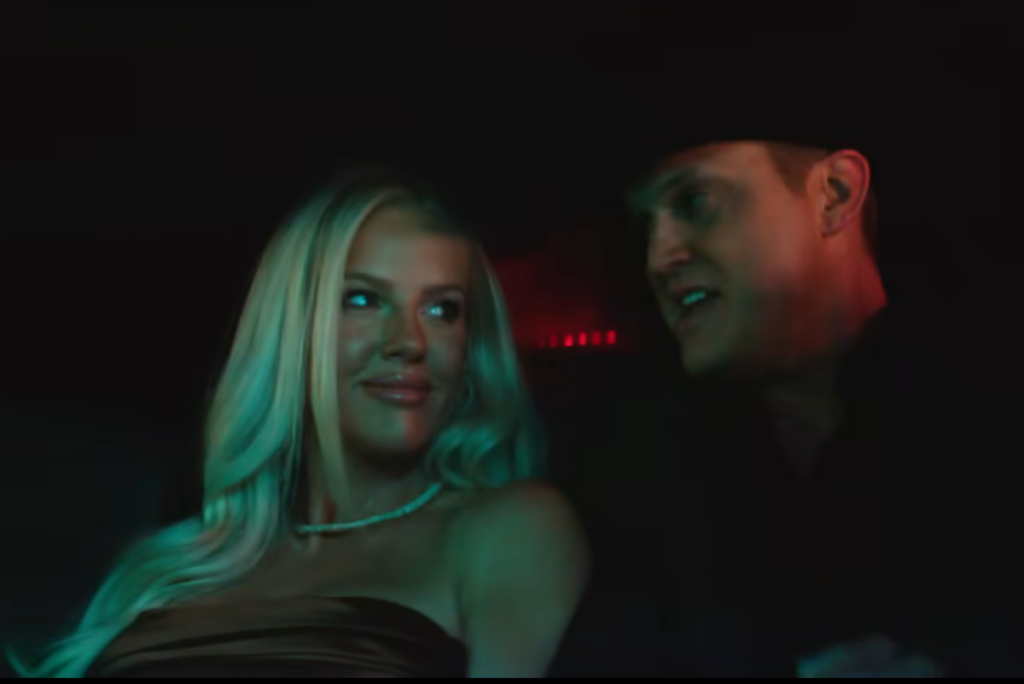
Jon Pardi’s newest single, “Boots Off,” was inspired by a real-life moment with his wife, Summer, so it’s no surprise he cast his longtime love in the recently released music video.
The clip follows the couple on a night out, getting dressed up and hitting the town before the evening quickly turns into a more intimate night back at their hotel.
Throughout the video, fans get a glimpse into their playful dynamic, with moments that include impromptu dancing, cozying up in the back of a limo, and sneaking in a little flirting as they make their way down the hotel hallway. Once back in the room, the chemistry continues as Summer changes into black lingerie, while Jon adds a bit of humor to the scene by channeling Joel Goodsen in Risky Business, famously played by Tom Cruise, and even a little Elvis Presley.
In a recent interview with Country Countdown USA, Jon opened up about the video and having Summer play a part in it.
“That was the good part. We could really be romantic on screen. I wrote it about Summer. We wanted to make it about a romantic night in a nice hotel. So we did it at the Grand Hyatt in Nashville,” he revealed.
Of the video, he admitted it was “just fun” to shoot and added that he wanted to add a bit of “comedy” to the scenes.
“I called my Elvis jumpsuit girls. I always wanted a baby blue one. I made an excuse to get another Elvis jump suit. You get super powers in the jump suit,” he laughed. “Once I put them on, I become Elvis Pardi. You never know when Elvis Pardi’s gonna come out.”
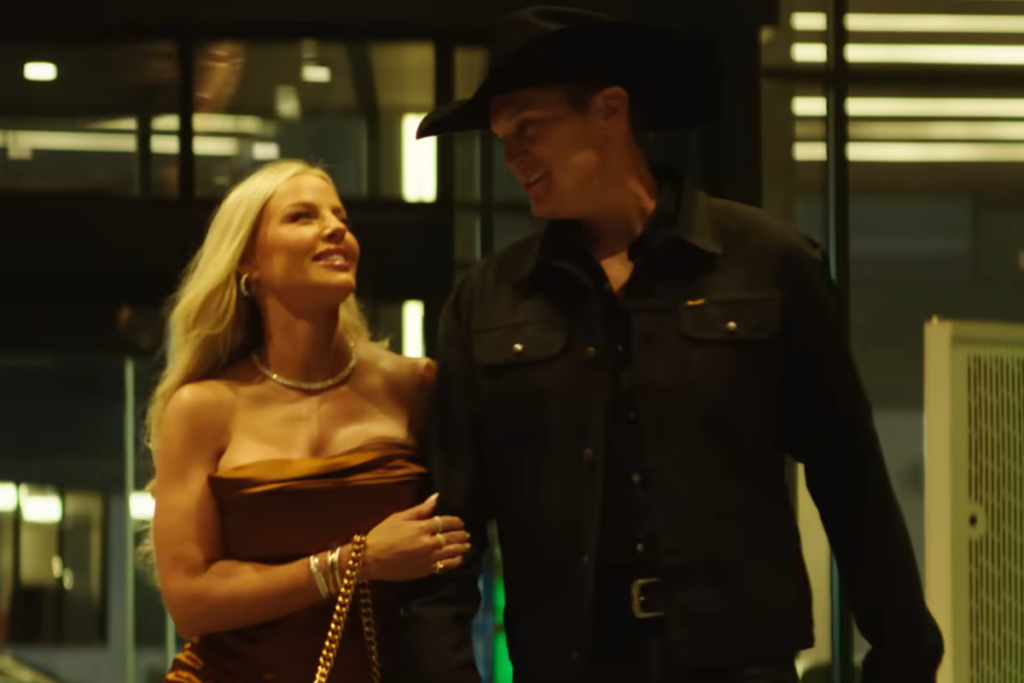
“Boots Off” appears on Jon Pardi’s latest album, HONKYTONK HOLLYWOOD, and was co-written by Pardi alongside Luke Laird and Wyatt McCubbin.
The track was inspired by a real-life moment he shared with his wife, Summer, following one of his shows.
“Boots Off is about, well, you know, kind of self-explanatory, but it’s out of fun night, you know, and it all kind of started when I had trouble getting my boots off, like after a show, you know, get a little sweaty, you got to get them off and you know, you got that sexy wife like Summer and you know, you’re getting ready,” he shared.
The track is currently climbing the country radio charts and has cracked the Top 30.
The post Jon Pardi Casts Wife Summer in Steamy ‘Boots Off’ Music Video appeared first on Country Now.
Country Now
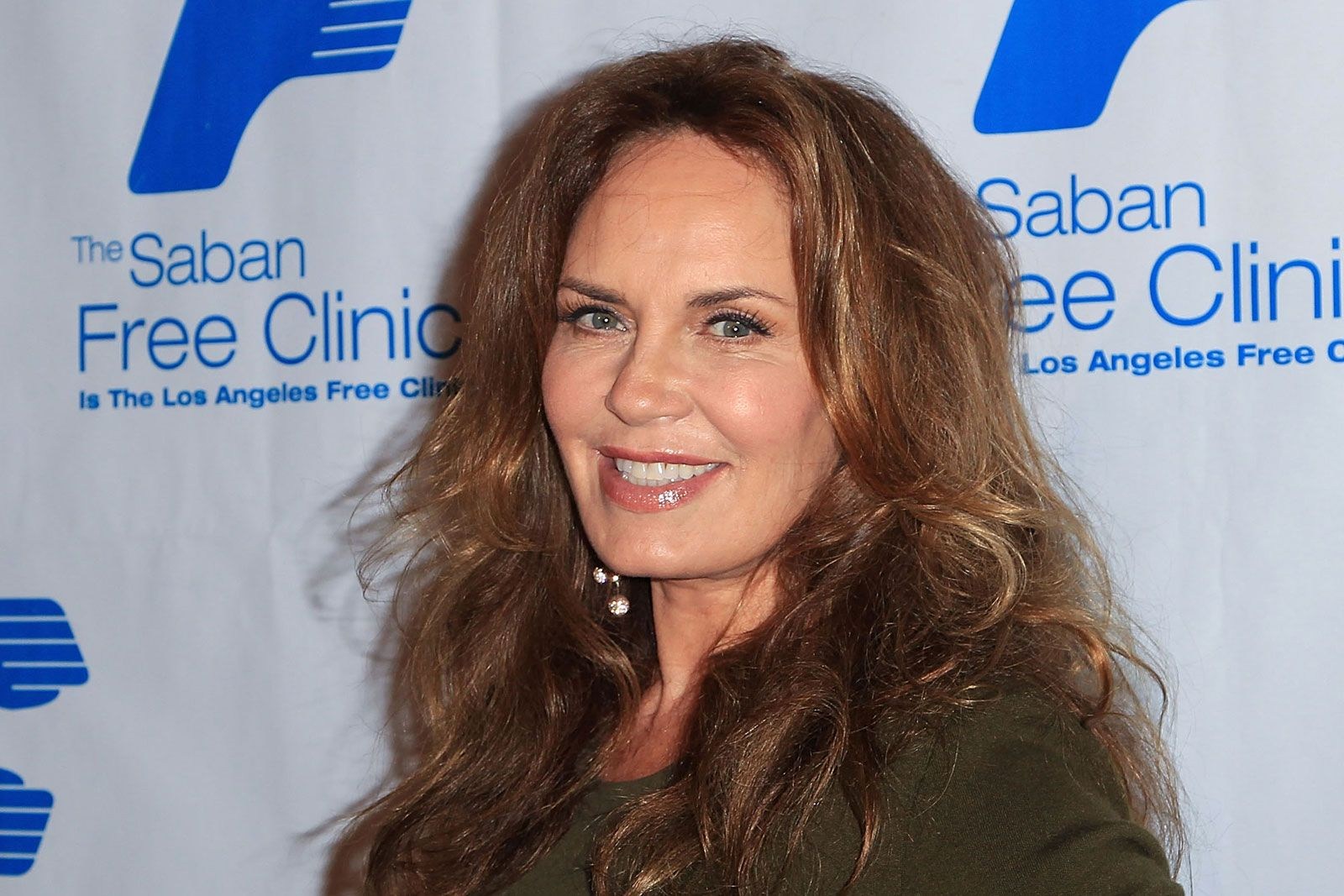
Fans are raving about the new pictures. Continue reading…The Boot – Country Music News, Music Videos and Songs
Fans are raving about the new pictures. Continue reading…Country Music News – Taste of Country
It’s time for all of us to put our pencils down on our previews for the 2026 NFL Draft. After many days, weeks, months and even years of mock drafts, the 2026 draft has arrived. Indiana quarterback Fernando Mendoza will almost certainly hear his name called when the Las Vegas Raiders make the No. 1 overall pick, but after that, it seems like anyone’s guess as to what might happen. What we do know, though, is that all 32 teams have at least one pick in the first two rounds entering draft night. How should every team use those top selections? We determined the top needs for each time, while our draft expert, Rob Rang, mapped out how the first 64 picks should go in his most recent mock draft. So, let’s dive in and share how we think each team should attack the 2026 NFL Draft. Team needs: QB, DL, OL, RB Eric D. Williams: The Cardinals moved on from Kyler Murray. Last year’s starter, Jacoby Brissett, remains on the roster and Arizona signed Gardner Minshew in free agency. However, those two journeymen are considered stop gaps, with most NFL observers believing new head coach Mike LaFleur could be eying Alabama quarterback Ty Simpson as the team’s quarterback of the future with a Day 1 or early Day 2 pick. Although incumbent starter James Conner reworked his contract to stay on the roster and the Cardinals signed Tyler Allgeier in free agency, Arizona still could look to add a player who some consider the best in this year’s draft in Notre Dame running back Jeremiyah Love at No. 3 if they do not trade down. With four straight losing seasons, the Cardinals are in desperate need of some sizzle on their roster. The Cardinals averaged 93 rushing yards a contest last season, which was 31st in the NFL. Mock selection: Jeremiyah Love, RB, Notre Dame (No. 3 overall pick) Draft picks: Round 1: 3Round 2: 34Round 3: 65Round 4: 104Round 5: 143Round 6: 183Round 7: 217 Team needs: LB, WR, OLB Greg Auman: Atlanta gave up its first-round pick last year to get outside linebacker James Pearce, whose off-field issues could create another positional need. Losing linebacker Kaden Elliss to the Saints, Atlanta could use an upgrade in his replacement, like Texas Tech’s Jacob Rodriguez, though the Bucs could grab him two spots earlier in the second round. Receiver depth still needs help, as does the defensive front, ranking in the NFL’s bottom 10 against the run. That starts inside, but they could take an edge if they think Pearce is lost to a significant suspension. Jake Matthews is 34, so if it’s possible to line up a successor at tackle, that would make sense. Mock selection: Christen Miller, DT, Georgia (No. 48 overall pick) Draft picks: Round 2: 48Round 3: 79Round 4: 122Round 6: 215Round 7: 231 Team needs: OL, WR, TE Ben Arthur: The team that Jesse Minter inherited from John Harbaugh is stacked, especially with the return of QB Lamar Jackson and the addition of edge rusher Trey Hendrickson. But the loss of center Tyler Linderbaum is huge and the Ravens need to beef up their offensive line to protect Jackson and power their run game. They could also use more weapons for Jackson, including a No. 2 receiver and a tight end to replace the departed Isaiah Likely. And they’re not looking for developmental players either. They are good enough to make a run at the Super Bowl, so at least in the first few rounds, they need players who can plug holes right now. Mock selection: Kenyon Sadiq, TE, Oregon (No. 14 overall pick) Draft picks: Round 1: 14Round 2: 45Round 3: 80Round 4: 115Round 5: 154, 162, 173, 174 Round 6: 211Round 7: 250, 253 Team needs: Edge, LB, WR, CB Henry McKenna: Often, when a team hires an offensive-minded head coach like Joe Brady, the general manager’s first inclination is to equip that coach with the tools and weapons on that side of the ball. I doubt that’s what’s going to happen for Buffalo in the draft, in part because the Bills already used their second-rounder to get D.J. Moore, one of Brady’s guys from their Carolina days. Instead, this should be a defensive-focused draft from Buffalo to help newcomer, defensive coordinator Jim Leonhard, make the most of a unit that appears sorely lacking in talent. Mock selection: Kayden McDonald, DT, Ohio State (No. 26 overall pick) Draft picks: Round 1: 26Round 3: 91Round 4: 126Round 5: 165, 168Round 6: 182Round 7: 220 Team needs: S, WR, OT Auman: Carolina aggressively upgraded its defensive front by giving huge contracts to edge rusher Jaelan Phillips and linebacker Devin Lloyd. Is finding a starting safety the next step in that effort? That’s the obvious spot on defense, perhaps at 19 with a player like Oregon’s Dillon Thieneman. Tackle is tricky with Ikem Ekwonu sidelined and Rasheed Walker just a one-year stopgap for now. They can do better than Tommy Tremble and Ja’Tavion Sanders at tight end, and as much as they’ve invested at receiver, they had only four pass plays of 40-plus yards last season, showing a need for speed to add to the downfield arsenal. Mock selection: Kadyn Proctor, OL, Alabama (No. 19 overall pick) Draft picks: Round 1: 19Round 2: 51Round 3: 83Round 4: 119Round 5: 158, 159Round 6: 200 Team needs: S, Edge, C, OT McKenna: Last year, the Bears got the right players in place for coach Ben Johnson and quarterback Caleb Williams to thrive. I think we’ll see those guys continue to trend upward, particularly if general manager Ryan Poles can find offensive line depth in the draft. But the primary focus for this year’s draft will likely be to get the right players — talents that fit defensive coordinator Dennis Allen’s scheme. That’s where the emphasis will land for Poles in Year 2 of this new era. Mock selection: Blake Miller, OT, Clemson (No. 25 overall pick) Draft picks: Round 1: 25Round 2: 57, 60Round 3: 89Round 4: 129Round 7: 239, 241 Team needs: DL, DB, WR Arthur: The Bengals traded for three-time Pro Bowl defensive tackle Dexter Lawrence, but that shouldn’t preclude them from adding to the D-line. They have four defensive tackles who are at least 28 years old near the top of the depth chart, while they’re also lacking a true No. 1 edge rusher. The secondary should be addressed, too. At safety, Jordan Battle is set to be an unrestricted free agent next offseason and veteran Bryan Cook has no guaranteed salary after 2026. The Bengals could also use a Day 1 starter at nickel and must be cognizant of their future at outside cornerback, where both Dax Hill and DJ Turner are set to hit free agency in 2027. At wide receiver, Andrei Iosivas is entering the last year of his rookie contract. With two players at the position making big money (Ja’Marr Chase, Tee Higgins), Cincinnati could be eyeing a WR3 for 2027 and beyond. Mock selection: Avieon Terrell, CB, Clemson (No. 41 overall pick) Draft picks: Round 2: 41Round 3: 72Round 4: 110Round 6: 189, 199Round 7: 221, 226 Team needs: OT, QB, WR, Edge McKenna: It’s a sad situation in Cleveland where they need good players at every one of the premium positions, where it’s hardest to get good players. Quarterback might be a need, but they aren’t likely to address it. They should focus on hitting every premium position that’s not QB in hopes that when their selection rolls around in 2027, they can draft a young signal-caller and support him in ways that they haven’t done (sustainably) since Bernie Kosar. Mock selection: Spencer Fano, OT, Utah (No. 6 overall pick), Denzel Boston, WR, Washington (No. 24 overall pick) Draft picks: Round 1: 6, 24Round 2: 39Round 3: 70Round 4: 107Round 5: 146, 149Round 6: 206Round 7: 248 Team needs: Edge, LB, CB Arthur: The Cowboys had the league’s worst scoring defense last season (30.1 points allowed per game), so they need help everywhere for a unit that brings in a first-time coordinator in Christian Parker. Dallas traded for Rashan Gary in March, but it still needs a true No. 1 edge rusher. At cornerback, there are injury concerns with DaRon Bland and second-year pro Shavon Revel Jr., while veteran acquisition Cobie Durant didn’t receive starter money in free agency. The Cowboys’ off-ball linebacker spot is also very thin. DeMarvion Overshown, who missed 15 games over the last season, is a projected starter alongside 2025 fifth-rounder Shemar James. Mock selection: Rueben Bain, Edge, Miami (Fla.) (No. 12 overall pick), Colton Hood, CB, Tennessee (No. 20 overall pick) Draft picks: Round 1: 12, 20Round 3: 92Round 4: 112Round 5: 152, 177, 180Round 7: 218 Team needs: LB, TE, DL Auman: Denver lost its first- and third-round picks in acquiring receiver Jaylen Waddle from the Dolphins, and three of their seven picks are in the final 12 picks overall, so there’s less to work with than any other team in the league. Alex Singleton is 32, so addressing linebacker could be a priority for their lone top-100 pick. Evan Engram has two touchdowns total in the last two years, so a mid-round tight end would be smart. Defensive tackle John Franklin-Myers got $21 million a year from the Titans, so putting one of those fourth-rounders to bolster the interior defensive front is a must. Mock selection: Max Klare, TE, Ohio State (No. 62 overall pick) Draft picks: Round 2: 62Round 4: 108, 111Round 5: 170Round 7: 246, 256, 257 Team needs: OL, Edge, CB Arthur: Priority No. 1 for the Lions should be remaking their offensive line. They need a new left tackle following Taylor Deck’s release, and the interior offensive line — particularly left guard and center — could use depth. All-Pro tackle Penei Sewell is an option to flip to the left side, but Detroit would need to find a reliable replacement at right tackle. Defensively, the Lions need a No. 2 edge rusher to pair with Pro Bowler Aidan Hutchinson — veteran Al-Quadin Muhammad (11 sacks in 2025) departed in free agency — and insurance at cornerback, where starters Terrion Arnold and D.J. Reed missed a combined 15 games last season. Mock selection: Monroe Freeling, OT, Georgia (No. 17 overall pick) Draft picks: Round 1: 17 Round 2: 50Round 4: 118, 128Round 5: 157, 181Round 6: 205, 213Round 7: 222 Team needs: Edge, CB, OL, DT McKenna: The Packers have a well-built roster, with a few Achilles heels. So it will be interesting to see whether they draft to plug the obvious holes. They traded away Rashan Gary, which opened up a starting spot on their defensive line. It also wouldn’t hurt to snag a starting-caliber CB. However, given that their first selection falls in the second round, I’m not sure they’ll be able to find an immediate starter at either spot in this year’s draft. Mock selection: Jermod McCoy, CB, Tennessee (No. 52 overall pick) Draft picks: Round 2: 52Round 3: 84Round 4: 120Round 5: 153, 160Round 6: 201Round 7: 236, 255 Team needs: G, DT, OLB Auman: Few NFL offensive lines have undergone — or needed — more overhaul than Houston’s in the last two years, and that’s an ongoing process. The Texans have four picks in the top 70, thanks to deals last year for Laremy Tunsil and when the Giants moved up for Jaxson Dart. At 28, they might be able to get the second guard off the board, and as much as they’ve committed financially to Will Anderson Jr. and Danielle Hunter, they can still add young depth so they don’t have to play their elite edges too much. Defensive tackle would be smart for the 38th pick, keeping the defensive interior strong. Lots of assets for a team already loaded with talent, so it’s possible they try to land some 2027 draft capital as well. Mock selection: Keylan Rutledge, OL, Georgia Tech (No. 28 overall pick) Draft picks: Round 1: 28Round 2: 38, 59Round 3: 69Round 4: 106Round 5: 141, 167Round 7: 243 Team needs: Edge, LB, S, WR, OT Arthur: The Colts need a three-down edge rusher that can be paired with Laiatu Latu, a need that only became reinforced with Kwity Paye’s departure in free agency. Lou Anarumo’s defense is also very thin at linebacker — Akeem Davis-Gaither and Austin Ajiake are currently the projected starters — and needs a safety replacement for Nick Cross, who signed with the Commanders in free agency. At wide receiver, not only is there a hole after trading Michael Pittman Jr., but general manager Chris Ballard revealed this week that new No. 1 option Alec Pierce could miss three months because of ankle surgery. Indy could also use a third offensive tackle behind Bernhard Raimann and Jalen Travis following Braden Smith’s departure in free agency. Mock selection: Jacob Rodriguez, LB, Texas Tech (No. 47 overall) Draft picks: Round 2: 47Round 3: 78Round 4: 113Round 5: 156Round 6: 214Round 7: 249, 254 Team needs: OLB, DT, TE Auman: Jacksonville gave up its first-round pick to the Browns in moving up from 5 to 2 to get corner Travis Hunter in last year’s draft. They do have four picks between 56 and 100, including two extra third-rounders gained in trading down during last year’s third round. With 11 overall picks, some consolidation (moving up) would make sense – they lack depth at edge behind two well-paid starters in Travon Walker and Josh Hines-Allen, and could use help on the interior even after acquiring Ruke Orhorhoro from Atlanta. An inside linebacker to challenge Ventrell Miller would be smart after losing Devin Lloyd in free agency, as well as a second tight end to pair with Brenton Strange. Mock selection: Gennings Dunker, G, Iowa (No. 56 overall pick) Draft picks: Round 2: 56Round 3: 81, 88, 100Round 4: 124Round 5: 164, 166Round 6: 203Round 7: 233, 240, 245 Team needs: CB, Edge, OT, WR McKenna: It’s weird to see the Chiefs picking in the top 10 — and twice in the first round. But it’s a good thing for KC, which has seen its talent depth erode steadily over the last few years. Their secondary seems lacking in high-end starting talent, particularly after trading away Trent McDuffie. And then their offense was brutal last year, as they continue investing in receiver and tackle while getting disappointing returns. Mock selection: Mansoor Delane, CB, LSU (No. 9 overall pick), Akheem Mesidor, DL, Miami (Fla.) (No. 29 overall pick) Draft picks: Round 1: 9, 29Round 2: 40Round 3: 74Round 4: 109Round 5: 148, 169, 176Round 6: 210 Team needs: QB, WR, DL, DB Williams: The Raiders will draft Fernando Mendoza with the first overall pick, solving their need for a long-term answer at quarterback. General manager John Spytek also improved the roster in free agency, with the addition of a mentor for Mendoza in veteran quarterback Kirk Cousins, center Tyler Linderbaum, receiver Jalon Nailor and linebackers Quay Walker and Nakobe Dean. However, the Raiders had a handful of receivers in for pre-draft visits and could be looking to add another playmaker on the perimeter for Mendoza through the draft. Las Vegas kept one of the top pass rushers in the game after the Baltimore Ravens rescinded the Maxx Crosby trade, but the Raiders need an interior defensive lineman to help push the pocket and stop the run. Along with that, new defensive coordinator Rob Leonard could use a couple more athletic bodies in the secondary. Mock selection: Fernando Mendoza, QB, Indiana (No. 1 overall pick) Draft picks: Round 1: 1Round 2: 36Round 3: 67Round 4: 102, 117, 134Round 5: 175Round 6: 185, 208Round 7: 219 Team needs: OL, DL, CB, WR Williams: Chargers general manager Joe Hortiz says protecting Justin Herbert is the team’s top priority this offseason after the Oregon product took the most hits of any quarterback last season. The Chargers addressed that issue by bringing in new offensive coordinator Mike McDaniel, along with signing center Tyler Biadasz, offensive guard Cole Strange, tight end Charlie Kolar and fullback Alec Ingold in free agency. Hortiz expects to continue that effort by drafting an interior offensive lineman early to pair with bookend offensive Rashawn Slater and Joe Alt returning from season-ending leg injuries. The Chargers also could use another playmaker on the perimeter, along with defensive help at edge rusher and cornerback, to help new defensive coordinator Chris O’Leary. He replaces defensive guru Jesse Minter, who left to take the head coaching job with the Baltimore Ravens. Mock selection: Chris Johnson, CB, San Diego State (No. 22 overall pick) Draft picks: Round 1: 22Round 2: 55Round 3: 86Round 4: 123Round 6: 204 Team needs: WR, OL, LB Williams: The Rams have not been this high up in the draft since selecting Jared Goff No. 1 overall in the 2016 draft. Los Angeles already made big moves this offseason, trading the team’s other first-round pick to the Kansas City Chiefs for cornerback Trent McDuffie and signing his teammate Jaylen Watson to a lucrative deal in free agency. The Rams also were close to consummating a trade with the Philadelphia Eagles for A.J. Brown, so head coach Sean McVay taking a receiver early makes sense. The Rams could also add depth up front on the offensive and defensive lines, along with an athletic linebacker for this team looking to return to the Super Bowl, hosted in their home facility at SoFi Stadium this season. Mock selection: KC Concepcion, WR, Texas A&M (No. 13 overall pick) Draft picks: Round 1: 13Round 2: 61Round 3: 93Round 6: 207Round 7: 232, 251, 252 Team needs: WR, CB, OLB Auman: Miami has seven picks in the top 100, but there are glaring needs from veterans jettisoned for those bonus picks in the past year. New coach, new GM, and a chance to start rebranding the franchise. Losing Jaylen Waddle (and not re-signing Tyreek Hill) makes receiver a strong need and a good match at No. 11 overall. Losing Jaelan Phillips and Bradley Chubb makes edge a priority as well. Can you name a starting Dolphins defensive back? Putting multiple second-day picks into the secondary will help as well, with the back end getting completely retooled. There’s much work to be done for Jeff Hafley’s first season, but the draft can be a huge first step in the right direction. Mock selection: Jordyn Tyson, WR, Arizona State (No. 11 overall pick), Treydan Dukes, DB, Arizona (No. 30 overall pick) Draft picks: Round 1: 11, 30Round 2: 43Round 3: 75, 87, 90, 94Round 4: 130Round 5: 151Round 7: 227, 238 Team needs: C, S, WR, Edge, TE, OT Arthur: Ryan Kelly’s retirement leaves Minnesota with a hole at center. Elsewhere on offense, the Vikings need a new WR3 — Jalen Nailor signed with the Raiders — and tight end and offensive tackle are worthy of taking a long-term outlook. TJ Hockenson is entering the year of his deal, while insurance is needed behind left tackle Christian Darrisaw (injury concerns) and right tackle Brian O’Neill (entering the last year of his contract). Harrison Smith hasn’t decided if he’s returning yet, but even if he does, he’ll be 37 and the Vikings will need a young, starting-caliber safety for Brian Flores’ defense. Edge becomes a need if veteran Jonathan Greenard gets traded. Mock selection: Dillon Thieneman, S, Oregon (No. 18 overall pick) Draft picks: Round 1: 18Round 2: 49Round 3: 82, 97Round 5: 163Round 6: 196Round 7: 234, 235, 244 Team needs: Edge, LB, TE, OT McKenna: The Patriots still need help rushing the passer — and all over their front seven. Injuries depleted their defense last year, and they weren’t deep enough to deal with injuries to Harold Landry and Robert Spillane. So it would help to get younger there. But Drake Maye began to regress in the Patriots’ playoff run, and New England would be smart to give him more support — maybe with a young tackle or with a tight end (or both). Mock selection: Max Iheanachor, OT, Arizona State (No. 31 overall pick) Draft picks: Round 1: 31Round 2: 63Round 3: 95Round 4: 125, 131Round 5: 171Round 6: 191, 198, 202, 212Round 7: 247 Team needs: WR, edge, CB Auman: The Saints finished 2025 with four wins in their last five games, and despite the positivity surrounding QB Tyler Shough, there are still needs on both sides of the ball. Finding a solid receiver to complement Chris Olave is a must, and they’re well-positioned at No. 8 to perhaps get the second receiver off the board. They’ve struggled to draft an edge rusher despite multiple high-round picks, and the secondary needs replenishing after losing Alontae Taylor in free agency. Two picks were acquired from Seattle for wide receiver Rashid Shaheed, so a second receiver with an eye on returns wouldn’t be a bad idea. Mock selection: Carnell Tate, WR, Ohio State (No. 8 overall pick) Draft picks: Round 1: 8Round 2: 42Round 3: 73Round 4: 132, 136Round 5: 150, 172Round 6: 190 Team needs: DB, DT, G, WR Vacchiano: The Giants have a lot of holes to plug, particularly on a defense that was bad before they traded away defensive tackle Dexter Lawrence. John Harbaugh believes he can make his new team competitive, and maybe a contender, if he can get some playmakers on that side of the ball. And really, they can pick any position except edge rusher, where they have plenty of depth. They’re in better shape on offense, but they always need offensive line help, and maybe a second receiver. With two top-10 picks and three in the top 40, they’re in position to get a lot of instant help. Mock selection: Caleb Downs, S, Ohio State (No. 5 overall pick), Francis Mauigoa, OL, Miami (Fla.) (No. 10 overall pick) Draft picks: Round 1: 5, 10Round 2: 37Round 4: 105Round 5: 145Round 6: 186, 192, 193 Team needs: QB, WR, Edge Vacchiano: What don’t the Jets need, really? With their best defensive players traded away, they’re thin at every position except maybe running back and tackle. They did a nice job of re-stocking their defense in free agency, so outside of an edge rusher (which they’ll likely get at No. 2), they can focus their attention on offense. What they really need is a quarterback, but it’s unlikely they’ll get more than a developmental one on Day 3. For now, their focus will be on a starting receiver for their offense and that edge rusher. After that, it’s wide open because every pick will fill some sort of hole. Mock selection: David Bailey, Edge, Texas Tech (No. 2 overall pick), Keldric Faulk, DL, Auburn (No. 16 overall pick) Draft picks: Round 1: 2, 16Round 2: 33, 44Round 4: 103, 140Round 5: 179Round 7: 228, 242 Team needs: Edge, OL, TE Vacchiano: Despite their disappointing season, the Eagles are still loaded for a Super Bowl run. They just need to get back to what got them to the Super Bowl in two of the last four years — dominance in the trenches. They need more strength on the offensive line, particularly on the interior. And they need an edge rusher to replace the departed Jaelen Phillips. Filling those two needs makes them an instant championship contender. One other thing to watch, though: If they trade A.J. Brown — and they might — receiver will become a sneaky need, though a tight end to eventually replace the aging Dallas Goedert is a bigger priority. Mock selection: Emmanuel McNeil-Warren, S, Toledo (No. 23 overall pick) Draft picks: Round 1: 23Round 2: 54Round 3: 68, 98Round 4: 114, 137Round 5: 178Round 6: 197 Team needs: QB, WR, G, S Vacchiano: Assuming 42-year-old Aaron Rodgers eventually decides to play, then the Steelers have a quarterback for this season, but they still don’t have one for the future. Unfortunately for them, that likely will have to wait until 2027. For now, they need to get Rodgers another weapon to join DK Metcalf and Michael Pittman Jr. in Mike McCarthy’s pass-heavy offense. They could use interior offensive line help to keep Rodgers protected too. They need players who are ready to play, at least from the first three rounds, because with a quarterback that old, they’re not building for the future yet. They’re trying to make one more playoff, and maybe even a championship run. Mock selection: Makai Lemon, WR, USC (No. 23 overall pick) Draft picks: Round 1: 21Round 2: 53Round 3: 76, 85, 99Round 4: 121, 135Round 5: 161Round 6: 216Round 7: 224, 230, 237 Team needs: WR, DE, S, OL Williams: The 49ers added veteran pass catchers in Mike Evans and Christian Kirk in free agency, but could use a young receiver to groom as a big-bodied, long-term target on the perimeter for Brock Purdy. San Francisco also needs an eventual replacement at left tackle for Trent Williams, who turns 38 in July. Defensively, new defensive coordinator Raheem Morris could use some pass rush help up front, with Nick Bosa and last year’s first-round pick Mykel Williams recovering from season-ending knee injuries. Along with edge rusher, San Francisco could use a playmaking safety to upgrade the defensive secondary. Mock selection: Malachi Lawrence, Edge, UCF (No. 27 overall pick) Draft picks: Round 1: 27Round 2: 58Round 4: 127, 133, 138, 139 Team needs: CB, RB, DE, OL Williams: The defending champs lost Super Bowl MVP Kenneth Walker III to the Chiefs in free agency. And while they signed former Green Bay Packer running back Emanuel Wilson in free agency and have starter Zach Charbonnet returning from a season-ending knee injury, the Seahawks would like to add another dynamic playmaker early in the draft to the running back room. With defensive backs Riq Woolen and Coby Bryant also departing in free agency, adding reinforcements to the secondary should be a priority for general manager John Schneider. Finally, head coach Mike Macdonald could always use another pass rusher, so expect Seattle to scour the draft for a pass rush specialist. Mock selection: Jadarian Price, RB, Notre Dame (No. 32 overall pick) Draft picks: Round 1: 32Round 2: 64Round 3: 96Round 6: 188 Team needs: OLB, LB, TE Auman: Tampa Bay’s draft is just their original seven picks, with nary a trade, though it’s very possible that changes if they trade down from 15, not seeing an obvious match at edge or linebacker. Those two are the most glaring positional needs, and positions they’ve struggled to draft in recent years. Losing Mike Evans on offense is tough, but they used their top pick last year on Emeka Egbuka, so a pass-catching tight end is the more likely offensive replacement, perhaps on the second day of the draft. They invested in Zyon McCollum and Benjamin Morrison at corner, but if they’re unsure of either, they could put another high pick into an outside corner. Mock selection: Olaivavega “Vega” Ioane, OG, Penn State (No. 15 overall pick) Draft picks: Round 1: 15Round 2: 46Round 3: 77Round 4: 116Round 5: 155Round 6: 195Round 7: 229 Team needs: C, G, Edge, WR, ILB, S Arthur: The Titans have invested heavily in the defensive line this offseason (John Franklin-Myers, Jermaine Johnson), but they’re still a piece away on the edge for Robert Saleh’s defense. The linebacker and safety spots could use more talent and depth as well. But apart from edge rusher, Tennessee’s biggest priority should be supporting Cam Ward. The team needs starting-caliber talent at both center and right guard, while an early-round receiver would round out the pass-catching group. Mock selection: Arvell Reese, Edge, Ohio State (No. 4 overall pick) Draft picks: Round 1: 4Round 2: 35Round 3: 66Round 4: 101Round 5: 142, 144Round 6: 184, 194Round 7: 225 Team needs: WR, CB, C Vacchiano: They are expecting instant improvement this season with a healthy Jayden Daniels, and that seems likely to happen. But it sure would be easier if they got him someone other than Terry McLaurin to catch his passes. McLaurin is incredibly reliable, but he’ll be 31 in September and coming off injuries. The Commanders really have no one else he can count on, especially with Deebo Samuel gone. They also really need someone to snap Daniels the ball, which is why they made an offseason run at free-agent center Tyler Linderbaum after letting their old center go. They have a hole at corner, too, and an edge rusher wouldn’t hurt. They also only have six draft picks this year and just two in the first two days. They’ll really have to prioritize what holes they fill. Mock selection: Sonny Styles, LB, Ohio State (No. 7 overall pick) Draft picks: Round 1: 7Round 3: 71Round 5: 147Round 6: 187, 209Round 7: 223Latest Sports News from FOX Sports

Voters at Anchorage City Hall wait in line to cast their ballots on Nov. 4, 2024, the day before Election Day. City Hall, in downtown Anchorage, was one of the designated early voting sites in the state’s largest city. (Photo by Yereth Rosen/Alaska Beacon)
A group of state and national civil rights groups has filed a lawsuit against the Alaska Division of Elections challenging the decision to share Alaska’s voter rolls with the U.S. Department of Justice as unconstitutional.
The lawsuit filed on Wednesday charges the division with violating the right to privacy enshrined in the Alaska Constitution when officials complied with a Department of Justice’s request and turned over a copy of Alaska’s voter rolls, as well as signed a memorandum of understanding agreeing to remove voters the federal government identifies as ineligible.
The lawsuit names Lieutenant Gov. Nancy Dahlstrom and Carol Beecher, director of the Division of Elections, in their official state capacities.
Alaska is one of 12 states that has complied or said it will comply with the DOJ demand issued last July. In August, Alaska shared a copy of voter rolls including previously confidential information — voters’ full names, dates of birth, residential addresses and drivers’ license numbers or partial social security numbers.
The Alaska Beacon first reported on the state signing the agreement in February. The news prompted public alarm and debate around confidentiality of voter information, purpose of collecting voter data, and federal overreach in state elections. Lawmakers questioned state elections officials in legislative hearings.
The lawsuit is filed in Anchorage Superior Court and brought by the League of Women Voters of Alaska, and the Alaska Black Caucus, non-profit membership voting and civil rights organizations. They are represented by the ACLU of Alaska, the ACLU national chapter, the Voting Rights Project and Electronic Privacy Information Center.
“The right to vote and our right to privacy are two core values held dear by Alaskans,” said Eric Glatt, legal director for the ACLU of Alaska, in a statement announcing the lawsuit. “Rather than fiercely defending the rights of Alaska’s voters, our Division of Elections acceded to federal overreach. Now, we are asking the court to step in and ensure that DOE upholds its constitutional and legal obligations to Alaskans.”
The lawsuit highlights that the Department of Justice is sharing voter information with the U.S. Department of Homeland Security to search for noncitizens and to compile a national database.The lawsuit alleges that is in order to “conduct criminal and immigration investigations.”
Plaintiffs argue the state’s agreement to remove voters the federal government has found to be ineligible and resubmit an updated list to DOJ within 45 days violates constitutional due process rights. They argue that “by giving DOJ the power to select which Alaskans have the right to vote and by obligating Defendants to purge voters from the voter list without any stated basis in law or process to challenge such an action.”
A spokesperson with the Alaska Department of Law, Sam Curtis, said the department had not yet been served, and so he declined to comment on its specific claims on Wednesday. Curtis said the issue has been addressed in public hearings and the state’s cooperation with the federal government complies with federal and state laws, in particular those allowing the state to share confidential information “for authorized government purposes.”
In a Mar. 19 letter to members of the Legislature by Alaska Attorney General Designee Stephen Cox defended the state’s decision, saying the disclosure was authorized under the National Voter Registration Act and other state elections laws to permit sharing otherwise confidential voter information.
“The memorandum of understanding (“MOU”) with DOJ limits the use of the information to federal voting-rights enforcement and voter-list maintenance and imposes strict confidentiality and data-security requirements,” he wrote.
“The division’s actions also reflect Alaska’s longstanding practice of cooperating with DOJ’s Civil Rights Division across administrations,” he added.
The Trump administration has sued thirty states and Washington D.C. for refusing to comply, according to a tracker by the Brennan Center for Justice at NYU Law, a critic of the Trump administration’s requests.
In the Alaska lawsuit, plaintiffs are asking the court to void the state’s agreement with the federal government, and beyond the scope of the defendants’ authority.
They’re also asking the court to grant permanent injunctive relief and require the state to make “reasonable efforts” to ensure the Department of Justice immediately destroys all copies of Alaska’s voter rolls previously shared.
Anchorage Democratic Sen. Bill Wielechowski has been working on elections issues for several years and was a main driver of elections legislation passed this year that’s now on Gov. Mike Dunleavy’s desk awaiting a final decision. The bill aims to streamline the state’s voting process and update voter rolls. He said the lawsuit was appropriate.
“I support it. I think it’s a good thing,” Wielechowski said Wednesday. “I think the department should have never sent that information. They probably did violate the law.”
Wielechowski said there is discussion among state lawmakers about filing an amicus brief in support of the lawsuit.
“The big concern was that there were going to be Alaskans who were taken off the voter rolls. And the division is turning over control and running of state elections to the federal government. And state elections have always been in the purview of the states,” he said. “So I think there’s tremendous concern in Alaska.”
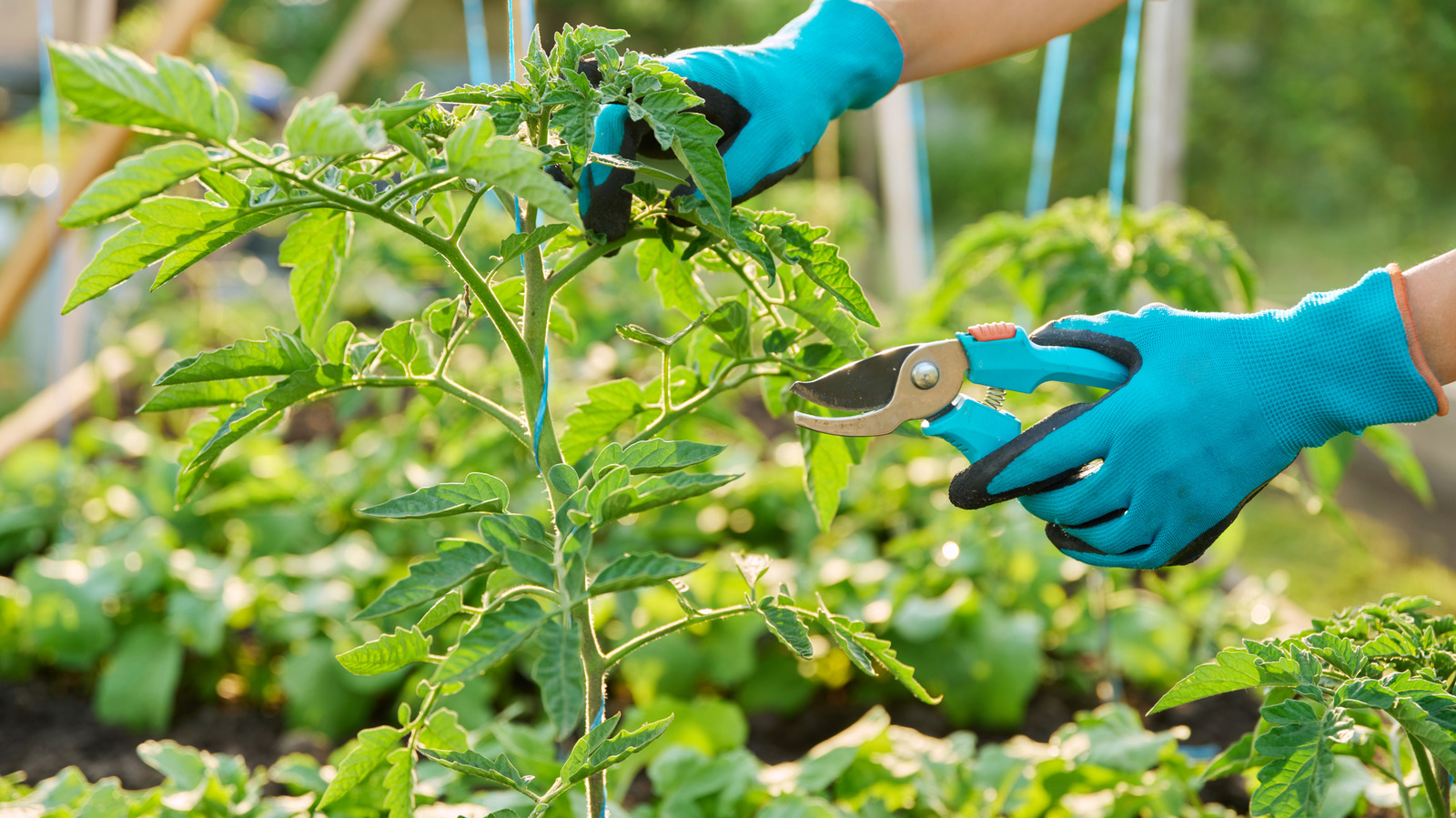
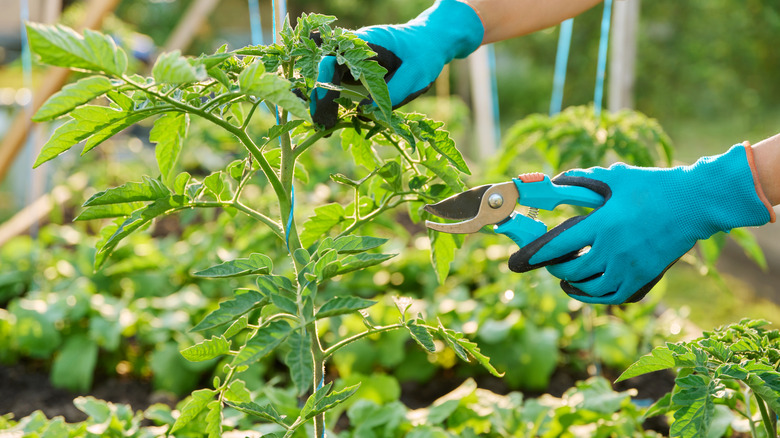
Nothing tastes better than a juicy tomato straight from your garden. Here’s how to prune your plants to thrive and produce larger fruit.
Food Republic – Restaurants, Reviews, Recipes, Cooking Tips