Ella Langley brought her record-breaking single “Choosin’ Texas” to life in a star-studded, cinematic music video that already feels like serious Music Video of the Year material.
Reuniting with the team behind her award-winning “you look like you love me” visual, Langley returned for “Choosin’ Texas” with an even bigger vision, this time shooting at the Stagecoach Ballroom in Fort Worth, Texas and leaning fully into the song’s emotional storyline.
The clip mirrors the heartbreak at the center of the track, with Langley stepping into the role of a woman realizing she’s fallen for someone who can’t love her back. Luke Grimes stars as the leading man, while Ava Phillippe plays his Texas-based ex who still has a hold on his heart, adding another layer of tension to the narrative.
Ella Langley with Luke Grimes ; Photo by Caylee Robillard fb 5
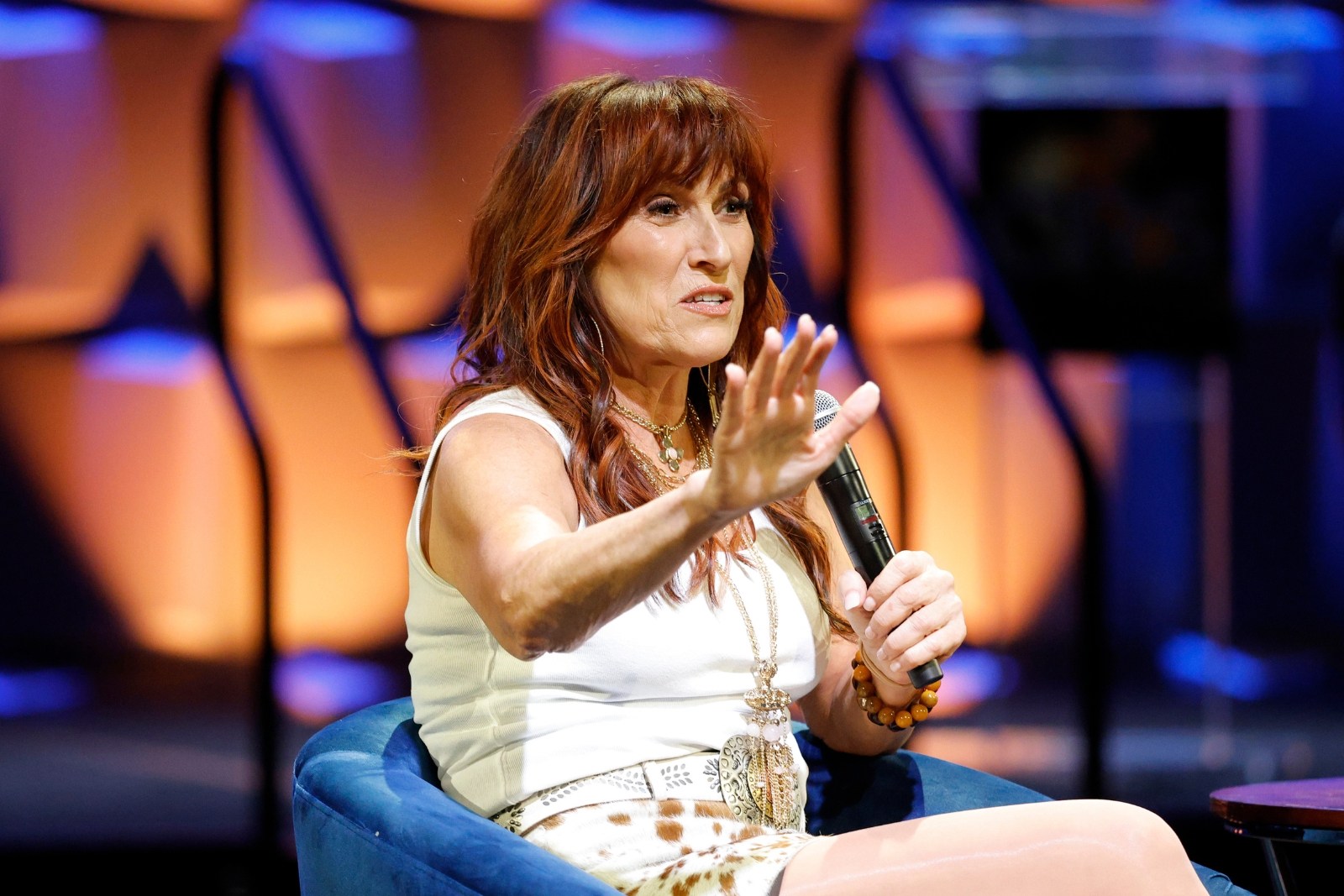
The video is packed with familiar faces, including co-writer Miranda Lambert, rising artist Kaitlin Butts, and Texas favorites like Casey Donahew, Wade Bowen, and Mike Ryan. It also features real-life cowboys such as JB Mauney, Shad Mayfield, and Dale Brisby, along with appearances from performers fans may recognize from earlier “Choosin’ Texas” visuals and live moments.
Langley celebrated the release with a special premiere event in Nashville alongside co-directors Wales Toney and Caylee Robillard, where she revealed the final product turned out exactly as they had envisioned, from the storyline to the casting, bringing the song’s message to life in the perfect way.
Langley leans into the “Choosin’ Texas” aesthetic with signature pieces, including her custom red Westerly USA chaps, paired with chain-stitched American Eagle denim and crimson Tecovas boots, all styled by Stef Colvin.
“Choosin’ Texas” continues its historic run, recently setting a record for the most weeks at No. 1 on the Hot 100 by a female artist whose song also reached the top of Billboard’s Hot Country Songs chart. The Platinum-certified track was co-written and produced by Langley and Miranda Lambert, alongside Ben West, Luke Dick, and Joybeth Taylor, with Lambert also contributing background vocals. To date, the song has amassed more than 525 million streams worldwide and remains a dominant force on the charts, currently holding No. 1 positions across Billboard’s Hot Country Songs, Country Streaming Songs, and Country Digital Song Sales rankings.
Ella Langley; Dandelion
“Choosin’ Texas” appears on the Alabama native’s highly anticipated sophomore album, Dandelion, set for release on April 10. The project also includes fan-favorite tracks like “Loving Life Again,” “Be Her,” and the title track, “Dandelion.”
Ella Langley will celebrate the release with her biggest headlining run to date, The Dandelion Tour, kicking off May 7 in Toledo, Ohio. The tour will make stops across the country through August 15, with support from artists including Kameron Marlowe, Dylan Marlowe, Kaitlin Butts, Gabriella Rose, and Laci Kaye Booth on select dates. She’s also set to join Morgan Wallen for select dates on his Still the Problem Tour.
Carrie Underwood’s setlist decisions are no easy task. Imagine having so many hits but knowing some won’t make the cut for each show. Continue reading…The Boot – Country Music News, Music Videos and Songs
Carrie Underwood’s setlist decisions are no easy task. Imagine having so many hits but knowing some won’t make the cut for each show. Continue reading…Country Music News – Taste of Country
Daniel Caesar has announced his first headline arena tour in support of Son Of Spergy. The 2026 run begins on May 16 in Singapore and will continue across Asia before moving into a 30-date North American arena leg with stops in cities including Chicago, Brooklyn, Atlanta, Dallas, San Francisco, Anaheim, and Toronto.
Tickets for the North American dates will be available through an artist presale beginning Thursday, April 2 at 10 a.m. local time, with the general onsale following on Friday, April 3 at 10 a.m. local time. Faye Webster and 070 Shake will appear as support on select North American dates, while presale and onsale details for the Asia shows are set to be announced locally. The tour will also include seven Canadian dates, including a hometown stop in Toronto.
Click to load video
The announcement arrives as Caesar continues a strong stretch around Son Of Spergy, which was released in October 2025 via Republic Records. The album includes the singles “Have A Baby (With Me),” “Call On Me,” and “Moon,” and features appearances from Sampha, Bon Iver, Blood Orange, Yebba, 646yf4t, and Norwill Simmonds. In the press materials, Caesar says the project is rooted in reconciliation with his father, adding, “The album is about me realizing that I am exactly like him. In that sense, it’s about having patience, respect, and admiration for myself.”
The tour news follows Caesar’s recent run of high-profile activity, including a return to NPR’s Tiny Desk, where he performed with a piano and 12-piece choir, while the singer also picked up major recognition at the 2026 JUNO Awards, including the International Achievement Award, Best Contemporary R&B Recording of the Year, and Songwriter of the Year.
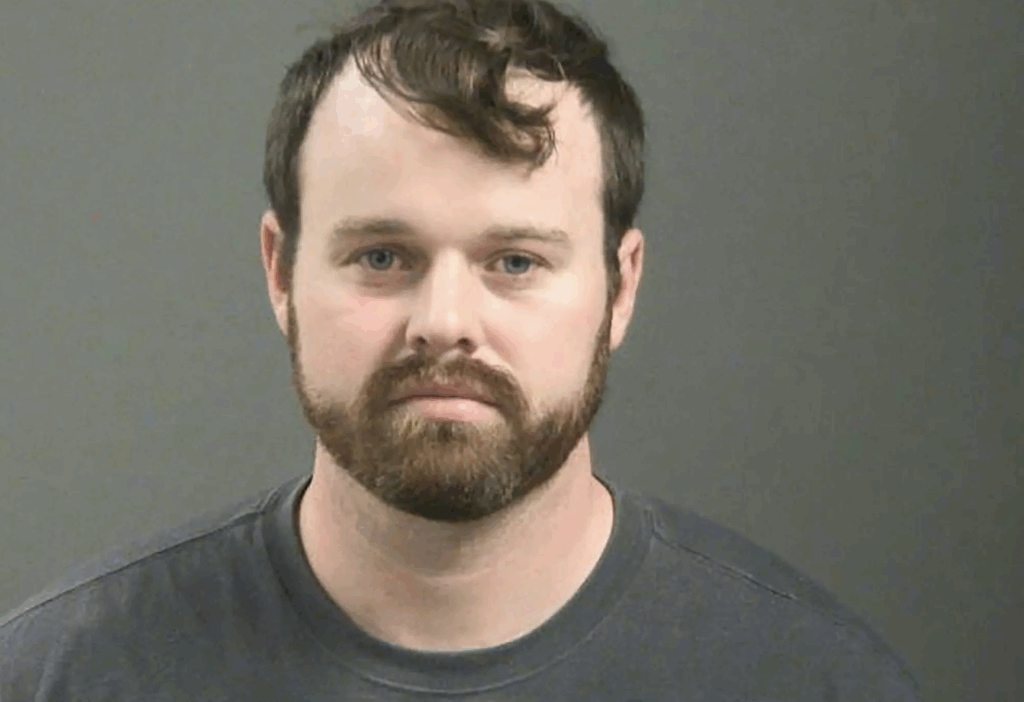
He pleaded not guilty and was allowed to walk free on $600,000 bail.
The cash, of course, was provided by his wealthy father, Jim Bob Duggar. But don’t take it as a sign that the patriarch approves of Joseph’s actions.
Jim Bob Duggar reacts just as Austin Forsyth was hoping he would to his request to marry Joy-Anna. (TLC)
Jim Bob emailed his son while Joseph was still locked up in Arkansas and informed him that the Duggar clan is not thrilled by news of his arrest.
“You are just going to have to accept the situation at this point and it’s also fine to pray that God would have mercy on you, but you’re probably gonna face a major consequences for several years to come,” Jim Bob wrote (via The Ashley’s Reality Roundup), adding:
“I pray that God will bring other Christians into your life to encourage you and that you can also point people to Christ even through the time you’re in jail and prison. God will be with you! He will get you and your family through!”
Yes, it sounds like JB is already bracing himself for a guilty verdict.
It’s a far cry from when Josh Duggar was arrested, and the entire family maintained that he was innocent until the bitter end.
Joseph Duggar has been arrested for the alleged molestation of a 9-year-old girl. (Washington County Sheriff’s Office)
Elsewhere in the email, Jim Bob was more sympathetic, telling Joseph that he was “so sorry for what you’re going through” and that “Mom and I love you very much.”
“Looks like you have a long road ahead of you but God will get you through. You have made some terrible decisions but God has already forgiven you, if you have asked him,” he wrote.
From there, Jim Bob got all biblical, noting how David “royally messed up,” but later “repented and became a man after God’s own heart.”
He also suggested that Joseph take after his namesake from the Book of Genesis, whom Jim Bob reminds Joe was “also in prison” and found a way to “make lemonade out of lemons” by interpreting the Pharaoh’s dreams.
(Like many Christians who are obsessed with guns and money, the Duggars prefer the angry, militant God of the Old Testament.)
Joseph Duggar and Kendra Caldwell got married in September 2017. They got engaged just a few months prior. (TLC)
“I love you and we’ll be praying for you. Don’t give up,” he wrote. “God is not finished with your life.”
“It is ridiculous that they charged Kendra and arrested her,” Jim Bob wrote. “We’ve hired [a lawyer] to help Kendra. We are praying that we can get her charges dropped.”
Imagine balancing a thriving music career and motherhood while shedding 90 pounds. Jo Dee Messina is doing just that! Continue reading…The Boot – Country Music News, Music Videos and Songs
Imagine balancing a thriving music career and motherhood while shedding 90 pounds. Jo Dee Messina is doing just that! Continue reading…Country Music News – Taste of Country
That’s because parents already have long been held liable for the actions of their children, as Baylor law professor Dyllan Taxman notes. The previous failure to find parental liability for gun dangers was the exception.
But even if the Crumbley and Gray convictions do not portend the beginning of parental convictions for a new and wide-ranging category of parental actions, they do suggest a growing belief that parents who allow their children easy access to guns are dangerous and unfit.
As a family law scholar, I think this changing view about parental gun ownership may have significant ramifications for parents in other legal contexts, most notably custody determinations.
Guns and best interests
Child custody decisions in the U.S. are based on a court’s determination regarding the “best interest of the child.” Irresponsible gun ownership can be a factor in such conclusions, but historically such considerations have been rare.
The failure to routinely consider parental gun practices, including gun storage and children’s access, in custody determinations is notable – not just because unsecured guns pose a significant danger to children, but because other less substantial risks regularly factor into custody decisions.
Consequently, while the consideration of parental gun behaviors is not entirely absent from custody decisions, its relative rarity suggests a deliberate unwillingness to link them with parental fitness considerations.
The Crumbley and Gray convictions suggest this reluctance may be waning.
Loss of custody as a deterrent
School shootings are relatively rare, but custody disputes are not.
Consequently, if irresponsible gun ownership becomes a common consideration in custody decisions, the implications for gun safety could be substantial. That’s because this approach avoids the pitfalls of previous gun control attempts.
Unlike other gun safety measures, the consideration of gun ownership in custody cases largely avoids Second Amendment concerns regarding the constitutional right to bear arms. As William & Mary law professor James Dwyer notes, in child custody cases the state operates “outside the bounds of the (Constitution) … to the extent of being freed from the restrictions ordinarily generated by the constitutional rights of others.”
In the 2011 South Carolina case Purser v. Owens, for instance, the family court considered the mother’s abortion in its best-interest analysis and held that having an abortion demonstrated the mother was irresponsible and thus unfit.
In the 2003 Virginia case Roberts v. Roberts, a father lost custody for his statements that women cannot do what men do.
As these cases demonstrate, the fact that some harmful parental behaviors are also constitutional rights doesn’t mean they’re excluded from custody determinations.
A second benefit of raising gun ownership in a custody dispute is that the parent raising this issue does not need to be a gun control advocate. They don’t need to dislike guns, and they can even be a gun owner themselves.
For gun ownership to become relevant, a parent simply needs to argue that the other parent’s gun practices are irresponsible compared to their own. If this increases a parent’s custody prospects, it can be assumed many parents will make this argument.
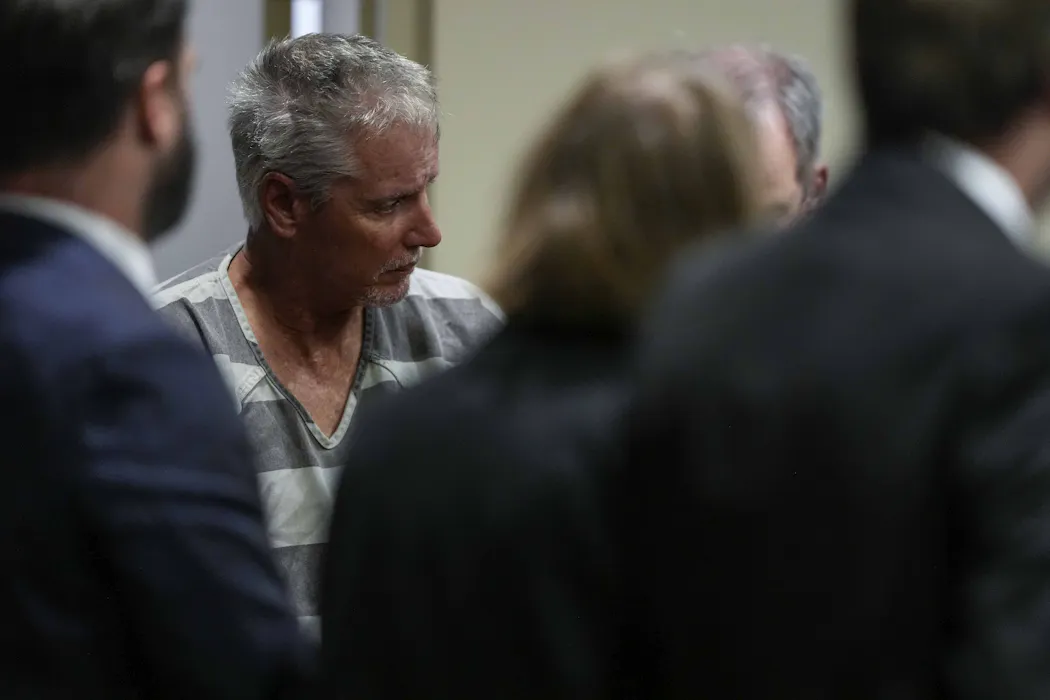
During Colin Gray’s trial, Assistant District Attorney Patricia Brooks presents evidence of a school shooter shrine that was found in Colt Gray’s bedroom, in Winder, Ga., on March 2, 2026. Abbey Cutrer/Atlanta Journal-Constitution via AP, Pool
Parents are paying attention
For parents facing accusations of irresponsible gun practices, the potential loss of custody should provide a strong incentive for modifying their gun behavior.
Case law demonstrates that parents routinely refrain from behaviors that could hurt their custody case. And there is every reason to expect the same result with gun ownership.
Importantly, the Gray case already proved that parents are paying attention to these trends. During his trial, it was revealed that about a week before the September 2024 shooting, Gray’s estranged wife – and Colin Gray’s mother – Marcee Gray, did an internet search for “school shooter parents charged with manslaughter.”
Then, after reading articles about the Crumbley cases’ convictions, she called Colin and asked him to secure his guns. Although Colin ignored his wife’s warning, the next parent might listen, especially when the warning is coming from a divorce attorney.
Should irresponsible gun ownership become a common factor in custody disputes, parents will be advised to secure their guns, and many will heed this advice, I believe. The Crumbley conviction almost prevented Colt Gray’s access to firearms.
Marcia Zug does not work for, consult, own shares in or receive funding from any company or organization that would benefit from this article, and has disclosed no relevant affiliations beyond their academic appointment.
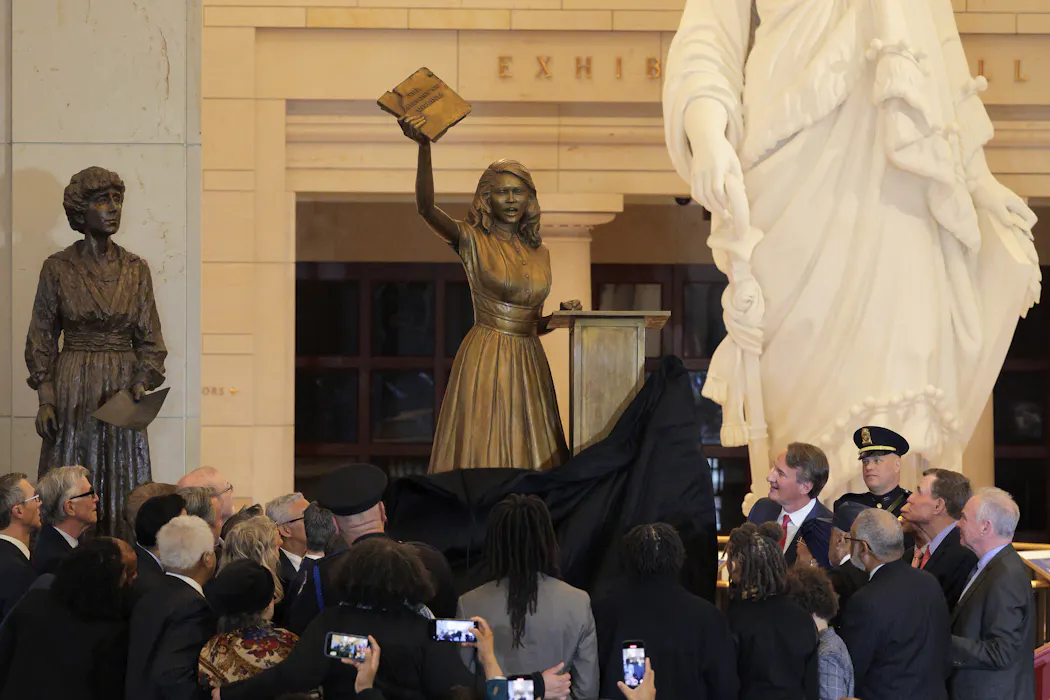
A statue of civil rights activist Barbara Rose Johns is unveiled in Emancipation Hall at the U.S. Capitol on Dec. 16, 2025, in Washington. Chip Somodevilla/Getty Images
The 250th anniversary of the Declaration of Independence isn’t the only important anniversary in 2026. This year also marks the 75th anniversary of an extraordinary case of student activism that helped lead to the Supreme Court’s decision outlawing segregated schools.
In April 1951, 16-year-old Barbara Rose Johns organized a student strike to protest the shabby conditions and inadequate education at her segregated Black high school in Prince Edward County, Virginia.
In 1939, following years of pressure by Black residents, the white authorities opened a high school for African Americans. That segregated institution was named for Robert Roosa Moton, who had been raised in Prince Edward County and served as an administrator at Hampton Institute in Virginia before being appointed as the second head of Tuskegee Institute following the death of Booker T. Washington.
The new building became severely overcrowded almost immediately. Although it was designed for a maximum enrollment of 180, attendance reached 219 the year after it opened and 377 in 1947.
The following year, the school board put up three temporary outbuildings to accommodate the overflow. Many Black residents scorned these buildings as “tar paper shacks” because of their covering and dilapidated condition. They had inefficient wood stoves that provided limited heating, and their thin walls often leaked when rain fell.
The shabbiness of these interim structures became a source of continuing tension, as negotiations between the Black community and white authorities for a more permanent facility dragged on inconclusively into early 1951.
Johns makes her move
As an 11th grader at Moton High School, Johns began talking with some of her fellow students about taking action to protest the shacks and improve their education.
The strike went on for two weeks. During that time, Hill and Robinson met twice with hundreds of students and parents. The meetings grew out of the lawyers’ initial skepticism about litigating over school conditions in rural Prince Edward County, where they feared that plaintiffs would be subject to severe physical and economic retaliation.
Those meetings persuaded Hill and Robinson that the Black community broadly supported an effort to obtain desegregation rather than mere improvements in the separate Black schools. The lawyers therefore filed their lawsuit in the United States District Court for the Eastern District of Virginia on behalf of scores of Black students and parents, alleging that segregated schools violated the 14th Amendment.
Victory – and messy history
Johns’ initiative had both short- and long-term consequences.
In the immediate aftermath of the strike, the all-white school board fired Jones, whom they regarded as having put the students up to their activism despite his – and the students’ – insistence that the whole affair was a student initiative.
The lawsuit – and other similar suits filed in South Carolina, Delaware and Kansas – failed in the lower court. The plaintiffs appealed to the Supreme Court, which reversed those judgments and ruled in the consolidated case called Brown v. Board of Education that segregated public schools were unconstitutional.
Meanwhile, in the wake of the student strike at Moton, Johns’ family feared that she would be in physical danger if she remained in Prince Edward County for her senior year. They sent her to live with her uncle Vernon Johns, a minister and outspoken civil rights advocate, in Montgomery, Alabama.
Johns graduated from Drexel University and worked for many years as a public school librarian in Philadelphia before her death in 1991.
The post-Brown history of Prince Edward County is very complicated. White authorities closed the public schools for five years to avoid desegregation. For a long time afterward, virtually all the white children went to a private academy that opened when the public schools closed.
But that messy history cannot detract from the courage and impact of Barbara Johns.
Jonathan Entin does not work for, consult, own shares in or receive funding from any company or organization that would benefit from this article, and has disclosed no relevant affiliations beyond their academic appointment.
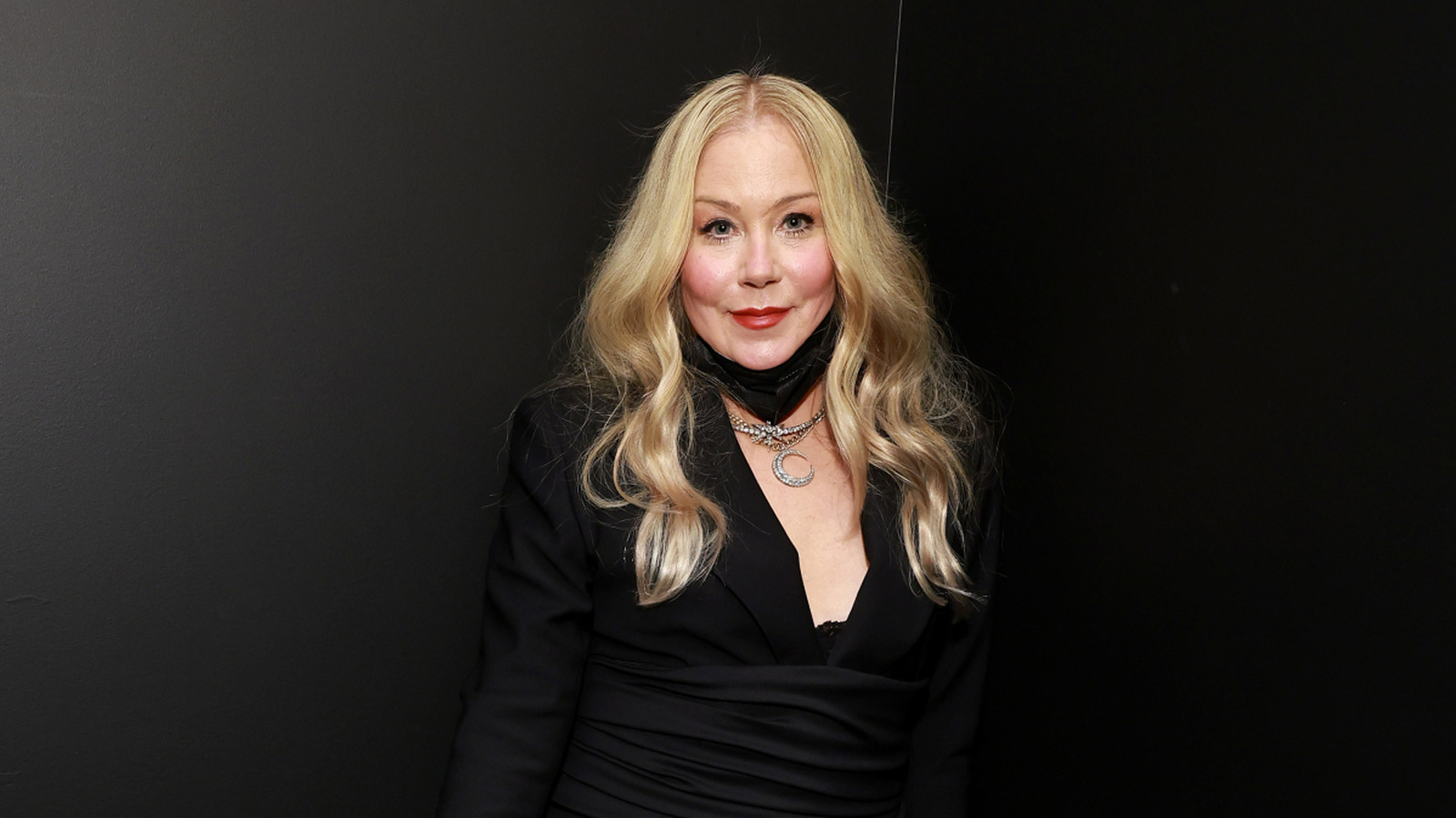
Christina Applegate says she has already purchased land to use for a burial plot. To some, this choice may seem a bit morbid, however, this writer disagrees.
Health Digest – Health News, Wellness, Expert Insights