Standards are high on MasterChef, but not in all areas. Viewers have called out a common occurrence seen on the show that doesn’t adhere to kitchen norms.
Mashed – Fast Food, Celebrity Chefs, Grocery, Reviews








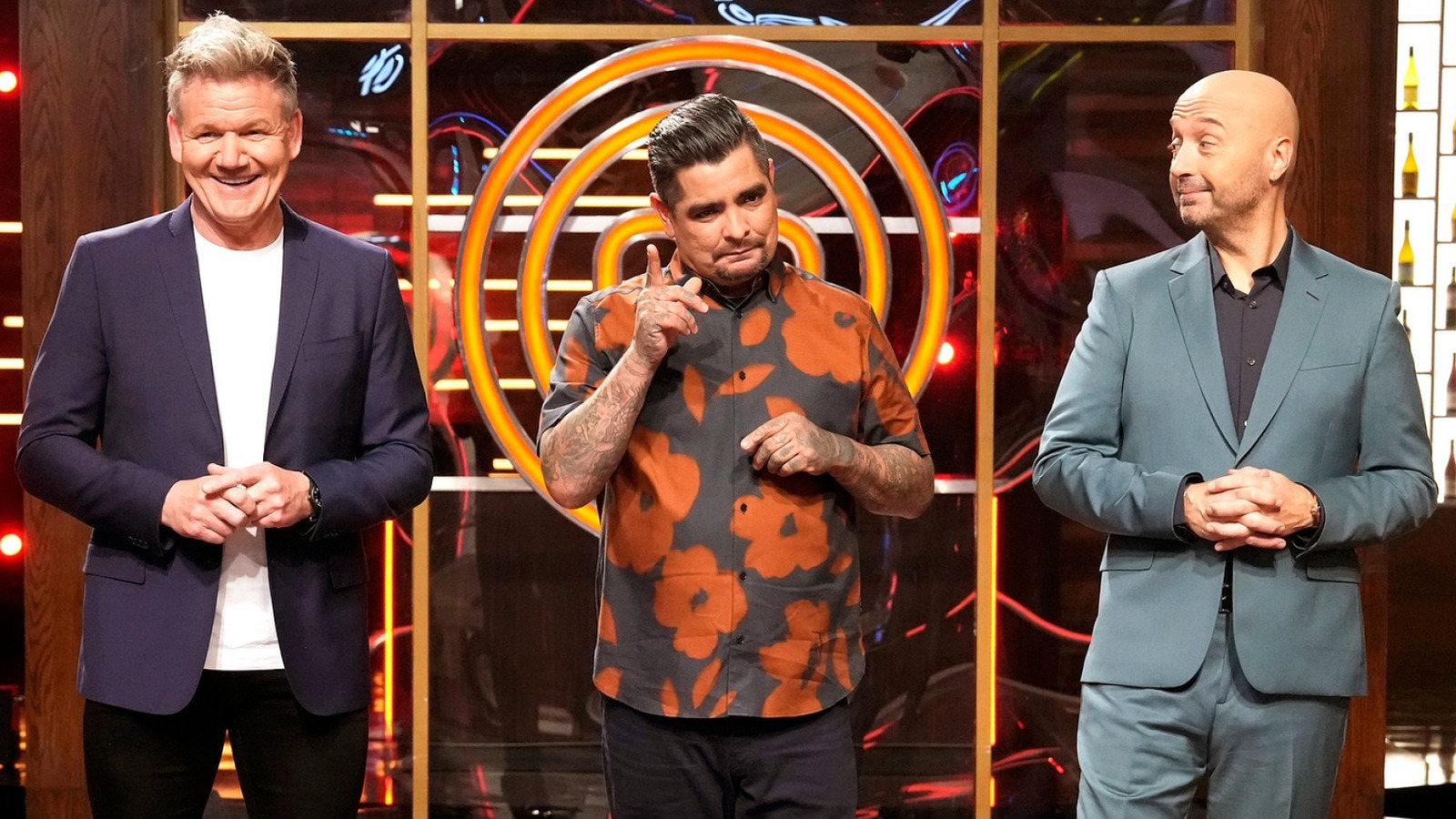
Standards are high on MasterChef, but not in all areas. Viewers have called out a common occurrence seen on the show that doesn’t adhere to kitchen norms.
Mashed – Fast Food, Celebrity Chefs, Grocery, Reviews
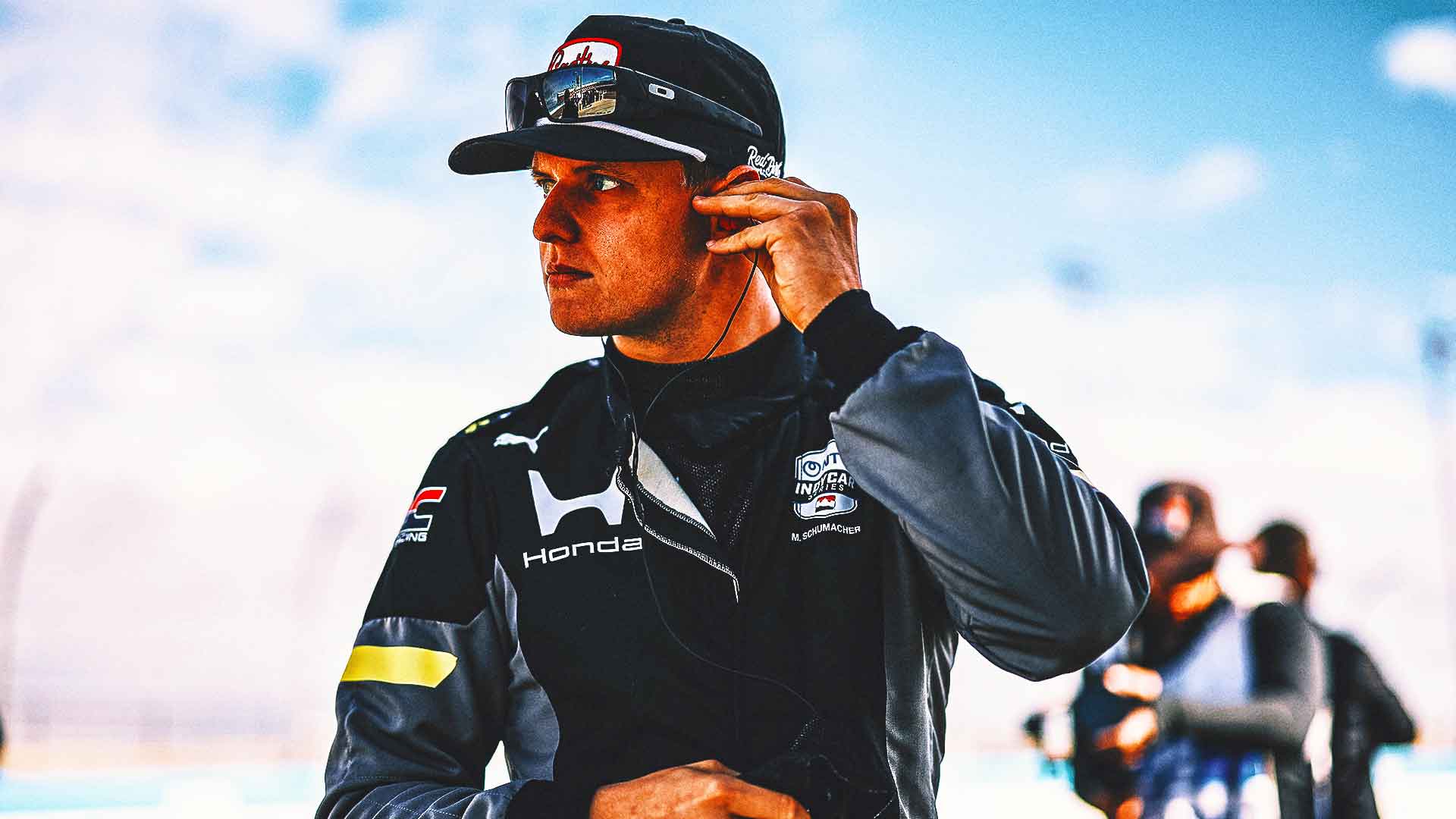
St. Petersburg, Fla. — Mick Schumacher’s INDYCAR debut was over after three turns. The former Formula 1 driver saw Sting Ray Robb and Santino Ferrucci locked up ahead of him and he had nowhere to go as they slammed into a tire barrier in the opening lap Sunday of the season-opening St. Petersburg Grand Prix. Schumacher’s car ended up on top of the rear of Ferrucci’s car, ending both of their days. Robb was able to continue but was issued a 30-second penalty for avoidable contact. [MORE MICK: Inside Schumacher’s Prep for Rookie INDYCAR Season] The 26-year-old former Formula 1 driver was disappointed but philosophical after his last-place finish. “That’s racing,” Schumacher told me and other reporters outside the INDYCAR medical unit. “So it’s very unfortunate. As a team, we’re really needed that race to kind of get everything sorted and not have doubts going into the next event. “But hey, we’ve got 16 or 17 more races to go. It’s just the first one. It’s just the start of it. And I’m very excited for the rest of the season.” Schumacher said he saw Ferrucci lock up and just had no time to react. “Sting Ray seemed like he went a little deeper than what’s supposed to be and that kind of chain-reactioned the whole scenario” Schumacher said. “Unfortunately, our real target was to finish the race, get all the laps in. We got even less than that. So very unfortunate.” Although Schumacher had started 21st in the 25-car field, his Rahal Letterman Lanigan team seemed pleased with his weekend up to the start of the race. He didn’t get a clean lap in qualifying, something that can be difficult to manage. The tough part for Schumacher — son of seven-time F1 champion Michael Schumacher — is now he heads to the March 7 race at Phoenix Raceway, a 1-mile oval. He has never competed on an oval in any form of motorsports. Schumacher has had tests at the 1.5-mile Homestead-Miami Speedway and Phoenix in the last month. “I’m still happy all the knowledge that we gained throughout this weekend, and things we can definitely take forwards and take it to Phoenix,” Schumacher said. “I’m looking ahead, not looking back, going to try to understand what we could have done better on our end. [ST. PETE HIGHLIGHTS: Alex Palou Begins Year With a Win] “Qualifying maybe being one of them — we were blocked, [in qualifying] so we kind of lost our bit of a momentum and kind of being in a better pack. When you’re starting in the back, things end up being quite difficult and tough anyways, but I think this just made it extra difficult for us.” Robb told me he didn’t really know what happened but agreed with the penalty that he could have avoided the situation. “I deserved it, I think,” Robb said. “I’m sorry to the 47 crew [of Schumacher], the 14 crew [of Ferrucci]. It’s just one of those days where it’s a shame to be a part of it. … Lap 1 – you’ve got to get through. We didn’t.” Ferrucci was frustrated that his day ended and Robb was able to continue. “We all sit around and talk about it at driver intros — it’s taking easy Lap 1,” Ferrucci told me and other reporters. “And for whatever reason, there’s a few of us that do that, and then there’s a couple of us that just forget where the brake zone is. “It’s a bummer.” Ferrucci and Schumacher know the one thing they potentially could have done came well before Sunday. “For us, the key takeaway here is qualify higher up,” Schumacher said. “Simple as that.” Bob Pockrass covers NASCAR and INDYCAR for FOX Sports. He has spent decades covering motorsports, including over 30 Daytona 500s, with stints at ESPN, Sporting News, NASCAR Scene magazine and The (Daytona Beach) News-Journal. Follow him on Twitter @bobpockrass.Latest Sports News from FOX Sports
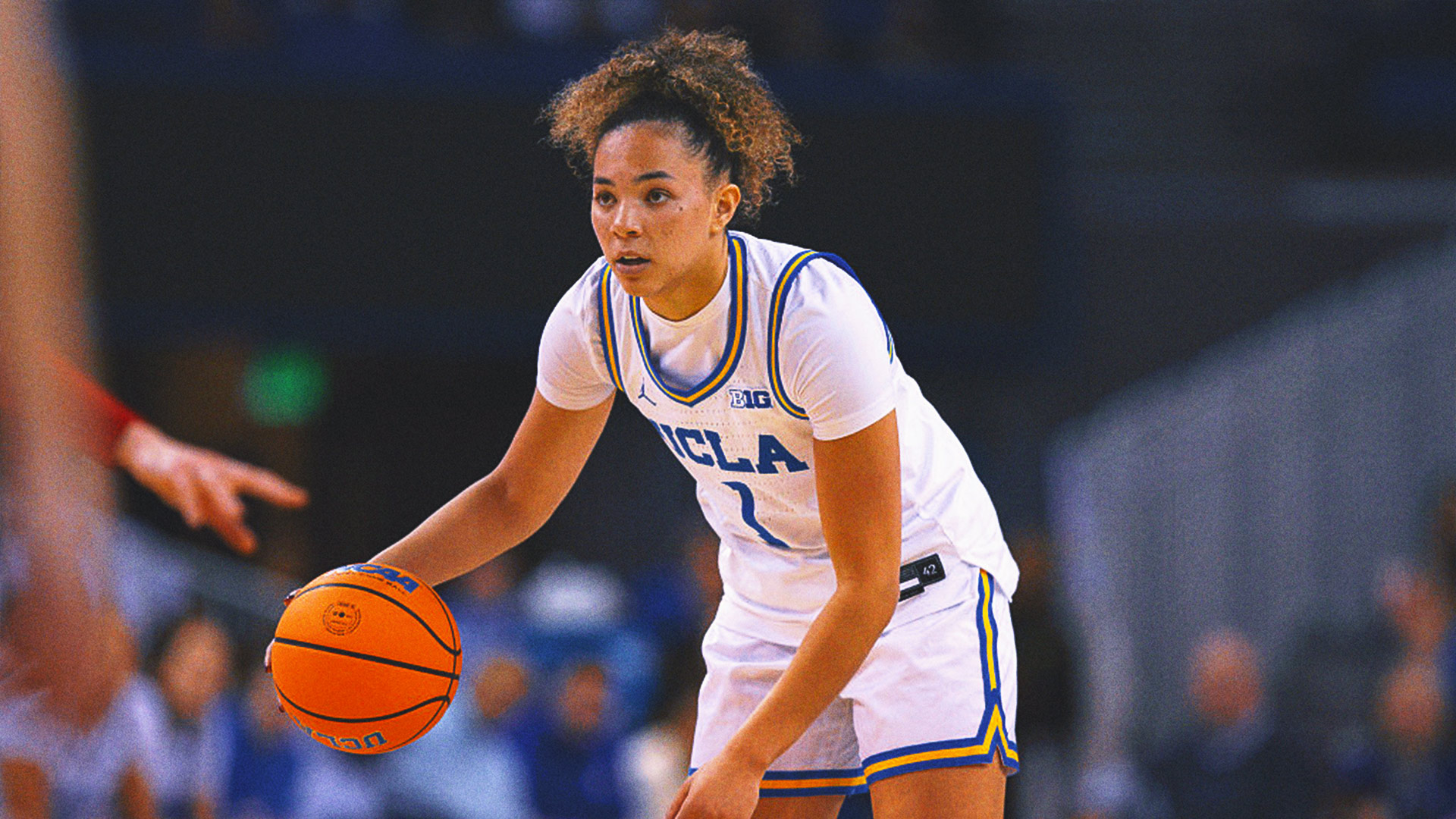
Meet the orchestrator of UCLA’s dominance: Kiki Rice The women’s college basketball season is ramping up with high-stakes games every night and the NCAA Tournament just around the corner. In those key regular-season games, March Madness stars introduce themselves to the nation with magical moments and Cinderella runs. We’re teaching you about them before they become national heroes. Ahead of No. 2 UCLA facing rival USC on Sunday afternoon (at 6 p.m. ET on FS1), let us help you get to know Rice: 1. Player Build Rice is a 5-foot-11 point guard who plays with patience, always seeking to make the right decision. She averages 15.3 points, 4.5 assists and 6.3 rebounds per game. 2. Loyal Soldier In an era defined by transfers, Rice has played all four seasons at UCLA, staying with the program when it went to the Big Ten in 2024 and helping it develop into a national contender. She has also started 130 of 133 total games, showing that she was ready for the spotlight as a freshman 3. Power Couple Rice’s boyfriend is NBA champion and Oklahoma City Thunder guard Cason Wallace. Rice proved she knows all there is to know about Wallace’s basketball career in a viral TikTok video. In the video, Rice also says she beats Wallace one-on-one every time and that he would hope to have her driving ability, while she wants his defensive prowess. 4. Documentary Star Rice appeared on “Full Court Press,” a 2024 docuseries highlighting her, Caitlin Clark and Kamilla Cardoso’s journeys through women’s basketball. 5. Making Waves Rice became the first women’s college basketball player with a personal edition shoe on the Jordan Brand. She debuted them during UCLA’s game against Maryland last season. The shoes are a beautiful blue because, Rice said, of her love for the ocean and UCLA.Latest Sports News from FOX Sports
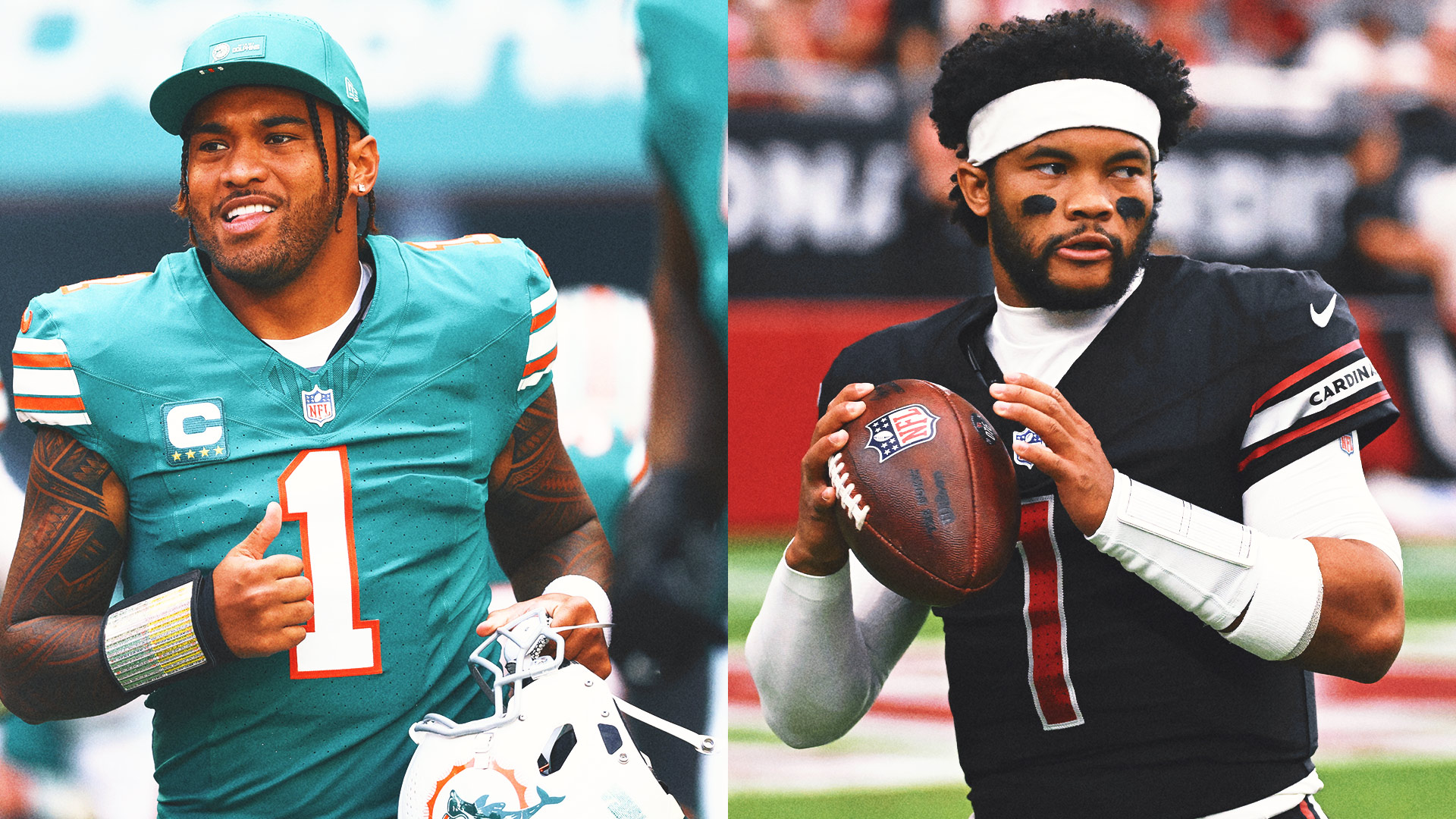
The Minnesota Vikings appear set to undergo a roster overhaul that could see them bring in a veteran quarterback to compete with J.J. McCarthy for the starting job in 2026. Tua Tagovailoa (Miami Dolphins), Kyler Murray (Arizona Cardinals), Geno Smith (Las Vegas Raiders) and Kirk Cousins (Atlanta Falcons) are all being considered by the Vikings as a possible addition to their quarterback room this offseason, ESPN reported Sunday. Minnesota is also planning to move on from running back Aaron Jones and defensive tackle Javon Hargrave this offseason, according to ESPN. Cousins is the only quarterback in that group that’s set to become a free agent as of Sunday. The Falcons said last week that they will release Cousins when the new league year begins on March 11. Of course, Cousins previously played in Minnesota before signing with Atlanta in 2024. He enjoyed a decent amount of success in his six seasons with the Vikings, playing under Minnesota head coach Kevin O’Connell for two of those years. He helped the Vikings make the playoffs in 2022 before an Achilles tear ended his 2023 season early. Tagovailoa, Murray and Smith, meanwhile, are all candidates to be cut or traded in the coming weeks. Dolphins general manager Jon-Eric Sullivan suggested that the team was open to all options with Tagovailoa when he met with reporters at the combine this past week, including a release. If Tagovailoa is cut, the Dolphins could potentially take on a record $99.2 million dead cap hit, depending on when they release him. Murray is seeking to be cut by the Cardinals this offseason, a league source told FOX Sports’ Ralph Vacchiano and Henry McKenna this past week. The Cardinals have also “grown frustrated” with Murray, a team source told Vacchiano and McKenna. Finally, Smith appears to be on the outs in Las Vegas with Klint Kubiak taking over as head coach and the team presumably taking Fernando Mendoza with the No. 1 pick in the 2026 NFL Draft. Of those four quarterbacks, Cousins might have the strongest season in 2025. He went 5-3 as a starter, throwing for 1,721 yards, 10 touchdowns and five interceptions. Tagovailoa threw for 2,660 yards, 20 touchdowns and 15 interceptions before getting benched for the final three games of the season. Murray threw for 951 yards, six touchdowns and three interceptions to go with 173 rushing yards and a rushing score in five games before suffering a foot injury. Smith led the league in interceptions (17) to go with 3,025 passing yards and 19 passing touchdowns in 15 games. As for Jones and Hargrave, Minnesota will save over $18 million by releasing the two veterans. They could still reportedly trade the two players, though. Jones rushed for 548 yards in 2025, which was the second-fewest he’s had in his nine-year career. His 4.2 yards per attempt were also the second-fewest of his career. Jones also had two rushing touchdowns, 199 receiving yards and a receiving touchdown last season. Hargrave had 52 total tackles and 3.5 sacks this past season. He also had 31 total pressures, per Pro Football Focus, as he was in the first year of a two-year, $30 million deal.Latest Sports News from FOX Sports

If you have any old electronics lying around and you want to clear up space, then don’t overlook Costco. The chain has an exchange program for gift cards.

Food Republic – Restaurants, Reviews, Recipes, Cooking Tips
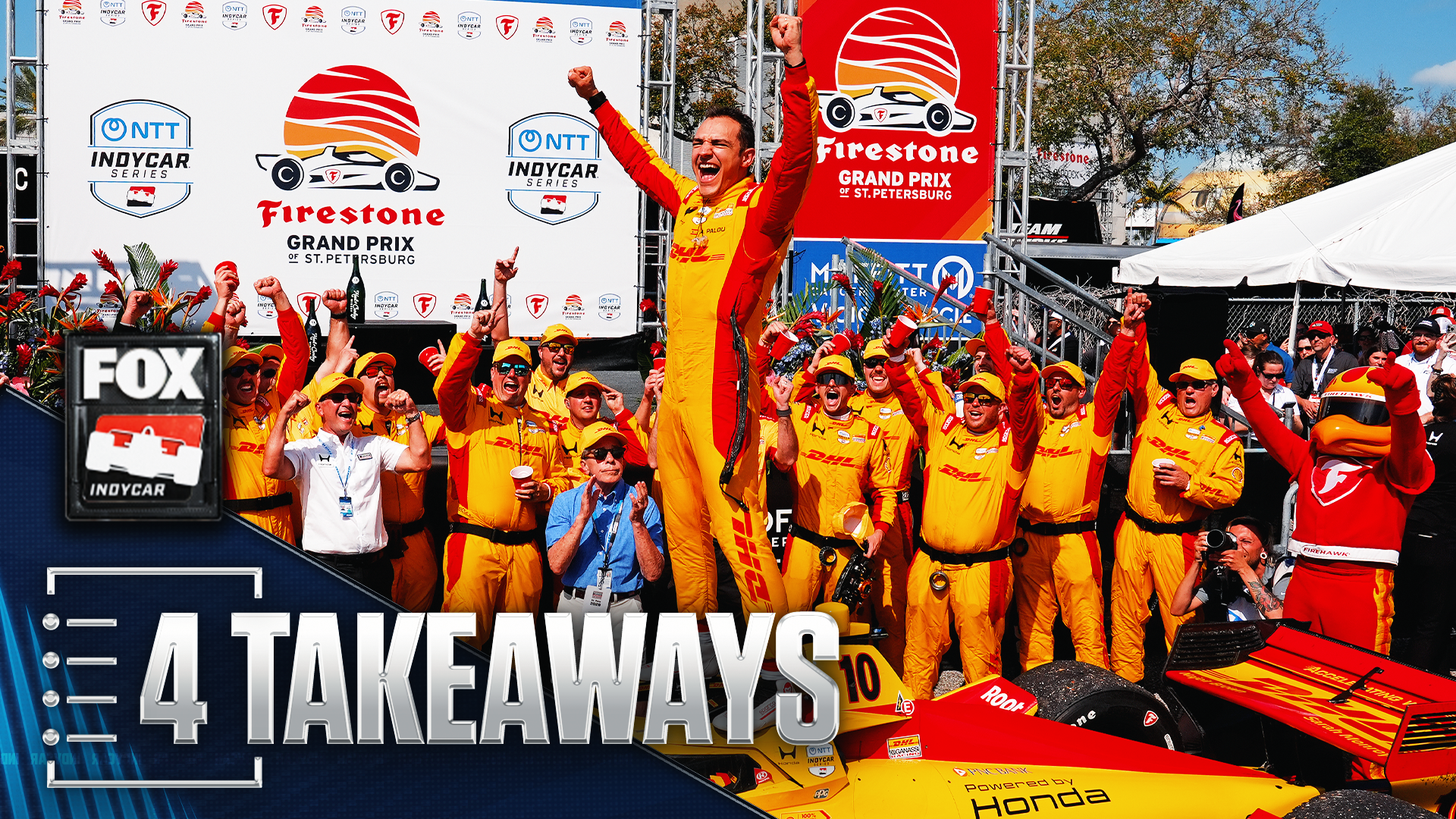
St. Petersburg, Fla — The more things change, the more they stay the same. While several organizations had changes in the offseason as far as their driver lineup, the driver who has dominated the series over the last year continued to blister the competition. Alex Palou, who won eight races in 2025 on the way to his third consecutive INDYCAR title (and fourth overall), won the 2026 season-opening St. Petersburg Grand Prix. And he didn’t just win, he won by a record 12.4948 seconds. Here are my takeaways: 1. Palou Pounds Them When a driver has a big lead, it sometimes feels prudent not to push the car to the limit. Even Palou made a mistake last year at Mid-Ohio while leading. So did Palou win by more than 12 seconds to send a message to the remainder of the field that he’s out to pound them again? The Chip Ganassi Racing driver indicated there was more to it than that. “Especially on street courses, it’s not good to relax for the tires [with] the bumps, how they feel,” Palou said in his post-race news conference. “You might just start feeling even worse if you go at lower speeds. “I try and keep my pace, try and keep a pace that’s good for the car and my driving. Every time that I try to stay calm or to drop the pace, it’s been bad. I was just trying to push.” 2. Power Wrecks, Is Disappointed Will Power had battled brake issues in his debut weekend with Andretti after a 17-year career at Penske. But he said his hitting the wall on Lap 21 was his fault. Power’s team got the car back out but he finished 45 laps down in 22nd, saying that was not what they needed as they looked to run all the laps. “The issues we had early in the weekend were true issues. That one was a slight issue, but I could have prevented that,” Power told me. “That was on me. We were doing really well on fuel, the car felt great. “The potential is really good. I’m feeling good about potential with the car. I think I learned a lot about this car this weekend. And obviously fixed some teething issues.” 3: Fun Battles Behind Palou Scott McLaughlin (second), Christian Lundgaard (third) and Kyle Kirkwood (fourth) had a spirited battle during the race. McLaughlin might have had flashbacks to 2023 when he and Romain Grosjean wrecked while battling for the lead at St. Pete. The Team Penske driver said the battles with the other cars up front, as well as at one point Marcus Ericsson, were clean. “They’re the guys that I have raced with in the past and very fair, very clean and hard,” McLaughlin said in his postrace news conference. “What you sort of expect.” Kirkwood, whose tires were fading fast, told me: “I figured [McLaughlin] would be a little bit more hesitant. Hye was not more hesitant. Kudos to him. We barely touched, caused no damage between us. It was just good, hard racing between us, and once I destroyed my tires, I think we raced very admirably. … They play clean, they play smart. You can trust them on a pass like that, on the street course around the outside.” 4: Pato Pleased Pato O’Ward said prior to this week that he wanted to keep his bad days from being too bad. And after a bad start, he rallied to finish fifth. Last year, he qualified 23rd and finished 11th at St. Pete. With McLaren teammate Lundgaard in third, it was a solid day for the McLaren team. “This was a good recovery,” O’Ward told me. “I don’t think the car was really there to fight super, super hard. So I think a lot of that was actually strategy and in the pits. “A P5 day in INDYCAR is a good day. But when another guy keeps winning races, it’s obviously making it very tough for everyone else. But much better start than last year. So pretty pumped about that.” 4 ½: What’s Next INDYCAR heads to Phoenix for a race Saturday, part of a doubleheader with the NASCAR O’Reilly Series and a day before the NASCAR Cup Series takes to the track. It is the first INDYCAR race at Phoenix since 2018. It will be Palou’s 100th career start. “Do I get a present or something?” Palou said when that was mentioned during the post-race news conference. Guess a win by 12 seconds is not enough.Latest Sports News from FOX Sports
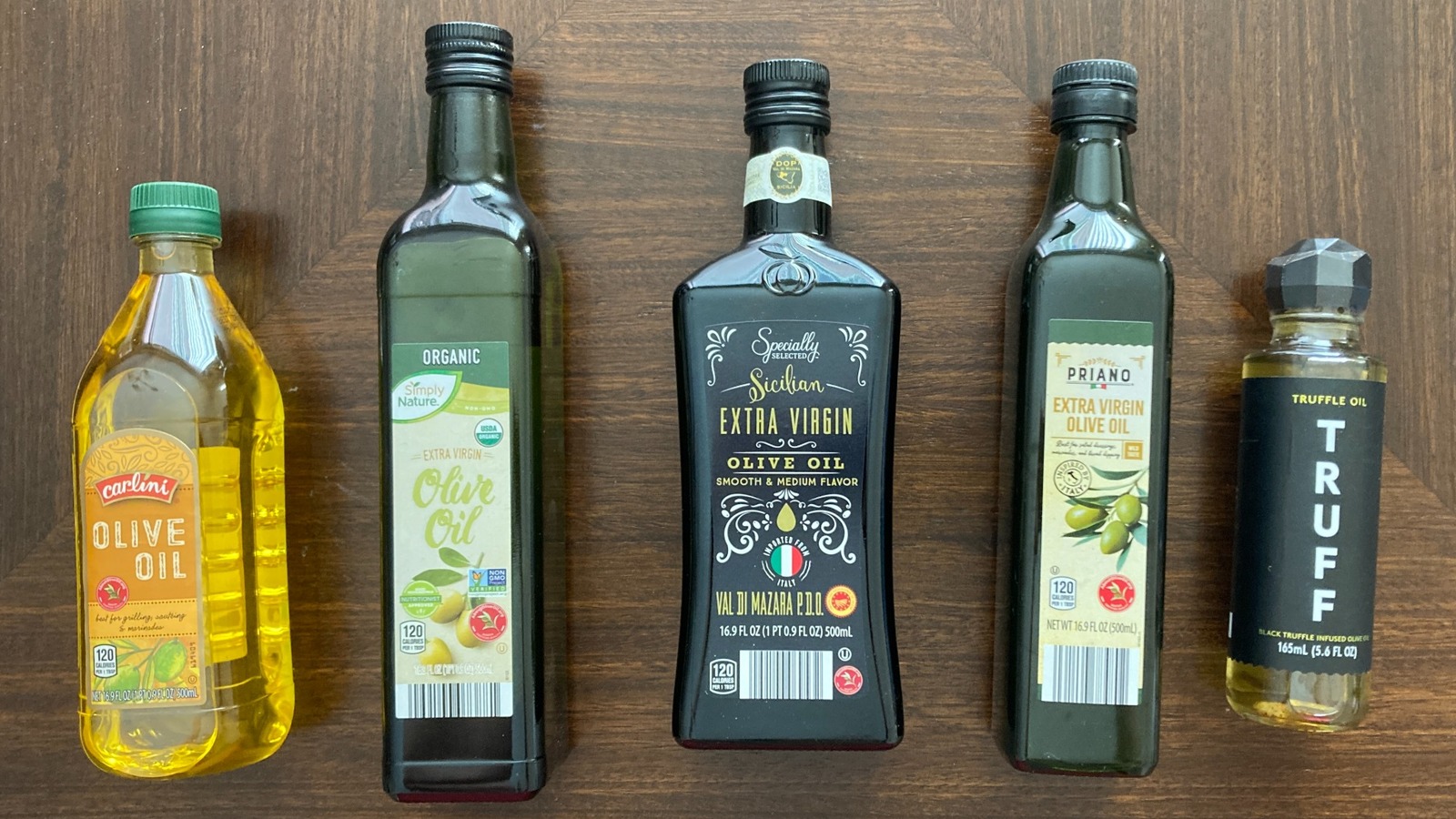
I picked up the five bottles of olive oil available at my Aldi to do a taste test. Here’s what the store offers in terms of prices, flavors, and textures.
Mashed – Fast Food, Celebrity Chefs, Grocery, Reviews
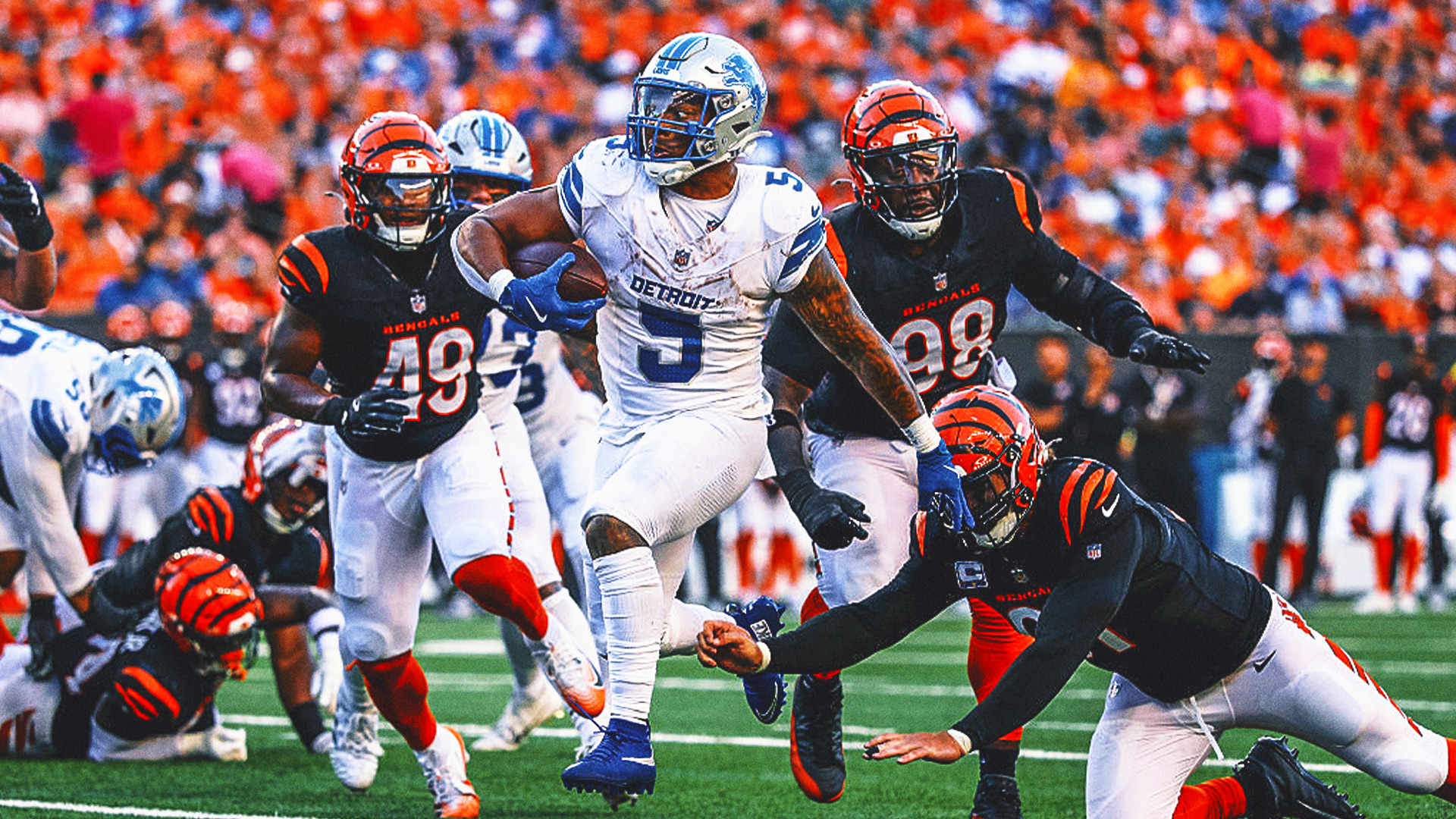
David Montgomery wants to leave the Detroit Lions, or does he? The standout running back questioned an ESPN report that stated he’s requested to leave Detroit this offseason. “Damn, Dmo told you that ?” Montgomery replied in a post about the report on X, seemingly referring to himself as “Dmo.” While Montgomery disputed ESPN’s report, the Lions have reportedly begun assessing the running back’s value on the open market. Detroit is hoping to get a “decent Day 3 pick” in exchange for Montgomery, ESPN added in its report. Montgomery is on a seemingly reasonable contract for a player of his caliber. His two-year, $18.25 million extension kicks in for the 2026 season, but he’s owed $6 million for the upcoming year. The Lions are also over the salary cap by just over $12 million, a week before free agency starts. So, trading Montgomery would help them shed some money, opening up $3.5 million in cap space, per Over The Cap. However, Detroit would eat $4.8 million in dead money if it dealt Montgomery prior to June 1. Montgomery, who joined the Lions in 2023, had a productive 2025 season, although his numbers took a bit of a dip from his first two years in Detroit. His 716 rushing yards were actually a career low, but he did it on a respectable 4.5 yards per carry. He also rushed for eight touchdowns, adding 192 receiving yards. In his first two seasons in Detroit, Montgomery rushed for 1,790 yards and 25 touchdowns in 28 games. He also had 458 yards receiving over that stretch. The emergence of Jahmyr Gibbs as a three-down running back might also make Montgomery expendable. Gibbs was top-10 in all-purpose yards again this past season, and he’s also up for a contract extension this offseason. If Gibbs ends up getting a deal that makes him one of the highest-paid running backs, it might make even more financial sense for Detroit to move on from Montgomery.Latest Sports News from FOX Sports
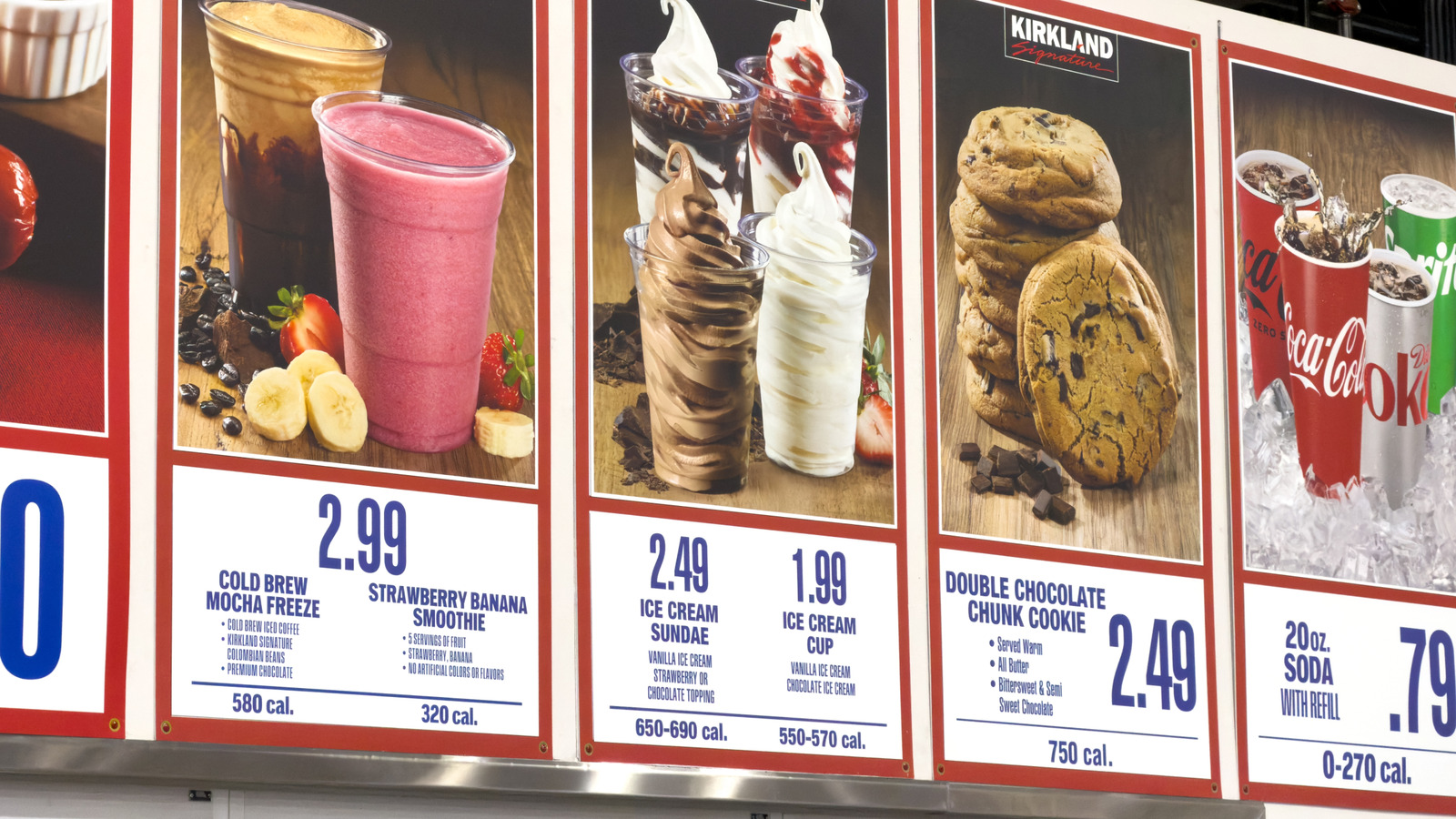
Two chocolate chip cookie options sit under one roof, but they don’t taste the same. Subtle recipe changes make these chocolate chunk treats distinct.
Mashed – Fast Food, Celebrity Chefs, Grocery, Reviews
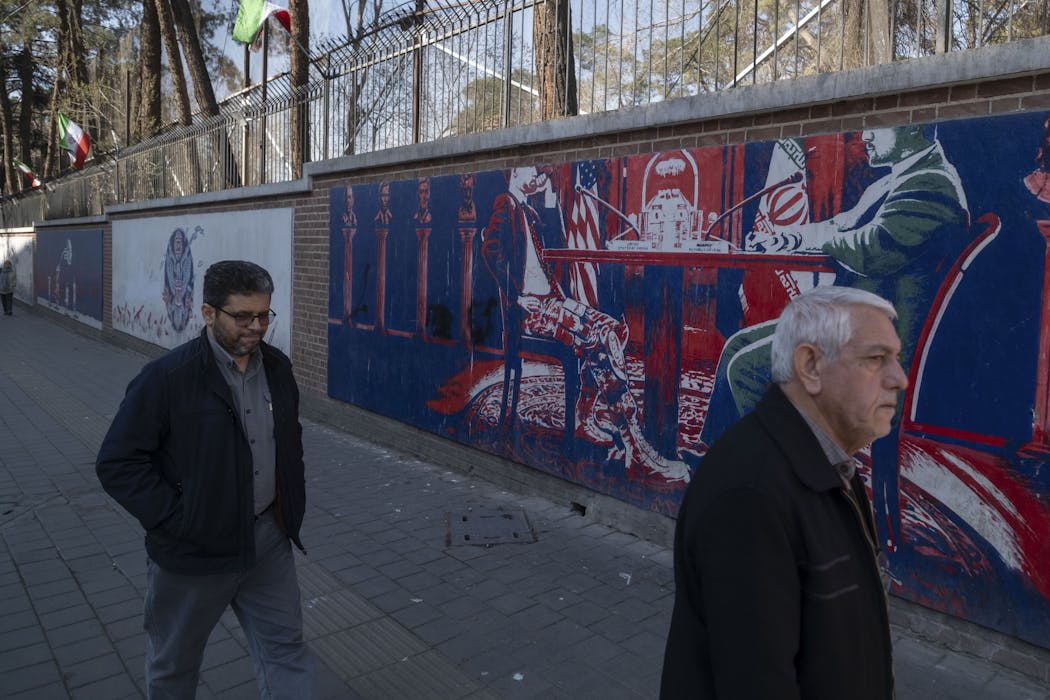
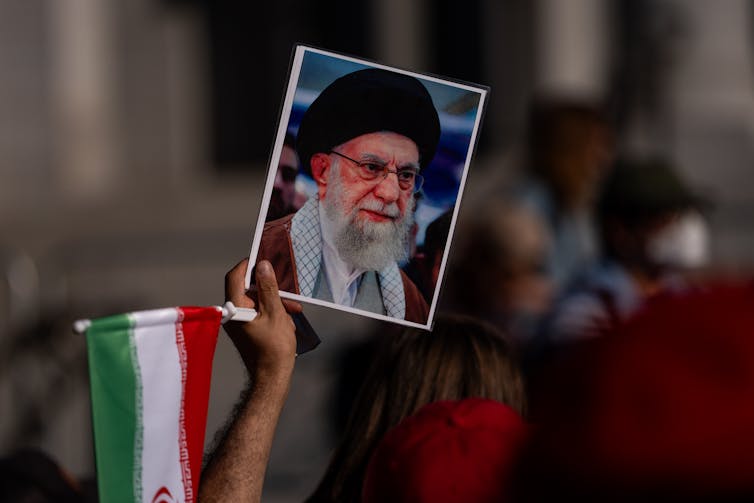
Three rounds of nuclear talks between the U.S. and Iran failed to persuade President Donald Trump that a solution to the two country’s nuclear impasse lay in diplomacy, rather than military action. A perceived lack of progress in the last of those indirect negotiations on Feb 26, 2026, was enough to prompt Trump to green-light a massive onslaught of missiles that has degraded Iran’s offensive capabilities and killed Ayatollah Ali Khamenei and several members of Iran’s senior military leadership.
In response, Tehran has launched strikes across the Middle East, targeting Israel as well as Gulf states that host U.S. airbases. At least three Americans have been killed.
While the scale of the U.S., Israeli and Iranian strikes has taken some observers by surprise, the failure of the talks that led to them was all too predictable.
For diplomacy to be successful, both sides need to agree on the issues subject to negotiation and also believe that peaceful resolution is more valuable than military engagement. This clearly was not the case in the U.S.-Iran nuclear talks of 2025 and 2026.
As someone who has researched nonproliferation and U.S. national security for two decades and was involved in State Department nuclear diplomacy, I know that even under more favorable conditions, negotiations often fail. And the chances for success in the Iran-U.S. talks were always slim. In fact, publicly stated red lines by both sides were incompatible with each other – meaning negotiations were always likely to fail.
Iran wanted the talks confined only to guarantees about the civilian purpose of its nuclear program, not its missile program, support of regional proxy groups or human rights abuses. Essentially it wanted a return to 2015’s Joint Comprehensive Plan of Action, which halted Iran’s development of nuclear technology and stockpiling of nuclear material in exchange for lifting multiple international economic sanctions placed on Iran.
Meanwhile, Trump insisted on limits to Iran’s ballistic missiles and the cutting of Tehran’s support for regional militias. These were not included in the 2015 agreement, with parties ultimately deciding that a nuclear deal was better than the alternative of no deal at all.
Nevertheless, there had been a slim chance for a breakthrough of late.
While the positions of both the U.S. and Iranian governments had ossified since May 8, 2018 – the date when the first Trump administration withdrew the United States from the Obama-era Iran nuclear deal – there had been some recent movement by Iran, according to former U.S. diplomats involved in negotiations during the Obama and Biden administrations.
With U.S. military building up in the region, Iran appeared more willing to negotiate within the nuclear arena than before. There were plausible solutions to the issue of Iran’s enrichment of uranium capabilities, including maintaining a minimum domestic capacity to develop medical isotopes and a removal of Iran’s stockpile of enriched uranium necessary to build a nuclear bomb.
There was less openness on other points of contention. Notably, there was no movement on ballistic missiles, which had always been a red line. On the eve of the round of discussions held in Geneva on Feb. 17, Trump stated: “I think they want to make a deal.” Iran’s foreign minister, Abbas Araghchi, noted progress over the “guiding principles” of the talks.
But a lot of this optimism appeared to have dissipated by the time the two sides held another round of talks on Feb. 26. While mediator Oman’s negotiators continued to talk of progress, the U.S. side was noticeably silent. Reporting since has suggested that Trump was displeased with the way the talks had gone, setting the stage for the Feb. 28 attack.
The threat of military action was, of course, a continued backdrop to the talks.
The USS Abraham Lincoln carrier group was deployed near Iranian waters in January as a signal of support to the Iranian protesters. The USS Gerald R Ford carrier group joined the buildup before the last round of talks.
Trump warned Iran that “if they don’t make a deal, the consequences are very steep.”
The thinking may have been that Iran, weakened by both the June 2025 U.S.-Israeli strikes and diminished capabilities of Tehran proxies Hamas and Hezbollah, was playing a weak hand in the talks.
Yet Iran also signaled a willingness to engage in military action. In the run-up to the last round of talks, Iran held military exercises and closed the Strait of Hormuz for a live-fire drill. Leaders in Tehran also declared that they would not restrain its response to another attack. The world is seeing that now, with a response that has seen Iran launch missiles across the Middle East and at rival Gulf nations.
Trump isn’t the first president to fail to secure a nuclear deal, although he is the first to respond to that failure with military action.
The Biden administration publicly pledged to strengthen and renew the Obama-era nuclear deal in 2021. However, Iran had significantly increased its nuclear technical capability during the years that had passed since the Joint Comprehensive Plan of Action collapsed. That increased the difficulty – just to return to the previous deal would have required Iran to give up the new technical capability it had achieved for no new benefits.
That window closed in 2022 after Iran removed all of the International Atomic Energy Agency’s surveillance and monitoring under the deal and started enriching uranium to near-weapons levels and stockpiling sufficient amounts for several nuclear weapons. The IAEA, the United Nations’ nuclear watchdog, maintains only normal safeguards that Iran had agreed to before the plan of action.
Optimism also existed for a short time in spring 2025 during five rounds of indirect talks that preceded the United States bombing Iran’s nuclear infrastructure in June as part of a broader Israeli attack.
When I worked in multilateral nuclear diplomacy for the U.S. State Department, we saw talks fail in 2009 regarding North Korea’s nuclear weapons program, after six years of on-and-off progress. The consequence of that failure is a more unstable East Asia and renewed interest by South Korea in developing nuclear weapons.
Unfortunately, the same dynamic appears to be playing out in the Middle East.
Military strikes have already killed more than 200 in Iran and across the region. A wider war in the Middle East is a possibility, and should the Iranian regime survive, it may commit to developing nuclear weapons given that the lack of them proved no deterrent to U.S. and Israeli military action.
Talks do not necessarily need an end point – in the shape of a deal – for them to have purpose. Under situations of increased military brinkmanship, talks could have helped the U.S. and Iran step back from the edge, build trust and perhaps develop better political relations – even if an actual deal remained out of reach.
Instead, Trump opted to go a different route.
This article includes sections originally published by The Conversation U.S. on Feb. 17, 2026.

Nina Srinivasan Rathbun does not work for, consult, own shares in or receive funding from any company or organization that would benefit from this article, and has disclosed no relevant affiliations beyond their academic appointment.
Politics + Society – The Conversation