When Kylie Jenner recently shared her “new favorite snack,” it had fans questioning whether it was actually a healthy weight loss supplement. Here’s why.
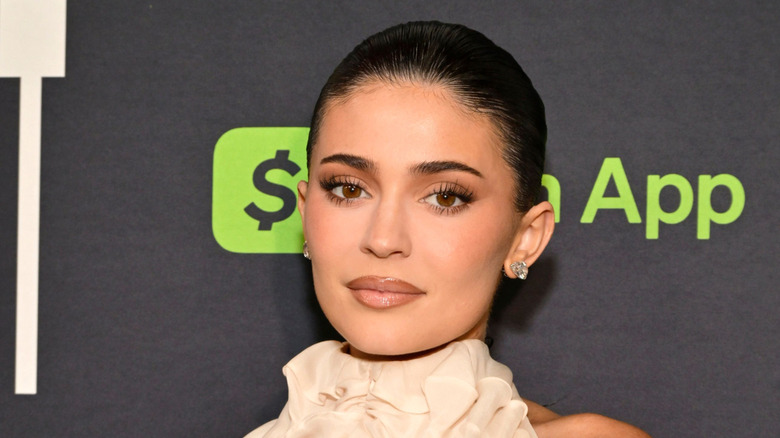
Health Digest – Health News, Wellness, Expert Insights








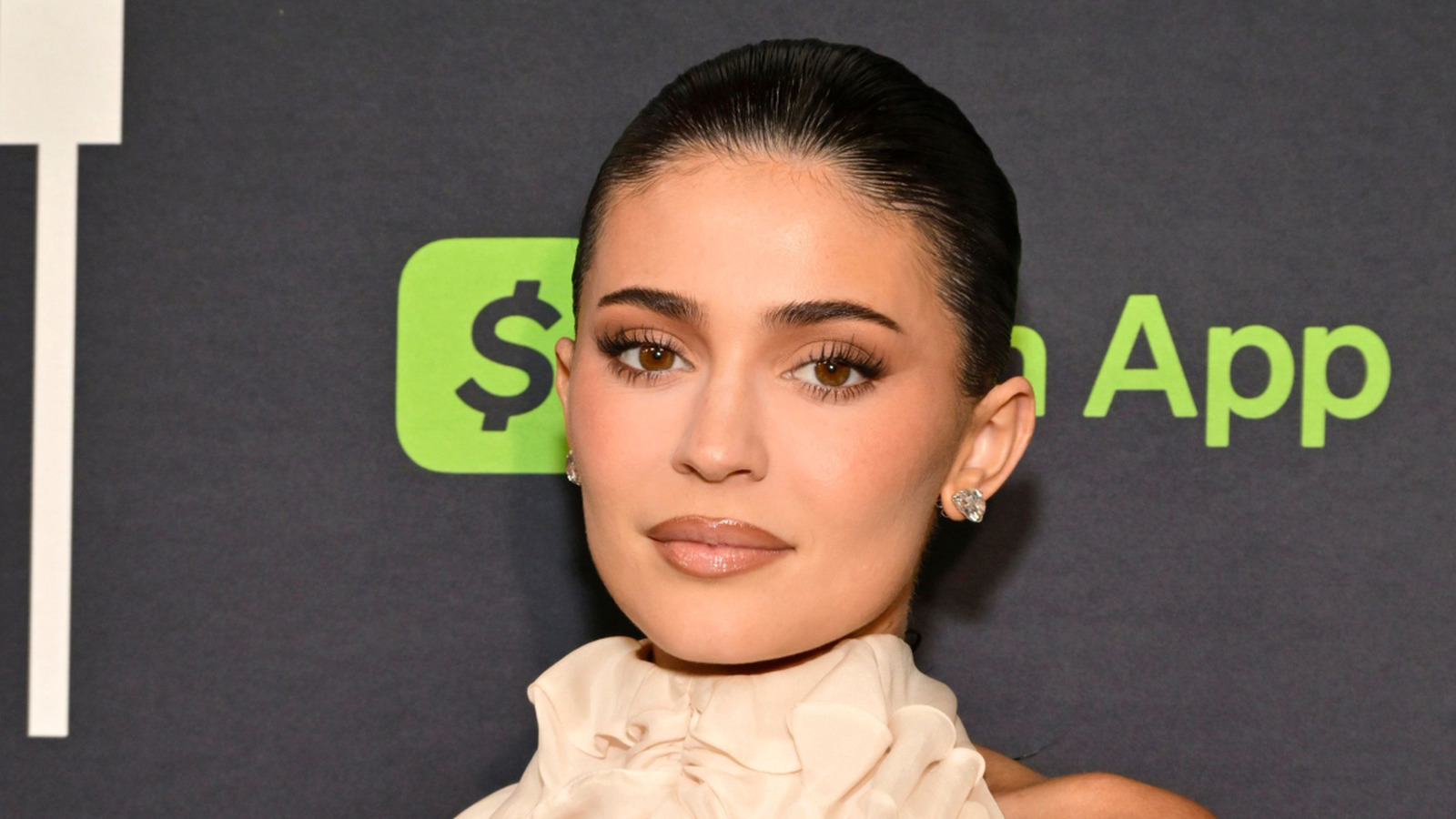
When Kylie Jenner recently shared her “new favorite snack,” it had fans questioning whether it was actually a healthy weight loss supplement. Here’s why.
Health Digest – Health News, Wellness, Expert Insights
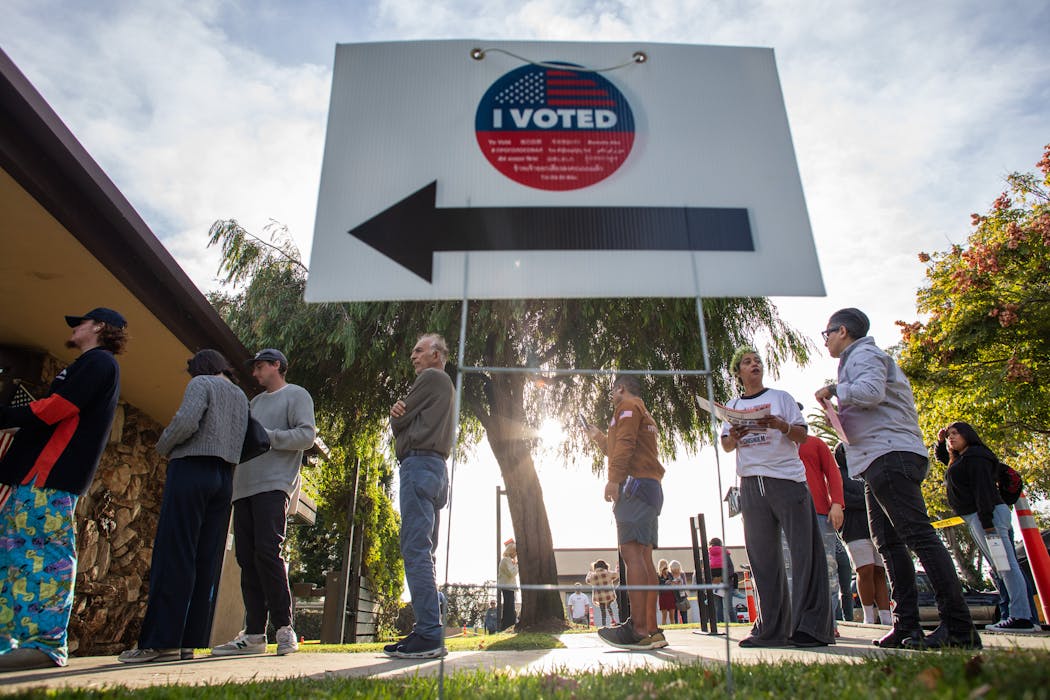
The Republican-led House of Representatives voted Feb. 11, 2026 to approve the Safeguard American Voter Eligibility Act – or SAVE America Act. The bill would require individuals to provide proof of citizenship when they register to vote and present photo identification when they do vote in federal elections.
This marks the third year in a row that the House has passed similar legislation. Passage in the Senate, which would require Democratic votes, continues to appear unlikely. But Republicans from President Donald Trump on down are clearly interested in finding ways to enhance election security – although critics contend the SAVE America Act would unfairly disenfranchise millions of citizens.
The SAVE America Act would require anyone registering to vote in federal elections to first “provide documentary proof of U.S. citizenship” in person, such as a passport or birth certificate. The new version goes further than its predecessor by requiring many individuals voting in federal elections to present photo identification at the polls indicating proof of U.S. citizenship.
Voting rights experts and advocacy organizations have detailed how the legislation could suppress voting. In part, they say it would particularly create barriers in low-income and minority communities. People in such communities often lack the forms of ID acceptable under the SAVE America Act for a variety of reasons, including socioeconomic factors.
As of now, at least 9% of voting-age American citizens – approximately 21 million people – do not even have driver’s licenses, let alone proof of citizenship. In spite of this, many legislators support the bill as a means of eliminating noncitizen voting in elections.
As a legal scholar who studies, among other things, foreign interference in elections, I find considerations about the potential effects of the SAVE America Act important, especially given how rare it is that a noncitizen actually votes in federal elections.
Yet, it is equally crucial to consider a more fundamental question: Is the SAVE America Act even constitutional?
The SAVE America Act would forbid state election officials from registering an individual to vote in federal elections unless this person “provides documentary proof of United States citizenship.” Furthermore, it would forbid individuals from voting unless they bring such proof to the polls each time they vote, unless their state agrees to submit voter registration lists to the U.S. Department of Homeland Security on a quarterly basis.
Acceptable forms of proof for voter registration would include a REAL ID that demonstrates U.S. citizenship – most of which do not – as well as a U.S. passport or a U.S. military identification card.

So – should the SAVE America Act become law – if a person turns 18 or moves between states and wishes to register to vote in federal elections in their new home, they would likely be turned away if they do not have any such documents readily available. At best, they could still fill out a registration form, but they would need to mail in acceptable proof of citizenship.
For married people with changed last names, among others, questions remain about whether birth certificates could even count as acceptable proof of citizenship for them.
Despite the national conversation the SAVE America Act has sparked, it is unclear whether Congress even has the power to enact it. This is the key constitutional question.
The U.S. Constitution imposes no citizenship requirement when it comes to voting. The original text of the Constitution, in fact, said very little about the right to vote. It was not until legislators passed subsequent amendments, starting after the Civil War up through the 1970s, that the Constitution even explicitly prohibited voting laws that discriminate on account of race, sex or age.
Aside from these amendments, the Constitution is largely silent about who gets to vote.
Who, then, gets to decide whether someone is qualified to vote? No matter the election, the answer is always the same – the states.
Indeed, by constitutional design, the states are tasked with setting voter-eligibility requirements – a product of our federalist system. For state and local elections, the 10th Amendment grants states the power to regulate their internal elections as they see fit.
States also get to decide who may vote in federal elections, which include presidential and congressional elections.
When it comes to presidential elections, for instance, states have – as I have previously written – exclusive power under the Constitution’s electors clause to decide how to conduct presidential elections within their borders, including who gets to vote in them.
The states wield similar authority for congressional elections. Namely, according to Article 1 of the Constitution and the Constitution’s 17th Amendment, if someone can vote in their state’s legislative elections, they are entitled to vote in its congressional elections, too.
Conversely, the Constitution provides Congress zero authority to govern voter-eligibility requirements in federal elections. Indeed, in the U.S. Supreme Court’s 2013 ruling on the Arizona v. Inter Tribal Council case, the court asserted that nothing in the Constitution “lends itself to the view that voting qualifications in federal elections are to be set by Congress.”
The SAVE America Act presents a constitutional dilemma. By requiring individuals to show documentary proof of U.S. citizenship to vote, the SAVE America Act is implicitly saying that someone must be a U.S. citizen to vote in federal elections.
In other words, Congress would be instituting a qualification to vote, a power that the Constitution leaves exclusively to the states.
Indeed, while all states currently limit voting rights to citizens, legal noncitizen voting is not without precedent. As multiple scholars have noted, at least 19 states extended voting rights to free male “inhabitants,” including noncitizens, starting from our country’s founding up to and throughout the 19th century.
Today, over 20 municipalities across the country, as well as the District of Columbia, allow permanent noncitizen residents to vote in local elections.
Any state these days could similarly extend the right to vote in state and federal elections to permanent noncitizen residents. This is within their constitutional prerogative. And if this were to happen, there could be a conflict between that state’s voter-eligibility laws and the SAVE America Act.
Normally, when state and federal laws conflict, the Constitution’s supremacy clause mandates that federal law prevails.
Yet, in this instance, where Congress has no actual authority to implement voter qualifications, the SAVE America Act would seem to have no constitutional leg on which to stand.
So, why have 108 U.S. representatives sponsored a bill that likely exceeds Congress’ powers?
Politics, of course, plays some role here. Namely, noncitizen voting is a major concern among Republican politicians and voters. Every SAVE America Act co-sponsor is Republican, as were all but four of the 220 U.S. representatives who voted to pass the SAVE Act in April 2025.
When it comes to the constitutionality of the SAVE America Act, though, proponents simply assert that Congress is acting within its purview.
Specifically, many proponents have cited the Constitution’s elections clause, which gives Congress the power to regulate the “Times, Places and Manner” of congressional elections, as support for that assertion. Utah Sen. Mike Lee, for example, explicitly referenced the elections clause when defending the SAVE Act earlier in 2025.
But the elections clause only grants Congress authority to regulate election procedures, not voter qualifications. The Supreme Court explicitly stated this in the Inter Tribal Council ruling.
Congress can, for instance, require states to adopt a uniform federal voter registration form and even include a citizenship question on said form. What it cannot do, however, is implement a nonnegotiable mandate that effectively tells the states they can never allow any noncitizen to vote in a federal election.
For now, the SAVE America Act is simply legislation. Should the Senate pass it, Trump will almost assuredly sign it into law, given, among other factors, his recent call for Republicans to nationalize elections. If and when that happens, the courts would have to reckon with the SAVE America Act’s legitimacy within the country’s constitutional design.
This is an update of an article originally published on April 22, 2025.

John J. Martin does not work for, consult, own shares in or receive funding from any company or organization that would benefit from this article, and has disclosed no relevant affiliations beyond their academic appointment.
Politics + Society – The Conversation
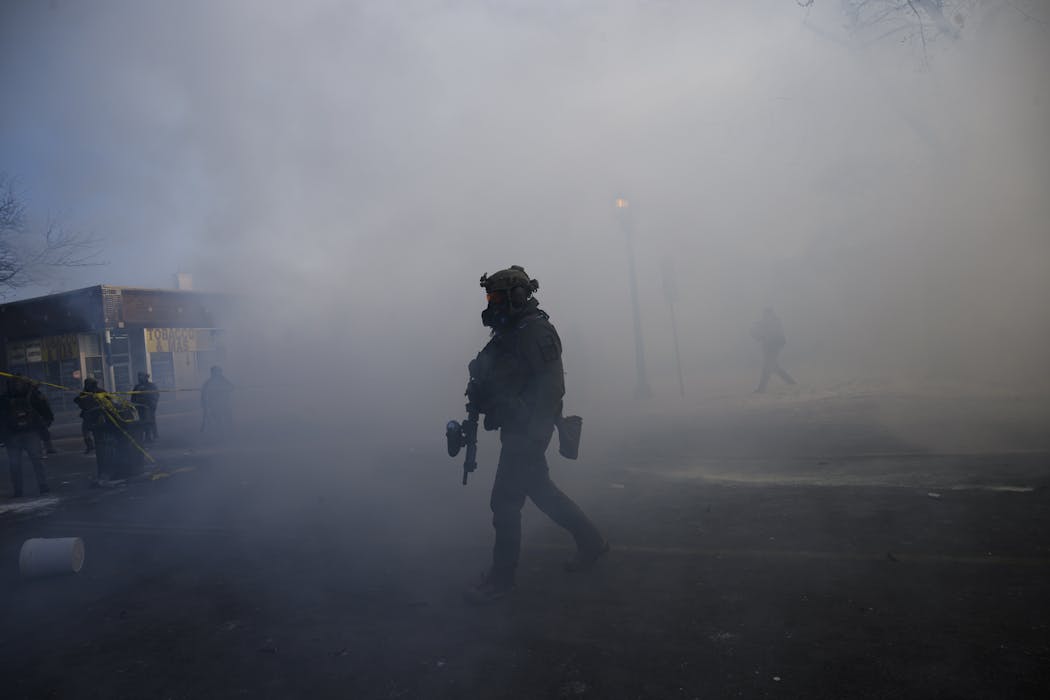
Stephen Miller’s January 2026 announcement to Immigration and Customs Enforcement officers – telling them that they have “immunity to perform your duties” and that no “illegal alien, no leftist agitator or domestic insurrectionist” can stop them – may seem like an extreme statement outside the political mainstream.
And when ICE agents use facial recognition software to monitor immigrants and protesters, that might seem like an unacceptable invasion of people’s privacy.
While extreme, these cases are not too unexpected. Both Miller’s statements and ICE’s monitoring extend from the framework of immigration enforcement that grew from the Sept. 11, 2001, terrorist attacks.
Immigration enforcement was reorganized and reframed after 9/11, particularly through the creation of ICE and the Department of Homeland Security.
As a scholar of immigration in the U.S., I find that the growth of extreme immigration enforcement, both at the border and across the country, results from this change 25 years ago.
In November 2002, the Homeland Security Act created DHS. The founding of ICE followed a few months later. As the agency notes, it was part of “the single-largest government reorganization since the creation of the Department of Defense.” Immigration enforcement was folded into a national security priority whose primary purpose was to defend “homeland security.”
The notion of immigrants as potential criminals was widespread well before the creation DHS.
In 1996, for example, President Bill Clinton signed the Illegal Immigration Reform and Immigration Responsibility Act. That law expanded the number of offenses that could result in automatic deportation, including of legal residents. The act also limited judicial review of deportation cases, while the very title of the law framed people in the U.S. without legal status as lawbreaking criminals.
But after 9/11, the connection between immigration and law enforcement intensified and took on a new dimension: counterterrorism. Immigration was no longer treated as a civil issue in which immigrants were deported if found through a civil court to have violated the law.
Instead, immigrants were evaluated as possible threats to the country.

Immigration trials, such as for overstaying visas, increasingly took place in closed hearings, with the government’s secret evidence not shared with the accused. Those arrested for crossing the border illegally were imprisoned and faced [criminal prosecutions]. Expedited deportations took place at the border and across the country, even for immigrants who had been in the U.S. for years.
Further federal government practices connected immigrants to terrorism. The National Security Entry-Exit Registration System or NSEERS, introduced in 2002, required immigrant men from 25 countries – almost entirely in the Middle East, South Asia and North Africa – to register with the federal government after already residing in the country. It was framed as an effort to defend homeland security, and hundreds of people who had overstayed their visas for less than a month were detained.
United Nations human rights experts later criticized NSEERS for racial and religious profiling. Of the approximately 80,000 people registered, not a single terrorism prosecution resulted. About 14,000 were placed in deportation proceedings for visa irregularities, none for terrorism-related activity.
DHS suspended NSEERS in 2011, and it was terminated in 2016.
If the purpose of NSEERS was to identify terrorists, it failed.
But it succeeded in treating immigrants as potential terrorists. That connection has intensified since.
Federal government investment in facial recognition technology grew substantially after 9/11 with bipartisan support. The goal was to identify possible terrorists in American airports and cities.

Today, facial recognition has become a common tactic used by ICE officers to identify not just immigrants for potential detention but also citizen observers.
Additionally, privately owned detention centers grew in response to the mass arrests of immigrants. Treatment of immigrants at these centers, according to human rights advocates, has included “abuse, solitary confinement, and medical neglect.” For years, ICE detention centers have been criticized for similar conditions.
Programs like NSEERS produced fear and led to what policymakers have called self-deportation, where immigrants voluntarily leave the U.S. Today, self-deportation has become a government-endorsed program.
Research also shows that heightened immigration enforcement after 9/11 led many immigrants, even those with legal status, to withdraw from public life, avoiding schools, hospitals and work. ICE today produces the same kinds of fear.
The immigration enforcement response to 9/11 set the stage on which Miller’s language and the collection of everyday Americans’ data become viable.
Under this way of thinking, if the homeland is under threat, then those who challenge immigration enforcement are “domestic terrorists.” Investigations into ICE officers are muted, for the officers are protecting the homeland against existential danger. Severe tactics to detain immigrants and condemn protesters become not only permissible but also advisable, according to advocates.
Perhaps technical reforms, such as requiring ICE agents to use body cameras or requiring ICE agents to have judicial warrants before entering homes, may limit some abuses.
But these measures do not address the underlying premise since 9/11 that immigration has become primarily viewed as a national security threat.

Pawan Dhingra does not work for, consult, own shares in or receive funding from any company or organization that would benefit from this article, and has disclosed no relevant affiliations beyond their academic appointment.
Politics + Society – The Conversation

In mid-2023, around the time Elon Musk rebranded Twitter as X but before he discontinued free academic access to the platform’s data, my colleagues and I looked for signs of social bot accounts posting content generated by artificial intelligence. Social bots are AI software that produce content and interact with people on social media. We uncovered a network of over a thousand bots involved in crypto scams. We dubbed this the “fox8” botnet after one of the fake news websites it was designed to amplify.
We were able to identify these accounts because the coders were a bit sloppy: They did not catch occasional posts with self-revealing text generated by ChatGPT, such as when the AI model refused to comply with prompts that violated its terms. The most common self-revealing response was “I’m sorry, but I cannot comply with this request as it violates OpenAI’s Content Policy on generating harmful or inappropriate content. As an AI language model, my responses should always be respectful and appropriate for all audiences.”
We believe fox8 was only the tip of the iceberg because better coders can filter out self-revealing posts or use open-source AI models fine-tuned to remove ethical guardrails.
The fox8 bots created fake engagement with each other and with human accounts through realistic back-and-forth discussions and retweets. In this way, they tricked X’s recommendation algorithm into amplifying exposure to their posts and accumulated significant numbers of followers and influence.
Such a level of coordination among inauthentic online agents was unprecedented – AI models had been weaponized to give rise to a new generation of social agents, much more sophisticated than earlier social bots. Machine-learning tools to detect social bots, like our own Botometer, were unable to discriminate between these AI agents and human accounts in the wild. Even AI models trained to detect AI-generated content failed.
Fast-forward a few years: Today, people and organizations with malicious intent have access to more powerful AI language models – including open-source ones – while social media platforms have relaxed or eliminated moderation efforts. They even provide financial incentives for engaging content, irrespective of whether it’s real or AI-generated. This is a perfect storm for foreign and domestic influence operations targeting democratic elections. For example, an AI-controlled bot swarm could create the false impression of widespread, bipartisan opposition to a political candidate.
The current U.S. administration has dismantled federal programs that combat such hostile campaigns and defunded research efforts to study them. Researchers no longer have access to the platform data that would make it possible to detect and monitor these kinds of online manipulation.
I am part of an interdisciplinary team of computer science, AI, cybersecurity, psychology, social science, journalism and policy researchers who have sounded the alarm about the threat of malicious AI swarms. We believe that current AI technology allows organizations with malicious intent to deploy large numbers of autonomous, adaptive, coordinated agents to multiple social media platforms. These agents enable influence operations that are far more scalable, sophisticated and adaptive than simple scripted misinformation campaigns.
Rather than generating identical posts or obvious spam, AI agents can generate varied, credible content at a large scale. The swarms can send people messages tailored to their individual preferences and to the context of their online conversations. The swarms can tailor tone, style and content to respond dynamically to human interaction and platform signals such as numbers of likes or views.
In a study my colleagues and I conducted last year, we used a social media model to simulate swarms of inauthentic social media accounts using different tactics to influence a target online community. One tactic was by far the most effective: infiltration. Once an online group is infiltrated, malicious AI swarms can create the illusion of broad public agreement around the narratives they are programmed to promote. This exploits a psychological phenomenon known as social proof: Humans are naturally inclined to believe something if they perceive that “everyone is saying it.”

Such social media astroturf tactics have been around for many years, but malicious AI swarms can effectively create believable interactions with targeted human users at a large scale, and get those users to follow the inauthentic accounts. For example, agents can talk about the latest game to a sports fan and about current events to a news junkie. They can generate language that resonates with the interests and opinions of their targets.
Even if individual claims are debunked, the persistent chorus of independent-sounding voices can make radical ideas seem mainstream and amplify negative feelings toward “others.” Manufactured synthetic consensus is a very real threat to the public sphere, the mechanisms democratic societies use to form shared beliefs, make decisions and trust public discourse. If citizens cannot reliably distinguish between genuine public opinion and algorithmically generated simulation of unanimity, democratic decision-making could be severely compromised.
Unfortunately, there is not a single fix. Regulation granting researchers access to platform data would be a first step. Understanding how swarms behave collectively would be essential to anticipate risks. Detecting coordinated behavior is a key challenge. Unlike simple copy-and-paste bots, malicious swarms produce varied output that resembles normal human interaction, making detection much more difficult.
In our lab, we design methods to detect patterns of coordinated behavior that deviate from normal human interaction. Even if agents look different from each other, their underlying objectives often reveal patterns in timing, network movement and narrative trajectory that are unlikely to occur naturally.
Social media platforms could use such methods. I believe that AI and social media platforms should also more aggressively adopt standards to apply watermarks to AI-generated content and recognize and label such content. Finally, restricting the monetization of inauthentic engagement would reduce the financial incentives for influence operations and other malicious groups to use synthetic consensus.
While these measures might mitigate the systemic risks of malicious AI swarms before they become entrenched in political and social systems worldwide, the current political landscape in the U.S. seems to be moving in the opposite direction. The Trump administration has aimed to reduce AI and social media regulation and is instead favoring rapid deployment of AI models over safety.
The threat of malicious AI swarms is no longer theoretical: Our evidence suggests these tactics are already being deployed. I believe that policymakers and technologists should increase the cost, risk and visibility of such manipulation.

Filippo Menczer receives funding from Knight Foundation, National Science Foundation, Swiss National Science Foundation, and Air Force Office of Scientific Research.
Politics + Society – The Conversation

For many couples, Valentine’s Day means staying in, grabbing a blanket and streaming something sweet. Here are five romantic favorites perfect for date night at home. Continue reading…The Boot – Country Music News, Music Videos and Songs
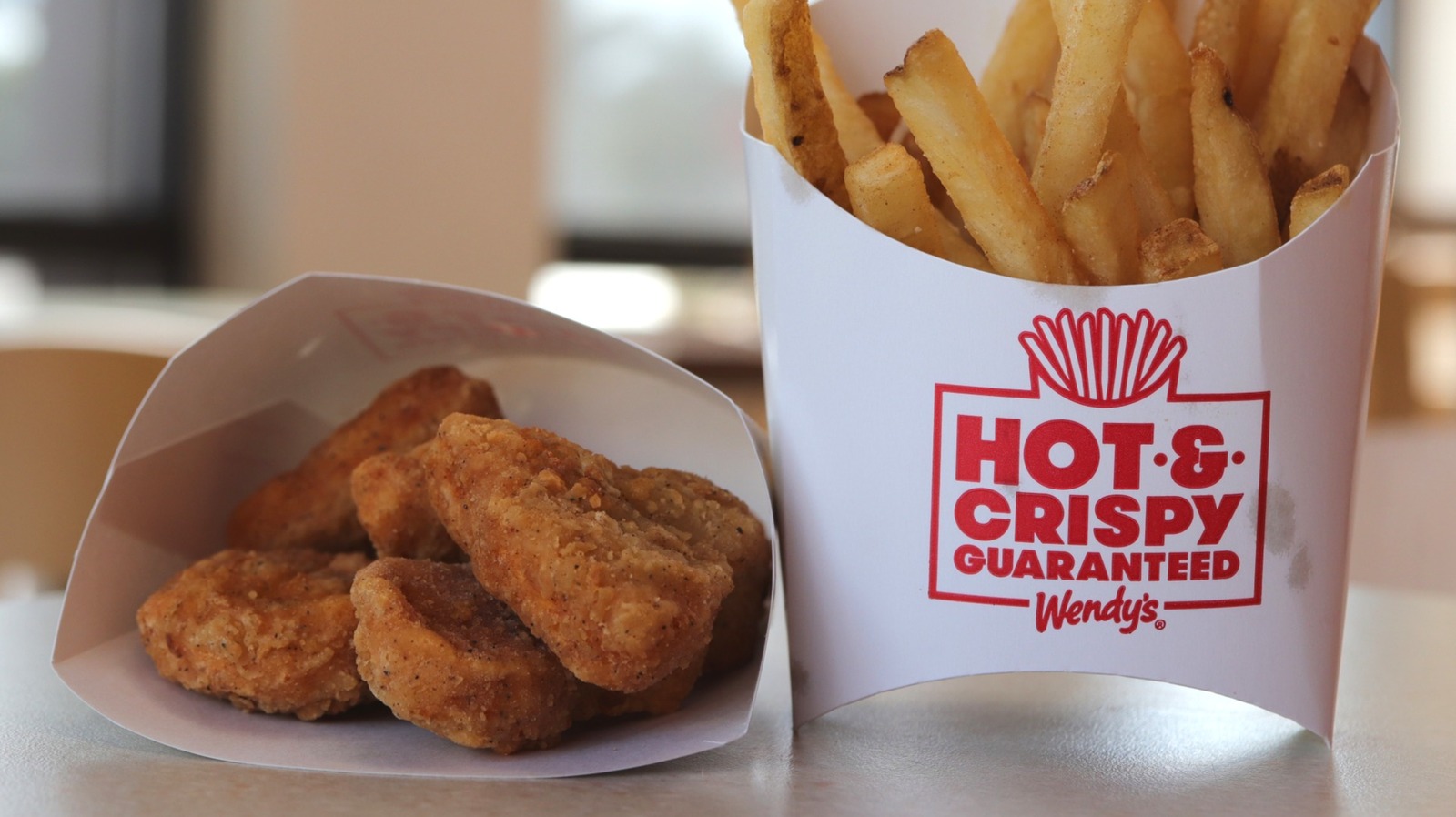
While Wendy’s is famous for its burgers, it also serves up a tempting selection of nuggets. But how do they compare to the versions found across the pond?
Food Republic – Restaurants, Reviews, Recipes, Cooking Tips
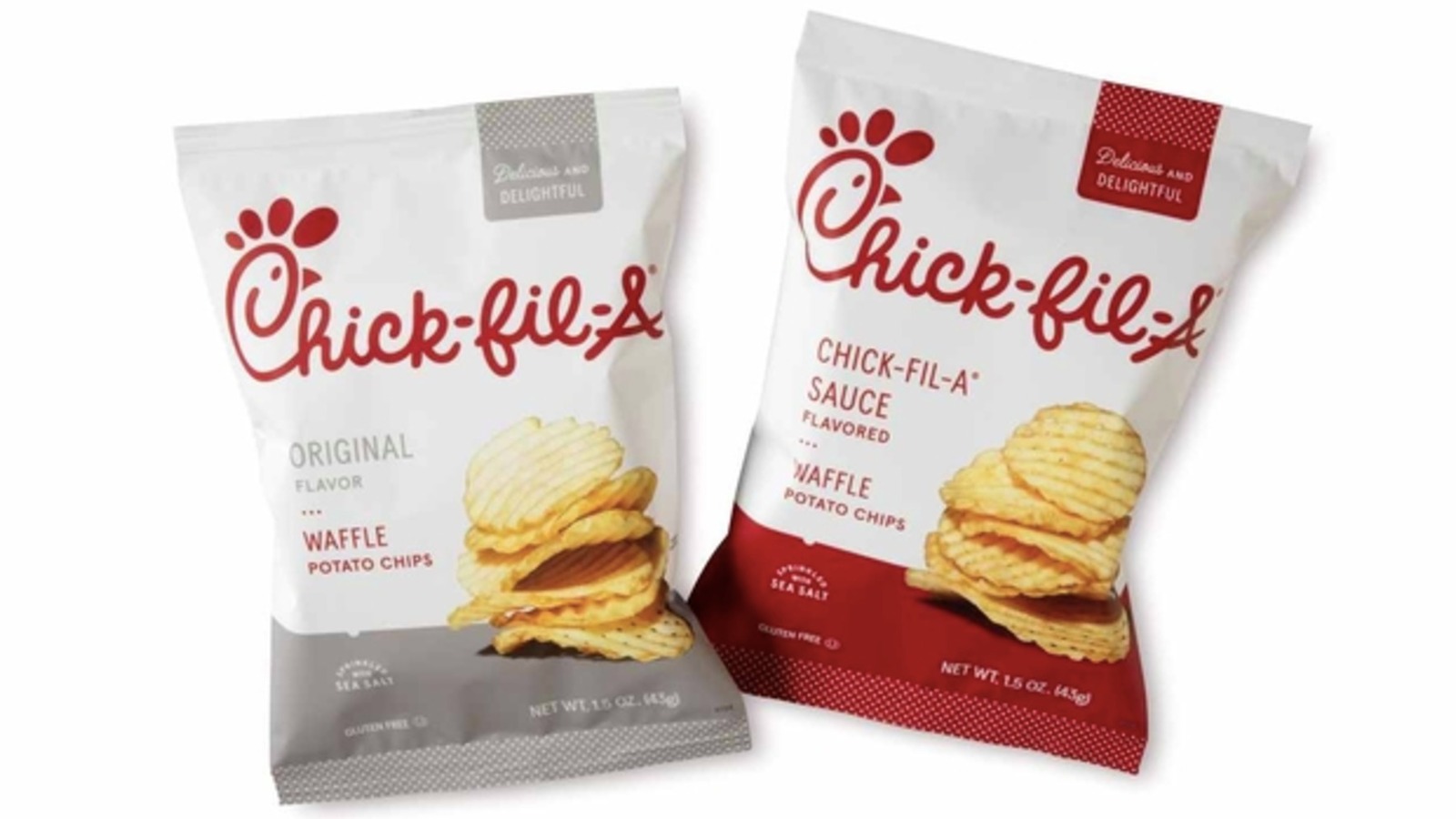
Chick-fil-A waffle potato chips are available to buy in stores, but the nation-wide roll-out is slow. Find out if they’re available in your area.
Mashed – Fast Food, Celebrity Chefs, Grocery, Reviews
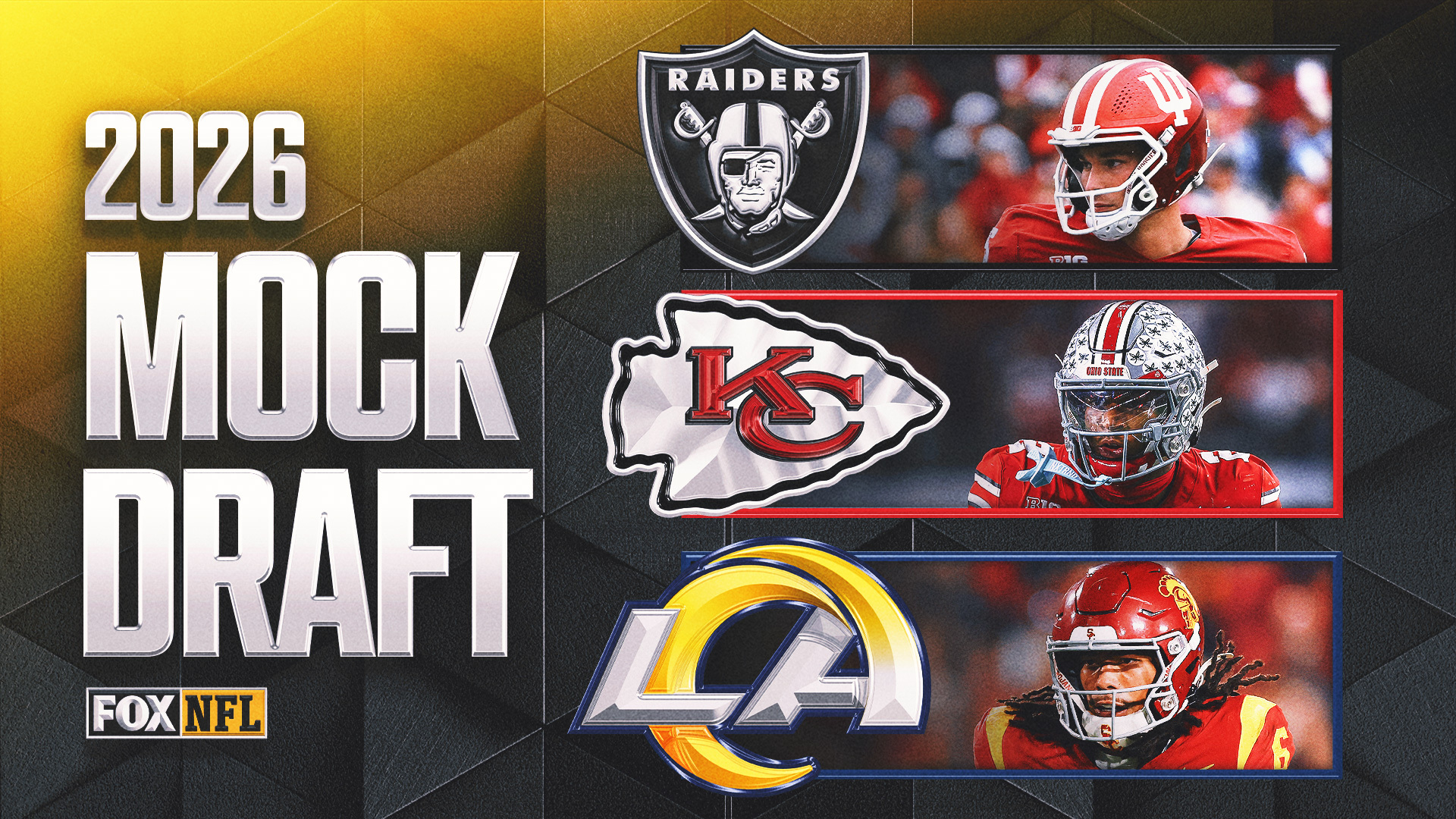
The NFL has long been a copycat league, so expect other teams to replicate the strategies and personnel that powered the Patriots and Seattle Seahawks to Super Bowl LX. One of the most obvious commonalities between this year’s Super Bowl participants was the quality of their respective secondaries. The 2026 NFL Draft is not as top-heavy as last year, but I like the talent and depth of its defensive backs with seven projected in this updated first-round mock draft, my first since the order and eligible player pool have been finalized. 1. Las Vegas Raiders (3-14): Fernando Mendoza, QB, Indiana Incoming head coach Klint Kubiak was surely lured to Las Vegas by the opportunity to land the consensus top quarterback of this class. Unlike recent No. 1 overall selections, Mendoza does not necessarily have to start immediately. The Raiders, of course, still have veteran Geno Smith, who, like Mendoza, is a clean schematic fit in Kubiak’s offense. Smith’s presence should allow Kubiak and the Raiders the increasingly rare opportunity to truly prepare Mendoza for the NFL, rather than rush him onto the field. The Heisman Trophy winner and national champion has the prototypical build, all the intangibles and enough physical traits to ultimately become a star in the NFL. 2. New York Jets (3-14): Arvell Reese, LB, Ohio State Any chance that the Raiders would move out of the first pick or take anyone other than Mendoza seemingly ended once Kubiak agreed to become head coach. While perhaps disappointing for Jets fans, it does provide general manager Darren Mougey and head coach Aaron Glenn with plenty of notice that their best chance at finding realistic competition for Justin Fields is probably through free agency or trading for a veteran. Mougey has made bold trades before, of course, peddling the Jets’ most impactful defenders — Sauce Gardner and Quinnen Williams — in a November fire sale. In a class relatively lacking in top-end talent, Reese is one of a handful of the few true elite talents, profiling similarly to Micah Parsons. 3. Arizona Cardinals (3-14): Jeremiyah Love, RB, Notre Dame Like the Jets a pick earlier, the Cardinals are facing a massive decision at quarterback which will obviously impact how they use this selection. New head coach Mike LaFleur might very well push to boost the trenches with his first pick. Arizona was pushed around a lot in the NFC West during Jonathan Gannon’s tenure, with the Cardinals finishing 3-15 in the division. Time spent with the 49ers and Rams’ dynamic offenses, however, will give him an appreciation of true star power at the skill positions and GM Monti Ossenfort could be feeling some pressure. In my opinion, the gap between Love and the rest of this year’s running back class isn’t quite as steep as the one separating Mendoza at quarterback, but it’s comparable. Love is right there with Bijan Robinson, Saquon Barkley, Ezekiel Elliott and Todd Gurley as the top running back talents I’ve evaluated over the past 25 years. 4. Tennessee Titans (3-14): Sonny Styles, LB, Ohio State Speaking of the NFC West and immediate impact rookies, Styles’ fit as the centerpiece of Robert Saleh’s defense in Tennessee is a fascinating one. Like former teammate Arvell Reese, Styles is an athletic phenom who’s steadily improved over his college career and has easy traits to project to the next level. It isn’t a hard argument to make that plugging him into a defense that already boasts All-Pro Jeffery Simmons is the quickest way for the Titans to advance in the AFC South. 5. New York Giants (4-13): Francis Mauigoa, OT, Miami Similar to the aforementioned Titans, I think the Giants’ draft picks are going to be a direct reflection of their new head coach. Few players in this draft strike me as a cleaner fit for John Harbaugh than Mauigoa, a massive and mauling three-year standout who ranks as the cleanest plug-and-play offensive lineman of this class. With current right tackle Jermaine Eluemanor (31) a free agent, the Giants would be wise to build around Jaxson Dart by making their protection of him top priority. 6. Cleveland Browns (5-12): Spencer Fano, OT, Utah If John Harbaugh does, indeed, take the first blocker off the board a pick earlier, don’t be surprised if his former offensive coordinator Todd Monken follows suit a pick later. Whether it’s Shedeur Sanders, Deshaun Watson or anyone else starting at quarterback for the Browns next season, addressing an offensive line that surrendered 51 sacks will be a priority — especially with four-fifths of the primary blocking unit for Cleveland scheduled for free agency. Fano is massive and nimble with starting experience at both left and right tackle. 7. Washington Commanders (5-12): Carnell Tate, WR, Ohio State No one needs to remind Washington head coach Dan Quinn about the importance of protecting quarterback Jayden Daniels, and the best way of doing that with this pick might be to bolster a receiving corps that, frankly, didn’t live up to expectations. Big and smooth, Tate would add a dynamic downfield presence to add some vitality to a group of pass-catchers overly reliant on 30-year-old Terry McLaurin as Deebo Samuel and Zach Ertz head to free agency. 8. New Orleans Saints (6-11): Rueben Bain Jr., Edge, Miami With iconic players like Cameron Jordan, Demario Davis and Taysom Hill among 18 unrestricted free agents this year for the Saints, the roster set by head coach Kellen Moore could look much different in his second season in Baton Rouge than his first. If Moore and longtime New Orleans GM Mickey Loomis fully commit to rebuilding this roster, Bain plays with the physicality and mentality of a franchise anchor. 9. Kansas City Chiefs (6-11): Caleb Downs, S, Ohio State Safeties — at least the traditional “box” safeties of yesteryear — are simply not as valued in today’s passer-friendly league that penalizes many of the bone-crunching hits which used to dominate the middle of the field. Downs does so much more than tackle, however. Adding his instincts and playmaking skills to an already gifted Chiefs secondary is a smart strategy given all the quarterback talent in the AFC West. Of note, if the draft were to play out as I have it projected, Downs would be the fourth Buckeye selected among the top 10 — an unprecedented number in NFL draft history. 10. Cincinnati Bengals (5-12): David Bailey, Edge, Texas Tech With their star quarterback healthy and all three AFC North divisional opponents featuring entirely new coaching staffs, the Bengals could find themselves in an exciting position to springboard from holding a top-10 pick to possible divisional winner a year from now. At 6-foot-3, 250 pounds, Bailey doesn’t fit the measureables Duke Tobin has preferred in the past. but he’s this year’s top pass-rusher. 11. Miami Dolphins (7-10): Jermod McCoy, CB, Tennessee The Dolphins appear to be considering a complete rebuild. It already started among the decision-makers, of course, with the hiring of new general manager Jon-Eric Sullivan and head coach Jeff Hafley. But there will be plenty of changes on the roster, as well, with the duo inheriting a club with 29 current unrestricted free agents (including six cornerbacks), as well as a massive decision on quarterback Tua Tagovailoa. McCoy is viewed by many scouts as the top corner of this class and a top 20 candidate, despite missing the entire 2025 season recovering from a torn ACL. 12. Dallas Cowboys (7-9-1): Mansoor Delane, CB, LSU Even prior to the surprising late-season release of former All-Pro Trevon Diggs, the Cowboys were likely looking hard at this year’s quality cornerback crop, as the club has three others (Corey Ballentine, Reddy Stewart and CJ Goodwin) entering free agency. Delane would fit right in with Dallas’ current top cornerback DaRon Bland, as he is a natural ballhawk who recorded 27 pass breakups, as well as eight interceptions (and four forced fumbles) over his collegiate career. 13. Los Angeles Rams (via Atlanta Falcons, 8-9): Makai Lemon, WR, USC The Rams were only a few plays away from playing in Super Bowl LX, and with an extra pick acquired a year ago from Atlanta, I expect general manager Les Snead to attack this draft in an effort to erase whatever gap there is between his club and Seattle’s. Adding Lemon — the 2025 Biletnikoff Award winner as the nation’s top wideout — to a receiver rotation that already boasts Puka Nacua and Davante Adams might be all the motivation Matthew Stafford might need to play a few more years. 14. Baltimore Ravens (8-9): Cashius Howell, Edge, Texas A&M Bringing back Jesse Minter to the Ravens is a strong indication that Baltimore is ready to recommit to its once-proud defense. Long known for their defense throughout the John Harbaugh era, the Ravens stumbled to a tie for 30th in the NFL in quarterback sacks in 2025. Last year’s prized rookie Mike Green generated just 3.5 sacks and the club was led by Travis Jones’ five QB takedowns. Howell is explosive upfield and also agile enough to drop into coverage. His versatility and intensity make him an intriguing fit for a defense needing a bit of both to kick off Minter’s return. 15. Tampa Bay Buccaneers (8-9): Keldric Faulk, DL, Auburn There is plenty of blame to go around for the Bucs’ late-season collapse, but a pedestrian pass rush that featured just two defenders generating more than 3.5 sacks certainly played a role. With “just” two sacks of his own in 2025, Faulk might seem like a poor choice to supplement Tampa Bay’s roster, but scouts are enamored with the 20-year-old’s length, strength and upside. 16. New York Jets (via Indianapolis Colts, 8-9): Colton Hood, CB, Tennessee Given that he recorded 41 of them over a brilliant 15-year playing career, Aaron Glenn must find it infuriating that his New York Jets did not record a single interception all season long. Teams often take on the personalities of their head coach; if that is going to be the case with the Jets, adding some playmaking chops to the secondary should be a priority. Hood is an ascending talent who excels in man coverage, turning heads last week at the Senior Bowl and at Tennessee in 2025, where he registered a career-high eight pass breakups. 17. Detroit Lions (9-8): Monroe Freeling, OT, Georgia The magic in Motown didn’t entirely run out in 2025, but it did age. The same offensive line that dominated the past few seasons showed cracks with longtime left tackle Taylor Decker missing multiple starts for the third consecutive season. The Lions could save approximately $22 million in cap space by moving on from Decker, who turns 33 in August. With a frame and game similar to Decker, Freeling could be a younger, cheaper option to reset Detroit’s front. 18. Minnesota Vikings (9-8): CJ Allen, LB, Georgia The Vikings are reportedly paying defensive coordinator Brian Flores $6 million per year, making him the highest-paid assistant coach in NFL history. The massive salary suggests Flores will also have a greater say in personnel. The second level of the Vikings’ defense is missing a true alpha with the speed, physicality and instincts to star as an every-down linebacker. Allen would be a great fit in Flores’ system. 19. Carolina Panthers (8-9): Kevin “KC” Concepcion, WR, Texas A&M For as good as Bryce Young and reigning Offensive Rookie of the Year Tetairoa McMillan proved to be in their first year together, one has to wonder if there isn’t a lot more “meat on the bone” for the Panthers to enjoy with a second reliable playmaker added to the equation. Concepcion’s electric speed and elusiveness could be the perfect complement to T-Mac, as well as provide some spark to a return unit that has produced just one TD over the past eight years. 20. Dallas Cowboys (via Green Bay Packers, 9-7-1): Gabe Jacas, Edge, Illinois No rookie is likely to replace Micah Parsons, but the Cowboys are not unlikely to leave the first round of this draft without boosting their edge rushers. Jacas led the Big Ten with 11 sacks in the regular season and carried that momentum into Mobile, Ala., where he was this year’s top pass-rusher at the Senior Bowl. The 6-foot-3, 260-pound Jacas is athletic and technically sound, and best of all, he’s as proven as it gets with 27 sacks and seven forced fumbles in his college career. 21. Pittsburgh Steelers (10-7): Jordyn Tyson, WR, Arizona State Mike McCarthy certainly sounded eager to reunite with Aaron Rodgers. If that is going to be the case, Pittsburgh really should invest in another playmaking receiver capable of starring against single coverage as defenses focus so much attention on the imposing DK Metcalf. Tyson has the sharp change of direction and reliable hands to quickly earn the trust of Rodgers — or whoever is playing quarterback for the Steelers in 2026. 22. Los Angeles Chargers (11-6): Caleb Banks, DT, Florida Along with death and taxes, Jim Harbaugh investing along the line of scrimmage is one of the rare certainties in life. While protecting Justin Herbert with blockers would seem to make sense, I think the Chargers are planning for healthier bodies along the offensive line, not new ones. Pardon the puns, but Banks made a lot of cents with a flashy performance at the Senior Bowl, wowing scouts with his combination of size, power and mobility. 23. Philadelphia Eagles (11-6): Kadyn Proctor, OL, Alabama With one of the best rosters in the NFL, the Eagles could go in a variety of directions with this pick, but if a talented big man like Proctor were still on the board, I have to think general manager Howie Roseman would consider him as a possible insurance policy against Lane Johnson retiring. The Eagles have been willing to gamble on elite traits in the past, and the power-packed 6-foot-7, 366-pound Proctor has plenty of those. It is worth noting that every snap of his three years at Alabama were at left tackle, but scouts are split as to where he’ll fit best in the NFL. At minimum, he’d provide an immediate boost to a sagging Tush Push. 24. Cleveland Browns (via Jacksonville Jaguars, 13-4): Denzel Boston, WR, Washington It won’t much matter which of the quarterbacks on Cleveland’s roster is starting Week 1 for Todd Monken if the Browns don’t find some difference-makers at receiver. Jerry Jeudy led all Cleveland wideouts this past season in catches, receiving yards and receiving touchdowns — quite the accomplishment until you realize that he caught just 50 passes for 602 yards and two scores, production that would qualify for third or fourth on most NFL teams. I’m not convinced the Browns don’t need multiple receivers out of this draft, but the 6-foot-4, 209-pound Boston would be a great start. Boston isn’t the most explosive athlete of this year’s receiver crop, but he’s a jump-ball dynamo with impressive body control, including quickness, flexibility and strong hands. 25. Chicago Bears (11-6): Dillon Thieneman, S, Oregon The defensive backs are a relative strength of this year’s rookie class, and I expect Chicago to be among the teams to take full advantage of that fact. After all, the Bears finished 29th in the NFL with 31 passing touchdowns allowed. And with eight defensive backs on the roster set to hit free agency — including starting safeties Kevin Byard and Jaquan Brisker — GM Ryan Poles has a chance to reset the Chicago secondary. Thieneman is a personal favorite. He’s instinctive, versatile and a natural playmaker with 10 turnovers forced over three years at Oregon and Purdue. 26. Buffalo Bills (12-5): Lee Hunter, DT, Texas Tech One of the underlying reasons for Sean McDermott’s dismissal in Buffalo was his defenses’ inability to slow down opposing running games. Buffalo finished the regular season ranked 28th in in rushing yards allowed (136.2 per game) and surrendered a league-high rushing 24 touchdowns. Hunter is a wide-bodied run plugger with impressive quickness and agility. Reinforcing the Bills’ current front with both Hunter and a healthy Ed Oliver would drastically stiffen the run defense. 27. San Francisco 49ers (12-5): Kenyon Sadiq, TE, Oregon No one needs to tell general manager John Lynch (or 49er fans) that recent games against the Seahawks might have looked a lot different had San Francisco boasted its full and healthy roster. A unique weapon like the 6-foot-3, 240-pound bowling ball that is Sadiq would give Brock Purdy and Kyle Shanahan a lot of options, especially with 32-year-old George Kittle coming off an Achilles tear. 28. Houston Texans (12-5): Olaivavega “Vega” Ioane, OG, Penn State The Texans should aggressively attack this offseason to make sure that CJ Stroud’s disappointing third year in the NFL isn’t his new normal. Specifically, the Texans must continue adding to their offensive line. The powerful and passionate Ioane is the top interior blocker of this class. Plugging him at left guard would allow the Texans to move Tytus Howard back outside to right tackle, upgrading two positions at once. 29. Los Angeles Rams (12-5): Avieon Terrell, CB, Clemson Having used their first pick on an explosive playmaker to help Matthew Stafford and the offense, GM Les Snead will be looking to fill a need here. The Rams have four cornerbacks set to hit free agency, including starter Cobie Durant as well as primary nickelbacks Derion Kendrick and Roger McCreary. Snead and Sean McVay have valued grit and playmaking ability over size at cornerback, and Terrell, an NFL legacy who led the ACC this year with five forced fumbles, certainly has those traits. 30. Denver Broncos (14-3): Kyle Louis, LB, Pittsburgh With starting linebackers Justin Strnad and Alex Singleton set for free agency, don’t be surprised if the Broncos target a linebacker (or two) early in this draft. Selecting Louis here might turn some heads, however. While perhaps a few inches and pounds smaller than scouts would prefer, Louis is a dynamic athlete with the mobility to excel in coverage and the burst to be a real factor on blitzes. 31. New England Patriots (14-3): Blake Miller, OT, Clemson For all the talk about Drake Maye and the Patriots’ defense, reaching the Super Bowl with two rookies manning the left side of the offensive line is truly a remarkable achievement and a testament to both offensive coordinator Josh McDaniels and offensive line coach Doug Marrone. Morgan Moses was arguably New England’s best blocker in 2025, but he’ll be 35 in March. The 6-foot-6, 315-pound Miller has an upright stance that might irk some coaches, but he plays with good balance and power, capably locking down right tackle the past four years at Clemson. 32. Seattle Seahawks (14-3): Brandon Cisse, CB, South Carolina The Seahawks have four key defensive backs set to hit free agency: cornerbacks Tariq Woolen and Josh Jobe and safeties Coby Bryant and Ty Okada. As mentioned previously, defensive back is one of this year’s strongest positional groups. Among the youngest players in this class at just 20 years old, Cisse (pronounced Sea-say) jumped into the draft after just one season as a starter at South Carolina, following a transfer from NC State. He’s already shown NFL-caliber athleticism and competitiveness, but he’s still guessing at times in coverage, getting by with his athletic tools. There are safer prospects available, but Cisse could be a star in the making — especially if plugged into a defense such as Seattle’s.Latest Sports News from FOX Sports
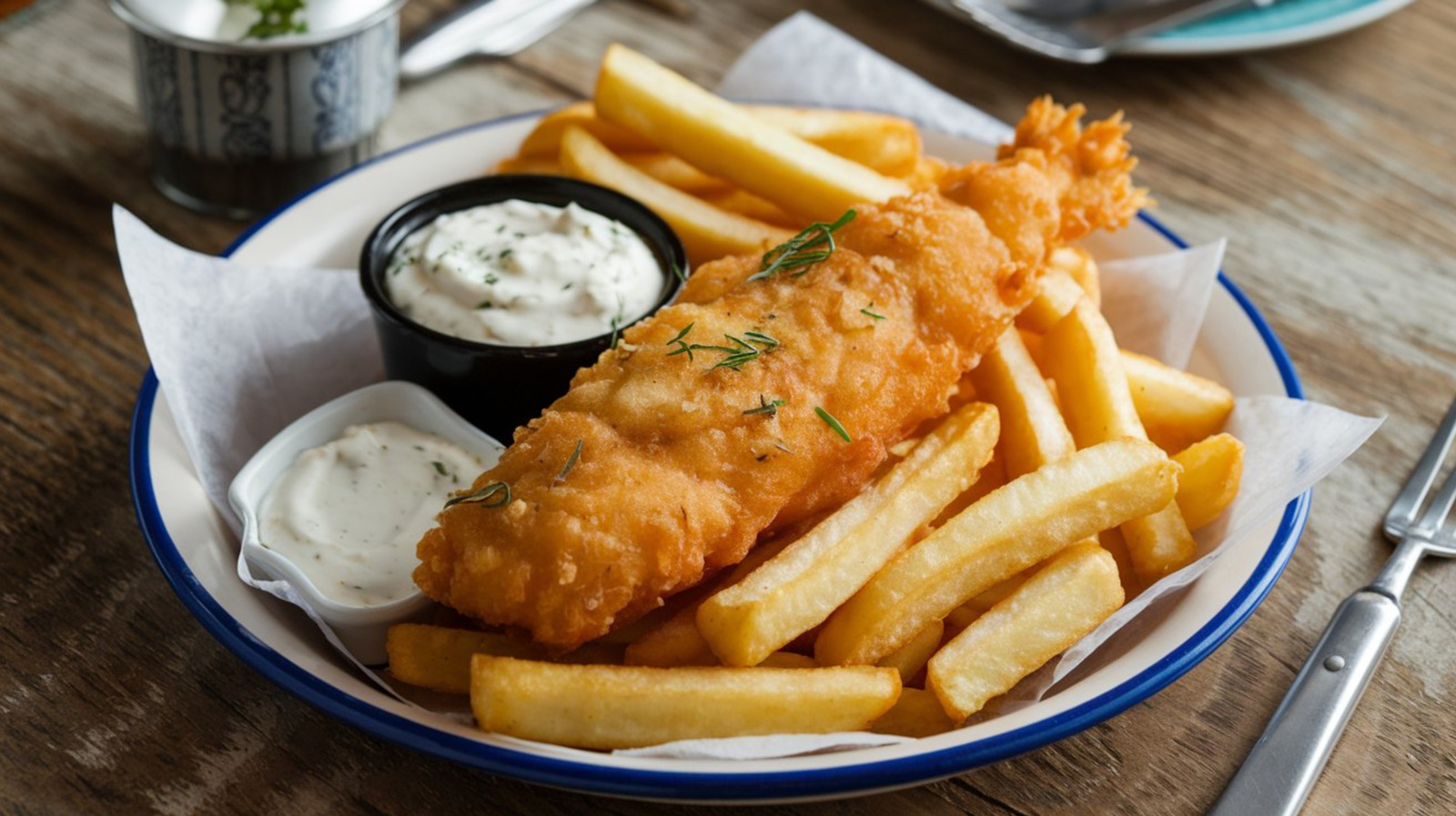
It’s tough to choose the best spot for fish and chips in Maine, but diners rave about these restaurants that offer fresh fish, crunchy fries, and good vibes.
Mashed – Fast Food, Celebrity Chefs, Grocery, Reviews
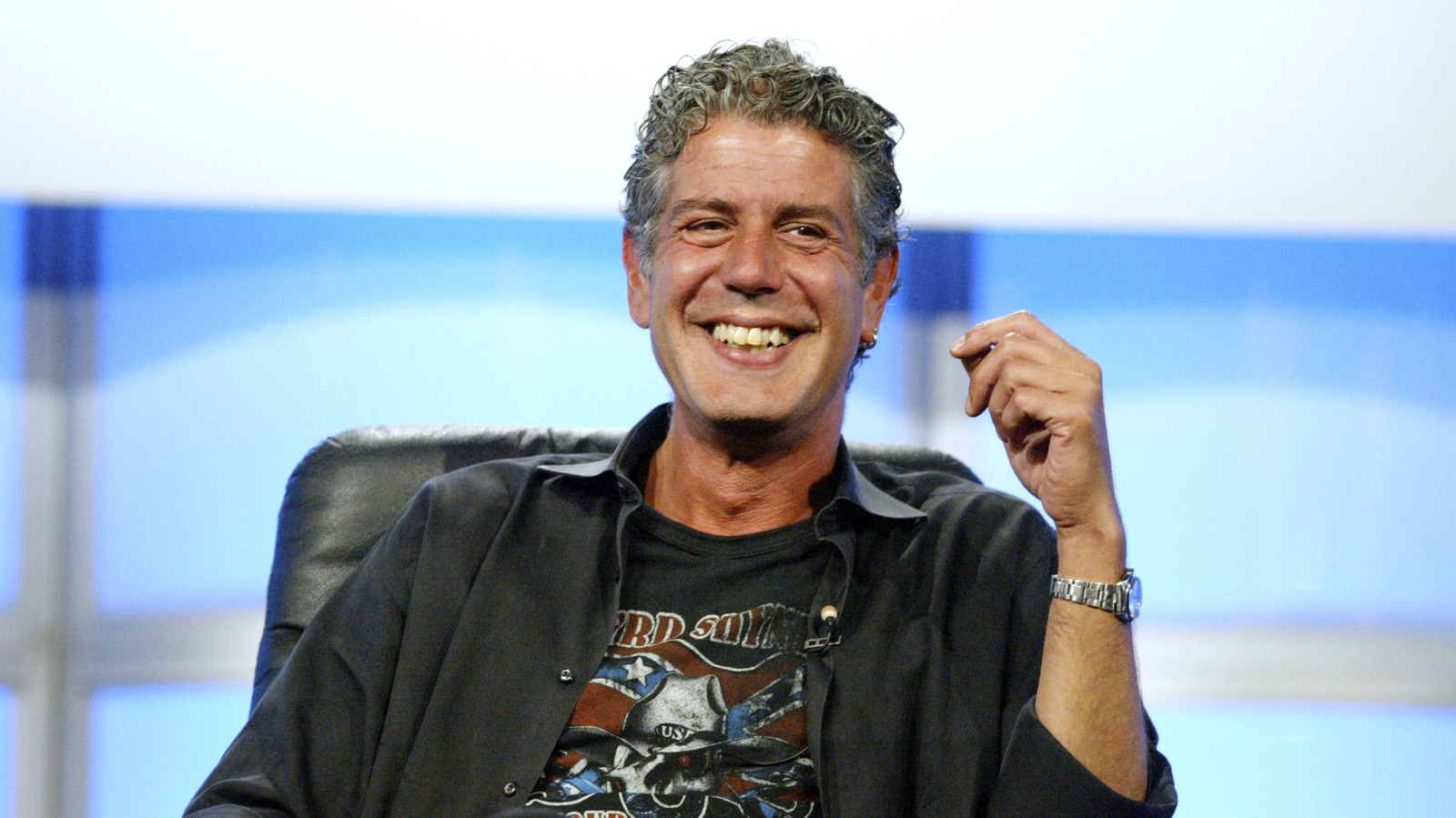
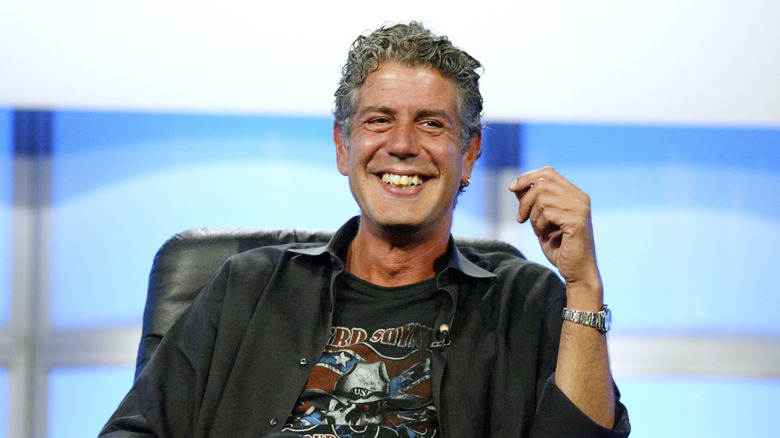
Anthony Bourdain sampled his fair share of adventurous cuisine, but he had a classic piece of advice for those struggling to appreciate Cincinnati chili.
Food Republic – Restaurants, Reviews, Recipes, Cooking Tips