It’s heartbreaking to hear how health challenges have reshaped Christina Applegate’s daily life. Continue reading…The Boot – Country Music News, Music Videos and Songs
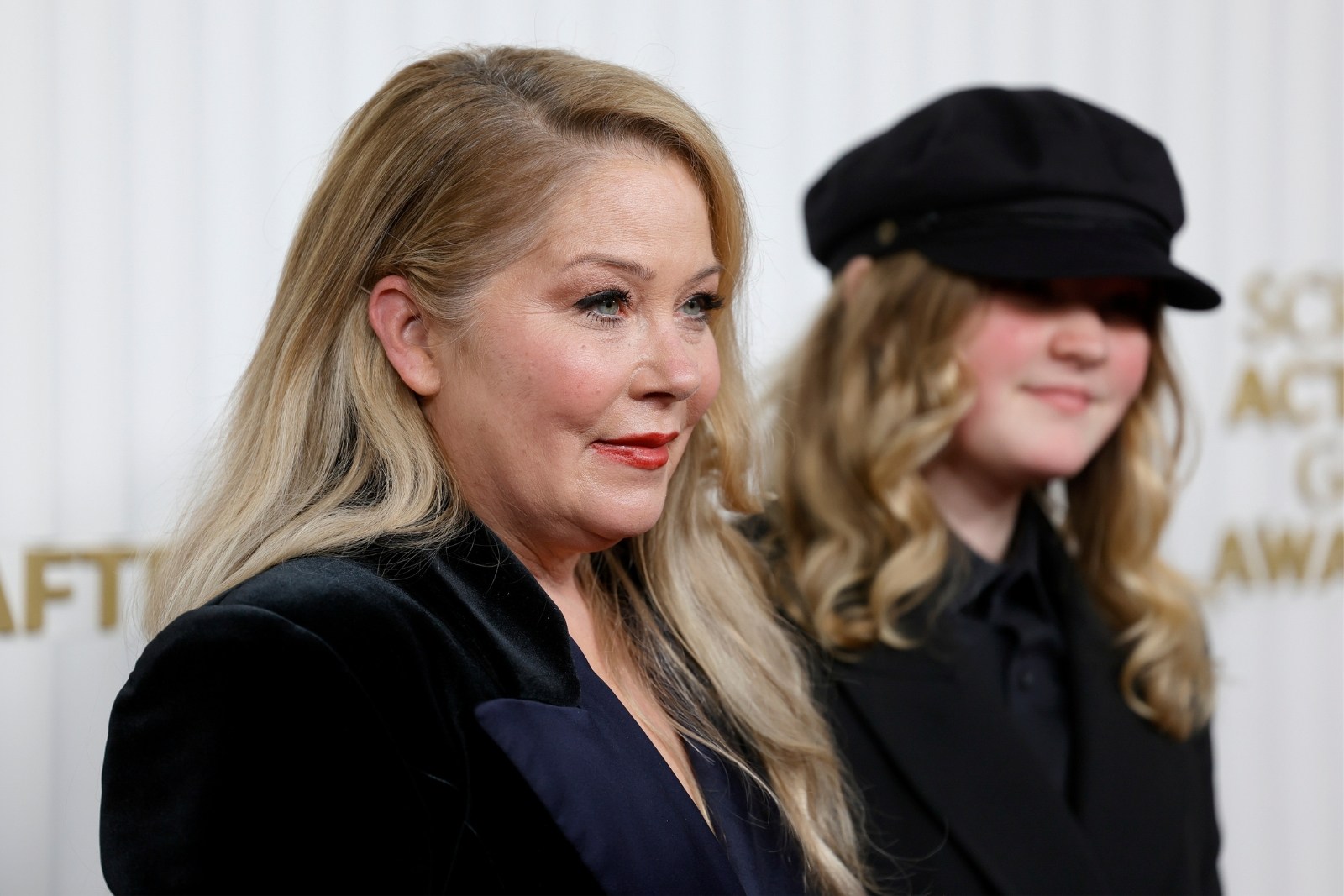








It’s heartbreaking to hear how health challenges have reshaped Christina Applegate’s daily life. Continue reading…The Boot – Country Music News, Music Videos and Songs
It’s heartbreaking to hear how health challenges have reshaped Christina Applegate’s daily life. Continue reading…Country Music News – Taste of Country
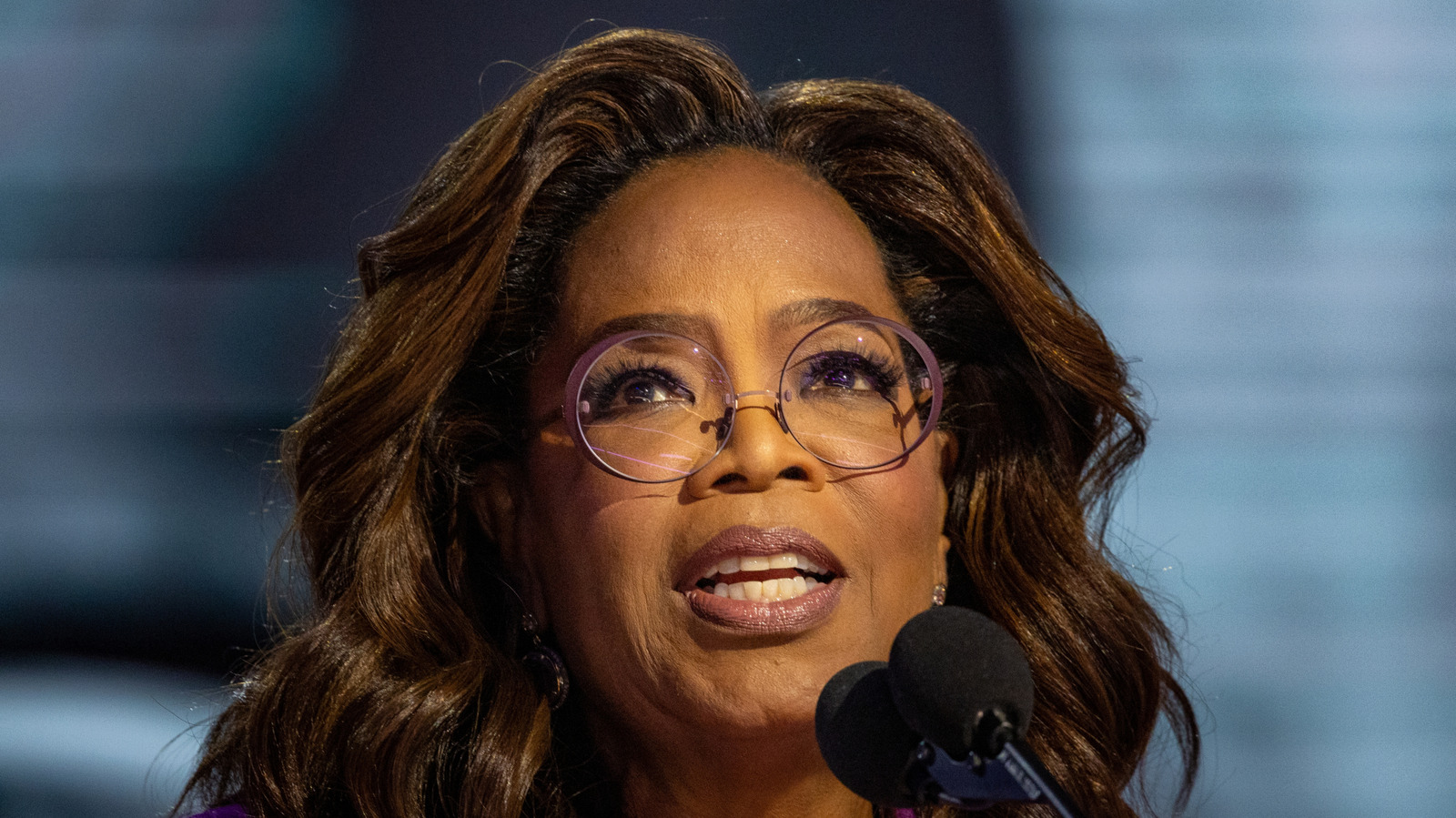
None of us are immune to health scares and even misdiagnoses. However, these celebrities had to do it in the glare of intense public spotlight.
Health Digest – Health News, Wellness, Expert Insights
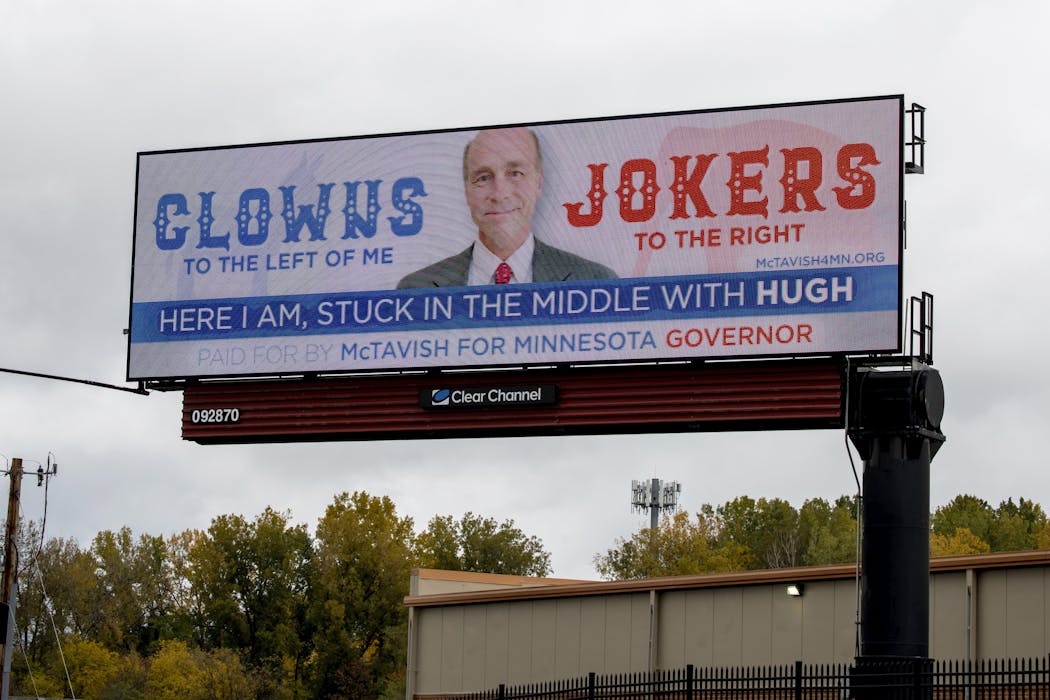
A majority of Americans say they are “frustrated” or “angry” – or both – with Republicans and Democrats, according to the Pew Research Center. But that rarely translates into support for independent or third-party candidates.
One exception has been in the Northeast. Angus King of Maine and Bernie Sanders of Vermont are the Senate’s only independents. King, along with Lowell Weicker of Connecticut and Lincoln Chafee of Rhode Island, represent three of the five independent and third-party governors elected nationwide since 1990. And of the 23 current independent or third-party state legislators in the country, excluding technically nonpartisan Nebraska, 14 of them, or 61%, are in New England.
As a political scientist who has taught in Vermont for two decades, I was intrigued by the question of why third-party and independent candidates are so successful, relatively speaking, in the Northeast? And can this region teach us lessons about broadening the choices available to voters?
In their classic book “Third Parties in America,” Steven Rosenstone, Roy Behr and Edward Lazarus argue that alternative parties succeed where motivation for third-party voting is high, constraints against doing so are low, or both.
Those may sound like obvious points, but let’s explore them individually. First, motivation. Third parties do better when voters are frustrated with the two major parties and see them as incapable or unwilling to respond to their needs.
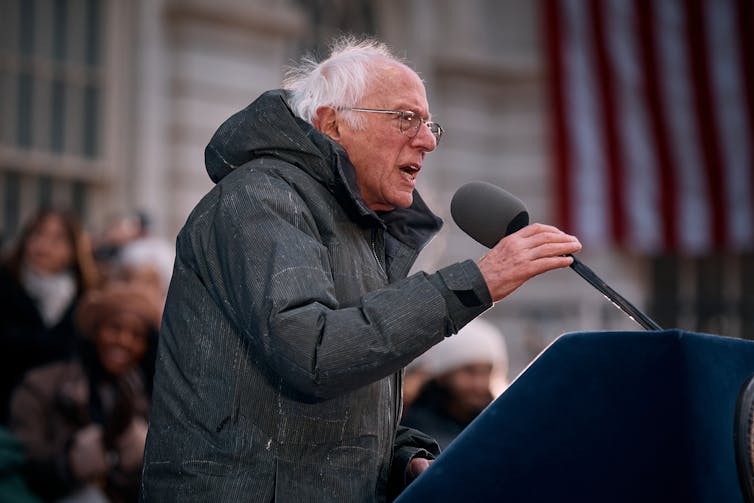
In a polarized national political climate, New Englanders might appear to be good candidates for anger. Vermont gave Donald Trump his smallest share of the 2024 presidential vote of any state – less than a third. Massachusetts was not far behind.
This should not necessarily be interpreted as enthusiasm for the Democrats. Pew found that two-thirds of Democrats are frustrated with their own party.
Channeling some of this discontent, Vermont Gov. Phil Scott, although a Republican, has frequently criticized Trump and accused the president and other politicians in Washington of creating “chaos.”
Still, the idea that discontent explains New England’s openness to third parties and independents clashes with other pieces of the picture. Other states where most voters are hostile to Trump, such as California, Maryland and Illinois, have few successful third-party or independent candidates.
And the Northeast has been fairly friendly territory for third parties and independents in very different national contexts. New England elected far more third-party and independent legislators than other regions back in 2010 as well, at a point during Barack Obama’s presidency when political discontent was most famously centered within the conservative tea party movement.
That brings us to the second possibility: constraints on third parties, or their absence.
Unlike parliamentary democracies, including Brazil and Spain, that use proportional representation – giving some proportion of the seats even to parties that garner small shares of the overall vote – the U.S. system is stacked against third parties because of its “first-past-the-post” electoral system, under which candidates can win with pluralities of the vote.
This type of voting encourages citizens to consider only the two major parties because other candidates are generally considered not to have any realistic shot of winning. This helps explain why Sanders ran for president as a Democrat in 2016 and 2020.

In presidential voting, the Electoral College sinks third-party chances – even if they have wide support – if their voters are not concentrated enough to win individual states. Running as an independent in 1992, businessman Ross Perot won 19% of the national vote but received exactly zero votes in the Electoral College.
These constraints, while formidable in national politics, play out differently at the state and local levels. Absent the Electoral College, there is less of a guarantee that the Democrat and Republican will always be perceived as the two most viable candidates in local races, especially in regions with lopsided support for one party or the other.
In areas with overwhelming Democratic support, the next most viable option might not be a Republican but a progressive. In areas with overwhelming Republican support, Democrats could be less viable than libertarians.
But if this is true, why do we not see just as many third-party and independent victories in red states, such as Alabama and Mississippi, as we do in Vermont and Maine? The answer lies in a seemingly mundane but crucial factor: ballot access laws.
States set the rules governing which candidates quality for the ballot. In almost every state, Democrats and Republicans have advantages over other parties or independents. But in the Northeast it is easier for independents and candidates from other parties to get on the ballot.
In no New England state does an independent candidate for a state legislative seat have to collect more than 150 signatures to secure a ballot spot. In Georgia, by contrast, candidates must collect signatures equal to 5% of the total number of registered voters in the jurisdiction holding an election, which can translate into thousands of signatures.
To see the impact of ballot access rules on candidates outside of the major parties, you only need look at one of the few states outside of New England where such candidates have done as well: Alaska.
Alaska has long had ballot access rules that are among the most open in the nation. Candidates for state House races need only pay a filing fee of US$30 to get a ballot line, and it is nearly as easy for them to file as a recognized party or group.
That helps explain why five independents currently serve in the Alaska House, that the state elected as governor a third-party candidate in 1990 and an independent in 2014, and reelected U.S. Sen. Lisa Murkowski as a write-in candidate after she lost the Republican primary in 2010.
Ease of ballot access attracts outsider candidates, increases competition, and gives voters an outlet for their frustrations.
To sum up, if people want more choices in elections, they will need to change the rules.

Bert Johnson does not work for, consult, own shares in or receive funding from any company or organization that would benefit from this article, and has disclosed no relevant affiliations beyond their academic appointment.
Politics + Society – The Conversation
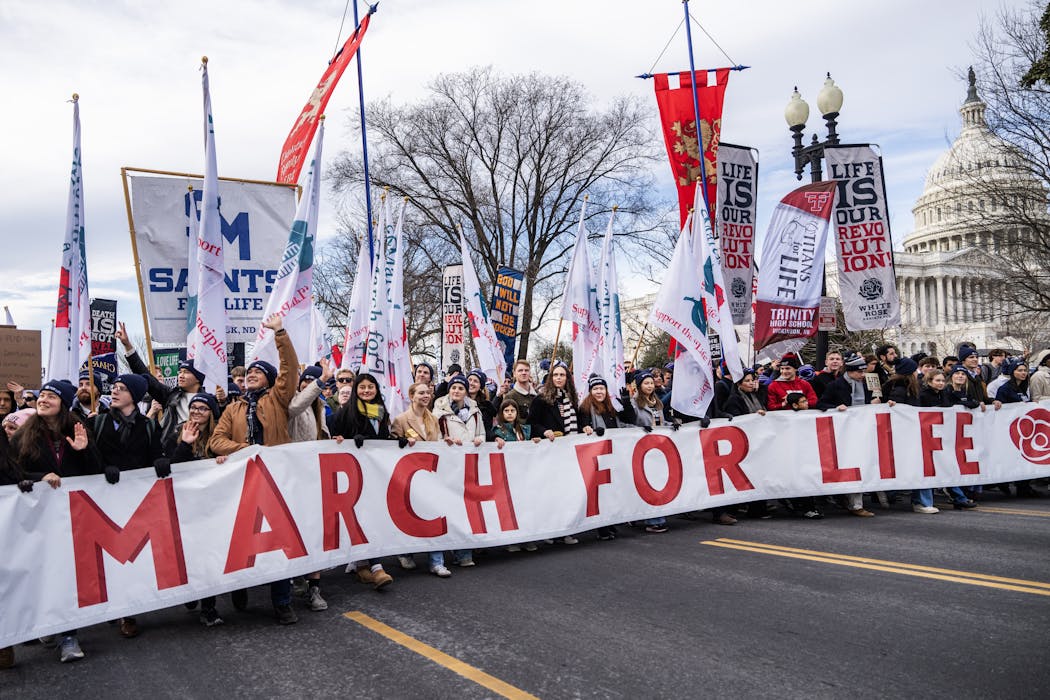
Representational government rests on a simple idea: that the laws the nation lives under generally reflect what the public wants. In the United States, few issues test that idea more than abortion.
In 2022, the U.S. Supreme Court ruled in Dobbs v. Jackson Women’s Health Organization that the Constitution does not guarantee a right to an abortion. The decision effectively overturned nearly 50 years of federally protected access to the procedure and returned primary authority over abortion policy to states.
Individual states now have the authority to enact permissive or restrictive abortion laws. These vary substantially, from near-total bans on the procedure – such as in Florida or Texas, where abortion is banned except in very limited circumstances – to guarantees of abortion access that are enshrined in state constitutions, including in California and Vermont.
Abortion serves as a clear example of how difficult it can be to translate public opinion into law. It is an issue where public views have remained relatively consistent over time, with the majority of the public supporting abortion rights according to polls. Still, laws have shifted dramatically from state to state and year to year.
As a researcher who studies the relationship between public opinion and state-level policy, I examine whether laws reflect the preferences of the American public. The dichotomy between abortion protections and restrictions suggests that this dynamic is often more complicated than many people might assume.
State legislatures, courts and election methods – and the interplay between them – all influence how public preferences are translated into law. Additionally, lobbying by well-connected interest groups that may represent a minority viewpoint can exert significant pressure on lawmakers, sometimes outweighing the desires of the broader public.
As a result, there is not always a direct line between what a majority of voters might want and the policies that are enacted.
Despite these broad policy differences, public opinion has remained relatively stable around the abortion issue since the 1970s. Sixty-three percent of Americans say abortion should be legal in all or most cases, compared with 36% who say it should be illegal in all or most cases, according to the Pew Research Center. In 34 states and the District of Columbia, more people say abortion should be legal than say it should be illegal.
Even in states with restrictive policies, opinion is often closely divided. In Utah, where abortion is banned after 18 weeks of pregnancy, public opinion is split nearly down the middle.
Support for abortion does vary by religion, age, education level, political views and gender. Eighty-six percent of religiously unaffiliated Americans say abortion should be legal in all or most cases, compared with 25% of white evangelical Protestants, for example.
Similar divides appear across other partisan or demographic groups. About 85% of those who lean Democratic say abortion should be legal in most cases, according to Pew, compared with about 41% of those who lean Republican. Differences also emerge by education, with college graduates more likely to support legal abortion than those without a college degree. More women than men support abortion access, although the difference is relatively minor – 64% of women, 61% of men.
In response to the 2022 Dobbs decision, voters in multiple states turned to ballot initiatives, mostly to restore or affirm abortion rights. In 2024, voters in 10 states decided on abortion-related measures. Seven states passed measures to protect abortion rights: Arizona, Colorado, Maryland, Missouri,
Montana, Nevada and New York. Measures to enact protections failed in Florida, Nebraska and South Dakota.
Ballot initiatives are one of the few ways Americans can directly shape policy, though the rules for their passage vary by state. Citizen-generated initiatives are only available in about half the states.
In states such as Arizona and California, simple majorities were able to approve their 2024 measures affirming abortion protections. That same year, 57% of Florida voters supported a similar measure to protect abortion access up to 24 weeks of pregnancy, but that did not meet the state’s 60% threshold for passage of initiatives.
Even in states where ballot initiatives have passed, translating voter preferences into policy is not always a straight line. In Missouri, for example, the state Supreme Court in May 2025 allowed preexisting restrictions to remain in effect while legal challenges to a 2024 abortion rights amendment continued. Because that amendment remains part of the state constitution, legislators have placed a new measure on the November 2026 ballot specifically to repeal those protections and reinstate a nearly total ban.
Seen in this context, the abortion issue represents not only a debate about access. It also offers a clear example of how representation works in practice.
The relationship between public opinion and policy is not always direct or immediate, but is shaped by the institutions and processes that define American democracy.

Marlo Rossi does not work for, consult, own shares in or receive funding from any company or organization that would benefit from this article, and has disclosed no relevant affiliations beyond their academic appointment.
Politics + Society – The Conversation

Brianna Chickenfry says Logan Paul did the ONE thing she asked him not to do. Continue reading…The Boot – Country Music News, Music Videos and Songs
Brianna Chickenfry says Logan Paul did the ONE thing she asked him not to do. Continue reading…Country Music News – Taste of Country

Once a Midwestern powerhouse that could outperform national brands in some markets, this beer has seen a decline in availability after peaking around the 1950s.

Mashed – Fast Food, Celebrity Chefs, Grocery, Reviews
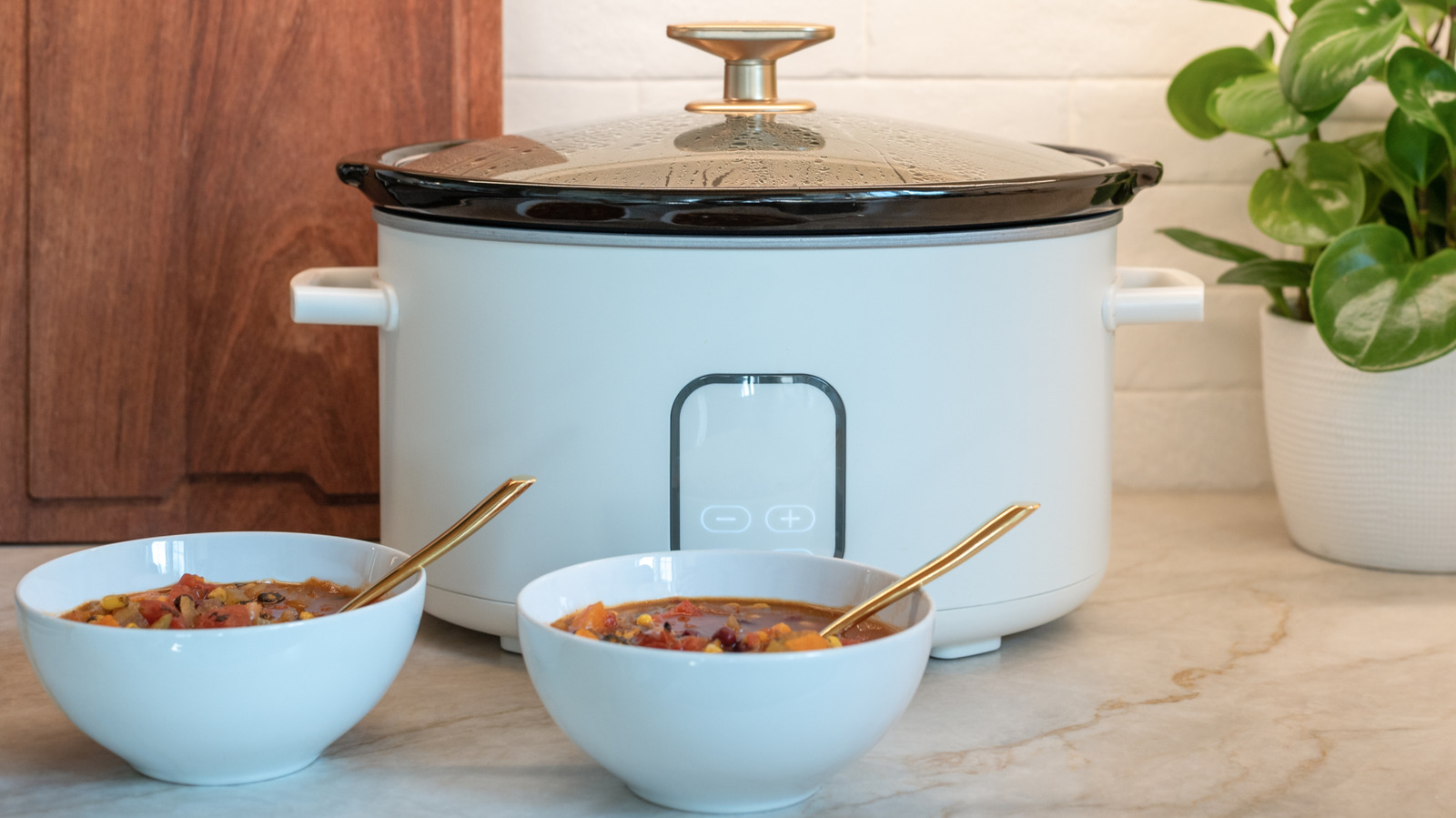
Believe it or not, slow cookers aren’t actually one-size-fits-all, and many home cooks don’t realize how much appliance size affects the final dish.
Food Republic – Restaurants, Reviews, Recipes, Cooking Tips