Fans of Food Network’s DDD know that it’s a great way to discover eateries in the U.S, like a unique food truck in Florida that’s reimagining regional cuisine.

Mashed – Fast Food, Celebrity Chefs, Grocery, Reviews










Fans of Food Network’s DDD know that it’s a great way to discover eateries in the U.S, like a unique food truck in Florida that’s reimagining regional cuisine.
Mashed – Fast Food, Celebrity Chefs, Grocery, Reviews
Reading Time: 4 minutes
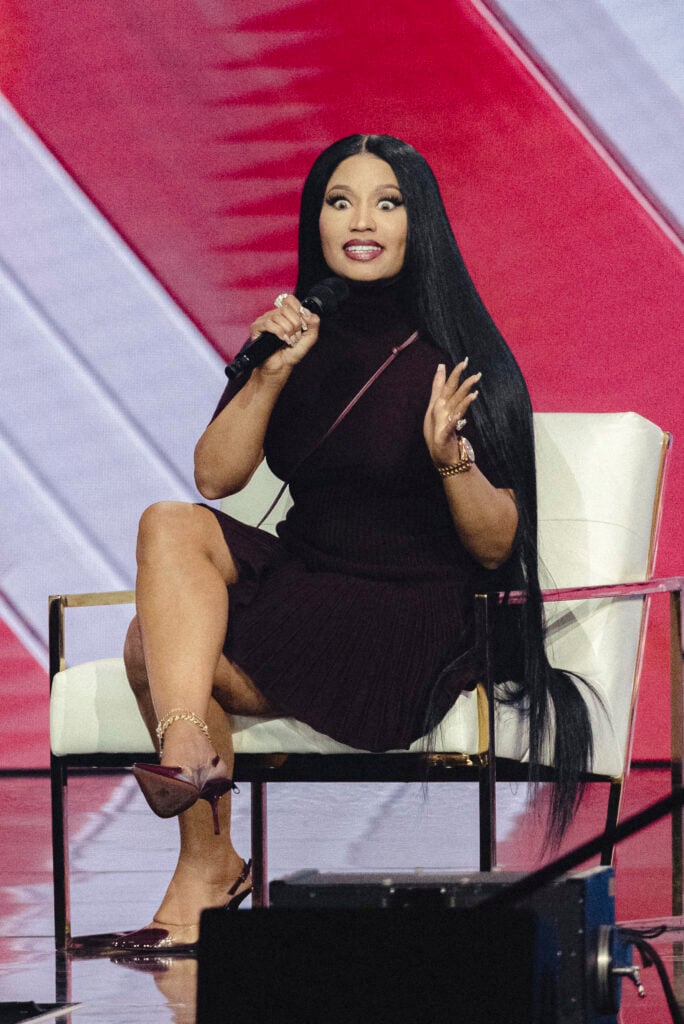
To quote Olay Boleware, “It is a big year for Nicki Minaj haters.”
Minaj’s descent into MAGA came after a series of glaring red flags that became harder to ignore as the years went by.
Maybe this is who she’s always been. Maybe she’s angling for political favors. Two things can be true.
No matter her motives, she’s now hurling homophobic epithets at journalist Don Lemon. What happened?
On Sunday, January 18, Don Lemon — formerly of CNN and now an independent reporter — covered one of countless anti-ICE protests.
He spoke to a reverend who helped lead the protest, who explained why they were protesting at a particular church in St. Paul, Minnesota.
According to numerous media outlets, the pastor of Cities Church has ties to ICE.
As you can see in the video, protesters are calling to end the Trump regime’s occupation of the Twin Cities and the illegal and Unconstitutional behavior of ICE agents. In particular, they’re calling for justice for Renee Good, who was shot to death by Jonathan Ross.
The reverend herself specifically expressed that she feels that supporting this evil organization is contrary to Christian values.
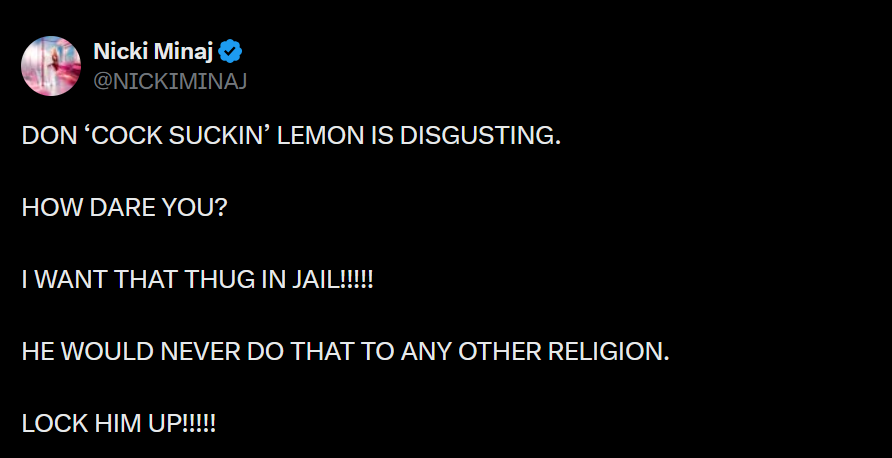
Early in the morning on Monday, January 19, Nicki Minaj tweeted something absolutely abhorrent on the topic.
“DON ‘C–K S–KIN’ LEMON IS DISGUSTING,” she began in all caps.
“HOW DARE YOU?” she demanded in hysterics.
Minaj proclaimed: “I WANT THAT THUG IN JAIL!!!!!”
Bizarrely, she claimed: “HE WOULD NEVER DO THAT TO ANY OTHER RELIGION.”
Minaj concluded by writing: “LOCK HIM UP!!!!!”
It is unclear which crime she seems to believe that Lemon has committed.
Of course, that likely doesn’t matter to her.
Her claim that Lemon would not “do that” (cover a protest between two sections of) “any other religion” is arguably half-true.
There are many religions interweaving in the social and cultural fabric of America. But the Christian nationalist rhetoric of the Trump regime makes ICE support come disproportionately from Christian groups. Not to mention that at least 60% of the nation is Christian.
So, sure, technically, it’s unlikely that Lemon would be filming this exact type of protest at another religion’s house of worship.

To be clear, Minaj used a homophobic epithet to describe Lemon.
Though his sexuality (he is gay and married to real estate agent Tim Malone) is not relevant to the story at hand, it seemed to be at the forefront of her mind.
In response, Don Lemon spoke to TMZ about Minaj’s unhinged tweet.
“I’m not surprised Nicki Minaj does not understand journalism and is weighing in on matters that are above her capacity,” he acknowledged.
“However, the more appropriate image for her post is a ‘Pick Me’ Doll,” Lemon opined.
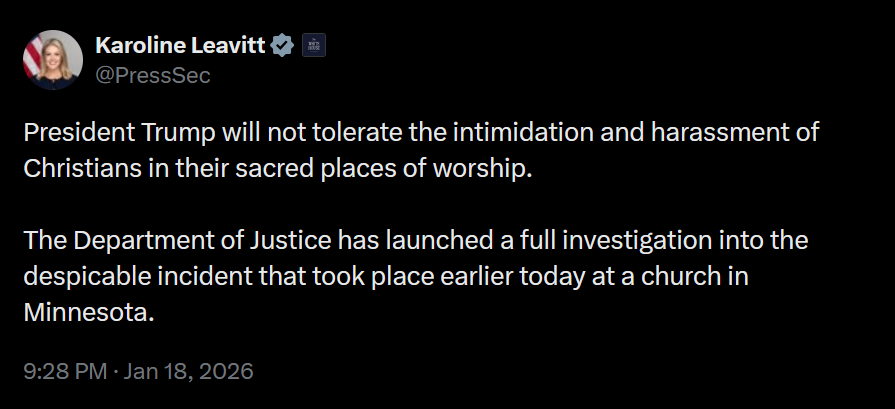
Trump’s press secretary, Karoline Leavitt, tweeted her own absurd take.
She insisted that the Trump regime “will not tolerate the intimidation and harassment of Christians in their sacred places of worship.”
Additionally, she vowed that the unfortunately ironically named Department of Justice will be “launching a full investigation” into the matter.
Notably, Trump’s DOJ will not be investigating the murder of Renee Good. They have, however, obstructed local and state law enforcement from conducting their own investigations.
Leavitt is exactly what she appears to be. But, even in 2026, Minaj continues to catch some people by surprise. What happened to her?
We’re actually including Matt Bernstein’s thorough and very interesting “Why Nicki Minaj Threw It All Away For Fascism” video from late last year. It is absolutely worth your time.
But, to simplify, a lot of people believe that she’s just struggling. Whether it’s financial problems or her career kind of flopping or her needing political favors for the criminal men in her life, maybe she’s just desperate.
MAGA is an easy grift. As you may have seen in her Turning Point USA appearance last month, you don’t even need to be good at following the prompt. You just say a few malicious buzzwords to a lot of applause. It’s sad.
However, this seems to be who Minaj really is. From her absurd vaccine claims to how much she seems to hate any woman whom she perceives as competition to her ardent defense of sexual predators, she’s a perfect fit for MAGA.
(And no, putting Lemon on blast is not her first sign of bigotry against the LGBTQ+ community — even though, for many years, Black gay men were part of her core supporters)
The things that are wrong with Nicki Minaj go back for probably her entire life. But maybe she’s no longer hiding who she is because she’s hoping to cash in. We’ll see.
Nicki Minaj Launches Homophobic Tirade at Don Lemon for Covering Minnesota Church Protest was originally published on The Hollywood Gossip.
The Hollywood Gossip
Make Denmark angry. Make Norway angry. Make NATO’s leaders angry.
President Donald Trump’s relentless and escalating drive to acquire Greenland from Denmark, whose government – along with that of Greenland – emphatically rejects the idea, has unnerved, offended and outraged leaders of countries considered allies for decades.
It’s the latest, and perhaps most significant, eruption of an attitude of disdain towards allies that has become a hallmark of the second Trump administration, which has espoused an America First approach to the world.
Trump, Vice President JD Vance and Defense Secretary Pete Hegseth have all said a lot of things about longtime allies that have caused frustration and outright friction among the leaders of those countries. The latest discord over Greenland could affect the functioning and even existence of NATO, the post-World War II alliance of Western nations that “won the Cold War and led the globe,” as a recent Wall Street Journal story put it.
As a former diplomat, I’m aware that how the U.S. treats its allies has been a crucial question in every presidency, since George Washington became the country’s first chief executive. On his way out of that job, Washington said something that Trump, Vance and their fellow America First advocates would probably embrace.
In what’s known as his “Farewell Address,” Washington warned Americans against “entangling alliances.” Washington wanted America to treat all nations fairly, and warned against both permanent friendships and permanent enemies.
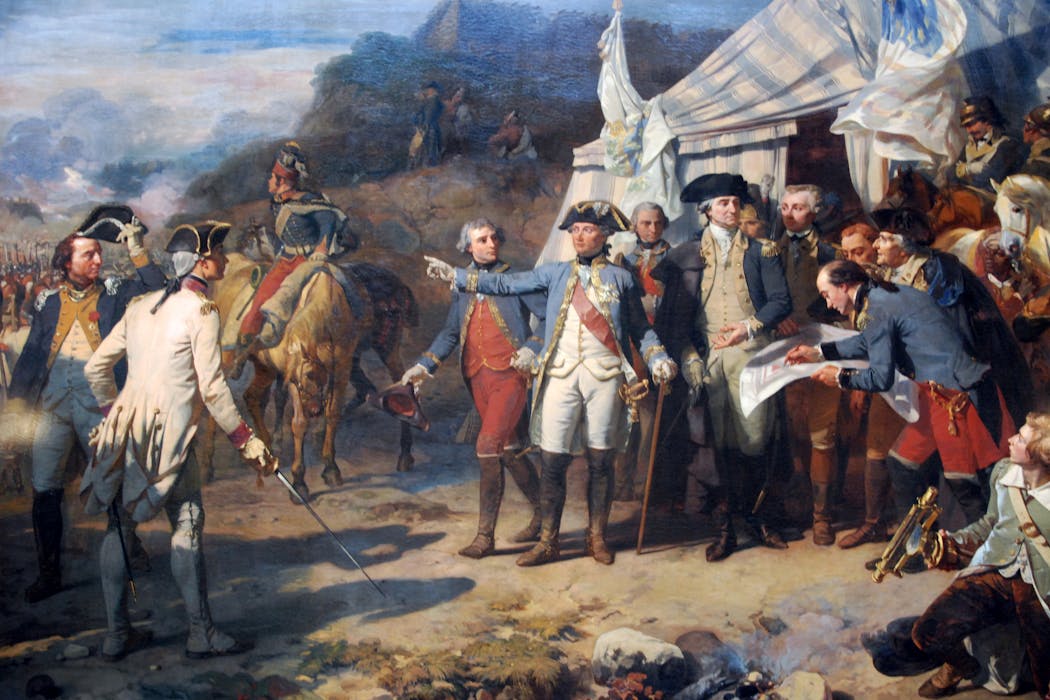
The irony is that Washington would never have become president without the assistance of the not-yet-United-States’ first ally, France.
In 1778, after two years of brilliant diplomacy by Benjamin Franklin, the not-yet-United States and the Kingdom of France signed a treaty of alliance as the American Colonies struggled to win their war for independence from Britain.
France sent soldiers, money and ships to the American revolutionaries. Within three years, after a major intervention by the French fleet, the battle of Yorktown in 1781 effectively ended the war and America was independent.
American political leaders largely heeded Washington’s warning against alliances throughout the 1800s. The Atlantic Ocean shielded the young nation from Europe’s problems and many conflicts; America’s closest neighbors had smaller populations and less military might.
Aside from the War of 1812, in which the U.S. fought the British, America largely found itself protected from the outside world’s problems.
That began to change when Europe descended into the brutality of World War I.
Initially, American politicians avoided involvement. What would today be called an isolationist movement was strong; its supporters felt that the European war was being waged for the benefit of big business.
But it was hard for the U.S.to maintain neutrality. German submarines sank ships crossing the Atlantic carrying American passengers. The economies of some of America’s biggest trading partners were in shreds; the democracies of Britain, France and other European countries were at risk.

President Woodrow Wilson led the U.S. into the war in 1917 as an ally of the Western European nations. When he asked Congress for a declaration of war, Wilson asserted the value of like-minded allies: “A steadfast concert for peace can never be maintained except by a partnership of democratic nations.”
Immediately after the war, the Allies – led by the U.S., France and Britain – stayed together to craft the peace agreements, feed the war-ravaged parts of Europe and intervene in Russia after the Communist Revolution there.
Prosperity came along with the peace, helping the U.S. quickly develop into a global economic power.
However, within a few years, American politicians returned to traditional isolationism in political and military matters and continued this attitude well into the 1930s. The worldwide Great Depression that began in 1929 was blamed on vulnerabilities in the global economy, and there was a strong sentiment among Americans that the U.S. should fix its internal problems rather than assist Europe with its problems.
As both Hitler and Japan began to attack their neighbors in the late 1930s, it became clear to President Franklin Roosevelt and other American military and political leaders that the U.S. would get caught up in World War II. If nothing else, airplanes had erased America’s ability to hide behind the Atlantic Ocean.
Though public opinion was divided, the U.S. began sending arms and other assistance to Britain and quietly began military planning with London. This was despite the fact that the U.S. was formally neutral, as the Roosevelt administration was pushing the limits of what a neutral nation can do for friendly nations without becoming a warring party.
In January of 1941, Roosevelt gave his annual State of the Union speech to Congress. He appeared to prepare the country for possible intervention – both on behalf of allies abroad and for the preservation of American democracy:
“The future and the safety of our country and of our democracy are overwhelmingly involved in events far beyond our borders. Armed defense of democratic existence is now being gallantly waged in four continents. If that defense fails, all the population and all the resources of Europe, and Asia, and Africa and Australasia will be dominated by conquerors. In times like these it is immature – and incidentally, untrue – for anybody to brag that an unprepared America, single-handed, and with one hand tied behind its back, can hold off the whole world.”
When the Japanese attacked Hawaii in 1941 and Hitler declared war on the U.S., America quickly entered World War II in an alliance with Britain, the Free French and others.
Throughout the war, the Allies worked together on matters large and small. They defeated Germany in three and half years and Japan in less than four.
As World War II ended, the wartime alliance produced two longer-term partnerships built on the understanding that working together had produced a powerful and effective counter to fascism.

The first of these alliances is the North Atlantic Treaty Organization, or NATO. The original members were the U.S., Canada, Britain, France and others of the wartime Allies. There are now 32 members, including Poland, Hungary and Turkey.
The aims of NATO were to keep peace in Europe and contain the growing Communist threat from the Soviet Union. NATO’s supporters feel that, given that wars in the former Yugoslavia in the 1990s and in the Ukraine today are the only major conflicts in Europe in 80 years, the alliance has met its goals well. And NATO troops went to Afghanistan along with the U.S. military after 9/11.
The other institution created by the wartime Allies is the United Nations.
The U.N. is many things – a humanitarian aid organization, a forum for countries to raise their issues and a source of international law.
However, it is also an alliance. The U.N. Security Council on several occasions authorized the use of force by members, such as in the first Gulf War against Iraq. And it has the power to send peacekeeping troops to conflict areas under the U.N. flag.
Other U.S. allies with treaties or designations by Congress include Australia, New Zealand, Japan, Israel, three South American countries and six in the Middle East.
Many of the same countries also created institutions such as the World Bank, the International Monetary Fund, the Organization of American States and the European Union. The U.S. belongs to all of these except the European Union. During my 35-year diplomatic career, I worked with all of these institutions, particularly in efforts to stabilize Africa. They keep the peace and support development efforts with loans and grants.
Admirers of this postwar liberal international order point to the limited number of major armed conflicts during the past 80 years, the globalized economy and international cooperation on important matters such as disease control and fighting terrorism.
Detractors point to this system’s inability to stop some very deadly conflicts, such as Vietnam or Ukraine, and the large populations that haven’t done well under globalization as evidence of its flaws.
The world would look dramatically different without the Allies’ victories in the two World Wars, the stable worldwide economic system and NATO’s and the U.N.’s keeping the world relatively peaceful.
But the value of allies to Americans, even when they benefit from alliances, appears to have shifted between George Washington’s attitude – avoid them – and that of Franklin D. Roosevelt – go all in … eventually.
This is an updated version of an article originally published on Feb. 20, 2025.

Donald Heflin does not work for, consult, own shares in or receive funding from any company or organization that would benefit from this article, and has disclosed no relevant affiliations beyond their academic appointment.
Politics + Society – The Conversation
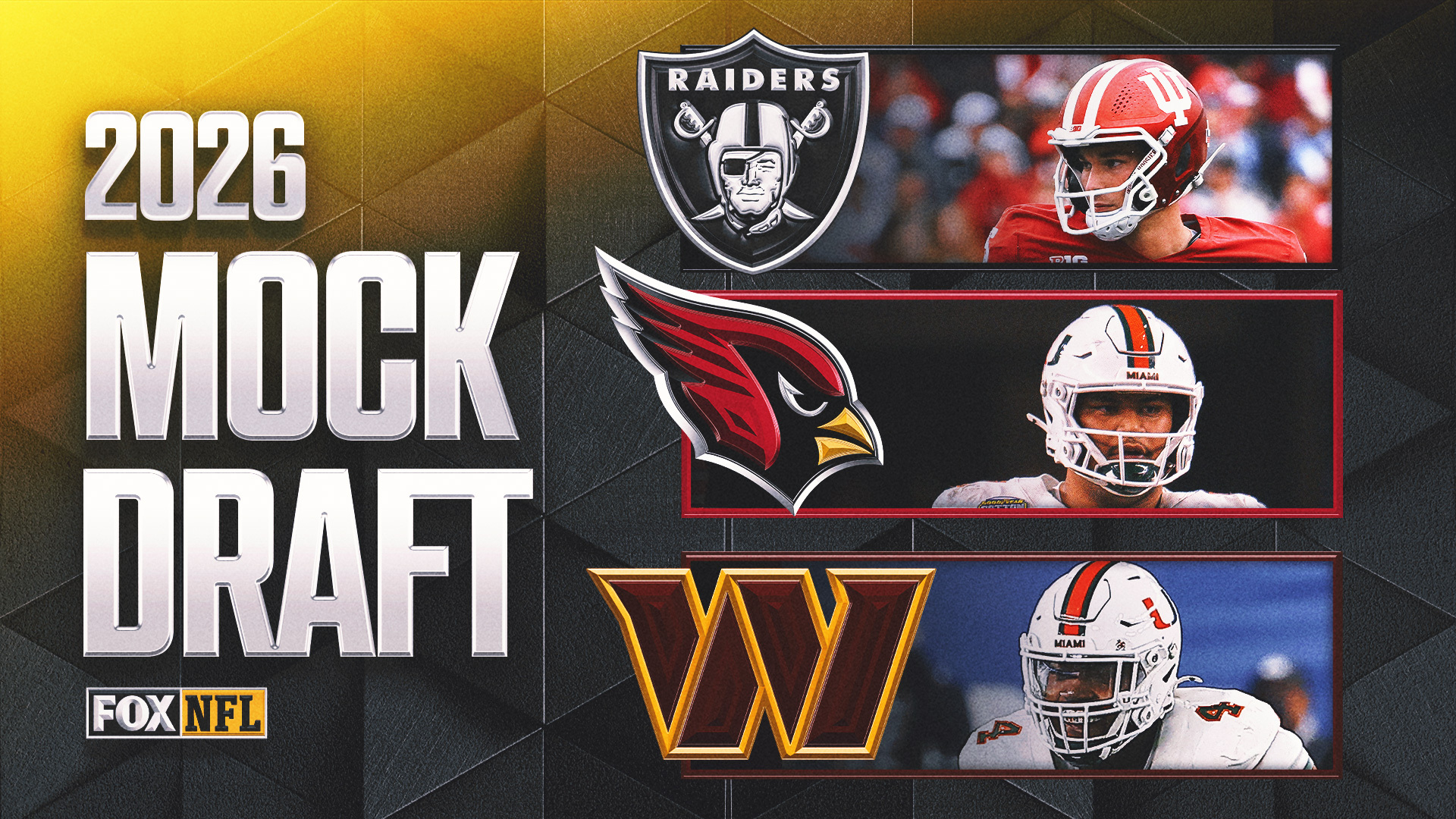
The CFP title game has arrived. Here’s how FOX Sports Research currently sees the first round of the 2026 NFL Draft shaking out.FOX Sports Digital

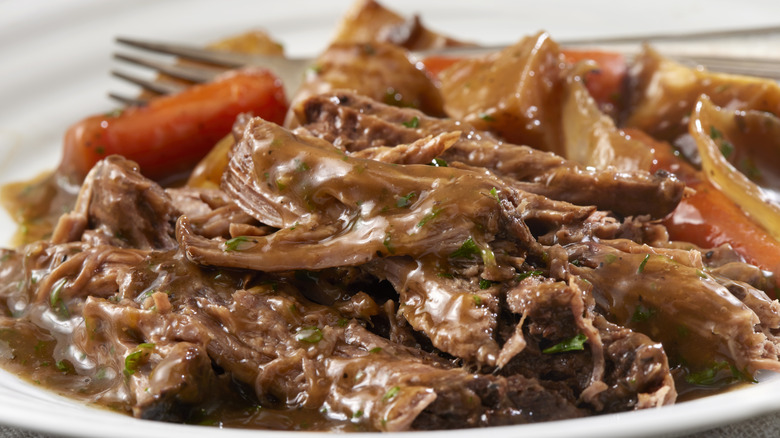
Do you want to give your next pot roast a spicier, more complex and elevated twist? It’s easy – just add this curry mix to your favorite recipe.
Food Republic – Restaurants, Reviews, Recipes, Cooking Tips
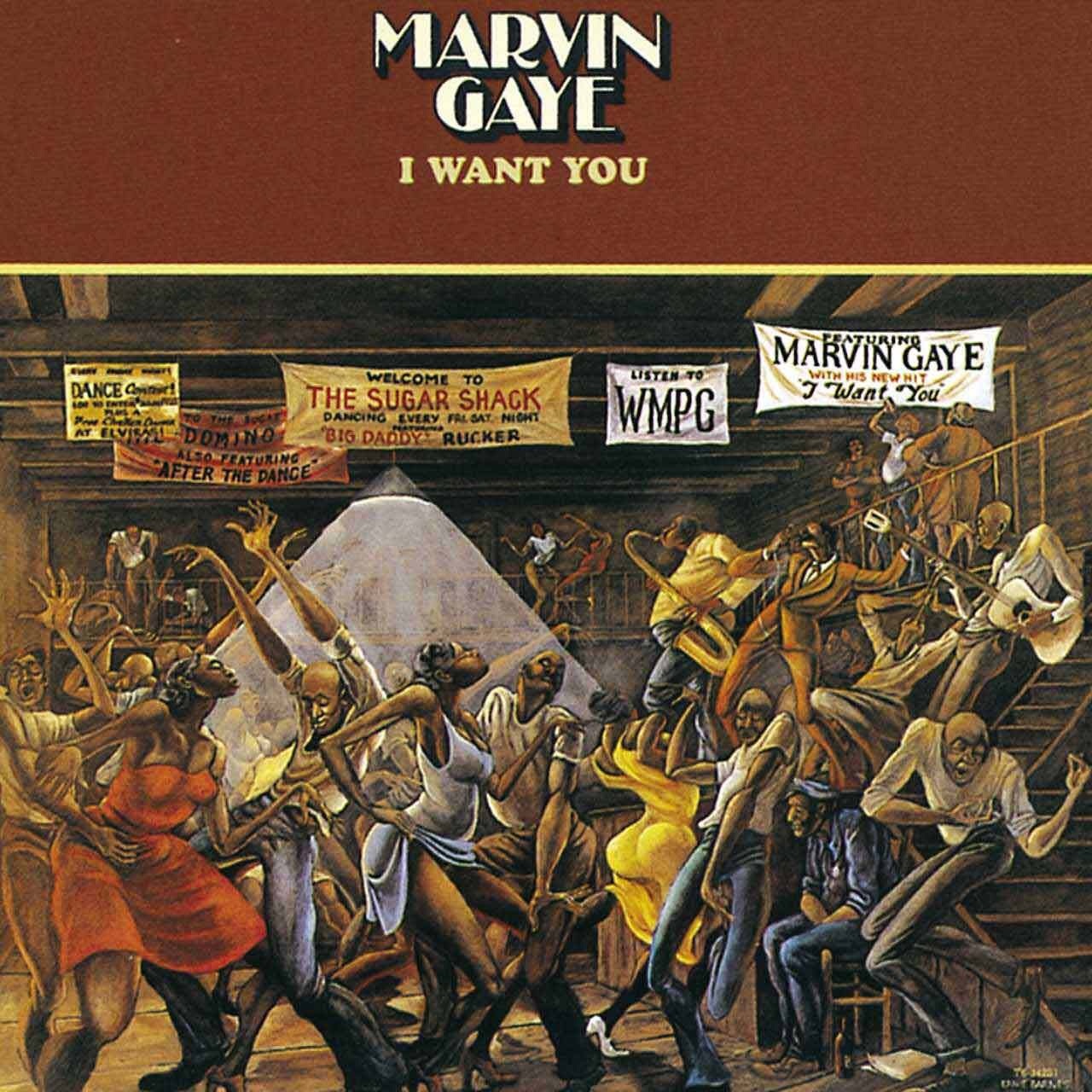
In February, José James will present a pair of shows celebrating the 50th Anniversary of Marvin Gaye’s I Want You.
The concerts will take place on Friday, February 6, in the Symphony Center at the Chicago Symphony Orchestra and Saturday, February 7, at the Matthews Theatre in Princeton, New Jersey. The vocalist and composer will be joined at both shows by Grammy-nominated singer Lizz Wright. More special guests will be announced. James has also assembled a world-class live band featuring guitarist Marcus Machado, bassist David Ginyard, and drummer Jharis Yokley.
Gaye released albums at a steady clip throughout the 1960s and ’70s, pretty much one record a year. In 1971, he unveiled a shift in artistic direction with What’s Going On, which commented on social, ecological, and human issues. Gaye followed that album with the 1972 soundtrack to the low-budget blaxploitation crime thriller Trouble Man. 1973’s Let’s Get It On introduced the loverman persona that Gaye would embody for the rest of his career. Three years later, he emerged with his 14th solo album, a bold blend of jazz, funk, R&B, soul, and disco that has had a profound impact on artists then and now.
After struggling to find a direction for his new album, Gaye was revived by meeting Leon Ware, songwriter for Michael Jackson, The Miracles, and Minnie Riperton, among many others. At the time of recording, Gaye was in a long-term romantic affair with Janis Hunter, who had inspired Let’s Get It On. Gaye’s obsession with the younger woman, who he would later marry, likely inspired the carnal desire that flows through I Want You.
The dancing scene of the album’s cover art, a 1971 painting by Ernie Barnes entitled “Sugar Shack,” made Gaye’s intentions for the album abundantly clear: he wanted his listeners to get-down to his erotic fantasies and sensual flights of fancy.
Buy Marvin Gaye’s music on vinyl or CD now.
Discover more about the world’s greatest R&B artists | uDiscover Music
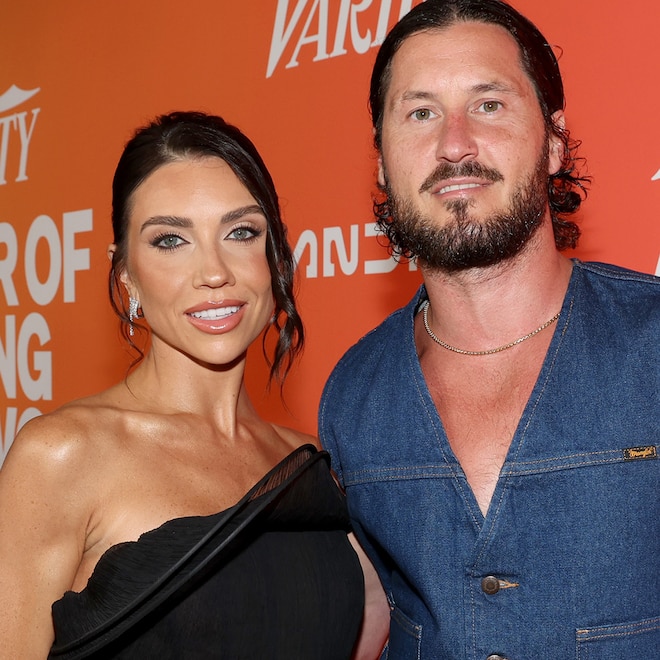
Jenna Johnson is setting the record straight.
The Dancing With the Stars pro took to social media to slam “disgusting” fake reports that she and her husband Val Chmerkovskiy were involved in a car…
E! Online (US) – Top Stories

Desperate times call for desperate measures. It’s why some World War II soldiers may have gotten thrifty with their tactical defense during a tense encounter.

Mashed – Fast Food, Celebrity Chefs, Grocery, Reviews
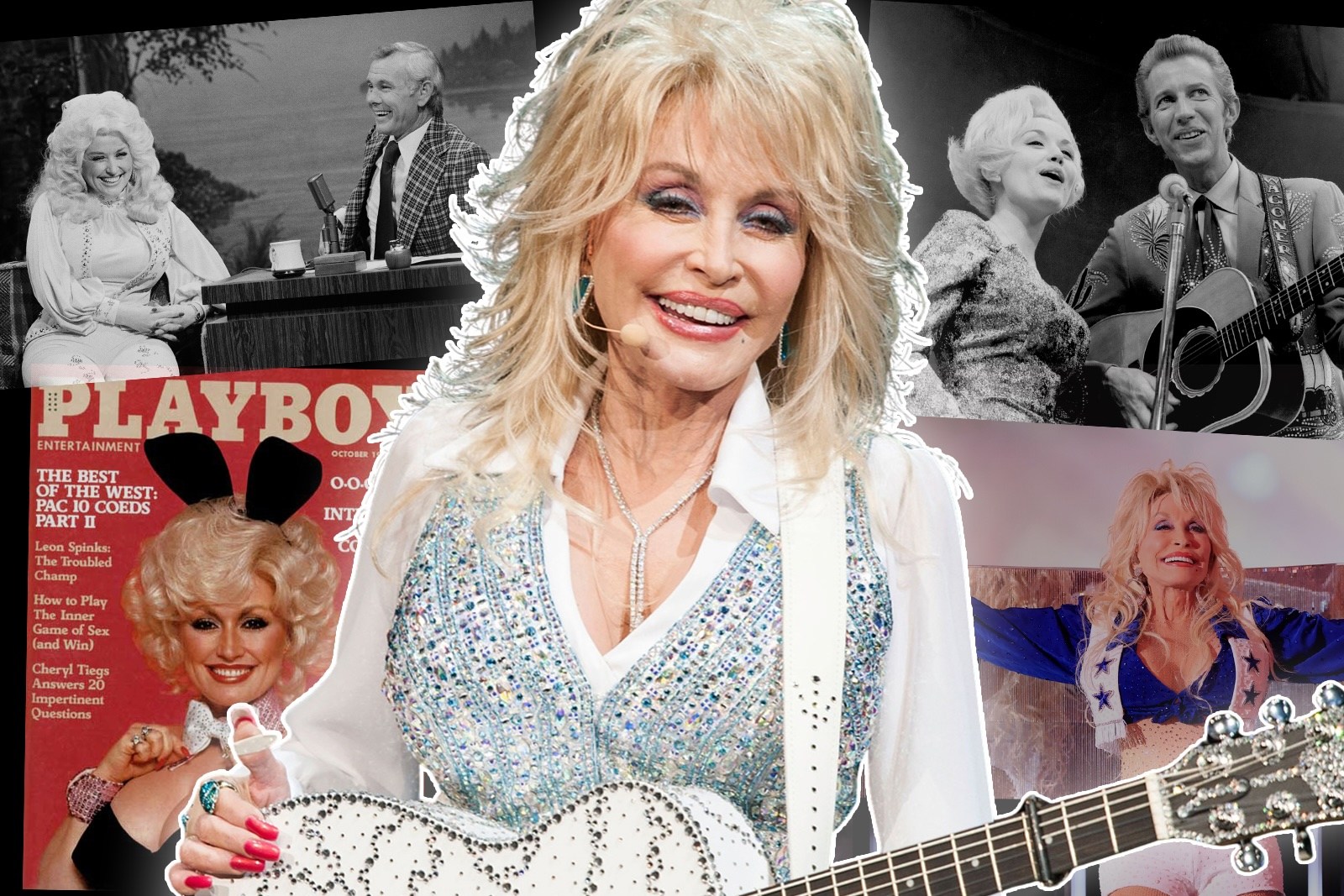
If you think Dolly Parton’s legacy is her music, you’re right! If you believe it’s her philanthropy, we’ve got no argument. Continue reading…The Boot – Country Music News, Music Videos and Songs
If you think Dolly Parton’s legacy is her music, you’re right! If you believe it’s her philanthropy, we’ve got no argument. Continue reading…Country Music News – Taste of Country