Categories
Sports Fox

Cowboys DB Markquese Bell Arrested on Drug Possession Charges Near Dallas

Dallas Cowboys defensive back Markquese Bell has been arrested on drug possession charges in the Dallas area, according to online jail records posted Saturday. Bell is facing counts of possession of a controlled substance and possession of marijuana in Collin County, north of Dallas. Police in Prosper, where the arrest was made, didn’t immediately respond to a request for comment. A spokesman for the Cowboys said the club was aware of the arrest and declined to comment further. Deiric Jackson, Bell’s agent, said his client would let the legal process play out. “Certainly let Markquese have his day like anybody else,” Jackson said. The 27-year-old Bell joined the Cowboys as an undrafted free agent out of Florida A&M in 2022 and has played 48 games with 11 starts over four seasons. While Bell has mostly played special teams, injuries have led to substantial playing time in the secondary. He had 94 tackles in 2023, when he played all 17 regular-season games and tied for the team lead in tackles with eight in a wild-card loss to the Green Bay Packers. Bell played all 17 games again last season and is going into the second year of a $9 million, three-year contract. Reporting by The Associated Press.​Latest Sports News from FOX Sports

Categories
Sports Fox

Why INDYCAR’s 2-Week Break Is Anything But A Vacation — And How Teams Capitalize

In Driver’s Eye with James Hinchcliffe, the six-time INDYCAR winner will bring you inside the mind of a racer while breaking down the nuts and bolts of the sport for fans. INDYCAR is smack in the middle of a two-week break. And while that means you won’t watch on-track action and I won’t be in the INDYCAR on FOX booth for two straight weekends, the drivers and teams aren’t off. Far from it, actually. Calling it a two-week “break” is a bit misleading. I promise you that these days away from the track are anything but a vacation. It’s more like a valuable opportunity. After four races in the first five weeks of the season, the paddock packed up following Alex Palou’s checkered flag at Barber Motorsports Park, and teams and drivers were staring at a two-week break before heading to the streets of Long Beach for the Acura Grand Prix. So what are they doing in these couple “off” weeks? Let’s zoom out briefly. Back-to-back races are grueling for INDYCAR teams. Typically, the mechanics, engineers and drivers will fly into a race market on a Thursday for what we call Set Up Day. This is when the tents are put up, the cars get unloaded and final prep happens. Drivers and engineers sit and go over the weekend plan, which usually includes a track walk. Friday, Saturday and Sunday, we practice, qualify and race, and then teams will rush to get home Sunday night. The trucks and trailers often don’t roll in until early hours on Monday, when the mechanics and engineers are in the shop tearing down and rebuilding the car, as well as pouring through the data from the weekend. Tuesday, the cars get finalized and put back on the truck, so they can leave Wednesday — sometimes earlier for the West Coast races — to be at the track Thursday for Set Up Day. What that all means is that there is generally very little time between consecutive race weekends for the engineers and drivers to deep dive into what has happened the previous weekend. These cars have so many sensors and collect so much telemetry data that when you only have one day at the shop in between races, there is no way a team can sift through it all to find every little detail that will make them faster. So this two-week pause in the schedule gives everyone time to do a proper postmortem on the races so far. We’ve already had races on a street course, a road course and an oval, so the entire gambit of INDYCAR track types has been covered. Teams already have a sense of where their strengths and weaknesses lie. Now, they’ve got the time to find out why. Remember: It’s just as important to understand why you’re fast at some tracks (so you can try to replicate it) as it is to understand why you’re slow at some tracks (so you can fix it!). Teams can analyze 100 different things about the car and driver, but a few seem pretty simple. For example, engineers know what impact changing a certain setup should have. If a driver complains of X balance problem, an engineer knows that Y setup change should fix it. But that doesn’t always happen! So the engineers will look at moments when the race car didn’t perform as expected and try to figure out what caused that. Another thing that will be very common in this stretch is drivers getting into the simulator. With relatively little track time in the weekend’s practice sessions, you never have enough time to get through everything on your list. Jumping into the sim allows teams to keep experimenting with other setup changes that they didn’t have a chance to try on the race weekend. Maybe there are a couple silver bullets for lap times that they missed. Maybe there’s an unexpected lesson learned or an innovative opportunity born out of a light-bulb moment. The sim is as much a tool for working through solutions from the last race weekend as it is a preparation tool for the next race. Personally, during multi-week breaks like this, I always loved getting in the simulator to keep sharp. It’s also a great time to get back into a good training routine. With how much travel you have in the back-to-backs, it is tough to keep that training routine, but this stretch lets you reset physically and that always feels good for drivers. SOUND LIKE AN INDYCAR EXPERT We talk a lot about INDYCAR’s versatility in track types, but we don’t often look too closely at what different tracks require from a setup standpoint. So let’s break it down. Let’s look at street courses first. Street courses are temporary tracks over city streets that tend to have many different surface types, bumps and generally a lack of high-speed corners. This usually puts the most emphasis on mechanical grip, which you achieve with damper settings and softer springs. Putting it simply, softer springs means more grip. Another common setup trait is higher ride heights, which you need to avoid the bottom of the car slamming into all the bumps on this type of track. Road courses may seem similar but are the opposite in a lot of ways. Take Barber as an example. It’s a uniform surface, very smooth and has a lot of long, high-speed corners. That means that Barber has more of a reliance on aerodynamic grip, or downforce. Downforce is generated by the big wings on the front and rear of the car and by the floor. On this type of track, you typically run much stiffer springs to support the car through the fast corners and maximize the downforce potential. The stiffer springs also allow lower ride heights, which helps the aero grip. It’s a tougher, more direct feel from behind the wheel than a street-course car, but you have to be an inch perfect when driving it. Ovals are a completely different beast all together. There are generally different aerodynamic rules for ovals, so first and foremost, the wings will look different. Obviously, on ovals you only turn left, so the cars are set up very asymmetrically. Things like cambers (the vertical tilt in the tire) and toes (how straight the tire is relative to the centerline of the car) are set up in a way that means the car naturally wants to turn left. So much so that you have to physically turn the wheel a bit right on the straights! The car naturally wants to turn left. If you just let go of the wheel, the car will careen into the inside wall, so you have to fight that by turning right to go straight. Needless to say, the things that make you quick on one type of track do not always — in fact, rarely — translate to speed on a different type of track. That’s why there is so much information to digest, process and apply to be better from one week to the next. 1 FOR THE ROAD As for me and the rest of the INDYCAR on FOX team, the break is a welcome thing for the TV crew. Not unlike race teams, we like to do thorough breakdowns of each broadcast to look at what we did well and what we can improve on. With consecutive races, it’s tough to get into too deep an analysis. So these weeks are spent rewatching the first races of the season, talking regularly between myself, my co-commentators, my director, producers — you name it! The end result is hopefully that you see a broadcast that gets just a little better every time you watch. MORE DRIVER’S EYE:​Latest Sports News from FOX Sports

Categories
Sports Fox

2026 UFL Week 3 Results: Battlehawks, Renegades, Defenders, Storm Win Big

Week 3 of the 2026 UFL season kicked off on FOX UFL Friday with the Orlando Storm (3-0) outlasting the Louisville Kings (0-3) in overtime in a wild, heated rematch at Lynn Family Stadium in Kentucky. On Saturday, the reigning champion DC Defenders (2-1) crushed the Houston Gamblers (1-2) by 38 points — the largest margin of victory in UFL history — at Audi Field in Washington, D.C. on Saturday. The week wrapped with a doubleheader on Sunday. First, the Dallas Renegades (3-0) outlasted the Columbus Aviators (0-3) at Toyota Stadium in Frisco, Texas. Then, the St. Louis Battlehawks (2-1) escaped the Birmingham Stallions (1-2) at The Dome at America’s Center in St. Louis. Here are the results from Week 3: Orlando Storm 29, Louisville Kings 27 (OT) Key players: Storm QB Jack Plummer (21-for-34 for 250 yards, three touchdowns), WR Chris Rowland (9-for-13 for 113 yards, one touchdown), WR KJ Hamler (3-for-5 for 74 yards, one touchdown); Kings QB Jason Bean (23-for-46 for 352 yards, three touchdowns), WR Isaiah Winstead (7-for-14 for 114 yards), TE Zach Davidson (4-for-5 for 79 yards, two touchdowns). Game recap: The Storm took nearly eight minutes off the clock on their opening drive, which ended with a missed field goal and no points. The Kings capitalized, going on a lengthy drive of their own to get a field goal and take a 3-0 first-quarter lead. Orlando bounced back early in the second quarter, cashing in for a touchdown on its ensuing possession. Just like that, the Storm was in the lead, 7-3. Both teams traded field goals later in the frame to keep it a four-point game heading into halftime, 10-6. The second half was much different than the first for both teams. Five touchdowns were scored across the final two frames, including three in the third quarter — one for Orlando and two for Louisville. Both quarterbacks were letting it fly, and the Kings carried a narrow 20-17 advantage into the fourth quarter. That lead was short-lived, however, as the Storm nailed a field goal from 40 yards out to knot things up. What came next was a costly turnover on downs for the Kings, who gave the ball back to the Storm at midfield with plenty of time on the clock. Plummer & Co. didn’t waste any time, going 52 yards in three plays to hit pay dirt and take a 27-20 lead. The action didn’t stop there. Louisville kept things competitive all the way to the end. With 1:12 left in regulation, the Kings scored to tie the game at 27-all and send things to overtime. The OT rules in the UFL are unique. Teams alternate two-point conversion attempts from the 5-yard line, with each successful conversion worth two points. If things are still tied after three attempts, which was the case in Friday’s tilt, both teams will continue to alternate in a sudden-death round until there’s a winner. The Storm ultimately won the game after being awarded two points for a penalty committed by the Kings. Because it was the second defensive foul by Louisville during the overtime period, the Storm’s try was deemed good, and Orlando walked away victorious. This rule is in place to discourage defenses from continuing to foul the other team on purpose to prevent scores in overtime, and the second live-ball foul by the same team during OT results in a good try for the other team. Up next: In Week 4, the Storm are on the road once again, this time to play the Stallions in Birmingham next Saturday. Meanwhile, the Kings will also be on the road, with a matchup against the Gamblers on deck for them Thursday night. DC Defenders 45, Houston Gamblers 7 Key players: Defenders QB Jordan Ta’amu (15-for-27 for 173 yards, one touchdown), RB Deon Jackson (five carries for 70 yards, one touchdown), K Matt McCrane (3-for-3, long of 60); Gamblers QB Taulia Tagovailoa (21-for-40 for 171 yards, one touchdown), WR Justin Hall (9-for-13 for 69 yards, one touchdown). Game recap: The Gamblers went three-and-out on all three of their first-quarter possessions. That opened up a huge opportunity for the Defenders to take over, and that’s exactly what they did. DC’s first touchdown drive only took two plays, as Jackson took off for a monster 60-yard score to set the tone early. The Defenders added a field goal on their next drive to take an 11-0 lead into the second quarter; McCrane’s kick was from 60 yards out, and any field goal from 60 yards or further is worth four points this season. Adding insult to injury, all three of the Gamblers’ possessions in the second quarter ended in turnovers — a fumble, a pick-six and a turnover on downs inside the red zone. The Defenders added another field goal and two touchdowns in the second frame to make it a 28-0 game at halftime. The start of the second half was a bit quiet for DC. It added another field goal to open the third quarter and punted on its ensuing possession. In between those two drives, the Gamblers finally got on the board with a short touchdown run to end the shutout, 31-7. The Defenders came out swinging in the final frame, starting with back-to-back touchdowns to further extend their lead, while the Gamblers had four consecutive turnovers on downs to seal their fate, 45-7. The Defenders made UFL history with the largest margin of victory (38 points). Saturday’s tilt also marks just the second time this season that a team has been held to single digits (the Kings were held to nine points in Week 2). Up next: In Week 4, the Gamblers will be playing host to the Kings on Thursday night, while the Defenders will be hosting the Battlehawks on Saturday afternoon. Dallas Renegades 28, Columbus Aviators 23 Key players: Aviators QB Jalan McClendon (26-for-34 for 230 yards, two touchdowns), WR Tay Martin (5-for-6 for 49 yards), WR Antwane Wells (4-for-6 for 43 yards, one touchdown); Renegades QB Austin Reed (18-for-30 for 147 yards, two touchdowns), WR Tyler Vaughns (5-for-6 for 41 yards), RB Dae Dae Hunter (11 carries for 62 yards, one touchdown). Game recap: The Aviators opened the game by going on an eight-play, 60-yard touchdown drive to get on the board early and take a 7-0 lead right out of the gate. The Renegades struggled to a find a rhythm in the opening frame, but they were able to turn the tide in the second quarter. Dallas cashed in for a score to open the frame to make it 7-all. Columbus fired back with a field goal to regain the lead, 10-7, but it was short-lived. A costly pick-six inside the two-minute warning, followed by a turnover on downs in the Aviators’ ensuing possession, put the Renegades back in front headed into halftime with plenty of momentum on their side. The second half started off with a bang. The Renegades rattled off back-to-back touchdowns to jump out to an 18-point lead, 28-10. The Aviators closed the gap slightly — 28-17 — with a score of their own late in the frame. Columbus wasn’t going down without a fight, though. The Aviators fought tooth and nail in the fourth quarter, finally finding the end zone with 2:05 left in regulation. That score made it a five-point game, 28-23. The Aviators kept the ball after that, thanks to a unique UFL rule that is specifically designed to enhance offensive opportunities in the fourth quarter. For teams trailing late that want to retain possession of the ball, they can elect to try a fourth-and-12 play from their own 28-yard line to do so in lieu of a traditional onside kick. Columbus’ attempt was unsuccessful, however, resulting in a turnover on downs at that spot. From there, Dallas ran out the clock to secure the win. Up next: In Week 4, these two teams will face off once again Friday night on FOX, with the Aviators hosting this time. St. Louis Battlehawks 34, Birmingham Stallions 30 Key players: Battlehawks QB Harrison Frost (9-for-15 for 148 yards, three touchdowns), WR Hakeem Butler (4-for-8 for 146 yards, one touchdown); Stallions QB Matt Corral (16-for-33 for 252 yards, two touchdowns), WR Deon Cain (3-for-8 for 116 yards, one touchdown), RB Anthony McFarland Jr. (13 carries for 56 yards, one touchdown). Game recap: The Stallions got off to a rocky start, throwing a pick-six on their first drive to give the Battlehawks an early 7-0 lead. Another interception thrown late in the frame allowed St. Louis to add a field goal and take a 10-0 lead. Birmingham got on the board midway through the second quarter after a costly Battlehawks interception gave the Stallions the ball just outside the red zone. Just like that, it was a three-point game, 10-7. Unfortunately for the Stallions, however, they coughed up the ball once again, this time allowing the Battlehawks to add another field goal just before halftime. With that, St. Louis took a 13-7 lead into the break. Birmingham came out strong in the second half. First, the Stallions added a field goal early in the third quarter to pull within three, 13-10. Then, the Battlehawks had back-to-back turnovers that resulted in two consecutive touchdowns for the Stallions. In the blink of an eye, Birminham was out front by double digits, 23-13 headed into the final frame. St. Louis answered with a touchdown of its own right out of the gate in the fourth quarter to keep things close, 23-20. The Stallions still had a few tricks up their sleeves, though. On the very next drive, Corral connected with Cain on a monster 67-yard touchdown to make it a 10-point game once again, 30-20, with just over 12 minutes remaining. The Battlehawks weren’t going to let the Stallions have all the fun. Frost checked in for St. Louis on the next drive, connected with Butler for a jaw-dropping 64-yard score to keep things competitive. Frost came up clutch once again late in the game, adding another touchdown at the two-minute warning to take a 34-30 lead and seal the win. Up next: In Week 4, the Stallions will be playing host to the Storm on Saturday night, while the Battlehawks will be on the road to face the Defenders earlier that same day.​Latest Sports News from FOX Sports

Categories
Sports Fox

Ranking the Top 20 Players in the Men’s College Basketball Transfer Portal

Shortly after the maize and blue confetti fell in celebration of Michigan’s win over UConn in the national championship game, college basketball’s transfer portal was officially opened. According to reports, over 2,000 Division I men’s basketball players have already entered their names into the portal, which will be open for two weeks, from April 7 to April 21. It’s a deep and talented pool of transfers who will have a significant impact on the outcome of the 2026-27 college basketball season. We ranked the top 20 transfers to keep an eye on over the next two weeks as transfer decisions unfold. Burton is a dual-threat scoring guard. He led the ACC in scoring with 21.3 points per game as a sophomore and then followed that up by averaging 18.5 points per game during his junior year at Notre Dame. After three seasons with the Fighting Irish, Burton enters the portal with one year of eligibility remaining. Freeman is a budding star who can score at all three levels. He plays with a smoothness to his game, averaging 16.5 points and 7.2 rebounds per game en route to earning honorable mention All-ACC honors. He was a former five-star recruit in the 2024 high school class, but he has battled injuries throughout his first two seasons at Syracuse. Freeman has two years of eligibility remaining. Sherrell is a physical presence with a strong motor on the glass. He averaged 11.1 points and 6.2 rebounds in 23.9 minutes per game as a sophomore at Alabama. In a system that emphasized high-volume 3-point shooting, his full skill set wasn’t on display. With two years of eligibility remaining, he could emerge as a do-it-all forward in a different role. Diop is an athletic big man, and at 7-foot-1, he’s a rim-protecting presence and a capable lob threat. He averaged 13.6 points and 2.1 blocks per game in his freshman season at Arizona State. He was born in Senegal and came to the United States from Spain before last season. At 21 years old, he has more experience than most rising sophomores. Lewis is a dynamic guard whose game is built on getting into the lane and creating for himself and his teammates. One of the best finishers in the nation, he averaged 12.2 points and 5.3 assists per game while leading Villanova to the NCAA Tournament. Lewis has three years of eligibility remaining but has also entered his name into NBA Draft consideration and the transfer portal. Cyril is an imposing paint presence on both sides of the ball. He’s an elite rim-protector and efficient pick-and-roll partner. He averaged 9.3 points and 2.2 blocks per game during his sophomore season at Georgia, while only playing 21.2 minutes per game. There’s room for a breakout if the playing time increases, and Cyril has two years of eligibility remaining to prove that. Khamenia is a versatile wing and former top-20 recruit whose role was limited on a loaded Duke roster as a freshman. He averaged 5.7 points and 3.3 rebounds in 19.8 minutes per game. With expanded opportunity, he’s a strong candidate to make a major leap as a sophomore. Hill is another elite-level shot maker, overcoming his 6-foot-3 stature with a decisive dribble and high-arcing release. He left his mark on the 2026 NCAA Tournament, knocking down a game-winning shot to lift No. 11 seed VCU over No. 6 seed North Carolina in the first round. Hill averaged 15.0 points per game, shooting 37% from 3-point range en route to earning A-10 Sixth Man of the Year honors. He provided an offensive punch off the bench for the Rams but is certainly a starting caliber player at the high-major level with two years of eligibility remaining. Transferring from San Diego State to Providence. Byrd is a standout on both ends of the floor. He withdrew his name from the NBA Draft last year and returned to San Diego State, where he averaged 10.4 points and 4.7 assists per game along with 1.2 blocks and 1.9 steals per contest. He was one of the top defenders in the nation this past season, earning Mountain West Defensive Player of the Year honors. Johnson is another go-to scoring guard. He separates himself with his ability to facilitate and initiate. He averaged 16.9 points and 3.0 assists per game, leading Colorado in scoring as a freshman while coming off the bench for the first half of the season. With three years of eligibility remaining, Johnson could emerge as the face of a program and the focal point offensively. Thiam is a crafty big man with a traditional back-to-the-basket game. He’s also an athletically-gifted defender, averaging a Big 12-best 2.6 blocks per game as a freshman at UCF and later helped Cincinnati finish 10th nationally in KenPom defensive efficiency. Entering his junior year, he’s a candidate to break out at his third program. Vaaks is an elite perimeter shooter with good size, standing at 6-foot-7, which will allow him to consistently get his shot off no matter what level he plays at. He averaged 15.8 points per game while shooting 35% from 3-point range as a freshman at Providence. He started 14 of the final 15 games of the season, increasing his numbers to 18.0 points per game. Shelstad is an offensive engine, creating for himself at all three levels while also facilitating for his teammates. His endless range, blinding speed and timely decision-making makes up for his size (6-foot). He earned All-Big Ten honors as a sophomore but only played 12 games during his junior year at Oregon before sustaining a season-ending hand injury. He averaged 15.6 points and 4.9 assists per game for the Ducks. Murauskas is a three-level scorer. He uses his height to score inside, but is also a talented perimeter shooter both off the catch and dribble. He averaged 18.4 points and 7.6 rebounds per game in his junior season at Saint Mary’s. Murauskas started his college career at Arizona, then played two seasons with the Gaels, entering the portal after head coach Randy Bennett left for Arizona State. Transferring from Kansas State to Texas A&M. Haggerty is a high-level shot taker and maker, averaging 23.6 points per game on 48.9% shooting at Kansas State this past season. He previously led the American Conference in scoring at Memphis in 2024–25. Wright plays a downhill, attacking style, always looking to penetrate the lane with his dribble to create for himself and his teammates. He averaged 18.1 points and 4.6 assists per game for BYU during his sophomore season. He also improved as a shooter, increasing his 3-point percentage from 35.2% to 41.0%. It will be Wright’s second consecutive offseason entering the transfer portal, as he went from Baylor to BYU and now will play for a third school in three years. Punch is a steady interior presence on both sides of the ball, with an especially-high IQ on offense. At 6-foot-7, 245 pounds, and without a 3-point shot in his arsenal, he’s undersized and might not fit every system. However, he averaged 14.1 points and 6.8 rebounds per game in his sophomore season at TCU. Harris averaged 21.4 points and 6.5 rebounds per game during his sophomore season at Wake Forest. He thrives in the mid-range, shooting 55.5% from inside the arc, but still has room to improve from the outside. Harris can be the lead scorer on a high-major team with two years of eligibility remaining. Blackwell averaged 19.1 points per game during his junior season at Wisconsin. In his three seasons in Madison, the Badgers were unable to advance past the first weekend of the NCAA Tournament, so Blackwell is seeking a place to compete for his final season of eligibility. Bidunga averaged 13.3 points and 2.6 blocks per game during his sophomore season at Kansas. His rim-protection prowess earned him Big 12 Defensive Player of the Year honors and a spot on the all-conference team. Bidunga entered his name into the NBA Draft, while keeping his portal options open.​Latest Sports News from FOX Sports
Categories
Sports Fox

2026 NFL Draft: Ranking and Evaluating the Top 10 Running Backs

After the transformation of the NFL into a passing league over the past several years, with quarterbacks, wide receivers and tight ends positioned as marquee playmakers, the running back has recently re-emerged as a pivotal piece of the offensive puzzle. With defensive coordinators featuring more split-safety and two-deep alignments to limit big plays through the air, offensive playcallers have turned back the clock, increasingly relying on the running game to exploit the light boxes and underneath windows created by umbrella coverage. As evaluators study the 2026 running back class, they see a superstar surrounded by a collection of role players with the potential to excel in specified roles. Although most teams would love to find an RB1 to build around, this class features several complementary playmakers with the skills to make their mark as change-of-pace runners and short-yardage specialists as part of a running back by committee in the backfield. Given the success of the Chicago Bears and other teams in utilizing platoon systems, the 2026 draft will produce a number of productive NFL running backs. Here are my top 10 to watch. 10. Roman Hemby, Indiana The ultra-physical runner specializes in violent finishes on downhill runs. The Maryland transfer improved immensely during his year with the Hoosiers, flashing better balance and body control with more reps. As a potential rotational player at the next level, Hemby’s roughneck running style should translate into solid production as an RB2/RB3 with special teams potential. 9. Adam Randall, Clemson The former wide receiver is an intriguing option as a change-of-pace back slated for a role as a pass-catching specialist. Randall’s polished skills as a playmaker out of the backfield push him to the top of the list for teams looking for a dynamic weapon on third down or obvious passing downs. With the 6-foot-2, 230-pounder also flashing power and pop on downhill runs, Randall is one of the sleepers in the class. 8. Kaytron Allen, Penn State As a “three yards and a cloud of dust” master, Allen is the rugged workhorse that some offensive coordinators covet in the RB2 role. The 5-foot-11, 217-pounder is a same-speed runner with a knack for violent finishes. While his game lacks pizzazz, Allen was productive at Penn State (back-to-back 1,000-yard seasons in 2024 and 2025) and is a good fit for teams employing zone or gap schemes. 7. Demond Claiborne, Wake Forest The shifty scatback flashes the quickness, wiggle and burst to create problems in the open field. Claiborne’s spectacular shake-and-bake moves, particularly in the screen game, make up for his lack of power between the tackles. Although his limitations will make it hard for him to carve out a full-time role, the 5-foot-10, 195-pounder could thrive as a playmaker in the style of veteran NFL back Kenneth Gainwell. 6. Nicholas Singleton, Penn State The big-play specialist is an intriguing option for coaches looking to add a home-run hitter to the lineup. Singleton’s speed, explosiveness and burst complement a rugged game that features physicality and toughness between the tackles. While his disappointing 2025 campaign raises questions about his consistency as an RB1, the pair of 1,000-yard seasons on his résumé suggests he is built for a featured role as a scatback in a wide-open offensive system. 5. Mike Washington Jr., Arkansas Big, fast and physical runners are always welcomed in the NFL. That’s why the league is suddenly buzzing over Washington’s potential as an RB1/RB2 as a pro. The 6-foot-2, 223-pounder is a rugged runner between the tackles, with the home-run potential coaches covet in a feature back. Coming off an impressive performance at the NFL Scouting Combine, following a 1,000-yard season as a fifth-year senior, Washington is an intriguing option for teams looking for a developmental prospect with workhorse potential. 4. Jonah Coleman, Washington The sleeper of the 2026 class features a dazzling display of cutback running with the ball in his hands. The 5-foot-9, 228-pound Coleman’s combination of balance, body control and burst makes him hard to tackle in tight quarters or in space. As an electric playmaker with a combination of running and receiving skills that should enable him to flourish as a three-down back, the Washington standout is one of the hidden gems in the class. 3. Emmett Johnson, Nebraska Do not let his subpar athletic testing numbers (16th among RBs at the combine) overshadow a dominant runner with a well-rounded game who could shine as a pro. Johnson’s outstanding balance, body control and burst make him a threat to split the crease whenever he attacks the line of scrimmage on a downhill run. Whether punishing opponents for over-pursuing on a traditional “Power-O” play or eluding and evading defenders on perimeter runs, the Nebraska legend is the perfect candidate to handle the heavy workload and rugged responsibilities of being a lead back. As an effective pass-catcher with exceptional patience and timing on screens, Johnson is the multi-purpose threat offensive coordinators covet in the backfield. [Ranking the Top 10 Wide Receivers in the 2026 NFL Draft] 2. Jadarian Price, Notre Dame It is rare for a college RB2 to rate as a first-round talent, but Price looked like a feature back whenever he touched the ball as a runner or returner for the Fighting Irish. Measuring 5-foot-9, 209 pounds with quick feet and excellent vision, Price displays the size and strength to handle the dirty work between the tackles, while also showing the speed to take it the distance when he turns the corner on an outside run. With Price also making his mark as a big-play kick returner, teams are looking for a versatile weapon to build around. 1. Jeremiyah Love, Notre Dame The 6-foot, 212-pound Love is the total package at the position, as a downhill runner with “score from anywhere” potential as a runner and receiver. Love posted back-to-back 1,000-yard seasons with 40 combined scores, exhibiting the pizzazz and playmaking potential offensive coordinators covet in a feature back with RB1/WR2 skills. As the most electric running back to enter the league since Saquon Barkley, the Notre Dame standout should garner All-Pro consideration from Day 1 as an explosive playmaker with a dynamic game.​Latest Sports News from FOX Sports
Categories
Sports Fox

The 10 Best Goals of Mexico Great Javier Hernández’s Career

From classic poacher’s finishes to rainbow flicks. At iconic venues like the Santiago Bernabéu and Old Trafford. And certainly under the bright lights of the World Cup. He could score on the turn, with his head, his heel, or even with his face. Javier Hernández scored in many ways – but always when his team needed him most. Hernández had an amazing club career that spanned Chivas de Guadalajara, Manchester United, Real Madrid, Bayer Leverkusen, West Ham United, Sevilla, and the LA Galaxy. Now that Hernández joins FOX Sports as analyst ahead of the 2026 World Cup, let’s revisit 10 goals (and a couple of honorable mentions) that tell the full story of Mexico’s all-time leading goalscorer: Honorable Mention: Chivas vs. Tecos (Liga MX Clausura 2010) One of the earliest glimpses at the talent Hernández possessed. In Week 3 of the Torneo Bicentenario, Chivas trailed Estudiantes Tecos 2-1 at halftime. The home crowd was restless, then Hernández took over. He scored twice in the second half to complete the comeback, which displayed he was ready to move on to a more competitive league. Honorable Mention: LA Galaxy vs. Colorado Rapids (2022 MLS Regular Season) The Galaxy were already leading Colorado by two goals before Hernández added an absurd third. A low cross from Julian Araujo fizzed across the six-yard box. Most strikers would have tried to turn and shoot. Not Hernández. He stuck out his back leg like a matador and back-heeled the ball past the stunned keeper. Even in the twilight stage of his career, Hernández still found new ways to score. Honorable Mention: Mexico vs. Spain (2010 Friendly) Only months after his 2010 World Cup breakout summer in France (we’ll get to that shortly), he did the unthinkable in Mexico City by scoring against the reigning world champions. Gerardo Torrado sent a long pass forward. Hernández used his speed to outrun the Spanish defense and slotted the ball past goalkeeper Iker Casillas to give Mexico a 1-0 lead. It was him announcing he wasn’t a one-tournament wonder. Rather, he was only getting started. 10. Mexico vs. USA (2015 CONCACAF Cup) Mexico met their biggest rivals, the United States, at the Rose Bowl with a spot in the 2017 Confederations Cup on the line. A fast-paced attack developed when Raul Jimenez played the ball to Oribe Peralta on the right side of the box. Peralta would provide the assist, as Hernández tapped in the first of five goals that night in a 3-2 Mexico victory. It marked his first of two career goals he had vs. the USA. 9. Real Madrid vs. Atlético Madrid (2015-16 Champions League) “Never fall in love with a loan player,” is a phrase used a lot amongst club soccer fans, but Madristas had every reason to love Hernández after this goal in a Champions League quarterfinal match. In the 88th minute at the Bernabéu against their crosstown rivals, Cristiano Ronaldo’s cross from the left found Hernández’s perfectly timed run at the near post. One touch. One explosion of white shirts. Hernández collapsed to his knees and exhaled as Madridistas celebrated. That goal alone earned him cult hero status in the Spanish capital. 8. Bayer Leverkusen vs. Borussia Mönchengladbach (2015-16 Bundesliga) The first hat trick of Hernandez’s club career came in Germany. His third of the night is the pick of the bunch. Hernandez drifted off the shoulder of the last defender, took one touch to kill a diagonal ball dead, and smashed a rising shot into the roof of the net. A stellar hat trick announced that marked his arrival to Germany with authority. 7. Mexico vs. Argentina (2010 World Cup Round of 16) A lost cause? Not for Hernández. Down 2-0 and reeling, Mexico needed a spark. Pablo Barrera’s pass found Hernández ghosting between two Argentine giants as he turned to get around defender Martín Demichelis before sending his left-footed shot beyond reach of goalkeeper Sergio Romero. Mexico ultimately lost 3-1, but that goal said something louder than the scoreline: I belong here, on this stage, against these names. 6. Mexico vs. South Korea (2018 World Cup Group Stage) A vintage Hernández was on display in Russia during his third and final World Cup appearance. He collected the ball near the top of the box, shifted it past a sliding defender with a touch that felt slower than it actually was, and curled a low, skipping shot into the near corner. The keeper never had a chance. He also became the third Mexican player to score in three different World Cups, after Cuauhtémoc Blanco and Rafael Márquez. That goal sent an entire nation dreaming of playing a fifth game—even if the dream would end a week later. 5. Mexico vs. USA (2019 Friendly) It was a friendly, but anytime these two rivals play, there is always going to be plenty of pride on the line. It was a fitting moment for Hernández as he made his final appearance for the Mexican national team. He helped open the scoring with this acrobatic diving header from Jesus “Tecatito” Corona’s looping pass after sneaking into the six-yard box. A signature header for his 52nd goal for Mexico, a record that still stands. 4. Mexico vs. Croatia (2014 World Cup Group Stage) The knockout round clincher in Recife, Brazil. A corner kick found Rafael Marquez’s head and went into the box as Hernández sprinted toward goal and headed the ball into the back of the net to ice what would be a 3-1 win over Croatia. He pointed to the sky and fell to his knees as Mexico earned a spot in the Round of 16. 3. Manchester United vs. Chelsea (2010 Community Shield) His debut in a Manchester United shirt came during the 2010 FA Community Shield Final at the historic Wembley Stadium. Minutes after coming on as a substitute, he received a cross from Antonio Valencia, kicked the ball into his own face before it bounced over the Chelsea goal line. It didn’t matter what part of Hernandez’s body was used to score, as long as he scored. 2. Manchester United vs. Stoke City (2010-11 Premier League) Physics forgot to apply at the Britannia Stadium. Facing away from goal, with a defender climbing his back like a jungle gym, Hernández arched his neck and flicked a backward header that went past Thomas Sorensen and into the far corner. Unorthodox but absolutely brilliant. 1. Mexico vs. France (2010 World Cup Group Stage) The world was introduced to Hernández in South Africa in the summer of 2010, already set for the anticipated move from Chivas to Manchester United. In this group stage game against France, Hernández broke the offside trap to latch onto a Rafael Márquez pass, got past goalkeeper Hugo Lloris, and scored. Mexico would go on to win over the reigning World Cup runner-up. Hernandez’s first World Cup goal had some extra sentimental value, as his grandfather, Tomas Balcazar, also scored for Mexico in a loss to France in the 1954 tournament. However, in this instance, Hernandez’s side won against Les Bleus. 2026 FIFA World Cup: How To Watch The World Cup will run from June 11–July 19, 2026. Spread across three countries, the tournament will culminate with the final on July 19 at New York New Jersey Stadium in East Rutherford, New Jersey. All 104 tournament matches will air live across FOX (70) and FS1 (34) with every match streaming live and on-demand within both the FOX One and the FOX Sports apps. A record 40 matches, more than one-third of the tournament, will air in primetime across FOX (21) and FS1 (19).​Latest Sports News from FOX Sports
Categories
Sports Fox

How The Mets Are Adjusting To Life Without Juan Soto

NEW YORK – The Mets’ best hitter isn’t at his locker at Citi Field. He’s not in the batting cages. He’s not on the field, in his usual blue sweatshirt with his hoodie pulled up, in the still-freezing April temperatures in Queens. Juan Soto is nowhere to be found because his directive is, simply, to rest. Soto strained his right calf while running the bases during the Mets’ series against the Giants at Oracle Park last weekend. He went on the injured list on April 4. The team expects the outfielder to miss anywhere from 2–3 weeks, at best. No one around the Mets is happy about this, but they also understand that life, the schedule, and the games must go on. New York has to find a way to win without their superstar slugger, who was off to a terrific .355/.412/.516 start at the plate before he hit the shelf. “He’s irreplaceable,” Mets shortstop Francisco Lindor told me at his locker on Wednesday. “He’s a top-three player in the league. He’s that good. As a team, we’ve always said that it’s about sticking together at a time like this. Gather around him and be all together in this, and support him and play for each other. I hope this is a very short, very short IL for him.” So far, at least, the Mets have managed to stay afloat without Soto. Entering Thursday, they’re 4-1 since he landed on the IL. The schedule has been kind to them in this stretch, with the Mets winning the series against the Giants while going for another series win against the Diamondbacks on Thursday. They host a three-game set against the Athletics on Friday to wrap up the soft part of their April itinerary. But things will get challenging on Monday, when the Dodgers welcome the Mets in Los Angeles for their first matchup since June 2025, when they split the series at Chavez Ravine. The Mets will continue asking for their younger stars to step in Soto’s absence. “As a group we know we have a lot of depth in here,” Mets second baseman Marcus Semien told me in the Citi Field clubhouse on Wednesday. “It’s an opportunity for guys to play a little bit more. The main thing is we all have his back. And we’ll just let him know, we’ll all hold it down until he comes back. It’s a little hiccup for him. But at the end of the day, we’ve been playing some good baseball.” It’s been uncanny to see part-time players and bench bats take charge without Soto. On Tuesday, infielder Ronny Mauricio was promoted from the minor leagues to the majors to replace Soto on the 26-man roster. Hours later, his first big-league hit of the year was a three-run walk-off home run in extra innings against Arizona. Earlier in that same game, outfielder Jared Young delivered a key sacrifice fly to tie the game in the eighth inning. Infielder Mark Vientos was a huge factor in the series finale against the Giants on Sunday, which was Soto’s first missed game, going 3-for-5 with an RBI two runs scored. It’s unclear if those role players performing has helped Soto ease any pressure of wanting to return to the lineup as fast as possible. As previously mentioned, the outfielder has vanished from the usual pregame preparation and day-to-day activities. But the Mets broadcasting the weeks-long timeline for Soto’s return on the very same day he went on the IL is an indication that the team is not messing around with his recovery. As much as Soto may be itching to hit again, the silver lining is the timing of his injury on the baseball calendar. Right now, the Mets can afford to play it safe. “You definitely want to be patient with injuries like that,” Semien said. “You’ve seen guys have nagging things and they try to come back too quick, and it ends up being a bigger deal. That’s going to be hard, because he’s a guy who’s played in 160-plus games in most seasons.” J.D. Martinez Gets Comfortable Upstairs J.D. Martinez received a text when news dropped last week that the retired slugger joined the Mets as a special assistant to baseball operations. The message was from his former 2024 Mets teammate, Jose Iglesias, with a screenshot of the news and three letters: “OMG.” Those three letters are the name of a popular song by Iglesias, who moonlights as a singer-songwriter named Candelita. The 2024 Mets rallied behind the song and went all the way to the National League Championship Series that season, with Martinez and Iglesias revered at the time as the team’s two vital clubhouse leaders. After his lone season with the Mets, Martinez sat out the 2025 season before rejoining the organization as a member of the front office this month. On Wednesday, Martinez started settling into his new role upstairs. “It’s interesting,” Martinez said of the front-office side of baseball, speaking in the Mets dugout on Wednesday. “Yesterday, they took me up there and it’s like an army up there. It’s kind of wild. I was like, ‘Wait. These are all the people that give us information and help us out?!’ And they were like, ‘Yeah. This is behind-the-scenes.’ I’ve never seen anything like this. “I was a little intimidated by it, because they’re a lot smarter than us. But then I come down here and everything feels normal again. So it’s something that I definitely want to continue to learn from. I think it would be good for me to be in those meetings.” Martinez has stayed in contact with the Mets, including president of baseball operations David Stearns, since that 2024 season. He envisions his role to involve mainly mentorship and strategy, while relaying to the front office what the players’ perspective can be throughout the season, acting as a liaison between the two sides. Martinez in ‘24 was known to go out of his way to help players out. Now, he’ll have the time in the world to do just that. “This could be fun,” Martinez said of his thought process when deciding to join the organization. “I like what they’re doing here. I like the team they built here. I had a great experience here with the front office, with ownership, with the clubhouse, everything. It was just a really fun place to come. So I said, why not? Let’s do it.” Deesha Thosar covers Major League Baseball as a reporter and columnist for FOX Sports. She previously covered the Mets as a beat reporter for the New York Daily News. The daughter of Indian immigrants, Deesha grew up on Long Island and now lives in Queens. Follow her on Twitter at @DeeshaThosar.​Latest Sports News from FOX Sports
Categories
Sports Fox

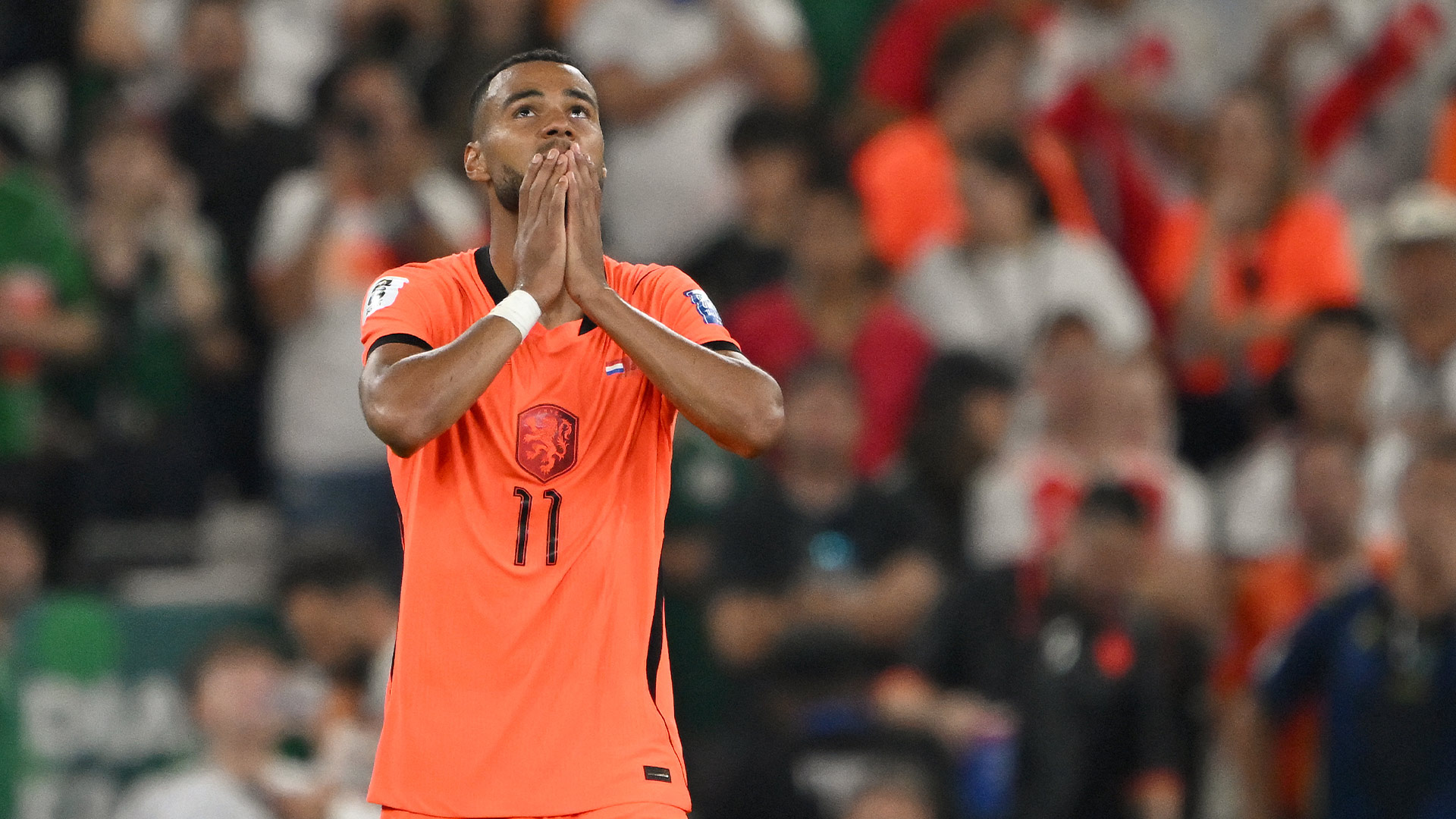
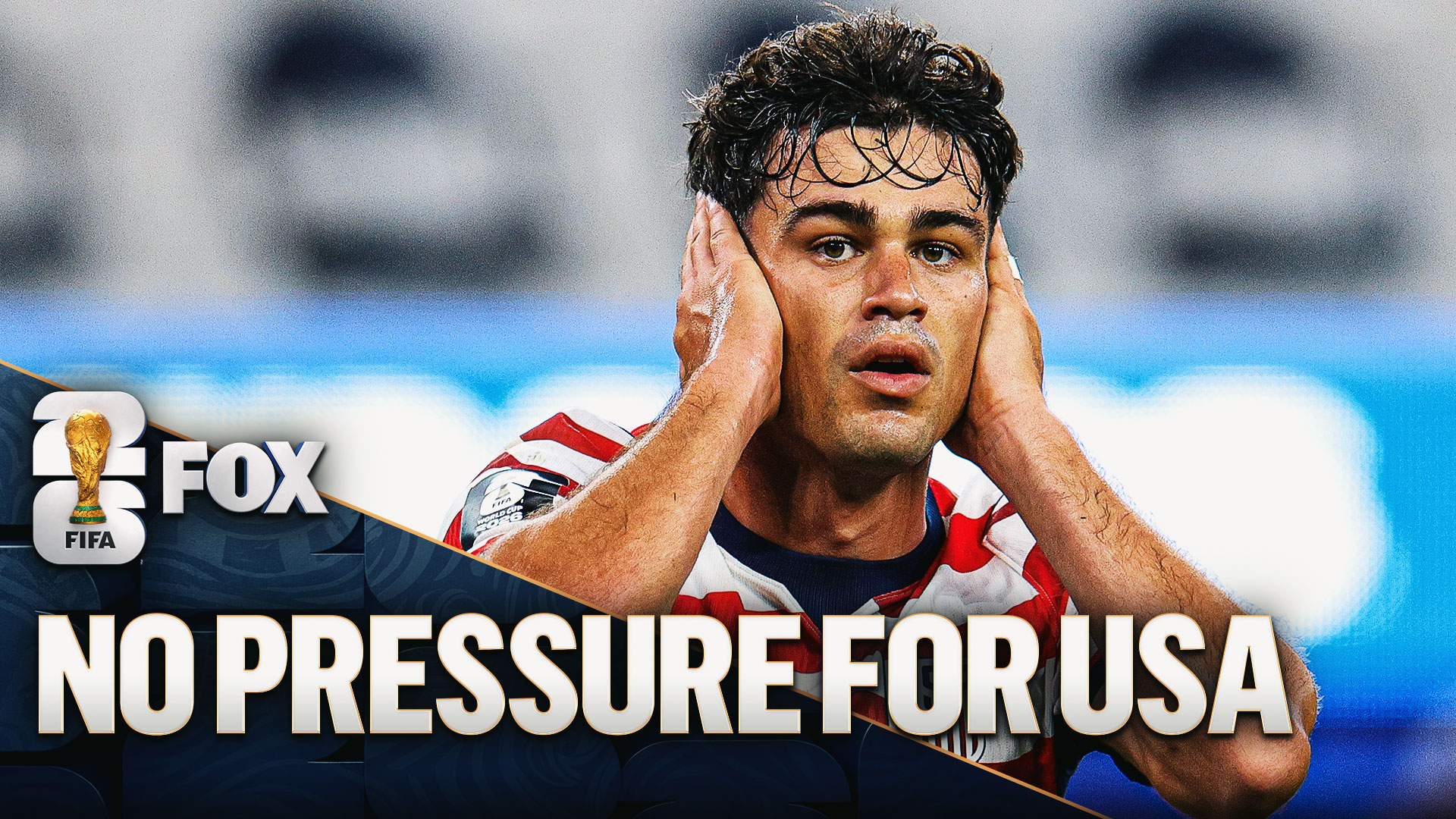
How Patrick Agyemang’s Shattered World Cup Dream Changes USA’s 2026 Roster

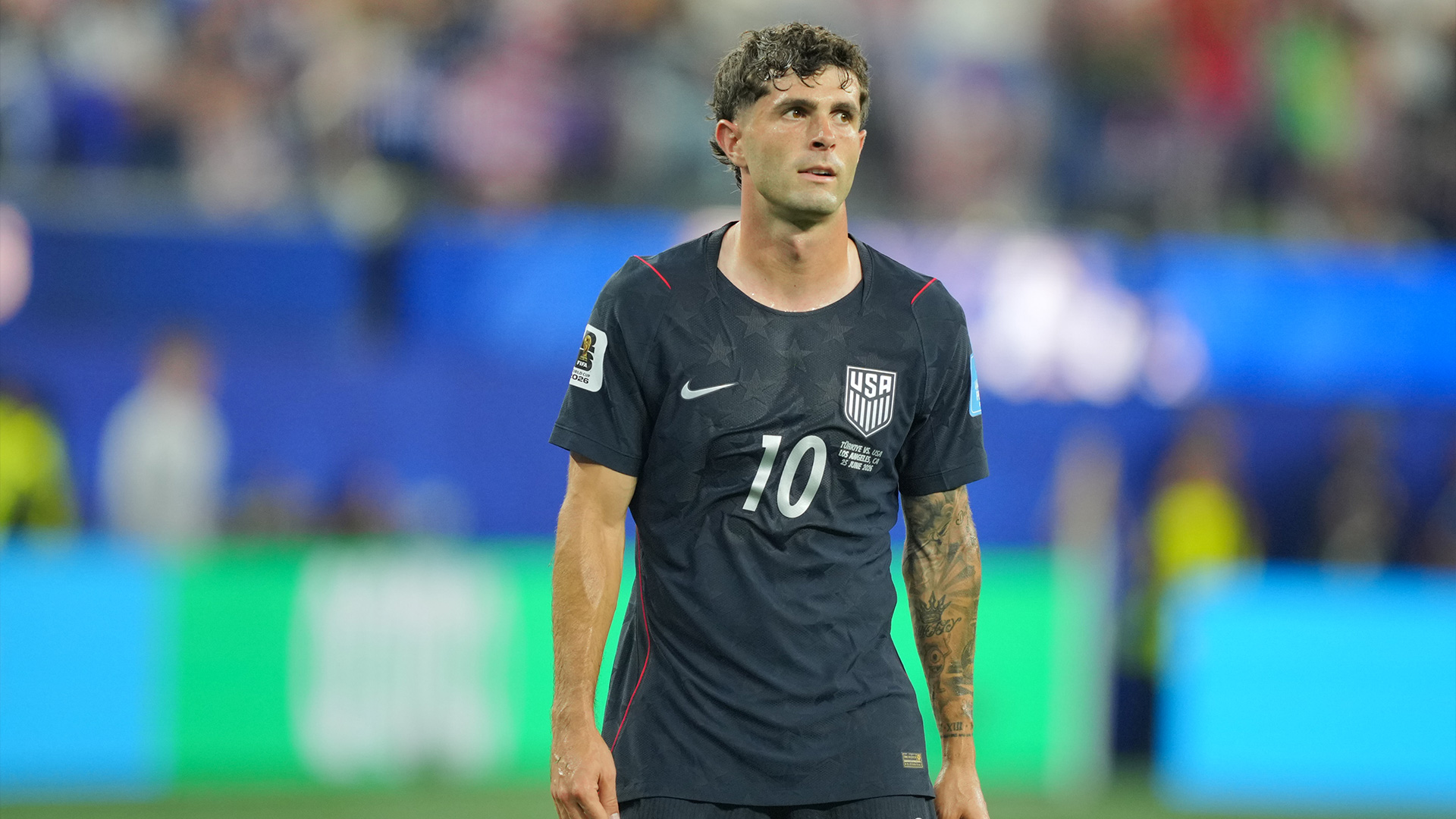
As Patrick Agyemang strolled through the lobby of the U.S. men’s national team’s 5-star hotel in the swanky Buckhead district of Atlanta late last month, the mother of two young soccer fans approached the lanky young striker. “Are you a player?,” she asked. Agyemang stopped, flashed his 1000-watt smile and, somewhat sheepishly, confirmed that he was and introduced himself. Witnessing this interaction was a timely reminder both of the national team’s place within the larger American sports landscape and of how the coming World Cup has the power to turn someone like Agyemang — a 25-year-old former Division III college player from Connecticut who’d never represented his country at any level until last year — into a mainstream celebrity in a matter of weeks. At least it had. On Wednesday, English second-tier club Derby County confirmed that Agyemang, probably a World Cup roster shoo-in for USA coach Mauricio Pochettino even before he scored his sixth international goal against No. 9-ranked Belgium on March 28, will miss the tournament after rupturing his Achilles tendon. It’s a dream-crushing blow for Agyemang, obviously.  We’ll get to that in a minute. But it’s also a big loss for the U.S. and for Pochettino, who seemed poised to use the 6-foot-4 forward off the bench at the World Cup, or possibly even as a starter should top choice Folarin Balogun get injured or suspended. This is the greatest World Cup fear for every player everywhere: because it comes just once every four years, even a relatively minor ailment at exactly the wrong moment can ruin what’s often a once-in-a-career experience. There’s no guarantee a player who can’t participate ever gets another chance. All that said, Pochettino still has 26 available roster spots. If the assumption is that Agyemang would have taken one, an available place just opened up. That sure can’t hurt the odds of fellow strikers Ricardo Pepi and Haji Wright, who just went from probable inclusions to almost certain locks. It also boosts the chances of strikers who haven’t been called in lately (Josh Sargent, Brian White) but who are now possibly just one more injury away from serious consideration. And there could be a knock-on effect down the roster. Since there’s no like-for-like replacement for Agyemang, Poch could bring another defender or midfielder or winger that he otherwise wouldn’t. A versatile option who can plug multiple positions, like 2022 World Cup alum Joe Scally, is another possibility. We’ll find out when the former Chelsea and Paris Saint-Germain manager names his selections on May 26. What’s certain is that Agyemang’s loss will be someone else’s gain. Talking to him that day in Georgia’s capital, it was clear that Agyemang fully understood that the opportunity o play in a World Cup on home soil was unique. After coming so agonizingly close to achieving every soccer player’s dream, something he said hits differently. “This career goes quick,” Agyemang told me. “You have to enjoy it.” Stock Up 📈 Although he didn’t add to his eight international goals last month, Balogun is now even more firmly entrenched up top. He also keeps scoring at club level, with 15 combined in the UEFA Champions League and Ligue 1. His divine chip on Sunday against Weah’s Marseille is the best of the bunch so far. The best American player on the planet throughout 2026 picked up where he left off in Juve’s first game after March’s international break. On Monday, Worldwide Wes scored his ninth goal of the season in Juve’s 2-0 Serie A win over Genoa. Somewhat lost amid the negatively that followed the defeats to Belgium and Portugal was the return of Jedi, who’d missed more than a year of national team action pre- and post-knee surgery. The left back started both games and flashed the ability that made him U.S. Soccer’s Male player of the Year in 2024. Robinson and the Cottagers return to action at Liverpool on Saturday. If there were questions about Freese status as the USA’s World Cup No. 1before the March games, he answered them with a commanding performance in the 2-0 loss to the Portuguese. The Harvard grad, who helped the Pigeons earn a point in St. Louis last weekend, will take on Sebastian Berhalter’s Vancouver Whitecaps north of the border on Saturday. Timing is everything ahead of a World Cup and Trusty’s is good: With Miles Robinson hurt, the left-footed center back was one of the best American performers versus Portugal. He also appears to have won back his job in Glasgow, going 90 minutes in Sunday’s 2-1 win at Dundee United after sitting out four straight Scottish Premiership games. Although Poch has never seemed totally sold on Scally, a defensively sound stay-at-home right back who doesn’t attack up the flank the way Sergiño Dest or Alex Freeman or Tim Weah can, his experience at left and center back is compelling. With Dest still nursing a torn hamstring and Freeman still not starting in Spain, could that newly-open roster spot go to Joe? He played just 11 minutes for the national team in March but continues to have a fine season for Premier League Leeds. On Sunday, he won a penalty that Dominic Calvert-Lewin scored from, then converted his shootout attempt in the tiebreaker to help send Daniel Farke’s team to the FA Cup semifinals. Leeds will face Chelsea at Wembley Stadium on April 26. Left off the March roster after missing the start of the MLS season because of injury, Luna responded in the way Pochettino wanted: by getting on the scoresheet for RSL. Luna’s first goal of 2026 arrived less than three minutes into his first start. Stock Down 📉 Not to bury the lead here, but Pulisic’s struggles over the last few months is easily the biggest concern facing the national team ahead of hosting the largest World Cup in history. The 27-year-old star has now gone 13 games without a goal for the Rossoneri. He’s gone scoreless in eight for his country. Yes, there’s still time for the USA’s top attacker to find his form. If he doesn’t, it’s hard to see how the home team can make a deep run. Robinson got hurt in training in Atlanta, which isn’t his fault. Missing both games still hurts Miles, who anchors a FCC back line that has conceded 15 times in six MLS games. He was on the field when Cincy gave up five more goals in a lopsided March 19 defeat to Mexico’s Tigres that eliminated them from the Concacaf Champions Cup. Not only did Arfsten struggle in his brief cameos (18 minutes total) against Belgium and Portugal, Jedi’s backup now no longer a left back at club level. In each of the Fresno, California product’s six MLS appearances this season, Crew boss Henrik Rydström has deployed Arfsten as a dedicated winger with more defensive-minded Dane Malte Amundsen behind him. Another player who could, in theory, benefit from the opening Agyemang’s injury created. But in the deepest position in the player pool, hard-tackling Morris’s best chance of a World Cup trip could be if one (or more) of Tyler Adams, Johnny Cardoso or Tanner Tessmann can’t make it.​Latest Sports News from FOX Sports
Categories
Sports Fox

Year of the Rookie? Early Strugglers? Ten Things We’ve Learned So Far MLB Season

To no one’s surprise, the Dodgers are out to a commanding lead in the NL West, and the Yankees look well on their way to being one of the top American League contenders. However, no one would have expected the Mariners, Red Sox, Tigers and Cubs to all be in at least a share of last place in their respective divisions two weeks into the season. Of course, there’s plenty of time for everything to change. For now, though, here are 10 storylines to follow and things we’ve learned so far. 1. Year of the Rookie … and Rookie Extension The largest guaranteed deal in Pirates history now belongs to a player with six big-league games under his belt. Konnor Griffin is the latest top prospect to secure an early extension from his club, signing a nine-year, $140 million deal with the Pirates that buys out three of the 19-year-old wunderkind’s free-agent years. The trend of locking up homegrown phenoms is becoming more popular in the sport, particularly among lower-payroll teams who are willing to inherit some risk for the chance of securing free-agent years at a bargain price down the road if the players reach their superstar potential. Griffin’s extension came days after the Mariners signed top prospect Colt Emerson to an eight-year, $95 million extension — a record for a player yet to make his MLB debut, beating Jackson Chourio’s deal in Milwaukee by $13 million — and the Brewers signed Triple-A shortstop Cooper Pratt to an eight-year, $51 million extension that included two club options. As Griffin gets his feet wet in the big leagues, other rookies are already thriving. After the first weekend of the season, Cleveland’s Chase DeLauter and Cincinnati’s Sal Stewart were already the Players of the Week in their respective leagues. DeLauter, Stewart and Colorado’s TJ Rumfield all sport an OPS over 1.000, and DeLauter is tied for the MLB lead with five home runs. White Sox rookie Munetaka Murakami is right behind him with four, showcasing the wealth of young talent that continues to pour into MLB, a group that also includes top Tigers prospect Kevin McGonigle and top Cardinals prospect JJ Wetherholt. It wouldn’t be surprising to see one of the aforementioned rookies be the next to sign a long-term deal. Across all of MLB, rookies entered Thursday hitting 16% better than league average. 2. Tall Task Already for the Blue Jays to Repeat As AL Champs A year after almost everything went right in Toronto as the Blue Jays made it to the World Series for the first time since 1993, the opposite is happening to start 2026. Alejandro Kirk had surgery this week to repair a fractured thumb, Cody Ponce is expected to undergo surgery to repair a sprained ACL just one start into a three-year, $30 million deal, Addison Barger just went on the injured list with a left ankle sprain, Max Scherzer exited his latest start early with forearm tendinitis and starters Shane Bieber, José Berríos and Trey Yesavage are already on the injured list. Beyond the injury concerns, the pitching staff ranks 23rd in ERA, and the offense, which ranked first in both batting average and on-base percentage last year, is currently 24th in OPS. On a more positive note, Yesavage is expected back soon. Perhaps Toronto’s breakout postseason star can conjure some 2025 magic back into a Blue Jays group that is 5-7 and already 3.5 games back of the Yankees. Speaking of… 3. The Yankees’ Shorthanded Rotation Should be Fine Gerrit Cole, Carlos Rodon and Clarke Schmidt started the season on the injured list, but it doesn’t seem to matter for a Yankees rotation that has looked like the best in baseball in the early going and has guided the team to an 8-3 start. While some criticized the Yankees for mostly running their team back, that’s clearly not the worst idea for a group that won 94 games last year. Boosted by 25-year-old Cam Schlittler — who has 22 strikeouts, no walks and a 1.62 ERA through three starts — a Yankees’ rotation that has looked like the best in baseball in the early going has guided the group to an 8-3 start. Headlined by Max Fried, who’s 2-0 with a 1.35 ERA, and Cam Schlittler, who’s 2-0 with a 1.62 ERA and has struck out 22 batters without issuing a walk through three starts, Yankees starters are 5-0 with an MLB-best 2.28 ERA through 11 games. They’ve gotten to this point without needing a fifth starter, but they have 2024 American League Rookie of the Year Luis Gil ready to join when they need him. Ryan Weathers hasn’t gotten off to the start many had hoped (4.50 ERA, .303 opponents’ batting average through two starts), but this group has quelled the concerns. 4. The Dodgers Look Like the Force We Expected It was only six games into the year, but it was still strange at the time to see Shohei Ohtani, Mookie Betts, Kyle Tucker, Freddie Freeman, Will Smith and Teoscar Hernández hitting a combined .188. One 5-1 road trip later, and that sextet’s combined batting average is already up to .264. A Dodgers offense that ranked 14th in OPS a week into the year now ranks first, and it is still awaiting the returns of Tommy Edman and Kiké Hernández. Meanwhile, both the Dodgers’ rotation (3.46) and bullpen (3.21) rank 10th in MLB in ERA at a time when starter Blake Snell and relievers Evan Phillips, Brock Stewart and Brusdar Graterol have yet to debut. The success of the bullpen is particularly noteworthy, considering that group had a 4.27 ERA last year that was tied for the 10th worst in MLB. The presence of Edwin Diaz at the back end, as well as improvements from Tanner Scott and Blake Treinen, have played a major role in the upswing and, at least to this point, helped fix the Dodgers’ only glaring weakness. They already lead the NL West by three games, and it’s possible they won’t have another team on their heels this season like last year’s Padres, who won 90 games. The only obstacle in the Dodgers’ way might be their age. They have the oldest position player group in MLB, and their depth is already getting tested with Betts on the shelf with an oblique injury, presenting added opportunity for Alex Freeland and Hyeseong Kim. 5. Despite Injury Concerns, Braves Impressing Early The Braves began the year without an off day through their first 13 games and a rotation missing Spencer Strider (oblique strain), Spencer Schwellenbach (elbow surgery), Hurston Waldrep (elbow surgery) and Joey Wentz (torn ACL). It felt particularly ominous considering how injuries played a major part in last year’s 76-win season. Instead, they emerged from this starting stretch in first place in the NL East, with the lowest ERA in MLB (2.03) and tied for the best run differential in MLB (+34), and they’ve done it without relying entirely on the arm of Chris Sale (3.94). Bryce Elder hasn’t allowed an earned run through his first two starts, Reynaldo López has a 1.15 ERA through three starts (before his seven-game suspension for brawling with Jorge Soler), and Grant Holmes has a 2.55 ERA. Meanwhile, a revamped bullpen has surrendered just four earned runs in 44 innings with 43 strikeouts and six walks. Offseason addition Robert Suarez hasn’t allowed a run through six appearances, while returning closer Raisel Iglesias is 2-for-2 in save opportunities and also hasn’t surrendered a run through five outings. Add on the contributions of Tyler Kinley (0.00 ERA) and Dylan Lee (1.59), and the bullpen has been the best in baseball thus far. Meanwhile, an offense that severely underwhelmed last year ranks sixth in OPS despite offseason signing Ha-Seong Kim needing hand surgery after slipping on ice and Jurickson Profar getting suspended for the year after another failed PED test. There are reasons to believe that group will only get better, considering Ronald Acuña Jr. (.575 OPS), Austin Riley (.552) and Michael Harris II (.543) have yet to get going. Then again, that could also be seen as a concern, considering Riley and Harris have each seen their offensive numbers dip every year since Harris’ Rookie of the Year season in 2022. 6. Speaking of Injuries, Astros Are Hurting Again Just minutes into Wednesday’s series finale in Colorado, a game the Astros lost in a Rockies sweep, their center fielder and starting pitcher were already injured. Jake Meyers hurt his back on a check swing, while Cristian Javier exited early with a shoulder issue. The latter injury is particularly concerning, given that their ace, Hunter Brown, is also dealing with a shoulder injury that has him on the shelf. An encouraging start to the year from Lance McCullers Jr. has helped, and the offseason additions of Tatsuya Imai, Mike Burrows and Ryan Weiss give the Astros more options than they had last year, when injuries played a major role in their string of consecutive playoff appearances ending at eight. But it’s a disconcerting start for a team that has lost four straight games to fall under .500, and it puts more pressure on a Houston bullpen that currently has a 7.09 ERA, the worst mark in MLB. Their one saving grace could be Yordan Alvarez. The Astros’ top slugger has four home runs and ranks second among all qualified MLB hitters in OPS (1.183). Christian Walker and Jose Altuve each have an OPS over 1.000 as well, while Cam Smith looks to be on the rise after hitting below league average last year as a rookie. As a team, the Astros sport the highest OPS in the American League. But the way the pitching looks now, they may have to continue slugging their way through the season and doing whatever they can to keep Alvarez healthy. 7. Never Doubt the Brewers and Guardians The Brewers traded away their best pitcher and one of their most productive position players from last year’s team. The Guardians did almost nothing to improve an offense that ranked last in the American League in OPS last year. Year after year, we question the methods of the Brewers and Guardians. Year after year, they wind up better than most predict. Even without Freddy Peralta and Caleb Durbin, Milwaukee is 8-4 and in a tie atop the NL Central with the Reds. The Guardians are riding the Chase DeLauter wave, as their top prospect has helped lift them atop the AL Central. Make no mistake: both ownership groups should be spending more meaningfully to give their teams a better shot of making an October run. But the early returns in the regular season, at least, are encouraging. 8. Mariners, Red Sox, Tigers Among AL Teams Off to Slow Starts Well, this wasn’t the start that Seattle and Detroit, the favorites in their respective divisions, were expecting. The Mariners, after winning the division for the first time in 24 years and coming one game short of a trip to the World Series, are 4-9, in last place in the AL West and ranked last in MLB in every offensive slash-line category. The Tigers are 4-8 and tied for last in the AL Central with a starters’ ERA of 4.99, the fifth-worst mark in MLB despite having back-to-back Cy Young award winner Tarik Skubal and new addition Framber Valdez atop the rotation. Their offense isn’t inspiring much confidence, either, even after calling up McGonigle. The Tigers have the fewest home runs in the American League and are still waiting for the first of the year from sluggers Riley Greene and Spencer Torkelson. The Red Sox figured to contend for an AL East title this year, even after inexplicably failing to bring back Alex Bregman. The additions of starters Ranger Suarez and Sonny Gray seemed destined to give Boston one of the top rotations in MLB, but their rotation currently ranks 23rd with a 4.55 ERA. The additions of first baseman Willson Contreras and third baseman Caleb Durbin were supposed to help the offense, but Boston’s .666 OPS ranks 19th in MLB, and they’re 23rd in runs scored. There’s obviously plenty of time for these AL contenders to dig their way out of an early hole, but the Red Sox in particular will need to turn things around quickly in one of the toughest divisions in baseball. 9. Bumpy Start To Tony Vitello Era in San Francisco The spotlight is bright on the Giants’ new manager as Vitello attempts to make the unprecedented jump directly from college coach to MLB skipper. Every hiccup brings added scrutiny, considering his lack of prior professional coaching experience as he goes from motivating kids at Tennessee to trying to get the best out of wealthy adults, and there have been some early ones both on and off the field. After scoring just one run while getting swept by the Yankees to start the year, Vitello blamed himself for a “fire-and-brimstone” speech for getting the players too emotional. Some players pushed back afterward, insisting that they can handle the natural ups and downs of a season. A couple incidents have followed since then, as well, and questions remain about whether the passion that helped Vitello win in college will translate to the big-league marathon. Of course, winning would solve everything. Right now, that’s not happening enough. The Giants are in last place in the NL West with an offense that ranks last in MLB in home runs and last in the National League in OPS. The pitching staff hasn’t been able to make up for that lack of power, ranking in the bottom half of MLB in ERA in the early going. But the team is showing more positive signs to start the week with a series win over the Phillies that included back-to-back shutout victories. Vitello should get some leash to figure things out, and the early shortcomings will be forgotten if the team simply starts playing better. The Giants need Rafael Devers, Jung Hoo Lee and Heliot Ramos to hit. 10. The ABS Challenge System Already a Rule-Change Home Run? Most would agree the sweeping rule changes that were introduced to MLB in 2023, most notably the pitch clock, have enhanced the game and viewing experience. The latest change may take some getting used to for teams and players as they adjust to the new automated ball-strike zone, but early feedback is positive. Home-plate umpires are being held accountable for mistakes, and the fan anticipation and enjoyment is palpable in the stadium every time a player taps his head. Major League Baseball anticipated about 50% of calls to be overturned, and so far that number is at 54% with pitchers and catchers having a better success rate (60%) than hitters (48%). Who has been the best at challenging so far? As a hitter, Ivan Herrera is a perfect 4-for-4. Behind the plate, catchers Logan O’Hoppe and Ryan Jeffers have each won an MLB-high 10 challenges; O’Hoppe has the better percentage of challenges won between the two (77%). As a team, the Twins may not win much this year, but they’ve clearly been the leaders of the pack when it comes to ABS challenges, going 11-for-11 as hitters and 14-for-20 as the team in the field. Only the Marlins have won more challenges in the field (15 total), but the Marlins and Twins are also the two teams challenging the most while in the field. The Tigers have the highest percentage of successful overturns (91%) as the pitching team. One trend, however, worth keeping an eye on: the league-wide walk rate is now at 10%, which would be the highest mark in a full season since 1950, while the league-wide batting average is .234, which would be the lowest mark in a full season ever. Those stats would seemingly be in conflict with MLB’s desire to create more action and balls in play. A reminder for all of these storylines, though: It’s still early. Rowan Kavner is an MLB writer for FOX Sports. He previously covered the L.A. Dodgers, LA Clippers and Dallas Cowboys. An LSU grad, Rowan was born in California, grew up in Texas, then moved back to the West Coast in 2014. Follow him on X at @RowanKavner.​Latest Sports News from FOX Sports
Categories
Sports Fox

2026 NFL Mock Draft: Colin Cowherd Predicts Patrick Mahomes, Lamar Jackson Get Big Help

Can Colin Cowherd correctly predict the first round of the 2026 NFL Draft? He isn’t sure, but he’s hopeful that he can guess five of the first 15 picks right based on what he’s hearing in his discussions with people around the league. Cowherd unveiled how he thinks the top 15 picks will go in his most recent mock draft as we’re two weeks away from Round 1. While his top-four picks might be what you’ve seen in other mock drafts, he has the New York Giants making a move that might not seem to be too popular. He also has Patrick Mahomes, Matthew Stafford and Lamar Jackson getting some reinforcements around them on offense. So, let’s take a look at how Cowherd thinks the first 15 picks of the 2026 NFL Draft will go down, based on what he’s hearing. This page may contain affiliate links to legal sports betting partners. If you sign up or place a wager, FOX Sports may be compensated. Read more about Sports Betting on FOX Sports. Odds via DraftKings Sportsbook. 1.  Las Vegas Raiders: Fernando Mendoza, QB, Indiana Cowherd’s thoughts: “That’s the easy one. I’m going to go one-for-one. He threw 49 touchdowns and no interceptions the last two years in the red zone. Hyper smart, ball placement and toughness [are good]. I wouldn’t be surprised if the Raiders at the top of the second [round] go get [Indiana wide receiver] Omar Cooper, who might be available at the top of Round 2.” Odds to be No. 1 pick: -20000 2.  New York Jets: Arvell Reese, edge rusher, Ohio State Cowherd’s thoughts: “I think the Jets take a big swing on Arvell Reese, who I think is the youngest prospect in the draft. He’s only 20 and he doesn’t have a clear, defined position yet. That’s what the Jets do. I think they need six or seven good players before they take a swing. With the coaching staff and head coach they have, I just don’t trust them. I would rather get a plug-and-play guy who has a defined, already-made position. Reese is a fascinating player. The Jets had the second-fewest sacks in the NFL, so it’s a position of need, but that’s why I like [David] Bailey [more for New York]. You can drop Reese into coverage. So, I think he’s a great talent, but I worry about the Jets and Aaron Glenn being able to bake this and make it work quickly.” Odds to be No. 2 pick: -105 3.  Arizona Cardinals: David Bailey, edge rusher, Texas Tech Cowherd’s thoughts: “They have a pass rush issue. The Cardinals ranked 28th in sacks last year. So, this will be a bit of a break, in my opinion, for the Arizona Cardinals. They’ll get my favorite pass rusher in college football. I think Rueben Bain is very good as well, but [Bailey] led college football in sacks and pressure rate and he’s getting better. He’s a much better player now than he was at Stanford.” Odds to be No. 3 pick: +235 4.  Tennessee Titans: Jeremiyah Love, RB, Notre Dame Cowherd’s thoughts: “First of all, Robert Saleh knows the value of a star running back for a young quarterback. He watched [Christian] McCaffrey with Brock Purdy. Saleh’s got a better offensive feel than most defensive coaches. He actually does, I’ve texted with Robert on that. He likes offense, and he knows the value. [Love] is a home-run hitter. I’m telling you, the drop-off between Love and the second-best running back in this draft, it might be greater than Fernando Mendoza and the second-best quarterback. He’s an absolute Jahmyr Gibbs[-type].” Odds to be No. 4 pick: +150 5.  New York Giants: Sonny Styles, LB, Ohio State Cowherd’s thoughts: “I think the Giants get maybe the cleanest player in the draft, Sonny Styles. He’s going to come in and play. Linebacker, freak athlete, 182 combined tackles over the last two years. John Harbaugh’s been talking about toughness and attitude. That’s Sonny Styles. People can say, ‘Linebacker? I don’t know.’ The Giants have spent a lot of money at corner in the last couple of years. They could go corner, maybe. This kid’s going to come in, play and get a lot of tackles.” Odds to be No. 5 pick: +175 6.  Cleveland Browns: Carnell Tate, WR, Ohio State Cowherd’s thoughts: “The best receiver in this draft is Carnell Tate, and Cleveland’s gotten an egregiously bad wide receiver corps. The Browns had the fewest receiving yards and receiving touchdowns. [Tate] just walks in and stars. I think he’s great. He’s strong. He’s got speed. I don’t know if he has the route tree of [Jaxon Smith-Njigba], but I’ll tell you this: catching radius, toughness and speed are really good.” Odds to be No. 6 pick: +150 7.  Washington Commanders: Francis Mauigoa, OT, Miami (Fla.) Cowherd’s thoughts: “Well, Jayden Daniels needs protection. Laremy Tunsil, meet Francis Mauigoa. Many people think he could interior and play guard. He’s not a left tackle. he’s more of a right tackle. I don’t think he has elite foot quickness, so maybe you move him inside. But I’ve got Jayden Daniels. Daniels is getting banged up in this league.” Odds to be No. 7 pick: +2200 8.  New Orleans Saints: Rueben Bain Jr., edge rusher, Miami (Fla.) Cowherd’s thoughts: “The Saints have a lot of needs, but this kid lives in the backfield. I care a little bit about arm length. He’s a perfect replacement for Cam Jordan, who is a free agent and getting up there [in age]. So, you replace him with a dog — a guy that’s going to come in and pressure the quarterback. Everybody I talk to in the league loves Bain. Because of the measurements, he’s not going to be a No. 1 or No. 2 pick. But I haven’t talked to anyone in the NFL that doesn’t respect him as a player.” Odds to be No. 8 pick: +350 9.  Kansas City Chiefs: Spencer Fano, OT, Utah Cowherd’s thoughts: “This seems obvious. … The Chiefs have struggled to protect Mahomes the last two years — eighth most sacked quarterback in two seasons and now Mahomes is coming off an ACL injury. They solved their running back in free agency, getting Kenneth Walker from Seattle. Do they need an edge rusher? They do, but Bailey will be gone, Reese will be gone and Rueben Bain will be gone. So this is an easy one. I think it’s a smart one. “They got Josh Simmons at left tackle. When he played, he was excellent in terms of the frequency and scarcity of playing concerns. But by the way, you get Fano in. [If] Josh Simmons gets banged up or doesn’t play, this is what they did with the Chargers in Joe Alt. Move him to the other side. I think he goes nine to Kansas City.” Odds to be No. 9 pick: +700 10. Cincinnati Bengals: Caleb Downs, S, Ohio State Cowherd’s thoughts: “I think he could be the steal of the draft. I think he walks in and starts Day 1. He’s just a great football player, really smart, very instinctive. He’s not huge. I don’t get too caught up on that. People said Troy Polamalu wasn’t huge. He’s just a great player. He’s in-state and Buckeye fans will love it. Just toughness, urgency, playmaking and the defense for now, that Trey Hendrickson is gone, you thought the defense was bad for Cincinnati last year? Could get worse.” Odds to be No. 10 pick: +300 11. Miami Dolphins: Mansoor Delane, CB, LSU Cowherd’s thoughts: “Did not allow a single touchdown or commit a single penalty last year at LSU. Number one cornerback in the draft and again, here comes Jeff Hafley, the defensive guy from Green Bay. So with one of his two first-round picks, he’s taking a defensive player, either with one of the picks or two of the picks. Yes, they need a wide receiver. Yes, they need some offensive line. You can get that in the second, third or fifth round. You can’t get the best corner in those rounds.” Odds to be first cornerback drafted: -240 12. Dallas Cowboys: Jermod McCoy, CB, Tennessee Cowherd’s thoughts: “You’ve got to cheapen up that defense because you’re spending a lot of money on offense and now you’re spending a lot of money on your defensive front. They get Jermod McCoy from Tennessee. He can play zone. He can play man-to-man. Opposing quarterbacks last year on the Dallas Cowboys 69% completion percentage and a passer rating at 109. So they have upgraded their defensive front. Now they’ve got to go get some dexterity and versatility on the back end. He’s a great player.” Odds to be second cornerback drafted: -195 13. Los Angeles Rams (via Atlanta Falcons): Makai Lemon, WR, USC Cowherd’s thoughts: “Davante Adams is 34 and got banged up. Puka Nacua has just entered rehab and got some off-field stuff. Maturity issues. This kid does not let the ball hit the ground; 2.8% of balls thrown to him hit the ground. Tremendous kid. He’s got a lot of Amon-Ra St. Brown and will be productive Day 1. … Matt Stafford doesn’t want to teach somebody how to play football. Makai Lemon walks in Day 1. He’ll figure the playbook out in three practices.” Odds to be second wide receiver drafted: +155 14. Baltimore Ravens: Monroe Freeling, OT, Ravens Cowherd’s thoughts: “Lamar Jackson last year pressured on 26% of his throws, a career high. They go get Monroe Freeling, Georgia tackle. He’s a little raw, but has had, in 18 starts, one holding penalty. Listen, if you’re going to pay Lamar Jackson, what you keep reading, they’re going to pay him, you better protect him. This is another player that everybody thinks is going to be really good. Nobody’s quite sure if he’s going to be good as a rookie. Get him in [the] house.” Odds Ravens use first pick on an offensive lineman: +140 15. Tampa Bay Buccaneers: Emmanuel McNeil-Warren, S, Toledo Cowherd’s thoughts: “Local kid. Played [high school football] in Tampa. Bucs were 27th against the pass. They had the worst red zone defense. Now Mike Evans is gone. They need a receiver. There are some great receivers in the second, third and fourth round. He’s a hometown kid. He is rangy. He runs good enough. Again, another one of these small school [defensive backs] that we don’t watch enough of. Remember when Sauce Gardner came out? Could have been the No. 1 player and defensive player in that draft.” Odds to be second safety drafted: +290​Latest Sports News from FOX Sports