Categories
Sports Fox

2026 UFL Week 4 Results: Storm Stay Undefeated After Stallions Shutout, More

Week 4 of the 2026 UFL season kicked off Thursday with the Louisville Kings (1-3) earning their first win of the season in dramatic fashion, outlasting the Houston Gamblers (1-3) in overtime at Shell Energy Stadium in Houston. On FOX UFL Friday, the previously undefeated Dallas Renegades (3-1) were upset on the road by the Columbus Aviators (1-3) at Historic Crew Stadium in Columbus, Ohio. It was also the Aviators’ first win of the 2026 season. On Saturday, the reigning champion DC Defenders (3-1) escaped the St. Louis Battlehawks (2-2) in a down-to-the-wire thriller at Audi Field in Washington, D.C. Then, the undefeated Orlando Storm (4-0) shut out the Birmingham Stallions (1-3) with former head coach Skip Holtz, who won three of the past four spring football titles across the UFL and legacy USFL at the helm of the Stallions, in attendance at Protective Stadium in Birmingham, Alabama. Here are the results from Week 4: Louisville Kings 24, Houston Gamblers 22 (OT) Key players: Kings QB Jason Bean (17-for-34 for 192 yards), LB Cam Gill (eight tackles, 2.0 sacks, one tackle for loss, one forced fumble), K Tanner Brown (5-for-6, long of 59); Gamblers QB Taulia Tagovailoa (7-for-14 for 64 yards, one rushing touchdown), RB Marcus Yarns (eight carries for 111 yards, one touchdown), WR Justin Hall (4-for-6 for 44 yards), DE Christopher Allen (four tackles, 2.0 sacks, two tackles for loss), K John Hoyland (3-for-4, long of 58). Game recap: Both teams nailed field goals on their opening drives to make it a 3-all game late in the first quarter. Louisville went on a 10-play, 60-yard touchdown drive to take a 10-3 lead early in the second quarter. The road team followed that up with another field goal to extend its lead to 13-3. Houston, on the other hand, had a rocky second quarter. They went three-and-out and then turned the ball over on downs to start. The Gamblers were able to knock in another field goal — this one from 59 yards out — with just over a minute to play until halftime to pull within single digits, 13-6. The Kings got the last word, however, squeezing in one more field goal with seven seconds to spare to take a 10-point lead, 16-6, in the break. Houston came to life in the second half. On the first play from scrimmage in the second half, the Gamblers exploded for a monster 68-yard rushing score to make it a four-point game, 16-12. They followed that up with another scoring drive to take their first lead of the game, 19-16. The Kings opened the third quarter with back-to-back three-and-outs, and that proved catastrophic. With momentum on their side, the Gamblers added another field goal to extend their lead to 22-16 headed into the final frame. In the fourth quarter, the Kings were able to settle in and rattle off back-to-back field goals to knot things up at 22-all. The Gamblers had a chance to take over with roughly a minute remaining in regulation, but a missed field goal from 38 yards kept them from doing so and sent things into overtime. In the UFL, overtime starts in a shootout format where teams alternate two-point conversion attempts from the 5-yard line three times. The Kings converted on their first attempt, and the Gamblers didn’t, ending things right then and there. Up next: In Week 5, the Kings are on the road to face the Renegades, and the Gamblers are hosting the Aviators. Columbus Aviators 28, Dallas Renegades 14 Key players: Aviators QB Jalan McClendon (10-for-15 for 126 yards, one touchdown), WR Keke Chism (4-for-5 for 50 yards, one touchdown), TE Alize Mack (3-for-3 for 56 yards), RB John Lovett (15 carries for 80 yards); Renegades QB Austin Reed (13-for-27 for 144 yards, two touchdowns), WR Tyler Vaughns (5-for-9 for 59 yards), WR Drake Stoops (3-for-3 for 31 yards, one touchdown). Game recap: The Renegades came out swinging in this one, cashing in for a touchdown on their opening drive. With that, Dallas took a 7-0 lead into the second quarter. That’s when fans were treated to some fireworks in the form of three consecutive touchdown drives — two by the Aviators and one from the Renegades. Columbus got on the board early in the second frame with a short rushing score, then Dallas fired back with a score of its own to regain the lead. The Aviators then scored through the air to knot things up once again at 14-all headed into halftime. Columbus took its first lead of the game early in the third quarter on a fumble recovered in the end zone. It wasn’t what the Aviators drew up, but it worked all the same. The start of the second half was quiet for the Renegades, and that momentum was crucial for the Aviators. Columbus scored again early in the fourth quarter to make it a double-digit game, 28-14, midway through the frame. In a stunner, a late-game interception at the two-minute warning sealed the Renegades’ fate. With that, Columbus snagged its first win of the season, while Dallas lost its first game. Up next: In Week 5, the Renegades are hosting the Kings, and the Aviators are on the road to battle the Gamblers. DC Defenders 28, St. Louis Battlehawks 22 Key players: Defenders QB Jordan Ta’amu (22-for-36 for 204 yards, two touchdowns, 11 carries for 61 yards), WR Cornell Powell (7-for-13 for 85 yards), K Matt McCrane (4-for-4, long of 56); Battlehawks QB Harrison Frost (6-for-21 for 144 yards, one touchdown), WR Hakeem Butler (2-for-3 for 109 yards, one touchdown), RB Jarveon Howard (eight carries for 85 yards). Game recap: The Battlehawks opened with a field goal to get the scoring going, and the Defenders fired back with a touchdown to take over midway through the frame. Things picked up steam in the second quarter. St. Louis regained the lead with a jaw-dropping 75-yard touchdown from none other than Butler. That gave the road team a 9-7 edge. The ensuing missed extra point proved costly, as DC retook the lead – 10-9 – with a field goal on its next drive. The Defenders followed that up with another touchdown with roughly three minutes to play before halftime to extend their lead to 17-9. The Battlehawks squeezed in a field goal just before the break to make it a five-point game, 17-12. The Defenders added a field goal to start the second half and extend their lead to 20-12. Then, DC notched the first safety of the season, making it a 22-12 game midway through the third quarter. Both teams pulled out all the stops in the fourth. The Defenders rattled off back-to-back field goals, while the Battlehawks cashed in for a touchdown and a field goal to pull within six, 28-22, and keep things competitive late. After DC went three-and-out inside the two-minute warning, St. Louis was gifted a chance to have the final word. Instead, Frost took a deep shot up the middle, and his pass was intercepted in the red zone. With that, the Defenders sealed an all-important win at home. Up next: In Week 5, the Battlehawks are on the road to face the Storm, and the Defenders are traveling to take on the Stallions. Orlando Storm 16, Birmingham Stallions 0 Key players: Storm QB Jack Plummer (17-for-27 for 182 yards, one touchdown), WR Elijhah Badger (3-for-5 for 63 yards), WR Cam Camper (4-for-4 for 44 yards, one touchdown), K Michael Lantz (3-for-3, long of 46); Stallions QB Matt Corral (13-for-20 for 83 yards), QB Michael Hiers (7-for-15 for 60 yards), WR Justyn Ross (2-for-4 for 40 yards), RB Anthony McFarland Jr. (eight carries for 30 yards). Game recap: After back-to-back punts to start the game, the Storm got a spark late in the first quarter. They capped a 13-play, 80-yard drive — that took over seven minutes off the clock — with a short touchdown throw. In the second quarter, Orlando added to its lead with two field goals. The Stallions had a chance to get on the board but missed their only field-goal attempt from 46 yards out. With that, the undefeated Storm took a 13-0 lead into halftime. The third quarter was quiet for both teams, and the Storm added another field goal early in the fourth to make it a 16-0 game. After turning the ball over on downs late in the third, the Stallions did so again on their first two drives of the fourth quarter. From there, Orlando ran out the clock. Birmingham was outmatched on both sides and struggled to find any sort of rhythm. It’s the first shutout this season and the third time that a game has been held to single digits or fewer (the Kings were held to nine points in Week 2 and the Gamblers were held to seven points in Week 3). Up next: In Week 5, the Storm are hosting the Battlehawks, and the Stallions are playing host to the Defenders.​Latest Sports News from FOX Sports

Categories
Sports Fox

Stu Holden: USA ‘Not Good Enough Yet’ To Play In Same Style As Top Countries

The United States is not one of the teams favored to lift the 2026 FIFA World Cup trophy this summer — can Mauricio Pochettino change that with his tactics? FOX Soccer analyst Stu Holden joined The Herd to discuss the expectations of the USA ahead of the tournament, especially in Pochettino’s first World Cup leading the squad. “I think we’ve had an unrealistic feeling, and by we I mean, Mauricio Pochettino has been going through a process since he took over as coach, of stylistically how he likes to play and how we can play at times, which is attacking, and we have probably the most talented generation we’ve had in many, many years and some guys playing at the biggest clubs,” Holden said. “So, inherently, you think ‘Ok, now we can go toe to toe, we can open up the game, we can attack, we can play sexy soccer.” The United States is coming off back-to-back losses in their friendlies to Belgium and Portugal, where they were outscored 7-2. While the team has more chances with friendlies against Senegal and Germany, the United States will have to find their groove if they want to advance to the knockout stage of the tournament. “What we were reminded of, and what I was reminded of, is that if we want to play against the best teams in the world, you can’t allow them that time and space. We aren’t good enough yet to play in the same style as Argentina or Spain or England or Belgium or Portugal and expect to win.” With all eyes on a struggling Christian Pulisic, Pochettino is under immense pressure to maximize the attacking talent on his squad. However, the defense needs just as much work for the team to make waves in the World Cup. The Stars and Stripes will kick off their tournament run on June 12, facing Paraguay at Los Angeles Stadium.​Latest Sports News from FOX Sports

Categories
Sports Fox

How INDYCAR drivers navigate the Grand Prix of Long Beach’s unique 11-turn track

In Driver’s Eye with James Hinchcliffe, the six-time INDYCAR winner will bring you inside the mind of a racer while breaking down the nuts and bolts of the sport for fans. I am itching to get back to the track, and I don’t think I’m alone in feeling that way after INDYCAR’s two-week break (decidedly not a vacation, though). And what a track we are going to… The Acura Grand Prix of Long Beach is the fifth stop for INDYCAR this season, and it is easily near the very top of the best race weekends of the year. In Southern California, it’s one of the longest-running races we have, and, after the Indianapolis 500, has to be at the top of the list of races drivers want to win the most. That is in equal parts because of the decades of history, the incredible crowds and atmosphere and the unique challenges of the race track itself. I was fortunate enough to have a lot of success at Long Beach. There, I got my first Indy NXT (then called Indy Lights) pole position and win, my first INDYCAR top-5 finish and podium, and I managed to take the checkered flag back in 2017. That win stands as one of the biggest of my career because of the status that this race holds in motorsports world. That said, let’s talk about what makes this track so much fun for drivers. THE GOOD, THE BAD AND THE FAST: LONG BEACH Long Beach has a lot of unique qualities for a street track. Yes, it has walls, bumps and surface changes, which we see on pretty much all street courses. But there are a few standout attributes that make it different — and difficult — from behind the wheel. First, you have a decent amount of elevation for a street course. TV doesn’t always do it justice, but as soon as you head into Turn 4, the track starts to fall down quite a bit. That really affects the balance, as it has a tendency to make the front end wash out and lose grip, which pushes you closer and closer to the exit wall. We normally see a lot of drivers brush — or smash — the exit wall there. If you survive that, then you’re dealing with a quick change as the track shoots uphill on the brake zone for Turn 5, which totally changes how you approach that corner. Obviously, going uphill means the car stops faster for the same brake pressure (thanks, gravity!), so you have to recalibrate your brain a bit to make sure you get the braking just right. If uphill makes the car stop faster, you guessed it, downhill makes the car harder to slow down! Welcome to Turn 6. The track goes downhill aggressively on the entry, which means it is so easy to carry too much speed and end up very wide, or worse, in the run-off. Then mid-corner, it climbs again as you’re getting to power before falling away again on the entry to the next corner, Turn 8. Bit of a roller-coaster feeling in that section of track. Next, this track has a few important curb strikes — literally, purposely, hitting the curb — that are key for faster lap times. When you think of tracks like the streets of St. Petersburg or Arlington, the curbs are either painted on the track — so not an issue to drive over — or so big you can’t even think of touching them in an Indy car. Long Beach has two curb-strike opportunities, Turn 1 and Turn 5, that you can really use to pick up speed. Turn 5 is especially critical to nail. Too little curb means you don’t get the car turned enough and risk hitting the outside wall. But too much curb and the car bottoms out, lifts the front wheels off the ground and… you risk hitting the outside wall! It’s tough to be consistently fast through there, especially on cold or old tires. And finally, the geometry of the corners themselves stand out. Many street tracks feature a lot of 90- and 180-degree corners because you are pretty restricted by the literal streets you’re driving on, which tend to be straight roads. But Long Beach has a unique curved front straightaway and some great corners — like the 2-3 complex, Turn 6 and Turn 10 — that are unlike any other corners on the calendar. Oh, and let’s not forget the famous hairpin, Turn 11. It is the slowest corner of the entire season — slower than pit lane speed — at around 30 miles an hour. And it feels terrible. Indy cars are not designed to go 30. They are designed to go 230! So getting through one of the most iconic corners of the year is so tough and not friendly behind the wheel of one of these beasts. SOUND LIKE AN INDYCAR EXPERT On Sundays on the broadcast, you always hear us talking about the push-to-pass system — as long as we are on a road or street track, because we don’t use it on ovals! At a place like Long Beach, where passing is at a premium, there are a few different ways you can use this tool to help your race. The most obvious one is using it to make a pass. The run out of Turn 11, along Shoreline Drive, is the best place to use it and set up a pass into the first turn. But you have to be careful because you only get 200 seconds, and that’s a long run down the front straight. Get a little too eager, and you might not have enough left for the other times in a race where you need it. For instance, you might need some seconds banked to play defense when a car gets a good run on you or during your in-and-out laps of a green-flag pit stop. The time — and, as a result, positions on the track — you can gain back by having strong in-and-out laps is huge, so drivers will often spend a whole lap spraying the P2P on their way into the pits, and then again on the out lap to get back up to speed. But you don’t want to burn it all on the last pit stop of the day, just in case you have a late restart and need some to attack or defend before the checkered flag. Showing discipline on the button is harder than it looks, but it’s crucial. We’ve talked about the when and why of P2P, but let me quickly touch on the how. We say it a lot, we know it gives you a boost, but what is really happening to these 2.2-liter, twin-turbo V6s when a driver pushes the button? The extra power comes from two different areas. First, the rev limit goes up. Under normal conditions, the engines are limited to 12,000 rpm, which is already pretty impressive. Typical street cars don’t go much higher than 5,000 rpm most of the time! But on the P2P button, that limit goes up to 12,200 rpm. Might not sound like much, but every rev counts when you’re racing a stopwatch. To help get it up to that limit faster, the on-board computer that controls the engine, called the ECU, allows the amount of boost pressure from the turbocharged engine to sneak up ever so slightly. It delivers a rev increase and roughly 10% extra in boost pressure, which simply means more power from the turbocharger. These two things combined give the driver about 50 extra horsepower to play with. Your heart wants to hit it every lap! But your brain knows it will run out fast and that’s not the best way to win the race. 1 FOR THE ROAD I hate that we are doing this again, but I have to sign off this week by taking a moment to remember Jim Michaelian, the president and CEO of the Grand Prix of Long Beach. He died last month at 83 years old, but his impact will endure. Jim was due to oversee his last race this year, something he had done as president since 2001, at an event he had helped build for more than 50 years. So much of what makes this race so special — to the teams, drivers, fans and people of Long Beach — was because of the heart and soul that Jim put into this race. His legacy of creating the greatest street race on the continent will be remembered forever. Thank you, Jim. MORE DRIVER’S EYE:​Latest Sports News from FOX Sports

Categories
Sports Fox

2026 NFL Draft: A Look Inside the Strangest Job Interview Process in Sports

Getting a job playing in the NFL is nothing like getting an entry-level job in any other field. At the NFL Combine, Texas A&M receiver KC Concepcion was headed into a formal interview with the Philadelphia Eagles. And Philly hit the draft prospect with an exercise he’d never seen before. The Eagles had a machine that dropped three different-colored foam batons. As the batons fell, a coach called out the color that Concepcion needed to catch — and the hand he needed to use to catch it. Left hand blue, right hand red. Good thing he’s an All-American receiver. Concepcion managed to catch four of five pairings. “That right there was fun,” he told me at the Adidas “Pro Day” in Portland last month. Such is the unique, demanding and sometimes bizarre nature of the NFL draft process, which includes workouts, medical checks and lots of interviews. When it comes to the interviews, which come one after another, Alabama quarterback Ty Simpson and Indiana QB Fernando Mendoza have the perfect type of mind for the pre-draft process. The same is true of Ohio State safety Caleb Downs, whose interview with one team “was kind of boring with how easy it was for him,” per a scout in the room. Of course, no matter who it is, these prospects are nervous stepping into a room with NFL evaluators, particularly for the first time. “The first one — a little nervous, a little anxious. But after that one, it was just rolling,” Ohio State edge Arvell Reese told me in Portland. Often, prospects can get into a groove. There’s a routine from one team’s interview to the next. And the prospects will answer many of the same questions during their Top 30 meetings. (Each NFL team can invite up to 30 prospects to their facility to conduct interviews, medical checks and on-field workouts.) “It kind of gets kind of repetitive — just answering the same questions,” Arizona State receiver Jordyn Tyson told me in Portland. “Shoot, you’re talking about yourself, so nobody knows you better than yourself. But, yeah, I’d say it’s going pretty good. Just trying not to shoot myself in the foot and trying to just leave it all on their end.” For the on-field portion, there are the freak athletes whose measurables are perfect, whether it’s at the combine in Indianapolis or at pro day or any of the other venues where players meet with teams. Count Downs and Reese in that category. Let’s also throw in Oregon tight end Kenyon Sadiq and Ducks safety Dillon Thieneman, who absolutely crushed the workout portion of the combine. Not everyone has it so easy. “It’s all mental,” a former NFL first-round pick told me. “[You’re in Indianapolis] for days, then you don’t get on field until the end. … I graded out higher because some guys just couldn’t handle all the days stacked on each other.” Every measurement matters — even, as it turns out, the things you can’t exactly measure. The experience is a microcosm of what can be so terrible and so thrilling about these liminal months when football players are “prospects” — not college football players or NFL players. They get measured. They get interviewed without end by teams, by media members and by marketing reps. The invasive probing transcends the average job interview. “They’re doing background checks on your childhood stuff, so at this point, your whole life is sort of a job interview,” Downs told me. “So I can’t say this three-month process is my job interview. Your whole life is pretty much a job interview.” Here’s what we learned about the process while speaking with several of the draft’s top prospects — and some of the people who are preparing and evaluating them. Getting the body right for the workouts Excel Sports Management has a gym in Southern California where Washington receiver Denzel Boson spent weeks training for the combine and his pro day, with consultant coaches on-site to provide comprehensive preparation. Almost all the likely first-rounders spend their time training at their agency’s facility. After that, the draft process is about doing everything except playing football: watching it, drilling it, discussing it. There’s a clear dichotomy between the offseason drills that NFL veterans are doing and the ones that the incoming rookies are doing. Look at Instagram, where you can see current NFL players running functional drills to help them improve at their position. And then look at the combine, where you see a set of drills that have rightfully earned the event the nickname “the Underwear Olympics.” As antiquated as these general drills might seem, they measure a certain kind of athleticism, which draft prospects can and should hone prior to showing up in Indianapolis. So that’s where their attention shifts: learning proper form for the 40-yard dash, the broad jump and the three-cone drill. Downs, however, pushed back on that idea. “I’m trying to get ready to go play football, so that’s what my workouts are tailored to,” he told me in March. “Just try to make sure that when I get to camp I’m ready to play ball. That’s the most important thing, so that’s really what I’m focused on.” But Downs is an anomaly, a surefire top-10 pick. Not everyone can get away with that mentality. Carnell Tate, the consensus top receiver in the draft and Downs’ college teammate, said he might be doing new drills, but he’s keeping the same routine he had at Ohio State. “It is basically my college routine,” Tate told me. “It’s just, I’m not in college no more at Ohio State.” For many players, draft prep extends beyond their training routine. Miami All-American edge rusher Rueben Bain Jr. said he is cutting out fried foods and excess sugar from his diet. And he’s more regimented about when he eats — changing his meal schedule. It helps that he’s hired a private chef. “It’s more consistent,” Bain told me in Portland in March. “It’s something I kind of tighten up on, and being a little bit more serious about my approach, rather than just doing it here and there and kind of slacking off.” Getting the mind right for the interviews The most universal elements of the interviews are the film study and install. NFL teams will put up film from a player’s college career and quiz him on what went right or wrong. And then the players will often need to learn a series of plays: the install. Sometimes, they get these plays onsite. Sometimes, they’ll get a small playbook ahead of a meeting. The players will have to prove they’ve retained the information, as best they can. “This process is all about me,” Tate told me. “Teams watch your film and see what you retain from your previous school and see what you could have done better. And then they just pick out like, ‘Why did this work? Why didn’t this work?’ I’ve just been watching my film and making sure I know my play in and out — knowing why I messed up here or knowing why I did something good here. “And then they just install a play for me — or a couple plays — and see what I can retain from that meeting, and then go put it on the field or go put on the board.” Players lean on different resources to prepare themselves for their interviews. There are formal interviews at the NFL Combine and Top-30 visits. But informal interviews happen throughout the process, with evaluators striking up a conversation with a prospect at an all-star game (like the Senior Bowl), at the combine and at their pro day. Players might even get a random phone call from time to time. Teams may contact an unlimited number of incoming rookies up to three times per week, for up to one hour at a time, per NFL rules. Teams are not allowed to contact college players until they have declared for the draft — or are no longer eligible to keep playing in college. When teams can finally speak with players, any morsel of information could prove important. That means an interview is lurking behind every corner. “I think you’ve just got to be yourself,” Arvell Reese told me. “It’s hard to put on the act and it’s hard to lie. So I feel like being yourself is the easiest thing to do. So when I’m meeting with all the teams, I just be myself.” As best they can, prospects prepare thoroughly. Take Boston, for example. He spent time with Excel consultant Ricky Proehl, who played receiver in the NFL for 17 years and is now the head coach of the UFL’s St. Louis Battlehawks. Proehl worked with Boston on and off the field to make sure he had the tools to take on the rigors of the draft process. That includes interview prep, drill prep and pro day design. “Teams bring you in for an official visit,” Proehl told me by phone. “They want to see how much you can retain. They’ll give their offense, they’ll give formations, concepts or routes, different things, and then they want to see how much you can retain. So we’ll go over different scenarios.” Boston said he and Proehl can’t go over every NFL system. But they can work to build fundamental skills and concepts around receiver positions, offensive formations and defensive coverages. The receiver studied on his iPad with a magic pencil to work through the defenses. He and Proehl made a cheat sheet of all the defenses to review. “You can’t expect every team to be the same or have the same terminology, but you can get the rules kind of down in your head when it comes to the O’s and the X’s and all those different things,” Boston told me. In the case of some of the top Ohio State prospects, they might work with an agency consultant. But they also have easy access to a former NFL head coach. Matt Patricia, who served as the Lions’ head coach from 2018 to 2020, is now the Buckeyes’ defensive coordinator. “Coach Patricia did a great job giving us the time we needed to make sure that we’re ready to go out and articulate the way that we need to. So a lot of appreciation for him for finding the time to do that,” Downs told me. “Mock interviews. Zooms about the film they’re going to show and the questions they’re going to ask. Trying to get those opportunities to answer the questions on the test before they’re asked.” [2026 NFL Draft: Top 150 Overall Prospects] The interviews will extend beyond football. When it comes to getting to know a prospect as a person, teams have different philosophies and methodologies, particularly when addressing sensitive issues or legal matters. One scout told me he’d save the difficult questions for when he felt like he knew a prospect, in large part because he didn’t think he’d get an honest answer prior to that point. That scout said: “[A prospect will say] way more if he knows you care. … You’ll get everything you want by establishing relationships.” Another scout told me he’d ask the difficult questions to see if players would lie — and, sometimes, they would, which the scout knew from his research. For the most-prepared prospects, the chalk talk is actually the highlight of the draft experience. They get to meet some of the smartest minds in football and pick their brains. “It’s been awesome,” Downs told me. “Honestly, I feel like my mind is what separates me, and just being able to share that and have conversations about things. And also just learning is always such a huge thing for me, just putting myself in positions to learn. And there’s no higher football than the NFL, so it’s a great opportunity to learn from the coaches that are there and try to expand my mind.” For prospects, there’s no better feeling than nailing an interview. “I just feel like knowing you crushed a meeting,” Washington running back Jonah Coleman told me at Adidas Pro Day. “After you come out of a meeting or after you get off the Zoom, just knowing that you crushed it — that has been the best part.” [Inside Adidas Rookie Pro Day with Fernando Mendoza, Other Top Prospects] Expect the unexpected. The draft process is infamous for producing absurdity and even inappropriate behavior. Thankfully, that practice has grown less pervasive. But there is still plenty of silliness. It was one thing for people to debate over whether Joe Burrow’s hand size mattered. (Which happened!) It’s another thing for evaluators to ask about sexual orientation, murder weapons or … whether a player finds his mother attractive. One former NFL player said that, when he interviewed with the Cleveland Browns, they took the tape from his junior season rather than his senior year — and only asked about his worst plays. It was a painful and unnecessarily contentious meeting. What was that scout’s intention? Unclear. But on the plus side — after the pro day and combine — a draft prospect might never have to run the 40-yard dash again. Or catch foam batons dropped from a machine. “The pro day’s over, combine’s over, you’re not gonna have to train for that anymore. Now it’s back to football,” Denzel Boston told me. That’ll come after the draft — when prospects finally become players again.​Latest Sports News from FOX Sports
Categories
Sports Fox

Netherlands Legend Clarence Seedorf Joins FOX Sports For 2026 FIFA World Cup

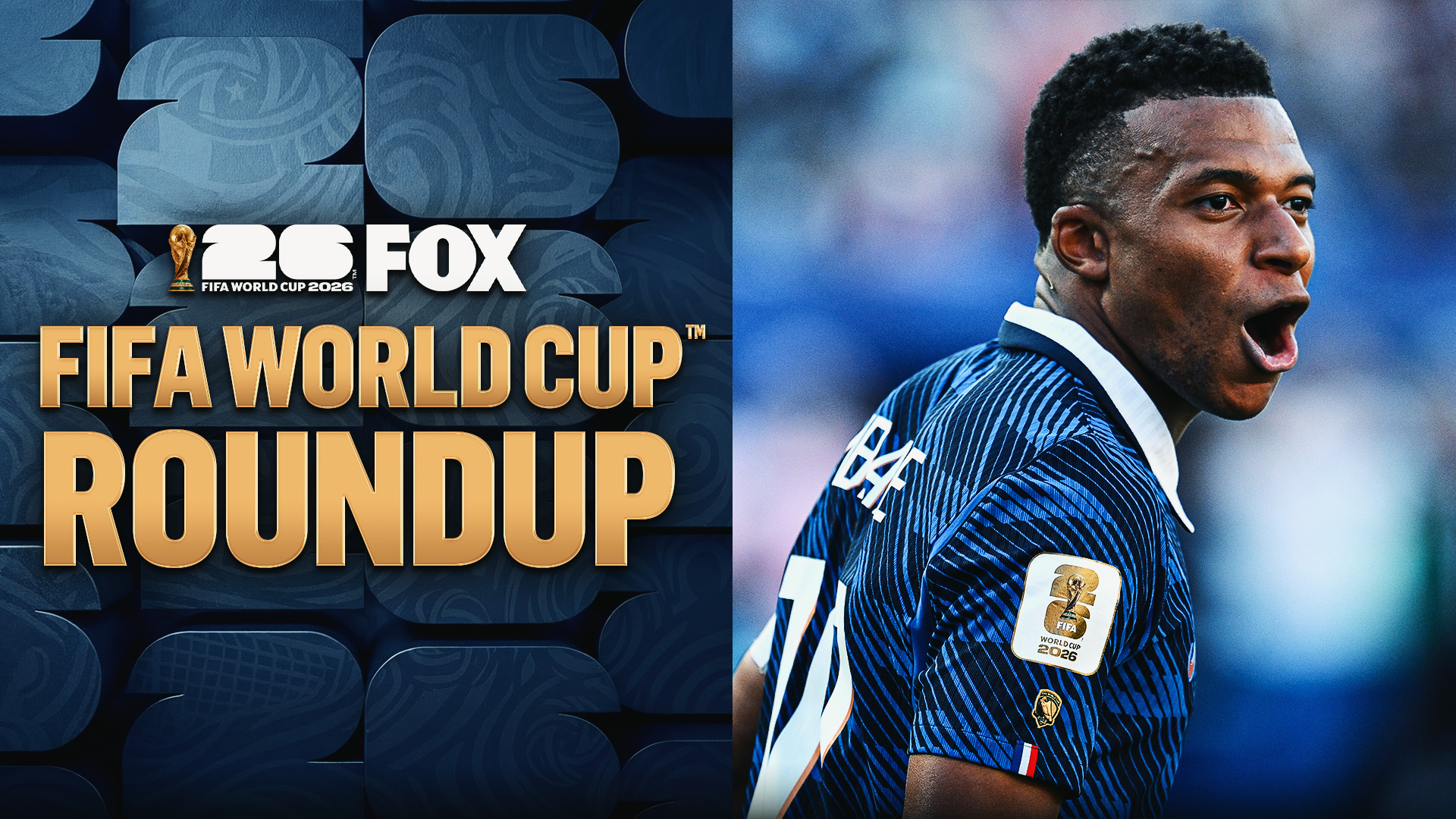
Your favorite soccer player’s favorite soccer player? There’s a good chance that he might be one of the greatest midfielders to ever step on the pitch, Clarence Seedorf. The iconic Netherlands playmaker — who had a storied club career at Ajax, Real Madrid and AC Milan — joins FOX Sports as an analyst for the 2026 FIFA World Cup. The Oranje legend previously served as an analyst for FOX Sports at the 2018 World Cup in Russia. “I’m excited to be back with FOX,” said Seedorf. “I look forward to sharing my perspective on the game — bringing football fans closer to what happens beyond the surface, combining tactical aspects and personal insights to connect with what they will see during this amazing tournament.” Seedorf won more than 20 club titles, and his storied playing career spanned more than 1,000 matches across 23 years. He is the only player in history to have won four UEFA Champions League titles with three different teams — Ajax (1995), Real Madrid (1998) and AC Milan (2003 and 2007). He made 87 appearances for the Netherlands national team and represented the Dutch at the UEFA European Championships in 1996. He also played at the 2000 and 2004 editions of the Euros and at the 1998 World Cup in France, reaching the semifinals in all three tournaments. After his playing career, Seedorf had a distinguished coaching career — including at AC Milan, Real Club Deportivo de La Coruña in Spain and the Cameroon national team. He has been included in the FIFA 100, the list of the greatest living footballers selected by Pelé. Seedorf is one of the six people ever named Legacy Champion by Nelson Mandela to carry his legacy worldwide. Seedorf is the latest international legend to join FOX Sports’ broadcast team for the summer. Earlier this month, Mexico’s all-time leading scorer Javier Hernández announced he will join FOX Sports for the World Cup. In March, global icon Zlatan Ibrahimović announced he will also be an analyst for the 2026 FIFA World Cup this summer. France legend and World Cup winner Thierry Henry, who made his FOX Sports debut at the FIFA World Cup draw in December, will also be part of the network’s broadcast crew this summer. Award-winning presenter and celebrated broadcaster Rebecca Lowe will make her FOX Sports debut this summer as one of the network’s hosts for the FIFA World Cup. 2026 FIFA World Cup: How To Watch From June 11 through July 19, 2026, FOX Sports presents its largest World Cup production and broadcast slate to date featuring all 104 matches live across FOX (69) and FS1 (35) with every match live-streaming on FOX One and the FOX Sports App. All 104 tournament matches will air live across FOX (70) and FS1 (34) with every match streaming live and on-demand within both the FOX One and the FOX Sports apps. A record 40 matches, more than one-third of the tournament, will air in prime time across FOX (21) and FS1 (19).​Latest Sports News from FOX Sports
Categories
Sports Fox

2026 NFL Draft: Meet the Potential Sleeper Pick in This Year’s QB Class

We all know Indiana’s Fernando Mendoza will be the No. 1 overall pick in the 2026 NFL Draft, and Alabama’s Ty Simpson might join him in the first round. But the national draft discussion has focused almost exclusively on those two quarterbacks, leading many to instantly write off the other QBs in this year’s class. That overlooks an intriguing and largely unproven prospect in North Dakota State’s Cole Payton, a dual-threat quarterback with more touchdowns rushing than passing. The 6-foot-3, 232-pound left-hander had only one year as a college starter, but his plus size and athleticism might mean he gets picked sooner than you think. “We’re thinking Day 2,” Payton told me by phone last week, referencing the second or third round of the draft. “Obviously, there are some teams that have higher grades on you, some teams that have lower grades on you, so you really never know at the end of the day. But that’s what we’re planning on. … This has been a blast. It’s what you dream about as a kid.” North Dakota State is a small-school powerhouse, with two FBS national titles in the past five years, and it’s been a surprising pipeline for quarterbacks in the draft. Over the past decade, only three colleges have had four or more quarterbacks drafted, and when Simpson and Payton are selected, Alabama and NDSU will join Ohio State with five since 2016, the most of any college. Payton wants to follow the path that Carson Wentz (2016), Easton Stick (2019), Trey Lance (2021) and Cam Miller (2025) paved, as all are still on NFL rosters. “It’s a big reason I came to NDSU and stuck it out,” Payton said. “To be a part of that pipeline here at NDSU, it’s been really cool.” Payton was a backup to Miller for four seasons with the Bison, played in special packages in 2023, rushing 84 times and scoring 13 touchdowns. At a time when few college quarterbacks stay long as a backup, Payton said he never had serious thoughts of transferring. “It’s not like schools were knocking at the door,” he admitted. But Payton was patient. He didn’t get to be a starter until 2025, when he led NDSU to a 12-1 record and completed 72% of his passes, throwing for 2,719 yards and 16 touchdowns against four interceptions. He finished third in voting for the Walter Payton Award, given to the top offensive player in FBS. “It’s always been what I’ve been working for and preparing for, even as a backup quarterback,” Payton said. “I knew I had one shot, and I don’t know if it’s hit me yet, but I expected to be here, to be honest. It’s pretty cool.” While Payton’s stats might not jump off the page, some in the NFL rate him highly. “He’s the best dual-threat quarterback in the draft,” a scout recently told our Ralph Vacchiano and Eric D. Williams. “He might need three years to develop. But have you seen some of the backups in this league? This kid might be worth the time.” Still, Payton’s limited time as a starter will be a concern for many NFL teams. Of the eight quarterbacks ranked in FOX Sports draft analyst Rob Rang’s top 150 prospects list, six of them threw at least 1,000 passes in college. The lone exceptions are Simpson, who had 523 as a one-year starter at Alabama, and Payton, who had just 282 in his five years at NDSU. “You can kind of flip the script on them, because there’s guys who have started 50 games in college that don’t have success in the league,” Payton said. “I don’t think that’s the one thing you should be able to point out. Every case is different, every story’s different. It’s a knock because you want to have more starts, but I can’t do anything about that. I’ll be as prepared as possible and continue to make the most of the opportunities I’m given, even with the lack of starts.” NDSU head coach Tim Polasek said scouts hadn’t looked at Payton as an NFL quarterback until midway through last season. Prior to that, teams were looking at him to potentially play another position on offense or even become a special-teams player at the next level, according to Polasek. Payton’s ability to run a complex pro-style offense as well as he did last season had scouts seeing his potential as a pro passer, even with limited starting experience. Polasek can remember when Wentz was questioned because he had only 23 college starts, but he’s now in his 10th NFL season with 100 career pro starts. “Cole is a big, explosive guy. That’s just the bottom line,” Polasek said. “He’s not afraid of physicality. There’s a foundation laid down in special teams from skills and drills, from a fundamentals and technique standpoint that he’s really comfortable with if that ever does come up for him in his career.” Former NDSU quarterbacks coach Randy Hedberg said Payton grew throughout his time in college, learning even when he wasn’t getting on the field, and his physical abilities are matched by his knowledge and awareness as a passer. “He’s got tremendous power in his lower half,” Hedberg said. “He has great arm strength and he’s able to layer the ball in the second and third levels, which he’s worked on. He just kept getting better and better. He’s been a winner since high school, won a state championship his senior year in Nebraska at Omaha West High School.” Payton helped himself with a solid week at the Senior Bowl, throwing for 72 yards and rushing for another 22 as one of the better quarterbacks in the showcase game. “I get that stigma of being the smaller-school kid, but at the Senior Bowl, I’m against guys wearing Alabama helmets, Georgia helmets, Ohio State helmets, and succeeding, kind of proving that stigma wrong,” Payton said. “It’s been cool to get to know some of those guys and build relationships with other prospects around the country. It’s given me a lot of confidence in my abilities.” At the combine, Payton’s measurables were impressive, running the 40 in 4.56 seconds and recording a 40-inch vertical leap. He’d never run track, so working with speed coaches this spring to improve his form as a sprinter helped him hit a great time for his size. He’s also made it a priority to develop as a passer, to show he can make it in the NFL with his arm and not just his legs. “To continue to prove that I’m a quarterback,” Payton said. “I’m able to throw from the pocket, I’m able to make all the throws. That’s been the focus.” A longtime NFL scout told Vacchiano and Williams that although Payton’s experience is limited, his potential will make him a compelling draft pick. “I think he has an upside to him,” the scout said. “He can drive the ball down the field. [He’s got] poise and calmness in the pocket and in his play. He’s good rolling out left with accuracy. He can extend plays, a good scrambler. He’s a strong, up-field runner with contact power. And he’s nifty and shifty as a runner.” An assistant general manager, meanwhile, made an even bolder claim about Payton. “If he played at almost any [FBS] school, we’d all have him rated higher than Ty Simpson,” the assistant GM told Vacchiano and Williams. Payton will be back home in Omaha, Nebraska, for the draft, and he’s had official visits with the Pittsburgh Steelers and Indianapolis Colts and other private workouts. His unique skill set as a passer and runner — as an athlete — means he could play on special teams as a backup quarterback, as he did at NDSU. Some have compared him to the New Orleans Saints’ versatile Taysom Hill, who has played quarterback, receiver, tight end and special teams during his nine NFL seasons. Asked if there’s an NFL quarterback he models himself after as a passer who can also run, Payton chooses one of the league’s best at doing both. “I love watching Josh Allen, the way he plays the game,” Payton said. “He’s able to make every single throw with a heck of an arm, but he’s able to create and extend plays with his legs. He’s big and strong, he’s going over people and through people, so I like to model my game after Josh Allen.”​Latest Sports News from FOX Sports
Categories
Sports Fox

2026 NFL Draft: Ranking and Evaluating the Top 10 Quarterbacks

The 2026 NFL Draft lacks multiple QB1 candidates, but the league’s desperation for franchise quarterbacks could lead to some early-round gambles. With a collection of wild cards in this draft, some of those gambles could pay off, with teams transforming a few hidden gems into starters down the road. After taking some time to analyze the 2026 quarterback class, here are my top 10 prospects: 10. Diego Pavia, Vanderbilt The 5-foot-10, 207-pound Pavia lacks the prototypical dimensions and tools to merit serious consideration as a QB1, but his production and big-game performance make him a worthwhile gamble as a late-round draft pick or undrafted free agent. The mobile playmaker puts immense pressure on the defense with his improvisational skills, leading to splash plays that will make him a fan favorite in the preseason. Given how Pavia’s competitiveness transformed the Vanderbilt program, do not dismiss his chances of beating the odds as an outlier in the quarterback room. 9. Cade Klubnik, Clemson Despite his individual and team struggles last season, Klubnik will get a chance to make amends in the NFL as a Day 3 prospect. The 6-foot-2, 210-pounder has shown QB1 potential in the past (3,639 passing yards with 36 touchdowns and six interceptions in 2024), but he’s coming off a disappointing campaign that leads to questions about his readiness for a starter’s role at the next level. While his previous success, arm talent and athleticism will likely lead a team to roll the dice on his potential, the Clemson product must show more consistency to carve out a long-term role as a QB2. 8. Luke Altmyer, Illinois Teams looking for a long-term QB2 candidate could value the three-year Illinois starter. Altmyer’s instincts, intelligence and awareness show in the way he manages the game like a seasoned field general. As a quick-rhythm passer with a keen understanding of the passing game, he excels at connecting the dots at intermediate range. Considering the importance of operating the offense efficiently as a backup, Altmyer has a chance to make his mark as a Day 3 prospect. 7. Cole Payton, North Dakota State Despite the rugged lefty entering the league as a one-year starter, the football world is buzzing about his potential as a developmental prospect. Payton impressed scouts with his toughness and intangibles at the Senior Bowl, with the 6-foot-3, 233-pounder steadily improving throughout the practice week. With his inexperience and inconsistency as a passer limiting his immediate impact, Payton should be on the radar for scouts as a Day 3 consideration with QB2/QB3 potential. 6. Taylen Green, Arkansas As a dynamic athlete who shattered records at the NFL Scouting Combine, Green is an intriguing prospect for teams looking for a developmental quarterback to add to the roster. As a four-year starter at Boise State and Arkansas, the 6-foot-6, 227-pound dual-threat QB passed for 9,662 yards with 59 touchdowns and 35 interceptions, while also amassing 2,403 rushing yards and 35 scores. Although his dazzling athleticism would make him a potential “slash” candidate (quarterback/wide receiver) as a pro, Green’s preference to only play quarterback could force coaches to weigh the pros and cons of taking on a QB with several fundamental flaws as a passer. 5. Drew Allar, Penn State The maddeningly inconsistent passer possesses all the traits old-school coaches covet in a franchise quarterback. From his size (6-foot-5, 228 pounds) and arm talent to his intangibles and leadership skills, Allar is the traditional prototype at the position. While questions persist about his clutch performance, the Penn State product’s traits and tools could entice a team to make him a Day 2/Day 3 gamble. 4. Garrett Nussmeier, LSU The son of veteran NFL offensive wizard Doug Nussmeier, the LSU product plays the game like a 10-year veteran playing in slow motion. Although his slender frame (6-foot-1, 205 pounds) and a disappointing, injury-marred 2025 campaign have diminished his draft stock, Nussmeier flashes the kind of command that would make an offensive coordinator comfortable handing him the keys to the offense. While Nussmeier’s substandard measurements could ding his draft status, his high-quality play in 2024 — 4,052 passing yards with 29 touchdowns and 12 interceptions — makes it easy to envision him thriving as a pro. 3. Carson Beck, Miami Beck’s toughness and tenacity make it easy for scouts to fall in love with his potential as a game manager-plus for a winning team. While his limitations as a passer (arm strength) could shrink the field for the offense, his winning pedigree from guiding championship-caliber teams at Miami and Georgia could help him lead a competitive squad to wins as a substitute QB1. Given the recent success of experienced young quarterbacks, the 23-year-old Beck is an intriguing Day 2 prospect in the 2026 class. [2026 NFL Draft Confidential: Unfiltered Scouting Takes On Top 5 QBs] 2. Ty Simpson, Alabama As an undersized quarterback with only 15 career starts on his résumé, the 6-foot-1, 211-pound Simpson is attempting to defy the odds as a potential first-round pick. Despite his flawless footwork and picture-perfect mechanics, the Alabama standout has not played enough to quickly transition into a QB1 role. While teams with a veteran starter or “bridge” quarterback in place could patiently develop Simpson, the uncertainty over his NFL readiness makes him the biggest boom-or-bust prospect on the list. [Inside Ty Simpson’s Rise from Alabama Backup to Likely First-Round Pick] 1. Fernando Mendoza, QB, Indiana The presumptive No. 1 overall pick impressed evaluators with his toughness, intangibles and clutch performance as the leader of the national champs. With Mendoza also displaying pinpoint accuracy on intermediate and vertical throws, the playbook is wide open for a play designer building around the Heisman Trophy winner’s talents. Although some scouts will suggest his skills do not match up with previous No. 1 overall picks, Mendoza’s intangibles and intelligence separate him from the rest of the class.​Latest Sports News from FOX Sports
Categories
Sports Fox

4 Takeaways From the Dodgers’ Sweep Over the Mets

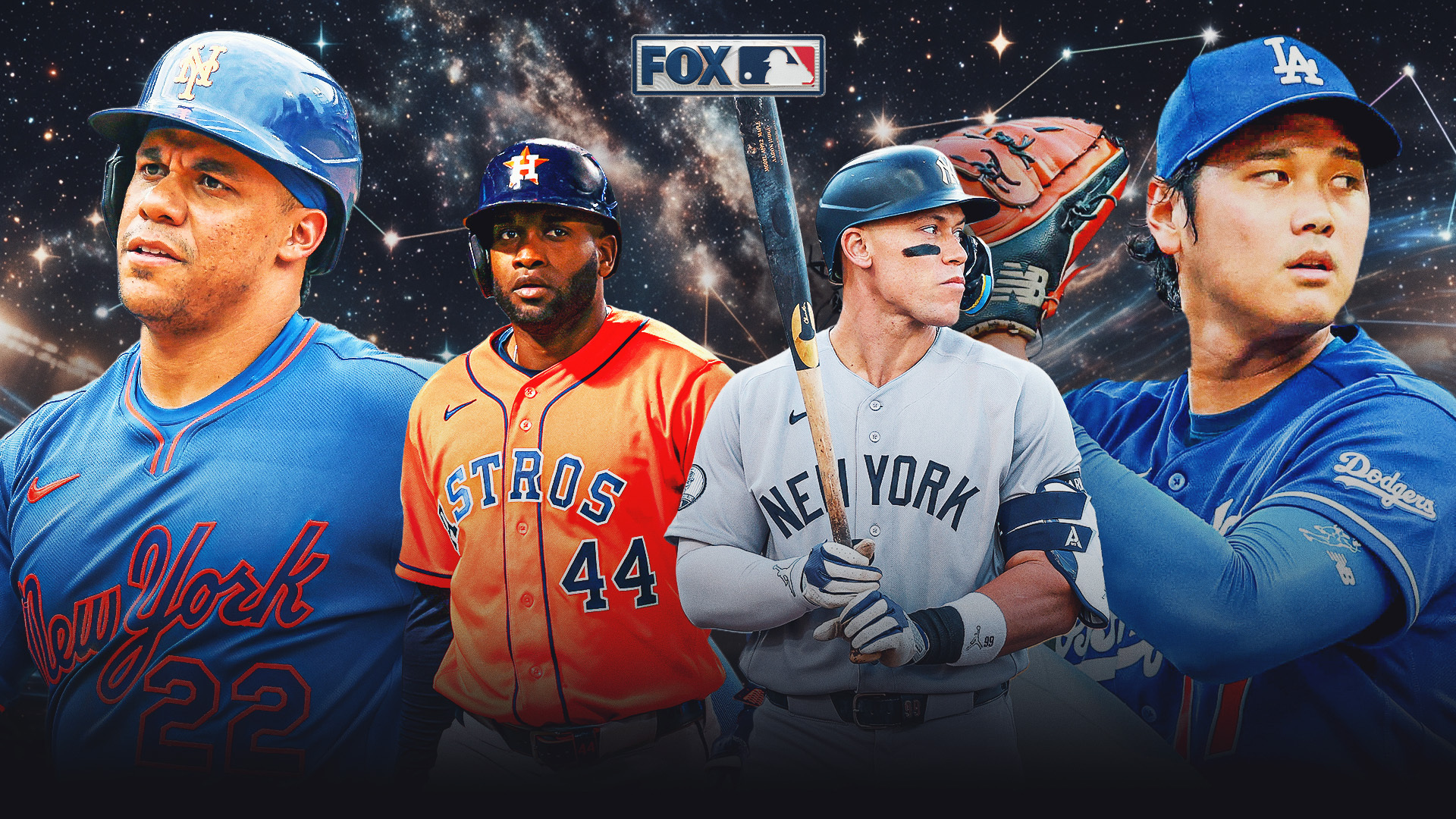
Dodger Stadium (Los Angeles) – In the aftermath of the Mets’ sixth straight defeat Monday night, shortstop Francisco Lindor sat reclined in a chair, jersey off, chatting quietly with Luis Robert Jr. The only audible noise in the visiting clubhouse at Dodger Stadium came from the scraping of dirt off cleats by the clubhouse attendants. “It sucks going through it, whether it’s early, middle of the season, late,” Mets manager Carlos Mendoza said. “You know that at some point during the regular season of 162, you’re going to face adversity, and here we are, pretty early, facing adversity. You’ve just got to find a way to get through it.” Instead, it only got worse from there as the Mets’ losing streak stretched to eight games after getting swept by the Dodgers on Wednesday night. New York was outscored 14-3 over its three games in Los Angeles. Here are my takeaways from the series: 1. The Juan Soto-less Mets offense looks lifeless On Wednesday night, Francisco Alvarez was halfway up the line on a soft groundout to Dodgers second baseman Alex Freeland in the seventh inning when he spiked his bat into the ground, a sign of the growing frustration from a remade offense that has been one of the worst in baseball to this point. The Mets entered the series finale at Dodger Stadium having been outscored by 26 runs over a seven-game losing streak during which they were hitting .182 with a .215 on-base percentage as a team. No other team in that span had an on-base percentage lower than .255. It was a short sample, but up until the Mets lost Soto to a calf injury on April 3, their offense ranked 14th in OPS. They now rank 29th, and the losing streak is up to eight. This week in Los Angeles, New York’s offense was held down by stars and supporting cast members alike. On Monday night, Dodgers starter Justin Wrobleski threw a career-high eight shutout innings in the longest outing of his professional career. The next night, Francisco Lindor greeted Yoshinobu Yamamoto with a leadoff home run before Yamamoto retired the next 20 batters he faced. By night’s end, the Mets had scored one run in their last 29 innings. That drought stretched to one run over 33 innings until an RBI double by MJ Melendez in the fifth inning on Wednesday off Shohei Ohtani. It was the only run the Mets scored off Ohtani in an 8-2 loss. 2. No two-way Shohei, but Ohtani’s shoulder looks fine on the mound In the Dodgers’ first at-bat of the series on Monday night, Mets starter David Peterson plunked Ohtani with a 94-mph, 0-2 sinker directly behind the four-time MVP’s right shoulder. Ohtani was in clear discomfort, but he remained in the game and finished the night 0-for-4 with a run scored. After going 0-for-3 with a walk on Tuesday, there came a surprise on Wednesday: For the first time since 2021 — before the “Ohtani rule” was created, allowing two-way players to remain in the game as a hitter even after their pitching outing ends — Ohtani was not in the lineup as a hitter on his start day on the mound. Manager Dave Roberts said Ohtani was still dealing with some soreness behind his shoulder, and he wanted Ohtani to just focus on pitching Wednesday night. He did that job expertly, holding his velocity and cranking his four-seamer up as high as triple digits while striking out 10 batters and allowing just one run in six innings. That one run, which scored on a ground-rule double from MJ Melendez, was the first earned run Ohtani has allowed in the regular season since Aug. 27 of last season. The plan is for Ohtani to return to his usual two-way duties for his next start on the mound. His on-base streak — 48 games, the longest active streak in MLB — is still ongoing. 3. The Dodgers still have plenty of pop from the DH spot without Ohtani Having Ohtani serve only as a pitcher Wednesday night gave backup catcher Dalton Rushing an opportunity to get into the lineup as the DH. He took advantage, breaking the game open with a grand slam in the eighth. Rushing has taken advantage of his few chances as the catcher behind Will Smith. The 2022 second-round pick is 9-for-17 with four home runs. He has recorded a hit in all five games he has played in this year and has homered in three of them. The hit prevented closer Edwin Díaz from appearing against his former team. He was held out of Tuesday’s game after throwing a bullpen session earlier in the day after reporting some discomfort in his knee, but he insisted he was fine. He was warming up, getting ready to enter before Rushing’s grand slam. 4. The Dodgers’ supporting cast is thriving; the Mets’ newcomers … are not Even with Mookie Betts and Blake Snell on the shelf and Kyle Tucker not yet performing to his capabilities, the Dodgers look every bit the juggernaut expected. As Rushing’s power display demonstrated, the supporting players on their roster are helping pick up the slack. Andy Pages ranks fifth among all qualified MLB hitters in OPS and mashed a three-run homer in the opener. Hyeseong Kim, who was playing shortstop Wednesday night with Betts out, started the scoring on Wednesday with a two-run homer after Rushing doubled. The support continues on the pitching staff. Wrobleski, the Dodgers’ sixth starter, spun a gem on Monday. With Díaz down on Saturday, Alex Vesia struck out the side in the ninth to secure the save. As a team, the Dodgers’ offense ranks first in OPS and home runs while their pitching staff ranks second in ERA. The Mets, with Soto down and Lindor struggling, meanwhile, have not received much help from their supporting cast. Bo Bichette has started the first year of a three-year, $126 million deal with a .575 OPS. Marcus Semien is batting .182. Jorge Polanco is banged up and hitting .179. Rookie Carson Benge is hitting .151. Luis Robert Jr. has been one of the bright spots, but his .716 OPS isn’t enough to carry the sputtering offense, which was inevitably going to have a spotlight on it after this winter’s obliteration of the team’s nucleus of players. The early results are … not promising.​Latest Sports News from FOX Sports
Categories
Sports Fox

2026 NFL Mock Draft: Caleb Downs Not a Top 15 Pick? Chiefs, Cowboys Double Up on D

As we rapidly approach the 2026 NFL Draft, are the top five picks starting to feel chalky? I certainly think so. In my latest mock draft, my first five picks remain unchanged from my first mock draft. Sure, some might say that’s a boring way to approach doing a mock draft. And while I’ve shifted my position on where a few players will land, some things just make perfect sense. Of course, the Las Vegas Raiders are going to take Fernando Mendoza. But there’s also a perfect edge rusher for the New York Jets waiting for them with the No. 2 pick. Don’t worry, though, there are plenty of other changes in my mock draft. So, let’s take a look at how I’ve shuffled the deck in my most recent mock draft. Odds via DraftKings Sportsbook. This page may contain affiliate links to legal sports betting partners. If you sign up or place a wager, FOX Sports may be compensated. Read more about Sports Betting on FOX Sports. 1. Las Vegas Raiders: Fernando Mendoza, QB, Indiana Super Bowl Odds: +15000 (bet $10 to win $1,510 total) Mendoza is the best quarterback in this class and he will be drafted first overall by the Raiders, who have a chance to build around him. 2. New York Jets: David Bailey, edge rusher, Texas Tech Super Bowl Odds: +20000 (bet $10 to win $2,010 total) I don’t think Bailey is the best edge prospect in this draft, but the Jets need a pure pass rusher, so they will opt for him over Arvell Reese. That makes Bailey the best draft pick for the Jets. He’s super twitchy and has elite finishing skills near the quarterback. He also has the potential to be a superstar. 3. Arizona Cardinals: Arvell Reese, LB, Ohio State Super Bowl Odds: +40000 (bet $10 to win $4,010 total) Arizona will select the best defensive player in the draft and can figure out where to use him once he’s in the building. Reese can play off the ball or rush the passer. I do believe he will follow the path of Micah Parsons and eventually end up as a full-time pass rusher. 4. Tennessee Titans: Jeremiyah Love, RB, Notre Dame Super Bowl Odds: +11000 (bet $10 to win $1,110 total) The Titans will grab the best offensive player in this draft. Love is a dynamic running back with outstanding breakaway ability. He’s a three-down back who will help young QB Cam Ward. Less pressure on Ward, more on the run game. 5. New York Giants: Francis Mauigoa, OT, Miami Super Bowl Odds: +7000 (bet $10 to win $710 total) Tough decision for the Giants at No. 5. Do they draft an offensive tackle who might project as a guard in the NFL, or do they draft an off-the-ball linebacker with the fifth pick? I think the Giants will take the player who can help Jaxson Dart immediately. Mauigoa may end up inside at guard, but he’s going to be excellent wherever he plays. 6. Cleveland Browns: Monroe Freeling, OT, Georgia Super Bowl Odds: +15000 (bet $10 to win $1,510 total) Freeling needs work, but the Browns will draft him because he’s probably the most pure left tackle in this class. He’s got the traits, movement skills and technique base to improve quickly. 7. Washington Commanders: Sonny Styles, LB, Ohio State Super Bowl Odds: +6500 (bet $10 to win $660 total) Washington needs to improve its defense, which was third-worst in yards per play last season. Styles is an off-the-ball linebacker who Dan Quinn can mold into a franchise player for his defensive unit. 8. New Orleans Saints: Carnell Tate, WR, Ohio State Super Bowl Odds: +9000 (bet $10 to win $910 total) This is a chance for New Orleans to draft another weapon for young quarterback Tyler Shough. The fit is perfect. 9. Kansas City Chiefs: Mansoor Delane, CB, LSU Super Bowl Odds: +1400 (bet $10 to win $150 total) I wish Rueben Bain had longer arms and could be in Kansas City, but I don’t see the Chiefs — who are in need of a pass rusher — drafting Bain with his measurables. They will opt to start replacing their depleted secondary with Delane. 10. Cincinnati Bengals: Rueben Bain Jr., edge rusher, Miami Super Bowl Odds: +3000 (bet $10 to win $310 total) The Bengals will end up drafting the best pass rusher on the board with the 10th pick. Bain has questions about arm length, but there’s no question about his college film. He’s a skilled pass rusher with high effort. 11. Miami Dolphins: Spencer Fano, OT, Utah Super Bowl Odds: +30000 (bet $10 to win $3,010 total) The Outland Trophy winner is an outstanding fit for the Dolphins at No. 11. He can play a variety of positions along the offensive line. He also brings a toughness and physical style of football that’s helpful for a new coach trying to remake his team. 12. Dallas Cowboys: Jermod McCoy, CB, Tennessee Super Bowl Odds: +3000 (bet $10 to win $310 total) Dallas will address a position of need with McCoy. He’s coming off an ACL injury in 2025, but looked the part in 2024. He’s excellent in man coverage with instincts and athleticism. 13. Los Angeles Rams (via Atlanta Falcons): Makai Lemon, WR, USC Super Bowl Odds: +750 (bet $10 to win $85 total) The USC receiver will stay in Los Angeles. The Rams have a need for a receiver with Adams aging and Puka Nukua needing to mature to stay on the roster. 14. Baltimore Ravens: Olaivavega Ioane, G, Penn State Super Bowl Odds: +1000 (bet $10 to win $110 total) Vega is the most ready offensive lineman in this class. He’s big, thick and plays with a mean streak. He’s improved each season as a pass protector who understands how to use his size and strength to his advantage. He has the potential to be a plus-starter in Year 1 for the Ravens. 15. Tampa Bay Buccaneers: Akheem Mesidor, edge rusher, Miami Super Bowl Odds: +4500 (bet $10 to win $460 total) If Mesidor was 22 years old, he’d be a top-10 pick. But his age (25) does give you some worry. He’s going to hit his second contract at almost 30 and that’s historically been the age where we start seeing some decline. However, the Bucs need a pass rusher, and Mesidor is a fit for their scheme. 16. New York Jets (via Indianapolis Colts): Ty Simpson, QB, Alabama Super Bowl Odds: +20000 (bet $10 to win $2,010 total) I wouldn’t draft Ty Simpson in the first round, but I’m not the Jets. The long history of NFL failure for players who started only one year in college would concern me. But it appears the Jets seem unbothered by this. They get their franchise quarterback here. 17. Detroit Lions: Kadyn Proctor, OL, Alabama Super Bowl Odds: +1700 (bet $10 to win $180 total) What a fit for Dan Campbell, a massive human for his offensive line. Proctor is what the Lions need to help replenish an offensive line that’s lost some pieces over the years. He can play tackle or guard, so the Lions can work to get their best five. 18. Minnesota Vikings: Caleb Downs, S, Ohio State Super Bowl Odds: +4500 (bet $10 to win $460 total) Caleb Downs is going to grade as one of the better players in this draft, so the Vikings will hit a home run with their Harrison Smith replacement. I tried to find a place for Downs earlier in this draft, but it just didn’t happen. 19. Carolina Panthers: Kenyon Sadiq, TE, Oregon Super Bowl Odds: +9000 (bet $10 to win $910 total) Carolina continues to add weapons for Bryce Young. Sadiq is a mismatch for anyone guarding him while being a willing blocker in the run game. 20. Dallas Cowboys (via Green Bay Packers): CJ Allen, LB, Georgia Super Bowl Odds: +3000 (bet $10 to win $310 total) The Cowboys will take a linebacker from a college defense that puts reliable starters in the NFL. He’s smart, instinctive and will be the leader of the Cowboys’ defense. 21. Pittsburgh Steelers: Omar Cooper Jr., WR, Indiana Super Bowl Odds: +4500 (bet $10 to win $460 total) I have the Steelers drafting an outside receiver with reliable hands and a large catch radius. 22. Los Angeles Chargers: Caleb Banks, DT, Florida Super Bowl Odds: +1600 (bet $10 to win $170 total) The Chargers have their pick of the best defensive tackle or they can take any of the available defensive ends. They will take Banks with his elite skill set. 23. Philadelphia Eagles: Blake Miller, OT, Clemson Super Bowl Odds: +1700 (bet $10 to win $180 total) With this pick, the Eagles will find their eventual Lane Johnson replacement. Miller is tough and has an excellent football IQ, but there’s still room for growth. 24. Cleveland Browns (via Jacksonville Jaguars): KC Concepcion, WR, Texas A&M Super Bowl Odds: +15000 (bet $10 to win $1,510 total) I wouldn’t put it past the Browns to draft another offensive lineman at 24. Instead, they will take the speedy Concepcion, with his high upside. Feels like an Andrew Berry pick. 25. Chicago Bears: Dillon Thieneman, S, Oregon Super Bowl Odds: +2500 (bet $10 to win $260 total) Thieneman’s a dual-threat safety who’s willing to play in the box to tackle, which means the Bears can use him in different roles. 26. Buffalo Bills: Jordyn Tyson, WR, Arizona State Super Bowl Odds: +1000 (bet $10 to win $110 total) The Bills will select the receiver with the highest potential to be special in this draft. Tyson has elite catching ability, but injuries push him down the board. 27. San Francisco 49ers: Caleb Lomu, OT, Utah Super Bowl Odds: +1500 (bet $10 to win $160 total) When I first watched Utah’s film, Lomu stood out immediately with his size and movement skills. He will need a redshirt year to get stronger before replacing Trent Williams. 28. Houston Texans: Chase Bisontis, OG, Texas A&M Super Bowl Odds: +1800 (bet $10 to win $190 total) Draft experts are hinting that a second offensive guard will be taken in the first round, and this feels like the logical spot for a team that needs long-term answers for their offensive line. 29. Kansas City Chiefs (via Los Angeles Rams): Keldric Faulk, edge rusher, Auburn Super Bowl Odds: +1400 (bet $10 to win $150 total) The Chiefs have tended to favor bigger defensive ends early in the draft and there’s no one bigger in this draft than Faulk. Faulk is young and needs to work on his entire game, but the necessary traits are there. 30. Miami Dolphins (via Denver Broncos): T.J. Parker, edge rusher, Clemson Super Bowl Odds: +30000 (bet $10 to win $3,010 total) The Dolphins will get another trench player in Parker as they continue their rebuild of the roster. 31. New England Patriots: Max Iheanachor, OT, Arizona State Super Bowl Odds: +1900 (bet $10 to win $200 total) There is huge upside with Iheanachor. He’s new to the position but has incredible physical gifts. He will sit behind Morgan Moses before taking over at right tackle in 2027 in this scenario. 32. Seattle Seahawks: Avieon Terrell, CB, Clemson Super Bowl Odds: +950 (bet $10 to win $105 total) His versatility and playmaking (eight forced fumbles) are a fit for this Seattle defense.​Latest Sports News from FOX Sports

Categories
Sports Fox

Inside Dave Roberts’ Growth: How the Dodgers Manager Learned To Handle Stress And ‘Enjoy Moments’

DODGER STADIUM (Los Angeles) — As Miguel Rojas rounded third base after his improbable season-saving World Series Game 7 home run last October, the cameras cut briefly to his manager. Dave Roberts, who decided to ride with the light-hitting veteran infielder with the Dodgers’ season on the line, screamed in excitement before briefly raising his arms in the air. He then immediately placed his hands on his head, closed his eyes and exhaled. The emotional gamut Roberts experienced — elation, disbelief, relief, all in a matter of seconds — offered a glimpse into the pressure of his high-stakes job, though Roberts believes he has gotten better over the years at handling and masking the stress. Deep breathing exercises and an unwavering belief in his process have helped. So has golf. He takes his clubs on the road and tries to sneak in time to play during the season as a way to “balance out this crazy life of managing the Dodgers.” Of course, winning three championships in six years has also lightened the load that once existed, quieted the criticisms that were once pervasive and helped the man with the highest winning percentage of any manager in modern AL/NL history find more delight in a journey that was once, amid unfulfilled October expectations, less joyful. “I can honestly say that, at times, the joy has been taken out because of the cynicism from the eyes looking in at my job or the job I’ve done,” Roberts told me last weekend during a reflective 12-minute conversation from his office at Dodger Stadium. “But I do think that that has considerably dissipated after winning in 2024.” Even before that World Series victory earned Roberts a four-year extension, the 2024 triumph brought more jubilation than the championship four years prior, when a 2020 pandemic-shortened World Series title snapped a 32-year drought for the Dodgers but failed to stifle the noise around their manager. “2020 was just a relief,” Roberts explained. “I still felt that, I don’t know, whatever, the unease, or just kind of not as joyful, and it was unfortunate because I love this game so much. I love our city. I love our players. But unrealistic expectations are hard to kind of realize all the time, right? “And that’s the job I signed up for, which I completely understand, but it did at some points take away the joy. So I’ve had to intentionally, consciously, enjoy moments. Because the question is, if you can’t enjoy moments, then what am I doing this for?” After back-to-back World Series wins, he no longer has to question that. ‘Just trying to slow down time’ Roberts has grown accustomed to short offseasons after leading the Dodgers to the World Series in five of the last nine seasons. So when the pressure of October gives way to a calmer November, he tries to take advantage of every second, detaching from the game and keeping a busy itinerary. “I think I’ve done a very good job of getting away,” Roberts said, “and our front office does a great job of kind of letting me get away.” This winter, Roberts took a couple of trips to Maui. He played more golf. He went to Japan and visited his birthplace of Okinawa. A week after celebrating his third World Series win as the Dodgers’ manager (and fourth overall, including his 2004 win as a player in Boston), he was on the sidelines in Tuscaloosa taking in his first SEC football game in an Alabama rivalry clash against LSU. “Coach [Kalen] DeBoer’s a good friend of mine,” Roberts explained. “I saw some UCLA games — football games, a basketball game — spent time with the family, and I think when you have two short offseasons in a row, you’re just trying to slow down time.” He has found that to be more challenging than slowing down a game, which has gotten easier with more experience and success. Roberts isn’t on social media, which protected him from some of the vitriol spewed by fans after the Dodgers lost back-to-back World Series in 2017 and 2018 and were stunned by the eventual champion Nationals in the 2019 NLDS. More acrimony followed after the 2020 success when the Dodgers were bounced in the 2021 NLCS before suffering consecutive NLDS exits against division rivals in 2022 and 2023. Beyond the boos from his own home crowd, he would get wind of fan sentiment another way. “You know how you hear about it? Is when I get texts from good friends saying, ‘Hey, we still love you,’ and, ‘It’s not that bad,’” Roberts recalled. “I’m like, shoot, it must be really bad.” Those messages aren’t as prevalent anymore, not after becoming the first manager to lead his team to back-to-back World Series titles since the 1998-00 Yankees. The jeers at home have turned to cheers every time Roberts is introduced. His Dodgers are the odds-on favorites to three-peat, and they’ve started the 2026 season with 13 wins in their first 17 games. “The thing is, there’s no better teaching tool than experience,” Roberts said. “There really isn’t. You can always say, ‘Just enjoy it,’ right? But when you’re hearing all this stuff and the expectations are almost unrealistic, that’s hard to enjoy. But you’ve got to kind of wrap your head around that to then say, ‘The world’s not going to end, the sun is going to come up.’” ‘If that goes wrong…’ Roberts prefers to think forward, not dwell on the past. He hasn’t even taken his 2024 World Series ring out of the safe in his house, though he knows what that postseason run meant for his career. “If that goes wrong,” Roberts said, “there’s a chance that I could not be out here. I could not be in this job.” Roberts understood that at the moment, but he projected confidence despite the beleaguered state of the Dodgers’ rotation, the two elimination games his team faced against the Padres and the bullpen games that would be required to ultimately prevail. With the season on the line in San Diego, he told his players he believed in them more than any team he had ever coached. “Everyone’s aware of the noise and narratives out there,” Roberts recalled, “but I didn’t want anyone to feel that.” That postseason was Roberts’ masterpiece. He pushed all the right buttons as the Dodgers rebounded to shut out the Padres in Games 4 and 5 in an NLDS victory that many on the team considered a turning point in the franchise’s history. On a personal level, it was around that time when Roberts felt the full buy-in and trust of his players, which he credits in part to the support of veterans Mookie Betts, Freddie Freeman and Blake Treinen, who has found it easy to open up to Roberts. “As a manager, there are times where he’s in the right and he could easily come in barking at people, but he doesn’t,” Treinen told me. “He meets them where they’re at, gains understanding, and he’s willing to listen to people. That’s why he’s such a great leader.” Roberts doesn’t think much about the “what-ifs” from that 2024 run unless someone else brings them up. But the widespread criticisms of his past October bullpen decisions ended with that potentially make-or-break postseason. “No one likes to hear bad things about them,” Roberts said. “No one does. Every single day, you’re opening yourself up to criticism with my job. And it’s hard not to take things personal, but I’ve realized as time has gone on, it’s like, it’s really not about me. There’s a lot of miserable people in this world with a platform. Anyone that has a phone or some account, they have a voice. And a lot of people are never around, have their own issues personally, and they’re lashing out. For me, it’s like, I actually have grace for them.” Who helped him get to that place? “More self-reflection,” Roberts said. Winning didn’t hurt, either. Roberts has led the Dodgers to the postseason in each of his first 10 years as the team’s manager, something no other National League skipper has done before, but the postseason success of the last two years has put him on a different pedestal. In 2024, his prudent bullpen decisions shielded a shorthanded rotation. Last year, he leaned on his starting pitchers to protect a shoddy bullpen and relied on the players he trusted with the season on the brink. The result, one of pure elation, put him on a track toward Cooperstown and helped remove any doubt that might have existed before about why he’s doing this. “Not everyone that’s involved in this game loves it,” Roberts said. “I love this game. I feel like I want to be a steward for this game, and I love players, and I feel like that’s what keeps me joyful — because I feel like I’m impacting the game in a positive way.” Rowan Kavner is an MLB writer for FOX Sports. He previously covered the L.A. Dodgers, LA Clippers and Dallas Cowboys. An LSU grad, Rowan was born in California, grew up in Texas, then moved back to the West Coast in 2014. Follow him on X at @RowanKavner.​Latest Sports News from FOX Sports