Categories
Sports Fox

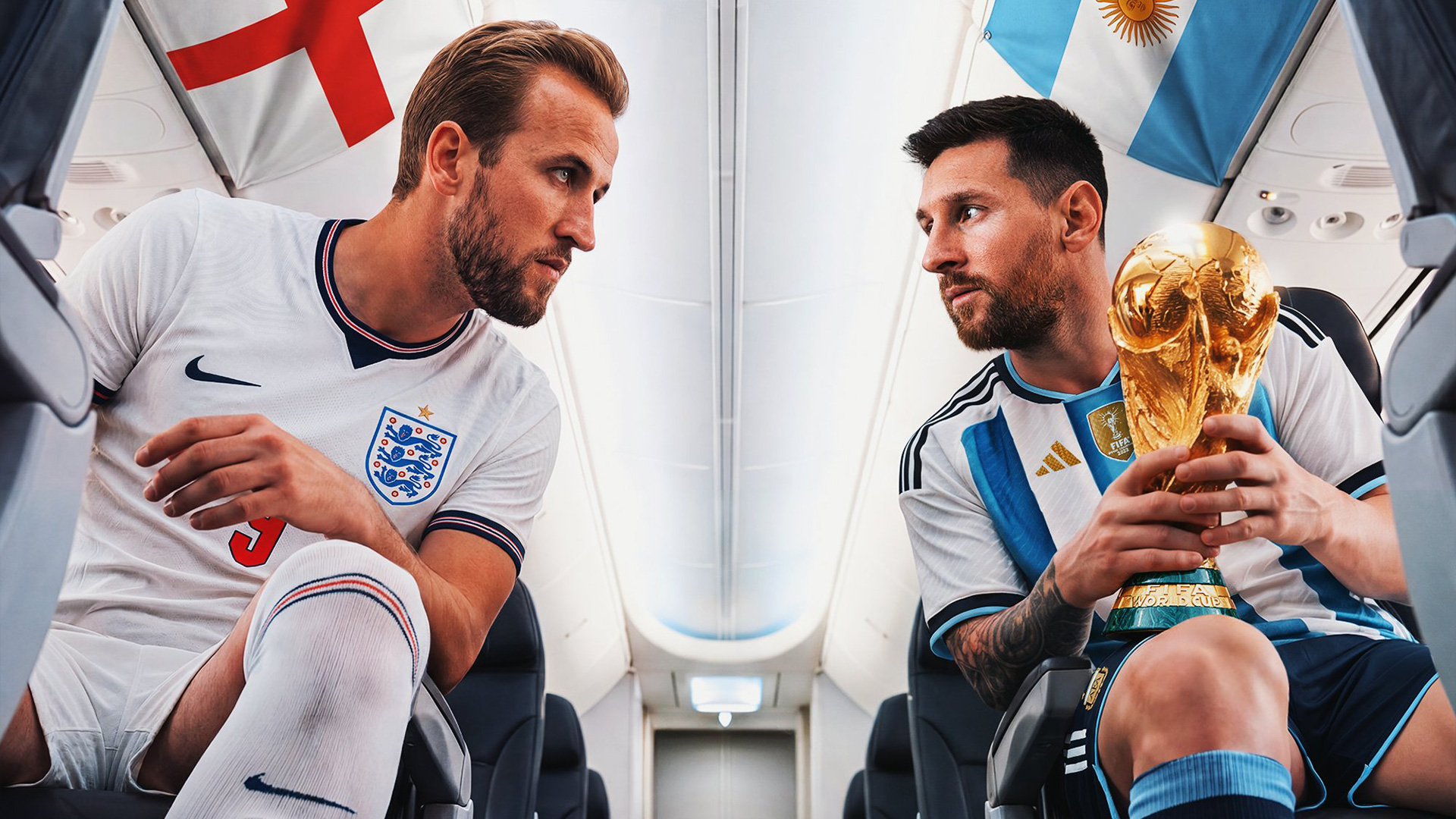
England-Argentina Is A Rivalry Rooted In Ghosts, Thorns And Legends

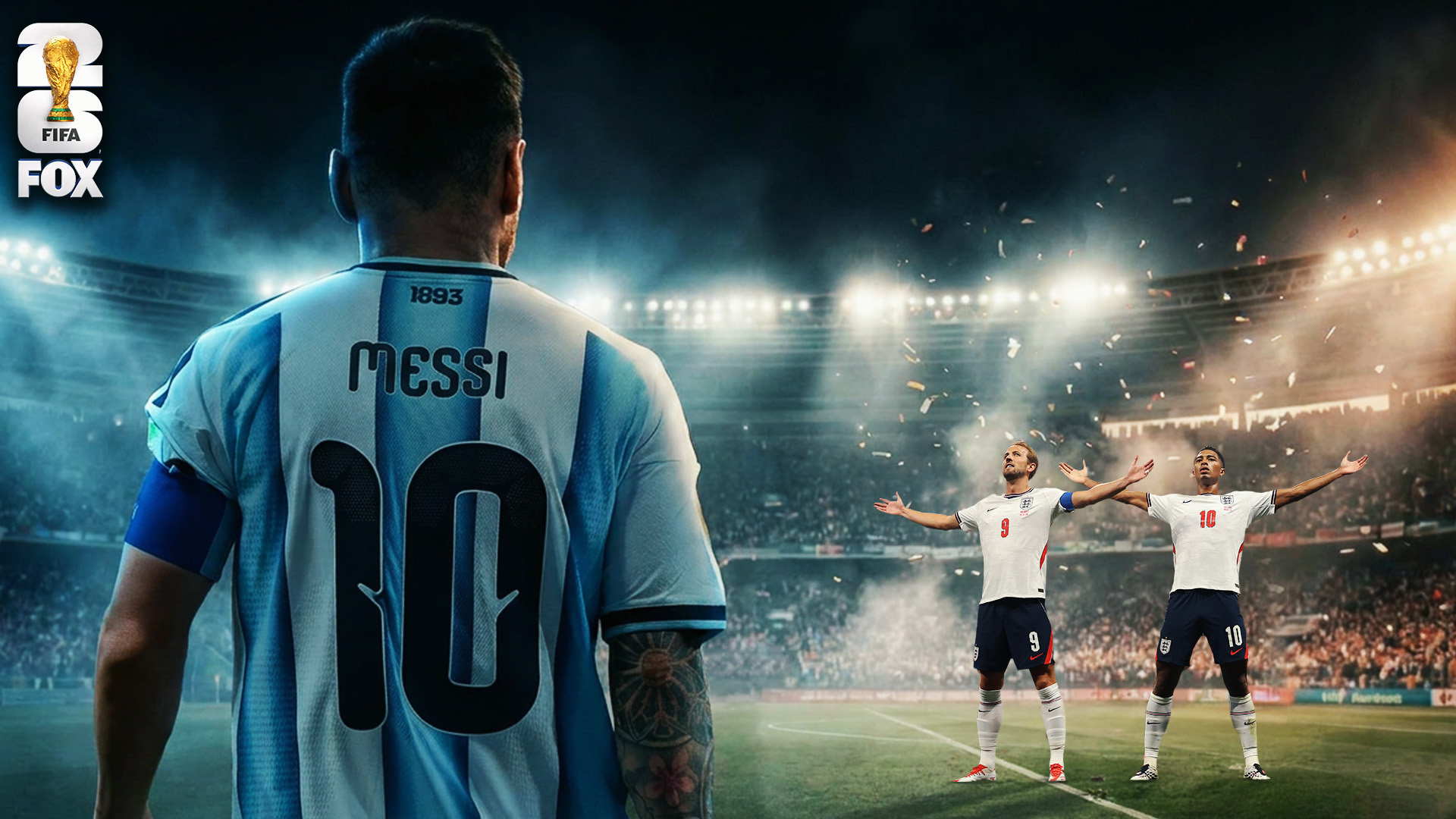
Rivalries in football often exist for singular reasons. It’s not that they’re simplistic, but rather, we understand why they are there. Like Liverpool’s rivalry with Everton or the Superclásico between Boca Juniors and River Plate, local derbies are disputed and contested based on a turf war that has placed them close together but in reality, ever so apart. They are neighbors who detest each other and nothing will ever change that. It’s different on the international stage, where impactful cultural and political moments in history create rivalries so fierce that it lives carries through generations. Take the Clásico del Pacífico between Chile and Peru, which stemmed from a war in the 1800s, as an example. As my father taught me at a very early age, Peruvians say the word “Chalaca” instead of “Chilena” to describe a bicycle kick, as Perú refuses to believe that a Spanish-born Chilean invented the acrobatic move, and credit it to Afro-Peruvians from a time that was never recorded. But I digress. My point is that rivalries in the beautiful game usually have a connecting tissue that lives on in the mindset of every supporter, where history and geography paint a picture of a fierce battle on the pitch. Nonetheless, there is one rivalry that is so deep it stands above others. It’s both delicate and purposeful, as it derives from war, social and cultural animosity from two continents and ways of life, but at the same time — but that also has given us some of the most memorable, dramatic moments in World Cup football. It is a rivalry made of thorns, rooted in years of rancor where stars also look to rise out of ferocious moments of action. This is Argentina and England. A match like no other. After Argentina’s victory over Switzerland and England’s win over Norway, both will meet on Wednesday in Atlanta for what should be a majestic semifinal where the past meets present. The fact that, amazingly, this will also be Lionel Messi’s first ever encounter against the Three Lions is probably a secondary headline. This, after all, is a match of ghosts, originated in 1962 but one that grew in animosity as the years went by and four years later, in 1966, that’s when the fire was founded. It was the last and only time England won the World Cup. The hosts came out victorious against Argentina in the quarterfinal, but it was a match of complete physicality where Argentina’s captain Antonio Rattín (sadly passed away this month at the age of 89) was sent off in the first half for two offenses in the space of three minutes. This match was so fierce that England manager Alf Ramsey decided to call the opponents “animals” and did not want his players to swap shirts at the end of the match. It was also a fixture that essentially introduced the yellow and red cards, knowing too well something had to be done to tone down the heat. Good luck with that. At the 1986 World Cup in México came the arrival of the legendary Diego Maradona, but most notably, this was now a quarterfinal between both sides that followed the Falklands War — something so deeply impactful to both sides, but for Argentina — this was the fall of a military government, which prompted a new democracy in 1983. A relationship made out of war, something more impactful and catastrophic than anything we could ever imagine now played the role of protagonist. As a result, the match in 1986 brought with it the eternal memory of the Hand of God, where in the 51st minute, still scoreless, the 5-foot-5 Maradona beat out England’s stopper Peter Shilton and used his hand to punch the ball out of Shilton’s reach and into the net. Despite aggressive complaints from England, the goal stood, which proceeded for Maradona to score a second goal four minutes later, which is one of the greatest works of art you will ever see on the pitch. Maradona and Argentina would end up winning the World Cup and the star would later in life acknowledge that it was an intentional handball but most importantly, it wasn’t just a goal he celebrated — but a piece of symbolic revenge over the fallen soldiers from the Falklands. This would only make him an even bigger icon and hero to Argentinians, and a despised rival in England. After this moment of history at the World Cup, it’s fair to say that something remained imprinted with both nations. This was now a rivalry that goes beyond football. It was a matter of life and death. Perhaps it means different things to each other, but the cauldron of fire continued to grow and that’s when — 12 years later — David Beckham entered the narrative. In 1998, at the World Cup in France, the golden boy of England and the Three Lions faced Argentina in the round of 16. I remember this match so vividly. I was at boarding school and my friends and I escaped to a local pub and watched it, hiding behind the pack of adults screaming at the television as Beckham kicked-out at Diego Simeone after a clash and was consequently sent off in the 48th minute. It was a moment of madness, beautifully performed by Simeone, crushing the hearts of England fans who had already seen an 18-year-old Michael Owen score one of the greatest goals in English football history. But that was before the red card. We can only remember the post-mortem and how it vilified Beckham and placed a dent in the evolution of England as it lost on penalties. For Argentina? Once again, it was revenge. Redemption. Historical atonement. But four years later in Japan, in the group stage at the 2002 World Cup, Beckham would get his sense of salvation after a scored penalty, which consequently came as a result of a foul by Mauricio Pochettino on the aforementioned Owen. Beckham sealed the spot kick and the Three Lions would secure the victory. A win in the round of 16 against Denmark would follow, before eventually losing to Ronaldinho’s audacious free-kick and Brazil’s magical team in the quarterfinal stage. And so here we are. 24 years later. The rivalry returns at the grandest of stages, and, despite the fact that many young people don’t even have a memory of this conflict, it is fair to say they will know by Wednesday. Argentina fans — and the team — have resuscitated their call to arms in a song as La Cuarta Estrella (“The Fourth Star”) has become synonymous with this team. The song states: Por Malvinas, por El Diego (“For the Falkland Islands, for Diego”),Por la última de Leo (“For Leo’s last one”),Argentina quiero verte bicampeón (“Argentina, I want to see you back-to-back champion”). There might be an argument to be made about the fact that this rivalry means more for Argentina than England. For the losses and the pain, the makeup thread of the country and what history has done — or rather undone — to them. And there’s the team itself, who carries emotion on its sleeve and kills it itself for victory. But I think this England side is also equally charged. Full of fire and venom. It is a team that has already faced incredible hostility and extreme conditions. From defeating Mexico at the Azteca to enduring hot and humid conditions in Miami against Erling Haaland’s Norway. So they understand the challenge. They know the assignment and the stakes of the moment. Most importantly, they are aware of Argentina that despite showing a few vulnerabilities during this World Cup, is still the defending champion for a reason. Lionel Scaloni is attempting to quiet down the fixture and historical connotations of the rivalry, but he knows too well that this won’t happen. Then there’s Messi himself, who is ready to face England at international level for the first time ever. The greatest player the game has ever seen, carrying his country on his shoulders, with Diego Maradona, Rattín and other gone heroes watching from above. As he keeps delivering in this last dance, now comes the biggest, most emotionally charged battle of all: a match against England. It does not escape me to remember that he is also facing his Inter Miami boss as David Beckham will be watching from the stands. Prior to the match, I am sure they will wish each other well and remember the similarities both nations share. It’s the same commonalities mutually loved by Argentina and England. From Oasis to The Beatles, the warmth of loyalty in football itself and the appreciation for beauty and battle in the game. The shared respect is as potent as the historical enmities that have brought us here in the first place. But know this. On Wednesday, in Atlanta, when both stare at each other on the pitch, and prepare to fight for every ball, every tackle and every effort towards victory, Argentina and England will remind us why football is so much more valuable than highlights on social media, or glamorous shots of celebrities attending a fixture at the luxury of a suite. England against Argentina is about love and hate, fallen heroes and newly discovered saviors. It is about the present but also the past, both eternally connected to the memories of pain and sacrifice. This is a fixture where you appreciate what you have, thanks to the guardians who brought you to this moment. But this is also a match of fierce competition, with the hope that you carry the identity of your nation at the tip of your heart, running through your veins and never forgetting that this rivalry can only exist because you have each other.​Latest Sports News from FOX Sports

Categories
Sports Fox

How INDYCAR Drivers Quickly Bounce Back From In-Race Mistakes At 200 MPH

In Driver’s Eye with James Hinchcliffe, the six-time INDYCAR winner will bring you inside the mind of a racer while breaking down the nuts and bolts of the sport for fans. I’ve spent a lot of time in this column diving deep into how physically tough motorsports can be. But this sport is just as much, if not even more, a mental contest for drivers at 200 miles an hour. The yips aren’t common. You don’t just forget how to drive a race car quickly. So when a driver experiences a dip in form, it sometimes can be the result of not being in the right place mentally. In the same way, a golfer doesn’t forget how to swing, and a pitcher doesn’t forget how to throw. But sometimes, the space between your ears gets foggy, and it can affect your performance. Just like any sport, INDYCAR drivers have to contend with mistakes in the moment. If you make a mistake and crash out of a race, you have plenty of time to digest what happened, learn from it and eventually move on. When you make a mistake but your race continues, that time isn’t a luxury you have. And unlike hockey, when you can process a mistake over a shift change, or football, when you’re on the bench as the other side takes the field, racing offers no breaks — literal ones aside. So you have to be able to manage the situation in real time. At real speeds. Most drivers are perfectionists and are hyper-competitive. They don’t like making mistakes, and they don’t like losing. They get frustrated when either of those things happen. But when you make a mistake in a race, and you haven’t totaled your car and ruined your day, getting over it has to be instantaneous. If you can’t do that, it tends to snowball. I worked with a mental coach for years, and one of the big things we worked on together was how to get through these exact scenarios. Usually, when a driver lets a single mistake fester, they make more. Driving angry can often make you drive slower. You start trying too hard to overcome the mistake, and it leads to more mistakes, which leads to driving harder, which leads to… well, you see where this is going. Many drivers work with mental coaches to address this. They have different exercises that drivers can do to try and practice this skill. And it is a skill. And it certainly is not the type of work that can be accomplished in a day. It takes lots of time dedicated to this one mental aspect of the sport to master it. One of the biggest challenges with making a mistake on track is the responsibility you feel towards the team. Every driver is acutely aware of the hours and hours that go into preparing and running a successful INDYCAR weekend. When you make a mistake that costs your team a result, you feel terrible for that group. But as we say all the time, racing is a team sport, and teams support each other. Usually, the most supportive group that you will face is your mechanics and engineers. They will throw their arms around you and say, “We’ll get ‘em next time.” The fact of the matter is: every member of that team will make a mistake at some point, and you all have to lift each other up when that happens. For drivers, one of the challenges is that the mistakes are very public. They are on TV and easily identifiable. If a pit member drops a wheel nut on a stop, for example, that’s a mistake that’s noticed but more quickly looked over — and often the person isn’t identified. If an engineer makes a mistake on setup, people may never know. So whether the mistake was big or small, public or hidden, the most important part for any member of that team is to learn from it, let it go, and move on to the next race, pit stop or lap. SOUND LIKE AN INDYCAR EXPERT: SURVIVING THE HEAT Having covered the pure physicality of INDYCAR racing, this past weekend at Mid-Ohio brought to the forefront another factor that can exponentially increase the toll on the body: the heat. Mid-O was a stifling scene on Sunday, and an all-green race — no caution periods to even catch your breath for a few minutes — meant it was as hard a day as the drivers will likely face this year. Physical track, hot conditions, no cautions. And it can get up to 120, 130 degrees inside a cockpit. Knowing that we race in the Midwest in the summer, these hot and humid days have to be expected. So drivers will include an element of heat acclimation into their training. This can come in several different forms. If a driver lives in a warm and humid climate — I am looking at all the Florida residents in the field! — then you can get outside and run or cycle to get your body acclimated to that sort of strain. If you live in milder climates, especially in the winter, that’s not an option, so you have to get creative. One way to do that is to bring your training to a hot climate. It’s not uncommon to set up a bike trainer in a small room with a heater pumping and getting the temperature up into the 90s. Saunas work too. A long, steady ride in those conditions can make the body more comfortable for a two-hour race with four layers of Nomex — intense, flame-resistant fabric, essentially — in a tight cockpit. But as we’ve said, this game is as mental as it is physical, and when the body starts to overheat, your cognitive abilities start to falter. To combat this, some training combines heat with cognitive drills. Bringing an iPad with a purpose-built program designed to test memory, reaction time, hand-eye coordination and more into a sauna after a big workout can partially simulate the conditions of late in a race on a hot day. I’ve done this before — it works! There are things that drivers can do to survive the heat on race day too. Namely, hydration with a detailed plan that starts on a Thursday and is based on the projected weather on Sunday. Of course, there’s race day hydration too. Drivers have a small Camelback that holds about a liter of fluid, making it easily accessible behind the wheel. And then there is the cool suit — a shirt with cooling coils running through it — which gets mixed reviews from drivers. The biggest concern with it being that if the system fails, as happened to Scott McLaughlin at Mid-Ohio, it actually makes you hotter. But some swear by it. I personally used a cool suit on hotter days, but I was always afraid of it failing — which, luckily, never happened to me. At the end of the day, it’s a tough sport that is sometimes run in tough conditions, so you have to train to be prepared for anything. 1 FOR THE ROAD In last week’s column, I talked of the impending move of one of the titans of the sport in Scott Dixon. Now, we know that he is, in fact, headed to McLaren, along with friend and former teammate Felix Rosenqvist to partner with Pato O’Ward. This left open two very attractive rides at Chip Ganassi Racing and Meyer Shank Racing. Christian Lundgaard — whose contract was not renewed to make way for Dixon — is clearly the hottest free agent on the market. He reminded the paddock that with a pole and second place on Sunday. But there are a few other names being thrown around that could make the next few weeks super fascinating from the silly season perspective. Rinus VeeKay has been in great form in the one and a half seasons since being dropped from ECR and running with smaller teams. Those great results in under-resourced programs have certainly made some team owners perk up with interest. Also in the running is the young rookie Caio Collett, who has been impressing with his ability to regularly out pace veteran teammate Santino Ferrucci at AJ Foyt Racing. Will these teams go for a known quantity in VeeKay, or risk the potential big upside of a promising rookie, or perhaps look to Europe or a sidelined veteran to fill the seats? The only sure thing about INDYCAR for 2027 is that the driver lineup will look very different! MORE DRIVER’S EYE:​Latest Sports News from FOX Sports
Categories
Sports Fox

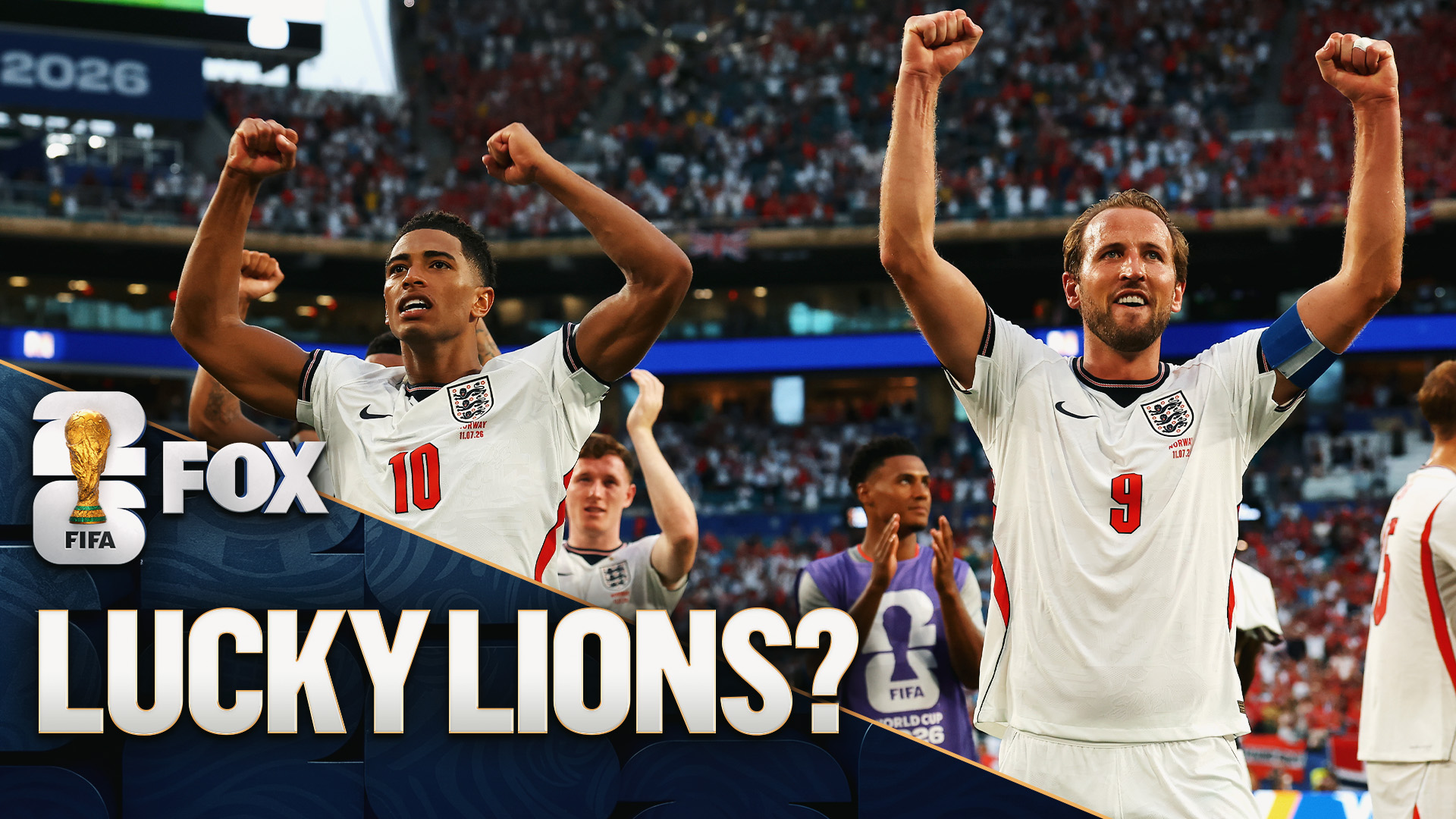
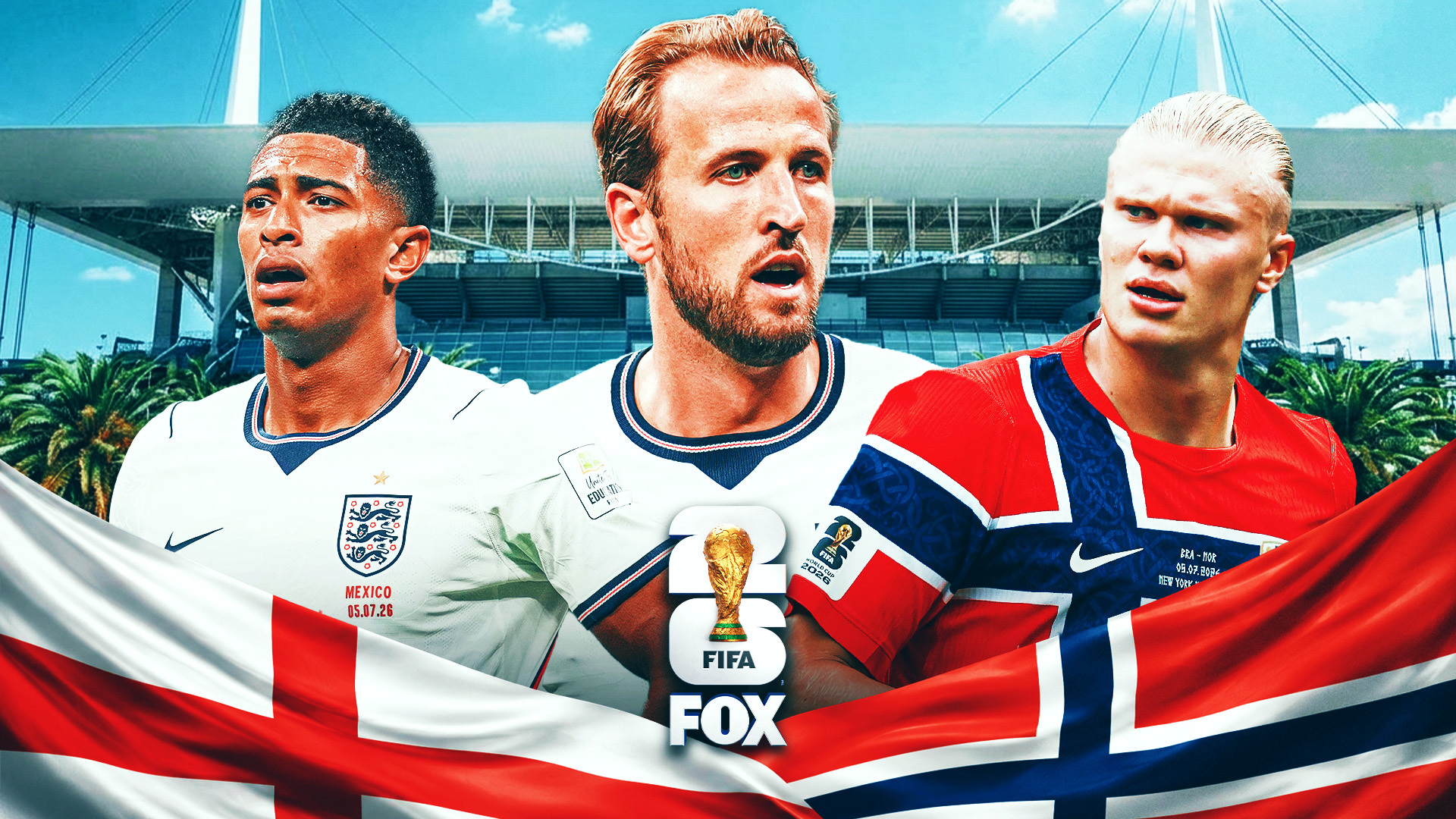
England Hasn’t Won The World Cup In 60 Years. Its Best Chance To Win Again Is Now.

MIAMI STADIUM — For England fans, this is always the year. Whether it’s a World Cup or a European Championship, they believe in their heart of hearts that their country, the one that invented this sport and then exported it to all the rest, will finally, eventually take its rightful place as champions. Over the last almost 60 years, it just hasn’t happened. But the Three Lions have been getting closer. They were the losing finalists at the last two Euros. And with Saturday’s 2-1 extra-time win over Erling Haaland and Norway, England is back in the World Cup semifinals for the second time in three editions. This time, it doesn’t feel like an outlier. Watching England survive the crucible of Mexico City in last weekend’s thrilling 3-2 victory over World Cup co-host Mexico, it was impossible not to notice the mental fortitude of Thomas Tuchel’s team. And it was the same again on Saturday in South Florida, where Jude Bellingham, Harry Kane and the rest of Tuchel’s stars won another match that was less of a soccer game than a street fight. That hasn’t always been the case for England, who over the last 30-plus years has often performed beneath its talent level. That might be good enough to survive group play consistently or win an early knockout game. Against teams that it isn’t naturally superior to? No chance. There’s a reason England has been eliminated in the World Cup quarterfinals more than any other national team in history. This version of England is different. “The effort, the team spirit, the belief to overcome adversity, to dig in and find ways to win is on the absolutely highest level,” Tuchel said afterward. He’s right. And that’s why England is, realistically, a bona fide World Cup contender at long last. There’s a visceral toughness to this team that, for all its ability, its pampered, high-maintenance predecessors lacked. Call it a willingness to fight for every teammate — even the ones who might represent a hated Premier League rival. That matters more than most think. Argentina isn’t the reigning World Cup champ because it had better players, man for man, than France. Man for man, it didn’t. La Albiceleste won because, time and again, they simply refused to be beaten. That sort of mental strength is rare. Add it to a selfless group that boasts legitimate all-world players like Jude Bellingham and Harry Kane, and damned if Tuchel’s side doesn’t stand its best chance in at least half a century this time around. Facing Switzerland on Wednesday in Atlanta would’ve been easier, to be sure. But beating the best — to be the best — is a rite of passage, a requirement. And the defending champs — Argentina scored twice in extra time in Saturday’s nightcap to set up the semifinal everyone who isn’t English wants to see — are a fitting roadblock to have to somehow overcome. Should England clear that hurdle, it surely won’t fear whoever emerges between France and Spain on the stronger side of the bracket. Especially if, as Tuchel believes, England still has another gear to hit. In his post-match sideline interviews, the German manager raised eyebrows when he said he loved the result if not the performance against Norway. Asked about the exchange, it seemed to catch Bellingham off-guard. “Maybe he doesn’t know what it’s like to play in those conditions,” Bellingham offered. An hour later, during his post-game press conference in the bowels of the arena that the NFL’s Miami Dolphins call home, Tuchel, whose previous experience has been at Chelsea, Bayern Munich, Borussia Dortmund and Paris Saint-Germain, provided some additional context. “I’m proud, and I’m happy,” Tuchel said. “But I’m also a football coach, and I also have demands.” He continued: “I think we can play faster and play more clinical. There were unforced errors and technical mistakes in our game … so a lot of things to do better.” If England can clean up those errors and maintain the mentality that has already taken them to the final four for just the fourth time ever, they’ll be as hard an out as the other three nations — Argentina, France and Spain — still standing. England’s fans have been waiting for a chance like this for decades. Now, after surviving the two toughest tests to date, those supporters could be a mere 90 minutes from seeing their team in its first World Cup final since 1966. “They spend well-earned money to come over and support us,” keeper Jordan Pickford said of England’s long-suffering diehards. “All we want to do,” he added, “is pay them back.”​Latest Sports News from FOX Sports
Categories
Sports Fox

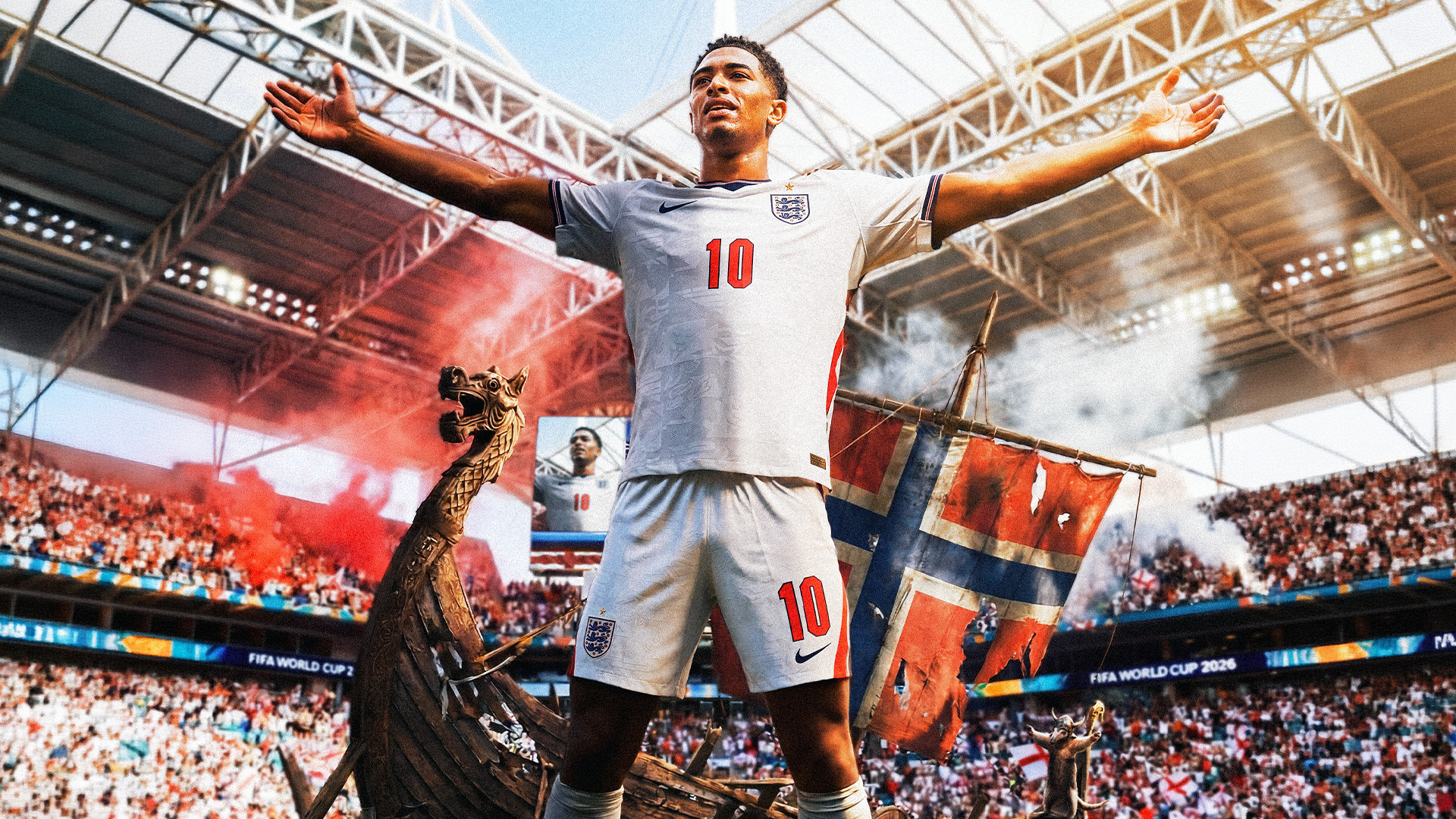
Ugly Wins Still Count: 4 Takeaways From Argentina’s Latest Close Call vs. Switzerland

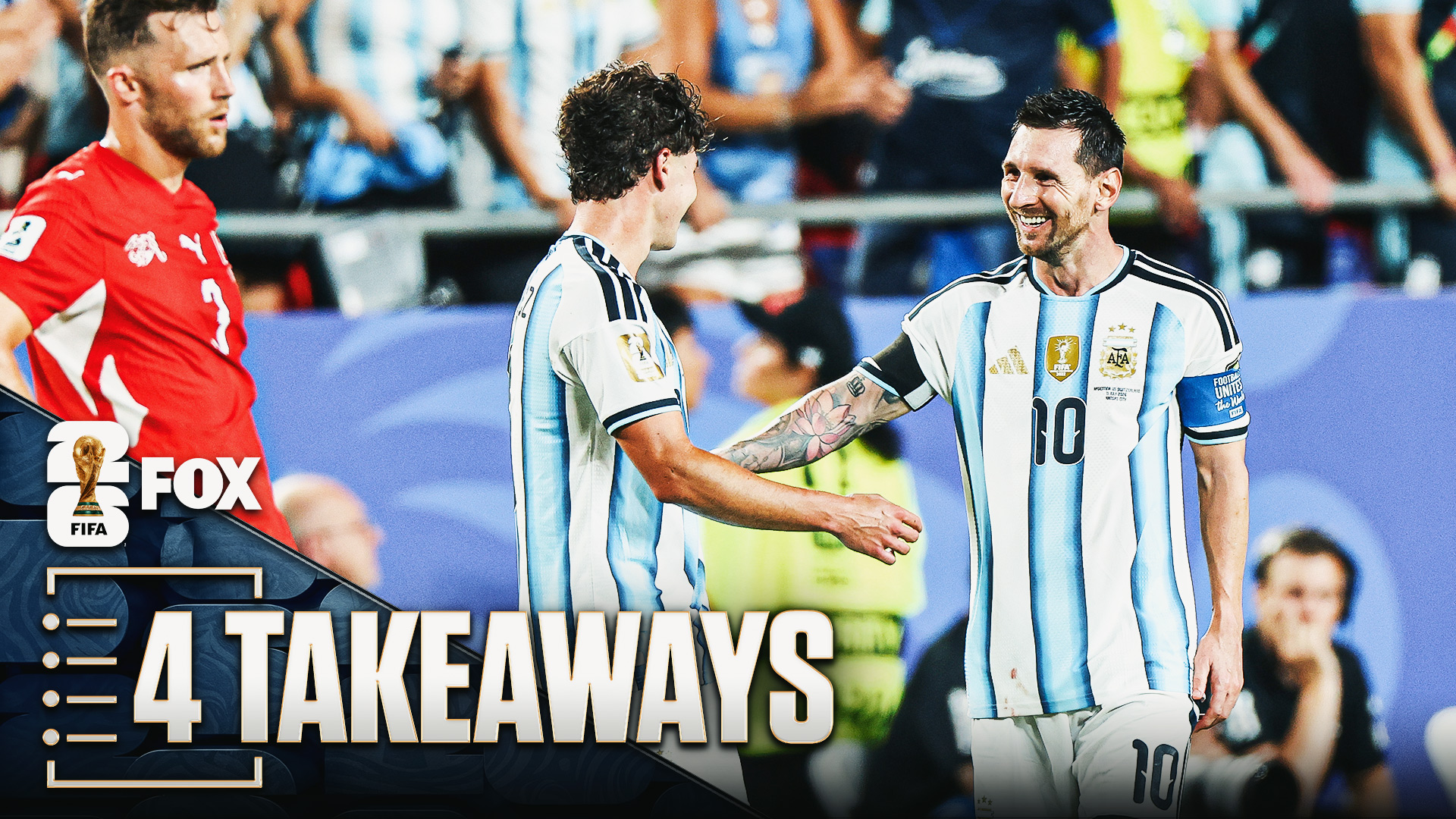
Another knockout game, another 120 minutes, another survival. Argentina beat Switzerland 3-1 in Kansas City on Saturday night, and the scoreline is lying to you — this was agony until the 112th minute, when Julián Álvarez decided to end it himself in stunning fashion. Here are my four takeaways from a quarterfinal that had everything, including a red card we’ll argue about for weeks: 1. Argentina Is The Cat With Nine Lives Let’s do the math on the champions’ knockout run: 120 minutes against Cape Verde, a miraculous comeback from 2-0 down against Egypt, and now 120 more against a Switzerland side that refused to die, even a man down. That’s three straight games where Argentina was thoroughly resistible — and three straight wins. Even Saturday’s early gift, Alexis Mac Allister heading in a Lionel Messi corner after 10 minutes, dissolved into an hour of sweating when Dan Ndoye equalized. Messi’s record scoring streak of nine straight World Cup games? Over. Argentina’s march? Not remotely. They’re unbeaten in 12 World Cup matches and headed to a seventh semifinal. At some point, you stop calling it luck and start calling it what it is: a team that simply refuses to be eliminated, no matter how hard it makes things for itself. 2. The Embolo Red: Harsh, Correct, or Absurd? Here’s the sequence, because you need the full absurdity. Breel Embolo went down theatrically, simulating contact that never came. The referee then booked … Leandro Paredes. Wrong decision as he never made contact with Embolo. That mistaken-identity card triggered the VAR review — and the review found the dive. Second yellow, off you go, Switzerland down to 10 for the final 50-plus minutes of their first quarterfinal since 1954. Was it technically correct? Yes. Embolo dived, and diving on a yellow is a self-inflicted wound that, by the letter of the law, warrants a yellow. But we understand the outrage, too: without the ref booking the wrong man, the simulation never gets reviewed. Right call, brutal path to it. Both things can be true. 3. Julián Álvarez, Finally. And What A Way To Announce It. We’ve spent three weeks asking where Julián Álvarez went. The Atlético Madrid striker flickered without igniting all tournament, while Messi carried the load, and the questions were getting louder by the game. Then came the 112th minute. Ten Swiss players camped behind the ball, Gregor Kobel having the game of his life, extra time slowly edging toward penalties. Álvarez collected it, opened his body, and curled an absolute painting into the top corner. No deflection, no rebound, no fortune — just a strike Kobel could only watch. It was the kind of goal you replay over and over in slow motion with your mouth agape (and comes in incredibly high in the top goals of the tournament.) If that’s the moment Álvarez wakes up, the timing is exquisite. Lautaro Martínez added the third on a breakaway in the 121st, but make no mistake: Álvarez won this game with one of the finishes of the tournament. 4. Wednesday’s Semifinal Will Be Won By Whoever Has Legs Left Pity these two semifinalists. England went to altitude at the Azteca to beat Mexico, then played 120 minutes against Norway in Miami with a heat index of 108 degrees — Jude Bellingham dragging them through with a brace, the winner off an Ørjan Nyland spill. Argentina has now played 240 minutes of extra time in three knockout games. Both teams finished Saturday looking like they’d run a marathon in a sauna, because essentially they had. The football gods have granted one mercy: Wednesday’s semifinal is in Atlanta, under a roof, with air conditioning. So the tactical question becomes brutally simple. Thomas Tuchel’s England is younger in key spots; Argentina has Messi and pedigree, but the older, heavier legs. Recovery, rotation and squad depth will decide this as much as anything drawn on a whiteboard. Whoever’s still sprinting in minute-85 goes to the final.​Latest Sports News from FOX Sports
Categories
Sports Fox

England vs. Argentina Confirmed For Semifinals: Here’s What To Know

A historic World Cup rivalry will be renewed on Wednesday, when England and Argentina go head-to-head in the 2026 FIFA World Cup semifinals at Atlanta Stadium. England and Argentina punched their tickets to the semifinals with wins on the final day of quarterfinals on Saturday. Now, the two powerhouses of international soccer will meet at the World Cup for the first time since 2002. Here is everything you need to know about the 2026 FIFA World Cup semifinal between England and Argentina: If there was one word to describe England’s World Cup so far, it would not be “dominant.” In fact, England has only won two of its six matches by more than one goal, and it hasn’t won by more than a single goal since the knockout stage started. And yet, it is set to compete in its fourth-ever World Cup semifinal, in large part due to something past iterations of the team have lacked: mental toughness and desperation. It starts at the top with Thomas Tuchel, who, even after positive results, unapologetically demands more from his team. But it extends to the Three Lions’ leading men, Harry Kane and Jude Bellingham, who have regularly led their teams to wins with their combined seven goals in the knockout stage. Resilient? Lucky? Ordained? Call it what you want; Argentina is just happy to still be here. After a convincing group stage with three multi-goal wins, Argentina has had to fight in every second of the knockout stage to date, narrowly beating Cape Verde, Egypt and most recently Switzerland — all teams it was expected to beat comfortably. Lionel Messi has done his part, scoring a tournament-high eight goals (tied with Kylian Mbappé) and making World Cup history along the way, but his teammates have also done everything in their power to make sure Messi’s last-ever run at the tournament isn’t cut short. That unity has been a hallmark of their tournament to date, and they will need to stay united to beat a determined England side. Key Players If it weren’t for Jude Bellingham, England might not be in the semifinals. The 23-year-old midfielder has been outstanding for the Three Lions in the finals, scoring a brace against Mexico and Norway. He is the first player to score two or more goals in consecutive World Cup knockout stage matches at the same tournament since Diego Maradona in 1986. Bellingham was 15 years old the last time England made a World Cup semifinals. Now, he could be the reason it makes its first final since 1966, which is also the last — and only — time it lifted the trophy. We all know we’ve reached the end of Lionel Messi’s World Cup career. Whether it’s in the semifinal or the final, Messi will play his last-ever match at the tournament next week, closing the book on a historic World Cup career, which includes a title and the all-time records for most goals and assists. Will Messi get his storybook ending and lift the trophy for a second time, or will he bow out against an England team as desperate to reach the mountaintop as he was four years ago? We’ll find out on Wednesday. How To Watch England vs. Argentina​Latest Sports News from FOX Sports
Categories
Sports Fox

Messi, Mbappé, Bellingham And Kane Providing A Golden Boot Race For The Ages

For a few days, this was the best Golden Boot race in living memory. Four legends, separated by two goals, all still alive. Then Saturday in Miami thinned the field in the most dramatic way possible. Erling Haaland is gone. Norway’s dream ended in extra time, England winning, 2-1, and the man who had scored in every single match his country played was finally, mercifully for defenders, held quiet. Seven goals, a historic run to the quarterfinals, and now a plane home. The most efficient scorer the sport has produced never got his shootout at the top. Cruel game. His conqueror complicated things too. Jude Bellingham scored twice against Norway — including the extra-time winner — to reach six goals and pull level with his own teammate, Harry Kane. So England now carries two men on six into a semifinal. Neither is out of it. Both would need a historic run over two games to catch the leaders. Not impossible. Not likely. Because the leaders are who we always suspected they’d be. Lionel Messi has eight after being held in check in the 2–1 quarterfinals win over Switzerland. Kylian Mbappé also has eight after adding to his account in the 2-0 quarterfinals win over Morocco. The same number they finished on in Qatar four years ago, when Mbappé’s hat trick in the final edged Messi by a single goal and left the Argentine without the one trophy his cabinet never held. The Golden Boot is the lone individual honor missing from the greatest résumé the game has ever seen. Four years later, here it is again, dangling in front of Messi, with the same Frenchman standing in the way. The parallels this week bordered on absurd. Both men missed a knockout penalty. Both responded by scoring anyway. Messi’s spot-kick was saved against Egypt in the round of 16 clash before he dragged Argentina back from 2-0 down with an 83rd-minute equalizer. Mbappé went the same direction from the spot against Morocco, watched Yassine Bounou save it, then curled in his eighth of the tournament twenty minutes later. Great players don’t dodge failure. They just refuse to let it be the headline. Here’s the wrinkle that decides everything: Mbappé is technically ahead. FIFA breaks tournament ties on assists, and Mbappé has three to Messi’s two. If both finish level on goals, the boot goes to France on a tiebreaker most fans have never heard of. Imagine explaining that to Just Fontaine, who scored 13 in six games in the 1958 World Cup for France with a single pair of boots and no penalties, and still holds the record no one will touch. The stakes are almost as high as the trophy itself. Messi, at 39, is the all-time World Cup scoring leader with 21 goals. Mbappé sits on 20, one behind, at 27 years old. Every goal either player scores now moves two leaderboards at once — the Golden Boot and the record book. There is no such thing as a meaningless finish for these two anymore. And the fixtures are lining up for a reunion nobody would dare script. France plays Spain in the semifinal Tuesday. If both win, Messi and Mbappé meet in the final in New York on July 19 — the ghost of Lusail in Qatar resurrected, four years and one continent later, with a Golden Boot and a World Cup on the same table. Haaland gave us the fireworks. Bellingham and Kane still lurk. But this was always going to come down to the two men who turned the 2022 final into a duel and never really stopped. Messi chasing the one award he’s yet to capture. Mbappé right there with him. Fontaine’s record is safe. Everything else is up for grabs. And we get to watch the same two titans settle it one more time.​Latest Sports News from FOX Sports

Categories
Sports Fox

Was England The Better Team Or Was It Lucky In Its Win vs. Norway?

To the dismay of England’s biggest haters, it might be finally coming home. England took down Norway in extra time in the quarterfinals of the 2026 FIFA World Cup, winning 2-1. But as the Three Lions didn’t need penalty kicks to advance, there were enough things that went down in Saturday’s match that could lead to England’s critics to say that it got lucky. That’s how former Denmark goalkeeper Kasper Schmeichel certainly felt about England’s win. “England, they’ve gotten over the line. Were they great today? No, absolutely not. I think Norway were the better team,” Schmeichel said on FOX Sports’ “World Cup Now.” “But England have, as I keep saying, this star quality. They have the small margins that go their way. And you have to pull those margins onto your way when you’ve got incredibly good players.” Of course, former England star Peter Crouch found that statement to be a bit blasphemous. “No doubt England were the better side. No doubt,” Crouch said. “They defended and managed the game the way they needed to, created chances and towards the end, they brought in substitutions. … That’s how you win football matches, and England did that.” On the stat sheet, England had a clear edge. The Three Lions won the possession battle (52-48), expected goals (0.96-0.77), shots on target (8-4) and accurate pass percentage (91-85). However, England was on the right side of arguably the match’s two biggest calls. England’s first goal came after Norway goalkeeper Ørjan Nyland’s goal kick might have hit a cable wire. If it did, there should’ve been a VAR check, but there wasn’t one. In the second half, Norway’s goal that would’ve given it a 2-1 lead was disallowed after it was determined Erling Haaland committed a foul before a corner kick following a VAR check. Schmeichel was mystified that a foul was called on Haaland’s push of England midfielder Elliot Anderson on that play. “If I get pushed over like that, I’d be embarrassed,” Schmeichel said. “It’s funny that the English used to hate that, but now you’re applauding it. “I’m probably just a Danish who just likes tough football.” Crouch, again, disagreed. “He’s put two hands on him, he’s pushed him over. I don’t know what more you want, it’s a definite foul,” Crouch said. “He’s got two hands on him and he’s pushing him over. What do you want him to do there? Stand there? You have to go down to get the foul. If you don’t, then you don’t get.” Still, Schmeichel thought that England embellished contact for much of Saturday’s match. “They’ve had massive success in getting fouls, I’ll tell you that,” Schmeichel said. “It’s funny that 20 years ago, all the English used to hate it and say that the foreigners were diving. “I feel like Norway has been very unlucky. There’s been some key decisions that have gone against them.” As Schmeichel continued to iterate that England was lucky, midfielder Jude Bellingham showed off his star ability in the Three Lions’ win. He scored both goals in the victory, scoring on his weak foot on an impressive goal before his determination helped him score the game-winning goal in extra time. With the two goals, Bellingham now has six goals in the tournament. He now only trails Lionel Messi (8), Kylian Mbappé (8) and Erling Haaland (7) in the Golden Boot race. “Look at the players on that list … they don’t give you much defensively. Bellingham, he gets around the pitch,” Crouch said of Bellingham’s standing in the Golden Boot race. “He does his work. He makes clearances. He dribbles with the ball. He can set goals up and he’s got six goals. You believe he’s gonna score every single game now. I believe he believes as well.” Bellingham has also scored four goals in the last two matches. He opened up the scoring in England’s impressive victory over Mexico in the round of 16, as the Three Lions are now onto the semifinals at the World Cup. “I’m so proud of the lads. Thankfully, I was able to go to into the camp and they’re such good lads,” Crouch said. “There’s a real togetherness. They’ve dragged themselves through what was really tough conditions today. They were amazing in the Azteca. They’ve performed when they’ve needed to. Their players have produced when they’ve needed to. It’s a semifinal for the England team. It’s incredible.” And as for Schmeichel, former England women’s national team star Alex Scott has an idea of how to handle the haters like him. “We need to get Kasper some drinks later,” Scott quipped.​Latest Sports News from FOX Sports

Categories
Sports Fox

From Birmingham To The World Cup: How Jude Bellingham Became An England Hero

Jude Bellingham, the young boy who got his start at Birmingham City, is now on top of the football world with Real Madrid and the England national team. Bellingham is the all-around midfielder everyone wants on their roster. He has the ability to always be in the right place at the right time with late runs into the box to score goals; he has the ball-carrying ability of a No. 8; and he has the work rate and defensive capabilities to do the dirty work in midfield as well. A true jack of all trades in the middle of the pitch, Bellingham has become the type of player every manager appreciates because of how many different ways he can impact a game. Now in his second World Cup, Bellingham has already scored six goals, including a brace against Norway in the quarterfinals and a brace against Mexico in the round of 16. Both performances were pivotal in England’s progression to the semifinals. Every time England has needed him most, Bellingham has come up with a big moment. He has been one of the most clutch performers at this World Cup, and whenever England has needed a moment of magic, Bellingham has answered the call. Here is a look back at how Bellingham became England’s superstar midfielder. Birmingham Beginnings Bellingham’s rise started at Birmingham City, where he came through the academy before making his professional debut at just 16 years old in August 2019. In his breakout 2019-20 season, Bellingham made 44 appearances across all competitions and became Birmingham City’s youngest-ever player and youngest-ever goalscorer. It did not take long for him to rise up the ranks as one of the best young prospects in England. After just one first-team season at Birmingham, Bellingham earned a move to Borussia Dortmund. Birmingham later retired his No. 22 shirt, a rare gesture for such a young player, but one that showed how highly the club viewed what he had already done and what he was going on to become. Dazzling At Dortmund Bellingham had the chance to make a safer Premier League move, as many Championship players would have done. Instead, he chose the riskier path, but the one that could potentially pay off the most: going abroad to Germany. He made the move to Borussia Dortmund, a talent factory that has developed many young players into stars. For Bellingham, it turned out to be a brilliant decision. Rather than taking the move that may have looked more pleasing initially, he chose the club that could help shape him into the player he wanted to become. Dortmund paid a record fee for a 17-year-old to sign him in July 2020, and Bellingham spent three seasons in Germany. During that time, he won the DFB-Pokal, became one of the faces of the club and was named Bundesliga Player of the Season in 2022-23. He also came painfully close to winning the Bundesliga title in his final season, only for Dortmund to lose out on the final matchday in heartbreaking fashion. But even without that league title, his three years at Dortmund opened the door for him to make the move to a European giant. Moving To Madrid Bellingham joined Real Madrid in July 2023, and his debut season could not have gotten off to a much better start. He registered 23 goals and 13 assists across all competitions in his first season and helped Real Madrid win La Liga and the Champions League. That Champions League triumph came against his former club Borussia Dortmund, with Bellingham assisting Vinícius Júnior’s goal in the final. In that Champions League campaign, Bellingham had four goals and five assists, showing that his move to Madrid did not just put him on a bigger stage — it elevated him into one of the defining players in world football. Bellingham again showed guts and ambition by choosing Real Madrid when Premier League clubs were calling his name. As an English player, it would have been easy to return home and become the face of a major Premier League club. Instead, he chose the uncomfortable path again, moving to Spain to play for one of the biggest clubs in football. That has been the theme of Bellingham’s career. He is not the typical English player. He has shown multiple times that he is willing to take the unique path away from English football, develop abroad in different countries and sharpen his craft elsewhere. That started with Dortmund. Then came the ultimate move to Real Madrid, where he became just the sixth English player to play for the club after Laurie Cunningham, Steve McManaman, David Beckham, Michael Owen and Jonathan Woodgate. Trent Alexander-Arnold has since joined him at Real Madrid, but Bellingham helped reopen that pathway for English players at the Bernabéu. Bellingham has shown he is willing to do the uncomfortable things to get to the very top, and now he is there. If he can help England win this World Cup, he can truly say he has completed football at just 23 years old. He has won trophies in multiple countries, won the Champions League, become a star for Real Madrid and now has England on the brink of a World Cup final. His legacy already looks strong. But if England goes all the way, it will reach a completely different level.​Latest Sports News from FOX Sports

Categories
Sports Fox

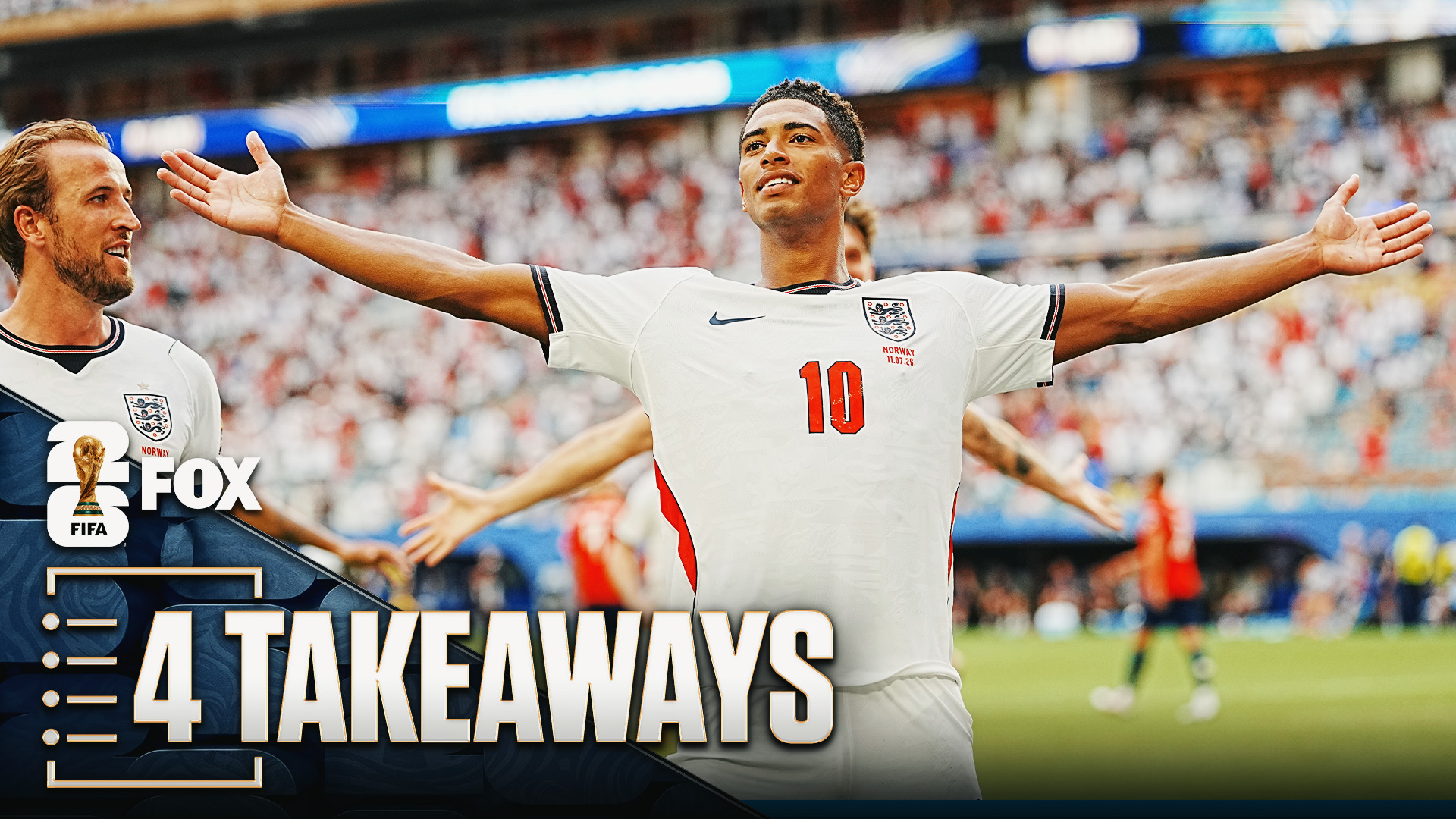
Bellingham Powers England: 4 Takeaways From Three Lions’ Win vs. Norway, Haaland

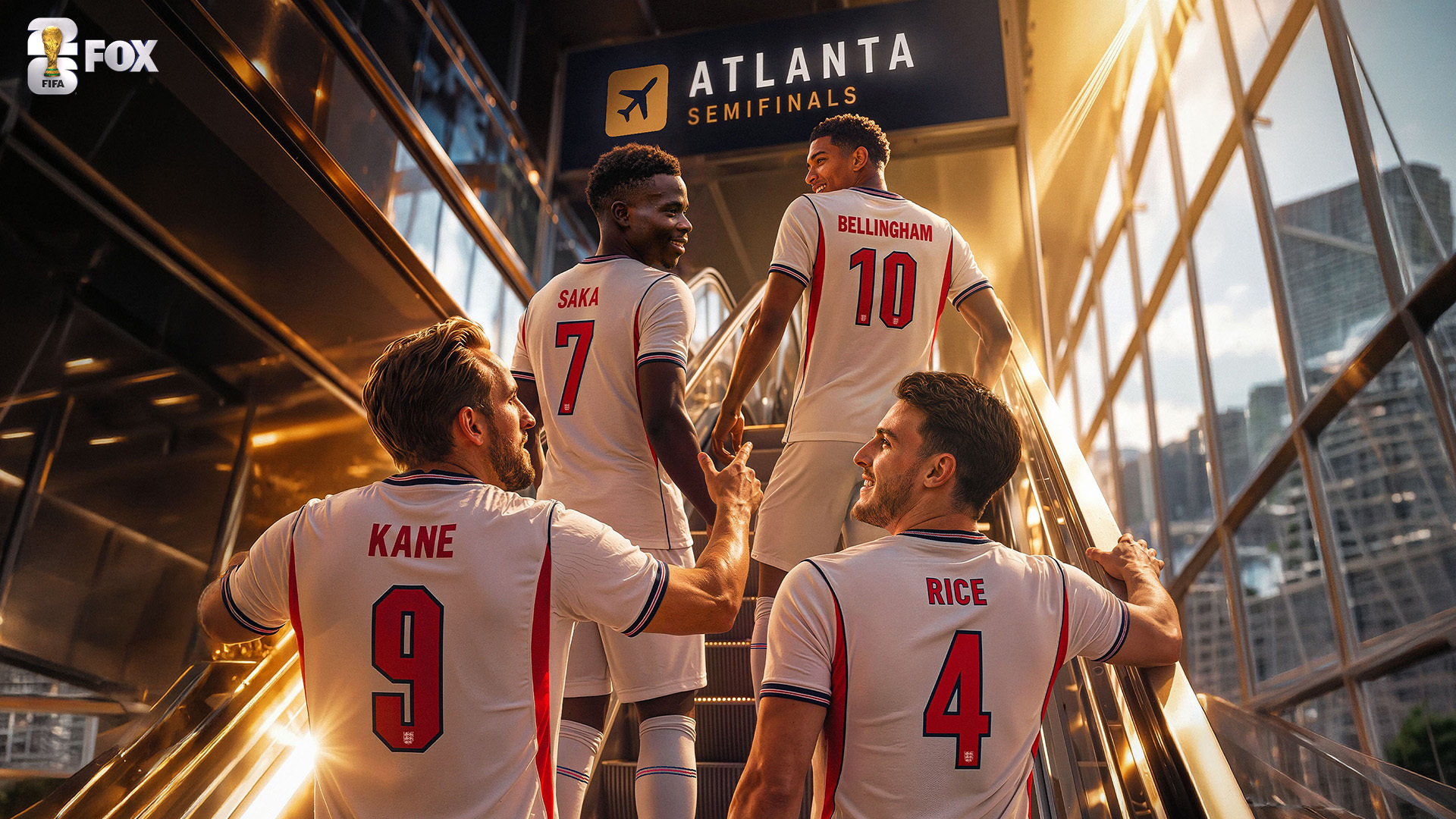
MIAMI STADIUM — England is headed to the 2026 FIFA World Cup semifinals for the second time in eight years. On a sweltering Saturday in South Florida, where the temperature before kickoff at 5 p.m. local time hovered higher than 90 degrees, the Three Lions came back from a 1-0 deficit to eliminate upstart Norway and its superhero of a striker, Manchester City goal-machine Erling Haaland. Two goals by English star Jude Bellingham — the second in the third minute of extra time — saw the Three Lions advance after Andreas Schjelderup opened the scoring against the run of play in the first half. Bellingham canceled out Schjelderup’s strike with a spectacular equalizer just before the intermission, then added the winner when Norwegian keeper Ørjan Nyland failed to corral the rebound from Morgan Rogers’ powerful shot. “World-class,” England coach Thomas Tuchel said of Bellingham’s big night. “A world-class performance from a world-class player in big, big moments – crucial moments.” Here are my four takeaways from England’s victory over Norway: 1. Jude Bellingham Was The Difference For England Halfway through the additional 30 minutes played in Miami, a quick look at the stats told the story. Both sides had 10 shots. Both had directed half of them on-target. Both teams had a goal called back earlier in the game — the Three Lions because they were offside, Norway after the video assistant flagged a foul committed by Haaland just before what looked like a potential game-winner. (VAR also denied England a penalty attempt after Bellingham’s second that could’ve ended the contest there and then.) Still, in a game billed as a battle between Haaland and Harry Kane — probably the best two pure scorers on the planet — Bellingham stole the show for the second England match running. “It’s nice to have an impact and to help my team,” he said. After scoring twice in last weekend’s thrilling 3-2 win over co-hosts Mexico at the iconic Estadio Azteca — known as Mexico City Stadium during the World Cup — Bellingham again came alive when his country needed him most. His first goal was a team play that he finished with a flash of individual brilliance, his second a clinic in anticipation and timing and execution. In a match where the margins were razor-thin, he is the reason England is off to Atlanta for the World Cup semifinal, while Norway is going home. “His mentality is what puts him on that level,” keeper Jordan Pickford said. 2. Still, Hats Off To Erling Haaland And Norway Never before had Norway made a World Cup quarterfinal. It hadn’t even qualified for the biggest event in sports this century before finally making it back this summer. Even then — and even with Haaland spearheading the attack and Arsenal captain Martin Ødegaard running the show behind them — nobody expected much from the Drillos. Norway was ranked 32nd by FIFA in January. It was 31st when this World Cup kicked off exactly a month ago. Yet on the field and off, the Norwegians were one of the best stories of this World Cup. Videos of their fans taking over Times Square and executing their choreographed “Viking Row” on escalators and New York City subways endeared them to locals there, and in Boston, in Dallas and here in Miami. Norway beat Senegal and Ivory Coast and then eliminated five-time champions Brazil. And none of it was a fluke. It may have lost to England on Saturday, but it won the hearts of neutrals all over America and in countries in every corner of the globe. These Vikings and their incredible supporters can and will row back across the Atlantic with their heads held high. Even in defeat, on a quiet night that ended when he was subbed out in extra time, Haaland left his mark. “Everyone,” Pickford said, “Knows how good a player Earling is.” 3. Argentina Awaits For Kane & Co. Tuchel’s squad had  wait a few hours to find out which opponent it’ll meet in Atlanta on Wednesday, with the Three Lions slated to face the winner of Saturday’s nightcap in Kansas City between Messi’s Albiceleste and Switzerland. Of course, it’s the defending champs. Despite being an ocean apart, Argentina and England have a long and storied rivalry on the global stage. Diego Maradona’s famous “Goal of the Century” slalom and infamous “Hand of God” strike in 1986 came in the same quarterfinal game vs. England. Argentina also knocked the Three Lions out in the quarters in 1998 following a red card by David Beckham. Four years later, Beckham — the current Inter Miami co-owner who was in the house on Saturday — scored a penalty that helped beat Argentina en route to La Albiceleste’s shocking group stage exit. Tensions between the sides haven’t been limited to soccer, either, as the two countries fought a 74-day war in 1982 over the control of the Falkland Islands off Argentina’s coast. Now, for the first time, they’ll play each other with a trip to the World Cup final at stake. 4. Is This Finally England’s Year? It’s been 60 years this month since the country that invented the sport won its only World Cup. It’s also the only final they’ve ever appeared in. The Three Lions have also never won a European Championship, although they were the losing finalists in 2021 (to Italy) and Spain (2024) at the last two Euros. Now, under German manager Tuchel, they’ll play for the right to get back to the biggest title match there is. It’s only England’s fourth trip to the semis ever. The last two didn’t go well; Croatia knocked the Three Lions out in 2018. Back in 1990, they lost to eventual champ West Germany on penalties. Despite the English Premier League establishing itself as soccer’s top domestic circuit, that’s as close as the country’s national team has come in the last six decades. On Wednesday in Atlanta, we’ll see they can get one step closer to reaching the mountaintop – and to bringing  football home. “Now it’s just about recovering,” Tuchel said. “The next three days are crucial, of course, to be ready. But this victory will help a lot.”​Latest Sports News from FOX Sports

Categories
Sports Fox

England’s 3 Keys To Beating Erling Haaland, Norway To Advance To World Cup Semis

England has one team standing in its way of a 2026 World Cup semifinal berth, and that team, while talented as a group, features one standout 6-foot-4 speedy giant in contention for the Golden Boot. After beating Mexico in a thriller last weekend, the Three Lions have advanced to three straight World Cup quarterfinals for the first time in almost 60 years (1962-1970). Now, the only thing standing in their way of a semifinals appearance is Erling Haaland and Norway on Saturday in Miami. Former England defender Warren Barton, who’s now a FOX Sports World Cup match analyst, was impressed with how his team handled Mexico at Mexico City Stadium — also known as Estadio Azteca — against a home-field advantage. But the Three Lions have to build on their round of 16 success to keep the dream of it coming home alive. “It’s a game that I’m really looking forward to,” Barton told us recently. “I’m not overly confident, but I’m pretty confident. And it’s not coming home yet, but it might be on the plane. We don’t know.” Barton predicts a 2-0 victory for England, but he knows it won’t be easy. Here are his three keys to England taking down Norway in the World Cup quarterfinals. This one is a given, considering Haaland accounts for seven of Norway’s 11 World Cup goals this tournament. But it’s crucial. “The biggest thing they have to do is keep Haaland quiet,” Barton said. “That is an obvious statement, but he only needs half a chance. So as much as what England do with the ball — and [Martin] Ødegaard has done well — I just think we match up really, really well against him.” Haaland is barely behind Argentina’s Lionel Messi and France’s Kylian Mbappé in the Golden Boot race, as they both have eight goals apiece. (However, Argentina has yet to play its quarterfinals game against Switzerland on Saturday, while France advanced to the semis with a win over Morocco.) From Barton’s defensive perspective, he said if England players can squeeze Haaland up the field a bit and count on him not running behind them, they’ll be in a strong position. They will, however, have to ensure there’s always a body on him too. “You’ve got to press him up, and don’t allow them to get the ball to him,” Barton said. “There will be times they have the ball; make them go direct. Don’t sit back and invite them to have possession and come forward, so he can get closer and closer to the goal. I think we have to keep him high. Have a high line and play a high line and make them play direct.” Again, perhaps obvious, but still vital to success. Kane and Bellingham lead England’s World Cup goalscoring this tournament and combine to account for 10 of the team’s 11 goals so far. Kane has six and is not far off the Golden Boot frontrunners. And while Norway will certainly look to stifle England’s top duo, enabling their scoring chances and capitalizing on their chemistry will go a long way, Barton said. “I think both of them have come to this tournament with a point to prove that they’ve been formidable,” he explained. “Harry Kane and Jude Bellingham — probably more than any combination in this tournament — complement each other really well. … I just think them two have really led the way. And when you have your strikers leading the way, it’s so much easier for the other nine players behind to go and follow them, and to do that. “I can’t really think of any pairing — Ødegaard and Haaland, maybe — but just that they make the run switch over, they help each other out, they’re unselfish, they respect each other. So I just think they’re really a standout combination.” The Three Lions have another advantage over Norway, in Barton’s mind, with significant depth from so many players competing at a high level. He noted that Norway sometimes has the ability to lean on its bench, but it’s not as effective as England’s. “You manage your substitutions and your minutes of players, and that’s where England [has] maybe got a bigger advantage than Norway with the depth,” Barton added. “They do bring players in, there’s not much of a drop-off. Where you look at some nations, they make a lot of changes … for injuries, for suspension, for key players that don’t have the quality to come in and play at that level — where France do, and I think England do as well.” Beating Mexico in Mexico City is no easy feat. But after the way England rallied to victory, it needs to maintain the “togetherness and spirit” of that win while leaning on built-up confidence. “The way that they dug in really deep with Mexico [and] all the elements — not just the altitude, but the fans and the sending off [of Jarell Quansah], the referee, and everything that goes with that, with the game playing away from home — showed a lot of character,” Barton said. Knowing the players well certainly helps too, he added, particularly Manchester City teammates Haaland and Marc Guéhi. “So I think they go into this game very, very confident,” Barton added, “not only because of [the Mexico] result, but also, they match up really well against Norway.”​Latest Sports News from FOX Sports