Categories
Sports Fox

The Miracle Of Lionel Messi: Embrace Him And Celebrate His Greatness

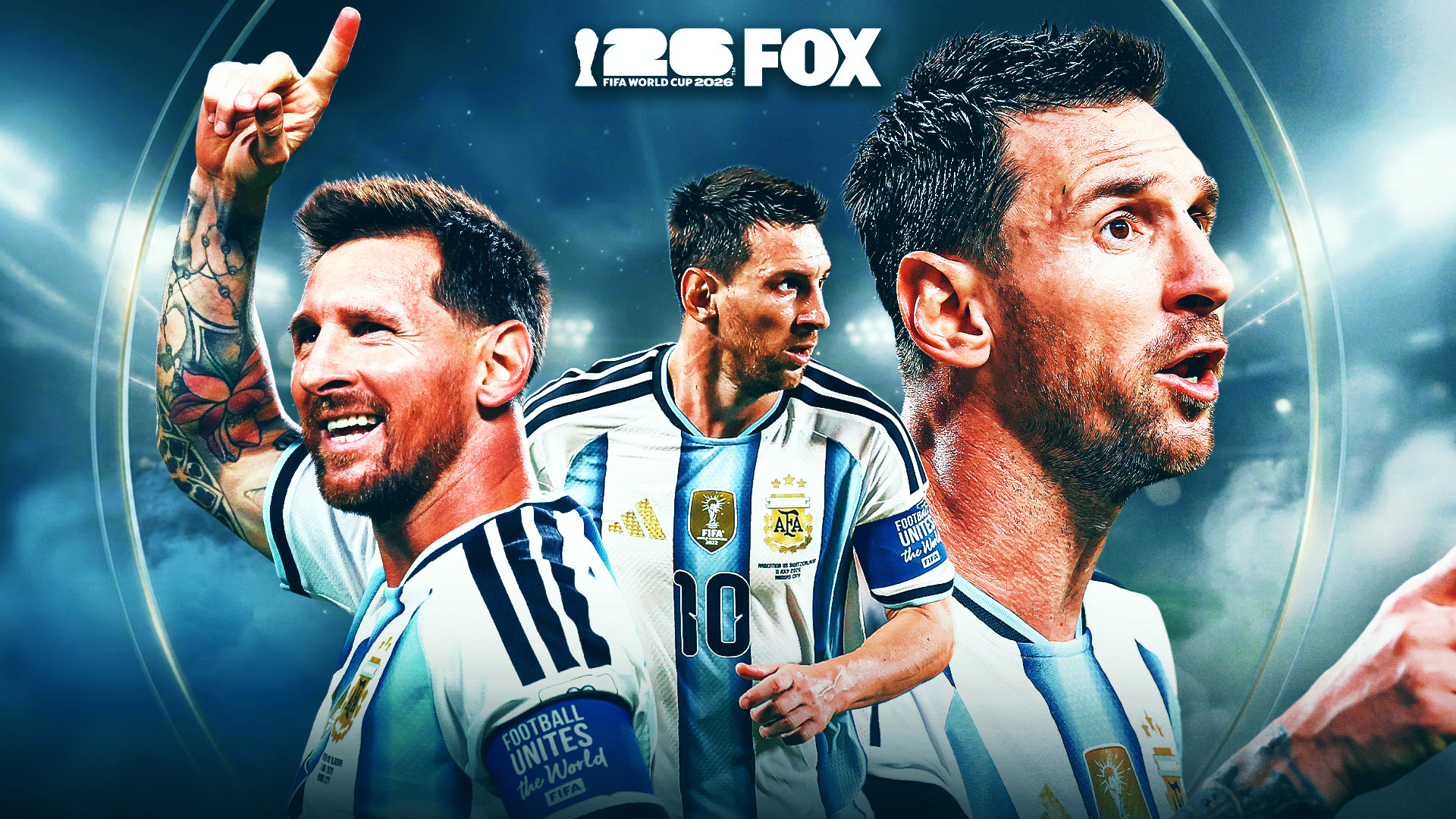
Mark Twain once said that the two most important days in your life are the day you are born and the day you find out why. But I would add a third: the day I met Lionel Messi. It was a sticky, humid and thunderstorm-ridden day in Fort Lauderdale, Florida, back in the summer of 2023, which was Messi’s arrival for Inter Miami. The night before the Leagues Cup final, which would eventually become Leo’s first trophy with the club, and his 44th career title, which would become a record. But I was inside one of the suites at Inter Miami’s former stadium, waiting for an exclusive interview with a player I had covered — and, just like any other mortal, marveled at throughout my life and career. As a football journalist, the values of objectivity are imperative foundations of our work, and it’s important to never get carried away when you meet someone you admire tremendously. It also goes back to the well-known saying that you “should never meet your heroes,” some words of wisdom that were said from one legendary icon (John Lennon) to another (Mick Jagger). But I actually attribute this piece of advice more to lines from Gustave Flaubert’s 1856 novel, “Madame Bovary,” which read: “Don’t touch your idols: a little gold always rubs off.” But with Messi, the gold never does. And to me, in order to be a true serviceman of the sport as a journalist, you can’t just report on the beautiful game, you have to feel it. You have to live inside the skin of what it means to be a supporter, because they are the heart, the flesh and bones of a club or a national team. So to meet Messi is to represent what it would mean to any Argentinian who would give their right arm to do the same. You owe it to them. THE CONVERSATION BETWEEN Messi and me was about him and his family’s happiness, now finally in Miami after leaving Paris Saint-Germain, his new life in the United States and the expectations of the next few years. And this was in the summer of 2023, not long after winning the World Cup in Qatar and months before receiving his record eighth Ballon d’Or. Messi, ever the introvert, was extremely attentive, quiet and thoughtful in his responses. This is a trait you all must know. He’s not shy but rather an internal thinker. But as a kid, it was much worse in school. When he wanted to ask a teacher a question, he would need his best friend to do it for him. During his trial at Barcelona when he was 13, established stars — like Gerard Piqué and Cesc Fàbregas, from the famed ‘87 generation — remember Messi would not speak nor ask any questions. But he didn’t need to as they learned that everything he needed to say would be on the pitch. Back to my encounter with Messi: I remember one point when I asked him how successful the U.S. and MLS can be when it comes to competing with the likes of Europe. His reply? “Their success is up to them.” And the reason why I bring that up is because it’s that type of mindset that fully encapsulates Messi, as he has always been a person who truly believes that the rewards of triumph and prosperity are only dictated by one motivating factor: himself. Messi grew up in Rosario, about 170 miles northwest of Buenos Aires. It is the city where the Argentinian flag was first raised during the War of Independence in 1812. Messi lived in a humble neighborhood called La Bajada, in a house built by his father and grandfather. He would play in the streets until sunset and would continuously kick the ball on the same spot of the neighbors’ wall in order to get his angle perfectly right. When he played for Newell’s Old Boys, his first trip away from Argentina was to Perú and the night before the big tournament, he ate some chicken that didn’t agree with him. The next morning, the head coach was worried and wanted to take him to hospital. Messi argued and said all he needed was Gatorade. He drank it, played in the tournament and single-handedly led the team to win the entire tournament. DESPITE ALL THE admiration, the stardom and attention, however — along with the fact that he is a World Cup winner, a four-time Champions League champion and has won more individual trophies than anyone in the history of the sport — Messi remains that little boy who needed growth hormones in order to keep up with his peers. Throughout his life, he was overlooked over and over again, but never ever ran away from the eternal sentiment that destiny is something you determine. And that’s why he is the greatest ever. His is a journey of determination and will, mixed with the fact that what he does on the pitch is almost beyond belief. From his solo “Ankara Messi” goal for Barcelona against Getafe in 2007 — mirroring Diego Maradona’s own piece of art in the 1986 World Cup against England — to my favorite (his golazo at the 2018 World Cup against Nigeria), Messi has given us countless moments of magic. But again, it begins with steel-minded determination. The 2022 World Cup in Qatar, for example, started with a shocking loss to Saudi Arabia. But Messi used this as a catapult to explode into greatness with Argentina and win every match from that moment, including the electrifying final against France. Amidst adversity, Messi — just like his real-life persona — is actually very calm. Sure, you will often see emotion and dispute on the pitch, but in terms of objectives and knowing what you have to do in order to win, he is completely at peace. “We couldn’t be upset because we knew he was calm,” said his former teammate Ángel Di María, speaking about that 2022 World Cup opening loss to Saudi Arabia. “Why should I feel bad when the greatest [player] in history, our captain, is completely calm and is sending a message to 45 million Argentinians that this group won’t let them down?” And they didn’t. And so when we fast-forward to the present and look ahead to Sunday’s World Cup final between Argentina and Spain at New York New Jersey Stadium, I can’t help but feel extremely emotional about the fact that this is Leo’s curtain call at the World Cup. There is a sadness that inhabits me because I just know that after tomorrow, regardless of the score, Lionel Messi will never grace us on the grandest of stages ever again. Sure, anything can happen, and Messi could U-turn and remain committed to the fact that, as a 43-year-old superstar, he’ll grace us with playing in 2030. Nothing is impossible, and if anyone can do it, it’s him. But this is more wishful thinking than anything else. The harsh reality is that Sunday’s final will be the last time Messi urges his team with a speech akin to Henry V’s Shakespearian prose: “Once more unto the breach, dear friends, once more…” Let me change that sentiment as it’s probably not the greatest idea to give the greatest living Argentinian a quote from the most renowned English playwright. Allow me to focus instead of the timeless words from Buenos Aires-born Jorge Luis Borges, one of the most influential writers and poets of Spanish literature. “For me, beauty is a physical sensation, something we feel with our whole body. It is not the result of judgment. We do not arrive at it by way of rules. We either feel beauty or we don’t.” That’s how I feel about Lionel Messi. Words are not enough. Neither is narration. Or even a highlight. MESSI’S GENIUS MUST be felt, without restrictions or doubt. Because when he enters the pitch and dances with the ball, time stops. It moves ever so fast for everyone else, but for him, it is calm. Messi changes direction just like a lightning strike, resisting and constantly avoiding pockets of air. He doesn’t just create moments of wonder, he leaves dust on the pitch only for an opponent to chase a shadow he never knew existed. Messi has always been about deceiving reality. He has been doing this since he was five years old, when he first entered a pitch under the illusion of an older child, as his beloved late grandmother lied to the coach and told him he was older than what he appeared. After that, he never looked back and the football world would never be the same again. Sunday’s fixture is against a team he sort of helped build as Lamine Yamal’s trajectory, and the numerous graduates of La Masia, are a result of the unwanted situation that happened in 2021 when Messi had to leave his beloved Barcelona. But that tale has been told. This match on Sunday is about Argentina and Spain — two Spanish-speaking nations facing each other in the land of immigrants. Right next to the stadium is the second-largest mall in the United States, the American Dream. This is the perfect way to parallel the final, as it is indeed a match that represents this ethos — the ultimate search of happiness through hard work and perseverance, regardless of background. Messi, like me, is a two-time immigrant. And like me, one who left South America for Europe and eventually the United States. So I empathize and weirdly connect to his journey, one that could come with even more history as he looks to win back-to-back World Cup titles for Argentina. Something only done twice in the tournament’s history. History awaits. And so does the sadness of one final battle, one final piece of poetry to be written. All of us will take it all in with the enduring, albeit failing, hope that time stays frozen. But we know this won’t happen. All we can do is stand up at the end of the match, and regardless of score, applaud at genius, shed a tear and thank the football gods that throughout their endeavors, they gave us the miracle of Lionel Messi.​Latest Sports News from FOX Sports

Categories
Sports Fox

How Spain’s Men’s And Women’s National Teams Rose Above The Rest Of The World

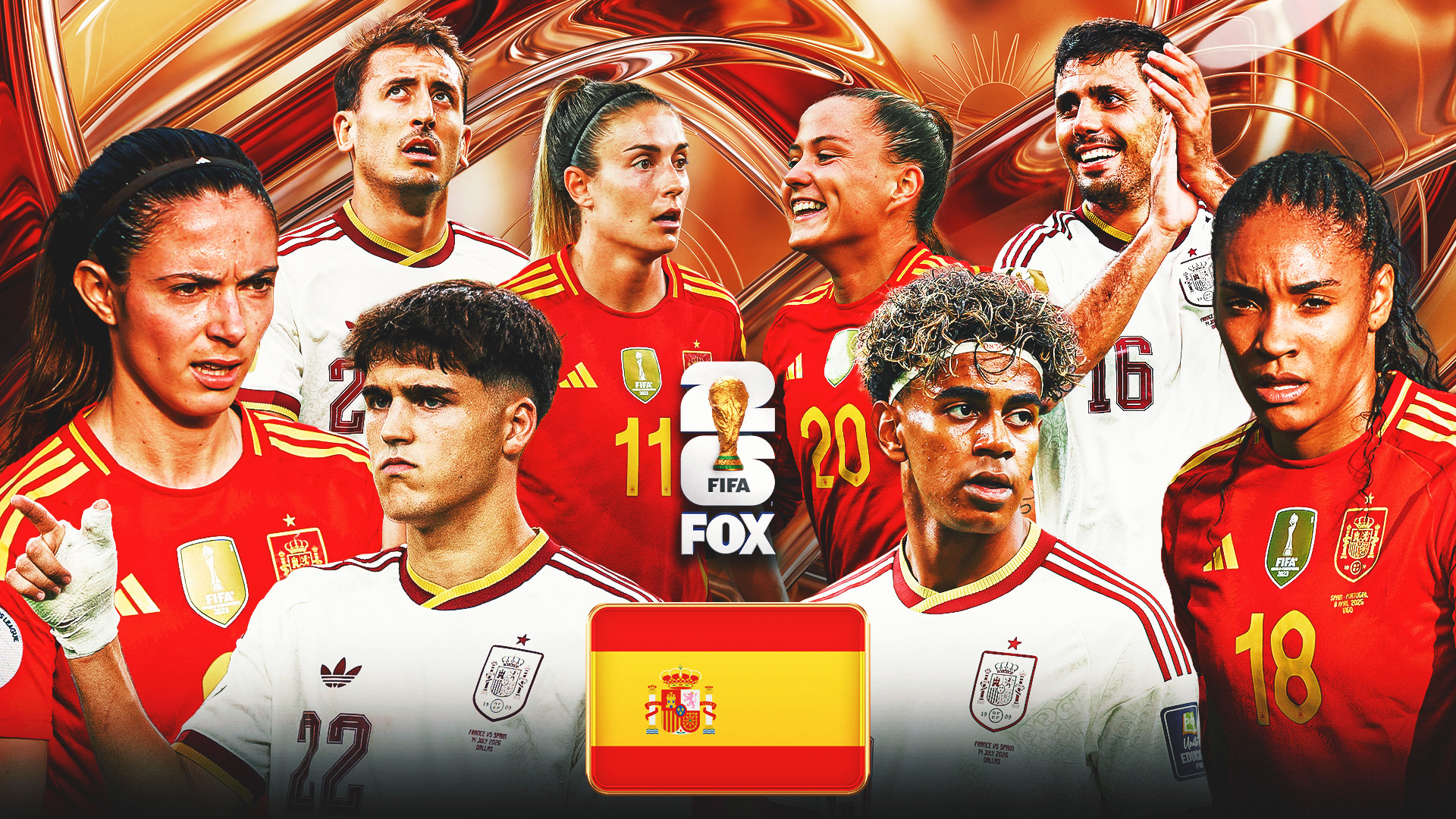
NEW YORK — Spain has the chance to accomplish something no nation has ever achieved. If it defeats defending champion Argentina in Sunday’s World Cup final, both its men’s and women’s national teams will simultaneously hold the sport’s biggest trophy. Germany’s men and women have each won two World Cups, but never concurrently. Similar feats have happened in other sports, including UConn’s men’s and women’s basketball teams winning national championships in 2004 and 2014, USA Basketball’s men and women taking gold at the 2024 Paris Olympics and the American men’s and women’s hockey teams winning gold at the 2026 Milan-Cortina Olympics. Now Spain — with the women’s side winning its first World Cup title in 2023 — has a chance to set a new standard for sustained dominance on soccer’s biggest stage. So how did Spain get here? What has allowed it to separate itself from the rest of the world? What is it doing better than everyone else? “This is the only country that starts a philosophy and an identity at a young age, and they’re all doing the same things from 9 years old and up, both the men’s and women’s side,” U.S. women’s national team legend Carli Lloyd told me. Now a FOX Sports analyst, Lloyd played against Spain during her career and has watched firsthand how the program evolved into a powerhouse. “They focus on technical excellence first and their positional play, short passing, patience, development — all those different things. And I think for a number of years, they weren’t incredibly successful but have figured out ways of going about that with the way they play.” The World Cup is only part of the story. Spain’s superiority has extended across other major competitions. The women’s national team won consecutive Nations League titles in 2024 and 2025, while Barcelona — the club that is essentially the backbone of the squad — has captured three of the last four Women’s Champions League titles. The men’s team enters Sunday’s final as the reigning European champion and Olympic gold medalist. Twenty of the 26 players on Spain’s World Cup roster were part of one or both of those triumphs, evidence that this success has been building for years. For many of these players, the foundation was laid years ago at La Masia, Barcelona’s famed academy that has long been considered one of the world’s best at developing young talent. It’s where Lionel Messi arrived as a 13-year-old before becoming arguably the greatest player in history. The academy’s legacy extends beyond Messi, though. Nine alumni will be on the field for Sunday’s World Cup final: Messi for Argentina and Lamine Yamal, Gavi, Pau Cubarsí, Dani Olmo, Alejandro Grimaldo, Marc Cucurella and Víctor Muñoz for Spain. The viral photo of Messi bathing baby Yamal has become a symbol of the passing of the torch, but a deeper connection is that both were shaped by the same developmental system. The academy opened its doors to women residents in 2021, and its pipeline has already produced many of Spain’s biggest stars, including three-time Ballon d’Or winner Aitana Bonmatí, two-time winner Alexia Putellas, Clàudia Pina, Ona Batlle and more. The familiarity and continuity built through this pathway is partly what has made these teams so successful. “We did it with discipline, being organized, with sacrifice, with commitment, with effort,” Spanish manager Luis de la Fuente said when asked how his team was able to beat France in a third straight major tournament semifinal last week. “I think that was what we do best as Spanish football players is to interpret and read the game. They know how to behave in defensive and offensive phases and in the midfield. “And that’s the fruits of our labor in the academies — all the coaches in Spain, we really value what we’re doing at that level. And this is another example that, in spite of being happy, we want more. And we want to take this World Cup and claim this title. That would be a really amazing achievement.” And it’s not just about the players coming through the youth system, but coaches, too. De la Fuente spent nearly a decade coaching and winning with Spain’s U-19, U-21 and U-23 programs before he was named senior team manager in 2022. Even Jorge Vilda, who managed Spain at the 2023 women’s World Cup, coached the senior team for eight years after winning titles at the youth level. He was later fired in 2023 as part of the fallout from the Luis Rubiales scandal. “There is something to be said for even the coaches being educated on that philosophy and that identity and working themselves from youth levels on up,” Lloyd said. “You just continue to get better as a coach, just like as a player you’re developing through the ranks. “I think there is a huge importance. I just don’t know anywhere else in the world if that could be replicated. It would be very interesting to see. I think we [the U.S.] don’t do that. Every coach that I’ve had has had a bit of a different flavor and finesse to their coaching. Sure, we’ve had that American mentality and DNA of being physical and grit and determination to win. But you can’t really look at our whole structure and say, ‘Oh, this is exactly how the U.S. play.’” Back in the day, Spain was renowned for the “tiki taka” style and short intricate passing that many tried to emulate. It’s evolved into more progressive passing, finding ways to be clinical and punish teams in front of goal, as well as playing more vertical and getting in behind. “They’ll kill you with 1,000 passes in possession,” Lloyd said before referencing Spain’s second goal against France in the World Cup semifinal. Pedro Porro and Olmo’s combination and quick passing sequence was quintessential Spain before Porro found the back of the net to give his team a 2-0 lead. “Their movement is not really about being in sync. It’s about where the next one or two passes should be, and they all know what to do, and it’s really incredible,” Lloyd continued. “I think they are probably the most complete team at this World Cup. The last game [against France] was an absolute masterclass. “And the second goal, that is only being taught from a system and a philosophy that has been developed for years. That doesn’t just happen when you come into the national team, and you start doing some passing patterns.” Could this be the beginning of a dynasty? If the men win Sunday and the women can go back-to-back at next summer’s 2027 World Cup in Brazil, the answer is a resounding yes.​Latest Sports News from FOX Sports

Categories
Sports Fox

Expert World Cup Predictions For The Spain-Argentina Final

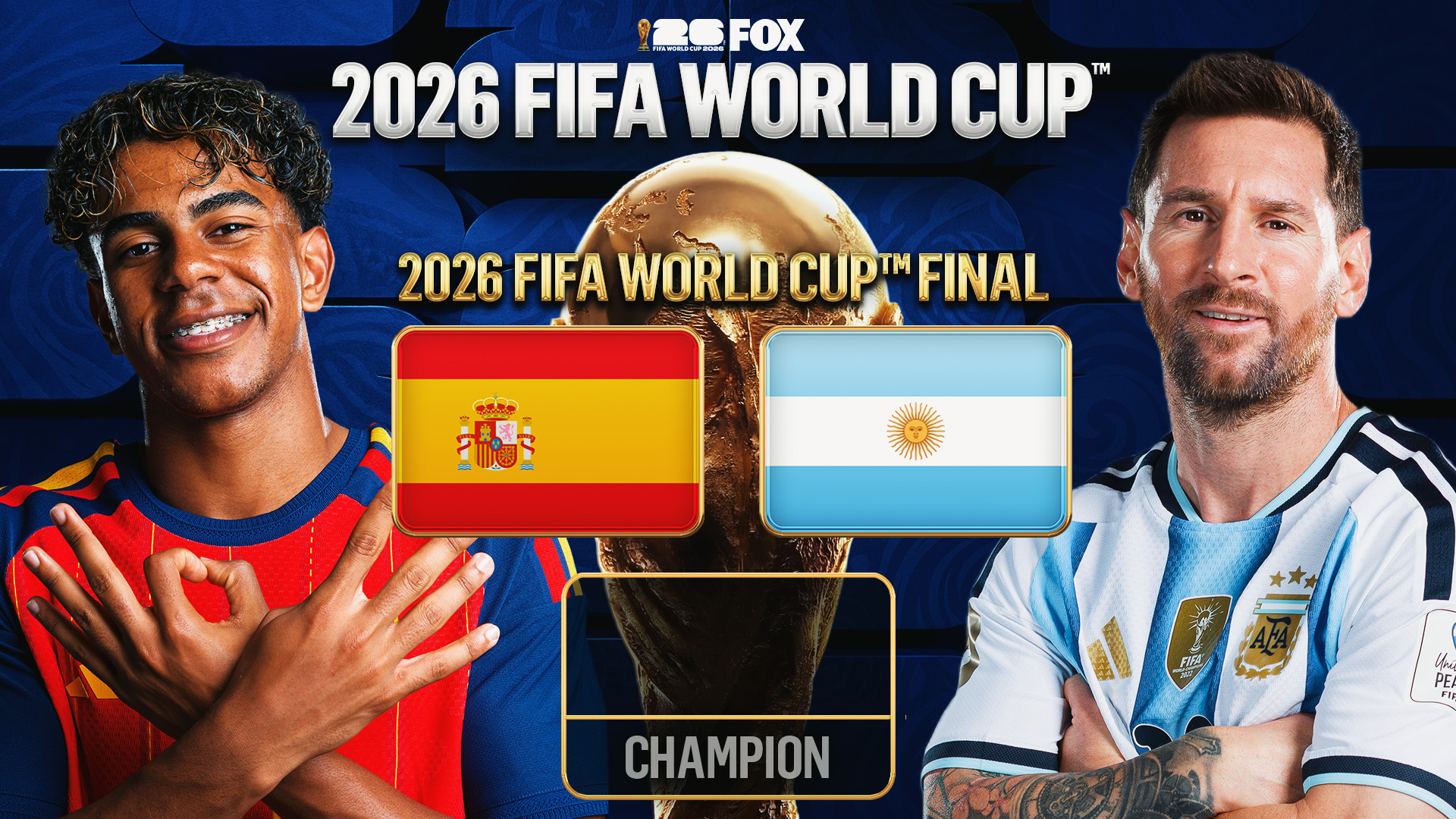
The moment you’ve been waiting for: Here comes the World Cup final. After 103 matches with 46 teams eliminated from championship contention, the biggest FIFA tournament in history will end with Sunday’s final between Spain and Argentina. On the one side is a Spain team that beat France in the semifinal and has quietly dominated on its way to its first final appearance since it won it all in 2010. On the other is an Argentina team, led by legendary superstar Lionel Messi, with a stunning string of comeback wins — including against England in the other semi — as it tries to defend its World Cup title. Messi and Argentina will take on Lamine Yamal and Spain for all the glory on Sunday at New York New Jersey Stadium. And we’re confident that this will be an unforgettable matchup. Our soccer experts share their World Cup picks for the finale with predictions for the final score. 2026 World Cup Final Predictions World Cup Final: Spain over Argentina, 1-0 World Cup Final: Argentina over Spain, on penalties after a 1-1 draw World Cup Final: Argentina over Spain, 3-2 World Cup Final: Argentina over Spain, 3-2 World Cup Final: Spain over Argentina, 2-0 World Cup Final: Spain over Argentina, 2-1 in extra time World Cup Final: Spain over Argentina, 2-1 World Cup Final: Spain over Argentina, 2-1 World Cup Final: Spain over Argentina, 2-0 World Cup Final: Spain over Argentina, 2-1​Latest Sports News from FOX Sports

Categories
Sports Fox

Lamine Yamal’s Spain Is Out To End Lionel Messi And Argentina’s World Cup Reign

NEW YORK — Will Sunday’s FIFA World Cup final mark the coronation of Lionel Messi-era Argentina as the best national team of all time? Or will Spain’s next-greatest generation take a huge step toward claiming that title for itself? It’s a dream finale between two iconic soccer powers. With Messi and coach Lionel Scaloni leading the way, La Albiceleste have filled the proud soccer country’s trophy cabinet over the past five years, winning two Copa Américas, one Finalissima and the 2022 World Cup. Should Argentina prevail on Sunday, it would stand alone as the only team ever to claim back-to-back-to-back-to-back world and continental titles. Only it and Spain’s iconic 2008-2012 squad have ever three-peated. This version of La Roja is just getting started. “We’re trying to do the same, to try to show the world that we can be the best team,” Spain captain Rodri said during Friday’s pre-World Cup final press conference in Midtown Manhattan, a few miles east of 81,000-seat New York New Jersey Stadium, the site of Sunday’s championship. The reigning European champs are well on their way. In addition to beating England to the silverware at Euro 2024, they won the UEFA Nations League in 2023 and finished second in 2021 and 2025, enough to be named FIFA’s team of the year in the latter. Yet it still feels surprising that the pre-tournament favorites to win this World Cup dispatched mighty France so easily to reach their first finale since 2010, when La Roja won the competition for the only time in history. While Argentina’s late comebacks throughout the knockout stage have enchanted, Spain has been ruthlessly, almost boringly efficient. It’s allowed just one goal, to Belgium in the quarterfinals, in seven outings on the way to Sunday’s decider. It’s a battle of styles; the seemingly unflappable Spaniards against the ferocious, battle-tested Argentines; of champions, European and South American; of history, as the two countries have long been linked through language and fútbol; and by legacy. Argentina can become the first nation to repeat as World Cup winners since Pele-led Brazil, La Albliceleste’s chief nemesis, did it more than six decades ago. In what most expect will be the last World Cup match the astonishing 39-year-old Messi ever plays, he’ll either A. triumph and further cement his status as the sport’s undisputed GOAT, or B. symbolically pass the torch to 19-year-old fellow Barcelona product Lamine Yamal. Yamal, Spain’s best player and Messi’s most obvious successor as the leading man for the people’s game, is still waiting for his breakout match at his maiden World Cup. If it comes on Sunday in front of an audience of billions, Yamal will instantly become immortal, too. Yet La Roja has other threats. “It’s not just Lamine,” veteran Argentina goalkeeper Emiliano Martínez said on Friday. “They have huge depth. They work for each other. They’re in the final for a reason.” Still, none of these Spanish players have won a World Cup. Seventeen of Argentina’s 26-man squad received winners medals four years ago in Qatar. Despite this significant experience gap, Rodri claims to be unfazed. “We’ve been gradually growing,” he said. “Our team has matured in the past few years. I said this back in the days that this generation was going to be very successful, and that the road was towards the greatest achievement for a footballer: lifting the World Cup.” The Xavi and Andrés Iniesta-led 2010 team serves as this La Roja side’s inspiration. They proved that Spain could win the most coveted trophy there is. “They had the mentality of going after something that, back in the day, seemed impossible for our country — lifting the World Cup,” said Rodri. “That’s what they did — they had the determination. That’s what I learned from that generation.” All these layers set Sunday’s matinée up as an instant classic, a must-watch. Somehow, Spain and Argentina haven’t met in a competitive match in 60 years. This one could be talked about for longer than that. “On Sunday we will watch a great show, two great national teams, two super teams,” Spanish coach Luis de la Fuente said. “I think that it’s going to be an amazing final, and that good football will rule over everything else.”​Latest Sports News from FOX Sports

Categories
Sports Fox

Will This Be Messi’s Last Match For Argentina? ‘Ask Him’

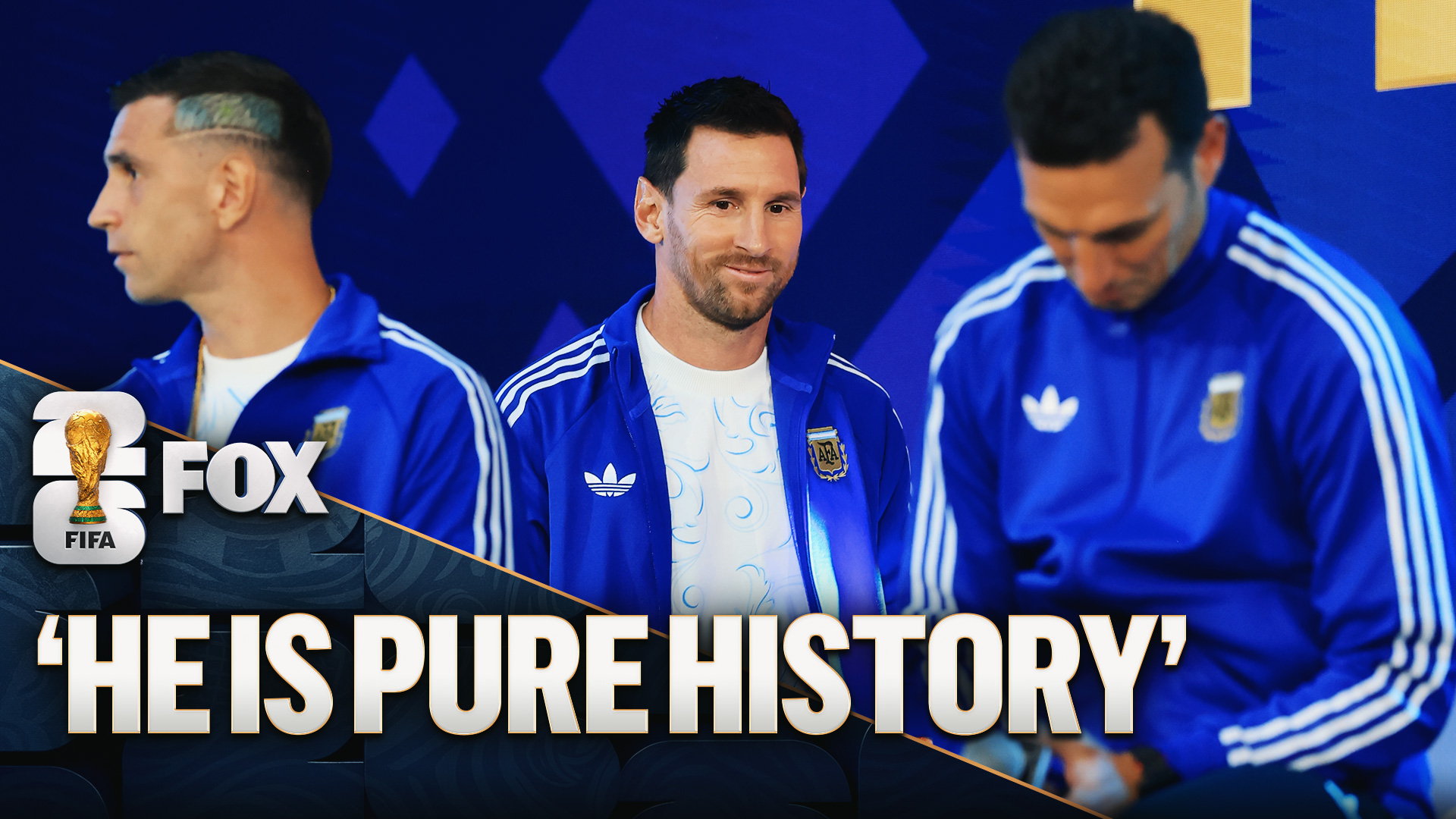
NEW YORK — Will this be Lionel Messi’s last match for Argentina? Lionel Scaloni chuckled at the question directed at him on Friday evening, two days before his side battles Spain in what promises to be an epic World Cup final on Sunday. “What do I know? Ask him,” the Argentine manager said at a press conference in New York City. “I don’t have the faintest idea, to be honest. He doesn’t stop surprising us.” There’s a good chance Messi doesn’t even know the answer himself. For years, retirement has hovered over every major tournament he has played. Each World Cup has been framed as his last – until it wasn’t. Now, at 39, he finds himself one win away from hoisting another trophy. Messi has been masterful this summer. He has scored eight goals, tying Kylian Mbappé for the Golden Boot lead, while adding four assists. Two of those came late in Argentina’s dramatic 2-1 semifinal victory over England, yet another reminder of what he’s capable of doing when the stakes are highest. We’ve always known how much Messi means to his team and his country. The murals painted across Argentina, the mass of jerseys represented in stadiums, he’s a symbol of national pride. And that bond has somehow become more visible at this World Cup. During a training session on Friday, Argentina was doing rondo drills when Messi lost possession and started walking to the middle of the circle. Lisandro Martínez grabbed his captain by the hands and steered him back to the outside instead, taking his place in the middle. It was a playful moment, but also a display of the respect this team has for Messi. After Argentina beat England to reach its second straight final, Enzo Fernández hoisted Messi onto his shoulders while the rest of the team jumped around them in celebration while also singing and dancing. Whenever Messi is knocked to the ground during a match, teammates usually rush in and defend him. No one embodies that more than Rodrigo De Paul, who has visibly been his fiercest ally and protector throughout the tournament. “He is pure history,” Scaloni said of Messi. “A legend. I feel proud. He’s the best footballer that the world has seen, and I think that’s something beautiful. Being able to reach the final at 39 years of age, well, I think that’s something unbelievable. And that is why I say we must enjoy him. Diego Maradona, we still miss him, but Messi is still with us. So we need to attach importance to what he does. “He is history. He is a legend.” Scaloni went on to talk about how special this time is for the group. “It’s very difficult to do this,” Scaloni said. “They’ve achieved things that back in the day were totally unthinkable. I told them yesterday that they had done something unbelievable and that I was deeply thankful. My whole staff and myself will be thankful forever. “It wasn’t easy to get to this stage of the World Cup and compete for so many years at this level, so I think this is wonderful. I hope we win, but if we don’t, this journey was unbelievable and an example for everyone. I hope it will help our people and our country.” Messi wasn’t the only player facing questions about his future this week. Goalkeeper Emiliano Martínez has vowed in the past that if Argentina wins a second consecutive World Cup, he will retire. The 33-year-old didn’t want to address those comments directly in the days leading up to the massive showdown with Spain. Instead, he’s focused on the opportunity ahead. “We said the only thing we’re thinking about is winning,” Martinez said in front of a packed room of reporters. “Overcoming adversity is something we’ve been doing for the past few years. It’s difficult to express into words. Sometimes I even feel like crying just thinking about what we’ve achieved. I’m so grateful.” “We need to know how to enjoy these moments as a professional footballer,” Martinez continued. “Sometimes we are not aware of what’s going on. So the message I conveyed to my teammates is that we have to enjoy these moments and prepare for the game with happiness. “Things can go good or bad, but we’ll always remember this moment.”​Latest Sports News from FOX Sports
Categories
Sports Fox

Lionel Messi Tells Tom Brady ‘Insane’ Story Behind Viral Lamine Yamal Baby Photoshoot

If your first thought when seeing the now-viral photo of Lionel Messi bathing Lamine Yamal as an infant is how unbelievable it is that the two will be playing against each other in Sunday’s World Cup final, you’re not alone; Messi shares the sentiment. “That picture with Lamine, now we are facing in a final after a photo was taken of when he was a baby,” Messi told seven-time Super Bowl winner Tom Brady at Fanatics Fest on Friday. “It’s just insane.” The photo was taken by reelance photographer Joan Monfort during a promotional charity photo shoot nearly two decades ago, when Messi was 20 years old and Yamal was an infant. Nearly 20 years later, the two will face off in the 2026 FIFA World Cup final between Messi’s Argentina and Yamal’s Spain on Sunday at New York New Jersey Stadium. Messi shares a great admiration for Yamal, who stars for FC Barcelona just as Messi did from 2000 to 2021, but he’s hoping that he and his teammates can keep the 19-year-old superstar quiet for one night. “Lamine is truly amazing,” Messi said. “I’ve followed him a lot because he plays for a club I love so much. He has a chance to achieve something historic — we’re going to try to make sure that doesn’t happen this time.” Both Messi and Yamal are chasing history. Messi could become the first player to win back-to-back World Cup titles as team captain, while Yamal could become the second-youngest player to win the World Cup final as a starter. The only thing standing in their way? Each other. “We’ll try to put on a good match, but I hope he and his team don’t put on a good one,” Messi said. The 2026 FIFA World Cup final will kick off at 3 p.m. ET on FOX and FOX one.​Latest Sports News from FOX Sports

Categories
Sports Fox

How Lionel Messi’s Barcelona Exit Set Up A Poetic World Cup Final With Lamine Yamal

Twenty-six years ago, when a 13-year-old Lionel Messi left his beloved Rosario and arrived in Barcelona for his trial to join La Masia academy, with the hopes of sealing a move that could change his life, no one could predict the impact of that moment. Not only did it eternally change Messi’s life and the footballing landscape as a whole, but it also created a butterfly effect that transformed the entire fate of a club, a nation and the way Messi and Barcelona became the greatest partnership in modern football history. But his departure in 2021 from the club, which sent shock waves around the world, caused a seismic impact on so many tangible factors that forced Barcelona to act. As a result, from a fatalistic standpoint, Messi’s departure from Barcelona – and his eventual arrival to Inter Miami after a disappointing tenure with Paris Saint-Germain – became a huge factor in what we are currently witnessing: the continued gritty dominance of Argentina and the jaw-dropping depth of Spain, including the rapid rise of its star player, Lamine Yamal. Sunday’s World Cup final, therefore, has a chapter deeply embedded in its theme — and that’s the role of Barcelona. Messi’s exit from Barcelona was a result of financial instability and terrible mismanagement, where the club’s huge debt impeded it from signing the superstar due to La Liga’s financial fairness regulations. After 21 years, with heavy emotion, Messi left the club and joined PSG. Through the years in the aftermath, Barcelona needed to make the best of its most important asset: the aforementioned academy, as La Masia, the place which nurtured Messi, would have to come to the rescue once again. Since Messi’s departure, at least 15 different graduates from La Masia have featured heavily for Barcelona, including Yamal, who arrived on the senior team in the 2022-23 season under then-manager Xavi. Yamal aside, this acceleration of young Spanish talents now infiltrates La Roja with the likes of Pedri, Gavi, Pau Cubarsí, Eric García and Dani Olmo, all of whom are very important for the national team and a reason why Spain’s dominance has catapulted. Yamal especially. His arrival to Barcelona’s first team and Spain was sorely needed as he injected a vital, creative spark that had been missing. Yamal is a confident young superstar. A brand-new mold of star, full of swagger and without any inhibition regarding his game. He knows exactly who he is and, thanks to his success with club and country, as well as the guidance of his managers, Hansi Flick and Luis de la Fuente, he has persevered. There does remain a worry about minute management and the concern that perhaps these young stars are being worn down. Let’s remember, it was in this World Cup that Yamal had only just returned to full fitness as his first full match was in the round of 16 against Portugal. And since then, he hasn’t looked back. On Sunday, when he enters the pitch in New Jersey, he will become the third-youngest men’s player to enter a World Cup final behind Pelé and the Italian Giuseppe Bergomi. Then there’s Lionel Messi, who, at 39, is looking to once again turn back time and deliver another majestic performance in the final and help his Argentina — the two-consecutive Copa América winner and defending World Cup champion — do something only two other national teams have done before: win back-to-back World Cup trophies. And his departure from Barcelona also helped Argentina because, after PSG, winning the World Cup in 2022 was a sign of resilience and fortitude. But it was also about reflection. So his arrival to Inter Miami six months later gave him something that can’t be measured in transfer or contract fees. It gave him his happiness. “I have never seen you happier,” I told him the night before the Leagues Cup final, which would become Inter Miami’s first ever trophy. “It’s true,” he smiled back. “Not just because of results on the pitch but because of our everyday lifestyle, with my wife, my kids and the way we spend our time.” Yes, we would have to be fools to not realize that his move to MLS was financially monumental in every way, but it was also about his everyday life and his acceptance of peace after leaving PSG. Messi, once again, was happy. Calm. And I think this allowed him to continue playing, and eventually win MLS Cup, but also to create an even stronger relationship with Argentina, the players, Lionel Scaloni and its community. Miami, you see, and the South Florida region, is home to the largest Argentinian diaspora in America. Messi is practically in Rosario without actually being there. His people are there. Argentina’s federation even has a base in Miami, with a complex and offices, and works closely with Inter Miami for Messi’s preparations prior to major matches and tournaments with the national team. So playing in America throughout this World Cup has truly served Messi and Argentina. If this is his last dance, it is being played to a beautiful tango of Argentinian warmth. Argentina has benefited from Messi’s happiness as he also enters the final with a chance to secure the Golden Boot, also depending on what Kylian Mbappé and Harry Kane do, or don’t, on Saturday. So I guess what I am trying to say is that when it comes to Sunday’s final between Argentina and Spain, this fixture is a result of fate, decisions thrown against Barcelona’s will, which consequently created a narrative that we have now. The Catalan club very much plays a role in this final. And I haven’t even mentioned the iconic 2007, viral photo by freelance photographer Joan Monfort. To conclude this sentiment, let’s leave it with this: Messi left Barcelona in 2021, but his departure caused a ripple-effect of trajectories, one where many players, most notably Lamine Yamal, benefited tremendously. And, after a short stint in Paris, it also allowed Leo to move to a place he could truly love in the final years of his career. In a cosmically intriguing way, they both owe each other a sense of gratitude — but it all begins at the place where both learned their trait: La Masia. Barcelona, therefore, may be very far away from East Rutherford, New Jersey, but in spirit and narrative, it is very much a protagonist for Sunday’s World Cup final.​Latest Sports News from FOX Sports

Categories
Sports Fox

How Spain Built A Foundation That Produced Its Current World Cup Stars

There may not be a clear favorite on Sunday when Spain and Argentina meet in the FIFA World Cup final, but there are very discernable differences in the way each team arrived at this point. For Argentina, Lionel Messi is the star. He is the World Cup’s all-time leading scorer with 21 goals. In 2022, he was the tournament’s best player with seven goals and three assists. Entering Sunday, he has eight goals and four assists at this World Cup. Unquestionably, Messi has a supporting cast with Argentina that consists of global stars. But Messi is the star. On the other side, it is a completely different approach. For Spain, there are world-class players on the roster, but the team is the star. Even with a player such as Lamine Yamal, who was recently a finalist for the Ballon d’Or as an 18-year-old, no single player is above the team or its system. Instead, every player fills a role within that system and sticks to that role. Former Paris Saint-Germain, AC Milan and Inter Milan star forward Zlatan Ibrahimović, now a FOX Sports analyst, put it succinctly immediately following Spain’s 2-0 win over France in the World Cup semifinal. “If I speak about Spain, I don’t speak about one star,” Ibrahimović said. “The team is the star. When they shine, they shine collectively — even if you have Yamal. This is not a team that is dependent on one player. It is not an individual performance. It is a team performance. Everything they do is as a team.” The Foundation Of Spain’s System At the heart of this team is a system that has been evolving for many years. From 2004-2008, Spain was coached by Luis Aragonés. Then, from 2008-2016, La Roja were led by Vicente del Bosque. Those years saw Spain achieve unprecedented success, winning the Euros in 2008 and 2012, along with the World Cup in 2010. The teams were led by a wave of talent that included David Villa, Fernando Torres, Cesc Fàbregas, Andrés Iniesta, Gerard Piqué and Carles Puyol. At that time, Spain (and Barcelona) developed and perfected the “tiki-taka” style of playing which featured constant short passes, players forming triangles to have multiple passing options and a heavy emphasis on possession with a high tempo. For that generation of players, it worked. But, like all things, it ultimately came to an end. Replacing that generation was difficult, as Spain failed to get out of group play at the 2014 World Cup and then was bounced in the round of 16 in 2018 and 2022. But following the 2022 exit, Spain took huge steps in its evolution in hiring Luis de la Fuente to coach the first team. It was a bold hire because, despite having gone three World Cups without winning a knockout game, Spain decided to remain on the same track and go with an insider. De La Fuente’s Fresh Approach De la Fuente was promoted from within Spain after having successfully coached its youth teams since 2013. Prior to that, he had been unsuccessful in coaching stints at the club levels in Spain and Portugal. But with Spain’s youth teams, de la Fuente had been building something special with a new generation of Spanish players. He won the Euro U-19 championship, and then he moved up an age group and led the U-21 team to the Euro U-21 championship. His last stop before the full national team was the 2020 Olympics (held in 2021) with the U-23 team, which he led to the silver medal after losing to Brazil in the final. When he moved to the first team, he knew what was working. Despite him being an insider, he had his own ideas. He didn’t want to get rid of Spain’s high-tempo and speedy passing style, but instead wanted to breathe new life into it with tactical tweaks. He had Spain be more direct and get the ball into the attacking third quicker. De la Fuente also wanted to create overloads centrally to open space up for wingers to have more room to operate in one-on-one situations. Then, on defense, he developed a commitment to the team’s shape to close space and win the ball back. But de la Fuente has also not been acting alone. Other Spain youth national team managers during his time at the youth level were creating the same system. Just as the players worked together, the coaches were as well. Santi Denia was also a Spanish youth national team coach during that era after being hired in 2010. When de la Fuente moved to the full team manager, Denia was hired to replace him with Spain’s U-21 team and the 2024 Olympic team. The 2024 Spanish Summer Working in unison, de la Fuente and Denia created an incredible summer of 2024 for Spanish soccer. First there was the full national team at Euro 2024, where de la Fuente’s team won all seven of its games to win the title. The road was extremely difficult. Spain won all three of its group stage games against Italy, Croatia and Albania without conceding a goal. Then, in the knockouts, it rolled past Georgia, hosts Germany, France and then England in the final. As for the Olympic team, Denia won the gold medal playing essentially the same system. In the knockouts, Spain defeated Japan and Morocco and then France in the gold-medal game (in Paris). Just as important as winning the Euros and the Olympic gold medal were for Spain, Denia was able to develop players who made seamless transitions to the full team after playing the same system. Five players from the Olympic gold-winning team made the World Cup squad, including key players Pau Cubarsí and Álex Baena. It would have been six if star forward Fermín López hadn’t suffered a broken foot just before the tournament. “Luis is a master of managing a team,” Denia told FIFA recently. “He understands how players tick, he knows how to guide them, and he senses who should start each match. He adds his own twist to an established model, taking into account the players’ profiles. That has delivered results for the association in recent years and helped us win titles. We believe in that model, and Luis believes in it more than anyone.” The 2026 World Cup Run De la Fuente was able to help create and implement a new system and style of play that was consistent within Spain’s youth team and several of the country’s clubs. That helped to make it easier to name a roster for the 2026 World Cup. But it was also not without controversy. When the roster was named, it did not consist of a single Real Madrid player. La Liga rival Barcelona, meanwhile, sent eight players onto the World Cup team. In Spain, it was highly controversial and almost unthinkable to have Real Madrid absent from La Roja on the biggest stage. For de la Fuente, he said the roster was “perfect,” and that “it’s the 26 players we wanted.” Once again, it was de la Fuente’s belief in the system. “The best players aren’t just at Real Madrid, Barcelona or Atlético. There are very good players at other clubs,” de la Fuente explained before the tournament. “As we have a deep understanding of Spanish football, we pick the ones we believe best fit our system.” The past two months have proven de la Fuente correct. In the first seven games of the World Cup, Spain has not lost and has shockingly conceded just one goal. Its only blemishes were a 0-0 draw against Cape Verde and a goal conceded in a 2-1 win over Belgium in the quarterfinal. Former French World Cup winner Thierry Henry, who now serves as an analyst for FOX Sports, knows de la Fuente’s system well. He coached France’s U-23 team at the Olympics, which lost to Santi Denia and Spain in the gold-medal game. “The Spanish team finds a way to be successful at every level,” Henry said after Spain defeated France. “Women’s football, youth tournaments, the Olympics — I lost a final against them — time and time again they are coming. Identity and philosophy, they all play the same way at every level. The coach was the youth team coach normally, but because he knows the system and all the players know the system, you can see that it is a team with stars in it. But first and foremost, it is a team effort. Today, we were not in the game because mainly because when the Spanish team gets the ball, they don’t give you the ball back.” “I also want to give credit to the whole system of what they put in place,” Henry added. “Because Spain never used to win like that, and now they win at every level.” Spain and its impressive system will now be put to the test — against a Messi-led Argentina side that is the reigning World Cup champion and a two-time defending Copa América champion. The ultimate system vs. the ultimate star.​Latest Sports News from FOX Sports

Categories
Sports Fox

Mauricio Pochettino Says His USA Coaching Decision Is Imminent

On the same day that U.S. Soccer CEO JT Batson told me and a handful of other national reporters that the federation remains in “active discussions” to bring Mauricio Pochettino back as the U.S. men’s national team coach, Pochettino said Thursday his decision on whether he’ll stay coaching the Americans or move on is just a few days away. Speaking to a Spanish radio station on Thursday, the 54-year-old manager — who was offered a contract extension through the 2030 World Cup, despite the USA’s shocking 4-1 loss to Belgium in the round of 16 in the ongoing 2026 World Cup tournament — confirmed that he still isn’t sure he wants to return. His current contract expires after Sunday’s World Cup final between Spain and Pochettino’s native Argentina. “They made me an offer to continue, and we’ll see,” said Pochettino, who is, far and away, the highest-paid coach in U.S. Soccer history with a salary north of $6 million. “We’re evaluating it. Next week, we’ll [make] a decision.” Hired to replace Gregg Berhalter in 2024, the former Chelsea and Paris Saint-Germain manager had a rocky first 18-months in charge, losing to Germany, Canada, Panama, Switzerland, South Korea, Türkiye, Portugal and twice to Mexico. But he helped the World Cup co-hosts win their World Cup group by beating Paraguay and Australia before a round of 32 victory over Bosnia and Herzegovina. However, he was badly out-coached by Belgium’s Rudi Garcia in the USA’s most important match, the only one the Americans played against a FIFA top-10 opponent. The 4-1 defeat was the most lopsided loss for the U.S. in a World Cup knockout game since a 7-1 loss to Italy in 1934. That failure against Belgium was seen live by more than 50 million Americans, the most ever to watch a soccer game in U.S. history.​Latest Sports News from FOX Sports

Categories
Sports Fox

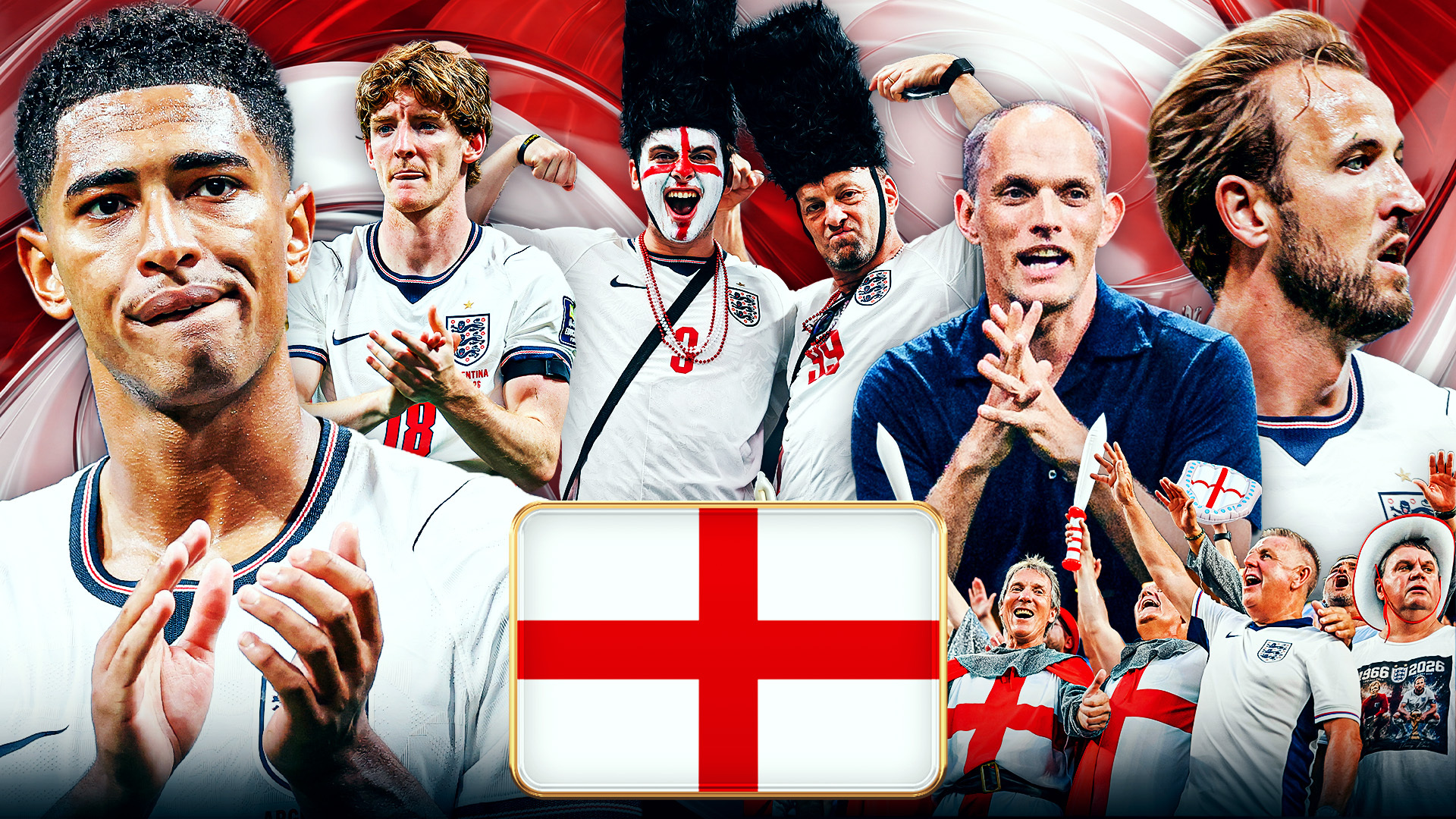
England’s World Cup ‘Wonderwall’ Run Fell Short, But Don’t Look Back In Anger

It’s time for every England fan to sadly move from one Oasis all-timer to another. But before we skip from “Wonderwall” to “Don’t Look Back in Anger” — which, interestingly enough, follow each other on the “(What’s The Story) Morning Glory?” album — let me begin with a thought I’m almost certain is shared by the majority. I want it to be categorically known that I completely understand why teams might be opposed to playing in the World Cup’s third-place match. Days after dealing with the emotions and the sadness and all the psychological walls you have to overcome in your own head — you are being told to play for third. It is the definition of kicking someone when they’re down or the image of continuous rain on an already wet Saturday. This match, Saturday’s fixture between France and England, is the football equivalent of an incredibly annoying classmate who would ask for more homework back when you were in school. It’s the match version of Martin Prince from “The Simpsons.” And the fact that both of these sides have to play it in the humidity of Miami makes it even more challenging. “Nobody of these [England] players, nobody of the French players wants to play this match,” said England manager Thomas Tuchel at Friday’s press conference. “They want to play in the final, they gave everything to be in the final. Everyone plays to win the World Cup. But it is what it is, so we have a day less to recover. But we will do it professionally, of course.” “It is less important than the final,” echoed France manager Didier Deschamps. “England does not want ​to play this game, and neither do we. But here we are.” I prefer France defender Ibrahima Konate’s description of it, calling it a “chocolate medal,” which is a perfect way to describe it. It’s covered in bronze, much like a chocolate coin that breaks apart the moment you eat it. Or rather, since the match is being played in South Florida, the chocolate medal will obviously melt. Both teams wanted the real thing. Both came oh-so-close to tasting it. However, there are still some narratives in this third-place consolation prize. I guess I can’t argue against the fact that this is Deschamps’s final match with Les Bleus. It will be a very emotional afternoon for the French side, as its 57-year-old coach will close the curtain on one of the most illustrious managerial tenures in the history of football. This man led France to a World Cup title in 2018 (two if you include his playing career in 1998), a runner-up medal in 2022, a Euros final runner-up medal in 2016 and a Nations League victory in 2021. To be impressed by his tenure is an understatement. Next to lead France will be its ultimate legend and Deschamps’ former midfield partner and World Cup winner in Zinedine Zidane. But that’s for another day as Saturday will belong to Didi. Then there’s Kylian Mbappé, who is still playing for the Golden Boot award, currently even with Lionel Messi on eight goals. Mbappé had another magnificent tournament where, sadly, the mighty defensive unit of Spain became his ultimate obstacle. I am sure returning to Madrid next month will be fun for him — I say, sarcastically. But then again, he has José Mourinho to look forward to. But back to Tuchel and England, who will see Saturday’s fixture as an obligation as opposed to a desired objective. After losing 2-1 in Wednesday’s semifinal against Argentina, the Three Lions are emotionally and physically drained as this tournament has made a colossal effort, which ultimately became the most catastrophic disappointment. From the altitude of México City to the heat and humidity of Miami against Norway and Erling Haaland, England’s campaign has been demanding, and players have suffered as a result, including multiple injuries to Jordan Henderson, Reece James, Declan Rice, Ezri Konsa and a Bukayo Saka, who never seemed quite at 100 percent. Against Argentina, however, that loss on Wednesday — falling to goals from Enzo Fernández and Lautaro Martinez, enabled by a masterclass of assist-creation from Lionel Messi — will forever be imprinted in the minds of every English player and supporter. And it’s not necessarily the loss that will live in their memories, but rather the manner in which it happened. After the 55th minute, England led 1-0 and from that moment, Tuchel had two options. Two doors were opened for him. The question was which one would he choose? At one door, Tuchel could have continued to slay the dragon and pressed for a second goal. Or the other one, where instead of fighting fire with fire, he could choose to succumb to the pressures of the moment and just play a defensive game. And this, unfortunately, was the one thing that you can’t do against Argentina. You just don’t. Argentina is a hungry, relentless pit bull — especially when it is losing — and England teased it with a piece of wagyu steak. The Three Lions are, mentally and physically, battered and bruised with more questions than answers as they’re forced to play in a consolation game. But I guess the symbolic angle is still there. England, after all, has never finished higher than fourth aside from winning it all back in 1966. So there is a slight attempt and hope of recovering some kind of catharsis. From an individual perspective, it could also offer an opportunity to players such as Kobbie Mainoo, the wonderful midfielder from Manchester United who has not seen a single minute of this World Cup. Marcus Rashford, who continues to deal with a precarious situation from a contractual standpoint with the same club, could also start. Then there are key stars: Harry Kane and Jude Bellingham, England’s most important and dangerous players during this competition, have six goals each. They may also see this fixture as an objective to catch up in the Golden Boot race. For Kane, we will also be asking if this will indeed be his last World Cup. The answer, quite honestly, for me, is no. The Bayern Munich striker turns 33 in a few weeks and likely sees Messi’s inspiring journey of continually delivering magic for his nation. So instinctively, I don’t see a reason for Kane to quit now. He will go down as England’s greatest striker, but the chance of immortality in 2030 still appeals to him. As for Tuchel, reports suggest that he will stay as England manager after the World Cup, despite the massive frustrations from pundits and fans alike. The criticism is more than justified because he did something we all hoped he wouldn’t — a reversal in mentality against Argentina. He opened the door, and La Albiceleste broke in. But alas, a strong performance against France could perhaps change the mindset of certain critics, myself included. However, this is all conjecture and wishful thinking, as I don’t think a third-place victory will do much to sway opinion. In fact, it could do the opposite and only enforce a pre-existing opinion, because if we see a strong, physical and intense England for 90 minutes against France, the question might now transform itself into, “Where was this on Wednesday?” Whether anyone likes it or not, the third-place match will indeed happen, and England’s time at this World Cup will end. I’ll take the advice that Sally gave Noel Gallagher to not look back in anger — at least not today.​Latest Sports News from FOX Sports