Categories
Sports Fox

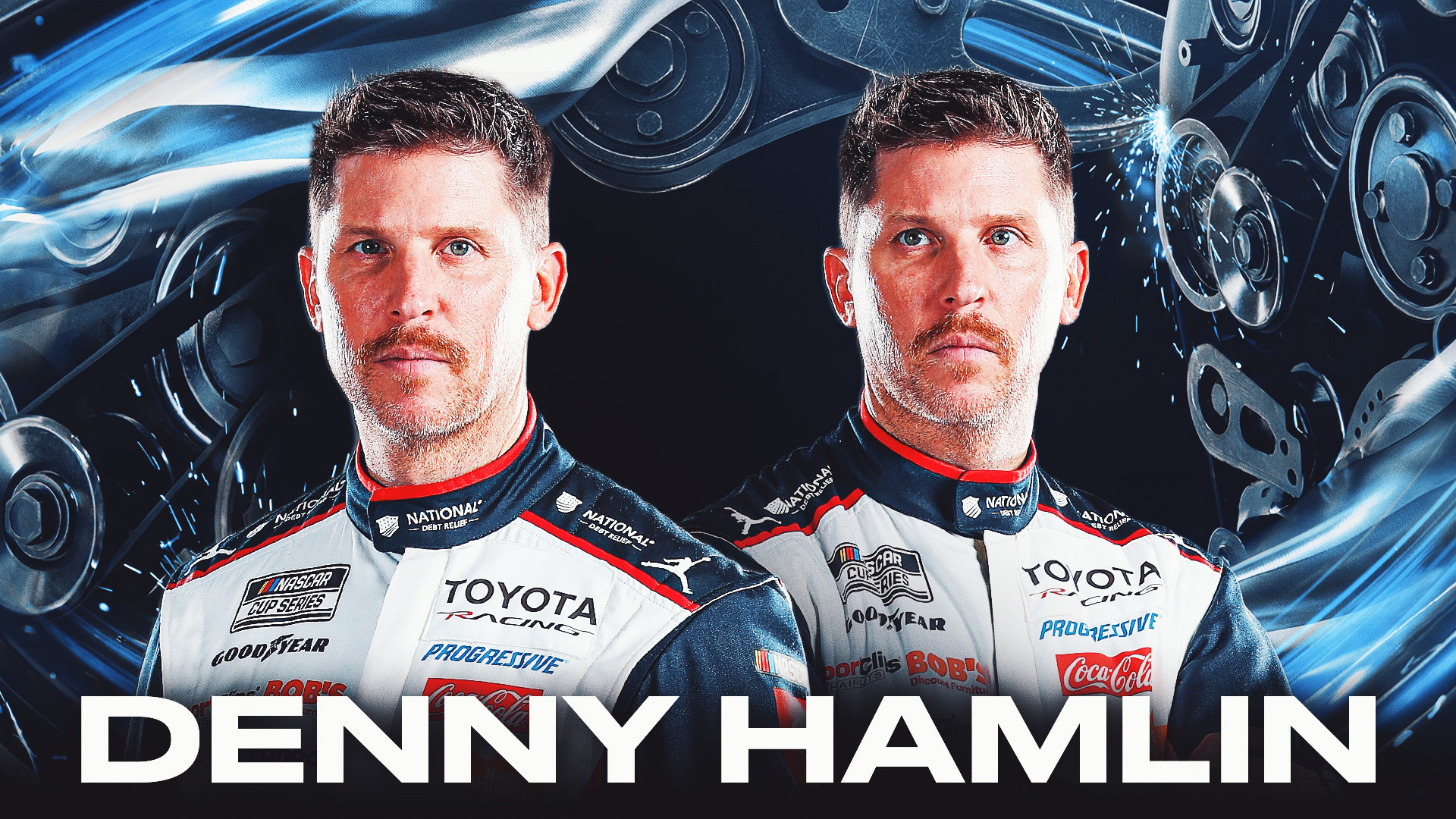
Denny Hamlin Will Welcome Cheers at Daytona 500 After Challenging Offseason

Daytona International Speedway (Daytona Beach, Fla.) — Denny Hamlin has suffered through so much since the start of November. Now, he will take all the encouragement he can get. Hamlin knows he could be a sentimental favorite Sunday to win his fourth Daytona 500 and that he might hear more cheers than boos. That will be fine by him come Sunday. It is hard not to feel for Hamlin, who had dominated the season finale at Phoenix before a late caution resulted in pit stops. And ultimately, he ended up on the losing end of the title after taking four fresh tires while Kyle Larson prevailed on just two. He then went through an uncomfortable two weeks of the 23XI Racing and Front Row Motorsports trial against NASCAR, which eventually settled in a victory for the race teams. Then a few weeks later, his terminally ill father died in a house fire that also seriously injured his mother. So it would make sense if the fans end up cheering for “11 Against The World” Hamlin. “It’s the noise that you really want,” Hamlin told me and other reporters during his Daytona 500 media scrum Wednesday. “The fans have been really supportive over the last few months and after Phoenix and how that ended, it’s just how many comments and messages I got from fans. It made me feel like I was a champion even though I didn’t have the ring and the trophy. “They certainly made me feel like I had accomplished what I was hoping to accomplish. If the boos turn to cheers, that will make me happy.” Hamlin, who starts 22nd in the Daytona 500, has barely been to the race shop in the offseason. During this time, he’s been grieving the death of his father. His dad, Dennis, was so sick last fall that he felt he probably wouldn’t live to see Denny attempt a run at another championship. For context, the 45-year-old Hamlin has excelled in his Hall of Fame career with 60 Cup wins … but no Cup title. “I feel good about the last race my dad got to see I was at my best,” Hamlin said. “He got to see as good as I’ll ever be, he got to see that moment. I don’t know where it goes from here, but I certainly feel as though I’m a competitive person, and I’m motivated by winning. “It doesn’t matter what I’m doing, whether I’m racing or doing a hobby or whatever that might be. I just haven’t been in that fierce competitor type of mindset in months and months now. It’s just now starting to get back.” Hamlin credited team owner Joe Gibbs with helping him through the hard times. Gibbs, who has endured the loss of both of his sons, would visit Hamlin’s father regularly over the last several months. “[He] talked stories with him, prayed with him,” Hamlin said. “My dad was really trying to get right with the Lord last year and felt like Joe was someone who kind of helped with that.” Gibbs actually got to the hospital before Hamlin after the house fire. “He’s just unbelievable how he is as a leader and obviously he has been through it,” Hamlin said. “My connection on that personal level is more so with Joe, and it’s always been that way since he took over as my at-track dad.” All three of Hamlin’s Daytona 500 wins have come in the previous generation car. In the four races with the Next Gen car, Hamlin has a best finish of 17th. It looked like that rough stretch would end last year when Hamlin was leading on the final lap before a crash eliminated several contenders. Eventually, William Byron, who was ninth heading into the final lap, ended up winning. “[Winning a fourth] certainly was on my mind on the last lap last year when we were leading, that we are going to get another one,” Hamlin explained. “I’ve just been really lucky to have the opportunities I’ve had to win these races but also been very unfortunate in the Next Gen era to not have won more. “I feel as though the opportunity will be there, and hopefully we can put ourselves in position to move ourselves up that Daytona 500 winners board.” Hamlin believes he will get back into the groove of racing soon. “I know I’m way too competitive to just go through the motions,” Hamlin said. “So as we get on the race track and go through practices and qualifying … we are slowly getting there.”​Latest Sports News from FOX Sports

Categories
Sports Fox

Daytona 500 Starting Lineup: See the Starting Positions for Every Driver in 2026

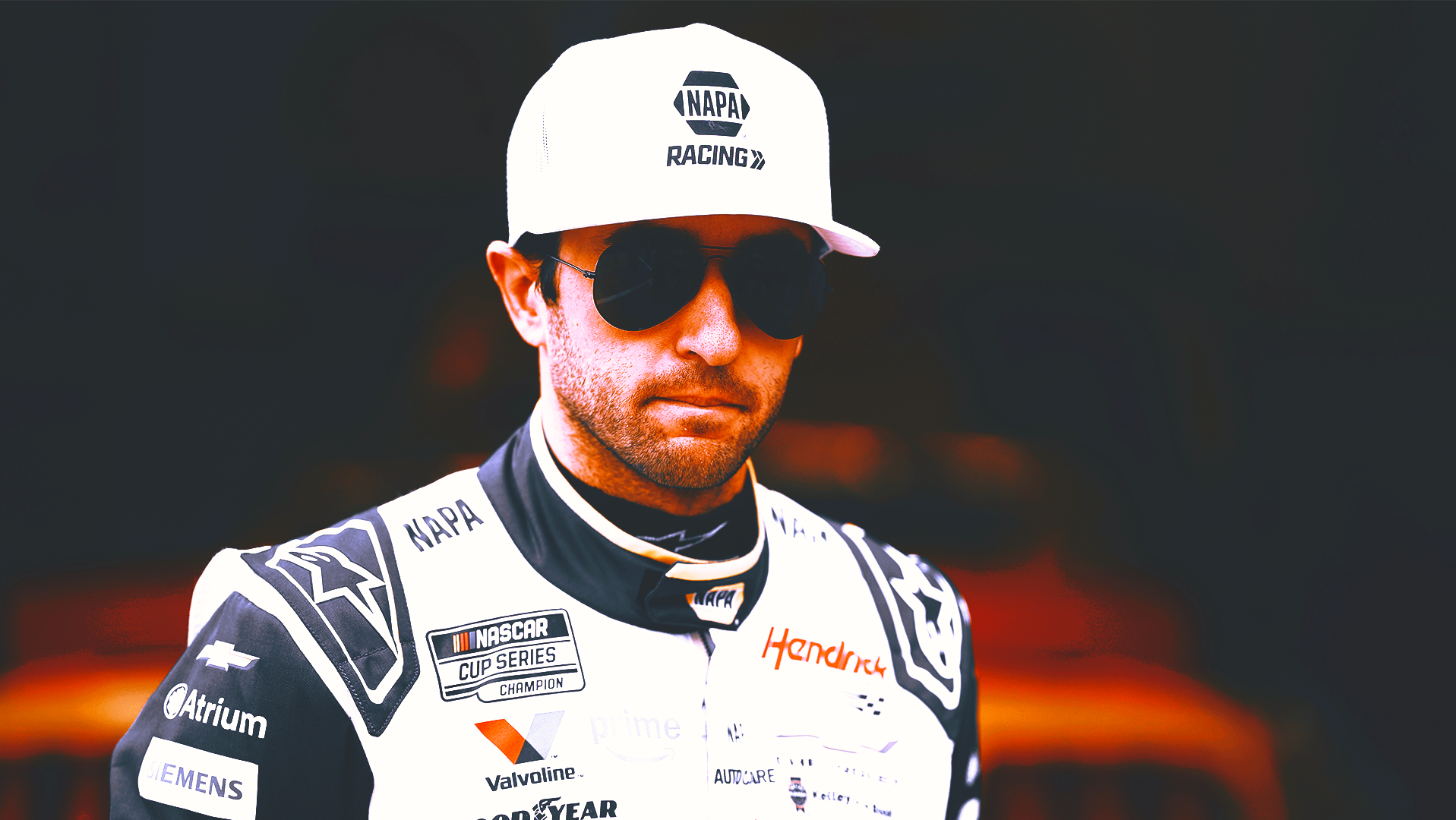
The top 10 is stacked with veterans with NASCAR Cup Series champions and four previous Daytona 500 winners leading the 2026 edition of The Great American Race on Sunday. The 2026 Daytona 500 field is officially set following pole qualifying Wednesday and the Duels at Daytona on Thursday. Ahead of the NASCAR Cup Series season opener, Kyle Busch won his first Daytona 500 pole and will be joined by Chase Briscoe on the front row leading the field to green Sunday at 2:30 p.m. ET on FOX. And Thursday’s two duels — won by Joey Logano and Chase Elliott — determined the remainder of the starting lineup with a 41-car field, which includes seven-time Cup champion Jimmie Johnson. [NASCAR: All 41 Daytona 500 Paint Schemes] Here’s the starting lineup for the 2026 Daytona 500 with Busch on the pole. *Driver will start from the rear for switching to a backup car.​Latest Sports News from FOX Sports

Categories
Sports Fox

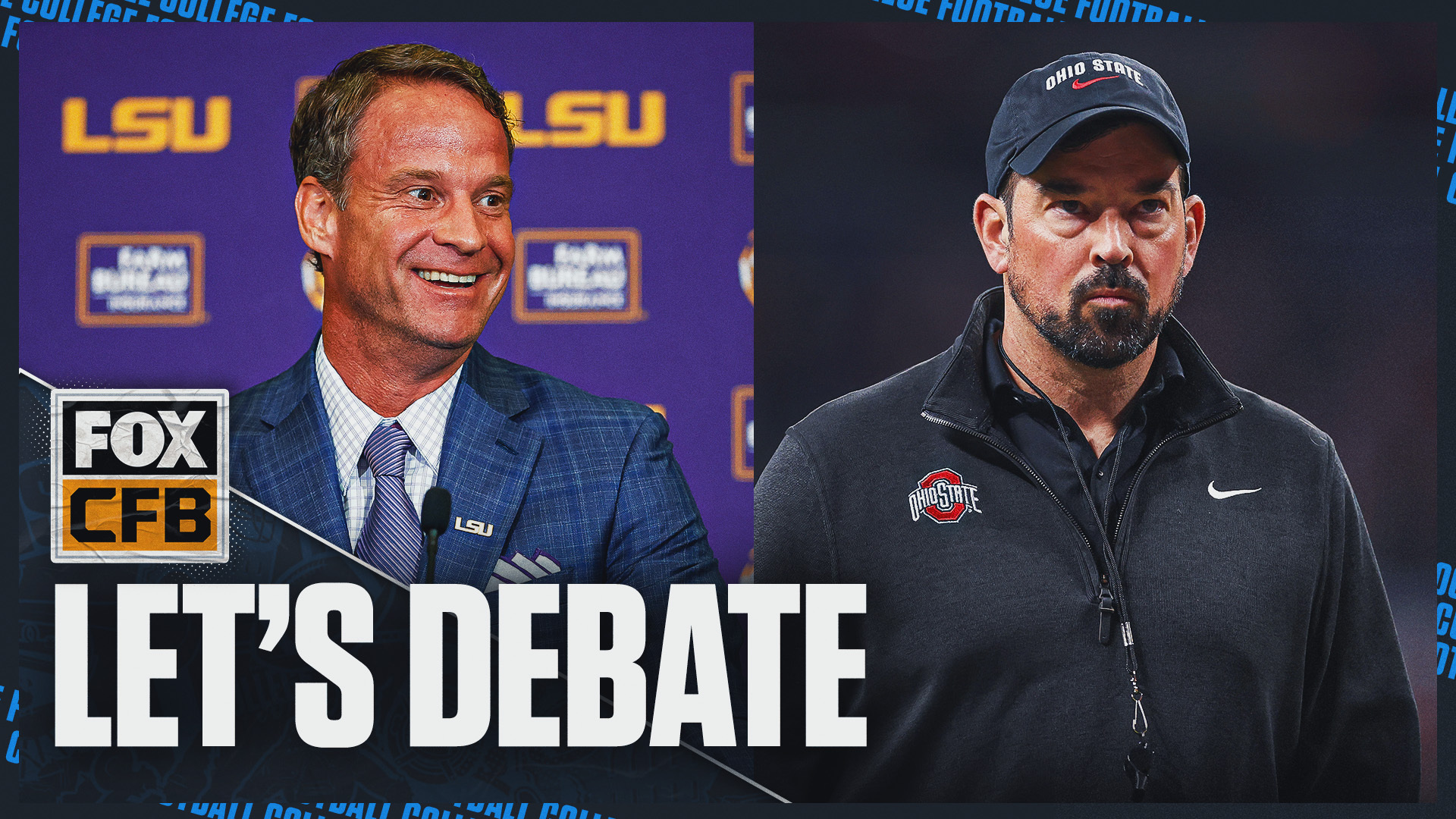
Let’s Debate: Which Coach Won the 2026 Recruiting Cycle?

New coaches. New strategies. New blueprints. The 2026 recruiting cycle gave us our first real glance at how college football’s newest coaching regimes plan to build their programs. Who impressed us the most with their first class? Who left us uneasy? Which program surprised us most? And who mastered the art of juggling high school recruiting with the transfer portal? Following a season with new hires at elite-level programs like Penn State, Florida and Michigan, there is plenty of room for debate, and this season should be filled with several insights gleaned. Here are our takeaways in this week’s debate: Which first-year head coach impressed you the most or concerned you the most with their initial recruiting class? Michael Cohen: Lane Kiffin, LSU Despite all the resources and historical appeal of a place like LSU, which some consider the single-best job in college football, what Kiffin did by first salvaging, then assembling, an elite recruiting class after an avalanche of negative headlines was impressive. There’s never been a reason to doubt Kiffin’s eye for talent or charisma as a recruiter. The work he did in assembling one highly rated class after another at Ole Miss — his last four transfer portal hauls all ranked in the top five nationally; his last four high school classes all ranked among the top 30, even after he leaned more heavily into the former — speaks to his success in player acquisition. But logically, or perhaps morally, it seemed like Kiffin’s decision to bail on a College Football Playoff team might finally be the thing that stained his reputation. And yet here stands Kiffin, happily presiding over an LSU recruiting class that features four of the top 60 players in the country and ranks 11th nationally. Laken Litman: James Franklin, Virginia Tech Franklin impressed with his debut class at Virginia Tech. Penn State caught us all off guard by firing Franklin in October after his team started the season 3-3. The Nittany Lions were in the College Football Playoff semifinals in 2024 and a hot pick to win the national championship this past season. Things didn’t go as planned, obviously, and Frankllin was let go after 12 successful seasons. Virginia Tech quickly scooped Franklin up and he got to work. He took quite a few former Penn State commits with him, flipping 10 Nittany Lions recruits to join him in Blacksburg. Franklin cites the relationships he built with those players previously, and clearly it’s been working. In fact, Virginia Tech’s 2026 recruiting class, ranked No. 28 in the country by 247Sports, is the highest-ranked class the Hokies have had since 2019. RJ Young: Jon Sumrall, Florida Not only did Sumrall put together a top 20 recruiting class this year, but he did so while still serving as head coach at Tulane through the Green Wave’s College Football Playoff run. That recruiting haul doesn’t even account for one of Florida’s most important offseason wins: retaining running back Jadan Baugh, who returned after rushing for more than 1,100 yards and eight touchdowns. Between talent acquisition and key roster retention, the Gators are off to a fast start under a head coach who clearly understands both the value and difficulty of winning in the SEC. Which program’s recruiting class surprised you the most this cycle? RJ Young: Oregon Oregon’s No. 2-ranked recruiting class surprised me only because Ducks coach Dan Lanning continues to build through high school when he could just as easily fill his team with older veterans, something many programs are apt to do at this precarious time in the sport. There’s so much quality talent in his 2026 class with four five stars — tied with Alabama for the most in any class this cycle. This marks three years in a row that the Ducks have put together a top-five recruiting class. Michael Cohen: Washington For Washington to land the No. 13 class in the country reflects exemplary work by head coach Jedd Fisch at a time when his name was heavily linked with other vacancies across the sport during the coaching carousel. The Huskies’ current class includes an incredible 10 players rated among the top 250 nationally, headlined by five-star offensive tackle Kodi Greene (No. 27 overall, No. 4 OT), whom Fisch and his staff flipped from rival Oregon. Washington hasn’t put together a high school class that finished among the top 15 in the country since 2019, according to 247Sports, the final season under former head coach Chris Petersen. In fact, the Huskies’ average national ranking across its six previous classes prior to the stellar 2026 haul — a stretch that spanned coaches Jimmy Lake, Kalen DeBoer and Fisch — was just 47.6 overall. Laken Litman: USC USC is the first non-SEC program since Clemson back in 2020 to finish a recruiting cycle with the No. 1-ranked class in the country. It’s also interesting that Lincoln Riley was able to lock down such a coveted class considering USC has yet to make a CFP appearance. But Riley landed three five-stars in offensive tackle Keenyi Pepe out of Florida, edge Luke Wafle from New Jersey and Jaimeon Winfield from Texas, plus a handful of top in-state commits. USC hasn’t had the No. 1-ranked recruiting class since Pete Carroll’s 2006 class. And since Carroll left, no coach has been able to achieve what he did. Perhaps things are finally going in the right direction for the Trojans. Time will tell. Which program did the best job balancing high school recruiting and the transfer portal? Laken Litman: Texas It’s not unreasonable to say that Texas underachieved this past season. The Longhorns started the season as the No. 1 team in the country, but never looked the part and didn’t make the CFP. This wasn’t what Steve Sarkisian envisioned – especially with Arch Manning at QB – and so he made a lot of changes this offseason. First, Sarkisian secured a top 10 recruiting class, which includes his quarterback for the future in five-star prospect Dia Bell (son of former NBA player Raja Bell). Couple that with what the Longhorns gained from the portal, like beefing up both sides of the line of scrimmage, especially the offensive line, which was their weakest position group of the 2025 season. Texas also improved its skill players, which included a commitment from former Auburn receiver Cam Coleman. So it seems like things just might be looking up for the Longhorns in 2026. RJ Young: Ohio State Ohio State is the only program in the 2026 cycle to put together a top five high school recruiting and transfer portal class, which is perhaps the biggest flex for off-the-field success that we’ve seen this season. The Buckeyes had aspirations of becoming the first back-to-back national champions in school history last year, but their hopes were dashed by the national title runner-up (Miami). Ohio State is investing in winning now and in the future by adding veterans and talented freshmen to a program that expects to win at a high level. Michael Cohen: Notre Dame When it comes to Notre Dame, there have been so many stories and so much air time dedicated to the nature in which the Fighting Irish’s season ended. From narrowly missing the College Football Playoff as Miami leapfrogged head coach Marcus Freeman’s team in the final rankings, to the school’s surprising decision to opt out of bowl games all together, to the future of Freeman himself — a coach still very much in the minds of NFL owners and general managers because of how well he’s performed the last four years. But in spite of all that, Notre Dame continues to reach new heights in its player acquisition efforts under Freeman. The Fighting Irish assembled a high school class that ranks fifth nationally and includes as many five-star prospects (four) as any team in the country, tied with Oregon and Alabama. In the transfer portal, Freeman added a relatively small seven-player class, which ranks ninth in the country, but with that has an average prospect score of 92.29, highest in the country by nearly three full points over Miami. In Let’s Debate, our experts tackle and explain the hot-button issues fans care about.​Latest Sports News from FOX Sports

Categories
Sports Fox

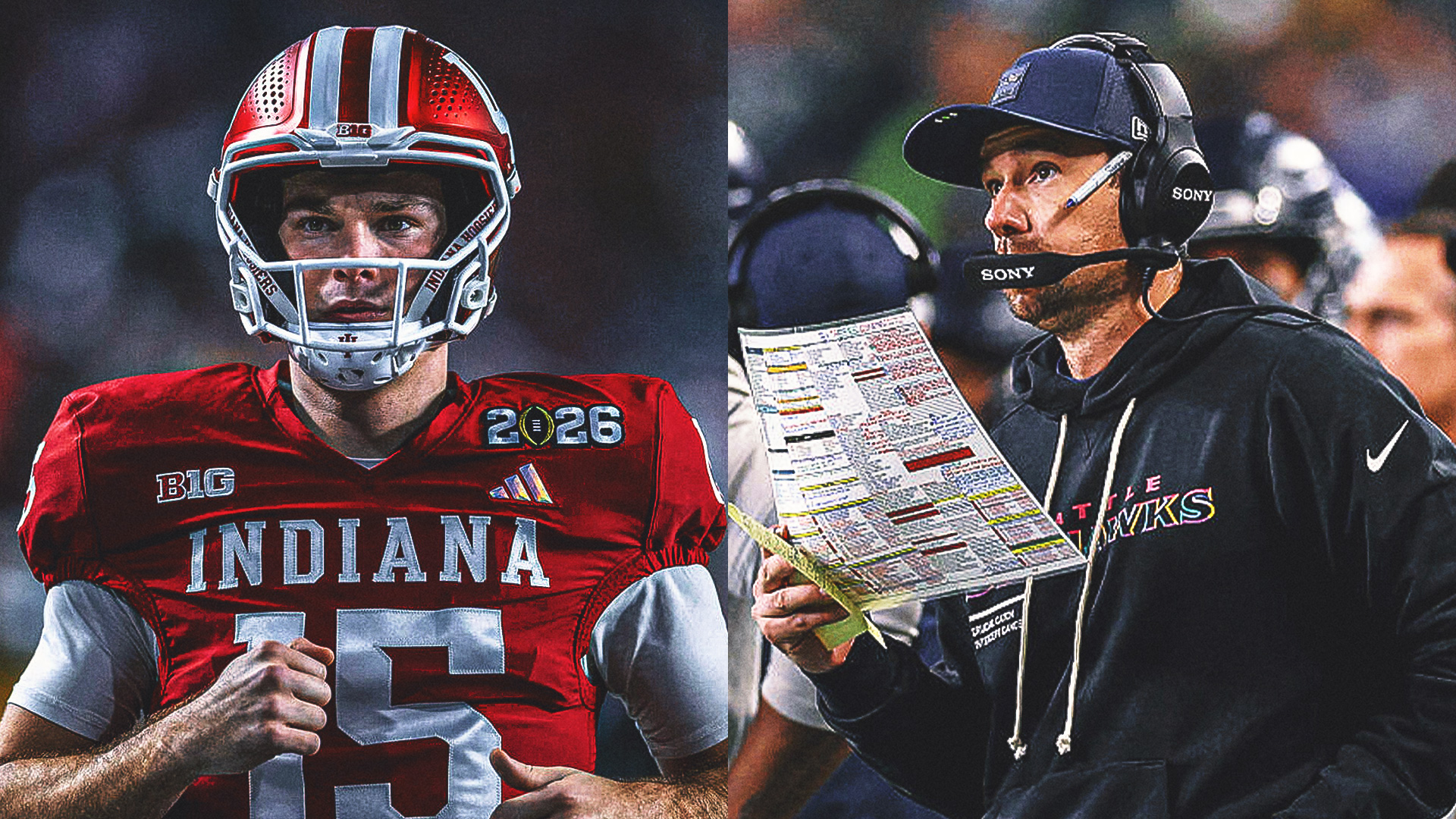
2026 NFL Draft: How Raiders HC Klint Kubiak Can Maximize Fernando Mendoza’s Potential

The Raiders’ official hiring of former Seahawks offensive coordinator Klint Kubiak sets up what the long-suffering franchise hopes will be a perfect head coach-quarterback pairing entering the 2026 NFL season. With Indiana QB Fernando Mendoza the presumptive favorite to be the No. 1 overall pick in the draft, the Raiders are expected to pair the Heisman Trophy winner with the hottest playcaller in the game. Kubiak will put Mendoza into a system that has routinely transformed average quarterbacks into Pro Bowlers and Pro Bowlers into MVP winners. Dating back to Mike Shanahan’s work with John Elway in the late 1990s — with Gary Kubiak, Klint’s father, serving as the offensive coordinator/quarterbacks coach — this unique variation of Bill Walsh’s West Coast Offense has produced fireworks with or without an explosive playmaker under center. While there are plenty of examples of Mike and Kyle Shanahan elevating underrated quarterbacks — Kirk Cousins, Matt Ryan and Brock Purdy among them — the success the elder Kubiak enjoyed with Jake Plummer in Denver, Matt Schaub in Houston and Joe Flacco in Baltimore illustrates how the system can adapt to the talents of a quarterback. Utilizing various bootlegs, half-rollout and traditional play-action concepts based on the athleticism and arm talent of the quarterback, the elder Kubiak created easy, high-percentage throws for his students. With a complementary rushing attack that features various off-tackle runs designed to lure linebackers to the line of scrimmage, leaving huge voids for deep crossing routes and throwback tosses, the carefully scripted game plans make the game easy for the quarterback but challenging for the opponent. When the offense is humming with a dynamic running back splitting creases between the tackles and the quarterback tossing the ball around like a Blackjack dealer slinging cards at the casino table, the big plays and points come in bunches. In Las Vegas, Klint Kubiak will have a chance to light up opponents like a slot machine with an offense that already features blue-chip players at running back (Ashton Jeanty) and tight end (Brock Bowers). Kubiak’s experience as passing game coordinator with the San Francisco 49ers will come in handy as he builds a scheme that operates from the inside out, with the running back and tight end utilized to create and exploit mismatches. While duplicating the success of Christian McCaffrey and George Kittle will be a tall task, the system can provide a blueprint for how the Raiders should operate with a couple of emerging Pro Bowl-caliber playmakers on the perimeter. Owning the No. 1 overall pick in the draft gives the Raiders a chance to select the perfect point guard for the offense, and it’s a no-brainer for the Silver and Black to usher in a new era with Mendoza. He’s an athletic drop-back passer who reminds me of 2016 No. 1 overall pick Jared Goff, now a five-time NFL Pro Bowler. Mendoza is more athletic than Goff, and his ability to efficiently execute traditional drop-backs, play-action passes and movement-based concepts as a Hoosier provides a sneak peek at how he could flourish running the point for the Raiders. Granted, the high-IQ quarterback will need to get comfortable operating under center to execute handoffs and play-action fakes that force him to play “blind” (back to the defense) before taking deep shots on cleverly designed plays. As a polished field general who enters the league after a historic playoff run, during which he flawlessly executed carefully crafted game plans, Mendoza has the temperament and skill-set to bring Kubiak’s whiteboard wizardry to life. While questions persist regarding whether Mendoza can elevate the franchise as a game changer, there is no doubt he can excel with a stellar supporting cast around him. In Seattle, Kubiak helped Sam Darnold win a championship with strong support from a dominant defense, star receiver Jaxon Smith-Njigba and Super Bowl MVP Kenneth Walker III. If Kubiak follows that blueprint in Las Vegas, the Raiders could return to prominence with a managerial franchise quarterback and a playcalling savant joining forces.​Latest Sports News from FOX Sports
Categories
Sports Fox

2026 World Baseball Classic Viewing Guide: From Pool Play To A Dream Championship Rematch

The World Baseball Classic is going to be memorable. But because of its worldwide scheduling, it is also going to be on at all hours of the day. You’ll need to plan for that with alarms and early or late bedtimes. [RELATED: Full World Baseball Classic broadcast schedule] To help you out, we have identified the best matchup of each day in pool play — as well as hypothetical contests for the rest of the tournament — so you can know when it’s time to wake up to catch some international baseball. Pool Play March 4, Chinese Taipei @ Australia, 10 p.m. ET on FS1 The World Baseball Classic kicks off with Chinese Taipei taking on Australia in Tokyo, Japan in Pool C play. Neither is favored to win either their pool or the WBC at large, but none of that matters on day one — the fact the tourney is here at long last is reason enough to tune in. March 5, Czechia @ Republic of Korea, 5 a.m. ET on FS1 Korea is one of the better teams in Pool C and at the tournament — maybe not elite like Team USA or Japan, but capable of making some noise and hanging with any of the best. This one requires an early wakeup, but you get to see an intriguing Czechia squad as well. March 6, United States @ Brazil, 8 p.m. ET on FOX If you want to see Team USA in its first action of the tournament, it’s in primetime against Brazil, one of the biggest longshots of this year’s WBC. The USA has a loaded rotation – Aaron Judge, Tarik Skubal, Cal Raleigh to name a few stars – and this team is favored to win it all. March 7, Republic of Korea @ Japan, 5 a.m. ET on FS1 Japan, the Pool C favorite, takes on its most significant competition in the Republic of Korea. Shohei Ohtani isn’t pitching, but watching him at the plate is always a treat, and this is a chance to see new MLB players Munetaka Murakami and Kazuma Okamoto in action as well for the defending WBC champions. March 8, Colombia @ Cuba, 12 p.m. ET on FOX Neither Cuba nor Colombia are expected to be a WBC power this year, but neither is one that can be ignored by the competition. That makes this game even more vital for both teams. Anything can happen in a tournament setting, and a win here increases the chances that either gets to stick around beyond pool play. March 9, Dominican Republic @ Israel, 12 p.m. ET on FS1 The Dominican Republic’s lineup is ridiculous, as expected — Vladimir Guerrero Jr., Manny Machado, Oneil Cruz, Julio Rodriguez, Fernando Tatis Jr. and Juan Soto all in one place? Even the big-spending Dodgers haven’t pulled that off (yet). March 10, Canada @ Puerto Rico, 7 p.m. ET on Tubi If Canada is going to get out of pool play, it will likely need a win against Puerto Rico late into the schedule. Josh Naylor will try to power Canada to a win, while Denzel Clarke is a threat to catch any ball that hasn’t cleared the fence. And also some that have. March 11, Dominican Republic @ Venezuela, 8 p.m. ET on FS1 This very well might be two of the top-five teams in the whole tournament facing off, and on the last day of pool play. Chances are good that the game will be for more than just Pool D bragging rights. The Dominican lineup is loaded, but Venezuela has Ronald Acuna Jr., Eugenio Suarez, Willson Contreras, Salvador Perez and Maikel Garcia, so it’s got plenty of pop, too. Quarterfinals Based on the current betting odds and favorites for pool play, here are the matchups you can expect in the quarterfinals and beyond. March 13, Pool A Runner-Up (Canada) @ Pool B Winner (United States), 8 p.m. ET on FOX Canada has talent, but this is probably the end of the road for the team given the tremendous pitching of the United States. You will want to watch either way, since a display of dominance or an upset is great television regardless. March 14, Pool D Runner-Up (Venezuela) @ Pool A Winner (Japan), 9 p.m. ET on FOX Under the assumption that the Dominican Republic wins Pool D and Japan wins on its home turf in Tokyo, we end up with Venezuela taking on the defending champions in the quarterfinals. Venezuela is an underdog here, but only slightly — this would be a serious clash. Semifinals March 15, Quarterfinal Winner (Puerto Rico) vs. Quarterfinal Winner (United States), 8 p.m. ET on FS1 Puerto Rico is favored to win Pool A, and here it would be in action against the would-be winner of Pool B – should the USA win the potential quarterfinal against Canada. Regardless of which starter is on the mound for the USA, viewers should be in for a treat. March 16, Quarterfinal Winner (Japan) vs. Quarterfinal Winner (Dominican Republic), 8 p.m. ET on FS1 Will Japan’s pitching, sans Ohtani, hold up against the intense lineup of the Dominican Republic? That would be must-watch TV, and not just because it’s the lone game on the schedule. Championship March 17, Semifinal Winner (United States) vs. Semifinal Winner (Japan), 8 p.m. ET on FOX The odds say that Japan does return to the Championship Game, leaving us with a rematch of the 2023 edition. Does the USA have the arms to get through this time? Or is a half-operational Ohtani still the most dangerous opponent around?​Latest Sports News from FOX Sports
Categories
Sports Fox

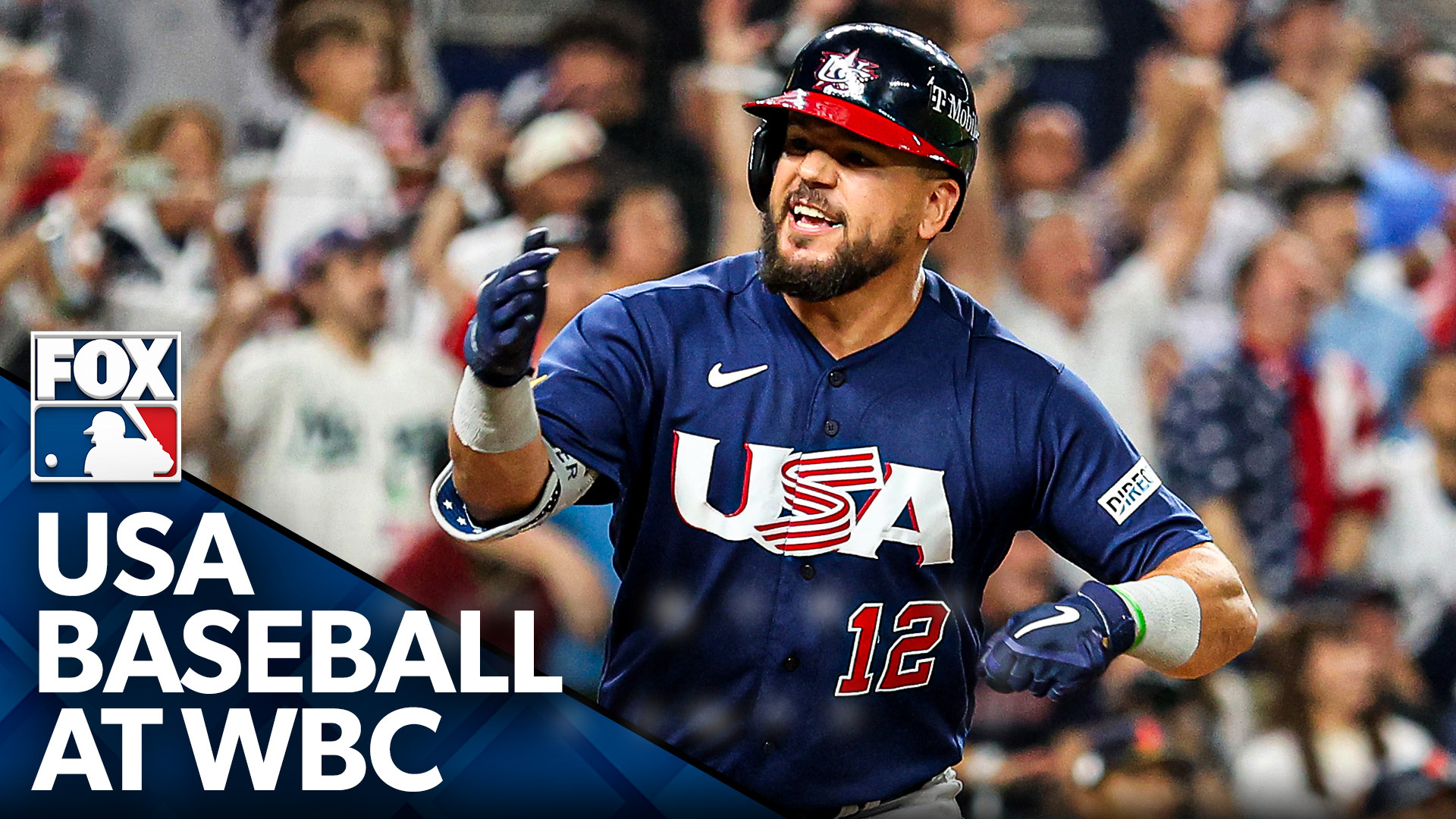
USA Baseball Schedule for World Baseball Classic Pool Play in Houston

After coming up just short in 2023, the USA has a roster that has it as the favorite entering the 2026 World Baseball Classic. The big difference? Tarik Skubal, Paul Skenes and Logan Webb headline an impressive pitching staff. USA’s journey will begin with pool play. All four of its games in Pool B will be played at Daikin Park (home of the Houston Astros) against Mexico, Italy, Great Britain and Brazil. The Americans’ quarterfinal game would also be in Houston before the semifinals and Championship Game take place at loanDepot Park, home of the Miami Marlins. [RELATED: Full World Baseball Classic broadcast schedule] You can catch all the action on FOX. Here’s when you can tune in to watch Team USA this March: USA Pool B Schedule March 6 March 7 March 9 March 10 Quarterfinals If Team USA advances as the first-place team in Pool B, it will play in Houston at Daikin Park on March 13 at 8 p.m. ET on FOX. If it finishes second in Pool B, it will play in Houston on March 14 at 3 p.m. ET on FS1. Every game in the knockout stage of the tournament will be on FOX Deportes, as well. Semifinals The two semifinals will be played on March 15 and 16 at loanDepot Park in Miami. If the USA advances from the quarterfinals after winning Pool B, it will play on Sunday, March 15 at 8 p.m. ET on FS1. If the USA advances coming out of Pool B as the runner-up, it will play on Monday, March 16, at 8 p.m. ET. Final The WBC final will be in Miami on Tuesday, March 17, at 8 p.m. ET on FOX.​Latest Sports News from FOX Sports
Categories
Sports Fox

Who Are The Top 10 Hitters In the 2026 World Baseball Classic?

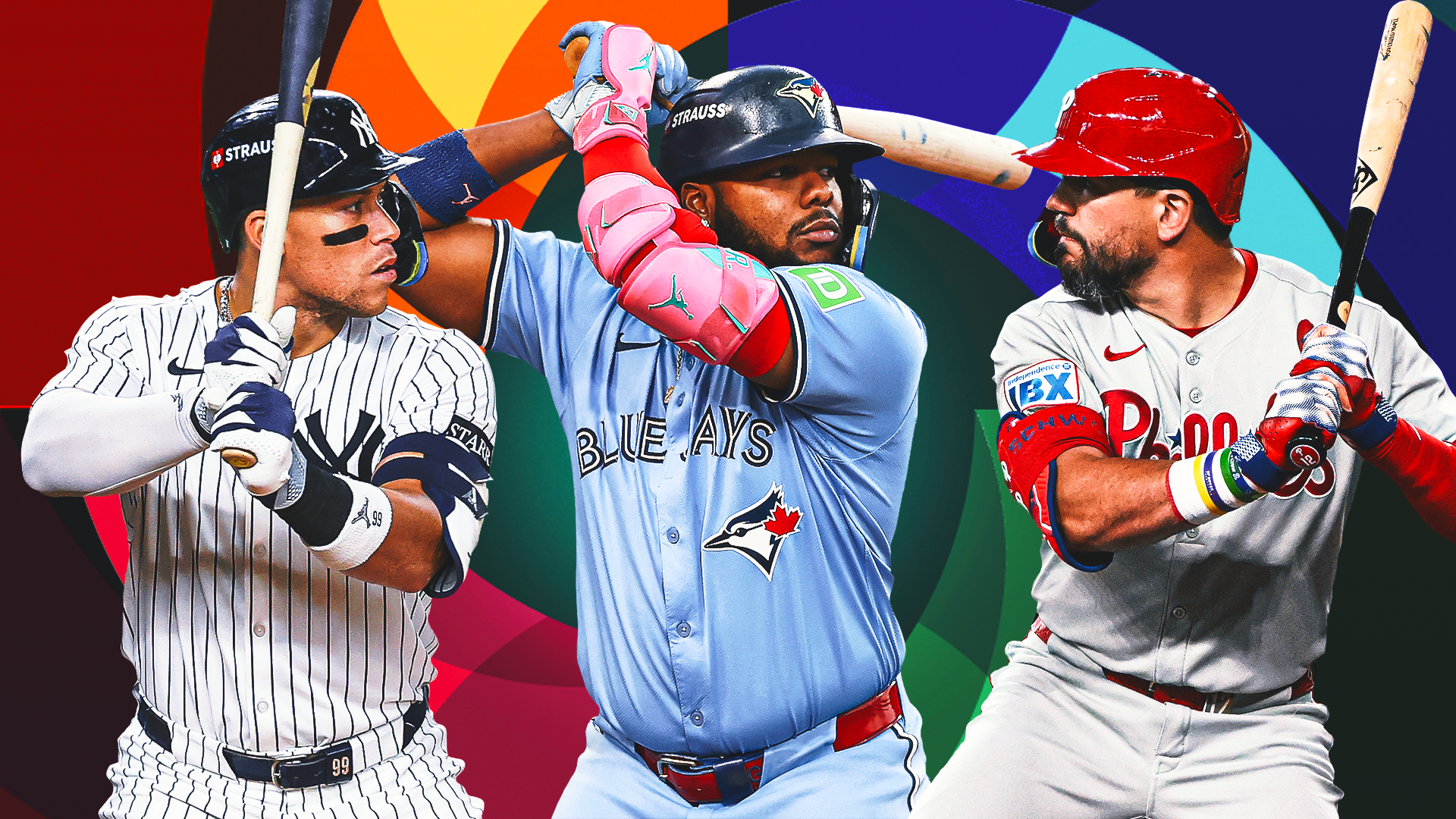
Strength of pitching might be what separates the 2026 World Baseball Classic favorites from the rest of the field like it was in 2023, but make no mistake: the best sluggers in the world will make sure to leave their mark on this year’s tournament. FOX Sports Research ranks the top-10 hitters in the 2026 World Baseball Classic, and to no surprise, the superstars of Major League Baseball are well-represented: [RELATED: Full World Baseball Classic broadcast schedule] 10. San Diego Padres OF Fernando Tatis Jr. (Dominican Republic) Since making his big-league debut in 2019, Tatis has brought the juice. The shortstop-turned-right fielder is a menacing hitter from the right side of the plate with mammoth power. Tatis, who’s a two-time Silver Slugger Award winner, led the National League with 42 home runs in 2021, boasts a career .513 slugging percentage and is among the most electric players in the sport. 9. Philadelphia Phillies DH/OF Kyle Schwarber (USA) Speaking of power, Schwarber will be playing for Team USA in the World Baseball Classic. The left-handed hitter has a level, compact swing from the left side that generates an absurd amount of power and production. Last season, Schwarber totaled a National League-high 56 home runs and 132 RBIs and posted a career-best .563 slugging percentage. He has averaged 46.8 home runs and 108.5 RBIs per season from 2022-25. 8. Atlanta Braves OF Ronald Acuna Jr. (Venezuela) It’s all about Acuna being healthy, because when the career-long Braves star is on the field, he’s one of the most gifted players in the sport (Acuna has played fewer than 100 games in three of the last five seasons). Acuna, who won the 2023 NL MVP and boasts a career .524 slugging percentage, is an impact hitter who hits for both contact and power and wreaks havoc on the basepath. He’s a three-time Silver Slugger and five-time All-Star. 7. Seattle Mariners OF Julio Rodriguez (Dominican Republic) Rodriguez can do it all. He can hit for both contact and power, runs well, has a plausible arm and is a terrific center fielder. The face of the Mariners for the better part of his MLB career (2022-present), Rodriguez has earned three All-Star nods, blasted 30-plus home runs in two seasons and posted a career-high 6.8 wins above replacement in 2025, a season which saw Seattle come one win short of winning its first AL pennant; Rodriguez hit four home runs across Seattle’s 12 postseason games. 6. Toronto Blue Jays IF Vladimir Guerrero Jr. (Dominican Republic) Guerrero is one of the most dangerous hitters that MLB has to offer. Just take this past postseason, as the Blue Jays star totaled eight home runs and 15 RBIs, while posting a .397/.494/.795 slash line. Guerrero, a two-time Silver Slugger, is a balanced hitter who has a great deal of power but also seldom strikes out and will lay off pitches. In 2021, Guerrero, a career .288 hitter, was the runner-up for the AL MVP Award. 5. Seattle Mariners C Cal Raleigh (USA) Even before a 2025 campaign that saw Raleigh hit an MLB record 60 home runs for a catcher and be the runner-up for the 2025 AL MVP, Seattle’s backstop was already among the best at his position. A switch-hitter, Raleigh averaged 32 home runs per season from 2023-24 and was a Gold Glover in 2024. He’s smooth behind the plate, an impact hitter from either side of the plate and arguably the best all-around catcher in the sport. 4. New York Mets OF Juan Soto (Dominican Republic) Many of the compliments that one could give Soto in his 2018 rookie season are the same as the ones that are given to him in the present. He’s an elite hitter who works the count, drives the ball to all fields and is battle-tested in postseason play. Soto, a six-time Silver Slugger with 42.6 wins above replacement for his career, is disciplined in the batter’s box, slugs at a high rate, hit 42 home runs per season from 2024-25 and just stole an NL- and career-best 38 bases in 2025. 3. Kansas City Royals IF Bobby Witt Jr. (USA) Witt is a force to be reckoned with. He’s an extra-base-hitting machine who creates noise on the bases, has become an elite shortstop and averaged 8.3 wins above replacement per season from 2024-25. Witt has led the AL in hits in each of the last two seasons, while winning the 2024 AL batting title (.332) and leading the AL with 47 doubles in 2025. Moreover, over his four-year MLB career (2022-25), Witt has averaged 26.3 home runs, 93.3 RBIs, 37.0 stolen bases and 5.4 wins above replacement per season, while posting a combined .290/.340/.504 slash line. 2. New York Yankees OF Aaron Judge (USA) Trying to find a weakness in Judge’s game is like trying to find a needle in a haystack. The AL MVP in three of the last four seasons, Judge has terrorized opposing pitchers since his first full season in the big leagues in 2017. He has a crisp, overwhelming swing and has led the AL in intentional walks in each of the last two years. Judge — who has totaled 50-plus home runs in four seasons, 10-plus wins above replacement in two seasons and plays right field at a high level — has also led the AL in on-base percentage, slugging percentage, OPS, OPS+ and walks in each of the last two seasons. Judge has put himself in Yankees’ Mount Rushmore territory. 1. Los Angeles Dodgers DH/SP Shohei Ohtani (Japan) When Ohtani is hitting and pitching at the same time — like he was last season — he’s the best baseball player on the planet. Sticking with the bat, he’s a year removed from becoming the first player to post a 50-50 season (50 home runs and 50 stolen bases) in MLB history. Ohtani has elite strength and power from the left side of the plate, sending pitches that are up in the strike zone near the concourse with ease. He has also led the NL in slugging percentage, OPS, OPS+ and runs scored in each of the last two seasons. Ohtani, who’s a four-time league MVP and has now won back-to-back World Series with the Dodgers, is a force at the plate, on the mound and on the basepath. Honorable mentions:​Latest Sports News from FOX Sports
Categories
Sports Fox

2026 World Baseball Classic Broadcast Schedule: How To Watch Every Game on FOX

All-Stars, MVPs, and Cy Young winners. Plenty of MLB’s best players will be taking the diamond and representing their countries at the 2026 World Baseball Classic. FOX Sports announced the U.S. broadcast schedule for the tournament, which will begin Wednesday, March 4 and conclude with the much-anticipated Championship Game at loanDepot Park, home of the Miami Marlins, on Tuesday, March 17 (FOX, 8 p.m. ET). In all, the WBC’s 47 games will air across FOX Sports’ family of networks (FOX, FS1, FS2 and FOX Deportes), as well as the FOX Sports App and Tubi. All matchups will also be available to stream live and on-demand on FOX One. Additionally, 41 out of the 47 contests will air in Spanish across a combination of FOX Deportes, the FOX Sports App, Tubi and FOX One. The tournament will begin with Pool C play in Tokyo on March 4, with the remaining three pools – Pool A in San Juan, Puerto Rico; Pool B in Houston; and Pool D in Miami – beginning on Friday, March 6. Pool B features the star-studded Team USA, whose squad includes top players like Yankees slugger Aaron Judge and Tigers ace Tarik Skubal. FOX will broadcast its first game when the USA plays its opening game against Brazil at Daikin Park (home of the Houston Astros) on Friday, March 6 at 8 p.m. ET. FOX will carry a total of seven games, including two quarterfinal games: in Houston on Friday, March 13 at 8 p.m. ET, and the matchup in Miami on Saturday, March 14 at 9 p.m. ET. FOX will also carry the Championship Game on Tuesday, March 17 at 8 p.m. ET. FS1 coverage, which will include 19 contests, will be headlined by coverage of the semifinals in Miami on Sunday, March 15 at 8 p.m. ET and Monday, March 16 at 8 p.m. ET. In addition, FS1 will air highly anticipated pool play matchups between Korea and Japan on Saturday, March 7 at 5:00 a.m. ET; Cuba and Puerto Rico on Monday, March 9 at 7:00 p.m. ET; and the Dominican Republic and Venezuela on Wednesday, March 11 at 8:00 p.m. ET. Here’s the entire WBC broadcast schedule: World Baseball Classic Schedule All times are ET. March 4 (Wednesday) Chinese Taipei vs. Australia: 10 p.m. on FS1/FOX Deportes March 5 (Thursday) Czechia vs. Korea: 5 a.m. on FS1/FOX Deportes Australia vs. Czechia: 10 p.m. on FS1/FOX Deportes March 6 (Friday) Japan vs. Chinese Taipei: 5 a.m. on FS1/FOX Deportes Cuba vs. Panama: 11 a.m. on FS2/FOX Deportes Mexico vs. Great Britain: 1 p.m. on FS1/FOX Deportes Puerto Rico vs. Colombia: 6 p.m. on FS1/FOX Deportes USA vs. Brazil: 8 p.m. on FOX/FOX Deportes Chinese Taipei vs. Czechia: 10 p.m. on FS2 March 7 (Saturday) Korea vs. Japan: 5 a.m. on FS1/FOX Deportes Colombia vs. Canada: 11 a.m. on FS2/FOX Deportes Nicaragua vs. Netherlands: Noon on Tubi Brazil vs. Italy: 1 p.m. on FOX Sports App Panama vs. Puerto Rico: 6 p.m. on FS1/FOX Deportes Israel vs. Venezuela: 7 p.m. on FS2 Great Britain vs. USA: 8 p.m. on FOX Chinese Taipei vs. Korea: 10 p.m. on FS2 March 8 (Sunday) Australia vs. Japan: 6 a.m. on FS1/FOX Deportes Colombia vs. Cuba: Noon on FS2 Netherlands vs. Dominican Republic: Noon on FOX/FOX Deportes Great Britain vs. Italy: 1 p.m. on Tubi Panama vs. Canada: 7 p.m. on FS2 Nicaragua vs. Israel: 7 p.m. on Tubi Brazil vs. Mexico: 8 p.m. on FS1/FOX Deportes March 9 (Monday) Korea vs. Australia: 6 a.m. on FS1/FOX Deportes Colombia vs. Panama: Noon on FS2 Dominican Republic vs. Israel: Noon on FS1/FOX Deportes Brazil vs. Great Britain: 1 p.m. on Tubi Cuba vs. Puerto Rico: 7 p.m. on FS1 Venezuela vs. Nicaragua: 7 p.m. on FS2 Mexico vs. USA: 8 p.m. on FOX/FOX Deportes March 10 (Tuesday) Czechia vs. Japan: 6 a.m. on FS1/FOX Deportes Canada vs. Puerto Rico: 7 p.m. on Tubi Israel vs. Netherlands: 7 p.m. on FOX Sports App/FOX Deportes Italy vs. USA: 9 p.m. on FS1/FOX Deportes March 11 (Wednesday) Canada vs. Cuba: 3 p.m. on FS2/FOX Deportes Italy vs. Mexico: 7 p.m. on Tubi Dominican Republic vs. Venezuela: 8 p.m. on FS1/FOX Deportes March 13 (Friday) Quarterfinals 1. Pool C runner-up vs. Pool D winner: 6:30 p.m. on FS2/FOX Deportes 2. Pool A runner-up vs. Pool B winner: 8 p.m. on FOX/FOX Deportes March 14 (Saturday) Quarterfinals 3. Pool B runner-up vs. Pool A winner: 3 p.m. on FS1/FOX Deportes 4. Pool D runner-up vs. Pool C winner: 9 p.m. on FOX/FOX Deportes March 15 (Sunday) Semifinal 1. QF1 winner vs. QF2 winner: 8 p.m. on FS1/FOX Deportes March 16 (Monday) Semifinal 2. QF3 winner vs. QF4 winner: 8 p.m. on FS1/FOX Deportes March 17 (Tuesday) Championship SF1 winner vs. SF2 winner: 8 p.m. on FOX/FOX Deportes​Latest Sports News from FOX Sports

Categories
Sports Fox

2026 NFL Mock Draft: Will Fernando Mendoza Be Lone QB Selected In First Round?

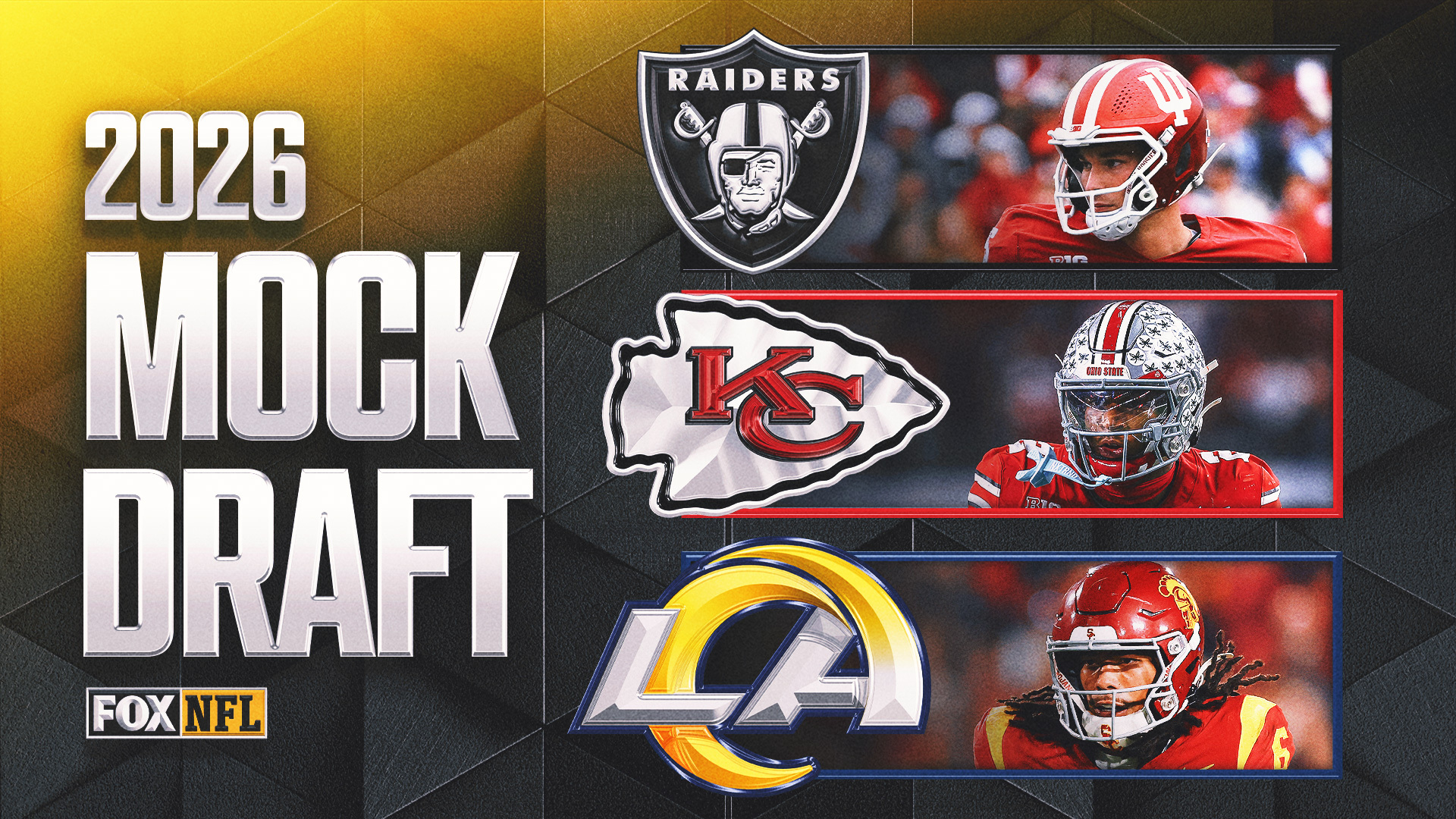
The NFL has long been a copycat league, so expect other teams to replicate the strategies and personnel that powered the Patriots and Seattle Seahawks to Super Bowl LX. One of the most obvious commonalities between this year’s Super Bowl participants was the quality of their respective secondaries. The 2026 NFL Draft is not as top-heavy as last year, but I like the talent and depth of its defensive backs with seven projected in this updated first-round mock draft, my first since the order and eligible player pool have been finalized. 1. Las Vegas Raiders (3-14): Fernando Mendoza, QB, Indiana Incoming head coach Klint Kubiak was surely lured to Las Vegas by the opportunity to land the consensus top quarterback of this class. Unlike recent No. 1 overall selections, Mendoza does not necessarily have to start immediately. The Raiders, of course, still have veteran Geno Smith, who, like Mendoza, is a clean schematic fit in Kubiak’s offense. Smith’s presence should allow Kubiak and the Raiders the increasingly rare opportunity to truly prepare Mendoza for the NFL, rather than rush him onto the field. The Heisman Trophy winner and national champion has the prototypical build, all the intangibles and enough physical traits to ultimately become a star in the NFL. 2. New York Jets (3-14): Arvell Reese, LB, Ohio State Any chance that the Raiders would move out of the first pick or take anyone other than Mendoza seemingly ended once Kubiak agreed to become head coach. While perhaps disappointing for Jets fans, it does provide general manager Darren Mougey and head coach Aaron Glenn with plenty of notice that their best chance at finding realistic competition for Justin Fields is probably through free agency or trading for a veteran. Mougey has made bold trades before, of course, peddling the Jets’ most impactful defenders — Sauce Gardner and Quinnen Williams — in a November fire sale. In a class relatively lacking in top-end talent, Reese is one of a handful of the few true elite talents, profiling similarly to Micah Parsons. 3. Arizona Cardinals (3-14): Jeremiyah Love, RB, Notre Dame Like the Jets a pick earlier, the Cardinals are facing a massive decision at quarterback which will obviously impact how they use this selection. New head coach Mike LaFleur might very well push to boost the trenches with his first pick. Arizona was pushed around a lot in the NFC West during Jonathan Gannon’s tenure, with the Cardinals finishing 3-15 in the division. Time spent with the 49ers and Rams’ dynamic offenses, however, will give him an appreciation of true star power at the skill positions and GM Monti Ossenfort could be feeling some pressure. In my opinion, the gap between Love and the rest of this year’s running back class isn’t quite as steep as the one separating Mendoza at quarterback, but it’s comparable. Love is right there with Bijan Robinson, Saquon Barkley, Ezekiel Elliott and Todd Gurley as the top running back talents I’ve evaluated over the past 25 years. 4. Tennessee Titans (3-14): Sonny Styles, LB, Ohio State Speaking of the NFC West and immediate impact rookies, Styles’ fit as the centerpiece of Robert Saleh’s defense in Tennessee is a fascinating one. Like former teammate Arvell Reese, Styles is an athletic phenom who’s steadily improved over his college career and has easy traits to project to the next level. It isn’t a hard argument to make that plugging him into a defense that already boasts All-Pro Jeffery Simmons is the quickest way for the Titans to advance in the AFC South. 5. New York Giants (4-13): Francis Mauigoa, OT, Miami Similar to the aforementioned Titans, I think the Giants’ draft picks are going to be a direct reflection of their new head coach. Few players in this draft strike me as a cleaner fit for John Harbaugh than Mauigoa, a massive and mauling three-year standout who ranks as the cleanest plug-and-play offensive lineman of this class. With current right tackle Jermaine Eluemanor (31) a free agent, the Giants would be wise to build around Jaxson Dart by making their protection of him top priority. 6. Cleveland Browns (5-12): Spencer Fano, OT, Utah If John Harbaugh does, indeed, take the first blocker off the board a pick earlier, don’t be surprised if his former offensive coordinator Todd Monken follows suit a pick later. Whether it’s Shedeur Sanders, Deshaun Watson or anyone else starting at quarterback for the Browns next season, addressing an offensive line that surrendered 51 sacks will be a priority — especially with four-fifths of the primary blocking unit for Cleveland scheduled for free agency. Fano is massive and nimble with starting experience at both left and right tackle. 7. Washington Commanders (5-12): Carnell Tate, WR, Ohio State No one needs to remind Washington head coach Dan Quinn about the importance of protecting quarterback Jayden Daniels, and the best way of doing that with this pick might be to bolster a receiving corps that, frankly, didn’t live up to expectations. Big and smooth, Tate would add a dynamic downfield presence to add some vitality to a group of pass-catchers overly reliant on 30-year-old Terry McLaurin as Deebo Samuel and Zach Ertz head to free agency. 8. New Orleans Saints (6-11): Rueben Bain Jr., Edge, Miami With iconic players like Cameron Jordan, Demario Davis and Taysom Hill among 18 unrestricted free agents this year for the Saints, the roster set by head coach Kellen Moore could look much different in his second season in Baton Rouge than his first. If Moore and longtime New Orleans GM Mickey Loomis fully commit to rebuilding this roster, Bain plays with the physicality and mentality of a franchise anchor. 9. Kansas City Chiefs (6-11): Caleb Downs, S, Ohio State Safeties — at least the traditional “box” safeties of yesteryear — are simply not as valued in today’s passer-friendly league that penalizes many of the bone-crunching hits which used to dominate the middle of the field. Downs does so much more than tackle, however. Adding his instincts and playmaking skills to an already gifted Chiefs secondary is a smart strategy given all the quarterback talent in the AFC West. Of note, if the draft were to play out as I have it projected, Downs would be the fourth Buckeye selected among the top 10 — an unprecedented number in NFL draft history. 10. Cincinnati Bengals (5-12): David Bailey, Edge, Texas Tech With their star quarterback healthy and all three AFC North divisional opponents featuring entirely new coaching staffs, the Bengals could find themselves in an exciting position to springboard from holding a top-10 pick to possible divisional winner a year from now. At 6-foot-3, 250 pounds, Bailey doesn’t fit the measureables Duke Tobin has preferred in the past. but he’s this year’s top pass-rusher. 11. Miami Dolphins (7-10): Jermod McCoy, CB, Tennessee The Dolphins appear to be considering a complete rebuild. It already started among the decision-makers, of course, with the hiring of new general manager Jon-Eric Sullivan and head coach Jeff Hafley. But there will be plenty of changes on the roster, as well, with the duo inheriting a club with 29 current unrestricted free agents (including six cornerbacks), as well as a massive decision on quarterback Tua Tagovailoa. McCoy is viewed by many scouts as the top corner of this class and a top 20 candidate, despite missing the entire 2025 season recovering from a torn ACL. 12. Dallas Cowboys (7-9-1): Mansoor Delane, CB, LSU Even prior to the surprising late-season release of former All-Pro Trevon Diggs, the Cowboys were likely looking hard at this year’s quality cornerback crop, as the club has three others (Corey Ballentine, Reddy Stewart and CJ Goodwin) entering free agency. Delane would fit right in with Dallas’ current top cornerback DaRon Bland, as he is a natural ballhawk who recorded 27 pass breakups, as well as eight interceptions (and four forced fumbles) over his collegiate career. 13. Los Angeles Rams (via Atlanta Falcons, 8-9): Makai Lemon, WR, USC The Rams were only a few plays away from playing in Super Bowl LX, and with an extra pick acquired a year ago from Atlanta, I expect general manager Les Snead to attack this draft in an effort to erase whatever gap there is between his club and Seattle’s. Adding Lemon — the 2025 Biletnikoff Award winner as the nation’s top wideout — to a receiver rotation that already boasts Puka Nacua and Davante Adams might be all the motivation Matthew Stafford might need to play a few more years. 14. Baltimore Ravens (8-9): Cashius Howell, Edge, Texas A&M Bringing back Jesse Minter to the Ravens is a strong indication that Baltimore is ready to recommit to its once-proud defense. Long known for their defense throughout the John Harbaugh era, the Ravens stumbled to a tie for 30th in the NFL in quarterback sacks in 2025. Last year’s prized rookie Mike Green generated just 3.5 sacks and the club was led by Travis Jones’ five QB takedowns. Howell is explosive upfield and also agile enough to drop into coverage. His versatility and intensity make him an intriguing fit for a defense needing a bit of both to kick off Minter’s return. 15. Tampa Bay Buccaneers (8-9): Keldric Faulk, DL, Auburn There is plenty of blame to go around for the Bucs’ late-season collapse, but a pedestrian pass rush that featured just two defenders generating more than 3.5 sacks certainly played a role. With “just” two sacks of his own in 2025, Faulk might seem like a poor choice to supplement Tampa Bay’s roster, but scouts are enamored with the 20-year-old’s length, strength and upside. 16. New York Jets (via Indianapolis Colts, 8-9): Colton Hood, CB, Tennessee Given that he recorded 41 of them over a brilliant 15-year playing career, Aaron Glenn must find it infuriating that his New York Jets did not record a single interception all season long. Teams often take on the personalities of their head coach; if that is going to be the case with the Jets, adding some playmaking chops to the secondary should be a priority. Hood is an ascending talent who excels in man coverage, turning heads last week at the Senior Bowl and at Tennessee in 2025, where he registered a career-high eight pass breakups. 17. Detroit Lions (9-8): Monroe Freeling, OT, Georgia The magic in Motown didn’t entirely run out in 2025, but it did age. The same offensive line that dominated the past few seasons showed cracks with longtime left tackle Taylor Decker missing multiple starts for the third consecutive season. The Lions could save approximately $22 million in cap space by moving on from Decker, who turns 33 in August. With a frame and game similar to Decker, Freeling could be a younger, cheaper option to reset Detroit’s front. 18. Minnesota Vikings (9-8): CJ Allen, LB, Georgia The Vikings are reportedly paying defensive coordinator Brian Flores $6 million per year, making him the highest-paid assistant coach in NFL history. The massive salary suggests Flores will also have a greater say in personnel. The second level of the Vikings’ defense is missing a true alpha with the speed, physicality and instincts to star as an every-down linebacker. Allen would be a great fit in Flores’ system. 19. Carolina Panthers (8-9): Kevin “KC” Concepcion, WR, Texas A&M For as good as Bryce Young and reigning Offensive Rookie of the Year Tetairoa McMillan proved to be in their first year together, one has to wonder if there isn’t a lot more “meat on the bone” for the Panthers to enjoy with a second reliable playmaker added to the equation. Concepcion’s electric speed and elusiveness could be the perfect complement to T-Mac, as well as provide some spark to a return unit that has produced just one TD over the past eight years. 20. Dallas Cowboys (via Green Bay Packers, 9-7-1): Gabe Jacas, Edge, Illinois No rookie is likely to replace Micah Parsons, but the Cowboys are not unlikely to leave the first round of this draft without boosting their edge rushers. Jacas led the Big Ten with 11 sacks in the regular season and carried that momentum into Mobile, Ala., where he was this year’s top pass-rusher at the Senior Bowl. The 6-foot-3, 260-pound Jacas is athletic and technically sound, and best of all, he’s as proven as it gets with 27 sacks and seven forced fumbles in his college career. 21. Pittsburgh Steelers (10-7): Jordyn Tyson, WR, Arizona State Mike McCarthy certainly sounded eager to reunite with Aaron Rodgers. If that is going to be the case, Pittsburgh really should invest in another playmaking receiver capable of starring against single coverage as defenses focus so much attention on the imposing DK Metcalf. Tyson has the sharp change of direction and reliable hands to quickly earn the trust of Rodgers — or whoever is playing quarterback for the Steelers in 2026. 22. Los Angeles Chargers (11-6): Caleb Banks, DT, Florida Along with death and taxes, Jim Harbaugh investing along the line of scrimmage is one of the rare certainties in life. While protecting Justin Herbert with blockers would seem to make sense, I think the Chargers are planning for healthier bodies along the offensive line, not new ones. Pardon the puns, but Banks made a lot of cents with a flashy performance at the Senior Bowl, wowing scouts with his combination of size, power and mobility. 23. Philadelphia Eagles (11-6): Kadyn Proctor, OL, Alabama With one of the best rosters in the NFL, the Eagles could go in a variety of directions with this pick, but if a talented big man like Proctor were still on the board, I have to think general manager Howie Roseman would consider him as a possible insurance policy against Lane Johnson retiring. The Eagles have been willing to gamble on elite traits in the past, and the power-packed 6-foot-7, 366-pound Proctor has plenty of those. It is worth noting that every snap of his three years at Alabama were at left tackle, but scouts are split as to where he’ll fit best in the NFL. At minimum, he’d provide an immediate boost to a sagging Tush Push. 24. Cleveland Browns (via Jacksonville Jaguars, 13-4): Denzel Boston, WR, Washington It won’t much matter which of the quarterbacks on Cleveland’s roster is starting Week 1 for Todd Monken if the Browns don’t find some difference-makers at receiver. Jerry Jeudy led all Cleveland wideouts this past season in catches, receiving yards and receiving touchdowns — quite the accomplishment until you realize that he caught just 50 passes for 602 yards and two scores, production that would qualify for third or fourth on most NFL teams. I’m not convinced the Browns don’t need multiple receivers out of this draft, but the 6-foot-4, 209-pound Boston would be a great start. Boston isn’t the most explosive athlete of this year’s receiver crop, but he’s a jump-ball dynamo with impressive body control, including quickness, flexibility and strong hands. 25. Chicago Bears (11-6): Dillon Thieneman, S, Oregon The defensive backs are a relative strength of this year’s rookie class, and I expect Chicago to be among the teams to take full advantage of that fact. After all, the Bears finished 29th in the NFL with 31 passing touchdowns allowed. And with eight defensive backs on the roster set to hit free agency — including starting safeties Kevin Byard and Jaquan Brisker — GM Ryan Poles has a chance to reset the Chicago secondary. Thieneman is a personal favorite. He’s instinctive, versatile and a natural playmaker with 10 turnovers forced over three years at Oregon and Purdue. 26. Buffalo Bills (12-5): Lee Hunter, DT, Texas Tech One of the underlying reasons for Sean McDermott’s dismissal in Buffalo was his defenses’ inability to slow down opposing running games. Buffalo finished the regular season ranked 28th in in rushing yards allowed (136.2 per game) and surrendered a league-high rushing 24 touchdowns. Hunter is a wide-bodied run plugger with impressive quickness and agility. Reinforcing the Bills’ current front with both Hunter and a healthy Ed Oliver would drastically stiffen the run defense. 27. San Francisco 49ers (12-5): Kenyon Sadiq, TE, Oregon No one needs to tell general manager John Lynch (or 49er fans) that recent games against the Seahawks might have looked a lot different had San Francisco boasted its full and healthy roster. A unique weapon like the 6-foot-3, 240-pound bowling ball that is Sadiq would give Brock Purdy and Kyle Shanahan a lot of options, especially with 32-year-old George Kittle coming off an Achilles tear. 28. Houston Texans (12-5): Olaivavega “Vega” Ioane, OG, Penn State The Texans should aggressively attack this offseason to make sure that CJ Stroud’s disappointing third year in the NFL isn’t his new normal. Specifically, the Texans must continue adding to their offensive line. The powerful and passionate Ioane is the top interior blocker of this class. Plugging him at left guard would allow the Texans to move Tytus Howard back outside to right tackle, upgrading two positions at once. 29. Los Angeles Rams (12-5): Avieon Terrell, CB, Clemson Having used their first pick on an explosive playmaker to help Matthew Stafford and the offense, GM Les Snead will be looking to fill a need here. The Rams have four cornerbacks set to hit free agency, including starter Cobie Durant as well as primary nickelbacks Derion Kendrick and Roger McCreary. Snead and Sean McVay have valued grit and playmaking ability over size at cornerback, and Terrell, an NFL legacy who led the ACC this year with five forced fumbles, certainly has those traits. 30. Denver Broncos (14-3): Kyle Louis, LB, Pittsburgh With starting linebackers Justin Strnad and Alex Singleton set for free agency, don’t be surprised if the Broncos target a linebacker (or two) early in this draft. Selecting Louis here might turn some heads, however. While perhaps a few inches and pounds smaller than scouts would prefer, Louis is a dynamic athlete with the mobility to excel in coverage and the burst to be a real factor on blitzes. 31. New England Patriots (14-3): Blake Miller, OT, Clemson For all the talk about Drake Maye and the Patriots’ defense, reaching the Super Bowl with two rookies manning the left side of the offensive line is truly a remarkable achievement and a testament to both offensive coordinator Josh McDaniels and offensive line coach Doug Marrone. Morgan Moses was arguably New England’s best blocker in 2025, but he’ll be 35 in March. The 6-foot-6, 315-pound Miller has an upright stance that might irk some coaches, but he plays with good balance and power, capably locking down right tackle the past four years at Clemson. 32. Seattle Seahawks (14-3): Brandon Cisse, CB, South Carolina The Seahawks have four key defensive backs set to hit free agency: cornerbacks Tariq Woolen and Josh Jobe and safeties Coby Bryant and Ty Okada. As mentioned previously, defensive back is one of this year’s strongest positional groups. Among the youngest players in this class at just 20 years old, Cisse (pronounced Sea-say) jumped into the draft after just one season as a starter at South Carolina, following a transfer from NC State. He’s already shown NFL-caliber athleticism and competitiveness, but he’s still guessing at times in coverage, getting by with his athletic tools. There are safer prospects available, but Cisse could be a star in the making — especially if plugged into a defense such as Seattle’s.​Latest Sports News from FOX Sports
Categories
Sports Fox

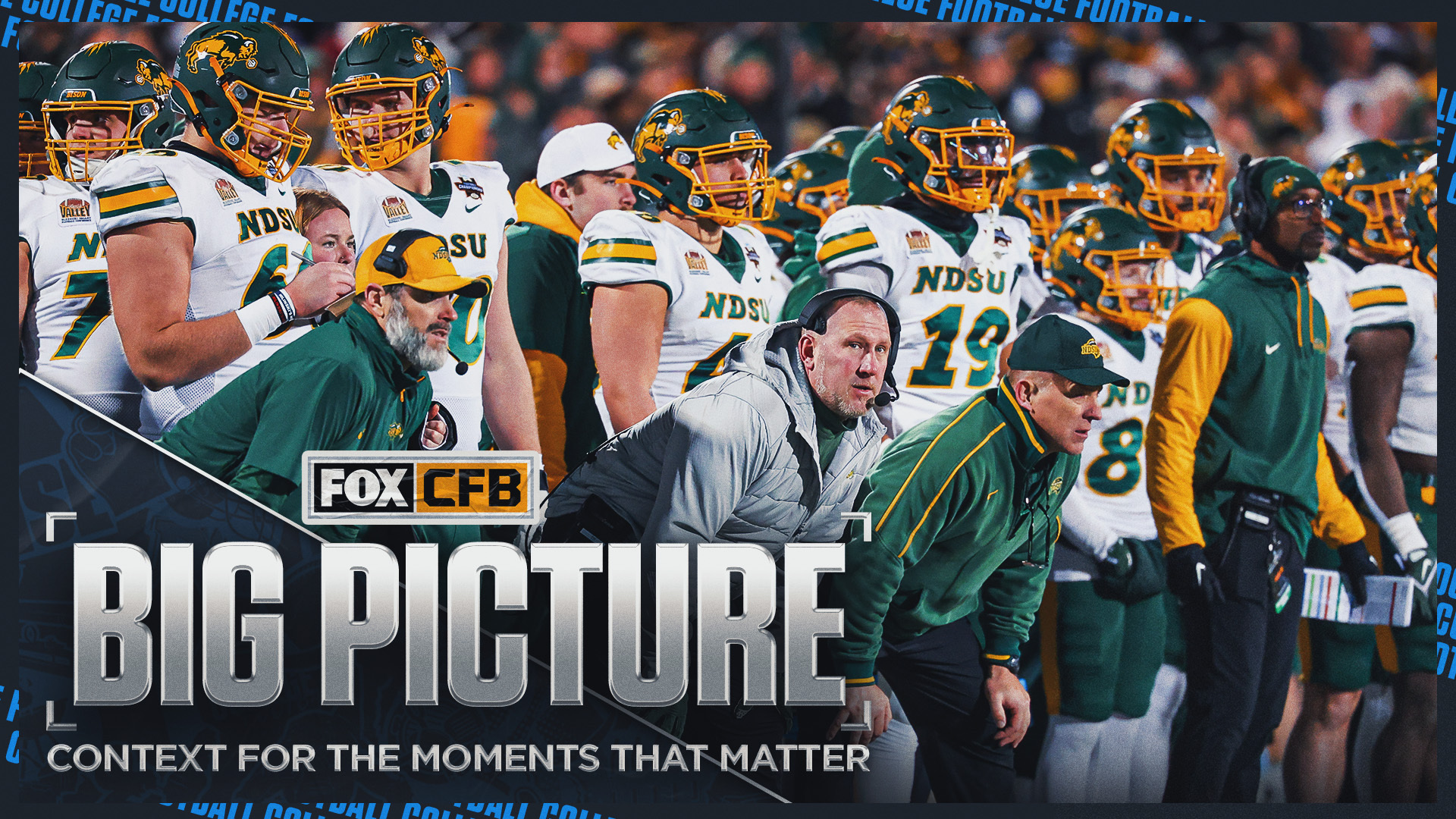
Big Picture: North Dakota State Is Poised to Shake Up the FBS in Year 1

My phone rang at 9:15 a.m. CT. The number was unfamiliar, but I had a hunch and answered. “Hello?” “RJ, this is Tim Polasek,” he said. “How are you?” This is the head coach of North Dakota State, the steward of the most dominant program in modern FCS history. And yet, there were no airs, no assumption that I should already understand what his name, or his program, has meant to college football over the last 15 years. He did not present himself as the latest in a line of NDSU coaching heavyweights — from Craig Bohl to Chris Klieman — who helped deliver seven national titles in 15 years. He didn’t mention the Bison’s 9–5 record against FBS opponents in that span, or the six wins over Power 4 programs. But I knew. And chances are, you do, too. It’s why the program’s decision to leave the Missouri Valley Conference and join the Mountain West on July 1, 2026, as a football-only member, drew so much attention earlier this week. North Dakota State’s pedigree, combined with the looming departures of Boise State and Fresno State — winners of four of the last Mountain West titles — makes the Bison an immediate favorite to win the conference. But my question for Polasek wasn’t about competing for a conference title. It was about attempting to make history. “Do you think your team is capable of competing for the College Football Playoff?” I asked. “I think I like our team,” Polasek told me. “We’re going to have some learning and growing to do about our opponents, but I really like our process, the year-round work that we do and how we practice. Those things position us to be very competitive in every game. And if you happen to knock them down one at a time, there’s no reason NDSU can’t be in the conversation for the College Football Playoff.” The Bison have had time to consider the gravity of that task. The decision to move to the FBS has been at least four years in the making. While serving as Wyoming’s offensive coordinator, Polasek said his predecessor at North Dakota State — now Fresno State coach Matt Entz — spoke with him about the possibility as far back as 2021. But it wasn’t until nearly a month ago that the move felt not only possible, but likely. “I just had my focus on the process of things that needed to get done as an FCS program, but then there was obviously a shift and an excitement level that this thing could become a reality,” Polasek told me. North Dakota State will pay the Mountain West $12.5 million to enter the conference and the NCAA $5 million to reclassify from FCS to FBS. The next hurdle for Polasek and the program is convincing the NCAA to waive the mandatory two-year probationary period for FCS teams moving to FBS. If the NCAA denies the waiver, the Bison would be ineligible to compete for the Mountain West championship or the College Football Playoff until 2028. On top of that, the program will likely need to increase its operating budget for football. Given that the school recently opened a $54 million indoor stadium, funded entirely by private donors, Polasek does not anticipate football finances being a concern. “I haven’t given it much thought at all,” he told me, “but I believe that we would not be making this transition if we didn’t think we could position ourselves to be competitive from a budget standpoint and facility standpoint most certainly.” North Dakota’s recent success, combined with past results of programs making the transition from FCS to FBS, indicate the Bison will hit the ground running: Four of the last six teams to make the same move have won six or more games in their first season of FBS competition. Curt Cignetti’s 2023 James Madison team finished 10-0 and, two years later, reached the CFP. Now, the 137th team in the Football Bowl Subdivision hopes to persuade the NCAA to give it a chance to reach the CFP in Year 1. When Polasek and I finished talking, I felt then what I feel now: there has never been a program better prepared to do just that. In the Big Picture, we contextualize key moves and moments so you can instantly understand why they matter.​Latest Sports News from FOX Sports