Categories
Sports Fox

2026 NFL Draft: Ranking the Value of Every Position in the Pro Game

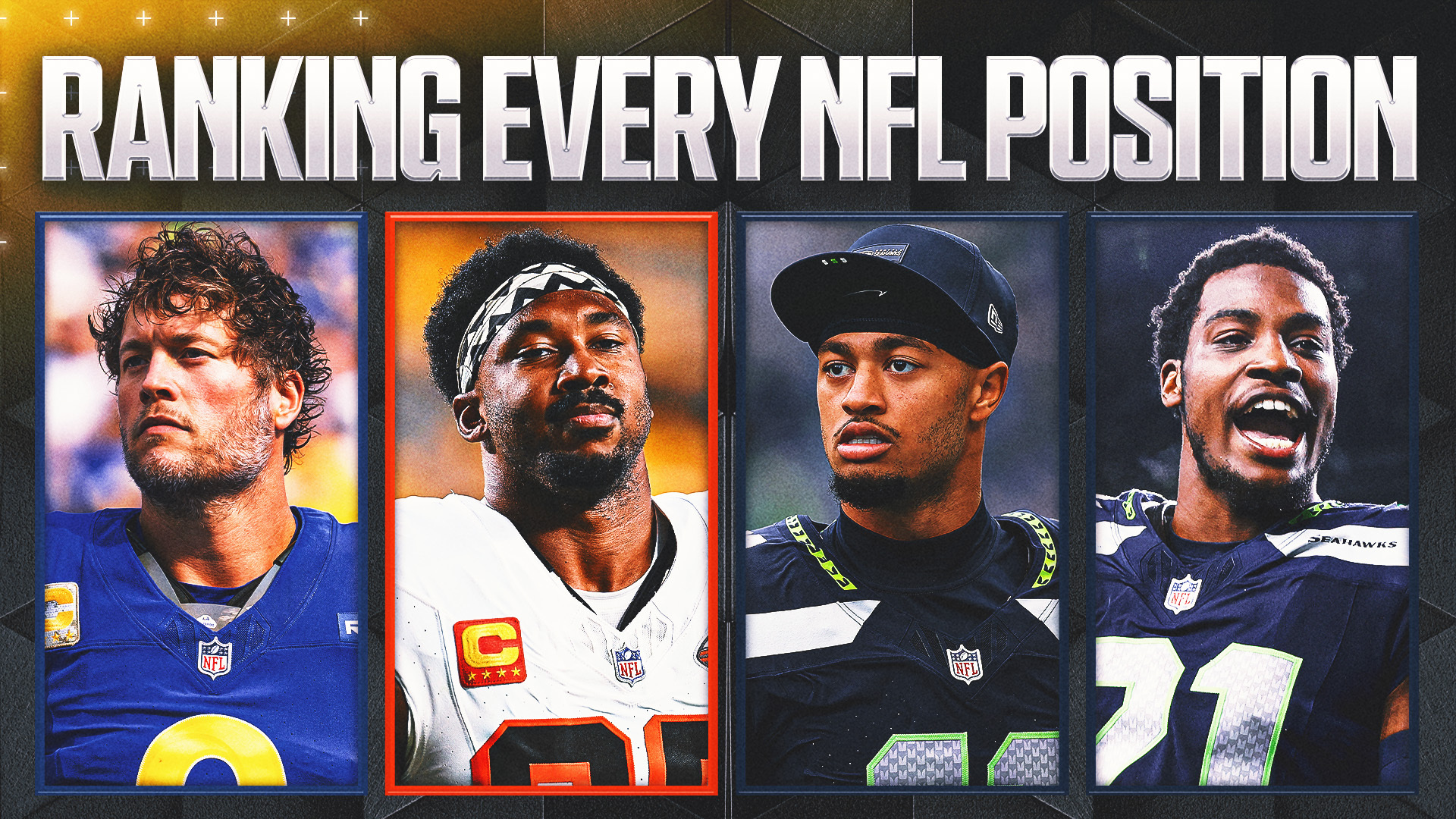
With the NFL Draft less than a month away, it is the perfect time to delve into how team-builders around the league assign positional value across the board. As the NFL continues to trend toward a pass-centric approach, with franchise quarterbacks expected to carry their teams to victory, executives, scouts and coaches are building rosters focused on helping the QB1 spark a title run. As a former NFL player and scout, here is how I rank the importance of every position on the field in today’s game, which provides a blueprint for how I would build my roster. The value of the 25 positions is listed in descending order and each includes three notable examples of the best in the league. 25. Return Specialist The implementation of the dynamic kickoff has brought the return specialist back into prominence. Teams looking to upgrade their starting field position or boost their offensive output are willing to pour resources into the position to elevate the kicking game. Three of the best:Chimere Dike, Tennessee TitansKaVontae Turpin, Dallas CowboysKene Nwangwu, New York Jets 24. Punter The significant field position exchange on punts is often overlooked, but astute coaches will utilize this aspect of the kicking game to set their respective teams up for success. With directional kicking and ball placement, particularly inside the 10-yard line, coveted at a premium, the top punters are hot commodities on the open market. Three of the best:Logan Cooke, Jacksonville JaguarsTress Way, Washington CommandersJack Fox, Detroit Lions 23. Kicker The long-distance kicking boom has elevated the profile of placekickers. As valued point scorers, kickers have played a major role in the offensive explosion around the league. Three of the best:Brandon Aubrey, Dallas CowboysCam Little, Jacksonville JaguarsHarrison Butker, Kansas City Chiefs 22. Wide Receiver 3 The third receiver on the field flies under the radar but is a big part of an explosive offense due to his ability to dominate matchups against slot cornerbacks, strong safeties and linebackers. As a designated gadget player on screens, fly sweeps and reverses, the WR3 typically has a small menu of plays on the call sheet designed to impact the game in pivotal moments. Three of the best:Josh Downs, Indianapolis ColtsRashid Shaheed, Seattle SeahawksParker Washington, Jacksonville Jaguars 21. Nose Tackle The importance of stopping the run has diminished, but the presence of a hole-clogger with imposing size and strength in the middle of the defensive line remains a top priority for team-builders. If the super-sized run stopper can also push the pocket as an interior pass rusher, the defense can play at an elite level with a disruptive force at the point of attack. Three of the best:Dexter Lawrence, New York GiantsJordan Davis, Philadelphia EaglesByron Murphy II, Seattle Seahawks 20. Free Safety The increased utilization of split-safety defenses has minimized the free safety’s role as a deep middle defender, but top-notch safeties continue to impact the game as umbrella defenders. With deep defenders instructed to keep the ball in front of them and make their plays on tips or overthrown passes, the job description no longer prioritizes playmaking as it used to. Three of the best:Minkah Fitzpatrick, New York JetsJalen Ramsey, Pittsburgh SteelersKevin Byard, New England Patriots 19. Nickel Cornerback The Nickel, or “Star,” position features a collection of hybrid players utilizing a diverse set of skills to get the job done. Whether it is a cornerback aligned in the slot to lock down WR3s, while also enhancing the pass rush as a second-level blitzer, or a safety aligned in the box to match up with tight ends or act as an additional run defender, the slot corner position has become a key spot on a championship-caliber defense. Three of the best:Marlon Humphrey, Baltimore RavensKenny Moore II, Indianapolis ColtsNick Emmanwori, Seattle Seahawks 18. Right Guard Playing on the right side of the line is all about the production in the running game. Big, physical interior blockers with nimble feet are featured prominently on gap-scheme runs, with the guard instructed to down block or pull around the corner to nail second-level defenders on the run. Three of the best:Trey Smith, Kansas City ChiefsQuinn Meinerz, Denver BroncosChris Lindstrom, Atlanta Falcons 17. Left Guard The tone-setters for most offensive lines are positioned on the interior. While the list below features heavy-handed interior blockers with the size, strength and balance to bully defenders at the point of attack, the athleticism of a left guard enables teams to incorporate zone-based run calls to attack the perimeter from every angle. Three of the best:Quenton Nelson, Indianapolis ColtsJoe Thuney, Chicago BearsTyler Smith, Dallas Cowboys 16. Center Controlling the game from the middle of the line is the most important part of the center’s role. From making all the calls and adjustments at the line of scrimmage to stalemating the monstrous nose tackle, the center’s ability to win his matchup utilizing his brains and brawn is a big part of his team’s success. Three of the best:Creed Humphrey, Kansas City ChiefsAaron Brewer, Miami DolphinsTyler Linderbaum, Las Vegas Raiders 15. Right Cornerback As more offensive coordinators embrace a pass-heavy approach with quarterbacks and pass-catchers playing “pitch-and-catch” on the perimeter, defensive coaches are placing a greater value on blind-side cover guys. With right cornerbacks assigned to cover the “X” against 3×1 formations — isolating a corner against a receiver while the rest of the defense focuses on the three-receiver side — the position features blue-chip personnel on an elite defense. Three of the best:Patrick Surtain, Denver BroncosJaycee Horn, Carolina PanthersChristian Gonzalez, New England Patriots 14. Weak-side Linebacker The presence and impact of a disruptive linebacker with elite “hit, run and cover” skills is undervalued. Teams want to feature more dynamic, second-level athletes prominently in the blitz game and as a part of tricky coverages designed to cloud the picture for quarterbacks. Three of the best:Devin Lloyd, Carolina PanthersZack Baun, Philadelphia EaglesDre Greenlaw, San Francisco 49ers 13. Tight End The number of basketball-like athletes thriving at the tight end spot has changed how some offensive coordinators approach the game, particularly with multi-tight-end formations creating chaos for defensive playcallers across the league. By placing multiple big-bodied pass-catchers in run-heavy and bunch formations, offensive wizards are using athletic tight ends to dictate coverage matchups and create big-play opportunities in the passing game. Three of the best:Brock Bowers, Las Vegas Raiders Trey McBride, Arizona CardinalsGeorge Kittle, San Francisco 49ers 12. Strong Safety The box-area defender has gained importance due to the emergence of the ultra-athletic pass-catching tight end down the seams and the dual-threat quarterback in the backfield. With the super-sized safeties possessing cornerback-like cover skills and “hit-stick” abilities like a linebacker, there is a reason more teams are utilizing various multi-safety personnel packages with the strong safety deployed near the box. Three of the best:Derwin James, Los Angeles ChargersKyle Hamilton, Baltimore Ravens Budda Baker, Arizona Cardinals 11. Mike Linebacker Despite the diminished role of the running game, defensive coordinators continue to prioritize high-IQ “MIKE” backers as essential parts of the defensive puzzle. With the middle linebacker expected to serve as the traffic cop and enforcer between the hashes, the job requires an athletic playmaker with hit, run and cover skills between the tackles. Three of the best:Roquan Smith, Baltimore RavensFred Warner, San Francisco 49ersCarson Schwesinger, Cleveland Browns 10. Running Back The devaluation of the running back by some coaches and systems has flipped the league on its head, but astute offensive minds are creating and exploiting mismatches with their RB1. If the running back can put points on the board as a runner and receiver, he becomes a key chess piece for offensive coordinators to utilize in pivotal situations. Three of the best:Christian McCaffrey, San Francisco 49ersBijan Robinson, Atlanta FalconsJahmyr Gibbs, Detroit Lions 9. Right Tackle As defensive coordinators began placing elite pass rushers at left defensive end/left outside linebacker to take advantage of heavy-footed right tackles, offensive gurus quickly adjusted by installing ultra-athletic pass blockers on the right side. Three of the best:Penei Sewell, Detroit LionsLane Johnson, Philadelphia EaglesJoe Alt, Los Angeles Chargers 8. Wide Receiver 2 Most offenses need a specialist to fill the role opposite the No. 1 receiver. Whether the WR2 is a speedster acting as the designated vertical threat or a chain mover expected to handle the dirty work between the hashes, the backside receiver is a valuable asset to the potent passing game. Three of the best:George Pickens, Dallas CowboysTee Higgins, Cincinnati BengalsDeVonta Smith, Philadelphia Eagles 7. Designated Pass Rusher 2 The top defenses typically feature a Batman and Robin combination on the edges to share the pass-rushing duties. Though the sidekick lacks some of the elite pass-rushing tools of his partner, the best complementary rushers possess the speed or power to routinely win their one-on-one matchups when opponents send the protection to the DPR1’s side. Three of the best:Danielle Hunter, Houston TexansChase Young, New Orleans SaintsJared Verse, Los Angeles Rams 6. Defensive Tackle The presence of an interior pass rusher is an essential part of the defensive puzzle in a passing league. As more teams utilize various quick-rhythm throws to negate the outside pass rush, the presence of an athletic defensive tackle with pass-rush skills disrupts the quarterback’s play within the pocket. Three of the best:Jeffery Simmons, Tennessee TitansChris Jones, Kansas City Chiefs Jalen Carter, Philadelphia Eagles 5. Left Cornerback Facing a barrage of throws in his direction requires elite cover skills and a fighter’s mentality. Although some of the blue-chip corners will “travel” with the opponent’s No. 1 receiver, the traditional approach places the defense’s top cornerback on the left side. Three of the best:Devon Witherspoon, Seattle Seahawks Derek Stingley Jr., Houston TexansQuinyon Mitchell, Philadelphia Eagles 4. Wide Receiver 1 The NFL’s transformation to a passing league has made perimeter playmakers essential pieces to the championship puzzle. With WR1s capable of making their mark against loaded zones or double coverage, the presence of an elite pass-catcher makes life easier for the quarterback and the offense’s supporting cast. Three of the best:Jaxon Smith-Njigba, Seattle SeahawksJa’Marr Chase, Cincinnati BengalsPuka Nacua, Los Angeles Rams 3. Left Tackle Finding an elite blindside protector is a top priority for team-builders with a franchise quarterback in the lineup. As the league continues to primarily feature right-handed passers, the left tackle spot remains one of the marquee positions on the team. Three of the best:Tristan Wirfs, Tampa Bay BuccaneersTrent Williams, San Francisco 49ersJordan Mailata, Philadelphia Eagles 2. Designated Pass Rusher 1 Knocking down the quarterback early and often is the top priority of defensive coordinators around the league. By disrupting the timing and rhythm of the passing game with their persistent pressure, blue-chip pass rushers can single-handedly destroy offensive game plans while protecting the rest of the defense. Three of the best:Myles Garrett, Cleveland BrownsAidan Hutchinson, Detroit LionsMicah Parsons, Green Bay Packers 1. Quarterback There is no disputing the impact of the quarterback’s play on the outcome of games. The elite quarterbacks not only tilt the field in their team’s favor, but they also have the ability to rescue their team with late-game heroics. Patrick Mahomes, Kansas City ChiefsJosh Allen, Buffalo BillsMatthew Stafford, Los Angeles Rams​Latest Sports News from FOX Sports
Categories
Sports Fox

World Cup Roundup: A 40-Year-Old’s GOLAZO Highlights Qualifying Action

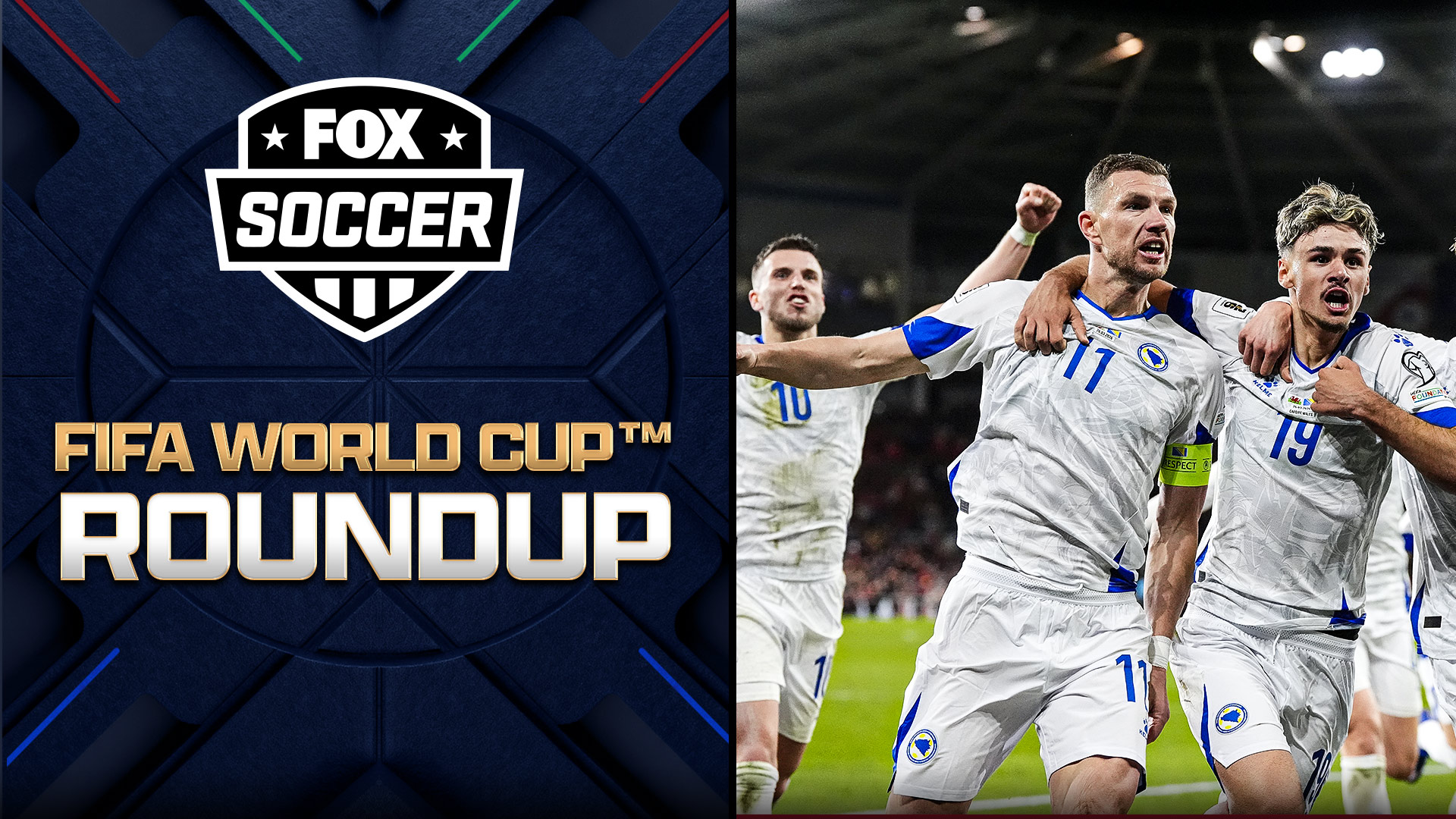
Relief for Italy. Heartbreak for Ireland. And justification for 40-year-old players still creating epic moments. Thursday’s World Cup qualifying action had it all. The penultimate round of the UEFA playoffs for the 2026 FIFA World Cup (which will feature 48 teams this summer) was an absolute golazo fest with 26 goals in a full slate of matches. Only four of the eight teams that are still standing will book a spot in this summer’s tournament. Meanwhile, two other spots will be up for grabs between four teams (Jamaica, Bolivia, Iraq and DR Congo) in the intercontinental playoff. [WHEN AND WHERE: Full Schedule for 2026 FIFA World Cup] Before we look ahead to Tuesday’s matches, let’s take a look back at the best of the day in FOX Sports’ World Cup Roundup: Goal of the Day: Florent Muslija, Kosovo Kreshnik Hajrizi’s match-deciding goal might be the one that goes down in Kosovo history, but it would be a shame if Florent Muslija’s free kick got lost in the mix — what a goal. Assist of the Day: Arda Güler, Türkiye If Turkiye clinches its spot in the World Cup, you can expect to see a lot more of Real Madrid wonderkid Arda Guler. Güler didn’t make his way onto the score sheet on Thursday, but he did magnificently setup Ferdi Kadıoğlu’s match-winning goal. Best Vintage Performance: Edin Džeko, Bosnia and Herzegovina Edin Dzeko made his first and only appearance at the World Cup in 2014 with Bosnia and Herzegovina at the age of 28. Now 40 years old, Džeko is trying to will his country to its first appearance at the tournament since then, and he got off to a great start with a decisive goal in the semifinals. Save of the Day: Karl Darlow, Wales Wales goalkeeper Karl Darlow can bow out of World Cup qualifying with his head held high. Not only did he save Bosnia and Herzegovina’s first attempt in Thursday’s penalty shootout, but he kept the match from ending in regulation with an outstanding save on the line. What’s Next? The 2026 World Cup European Playoffs will end on Tuesday, with four teams all vying for a spot in this summer’s tournament. Meanwhile, the two other spots will be up for grabs on Tuesday between four intercontinental nations (Bolivia, Iraq, DR Congo and Jamaica). Here is Tuesday’s full match schedule: The winner of this game will join Group B (co-hosts Canada, Qatar, Switzerland). The winner’s games will be played in Toronto (vs. Canada), Los Angeles (vs. Switzerland) and Seattle (vs. Qatar). The winner between Sweden and Poland will join the Netherlands, Japan and Tunisia in Group F. Those games will be played in Monterrey, Mexico (vs. Tunisia), Houston (vs. the Netherlands) and Arlington, Texas. (vs. Japan). The winner of the Türkiye-Kosovo match on Tuesday will join the USA, Paraguay and Australia in Group D. Those matches will be played in Vancouver (vs. Australia), Santa Clara, Calif. (vs. Paraguay) and Los Angeles (vs. the USA). The winner of the Denmark-Czechia match will join co-hosts Mexico, South Africa and South Korea in Group A at the World Cup. Those games will be played in Guadalajara (vs. South Korea), Atlanta (vs. South Africa) and Mexico City (vs. Mexico). The winner of the Iraq vs. Bolivia match will join France, Senegal and Norway in Group I. Those matches will be played in Foxborough, Mass. (vs. Norway), Philadelphia (vs. France) and Toronto (vs. Senegal). The winner of this match will join Portugal, Uzbekistan and Colombia in Group K. Matches will be played in Houston (vs. Portugal), Guadalajara (vs. Colombia) and Atlanta (vs. Uzbekistan.)​Latest Sports News from FOX Sports
Categories
Sports Fox

USA to Play Kosovo or Türkiye In 2026 World Cup Group Stage

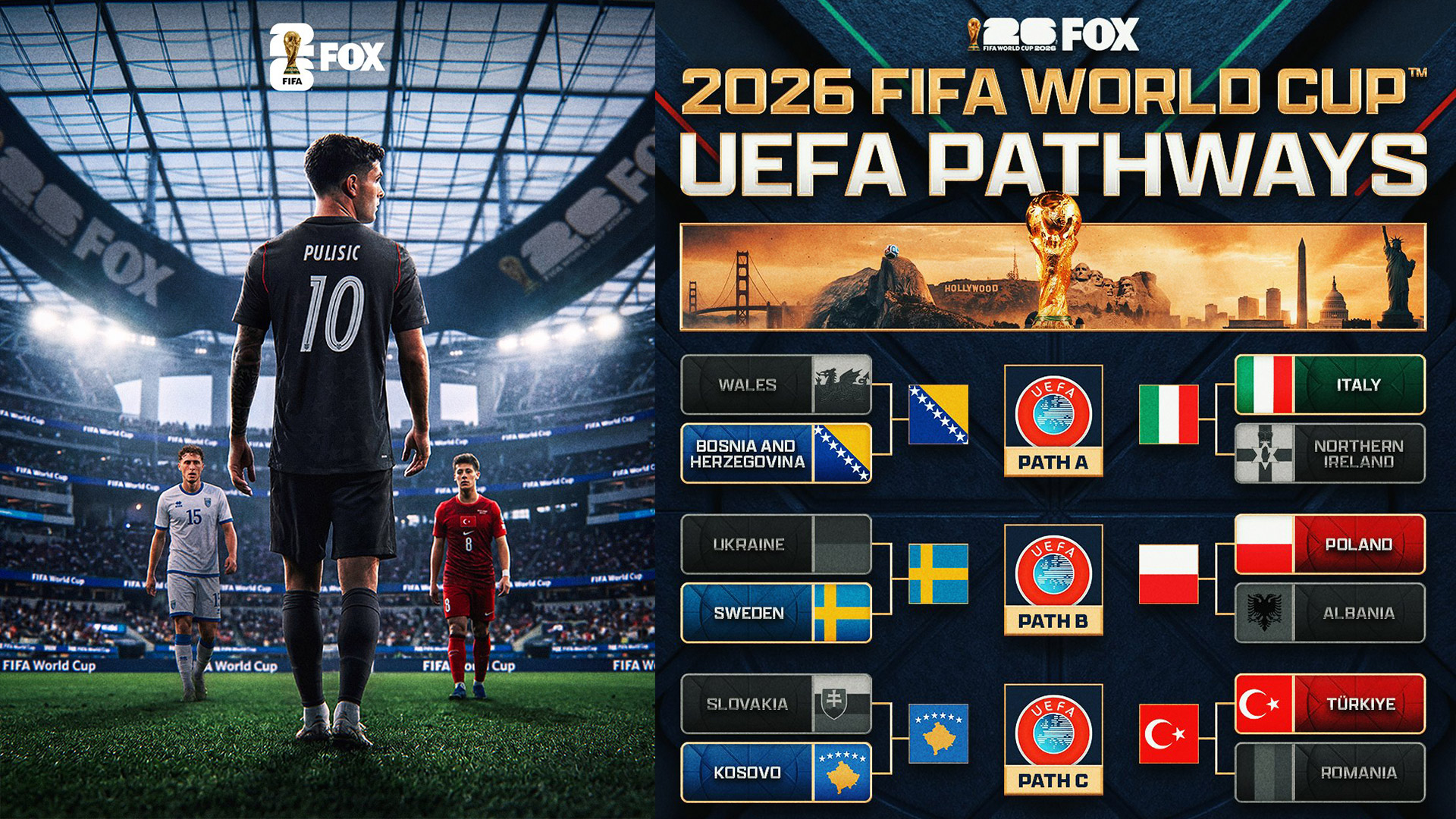
The United States’ group for the 2026 FIFA World Cup is nearly set. While the United States already knows it will play Paraguay and Australia in its first two matches at the tournament, its final opponent in Group D will be determined on Tuesday in the UEFA Patch C Playoff between Kosovo and Türkiye. [World Cup Qualifying: Italy, Türkiye Take Big Steps; Ireland Ousted] Kosovo booked its spot in the Patch C final with a 4-3 win against Slovakia at Tehelné pole on Thursday. Four different players scored for Kosovo in its win. Kosovo is ranked 77th in the world by FIFA. Türkiye advanced to a matchup with Kosovo by narrowly beating Romania 1-0 on Thursday at Tüpraş Stadium. Ferdi Kadıoğlu scored Türkiye’s lone goal. Türkiye has the second-highest FIFA ranking (23) of any country still in the UEFA Playoffs; only Denmark (20) is ranked higher. The UEFA Patch Playoff final will take place on Tuesday at 2:45 p.m. ET. The winner will clinch a spot in the 2026 FIFA World Cup and compete in Group D with the United States, Paraguay and Australia.​Latest Sports News from FOX Sports
Categories
Sports Fox

4 Takeaways From World Cup Qualifying on Thursday

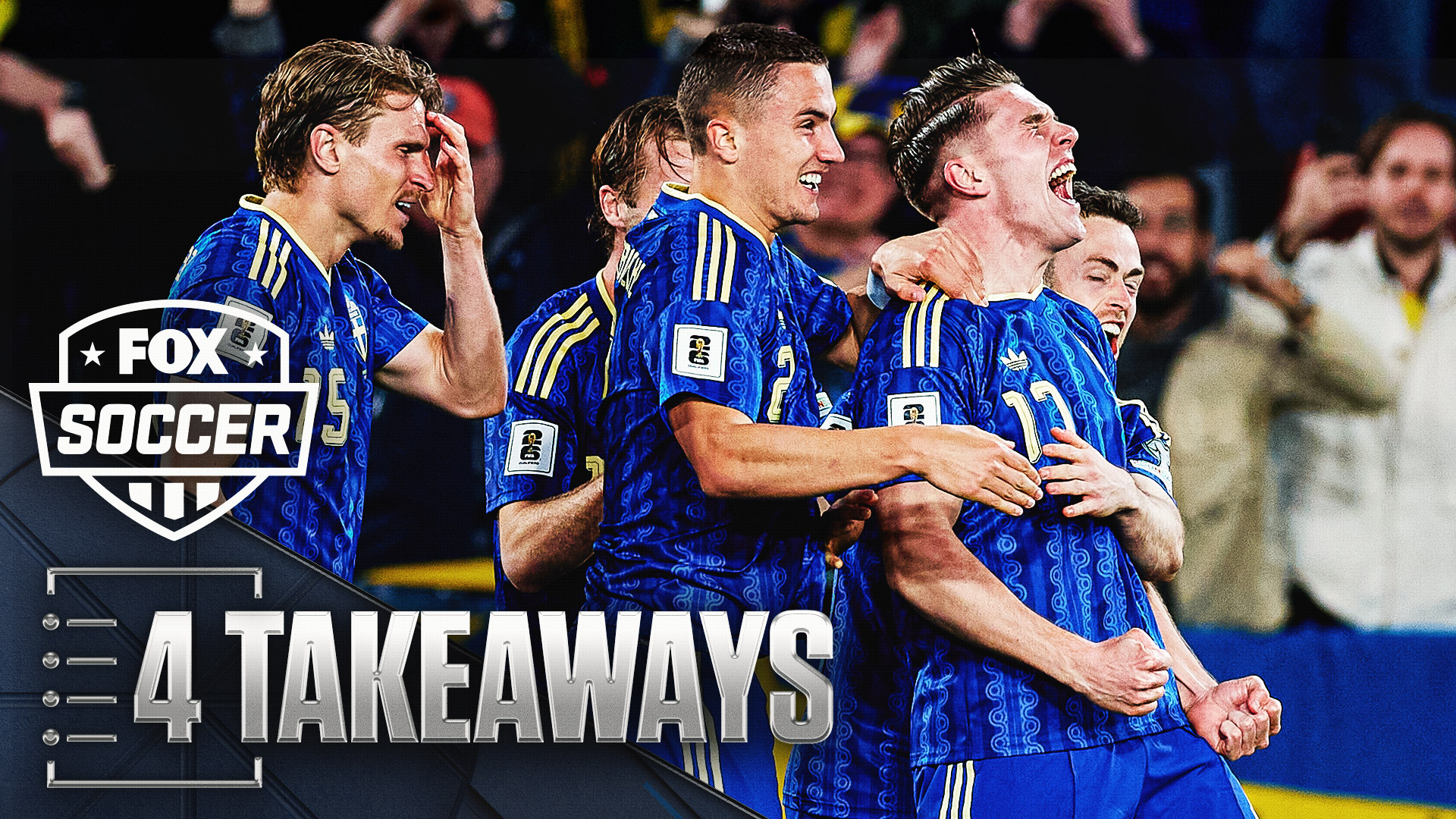
A big step forward was taken on Thursday for many countries to book their tickets to this summer’s World Cup. In the UEFA qualifiers, Turkiye and Italy advanced, while two matches went to penalty shootouts. Now, all eyes turn to Tuesday, which is when the final six spots will be booked. Here are the takeaways: 1. Türkiye takes care of Romania Of all the teams remaining in UEFA qualifying, Türkiye might be the one most other teams will want to avoid in the World Cup. Young playmakers Arda Guler (Real Madrid) and Kenan Yildiz (Juventus) power a young Turkish attack with veteran midfielder Hakan Calhanoglu (Inter Milan) pulling the strings. Guler assisted the goal in Türkiye’s 1-0 win, which was scored by left back Ferdi Kadioglu (Brighton). Türkiye went 4-1-1 in UEFA qualifying and finds itself in the playoffs because it was paired with Spain, which won Euro 2024. If it progresses to the World Cup on Tuesday against Slovakia, Türkiye will join Group D at the World Cup with the United States, Australia and Paraguay. The Turks may be favored to win that group. 2. No Isak, no problem for Sweden Sweden qualified for this round because of its performance in the UEFA Nations League, during which it had two elite strikers in Liverpool’s Alexander Isak and Arsenal’s Viktor Gyokeres. Isak is out because of injury for these matches, so it was Gyokeres’ time to shine – and he did. Gyokeres scored a hat trick against Ukraine, powering Sweden’s 3-0 win in Valencia, Spain. Sweden advanced in Path B of the UEFA playoffs to take on Poland next Tuesday with a trip to the World Cup on the line. It will be a great matchup of strikers with Gyokeres facing off against Barcelona’s Robert Lewandowski, who scored for Poland in its 2-1 win over Albania. 3. Italy moves closer to qualification Italy has failed to qualify for the last two World Cups, which is amazing after it won the Euro 2020 championship between two of the tournaments. There was a lot of tension entering these qualifying games, which saw the Italians take on Northern Ireland on Thursday. Manager Gennaro Gattuso’s team won 2-0 thanks to goals from midfielder Sandro Tonali (AC Milan) and striker Moise Kean (Fiorentina). Italy will take Bosnia and Herzegovina on Tuesday. A loss would be devastating for Italy, which will be a heavy favorite to make the World Cup. 4. Extra-time drama in Cardiff and Prague Between Wales and Bosnia and Herzegovina, 40-year-old striker Edin Dzeko scored off a corner to level the score at 1-1 in the 86th minute. Winger Daniel James (Leeds United) had opened the scoring for Wales in the 51st minute. Bosnia and Herzegovina missed its first penalty but converted its next four, while Crystal Palace’s Brennan Johnson and Nottingham Forest’s Neco Williams missed their for Wales. In Prague, Ireland went up 2-0 in the first half. Czechia scored its first goal four minutes later before Czechia captain Ladislav Krejci (Wolves) equalized in the 86th. Ireland was up 3-2 after three attempts, but it missed two straight penalties while Czechia converted its last two attempts to advance.​Latest Sports News from FOX Sports
Categories
Sports Fox

Touching Base: A Three-Peat In Sight But Dodgers Aren’t Thinking October … Yet

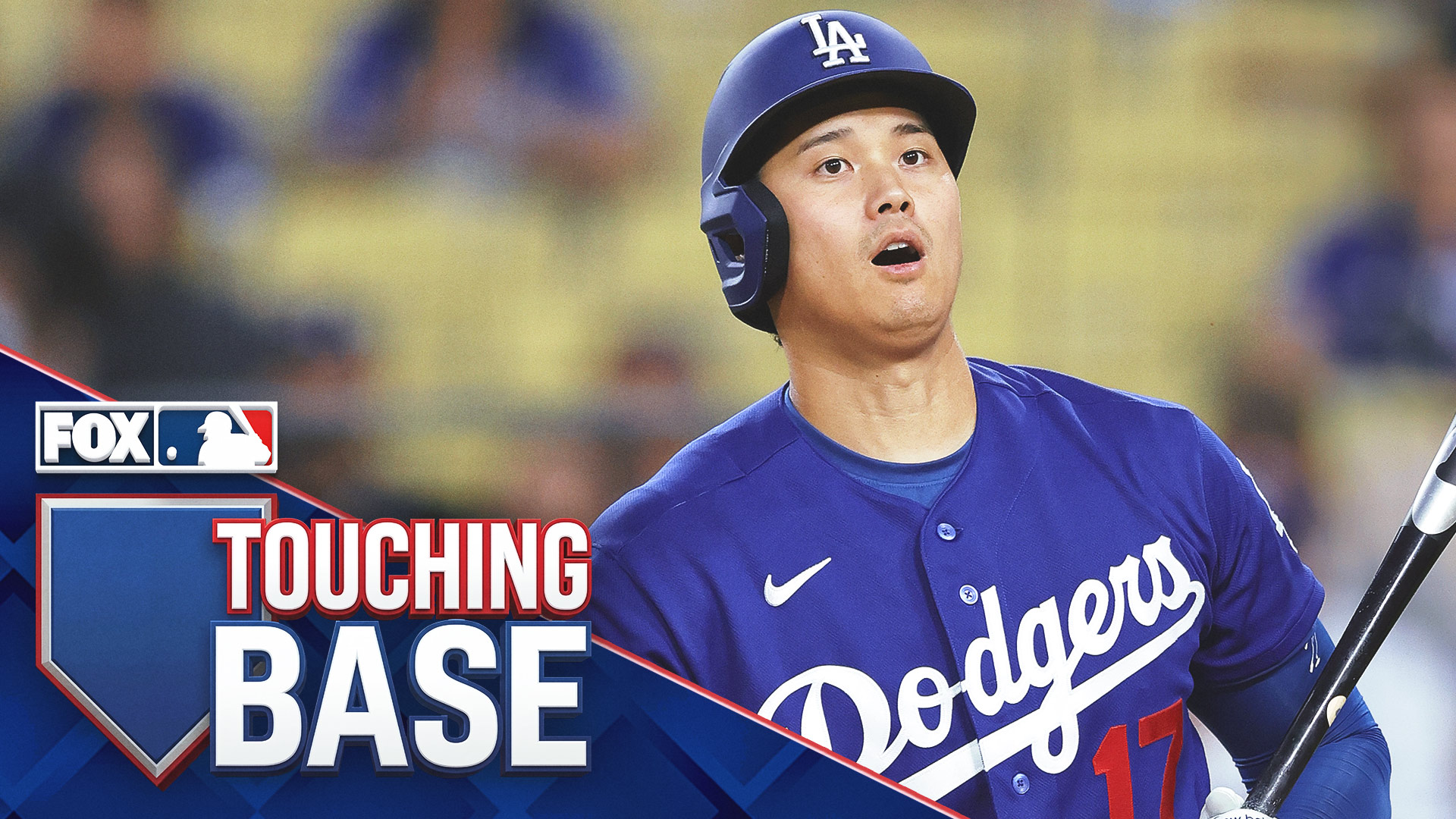
To their fans and many players around the league, the Dodgers are the blueprint, an ideal model of the success and synergy that’s possible when a willing ownership group supports an adept front office. To the 29 other fanbases, they represent a different kind of poster child, a quintessential example of everything wrong with the sport’s economic system and competitive imbalance. The narrative hasn’t changed as they embark on a new season, certainly not after adding the best free agent on the market and the best closer available to their championship core. Only now, they’re looking to become the first team in a quarter-century to win three World Series in a row. The pressure of that task does not appear to intimidate a veteran group that is already coming off of one triumphant title defense. “It’s going to be weird to say, but this year feels, to me, almost a little more relaxed,” Max Muncy told me last month, attributing the ease he felt this spring to the Dodgers’ normal build-up after starting the 2024 and 2025 seasons early in Seoul and Tokyo, respectively. “With that, you don’t even think about, ‘Oh, we’re trying to three-peat.’… You can’t focus on October yet. “Obviously we know that’s our goal, and we expect to be there, but you can’t go about your work with that in mind. You’ve got to go about your work thinking, ‘How am I getting better today? How are we getting better today as a team? What are we doing as a team today?’ That’s the message we’ve always tried to preach here.” Dave Roberts relayed similar thoughts to his group in February when the Dodgers reconvened for the first time as a full group this spring. On paper, he knows this is probably the best roster he has ever managed, no small feat for a team that has won three championships in the last six years and 12 division titles in the last 13 seasons. But Roberts, like Muncy, doesn’t feel any added pressure compared to recent years. In the midst of the Dodgers’ golden era, winning the World Series has become the annual expectation, and the Dodgers are returning all the core pieces from an experienced squad that already demonstrated its resolve last season. “I thought we did a very good job of keeping our eyes looking forward at our goal versus looking to the side and looking at who’s around us, who’s chasing us,” Roberts said. “Knowing you have a target — as we should if we’re the defending champions — but to still focus on yourselves and what’s forward, that’s what we do a good job of.” So the goal, and his message, remain largely the same. Had the Dodgers stood pat this offseason, they still would have been the favorites to win it all again in 2026. Instead, they targeted “needle-movers” and kept pushing, addressing the two biggest concerns on their roster by adding four-time All-Star outfielder Kyle Tucker and three-time All-Star closer Edwin Diaz. Both could have signed a longer deal elsewhere, but both chose the Dodgers on lucrative shorter-term pacts. The three-year, $69 million deal for Díaz set a record for average annual value for a reliever. The staggering four-year, $240 million deal for Tucker set a record for present-day average annual value for any player. “We’ve built something really special around here,” said Freddie Freeman, “and everybody wants to be a part of it.” The Dodgers aren’t concerned about complacency, but the injection of new talent helps in that regard. – MLB Team-By-Team Season Preview- MVP? Cy Young? Making Our Picks- 30 MLB Breakout Stars for 2026 When Roberts gathered his team together for the first time in February, he discussed the 2025 championship run and the little things that got the Dodgers back to baseball’s apogee. Then he handed the floor to newcomers Tucker and Díaz, who shared their views of the Dodgers’ organization from the outside. “It was just more about what made the Dodgers attractive to them,” Roberts explained, “and I think it’s powerful for our guys to hear it from the other side, from somebody who hasn’t been here.” For Díaz, who has yet to make it to a World Series in his nine-year career, he felt this move gave him his best shot to win. For the Dodgers, this winter’s spending was just the latest example of their desire to cement their place atop the sport’s pedestal, regardless of the staggering cost, the tax penalties incurred or the simmering hostility around the league as they operate in a different financial stratosphere. “When you see your front office go out and add more guys, saying, ‘We’re not done,’ it just kind of creates a message of we have to keep winning,” Muncy said. “It’s very invigorating for the players to know the organization wants to keep winning. They’re not just set with one win. They want to keep going, and that creates a hunger in itself.” Building A Juggernaut The Dodgers have built their juggernaut, and become the envy and epicenter of the sport, for a multitude of reasons. They’ve chosen their long-term deals carefully, they’ve drafted and developed well internally and they’ve spent exorbitantly, using their many revenue streams to invest back into the product unlike any team before. The result is back-to-back World Series championships and a team that is the overwhelming favorite to win a third straight, something that hasn’t been done since the 1998-2000 Yankees. Prior to that, it was the 1972-74 Oakland Athletics. Baseball Prospectus’ PECOTA standings project the Dodgers to win 103 games, nine more than the next closest team. FanGraphs gives the Dodgers a 19.7% chance to win the World Series, 10% higher than the next closest team. “You always have to have somebody that teams and fans enjoy disliking,” Roberts said, leaning into the villain role. “That’s good for fans and sports, I think. I was one of those guys that didn’t like the Yankees but saw their value to the sport, certainly…when you can get put in that vein of the Yankees of the ‘90s, you’re doing something right.” Whether or not the Dodgers win it all again, the acrimony felt by fans and owners of other teams is certain to bleed into the upcoming labor negotiations. Most of the players on those 29 other teams, however, don’t see any problem with the way the Dodgers operate. Last month, Manny Machado and Fernando Tatis Jr. of the rival Padres both praised the way the Dodgers built their team. So did Bryce Harper, whose Phillies came up short against the Dodgers in last year’s NLDS. “They pay the money, they spend the money, they run their team like a business,” Harper said. “They run it the right way. They understand where they need to put their money into but also, people don’t look at this either, their draft and their development is unbelievable.” Those supporting pieces make it feel inevitable that the Dodgers could sleepwalk their way to the 2026 postseason, even with Blake Snell, Tommy Edman, Kiké Hernández and a plethora of talented relievers starting the season on the injured list and Roki Sasaki coming off an ominous spring. For most teams, those obstacles could derail a season. The Dodgers, however, are not most teams. They’ve built a roster seemingly deep enough to provide an answer for any problem that might arise. And yet, despite the fan vitriol, they are not an indomitable force. Getting to the playoffs hasn’t and shouldn’t be a problem. Once there, though, they know that nothing is guaranteed. In 2024, the Padres had two chances to knock off their rivals in the NLDS and came up short both times, despite the Dodgers needing to patch together bullpen games to survive the gauntlet. The Dodgers have harkened back to that series victory as a turning point for the franchise. In 2025, the additions of Snell and Tanner Scott seemingly pushed them to heights unseen. Many projected them to shatter the all-time wins record. Instead, they won 93 games, their fewest in a full season since 2018. They treated the regular season like a dress rehearsal, carefully handling their pitching staff so their best arms could be available when needed most at season’s end. And still, they needed to use their starters in relief to survive October. The Blue Jays came two outs away from conquering Goliath before falling victim to an unlikely protagonist. It was Miguel Rojas, not Shohei Ohtani, Mookie Betts or Freeman, who was the Game 7 hero with a game-tying, series-altering, life-changing home run. “I waited 20 years in professional baseball to have that moment, and it happens to me at the end of my career,” Rojas said last month. “In Italy, I’m walking around Rome and I’m seeing Dodgers fans over there saying, ‘Thank you for hitting that home run.’ It’s crazy. It’s overwhelming.” The ninth-inning blast from Rojas, who had just one home run the final two months of the season, and a back-and-forth World Series for the ages demonstrated the unpredictability of postseason baseball. The result made the target on the Dodgers’ back even bigger entering 2026. “It’s a challenge, but it’s something we get to look forward to,” Muncy said. “We get to embrace it. That’s what makes it fun.” In Touching Base, we check on which are the biggest topics in baseball and what comes next for the players and teams involved.​Latest Sports News from FOX Sports
Categories
Sports Fox

World Cup Qualifying: Italy, Türkiye Take Big Steps; Ireland Ousted

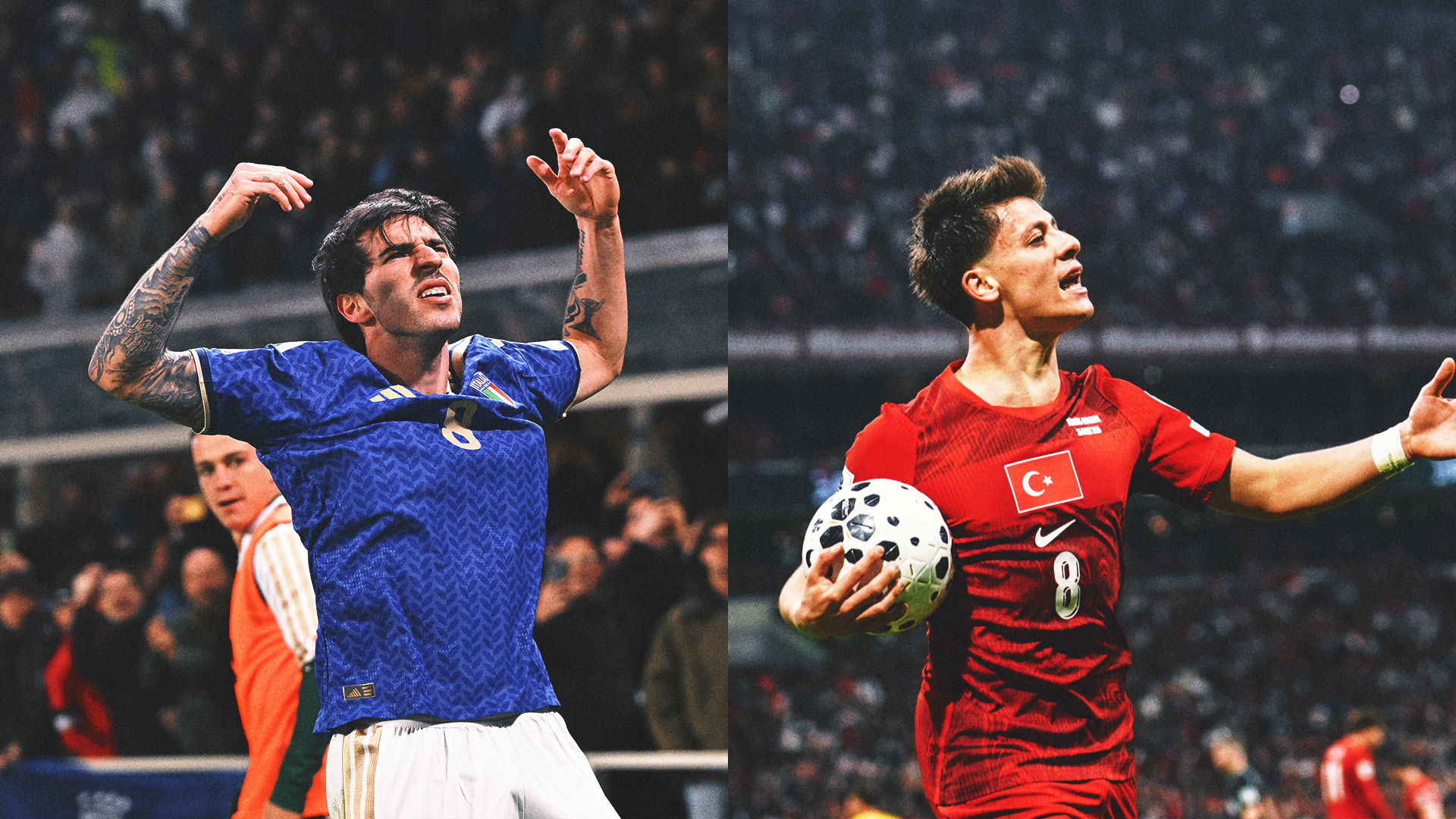
By next Tuesday, all 48 spots in the 2026 World Cup – the largest edition in tournament history – will be filled. Until then, there’s a lot of important soccer happening around the world.  In UEFA (Europe’s soccer confederation), four World Cup spots are still up for grabs. After Thursday’s round of action, we’ll now know who will take those spots next Tuesday: – Bosnia & Herzegovina vs. Italy – Sweden vs. Poland- Kosovo vs. Türkiye- Czechia vs. Denmark Elsewhere, six nations from across different soccer confederations are vying for two spots in separate three-team tournaments being held in Mexico. Two teams will emerge on Tuesday and book spots for the World Cup. That bracket is: Bolivia vs. IraqNew Caledonia/Jamaica vs. DR Congo Before we get set for those games on Tuesday, we’re recapping all of Thursday’s action: JUMP TO: UEFA Path A | UEFA Path B | UEFA Path C | UEFA Path D | Intercontinental Playoff UEFA Path A: Italy On Cusp of World Cup Spot It’s inexplicable that a country with such a rich soccer heritage and which has won four World Cup titles has not reached soccer’s biggest stage since 2014. Surely Italy won’t miss yet another tournament, right? Well, the Azzurri took a step in the right direction by beating Northern Ireland in Bergamo. Sandro Tonali broke the deadlock with a half-volley early in the second half for Italy at home in Bergamo and then set up another goal for Moise Kean. They will now have to travel to Bosnia and Herzegovina (who outlasted Wales on penalties) for a spot in the World Cup – where they’ll join Group B (co-hosts Canada, Qatar, Switzerland). The winner’s games will be played in Toronto (vs. Canada), Los Angeles (vs. Switzerland) and Seattle (vs. Qatar). “After taking the lead, we cleared our minds,” Italy coach Gennaro Gattuso said. “We put in a good performance. This should be a confidence boost for Tuesday. … We have to win. We have no other choice.” Bosnia advanced after 40-year-old Edin Dzeko leveled the score and 18-year-old Kerim Alajbegovic converted the winning spot-kick in a 4-2 penalty shootout win over Wales following a 1-1 draw. Path B: Sweden’s Gyökeres Hits Hat Trick – Next Up? Poland A hat trick by Viktor Gyökeres saw Sweden handle Ukraine and take another step closer towards the World Cup. The Swedes will next face Poland, who defeated Albania. The winner between Sweden and Poland will join the Netherlands, Japan and Tunisia in Group F. Those games will be played in Monterrey, Mexico (vs. Tunisia), Houston (vs. the Netherlands) and Arlington, Tex. (vs. Japan). Gyökeres took center stage as the Arsenal playmaker shined despite having not scored for his country since 2024. Ukraine, who had a consolation goal by Matviy Ponomarenko. Poland had to rally past the Albanians, who took an initial lead by Arber Hoxha in the first half. But Poland equalized after 37-year-old Robert Lewandowski scored a crucial header, followed by Piotr Zielinski’s goal that put Poland in front. The win also kept Lewandowski’s (who plays at Barcelona) hopes of playing in a third World Cup. UEFA Path C: Türkiye, Kosovo Advance; Winner Joins USA’s Group We’re closer to getting the full picture of who will join the USA’s World Cup group. Real Madrid’s Arda Güler set up Ferdi Kadioglu’s goal as Türkiye took down Romania to give them another step toward advancing to the World Cup. Türkiye will next take on Kosovo, who outlasted Slovakia in a seven-goal thriller. The winner of the Türkiye-Kosovo match on Tuesday will join the USA, Paraguay and Australia in Group D. Those matches will be played in Vancouver (vs. Australia), Santa Clara, Calif. (vs. Paraguay) and Los Angeles (vs. the USA). Romania’s elimination means that 80-year-old Mircea Lucescu won’t get a chance to coach at the World Cup for the first time. Lucescu captained Romania at the 1970 World Cup. He previously coached Türkiye. Nicolae Stanciu hit the post in the second half in Istanbul, but Romania couldn’t muster the equalizer. “We knew it would be a tough match. Lucescu knows us well and prepared accordingly,” Türkiye captain Hakan Çalhanoğlu said. “In the first half, we could have made better runs in behind. In the second half, Ferdi scored with a ball in behind and it became 1-0. From then, it was ours.” As for Kosovo, the team is one game away from its first-ever World Cup after twice recovering from a goal down to upset Slovakia 4-3. – Countdown of the Top 100 Moments in World Cup History- 2026 World Cup Groups: Full Results From Draw Path D: Denmark Throttles North Macedonia; Ireland Heartbreak Denmark had no trouble with North Macedonia as Gustav Isaksen scored twice in two minutes in Denmark’s 4-0 win. The Danes will now take on Czechia, who needed penalties to oust Ireland. The winner of the Denmark-Czechia match will join co-hosts Mexico, South Africa and South Korea in Group A at the World Cup. Those games will be played in Guadalajara (vs. South Korea), Atlanta (vs. South Africa) and Mexico City (vs. Mexico). It’s a heartbreaking loss for the Irish, who had reached this stage thanks to some late-game heroics from Troy Parrott during the previous qualifying phase. Instead, it is the Czechs who are moving on. Ireland gave up an early 2-0 lead in the game, and was also leading the shootout before failing to convert either of its last two attempts. Intercontinental Playoff Games Outside of Europe, a mini-tournament between six nations is being held in Mexico to decide two World Cup spots. Bolivia took care of Suriname to advance to Tuesday’s match against Iraq. The winner of that game will join France, Senegal and Norway in Group I. Those matches will be played in Foxborough, Mass. (vs. Norway), Philadelphia (vs. France) and Toronto (vs. Senegal). In the other bracket, the winner of the DR Congo vs. New Caledonia/Jamaica match will join Portugal, Uzbekistan and Colombia in Group K. Matches will be played in Houston (vs. Portugal), Guadalajara (vs. Colombia) and Atlanta (vs. Uzbekistan.)​Latest Sports News from FOX Sports

Categories
Sports Fox

Pirates Ace Paul Skenes Fails to Make it out of 1st Inning in Opening Day Start vs. Mets

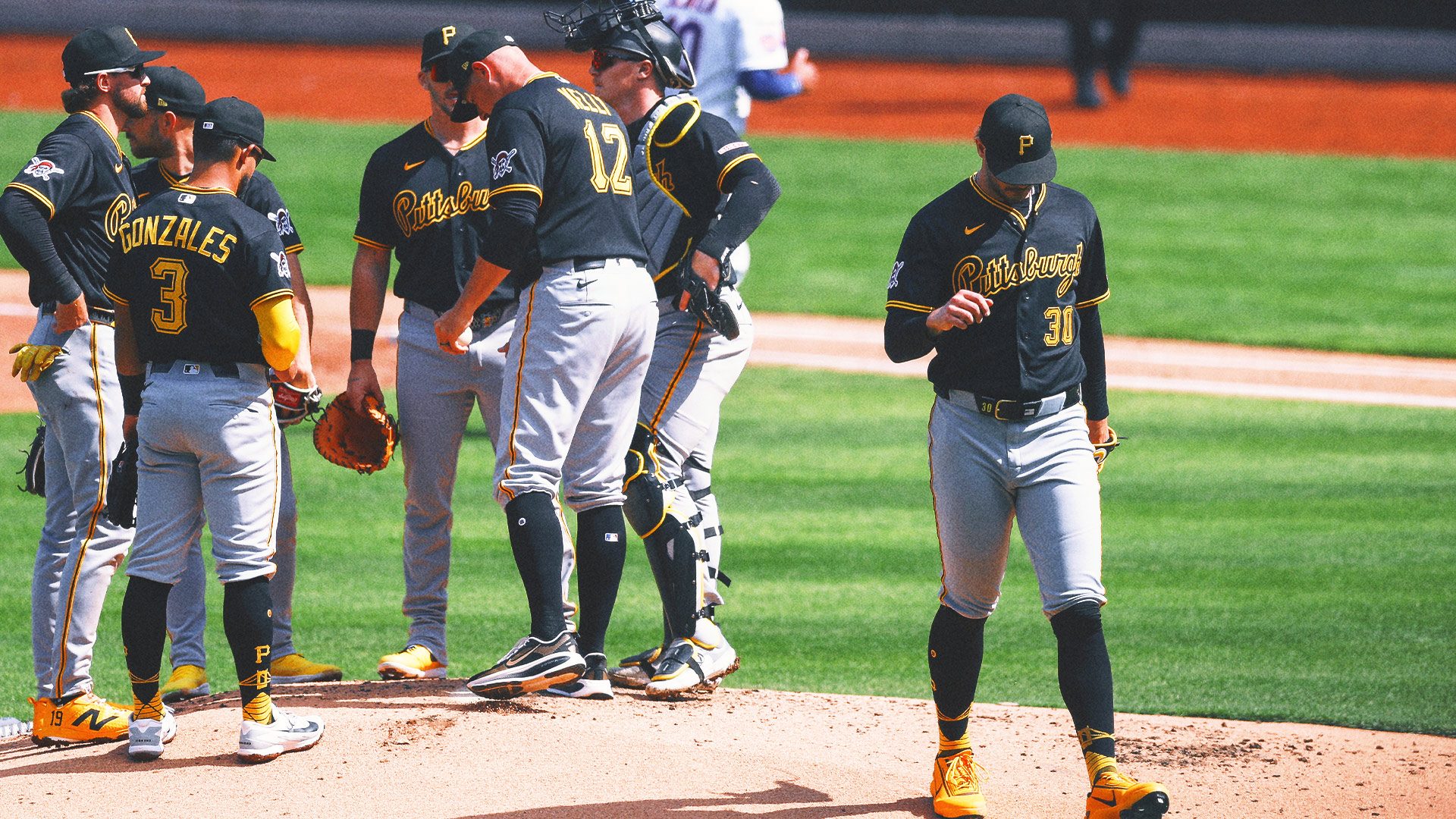
Paul Skenes’ first start of the 2026 season might not have even lasted a New York minute. The Pittsburgh Pirates’ ace surrendered five runs in his Opening Day start against the New York Mets, and was pulled after pitching just ⅔ of an inning. All five runs were earned, with the Mets logging four hits and two walks off Skenes before he drilled catcher Francisco Alvarez. Skenes also recorded a strikeout. Mets shortstop Francisco Lindor began the inning with a walk before star outfielder Juan Soto moved him to third on a single in the following at-bat. Third baseman Bo Bichette scored Lindor on a sacrifice fly in his first at-bat with the Mets. A single by first baseman Jorge Polanco and a walk from outfielder Luis Robert Jr. allowed the Mets to load the bases with just one out against Skenes. That’s where Skenes’ day quickly unraveled, with Pirates center fielder Oneil Cruz making a pair of mistakes to make matters worse for the reigning NL Cy Young winner. Designated hitter Brett Baty hit a bases-clearing triple that might have been caught by Cruz had he not misplayed the ball off the bat. On the very next pitch, second baseman Marcus Semien hit a pop fly that should’ve been caught by Cruz, but dropped in the gap. New York took a 5-2 lead by that point, negating the early lead Pittsburgh took off a two-run homer from Brandon Lowe in his first at-bat with the Pirates. While Skenes was able to strike out right fielder Carson Benge in the following at-bat, his day ended after he plunked Alvarez. Skenes threw 37 pitches in the first inning before getting pulled. Thursday marked the shortest outing of Skenes’ young career, and just the second time he allowed five earned runs in an outing. It’s also the first time that the Mets have scored more than three runs in the first inning on Opening Day in franchise history. Skenes’ outing came on the heels of his impressive showing for Team USA at the World Baseball Classic. The righty allowed just one run in 8 ⅓ innings over two outings during the tournament. But Pirates manager Don Kelly expressed that he wanted to limit Skenes’ usage after things went south in the first inning. “It was all pitch count related, really, for him,” Kelly told the NBC broadcast. “We didn’t want to put him in harm’s way, up in the 40-pitch count mark. If we get in a foul ball battle there, we don’t want to push him in the mid-40s [in the first inning].” The Mets wound up pulling away from the Pirates to win 11-7. Lowe hit his second homer of the day for the Pirates, but the Mets’ new-look lineup was too much for the Pirates to overcome. Benge and Alvarez hit back-to-back home runs, while Robert had two RBI singles in his Mets debut.​Latest Sports News from FOX Sports

Categories
Sports Fox

Team USA Stars Reveal What It Would Take for NFL Players to Master Flag Football

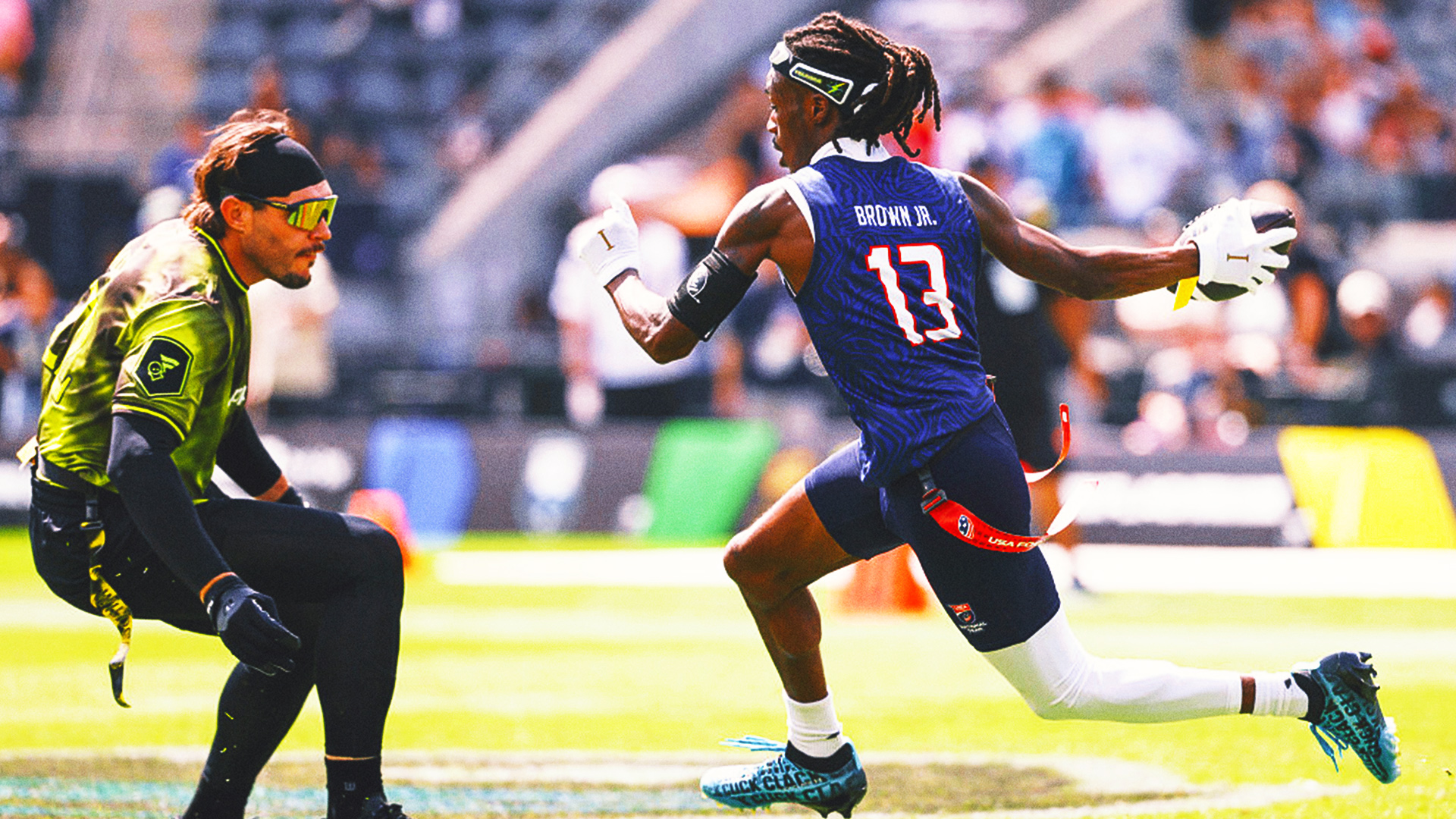
A minute before halftime of the inaugural Fanatics Flag Football Classic last weekend, Team USA’s Velton Brown Jr. caught a pass just past midfield. He surveyed the open field around him and scanned the defense. Then he accelerated. As Team Wildcats’ Luke Kuechly tried to pull one of his flags from behind, Brown contorted his body mid-sprint to make the Hall of Fame linebacker miss. When veteran NFL receiver DeAndre Hopkins lunged toward him by the sideline, Brown niftily jumped backward to avoid his arm. Then, with both Kuechly and Hopkins in front of him, Brown started a series of jukes. He slipped between them. Still, they couldn’t pull his flag. Brown’s dazzling array of moves finally ended at the 7-yard line, where his right knee touched the ground. But the viral highlight on Saturday — on top of Team USA’s dominance of current and former NFL stars throughout the day — encapsulated the message that the flag players hoped to send. Team USA went 3-0 to win Saturday’s round-robin tournament in Los Angeles, scoring on every possession except a kneel-down at the end of one victory. “I think truly that guys understand that flag football is its own sport,” Darrell “Housh” Doucette, a Team USA flag national team member since 2021 and MVP of Saturday’s tournament, told me. “We are in our own lane.” The flag players were noticeably smaller and quicker than their NFL counterparts. Their shiftiness often made their opponents look silly. But the biggest takeaway was the flag players’ mastery of their sport, prompting discussion about what it would take for NFL players to challenge for spots on the U.S. flag team that will compete in the 2028 Olympics, when flag football will make its Olympic debut. [4 Takeaways From Fanatics Flag Football Classic] As a discipline of football, the flag game’s similarities to tackle football are clear. The ball looks the same. The ability to throw, catch and cover translates. Speed, athleticism and versatility matter, too. But flag football is a faster game than tackle football. It’s played on a much smaller field (50 yards long between the end zones, 25 yards wide). Receivers have to run routes differently in a smaller space. For quarterbacks, the clock in their head is sped up because the rush gets to them a lot faster than what they’re accustomed to. The non-contact component of flag is “obviously a glaring one” for NFL players, according to former NFL assistant coach Callie Brownson, USA Football’s senior director of high performance and national team operations. “I think when we say non-contact, everybody just automatically goes to tackling, which obviously is very true. You can’t tackle in a 5-on-5 game. But what also falls under that category of non-contact that people don’t give enough credit to is, for example, you can’t hold somebody up while you’re trying to pull their flag,” Brownson told me. “You can’t initiate any sort of contact with a player at the top of the route. You can’t run through a player in order to make a play on the ball. You can’t shield or block or post anybody up. Non-contact is actually a little more complex than just the tackling component. “Then the other piece is flag-pulling,” she added. “It’s a super, super unique skill that I don’t think enough people appreciate until they go through that process. You’re not just pulling a stationary flag. As you saw on Saturday, these are unique, dynamic movements that these ball carriers are making. The plane and the level of the flag is changing. The axis of the flag is changing on a dime. Flag-pulling is a super unique skill that’s particular to our sport. It [requires] a certain type of hand-eye coordination that has to be trained over time.” Brown, the cousin of Detroit Lions star safety Kerby Joseph, played high school and semi-pro football before getting involved with flag football. He says there was an acclimation process to learning the nuances of flag. “A lot of people are used to the blocks,” Brown told me. “A lot of people are used to the heavy hits and things like that, but flag consists of more finesse, more IQ to where it’s a smaller field. “You don’t necessarily get to read a hole like a running back. It’s a totally different game,” he added. “Maybe a guy is trying to pull your flag and you may stiff-arm just because that’s the natural instinct of what you’re used to. That was kind of the adjustment for me, learning how to keep my hands up and not to necessarily want to jam somebody or slap the ball out of their hands, things like that.” Team USA member Isaiah Calhoun, who had a pick-six off Cincinnati Bengals quarterback Joe Burrow, places a higher emphasis on smarts than athleticism in flag football. “If you just athletic and not smart, you’re not going to know what to do. But if you’re smart and add your athleticism to the game, then you’re going to be one of the best players in the world or one of the most known players in the world,” Calhoun told me. “You have to learn from various people that have been playing for a long time before you get on the field. If you just get on the field and not know what to do, you’re going to be embarrassed out there.” While it’s clear that there will be a learning curve for them to master flag football, NFL players remain on track to participate in the sport at the 2028 Olympics. Last May, NFL owners approved a resolution permitting it, though specifics of their participation must still be finalized with the NFL Players Association and relevant Olympic authorities. Doucette, Brown and Calhoun don’t see a problem with NFL players challenging for roster spots on the flag team. They view their involvement as part of their sport’s growth. “When [NFL players] step on the flag football field and they’re competing with us, they’re not NFL guys in my eyes,” Doucette told me. “We all feel that we are one, we are equal and we are all flag football players at that time. And if they study the game and they’re willing to take the time out of their busy schedule and to come out and learn it, hey, man, hats off to them. Come out and be great, because now you’re a part of our community and we accept you with open arms, the same way they accepted us as peers over the past weekend. “We are the USA national team, but the USA national team also gives open invites to guys to come out and make the team better,” Doucette added. “And if you say, OK, 10 [NFL] guys would be better suited for the game, and they go out there and win gold, you can’t blame them for putting out the 10 best guys. And I think that’s what it’s all about.” Brownson said that “time on task” is the biggest thing that NFL players need with flag football. Athletes in basketball, soccer and track & field have also found success in the sport due to transferable skills, she said. “What you see sometimes in the tackle [football] world, a player has a predominant position in college and they get drafted and have to do something else at the NFL level. It’s no different than that in the sense that it takes reps and it takes time [to master flag football],” Brownson told me. “It’s specific to each player on how quickly they pick things up or how much practice they need. “There’s no really true, ‘Hey, here’s how much time it takes for you to be a great flag-puller.’ It’s unique to the player. But I’d say, holistically speaking, it’s time on task just like anything else to be able to build instincts that are applicable to flag.” Team USA came out of the Fanatics event feeling like the NFL and celebrity players acknowledged the time they have put into their sport. “It was just like, ‘We understand why y’all do this,’” Doucette said of the conversations that transpired. “‘People look at y’all size, but they don’t understand how twitchy you guys are, how fast and how quick y’all can break down, whether it’s stopping on the dime or dropping low to dip through defenders.’ “Those guys really had the utmost respect for us,” he added. “A big salute to those guys for accepting us.”​Latest Sports News from FOX Sports

Categories
Sports Fox

Big Ten’s Historic Sweet 16: Ranking All Six Teams by Championship Potential

The opening weekend of the NCAA Men’s Basketball Tournament started and ended with a thud for the Big Ten. In an instant, No. 8 Ohio State lost to No. 9 TCU in the very first game that tipped on Thursday afternoon. It wasn’t much later when No. 5 Wisconsin got upended by No. 12 High Point in one of the most exciting games we’ve seen so far. And come Sunday evening, with only two Sweet 16 spots still up for grabs, No. 7 UCLA unraveled against No. 2 UConn. But in between? Oh, man, seemingly everything went the conference’s way in an event that has largely befuddled the league since its last national champion, Michigan State, cut down the nets in 2000. When the dust finally settled, six Big Ten teams had reached the Sweet 16 in Michigan, Illinois, Purdue, Michigan State, Nebraska and Iowa. That’s one shy of an NCAA Tournament record set by the SEC last year. “We’ve been cheering like crazy for the Big Ten, and everyone’s done well,” Michigan head coach Dusty May said at a news conference earlier this week. “It’s important for recruiting, for the future, the television rights and packages, everything that goes with the enterprise of college basketball. How we do in the NCAA Tournament is incredibly important.” So how do the Super Six stack up? Aside from Michigan, which everyone knows was the best team in the Big Ten all season, how does the hierarchy shake itself out? Here’s a breakdown based on what we’ve seen so far: 6. Iowa Hawkeyes (No. 9 seed) Round of 64: defeated No. 8 Clemson, 67-61 Round of 32: defeated No. 1 Florida, 73-72 Sweet 16: vs. No. 4 Nebraska (Thursday, 7:30 p.m. ET) What a run for first-year head coach Ben McCollum, who has now guided the Hawkeyes to their first Sweet 16 berth since 1999 and just the ninth such appearance in school history thanks to a stunning upset of No. 1 Florida. Power forward Alvaro Folgueiras swished a 3-pointer from the right corner with 4.5 seconds remaining to officially dethrone the Gators, winners of last year’s national title. Now, Iowa will challenge conference rival Nebraska for an opportunity to reach the Elite Eight, something the Hawkeyes haven’t done since 1987. McCollum’s team has advanced this far by leaning on the NCAA Tournament’s best offense based on advanced metrics. An offensive efficiency mark of 142 points per 100 possessions since March Madness began is nearly two points clear of any other team in the field, according to Torvik. Much of that success can be traced back to offensive rebounding and free throws. Iowa has snagged 35 offensive rebounds across its first two tournament games and used those extra possessions to rack up 53 free-throw attempts (38 makes). The Hawkeyes will face a stiffer test against Nebraska, whose defense ranks fourth since the Big Dance began. 5. Nebraska Cornhuskers (No. 4 seed) Round of 64: defeated No. 13 Troy, 76-47 Round of 32: defeated No. 5 Vanderbilt, 74-72 Sweet 16: vs. No. 9 Iowa (Thursday, 7:30 p.m. ET) Last weekend’s triumph in Oklahoma City, where the Paycom Center was flooded with red, is one Nebraska’s proud fans won’t soon forget. It began with the Cornhuskers earning their first-ever NCAA Tournament win by pummeling Troy in the opening round, ending its drought as the last power-conference team without a victory in this event. Then, on Saturday, the Nebraska faithful were treated to one of the best games of the opening weekend, narrowly surviving a three-quarter court heave at the buzzer. Hearts thumped, mouths were agape. Though Nebraska is known for running an aesthetically pleasing offense under head coach Fred Hoiberg, who received another contract extension earlier this month, the Cornhuskers are playing ferocious defense in the tournament. They rank fourth in defensive efficiency, ninth in effective field goal percentage defense and 11th in forced turnover rate. The challenge on Thursday will be facing a conference foe against whom Nebraska split its two regular season meetings: a 57-52 road loss on Feb. 17 and an 84-75 home win in overtime on March 8. [MEN’S TOURNEY: Ranking Sweet 16 Matchups] 4. Michigan State Spartans (No. 3 seed) Round of 64: defeated No. 14 North Dakota State, 92-67 Round of 32: defeated No. 6 Louisville, 77-69 Sweet 16: vs. No. 2 UConn (Friday, 9:45 p.m. ET) While it’s true that Michigan State played well during both games of the opening weekend, the Spartans were also fortunate to receive a relatively favorable draw. They were never likely to be challenged by a North Dakota State team that ranks 125th or worse in both offensive and defensive efficiency, according to KenPom. Nor were they ever likely to face Louisville at full strength given the lingering back issue for freshman sensation Mikel Brown Jr. (18.2 points per game), who missed both of his team’s games and is now likely to enter the NBA Draft as a potential lottery pick. But that doesn’t mean there aren’t things for head coach Tom Izzo to be excited about entering the Sweet 16 matchup with UConn. In terms of perimeter shooting, the Spartans have already made 21 3-pointers in this year’s tournament — 10 against North Dakota State, 11 against Louisville — despite only averaging 7.8 made 3s per game, which is tied for 176th nationally. Junior forward Coen Carr, whose offensive contributions are often inconsistent, is averaging 19 points per game through the opening weekend. Tremendous production from role players like freshman forward Cam Ward (15 total points) and senior guard Trey Fort (19 combined points) has taken some of the pressure off the Spartans’ core four. 3. Purdue Boilermakers (No. 2 seed) Round of 64: defeated No. 15 Queens, 101-74 Round of 32: defeated No. 7 Miami, 79-69 Sweet 16: vs. No. 11 Texas (Thursday, 7:10 p.m. ET) Is there any team in the country hotter than Purdue right now? Beginning with a victory over Northwestern in the second round of the Big Ten Tournament, the Boilermakers have won six in a row by an average margin of 16.2 points per game. And during that span, according to Torvik, head coach Matt Painter’s team has the most efficient offense in the country at 140.2 points per 100 possessions. On a larger scale, more than six weeks have passed since Purdue was last held to fewer than 70 points (Feb. 7 vs. Oregon). The biggest question facing the Boilermakers against Texas and, potentially beyond, is whether the leading trio can continue to produce at such a high level. Point guard Braden Smith, now the record holder for most assists in Division I history, has 38 points and 16 assists in two games. Shooting guard Fletcher Loyer has made four 3-pointers in each round. Power forward Trey Kaufman-Renn has owned the paint by scoring 44 points and grabbing 18 rebounds thus far, albeit against undersized front courts. Can they perform that well against the Longhorns’ length and athleticism? What about a potential matchup with No. 1 Arizona in the Elite Eight? 2. Illinois Fighting Illini (No. 3 seed) Round of 64: defeated No. 14 Penn, 105-70 Round of 32: defeated No. 11 VCU, 76-55 Sweet 16: vs. No. 2 Houston (Thursday, 10:05 p.m. ET) Illinois is another team whose first weekend in the NCAA Tournament was rather fortuitous. The Illini opened by hammering an undermanned Penn team, which only qualified for the Big Dance by upsetting a far more dangerous Yale team in the Ivy League Tournament title game. And then, when facing the possibility of a second-round matchup against No. 6 North Carolina, whose head coach, Hubert Davis, has subsequently been fired, the Illini benefited from the Tar Heels’ stunning second-half collapse against VCU. They reached the Sweet 16 without facing an opponent ranked among the top 40 in KenPom. But there is no doubt that Illinois, which is chasing the program’s first Final Four appearance since 2005, has the high-end talent, positional size and roster depth to be considered among the best teams in the country. Brad Underwood’s team boasts a handful of future pros in point guard Keaton Wagler, small forward David Mirkovic and the Ivisic brothers on the interior — a quartet that is difficult for most opposing teams to match. Illinois finished plus-16 on the glass against VCU and plus-23 on the glass against Penn, which shows how dangerous and dominant this team can be, even when the initial shots aren’t falling. 1. Michigan Wolverines (No. 1 seed) Round of 64: defeated No. 16 Howard, 101-80 Round of 32: defeated No. 9 St. Louis, 95-72 Sweet 16: vs. No. 4 Alabama (Friday, 7:35 p.m. ET) Fans could be forgiven for thinking there was an element of Michigan playing with its food during the opening two rounds of the NCAA Tournament. The Wolverines sat back and played lax defense as Howard buried 10 3-pointers in the first half of a game that only had a four-point margin at the break. They also only led St. Louis by a point with under seven minutes remaining in the first half before finally kicking into gear and pulling away. Legitimate causes for concern? Perhaps. But the more likely explanation is that Michigan, one of the most talented teams in the country, always knew it was going to win those games and just arrived fashionably late. Alabama might not test the Wolverines too much, either — especially without second-leading scorer Aden Holloway, who was arrested earlier this month and hasn’t played in the NCAA Tournament. The bigger question is whether No. 2 Iowa State can advance on the bottom half of the Midwest bracket and potentially challenge Michigan in the Elite Eight. Much of that depends on the health of Cyclones star Joshua Jefferson (sprained ankle), a first-team All-American who missed the Round of 32 victory over Kentucky. If Jefferson’s health remains an issue, the Wolverines could breeze to the Final Four.​Latest Sports News from FOX Sports

Categories
Sports Fox

NCAA Men’s Basketball Tournament: Ranking the Top 16 Players in the Sweet 16

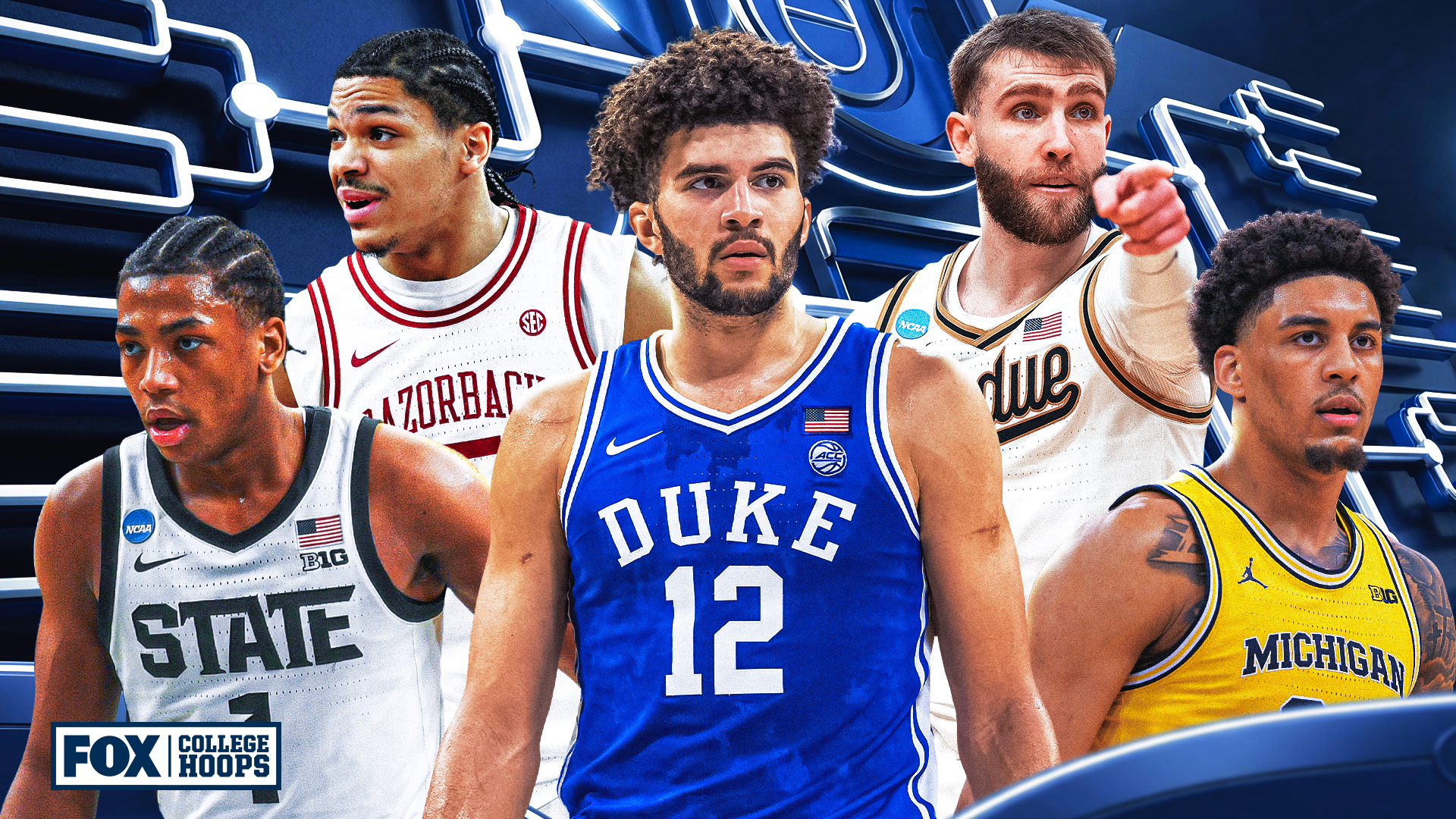
Brackets set the stage for March Madness, but the NCAA Men’s Basketball Tournament is defined by its superstars. This year’s Sweet 16 is overflowing with star power. Three of the five AP first-team All-Americans — Duke’s Cameron Boozer, Arkansas’ Darius Acuff Jr. and Michigan’s Yaxel Lendeborg — are still alive, alongside a wave of future lottery picks and breakout performers ready to make their mark. The NCAA Tournament is as much about individual brilliance as it is about matchups, and the biggest names tend to shape how it all unfolds. We’ve seen it before. Carmelo Anthony carried Syracuse to a title in 2003. Anthony Davis powered Kentucky to a championship in 2012. When the stage gets big, superstars take over. That’s our formula for determining the top 16 players in the Sweet 16. Talent still leads the way, but this list is about who can most influence a team’s championship path from here. Arizona and UConn each placed multiple players on the list, while the other 14 are the only representatives from their respective programs. With that, here is our list, counting down from 16-1. 16. Alex Karaban, F, UConn As a fifth-year senior who spent his entire career at UConn, where he’s already won two national titles and is now chasing a third, Karaban embodies everything that is still great about college basketball in an era defined by constant player movement. Karaban has developed from a scrawny, moderately recruited role player into the “brain center,” as head coach Dan Hurley likes to call him, of UConn’s incredibly complex offense. He’s averaging 24.5 points per game with eight made 3-pointers during this year’s NCAA Tournament, willing the Huskies to victories over No. 15 Furman and No. 7 UCLA. — Michael Cohen Stat to know: Karaban is 15-1 in NCAA Tournament games and is coming off a career-high 27 points in a second-round win over UCLA. — FOX Sports Research 15. Ja’Kobi Gillespie, G, Tennessee Gillespie is probably the least-talked-about stud in the Sweet 16. The senior guard is 9-of-16 from deep through the opening two rounds of the NCAA Tournament and has unlimited range. He can also get in the paint whenever he wants and create for his teammates.  Tennessee’s offense would really struggle without him. — Casey Jacobsen Stat to know: Gillespie is one of two players in Division I to have 1900-plus points and 200-plus steals since 2022 (Braden Smith and Alex Karaban). — FOX Sports Research 14. Bennett Stirtz, G, Iowa Stirtz came to Iowa with head coach Ben McCollum from Drake. Some were skeptical that he could replicate that success in the Big Ten, but those questions have been answered after averaging nearly 20 points per game this season. The senior guard has struggled from downtown in the NCAA Tournament (3-of-19), but he controls the pace of the game as well as any player in the country. — Jacobsen Stat to know: Stirtz is one of two Division I players to make 149-plus 3-pointers while averaging 19-plus points per game over the past two seasons (Jaron Pierre). — FOX Sports Research [MEN’S TOURNEY: Ranking Sweet 16 Matchups] 13. Jaden Bradley, G, Arizona While I don’t think he was the best player in the Big 12 this season, he is the unquestioned leader and go-to player late in games for this Arizona team. He’s also one of the best perimeter defenders in the sport and will be tasked with trying to slow down Arkansas’ Darius Acuff Jr. That will be the best individual matchup of the Sweet 16. — Jacobsen Stat to know: Bradley was named Big 12 Player of the Year, Big 12 Tournament MVP and to the Big 12 All-Defensive Team. — FOX Sports Research 12. Tarris Reed Jr., C, UConn There always have — and probably always will be — questions about Reed’s game-to-game consistency. But anyone capable of scoring 31 points and grabbing 27 rebounds in an NCAA Tournament game, which Reed did in UConn’s opening-round win over No. 15 Furman, possesses elite talent. At 6-foot-11 and 265 pounds, Reed is an ideal combination of strength and skill, anchor and agility, and his influence on everything the Huskies do stretches from one end of the floor to the other. — Cohen Stat to know: Reed became just the second player in NCAA Men’s Basketball Tournament history to have 30 points, 20 rebounds on 80% shooting from the field in a NCAA Tournament game (Bill Walton). — FOX Sports Research 11. Brayden Burries, G, Arizona While Bradley won Big 12 Player of the Year honors, there is a belief by many that Burries is the most talented and explosive player on Arizona’s roster. It took him a few weeks early on in the season to find his rhythm, but he now leads the Wildcats in scoring at 16 points per game and has made 62 3-pointers heading into the Wildcats’ Sweet 16 matchup against Arkansas. He has been on fire throughout the first two games of the NCAA Tournament, shooting 65% from the field and 88% from 3-point range. — Jacobsen Stat to know: Burries is one of five freshmen to play in a power-conference and average 16-plus points per game and make 60-plus 3-pointers. (Darius Acuff, Keaton Wagler, Darryn Peterson, Ebuka Okorie). — FOX Sports Research 10. Labaron Philon Jr., G, Alabama Philon has been at the steering wheel of the fastest offense left in the NCAA Tournament Field. When he needs to score, he can drop 29 points in a game, like he did in Alabama’s Round 1 win over Hofstra. When he needs to pass, he dish out 12 dimes in a game, like he did in the team’s Round 2 win over Texas Tech. He will need to do both in the Sweet 16 against Michigan. — Jacobsen Stat to know: Philon is the only SEC player to average 20-plus points per game this season while shooting over 50% from the floor and over 39% from 3-point range. — FOX Sports Research [MEN’S BRACKET: NCAA Tournament Bracket, Leaders & Stats] 9. Zuby Ejiofor, F, St. John’s A tireless work ethic coupled with the sculpting power of head coach Rick Pitino helped transform Ejiofor, a one-time Kansas castoff, into both the Big East Player of the Year and the league’s Defensive Player of the Year. Ejiofor anchors everything St. John’s does at both ends of the court and leads the Red Storm in points (16.3 per game), rebounds (7.3 per game), assists (3.5 per game) and blocks (2.2 per game). His profound influence on games explains why Pitino has joked that he’ll have to retire from coaching once Ejiofor’s collegiate career ends. Pitino doesn’t want to move forward without him. — Cohen Stat to know: Ejiofor is the first player in Big East history to win Player of the Year, Defensive Player of the Year, Big East Tournament Most Outstanding Player, and Scholar-Athlete of the Year. He is also the first unanimous Big East Player of the Year since former Creighton standout Doug McDermott in the 2013-14 season. — FOX Sports Research 8. Joshua Jefferson, F, Iowa State An ankle injury has put the 6-foot-9 forward’s availability in doubt, but when at full strength, Jefferson is one of the top players in the country when it comes to versatility. He has improved his scoring (16.4 PPG), rebounding, (7.4 RPG) and passing (4.8 APG) numbers in all four years of his college career, which started in the WCC at Saint Mary’s. The Cyclones can run their offense through Jefferson on the perimeter and in the post, and even though he’s not super explosive, he gets wherever he wants to on the floor. — Jacobsen Stat to know: Jefferson is the only player in the Big 12 to average 16-plus PPG, 7-plus RPG and shoot over 34% from the 3-point line. — FOX Sports Research 7. Kingston Flemings, G, Houston This year’s Houston squad was supposed to be led by senior guards Emmanuel Sharp and Milos Uzan. While those guys have still been excellent this season, Flemings is the engine of this team and the go-to shot creator. He’s also one of the best mid-range jump shooters in the sport and has only attempted one 3-point shot in the NCAA Tournament so far. — Jacobsen Stat to know: Flemings is the only freshman to play in a power conference and average 16-plus points, 5-plus assists and 4-plus rebounds per game this season. — FOX Sports Research 6. Braden Smith, G, Purdue From a three-star recruit in 2022 to the all-time leader in assists for Division I. That alone should be enough to explain why Smith is such an incredible player. His vision, timing and creativity are only enhanced by the genuine joy he feels for setting up teammates. And once legendary big man Zach Edey left Purdue following the 2023-24 season, Smith stepped forward as a scorer, too. — Cohen Stat to know: Smith passed former Duke standout Bobby Hurley as the NCAA’s all-time leader in assists with 1,091. — FOX Sports Research 5. Keaton Wagler, G, Illinois There aren’t many 6-foot-6 point guards in college basketball. And when there are, they generally don’t glide and score as effortlessly as Wagler. An overlooked three-star recruit, Wagler has blossomed into a surefire lottery pick amid a dynamic season at Illinois. He scores at all three levels, isn’t afraid of the big moment and only recently turned 19. An incredible prospect. — Cohen Stat to know: Wagler’s 17.8 points per game average is on pace to break the program’s all-time freshman scoring average record set during the 1993-94 season. His 46-point performance against Purdue is the Big Ten record for points in a game by a freshman. — FOX Sports Research 4. Jeremy Fears Jr., G, Michigan State Though it’s difficult for some fans to put aside all the extracurricular activity Fears has embroiled himself in this season, the fact remains that he’s unquestionably one of the best point guards in the country. Leading the nation in assists (9.4 per game) is one thing, but it’s the manner in which Fears controls every aspect of the game for Michigan State that is most impressive. He’s the Spartans’ maestro. — Cohen Stat to know: Fears leads the country in assists at 9.4 per game, which is the highest average of any Big Ten player since at least the 2002-03 season. — FOX Sports Research [NCAA ODDS: Latest Men’s March Madness Odds, Favorites] 3. Yaxel Lendeborg, F, Michigan At 6-foot-9, 240 pounds and with the movement skills of a much smaller player, there isn’t much that Lendeborg can’t do on the basketball court. Make scoring look easy both inside and outside the 3-point line? Check. Defend any of the five positions? Check. Serve as an auxiliary point guard whenever head coach Dusty May wants to mix up the offensive approach? Check. The No. 1 player in last year’s transfer portal has certainly delivered. — Cohen Stat to know: Lendeborg is the first Michigan men’s basketball player to win Big Ten Player of the Year honors since Nik Stauskas did it during the 2013-14 season. He is also shooting a career-high 36.1% from the 3-point line. — FOX Sports Research 2. Darius Acuff Jr., G, Arkansas Is Acuff the best freshman point guard John Calipari has ever coached? I’d say yes, as his freshman season is more dominant than Derrick Rose or John Wall. It’s pretty impressive company, but his averages of 22.3 points (on 49% shooting), 3.1 rebounds and 6.5 assists speak for themselves. Think about where Arkansas would be without Acuff. — Jacobsen Stat to know: Acuff is the only player in the country to average 21-plus points and 6.0-plus assists per game. — FOX Sports Research 1. Cameron Boozer, F, Duke Boozer was asked to fill Cooper Flagg’s shoes and he’s had a better statistical season than Flagg. Boozer’s stats say he’s the best player in the nation, but I believe that no other team asks more of their best player than Duke does of Boozer. — Jacobsen Stat to know: Boozer is one of two Division I players to average 20-plus points and 10-plus rebounds this season (JT Toppin). — FOX Sports Research​Latest Sports News from FOX Sports