Categories
Sports Fox

Top 5 MLS Storylines: Messi Eyes Repeat, USA Players Seek World Cup Spots

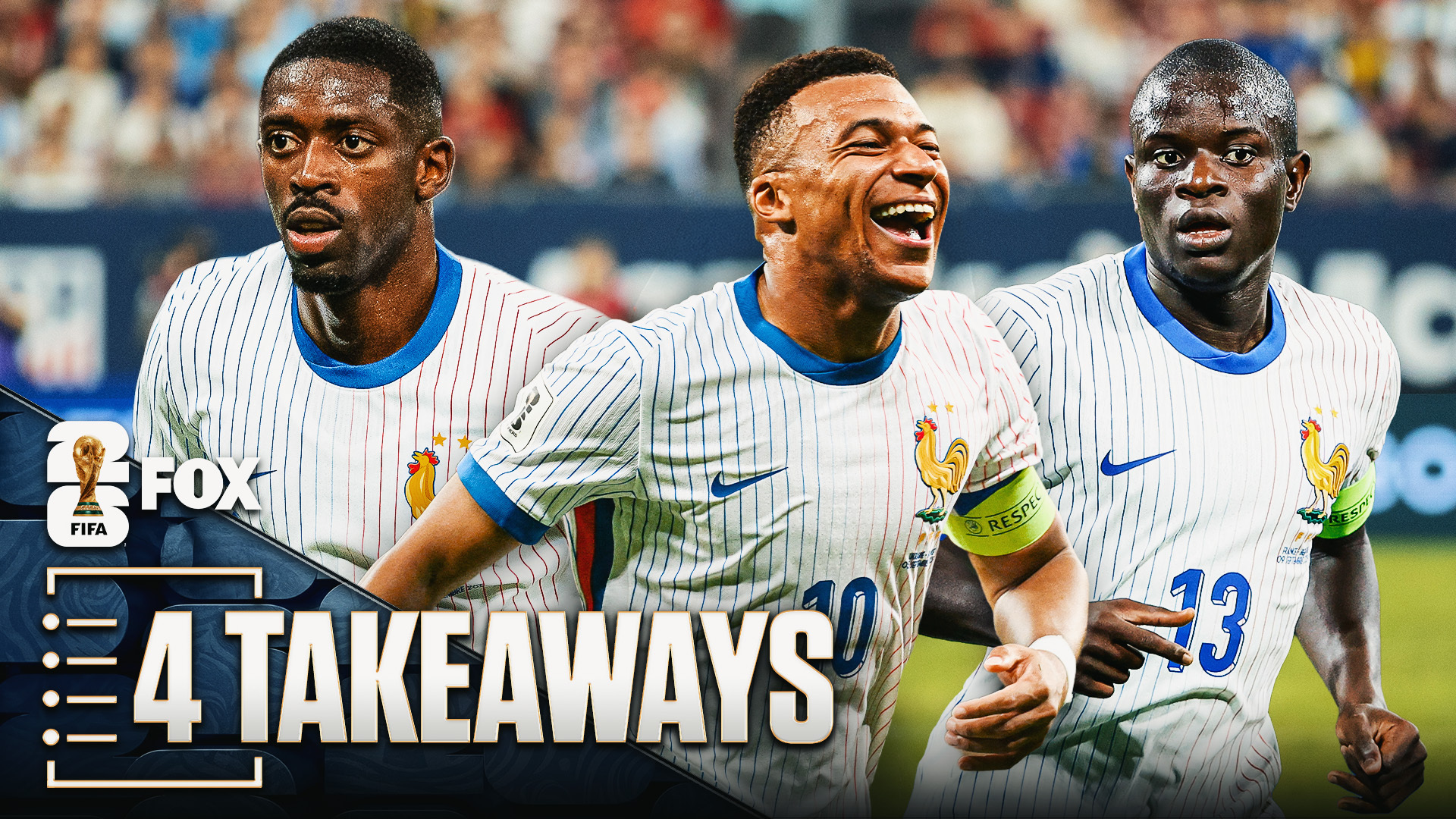
This Major League Soccer season will be an historic one in so many ways. We’ll see Lionel Messi and Inter Miami aim to repeat as MLS Cup champions. We’ll see him aim to also repeat with his other team this summer at the World Cup, the largest that will be ever staged. But there will be plenty of other reasons to tune in to this season, which kicks off on Saturday with a full slate of games, including a nationally televised match between FC Cincinnati and Atlanta United. Here are five big storylines to follow as the 2026 campaign gets underway: Another Trophy Haul For Lionel Messi? The last time we saw Lionel Messi, in December at the 2025 MLS Cup final, he and his Inter Miami teammates were bathed in champagne after winning the domestic league’s ultimate prize. The spotlight will remain on the GOAT in early 2026. According to the man himself, Messi’s participation with Argentina’s national team in the 2026 FIFA World Cup will hinge on his health during the early part of the MLS campaign. Messi turns 39 in the summer and the living legend has already had some injury worries during preseason, with the Herons even canceling a friendly match in Puerto Rico because Messi couldn’t play. Still, the expectation is that the Albiceleste captain will do everything possible to make sure he’s available to captain his country when Argentina begins the defense of the World Cup it won four years ago in the country he currently calls home. World Cup Audition For Key USA Players Orlando City may have shipped young fullback Alex Freeman to La Liga’s Villarreal last month, but the first few months of the 2026 season will serve as a crucial proving ground for several other MLS-based USA players who are aiming to make Mauricio Pochettino‘s roster for this summer’s World Cup. Chief among them are captain Tim Ream; goalkeepers Matt Freese (New York City FC) and Matt Turner (New England Revolution); left back Max Arfsten (Columbus Crew); midfielders Sebastian Berhalter (Vancouver Whitecaps) and Cristian Roldan (Seattle Sounders); and forward Diego Luna (Real Salt Lake). Those right on the World Cup bubble include Crew keeper Patrick Schulte, FC Cincinnati duo Roman Celentano and Miles Robinson, along with Toronto FC centerback Walker Zimmerman. A few others also remain in the mix, both for the high-profile March tuneups against Belgium and Portugal and the final 26-man squad. Based on the former Chelsea and Paris Saint-Germain manager’s selections over the second half of last year, as many as 10 MLS-based players are expected to be on the rosters. Time will tell who those could be. MLS Representation on Canada and Mexico Squads? It’s not just USA players. At Qatar 2022, more World Cup players came from MLS than any league outside of England’s Premier League, Spain’s La Liga, Germany’s Bundesliga, Italy’s Serie A and France’s Ligue 1. An even larger percentage will come from the league this summer. While most of Canada’s projected starting lineup at the 2026 World Cup will be European-based, their starting keeper will be either Inter Miami’s Dayne St. Clair or Orlando City’s Maxime Crépeau. The competition for roster places is stiff, with the Chicago Fire’s Joel Waterman, Portland Timbers’ Kamal Miller and LAFC pair Mathieu Choiniere and Jacob Shaffelburg all firmly in the running under Canada manager Jesse Marsch. Mexico, the other host nation, could have some players with MLS ties on its World Cup squad. German Berterame, newly signed to Miami after a fruitful stint with Liga MX side Monterrey, could make Mexico’s final squad. Hirving “Chucky” Lozano, who remains in limbo with San Diego FC amid drama with the coaching staff and front office, is also in the mix. More Big Summer Signings Ahead? Earlier this month, Minnesota United made waves by inking Colombian superstar James Rodriguez. The former Real Madrid and Bayern Munich forward signed with the Loons only until June, ultimaltey deciding that MLS would provide ideal World Cup preparation. He isn’t alone. James chose MLS on the heels of last summer’s marquee arrivals of Messi’s Argentina teammate Rodrigo De Paul (Inter Miami), South Korean icon Son Heung-min (LAFC) and German great Thomas Muller (Vancouver). A few of global soccer’s other household names could inevitably join them after the biggest World Cup in history is over. Kevin De Bruyne, Antoine Griezmann, Robert Lewandowski, Mohamed Salah and maybe even Cristiano Ronaldo are popular candidates. But MLS is nearing the day when it can pry elite talents from Europe in their prime. Or maybe it already has. De Paul had just turned 31 when he left Atlético Madrid for South Florida; the 2022 World Cup winner promptly led Miami to its MLS Cup triumph by scoring the clincher against Vancouver. And this winter, the San Jose Earthquakes landed striker Timo Werner. While Werner needed a change of scenery after opportunities across the pond dried up, he has 24 goals in 57 appearances for Germany and is still only 29. Alignment With European Soccer Calendar For the first three decades of its existence, MLS — which launched in 1996 — started its season early in the calendar year and finished in the fall. That will change in 2027 when MLS aligns with the European schedule, which begins in late summer and ends in the spring. That means this is the last campaign under the league’s original format. The switch will fundamentally change the product, and it should help front offices land better players now that the transfer windows are the same as in other top circuits.​Latest Sports News from FOX Sports

Categories
Sports Fox

Let’s Debate: Which Head Coach Is Under the Most Pressure In 2026?

February is a month filled with hope across college football. It’s a time for fresh starts at programs that have hired new coaches, for exhales at schools where existing coaches barely held on after dodgy seasons and to dream about what might be possible with a new batch of recruits and an arsenal of incoming transfers. At this point in the year, almost everyone still believes. Reality lurks somewhere beneath the surface. Waves of optimism and possibility can only do so much to obscure the cold, hard truth: There are plenty of coaches that will enter the 2026 season with seats that are somewhere between warm and scalding, and there are plenty of new hires who need strong starts to justify the choices their athletic directors made during the coaching carousel. Our panel of experts cuts through the noise to examine which individuals have the most to prove this fall: Which coach is under the most pressure heading into the 2026 college football season and why? Michael Cohen: Luke Fickell, Wisconsin Widely viewed as a strong hire by athletic director Chris McIntosh following the shocking decision to fire head coach Paul Chryst partway through the 2022 season, Fickell has been unable to replicate the remarkable success he enjoyed at Cincinnati. From 2018-22, Fickell won an incredible 53 games with the Bearcats, who were part of the American Athletic Conference at that time, and even guided them to the College Football Playoff in his penultimate season. Few young coaches, if any, were held in higher regard than Fickell when he accepted the job at Wisconsin. Since then, though, almost nothing has gone according to plan for Fickell, who needed a public vote of confidence from McIntosh last fall amid widespread rumors about his job security. The Badgers finished 7-6 during Fickell’s first season in 2023, but they’ve finished below .500 each of the past two years. Injuries and questionable talent identification at quarterback have paired with a revolving door at offensive coordinator to leave Fickell in a precarious spot entering the 2026 season. Laken Litman: Lincoln Riley, USC Riley is entering his fifth season in Los Angeles and doesn’t have much to show for himself. No conference championships, no CFP appearances. Perhaps his greatest feat in his tenure thus far is that he coached Caleb Williams. There’s a feeling that things have changed entering the 2026 season, though. USC has the nation’s top recruiting class. This is huge considering the Trojans haven’t claimed the No. 1 class since Pete Carroll was there. While some younger players from this freshman class might have opportunities to contribute early, Riley has veterans on both sides of the ball who he can rely on, which is also a plus. This includes starting quarterback Jayden Maiava, as well as running back King Miller. Regardless of the talent, though, Riley has to be the one to get his team into gear. Otherwise, his seat will really heat up. RJ Young: Deion Sanders, Colorado Sanders enters a year when he once again turned over the roster and lost good players to great programs — like offensive tackle Jordan Seaton to LSU and corner back DJ McKinney to Notre Dame. He retained former five-star quarterback Julian Lewis and added innovative offensive coordinator Brennan Marion to his staff, though. Those last two principals in the play might define Coach Prime’s season. Another losing season at Colorado might not be enough for athletic director Fernando Lovo to begin a search for a new head coach, but it isn’t going to do much to cool frustrations in Boulder. “Prime Time” needs a fast start because his program hasn’t won a single game since Oct. 11, 2025 — a ranked matchup against a depleted No. 22 Iowa State. Which first-year coach needs to get off to a strong start in the 2026 college football season and why? Litman: Pete Golding, Ole Miss This is his first head coaching gig, and he’s following Lane Kiffin. Golding has already gotten a taste of what things are going to be like after stepping into the job early when he assumed the role during the Rebels’ recent CFP run. Kiffin bolted for LSU right after the regular season, leaving Golding to figure things out when the lights were brightest. Ole Miss has a tough 2026 schedule — and hosts Kiffin and LSU in Oxford on Sept. 19. Winning that game will be crucial in keeping fans happy. One massive edge Golding has in his first full season as the program’s head coach is that star quarterback Trinidad Chambliss will return after receiving an injunction to play a sixth season, as will star running back Kewan Lacy and a loaded transfer portal class. They’ll need a strong start to the year to prove Ole Miss is still a top program without Kiffin running things. Young: Lane Kiffin, LSU Kiffin left a program he led to its first CFP appearance — and arguably its best modern season — to take a job at a rival that had just fired its head coach and athletic director within three months of each other. LSU then paid Kiffin bonuses for each of Ole Miss’ CFP wins in 2025 while making him the second-highest-paid coach in the sport. Finally, the Tigers opened their checkbook to assemble the most expensive transfer portal class money could buy, highlighted by offensive tackle Jordan Seaton (Colorado) and quarterback Sam Leavitt (Arizona State). Opening with a record short of 4-0 — which would feature wins against Clemson, Louisiana Tech, Ole Miss and Texas A&M — is his only option. Cohen: Alex Golesh, Auburn At 41 years old, Golesh is certainly one of the fastest-rising coaches in the profession given the work he did as head coach at South Florida from 2023-25, a three-year run that included 23 victories at a school that only won four games over the preceding three seasons combined. His 9-3 overall record and 6-2 conference mark this past fall meant that Golesh was always going to be a central figure in the coaching carousel — especially when considering he had the chance to bring star quarterback Byrum Brown with him to a new locale. Even with his rising stock, Golesh needs a strong debut at Auburn to placate a fan base that has been unhappy for nearly a decade. Five consecutive losing seasons under predecessors Hugh Freeze (15-19 overall) and Bryan Harsin (9-12 overall) were preempted by a noticeable decline across the back half of the Gus Malzahn era, which began bathed in glory courtesy of a national championship game appearance in 2013. Given his youth and relative inexperience (he’s only been a head coach for three seasons), Golesh will need to start quickly to get the fans on his side. In Let’s Debate, our experts tackle and explain the hot-button issues fans care about.​Latest Sports News from FOX Sports

Categories
Sports Fox

2026 NFL Free Agency: 3 Best Fits For Tyreek Hill, Who Might Not ‘Have a Lot of Options’

Does Tyreek Hill have any juice left? That’s the question most are asking around the league. Hill suffered a season-ending dislocated knee and ACL injury in September of last season, leading the Miami Dolphins to release the star wide receiver earlier this week as they look to create some cap space. Hill turns 32 years old in March and is a free agent for the first time in his professional career, with FOX Sports’ Greg Auman ranking him 27th on his top 100 free agents list. His rehab is going well almost five months out of surgery, and he intends to play in the upcoming season, his agent recently said. However, Hill’s status for the start of the regular season remains up in the air while he rehabs from a significant injury, which could complicate things for teams interested in his services. “He is an older speed receiver coming off a severe injury, with bad off-the-field history,” a league source told me. “He won’t have a lot of options if he wants a good amount of money and a clear top-two WR role. But he will have a few.” “He’s coming off a career-threatening knee injury at 32. Ask me in November!” an NFL personnel executive told me. However, former Pro Bowl receiver T.J. Houshmandzadeh, who currently trains receivers in the league during the offseason, believes if Hill returns healthy, there will be a strong market for his services, and he can be an asset for a contending team looking to add a final piece for a deep postseason run. “Tyreek Hill is so explosive,” Houshmandzadeh told me. “He’s not just quick. He’s quick and fast. It’s a no-brainer if you’re a team that feels like you’re one big-play receiver away [from competing for a Super Bowl].” Houshmandzadeh pointed to the Kansas City Chiefs, Los Angeles Chargers and Washington Commanders as potential landing spots for Hill. So, let’s rank which of those teams is the best fit for Hill as he picks his next home. 3. Washington Commanders After reaching the NFC Championship Game in Jayden Daniels’ rookie season, Washington took a step back in 2025 by finishing 5-12 on the year. Daniels had trouble staying healthy, finishing the year on injured reserve with a dislocated elbow. Washington struggled to generate explosive plays in the passing game. The Commanders moved on from offensive coordinator Kliff Kingbury and promoted quarterbacks coach David Blough to offensive coordinator. It will be the first time Blough serves as the offensive play caller in the NFL, as the Commanders look to create more balance on offense and run more plays under center. The team’s leading receiver last year, Deebo Samuel, will be a free agent next month. Samuel averaged a career-low 10.1 yards per reception in 2025. So, the Commanders could use more speed on the perimeter to pair with veteran Terry McLaurin. The Commanders finished with just 40 passing plays of at least 20 yards last season, 27th in the league. “I do like the Commanders, because if you put him and McLaurin together, that’s a deadly duo if Jayden Daniels can stay healthy,” Houshmandzadeh said. “But I know 1000% that Jayden Daniels wants Brandon Aiyuk in Washington. “But that wouldn’t be a bad situation. I don’t know if the Commanders are ready to win at the highest levels like I believe the Chiefs and Chargers can do.” 2. Los Angeles Chargers If Hill doesn’t return to his former team, what better place for him to land than their AFC West rival in the Bolts, with one of the most talented throwers in Justin Herbert? “If the Chargers got Tyreek Hill, it might be game, set, match,” Houshmandzadeh told me. “Tyreek Hill, with that arm Justin Herbert has — people think Tyreek Hill is going to lose a step. But this ain’t 1995, 2000. Man, this boy is going to bounce back like a basketball. “This is a small bump in the road. Tyreek Hill is still going to be faster than everybody. Okay, he loses a step. He’s still faster than everybody — he’s just not WAY faster than everybody.” However, things to consider for the Chargers are stunting the development of young playmakers like Ladd McConkey, Quentin Johnston, Tre Harris and Oronde Gadsden Jr., along with Keenan Allen returning in free agency. Also, Hill has off-the-field issues to consider for an ownership group that usually does not bring in players with character issues. And lastly, what is Hill’s relationship like with former Miami head coach and new Chargers offensive coordinator Mike McDaniel? “If the Chargers don’t go after Tyreek Hill, it will tell me that him and Mike McDaniel didn’t have the best of relationships,” Houshmandzadeh told me. “Or, that Mike McDaniel didn’t think much of him as a leader. “Because when you get to Tyreek’s stature in the league, with as many years as he’s played and the success he’s had, you’ve got to be a leader in every team that you’re on. So, if the Chargers don’t go after him, that just tells me that McDaniel didn’t like Tyreek on his team as a leader.” 1. Kansas City Chiefs Former Kansas City teammate Chris Jones has already begun the courting process for Hill, saying it’s time on X. Chiefs quarterback Patrick Mahomes recently restructured his contract to create more cap space for his team. But Kansas City remains tight against the cap, potentially restricting moves they could make in free agency. The Chiefs certainly could use help on the perimeter, though, after finishing their first losing season with Mahomes under center. Kansas City averaged 6.8 yards per pass attempt in 2025, tied for 21st in the NFL. Offensive coordinator Eric Bieniemy recently returned to Kansas City and the Chiefs offer familiar surroundings for Hill, including those who know how to best use him on the field. “I don’t think the Chiefs have been the same offensively since Hill left,” said Houshmandzadeh. “Yeah, you can say they won the Super Bowl when he left. But they did not instill the fear of God in teams when they left. “They were winning games because of their defense, not because of their offense. Tyreek goes back to the Chiefs, where Patrick Mahomes and Andy Reid really know how to use you. And they need you, or it may be over for the Chiefs.”​Latest Sports News from FOX Sports

Categories
Sports Fox

2026 NFL Mock Draft: Chiefs Give Mahomes Much-Needed Help, Commanders Get Top WR

The NFL Scouting Combine hasn’t even happened yet, but we already have a good feeling of who’ll be the No. 1 overall pick in the 2026 NFL Draft. However, the other 256 selections seem up for debate as the football world descends upon Indianapolis next week. Will a quarterback emerge as the clear second-best player at the position and turn into a top-10 pick? Is Ohio State linebacker Arvell Reese the clear top non-quarterback prospect in this year’s draft? We’ll have a better understanding of the answers to those questions soon enough. For now, though, let’s predict how the first round of the 2026 NFL Draft will go before the fun gets going in Indy next week and free agency in a couple of weeks. This page may contain affiliate links to legal sports betting partners. If you sign up or place a wager, FOX Sports may be compensated. Read more about Sports Betting on FOX Sports. 1. Las Vegas Raiders: Fernando Mendoza, QB, Indiana Geno Smith is 35 years old and coming off a season in which he threw 17 interceptions to just 19 touchdowns. Mendoza has exhibited all the tools you want to see in a top QB prospect: elite arm strength, the ability to throw into tight windows, and sneaky mobility for a 6-foot-5 signal caller. The Heisman winner leads all of FBS with 41 passing touchdowns this season, which is also the Indiana single-season record. He’s a near lock to be a Raider. 2. New York Jets: Arvell Reese, LB, Ohio State With Dante Moore returning to Oregon, New York will likely take the best player available here. A big riser on draft boards over the past few months, Reese has cemented himself as the clear-cut best linebacker in this draft. Due to his elite speed for his size, he can drop back into coverage as an off-ball backer or line up on the edge and rush the passer. Reese had 6.5 sacks and two passes defended on the year, and 112 total tackles in two seasons for the Buckeyes. 3. Arizona Cardinals: Francis Mauigoa, OT, Miami (Fla.) Arizona allowed 59 sacks this year and needs a right tackle to pair alongside Paris Johnson. Mauigoa is a blue-chip prospect with freakish tools for an offensive lineman. According to Pro Football Focus (PFF), he’s given up just three sacks in 1,099 pass blocking snaps over the past two seasons — and in 2023, he was a freshman All-America selection. He can also move into the interior with his frame and agility, and has dominated throughout Miami’s CFP run. 4. Tennessee Titans: Rueben Bain, edge rusher, Miami (Fla.) Bain might have the best film of any edge player in this draft, dominating teams like Notre Dame, Florida, Texas A&M, and Ohio State. In that first round CFP game, he had a whopping three sacks against an Aggies offensive line that had given up just 12 in 12 games. Bain is also an elite run stopper and can move inside when needed. According to PFF, he’s the only edge player in FBS to have over 500 pass-rushing snaps with a pass-rush grade over 90. He also has the fifth-highest run defense grade (87.1) of any edge rusher with at least 200 run defense snaps. 5. New York Giants: Caleb Downs, S, Ohio State Downs might be the smartest football player in this draft, having lined up all over the field during his time at Alabama and Ohio State. This past season, he played 44 snaps on the defensive line, 241 in the box, 146 at slot corner, nine at wide corner, and 240 at free safety. For his career, he’s totaled 256 tackles, 163 solo tackles, 10 passes defended and six interceptions. There is nothing Downs can’t do, and whatever team gets him is landing a perennial Pro Bowler. 6. Cleveland Browns: Spencer Fano, OT, Utah At 6-6 and 308 pounds, Fano is another new-era offensive tackle with incredible athleticism for his size. In three seasons, he’s given up just three sacks and seven QB hits, highlighted by a 2025 campaign in which he didn’t allow a single sack in 382 pass blocking snaps (according to PFF). Regardless of who is under center for the Browns, this is a step in the right direction for Cleveland to build around him. Fano and Mauigoa are the 1A and 1B offensive tackles in this draft. 7. Washington Commanders: Carnell Tate, WR, Ohio State Easily the best receiver in this draft, Tate is next in the long line of pro Buckeye receivers. At 6-3, 195 pounds, he’s a big receiver who can dominate in the red zone while also serving as a deep threat. This year, he’s one of 12 Power 4 receivers to have nine receiving touchdowns and over 800 receiving yards. He is an instant offensive boost for an offense that struggled without Jayden Daniels last season. 8. New Orleans Saints: Peter Woods, DL, Clemson While Clemson had a down year, Woods has too many tools for any team looking for a dominant defensive lineman to pass on. At 6-3, 315 pounds, he’s reported to have a lean muscle mass percentage of 77%. He’s also another player who was a freshman All-American in 2023 and posted a dominant follow-up campaign in 2024 while playing both defensive end and tackle for the Tigers. Woods finished 2025 with a career-high 30 tackles along with two sacks. 9. Kansas City Chiefs: Jeremiyah Love, RB, Notre Dame The Chiefs rank in the bottom eight of the league in rushing at 106.6 yards per game. Love has 35 rushing touchdowns since 2024, which is the most of any player in that span, and has averaged 6.9 yards per carry over the last two seasons with a whopping 2,497 rushing yards. Love would be a massive boost for a KC team that will need to establish the run more as Patrick Mahomes returns from a torn ACL. 10. Cincinnati Bengals: Jermod McCoy, CB, Tennessee If he didn’t tear his ACL back in January and miss the entire 2025 season, McCoy might go even higher. He was a first-team All-American last season, finishing with four interceptions and seven passes defended while also holding opposing QBs to a 53.6 passer rating (PFF). He’d be a huge addition to Cincinnati’s secondary. 11. Miami Dolphins: Mansoor Delane, CB, LSU No cornerback in the Power 4 had a higher pass coverage grade on PFF than Delane at 90.9. In 357 coverage snaps, he gave up just 13 receptions for 147 yards and no touchdowns with opposing QBs sporting a 26.7 passer rating when targeting him. Miami needs immediate help at the position, with four cornerbacks on injured reserve at the end of the season. Delane should be an instant starter for them. 12. Dallas Cowboys: Keldric Faulk, edge rusher, Auburn Faulk is a monster at 6-6 and 288 pounds, and he displayed an incredible ability to blow past offensive tackles in the SEC over the past two seasons. He posted 11 tackles for loss, seven sacks and 45 total tackles for the Tigers in his true sophomore season in 2024. Despite less production in 2025, he’d be the perfect player to add to a defensive line that already features extremely athletic defensive linemen like Quinnen Williams and Kenny Clark. 13. Los Angeles Rams (from Atlanta Falcons): Kadyn Proctor, OT, Alabama Matthew Stafford is the reigning MVP with no signs of slowing down. At 38 years old, everything the Rams do from a roster construction standpoint should and will likely be with the intent of winning a Super Bowl immediately. Proctor is a specimen at 6-7, 366 pounds and has given up just five sacks in the last two seasons (according to PFF). Rob Havenstein is 33 years old and dealing with injuries, making this an ideal fit for Los Angeles. 14. Baltimore Ravens: David Bailey, edge rusher, Texas Tech Bailey is tied for the FBS-lead in sacks at 14.5 and leads all Power 4 players, as well. Even looking back at his three seasons at Stanford, he’s had consistent production, totaling 28 sacks from 2022 to 2025, the third-most of any player in that span. He’s a bit undersized at 6-3 and 250 pounds, but there’s no denying his bend and burst off the edge. He should be a huge help to a Ravens defense that has struggled all season. 15. Tampa Bay Buccaneers: CJ Allen, LB, Georgia The heartbeat of Georgia’s defense this year, Allen is a tenacious tackler who thrives in the run game and can also cover receivers in the slot. Lavonte David is 36 years old and this is a good chance for Tampa to replace him with a high-IQ player to prevent explosive plays at the second level. In three seasons with the Bulldogs, Allen totaled 205 tackles, 117 solo tackles, 10 passes defended, 4.5 sacks, and two forced fumbles. 16. New York Jets (from Indianapolis Colts): Sonny Styles, LB, Ohio State If it weren’t for Arvell Reese, Sonny Styles would be getting a lot more recognition as a Buckeye linebacker. In his past two seasons at Ohio State, he’s totaled 183 tackles, 95 solo tackles, eight passes defended, seven sacks, and two forced fumbles. He hits like a truck and can move well in space. He’d be the most talented linebacker on the Jets depth chart and a Day 1 starter. 17. Detroit Lions: Avieon Terrell, CB, Clemson The brother of All-Pro corner A.J. Terrell, Avieon has had a ton of production in three seasons at Clemson, recording 25 passes defended, 125 total tackles, eight forced fumbles, four sacks, and three interceptions in 1,860 defensive snaps played in that span. Avieon will be a great compliment to a secondary already featuring Kerby Joseph, Brian Branch and Terrion Arnold. 18. Minnesota Vikings: Olaivavega Ioane, OG, Penn State Ioane might be the best guard in the draft and would provide immediate help to a Minnesota offensive line that needs help in the interior. This season, he was one of two Big Ten guards to play 300+ pass blocking snaps, record a pass block grade over 87 and not give up a single sack or QB hit. 19. Carolina Panthers: Kenyon Sadiq, TE, Oregon Sadiq is the best tight end in the draft, and it’s not close. He can run, block well and has great hands. His eight receiving touchdowns were the most of any tight end in FBS, making him a big-time red zone threat, as well. Carolina could go with a defensive player here, but quarterback Bryce Young has taken a huge step this year. A lot of that progress has to do with the addition of wide receiver Tetairoa McMillan in last year’s draft. Expect the Panthers to continue to give their young QB offensive weapons. 20. Dallas Cowboys (from Green Bay Packers): Akheem Mesidor, edge rusher, Miami Mesidor really bolstered his stock in his final year of eligibility, recording 10.5 sacks on the year and dominating offensive lines throughout Miami’s CFP run. The only edge rusher that’s played 400 pass rush snaps and has a higher PFF grade than him is Rueben Bain Jr., who we have going seventh overall. Mesidor also played in the interior last year, making him a versatile option for a Cowboys defense that was one of the worst in the league. 21. Pittsburgh Steelers: Ty Simpson, QB, Alabama Simpson is the clear No. 2 QB in this draft. He’s had a mix of incredible games along with some terrible ones, but his decisiveness and accuracy are tools teams can work with. He threw for over 3,500 yards, 28 touchdowns and just five interceptions. He also took down a vaunted Oklahoma defense on the road in the first round of the CFP, before sustaining an injury in the quarterfinals against Indiana. Regardless of whether the Steelers re-sign Aaron Rodgers, they’ll need to draft a quarterback at some point in this draft. Simpson would be a good pick, and Pittsburgh would be a solid landing spot. 22. Los Angeles Chargers: R Mason Thomas, edge rusher, Oklahoma Thomas is one of three SEC players to have recorded over 15 sacks and three forced fumbles in the last two seasons, and has demonstrated elite speed off the edge. While he’s a bit undersized at 6-2, he’s an ideal fit for a Chargers defense that needs a speed-rusher. 23. Philadelphia Eagles: Caleb Lomu, OT, Utah Yup, Fano isn’t the only stud offensive lineman for the Utes. Lomu gave up just two sacks in 807 pass-blocking snaps over the past two seasons and is a high-ceiling prospect, having just 28 collegiate games under his belt. Despite Lane Johnson’s dominance, he’s 35 years old and likely doesn’t have too many years left. Lomu is a more game-ready version of Jordan Mailata, who the Eagles drafted in 2018 as a project player and made first-team All-Pro last season. 24. Cleveland Browns (from Jacksonville Jaguars): Jordyn Tyson, WR, Arizona State Tyson could easily go top 10 or 15 in this draft, depending on how badly teams want a receiver. Cleveland desperately needs an offensive boost and a weapon on the outside. Tyson is a big-bodied receiver at 6-2, 200 pounds, and he catches everything thrown at him. In two seasons with ASU, he’s caught 136 balls for 1,812 yards and a whopping 18 touchdowns. 25. Chicago Bears: Kayden McDonald, DL, Ohio State McDonald was an absolute monster in the middle of Ohio State’s defensive line, which held opponents to 9.3 points per game and 89.4 rush yards per game. The 6-3, 326-pound defensive tackle has three sacks and two forced fumbles on the year, and would be a huge addition to a defense that won 11 games and lost in the Divisional Round. 26. Buffalo Bills: Brandon Cisse, CB, South Carolina Cisse is a tough corner who isn’t afraid to tackle and has 10 passes defended over the past two seasons, and he gave up just 18 receptions and one TD in 2025 (PFF). He’d be a good replacement to a 31-year-old Tre’Davious White in Buffalo’s secondary. 27. San Francisco 49ers: Makai Lemon, WR, USC With Jauan Jennings hitting free agency and Brandon Aiyuk’s status with the team uncertain, San Francisco needs a go-to receiver. Lemon won this year’s Biletnikoff Award, which is given to the best wide receiver in college football. He can also play in the slot and is tough to tackle, having also rushed for two scores on the year. In fact, he’s the only player in all of FBS to have caught 10 touchdowns and have multiple rushing scores, as well. 28. Houston Texans: Caleb Banks, DL, Florida It’s not often you see an interior lineman lead your team in pressures, but that’s just what Banks did for Florida in 2024 with 29. He also added 4.5 sacks and two forced fumbles. He only played three games this season due to injury, but he has all the tools to dominate at the next level with his 6-6, 330-pound frame. This would be a steal for the Texans to add to a defensive line that was incredible this past season. 29. Los Angeles Rams: LT Overton, edge rusher, Alabama Overton fits the mold of all the past Alabama defensive linemen over the past decade in that he’s incredibly athletic, nasty, physical and relentless. At 6-5, 283 pounds, he can play inside and can thrive in multiple schemes. Los Angeles can get a true game-wrecker here if he’s available. 30. Denver Broncos: Emmanuel Pregnon, OG, Oregon There isn’t much the Broncos need, but Pregnon could be a steal in the interior, especially considering Ben Powers is entering the final year of his contract. He recorded a pass block grade of 88.2 on the year, the seventh highest of all FBS guards with at least 300 pass blocking snaps. 31. New England Patriots: Cashius Howell, edge rusher, Texas A&M Howell ranks fourth in FBS in sacks since 2022 with 27 to his name in that span, but he’s a bit undersized at 6-2, 248 pounds. Still, he has an incredible burst off the edge and would be a great addition to Mike Vrabel’s defense. 32. Seattle Seahawks: T.J. Parker, edge rusher, Clemson Like most of Clemson’s stars this season, Parker had a less productive 2025, only finishing with five sacks and 37 tackles. His 2024 tape is undeniable, though, with 11 sacks and six forced fumbles. He’s showcased above-average bend during his time at Clemson and can also drop in coverage. Parker’s 12.5 tackles for loss in 2023 were also a school record for a true freshman. He’d be a great supplement to 33-year-old DeMarcus Lawrence, who has two years left on his contract with Seattle.​Latest Sports News from FOX Sports
Categories
Sports Fox

2026 NFL Offseason: The Biggest Question Facing Each NFC Team

Only one NFL team finished the season truly happy, and even the Seattle Seahawks understand they have work to do for 2026. For everyone else, the work is already underway as they try to fill their biggest holes and fix their greatest flaws before next season begins. And what are those big holes and flaws? What is the most important thing each team must address in the coming months? Here is the biggest question each NFC team will have to answer before training camp starts in July. RELATED: The Biggest Question Facing Each AFC Team Arizona Cardinals What are they going to do with QB Kyler Murray? They are at a quarterback crossroads after the 28-year-old Murray played just five games last season due to a foot injury. He’s owed $36.8 million for 2026, and if he’s still on the roster on March 15, another $19.5 million becomes guaranteed for 2027. So Decision Day is coming for new coach Mike LaFleur. But will he opt for another year of Murray, one last ride with Jacoby Brissett, or dip into the thin crop in free agency or the draft? The decision could shape the entire LaFleur Era. Atlanta Falcons Are they counting on a healthy Michael Penix Jr. or do they have a Plan B at QB? The most optimistic timeline for Penix’s return from his torn ACL would be right around the start of next season, and there’s no guarantee he’ll be fully healthy by then. Even if he is, his offseason practice time would be almost non-existent. So will head coach Kevin Stefanski just hope his QB returns, or will he hedge his bets? And if so, how? The options range from a veteran stopgap QB to another young QB that can also be competition. It’ll be a fascinating and risky decision for Atlanta’s new head coach. Carolina Panthers Can they find an elite pass rusher? They’ve jettisoned Brian Burns and Jadeveon Clowney over the past couple of years and don’t have much of a pass rush left to show for it. They didn’t have a single player with even six sacks last season and the team recorded 30 overall — their third straight year in the NFL’s bottom three. The Panthers are having enough trouble squeezing enough offense out of erratic QB Bryce Young. Even if he continues to grow, they still need to find a way to disrupt opposing quarterbacks if they want to rise above mediocrity. Chicago Bears Will they get some help for edge rusher Montez Sweat? All those comebacks last season sure were fun, but it would’ve been a heck of a lot easier for the Bears and their fans if they didn’t keep digging themselves into holes. They have a dynamic and electric offense and a quarterback coming into his own, but they had one of the worst defenses in the league. That could change if they could find someone other than Sweat to disrupt opposing quarterbacks and give the pass rush a little teeth. Sweat had 10 of the Bears’ 35 sacks. They’ve got to find someone to complement him. Dallas Cowboys Can they replace what they lost in Micah Parsons and fix their awful defense? Jerry Jones is really pleased at the return he got for Parsons — especially in DT Kenny Clark. And he loves that he was able to acquire DT Quinnen Williams, too. That’s swell, but neither of them are the kind of impact player that Parsons is. Also, beyond those two DTs, the defense is extraordinarily weak. This can’t be said enough: The Cowboys have the makings of a championship offense, but they have the exact opposite of that on defense. They need to focus all their attention on adding defensive playmakers and depth. Otherwise, they’ll be in a lot of shootouts that they probably can’t win. Detroit Lions Can they fix their aging offensive line? They missed center Frank Ragnow so much last season they tried to unretire him. Interior lineman Graham Glasnow turns 34 in August, while left tackle Taylor Decker turns 33. The Lions need an influx of youth and they need it quickly because the line’s struggles last year were why the offense’s dangerous run game struggled, especially late in the season. Yeah, they missed former OC Ben Johnson as well, but they still could’ve been good enough to thrive without him with better blocking. They need to add at least two pieces this offseason. Maybe even three. Green Bay Packers Will they add or develop a No. 1 WR to pair with QB Jordan Love? Love had an oddly low-production season last year for a QB with so much talent. And a big reason for that is this: He’s surrounded by a group of No 2 receivers, at best. Much like the Bills with Josh Allen, the Packers have consistently failed to give him what every QB needs — an elite receiver to make his life easier. Romeo Doubs led the Packers in receiving, with a mere 55 catches for 724 yards. Christian Watson was always hurt. Maybe Matthew Golden, last year’s first-rounder, will be that guy eventually. But he was barely noticeable as a rookie (29-361-0). The Pack’s second-leading receiver was a running back. It’s past time for an upgrade in weapons. Los Angeles Rams Can they plug enough holes in their defense for one last run at a title? The Rams’ biggest issue is going to be whether QB Matthew Stafford can duplicate his stunning MVP season at age 38. They believe he can, which means they have to load up for an all-or-nothing Super Bowl run, and their Achilles heel is clearly their 17th-ranked defense. They have a strong pass rush up front, but the defense gets worse with each ensuing level. The secondary in particular was exposed in the playoffs, especially versus Seattle in the NFC Championship Game. The Rams should focus their money and top draft picks on the cornerback position, and load up as best as they can there. Minnesota Vikings Are they completely committed to J.J. McCarthy at QB? Boy, did they miscalculate letting Sam Darnold walk in free agency last year so they could turn over a team that went 14-3 in 2024 to essentially a rookie QB. McCarthy wasn’t ready. He also wasn’t completely healthy. He played only 10 games and, at his best, was just OK. Now he’s entering his third NFL season, but with only those 10 games of experience. The Vikings must decide whether to continue exploring what they got in McCarthy while potentially wasting another season, or exploring the market — via trades or free agency — for something better, or at least someone a little more ready. New Orleans Saints How many weapons can they get to help QB Tyler Shough? The 26-year-old rookie showed a lot of promise down the stretch of last season, giving the Saints hope that maybe they’ve found a QB they can win with. But he’ll only be as good as the weapons around him. WR Chris Olave is great, but he’s in the last year of his contract. TE Juwan Johnson is 29. RB Alvin Kamara is 30 and declining. They need to load up on young, dynamic offensive players. The more they can get to help Shough out, the better. New York Giants Are the pieces really there for a strong defense, or do they need more? The fact that the Giants’ defense was statistically one of the worst last season was confounding, given the talent they have. They’ve got a front that includes Brian Burns, Kayvon Thibodeaux, Abdul Carter and Dexter Lawrence, a solid middle linebacker in Bobby Okereke and a veteran secondary. On paper, they shouldn’t stink. But they did, which raises the question: Can John Harbaugh and new DC Dennard Wilson coach this unit into what it should be, or do they need a talent overhaul? Chances are it’s a little of both, but they need to figure out how much more they actually need. Philadelphia Eagles Can the offensive line thrive without OL coach Jeff Stoutland? Perhaps the biggest earthquake in years in the NFC East came from a social media post that ended with “Stout Out.” Stoutland is one of the finest offensive line coaches ever, and he’s a big reason why the Eagles’ line has been dominant for years. It did regress a bit last season, though, and key players such as 35-year-old right tackle Lane Johnson are getting older and more fragile. Normally, they would have just trusted Stout to figure it out and kept the conveyor belt of talent rolling. But with the revered coach out, can they still piece things together? Because, at heart, the Eagles are a running team. Without a strong front, they won’t be the same. San Francisco 49ers Can they fix the defense now that coordinator Robert Saleh is gone? Saleh rightfully got credit for holding the Niners’ defense together with duct tape, but in the end, they were still ranked in the bottom half of the league, they barely generated a pass rush and they were exposed in the playoffs. Now Raheem Morris takes over as DC and they can’t just hope that Nick Bosa and Mykel Williams both return to health from ACL tears. They need to reload while they’re learning a new scheme, particularly up front. They obviously need to add a little overall depth, too, but if that pass rush isn’t much improved, Morris won’t have much of a chance. Seattle Seahawks Are they good enough on offense to withstand the loss of OC Klint Kubiak? He was the “hot coordinator” this offseason for a reason. In his first year as the Seahawks’ OC, the 39-year-old helped turn them into a top-10 offense and keep QB Sam Darnold playing at an elite level. Oh, and they won a Super Bowl, after which Kubiak left to become the head coach of the Raiders. So, was Seattle’s offensive surge all about Kubiak? Can new OC Brian Fleury recreate the magic? If the Seahawks aren’t completely sure, they might need to think about adding some weapons to help Darnold and Fleury out. Jaxon Smith-Njigba is a great receiver, but he was basically Seattle’s only one. Tampa Bay Buccaneers Will they find anyone who can actually rush the passer? When healthy, the Bucs seem to have more than enough offensive firepower, but it’s still hard for them to keep up because of their leaky defense. And a lot of that is because opposing QBs get awfully comfortable in the pocket against them. Their top pass-rushers (YaYa Diaby) had just seven sacks and the team had only 37. They thought Haason Reddick would be the answer, but he cashed out with 2.5 sacks. A big upgrade at edge rusher would seem to be a priority. It also might give the Bucs just enough of a boost in their weak division. Washington Commanders Can they completely overhaul their defense in just one offseason? Dan Quinn, a former defensive coordinator himself, demoted his DC and took over the playcalling, and it still didn’t help last season. The Commanders had the worst defense in the league thanks to an invisible pass rush, terrible tackling and a porous secondary. There are so many holes it’s hard to know where to start, but they better figure it out fast. If QB Jayden Daniels is healthy again, they’ve got the offense to be a contender. But that defense, if it’s not totally redone, is destined to keep dragging Washington down.​Latest Sports News from FOX Sports
Categories
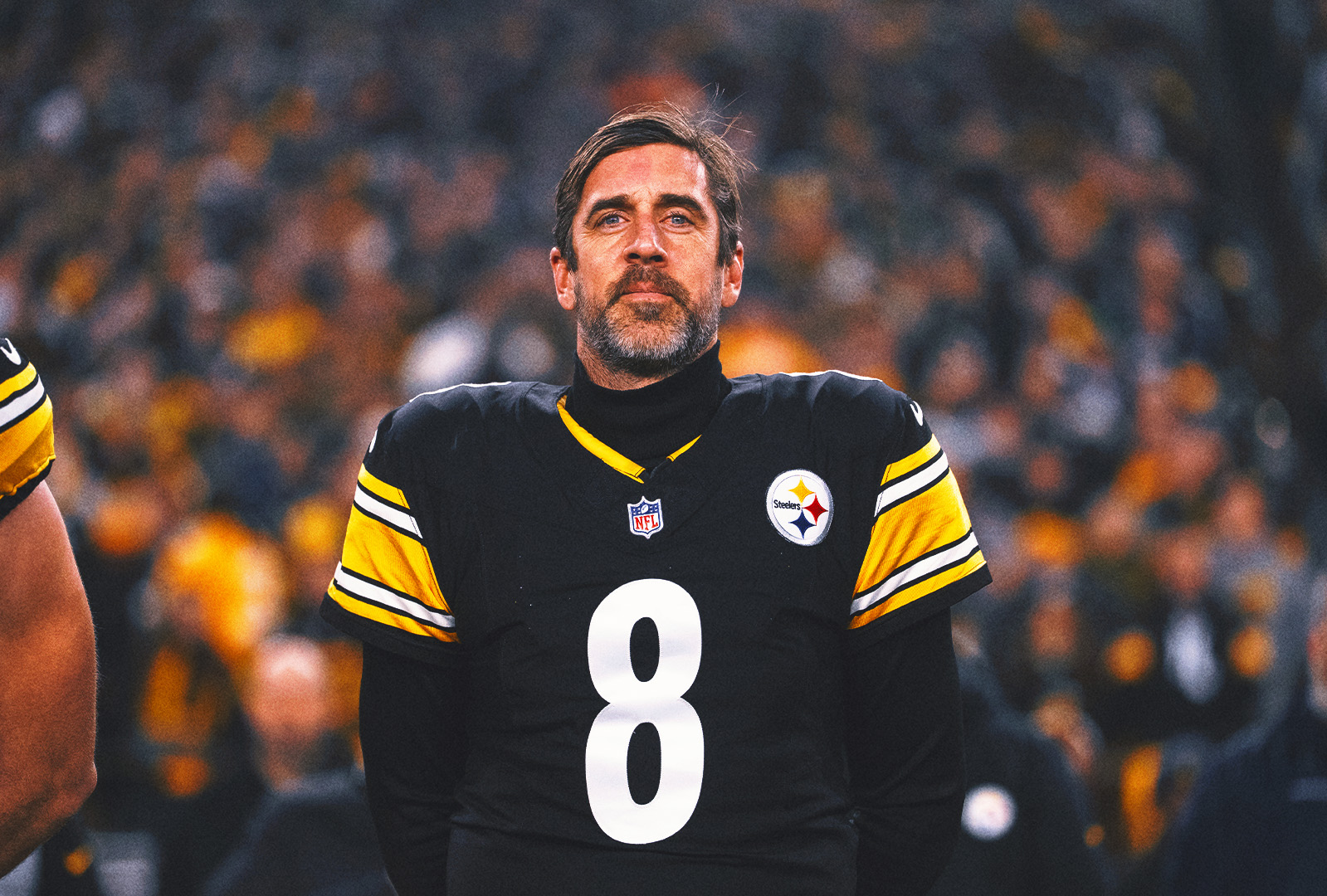
Sports Fox

2026 NFL Offseason: The Biggest Question Facing Each AFC Team

Only one NFL team finished the season truly happy, and even the Seattle Seahawks understand they have work to do for 2026. For everyone else, the work is already underway as they try to fill their biggest holes and fix their greatest flaws before next season begins. And what are those big holes and flaws? What is the most important thing each team must address in the coming months? Here is the biggest question each AFC team will have to answer before training camp starts in July. RELATED: The Biggest Question Facing Each NFC Team Baltimore Ravens Can they rebuild their offensive line? This is a team with both an elite quarterback that must be protected at all costs, and a powerful run game that needs some road-graders to lead it. The Ravens didn’t have that last season, which is part of why their season so quickly fell apart. They need to improve at both guard spots in any way possible, and they may need a new center too if they lose Tyler Linderbaum in free agency. To be a Super Bowl contender again, they have to keep Lamar Jackson upright, and they need big bodies to pave the road for Derrick Henry’s inside runs. Buffalo Bills Will they get Josh Allen a go-to receiver? The Bills are a bit cranky about this topic, but there’s no way around it. They have one of the best quarterbacks in the NFL with possibly the strongest arm, and they have absolutely failed at surrounding him with enough talented weapons. Give him a true No. 1 receiver, no matter the cost, and imagine how good their offense could be. That has to be their priority this offseason. No hole is bigger or more crucial to fill. Cincinnati Bengals How will they replace Trey Hendrickson and add some teeth to their defense? The only difference-maker the Bengals have on a defense that’s been awful for a long time is Hendrickson, who seems almost certain to leave via free agency. The good news is the Bengals do have the money to replace him (or re-sign him, if so inclined). They should be in play for every pass-rushing end or tackle they can find and consider one in the first round of the draft, too. A healthy Joe Burrow gives the Bengals an elite offense, but they can’t count on winning every game 41-38. Cleveland Browns Is Shedeur Sanders their franchise QB, or will they look elsewhere? The polarization around Sanders last season was fascinating to watch. Most either really hated him or really, really loved him. But here’s the truth: He played like a lot of other rookie quarterbacks — that is, he showed some potential and lots of things he needs to fix. So, will new coach Todd Monken give Sanders a full season to seek an upgrade this offseason? Cleveland has internal alternatives — Dillon Gabriel and whatever’s left of Deshaun Watson. The Browns could also sign a free agent. But they need to settle on one strategy and not treat their quarterbacks like interchangeable yo-yos. Denver Broncos Will they get another weapon to help out QB Bo Nix? Courtland Sutton is pretty close to being an elite receiver, but what do the Broncos really have beyond him? R.J. Harvey could be a strong half of a rushing attack, but nothing else really jumps out. Nix is an emerging quarterback playing for an outstanding offensive mind in Sean Payton. Together, they could be dangerous, but only if Nix gets a couple of new weapons to help him out. One should definitely be a receiver, but even a dangerous, pass-catching tight end could also work wonders. Houston Texans Can they get some protection for QB C.J. Stroud? They overhauled their offensive line last offseason and the results were definitely mixed. Stroud’s sacks were greatly reduced, but he was still pressured enough to look rattled at times — a fact that became really clear when he was sacked six times and threw five interceptions over two playoff games. The Texans weren’t great in run blocking either and could use help in the interior and at right tackle if they want to take the next step as a team. Indianapolis Colts Will Daniel Jones be ready for the season, and will the Colts re-sign him? The Colts had plenty of flaws, but they showed loads of potential and looked playoff-caliber when Daniel Jones was healthy. Then came his torn ACL and the Colts’ season went with it. Jones is scheduled to be a free agent and is staring at a timeline that puts his return, optimistically, at some point in August. He also does not have a good history of returning to form quickly after an injury. So, does Indy bring him back? And at what cost? Either way, it’s a risky bet on an uncertain future for both the quarterback and the franchise. Jacksonville Jaguars What are they going to do with WR/CB Travis Hunter? They were so excited about the possibilities of this two-way superstar when they traded up to draft him No. 2 overall last year. But he was relatively unimpressive at both positions before he injured his knee early in the year. Now they are already talking about using him primarily as a cornerback, but it’s unclear if he’s a real difference-maker at either spot. He needs to be, given how high he was drafted. The talent he’s supposed to have is the kind that could make Jacksonville a contender. Kansas City Chiefs Can the Chiefs rebuild their defensive line? Their fate, for the most part, is tied to the recovery and health of QB Patrick Mahomes. But it was pretty clear last year that he can’t do it all alone. The Chiefs’ defense was a big disappointment despite ranking in the top 10 overall. In particular, their pass rush was non-existent, with just 35 total sacks (22nd in the NFL). Nobody had more than Chris Jones’ seven, and he’s about to turn 32. They need to add at least one strong rusher off the edge. Steve Spagnuolo runs a very aggressive scheme, but it can’t work if he doesn’t have the horses to ride. Las Vegas Raiders Can they fix their offensive line enough to give Fernando Mendoza a fighting chance? They are presumably going to draft Indiana QB Fernando Mendoza first overall, and once they do, their No. 1 job will be to not ruin him. That will be tough if the Raiders have a repeat of last season when their quarterbacks were sacked 64 times — an average of almost four per game. They have enough offensive weapons to help Mendoza, including a promising running back in Ashton Jeanty who simply needs more room to operate. It doesn’t matter if Vegas uses free agency or the draft. The line just has to look completely different than it did in 2025. Los Angeles Chargers Can they fix their line enough to keep QB Justin Herbert healthy? Speaking of teams with serious offensive line issues … the Chargers were right behind the Raiders in terms of lack of support for their QB (they allowed 60 sacks). It’s no wonder Justin Herbert had to play the last month of the season and the playoffs with a broken left hand. It’s also no wonder he ended up throwing 13 interceptions — 10 more than he threw the year before. Herbert is as talented as any QB in the league. If he’s given a chance, he could lead the Chargers a long way. But if they can’t keep him upright, his talent will continue to be undermined. Miami Dolphins What are they going to do with Tua Tagovailoa and his contract? Since he was the first $50 million quarterback to ever get benched, this decision is going to be expensive. It’s hard to imagine the new regime — GM Jon-Eric Sullivan and coach Jeff Hafley — will want to keep him. It’s also hard to imagine they’ll find a trading partner. And cutting him could result in a record “dead cap” hit of $99.2 million. Still, the Dolphins need to do something, whether it’s reluctantly giving him another shot or finding someone else to build around for the future. They just have to figure out which of the lesser options is worth the exorbitant cost. New England Patriots How can they fix an offensive line that was a playoff disaster? Drake Maye had a miraculous, near-MVP season and led the Patriots all the way to Super Bowl LX. But really, it’s a miracle he was still standing at the end. He was sacked 47 times in the regular season and 21 more over four playoff games, including six times in the Super Bowl. So, yeah, the Patriots need to fix that so they can protect their biggest asset and, more importantly, give them a fighting chance against what is guaranteed to be a much tougher schedule next year. New York Jets Again: Who is going to play quarterback? They have been asking this question for 50 years and every time they think they’ve found even a temporary answer, something happens to rip the rug out from under their feet. Justin Fields didn’t work out last season, but they also won too many games to land the top pick in what is viewed as a one-QB draft. So, now what? The Jets won’t run it back with Fields, so will they draft a lesser quarterback, maybe in a later round, overspend on a questionable free-agent class, or overpay in a trade for someone like Mac Jones? The possibilities are endless, but none of them are very attractive. At this point, they’re just killing time until the 2027 draft. Pittsburgh Steelers Are they really going to run it back with 42-year-old Aaron Rodgers? New coach Mike McCarthy seems to think it’s worth it to reunite with his former Packers Super Bowl-winning quarterback. And to be fair, Rodgers showed last season he still has some skills and value. But he’s also clearly not close to the same as he once was. He barely dragged the Steelers to the playoffs. And who knows how much longer he can avoid breaking down? The Steelers desperately need a reset with a new franchise quarterback, but at the moment, they don’t have easy access to one. Rodgers can make them mediocre again. But all that will do is keep Pittsburgh out of reach of the best quarterbacks in next year’s draft, too. Tennessee Titans Is Brian Daboll the right OC to take QB Cam Ward to the next level? Given all their investment in the 2025 No. 1 pick, it was a bit of a surprise that the Titans hired a defensive-minded head coach in Robert Saleh. But he at least hired a respected offensive mind in Daboll to be his offensive coordinator. Daboll, after all, was once instrumental in the development of Bills QB Josh Allen. But that was before his four years as head coach of the Giants, when his offenses and quarterbacks were mostly bad. Tennessee can only hope that was because of a talent deficiency the Giants had, not because of Daboll’s coaching. The Titans need to make sure they’ve put their most prized possession in the right hands.​Latest Sports News from FOX Sports
Categories
Sports Fox

Best Daytona 500 Radio Moments From NASCAR Cup Opener: ‘We Hit Everything’

The 2026 Daytona 500 was full of chaos and drama. From a 20-car wreck to a daring move on the final lap and a crash at the finish line, this iteration of The Great American Race had everything. It’s one thing to see it play out on the screen; it’s another to relive the action with a behind-the-scenes look from the drivers’ and teams’ perspectives with the audio detailing what they’re experiencing in real time. Here are the best in-car radio moments from the 2026 Daytona 500, won by Tyler Reddick and 23XI Racing. Stage 1 B.J. McLeod lost control and spun out, taking out William Byron and other drivers during the first wreck of the race. Here was what Byron said in real time: “Wrecking, wrecking right in our lane. Right in our lane.” Justin Allgaier’s team told him to: “Back it out. Back it out. Back it out,” as he tried to avoid damage. “Sorry, I should have bailed. I saw the smoke,” Allgaier said. Tyler Reddick took damage to his right rear and let his spotter, Nick Pryne know. “I don’t know what the heck happened there,” Reddick said. “Something broke.” [INSIDE THE GARAGE: Tyler Reddick, 23XI Hope to Build on Historic Daytona 500 Win] Stage 2 The wreck in Stage 2 resulted in even more carnage. That was caught on audio, too. Ross Chastain bumped Chase Briscoe into the infield, and as Briscoe spun, Austin Dillon T-boned his car. “I knew it,” Dillion said, lamenting. “I know [expletive] better. I shouldn’t have chose the bottom lane.” Bubba Wallace ultimately came out of that wreck wide open to lead the race. “Wooooh,” his spotter Freddie Kraft said in exhalation as Wallace avoided the wreck. Connor Zilisch, who was also involved in that crash, was confused: “Where are we going?” he asked as his No. 88 car was towed to the garage. “I have no idea! I don’t even know where the [expletive] they’re taking us!” Zilisch went four laps down and asked, “Are we done?” “No, we’re not done,” Randall Burnett, his crew chief, replied. “They [expletive] us on that deal. There’s only a little small hole in the nose.” [NASCAR SECOND THOUGHTS: Examining 6 Debatable Decisions at Daytona] The Big One Later in Stage 2, Justin Allgaier held the lead, and Denny Hamlin tried to pass him on the outside. There wasn’t enough room and a domino effect caused a 20-car wreck. Riley Herbst in the No. 35 car saw the chaos ahead of him: “Holy, hell!” he exclaimed. “We hit everything,” Alex Bowman said. “My wheel is so far to the right,” Austin Cindric said. Allgaier got towed off the track in his car, and did not have a smooth ride. “They’re going to shake this thing to death if they tow me like this. I don’t know what’s going on, but this is awful.” Stage 3 Brad Keselowski in the No. 6 car wanted to make a move with the Fords grouped together, but Noah Gragson wasn’t having it. “Tell Brad to [expletive] off,” Gragson told his team “We’re not going to go anywhere. There’s three Toyotas roadblocking us.” Final Lap Any pent-up excitement was saved for the final lap. Michael McDowell led at the white flag, but went out at a wreck early into that lap. Chase Elliott took the lead, but Tyler Reddick had the final say. “[No.] 45’s got a small run on the bottom,” Elliott’s spotter, Trey Poole, said as Reddick made his move. Reddick eventually got ahead of Elliott and won the Daytona 500. “YESSSSS!!!” Reddick exclaimed. “Sorry, guys,” Elliott apologized. “Hey, guys? Did we win this? I’m sure we did, I just want to make sure,” Reddick said. “Anyone? Haha.” “Yessir, you got them buddy,” his spotter, Nick Payne, said. “I love you, great job.” “Oh my god!” Reddick said. “Great job guys!”​Latest Sports News from FOX Sports
Categories
Sports Fox

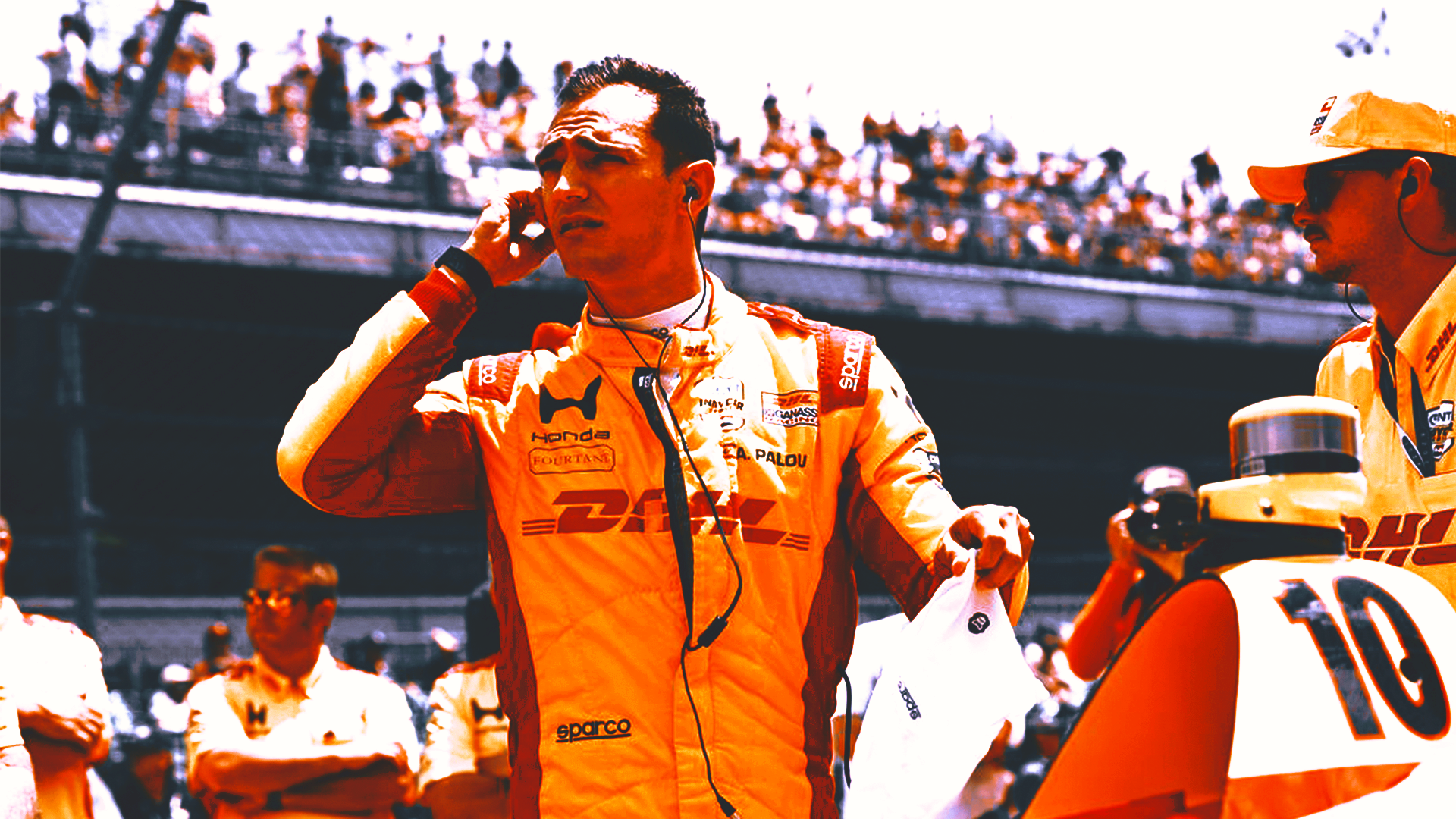
4 Takeaways From INDYCAR Testing: Mick Schumacher’s Oval Education Continues

Phoenix International Raceway (Avondale, Ariz.) — INDYCAR drivers enjoyed some sun, some wind and, well not so much, some rain during their two-day test at Phoenix. The series hasn’t competed on the 1-mile oval since 2018, and while the basic car is the same, the aeroscreen and hybrid systems make the handling much different. Drivers say the major factor in whether they will have a good race March 7 is whether an upper groove can have another rubber on the track in order to produce two racing lines. “You’re talking 200-300 pounds difference in weight,” six–time INDYCAR champion Scott Dixon, who won at Phoenix in 2016, told me. “The track actually itself feels like it has similar grip. The track is the same as when we last raced here. Obviously, the grandstands are in different positions and the start-finish line has moved. “The emphasis on trying to get that second lane in.” Here are my takeaways: 1. Mick Schumacher Learning Ovals Former F1 driver Mick Schumacher continued his accelerated education on ovals, and part of that was how the wind impacts the car for the Rahal Letterman Lanigan Racing rookie, who had his first oval test at Homestead a couple of weeks ago. “Confidence coming from Homestead helped that whole scenario a little bit and sped up the process,” Schumacher told me. “We had the rookie session [the first day at Phoenix], which was like an hour before everybody else was driving and then half a day in the car was great. “Then today [on Wednesday], getting in with the cold, cooler conditions has been pretty good and then the wind picked up and it started to become a bit more challenging out there.” After tests at Homestead and Phoenix, does Schumacher — who has never raced on an oval — like ovals now? “They’re interesting,” Schumacher said. “I’ll have to be racing them to say if I like them, it’s obviously a very different type of racing, something I need to get used to, and I’m excited to learn.” 2. Opening Statement David Malukas topped the speed chart on the first day and for the driver who replaced Will Power at Team Penske, posting a fast time was important. “I feel confident, but is it [fast time] what we were aiming for today? No,” Maulkas said during a post-practice news conference Tuesday. “We just ran through our test plan, and we managed to get a time up on the board. “Does it feel good? Yeah, I would say it feels good.” Malukas posted a lap speed of 172.605 mph, which was eclipsed on the second day by Alexander Rossi’s speed of 174.542 mph early in the afternoon session that was delayed by 90 minutes because of rain. For comparison, the pole speed for the Cup race in November was 133.759 mph. INDYCAR drivers don’t brake at Phoenix. “It’s very, very fast,” Malukas said. “When you are going through especially [Turns] 1 and 2, we are on the limit.” 3. Remember, It’s Testing One of the aspects of testing and trying to compare speeds is that it is hard to know who is trying what at what time and whether it was on new or fresh tires. And cars don’t go through technical inspection. A week earlier at Sebring, Pato O’Ward was not among the 10 fastest, and he tried not to sweat it. “We cannot read too much into Sebring,” O’Ward said. “We’ve done well there, we’ve done bad there, and not a lot of influences into what [the opener at] St. Pete usually looks like. “We were just testing a lot of the things that we obviously worked on during the offseason with obviously the sets of tires and stuff. We weren’t there to set the fastest time with what we wanted to try.” 4. Tire Talk Firestone brought a new right front tire that is wider than what has been used on the shorter ovals. It is designed to avoid some of the failures seen last year, including for O’Ward at Nashville. Another bit of tire talk? When teams come to Phoenix in two weeks, they will be at the track with the NASCAR Cup Series and NASCAR O’Reilly Series. Those series use Goodyear tires; INDYCAR uses Firestone. How the cars react to different tire rubber on the track surface remains to be seen. “That’s going to make a huge difference,” four-time INDYCAR champion Alex Palou told me. “We can have an amazing car now, and suddenly, when you have the rubber from NASCAR, it can be like a totally terrible car or it could be the opposite or it could stay the same. “It’s going to affect us for sure. I don’t know how. Hopefully it just works for us.” 4 1/2: What’s Next Racing! INDYCAR teams head to St. Petersburg next week for the season opener. It’s been a long offseason but drivers will get into a rhythm early. With Sebring testing last week and Phoenix this week, it makes for five consecutive weeks of on-track activity as the INDYCAR season opens March 1 on the streets of St. Petersburg, then races March 7 at Phoenix and March 15 on the streets of Arlington (Texas). “It’s not long now — it’s next week,” Schumacher said about his INDYCAR debut. “We’re all excited. We’ve been talking about it for so long now that they’re all very keen on getting going.” Bob Pockrass covers NASCAR and INDYCAR for FOX Sports. He has spent decades covering motorsports, including over 30 Daytona 500s, with stints at ESPN, Sporting News, NASCAR Scene magazine and The (Daytona Beach) News-Journal. Follow him on Twitter @bobpockrass.​Latest Sports News from FOX Sports
Categories
Sports Fox

What’s Next: Where Things Stand With MLBPA Leadership After Tony Clark’s Resignation

SURPRISE, Ariz. — The morning after Tony Clark’s abrupt resignation, the Major League Baseball Players Association was still without an acting executive director. But that could change as soon as Wednesday afternoon. The union’s executive board of player representatives met Tuesday afternoon with MLBPA staff and outside counsel to discuss next steps following Clark’s ouster but did not come to a vote on a successor. That vote, however, could take place before the end of the day Wednesday, when MLBPA’s executive board is expected to reconvene to determine future leadership. Union officials began their annual spring training camp visits by meeting with Royals players on Wednesday morning. Following that visit, Royals player rep John Schreiber said he thinks the MLBPA could have a new executive director by day’s end. “We’ll see how the meeting goes today,” Schreiber said. “We’re going on the right path. I think we’ll have a decision shortly.” Clark, who had led the MLB players union since 2013, resigned from his role on Tuesday after an internal investigation reportedly revealed an inappropriate relationship with his sister-in-law, who was hired as a union employee in 2023. Separately, a federal investigation into Clark and the union’s handling of finances remains ongoing. Clark was scheduled to join union officials on Tuesday to begin the MLBPA’s first camp visits with the Guardians before that meeting was canceled. MLBPA deputy executive director Bruce Meyer said the information that led to Clark’s resignation did not come to light until the last “72 hours or so.” “Just on a personal level, I think we were all fairly devastated by things that have happened in the last 48 to 72 hours,” Meyer said. “I’m not going to go beyond that in terms of personal feelings, but it’s fair to say we were all personally upset, concerned about Tony. But I think this was something players determined had to happen at this particular point in time, and we’ll move forward and again be strong as we always are.” What’s next in the search for a new union leader Meyer is perhaps the most logical option to replace Clark, however that decision had not been made as of Wednesday morning. Meyer offered no comment when asked if he wanted to be the next executive director or if there were other internal candidates. “We want the union to be in a good place,” Meyer said. “We want the union to remain strong. That’s all any of us care about.” Whether or not Meyer ends up being voted in as Clark’s successor, he expects to continue his role as the union’s lead negotiator ahead of what is likely to be a contentious labor battle. “Everything’s up to the players, but I don’t anticipate that anybody’s going to be leading negotiations other than me,” Meyer said. The new executive director will be voted on by the 72-member executive board, which includes the eight-member executive subcommittee, 30 player representatives and 34 minor league positions. “Players, I think, are aware there’s a need in terms of stability both internally and otherwise for ideally a quick decision,” Meyer said. “But on the other hand, it’s more important for players to make the right decision. They recognize that, and they’ll take as much time as they feel they need.” What’s next for the unity and strength of the MLBPA The current MLB collective bargaining agreement expires on Dec. 1, after which the owners could decide to lock out the players if a deal hasn’t been reached. That makes the timing of the director vacancy particularly troubling, though Meyer remained adamant that it won’t impact negotiations with the league. “We don’t expect anything to change in terms of bargaining,” Meyer said. “We’ve been preparing for bargaining for years. Players have been preparing. Players know what’s coming. At the end of the day, leadership is important, and leadership comes and goes, but what remains is the players. At the end of the day, it’s the players who determine the direction of the union. At the end of the day, it’s the players who determine our priorities in bargaining. Those priorities obviously have not changed and will not change.” Meyer also went on to say he doesn’t think Clark’s resignation will weaken the union. “Anybody who’s going to assume that and act on that is really making a mistake,” Meyer said. “I’m not going to say this is a great thing. This is unforeseen. There have been some issues hanging over, as you know, and in some respects it’s good to get them out of the way sooner than later. “I’m not going to say this is like a nothing and that there’s not going to be some disruptions, but at the end of the day, bargaining is the most important thing, it’s always been the most important thing, and our team that’s been preparing for that for years remains in place.” [MLB Spring Training Buzz: Dodgers RHP Brusdar Graterol Not Yet Ready for 2026] What’s next for the timeline of negotiations Meyer doesn’t anticipate Clark’s ouster to impact the timing of negotiations, which are expected to begin at some point after Opening Day, likely in April. “For reference, I checked, last time we started on April 20,” Meyer said. “There’s no hard and fast rule, but we’ll be ready, and I anticipate that it will operate on a normal schedule starting sometime in the spring.” The question looming over the upcoming negotiations is how far owners will go to enforce a salary cap, which is a concept the players have always strongly rejected. “We have a duty to the players and otherwise to listen to anything the league offers,” Meyer said. “We will evaluate, analyze anything that’s offered. We will report to our players and give them our recommendations. Our position, and the historic position of this union for decades on a salary cap, is well-known. It’s the ultimate restriction. It’s something that owners in all the sports have wanted more than anything, and in baseball in particular there’s a reason for that — because it’s good for them and not good for players.” Last spring, MLBPA officials met with teams to discuss bargaining and the upcoming 2026 negotiations. They then went on a summer tour with teams, something they hadn’t done before, meeting with each team individually on the road to continue discussing bargaining. “We got great participation in that, great engagement,” Meyer said. “We had a fantastic board meeting in December. In between, talking to players, not just me but our former players on staff. So, guys are engaged. Guys are locked in. Guys appreciate the importance and significance of what’s coming.” Rowan Kavner is an MLB writer for FOX Sports. He previously covered the L.A. Dodgers, LA Clippers and Dallas Cowboys. An LSU grad, Rowan was born in California, grew up in Texas, then moved back to the West Coast in 2014. Follow him on X at @RowanKavner.​Latest Sports News from FOX Sports
Categories
Sports Fox

Get to Know a College Basketball Mid-Major: Big West

You know all about the Power 6 conferences in college basketball. You hear about those more than any other, and those groups often dominate the March Madness conversation. There are 31 other conferences out there, however, and our goal is to get you up to speed on the teams, players and fights in the standings to know before the conference tournaments, Selection Sunday and the official start of March Madness. It’s time for you to get to know a mid-major: this time, it’s the Big West. The Big West name works in a couple of different ways. For one, most of it is located in California, which is about as big and west as you can get — for the purposes of this wordplay, Alaska is more like the big northwest. Hawaii is there, too, and while that isn’t big, it’s more west than the rest. While there have been plenty of other non-California schools in the Big West over the years and decades, in the present, it’s all California besides Hawaii. And next year, it will be all California besides Utah Valley, but that’s a 2026-2027 discussion. As of now, there are 11 teams in the conference, and the top eight will qualify for the Big West conference tournament in March. The top two seeds receive byes straight to the semifinals, awaiting whichever teams come out of the battles of the first two rounds, while seeds three and four get a pass to the quarterfinals. In both men’s and women’s basketball, the automatic bid has been the only way into March Madness over the last three years. Given the makeup of the conference in 2025-2026, that is unlikely to change, either, but that isn’t the same thing as saying that we already know who is going to represent the conference in March. That is an open question for both the men and women. Big West — Men’s College Basketball Leaders: Hawaii and UC Irvine are tied at 10-4 atop the Big West, and have already played each other twice: the Rainbow Warriors won the first matchup by the narrow score of 67-66, and the Anteaters took the second in overtime, 87-76. Behind these two in the standings is UC Santa Barbara, at 10-5, Cal State Northridge (9-5), UC Davis (9-6), Cal State Fullerton (8-7), UC San Diego (8-7) and Cal Poly (7-8). The other teams — all below the Big West tournament qualification as of now — are Long Beach State (4-10), UC Riverside (3-12) and Cal State Bakersfield (2-12). The lone top-100 team in the NCAA Evaluation Tool is Hawaii, just sneaking in at 99th. UC Irvine is 119th, UC San Diego 126th, UC Santa Barbara 135th, rounding out the top-150 teams. Hawaii has four of the conference’s top-20 players in Player Efficiency Rating (PER), with senior center and seven-footer Isaac Johnson second at 25.6, senior guard Quandre Bullock (18.2), senior forward Harry Rouhliadeff (18.1) and senior forward Gytis Nemeiksa (17.0) 15th, 17th and 18th in PER — no one else in the conference has more than three (UC San Diego has the 4th, 14th and 20th players), while UC Irvine has two. Top-rated senior forward Kyle Evans (26.5) sophomore guard Jurian Dixon, at 19th (16.5). Hawaii, UC Irvine and UC San Diego are much closer together in KenPom, at 103, 115 and 118, respectively, with Hawaii’s defense being the reason the Rainbow Warriors are first up. While adjusted for strength of schedule Hawaii doesn’t stack up against the competition, on the season it has allowed 99.9 points per 100 possessions, the 36th-best Defensive Rating in Division I. The offense, however, comes in at 216th. UC Santa Barbara is best in class there, at 70th with 116.3 points per 100 possessions, basically making it the opposite of Hawaii because of its own defensive issues. Given the stacking at the top and the relative closeness of these teams in NET and KenPom, just who will emerge from the Big West tournament is unclear. Hawaii and UC Irvine have the best chance through Feb. 17, however, almost entirely because of seeding: getting a pass right to the semifinals as one of the top two seeds is the path of least resistance, and that is going to matter in a conference where so many teams stack up well against each other. Big West – Women’s College Basketball Leaders: Things are a little less clustered, though not entirely so, on the women’s side of the Big West. UC San Diego is in first at 13-2, with 12-2 UC Irvine holding the second seed. UC Davis is half-a-game back at 12-3, with Cal State Fullerton 11-4. Some space begins to open up for the teams looking at byes, however, as UC Santa Barbara is two games back at 9-6 and Hawaii 8-6. Then the last two teams currently qualifying for the Big West tournament are the under-.500 UC Riverside (6-9) and Cal State Northridge (4-10). Cal State Bakersfield and Long Beach State are both 2-12, while Cal Poly is 1-14. UC Irvine is in bubble territory, at 71st in NET: it’s the lone school in the conference with that designation. UC San Diego might be first in the conference, but NET has it 132nd overall. UC Santa Barbara (143), UC Davis (159), Hawaii (166) and Cal State Fullerton (198) are all within the top-200 in the NCAA Evaluation Tool. After that, the rest of the teams are in or near the bottom-100 in Division I. So, plenty of competition at the top, even if UC Irvine sticks out more than the rest as a potentially genuine tourney-caliber team, but it gets thin. The Anteaters are the lone team in the Big West with an Offensive Rating putting them at over 100 points per 100 possessions (100.34). UC Davis is next up, at 93.33, and again, it thins out in a hurry. Hawaii has the 91st-best Defensive Rating, however, best in the conference, at 87.91 points per 100 possessions. UC Irvine is right behind it, then UC San Diego, so it’s not much of an advantage — there is a reason the Anteaters are on top in more ways than one, basically. UC Irvine is 22nd in made 3-pointers per game in D-I women’s basketball, with 8.76, and 26th in 3-point shooting percentage at 35.8%. It’s a top-100 rebounding school, too, and while it doesn’t stack up fantastically defensively against the larger Division I landscape, within the Big West its 53.1 points per game allowed is the best mark in the conference. UC Riverside’s Hannah Wickstrom is a legitimate scoring threat, currently sixth in D-I at 23.2 points per game. She’s also first in PER, and it isn’t close — 35.2 to Cal State Fullerton’s Cristina Jones, at 28.4. (Jones, in addition to being one of D-I’s best thieves, is scoring 16.5 points per game as a freshman guard while pulling down 9.4 rebounds). It hasn’t helped UC Riverside to a great record, but the presence of the star sophomore guard and a potential big scoring game does make the Highlanders a potential threat in every conference tourney game regardless. Then there is Megan Norris, out of UC Davis: the 6-foot-3 senior center is third in all of Division I in rebounds per game, but she’s also managed 12.6 points, 2.6 assists, over a steal and 1.5 blocks per game, and is seventh in the Big West in PER, as well.​Latest Sports News from FOX Sports