Categories
Alaska News

Alaska natural gas pipeline dreams stretch over half a century

Flames from burning gas stream into air on Aug. 23, 2018 at a facility within the Greater Prudhoe Bay Unit on Alaska's North Slope. (Photo by Yereth Rosen/Alaska Beacon)

Flames from burning gas stream into air on Aug. 23, 2018 at a facility within the Greater Prudhoe Bay Unit on Alaska’s North Slope. Prudhoe Bay and other fields hold vast amounts of natural gas that is routinely produced with the oil, then reinjected into the reservoirs because there is no ecomically viable way to send those known reserves to major markets. (Photo by Yereth Rosen/Alaska Beacon)

The president of the United States urged lawmakers to do everything they can to make the long-desired Alaska natural gas pipeline a reality.

“It is in the national interest to bring Alaskan gas reserves to market at the lowest possible price for consumers,” the president said in an official message. “Every effort must be made to ensure timely completion of the pipeline at the lowest possible cost consistent with Federal regulatory policies.”

The president was Jimmy Carter. The year was 1979. The Alaska natural gas pipeline project was already several years old, with official presidential approval issued two years earlier. The 4,748-mile pipeline project, which Carter touted as “the largest privately financed energy project ever undertaken,” was to be completed by 1984 at a cost of $10 billion to $15 billion, according to the approved plans.

That project never happened, nor did any of the other iterations of an Alaska natural gas pipeline plan that followed.

Now, five decades later, Gov. Mike Dunleavy is describing an alternate version of the yet-unbuilt pipeline as an imminent megaproject.

“For decades and decades and decades, this gasline project has been a dream of many Alaskans. And we’re closer today than we ever have been,” he said in comments posted on Facebook on May 29.

As Carter did, Dunleavy uses superlatives to describe the plan. “That project will be the largest on the face of the earth, probably the largest in terms of investment ever,” he said in opening remarks on May 19 at the Alaska Sustainable Energy Conference in Anchorage.

President Jimmy Carter takes questions at a press conference on June 30, 1977. (Photo by Marion Trikosko/Provided by the Libarary of Congress)

Dunleavy has called the legislature into a special session to consider sweeping tax concessions that he says are necessary to make the project work economically. His plan, which the legislature is considering, would eliminate nearly all of its state and municipal property taxes on project-related infrastructure in exchange for the promise of a share of the revenues once gas starts flowing through the line.

The current project sponsor is Glenfarne LLC, a New York- and Houston-based company founded in 2011. Glenfarne, a privately held investment and management company specializing in energy, entered the Alaska gas pipeline history last year when it acquired 75% of a project promoted by the state-owned and state-financed Alaska Gasline Development Corp. It has never built or operated a major natural gas pipeline or LNG facility.

Glenfarne says the project would cost between $44.5 billion and $54.5 billion.

Decades of proposals

The Glenfarne plan, for a phased-in pipeline to carry natural gas from the North Slope to a liquefaction plant in Cook Inlet, is the latest in a long series of pipeline plans and campaigns that emerged over the past half century.

The oil fields on Alaska’s North Slope that have been producing since 1977 also hold vast quantities of natural gas, as is common in petroleum basins. Known natural gas reserves on the North Slope, mostly at Prudhoe, total about 35 trillion cubic feet, and experts say there is certainly more natural gas to be discovered.

So far that gas has been considered “stranded” — too isolated to be marketable. Instead of being sold to utilities or other users, the gas that is brought to the surface with oil produced on the North Slope is reinjected into the reservoirs, where it helps build pressure that will enable more oil recovery. Each day, about 8 billion cubic feet of natural gas has to be reinjected, an amount equivalent to the daily natural gas consumption in Japan in 2024.

A map shows various Alaska natural gas pipeline routes proposed as of 2011. (Map from the Congressional Research Service publication, "The Alaska Natural Gas Pipeline: Background, Status, and Issues for Congress," by Paul W. Parfomak, Specialist in Energy and Infrastructure Policy,June 9, 2011)
A map shows various Alaska natural gas pipeline routes proposed as of 2011. (Map from the Congressional Research Service publication, “The Alaska Natural Gas Pipeline: Background, Status, and Issues for Congress,” by Paul W. Parfomak, Specialist in Energy and Infrastructure Policy, June 9, 2011)

The prospect of selling that gas tantalized Alaskans and the energy industry and inspired a wide range of proposals that have come and gone over the past decades.

Some proposals were for overland pipelines through Canada, as the Carter-approved plan proposed. The main alternatives to the Canada route have been plans for an “all-Alaskan” line taking gas from Prudhoe to Valdez, the site of the trans-Alaska oil pipeline marine terminal, or to Cook Inlet for processing into liquefied natural gas to be transported by tanker vessel. Other plans proposed shorter lines delivering to in-state markets and an over-the-top route that would skim the Arctic coast before connecting with a Mackenzie Delta pipeline in the Northwest and Yukon Territories — a Canadian project that, like Alaska gasline, never materialized.

SUBSCRIBE: GET THE MORNING HEADLINES DELIVERED TO YOUR INBOX.

There have been plans for projects that would skip the pipeline construction altogether. In the early 2000s, BP experimented with a gas-to-liquids technology that might produce synthetic oil that could be shipped down the existing trans-Alaska pipeline. BP set up a facility in Nikiski for the project but closed it in 2009. Two pending proposals, one from a company called Qilak and another from a company called Polar LNG, call for natural gas deliveries directly from the North Slope by icebreaker. Even those are not new; the icebreaker idea was considered in the 1980s by Arco Alaska.

Gas pipeline records filing shelves in the Alaska Resources Library and Information Services, seen on June 8, 2026, inlude the multi-volume draft environmental impact statement and final environmental impact statement on the Alaska Stand Alone Gas Pipeline, known as ASAP. (Photo by Yereth Rosen/Alaska Beacon)

Also dating back to the mid-20th century are various task forces, commissions, coordinating offices, approved state and federal legislation, enthusiastic support from presidents, completed environmental impact statements and completed permits. There were various tentative agreements with oil producers, major corporations and Asian governments for participation the project. There were numerous special sessions of the Alaska Legislature — and, at the urging of project sponsors, financial inducements assembled by the state and federal governments.

A list of projects that surfaced through 2021 is available from the Alaska State Library, though it comes with a caveat: “It does not purport to be complete.”

Not one foot of gas pipeline has been laid, but plenty of space is taken up on Alaska library shelves by rows and rows of studies and reports produced since the 1970s.

Records from 1975 Federal Power Commission proceedings on the porposed El Paso Alaska Company natural gas pipeline project fill several shelves in the Alaska Resources Library nad Information Services at the University of Alaska Anchorage campus. Even before the trans-Alaska oil pipeline was completed, El Paso was seeking to build a parallel pipeline to carry North Slope natural gas to a liquefaction facility at tidewater. President Jimmy Carter chose an overland pipeline plan to run through Canada instead of El Paso's LNG project. (Photo by Yereth Rosen/Alaska Beacon)
Records from 1975 Federal Power Commission proceedings on the porposed El Paso Alaska Company natural gas pipeline project fill several shelves in the Alaska Resources Library nad Information Services at the University of Alaska Anchorage campus. Even before the trans-Alaska oil pipeline was completed, El Paso was seeking to build a parallel pipeline to carry North Slope natural gas to a liquefaction facility at tidewater. President Jimmy Carter chose an overland pipeline plan to run through Canada instead of El Paso’s LNG project. (Photo by Yereth Rosen/Alaska Beacon)

Dunleavy insists that the Glenfarne project is different, though he conceded in a May 21 presentation that “people have heard about this project forever.”

In a presentation at the Sustainable Energy Conference in Anchorage, Dunelavy cited numerous factors that he said made the current plan different from past failed plans.

He listed energy disruptions caused by the war in Iran and Russia’s invasion of Ukraine, the rise of technologies that have dramatically increased the need for energy, the impending shortage of Cook Inlet natural gas that has long fueled Southcentral Alaska, the permits that the Alaska Gasline Development Authority already secured — plus the ardent support of President Donald Trump, who has pushed for aggressive resource development in Alaska since he returned to the White House in January of 2025.

“When you get all the geopolitical stuff that’s changed the world and then you get Trump 2.0 in here and data farms and cryptocurrency and electrification, it’s a different project,” Dunleavy said at the conference.

But Larry Persily, a veteran Alaska journalist and past head of the federal gas pipeline coordinating office that was originally established by President George W. Bush in 2004, sees a lot of wishful thinking surrounding the Glenfarne plan.

“We want to think it’s different. We want the pipeline. We want the revenues. We want the jobs. And we want the promise of affordable energy,” Persily said.

He cited ongoing “pep rallies” to help convince people that things are different this time, like the June 2 event hosted by the Greater Fairbanks Chamber of Commerce.

“We have a sales job, and it’s ginned up a lot of enthusiasm — misplaced, I believe,” he said.

Past optimism

A folding map that was part of a Yukon Pacific promotional flier shows the planned route for a pipeline from Prudhoe Bay to Valdez, where natural gas was to be liquefied. The map was published in the 1990s. (Photo by Yereth Rosen/Alaska Beacon)

Of the past plans, Persily said, the most similar to Glenfarne’s proposal was the Yukon Pacific plan for a LNG project, which emerged in the 1980s.

Yukon Pacific’s Trans-Alaska Gas System, also referred to as TAGS, envisioned a gas pipeline paralleling the trans-Alaska oil pipeline to a liquefaction plant in Valdez, from where tanker vessels would take LNG to Asian markets. The estimated price tag was $12 billion.

The Yukon Pacific plan was vetted through two environmental impact statements, one for the pipeline and one for the terminal. The company had permits in hand, including long-term federal and state right of way authorizations.

It had backing of the Bush and Clinton administrations. It had popular support, including from two-time Gov. and former U.S. Interior Secretary Wally Hickel, who founded Yukon Pacific in 1981 but relinquished his shares in the company to avoid any conflict of interest. It had some major corporate backing; in 1988, Yukon Pacific became a subsidiary of the CSX Corp., a major railway, transportation and real estate owner and operator.

What it lacked was economics to justify construction. The project was never built.

‘My way is the highway’

In the late 1990s and early 2000s, the spotlight shifted from the LNG option back to the overland route through Canada.

Democrat Tony Knowles, elected in 1994 and reelected in 1998, concluded that the route through Canada was the most likely. He used a catchy phrase to describe his choice: “My way is the highway.”

Gov. Tony Knowles, a Democrat, served from 1994 to 2002. Knowles concluded that an overland pipeline through Canada to deliver North Slope natural gas to the Lower 48 states was the most viable gasline option. (Photo provided by the Alaska State Library)

He championed legislation and issued executive orders to encourage development. He proposed using $17 billion in railroad bonds for the project. And, like others before, he spoke confidently about the prospects for bringing the pipeline to reality.

“I believe Alaskans can be on the working end of a shovel building a natural gas pipeline within two years. After two decades of false starts and broken dreams, the economic and political stars are finally aligned in our favor. Natural gas is the fuel of the 21st century,” Knowles said in his Jan. 10, 2001, state of the state address.

Industry officials made similarly optimistic statements.

A month prior to Knowles’ state of the state speech, Dick Olver, then chief executive of BP Exploration and Production, predicted gas deliveries within seven years.

“It is no longer a question of ‘if’ North Slope gas will be commercialized, but ‘when’ and ‘how,’” Olver said in a Dec. 5, 2000, speech to the Alaska Support Industry Alliance, a trade group for oilfield service companies. “We believe ‘when’ will be no later than 2007, and there are three exciting options for bringing North Slope gas to market at the present time,” he said, going on to summarize the overland pipeline, LNG concept and gas-to-liquids options being considered by BP at the time.

Frank Murkowski, who served for 22 years in the U.S. Senate before becoming the governor who succeeded Knowles, exuded similar optimism.

“This administration has brought the long-held dream of construction of an Alaska natural gas pipeline to the threshold of reality,” Murkowski said in a Jan. 20, 2006, speech to the Alaska Support Industry Association’s Meet Alliance conference.

Gov. Frank Murkowski, who served from 2002 to 2006.. (Photo provided by the Alaska State Library Historical Collection)
Gov. Frank Murkowski, a Republican who served from 2002 to 2006 after a long career in the U.S. Senate, pushed for a deal with the North Slope oil producers that would keep oil taxes unchanged for decades. He said that was to provide “fiscal certainty” needed to make the gas pipeline a reality. (Photo provided by the Alaska State Library Historical Collection)

Murkowski’s efforts focused on a deal with the three North Slope producers — BP, ConocoPhillips and Exxon Mobil — for what was then a $20 billion project. Murkowski said the producers needed “fiscal certainty,” not just on natural gas taxes but on oil taxes.

Like Dunleavy, Murkowski called the legislature into special session to approve tax concessions he said were urgently needed to make the gas pipeline a reality. “We have been waiting 30 years,” he said in a speech at the start of what turned out to be two special sessions on the topic.

The idea of locked-in oil taxes was not popular and, according to several legislators, contrary to the Alaska constitution.

Sarah Palin, elected governor later that year, took a different approach, a state license for which companies would compete. She sponsored a bill called the Alaska Gasoline Inducement Act, or AGIA, which lawmakers approved in 2007. Lawmakers meeting in a special session the following year approved the Palin administration’s proposal to award the license — which came with a pledge of up to $500 million in state cost reimbursement — to TransCanada. Palin signed the bill on Aug. 27, 2008, officially granting the license.

The following week, after she was selected as the vice presidential candidate on the national Republican ticket, Palin portrayed the gas pipeline as a fait accompli. 

“I fought to bring about the largest private-sector infrastructure project in North American history. And when that deal was struck, we began a nearly $40 billion natural gas pipeline to help lead America to energy independence,” Palin said at her Sept. 3, 2008, acceptance speech at the Republican National Convention in Minneapolis. “That pipeline, when the last section is laid and its valves are opened, will lead America one step farther away from dependence on dangerous foreign powers that do not have our interests at heart.”

Gov. Sarah Palin delivers her acceptance speech on Sept. 3, 2008, at the Republican National Convention at the Xcel Energy Center om Minneapolis. (Photo by Toni L. Sandys/The The Washington Post via Getty Images)
Gov. Sarah Palin delivers her acceptance speech on Sept. 3, 2008, at the Republican National Convention at the Xcel Energy Center om Minneapolis. In her speech, she said the Alaska natural gas pipeline project was underway. (Photo by Toni L. Sandys/The The Washington Post via Getty Images)

TransCanada’s AGIA plan fizzled, as did a competing plan pursued by ConocoPhillips and BP called Denali.

The fracking resolution that flooded the Lower 48 with cheap natural gas made an overland route through Canada less attractive than an LNG project delivering to Asian markets.

The iterations that rose from the ashes of AGIA, pursued through the administrations of Gov. Sean Parnell and Gov. Bill Walker, were new versions of the previously proposed LNG plans, including some attempts involving TransCanada and the major oil producers. The idea of keeping the project entirely in Alaska had some popular appeal in the state, as encapsulated in a bumper sticker seen in the early 2000s that proclaimed “CANADA my ass/it’s ALASKA’s GAS.”

Leadership of the project ultimately fell to the Alaska Gasline Development Corp., a state entity created by the legislature in 2010 in response to concerns about dwindling Cook Inlet gas supplies. AGDC’s takeover came in spite of a 2002 Department of Revenue report concluding that state ownership “would not likely improve the feasibility of the project or be valued by private sector project sponsors.”

AGDC in 2020 won authorizations from the Federal Energy Regulatory Commission to build and operate the LNG project, the same approval that Yukon Pacific received decades earlier.

State concessions demanded

As with Glenfarne, past project sponsors have argued that tax or other financial concessions are needed to make massive investment in a gasline worthwhile.

Those arguments date back to the 1970s, when the Northwest Alaska Pipeline Co., the main sponsor of the Carter administration-approved overland gas pipeline through Canada, requested that the state issue $1 billion in bonds to pay for the project.

John McMillan, the company’s chief executive, was dissatisfied at the time with the administration of then-Gov. Jay Hammond.

Glenfarne CEO Brendan Duval speaks on May 21, 2026, at the Alaska Sustainable Energy Conference in Anchorage, while Gov. Mike Dunleavy listens. (Photo by Yereth Rosen/Alaska Beacon)

“Regarding the State of Alaska, we must confess to a sense of frustration. While the State is the principal beneficiary of this project and will realize more direct and indirect benefits from its construction and the sale of the Prudhoe Bay gas than anyone else, we have been unable to develop any positive progress with the State which would materially assist in the development of a financial plan to move the project forward,” McMillan said in prepared statements delivered on Oct. 15, 1979, to a U.S. Congressional committee.

While lawmakers in the Frank Murkowski era rejected the governor’s idea of linking oil taxes to the long-desired gas pipeline, their changes to the oil tax system led to federal bribery and political corruption convictions and jail time for several lawmakers and others, including Bill Allen, the chief executive of what was at the time the state’s largest oilfield service company.

BP, a party to the Murkowski negotiations and, later, a partner with ConocoPhillips in the Denali gas pipeline proposal, left the state in 2020 after selling off all its Alaska assets to Hilcorp.

Matt Kissinger and Frank Richards of the Alaska Gasline Develoment Corp. prepare to testify to the House FInance Committee on May 27, 2026, in Anchorage.. Richards is AGDC's president and Kissinger is AGDC's venture develoment manager. The hearing was conducted as part of a special session called by Gov. Mike Dunleavy. Kissinger and Richards tesified in favor of property-tax concessions sought by Glenfarne, now the majority partner in the Alaska natural gas pipeline project. Dunleavy has argued that the tax concessions are the needed to make the pipeline project viable. (Photo by Yereth Rosen/Alaska Beacon)
Matt Kissinger and Frank Richards of the Alaska Gasline Develoment Corp. prepare to testify to the House FInance Committee on May 27, 2026, in Anchorage. Richards is AGDC’s president and Kissinger is AGDC’s venture develoment manager. The hearing was conducted as part of a special session called by Gov. Mike Dunleavy. Kissinger and Richards tesified in favor of property-tax concessions sought by Glenfarne, now the majority partner in the Alaska natural gas pipeline project. Dunleavy has argued that the tax concessions are the needed to make the pipeline project viable. (Photo by Yereth Rosen/Alaska Beacon)

Because of the AGIA provisions, the state wound up reimbursing TransCanada about $327 million from 2010 to 2015, accoring to one legislative tally. The state paid out another $65 million in late 2015 to acquire the company’s remaining share in the project. The buyout gave the Alaska Gasline Development Corp. access to the Canadian company’s engineering studies and other documents.

Altogether, Persily said, the state has spent more than $1 billion in the past 25 years on the yet-to-be-built gas pipeline.

That does not include items like the cost of the current special legislative session or the $500,000 that the just-passed state budget for the next fiscal year appropriated to the Department of Revenue to adjust the tax system to accommodate Glenfarne’s desired near-elimination of property taxes. 

Sen. Bill Wielechowski, D-Anchorage, is among the lawmakers considering whether additional financial concessions that Glenfarne is seeking are justified. The deliberations follow a long history of unfulfilled gasline promises, he noted.

“I don’t think anyone’s opposed to giving them the tax break as long as they need it,” Wielechowski said of Glenfarne’s plan. “We’re just struggling with the lack of information and the feeling that we’ve been burned in the past.” 

James Brooks contributed to this story.

The sun sets at Prudhoe Bay on March 23, 2018. (Photo provided by the U.S. Bureau of Land Management)
The sun sets at Prudhoe Bay on March 23, 2018. The North Slope holds vast amounts of known natural gas reserves that have inspired numerous plans for natural gas megaprojects over the decades. (Photo provided by the U.S. Bureau of Land Management)

SUPPORT: YOU MAKE OUR WORK POSSIBLE

Categories
Entertainment

Jelly Roll & Bunnie Xo: Real Cause of Their Split Revealed

Reading Time: 2 minutes

As we previously reported, Jelly Roll and Bunnie Xo have called it quits after ten years of marriage.

The news came as a shock to many — but there are those who say they saw it coming.

And one insider claims it came down to a difference in values — or at least the way these two have chosen to present their values publicly.

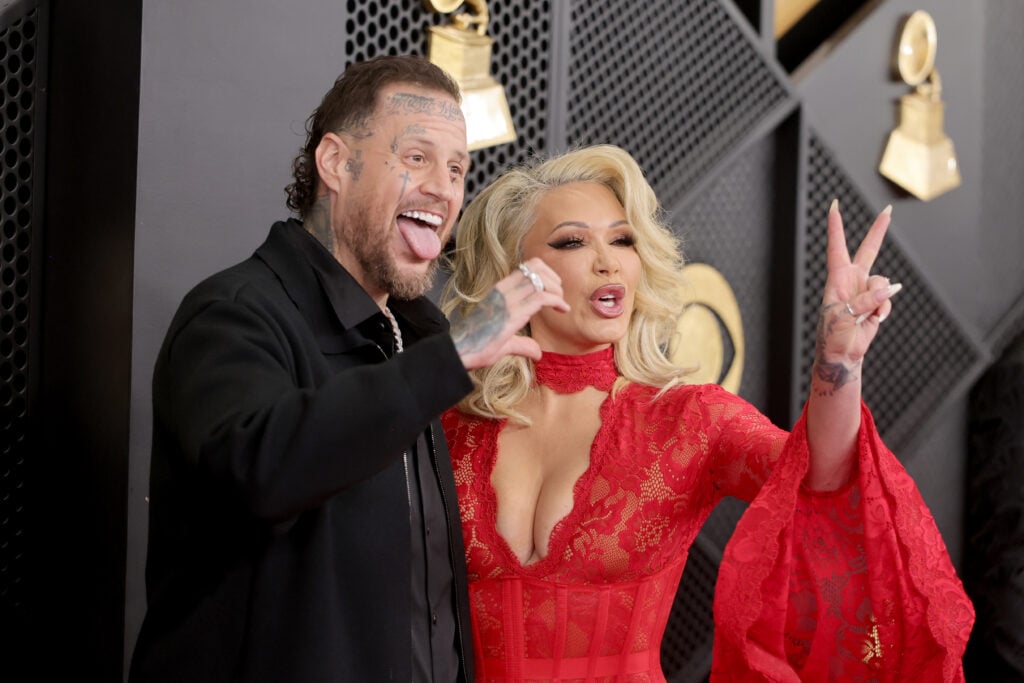
Jelly Roll and Bunnie Xo attend the 68th GRAMMY Awards at Crypto.com Arena on February 01, 2026 in Los Angeles, California.
Jelly Roll and Bunnie Xo attend the 68th GRAMMY Awards at Crypto.com Arena on February 01, 2026 in Los Angeles, California. (Photo by Brianna Bryson/WireImage)

“There is just such a conflict in what’s going on. He’s preaching this Christian way of life. She’s posing mostly naked and talking about porn and penises on her podcast,” a source told the Daily Mail on Tuesday, referring to Bunnie’s “Dumb Blonde” podcast.

“At every turn she’s just kind of embarrassing him and wrecking every PR narrative that they’re trying to create. This is the talk of the town [in Nashville],”

Jelly Roll quietly filed for divorce in Tennessee in May, citing irreconcilable differences.

The filing came as a surprise to many fans, especially given how openly the couple had discussed their relationship, family life, and plans for the future.

Jelly’s pivot toward a more family-friendly image was on full display when he won the Grammy for Best Contemporary Country Album back in February.

“First of all, Jesus, I hear you, and I’m listening, Lord. I am listening, Lord,” he said in his acceptance speech before shifting his focus to Bunnie:

“Second of all, I want to thank my beautiful wife. I would have never changed my life without you. I would have ended up dead or in jail. I would have killed myself if it wasn’t for you and Jesus. I thank you for that,”

The insider noted that there might be a cynical component to Jelly’s new image, as “there’s so much money” in Christian music.

“He saw a lot of money in this market and told Bunnie to get it together. But she wouldn’t stay in line and it is destroying his brand,” said the source.

Meanwhile, the singer’s 18-year-old daughter from a previous relationship has expressed her disdain with the public’s interest in her father’s split.

“Oh & one more thing I am disgusted at how invested everyone is in a very clearly private family matter,” Bailee Ann wrote in an expiring TikTok post Tuesday.

She went on to call it “fkn crazy” that people are so invested, and she told those following closely along to “worry bout your house – not mine.”

“I’m not speaking on it – yet,” Bailee concluded.

Thus far, neither are Jelly or Bunnie. But based on the moving vans that were reportedly spotted outside of their home this week, it seems that they have every intention of going through with the split.

Jelly Roll & Bunnie Xo: Real Cause of Their Split Revealed was originally published on The Hollywood Gossip.

​The Hollywood Gossip

Categories
Health

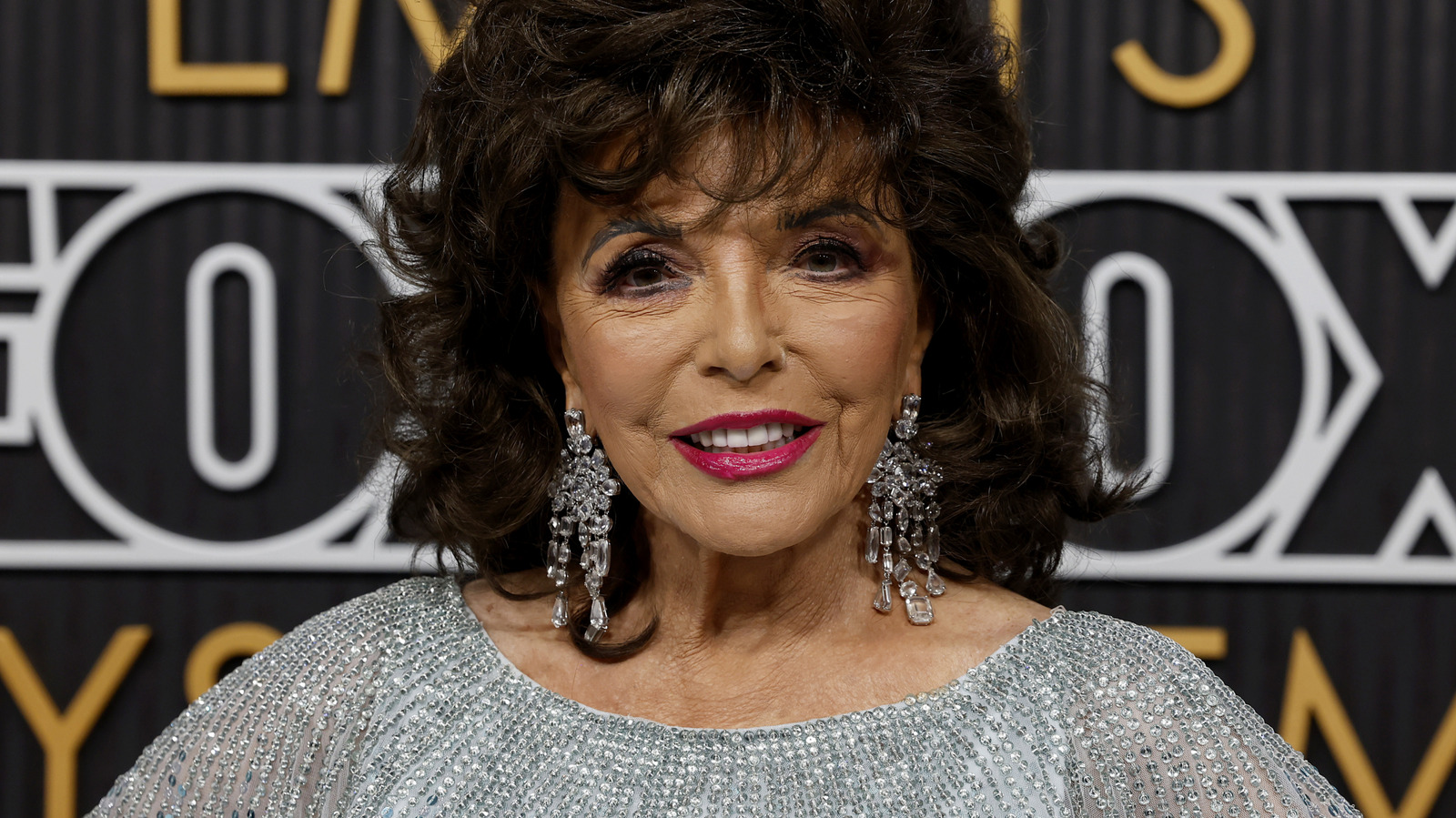
5 Joan Collins Red Carpet Moments That Prove 90 Isn’t What It Used To Be

At 93, Dame Joan Collins has held onto her youthful looks and attitude in a way that’s fascinating the public, as evidenced by these iconic red carpet looks.

​Health Digest – Health News, Wellness, Expert Insights

Categories
Music

The 3-Day Road Trip That Changed Tucker Wetmore’s Life

Love Tucker Wetmore? You can thank his mom, and a Subaru Legacy, for getting him to Nashville. Continue reading…​Country Music News – Taste of Country

Categories
Music

The 3-Day Road Trip That Changed Tucker Wetmore’s Life

Love Tucker Wetmore? You can thank his mom, and a Subaru Legacy, for getting him to Nashville. Continue reading…​The Boot – Country Music News, Music Videos and Songs

Categories
Entertainment

You May Be Tempted, But Don’t Eat Hamburgers On Cruise Ships. Here’s Why

If you’re eyeing the burger bar while out to sea, we have two reasons you should skip it altogether. We don’t want you to spend your vacation in the bathroom.

​Mashed – Fast Food, Celebrity Chefs, Grocery, Reviews

Categories
Sports Fox

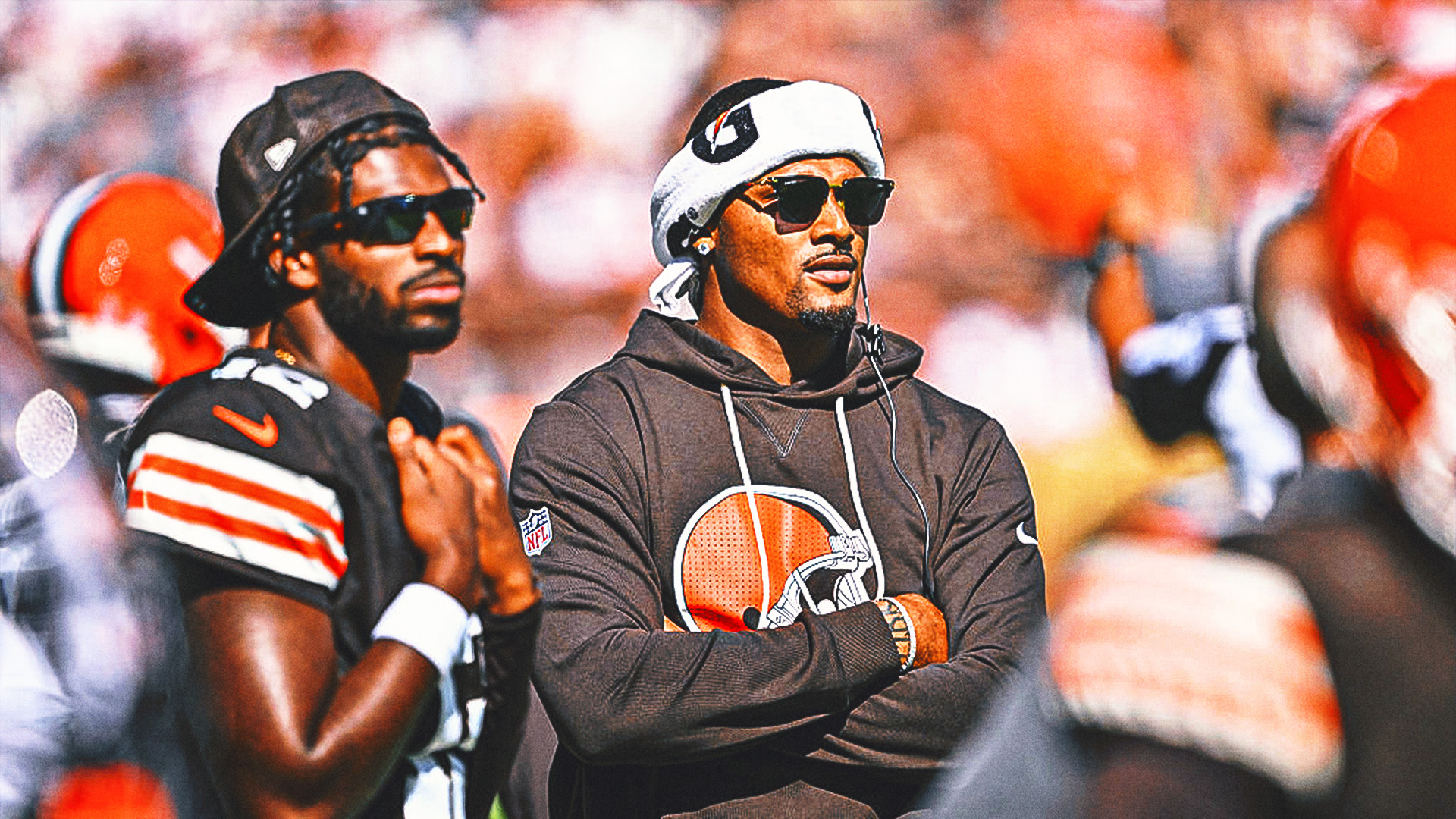
NFL QB Battles: Who Should Start for the Raiders, Browns, Vikings, Falcons?

With minicamps wrapping up around the NFL, it’s a fitting time to check in on the most intriguing quarterback competitions. After conducting a deep dive on each situation, here are my thoughts on the league’s best battles. The battle between the former No. 1 overall pick and the Vikings’ intended franchise QB could determine whether the team re-emerges as a title contender in 2026. While Kevin O’Connell has attempted to split the reps evenly to give each player a chance to seize the job, the noise around the Vikings suggests Kyler Murray is the frontrunner heading into training camp, particularly after Justin Jefferson raved about the eighth-year pro’s talent and experience before minicamp. The 2019 Offensive Rookie of the Year is coming off a disappointing 2025 campaign that was cut short by a foot injury, but he has flashed elite potential as a dual-threat playmaker with 20,000-plus passing yards, 3,000-plus rushing yards and 153 total scores on his résumé. J.J. McCarthy has started (and appeared in) just 10 games since his 2024 arrival as the No. 10 overall pick. After missing his rookie season because of a torn meniscus, he posted a 6-4 record last year but completed just 57.6% of his passes for 1,632 yards with 11 touchdowns and 12 interceptions. While those pedestrian numbers do not jump off the stat sheet, McCarthy did flash enough intriguing playmaking potential for the Vikings to remain optimistic about his future as a QB1. The third-year pro has not played enough to deserve an obituary as a player, but his inexperience and immaturity might prevent Minnesota from making a playoff push in 2026. Best Fit: Murray The former Pro Bowler is the most talented quarterback KOC has coached in Minnesota. As an electric dual-threat playmaker, Murray adds an explosive dimension to the offense as a big-play weapon who can produce highlight-reel-worthy plays inside and outside the pocket. With a supporting cast that features a premier WR1 (Jefferson) and a collection of complementary playmakers (Jordan Addison, T.J. Hockenson, Jauan Jennings and Aaron Jones) who will allow him to operate like a pass-first point guard leading a fast break, the Vikings can operate in attack mode with a dynamic athlete at the helm. Moreover, their creative play-action passing game and shotgun “RPO” (run-pass option) package should expand with a twitchy playmaker at the controls. If Murray can shake the injury bug that forced him to miss most of the 2022 (torn ACL) and 2025 (foot injury) seasons, the Vikings have upgraded the position with a more dynamic passer and runner leading the show. The competition between a three-time Pro Bowler and a polarizing second-year pro has the “Dawg Pound” clamoring for an answer before training camp. Although new head coach Todd Monken wanted to wrap up the competition before the preseason kicked off, the strong performances from each player have led to an extended battle that will continue through the first few weeks of training camp. To the surprise of many, Deshaun Watson has a legitimate opportunity to win the starting job after being summarily dismissed by Browns owner Jimmy Haslam a season ago. The veteran has benefited from the arrival of a new head coach who fondly remembers Watson’s spectacular moments in Houston. Given his dominance as a Texan (three-time Pro Bowler with a pair of 4,000-yard seasons), it is easy to see why the grizzled coach is smitten by Watson’s talent despite his struggles in Cleveland. At his best, Watson has been an elite quarterback who has flashed MVP-caliber potential, directing a spread offense that allowed him to push the ball downfield to a collection of speedsters and big-play merchants who thrived at tracking down deep balls. Despite starting his NFL journey at the bottom of the Browns’ depth chart, Shedeur Sanders finished 2025 as the team’s starter following an eight-game run that featured a mix of heroics, highlight plays and humble pie that will keep his supporters and detractors standing firm with their positions. The Pro Bowl alternate finished with a 56.6% completion rate, 11 touchdowns and 12 interceptions, while occasionally sparking a dormant offense with a fearless approach. Although his big-play hunting ultimately led to several negative plays (sacks and turnovers), Sanders also ignited the offense with downfield throws. He will need to improve his risk assessment and management skills to help the Browns improve significantly under his direction. Perhaps more game experience and first-team reps will lead to better individual and team results in 2026. Best Fit: Watson Despite facing long odds and an uphill climb to re-emerge as the Browns’ QB1, Watson is well-positioned to land the starting role based on his experience and schematic fit. As an accomplished quarterback with 72 career starts and a high-arcing deep ball, the 10th-year pro could help the Browns become the big-play machine Monken envisions with a revamped pass-catching corps possessing the size, speed and explosiveness to win their one-on-one battles on the perimeter. If Watson can shake off the rust that has accumulated from his extended layoff due to injuries and a suspension, the veteran could thrive in a collegiate-styled offense that features more spread and “Air-Raid” concepts that showcase his strengths as a quick-rhythm passer with a lethal deep ball. With Kevin Stefanski taking over as the Falcons’ new head coach, the offense will likely shift to more play-action, under-center concepts that complement a dynamic running game with Bijan Robinson as a centerpiece. Michael Penix Jr. was expected to take over as the franchise quarterback based on his anointed status as a top-10 pick in 2024. The left-handed gunslinger has shown promise as a part-time starter with 12 career starts under his belt, but a torn ACL threatens to keep him sidelined until the beginning of training camp. While Stefanski has kept the door open to a quarterback competition, the lack of offseason repetitions in a new system will prevent him from building on the positive flashes (2,757 passing yards, 12 touchdowns and six interceptions) he has displayed as a potential franchise player. Tua Tagovailoa came over on a cheap deal (signed for the $1.3 million veteran’s minimum) after being dumped by the Miami Dolphins following a disappointing 2025 campaign. Despite his recent struggles, the streaky passer has posted the NFL’s second-highest completion rate (68.6%) since 2021, directing a quick-rhythm passing game that helped him sometimes pile up gaudy stats while tossing the ball to a world-class track team on the perimeter. With the Falcons featuring an all-star collection of playmakers on the perimeter, Stefanski is hoping a change of scenery can help Tagovailoa rediscover his magical pocket passing skills this season. Best Fit: Tagovailoa Tagovailoa’s quick release and pinpoint passing skills make him a perfect fit in an offense that prioritizes accuracy and ball placement. The veteran peppers the strike zone with various throws that enable his pass catchers to shine as “catch-and-run” playmakers in a “grip it and rip it” scheme. Although the Falcons will utilize more traditional under-center concepts with various play-action fakes that require Tagovailoa to turn his back to the defense, the veteran’s savvy and experience should make the transition easy for him. Considering he led the NFL in passing yards (4,624) in 2023, the Falcons are well-positioned to shoot to the top of the division if Tagovailoa finds rhythm and confidence early in the season. The Raiders’ quarterback situation is more of an apprenticeship than competition, with Kirk Cousins serving as a mentor to Fernando Mendoza while the rookie acclimates to the pro game. As a former Pro Bowler who has flourished under Klint Kubiak, Cousins is the perfect role model because of his comparable playing style to Mendoza’s and the veteran’s success in the system. Cousins, in fact, enjoyed the best three-year run of his career with Kubiak serving as his QBs coach and then OC from 2019 to 2021. During that span in a Shanahan-style system, Cousins threw for 12,089 passing yards and 94 touchdowns with a 67.6% completion rate. Those eye-popping numbers made it easy for Kubiak to target him as a bridge quarterback to lean on until Mendoza is ready for a bigger role. The rookie is the mature prospect every coach wants to develop into a franchise QB. As a big-game performer with a knack for coming through in the clutch, the 2025 Heisman Trophy winner is built for the bright lights and big stage of the NFL game. History has shown, however, that a patient approach with young quarterbacks often yields solid results, particularly when they can sit back and learn before jumping into the fray as a starter. Given how well the process worked for the Raiders’ minority owner (Tom Brady), it is sensible for the franchise to utilize a similar plan for their QB1 of the future. Best Fit: Cousins The veteran’s success and belief in the system should make him the 2026 starter for the Raiders. Cousins not only played at an elite level for multiple seasons within the scheme but also earned Pro Bowl recognition while leading his teams to playoff appearances during that span. Although the veteran is no longer at the top of his game, his experience, expertise and management skills make him the perfect leader to guide Las Vegas and its future franchise quarterback through the rebuilding process. With Kubiak handpicking Cousins to be the mentor for his young quarterback, the only way Mendoza starts Week 1 will be due to injury or a markedly superior preseason performance from the rookie.​Latest Sports News from FOX Sports

Categories
Entertainment

15 Unusual Southern Food Combinations That Actually Work

Read on to sink your teeth into 15 uncommon Southern food combinations that actually taste delicious. You may even find your new favorite snack or meal.

​Mashed – Fast Food, Celebrity Chefs, Grocery, Reviews

Categories
Food

What It Means When Eggs Are Cloudy

Ever crack an egg into a pan only to notice the white looks a little cloudy? It might look a bit strange, but here’s what that actually means.

​Food Republic – Restaurants, Reviews, Recipes, Cooking Tips

Categories
Entertainment

Is It Safe To Put Softened Butter Back In The Refrigerator?

When a recipe calls for softened butter, but your plans change unexpectedly before you get to mixing, can you salvage the butter for a do-over?

​Mashed – Fast Food, Celebrity Chefs, Grocery, Reviews