Ernest is committed to taking care of himself during this time. Continue reading…Country Music News – Taste of Country









Ernest is committed to taking care of himself during this time. Continue reading…Country Music News – Taste of Country
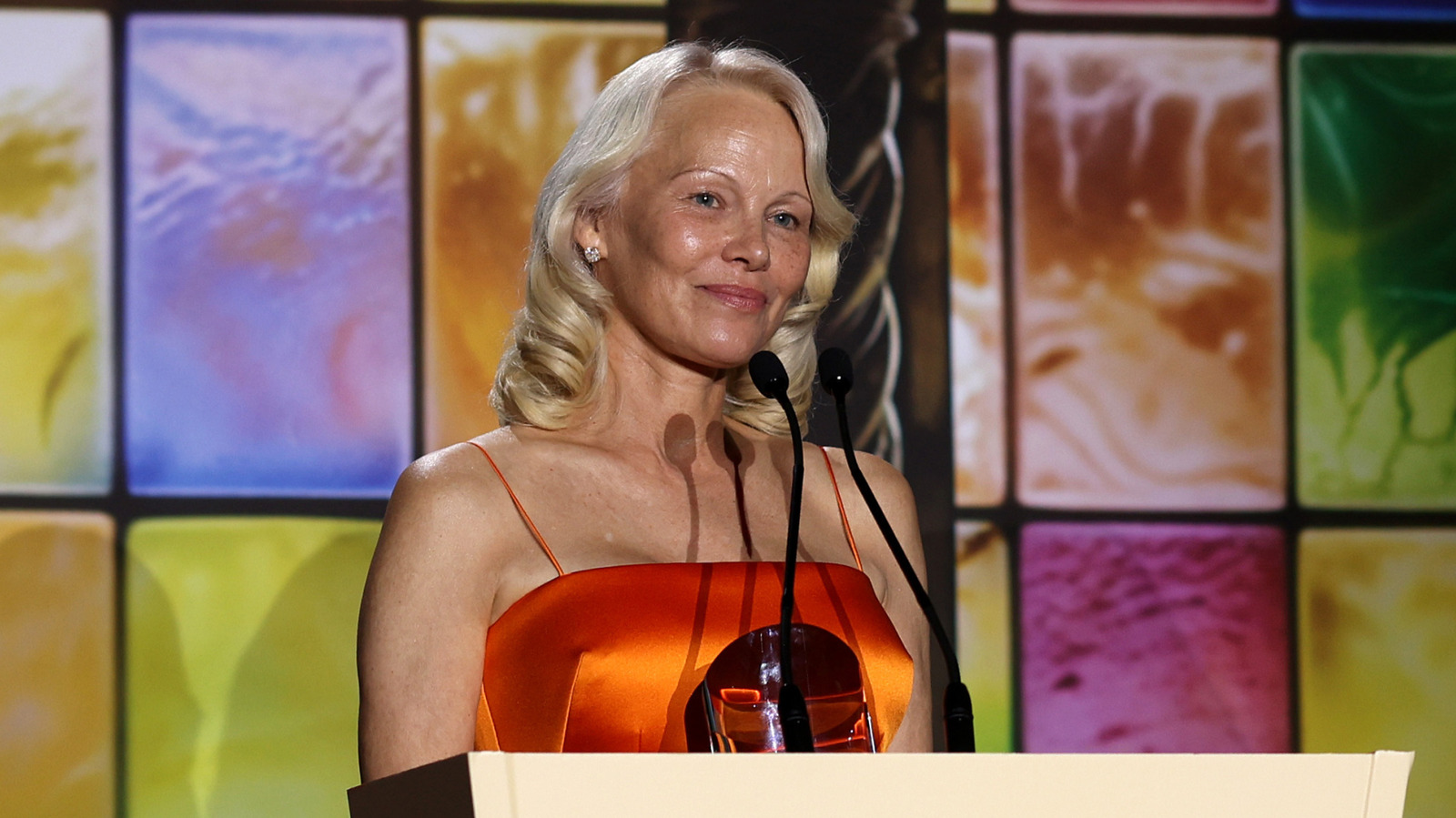
Speaking at an amfAR event, Pamela Anderson said she didn’t fear dying from hepatitis C. Instead, she revealed another very relatable concern to the audience.
Health Digest – Health News, Wellness, Expert Insights

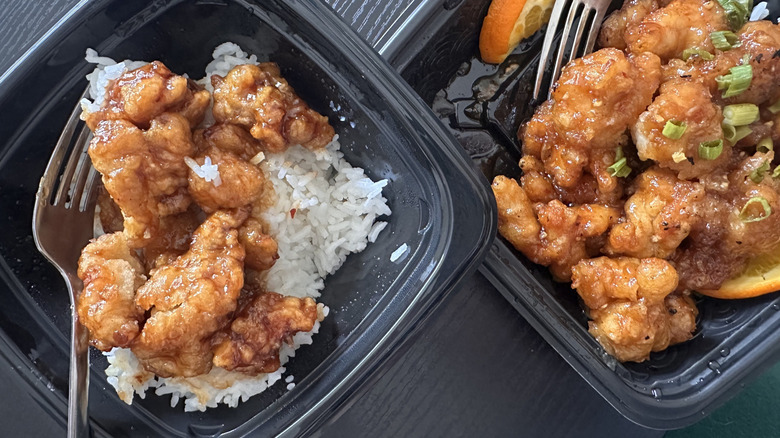
Panda Express may have invented orange chicken, but how does its version of the dish compare to P.F. Chang’s? We taste tested both to find out.
Mashed – Fast Food, Celebrity Chefs, Grocery, Reviews

Rather than being refreshing (as promised), Food Republic’s taste tester found that this Starbucks drink leaves an artificial aftertaste on the tongue.

Food Republic – Restaurants, Reviews, Recipes, Cooking Tips
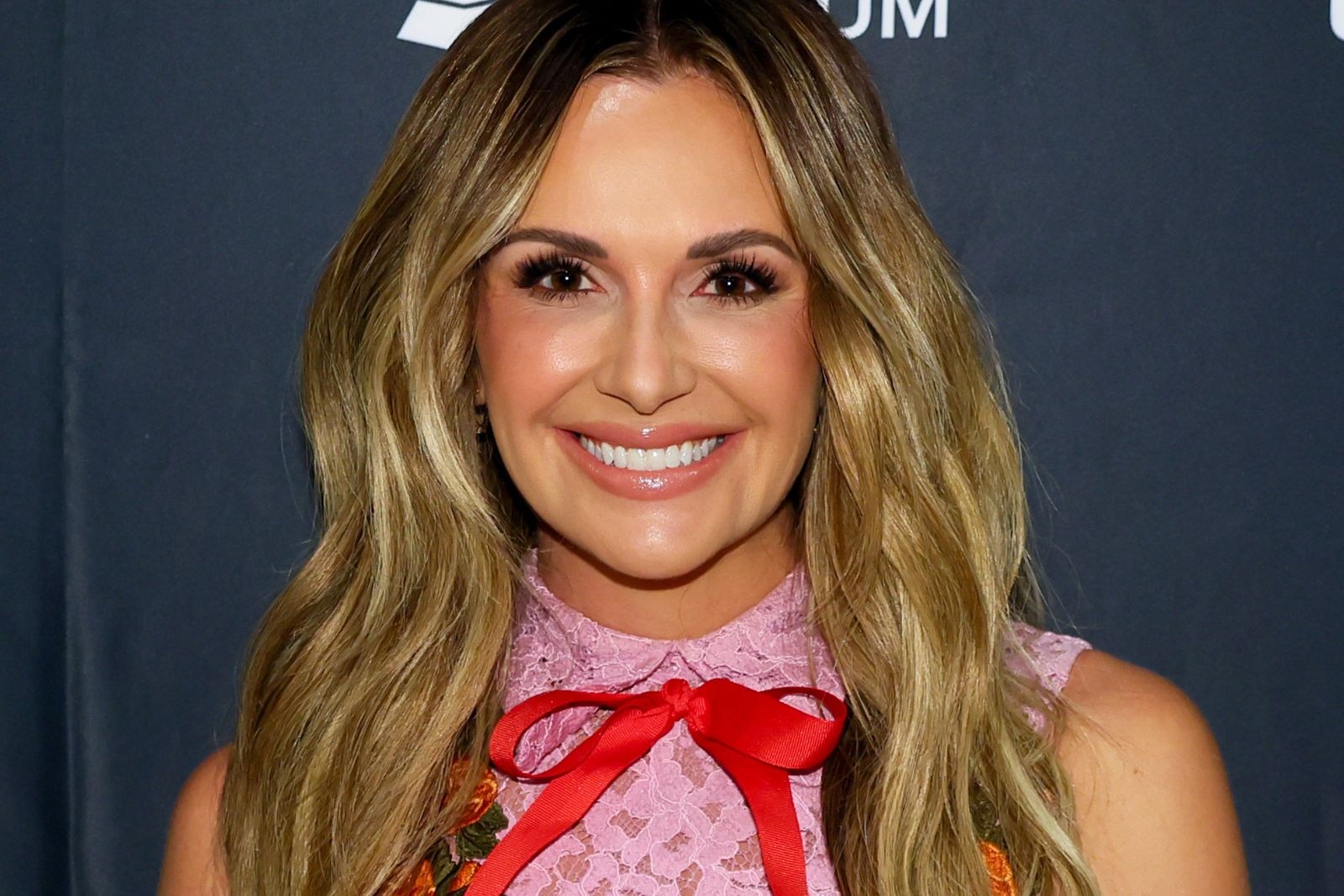
Carly Pearce made it through the show…but she says she might have been better off just canceling. Continue reading…The Boot – Country Music News, Music Videos and Songs
Carly Pearce made it through the show…but she says she might have been better off just canceling. Continue reading…Country Music News – Taste of Country
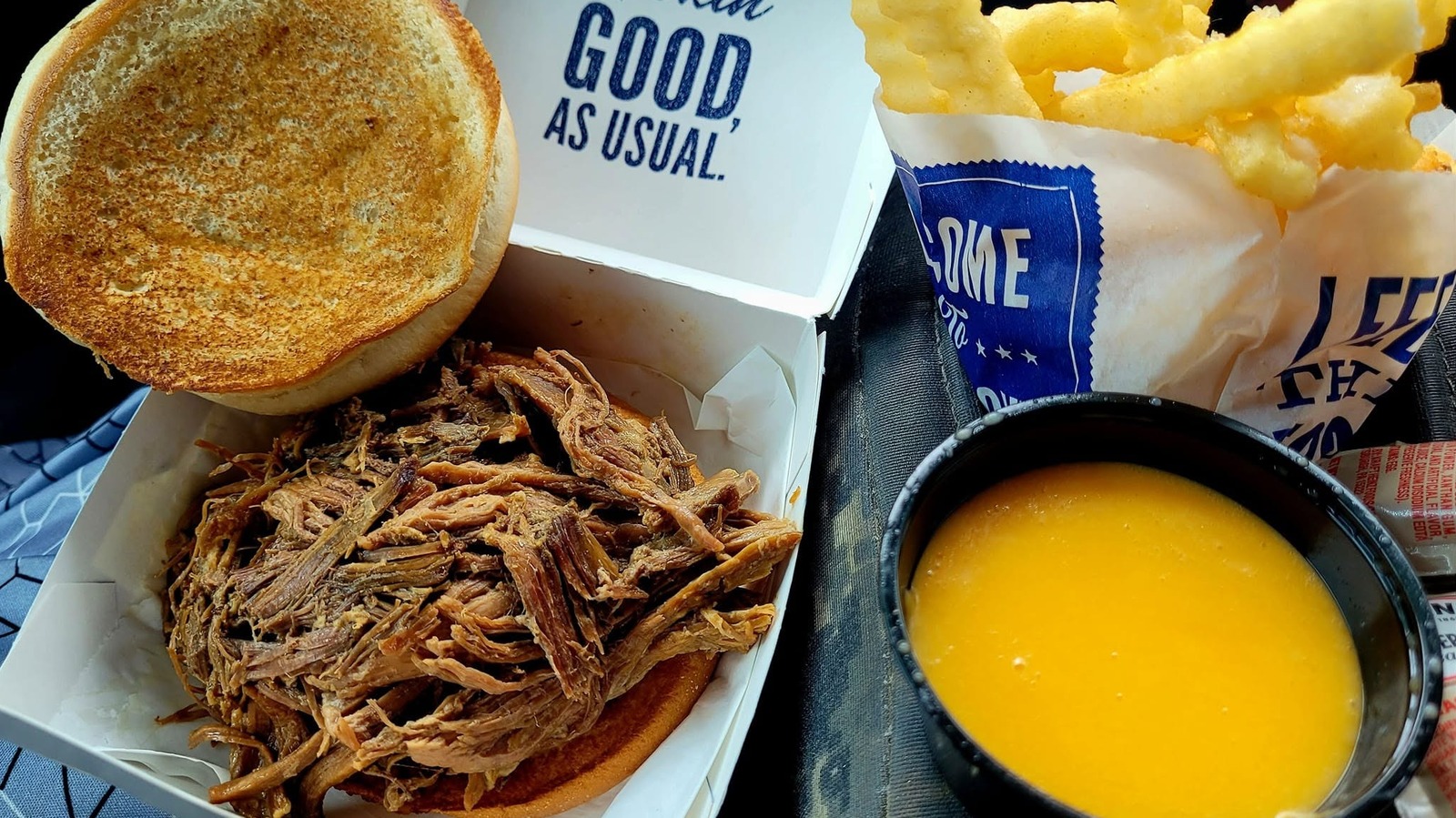
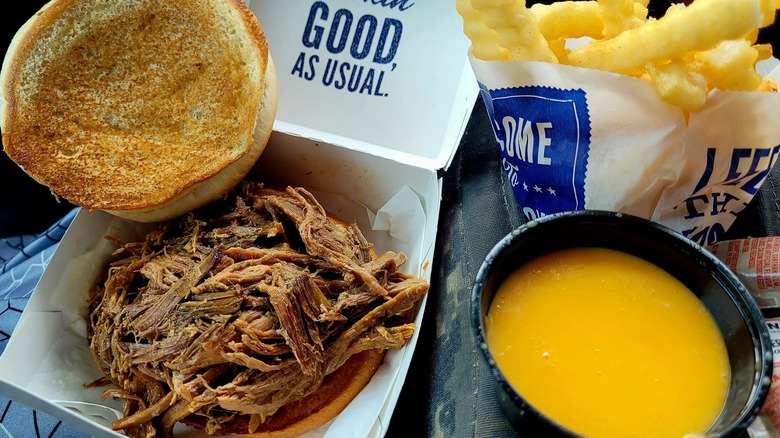
From classic diner-inspired fare to flavors that transport you straight to Oktoberfest, these tips will elevate your Culver’s Beef Pot Roast Sandwich.
Food Republic – Restaurants, Reviews, Recipes, Cooking Tips
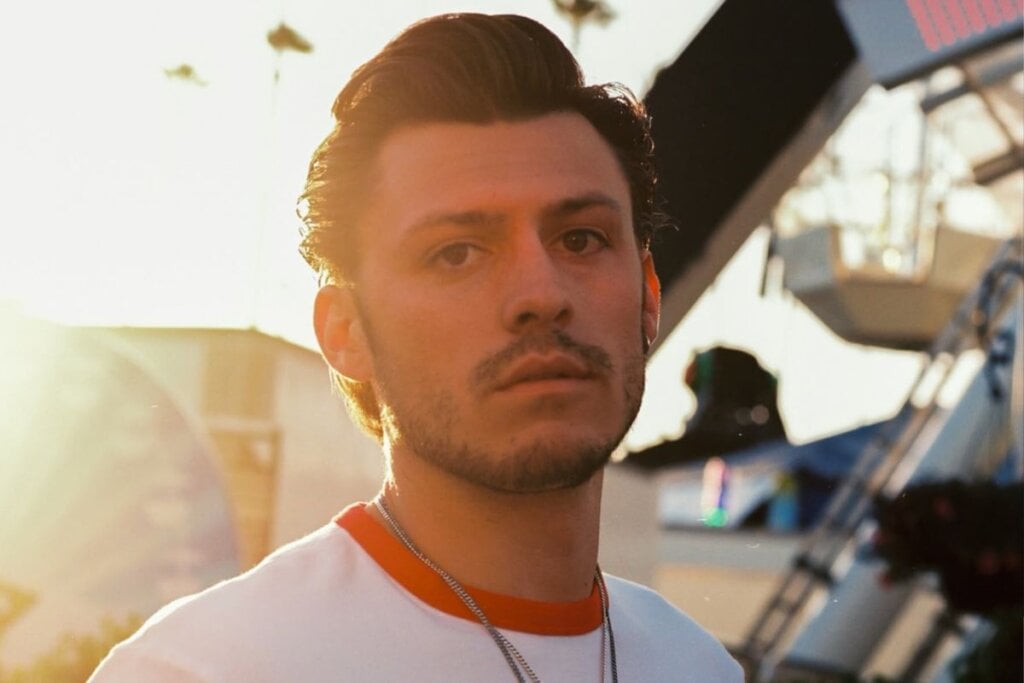
Rising country star Logan Crosby is celebrating one year of sobriety and reflecting on the moment that completely changed his life.
“one. f*cking. year. sober. i cannot believe i’m saying that out loud,” he wrote in a new Instagram post.
Crosby then took fans back to one year ago at on September 8th. He recalled waking up face down on the floor at 6:45am, wearing the clothes from the night before, holding a bottle of vodka in his right hand and the lights still on.
“What i didn’t want to do that morning was get up and walk to my bathroom. i didn’t want to look in the mirror. not because i looked bloated and tired. not because i had to figure out which sunglasses would hide the night still sitting in my eyes. that was easy,” he admitted. “The hard part was staring down the mess i had made. looking at someone i truly despised. someone i didn’t know. someone i sure as hell didn’t love.”
He admits this wasn’t a “one-off” occasion it was actually how he was starting most of his days at the time. Except on this morning, something different happened. After he physically woke up, he mentally woke up too and found a glimmer of hope that would change his life.
“Like i said, when i woke up that morning, i was holding an empty bottle of vodka in my right hand. but in my left, i was holding something quieter. something easier to miss. a very small, stubborn piece of hope. and i am very, very glad i didn’t let go of it.
“Once i had done my best to get myself together that morning, i sat on my balcony. coffee in my shaking hands, trying to piece together the night before, the world started to wake up around me. cars driving by. neighbors opening their doors. birds chirping in the late summer air. and that’s when i stopped.”
Suddenly, Crosby was flooded with all the messes he had made over the years as a result of the control alcohol had over him.
“I thought to myself, “there’s gotta be more…i chuckle now, a year later, thinking about that moment on that early September morning. because my goodness… there is so much more.”
From that moment on, the singer/songwriter began his sobriety journey. He notes that the past year has been one of the most “beautiful, meaningful, perspective-shifting, exciting” years of his life. This journey hasn’t been perfect but it’s been real and raw.
“I have cried more this past year than i ever thought i would. not from sadness, but from finally feeling the things i used to numb. seeing my mom. talking to my grandmothers on the phone. hanging out with my dad. taking my baby sister to dinner. watching friends get married. watching people i adore succeed. playing shows. writing songs. building a life that actually means something to me. these moments used to feel like obligations. now they feel like gifts…and i think that’s the biggest change: i don’t feel like i’m surviving my life anymore. i feel like i’m living it,” he admitted.
As he closed out his powerful statement, Crosby thanked everyone who has stood by him, gave him a shoulder to cry on, and encouraged him to continue working towards this new chapter.
“i love you more than i will ever be able to put into words. you helped me hold onto that small piece of hope until it grew into something bigger than i ever imagined.”
Additionally, he passed that encouragement on, promising to anyone else out there who is struggling that “there is a way out, there is more for you than this, you deserve a life you don’t have to escape from.”
He added, “please reach out. take the step. hold onto your piece of hope, no matter how small it feels.”
“Today, i will choose life. and God willing, tomorrow i’ll choose it again. and the day after that. and the day after that. life, life, life — and so much more life. God is so, so good,” Logan Crosby added before signing off with his signature saying, “tell your mama i love her, bye.”
The post Logan Crosby Looks Back At Rock-Bottom Moment As He Celebrates One Year Sober appeared first on Country Now.
Country Now
Reading Time: 2 minutes
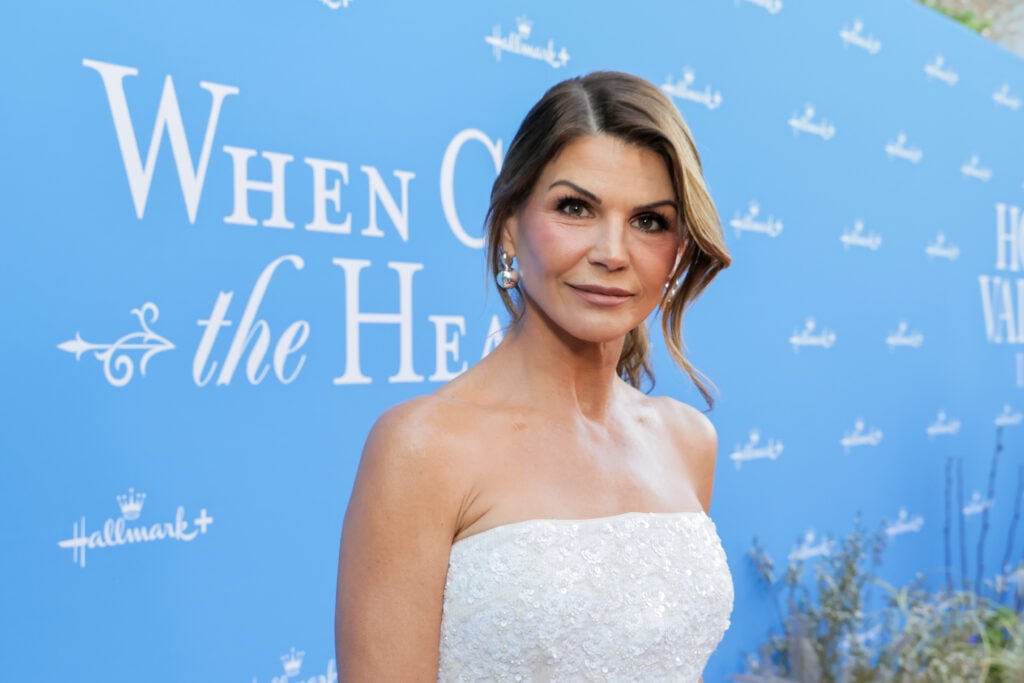
It’s been nearly six years since Lori Loughlin was released from prison following her involvement in the Hollywood college admissions scandal.
But it seems that the ripples from that event are still being felt half a decade later.
According to court documents obtained by TMZ, Loughlin has now filed for divorce from designer Mossimo Giannulli, her husband of 30 years.
The filing comes nearly a year after Loughlin and Giannulli announced that they had separated.
The Full House alum filed divorce papers in Los Angeles, citing the ever-popular celebrity catch-all of “irreconcilable differences” as the reason for the split.
According to the filing, the couple’s date of separation was August 31, 2025. Loughlin is also asking that their assets and debts be divided according to the terms of a prenuptial agreement they signed before tying the knot.
And apparently, Lori would like Mossimo to pick up the tab for her legal fees.
Because nothing says “amicable separation” quite like asking your soon-to-be ex to pay your divorce lawyer.
Loughlin and Giannulli tied the knot in 1997 after eloping, and their marriage lasted nearly three decades. They share two daughters, Isabella “Bella” Rose, 27, and influencer Olivia Jade, 26.
The couple first revealed that they were living apart in October 2025, with Loughlin’s representative saying at the time that they were “taking a break from their marriage” and that there were no legal proceedings underway.
Well, that part has obviously changed.
The split also comes after one of the most infamous chapters in the couple’s lives: the 2019 college admissions scandal that landed both of them in federal prison.
Loughlin and Giannulli admitted to paying $500,000 to have their daughters falsely portrayed as crew recruits in order to help secure their admission to the University of Southern California.
Loughlin ultimately served two months behind bars, while Giannulli served five months.
The scandal appeared to put enormous strain on the marriage, though the couple initially presented a united front throughout the legal ordeal.
By 2025, however, that front had finally crumbled.
Sources subsequently claimed that Loughlin had initiated the separation and hoped that time apart might help repair the relationship. Ultimately, the two reportedly grew further apart.
Both Loughlin and Giannulli have also been linked to other romantic interests since their separation.
Meanwhile, Loughlin has been making something of a comeback in the public eye.
The actress recently returned to Instagram after a seven-year absence, sharing photos with her daughters, friends, and former Full House co-stars.
Now, she appears ready to close the book on another major chapter of her life.
Lori Loughlin Files For Divorce From Mossimo Giannulli Following College Admissions … was originally published on The Hollywood Gossip.
The Hollywood Gossip
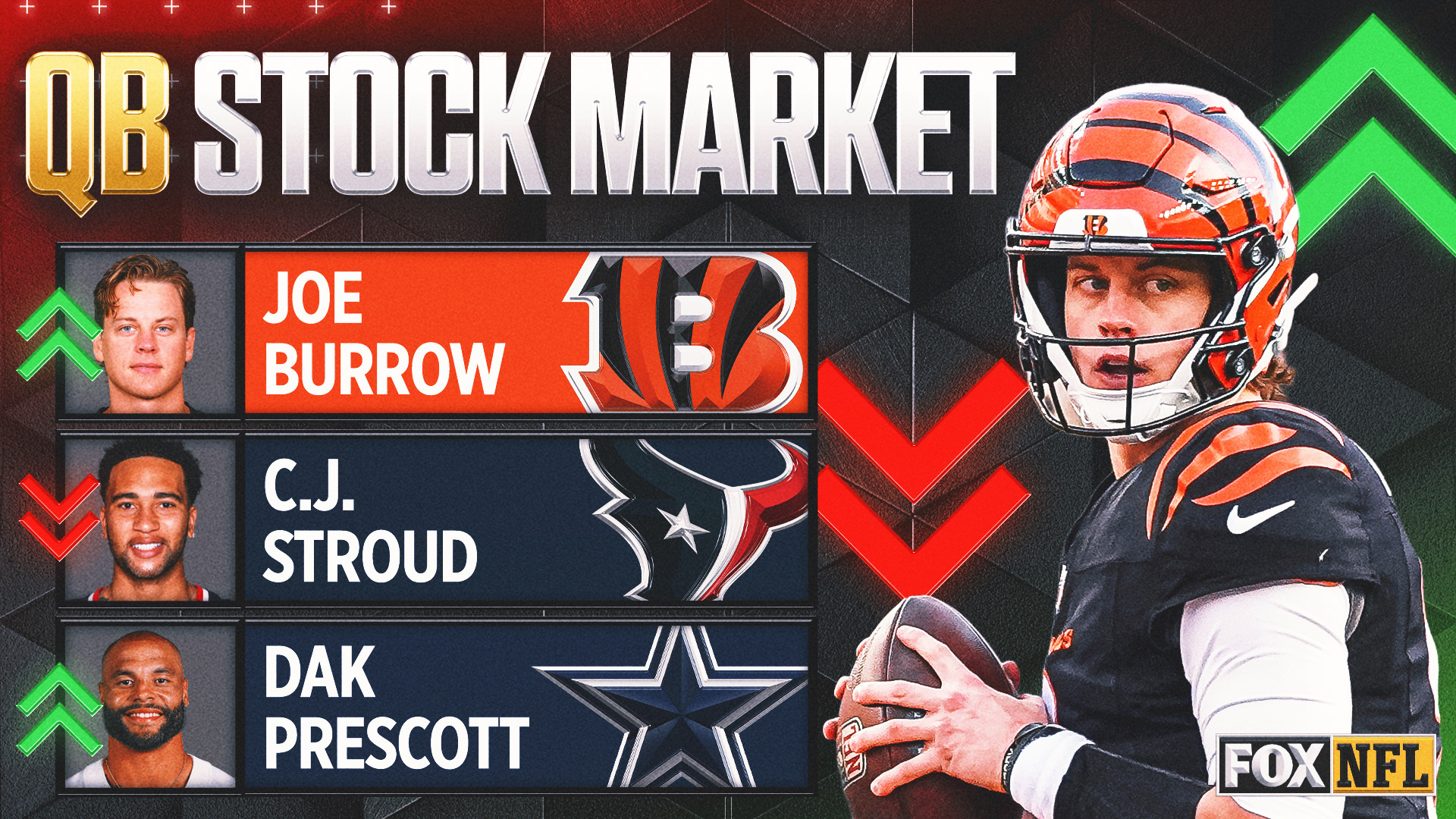
I can’t believe how many great starting quarterbacks there are in 2026. But what’s really unbelievable? Well, that’s actually how many bad starting quarterbacks there are. There are roughly five where I genuinely wonder: Is this the best a team can do? The short answer: no. The bottom five teams on this list are not trying to play the best quarterback. They’re not necessarily even trying to win. Because next year, we’ll see roughly five fresh names on this list — all coming in through the highly touted 2027 draft class. And that class seems to be already influencing the NFL, with the “haves” and “have-nots” sitting far, far apart. On purpose. So let’s get into the rankings. Here’s how I project each starter to fare in 2026. Previous: Offseason | Preseason This should go down as one of the more agonizing seasons for a Cleveland QB, not just because Watson will be bad. Browns fans are trained sommeliers of bad QB play. No, it’ll be because the Browns might’ve been able to be competitive if they hadn’t committed to Watson again. The Falcons were the last team to announce their QB1. What they didn’t seem to know was that it doesn’t matter. All four of them are bad. Brissett is a real warrior for operating the offenses that he’s been handed in his career. But it’s a weird niche he’s grown into: the QB who helps teams tank — sometimes unintentionally. He “won.” He’s “QB1” for the Raiders. QB1*? Either way, it doesn’t really count if Fernando Mendoza never got a fair shake in the quarterback competition. Quietly, the Jets have made moves to support Smith to enjoy a surprising season. And if it were any team other than the Jets, I’d feel good about it. In 2026, no quarterback will have a worse supporting case than Willis. Not one. I actually like Willis. I’m just deeply disappointed he picked Miami in free agency. It’s the deciding year for Young to mature. Or else the Panthers will start a new young QB. Time is a flat circle. So is CJ Stroud’s development. This dink-and-dunk merchant needs to pray his playmakers — and his Achilles — hold up in 2026. This dink-and-dunk merchant also must pray his playmakers — and his Achilles — hold up in 2026. His preseason performance was so bad that it made you wonder if it’s over for him. Do you know how bad you have to be in preseason to do that? I see shades of Kellen Moore’s past quarterbacks (Dak Prescott, Jalen Hurts) in his latest one. That’s a real testament to Shough. But also to Moore, who seems to be quietly earning a reputation as a QB whisperer. In Year 2, Dart could elevate in many (but probably not all) of the same ways that Drake Maye did last year. But above all, Dart just needs to take care of his noggin. Kevin O’Connell has to be relieved he doesn’t have J.J. McCarthy under center. But that doesn’t mean Murray will be the easiest talent KOC has ever corralled. He’s a feisty pocket passer who thinks he can take on the world — but, in reality, cannot. So he’s going to need Chris Godwin, Emeka Egbuka and Jalen McMillan to get healthy and/or stay healthy. He might have the most underrated receiving corps in the NFL, beginning with Courtland Sutton and Jaylen Waddle. Those dudes rip — and in totally different and complementary ways. Big year coming for Nix. Seahawks OC Brian Fleury will replace Klint Kubiak, who was a sensational playcaller and designer for Darnold in 2025. Can Fleury be the stabilizing force that Darnold has seemed to need? I think Sean Mannion is about to bring back the 2024 version of Jalen Hurts. Maybe, we’ll even see the 2022 version of Hurts. Daniels had arguably the best QB rookie season (including the postseason) ever. People forget that. Honestly, I’ve basically forgotten that. Can the Commanders reinvigorate their young star? One of the least respected and most neglected QB talents of his generation, Goff … just needs to win a Super Bowl. That’s it. No big deal. Good luck. If his offensive weapons ever get healthy — head coach included — Purdy could be due for a career year. But the electric substation also seems to be on pace for a career year, too. I think he has arrived as an elite QB. For good. Like, there’s no way I’ll come to regret this. Seriously. I promise. Yup, yup, yup. Expectations are absurdly high for a QB who was, at times, shaky in 2025. But it’s hard to bet against Williams’ talent when he’s under the guidance of Ben Johnson. Justin Herbert and Mike McDaniel are going to be undeniably fun. But McDaniel, notoriously bad in the playoffs, doesn’t really solve Herbert, notoriously bad in the playoffs. Ignore that, though. Let’s just enjoy the regular-season fun while it lasts. He’s still really, really, really good. But his supporting cast might still be really, really, really not good. He seems like such an obvious candidate for regression, except that the Patriots brought in A.J. Brown and Romeo Doubs — and they all looked immediately excellent together in training camp. I’m fully ready for Prescott to have another MVP-calber season — and perhaps win it. He is the quarterback efficiency GAWD. He is the quarterback’s quarterback — the nerd’s quarterback. He is the most underrated QB in the NFL. The reigning MVP has hit the point where everything looks easy. He’s in Tom Brady mode — Stafford has all the answers to the test. I refuse to believe that Jackson won’t return to his normal self in 2026. I refuse to believe his 2025 season was anything other than a fluke. And the Ravens, who have kept largely the same offensive player personnel, seem to believe the same thing. Unlike Stafford, Allen makes everything look difficult, but that’s because the Bills have made things inordinately difficult for their QB. Here’s hoping Joe Brady and D.J. Moore can finally take some of the weight off him. Don’t come at me with the what-has-he-done-lately takes. In 2024, he threw for 43 touchdowns. Burrow is gonna be fine. Honestly, with an easy schedule, he’s gonna be sensational.Latest Sports News from FOX Sports