One video from the incident appears to show Brian Hickerson accusing the Greenville Police Department of ‘leaking’ news of the late Hayden Panettiere’s death. Continue reading…The Boot – Country Music News, Music Videos and Songs









One video from the incident appears to show Brian Hickerson accusing the Greenville Police Department of ‘leaking’ news of the late Hayden Panettiere’s death. Continue reading…The Boot – Country Music News, Music Videos and Songs
One video from the incident appears to show Brian Hickerson accusing the Greenville Police Department of ‘leaking’ news of the late Hayden Panettiere’s death. Continue reading…Country Music News – Taste of Country
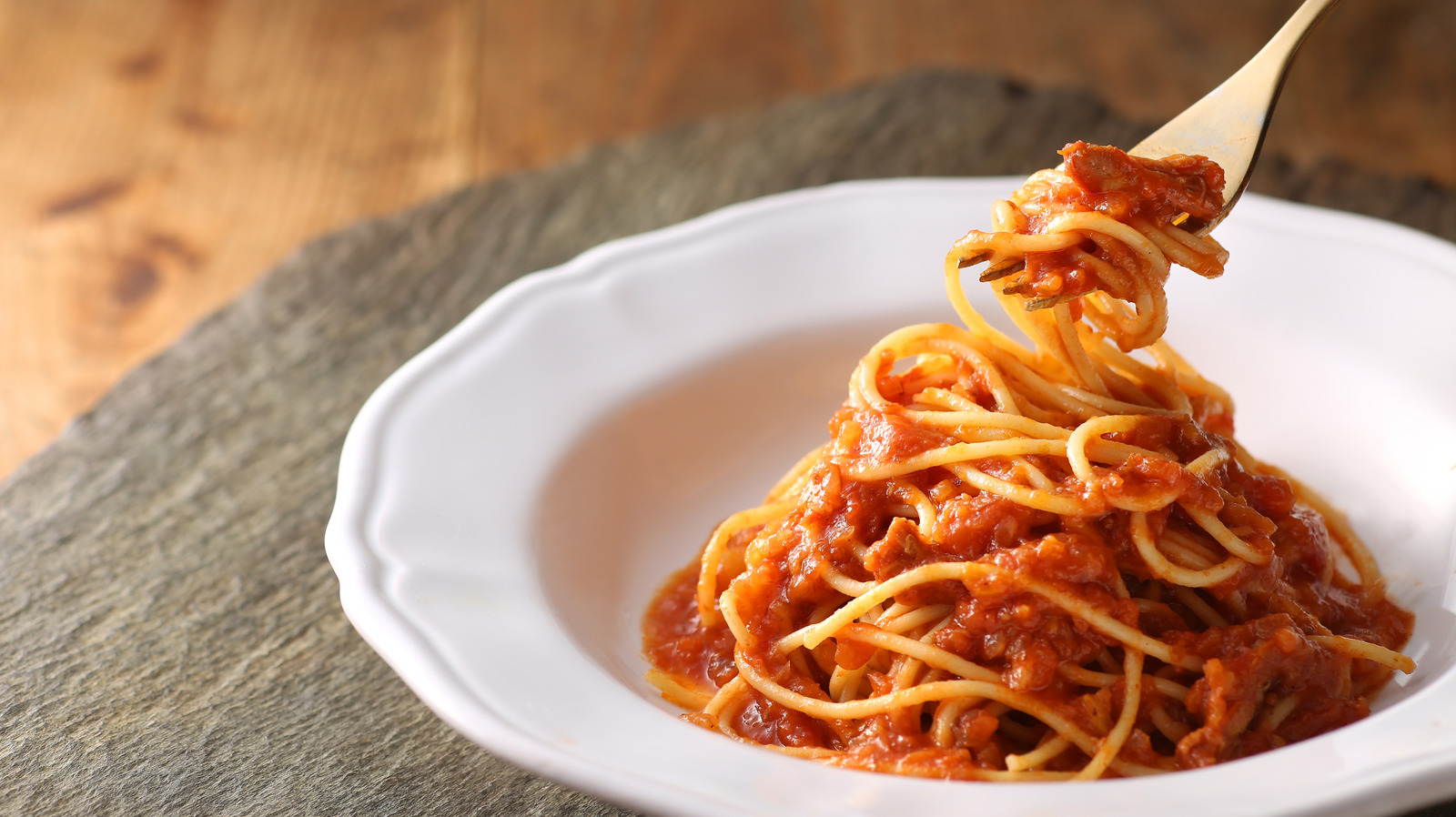
Classical Italian flavors shine in pasta dishes, but if your sauce is lacking that certain je ne sais quoi, then look to this pantry staple to zhuzh it up.
Food Republic – Restaurants, Reviews, Recipes, Cooking Tips

On the surface, heavy cream and whipping cream share many similarities, but a closer look reveals some distinct differences between the two.

Food Republic – Restaurants, Reviews, Recipes, Cooking Tips
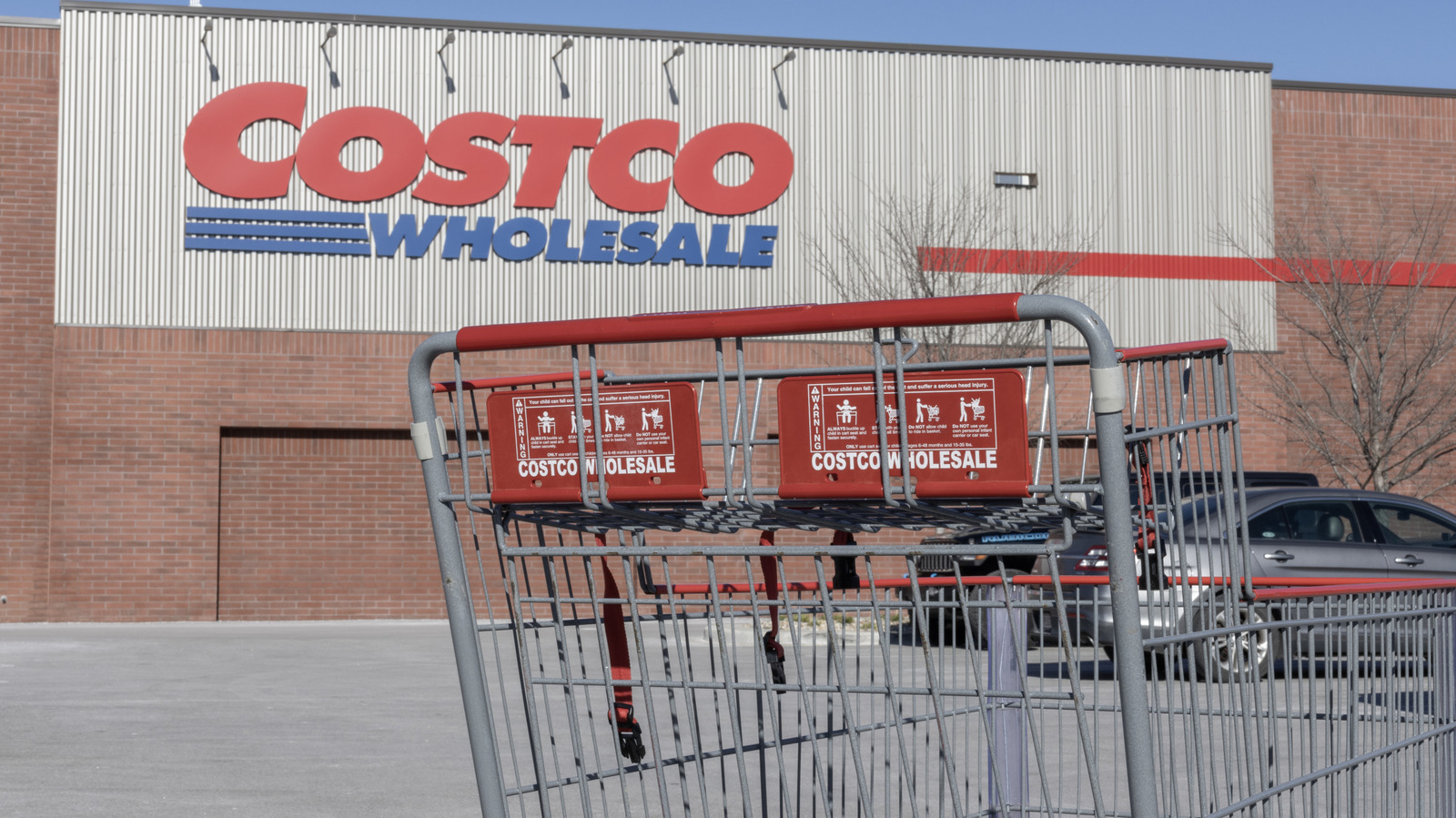
Shopping at Costco can be super cost-effective, and many customers especially love snagging these food essentials that luckily all come in under $10.
Food Republic – Restaurants, Reviews, Recipes, Cooking Tips
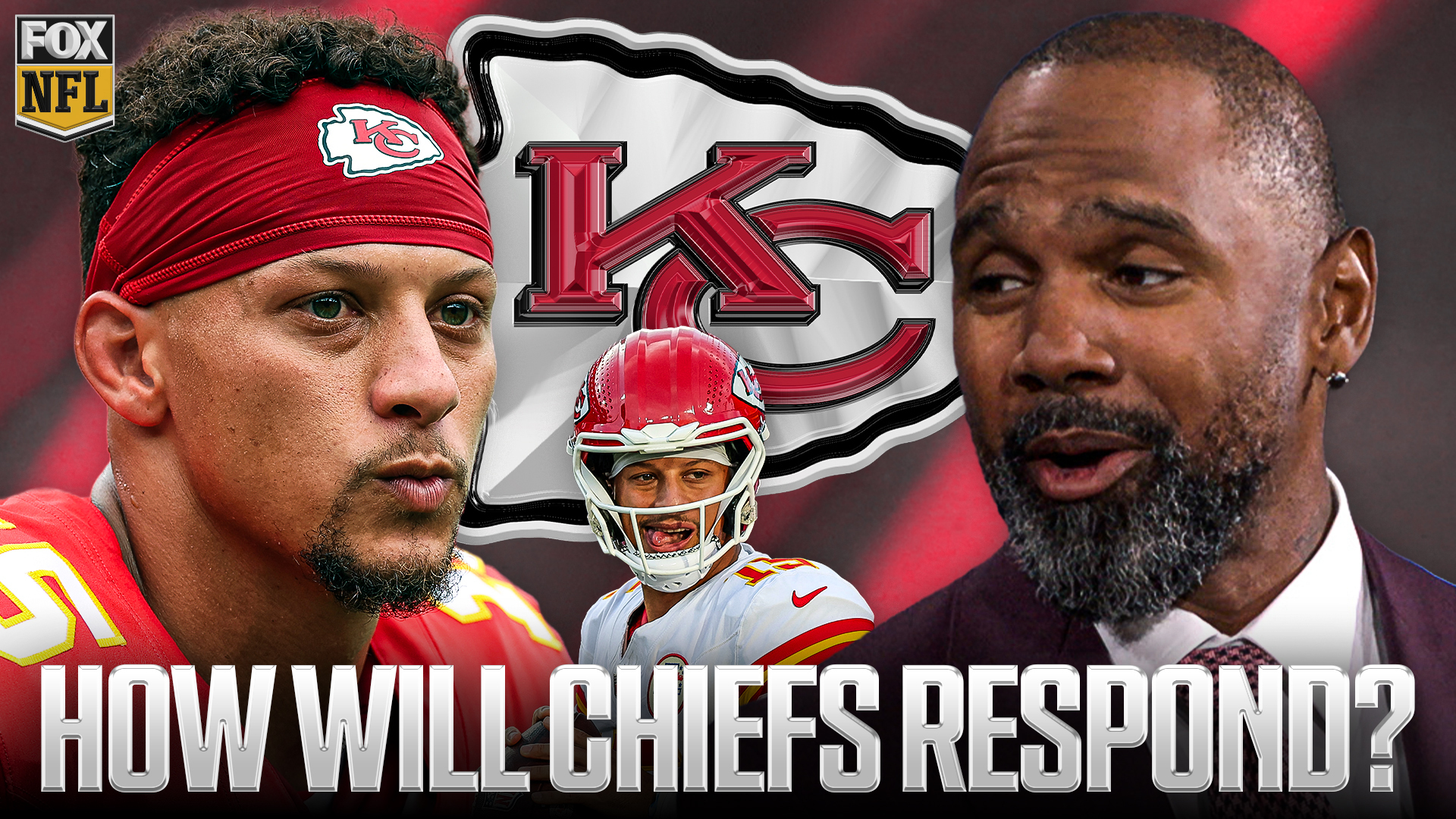
Patrick Mahomes is returning from an ACL tear, and the Kansas City Chiefs went 6-11 to miss the playoffs for the first time in over a decade in 2025. However, they made some intriguing moves over the offseason to provide optimism that they can return to the mountaintop in 2026. That’s why FOX Sports’ Charles Woodson views the Chiefs as the top storyline entering the 2026 NFL season. On “FOX NFL Kickoff,” Woodson said he’s looking forward to seeing how Mahomes and Kansas City respond in 2026 to their shortcomings in 2025. “Last year, we were deprived in the playoffs of seeing the best of the best,” Woodson said. “Patrick Mahomes has been Superman. Over the last 10 years, this Kansas City Chiefs team has been to five Super Bowls, and they won three of them. This past year, he had his first major injury where he had to miss significant time. “So, I want to know how that affects him mentally, because he’s had to carry this team rushing the football over this 10-year span. Over this 10-year span, they’ve only had one 1,000-yard rusher, and that was back in 2017.” The Chiefs signed running back Kenneth Walker fresh off his Super Bowl LX MVP performance for the Seattle Seahawks to try and help those rushing woes. That wasn’t the only notable addition that the Chiefs made, either, selecting LSU cornerback Mansoor Delane with the sixth-overall pick in the sixth overall pick in the 2026 NFL Draft before adding Clemson defensive tackle Peter Woods later in the first round. Those moves should help the Chiefs compete in an ultra-competitive AFC West. Both the Denver Broncos and Los Angeles Chargers made the playoffs last season, with Denver going 14-3 and earning the No. 1 seed in the AFC. Expectations remain high for the Chiefs, too. Their projected win total is 10.5, and they have the sixth-best Super Bowl odds. The Chiefs will be put to the test right away, hosting the Broncos on Monday night. That’s followed by a home game against the Indianapolis Colts before taking on the Miami Dolphins and Las Vegas Raiders on the road.Latest Sports News from FOX Sports
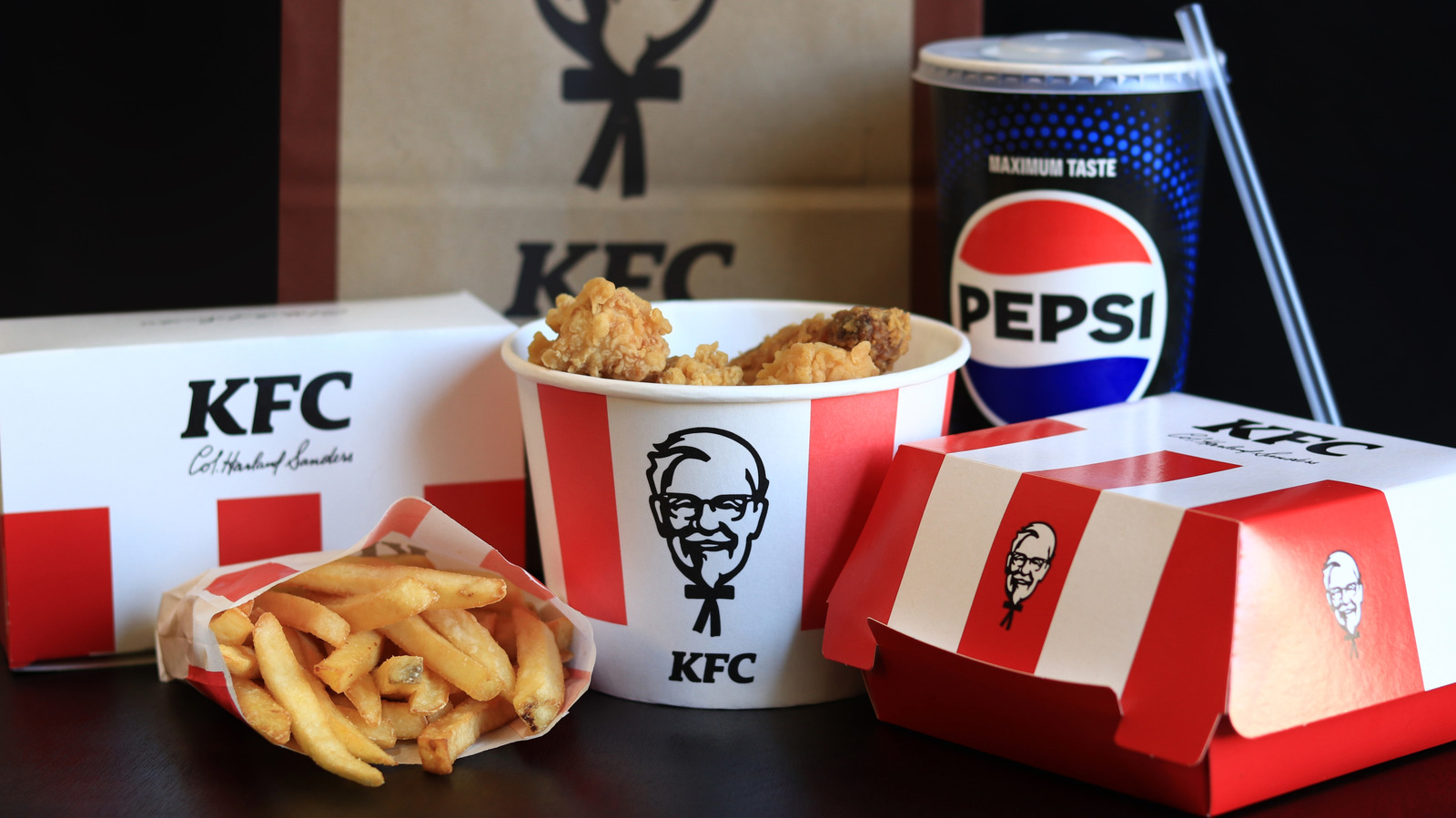
KFC fried chicken is an industry standard for a reason, but even if you love it, the same thing over and over can get old. Here are some ways to shake it up.
Food Republic – Restaurants, Reviews, Recipes, Cooking Tips

Former President Barack Obama is urging Democrats — including 2028 presidential candidates and congressional leaders — to more aggressively focus on a comprehensive AI agenda, warning in a closed-door fundraiser that the technology is at an inflection point.
“This is something that is moving very fast in private hands, and if we don’t get on top of it, I think can be dangerous,” Obama said at the fundraiser Thursday, according to a partial transcript of his remarks provided by his office. “If we do get on top of it, I do think it’s beneficial.”
Speaking alongside House Minority Leader Hakeem Jeffries at the New-York Historical Society in Manhattan, Obama said he is neither a “doomer” nor an “accelerationist.” His remarks come amid increasing alarm over the technology’s advance, with executives at two of the country’s leading AI labs joining Elon Musk in calling for slowing its development, following months and years of cries from within the industry for government to act.
Obama said AI development would be “one of my central agendas” if he were running for president, throwing down a gauntlet as the shadow 2028 Democratic primary debate responded to the AI leaders’ calls.
“I would have a very clear plan, and I would talk about this, and I would say, here’s our plan for safety, here’s our plan for making sure our kids are not corrupted by this,” Obama said, according to excerpts of his remarks shared with POLITICO by his office and first reportedby The New York Times.
Among the top concerns, Obama said: “I would be thinking about the economic impacts in very concrete ways and understanding what does it mean if there’s going to be job displacement. Where is that going to hit? How are we going to respond? Are there going to be limits to the amount of displacement that can take place? What is that going to mean for our social safety net? If it turns out that you’ve got a lot more people who can’t find full-time work because they’ve been rendered redundant, how are we going to respond?”
He also called for Congress to take action, telling Jeffries that Democrats should “put together a framework for a very public conversation” centered on the biggest issues.
Obama’s remarks mark a larger shift for both himself and the Democratic Party writ large: He governed as a tech-friendly Democrat, who broke POTUS tech barriers by having a laptop and iPad while in office and whose 2011 town hall at Facebook headquarters was widely seen as typifying the administration’s friendliness with Silicon Valley.
The Obama era was also known for Washington’s failure to confront the growing monopolization of power in the tech industry, most famously in the Federal Trade Commission’s 2013 decision not to file an antitrust lawsuit against Google. (The first Trump Justice Department later filed such a suit seven years later.)
Already on Sunday, at least two potential 2028 Democratic presidential candidates addressed the issue of slowing the pace of cutting-edge AI development, or otherwise keeping their products from launching pandemics or cyberattacks.
Speaking on NBC’s “Meet the Press,” former Transportation Secretary Pete Buttigieg said Democrats need to “address it head on.”
“There needs to be safeguards. There need to be rules. There need to be limits. There needs to be a kill switch on rogue AI,” Buttigieg said, criticizing congressional Republicans and the White House for not moving quicker to rein in AI development.
Pennsylvania Gov. Josh Shapiro, who has gone from courting AI investment to pumping the brakes on data center development, posted to X Sunday that it’s “long past time for our federal government to step up, take this seriously, and put up some guardrails — both here at home and on the global stage.”
The calls for “some guardrails” are still much milder than the proposals coming from the far left of the Democratic caucus, including the proposal by Sen. Bernie Sanders (I-Vt.) and Rep. Greg Casar (D-Texas) to pause the development of advanced AI models and permanently ban “artificial superintelligence.” And Obama’s remarks underscore the leadership vacuum in a Democratic Party that remains in the wilderness after brutal 2024 losses and continues to struggle to unify around a policy agenda.
In a portion of his remarks, Obama acknowledged that challenge, saying that “part of the job for us is to give people a reason to believe again in the idea of the democratic project, the American project, the economy that works for everyone, opportunity for every kid, to reassure people that if we work together, we can deliver those things. That’s hard to do without somebody in the White House to lead the charge, but I do think that people are ready for that message.”
President Donald Trump, meanwhile, has dismissed any worries about AI posing an existential threat, telling reporters last week that he’s mainly worried about beating China to dominate the technology.
Obama compared AI to other “dangerous technologies like nuclear power,” but added that it did not have the same “natural” and “physical constraints” on it that is not “under state control.”
In Congress, House and Senate lawmakers have sought to advance legislation to slow down or impose limits on AI development, so far without success. One key Senate proposal, led by Sen. Amy Klobuchar (D-Minn.) and Senate Majority Leader John Thune, faces an uncertain future because of differences over how to impose a legal duty on Silicon Valley companies that would hold them liable for harms their models cause. Another contentious issue is whether the legislation should preempt state from imposing their own AI laws.
House Speaker Mike Johnson said Sunday morning he would support talks with tech leaders on AI but insisted that developers — not Congress — are primarily responsible for ensuring their products are safe.
As lawmakers campaign in their districts ahead of the midterm elections, they are fighting to own the messaging as voters sour on data centers and the impact of AI systems on jobs and education, among other key areas.
Politics
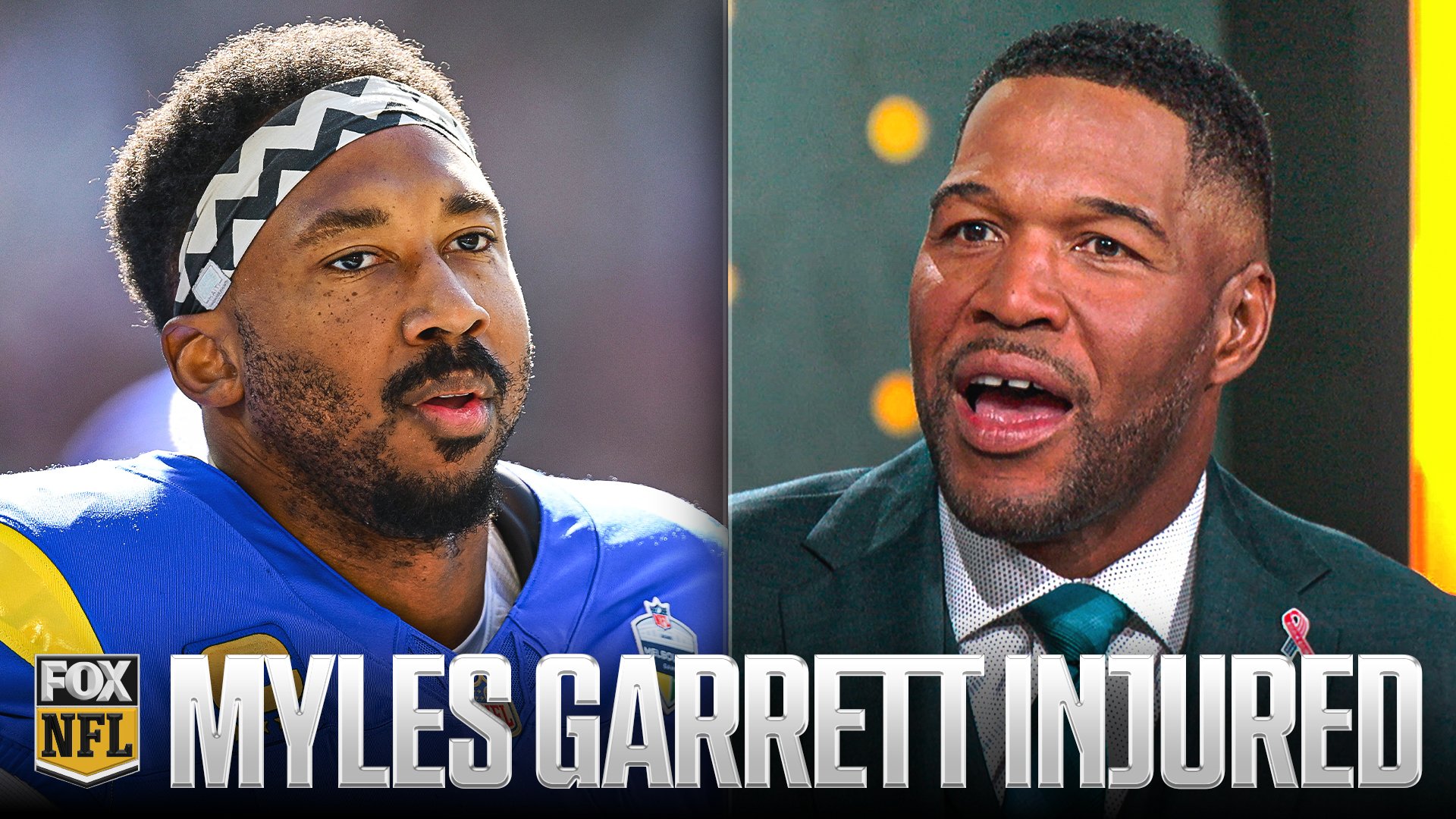
Three days after their season-opening loss to the San Francisco 49ers, the Los Angeles Rams took another hit on Sunday. Star edge rusher Myles Garrett underwent arthroscopic surgery on his knee and will be placed on injured reserve, ruling him out for at least four games, The Ringer first reported. FOX Sports NFL insider Jay Glazer later confirmed the news. “Myles Garrett didn’t do a lot of practice in this training camp,” Glazer said on “FOX NFL Kickoff.” “He had a knee injury. You saw him there the other night against [San Francisco 49ers offensive tackle] Trent Williams; he just wasn’t right. So the team decided they’re going to have him undergo arthroscopic knee surgery.” As a result, Garrett will miss a few matchups against 2025 playoff teams as the Rams will face the Denver Broncos, Philadelphia Eagles and Buffalo Bills. The Rams host the New York Giants in Week 2. Garrett dealt with a knee injury for the majority of training camp, keeping him sidelined. Following L.A.’s 27-7 loss to the 49ers on Thursday, he bluntly said that the injury was still bothering him. “This was the worst version of myself that I’ve put out there,” Garrett told reporters. “And I’ve got to be better. I got to find a way to recover and get back to the player I know I can be and I’ve shown that I’ve been before.”I wasn’t the player that I wanted to be. I didn’t feel like I was the player I’ve been before when I stepped onto that field. I got to do what I can to get back to that.” Garrett didn’t log a single tackle, sack or quarterback hit in Thursday’s loss. The underwhelming performance came as the Rams waited to arrive in Australia for their matchup with the 49ers until the day before the game. FOX Sports NFL analyst Michael Strahan believes that with the injury to Garrett and the tough slate that awaits them, the team made a mistake with their travel plans to Melbourne. “This team lost by 20 points. This team, last year, lost five games by a combined 17 points. It was hard to get on the plane and fly to the West Coast and play,” Strahan said on “FOX NFL Sunday.” “I think Sean McVay is kicking himself for making the decision to fly at the last minute. Also, in this division, probably the toughest division in football, you put yourself in a quagmire because now you’re behind Seattle already and you just lost to the 49ers. I think it’s a game you’re going to regret down the road.” Still, Strahan isn’t hitting the panic button for the Rams, with Aaron Donald waiting in the wings to make his return. “Everyone looked at them as a super team, a super defense — this obviously sets them back. I know Aaron Donald’s thinking, ‘I came back, but this isn’t what I came back for,'” Strahan said. “But, at the same time, he will be back, and I think Aaron Donald will get his feet under him. It takes a while when you’ve been out for that long.” The Rams landed Garrett in the offseason in a blockbuster trade, giving up a slew of draft picks for the former Cleveland Browns star. Garrett recorded an NFL single-season record of 23 sacks in 2025, earning him his second Defensive Player of the Year award. This is a developing story and will be updated.Latest Sports News from FOX Sports

To get the most out of your cabbage, you don’t need to do much. Simply give it a brief saute and add a packet of this easy seasoning to the mix.

Food Republic – Restaurants, Reviews, Recipes, Cooking Tips