If she had not filed for a marriage license mere days earlier, it’s possible that we still would not know about it.
She’s reportedly planning a larger ceremony for October 10 … which isn’t unprecedented, but it seems a little odd for the Duggars.
“Once again one of the kids from the home of many kids got knocked up so they had to move up a wedding day,” a blind item circulating on TikTok alleged.
“The parents don’t even care any longer,” the blind item continued. “They just want them all out of the house.”
Some of the Duggar clan’s infamous rules were exaggerated or made stricter for the show.
(Jim Bob wanted to portray a sanitized version of the cult lifestyle, but he also wanted more consistency with the frumpy dresses that women and girls had to wear than other members of the cult necessarily enforced.)
Others are more serious, forming a key element of the extreme fundamentalist family’s lifestyle.
They are not allowed to have sex. They are not allowed to have sex ed. None of them learn anything about consent, because that is a foreign concept.
In fact, until marriage, “courtships” are supervised — and only allow side-hugs. It’s a sad existence, bereft of human contact or dignity.
Even some of the most critical Duggar-watchers aren’t buying it
If Johannah Duggar was pregnant for her wedding, then she violated cult rules — and Jim Bob is trying to hide it.
But not everyone believes that. We don’t just mean Duggar-defenders, either.
This rumor crops up over almost every Duggar marriage, it seems. Memorably, with Joy-Anna.
Yes, Duggars would be more likely to accidentally become pregnant if they had the chance to have normal teenage experiences, such as kissing or sex.
But they don’t really get those kinds of chances. A lot of folks are calling BS on this blind item.
Why are these stories so appealing?
Well, the extreme ideology of the Duggars spits in the face of human dignity.
It is normal, if not universal, for people to be sexual beings with desires and interests.
In the Duggar world, children learn that this is somehow “evil” or “corrupt,” even though that is not true.
Stories like this give people hope that the Duggar kids are able to find moments of privacy to, however briefly, exist and make their own choices like real teens should.
Maybe Johannah did. If so, she’ll give birth early next year and the family will be super vague about the timeline. But it’s more likely that she’s just another barely-past-being-a-child-bride that Jim Bob and Michelle have churned out. She won’t be the last.
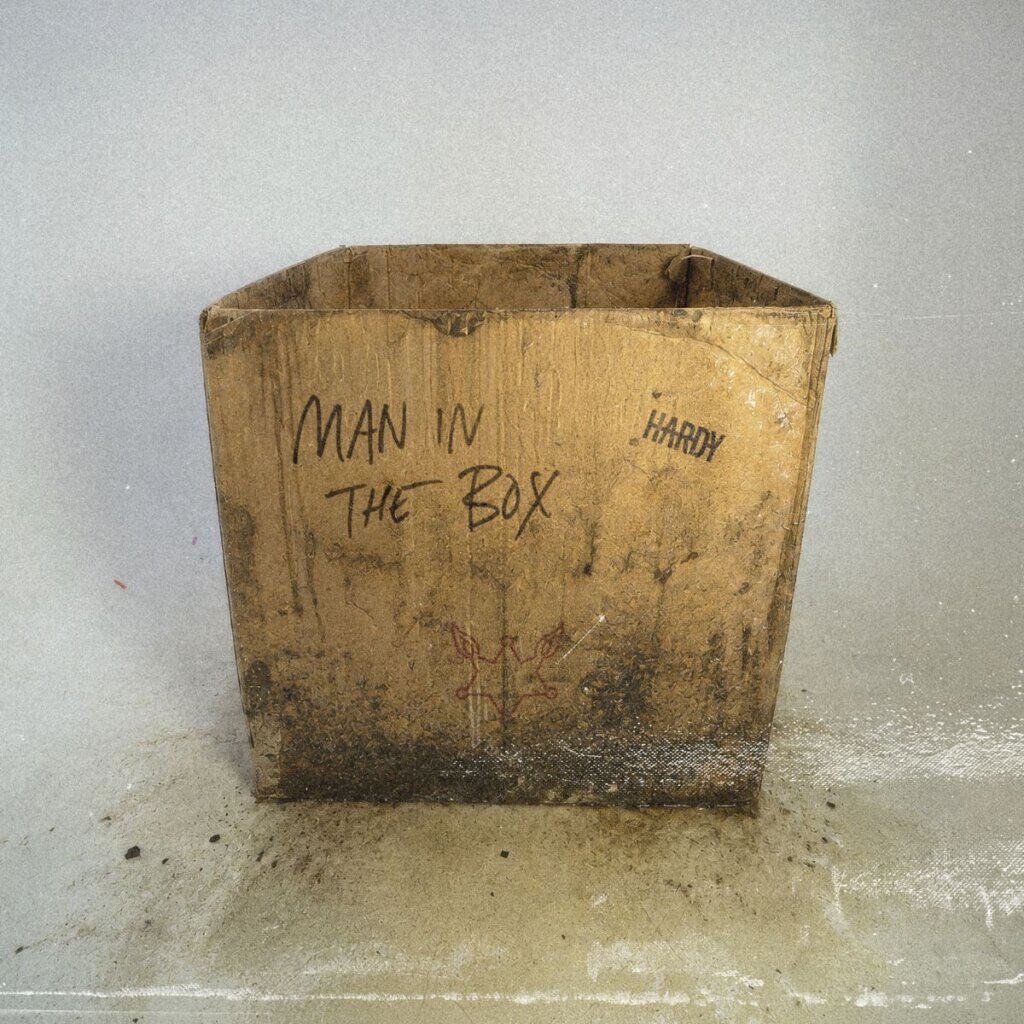
HARDY has never been an artist who fits into one box or one lane of music, and his new eight-minute single “Man In The Box” might be the best example of that yet.
Co-produced by HARDY and David Garcia and written by HARDY, Garcia, Chase McGill and Hunter Phelps, the song takes listeners on a journey through every corner of HARDY’s artistry while seamlessly spanning multiple genres and blurring the lines between country, rock, gospel and grunge. His vulnerability goes deeper than ever before with a faith-centered narrative that pushes the bounds of creativity in a way he’s never done before.
To help listeners better prepare for the musical journey that is “Man In The Box,” the hitmaker released a statement alongside the release, in which he first expresses gratitude for taking the time to listen to a song that he is “very proud of.”
Photo Courtesy of HARDY
HARDY then warns, “Be prepared. It’s very different.”
“It’s by far, I think, the bravest or at least the most creative thing that I’ve done so far. And I’m just very excited for this song to be out into the world. And you guys play a huge role in that. So thank you for even sitting down and listening to this song.”
He goes on to say that “Man In The Box” is essentially his very own personal attempt at a creating a “Bohemian Rhapsody,” pointing to the song’s unusual length strong ambition and drastic musical shifts. Much like the Queen classic, it doesn’t stay in one sound nor does it follow a traditional song structure. The song also previews where he is headed sonically in his next musical chapter.
“It’s just something I’m very excited about. I’m stepping into a new phase of my career sonically, and this is a perfect representation of it. So I hope you enjoy it.”
HARDY: Man in the Box
Lastly, instead of directly explaining the story that unfolds, he invites listeners to dig into the lyrics to try and figure out what it’s really about. The cryptic delivery is intentionally different from his usual straightforward storytelling, making the song feel a little more open to interpretation.
With HARDY’s words in mind, we can dive into the track and attempt to unpack the masterful creation from start to finish.
He starts back with just his vocals highlighted among a stripped back and acoustic guitar melody, telling what appears to be a coming-of-age story. He describes “two chemical lovers” coming together under the “moonlight” and creating him. Elements of his upbringing come to light as HARDY reflecting on having an “old man” who’s “a goner.”
Instead of dwelling on the hardship he endured early on, he offers a strong sense of determination and optimism while expressing a desire to make the most of his time, build a name for himself and see where life takes him.
There is a gradual shift into a more gospel-inspired section as the story moves forward with HARDY now moving from his carefree youth into adulthood and the realization of how fast time moves by, especially when you’re busy trying to figure it all out. He also reflects on how much he’s grown, giving credit to a higher power for helping shape the person he’s become and still relishing in the gift of life.
He sings, “You grow up in a hurry even when you don’t even try/ Whatcha gonna give (yeah)/ You’re rolling in the dirt next thing you know there’s years gone by/ To the world to the world to the world/ As far as I’m concerned by God you only get one life/ Damn it feels good to be alive.”
Then, the energy picks up, bringing in heavier rock influences that only grow stronger throughout the remainder of the track and eventually braking into his screamo sound that fans have previously gotten a taste of with his half-country, half-rock album the mockingbird & THE CROW. This is when things take a darker, more mysterious turn as HARDY finally introduces the “man in the box.”
He sings, “I’m just a guy with a strong determination/ To cruise and keep a chasing these tails until/ The new crew in town takes my spot/ Should I listen/ To my county line intuition/ Will I be the hero/ Or killed on the scene/ Tell me this/ Does the king of the country keep his/ Crown if he locks/ The man in the/ The man in the/ The man in the box.”
This final section takes the song to its most chaotic and intense place yet, as HARDY becomes consumed by questioning the “man in the box.” After spending the entire song trying to understand this mysterious figure, HARDY eventually comes to the realization that he may have been telling his own story all along.
He reveals, “maybe the man in the box is me,” indicating that the figure serves as a powerful reflection of himself, highlighting his ambition, success, pressure and the legacy he’s building. It brings the entire journey full circle before setting up the closing prayer that HARDY delivers in a hushed whisper.
“I give thanks to the Lord that gave its life today. I respect it in death as I respected it in life. May every part that be used be put to good use. And may its sacrifice feed the ones I love Amen,” he says as the music fades out.
After taking listeners through so many different emotions and chapters of his story, HARDY comes back to the same message at the core of the song: make the most of the life you’ve been given and leave something meaningful behind.
Michael Douglas is releasing a decades-long secret.
Over forty years after he and Kathleen Turner raised eyebrows with their onscreen chemistry in the 1984 film Romancing the Stone, Douglas—who… E! Online (US) – Top Stories
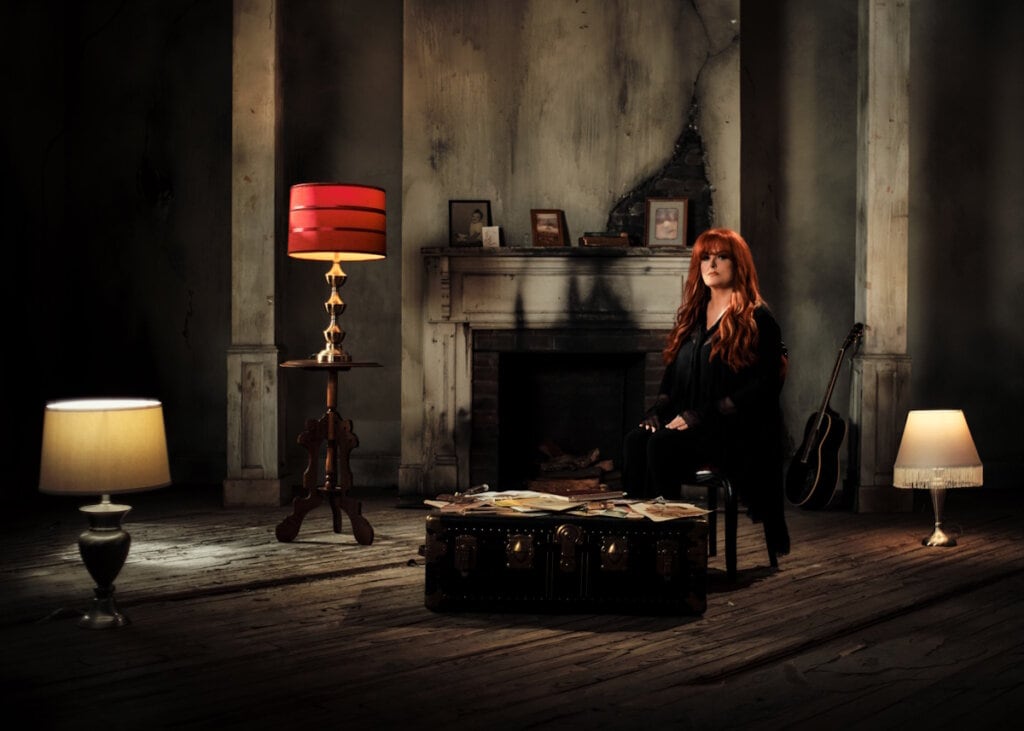
Wynonna Judd has spent her life telling stories through her music, but with her new album, The Hard Truth, she is opening up like never before.
“It feels both exhilarating and terrifying,” Judd shared with Country Now over Zoom a few days before the album’s release. “I’m telling my story unlike anything I’ve ever said before. I’m going for it.”
Wynonna Judd Is Telling Her Story Like Never Before
The Hard Truth is more than just a title. The sentiment embodies the entire record, which marks Judd’s first solo album in 10 years and features her first-ever album co-writes. She had a hand in writing nine of the album’s 10 songs with her husband, Cactus Moser, and a few other collaborators, using the music to confront some of the most painful and defining experiences of her life.
Wynonna – The Hard Truth Album Art
The country music icon felt called to tackle the highs and lows of her life through these songs, getting more personal and diving deeper than ever before. The album takes listeners through different chapters of Judd’s life, beginning with the complicated relationship she shared with her mother and the process of figuring out who she was outside of that relationship. As the record continues, she turns the focus inward, reflecting on the life she has built for herself and the person she is still becoming.
“I’m a survivor of a lot of trauma and how many other people can relate to the stuff I wrote about? I don’t know, but I’ll find out. And I’m not a victim. I’m a victor,” she declared.
Writing The Hard Truth Became a Form of Healing
After spending time reflecting on what she had been through, Judd explained that making this album felt like a necessary step for her following the death of her mother and duo partner, Naomi Judd, in 2022.
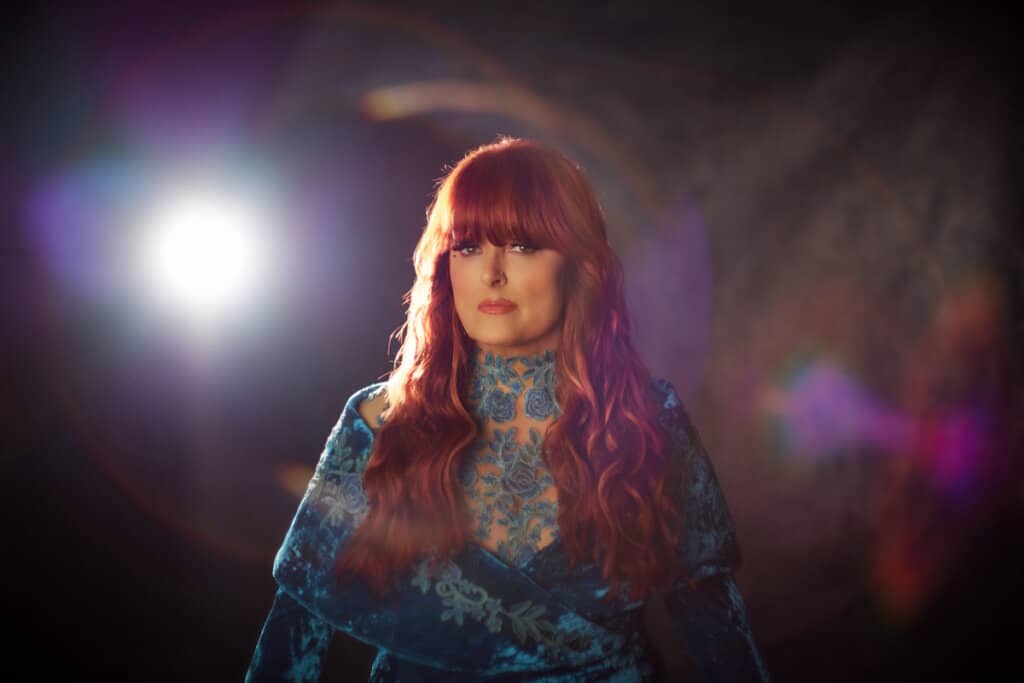
Wynonna Judd; Photo by Thomas Crabtree
“I think this is the next step after mom dying, me coming to terms with the issues that are on the record with my daughter, my biological father, my mother. And sometimes I feel like I’m not going to make it if I don’t continue to write and do these songs.”
For Judd, writing and recording these songs became a form of therapy, allowing her to process the emotions and experiences she had been carrying with her.
“It saved my life, really. It saved my sanity,” she admitted.
Wynonna Judd; Photo by Thomas Crabtree
Cactus Moser Encouraged Her to Tell Her Story
The Hard Truth would not have been possible without her husband, co-writer, and producer Cactus Moser, who encouraged her to be more vulnerable than ever before. But allowing herself to be that vulnerable was not always easy.
“It was hard at times though too. I struggled a lot with wanting to be so vulnerable. I was just like, ‘Oh, I don’t know if I should. Is it okay? Okay, God, what do I do with this? This is a lot.’ And I just tried to do it with grace.”
Moser, however, never tried to steer Judd away from the difficult places. Instead, he encouraged her to trust herself and tell her story.
“He was like, ‘Honey, this is your story. Tell your story.’ He was my biggest advocate,” she recalled.
The two have been partners in both life and music for years, but making The Hard Truth brought a different level of vulnerability to their relationship. Judd said Moser challenged her at times, but always gave her the space to process his perspective and ultimately make her own decisions.
“He had a way of saying, ‘This is what I think,’ and then letting me process that and decide that that’s true.”
“Girl Who Could Sing” Helped Reveal a Deeper Story
In fact, it was Moser who encouraged her to write the deeply personal “Girl Who Could Sing” after her biological father’s family discovered a drawer full of newspaper clippings about her after his passing.
“I told my husband that and he said, ‘That’s a song, honey.’” she shared.
Judd and Moser co-wrote the song with Clara Calaway, Melissa Forrette, and Brant Colella. After this writing session and “about three or four” others, Judd recalls sensing a “pattern.”
“It just made sense to write these songs,” she said. “On some level, I just knew that this was the time to do this record. What would you do if you knew you couldn’t fail, was my motto this record. What would I do? I would tell the truth, my truth, my testimony. Ashley’s had a book, mom’s had a book, I’ve had a book, but this is definitely different.”
“Broken And Blessed” Is Her Most Vulnerable Song
Of the album’s tracks, Judd says “Broken And Blessed” is the most vulnerable.
“That’s me standing up in front of the church giving my testimony, literally stripping down naked and just standing there and going, okay, here I am. I’m broken and blessed. I’m somewhere between hell and hallelujah. That’s every day of my life. I’m raising a four-year-old with my sweet husband and we are on tour and we’re working on a book and a cookbook and all this stuff that we’re doing, and I’m not going to quit. I’m going to keep on trucking through the storm.”
“Kentucky Queen” Takes Wynonna Back to Her Roots
Meanwhile, the project’s lead single, “Kentucky Queen,” paints an autobiographical picture of her life, from who she was as a young girl growing up in the Bluegrass State to the woman she is today at 62.
“I grew up in the dirt. That’s really who I am. I grew up in the dirt and then years later I’m standing at the Kentucky Derby with my glory outfit on, singing the national anthem at the Derby, and I’m standing there looking at a hundred thousand people going, ‘How did this happen?’ So it really is who I am. Kentucky Queen is taking me back to my roots, going back to my childhood, dealing with all that happened there, and then coming up into this is who I am today.”
Wynonna Judd Is Still Showing Up
Throughout The Hard Truth, Judd’s resilience truly stands out. Looking back, she says she feels a sense of pride in the fact that she was willing to go places she hadn’t gone before and show up when she thought she didn’t have it in her.
“There were days when I thought I couldn’t do it, which everybody goes through. Everybody goes through, and I’m no different. So it’s not like I have this perfectly planned life. I went through days where I though, I don’t know if I can take this or not. This is so deep, but yet I showed up.”
Wynonna Judd will bring The Hard Truth to fans on her The Hard Truth Tour, kicking off October 8 in New York City. The trek runs through November 21.
Great songwriting, new inspiration and sharp edges captivate a listener from the start. Continue reading…The Boot – Country Music News, Music Videos and Songs
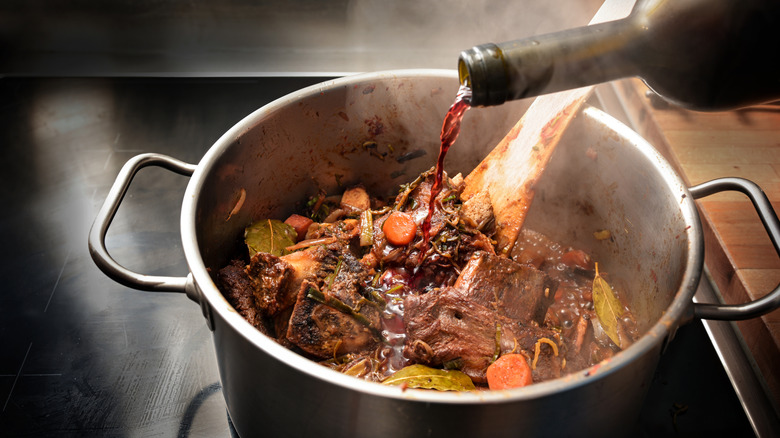
Beef stew and pot roast, at first blush, may seem alike. They have similar ingredients and even cooking instructions that look alike, so what is the difference?
Three celebs are done pushing themselves to the limit.
The second episode of Special Forces: World’s Toughest Test season five concluded with multiple contestants leaving after just two days on… E! Online (US) – Top Stories











 Michael Douglas is releasing a decades-long secret.
![<a href="https://countrynow.com/wynonna-judd-says-new-album-the-hard-truth-saved-my-life-and-saved-my-sanity-exclusive/" target="_blank">Wynonna Judd Says New Album ‘The Hard Truth’ ‘Saved My Life’ and ‘Saved My Sanity’ [Exclusive]</a>](https://countrynow.com/wp-content/uploads/2026/10/Wynonna-The-Hard-Truth-Album-Art-1024x1024.jpg)
![<a href="https://theboot.com/ixp/204/p/miranda-lambert-ella-langley-snakeskin-boots-lyrics/" target="_blank">Lambert, Langley, ‘Snakeskin Boots’ Lyrics Are a Warning [LISTEN]</a>](https://townsquare.media/site/204/files/2026/10/attachment-langley-lambert-photo.jpg?format=natural)


 Three celebs are done pushing themselves to the limit.