Sounds like Riley Green broke a few hearts on his way out the door of ‘Marshals.’ Continue reading…The Boot – Country Music News, Music Videos and Songs
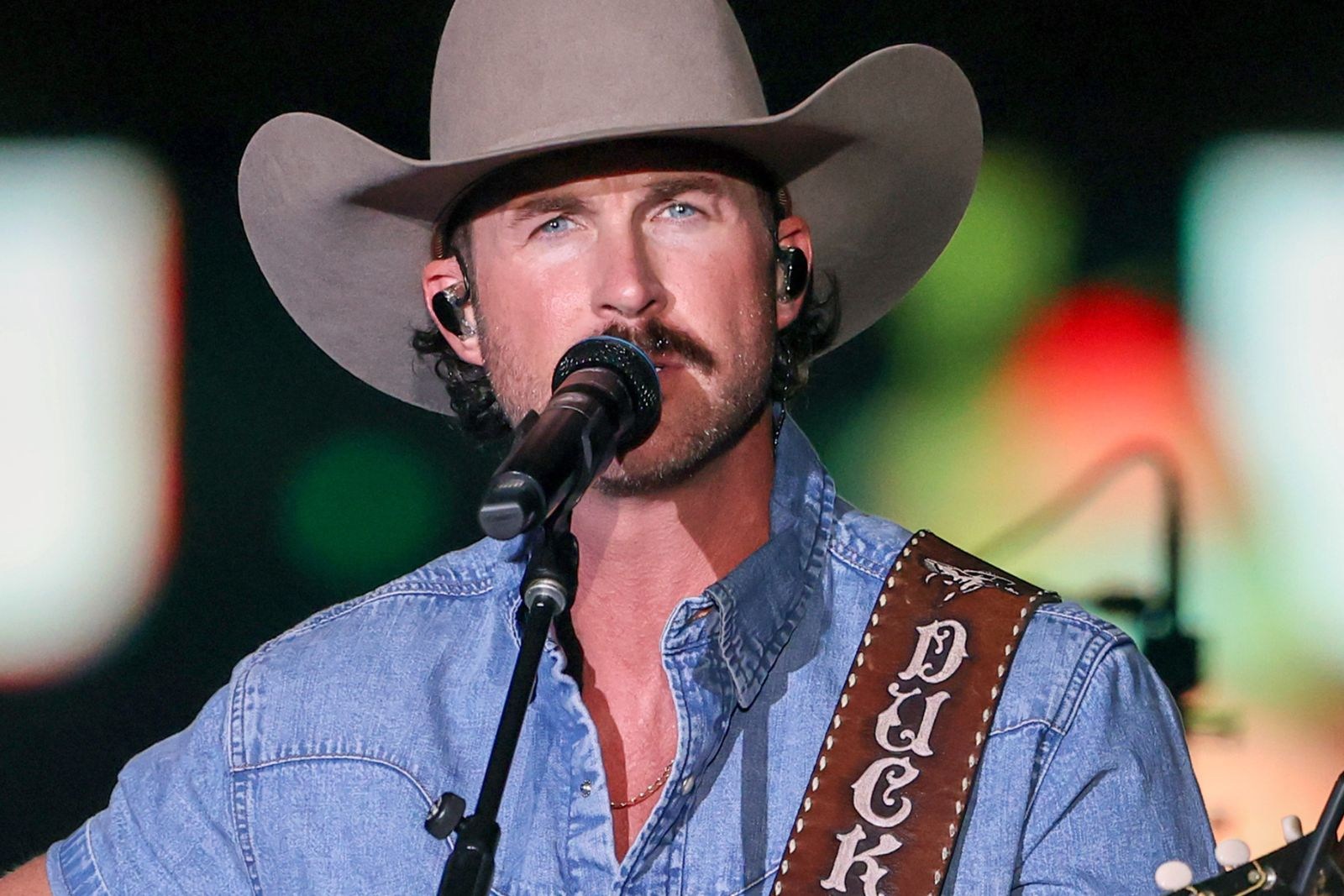










Sounds like Riley Green broke a few hearts on his way out the door of ‘Marshals.’ Continue reading…The Boot – Country Music News, Music Videos and Songs
Sounds like Riley Green broke a few hearts on his way out the door of ‘Marshals.’ Continue reading…Country Music News – Taste of Country
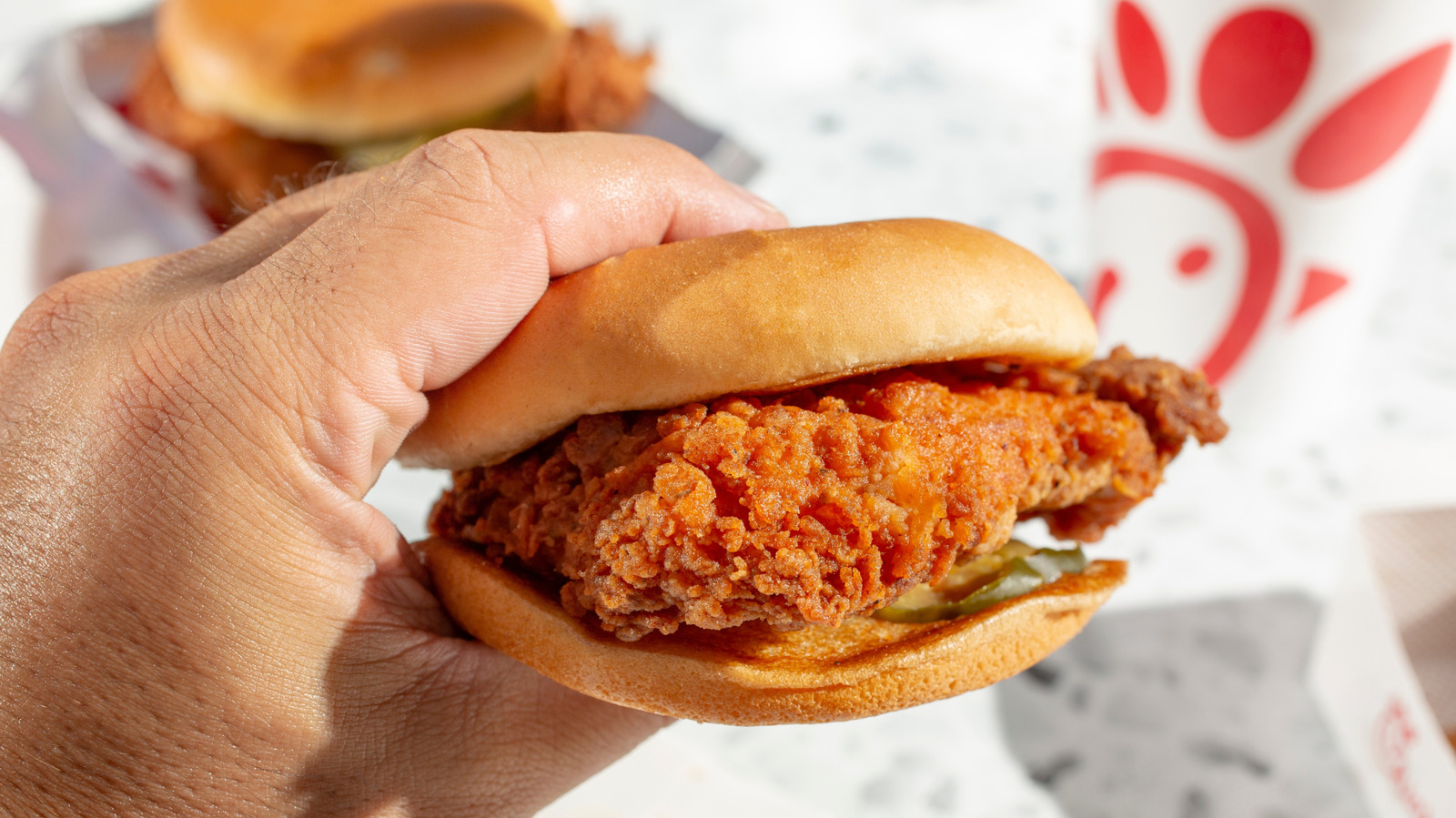
Chick-fil-A has spent decades serving delicious chicken, but not all of its customers leave the fast food chain satisfied with their experience.
Mashed – Fast Food, Celebrity Chefs, Grocery, Reviews

Mayo not be the first ingredient you think of when it comes to pork chops, but trust us, you need to try this flavor-packed hack.

Food Republic – Restaurants, Reviews, Recipes, Cooking Tips
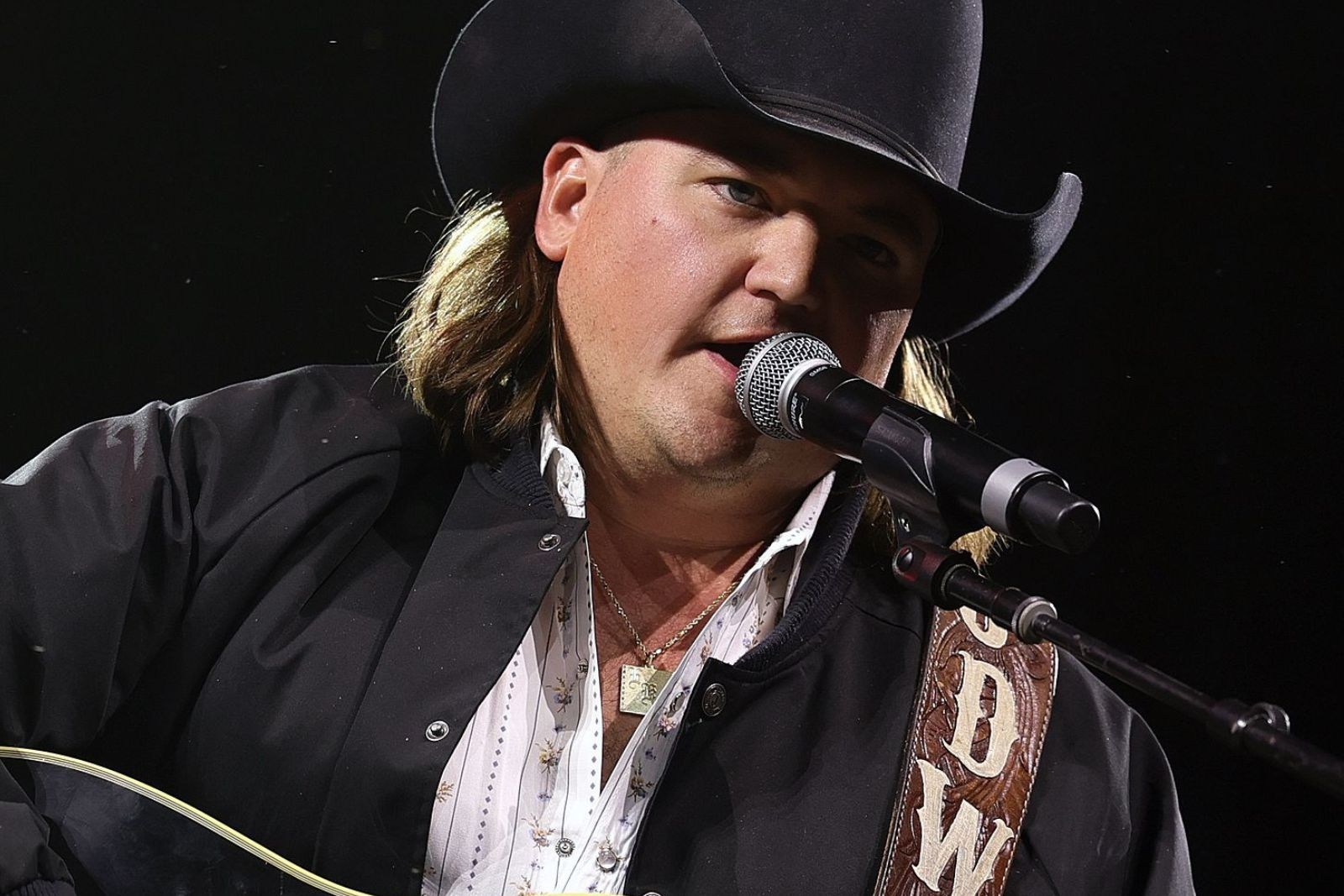
Worthington didn’t share exactly what was going on, but said that hard living was taking a toll. Continue reading…Country Music News – Taste of Country
Worthington didn’t share exactly what was going on, but said that hard living was taking a toll. Continue reading…The Boot – Country Music News, Music Videos and Songs
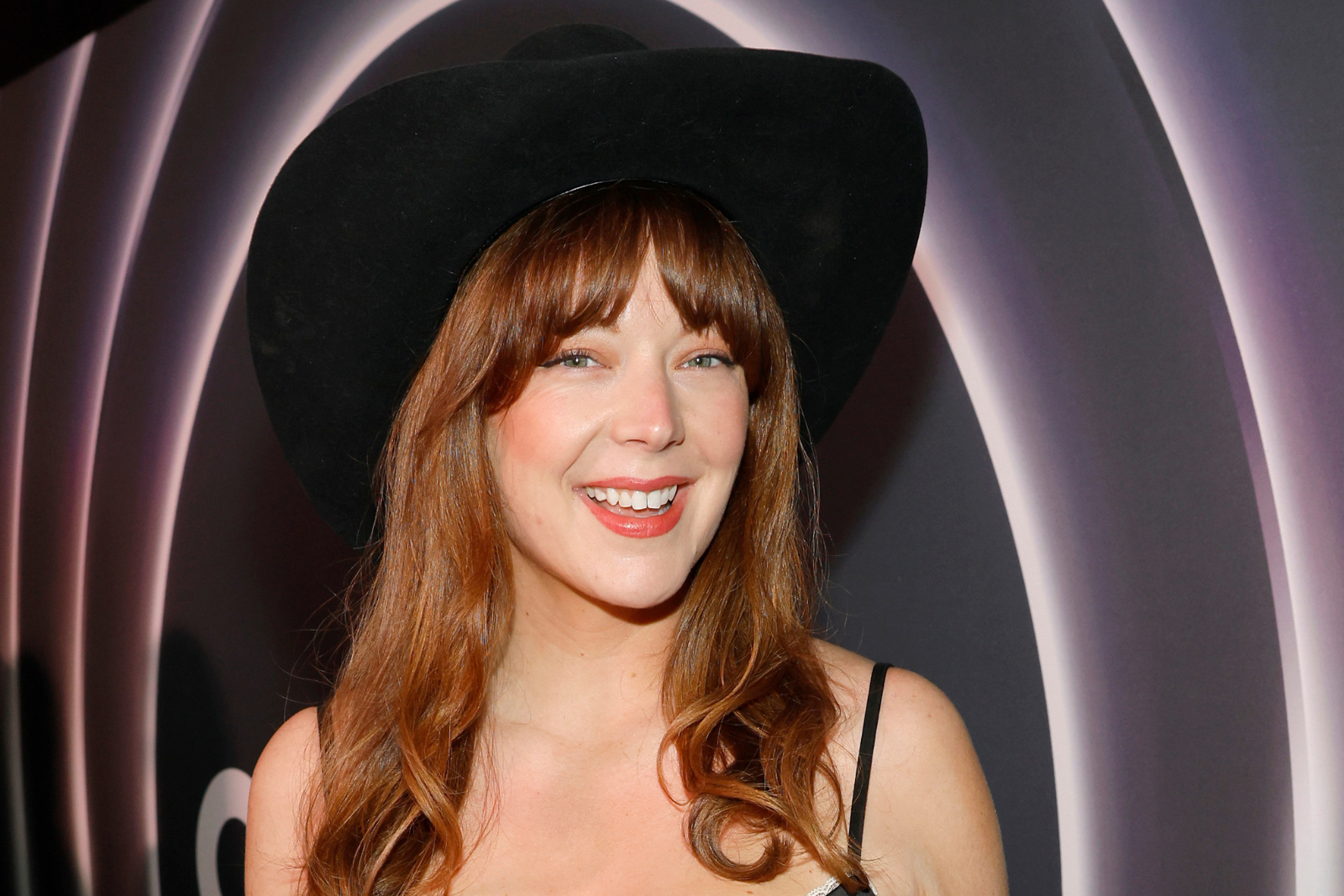
Before breaking out in country music, Kaitlin Butts came up with a hilarious — and surprisingly effective — way to get more people through the door at her shows. Continue reading…The Boot – Country Music News, Music Videos and Songs
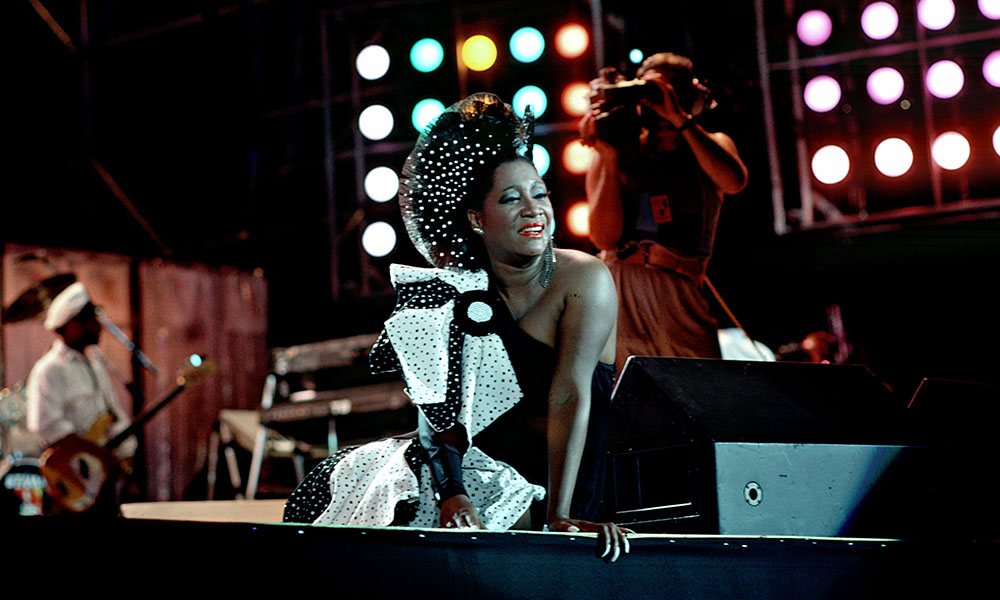
Patti LaBelle is a literal dramatic soprano. Over the more than five decades of her career, Philadelphia’s Patricia Louise Holt has been known for her impossibly high and spiky “art deco” hair; her grand, animated moves while performing; and a head voice that can be heard from blocks away. She takes up space of every kind; Patti kicks her shoes into the audience, she rolls around on the stage, she flaps her arms like wings. She enters rooms fur-clad with a smile that beams across to the furthest corner; she traverses stages in ensembles that shine, or flow, or drape, or sometimes all three. Patti has presence.
She also doesn’t sing within the lines – she’s prone to change keys and octaves without warning, letting the spirit of the riff take over, pushing the original song structure and melody aside if need be. For most of her career, LaBelle’s refusal to tone her Patti’ness down has prevented her from sitting in the same critically-acclaimed and mainstream-approved spaces as Aretha, Dionne and Diana.
Patti scored a Top 40 hit early in her career with The Bluebelles and the song “I Sold My Heart to the Junkman” in 1962. Then, following a few stalled attempts at a futuristic glam funk/rock reinvention as LaBelle, scored a No. 1 classic with “Lady Marmalade.” But Patti never got into a solid creative flow for long stretches, even when she launched her solo career following Nona Hendrix’s departure from LaBelle. Loyal fans and willing labels kept Patti in the game even through periods when her music career seemed to be faltering. She tried new formulas, new writers, new producers, and sounds. And she was willing to be flexible and adaptable. It paid off in the mid-’80s when, while many of her peers were transitioning to the oldies concert circuit, Patti finally found pop stardom at 41 years-old, thanks to a new attitude.
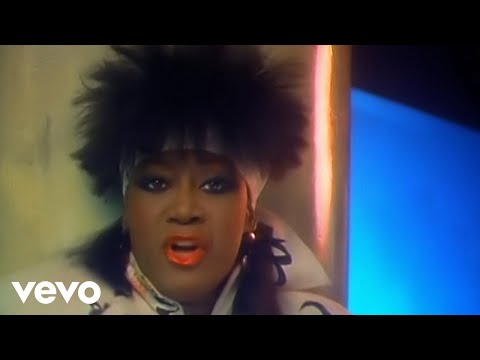
In 1984, Patti landed the lead single for the accompanying soundtrack of Eddie Murphy’s action-comedy Beverly Hills Cop. The movie catapulted Eddie Murphy to superstardom, and the soundtrack introduced Patti to the MTV generation and launched her into the Top 20 of the Billboard Hot 100. “New Attitude” was a statement song for the already veteran singer; in the first official music video of her career, LaBelle emerges from a chic boutique fitting room with her trademark spiked hair crown and a star-worthy look. She’d been solo for several years already, but this felt like her debut moment.
“New Attitude,” followed by “Stir it Up,” gave Patti’s career a new life, and a new deal with MCA. The singer was incredibly aware that the heightened awareness wasn’t due to any elevation of her talent, but rather a change in who was finally paying attention. “Because of ‘New Attitude,’ I’ve been played on more white stations than I’ve been played on ever in my life…And it’s about time. I hate to be put in a slot,” she told the Washington Post in 1985. “Music is music and shouldn’t be categorized. If you’re called an R&B singer because you’re Black, a lot of people will close their minds, say ‘She’s going to sing us out of the place, or deafen us.’ In fact, that R&B singer can probably sing anything that he or she is given, given a chance. I want to be accepted on all radio stations, on all TV shows, on all video programs.”
In 1986, Patti released her MCA debut Winner in You, leading with the power ballad “On My Own.” Pop standards maestro Burt Bacharach composed the song for his frequent collaborator and muse Dionne Warwick, but it was ultimately left off her 1985 album Friends. The ballad was intended as a solo reflection on divorce, but after trying a pass with Patti by herself, the idea came to add former Doobie Brothers frontman Michael McDonald to the track. They recorded separately, on different coasts in fact, but the result was magic. “On My Own” soared to No. 1 on the Billboard Hot 100, R&B and AC charts, remaining on all three for multiple weeks, and garnered a Best Pop Vocal by a Duo or Group nomination at the 1986 Grammys. It remains both LaBelle’s and McDonald’s biggest hit to date, and finally commanded the approval of critics who’d too often written Patti off for what they considered oversinging antics.
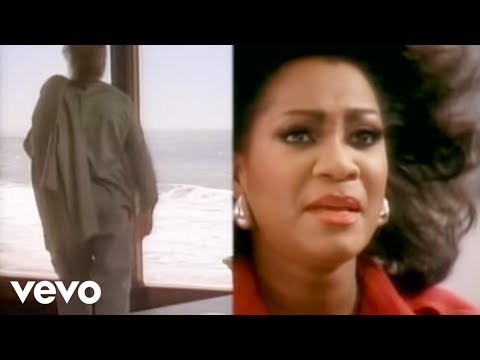
With the help of “On My Own,” Winner in You debuted at No. 1 on the Billboard Hot 100. Some critics crowned Patti LaBelle the Queen of Rock and Soul, a title that slotted her directly in between Aretha Franklin and Tina Turner, who were also – along with Dionne Warwick – experiencing triumphant ascents to pop stardom in their 40s; a time that could easily have been the addendum of their careers.
“There are a lot of things that make me know that I really haven’t made it, but I’ve made it enough in the public’s eye to make me feel wonderful. That’s what keeps me going – the public’s loving me and thinking I’m this superstar. It makes me feel good, but I know better,” she candidly shared in that same Washington Post interview. “I know my time is coming…It’s not here already. No, not yet. I’m on the steps of the house of making it. And then I’ll be in the door.”
In 1989, Patti released her ninth studio album Be Yourself, which featured the Diane Warren-penned “If You Asked Me To.” The torch ballad was also featured on the soundtrack for the James Bond film Licence to Kill, released the same year. Despite the profile of the Bond franchise, the song hit the Top 10 of the R&B charts but didn’t cross over. But a few short years later, Celine Dion’s cover peaked at No. 4 on the Hot 100 and No. 1 at AC.
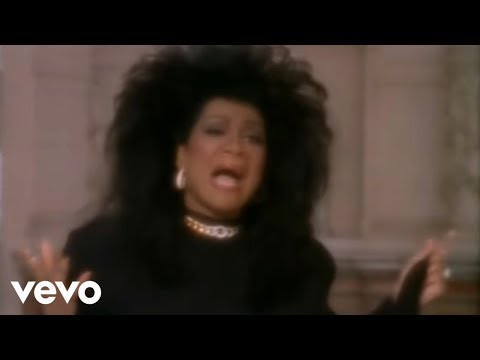
Years later, when reviewing the song as part of a Dion greatest hits package, critic Geoff Edgars noted: “the hit ‘If You Asked Me To,’ with Dion’s moaning, pleading, screaming take-me vocals, works when reassessed as a chunk of modern soul as worthy as anything recorded by Whitney Houston or Mariah Carey.” It’s odd that he didn’t choose to reference the originator of all the moaning, pleading, screaming vocals. Or, maybe not at all. When asked by Canadian press why she thought Dion’s version was more successful in 2007, LaBelle responded frankly, “Because she’s a white girl.” She went on to explain, “People pay more respect to white artists who sing well before they do Black women…I’ve been singing for 45 years and that’s an obstacle that I’m still… I’m getting over it.”
Patti’s pop moment peaked with “If You Asked Me To” and the Be Yourself album, although she continued to put up hits on the R&B chart for the majority of the 90s. While she’s celebrated and beloved in the Black music community, she still doesn’t get the mainstream respect that many of her peers have gotten. “Patti LaBelle is a household name,” David Nathan told the Los Angeles Times in 2008. “Americans know who she is. But if you ask most music buyers to name a Patti LaBelle solo hit, they can’t. Black audiences can. But that’s part of the nature of America.”
Although Patti’s continued to express the desire for a bigger musical fan base over the years (she’s broadened her overall brand through TV, cookbooks, her frenzy-inducing Patti Pies, and even a turn on Dancing With the Stars), she’s always been certain of one thing: her level of superstardom – or lack thereof – wasn’t about her talent. Immediately after revealing that Celine Dion’s success with “If You Ask Me To” was one of the hardest moments of her career, LaBelle expressed her mantra in the face of a biased music industry: “You can’t beat me up. You can’t make me feel less than I am, because whenever I get the microphone I’m gonna show you who I am.”
This feature was first published in 2020. It is being republished today in celebration of Patti LaBelle’s birthday. Black Music Reframed is an ongoing editorial series on uDiscover Music that seeks to encourage a different lens, a wider lens, a new lens, when considering Black music; one not defined by genre parameters or labels, but by the creators. Sales and charts and firsts and rarities are important. But artists, music, and moments that shape culture aren’t always best-sellers, chart-toppers, or immediate successes. This series, which centers Black writers writing about Black music, takes a new look at music and moments that have previously either been overlooked or not had their stories told with the proper context.
Discover more about the world’s greatest R&B artists | uDiscover Music
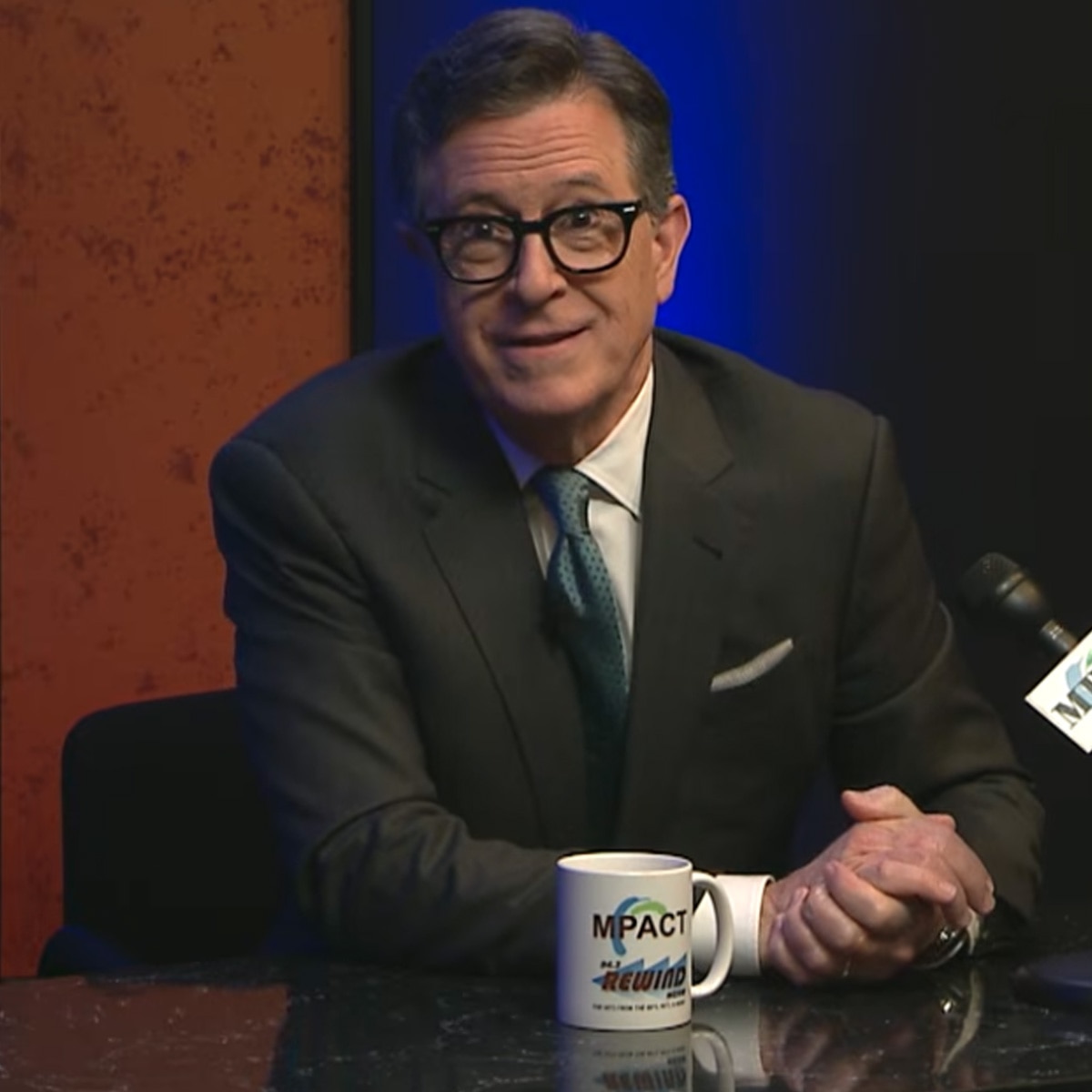
 Stephen Colbert didn’t stay away from TV for very long—or even a full day.
Less than 24 hours after the Late Show host said goodbye to his long-running CBS talk show on May 21, he returned to…
E! Online (US) – Top Stories
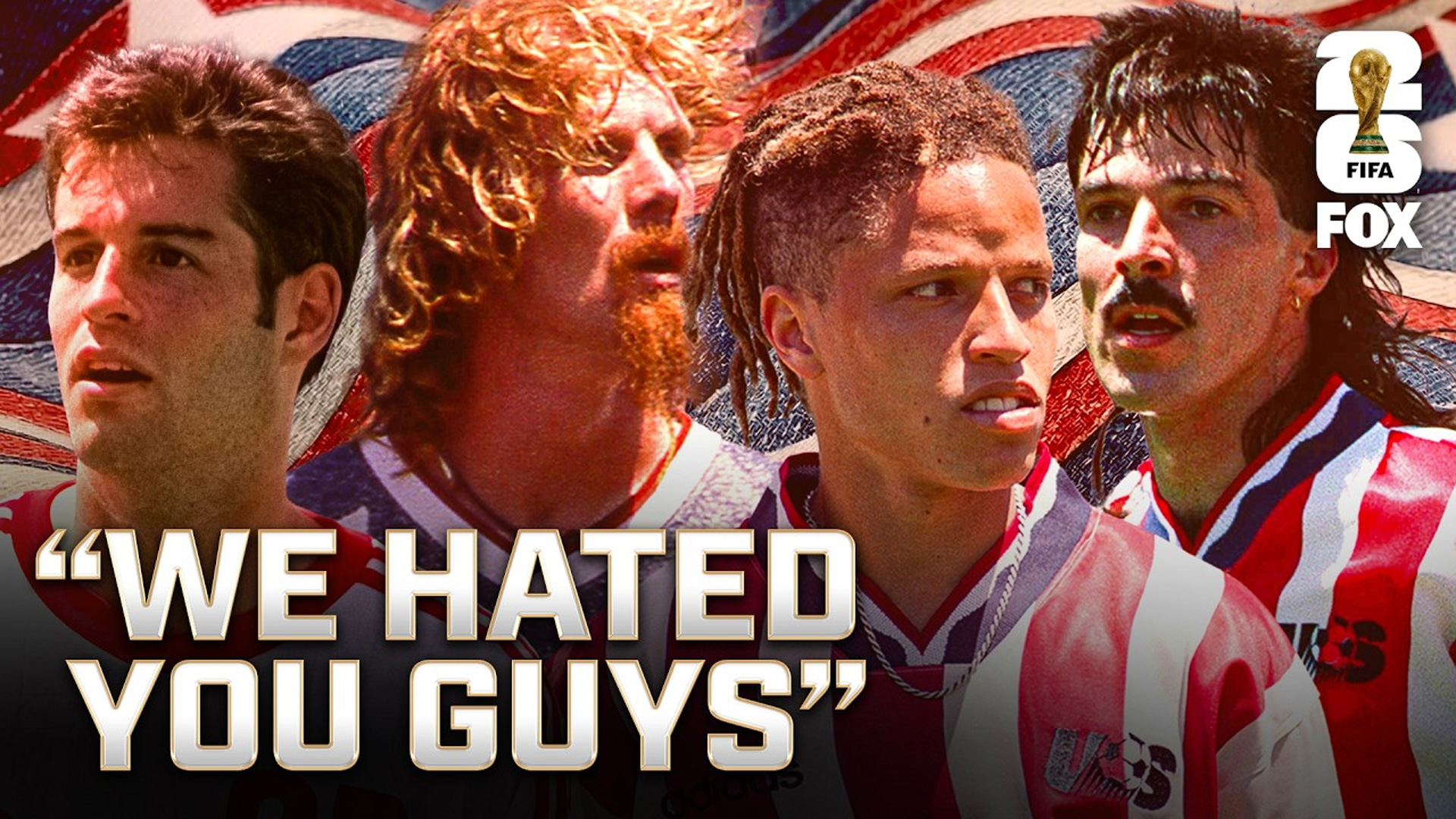
Thirty-two years ago, many fans in the global soccer community saw the United States planning to host its first FIFA World Cup in 1994 and asked one collective question: Why? At the time, the United States men’s national team was a largely anonymous squad of unknown players wearing now-nostalgic denim uniforms. In mainstream America, soccer did not have the same popularity as other sports like gridiron football or baseball. But then, the tournament kicked off. To look back at the summer of 1994, members of that squad — Alexi Lalas, Cobi Jones, John Harkes, and Marcelo Balboa — reunited to take a trip down memory lane and recount the tournament that changed the sport stateside. Bora And The Bootcamp The architect behind the Americans’ 1994 transformation was Bora Milutinović. The enigmatic manager arrived with a storied World Cup pedigree, having already guided Costa Rica and Mexico to the round of 16 and quarterfinals, respectively. Milutinović specialty was inspiring underdogs to play far above their weight class, but his methods frustrated a young Lalas. “Bora, incredibly intelligent man… spoke five languages, not a single one of them well, and will go down for me as… the most frustrating coach I ever had in my life, but also the coach that gave me the opportunity that changed my life,” Lalas. For the players, Bora was not the most popular person in the locker room, as his experience was initially met with resistance, until the team won its first-ever major international tournament title at the 1991 Gold Cup. “I hated it, and I tell you why, because he made me the translator. Nothing like being on a team, and you’re the player translating the coach’s new message. That was awful,” Balboa said. “But as time grew on, I understood what Bora wanted, and I think we all believed it when we go to the ’91 Gold Cup, and all of a sudden we’re starting to win games, we beat Mexico, and we win the Gold Cup. “I don’t think a lot of us were buying in until that tournament. Once we won that tournament, we were like, crap, here we go.” The ‘Miracle On Ice’ Moment By the time the tournament arrived, USA was still widely viewed as naive. But after earning a draw against Switzerland, the Americans faced tournament favorites Colombia in front of a raucous Rose Bowl crowd. What followed was a historic upset that became the U.S. soccer equivalent of the 1980 “Miracle on Ice.” “Final whistle blows, all hell breaks loose in the most positive way… I remember in 1980 when the US hockey team, Jim Craig, with a flag around him, and I, I wanted that moment to celebrate my country,” Lalas said. “Everybody thought we would lose to Colombia, right?” The 2-1 victory was made even more staggering by the roster’s humble realities. The United States didn’t even have a domestic professional league at the time. “When you talk about… ‘iconic wins,’ ‘best win ever.’ You look at that team with six guys, didn’t have a club team, we trained every day,” Balboa said. “Cobi and I, we never played at a club, and all of our experience was international,” Lalas added. Brazil Breaks America’s Hearts The dream run eventually collided with global powerhouse Brazil in the Round of 16 on the Fourth of July. The match reached a violent turning point when U.S. playmaker Tab Ramos was hospitalized following a brutal elbow from Brazil’s Leonardo. Though Leonardo was red-carded, losing Ramos gutted the American midfield. “Just devastating, scared beyond belief, because the way he landed,” Harkes said. “I cared about Tab. I didn’t care about the game at that point.” The loss of Ramos didn’t just hurt USA and its players emotionally, but tactically as well. “We not only lost a player in Tab leaving the field, but we lost from a practical perspective the guy that could hold the ball for us,” Lalas said. Even down to 10 men, the eventual world champions continued to produce scoring opportunities. In the 72nd minute, Brazilian forward Bebeto finally broke the deadlock, slipping a clinical shot through the tiniest of windows. “What pisses me off about this goal is that I have the tackle… The problem is I get to it and I overrun it, and it ends up going in the only possible place through my legs and into the far corner there,” Lalas said. “This little magician right here, Bebeto, scores the goal that they need to go through and for all intents and purposes, our World Cup is over.” Looking Ahead To This Summer More than three decades after the class of ’94 laid the foundation, the World Cup is returning to North American soil. For the current generation of the U.S. the tournament represents a massive launching pad to eclipse the history written by their predecessors. “I think this team can go far. I think this team can go farther than 2002,” Harkes said. I hope we get to a semi, or even beyond that. Why not? Why not us? Let’s believe in that.” As the pressure and expectation mount for the modern squad, the trailblazers of ’94 remind them that changing the sport forever requires a bit of audacity. “Gotta have dreamers,” Alexi Lalas said. 2026 FIFA World Cup: How To Watch The 2026 FIFA World Cup will run from June 11–July 19, 2026. Spread across three countries, the tournament will culminate with the final on July 19 at New York New Jersey Stadium in East Rutherford, New Jersey. All 104 tournament matches will air live across FOX (70) and FS1 (34) with every match streaming live and on-demand within both the FOX One and the FOX Sports app. A record 40 matches, more than one-third of the tournament, will air in prime time across FOX (21) and FS1 (19). The opening match on June 11 between Mexico and South Africa (3 p.m. ET) will stream for free on Tubi, as well as the USA’s opening match against Paraguay on June 12 (9 p.m. ET).Latest Sports News from FOX Sports