If you’re struggling to figure out what to buy the dad in your life for Father’s Day, don’t panic. We’ve rounded up the best goods under $40 from Walmart.

Food Republic – Restaurants, Reviews, Recipes, Cooking Tips











If you’re struggling to figure out what to buy the dad in your life for Father’s Day, don’t panic. We’ve rounded up the best goods under $40 from Walmart.
Food Republic – Restaurants, Reviews, Recipes, Cooking Tips

Reading Time: 3 minutes
Each week, millions of HBO viewers watch the over-the-top drama and various twists and turns of Euphoria.
When the teen series first launched in 2019, one of the breakout stars was Sydney Sweeney.
She has gone on to take on phenomenal acting roles across a spectrum of genres, earning acclaim for her acting.
But some worry that her nude and all-around NSFW Euphoria scenes could ruin her career in the long run.
On Sunday, May 24, Sweeney once again went topless for Euphoria Season 3, Episode 7: “Rain or Shine.”
For the scene, viewers saw the POV of looking up at her while she pretended to have fairly energetic sex.
Topless moments like this one have been going viral throughout the show’s history.
And though her character, Cassie Howard, is an objectively terrible person, she has continued to draw eyes.
Season 3 followed her character’s journey as an OnlyFans creator. Though many sex workers have noted that the “easy money” narrative is not realistic for the vast majority of performers, many viewers have enjoyed the storyline for obvious reasons.
Crisis and reputation management expert Dave Quast spoke to Fox News about the double-edged sword of Sweeney’s nude scenes in Euphoria.
“‘Euphoria’ clearly helped establish Sydney Sweeney as a fearless performer, physically and emotionally, and that’s part of why she broke through,” Quast began.
“The risk is that when the public conversation focuses more on the sexualized aspects of the role than on the performance,” he explained, “the same work that made her seem daring can start to narrow the brand.”
Quast did correctly clarify: “Sexuality on screen is not inherently unserious.”
He added: “The problem is when it becomes the dominant shorthand for the actor.””
Sydney Sweeney models the Comfy lingerie collection for her Syrn brand.
— fanana hammock (@fananahammock.bsky.social) February 27, 2026 at 1:24 PM
“For Sweeney, the challenge is not that she has played sexualized roles,” Quast reasoned.
He clarified: “The challenge is making sure those roles continue to read as character choices, not as the entire brand proposition.”
That’s not to say that Quast thinks that her career is doomed, by any measure.
“Visibility is currency, and Sweeney has become one of the rare young actresses who can reliably generate conversation around almost anything she does,” he praises.
Quast acknowledged: “That has real commercial value.”
PHOTO THREE
There are obvious pitfalls to being something of a lightning rod — even if there are commercial applications.
Sweeney’s jeans ad last summer ignited a firestorm, through no real fault of her own.
Conservative panelists highlighted a handful of people who (not unreasonably) found the eugenics implications of the “good jeans” pun to be off-putting.
Against her will, Sweeney became the epicenter of a national discussion. To some, her relative silence after the scandal seemed like a confirmation of people’s worst assumptions, rather than a fear of stirring the hornet’s nest.
Truth be told, her Euphoria role — with Cassie Howard espousing conservative views and hurling slurs — cannot have helped.
There’s a chance that sexualization could make things worse for her. But Sweeney also has a lot of defenders who first paid attention to her because she’s really, really hot.
Sydney Sweeney: Career Doomed by NSFW ‘Euphoria’ Scenes? was originally published on The Hollywood Gossip.
The Hollywood Gossip

(Getty Images)
State prosecutors in Utqiagvik have charged a North Slope Borough employee with allegedly crashing a fuel truck while drunk.
According to court documents filed May 13 in Utqiagvik, James Brown was driving on April 9 in Point Lay, a village on the shore of the Arctic Ocean, when he ran the fuel truck off the road in front of a home.
North Slope Borough Police Department Sgt. Neil Lynch had flown into Point Lay that morning and recognized Brown — they had been on the same plane from Utqiagvik.
According to an affidavit signed by Lynch, James said “he had been binge drinking with his brother for the last five days … and had been drinking whiskey until 8 a.m. (that) morning, but had not brought any alcohol to the village.”
Lynch took James to the holding cells at the Point Lay Police Department, whereupon James fell asleep.
A subsequent breath-alcohol test measured 0.197%, more than twice the state’s legal limit of 0.08%.
James has been charged with one count of driving under the influence, a Class A Misdemeanor. No fuel spilled from the crashed truck.
The North Slope Borough did not immediately respond to emailed questions about the incident on Friday, including whether Brown remains employed by the borough.
SUBSCRIBE: GET THE MORNING HEADLINES DELIVERED TO YOUR INBOX.

Dairy products can be solid sources of several key nutrients. However, some, like these celebrities, say ditching dairy is what gave them better skin.

Health Digest – Health News, Wellness, Expert Insights

These restaurants across the country are praised by locals and tourists for having consistently great prime rib. Add them to your beefy bucket list.

Mashed – Fast Food, Celebrity Chefs, Grocery, Reviews
Yes, it’s true: McDonald’s once launched a burger calculated to compete directly with Burger King’s iconic Whopper, but the gambit ultimately failed.
Food Republic – Restaurants, Reviews, Recipes, Cooking Tips

Reading Time: 2 minutes
There was a period of time when it looked as though Ryan Edwards had sobered up and settled down after years of turbulence.
Over Memorial Day weekend, however, we learned that Ryan’s life is still as chaotic as ever.
The trouble began on Sunday when Ryan’s wife, Amanda Conner, was arrested on suspicion of DUI.
It was Ryan who called the cops on Amanda, telling police that she had a history of substance abuse, had refused to take a drug test, and had a young child in the car with her when she fled their home.
Ryan has a history of addiction and trouble with the law, but his life became much less chaotic in the years since the Teen Mom spotlight dimmed.
Now, however, he once again finds himself on the wrong side of the law.
Just hours after her arrest, Amanda placed a 911 call of her own. According to The Ashley’s Reality Roundup, a dispatcher explained that Amanda “wants to get her belongings from her husband, stating that he has a history of physical abuse towards [her].”
This is the first time that Amanda has accused Ryan of physical abuse. But it is not the first time that he has been accused of abusive behavior.
Edwards’ marriage to Mackenzie Standifer was notoriously chaotic, and the cops got involved on numerous occasions.
Ryan got sober in 2023 and started dating Amanda shortly thereafter.
In a Facebook post about this weekend’s drama, he coyly acknowledged his troubled past.
“I will NOT be answering any questions. Please keep us in your prayers,” Ryan wrote (via The Ashley).
“All I’ll say is this might be my karma!” he added in the comments.
The Ashley has heard, but cannot confirm, that Ryan was the one who bailed Amanda out of jail.
The couple was spotted walking through a gas station parking lot shortly after Amanda was released, and she was still sporting the ankle bracelet that was one of the terms of her parole.
Aside from Ryan’s brief Facebook post, neither party has commented publicly on the events of the past few days.
We will have further updates on this developing story as new information becomes available.
Amanda Conner Calls Cops on Ryan Edwards Day After Her Arrest, Alleges History of Abuse was originally published on The Hollywood Gossip.
The Hollywood Gossip
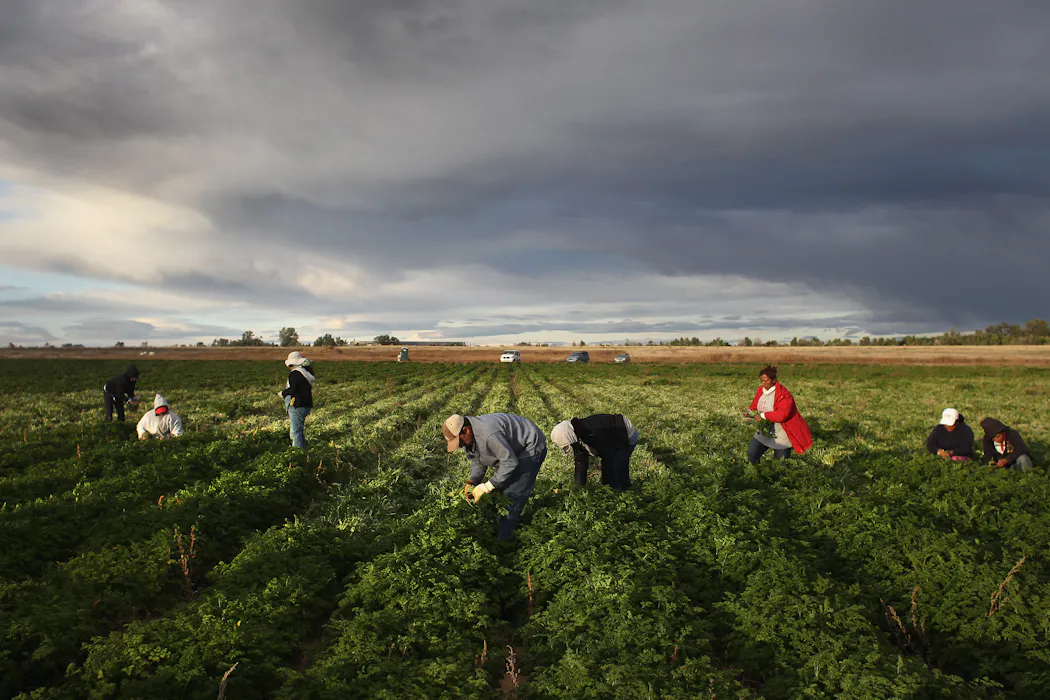
In Colorado, a national debate about the role of Latinos in American society has deep roots in the state’s history, current identity — and future.
I’m a professor of ethnic studies at Colorado State University. I recently published a book titled “Latino Colorado: The Struggle for Equality in the Centennial State.” In it, I explore how Latinos in Colorado have bridged Old West and New West industries to help our state grow. As a longtime resident of the state, I have witnessed many of these socioeconomic phenomena firsthand and through my research.
Latinos have always been a part of the Colorado story. Let’s look at some ways Latinos help drive the state’s economy and contribute to its unique culture and lifestyle.
Latinos were the first Coloradans.
San Luis was founded in 1851 by Hispanic settlers from northern New Mexico. It is the oldest continuously inhabited town in the state. In the late 19th century, Hispanic Coloradans and immigrants from Mexico fanned across the territory and later the state to work in mining, the railroad industry and the emerging agricultural sector.

In the fist decades of the 20th century, Colorado’s sugar beet industry relied heavily on Latino workers. Those workers then established Hispanic neighborhoods in cities along the Front Range and the Eastern Plains.
Colorado’s geographic diversity has led to the development of numerous economic sectors from so-called Old West industries like agriculture, cattle ranching and mining to New West industries like tourism, real estate and tech startups.
The running thread of Colorado’s diverse economic picture is its reliance on Latino labor, whether from U.S.-born or immigrant workers. The state has relied on this labor practically since the territory was acquired from Mexico in 1848. The region known as the Western Slope is a good example of this trend.
In the Western Slope, Latino workers were the muscle behind the building of railroad lines and the growth of the sugar beet industry in the early 20th century. Latino immigrants still work in the oil and gas industry and the fruit orchards that dot the region. But, more recently, their descendants have moved into the middle class. They’ve opened small businesses and some have even become white collar professionals.
As tourism began to flourish in the Western Slope in the 1990s, Latinos quickly became the indispensable labor force that kept the ski resorts, hotels and restaurants running. And as Baby Boomers began to retire and move to the region, Latino labor supported the construction boom fueled by this demographic shift. There is practically no sector of the Western Slope’s — and the state’s — economy that does not rely on Latino labor.
Latinos have also driven the Western Slope’s demographic growth. The expansion of the real estate and tourism sectors around the turn of the 21st century attracted tens of thousands of Latinos to the region. They came from Colorado’s Front Range, other U.S. states and Mexico and Central America.
Their presence has revitalized towns historically afflicted by the woes of the boom-and-bust cycles of the oil and gas industry. For example, along the west I-70 corridor, towns such as Eagle, Edwards and Gypsum in Eagle County, and towns like Glenwood Springs, Parachute, Rifle and Silt in Garfield County, have seen their Latino populations soar with the arrival of families attracted to job opportunities in resort destinations like Vail and Aspen. By 2020, Latinos made up more than a third of these counties’ total populations compared to the 1990s when Latinos made up less than 10% of the population in the region.
Further west, Montrose’s Latino population has grown in tandem with the popular resort town Telluride’s economic expansion. Nowadays, Latinos represent more than 20% of the Montrose County population compared to 12% three decades ago. Mesa County has the largest number of Latinos on the Western Slope, about 25,000, which make up 15% of the population. Latinos are mostly clustered in and around Grand Junction, the largest metro hub between Denver and Salt Lake City.
Like most working-class Coloradans, these Latino families typically cannot afford to live in the ritzy communities where they work. Many make long commutes over treacherous mountain roads to get to their workplace. Some juggle multiple jobs and rely on carpooling because they don’t own cars and don’t make enough money to afford their long, potentially dangerous commutes.
While the first-generation immigrants who came to Colorado’s Western Slope in the 1990s-2000s have a limited educational background and speak little English, their second-generation children are trying to realize the American Dream by moving into the middle class. This second generation benefits from a public education, command of the English language and greater knowledge of American society than their parents.
The U.S.-born descendants of Latino immigrants represent a tip-of-the-iceberg phenomenon. They currently make a large component of the school-age population in these counties. In another decade or two, they will join the labor force, pay taxes, vote and likely transform the demographics, culture and political status quo of these mountain communities.
Latino Coloradans’ story is fraught with challenges, too.
First-generation Latino laborers often endure long work hours for low pay, a high cost of living, occupational hazards and the stigma of racial discrimination. Moreover, shifting political winds represent a significant challenge for Latinos concerned about changes in U.S. immigration policies.
President Donald Trump’s recent immigration dragnet has reached the Western Slope, where Latino individuals have been routinely arrested and Latino families fear deportation. Many Latino families in Colorado are mixed-status families, in which some family members may lack U.S. citizenship or work visas and are subject to deportation. They feel targeted for the color of their skin, their accent or the jobs they do. The immigration operations are having an impact on the economy and social fabric of the communities where Latinos live and work.
Still, Latinos have grown deep roots in Western Slope communities. Grand Junction has a thriving Latino middle class and is home to the Western Colorado Latino Chamber of Commerce. Latinos, such as State Rep. Elizabeth Velasco, are running for office in the region and getting elected. Velasco represents House District 57, which covers Glenwood Springs and Aspen.
Latinos have always been an intrinsic feature of the Western Slope’s socioeconomic landscape, as ubiquitous as the area’s mountains, mesas and canyons. In cities like Grand Junction and Durango, and ski towns like Aspen, Telluride and Vail, they enrich the region’s economy, society and culture.
Read more of our stories about Colorado.

Ernesto Sagás does not work for, consult, own shares in or receive funding from any company or organization that would benefit from this article, and has disclosed no relevant affiliations beyond their academic appointment.
Politics + Society – The Conversation
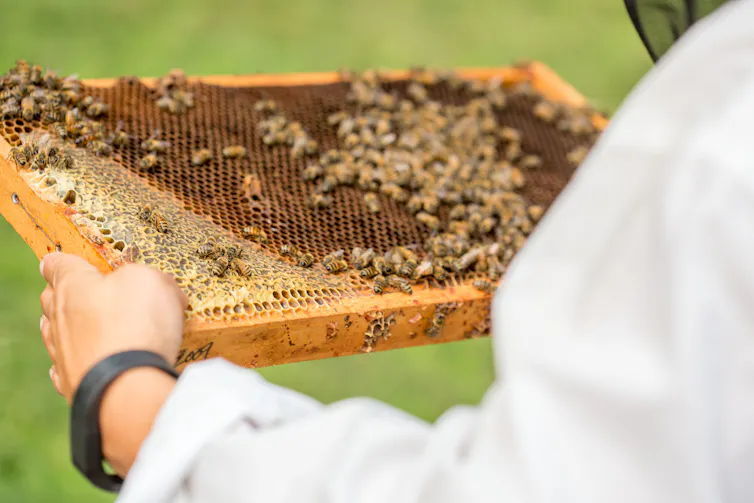
America’s bees and beekeepers are losing a valuable ally just when they need its help most.
The U.S. Department of Agriculture plans to soon close the Beltsville Agricultural Research Center, a 6,500-acre agricultural research station in Maryland that is home to the nation’s premier bee research and disease diagnosis hub, the Beltsville Bee Research Lab.
The closure comes at a critical moment for bees. In winter 2025, many beekeepers lost over half their operations as pesticide-resistant varroa mites spread, bringing deadly viruses. The losses have led to low honey production, and soaring fuel costs have made shipping bees cross-country for agricultural pollination increasingly expensive, further stressing the industry.

During my 14 years researching bees and beekeepers, and in writing my new book, “Bitter Honey: Big Ag’s Threat to Bees and the Fight to Save Them,” I’ve seen beekeepers frequently turn to the USDA bee labs for support during crises like this. Because honey bees contribute roughly US$15 billion to U.S. crop production – native and managed bees pollinate more than 130 crops – these labs help stabilize the nation’s food system.
Today, that scientific support system is at risk, just as beekeepers face their greatest challenges and native bee populations continue to decline.
USDA’s bee researchers have served beekeepers for over 130 years, including nearly 90 years at the Beltsville station. One of the Beltsville Bee Lab’s standout services is its bee disease diagnostic service, where beekeepers can send samples for analysis free of charge.
Since the early 2000s, Beltsville researchers have helped beekeepers respond to varroa mites – a primary driver of high colony losses each year. Now, the lab is helping them prepare for a deadlier mite that is infesting honey bees in Asia, Tropilaelaps mercedesae, or “tropi” mites – by developing detection and response protocols that beekeepers can use to protect their colonies.

While the Beltsville Bee Lab supports beekeepers nationwide, it’s located in a prime farming and beekeeping region. Its closure would leave a critical research gap in the Northeast, where beekeepers help pollinate cranberries, squash, blueberries and other crops.
Its location has also allowed researchers to conduct extensive studies on winter colony losses, research that would be difficult to replicate at the remaining USDA bee labs, which are primarily located in more temperate climates.
The USDA states that it will decommission the entire Beltsville Agricultural Research Center because building maintenance and renovations would cost an estimated $500 million. But closing the lab could cost beekeepers, farmers and consumers far more.
For example, in winter 2025, beekeepers experienced their highest losses in U.S. history. Many opened their colonies in January that year and found that more than 60% of their colonies had died – nearly 1.7 million colonies nationwide. Beekeepers contacted Beltsville, and researchers quickly flew out to test affected colonies for pesticide residues, diseases and varroa mites, data that could help guide beekeepers’ treatment response.
A few weeks later, as the lab’s scientists were working on the crisis, the Trump administration fired probationary researchers and staff at the bee labs, along with thousands of other employees across the USDA. The Beltsville team was hobbled, and the remaining staff restricted from communicating with beekeepers.
Because of the communication lockdown, it took nearly six months for researchers to deliver their findings. By then, the season was over and beekeepers had been forced to navigate the crisis on their own.
The loss of bee colonies ultimately cost beekeepers an estimated $600 million in lost honey production, pollination income and colony replacement costs – far more than the one-time projected costs to modernize the entire Beltsville Agricultural Research Center.
These losses can hit consumer pocketbooks too.
When beekeepers lose nearly half their operations, they often need to charge farmers more for pollination services to stay afloat. Those added costs can ripple through the food system and affect what everyone pays for the fruits, vegetables and nuts that depend on pollinators.

The Beltsville Bee Lab closure is not an isolated case. The administration has proposed eliminating the U.S. Geological Survey’s Ecosystems Mission Area, a move that could defund the USGS Bee Lab, an essential resource for research on native bees.
It also plans to decommission 16 USGS research centers nationwide, including the Northern Prairie Wildlife Research Center in North Dakota, the highest honey-producing state in the nation. For decades, beekeepers have brought colonies to forage on grasslands in the region. Researchers have been tracking how the shift from grasslands to crops has affected honey bee health and beekeeper revenue.
The U.S. Forest Service also faces widespread cuts, including the planned closure of 57 of its 77 research stations throughout the United States. Since the Forest Service manages over 193 million acres of federal lands that support native plants and pollinators, those closures could affect crucial pollinator habitat as well.
These closures risk a severe brain drain.
When the first Trump administration moved the USDA Economic Research Service from Washington to Kansas City, Missouri, in 2019, the agency lost over 75% of its experienced research staff. A recent survey suggests that history may repeat itself. If the reorganization goes through, farmers and beekeepers will lose experts with decades of institutional and technical knowledge.
The Beltsville Bee Lab is a key part of the often-unappreciated federal research infrastructure that supports the health of pollinators and the nation’s food supply.
If the USDA and the USGS move forward with their plans to close bee labs and research sites, the result could be slower responses to bee threats, weaker tracking of native bee populations and diminished pollinator habitat for bees – all of which raise costs and risks for beekeepers, farmers and everyone who depends on the food system.

Jennie L. Durant does not work for, consult, own shares in or receive funding from any company or organization that would benefit from this article, and has disclosed no relevant affiliations beyond their academic appointment.
Politics + Society – The Conversation
Reading Time: 2 minutes
Oh no!
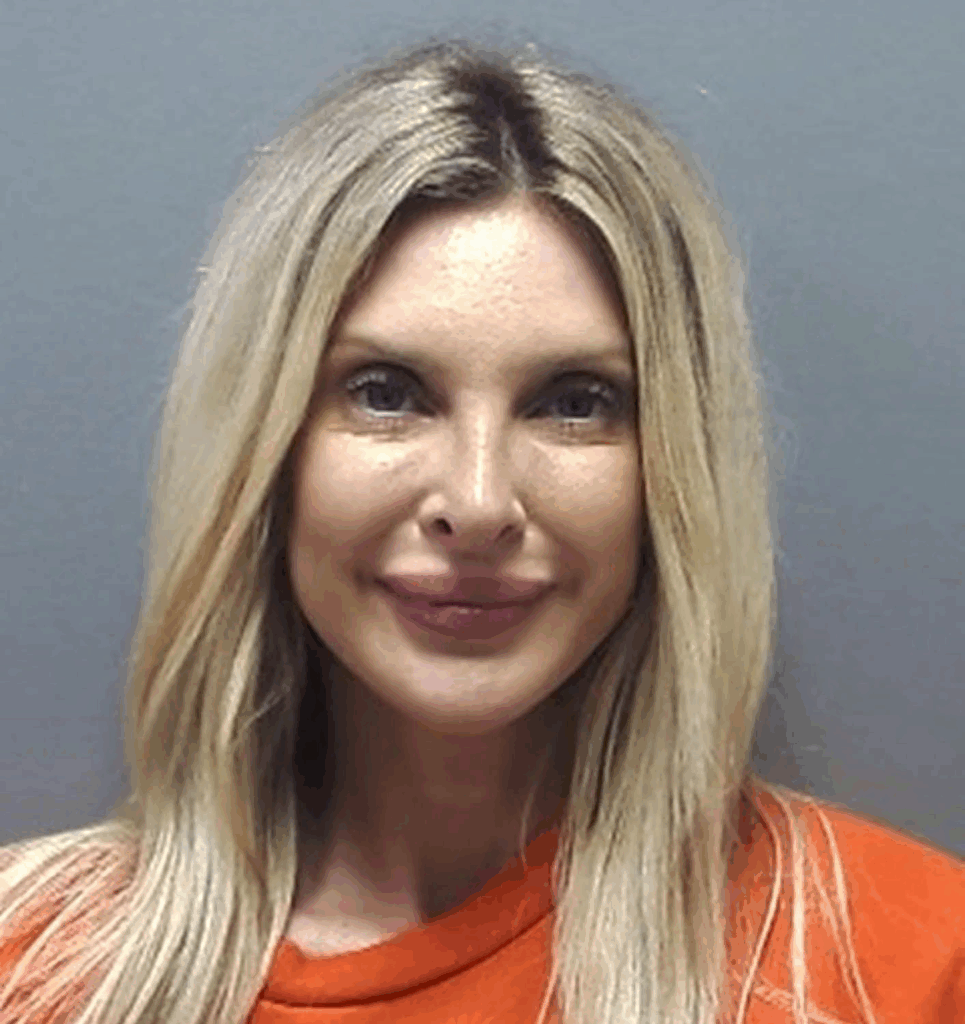
Over the holiday weekend, Lindsie Chrisley was booked and released on a DUI charge.
She says that her driving was the result of another driver’s antics.
Lindsie plans to contest the charge in court.
TMZ reports that, over the Memorial Day long weekend, Lindsie was arrested in Georgia.
On Saturday, May 23, she was pulled over on suspicion of a DUI.
At that time, an officer made the determination to arrest the podcaster and former reality TV personality.
Lindsie was then jailed before being released on bond early on Sunday morning.
Sometimes, public figures seek a plea and reduced charges after a DUI, perhaps putting out a statement. What’s Lindsie’s next move?
Lindsie spoke to TMZ to explain what went down — and what she plans to do about it.
“I got pulled over speeding past a car on a two lane road,” she confirmed.
Lindsie explained that this was “because they almost hit an animal and I was trying to miss hitting them and whatever the animal was.”
In other words, she is saying that her driving was not to blame — that she was responsibly navigating around a speeding car in order to avoid a collision.
Additionally, Lindsie told TMZ that she was released pretty much immediately after her arrest. She intends to fight the charge in court.
Lindsie has been through a lot, and we don’t just mean coming from a notorious family and all that they put her through.
As we recently reported, she and her ex, David Landsman, had a nasty breakup.
Police were called.
Though Landsman accused Lindsie of punching him in the face, presenting an injury near his eyes, police observed multiple injuries on Lindsie.
Upon looking at the evidence, officers arrested Landsman for aggravated assault — including strangulation.
Lindsie’s charges include speeding, swerving, and the alleged DUI.
Now, her explanation accounts for both the speed and manner in which she was driving at the time.
If police tested and conclusively found that she was driving under the influence, that could be an added challenge.
Another driver avoiding striking an animal could explain the rest, but not that.
But we’re glad that, whatever happened, no one appears to have been hurt.
Lindsie Chrisley Booked on DUI Over Holiday Weekend, Plans to Fight the Charges was originally published on The Hollywood Gossip.
The Hollywood Gossip