Categories
Sports Fox

‘Delusional Until It’s Done’: A Mexico Legend Predicts El Tri’s World Cup Result

Mexico’s all-time leading goalscorer, Javier “Chicharito” Hernández, shared his prediction for El Tri ahead of this summer’s FIFA World Cup. Appearing on a FOX Sports roundtable alongside former United States men’s national team star Alexi Lalas and Canadian great Dwayne De Rosario, Hernández didn’t shy away from the never-ending drama surrounding Mexico’s squad at this summer’s 48-team tournament. Hernández’s bold vision for his country serves as the driving factor of a wide-ranging discussion between representatives from each host nation. Mexico’s ‘Soap Opera’ Soccer Identity To understand the foundation of his bold forecast, you first have to look at the immense cultural clutter Hernandez had to tune out during his playing days. Mexico’s soccer landscape has historically been trapped by its own desire for dramatic narratives, similar to the storylines in Mexican telenovelas. “Because of the soap operas, the culture that we are, we see ourselves only as the heroes or villains,” Hernandez said. “They need to see you sweat, scream, fight for your country, giving it completely all.” For Hernandez, breaking this cycle of extreme media theater is the crucial first step if Mexico wants to find success this summer. “The way that those things happen, then, instead of helping your own country, it’s the other way around, it’s unnecessary noise, pressure, or whatever you want to (call it), it’s unnecessary,” Hernandez said. Are The Expectations For Mexico Justified? Because Hernandez is predicting a historic performance, the fairness of public expectation remains a question mark. Lalas questioned if El Tri fans have unrealistic goals for the team. Hernandez flipped the script, clarifying that while demanding the best is fair, wanting to see a playing style that doesn’t match the roster’s current makeup is useless. “I don’t need to be or have the same quality as you, but I can give the same results, so that puts the perspective and the expectations in (perspective). We don’t have the same quality as Brazil. We’re not gonna play the Jogo Bonito,” Hernandez pointed out. “That’s what Mexico (fans) always expect of you: play nice, play Tiki Taka, score 20 goals, defend, (don’t concede) goals.” Instead of chasing a superficial style similar to other nations, Hernandez insists fans must embrace not always being favored to win. “That’s the beauty of sports. You can win games without being the best (in) the game,” Hernandez added. Criticism Of Mexico’s Style Of Play Faced with constant backlash, critics and fans alike claim modern Mexican players are too fragile to handle public scrutiny. Hernandez rejected this idea, stating that the squad accepts fair evaluations but demands that fans stop comparing them to foreign heavyweights. “People think that when players come and say ‘this is too much,’ or, ‘they don’t like criticism.’ No, it’s not about that. We are still Mexico, guys. I love my country till death, but we are still Mexico. We are not Italy,” Hernandez stated bluntly. “We can still win in our way.” To achieve his projected deep run, Mexico must maximize its own identity. “We need more realistic expectations,” Hernandez said. “Focus on what you are good (at), like try to explore those qualities, and try to win games however you can win.” The Power Of El Tri’s Fan Base While the relentless traveling crowd of El Tri fans used to infuriate Lalas, Hernandez views this fierce, borderless devotion as the ultimate superpower that will anchor his World Cup prediction. He shared an emotional memory from the 2018 tournament to illustrate the scale of the El Tri faithful. “In the World Cup in Russia, when we played against Germany, that’s why I cried, and I was so emotional, because it’s insane,” Hernandez remembered. “We’re in Moscow, playing against the actual world champions, and we were having a home game.” De Rosario noted that Canada hopes to build that “12th man” energy, but Hernandez reminded him that Mexico commands home atmospheres anywhere in North America. “During one of the last games that I played (against Canada in Canada), I think it was in Vancouver… we were the home team, we were local,” Hernandez said. Hernandez’ Prediction: ‘Dream Big’ Everything builds to the ultimate question: can Mexico finally shatter the quinto partido curse – which is about reaching the quarterfinal game, aka the fifth game at a World Cup tournament – which now means reaching the sexto partido (sixth game) in the new 48-team layout that includes an extra knockout round? Hernandez told Lalas he expects El Tri to top Group A (which includes South Korea, Czechia, and South Africa) and get past the round of 32. Then Lalas asked what would happen during the round of 16. “What we all want to see happen … they go through,” Hernandez replied. Lalas pressed him on reality versus hope. Hernandez differentiated the concept of staying stuck where you traditionally perform from failure. “In my country, they love to say, ‘if we don’t go to the quinto partido it’s a failure,’ it’s not a failure. We’ve been used to do that. We still are. Qatar was a failure. You didn’t go through group (stage). That’s a failure, because we were used to (getting) to (the) round of 16,” Hernandez explained. Despite a less than ideal cycle, Hernandez remains highly optimistic for El Tri, even when Lalas asked if he envisioned a dream scenario with Mexico reaching the final. “I’m a strong believer, I am Mexican, it feels better to hope for the best. Dream big,” Hernandez admitted. “I love this phrase ‘They (call) you crazy until it’s done,’ you know, ‘delusional until it’s done’… I know about some of the players that are there… they’re going to do way better than a lot of people think, because why not?”​Latest Sports News from FOX Sports

Categories
Politics

Knicks fever hits the pols

Your local city comptroller is rooting for the New York Knicks, if you didn't know.

LAYUP: The New York Knicks are in the NBA finals, and politicians can’t seem to get enough of it.

They’re hosting invite-only watch parties as an excuse to butter up the political press and cash in on the cultural cachet.

They’re deploying taxpayer-funded staff to film and edit Knicks-focused social media clips of themselves, fit with music, multiple shooting locations and a whole lot of hype.

And they’re even mocking up government documents in an effort to spread good vibes — and good publicity — around New York’s basketball team.

It feels like Empire State’s electeds are jumping at every opportunity they can to graft their political brands onto a once-in-a-generation milestone for the Knickerbockers, and it’s happening everywhere you look.

“There is a real unique hunger that is both exciting and unifying about this year and this run that a lot of candidates are trying to tap into,” said Matt Rey, a Democratic operative with Red Horse Strategies. “It’s really hard to reach people on anything live now, except for sports, and this is the height of it, especially for a local area … Any way that you can advertise during, before, after games in the finals is the best chance you have to reach the most amount of Democratic primary voters, bar none.”

Mayor Zohran Mamdani got in on that opportunity Wednesday night when he starred in a commercial that aired during Game 1 and featured the mayor’s three favored congressional candidates dishing the rock to each other as if they left their day jobs to become full-time hoopers.

He also revealed this morning he’ll be at Monday night’s game, and paying for his own ticket — which will cost the former rent-stabilized tenant a pretty penny.

President Donald Trump also plans to attend, and Mamdani demurred when asked if he was invited to sit with the president or plans on holding some sort of in-person meeting while Trump is in town.

“I’ll keep the nature of those conversations between the two of us,” Mamdani told 1010 WINS.

The mayor is making his Knicks fandom known in other ways, like drafting up an executive order allowing kids to stay up past their bedtimes to watch the Knicks (It’s the law, mom!), inviting the San Antonio Spurs’ center Victor Wembanyama to participate in the next Charter Revision Commission meeting, and commissioning Knicks-themed art for City Hall’s rotunda and steps.

Other more staid politicians are getting in on it too. Crime-prosecuting Manhattan District Attorney Alvin Bragg happily turned his press conference about the indictment of a brazen retail theft ring into an opportunity to talk Knicks basketball.

And the irreverent Assemblymember Jenifer Rajkumar posted an AI graphic of herself with two of the team’s star players, as if the three are all pals.

“New York, it’s time. Let’s. Go. Knicks. 🏀” she said.

Then there’s the bets: the cliched wagers between elected officials from different cities, where the losing team’s city or state’s quintessential food is sent to the winning team’s supporters. Sen. Kirsten Gillibrand is betting Texas Sen. Ted Cruz slices of Joe’s Pizza and some Brooklyn Lager — and she’ll get to down Texas BBQ if the orange-and-blue win. Nick LaLota is betting a 6-foot hero on the Knicks winning, in a wager with a Texas congressman. And the New York City Council is putting bagels on the line in a wager against the breakfast-taco-eating San Antonio City Council.

For those electeds considering whether or not to jump in on the trend, Rey, the Knicks-fan-turned-Dem-operative, has some advice: “Don’t be a bandwagon fan.”

“If you’re into this run, go all for it, because this is exciting to you, and is part of what makes you unique, but if it doesn’t make you unique, find something else,” he said.

Gov. Kathy Hochul, for her part, isn’t betting anything. She shut the door on any friendly wager with the Lone Star State after the Texas Gov. Greg Abbott published an AI-generated image of dunking on Hochul.

For Hochul, a famous Bills fan, the bar for glomming onto — and embracing — any sort of athletic energy that engrosses New York is low.

“I’m fired up,” she said at a press conference Thursday, where both the World Cup and NBA Finals were discussed. “I’m excited about this. I’m a huge sports fan, whatever it is. If there’s a ball involved, I love it.”

From the Capitol

The New York legislative session concluded early Friday morning.

THE LEGISLATIVE FINALE: The annual legislative session is crawling to a close with the Assembly spending today chipping away at its final package of bills.

The Senate concluded its business at 1:30 this morning. Assemblymembers are expecting to wrap up this evening — but optimism that the final buzzer will sound before the Knicks tip off at 8:30 p.m. is ebbing.

A good chunk of the final day was spent unanimously passing a bill from Assemblymember Alex Bores that would impose regulations on how AI chatbots interact with minors. The bots would be banned from engaging in sexually explicit conduct or encouraging kids to commit suicide.

“If you cannot make chatbots safe for children, you should not make them available to children,” said Bores, who’s running in a hotly-contested congressional primary. “I cannot think of a more appropriate bill to be my final bill in the chamber.”

The Assembly also debated a constitutional amendment that would move elections such as upstate mayoral contests and district attorney races to even-numbered years.

Democrats have argued the shifts will improve turnout in under-the-radar races and save money since polling sites will be opened less often. It’s much easier for voters “to put their energy into these elections all at once, instead of being stressed out every year about different offices,” Assemblymember Sarahana Shrestha said.

Republicans have long opposed this, as well as 2023 legislation that moved most town and county races to even-numbered years, saying the shifts will politicize elections that should be decided by who’s best at managing snow plows.

“This is blatant power grab number four,” Assemblymember Joe Sempolinski said, summarizing a week when Democrats also passed measures on congressional redistricting, judicial redistricting and ending the bipartisan Board of Elections’ power to choose the wording for referenda.

“All of those are very partisan attacks on the integrity of our democratic institutions,” Sempolinski said. “What the people back home want us focused on is making their lives better, making their lives more affordable, not what we’re doing — which is the Democratic Party seizing more power for itself.” — Bill Mahoney

FROM CITY HALL

The New York Police Department's overtime costs are set to reach $890 million, which the City Comptroller Mark Levine could be avoided.

OVERKILL: A new report from City Comptroller Mark Levine found the majority of NYPD overtime — an outlay that routinely costs the city around $1 billion annually — comes from events that are known well in advance and could be better planned for.

“Overtime spending has been a clear cost the NYPD wants to rein in, especially as New York City seeks to reduce recurring expenses in light of projected budget gaps,” Levine said in a statement accompanying today’s report. “Overtime should be used when absolutely necessary to enable police officers to keep communities safe.”

During last year’s mayoral campaign, Mamdani pledged to rein in OT spending that has regularly been underbudgeted in the city’s annual spending plan, creating an unwelcome and pricey surprise when the bill comes due.

In the current fiscal year set to end June 30, Levine projects NYPD overtime costs will reach $890 million, the third-highest year on record.

To rein in costs, Levine suggested the department better manage staffing for parades, quality-of-life initiatives and other predictable events to prioritize regular shifts. He also recommended holding specific commands accountable when they routinely blow their overtime budgets, mandating rest periods for officers who work extended shifts to avoid fatigue and creating a more comprehensive accountability structure that could be audited.

NYPD Commissioner Jessica Tisch has pledged to get a better grip on overtime spending too, and Levine’s report suggested that her efforts have produced some preliminarily positive results.

But a confluence of summer events including the World Cup, the NBA finals and celebrations for America’s 250th anniversary are expected to add around $92 million to the NYPD’s overtime budget for the upcoming fiscal year, though some of that will be covered by federal dollars.

At a recent City Council hearing, where Tisch said the department’s overtime spending has also gone up because of salary increases and general inflation, she pledged to balance the demands on the department with the fiscal goals of the comptroller and mayor.

“This uniquely busy period will lead to an increase in overtime spend,” she said. “However, this increase does not change our overtime management plan or our priority to ensure the safety of all New Yorkers while being a responsible fiscal steward.” — Joe Anuta

PENN DRAMA: Rep. Jerry Nadler is fuming over legislation pushed by a developer selected to redo Penn Station.

Before Amtrak picked Halmar to overhaul Penn in May, the developer shopped a bill on Capitol Hill to allow the railroad to benefit from nearby commercial development.

The effect of the legislation would be to supplant a now-paused deal between the state and midtown developers, including Vornado, to fund billions of dollars in upgrades to the rail hub using so-called payment in lieu of taxes, or PILOT, incentives. Under the bill, the developers could strike a deal with the Trump administration and make payments to Amtrak, cutting out New York officials. The head of Vornado, Steve Roth, is a former business associate of the president’s.

Nadler was the only member to vote against the idea in committee when it was attached as an amendment to a surface transportation bill. The Democrat dinged the plan as a giveaway to developers and an effort to bypass local accountability.

“This is a handout to Donald Trump and his real estate buddies, and New Yorkers will pay the price,” Nadler said in a statement to POLITICO.

Halmar, which Amtrak awarded master development rights to in May, approached Nadler in mid-March with bill language. That was after Amtrak had floated the idea of using PILOT incentives to help it pay for the new Penn Station — but before Halmar was tapped as the winning developer.

The amendment was introduced by Rep. Addison McDowell (R-N.C.) and backed in committee by Rep. Seth Moulton (D-Mass.). Both see the bill, which has broad language that applies outside of New York, as a way to make it easier for Amtrak to fund upgrades across the country.

“This is maybe the first time I’ve ever heard a Democrat not support Amtrak making these kinds of decisions,” Moulton said as he and Nadler briefly sparred over the amendment during a May 21 hearing.

Halmar declined to comment. A spokesperson for Vornado did not respond to a request for comment.

It remains unclear whether other Democrats will come out swinging against the idea, which supporters say could help speed up development around mass transit hubs — an idea that’s generally appealing to Democrats. — Ry Rivard

FROM THE CAMPAIGN TRAIL

Incumbent Rep. Adriano Espaillat and Mamdani-backed challenger Darializa Avila Chevalier will debate on Telemundo on June 17.

DEBATE-A-PALOOZA: One of the city’s suddenly most competitive races will be getting a high-profile debate before the primary.

Rep. Adriano Espaillat and Darializa Avila Chevalier — his Mamdani-backed challenger — will take the stage on June 17 for a debate hosted by Telemundo 47/WNJU. Theo Chino-Tavarez and Oscar Romero, two other candidates vying for the seat, will appear as well.

The debate will be conducted exclusively in Spanish. Hispanic residents make up around half of the district, which includes parts of upper Manhattan and the Bronx.

The primary has heated up since Mamdani weighed in for Avila Chevalier last week. On Friday, a day after a testy forum on WNYC between Espaillat and Avila Chevalier, both campaigns held events in Harlem touting their respective progressive backing. Madison Fernandez

IN OTHER NEWS

BATTLEGROUND: Espaillat and Avila Chevalier are intensifying outreach to Harlem’s Black electorate, a crucial bloc in the closely watched primary fight. (The New York Times)

‘BLINDSIDED’: Parents of trans children say Mount Sinai plans to share records of children receiving gender-affirming care with the Trump administration. (Gothamist)

MR. MET: Ali Najmi, former election attorney to Mamdani and head of NYC’s commission to select local judges, is now working for billionaire Mets owner Steve Cohen. (Hell Gate)

Missed this morning’s New York Playbook? We forgive you. Read it here.

​Politics

Categories
Entertainment

Susan Boyle Reveals Relationship Status in Rare Life Update

Susan BoyleSusan Boyle doesn’t dream of settling down.
The 65-year-old, who became an overnight sensation thanks to her 2009 Britain’s Got Talent audition during which she shared she’d never been kissed,…
​E! Online (US) – Top Stories

Categories
Music

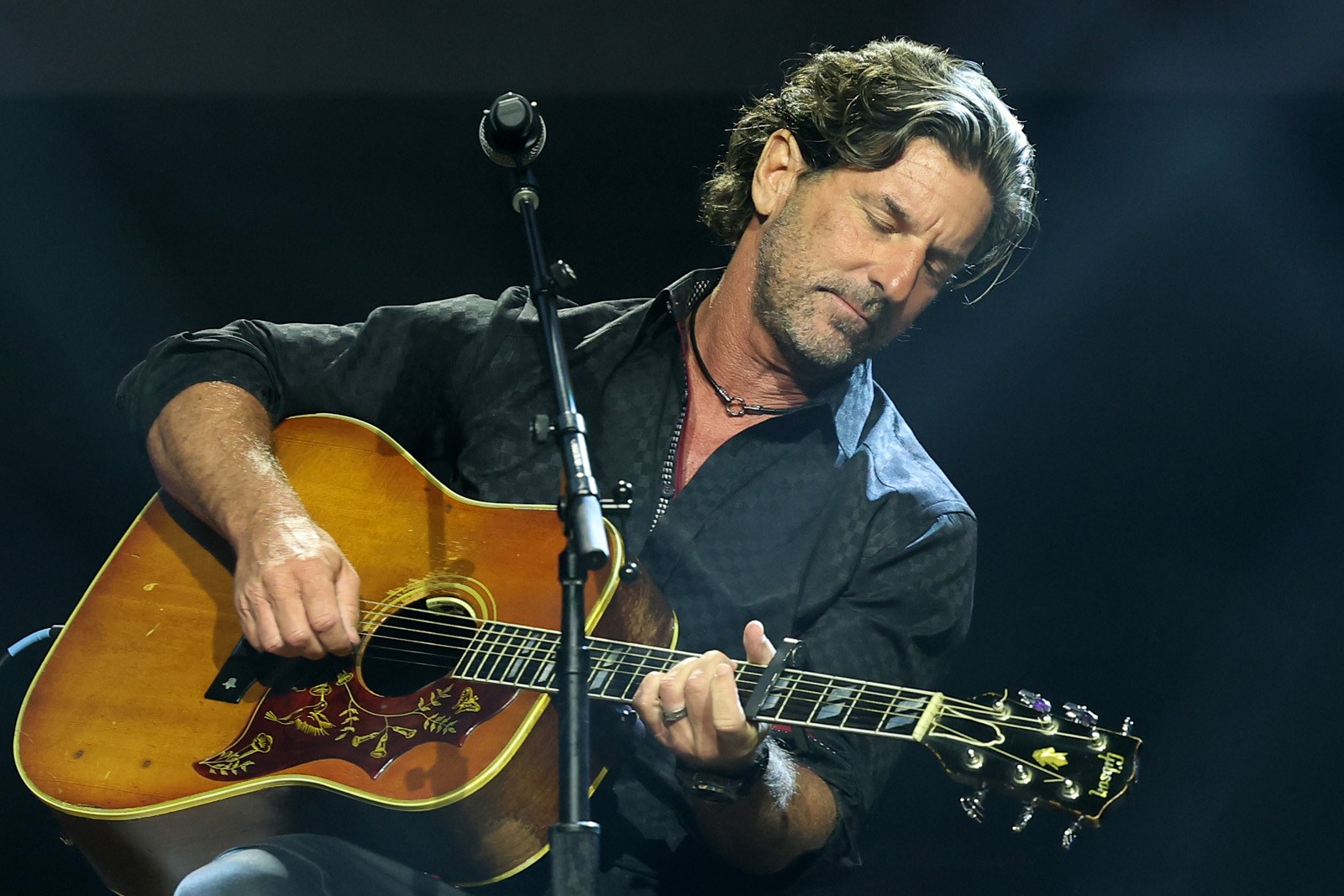
13 Brett James Songs You’ve Known + Loved for Years

To boil Brett James down to any two or three songs would be lazy, insincere and just plane rude. Continue reading…​The Boot – Country Music News, Music Videos and Songs

Categories
Music

13 Brett James Songs You’ve Known + Loved for Years

To boil Brett James down to any two or three songs would be lazy, insincere and just plane rude. Continue reading…​Country Music News – Taste of Country

Categories
Alaska News

Alaska gas pipeline developer says it’s open to price controls on natural gas for Alaskans

Members of the Senate Finance Committee convene on the first day of a special legislative session on the proposed LNG gas line project on May 27, 2026. (Photo by Corinne Smith/Alaska Beacon)

Members of the Senate Finance Committee convene on the first day of a special legislative session on the proposed LNG gas line project on May 27, 2026. (Photo by Corinne Smith/Alaska Beacon)

The firm developing the proposed trans-Alaska natural gas pipeline has proposed limiting the price for natural gas sold through the pipeline to Alaskans. 

If accepted by legislators, the limit would prevent the cost of gas from rising if the pipeline costs more than expected.

The new proposal from pipeline developer Glenfarne comes as the Alaska Legislature continues meeting in a 30-day special session, considering a major tax break to support the AKLNG pipeline project. That project aims to build an 807-mile pipeline to bring natural gas from the North Slope to Cook Inlet for export and in-state use.

A price cap could resolve one sticking point in negotiations over the proposed tax break, but with half of the special session gone, a variety of other issues remain unresolved.

Those include basic elements about the tax break, including its size and length, as well as how municipal governments will be compensated for the impacts of construction, which is expected to bring as many as 12,000 new workers to the state temporarily.

The House Finance Committee is expected to begin voting on possible solutions to those issues next week.

Natural gas is the primary fuel for home heating and electricity in Southcentral Alaska, but  officials estimate that by the end of the decade, local production from gas fields beneath Cook Inlet will be insufficient to meet demand.

Prices are already rising, and several gas-import projects have been proposed. The AKLNG pipeline is another possible solution, but because the pipeline and supporting infrastructure are so large, the project would need to also sell gas overseas in order to offset costs.

If the pipeline is built but no exports take place — something that could happen if the pipeline costs more to build than expected — the Alaska Department of Revenue has estimated that AKLNG gas would be much more expensive than imported gas.

In legislative hearings, that risk has caused some lawmakers to question the project.

Speaking to the Senate Finance Committee on Wednesday, Glenfarne Alaska LNG president Adam Prestidge said the company is on the verge of finalizing a firm, 30-year contract with Enstar, the largest natural gas utility in Southcentral Alaska.

That fixed-price arrangement would guarantee natural gas at no more than $16 per MMBtu, a measurement of heat capacity. 

If the pipeline costs more than expected, cost overruns would not be passed on to consumers, said John Sims, Enstar’s president, when speaking to the House Finance Committee on Monday.

“Enstar’s agreement has a fixed price, and Enstar does not care if the project goes over cost. It does not impact in any way, shape, or form the price that we would be charging customers as a fixed price,” he said.

Rep. Alyse Galvin, I-Anchorage, immediately responded to Sims’ comment.

“A lot of us are very excited to say, yes, I 1,000% support this, because I want to keep low prices,” she said.

Capped price would be cheaper than imported gas

The figure given by Prestidge is equivalent to about $16.59 per thousand cubic feet of natural gas, using a standard conversion. That is cheaper than the forecast price of imports.

Dan Stickel, chief economist for the Alaska Department of Revenue, told legislators in late May that the department’s estimate for the cost of imported gas in 2033 — AKLNG’s planned completion date — “came to about $17 per thousand cubic feet price range.” 

Sims told legislators on Monday that Enstar currently expects a “total, all-in cost between $16-22” per thousand cubic feet for imported gas. 

Enstar’s current cost of gas is $10.80 per thousand cubic feet, but that will rise in coming years as production declines in Cook Inlet. 

The $16 per MMBtu figure is a maximum, Prestidge said. If the pipeline is developed according to plan, exports would subsidize the cost of in-state gas, dropping it as low as $5 per MMBtu, he said.

Glenfarne’s $16 figure could rise with inflation, Prestidge said, but it wouldn’t be affected by cost overruns on building the pipeline.

Prestidge told the Senate Finance Committee that Glenfarne is open to applying a price cap on gas sold to other utilities and industries that might use natural gas.

“Glenfarne is supportive of language being added to any property tax bill that prohibits cost overruns on the project from being borne by either the state or the regulated ratepayers who are buying gas off the pipeline,” he said.

While a final deal between AKLNG and utilities is subject to approval by regulators, a price cap would directly address legislators’ concerns about affordability.

“I think putting that (cap) in a bill would provide a ton of reassurance, because it substantially mitigates your risk in a low-volume scenario,” said Rep. Zack Fields, D-Anchorage.

Sen. Kelly Merrick, R-Eagle River, listened in person to Prestidge on Wednesday.

“I don’t know if $16 is the perfect cap, but it’s addressing a significant concern and protecting Alaska ratepayers,” she said.

Long-awaited pipeline cost estimate met with mixed reaction 

On the same day that Prestidge discussed the price cap, he also disclosed updated cost estimates for the pipeline project, saying the first phase of the project is now expected to cost between $13.2 billion and $16.9 billion. 

Building facilities needed for gas exports would raise the cost to between $44.5 billion and $54.5 billion, Glenfarne estimates.

Legislators have previously criticized a lack of updated cost estimates, saying their absence is hampering their ability to work on a tax break.

Sen. James Kaufman, R-Anchorage, said the new data and the proposed cost cap “was kind of a tipping point” in discussions.

“I think it gives us more information to do our due diligence,” said Sen. Lyman Hoffman, D-Bethel and co-chair of the Senate Finance Committee.

Alaska currently levies a 2% tax on oil and gas property. Cities and boroughs are permitted to claim some or all of that tax on property within their boundaries. 

To incentivize AKLNG investors, Dunleavy proposed replacing the property tax with an “alternative volumetric tax” of 6 cents per thousand cubic feet of gas shipped through the pipeline. The change would effectively result in a 90% tax break, and there would be no tax during construction, because gas isn’t yet being shipped. 

The impact of the switch would be heaviest on municipalities. They would have to deal with the consequences caused by having thousands of extra people living nearby, but they would have little (or no) new tax revenue to cover the resulting costs.

The North Slope Borough funds most of its services through the petroleum property tax and has opposed Dunleavy’s proposed change.

Rep. Robyn Niayuq Frier, D-Utqiagvik, represents the North Slope. She has deep concerns about the switch to a volume-based tax and thinks Glenfarne’s new cost estimates are still too low. 

“I think there are a lot of people who are having these conversations who think that there’s no way this is actually going to happen, that this is a pipe dream,” she said of the pipeline project.

The House and Senate Finance committees are considering whether to set the natural gas tax at something like 40 cents per thousand cubic feet — or higher — and how long the switch from a property tax to a volumetric tax should last. 

That would reduce the size of the break that Dunleavy requested and increase the amount the state and boroughs would collect in revenue.

Dunleavy has suggested that the new tax should last the life of the project. Other legislators, including Frier and Sen. Bert Stedman, R-Sitka, are suggesting shorter terms. 

Lawmakers are also debating the size of a proposed “impact fund” that Glenfarne would provide to cover the costs that cities and boroughs would incur as thousands of workers gather to build the pipeline.

Legislators also haven’t decided what communities would be eligible for the fund or how the money would be distributed.

The House Finance Committee is scheduled to begin debating the unresolved issues on Monday and could advance a bill to the House floor as soon as the second half of next week. 

The Senate could take up that measure on the week of the 15th, but with the special session ending on June 19, there’s a real risk that legislators will run out of time before they decide the multibillion-dollar issues at stake.

“We have to find a product that meets the polar opposite forces that are out there,” said Speaker of the House Bryce Edgmon, I-Dillingham.

“The needle’s not been threaded yet, and if we don’t get the needle threaded … I think ultimately, then the 30 day special session is — I don’t know what’s going to happen. I just, quite frankly, don’t know.”

Correction: This article has been updated to clarify that legislators are considering taxes per thousand cubic feet of gas, not per cubic foot. The initial version of this article included incorrect units in one sentence.

Categories
Sports Fox

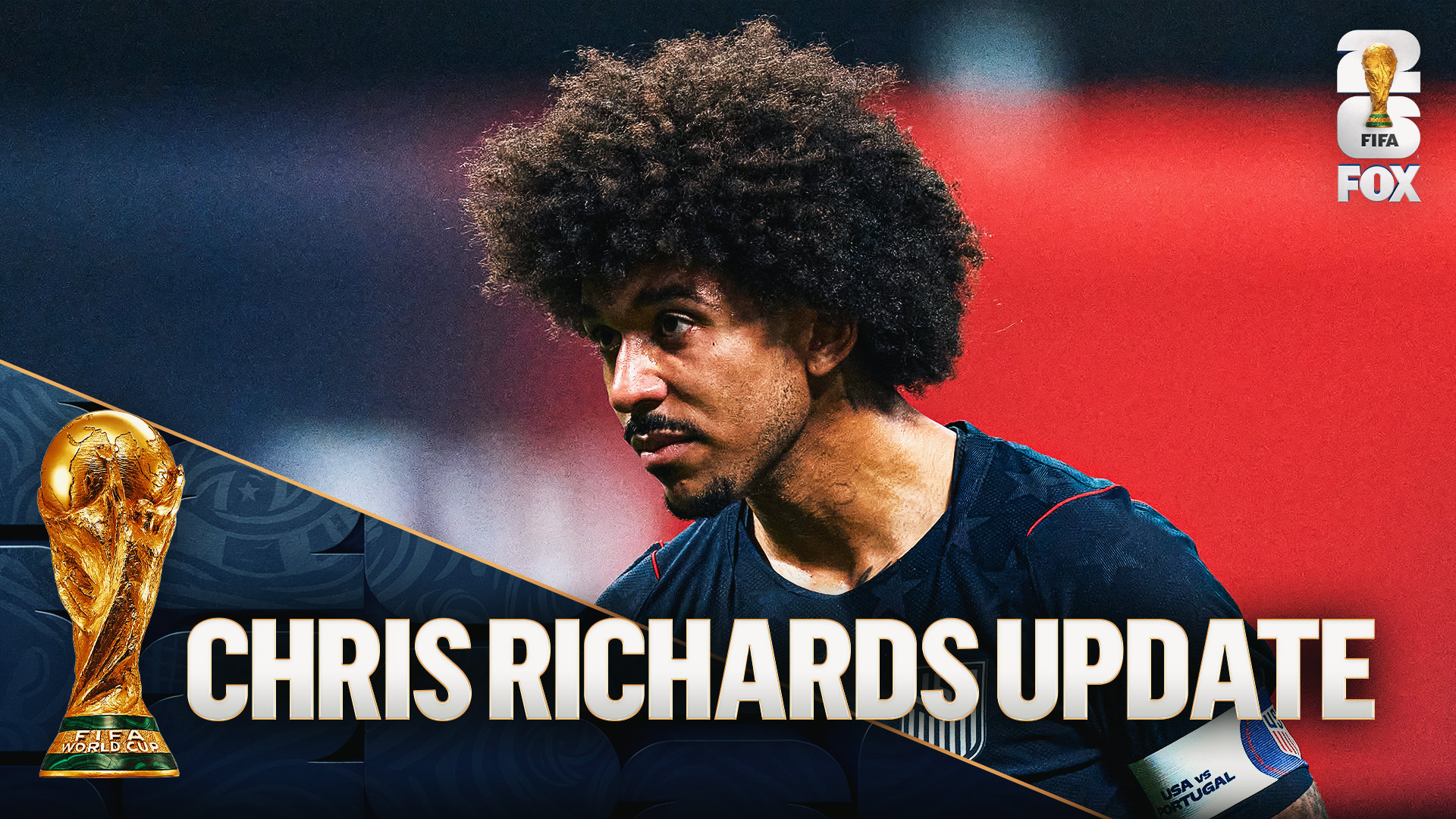
USA’s Last Pre-World Cup Test Comes Amid Injury Uncertainty For A Key Defender

CHICAGO — The vibes around the United States’ World Cup team are viscerally on the rise following Sunday’s 3-2 exhibition win over Senegal, though concern remains about center back Chris Richards. On Friday, U.S. coach Mauricio Pochettino said that Richards, the Americans’ most important defender who damaged ligaments in his left ankle last month, will miss Saturday’s final pre-World Cup tune-up against four-time champions Germany at Soldier Field. “Today he’s training,” Pochettino told me during his pre-match press conference and shortly before putting all 26 players on the World Cup roster, including Richards, through their paces at the training facility of MLS club Chicago Fire. “But still he’s not ready to compete, to play.” That’s certainly not ideal for the tournament co-hosts, who kick off their World Cup campaign on June 12 in Los Angeles against Paraguay. It’s even more concerning given that both goals the USA conceded against Senegal were preventable. The home side allowed 10 shots in total, four of them on target. Cleaning up those mistakes will be imperative at the main event, where errors are typically punished ruthlessly. Which makes the Germans an ideal opponent to face in the last match before the results actually begin to matter. At the World Cup, points — not vibes — are the only thing that counts. That’s not to say Saturday’s contest is meaningless. Far from it. The U.S. was badly outclassed the last time they met Die Mannschaft, a 3-1 friendly loss in Connecticut in October 2023. The Stars and Stripes have struggled against European opponents dating back to their round of 16 loss to the Netherlands at the 2022 World Cup in Qatar. They were outscored 7-2 in March defeats to Belgium and Portugal, two other stout European foes. Yet while upsetting Germany without Richards would provide a huge boost of confidence ahead of the World Cup opener, a good performance from which everyone exits healthy is the desired outcome. A victory would be gravy. Midfielder Weston McKennie started that last U.S.-Germany meeting in 2023, logging 75 of the 90 minutes. “I think that game showed, obviously, the quality that they have,” McKennie said following Friday’s training session. “But also the quality that we have as well. We had the potential to win that game as well.” It’s true. Christian Pulisic scored a screamer to give the U.S. a 1-0 lead before Germany roared back with goals by İlkay Gündoğan, Niclas Füllkrug and Jamal Musiala. Only Musiala remains on German manager Julian Nagelsmann’s roster for Saturday’s contest and the World Cup. The USA’s squad has had even more turnover. Several U.S. players projected to start when the games get real — goalkeeper Matt Freese, defender Alex Freeman — hadn’t played an international match then. Freeman, now on Spanish club Villarreal, had just one minute of MLS play under his belt with former club Orlando City. “We go into this game with a lot of players that haven’t played against them yet,” McKennie said.  “So I think the new energy, the new style, just the new circumstances in general leading into a World Cup, I think it’s going to be a great test for us. “We’re going there with the same mentality that we always go out with,” he added. “To win the game.” For Pochettino, it’s the final dress rehearsal, he and his staff’s final chance to tinker and coax and collect a few more potentially crucial data points ahead of the World Cup itself. “It’s a great opportunity after Senegal,” he said of taking on an adversary as dangerous and experienced as the mighty Germans. “It’s going to be a really different team that we are going to face.” If missing helps Richards be ready six days later, it’s a price Pochettino and his players are happy to pay. “Chris Richards is on the right path to coming back — I think everyone trusts his body and what he feels and the coaching staff as well,” McKennie said. “He’s an important piece of the group: his energy, his leadership on and off the field, and so obviously we’re just all behind him and can’t wait to have him back. “The energy is great,” he continued. “We’re all just excited for the game against Germany, and also for the tournament to start.”​Latest Sports News from FOX Sports

Categories
Sports Fox

3 Things I Learned On USA’s Sideline During Senegal World Cup Tune-Up

Last Saturday’s win over Senegal felt like a breath of fresh air for the United States men’s national team. I could see it from the players as they walked on the field and out of the tunnel. Snoop Dogg was blaring in the stadium, and there was a positive and confident energy that the Americans need to maintain entering the World Cup. I could see it during the national anthem. Players were singing and focused instead of just having their hands on their heart. They were locked in, and I thought, “Wow, this is a team that looks ready for the World Cup regardless of the result of today’s match.” Here’s what I learned from the win over Senegal. USA took that energy and intensity and used it on the pitch, using a system that required high pressing and a lot of movement. It’s the style of play that head coach Mauricio Pochettino expects out of his squad, and it’s what he got from the start against Senegal. We saw basically two different teams between the two halves against Senegal with 10 changes being made at halftime. Sebastian Berhalter was the only starter to get minutes in the second half, of which, in my opinion, he did a fantastic job covering so much ground in midfield and being the work horse in the midfield. Both lineups looked good, but there were things that, of course, will need to be improved upon. The biggest challenge at the World Cup will be whether the USA can keep up that intensity for the full 90 minutes. Senegal’s first goal came in the final five minutes of the first half, and the Americans almost conceded again in the final five minutes of the second half. I was on the field for the game, and I could hear the U.S. coaching staff cursing in Spanish and pushing for the team to finish each half strong. “We’re almost there.Push it. PUSH IT!Press. PRESSURE!” At that point, it’s about game management. A quality opponent is coming right at the USA looking for a goal late in the game. The keys there are being mentally focused to close out the game but also with intensity while sustaining the press that Pochettino wants. That’s a good experience for the USA for the World Cup when the pressure on them to defend would be even higher. They need to know how to close out these games and be mentally, physically, emotionally locked in. Those final 5 minutes of halves are when games are won or lost. Christian Pulisic was able to shut up any press-conference questions about his goal drought. After more than six months without a goal for the national team, Pulisic followed up his assist on the USA’s opening goal with a great finish that saw him round the goalkeeper and slot home the game’s second goal. Pulisic was well aware of his goal drought for the national team. He doesn’t need to hear about it from journalists or analysts who are creating noise that he is very aware of. People know how important Christian is to this team and that he has to play well for the Americans to succeed this summer. This goal is now an opportunity for people to rally behind him going into the tournament. Every answer in the media from him was about how he’s not letting the drought get to him and how goals will come. Pulisic told me after the match that the start to the match, two goals in the first 20 minutes, will help the team build confidence entering the final friendly against Germany and the tournament. The team’s chemistry was on display for those two goals, with great movement on and off the ball. The start to the game, especially Pulisic’s goal, was perfect timing and a really positive moment for a player and team that needed it. Pepi and Balo. The United States’ striking partnership shined against Senegal. Ricardo Pepi had an assist and a hand in the first goal in the first half, while Folarin “Balo” Balogun found the back of the net in the second. It started with Pepi, who got the start and played a part in both of the Americans’ early goals. His pass set Pulisic off down the left wing before Dest finished the move, and then he set Pulisic through on goal for the second. Pepi was confident on the ball, and his movement was very dynamic. He was able to open up spaces for players like Pulisic and Antonee Robinson on the left wing. We don’t often see Pepi start, so that’s going to help build his confidence as the World Cup approaches. And then Folarin Balogun came on for the second half. He’s a natural goalscorer and is so dangerous in and around the 18-yard box. He puts himself in really, really good positions. He got his goal and was a constant threat. Both strikers did what they needed to do. They both helped in attack and defense by pressing Senegal’s defense. Back in 2022, the striker position was a big question mark heading into the tournament. After the game against Senegal, it seems like a position of strength to continue to keep building on.​Latest Sports News from FOX Sports

Categories
Food

Eliminate Cold Floors With This Vintage Kitchen Heating Feature

There are many ways you can warm your kitchen, but if you want nice and toasty floors without spending big on radiant heating, look to the past for options.

​Food Republic – Restaurants, Reviews, Recipes, Cooking Tips

Categories
Sports Fox

Scouting The Match: USA vs. Germany In Final World Cup Tune-Up Friendly

I’ve played in a World Cup and understand how the U.S. national team is preparing — and what matters most. There’s one more game until the Americans’ tournament is underway against Paraguay on June 12, and it’s important to go in with confidence. This time around, I have a different challenge. I’ll be breaking down the USA throughout its journey through the 2026 World Cup, starting with a final tune-up game against Germany. Here are my keys to the game and a preview of what to expect from Germany and the USA. When looking at the German national team, the first names that come to mind are probably Jamal Musiala, Florian Wirtz or Joshua Kimmich. The player I’m watching out for in this game, though, is someone who can exploit a potential weakness in the U.S. defense. Sane is the player I’m highlighting because it ties into what I’m worried about with the United States. The former Manchester City star is a fast, left-footed winger who generally plays on the right side. He can dribble in either direction, cut in on his left foot or drag the ball toward the touchline. Tim Ream and Antonee “Jedi” Robinson on the left side of the U.S. defense will be defending Sane. When Robinson is high up the field and Germany gets the ball in transition, there’s a chance you’re going to have Sane against Tim in open space. After watching the friendly against Senegal, that wouldn’t be ideal for this U.S. team. This will be less of an issue in the group stage of the World Cup for the United States against Paraguay, Australia and Türkiye. As you get into the knockout rounds, though, you’re going to face players who are able to exploit that pace and potentially cause problems for Ream. Ream will be important in controlling buildouts for the U.S. team, but in the first 20 minutes against Senegal last Saturday, he had some uncharacteristic turnovers that led to dangerous chances. Additionally, there were a few moments when the ball went wide, and Ream wasn’t immediately close enough. He did the right thing in that situation of delaying the attack and waiting for help, but his ability to defend wingers in dangerous positions will play a vital role in the tournament. Alex Freeman will look to build on his performance against Senegal and should find himself in more one-on-one moments out wide against Germany, as well. I’m curious to see how Wes plays and how much of the game he can dictate. We know how good he is in attack, but can he be effective on both sides of the ball? Wes played the second half against Senegal after Pochettino made 10 changes at halftime. He did very well, especially defensively, showing a grit and leadership that came with wearing the captain’s armband for the second half. Wes is expected to start in the midfield next to Tyler Adams, who can cover a lot of ground defensively and potentially give him freedom to move forward. Still, against a team like Germany that can cause problems for the U.S. quickly in transition, my former U.S. teammate has to put in a strong shift on both ends of the field. I know he can do it, having played with the famous “MMA” midfield of Tyler, McKennie and Yunus Musah at the 2022 World Cup. Adams covered the middle of the pitch, while Wes and Yunus covered the rest of the midfield, all the way out to the sideline. This will be a good test against Germany entering the tournament. How well McKennie plays and how much of the game the American midfield can dictate will determine what the U.S. can get out of the game. The U.S. may need a different mentality against Germany compared with how it started against Senegal. The starting lineup played 45 minutes together before 10 substitutions at halftime. Mauricio Pochettino wants his team to press high up the field, and you’re going to empty the tank when you know you’re only going to play 45 minutes. I was very impressed with the compactness of the team against Senegal and hope we see that again against Germany. Offensively, there were so many positive combinations and goal-scoring opportunities from the attacking group in the previous match. Let’s see if the team can continue to look dangerous against Germany. I’d expect we’ll see more minutes from the starting XI against Germany to get the match fitness needed for the World Cup while also trying to stay safe and healthy. My assumption is for the starting XI to play at least 60 to 70 minutes in this one. Can the U.S. be as aggressive against Germany as it was against Senegal? The Americans are unlikely to have as much of the ball as they had in their first friendly. This matchup may require them to drop into a low block, sit back and defend more. If Pochettino starts with three center backs, as he did against Senegal, how does the U.S. drop back in defense? When they enter into a low block does it turn into a 5-4-1? Will the U.S. be content to concede space and possession? I’m curious to see how the team sets up against a potential title contender. With that, can the U.S. find the right balance of attack and defense? Can the team say, “Hey, we’re not just going to be passive, can we go out there and be aggressive in the right moments?” Based on the Senegal game, I am expecting the Americans to at least try to be very aggressive in the first 10 or 15 minutes. Finding that balance will take a lot of maturity from both the coaching staff and players on the pitch. I’m hopeful that we can find the right balance between pressing and sitting back against a team that will be considered a superior opponent. I think Germany will score a goal in transition. There are two things I’m worried about with the U.S. in the World Cup, and they both have to do with its defense. The first one, as I’ve already talked about, is how this team is going to defend in transition when the opposition is on a counterattack. Germany has players like Sane, Musiala and Wirtz — who can cause trouble when given space and time on the ball. The other thing I’m worried about — which may not pertain to this game necessarily — is how the U.S. will be able to play against a big-target striker. Thankfully, Germany doesn’t have one of those, and defender Chris Richards would give the U.S. a different element in defense if he’s fit. Against Senegal, some direct balls were played toward the U.S. defense that Mark McKenzie and Ream didn’t handle smoothly. The addition of Richards should help in this area, and I’m hoping we see a bit more control on that moving forward. Playing against a big striker will test this American backline both in holdup play and deep into the penalty box.​Latest Sports News from FOX Sports