Granite and marble countertops are certainly popular thanks to their natural beauty, but that popularity comes at a price. Erin Napier prefers this alternative.
Food Republic – Restaurants, Reviews, Recipes, Cooking Tips








Granite and marble countertops are certainly popular thanks to their natural beauty, but that popularity comes at a price. Erin Napier prefers this alternative.
Food Republic – Restaurants, Reviews, Recipes, Cooking Tips

Perhaps Aaron Donald spent some of his retirement downtime binge-watching the documentary “The Last Dance.” The critically acclaimed series chronicled the inimitable career of Michael Jordan, of course, and concluded with an aging MJ resolutely leading the Chicago Bulls to a sixth championship at 35 years old. That final achievement, which capped off a second three-peat following a 17-month retirement, has preserved Jordan’s legacy as the predominant choice for the greatest basketball player of all time. Donald, as a Super Bowl champion, three-time Defensive Player of the Year winner, eight-time All-Pro and 10-time Pro Bowler in his 10 NFL seasons, already has a strong case for being the greatest defensive player in football history. While some might argue for Lawrence Taylor or Reggie White as the defensive G.O.A.T., No. 99’s return to a squad loaded with stars will give him a chance to add to his legacy with even more individual and team hardware. After sitting out the past two seasons, the 35-year-old Donald signed with the Rams on Sunday and joins a frontline featuring not only the best defensive player of today in Myles Garrett, but also a pair of young, athletic pass-rushers in Kobie Turner and Byron Young. The quartet should challenge the “Fearsome Foursome” as the best defensive line in franchise history, while also perhaps making a case as one of the most disruptive units of all time. While Deacon Jones, Merlin Olsen, Rosey Grier and Lamar Lundy are certified legends based on their dominance in the 1960s, the Rams’ new-look frontline could prove just as formidable with four pass-rushing phenoms in the starting lineup. Garrett will dominate the headlines after arriving in a blockbuster offseason trade and recording an NFL-record 23 sacks last year to win his second defensive Player of the Year award. But those developments surely overshadow his effectiveness against the run and tenacity off the edge and how amazingly consistent he’s been. The five-time All-Pro has eight straight seasons with at least 10 sacks, including 14 or more in each of the past five seasons, and is averaging 16.5 tackles for loss per season. Measuring 6-foot-4, 277 pounds with freakish athleticism and a dazzling array of moves that would make him a tough guard as an NBA small forward, the 30-year-old Garrett commands double-teams on nearly every snap, leading to more one-on-one opportunities for his talented teammates. While the pairing of Garrett and Donald will undoubtedly create problems for opposing offenses, the Rams’ defensive supporting cast is just as capable of wreaking havoc at the point of attack. Turner has tallied 24 sacks and 27.0 tackles for loss over his three seasons, exhibiting a businesslike game built on effort, energy and heavy hands. He outworks and outlasts blockers at the line, leading to a handful of sacks on hustle plays. Not to be outdone, Young has totaled 27 sacks, 32 tackles for loss, four forced fumbles and 61 quarterback hits over three seasons. As a high-motor defender with outstanding first-step quickness and violent hands, the fourth-year pro can win with finesse or force off the edge. Young plays at a breakneck pace and wears down opponents with his “junkyard dog” mentality. With Turner and Young perfectly suited for their new roles beside Garrett, Donald can step in as a designated playmaker on the inside. Despite his advanced age and rustiness following a two-year hiatus, the future Hall of Famer can make his impact operating on a low pitch count that preserves him for the stretch run and postseason where his closing skills are needed. Just as he finished off Super Bowl LVI against the Bengals with fourth-down pressure, Donald will have plenty of chances to register a save out of the bullpen as Garrett’s sidekick on the inside. The duo’s wide array of skills will test the creativity of offensive coordinators tasked with formulating an effective pass protection plan against the Rams’ upgraded frontline. Given the tighter coverage that will also manifest in the secondary with Trent McDuffie and Jaylen Watkins now manning the outside cornerback spots, L.A.’s defensive line should have more time to harass those quarterbacks who are forced to chase points after watching a scoreboard explosion from Matthew Stafford and Co. For a team operating under a “Super Bowl or bust” mentality, the addition of the reigning Defensive Player of the Year had already made the Rams the prohibitive favorite to hoist the trophy in their home stadium — again. With Donald now coming back to spearhead the charge, the eventual gold jacket recipient might add more accolades to his exceptional résumé and perhaps cement his legacy as the G.O.A.T. Just like Mike.Latest Sports News from FOX Sports

 Jordyn Woods is taking a couple minutes to show her love for Jaden Smith.
Two weeks after the influencer married Karl-Anthony Towns, she addressed criticism surrounding the Karate Kid star’s…
E! Online (US) – Top Stories
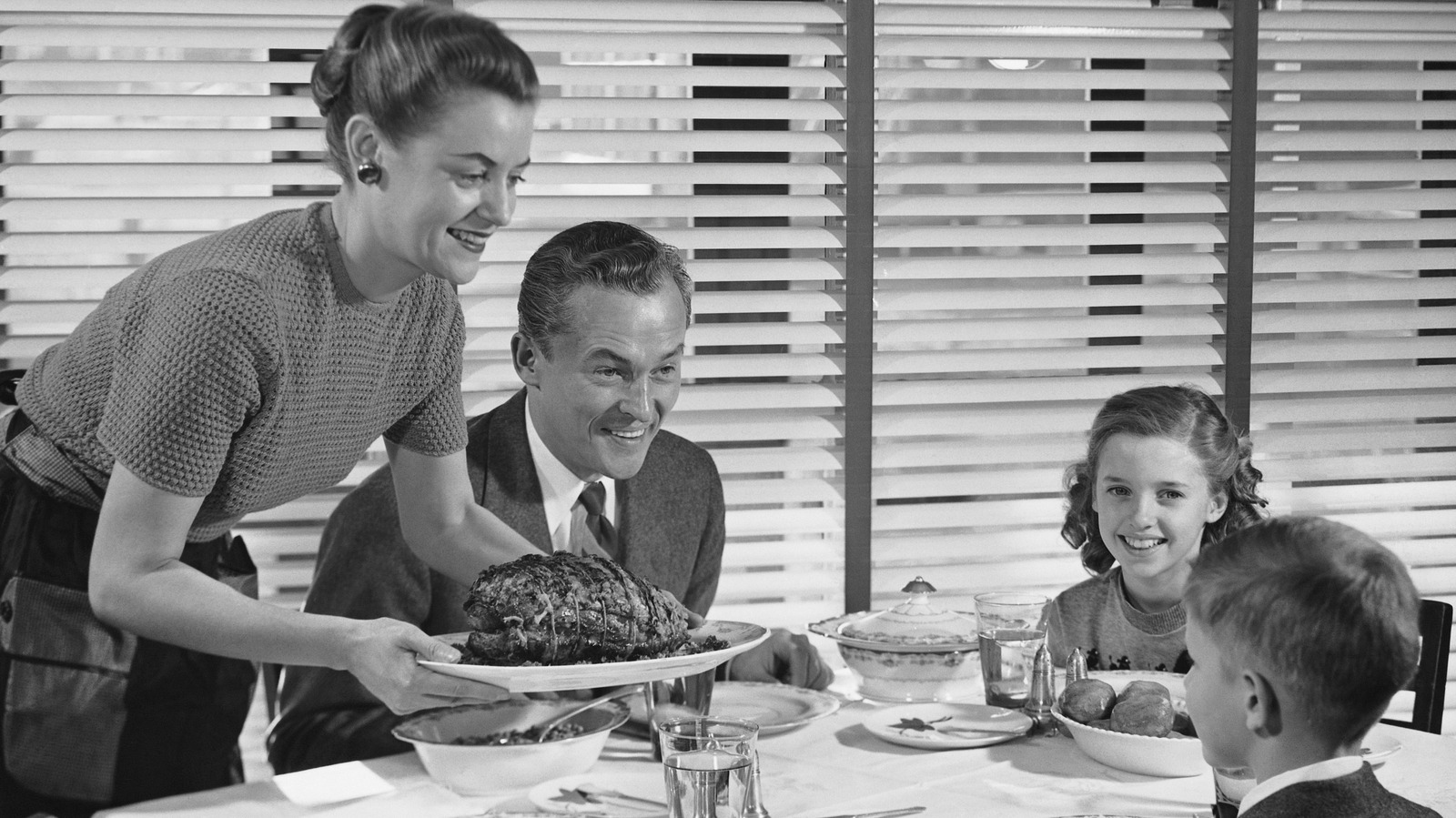
While some of the meals regularly consumed by middle-class families in the ’60s are still popular today, others have fallen out of fashion over the years.
Mashed – Fast Food, Celebrity Chefs, Grocery, Reviews

 Fergie knows big girls don’t cry, but she just can’t help it.
Indeed, the Grammy winner got emotional as she and her ex-husband Josh Duhamel celebrated their son Axl’s 13th birthday, marking…
E! Online (US) – Top Stories
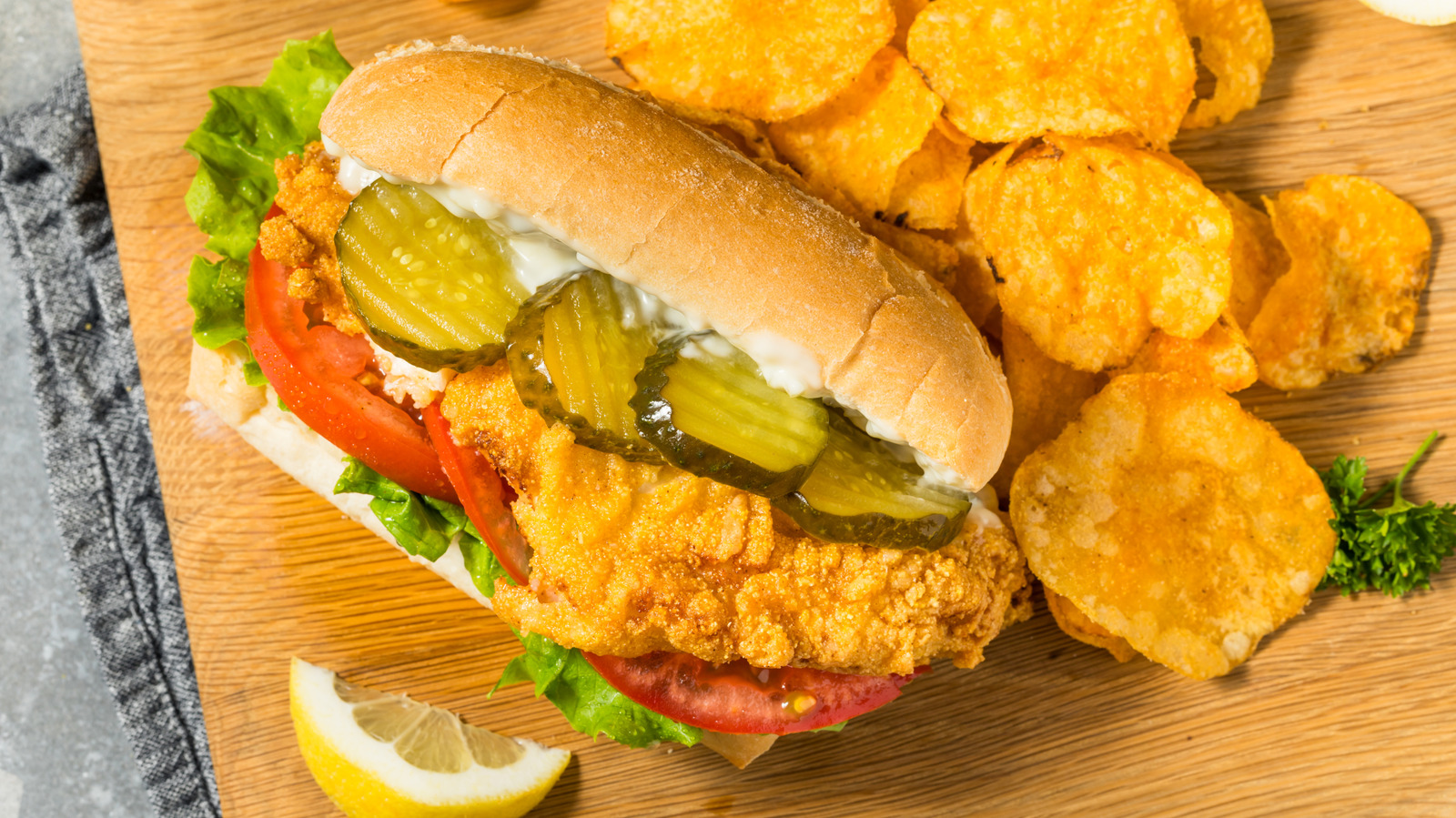
The grocery store deli may not seem like a great place to find a high quality fried catfish sandwich, but this chain may make you question that assumption.
Food Republic – Restaurants, Reviews, Recipes, Cooking Tips
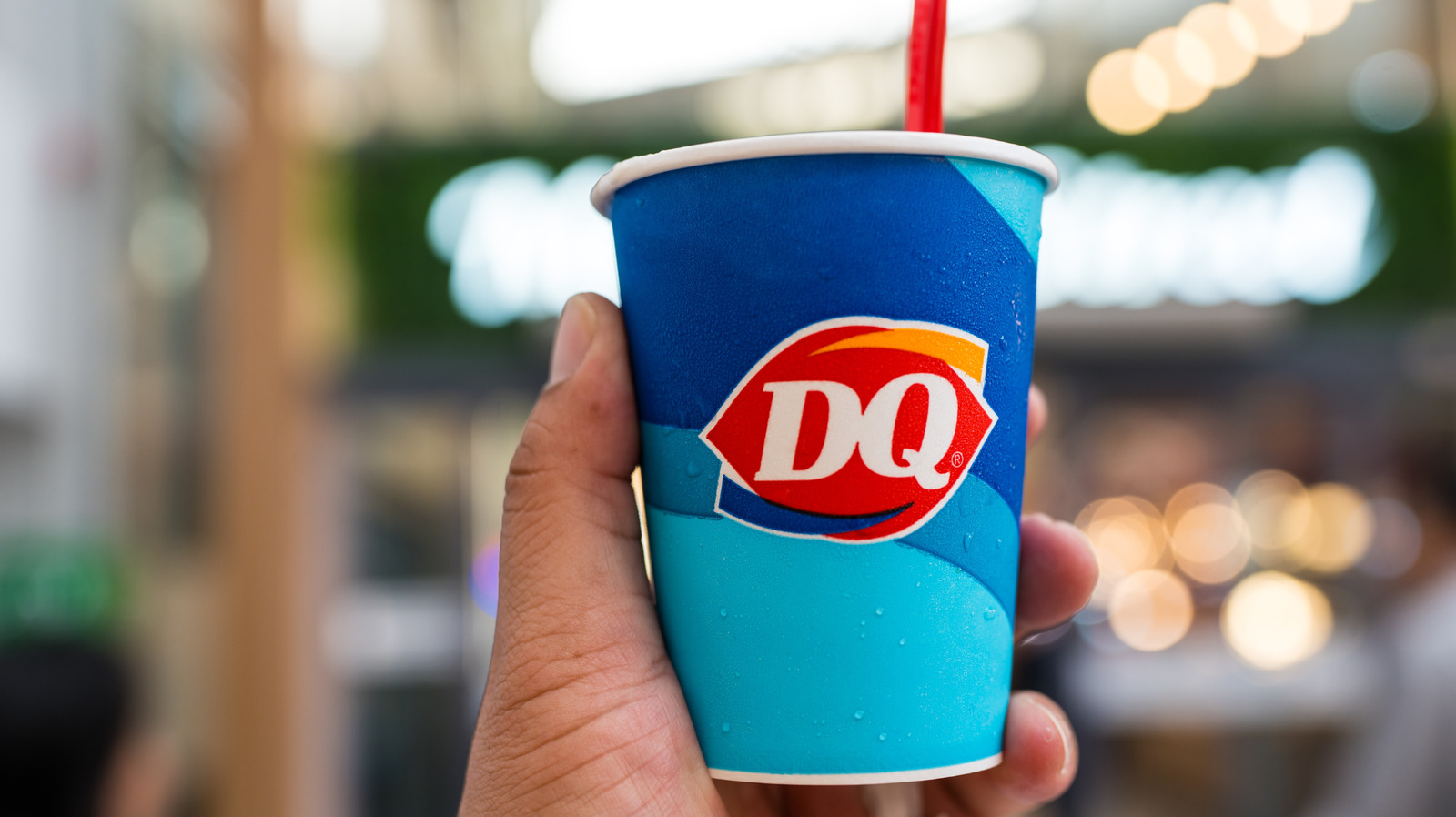
The Blizzard is easily one of Dairy Queen’s most iconic frozen treats, but have you ever wondered how often those blending machines are actually cleaned?
Food Republic – Restaurants, Reviews, Recipes, Cooking Tips
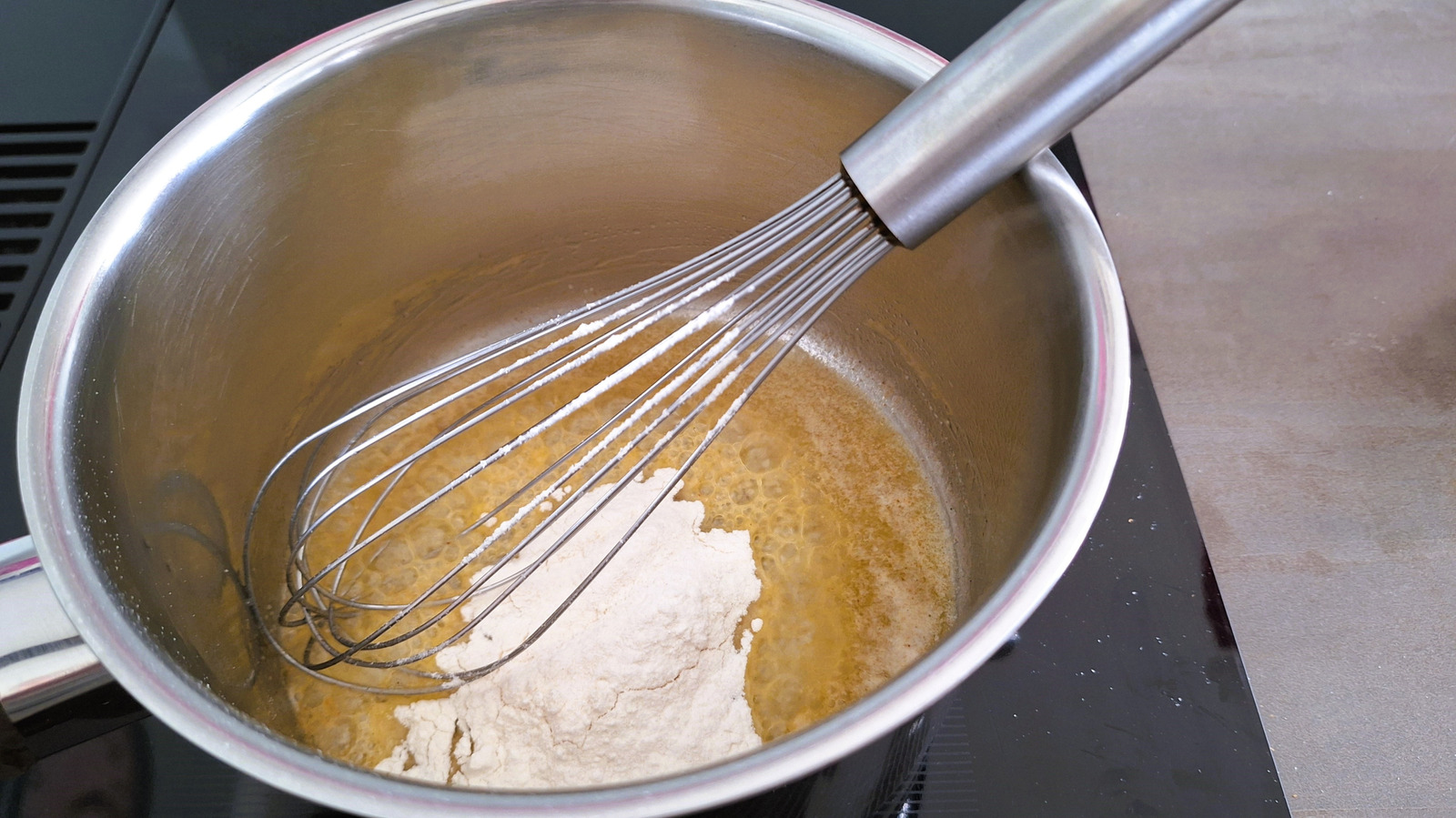
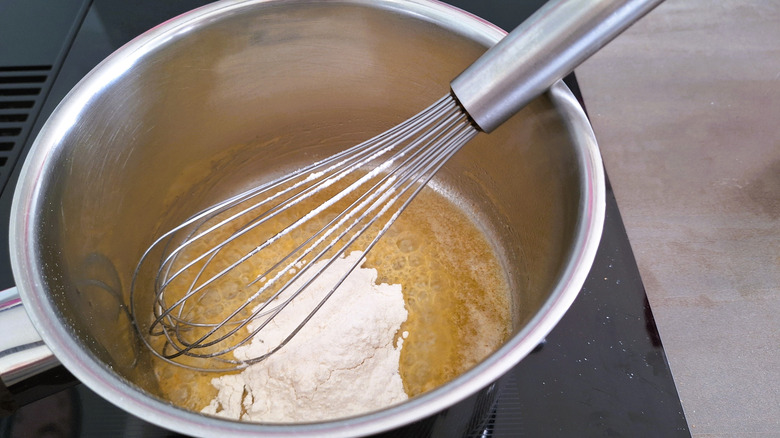
You might think a roux is a roux, but if you’re making a French dish, it’s going to look very different than if the recipe happens to be from New Orleans.
Food Republic – Restaurants, Reviews, Recipes, Cooking Tips
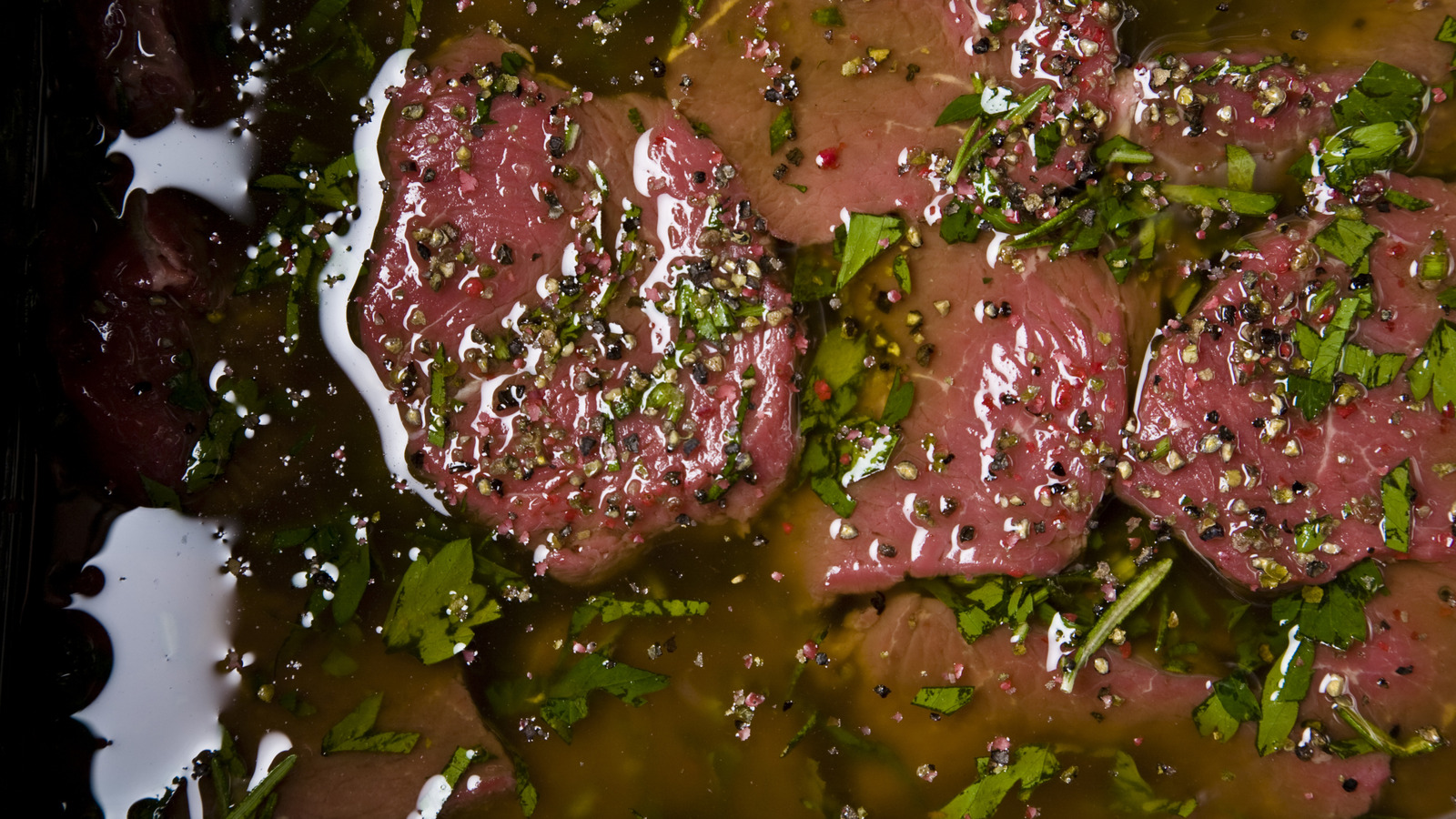
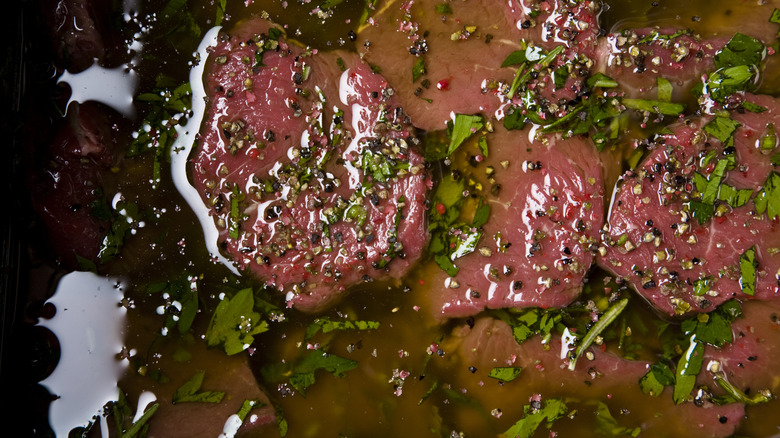
Not every cut of steak should be marinated to achieve its maximum flavor, but cuts that benefit from a marinade are typically tough and lean.
Mashed – Fast Food, Celebrity Chefs, Grocery, Reviews

Four days before the 2024 election, Donald Trump declared in Dearborn, Michigan that “the Muslim population” is “liking Trump.” On Election Day, the state’s Arab Americans helped deliver Trump a victory.
Now, they want nothing to do with him — and are souring on the GOP overall.
Many Detroit-area Arab Americans, who swung hard to Trump over the war in Gaza and cost-of-living issues, are now saying they’re fed up with the ongoing war in Iran and slow peace process in Gaza. It’s a shift that could have direct consequences on the battle for Senate control, with former Michigan Rep. Mike Rogers fighting to hold onto Trump’s 2024 gains against Democrat Abdul El-Sayed, a Muslim whose parents are Egyptian immigrants.
Trump’s perceived broken promises — exacerbated by GOP attacks against El-Sayed that some see as Islamophobic and racist — are pushing these voters out of reach for Rogers.
“[Trump] promised to make America great again,” said Albert Abbas, who presented a peace prize to Trump during his 2024 Dearborn visit. “Did he do that? Did he put American interests first? It’s the complete opposite.”
A dip in support from Arab American former Trump voters could hurt Rogers’ path to election in what’s shaping up to be a tough year nationally for the GOP. And it could offset gains he makes in other communities — including with some Jewish voters who are wary of El-Sayed for his harsh criticism of Israel and comments from him and his allies that some see as antisemitic. Both communities matter significantly in close elections, and Michigan has the largest proportion of Arab Americans in the country, with nearly 400,000 living in the state, as well as more than 100,000 Jews.
Michigan Republicans — who, just two years ago, dreamed of building sustainable support among the state’s Arab American population — now see community leaders shifting ranks.
“Once the administration got into the White House, everything we were told kind of flip-flopped,” said Hassan Nehme, who served as the Michigan Republican Party’s vice chair during the 2024 cycle and helped lead outreach to the Arab American community. “We lost all traction. Republicans are kind of dead in the water in the area right now.”
Dearborn-based Imam Husham Al-Husainy backed Trump in 2024 and was slated to offer a benediction at the inauguration but was removed from the program after complaints from pro-Israel conservatives. He said he now backs El-Sayed because Trump recanted on his promise for “no new wars.”
Amer Ghalib, a former Democratic mayor of Muslim-majority Hamtramck, backed Trump in 2024, and was later nominated by Trump to serve as ambassador to Kuwait, though he didn’t get confirmed in the face of bipartisan concerns about a history of allegedly antisemitic remarks. He said Republicans “should be more concerned about losing the long-term trust of the Arab American community than about losing the gains they made in 2024.”
“There is a tremendous work that needs to be done … to address people’s concerns and regain their trust,” Ghalib said.
And Faye Nemer, who leads the Dearborn-based Middle Eastern and North African American Chamber of Commerce, said the midterms will mark a “change in sentiment” in her community toward Republicans.
“Many voters, including myself, are now asking whether the policy promises we received bear any resemblance to the reality that we’re seeing on the ground,” said Nemer.
Rogers has not shied away from branding his opponent as a Muslim extremist. He’s hammered El-Sayed for campaigning with Hasan Piker, a prominent and controversial left-wing influencer who’s drawn accusations of antisemitism, as well as slamming El-Sayed for responding to an attack on a Michigan synagogue earlier this year by condemning it but saying “hurt people hurt people” because members of the attacker’s family had been killed by the Israeli military in Lebanon.
El-Sayed has condemned antisemitism throughout his campaign; in a statement distancing himself from Piker last week, he said “Antisemitism is a scourge, and we need to address it in all its forms”) On Saturday he apologized for his remarks after the synagogue attack,telling a group of Jewish Democrats that he’d “made a mistake” and that “nobody deserves to have their pain trampled on.”
Rogers’ allies have also circulated reports from conservative outlets that seek to link El-Sayed’s father-in-law to the Muslim Brotherhood.
“El-Sayed wants to represent Palestine,” Rogers said at the Michigan GOP convention last week. “I want to represent Michigan.”
Trump has weighed in, too: The week El-Sayed won the Democratic primary, the president told reporters in the Oval Office that the country is seeing “jihadists being elected all over the place.”
The National Republican Senatorial Committee’s first ad of the general election called the Democratic nominee by his full name, Abdulrahman Mohamed El-Sayed.
The NRSC ad will “alienate and distance” potential Arab American supporters, said Nemer.
“I most certainly will not support a candidate that is alienating and vilifying my community,” said Nemer, who met Trump during his 2024 visit to Dearborn. “I was fully prepared to support Mr. Rogers. … But after seeing the direction that he chose to proceed in, that’s given me a lot of pause.”
Nehme, the former state GOP vice chair, said many Arab Americans are drawn to El-Sayed because of his background, even though many are far more socially conservative than the Democratic nominee. “They’re not even really looking at politics anymore,” Nehme said.
During Rogers’ unsuccessful 2024 Senate bid, he acknowledged that his outspoken support for Israel caused some consternation for Muslim voters. That cycle, Trump won Dearborn, a Detroit suburb that is the only Arab-majority city in the U.S., by six points; Rogers ran behind him, losing in the city by two points. It was a significant improvement over 2020, when President Joe Biden and Democratic Sen. Gary Peters each won the city by around 40 points.
Monica Yatooma, who helped the Trump campaign’s outreach to Muslim and Arab American voters in 2024 before launching a failed bid for secretary of state this cycle, said she doubts Republicans can match Trump’s gains in Arab-majority areas in the current environment.
“The only reason [Arab Americans] voted for Trump is because they were voting against [Vice President] Kamala [Harris],” she said. “They weren’t voting for Trump, so they’re not really conservative voters, and there’s no value there for them with Mike Rogers that aligns with their values.”
It is unclear what, if anything, Rogers is doing to reach out to the community. Yatooma and Nehme, both Republicans, said they have seen little outreach from Rogers’ campaign.
“I’m hoping that they pull through and they come out and at least try to address the community,” Nehme said. “But in all actuality, I’m not sure how much good it’s going to do.”
Rogers’ campaign, when asked several questions about his outreach to the Arab American community, said “the Chaldean community has been a strong ally,” referring to a Christian ethnic group with Iraqi heritage whose largest community outside the Middle East resides in the Detroit area. Yatooma, who is Chaldean, said her ethnic community has historically voted for Republicans.
“Mike Rogers welcomes all Michiganders, regardless of faith, socioeconomic status, or background, to our campaign to Get Michigan Working Again,” said Alyssa Brouillet, spokesperson for the Rogers campaign, in a statement. “The same can’t be said about Abdul El-Sayed, who continues to fan the flames of antisemitism, sympathizes with the terrorist attacker who tried to mass murder 140 kids in a Michigan synagogue, and refuses to disavow Hasan Piker, who calls Jews ‘inbred.’”El-Sayed campaign spokesperson Cole Wozniak called attacks invoking El-Sayed’s faith and identity “cheap.”
“Mike Rogers is resorting to cheap attacks to distract from his deep record as a corrupt career politician who has taken millions from Big Pharma,” Wozniak said in a statement. “Michiganders see right through it, and they’re not going to let Mike Rogers distract from the fact he’s spent thirty years in Washington making himself and his billionaire donors richer while selling out working families.”
Without hearing directly from the Rogers campaign or state party leaders, Arab American voters say their community is likely to swing back to the left this election.
Could Rogers “go into Dearborn and have those conversations and fix that?” asked Yatooma. “I think yeah, absolutely. I just don’t know if he’s doing it.”
Politics