Every Sept. 5, National Cheese Pizza Day puts one of the world’s most familiar comfort foods in the spotlight. In a pizza culture filled with … Read moreThe post On National Cheese Pizza Day, the classic proves it never needed…









Every Sept. 5, National Cheese Pizza Day puts one of the world’s most familiar comfort foods in the spotlight. In a pizza culture filled with … Read moreThe post On National Cheese Pizza Day, the classic proves it never needed…
Reading Time: 3 minutes
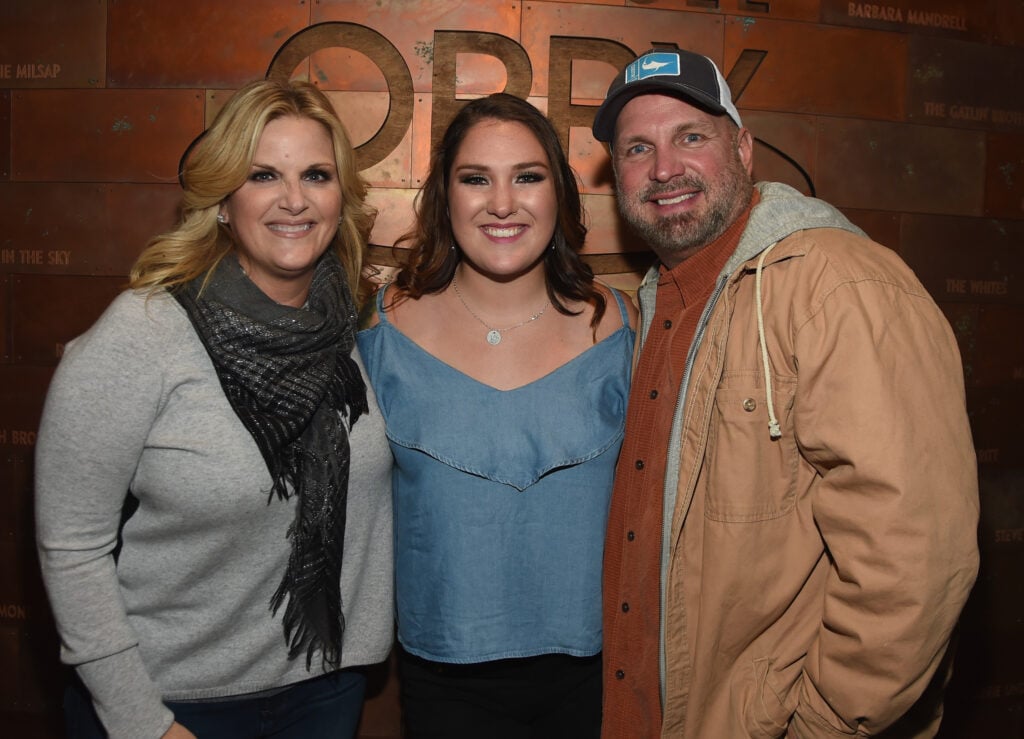
Garth Brooks’ daughter Allie Colleen Brooks has some very strong views on the right and wrong way to mourn a country music legend.
The 30-year-old singer-songwriter found herself in the middle of a social media firestorm after sharing a tribute to Dolly Parton following the beloved icon’s death at 80.
And while Allie may have intended to offer a heartfelt reflection on grief, some fans thought she made the moment just a little too much about herself — and her famous father.
“My greatest fear in life is the day my Dad loses his life and I have to see the world mourn a man they never knew the way I knew him,” Allie wrote in an Instagram Story.
She then turned her attention to Parton’s loved ones.
“To the personal family and friends of Mrs. Dolly you have all my love and condolences today and forever going forward,” she continued.
“What a huge, beautiful, special life to have loved and to grieve. Thank you for sharing her with us all.”
Allie went on to describe mourning as a “beautiful privilege” and said that grieving is knowing you “loved deeply and fully.”
Touching sentiment, right? Well, not everyone was feeling it.
Several commenters accused Allie of making Parton’s death about her own relationship with her father, with one person calling it “the weirdest condolence post” they had ever seen. And yeah, they have a point.
One commenter was rather blunt, writing, “An utterly ridiculous comment to make. This is not about you or your father” (via Page Six).
Someone else questioned whether Allie’s words suggested that fans had less of a right to grieve Parton because they didn’t know her personally.
“That’s kinda insinuating like none of us have loved our dads as much as you love yours?” the commenter wrote.
Allie wasn’t about to simply let the criticism slide.
She clarified that she wasn’t attempting to tell anyone else how to grieve, explaining that she was speaking from her own experiences as the daughter of a famous musician.
“I would never act like I understand how much you grieve anyone,” she wrote.
“I would never act like I understand how you feel the day you lose your person, so I would expect the same respect that you don’t know how I feel the day I lose mine.”
When another commenter asked, “No one is allowed to be sad except the family? That’s wild,” Allie fired back:
“This is my account — I am saying I don’t know how to respond to these things in my industry because of my life experiences. I’m not telling anyone else how to grieve. I’m just acknowledging the family. You do you babe.”
For what it’s worth, Allie did find some support.
Fellow country singer Mackenzie Lynn Adkins, whose father is Trace Adkins, said she understood the fear Allie was describing.
Dolly died on August 25 following a brief battle with cancer, prompting an enormous outpouring of grief from fans and celebrities around the world.
And apparently, Allie wasn’t a fan of some of the public displays of grief. Expect more of this particular brand of weirdness as the Nepo Baby Era rolls on.
Garth Brooks’ Daughter Sparks Backlash With Bizarre Dolly Parton Post: None of You … was originally published on The Hollywood Gossip.
The Hollywood Gossip
(The Center Square) – One day shy of a full two weeks sooner than any other state in the nation, North Carolina county boards of elections on Friday will begin sending absentee ballots to any voter having made a request.
(The Center Square) – Several new polls show that Gov. Greg Abbott and state Sen. James Talarico are leading in their respective races for governor and U.S. Senate.

 Dolly Parton’s sister is remembering all of their good times together.
Freida Parton honored the country star in an emotional social media post following her Aug. 25 passing at the age of 80 after…
E! Online (US) – Top Stories

Reading Time: 3 minutes
What did Bill Maher say about Dolly Parton?
The late great country singer, actress, and philanthropist was essentially universally beloved.
There are few better contrasts to Parton than the divisive HBO host and podcaster.
Just days after her passing, Maher took a stick to a hornet’s nest. Is it any surprise that people are roasting him?
For many of us, Bill Maher is someone we only have to think about once per week at most.
Last Week Tonight With John Oliver ends and HBO Max has the gall to suggest that someone might want to subject themselves to essentially the polar opposite of what viewers just watched.
However, he does have an audience. What percentage of them are victims of the autoplay function, we can only guess.
Regardless of what consigned them to watching him, Maher’s August 28 monologue led to him making a joke out of the tragic death of Dolly Parton.
“All this was going on, and all America could really talk about this week was how sad it is we lost Dolly Parton,” he acknowledged.
Bill Maher highlights how UNIFYING of a figure Dolly Parton was, as people across the U.S. and around the world have come together to mourn the country music icon.
“All America could really talk about this week was how sad it is that we lost Dolly Parton, and you see everyone… pic.twitter.com/b217EzdDfH
— RedWave Press (@RedWavePress) August 29, 2026
“Everybody around the country, even around the world,” Maher continued.
“London, they’re doing things, the Santa Monica Ferris wheel is lit up with hearts, the Empire State Building was put up in pink,” he cited accurately.
Maher then joked: “The Sphere in Las Vegas added a nipple.”
This is a clear reference to Parton’s breasts. Though younger generations tended to think of her as an older woman with a wild sense of style, her deliberately busty look drew eyes many decades ago.
When discussing a universally beloved figure who spent untold millions on charity while entertaining the world for many decades, making a crass joke seldom goes over well.
The Empire State Building went pink at exactly 9:25pm for Dolly Parton.
Because of course they made it 9 to 5. That’s how you honor an icon. 🩷
— Christopher Webb (@cwebbonline.com) August 25, 2026 at 11:24 PM
A lot of understandable yet possibly unhelpful name-calling ensued online.
According to various outlets, people called out Bill Maher over his Dolly Parton joke by noting that his attempts to be edgy only came across as douchey. (That is sort of his whole brand.)
“Bill Maher trying to get edgy about Dolly Parton is wild. Buddy, you’re not ‘telling hard truths,’ you’re just the guy who looked at a national treasure and said, ‘How can I make this about my bitterness,’” reads one tweet.
Many people zeroed in on the contrast between Maher and Parton. And no, not on their differing chest sizes.
Parton was almost universally beloved, even across the political aisle. Maher clearly has fans of some variety for some reason, but he is widely hated. And it appears to have made him deeply bitter.
Bill Maher highlights how UNIFYING of a figure Dolly Parton was, as people across the U.S. and around the world have come together to mourn the country music icon.
“All America could really talk about this week was how sad it is that we lost Dolly Parton, and you see everyone… pic.twitter.com/b217EzdDfH
— RedWave Press (@RedWavePress) August 29, 2026
In all fairness, we do want to acknowledge that Dolly Parton very deliberately drew attention to her bust — even in her final years.
We think that she would have laughed at such a joke. She was a famously good-natured person.
Even so, it is understandable that fans felt that this crass joke was ghoulish. There are many ways to tell tasteful jokes about a deceased celebrity without being upsetting.
We should keep in mind that Maher expressed a belief earlier this year that he (a man with a long-running HBO series and a podcast) has been “canceled” because he doesn’t have an Emmy.
Many believe that Maher has allowed his bitterness at being fundamentally unlikable to make him deliberately attempt to sabotage goodwill. We do not, however, claim to know the inner workings of his mind.
Nor would we care to.
Bill Maher ROASTED Over ‘Ghoulish’ Dolly Parton Joke was originally published on The Hollywood Gossip.
The Hollywood Gossip

 Prince Jackson gave fans a real thrill.
The oldest son of Michael Jackson honored what would have been his late father’s 68th birthday on Aug. 29 with a special appearance at the Michael Jackson…
E! Online (US) – Top Stories
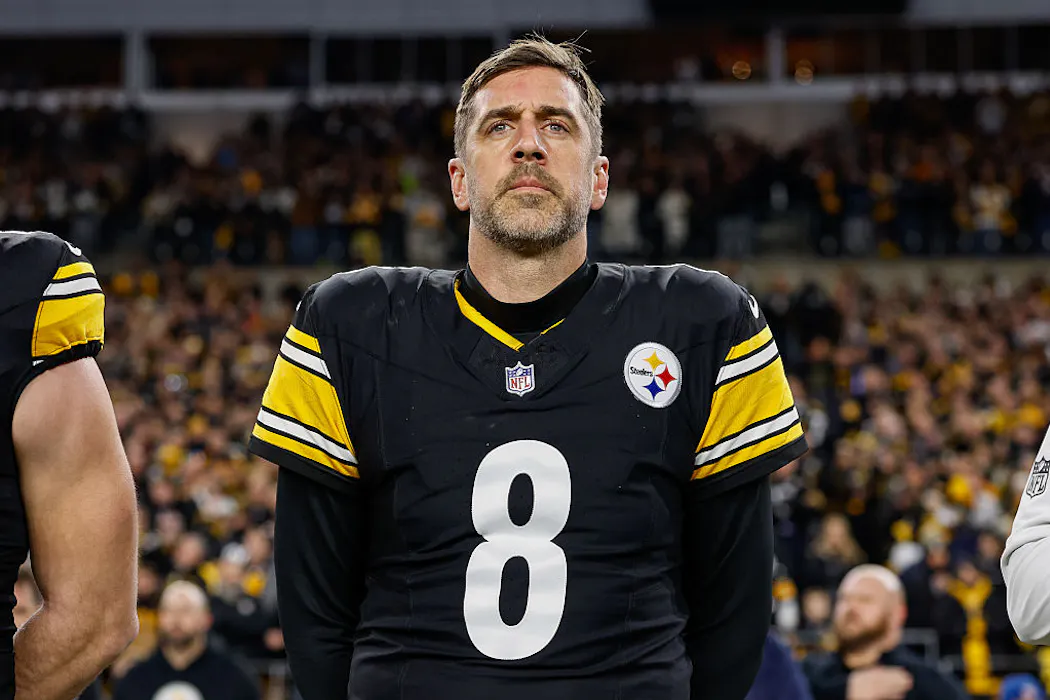
Following an appearance on The Pat McAfee Show on Aug. 3, 2026, Aaron Rodgers, quarterback for the Pittsburgh Steelers, received attention for calling Dr. Anthony Fauci an “absolute coward” and “criminal.” Rodgers’ comments were in response to Fauci invoking his Fifth Amendment rights at a congressional hearing on pandemic-era policies and the origins of COVID-19.
Fauci exercised his Fifth Amendment right against self-incrimination more than 100 times, rather than answer questions about his role in the government’s pandemic response. The invocation came amid years of congressional investigations and hearings scrutinizing his handling of the pandemic.
Fauci’s testimony likely didn’t do much to build public trust – invoking the Fifth Amendment dozens of times may have read as evasive even when it’s legally sound, and the format didn’t help either. Congressional hearings and press briefings aren’t, by design, places where people show much of themselves. Rodgers, on the other hand, has spent years doing the opposite – speaking candidly and often, in settings built for exactly that kind of rapport-building.
This isn’t unique to Rodgers. Many public figures – athletes, influencers, podcast hosts – have more regular opportunities to build rapport with audiences than experts do, at a time when Americans express decreased trust in experts overall.
There’s a reason for that decreased trust. Trust research can both help make sense of why someone might pay attention to a football player’s opinion of the former head of The National Institutes of Health. But that research also highlights the limits of opinion surveys that simply ask people how much they trust various groups in society.
These “how much do you trust” questions probe Americans’ overall views of specific groups, like scientists. The issue is that these questions sidestep deeper discussions about what makes people willing to put their trust in others.
Many researchers, including me, study the intersection of trust and how scientists engage the public. One thing essential to understanding trust is to separate behaviors from beliefs.
Trust researchers often treat trust as a type of behavior rather than an overall evaluation about a group. When it comes to healthcare, this might mean looking at how willing people are to follow their doctor’s medical advice. It matters less whether people say they trust doctors on a survey and more how they behave in their daily lives.
Trust behaviors involve making yourself vulnerable to someone else, and such behaviors are everywhere in our lives, once you know to look for them.
People demonstrate trust in automakers, mechanics, government employees who regulate and police roadways, and even other drivers by choosing to drive. People also demonstrate trust in economists, ecologists and epidemiologists, when they consider their advice while making personal or civic decisions.
Defining trust as a type of behavior helps clarify the key question: What beliefs make people more likely to trust?
Understanding what researchers often call trustworthiness beliefs – sometimes called perceptions – can help experts understand where they are falling short, whether in their behaviors or in how they communicate.
Scholars have long known that people don’t just trust scientists because they believe they hold expertise. What people believe about others’ character also matters.

While some research focuses on beliefs about expertise and character, other trust frameworks break character into smaller parts.
Benevolence beliefs can be understood as feeling that someone has goodwill toward you and cares about your well-being. Integrity beliefs focus on expectations about honesty and morality.
For example, a scientist might show a real desire to help, but fail to show how they protect their work’s integrity – like by being transparent about a study’s limitations or disclosing potential conflicts of interest. Likewise, an expert might demonstrate integrity without communicating care for the people that their decisions might affect.
Some researchers consider other character attributes too. Two common ones include beliefs about whether someone will listen and share information and whether someone shares your values.
These distinctions matter for experts who want to earn trust because the actions needed to demonstrate one aspect of trustworthiness may not demonstrate other aspects.
For example, experts might put a lot of effort into listening to community needs to demonstrate integrity and openness, but miss opportunities to communicate the underlying benevolent motivations driving their work. A public health department might hold listening sessions before rolling out a new program, but if it doesn’t also explain why it’s investing in that program – what it’s trying to protect people from, and who benefits – residents may come away seeing a checkbox exercise rather than genuine care.
Another challenge: Trustworthiness beliefs depend heavily on context. This is easy to see with expertise beliefs. The expertise you look for in a mechanic differs from what you look for in a doctor.
Trustworthiness beliefs also aren’t the only thing that shapes whether someone follows expert advice. Behavior change research points to other factors – like whether people believe an action actually benefits them, whether it’s socially accepted among their friends and family, and whether they feel capable of doing it.
In other words, someone might trust Fauci and still not get vaccinated, if they don’t believe the shot benefits them or don’t think they can manage the side effects.
Experts cannot assume that others see them as trustworthy or that people will pay attention to them while ignoring sources who have demonstrated other aspects of trustworthiness.
Experts also cannot assume people will pay close attention to every choice they’re asked to make or the trustworthiness of every information source.

People may also often rely on the most available information or follow potentially misleading cues like how compelling someone sounds, their appearance or existing beliefs.
Camera-ready influencers who interact regularly with audiences and health gurus who spend substantial time with their clients have many opportunities to shape beliefs about their ability, benevolence and integrity that busy experts cannot easily match.
These examples point to the reality that bona fide experts need to take advantage of every opportunity to demonstrate trustworthiness in engaging ways. This way, trustworthiness beliefs already exist when people make choices and when encountering potential causes for concern like Fauci’s testimony.
I often advise scientists to be more proactive in demonstrating their motivations and how they protect their work’s integrity while avoiding choices that may communicate a lack of concern or shared values.
Read more of our stories about Pittsburgh and Pennsylvania.

John C. Besley receives funding relevant to trust from the National Science Foundation, the USDA NIFA, the National Institutes of Health, and The Kavli Foundation. He has previously received funding from other science-focused foundations and government research programs. Any opinions, findings, conclusions, or recommendations expressed in this material are those of the authors and do not necessarily reflect the views of funders.
Politics + Society – The Conversation
The August 2026 federal indictment of Heidi Beirich, a longtime researcher who studies political violence and the American far right, has provoked strong reactions within the professional community of extremism scholars.
I am one of those researchers. Beirich is a longtime colleague. In her work, she testified before Congress, shaped the understanding of journalists and politicians regarding organized hate groups in the United States, and collaborated with many scholars in the field.
Here’s the background: On Aug. 12 federal prosecutors unsealed a superseding indictment against Beirich, who is the former director of the Intelligence Project, the monitoring and research arm of the Southern Poverty Law Center, for wire fraud, bank fraud and money laundering. The indictment follows the April indictment of the SPLC itself, an Alabama-based civil rights nonprofit that has spent five decades litigating against white supremacist organizations and cataloging hate groups through its widely cited “hate map.”
The April indictment accused the organization of secretly funneling millions of dollars in donor funds to informants embedded in violent extremist movements, using bank accounts opened for fictitious companies.
The SPLC cases raise a crucial question for extremism researchers: In a field whose research methods can at times diverge from standard and approved methods in other academic areas, what are the legitimate ethical limits, especially with respect to cultivation of insider sources and source compensation?
I believe that a field that documents how political movements rationalize the misconduct of their own members should be the last to reproduce this pattern.

For decades, the SPLC’s Intelligence Project tracked far-right extremist organizations. Some of that knowledge came from public sources, but some of it came from people inside those movements.
To understand how clandestine groups actually operate, who leads them, where they meet and what they are planning, the organization cultivated insiders and, according to prosecutors, paid them.
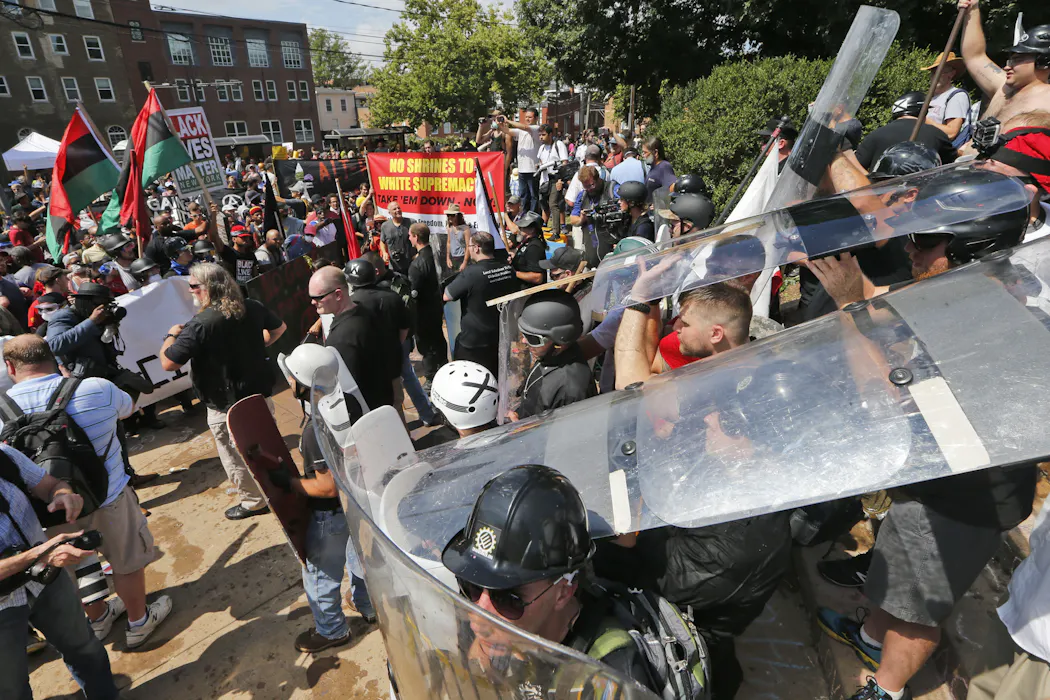
The SPLC maintains in its court filings that information gathered this way was shared with federal law enforcement, including in the period surrounding the 2017 “Unite the Right” rally in Charlottesville, Va. The Justice Department disputes that characterization.
What is not in dispute is that this practice existed, and its legality is the center of the case against both the SPLC and Beirich.
The indictment alleges that the SPLC misrepresented to donors how their contributions would be used, that it opened bank accounts in the names of fictitious entities to disguise the source and destination of the payments, and that between 2007 and 2023 more than US$4 million reached individuals connected to the Ku Klux Klan, Aryan Nations, the National Alliance, the United Klans of America and participants in the Unite the Right rally.
In Beirich’s case specifically, prosecutors allege that roughly $140,000 moved between 2015 and 2021 from an SPLC account into accounts she jointly held with an informant, and that the money covered personal living expenses.
Beirich, through her attorneys, has firmly rejected the accusations as politically motivated.
Indeed, there is a politicized context surrounding the prosecution. This was reflected both in the administration’s statements and actions against the SPLC.
On the day of the April indictment, Acting Attorney General Todd Blanche said the SPLC had been “manufacturing racism to justify its existence” and was “manufacturing the extremism it purports to oppose.”
Assistant Attorney General Harmeet Dhillon described the prosecution as “personal,” citing her own prior representation of people the SPLC had labeled extremists, which Dhillon believed was unjustified.
The FBI decided in October 2025 to end its cooperation with the SPLC, which had involved sharing data and analysis on hate crimes and hate groups and drawing on the organization’s tracking of extremist movements.
In early August 2026, a federal judge denied the SPLC’s motion to dismiss the organization’s indictment as a vindictive prosecution, finding that it had not produced objective evidence tying the political criticism to the charging decision itself. She also refused to let the organization obtain the government’s internal records of how the decision to prosecute was reached, describing its submissions as “speculation upon conjecture.” Days later, Beirich was charged in the second superseding indictment.
These two cases force researchers to grapple with how knowledge about violent movements is actually produced.
Researchers, journalists and watchdog organizations rely on four broad avenues of access:
• Consent-based engagement, which consists primarily of interviews with current and former members of extremist movements, conducted under institutional oversight and with informed consent, meaning that participants are told what the research is for, what will be done with what they say, and that they may withdraw at any point.
• Observational fieldwork, which includes attending rallies, meetings and public events to document organizational dynamics.
• Large-scale collection of online content from platforms and encrypted channels where extremist communities organize and communicate.
• Cultivation of insider sources – by far the most delicate information collection. Sources include defectors, informants and individuals who remain embedded within movements while passing information to outsiders. Academic researchers rarely use this last avenue. Watchdog organizations and investigative journalists rely on it.
Academic research on human subjects is governed by a framework built largely in response to past medical and psychological research abuses.
Its core commitments are voluntary and informed participation, minimization of harm to participants, confidentiality and prior approval by an institutional review board that weighs risk against scientific value. That architecture assumes a research setting in which the participant is the vulnerable party, the risks are foreseeable and the researcher is safe.
Extremism research fits none of those assumptions cleanly.
Covert observation conflicts with informed consent. Revealing oneself to a violent movement can put the researcher in danger and skew the data.
Information collected for academic purposes can acquire operational value for law enforcement agencies, blurring the line between research and intelligence work.
And the compensation of sources exists in the deepest gray area of all. Mainstream journalism largely prohibits paying sources. Law enforcement institutionalizes it through regulated informant programs.
However, researchers and watchdog organizations operate in the unregulated space between these poles. Paying an insider may be the only way to maintain access, protect the source or extract someone from a movement, but that same payment also carries the risk of subsidizing the movement itself.
The field has never resolved this tension and largely avoided it.
The Framework for Research Ethics in Terrorism Studies gives review boards a structured set of questions covering participant vulnerability, consent, anonymity, data security and the safety of the researcher. But it addresses how researchers should be reviewed rather than how insider relationships should be financed. On the question of paying a source, the framework, like the field, remains largely silent.
If courts accept the government’s legal approach in the SPLC cases, effectively treating discreet payment channels to insider sources as inherently fraudulent, the implications reach far beyond a single organization.
Watchdog groups and newsrooms that route payments through intermediaries to keep a source’s identity insulated in dangerous reporting environments, and researchers who compensate participants for their time under routine institutional review board approval, would all find their standard methods newly exposed.
That will undermine efforts to gain a clear picture of violent extremism in the U.S., including how many attacks occur and by whom, how movements recruit, how online spaces convert grievance into planning and which warning signs precede violence.
That work feeds federal and state threat assessments, informs social media platforms on how to identify extremist users and content, shapes prevention programs and supplies the evidentiary basis for prosecutions and congressional oversight. A legal theory that treats discreet payment channels to insider sources as inherently fraudulent would narrow the range of what can be known about movements that conceal themselves by design.
Despite such concerns, the positive outlook is that a professional field that has spent decades documenting how political movements rationalize the misconduct of their members is in an unusually good position to notice when it starts doing the same thing.
Researchers can use this moment to finally build the ethical infrastructure around the cultivation of insider sources and source compensation that the field has postponed for too long.

Arie Perliger does not work for, consult, own shares in or receive funding from any company or organization that would benefit from this article, and has disclosed no relevant affiliations beyond their academic appointment.
Politics + Society – The Conversation

There is much to be impressed by in Costco’s bakery section apart from cake and cookies. The warehouse chain’s muffins are also quite the sweet treat.

Mashed – Fast Food, Celebrity Chefs, Grocery, Reviews