Does Stella Lefty really deserve the ‘nepo baby’ accusations? Continue reading…Country Music News – Taste of Country
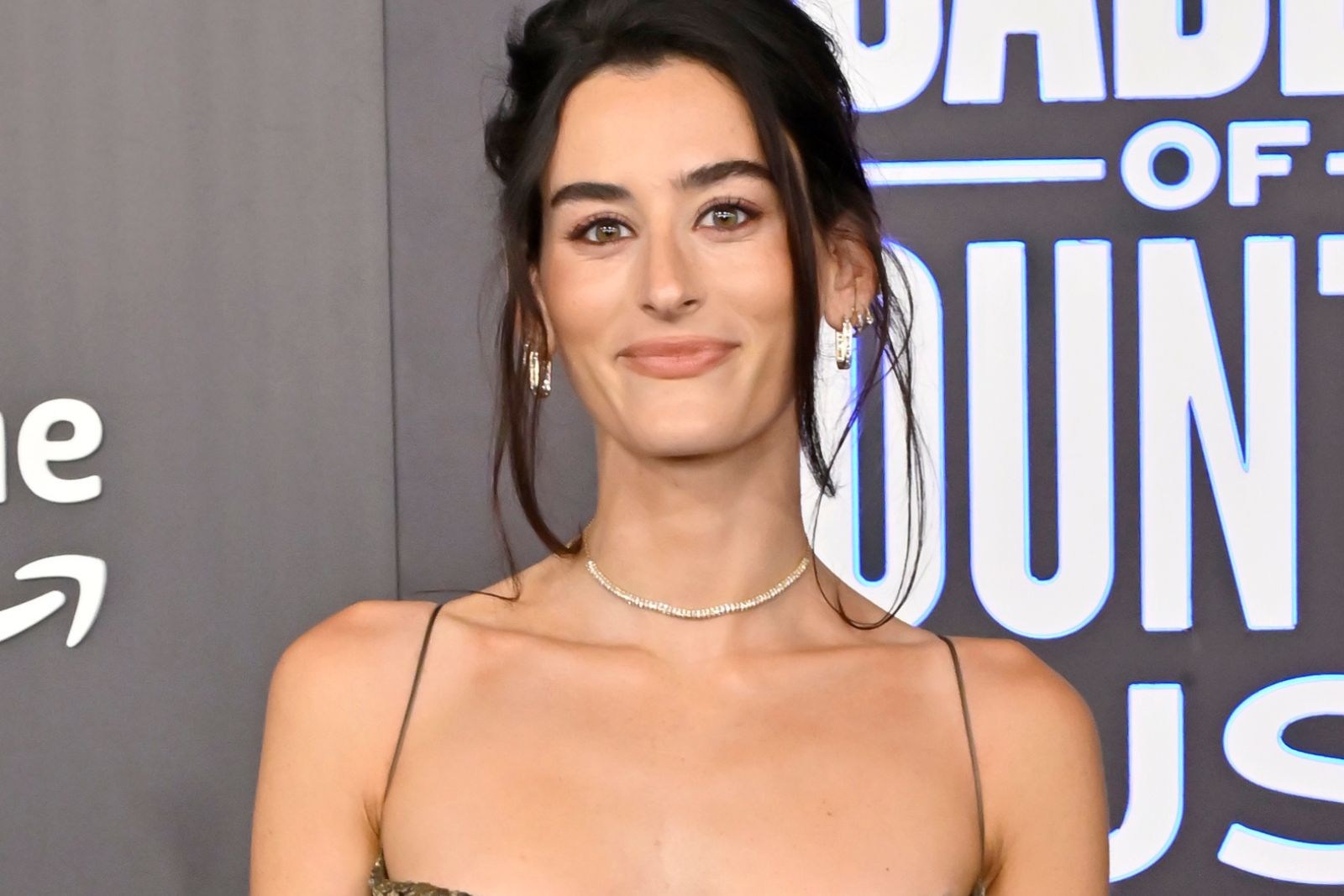








Does Stella Lefty really deserve the ‘nepo baby’ accusations? Continue reading…Country Music News – Taste of Country
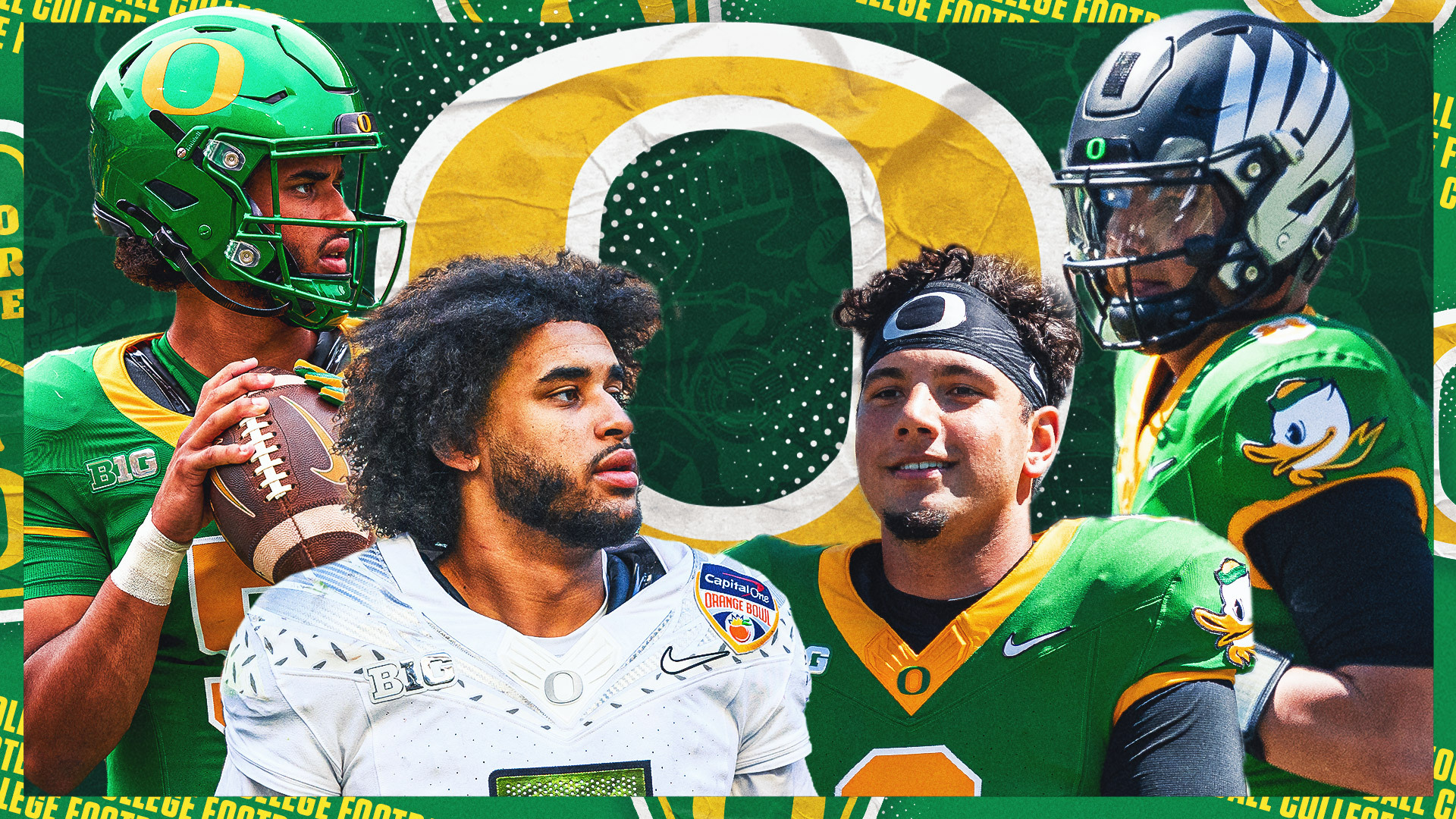
The question posed to quarterback Dylan Raiola, Oregon’s splashy offseason transfer from Nebraska, during the Ducks’ on-campus media day in early August was fairly simple: “When was the last time you entered a football season not the starter?” a reporter asked. “Uhhhmm,” Raiola replied, dragging out the sound and tilting his head to one side while pondering exactly how he should respond. “I don’t want to — yeah — I don’t think it’s ever happened. It’s something new, but I know change is good. And especially at a place like this, I’m more than willing to sacrifice for the greater good.” The reason Raiola has to sacrifice is because Oregon’s starting quarterback from the 2025 campaign, Dante Moore, shocked many across the college football landscape by turning down the chance to enter the NFL Draft — he was widely projected as a top-10 pick — to stay in school and chase a national championship. Moore announced his decision during a live television appearance on Jan. 14, after which head coach Dan Lanning stormed into the room and jumped on a desk in celebration. Raiola had committed to Oregon via the transfer portal two days earlier, uncertain in that moment what Moore’s final decision would be. Still, Raiola and his family were keenly aware that the scenario Oregon now faces — with Moore as the unquestioned starter entering Saturday’s opener against Boise State and Raiola poised to spend the season in a backup role — was well within the realm of possibility. Part of what made Raiola’s camp feel comfortable with that arrangement was seeing how much Moore benefited from a similar set of circumstances two years ago when he joined the Ducks after spending his freshman season at UCLA. Now, Moore is a bonafide Heisman Trophy candidate this fall and will almost certainly become a first-round pick in next spring’s NFL Draft. “I think everybody wants everything now,” Raiola said during that same interview. “You asked the question about when’s the last time I haven’t started. I processed that over the last six months that I’ve had [at Oregon], and I just think that when everything is thrown at you and you’re always in the microscope, you can kind of lose sight of the process and the journey and enjoying it. So to be able to sit back and watch and learn from a guy that does it at a high level [is awesome].” The similarities between their respective journeys run deep. Moore was a five-star prospect from Detroit who peaked as the No. 2 overall recruit in the 2023 cycle. He earned scholarship offers from seemingly every blue-blood program in the country — including one from former Michigan head coach Jim Harbaugh when Moore was still in seventh grade — and originally committed to Oregon in the summer before his senior year of high school. Moore eventually decommitted from the Ducks on Dec. 19, 2022, and signed with UCLA two days later, stunning the college football world and giving then-Bruins head coach Chip Kelly a trajectory-changing quarterback. Raiola, meanwhile, spent more than a calendar year as the top overall prospect in the 2024 class before finishing at No. 21 overall and the No. 3 signal-caller behind current Ohio State starter Julian Sayin and current Baylor starter DJ Lagway. He spent chunks of his recruitment committed to Ohio State (seven months) and Georgia (seven months) before making a stunning flip to Nebraska, which is his father’s alma mater. In that moment, he became the second highest-rated high school prospect to ever sign with the Cornhuskers in the recruiting rankings era. “I challenged him,” Nebraska head coach Matt Rhule said during his signing day news conference in December 2023, “like ‘Hey, make sure you’re serious about this. I don’t want this to be something that isn’t right for you.’ And he said, ‘My life has greater purpose than just being the top recruit. I know what Nebraska means to my family, I know what it has meant to me and I’d like to come there.’ “I think in the end, to have a player of Dylan’s caliber — not of his recruiting, but of his caliber — his arm talent, his ability to see the field, but probably more than anything, his work ethic and how much he cares about the game, we obviously took that.” From the moment that both players set foot on college campuses, their respective paths toward seeing the field as true freshmen came into focus. Moore split time with fellow quarterback Ethan Garbers during UCLA’s season opener and then started five consecutive games for a team that ultimately finished 8-5 overall. Individually, though, Moore’s performance was relatively uneven: three games with multiple touchdown passes offset by three games with multiple interceptions; four games with at least 234 passing yards undercut by two games with a completion rate below 43%. He entered the transfer portal less than a week removed from the Bruins’ regular season finale. But at Oregon, where Moore spent the 2024 season learning behind first-team All-American and eventual third-round pick Dillon Gabriel, his reset doubled as a rebirth. A year to steady himself without much on-field pressure ignited Moore’s growth rate under then-offensive coordinator Will Stein, now the head coach at Kentucky. When Moore finally assumed the starting role last fall, he went on to throw for 3,565 yards with 30 touchdowns, 10 interceptions and the fourth-best completion percentage (71.8%) in the country. “It helped me out a lot being able to sit one year,” Moore told me at Big Ten Media Days in July. “You get to learn so much. All your practice reps, you get to just learn from a vet and ask all the questions you could ask. And then if the person in front of you makes mistakes, you just learn from it. It’s like you’re the little brother. It’s like the big brother goes up there and does something stupid, you learn from it and you’re like, ‘OK, I don’t do that.’ So it’s just that type of relationship that we have, and it’s huge — especially in this generation.” Raiola spent nearly two full seasons as Nebraska’s starter before suffering a broken ankle last November that effectively ended his Cornhusker career. His numbers across 22 appearances during the 2024 and 2025 campaigns — nearly 5,000 total yards with 31 touchdowns and a 69.1% completion rate — were significantly more prolific than what Moore had produced in his lone season with the Bruins. Raiola’s on-field production for two teams that reached bowl games — a legitimate achievement for a downtrodden program like Nebraska — signaled to coaches across the country that there was still plenty of talent to be molded from the rough clay. One of the primary challenges for new Oregon offensive coordinator Drew Mehringer will be coaching away Raiola’s ball-security issues in the wake of 17 interceptions and 12 fumbles over the previous two seasons combined. Thus far, Raiola believes he’s making good on his pledge to do everything he can to help the Ducks in a supporting role. He capitalized on extra walkthroughs and meetings during the summer to shore up what he described as a “shaky” spring season. He’s worked diligently to reshape his body by eating healthier and dropping weight in response to a winter full of injury rehab that limited his ability to train. He described his current physical condition as “probably the best I’ve ever felt,” while Moore said he’s noticed an uptick in Raiola’s running speed — something that delighted the protégé. But there is plenty of work still to be done. And if all goes well — if Moore stays healthy and has the Heisman Trophy-caliber season many around the country are expecting — then the majority of Raiola’s progress will happen behind closed doors while this year’s team chases a national championship. Just the way he and the Ducks planned it. “My job is to push the room, push the team and help support Dante achieve his goal,” Raiola said at Oregon’s media day. “Because I know in the long run, that’s my goal [too]. So if we can get him there, and [then] I can get myself there, it would be accomplished for sure.”Latest Sports News from FOX Sports

Black privacy fencing shrouds the Carlisle Barracks Post Cemetery on Monday, Aug. 31, 2026, as officials prepare for the disinterment and repatriation of the remains of 12 students who died while attending the notorious Carlisle Indian Industrial School more than 100 years ago. The repatriations are scheduled to run from Sept. 1 to Oct. 12, 2026. (Photo by Charles Fox/Special to ICT)
This story was originally published by ICT.
WARNING: This story contains disturbing details about boarding schools. If you are feeling triggered, here is a resource list from the National Native American Boarding School Healing Coalition.
CARLISLE, Pennsylvania — The Carlisle Barracks Post Cemetery is once again solemnly shrouded with black privacy fencing as families and tribal leaders gather to reunite with ancestors who died while attending the Carlisle Indian Industrial School.
Disinterments are set to begin Tuesday, Sept. 1, of the first of 12 students who will be returned to their homelands over the next six weeks as part of the Office of Army Cemetery’s annual repatriation of remains of children who died at the school.
Among the first to go home will be three students from the Fort Peck Assiniboine and Sioux Tribes, who arrived at Carlisle together on April 15, 1890. They all died of tuberculosis over the the next few years.
Descendents and tribal leaders gathered at Carlisle on Monday, Aug. 31, to help them begin their journey home. A celebration is planned for their arrival in Montana.
“The community becomes the family,” Dyan Youpee, the tribe’s cultural preservation director, told the Fort Peck Journal, referring to a phrase that is at the heart of the planned celebration welcoming the children home.

Youpee told ICT the event is designed to “shed positive, healing light on the repatriation efforts, journey and reburial.”
The repatriation experience can be a wrenching emotional journey for descendants and tribal leaders, as they retrace the footsteps of ancestors who never have made it back to their families, paired with the triumph of finally bringing them home.
For the Office of Army Cemeteries, which oversees the Carlisle cemetery along with other Army facilities, this will be the ninth round of disinterments, with forensic archaeological and anthropological experts from the U.S. Army Corps of Engineers.
Since the repatriations began in 2017, the remains of 58 students have been returned home, leaving numerous gaps among the headstones in the cemetery. Of the 138 graves that remain, the burial sites of 22 children are designated as unknown, with the identities lost to human error when the cemetery moved in 1927.
“The Office of Army Cemeteries team is inspired by the strength and courage from the Native American and Alaska Native Tribes as they make this journey to bring their children home,” Renea Yates, director of the Office of Army Cemeteries, stated in a press release.
“Navigating the disinterment and return process requires the highest level of professional care and compassion and we are committed to providing the expert assistance needed to return their loved ones to their families and communities,” Yates said.
The Army reimburses families for their travel to participate in the disinterment process, the transfer ceremony that follows, and the cost of transport and reburial of the children. After the transfer of custody, families and tribes are free to rebury these children to a location of their choice.
The students, who ranged in age from 11 to 18, also include four Alaskan Native students, and a student each from the Comanche Nation, Absentee Shawnee Tribe, Shoshone Paiute Tribes, Grand Traverse Band of Ottawa and Chippewa Indians and the Keweenaw Bay Indian Community.
Most of them died from tuberculosis, although the cause of death was not listed for several of the students in school records.
The barracks housed the Carlisle school from 1879-1918, where nearly 8,000 students from more than 140 tribes attended as part of a government assimilation program that separated them from their families, language and culture. It was the first federally funded, off-reservation Indian boarding school in the U.S., and it served as a model for boarding schools across the U.S. and Canada.

The research of the Alaska Native Heritage Center, known as ANHC, has been instrumental in bringing home the four Alaskan Native students scheduled for disinterment.
“When we do research aimed at bringing home our children, we hope to bring healing to our communities affected by the era of assimilation and its continuing effects,” Benjamin Jacuk, director of Indigenous Research and Healing at ANHC, recently told ICT. “Our work is to bring home the children above all else… Because at the end of the day these children are worth that hard work and that trust.”
The Carlisle Barracks Post Cemetery has been closed to visitors since Aug. 14, and access to the cemetery, enclosed in privacy fencing, will be restricted to federal staff along with tribal members and their families until the completion of the scheduled disinterments, tentatively set for Oct. 12.
At Fort Peck in eastern Montana, organizers are optimistic the event will bring out a large welcoming crowd.
On July 31, Youpee and others did a non-stop 89-mile Awareness Walk from one end of the reservation to the other to make sure everyone was aware of the upcoming event. Organizers have encouraged people to arrive wearing orange shirts to acknowledge boarding school survivors or traditional regalia, and to create an escort of horseback riders and a caravan of cars to welcome the children home as they reach the reservation border.
More than 135 years after the children left their homelands, the homecoming is an attempt to show love and recognition to the three students.
Organizers want to ensure they are not forgotten or reduced to names on school records, in hopes the community comes together to make sure that no child comes home alone.
The remains of 12 students who died at the Carlisle Indian Industrial School are set to be disinterred starting Sept. 1 through Oct. 12. The students include four Alaskan Natives, three from the Fort Peck Assiniboine and Sioux Tribes, and students from five other tribes across the U.S.
Alaskan Natives
*Mabel Stack arrived on Oct. 24, 1903, at age 11, and died Aug. 14, 1904, of tuberculosis. Her last name is listed as Stock on the gravestone and Stack in the Carlisle records, but Booth is believed to be her correct last name.
*Edward Angalook, who is listed as Angelook on his gravestone, arrived Nov. 23, 1903, at age 18, and died Sept. 24, 1905 of tuberculosis.
*Lucy Spaulding arrived Oct. 24, 1903, at age 14, and died March 25, 1905, of tuberculosis. She is listed as Spalding on her gravestone, although her correct last name is believed to be Guthrie.
*Tummassak arrived on Nov. 14, 1897, at age 12, and died on April 8, 1900, of tuberculosis. She is listed as Tomicock on her gravestone and also as Tomiclock in Carlisle archives.
Fort Peck Assiniboine and Sioux Tribe
*Peter Howe arrived at the school on April 15, 1890, at age 16, and died six years later on June 5, 1896, of tuberculosis.
*Richard Morgan arrived April 15, 1890, at age 17, and died March 25, 1891, of tuberculosis.
*Christine Redstone arrived April 15, 1890, at age 15, and died July 19, 1899, of tuberculosis.
Comanche Nation
*Frances Bones arrived on Nov. 8, 1894, at age 14, and died on May 7, 1895. Her cause of death was not listed in Carlisle records.
Absentee Shawnee Tribe
*Fannie Gibson arrived on Dec. 24, 1899, at age 17, and died on Dec. 6, 1900, of tuberculosis.
Shoshone Paiute Tribes
*Della Atkins arrived on Dec. 13, 1900, at age 17, and died 12 days later on Dec. 25, 1900. Her death was attributed to a brain tumor.
Grand Traverse Band of Ottawa and Chippewa Indians
*Susie King arrived at the school on Oct. 25, 1890, at age 16, and died Oct. 21, 1891. Her cause of death was not listed.
Keweenaw Bay Indian Community
*Margaret Davis arrived at the school on Sept. 15, 1889, at age 14, and died Dec. 21, 1892, of tuberculosis.
bbPress 2.6.15 is a security and maintenance release that fixes five security issues and includes a few compatibility improvements. Everyone running bbPress should update as soon as possible. 
This release strengthens authorization around topic and reply editing, topic splitting and merging, user profile updates, and private or hidden forum visibility. It also hardens imported password verification, avoids PHP warnings on some forum requests, and improves compatibility with modern WordPress UTF-8 handling.
All of these fixes have already been merged into the 2.7 development branch.
Thank you to mickey_cyberkid, itznullbyte, eldoniis, and tristaninsec for reporting issues through HackerOne, and to Ananda Dhakal at Patchstack for reporting CVE-2026-74010. Thank you for helping keep bbPress communities safe! 
Download bbPress 2.6.15 from WordPress.org, or update directly from your WordPress dashboard.
Reading Time: 2 minutes
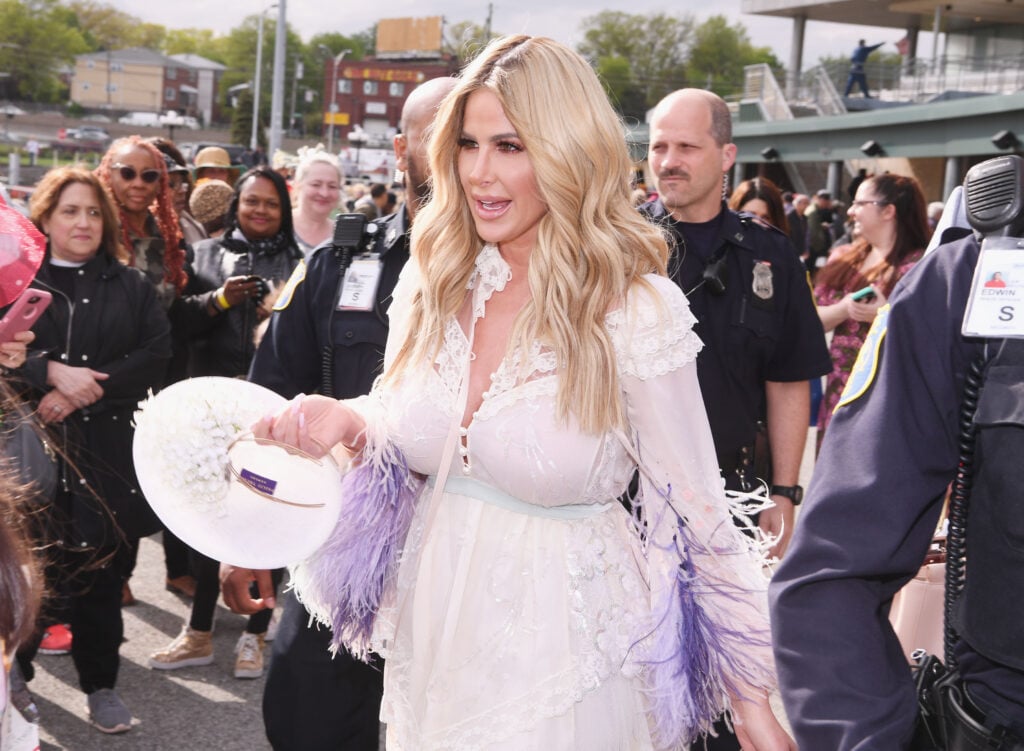
As we previously reported, Kim Zolciak’s son Kroy Biermann Jr. was arrested last month and held without bond.
Though Kim has insisted that “KJ” is innocent, he has now been indicted on seven felony charges.
Those charges include aggravated child molestation, aggravated sodomy, aggravated sexual battery, three counts of aggravated sexual battery against a child under 16, and false imprisonment.
The charges stem from an alleged April incident at a Life Time fitness center in Alpharetta, Georgia.
KJ, 15, was arrested on August 17 and has remained in juvenile detention while the case moves forward. He has denied the allegations against him.
His attorney, Jason B. Sheffield, previously asked a judge to release the teenager on bond, arguing that KJ is a good student and athlete with strong ties to his community.
According to court documents, Sheffield described his client as a high school student in good standing who has demonstrated strong academic achievement. KJ has also reportedly received athletic scholarships.
The attorney argued that KJ does not pose a flight risk or a danger to the alleged victim or other witnesses.
The defense has also pointed to KJ’s alleged cooperation with investigators and claimed that he passed a polygraph examination.
Kim has been vocal in defending her son.
The former reality star has maintained that the allegations are false and deeply damaging to her family.
The case has already thrust the embattled Biermann-Zolciak family back into the spotlight at an especially difficult time.
Kim and Kroy have been embroiled in a bitter divorce and custody battle since their 2023 split after 11 years of marriage.
Their relationship has been anything but peaceful in the years since, with the former couple repeatedly clashing over finances, their children, and other personal matters.
Now, their eldest son’s legal situation has added another devastating complication.
For the time being, KJ remains in custody as the criminal case proceeds.
And with a grand jury indictment now officially on the books, this situation is clearly nowhere near over.
Kroy Biermann Jr., Son of Kim Zolciak, Indicted on Child Molestation Charges was originally published on The Hollywood Gossip.
The Hollywood Gossip
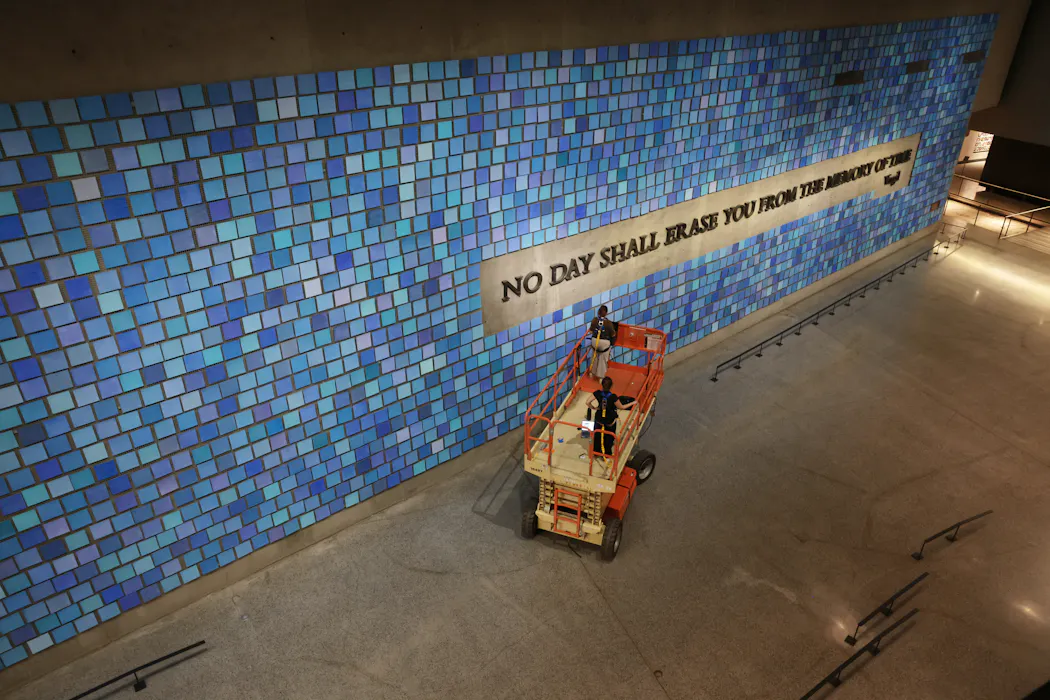
For much of the past 25 years, each anniversary of the Sept. 11 attacks has arrived with signs and stickers reminding people to “never forget.”
I have always felt unsure about what those words mean. For those of us who were alive in 2001, forgetting the day itself is almost impossible.
I remember the shock and fear, the replays of the second plane hitting the World Trade Center, and the moment the second tower fell. I remember seeing on television the missing-person photographs that covered New York and the awful recognition that very few of those people were likely to be found alive. I remember the bravery of the New York firefighters and police.
My college students have no such memories or feelings. Most were born years after Sept. 11, 2001.
They encounter what happened through photographs, documentaries, memorials, classroom lessons and stories told by people who were alive on that day. The National September 11 Memorial & Museum estimates that about 100 million Americans have been born since the attacks.
The shift is ordinary and still somehow startling. An event that once felt like it had split time into a permanent before and after is fading into history itself.
In my work as a professor of politics and public affairs, I pay close attention to the stories Americans tell about their past and the ways those stories shape civic identity in the present. The 25th anniversary of 9/11 is especially interesting to me because it marks a moment when an event once experienced as immediate and world-changing is increasingly being carried forward through memory, ritual and interpretation.

Scholars of collective memory, also called public memory, have long argued that societies do not remember the past simply by preserving it.
Public memory describes how collective meaning gets made and remade through stories, institutions, rituals and political arguments. For example, the Department of Homeland Security was created in response to 9/11. Many Americans understand DHS as a structural and cultural reform made to fix the intelligence failures that the attacks made evident.
Forgetting is part of the process, too. As memory scholar Paul Connerton has argued, some forms of forgetting are not failures but necessary parts of social life.
No individual, school or nation can keep everything equally present forever. History accumulates faster than collective memory can accommodate it. The question, then, is not whether Americans will forget parts of 9/11. They will. The more interesting question is what remains after that forgetting takes place.
From the first anniversary, commemorating the attacks has carried a careful choreography. There is the annual reading of the names of those who died, the memorial lights and the stories of first responders, each of which keeps the human loss and courage of the day in view.
In a 2016 Pew Research Center survey, 76% of Americans named 9/11 as one of the 10 most consequential events of their lifetimes. Nearly 1 in 5 said the nation’s immediate response to the attacks was the moment when they felt most proud of the United States.
I understand those points of view. Some of what I most want preserved about Sept. 11 is the shared grief of those first days and the ways ordinary people revealed their humanity under unimaginable circumstances.
Firefighters climbed stairs and ran toward mortal danger, while a cascade of people tried as hard as they could to get down. Office workers helped colleagues and strangers. Families searched for missing loved ones long after hope had become terribly thin. And passengers on United Flight 93 fought back and forced the plane they were on to crash in a field in the middle of Philadelphia, sacrificing themselves in the hopes of saving others.
Before 9/11 became a justification, a policy, a war or a political symbol, it was an experience of shared human vulnerability.
No event remains sealed inside its original meaning. Sept. 11 became the starting point for a series of political choices that reshaped American life and, in turn, reshaped the memory of the day itself.
The attacks led to the war in Afghanistan, which lasted for 20 years after the invasion’s initial success in dismantling al-Qaida and removing the Taliban government.
Next was the invasion of Iraq, even though Saddam Hussein’s regime had no role in 9/11.
And the aftermath of the attacks helped create an atmosphere that allowed for expanding government surveillance, enlarging presidential power and narrowing the space for dissent. Muslim Americans found themselves subjected to new suspicion and hostility.
Those consequences now compete with the original experience of Sept. 11 for a place in its meaning.
For some Americans, the attacks have become inseparable from the wars and broader official willingness to sacrifice civil liberties in the name of security that followed. From this perspective, 9/11 is remembered not only as a national trauma but also as a warning about how fear and grief can make policies that once seemed unthinkable appear necessary.
For others, the day – and its aftermath – represent restored American pride and military perseverance.
For still others, 9/11 remains most powerfully a story about innocent lives lost and ordinary people behaving with extraordinary courage.
Each way of remembering draws a boundary around the terrorism the nation experienced, deciding how far beyond that September morning its meaning should extend.
Even events once regarded as world-defining eventually have to share the historical landscape with everything that follows. Since 2001, Americans have experienced Hurricane Katrina, the 2008 financial crisis, the election of the first Black president, the rise of Donald Trump, the violence on Jan. 6, 2021, and a global pandemic.
Sept. 11 has not become unimportant because those things happened. Its place in the story has changed because life – because the world – kept going.
For people who were alive during the attacks, there is something sad about watching that distance and diminishment happen. When an event once remembered in minute detail becomes a date others know only from history, the passage of one’s own life becomes newly visible. There is a strange nostalgia in realizing that something once so immediate now belongs increasingly to people who know it only as the past.

Maybe this is why “never forget” feels both moving and impossible.
What is supposed to be the subject of our remembering? The people who died? The courage? The grief? The fear? The wars that followed? The mistakes? The unexpected decency of people thrown together on an unbearable day?
A society cannot keep all of those things equally vivid forever. Nor should its members confuse remembering everything with understanding anything. The task of collective memory is inevitably one of selection.
For me, one part of the memory seems especially important to preserve. Before Sept. 11 became an argument about war, security, patriotism or political allegiance, it was an encounter with human vulnerability and then human resilience. The solidarity of Sept. 11 and the political choices made in its aftermath were not the same thing, even if they have become intertwined in our memory of the period.
If the ongoing march of history means Sept. 11 cannot always carry the emotional weight it does for people who were alive when it happened, perhaps the best outcome would be to focus on the collective grief, along with the extraordinary human response that grief engendered.
Doing so would not erase any of what followed. But it might help preserve the understanding that the day was one of imaginable horror and tragedy before it became a political inheritance.

Stephanie A. (Sam) Martin does not work for, consult, own shares in or receive funding from any company or organization that would benefit from this article, and has disclosed no relevant affiliations beyond their academic appointment.
Politics + Society – The Conversation

If you’re like us and you love a good thrifting experience, you might also enjoy finding hidden kitchen surprises at the store, but you should avoid these.

Food Republic – Restaurants, Reviews, Recipes, Cooking Tips

Kelsea Ballerini is making it clear that there’s room for all kinds of music and artists at the Grand Ole Opry. Following Stella Lefty’s Grand Ole Opry debut on September 2, Ballerini, an Opry member herself, took to social media to defend the rising star after the comment section began to fill with hateful messages claiming she did not earn her place on that coveted stage.
The historic Nashville venue posted a sweet clip of Lefty backstage, singing a few lines from her hit song, “Boston” with guest announcers for the night, Harper and Charlotte from St. Jude. The three of them held hands and had big smiles on their faces while delivering the tune in the dressing room.
This video prompted a slew of negativity to appear in the comment section, with many users insinuating that she did not earn the opportunity to take the stage that has featured countless acts from rising stars to superstars in its history.
Ballerini, as well as several other country artists, saw what was happening and immediately stepped into action. The songstress made a comment of her own, defending the “I Know I Know” singer and reminding fans what the Opry is actually all about. As a Grand Ole Opry member herself, Ballerini knows the importance of honoring the institution’s history while also making room for the artists shaping the future of the genre.
She wrote, “opry member chiming in!! yes, the opry is about honoring the legacies and the people that have inspired both me and her, but, from different backgrounds and hometowns and generations, we can find ways to say and sing things that resonate with people that fill the seats…and that is always the goal right?”
Ballerini went on to call he backstage moment “beautiful” and shamed those in the comment section for their harsh criticism, citing that they are not honoring the people who the opry house “opens its arms to.”
“it’s about celebration of all kinds of country music…new, old, traditional, current, however you wanna say it. it’s all important, and it should all be able to be shared in our safest and most sacred stage in country music. celebrate music like the opry does. ❤️,” she added in conclusion.
Stella Lefty has yet to comment on the criticism. On this memorable night, she stepped into the beloved circle for the very first time. While in front of the crowd, Lefty performed her breakout hit “Boston,” a new track titled “Forever Guy” from her just-released debut album, and later joined her boyfriend and fellow rising country act, Vincent Mason, in singing their duet, “Something To Lose.”
Dring a backstage interview with Opry, the Illinois native gushed over how “excited” she was to be achieving this milestone.
“I am feeling so so excited and grateful to be here with a huge hint of nervousness…I just wanted to say thank you so much to the opry for having me. I am forever honored to be here and I hope I do a good job,” she stated.
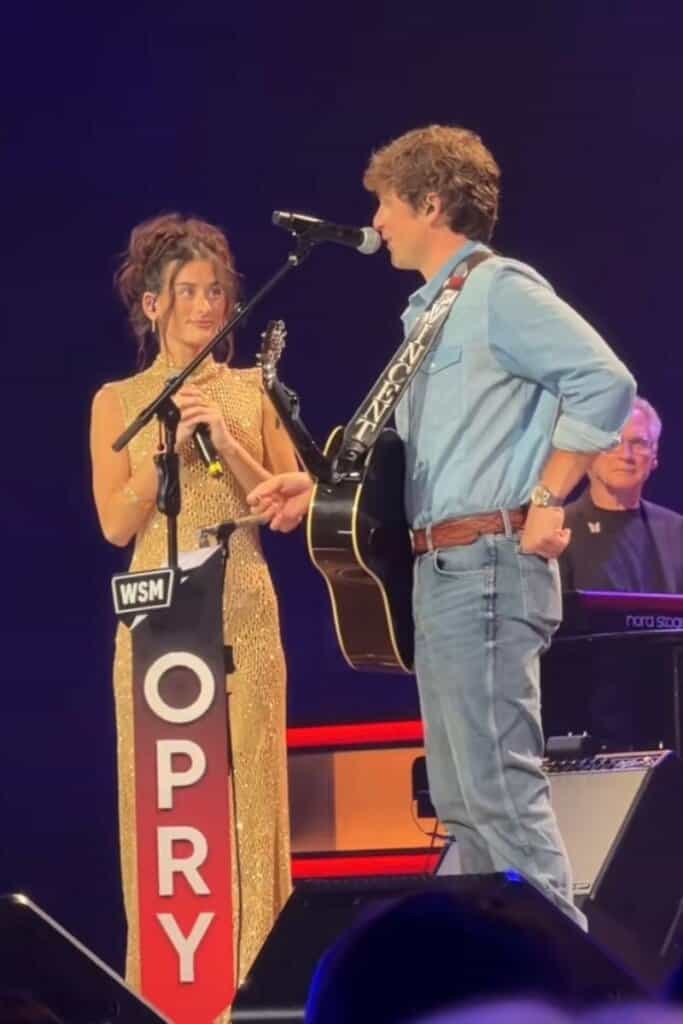
Lefty’s 14-track album, Long Way Home is out now and will continue to be celebrated throughout her first headlining trek of the same name. The tour will take her across the U.S. with additional dates throughout Europe in March 2027.
She took to Instagram to share the news writing, “I’ve been dying to announce these dates and I’m SO excited to finally bring this album to you. You’ve been showing these songs so much love from across the pond and now we get to scream them together in person 🥹 Can’t wait to see your faces!!!”
The post Kelsea Ballerini Comes To Stella Lefty’s Defense After Her Grand Ole Opry Debut Draws Criticism appeared first on Country Now.
Country Now
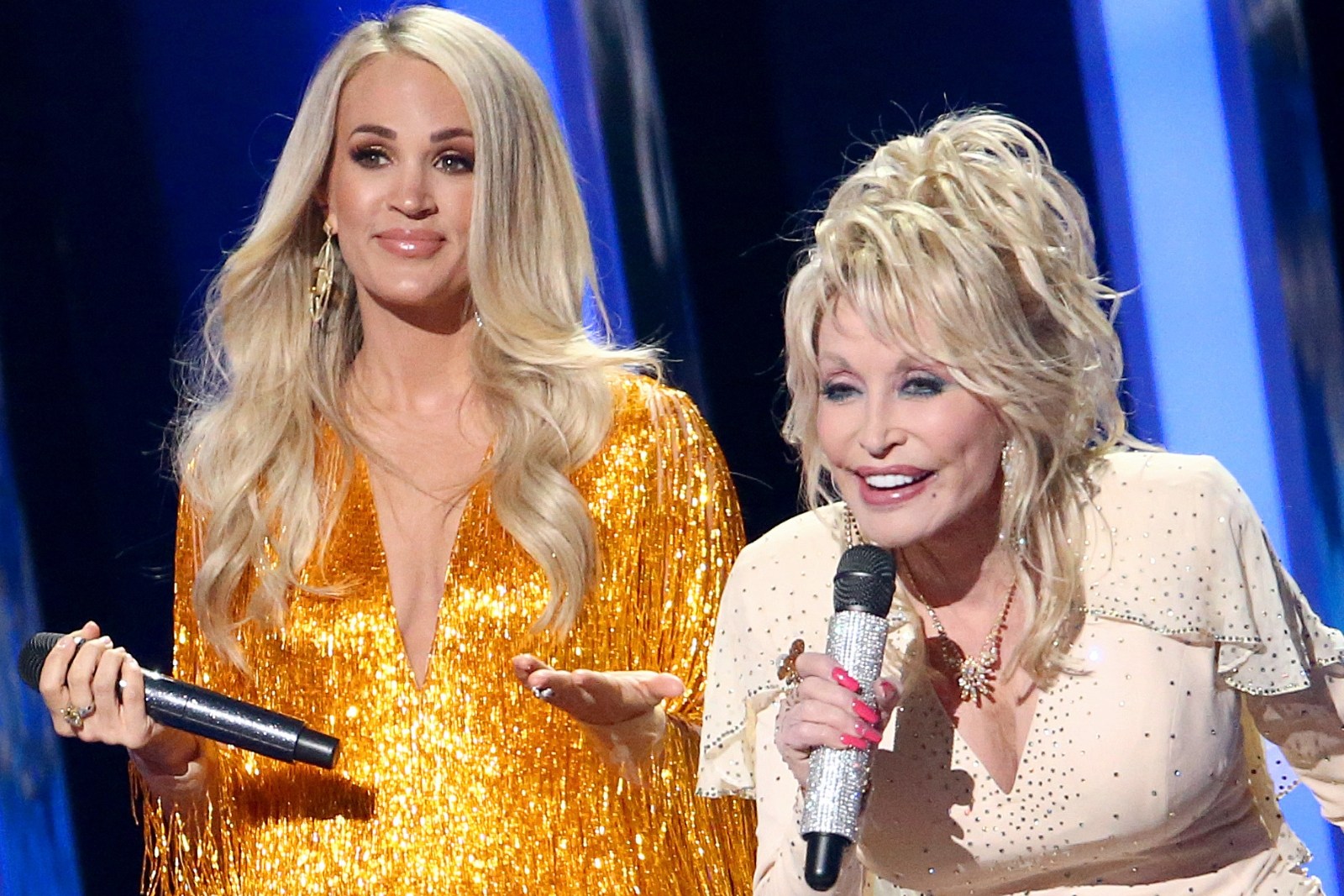
Carrie Underwood remembers Dolly Parton as more than a musical legend, but as someone who showed the world how to stay gracious no matter what. Continue reading…Country Music News – Taste of Country

Build a timed popup in the WordPress block editor with the free Otter Blocks plugin, no popup plugin needed. Pro adds scroll and exit-intent triggers.
The post How to Create a WordPress Popup Without a Popup Plugin (Free Method) appeared first on Themeisle Blog.
Themeisle Blog