Texas A&M erased five deficits to stun No. 8 Notre Dame 41-40, recording its first road win against an AP top-10 opponent since 2014 at Auburn.
www.espn.com – TOP









Texas A&M erased five deficits to stun No. 8 Notre Dame 41-40, recording its first road win against an AP top-10 opponent since 2014 at Auburn.
www.espn.com – TOP

LSU coach Brian Kelly didn’t hold back in his postgame media availability on Saturday, following a 20-10 win over Florida that perhaps wasn’t as glamorous as it could have been, telling reporters “I really don’t care. We’re trying to win football games.”
www.espn.com – TOP

Trailing by 14 in the first half, No. 6 Georgia engineered a thrilling rally at Tennessee on Saturday, outlasting the No. 15 Volunteers 44-41 in overtime in the SEC opener for both teams at Neyland Stadium, the Bulldogs’ ninth straight win in the rivalry.
www.espn.com – TOP

Terence Crawford made history Saturday night, defeating Canelo Alvarez to become the first undisputed champion in three weight classes in the four-belt era.
www.espn.com – TOP
We assess how the committee could stack the top teams in the country after Week 3.
www.espn.com – TOP

Week 3 will be hard to top after all the thrillers we got on Saturday.
www.espn.com – TOP

Roku reveals which Emmy shows viewers are watching most — and a few major snubs are topping the list, too. Continue reading…
Country Music News – Taste of Country

Jelly Roll turned to social media to share that he had met the Pope, celebrating how far he’s come from his early days in prison. Continue reading…
Country Music News – Taste of Country
Jelly Roll turned to social media to share that he had met the Pope, celebrating how far he’s come from his early days in prison. Continue reading…
The Boot – Country Music News, Music Videos and Songs
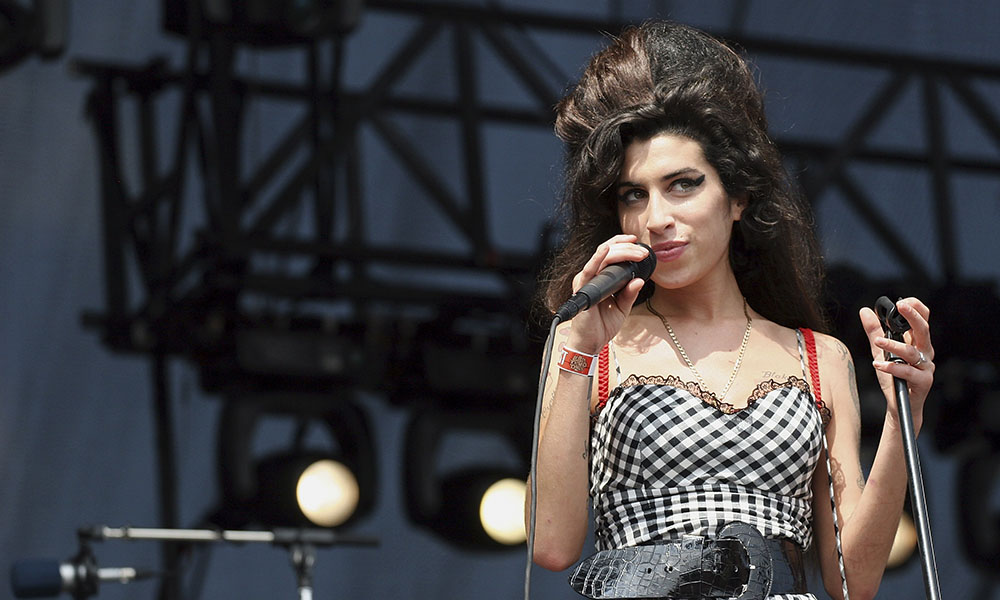
At her commercial and creative zenith between 2003 and 2007, Amy Winehouse was undoubtedly an artist who was courageously cutting-edge in the way she blended an array of different musical elements to create her own style and sound. But while she seemed new, excitingly modern and sounded like no one else, she was also a throwback to the great jazz singers of yesteryear.
If you listen carefully to Winehouse’s music and peel back the layers of modern production gloss, you’ll find it bubbling with echoes of the past; and in particular, echoes of Dinah Washington, Sarah Vaughan, and Ella Fitzgerald, three of jazz’s greatest female voices.
Winehouse assimilated Washington’s smoky timbre and blues-drenched phrasing, Vaughan’s fluttery vibrato and Fitzgerald’s ability to improvise (or “scat”) and combined those features with elements drawn from hip-hop, soul and pop to create a distinctive musical identity. Her originality lay in the way she filtered those influences through her own psyche and life experiences to arrive at a truly authentic mode of self-expression.
We shouldn’t be surprised by the impact that Washington et al had on Amy Winehouse because jazz was in her blood. Her family, especially on her father Mitch’s side, was deeply passionate about the music and played it all the time. Unsurprisingly, their enthusiasm rubbed off on young Amy, who from an early age immersed herself in the sounds of big band swing and American jazz singers.
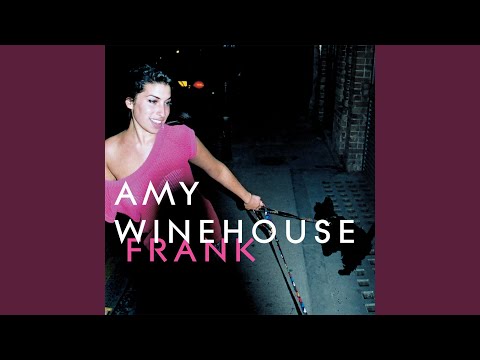
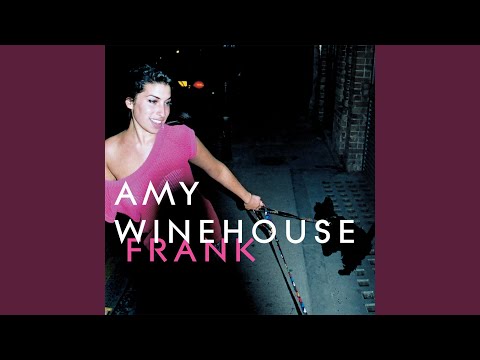
When she released her debut album, Frank, in 2003, Winehouse’s jazz influences were on full display. She channelled her inner Ella Fitzgerald on the improvised scat section featured in “Know You Now,” while on “October Song” she quoted the melody from the jazz standard “Lullaby of Birdland,” a tune indelibly associated with Sarah Vaughan. (Vaughan also received a name-check in Winehouse’s new lyrics).
But in terms of her tone, the singer Amy Winehouse resembled most was Dinah Washington. In his 2016 book Just Getting Started, veteran crooner Tony Bennett recalled being struck by Winehouse’s similarity with the Alabama-born singer when they recorded the duet “Body & Soul” five years earlier. “When I told her that her voice reminded me of Dinah Washington, Amy began to gush and tell me how devoted she had been to Dinah,” he wrote.
But what Winehouse took from Washington, she made her own, as she illustrated via her sensuous remake on Frank of the American singer’s “(There Is) No Greater Love,” which she transformed into a three-way conversation between her voice, saxophone and flute. Further evidence of Winehouse’s ability to take a jazz classic and redefine it was sublimely demonstrated by her delightful revival of James Moody’s “Moody’s Mood For Love,” which was propelled by a loping reggae-inflected groove.
Though her jazz influences were not so apparent on her more successful second album, 2006’s Back To Black, where her sonic landscape was R&B-tinged, Winehouse still approached her material with the sensibility and mindset of a jazz singer, especially on the haunting ballad, “Love Is A Losing Game.”
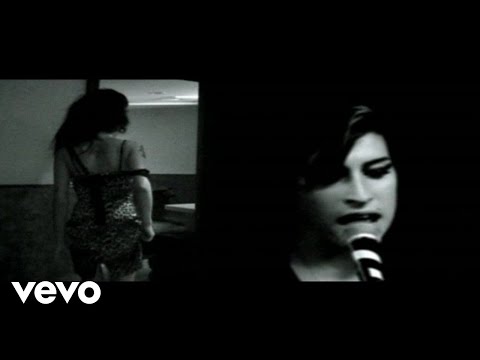
Like the American jazz singers that she sought to emulate, Amy Winehouse used her voice like a musical instrument; but it was a supple vehicle of self-expression rather than a finely-calibrated precision tool and possessed an underlying soulfulness that infused it with great emotional heft.
Although she left the world too soon, Amy Winehouse did enough during her short lifetime to warrant a place in the pantheon of great jazz vocalists, alongside some of the American singers she so admired. Some might disagree, of course, but if Bennett regards her as “a great jazz artist” (as he described her in Just Getting Started), then few can doubt Winehouse’s credentials. Working with her in the studio, he recognized Winehouse’s ability to take risks in her performances and improvise with rhythms and melodic phrases just like a jazz horn player would.
Shop for Amy Winehouse’s music on vinyl or CD now.
Discover more about the world’s greatest R&B artists | uDiscover Music