Categories
Sports Fox

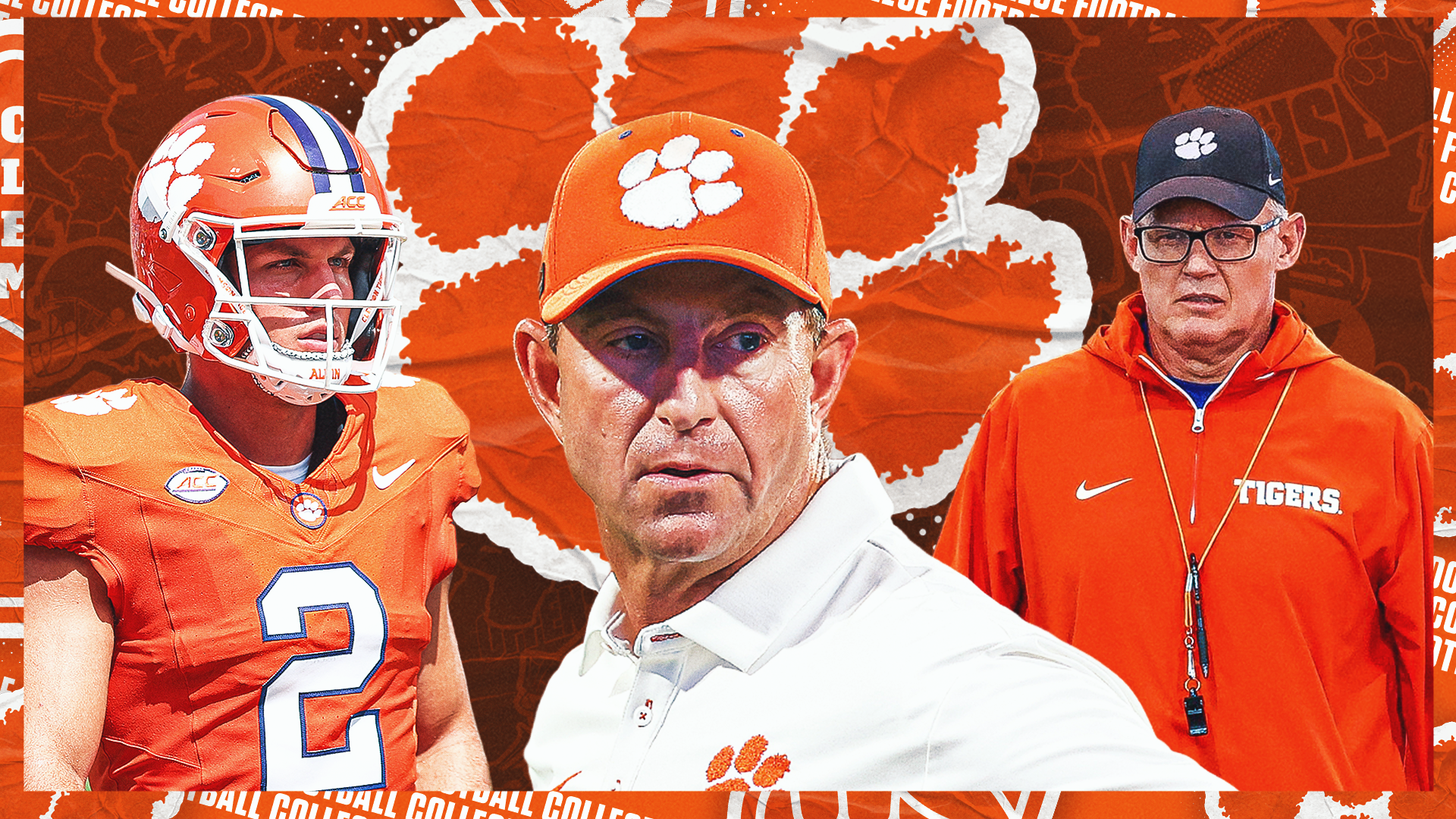
Dabo Swinney And Clemson Are Stuck In Neutral After Another Blowout Loss

MEMORIAL STADIUM (Clemson, S.C.) — The bodies crammed inside the Esso Club were packed tight, almost shoulder-to-shoulder as a line spilled from the bar, swerving toward the door and out into the courtyard. It was four hours before Dabo Swinney’s Tigers squad kicked off against the No. 4 Miami Hurricanes, and the beer was fully flowing inside “Clemson’s Original Sports Bar.” A quartet of Tigers orange-clad patrons created a pyramid of camouflage Busch light cans in the center of their high top, each marveling at their feat of pale ale-infused engineering. En route to Clemson’s favorite watering hole, a pair of Tigers faithful revealed themselves to a trio of Miami fans as Palm Beach residents. “When you get up 20, just back off a little bit,” one chided. “I guess you guys owe us for that 58-0 thing at your house,” the other conceded, a brief reminder of the Hurricanes’ pre-Mario Cristobal follies. Whatever gas last week’s win over Cal pumped into Swinney’s players, Clemson’s carburetor was flooded on Saturday as the Tigers were meticulously mauled, 41-13, by a Miami team that looks every bit as ferocious as its 2025 version, which came one score short of a national title. Exiting the field following the loss, Clemson’s squad was surrounded by a sea of Miami fans that made the trip north. They mobbed Cristobal. They flung iPhones skyward in hopes of capturing a selfie with bruising tailback Mark Fletcher Jr. They chanted, as the clock ticked down, “Fire Dabo! Fire Dabo!” Welcome to the life of a program stuck in neutral. “Winning heals everything,” ex-Clemson standout Eric Mac Lain told me pregame along the Tigers’ sidelines. “… But it’s just one of those things where it’s a double-edged sword because, for years, what did [Swinney] preach? Best is the standard — and obviously Clemson hasn’t been at their best.” SATURDAY WAS SUPPOSED Saturday was supposed to be a washout. Forecasts projected heavy rain that might send the Tigers toward their third weather delay of the season. The rain held off. The fans showed up. Death Valley rocked and swayed as the Tigers ripped past Howard’s Rock and onto the playing surface at Memorial Stadium ahead of kickoff. It came to a lull when Clemson actually had to run its offense. The Tigers burned a timeout before calling an offensive snap on the first play of the game. A bobbled third-down snap saw freshman quarterback Tait Reynolds get flattened by Hurricanes linebacker Chase Smith. A preview of coming attractions. Twice the Tigers committed penalties inside the Miami 10-yard line. Twice the Tigers turned the ball over to Miami’s zero. Twice — once to end the half and once to open the third quarter — the Tigers failed to score red-zone touchdowns. “We’ve gotta close that gap,” Swinney said in his post-game press conference. “… Those are game-changing opportunities that you have to cash in on to give yourself a chance to win games like that. And we did not. “… We’re a work in progress, but the season ain’t over. We’ve got a long way to go. It’s a [long] season. This one stinks. We played a really good team, and they were better than us today. We’ve got to see if we get better next time we play, and then at the end of the season, we’ll hopefully be a football team that nobody wants to play. We’ve got work to do.” Saturday was not so much a reckoning as it was a reminder. Clemson of old, this is not — a truth that makes the present and future in the South Carolina Upstate increasingly uncomfortable. Clemson is the poster child of schools aspiring for more. It’s only two years since the Tigers brass pressed lawsuits against their own league challenging the grant of rights and, effectively, creating a smoother ACC exit strategy with fewer stiff financial penalties. Those future aspirations — whether it be in the ACC or elsewhere — are perhaps less clear now as Congress continues to entertain the Protect College Sports Act and the strict anti-expansion clauses included in the bill’s verbiage. Winning football games, though, would help those desires. “That’s frustrating for all these people that were used to winning 12-plus games a year,” Mac Lain said. “They’re frustrated, and they have the right to, because they build us and they vaporize. Does it suck? Yeah, but at the end of the day, just win and you’ll be OK.” AND WHAT OF Miami in all this? Hate if you will, but Cristobal’s $40-plus million roster looks worth every dime. The Hurricanes have been the most aggressive school this side of Texas Tech in college football’s new world order. Boosters are, shall we say, woven into the fabric of South Florida’s preeminent college football program. That they might contribute directly to the Canes’ success has proven as lucrative as one might imagine. Sweet slingin’ quarterback Darian Mensah — whose contract dispute with Duke over the offseason created its own cavalcade of enemies across the ecosystem — has justified in spades the headaches, billable hours and animosity that will undoubtedly be directed his way the rest of the season. Mensah entered Saturday’s contest with more touchdowns (14) than incomplete passes (12). He was similarly efficient amid the rowdy rows of orange and white that littered the stands in Death Valley, connecting on a pedestrian — at least by his otherworldly standards — 67% of his 27 passes for 227 yards and one score. Lest you not forget all-world receiver Malachi Toney, or his running mate Cooper Barkate, or pass-catcher Daylyn Upshaw, or Fletcher, or … OK, you get the point. They’re flashy. They’re physical. The ‘Canes might just be the national title favorite. They looked it Saturday night. “Four years ago, we came here when we had just got to Miami with a roster that wasn’t what it was supposed to be. And we got our faces kicked in,” Cristobal quipped post-game of the 2022 shellacking the ‘Canes endured in Clemson. “It was good to come out today and play good football, and to give ourselves a chance to control our own destiny.” To be clear, there is no reckoning coming tomorrow for Swinney. Clemson is not a place that operates on the emotion of a single result against a national title contender. Tigers athletics director Graham Neff is analytical and tempered. Competitive? You bet. But he’s far from a shoot from the hip, ask for forgiveness later-type. Still, there’s an almost malaise and longing for days past around the grounds outside Death Valley. There was little angst about Swinney or the Tigers in pregame talk. Speak with enough people, and you’ll hear an appreciation for what has been accomplished under his watch, even if that history has begun to fade. “We love Dabo. He gave us two national championships,” 2016 Clemson grad Ryan Hall told me. “But he gets paid $12 million per year. We expect a little bit more. At Clemson, we’ll always show up. We just want to see our boys compete on the national level.” There will one day, perhaps soon, be a statue of Swinney in front of Memorial Stadium. No man has meant more to this program in its 130-year history, and a Week 5 loss to a talented Miami team won’t define his legacy. But Saturday was a reminder that the statue may represent accomplishments achieved long before Clemson’s most recent loss to the nation’s elite. That’s indictment enough.​Latest Sports News from FOX Sports

Categories
Sports Fox

History Made By Cavan Sullivan: 4 Takeaways From USA’s Win Over Mexico

STATE FARM STADIUM (Glendale, Ariz.) — The U.S. men’s soccer team trounced Mexico, its fiercest rival and FIFA’s No. 10 ranked nation, 3-0 in Saturday’s exhibition match here in front of a heavily pro El Tri crowd of more than 60,000 at the home of the NFL’s Arizona Cardinals. Eighteen-year-old forward Julian Hall scored for the third straight game, 17-year-old Cavan Sullivan added the second and Malik Tillman rounded out the scoring with just a few minutes remaining. Here are my takeaways, plus post-game reaction from U.S. coach Mauricio Pochettino and his players. Last weekend against Peru, Cavan Sullivan became the second-youngest player to start in U.S. men’s national team history. On Saturday, he notched an even more impressive milestone when he pounced on an errant pass by Jose Rangel and chipped the Mexico keeper to give the Americans a dos-a-cero lead — the youngest goalscorer in the 113-year history of the program. “He’s a talented player with enormous quality, but with a very good balance in possession and out of possession,” Pochettino said. “He’s a fighter. He’s a warrior. It’s difficult to find this type of player. “Happy for him, happy for the team,” the coach added. “I like what he said [on TNT’s broadcast] after the game, that the most important thing was the result. He’s learning every day. That is a good thing.” Until losing back-to-back games to Mexico in 2024 and ’25, the U.S. had dominated its southern neighbor this decade, beating El Tri in three straight Concacaf Nations League Finals and the Gold Cup final in 2021. The pendulum swung back after Pochettino took over as coach, though that was hardly his fault, with an understrength U.S. squad falling in a so-called friendly in Guadalajara and in the 2025 Gold Cup final in Houston. After beating the Peruvians and Chile decisively late last month, Pochettino cautioned on Friday that there would be downs as well as ups for this unusually young roster, the first one of the 2030 World Cup cycle. But the kids didn’t get the memo, growing into the match against Mexico and taking the scoring chances they were presented with. That’s a hugely encouraging sign going forward. “Mexico is a great team,” Pochettino said. “They forced us to play backwards. We never connected, we were losing all the duels. And then we started to grow after 15-20 minutes.” “We had to adapt in different ways,” U.S. captain Tyler Adams said. “At halftime we kind of regrouped…I thought it was a complete team performance in a lot of different facets of the game. We had some challenges to defend. I think we defended all right for most of the part, and then obviously scored some good goals.” It’s possible that the 18-year-old Red Bull New York striker wouldn’t even have been on Pochettino’s roster for Saturday’s contest. World Cup starter Folarin Balogun and one of his backups, Haji Wright, were not called in this window. Hall might not have played nearly as much if Ricardo Pepi, who appeared in all five games during the Americans’ run to the round of 16, hadn’t gotten hurt after Pochettino named his roster back on Sept. 17. No matter. Hall has taken every opportunity he’s been given since making his senior international debut in last week’s 4-1 win over Peru, scoring it that game shortly after entering as a second half substitute and then finding the net again in his first start, a 4-2 victory against Chile. Those goals were enough for Poch to keep the Manhattan-born Hall in his lineup for Saturday’s showdown with Mexico, the highest-profile match among the four the No. 16-ranked U.S. team will play this window. And Hall rose to the challenge again, giving the home team a 1-0 lead following one of the only extended spells of possession the USA had during a first half in which El Tri had the ball for more than 60 percent of the time. “I mean, three goals in three games is not bad for a striker, especially in your first three games in the national team,” said Gio Reyna, whose cross led to Hall’s tap-in. “He sort of has that eye for goal.” Like most of the rest of the youngsters who Pochettino handed minutes to this month, Hall will probably return to either the U.S. under-20 national team or the 2028 Olympics-bound U-23s when the more experienced forwards in the player pool inevitably return. But for a country that never seems to have enough pure goalscorers, he’s definitely given Poch and his staff something to think about ahead of next month’s Concacaf Nations League quarterfinals. “It’s a fantastic problem for us,” the coach told me when I asked if the performances of Hall and the other youngsters might alter thier plans. Once its strongest position by far, the U.S. has had a devil of a time producing elite goalkeepers in recent years. But the 20-year-old Kochen is the country’s best backstop prospect in years, and the fact that Poch started him in a hostile environment in Glendale says plenty about the Barcelona product’s potential. That talent was on full display in the 58th minute when, with the U.S. clinging to a 1-0 lead and Mexico knocking on the door, he made an all-world stop on El Tri attacker Roberto Alvarado on the way to a clean sheet: “It’s one of the greatest moments of my entire life,” a beaming Kochen told me about an hour after the final whistle blew. “I’m super thankful that the coach trusted me with this.” It remains to be seen if Kochen will keep his place going forward, stick with the senior team in an understudy role, or if he, like others, will return to the youth ranks. Given his competition, his age, and his status as the American keeper with the highest ceiling, don’t be surprised if it’s the first one. The Americans have another quick turnaround following Saturday’s victory, with just two days between the Mexican match and another rivalry game on Tuesday against Canada and its American coach, Jesse Marsch. “We have Canada in three days,” said Reyna, the only U.S. player to start all three games during this camp. “First time I started three games in the week in probably four or five years, so I’m a little bit tired now. But I’ll be good for Canada.” While the U.S. holds the all-time series lead with a record of 17 wins to 12 losses (along with two draws), it has won just once in the last six meetings between the teams, including the most recent in 2025. Can the Red, White and Blue break another streak of futility against another neighbor in Minnesota?​Latest Sports News from FOX Sports

Categories
Sports Fox

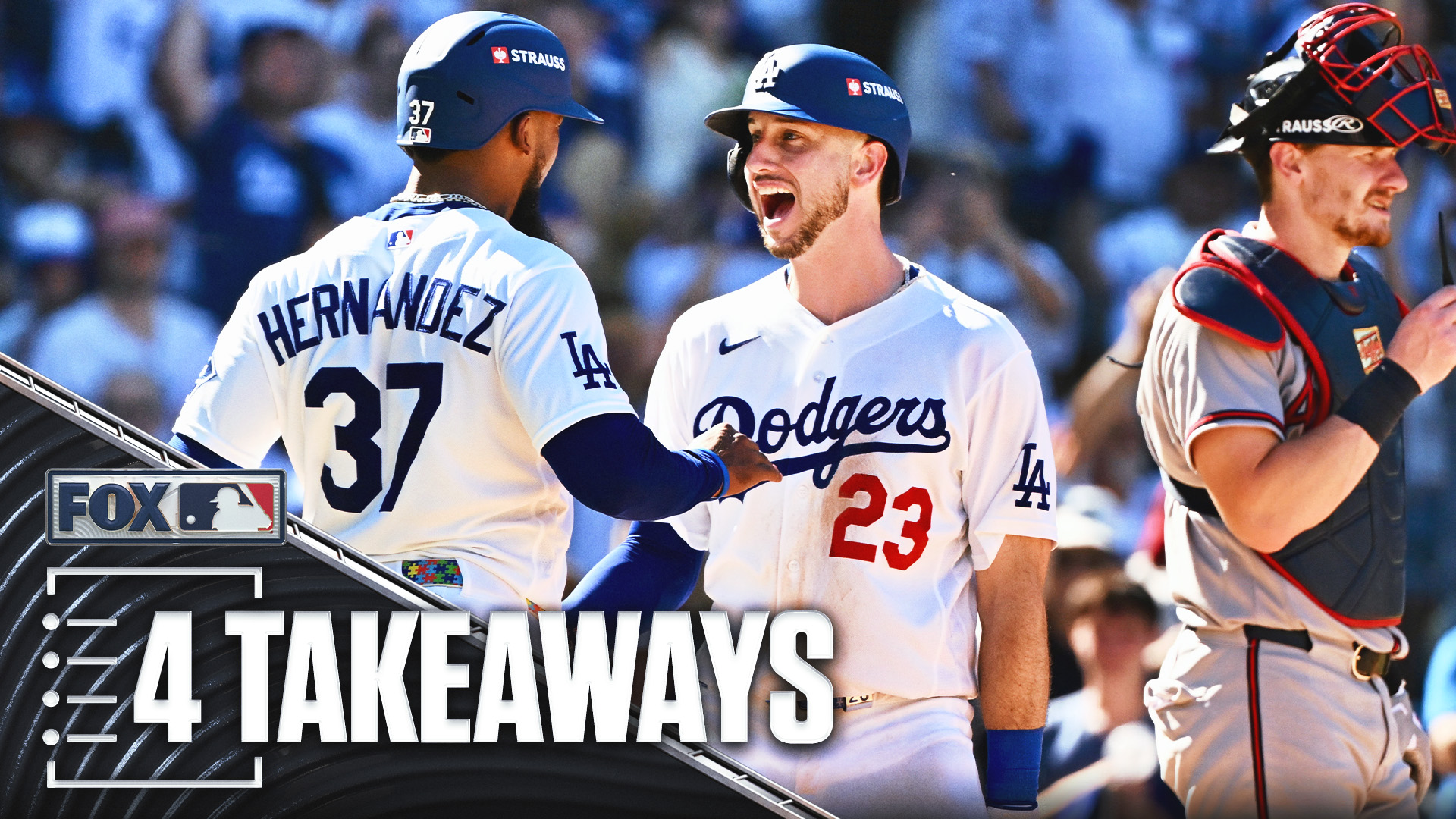
Dodgers Show Off Depth; Brewers Escape: 4 Takeaways From Division Series Game 1s

From big home runs to dominant pitching and confusing late-inning calls, the first four games of the Division Series had everything. After the Chicago White Sox opened the day with a win, the three home teams – the Dodgers, Rays and Brewers – held serve with wins. Los Angeles and Tampa Bay got huge outings from their starting pitchers, while Milwaukee got some timely hitting and a little bit of luck. Here are our takeaways: Deesha Thosar: In the same inning, with two clutch swings, the two most valuable White Sox players showed just how quickly they can turn the table. Guardians left-hander Parker Messick was dealing through three innings, racking up six strikeouts across his first 11 batters faced. Then, just when it looked like Messick was getting into a groove, the heart of Chicago’s order overmatched Cleveland’s talented rookie. White Sox third baseman Miguel Vargas led off the fourth inning with a single that left his bat at 110 mph to left field, representing a nightmare scenario for Messick. Digging into the box was first baseman Munetaka Murakami, one of the league’s top sluggers this year, who instantly became a fan favorite in Chicago after he joined the club as a free agent through the Japanese posting system. Murakami’s 45-day negotiating window this past winter gave all 30 teams a chance to speak with the power slugger. There was limited interest in a long-term deal for Murakami, so he signed a two-year, prove-it contract with the White Sox. It didn’t take long to understand why every Murakami at-bat is must-see television, and why 29 teams should be kicking themselves for losing out on him. In that electric fourth inning on Saturday, the 26-year-old rookie slugger didn’t even need to wait for a fastball to do serious damage. On the first pitch from Messick, a 93 mph sinker slightly up and in, Murakami connected at 112 mph off the bat and lifted it into the right-field seats for a thunderous two-run home run that gave the White Sox a 2-0 lead. It was the hardest-hit ball of the playoffs so far and traveled 440 feet, giving the White Sox an early lead they didn’t relinquish. Munetaka was quiet in the wild-card series against the Astros, going 1-for-10 without finding his first postseason home run. When it finally arrived, he knew he got it. Murakami stayed in the box and watched all of it sail to right field before turning to his dugout, slamming his bat on the ground and pumping up his teammates. Vargas, too, had been silent this postseason until Game 1 of the ALDS. After going 0-for-9 against the Astros, he went 1-for-1 with two walks and a run scored in the series opener against the Guardians. Saturday’s performance was a full-circle moment of sorts for Vargas, who didn’t hide his disappointment when he was traded from the Dodgers to the White Sox during MLB’s trade deadline in 2024. At the time, Vargas went from a Los Angeles super team that was on its way to winning the World Series to a historically awful 121-loss White Sox team. Vargas was a cast-off until he found his place on this year’s Cinderella Sox squad. It all came together for Vargas and Murakami in Chicago’s gripping opening salvo on Saturday. Both players are critical to the White Sox’ goals for a deep postseason run, and both are enjoying terrific redemption arcs. Rowan Kavner: In six career playoff starts entering Saturday afternoon at Dodger Stadium, Tarik Skubal had never received more than three runs of support from his offense. He had also never played with a lineup like the one he has now. Skubal starred in his Dodgers playoff debut, at one point retiring 15 straight Braves. Despite his success through five innings, he led just 2-0 when he left a sinker up to Braves catcher Sean Murphy, who deposited the pitch 421 feet over the fence to center field. While it was a scorching hot day at Dodger Stadium — it was 100 degrees at first pitch and ascended to 103 degrees from there — it took a while for the Dodgers’ offense to warm up. Eventually, though, it ignited in a 5-3 win – and it was their maligned corner outfielders leading the charge, continuing their late-season resurgence. Teoscar Hernández had an OPS under .700 in late August and nearly started getting platooned in left field before he took off in September, producing an OPS over 1.000 in his final 25 games of the regular season. Kyle Tucker, meanwhile, was mired in a year-long struggle in the first season of a four-year, $240 million deal. He was particularly ineffective at Dodger Stadium, where he was the fourth-worst qualified home hitter in the sport. But he, too, started to look better in the season’s final weeks, also producing an OPS over 1.000 in his last 17 games. And in their first game of October, both continued to rewrite the script of their season. After Braves opener Dylan Dodd carved through the Dodgers’ lineup for the first three innings, Hernández greeted Braves reliever Victor Mederos with a 431-foot blast to start the scoring. Two innings later, Tucker and Max Muncy both went deep off AJ Smith-Shawver to break the game open — runs that would be crucial, after the Braves tagged Tanner Scott for two runs in the ninth on a home run from Ozzie Albies — demonstrating that even if Shohei Ohtani and Freddie Freeman aren’t right physically, there are myriad game-changers in the Dodgers’ lineup. Thosar: Drew Rasmussen, or Yankee killer? The final time Rasmussen took the mound in the regular season was against the Yankees, and he shoved. In front of a packed house in the Bronx last week, Rasmussen struck out 11 batters and limited New York to one run over 6 ⅔ innings on 114 pitches. It was a phenomenal way to wrap up his dominant year. On Saturday night, under the bright lights of the MLB postseason, Rasmussen outdid himself. Call it the best start of his seven-year career. The 30-year-old right-hander was untouchable. The four-pitch mix coming out of his hand was ridiculous. The Yankees lineup was so stupefied by Rasmussen’s arsenal that he carried a no-hitter into the eighth inning. It wasn’t until Yankees catcher Austin Wells lined a two-out double down the first-base foul line that the Yankees had a man on base for the first time since the third inning. Finally, the Yankees had their chance to rattle Rasmussen and bring Giancarlo Stanton off the bench to pinch-hit for third baseman Ryan McMahon. But Wells, a stocky backstop with catcher speed, decided to leg out a triple in a one-run playoff game. That was never going to end well. Wells was easily out at third, the Rays got out of their only jam of the game, and Rasmussen was completely fired up instead of flustered. His final line was impeccable. Rasmussen struck out 10 batters, allowed two walks and one hit over eight shutdown innings and 101 pitches. Simply put, he could do whatever he wanted against these Yankees. They never stood a chance, and when they finally created one, they made yet another silly baserunning mistake, which has plagued them in October for the past several seasons. Rasmussen’s dominance overshadowed what was actually a strong outing from Gerrit Cole in Game 1 of the ALDS. Cole pitched five one-run innings, allowed one walk and struck out five, with his only blemish being a solo shot to Jonathan Aranda in the third inning. Cole’s start was in question leading up to the weekend, and nobody would’ve faulted Yankees manager Aaron Boone if he went with Carlos Rodón for the series opener instead. But Cole was solid, and the Yankees still have a fully rested Rodón to pitch a different game in the series. Kavner: Throw out the script. Ditch the blueprint. Then raise the roof. Or, if you’re a Brewers fan, maybe leave it right where it is. In the playoffs, sometimes things go awry. On Saturday in Milwaukee, the Brewers countered with Plan B. Or maybe C or D. Their Cy Young favorite lasted only four innings. They got into a battle with the best bullpen in the sport. They watched a deep ninth-inning drive nearly put the Padres ahead. But they somehow prevailed in a wacky 3-2 victory, protecting home field in Game 1 of the NLDS with an assist from the roof at American Family Field. Trailing by a run with one on and one out in the ninth, Padres first baseman Ty France pulled a fastball from Brewers closer Trevor Megill deep to left field. It looked like it might get out when suddenly the ball struck a roof cable and ricocheted back into the field of play. By rule, any ball that strikes the roof, roof truss or roof cable at the stadium in fair territory is in play. Left fielder Jackson Chourio was alertly camped underneath to catch it. One batter later, Jackson Merrill lined out to end the game. “Four years in this stadium, never seen that before,” Megill said. “Just glad it worked in our favor.” Even before the bizarre finish, this was certainly not how the Brewers drew up their win. They had the clear starting pitching advantage, with their ace Jacob Misiorowski facing veteran Robbie Ray, who had an ERA over 5.00 in nine starts after getting traded from the Giants to the Padres. The first pitch of the game from “The Miz” clocked in at 104.8 mph, making it the fastest postseason pitch on record. So, the Padres decided to wait the flamethrower out. They routinely spoiled heaters, then attacked his secondary pitches. Manny Machado doubled on a slider in the first. In the second, Xander Bogaerts singled on a slider, while Ethan Salas and Luis Campusano singled on cutters. A fielder’s choice followed, and the Brewers suddenly trailed 2-0. Milwaukee responded when a 22-year-old who is already now their all-time postseason home run leader went yard. Chourio obliterated a first-pitch slider from Ray, launching it 113.3 mph off the bat and 420 feet out to left-center for a two-run shot in the third. It was Chourio’s fifth home run in just 13 career playoff games. Misiorowski, who lasted just four innings but struck out six and only allowed the two runs, has credited catcher William Contreras for helping him navigate through his record-setting season on the mound. But in the seventh inning on Saturday, it was Contreras’ bat that made the difference. Contreras worked the count full against Padres reliever Adrian Morejon, then went the other way on a full-count, 100.1 mph sinker for a go-ahead home run. It was the first homer Morejon had allowed since Aug. 18. A skirmish against the Padres’ high-powered bullpen is usually not a recipe for success. Milwaukee’s relief corps danced around trouble to post five scoreless innings, complete with a hat-tip to the roof, or maybe a divine power, to end it. Afterward, Brewers manager Pat Murphy could only think of the late, legendary Bob Uecker. “The only thing that you could probably figure on the ball that everybody’s going to be talking about is that Ueck decided to put his hand on it and swat it down so Chourio could catch it,” Murphy said. “So, thanks, Ueck.”​Latest Sports News from FOX Sports
Categories
Alaska News

USS Ted Stevens Commissioning

Post Content

Categories
Sports Fox

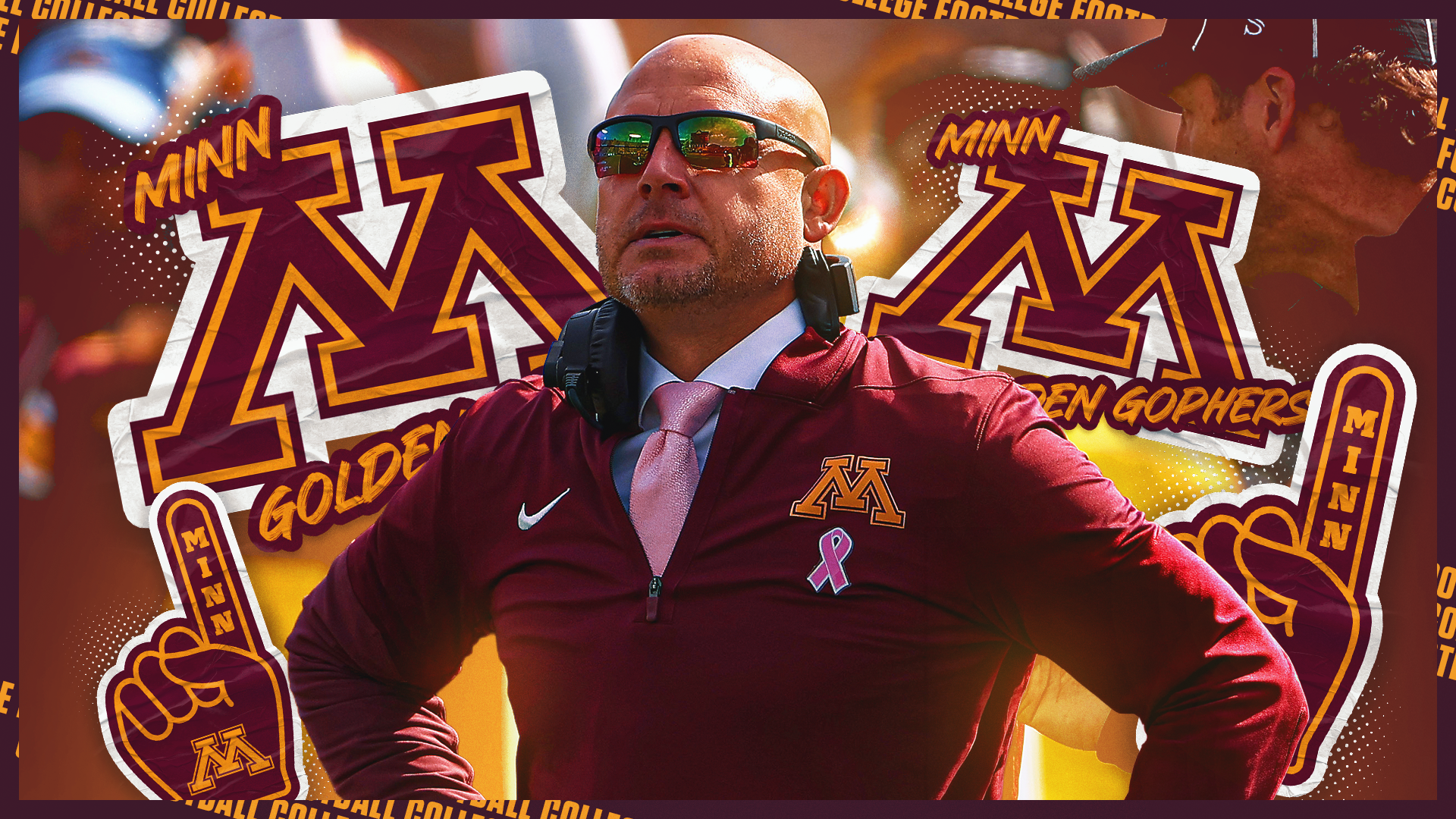
The Day Minnesota’s P.J. Fleck Rowed The Boat Into History

From a morning crowd-surf to a field-storming celebration with the Little Brown Jug, this is the oral history of P.J. Fleck’s unforgettable day. P.J. Fleck arrived at Huntington Bank Stadium dressed for the occasion. Gopher maroon pants. Brown preppy loafers. A navy blue sport coat. A maroon tie and pocket square. On his left lapel, a Minnesota “M” pin. It was well before 9 a.m., and Fleck was already in his element. Since his first head coaching job at Western Michigan in 2013, Fleck’s relentless energy, booming voice and unwavering belief in his teams have become trademarks of his career. At Minnesota, that personality can be summed up in one phrase: Row the Boat. It’s about resilience. The idea that every individual in the program has a role in moving the boat forward. At his introductory press conference at Minnesota back in 2017, Fleck offered a glimpse into the mentality he would bring to the program. “My entire life has been about running into the fire, not away from the fire.” On Saturday, the fire was Michigan. And Fleck was ready to run in head first. ACT I: THE SHOW 9:15 A.M. CT Fleck appeared on the set of FOX’s “Big Noon Kickoff” shortly after 9 a.m. CT. He sprinted to the set, slapping high-fives with fans as he ran through a spirit tunnel filled with Minnesota supporters dressed in maroon and gold. He leaped onto the stage, dapped up Brady Quinn, Matt Leinart, Mark Ingram, Urban Meyer and host Rob Stone, and immediately became the center of attention. Quinn had a question for him. The previous week, after Minnesota’s win over Washington, Fleck had wiped linebacker Maverick Baranowski’s blood across his own face in one of the stranger postgame moments of the season. FOX Sports’ Brady Quinn:”Talk to me about the blood-brother relationship you have with him (Baranowski) and your players?” Minnesota head coach P.J. Fleck:”You can’t go out there and bleed with them and play with them anymore as players. So, the way to show that is, ‘I got your back.’” Then Fleck, being, well … Fleck … took the story in another direction. Fleck:”It’s Minnesota. It’s hunting season, and if you get your first deer, you’re supposed to take a bite out of the heart, so I didn’t do that.” Ingram erupted in laughter. Then the BNK Crew convinced Fleck to do something even more Fleck-like. Crowd surf. He leaped into a sea of Minnesota fans outside the set, pumping his fists and screaming, “Let’s go!” as supporters lifted him above their heads and carried him through the crowd. When Fleck finally made his way back to the stage, Stone had seen enough. FOX Sports’ Rob Stone:”Best guest ever.” Kickoff was still nearly two hours away. ACT II: THE MOMENT GETS REAL Fleck changed out of his Saturday-best outfit and into a maroon Minnesota quarter-zip. He led his team onto the field with a sea of gold chrome helmets sprinting out of the tunnel behind him. The stadium was rocking. FOX Sports’ Jenny Taft:”The hype is real. You can hear how excited this place is.” Fleck had a theme for this game. Last week against Washington, it was frontiersmen heading west. Against Michigan, the message was darker: Darth Vader. The Evil Empire. Taft:”The message is simple: Feel the force. Use the energy from a sellout crowd and get the job done.” Then the game started. And the first half was far from perfect. Minnesota trailed 14-7 at halftime after quarterback Drake Lindsey threw a late second-quarter pick-six. As Fleck prepared to lead his team back onto the field, Taft caught up with him. Fleck:”We played 30 minutes of really good football. We gotta get some takeaways, have some long drives go our way. It’s 0-0. Let’s go!” The second half would belong to the Gophers. ACT III: THE COMEBACK Minnesota’s defense took over in the second half, holding Michigan scoreless. The Gophers intercepted Michigan quarterback Bryce Underwood twice. They held the talented sophomore signal-caller to 101 yards passing and 20 yards rushing. Michigan had opportunities. Minnesota kept taking them away. Then the clock hit zero. MINNESOTA 20, MICHIGAN 14. For the first time since 1977, Minnesota had beaten Michigan at home. Fans poured over the railings and onto the field. Players sprinted toward the Little Brown Jug – the historic trophy awarded to the winner of the contest. “Mr. Brightside” — the song traditionally played at the Big House during Michigan football games — blared over the speakers. Somewhere in the middle of the chaos was Fleck. Taft found him for a postgame interview. Taft:”Minnesota has not beaten Michigan at home since 1977. How and why did the Gophers do it today?” Fleck:”This team, their heart, their spirit, our community, our spirit, our state. They never stopped believing. This team is resilient. There’s pandemonium in Minnesota right now.” Taft turned her attention to the defense. Taft:”Your defense was so suffocating today. What was the highlight for you?” Fleck couldn’t wait to reply. “They swarmed to the ball. They played complementary defense. They played structured downs. They shrunk the pocket. They tackled. They trusted one another.” Then Taft asked him about the players who had bought into that philosophy. Taft:”Coach, your program is all about development, guys who want to stick around and be here and believe. How proud are you?” Fleck paused before delivering the quote of the day. Fleck:”I couldn’t be prouder. Besides my marriage and my kids being born, this might be the best day of my life. ROW THE BOAT!” FOX Sports’ Gus Johnson:”Oh, wow, Coach Fleck. What a coach!” ACT IV: WHY IT MATTERED The field eventually began to clear. It was time for Fleck to speak to the media, addressing what he told his players following the historic win. Fleck:”I told them in the locker room that they make my life amazing. When you’ve got everyone feeling really good about themselves, really good about their lives, that’s what it’s all about.” When reporters asked him what beating Michigan meant, Fleck talked about the memory his team had created. Fleck:”You want to create the memory so bad for other people because it’s not about you.” He mentioned the players. He shouted out the administration. He spoke about fans. He harped on the student body. And last, he spoke about the state of Minnesota. Fleck:”I want everybody to have such great pride in it.” And then there was the Little Brown Jug. Fleck:”Winning one of the oldest rivalry trophies. It’s special.” The victory belonged to everybody associated with the Minnesota football program. ACT V: ROW THE BOAT By now, fans had begun to empty out of the stadium. The coaches had spoken to reporters. The players had hugged their loved ones and made the walk to the locker room. But Fleck’s celebration was far from over. He grabbed the Little Brown Jug, hoisted it over his head and poured water all over himself. He handed the trophy off and sprinted toward the locker room. Another crowd surf. His hands went up. Water rained down around him. This was his time to celebrate with his players. No stage. No nerves ahead of kickoff. Just Fleck, his players and the historic trophy they had spent 12 years chasing. His team embraced the moment. They ran into the fire. And on Saturday afternoon, in front of 50,000-plus fans dressed from head to toe in Minnesota marron and gold, they rowed the boat.​Latest Sports News from FOX Sports
Categories
Alaska News

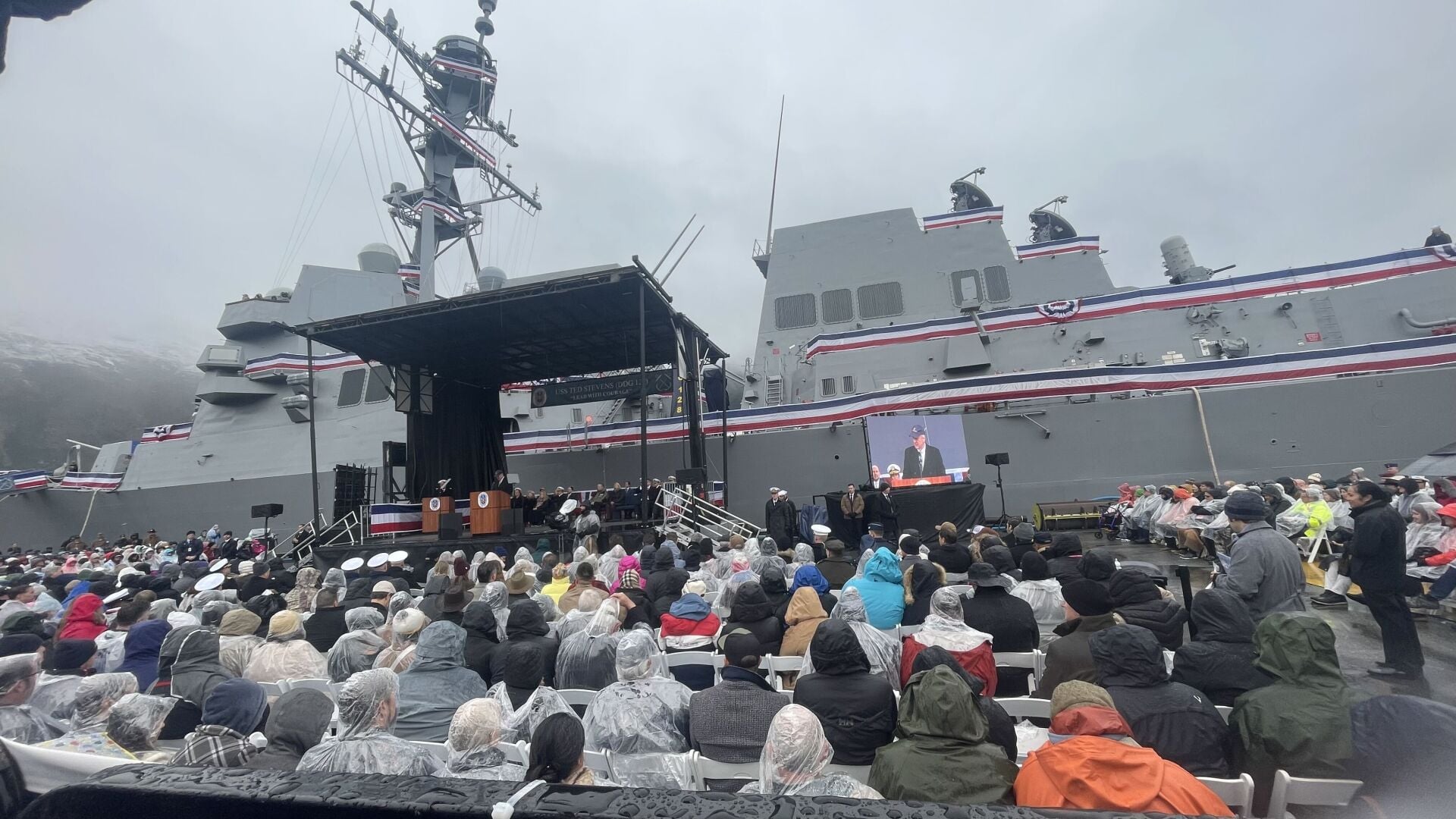
USS Ted Stevens commissioned in Whittier, carrying an Alaska legacy

The USS Ted Stevens was commissioned in Whittier before thousands of people, including Navy leaders, Alaska’s congressional delegation and the Stevens family. The ceremony honored Ted Stevens’ legacy while highlighting Alaska’s role in Arctic security and the nation’s maritime future.

Categories
Entertainment

Why You Should Pour Pilsner Beer Into A Stange Glass

A light, crisp pilsner deserves the perfect serving vessel. We recommend using a stange glass for this beer, even though it’s somewhat hard to find.

​Mashed – Fast Food, Celebrity Chefs, Grocery, Reviews

Categories
Sports Fox

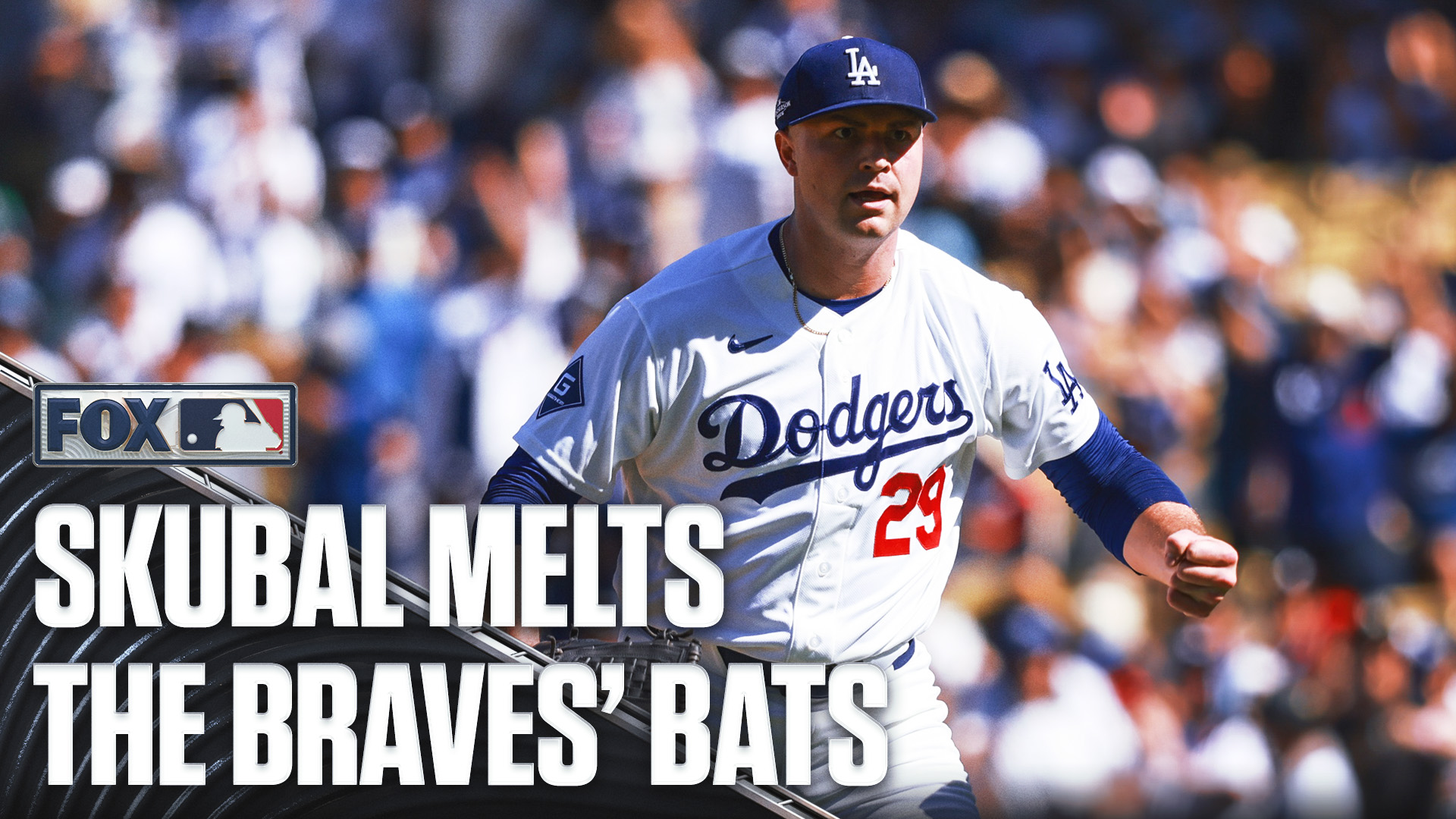
Tarik Skubal Comes ‘As Advertised’ In Sweltering Dodgers Postseason Debut

DODGER STADIUM (Los Angeles) – After firing six innings of one-run ball in his first playoff start for the Dodgers, delivering exactly what the back-to-back champions envisioned when they traded for the back-to-back American League Cy Young Award winner at the deadline, Tarik Skubal returned to his home dugout on a scorching Saturday afternoon and asked his teammates a question. “Has it been this hot all game?” At the time of Skubal’s departure, the video board over the left-field pavilion read “103.” The official temperature at first pitch of Game 1 of the National League Division Series was 100 degrees, making it the second-hottest postseason game in Dodger Stadium history, behind only Game 1 of the 2017 World Series. “It’s amazing what your brain can do in certain circumstances and moments,” Skubal said. “It’s amazing what you can control and kind of eliminate. So, I actually didn’t think it was horrible when I was pitching.” It was hot, Skubal eventually conceded. Nothing he hadn’t dealt with before, though. “I played a Little League game in 127,” claimed Skubal, who moved from Northern California to Arizona as a kid. “Lake Havasu.” So, rather than withering in the sweltering heat, he melted the Braves’ bats in a 5-3 win. Skubal knew how to handle the adverse conditions, doing his best to stay hydrated and out of the sun as often as possible. Quick innings would help. He delivered plenty. After Braves designated hitter Drake Baldwin led off the game with a single, Skubal retired the next 15 Atlanta batters he faced, including seven by strikeout. “That’s why you acquire a guy like him,” Dodgers infielder Miguel Rojas said. Skubal got eight whiffs with his changeup. His fastball played up, as expected with the added adrenaline of postseason baseball. Five of his 15 fastest pitches this season came Saturday afternoon, including a 101.1 mph that was his hardest since last year’s American League wild-card series. “I think I was just trying to match the temperature out there,” Skubal quipped. As the sun beamed down in the sixth inning, a beacon of light finally appeared for the Braves offense. After getting ahead 0-2 on Sean Murphy, Skubal left a sinker up at the top of the zone. The Atlanta catcher sent it 421 feet out to center field for a solo shot. The Braves continued to threaten later in the inning after Skubal walked two batters, but the left-hander navigated around the traffic and prevented the inning from spiraling. He bought time for the Dodgers’ offense to break out, which it eventually did with home runs from Teoscar Hernández, Kyle Tucker and Max Muncy in the middle innings. By the time Skubal departed, the Dodgers led 5-1. “He was as advertised,” Muncy said. “It was really fun to see him go out there and do his thing.” Skubal had aced his first test, one he considered a privilege. He was informed he would start Game 1 right after he left his final start of the regular season in San Francisco on Sept. 25. The left-hander was only at 75 pitches after striking out 10 Giants in seven innings, so he figured he was going to keep going. Instead, Dodgers manager Dave Roberts came out, shook Skubal’s hand and delivered the news. “Get ready for Game 1.” Skubal was fired up, but he was also deferential. Many had expected Yoshinobu Yamamoto to get the Game 1 start, and Skubal knew what Yamamoto meant to the team after winning World Series MVP honors last season with a herculean effort in Games 6 and 7. “Tarik was very respectful of Yoshinobu,” Roberts said, “but we have thoughts on why we do things, and all these guys are all in for whatever we decide.” In a short time, Skubal has also garnered respect in his new clubhouse, not just because of his talent and production but because of how he has embraced his new surroundings, for however long he might be a Dodger. “I just feel like he’s into it,” Rojas said. “It’s really refreshing when you get a guy in the middle of the year and get so much more than just performance. You get a guy that’s helping the rest of the guys in the clubhouse.” Rojas noticed that after Skubal’s day was done Saturday, the pitcher didn’t go to the training room. Instead, Skubal stayed in the dugout, wanting to support his teammates. “The person that he is, the player that he is, the way he works, it just has been awesome,” Hernandez told me. “Not only for him, but for everybody in the clubhouse and the organization, to see the way he goes about his business and the dedication he puts in every day.” This winter, Skubal is due to become one of the highest-paid pitchers in MLB history, yet Muncy said he hasn’t heard Skubal mention free agency once. Muncy has also noticed how badly Skubal wants the ball in any scenario, despite that looming payday. After his first playoff start as a Dodger on Saturday, Skubal said he is “absolutely” willing to pitch on short rest or in relief should the situation call for it, much like Yamamoto did last year. “He’s a bull,” Rojas said. “He’s one of those guys that you want in the front of your rotation.” Luckily for the Dodgers, they have a few of those. On Sunday, another two-time Cy Young Award winner, Blake Snell, will take the mound for the Dodgers in Game 2. Yamamoto will likely follow in Game 3. For the Braves, the heat won’t let up after Saturday’s sweltering opener. “We’re in a good spot,” Roberts said. “It all starts with winning Game 1.”​Latest Sports News from FOX Sports
Categories
Alaska News

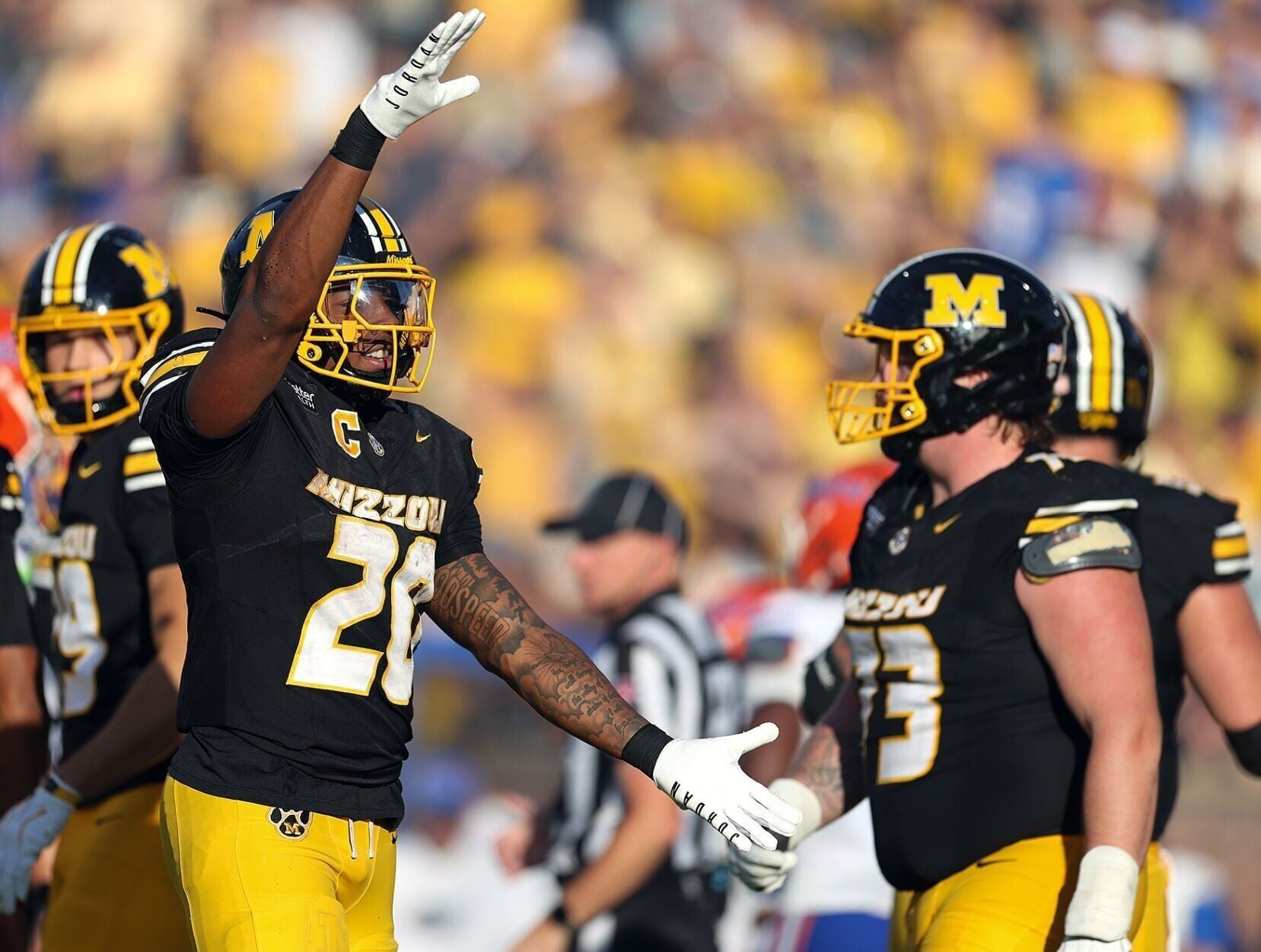
Mizzou running back Jamal Roberts (20) performs the Florida “chomp” in celebration

Mizzou running back Jamal Roberts (20) performs the Florida “chomp” in celebration Saturday at Memorial Stadium in Columbia. Roberts rushed for over 200 yards and three touchdowns.

Categories
Alaska News

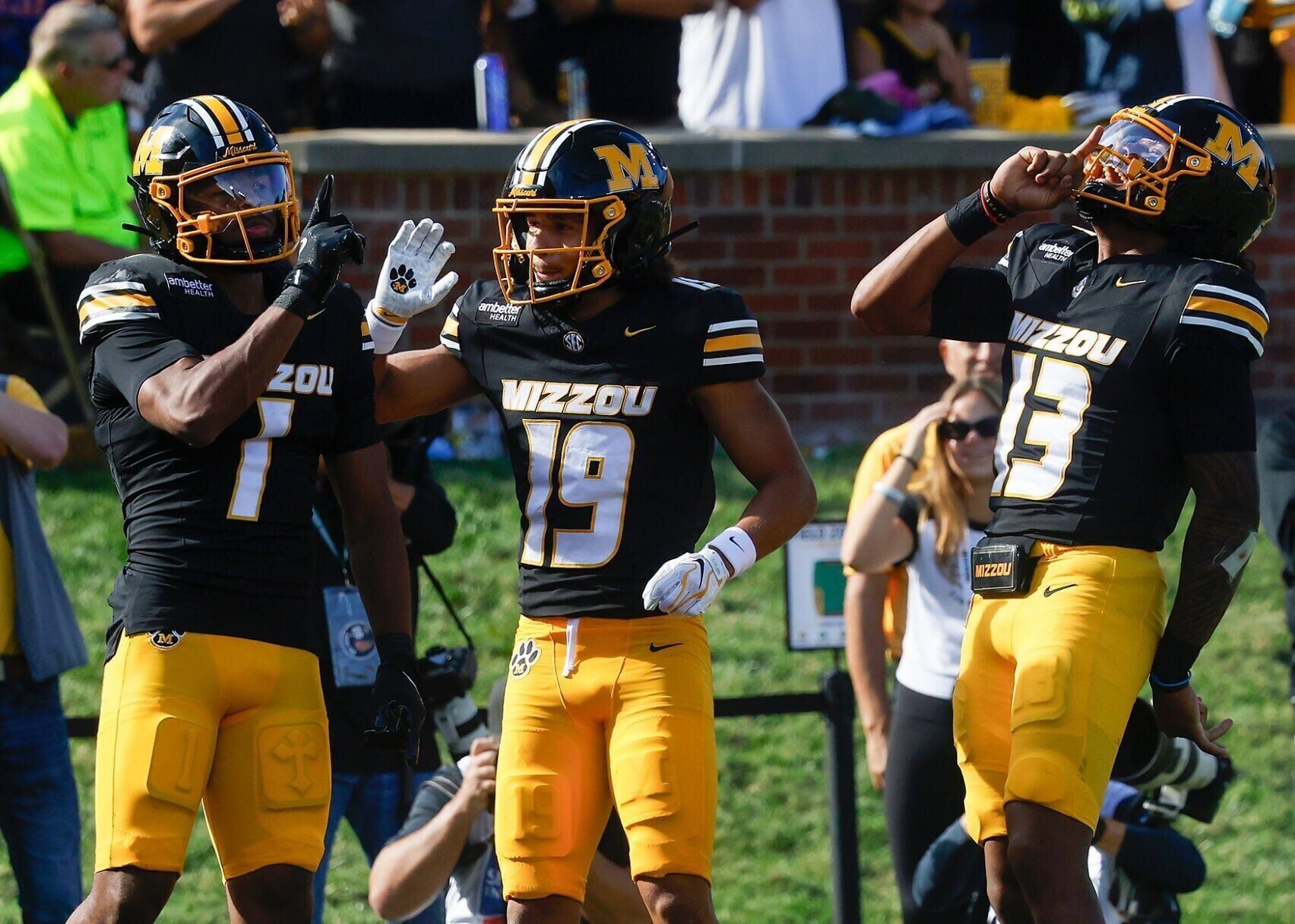
From left, Mizzou’s Donovan Olugbode (1), Cayden Lee (19) and Austin Simmons

From left, Mizzou’s Donovan Olugbode (1), Cayden Lee (19) and Austin Simmons (13) celebrate after a touchdown Saturday at Memorial Stadium in Columbia. Lee and Olugbode combined for 204 receiving yards.