Long days call for dinners that make the evening feel less rushed. These 15 recipes bring stews, pot roasts, casseroles, noodles, mashed potatoes, and slow-cooked mains to the table.The post 15 soul-warming recipes for slowing down after a long day…









Long days call for dinners that make the evening feel less rushed. These 15 recipes bring stews, pot roasts, casseroles, noodles, mashed potatoes, and slow-cooked mains to the table.The post 15 soul-warming recipes for slowing down after a long day…
When dinner needs to smell like something serious is happening, these 13 baked casseroles bring chicken, beef, pasta, shrimp, rice, and plenty of golden, cheesy layers to the table.The post 13 baked casserole picks worth making when you want the…

 Fall is here, and white sneakers are still one of the easiest ways to make your wardrobe work harder. The right pair can take you from jeans and a cozy sweater to tailored trousers, midi skirts,…
E! Online (US) – Top Stories
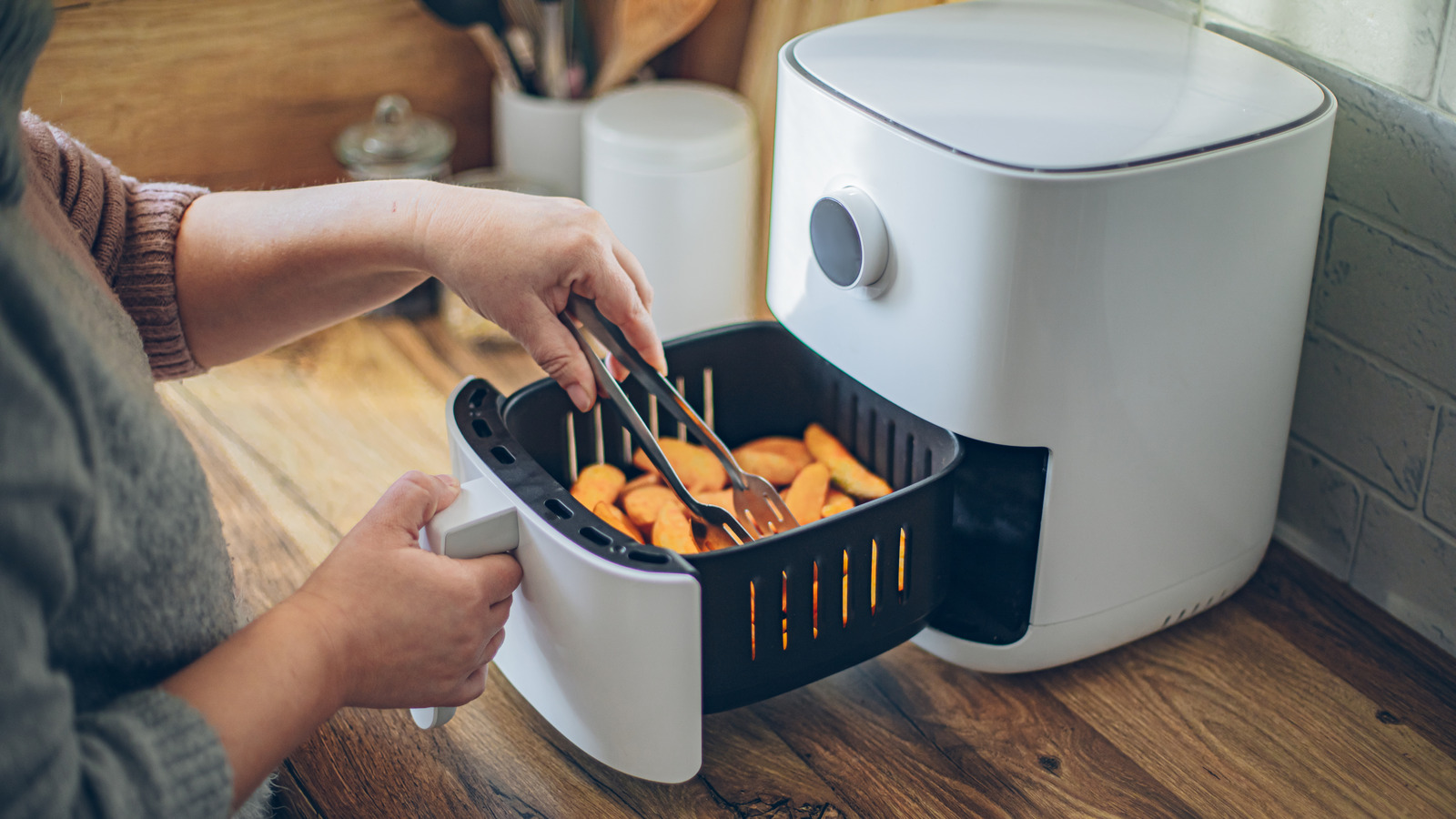
People who haven’t introduced an air fryer into their kitchen may be skeptical about all the hype. These are the appliance’s winning attributes.
Mashed – Fast Food, Celebrity Chefs, Grocery, Reviews

 2026 has been a killer year for some of TV’s top shows—and we’re not talking ratings.
From gritty dramas like Grey’s Anatomy and Euphoria to the family friendly Disney Channel spinoff Wizards…
E! Online (US) – Top Stories

Sometimes, the hottest items at your local grocery store are in the freezer section. These cold treats have wowed customers at Target, TJ’s, and other stores.

Mashed – Fast Food, Celebrity Chefs, Grocery, Reviews
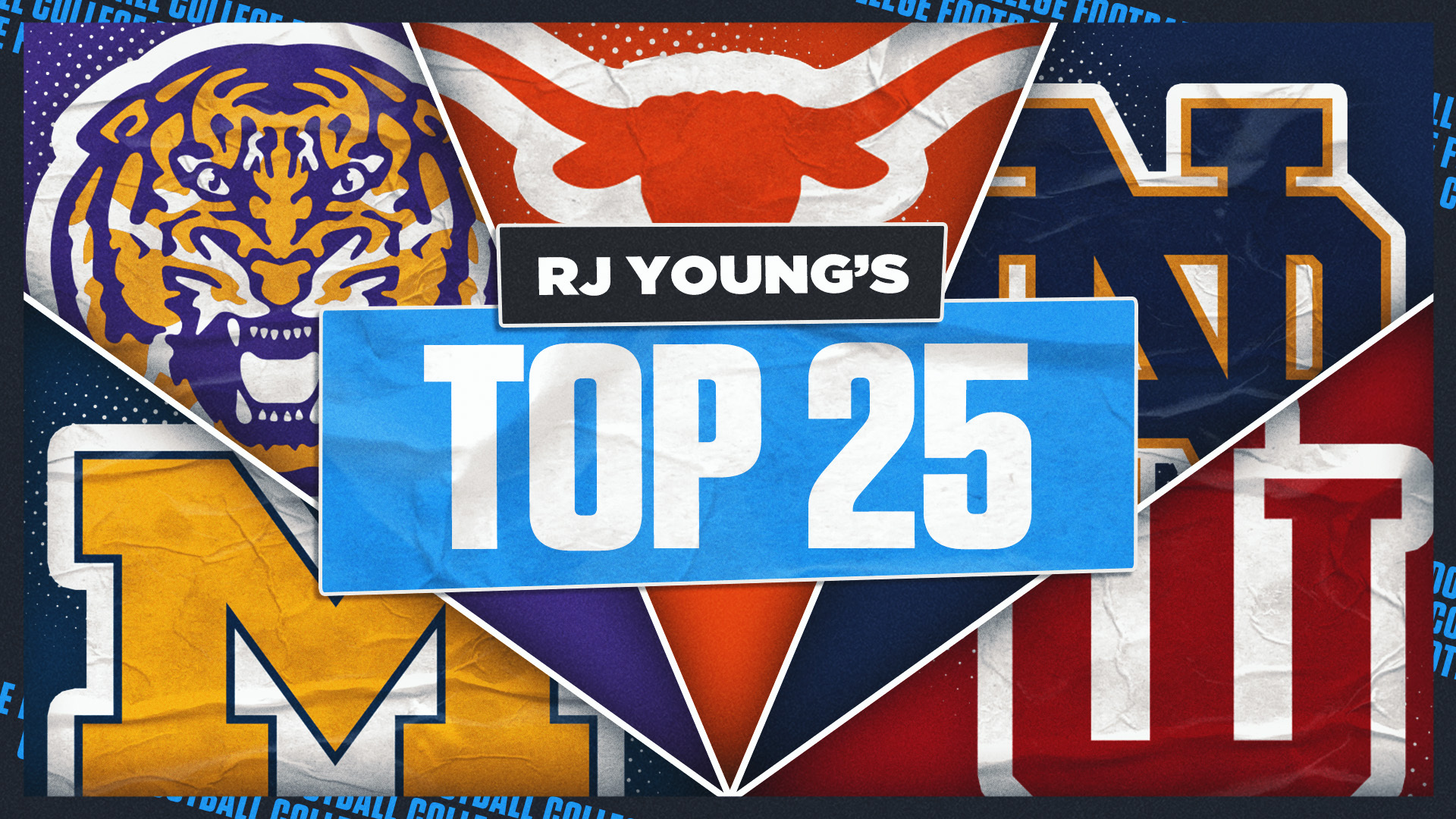
A new No. 1 emerged after Week 2 because the rankings matter, playing games in your respective weight class is important and top-5 matchups in September are hallowed and heralded as holidays. For this, we give thanks and genuflect. But onto business. It’s always good to win. But is it better that Ohio State lost to Texas? Is it better to beat Oklahoma or lose to Michigan? We don’t have to know the answer to that question now, but it’s reasonable to believe we’ll need to know by December. In fact, Oklahoma showed that to be true last season. A loss to Texas was not as bad as Texas’ loss to Florida. The difference? Florida had a terrible 4-8 record. Texas had a 9-3 one. All things equal — all things being wins — the program with the best loss usually gets the nod. It’s one of the quirks of our sport. Like Michigan, which won a game on the scoreboard but who I dropped to No. 25 and the AP Top 25 Poll dropped entirely because of how it won that game. Style points matter. And your opponents influence your style. Both Michigan and Oklahoma need each other to be great for the rest of this season if they want to leave no doubt about their worthiness for inclusion into the College Football Playoff. And they’ll get to play Ohio State and Texas, respectively. But no matter who won Saturday night, a new No. 1 was always going to emerge. It’s a perk of playing a top-5 matchup when the rest of the sport is too cowardly to schedule such a game on its own. So now, Texas holds the best win in college football and an undefeated record. That gives it the strongest argument to stand atop the sport after Week 2. That also means Ohio State owns the best loss in the sport, and no self-respecting college football expert or fan is going to hold this loss against the Buckeyes nearly as much as, say, Michigan’s controversial win against Western Michigan. And so it goes for the next 11 weeks. Before we move onto Week 3 or beyond, here are my top-25 rankings from Week 2. Week 2 game: 59-3 win vs. Norfolk State The Cavaliers performed like we’ve come to expect them to since their breakthrough season last year. Beating up on FCS opponents isn’t a great metric for finding out how good a program is, but more than 230 rushing yards and six yards per carry on average is a healthy stat for Virginia coach Tony Elliott’s team. Week 2 game: 38-32 win vs. Air Force The Bison proved they can be a big-play offense when they need to and against a service academy at that! North Dakota State created eight explosive plays in the definitive win against the Falcons. Week 2 game: 45-24 win vs. Georgia Tech A workmanlike win for a top-25 team against an unranked opponent on the road? A rarity in this ruckus Week 2. But it’s worth saying: Tennessee did not make this win harder than it needed to be, unlike others in the SEC who did, such as LSU, or just flat-out losing like Oklahoma. Style points from me for simply taking care of business. Week 2 game: 43-10 win vs. Arkansas Utah continues to look like a team that can not only contend for the Big 12 title but also one that could break into the College Football Playoff for the first time in school history. And all in Utah coach Morgan Scalley’s Year 1. Week 2 game: 56-10 win vs. UC Davis Mustangs quarterback Kevin Jennings put together a second-straight 300-yard passing performance Saturday against the Aggies and was nearly perfect in the execution: 14-of-16 completions for 337 passing yards with five touchdowns. I find it more instructive, though, that SMU did not commit a single turnover in this game after posting four in its season-opener against Florida State. Week 2 game: 16-14 win vs. Utah State White-knuckling a win against a program FCS Idaho State beat last week is not ideal for a Huskies team that has aspirations of playing for the Big Ten title this season. Week 2 game: 52-3 win vs. Campbell Florida not only scored 35 points in the second quarter, but it also got three touchdowns from wide receiver Vernell Brown III, who returned back-to-back punts for touchdowns and caught one to cap an outstanding day against an underwhelming opponent. I would love to see the Gators play the Wolverines. Week 2 game: 17-10 win vs. Oklahoma The Wolverines looked like a Kyle Whittingham team Saturday, and I wrote about it. They weren’t amazing offensively, but they were committed to running the ball. Defensively, they played man coverage and sought one-on-one pass-rushing matchups against a Sooners offense it routinely beat. For some, it was the first win of the season for the Wolverines. For Michigan, it’s undefeated, and that’s everything. Week 2 game: 77-6 win vs. Southern U Bruh, the score was 70-6 at the end of the third quarter. I daresay Southern coach Marshall Faulk has never suffered a worse whooping as a football professional. The Cougars ran the ball for 388 yards with six rushing touchdowns. Houston quarterbacks completed 15 passes combined, and five of those were touchdowns. Week 2 game: 27-9 win vs. Temple The Nittany Lions began shaky, but quarterback Rocco Becht is good. He finished the day with 273 passing yards and three touchdowns in the win. Yes, Penn State started slowly, but this is a good football team with a chance to be a great one this season. Week 2 game: 38-21 win vs. Kansas I’m convinced quarterback Austin Simmons is an elite passer, and he can be the difference-maker for a Mizzou team that played a consecutive week without Ahmad Hardy, the SEC’s best running back in 2025. Simmons completed 19-of-29 passes for 292 yards with three touchdowns, but several of those incompletions were dropped by his receivers. Week 2 game: 39-31 loss vs. Oklahoma State Damn, Dan. Look, I wrote about this loss. And without piling on here, suffice it to say, this isn’t the end for the Ducks. But try convincing an Oregon fan of that. Week 2 game: 28-17 win vs. Arizona The best part of this win was getting to see quarterback Bear Bachmeier actually uncork a 25-yard touchdown pass to receiver Reggie Frischknecht to seal the victory late for the Cougars. Bachmeier hasn’t received a lot of opportunities to hit defenses over the top because so much of the Cougars’ philosophy revolves around a steady and abundant run game. But now, we know he’s got that throw in his arsenal when BYU needs it. Week 2 game: 35-24 win vs. Oregon State Texas Tech led a middling-to-bad Oregon State, 14-7, at halftime despite not allowing a single first down and just 22 total yards. Did the Red Raiders find a way to pull this game out? Yes. Did they learn their secondary can get roasted by Beavers wide receiver Jesse Legree for 240 receiving yards on eight catches with a pair of touchdowns? Also, yes. Week 2 game: 45-17 win vs. Kentucky Alabama didn’t take a lead in this game until there were three minutes left in the third quarter, and that lead came after the Crimson Tide scored their first offensive touchdown. And then the dam the Wildcats had so carefully built broke loose. The Tide scored 32 in the second half on five straight scoring drives. Week 2 game: 41-9 win vs. Charlotte Charlotte is in a tailspin of its own. The Niners haven’t beaten an FBS program since 2024 and haven’t beaten a Power Four one since 2021. Ole Miss beating Charlotte was less a win and more of a formality. Week 2 game: 49-30 win vs. Louisiana USC is the Big Ten’s only Week 2 top-10 team that played like one. Neither the offense nor the defense gave an inch to Louisiana, and Riley’s Trojans continue to look formidable. Week 2 game: 48-20 win vs. Arizona State Unlike some in the top 10, the Aggies hosted a Sun Devils program that could’ve given them a game — and did. Texas A&M coach Mike Elko will take a hard look at his secondary after it allowed Arizona State wide receiver Reed Harris to make nine catches for 189 yards with two touchdowns. Week 2 game: 45-14 win vs. Louisiana Tech The Tigers committed four turnovers in the first half. Three of those were interceptions thrown by quarterback Sam Leavitt, and the Bulldogs were in a 10-7 rock fight with the Tigers, despite Louisiana Tech accruing zero — yes, zero — total yards in the first half. Lane Kiffin better fix whatever broke for two quarters against a team that LSU was supposed to annihilate, start to finish. Week 2 game: 24-23 loss vs. Texas Before losing to Texas, the Buckeyes had won 115 consecutive games when leading by 20 points or more. Prior to this game, the last team to come back and win against the Buckeyes while down 20 points was 2011 Nebraska. But hey, best loss of anyone so far. Week 2 game: 77-7 win vs. Florida A&M Pad the stats, Miami. Putting up a school record of 856 offensive yards against an HBCU program you paid $760,000 — including $40,000 to The Marching 100 — to travel eight hours south isn’t as impressive as Canes fans would like to think. But, sure, go off. Week 2 game: 52-0 vs. Rice The Fighting Irish led their Group of Six opponent, 42-0, at halftime, and quarterback CJ Carr had his way against an Owls team that doesn’t represent the kind of competition we’d expect to test Notre Dame. Carr’s stat line — 16-of-20 completed passes for 253 yards with four touchdowns — is indicative of how easy beating Rice was for him and this team. Week 2 game: 70-20 win vs. Western Kentucky As is often the case when top-tier teams play Group of Six squads, Georgia made light work of the Hilltoppers in a game that will do wonders for Bulldogs quarterback Gunner Stockton’s Heisman Trophy campaign. And he put up some Tecmo Bowl stats: completed 13-of-16 passes for 234 yards with five passing touchdowns. Week 2 game: 55-0 win vs. Howard The Hoosiers performed exactly as they should against a private HBCU to which they guaranteed $525,000 for visiting Bloomington. Indiana wide receiver Charlie Becker caught three passes, and all three went for touchdowns. This happened alongside Hoosiers running backs Leo Beebe, Jr. and Turbo Richard each rushing for more than 100 yards. Week 2 game: 24-23 win vs. Ohio State The Longhorns became the first team to come back from a 20-point deficit to defeat the AP’s No. 1-ranked team in 30 years. After a good game, a historic comeback and the best win of the season, Texas deserves the top spot.Latest Sports News from FOX Sports
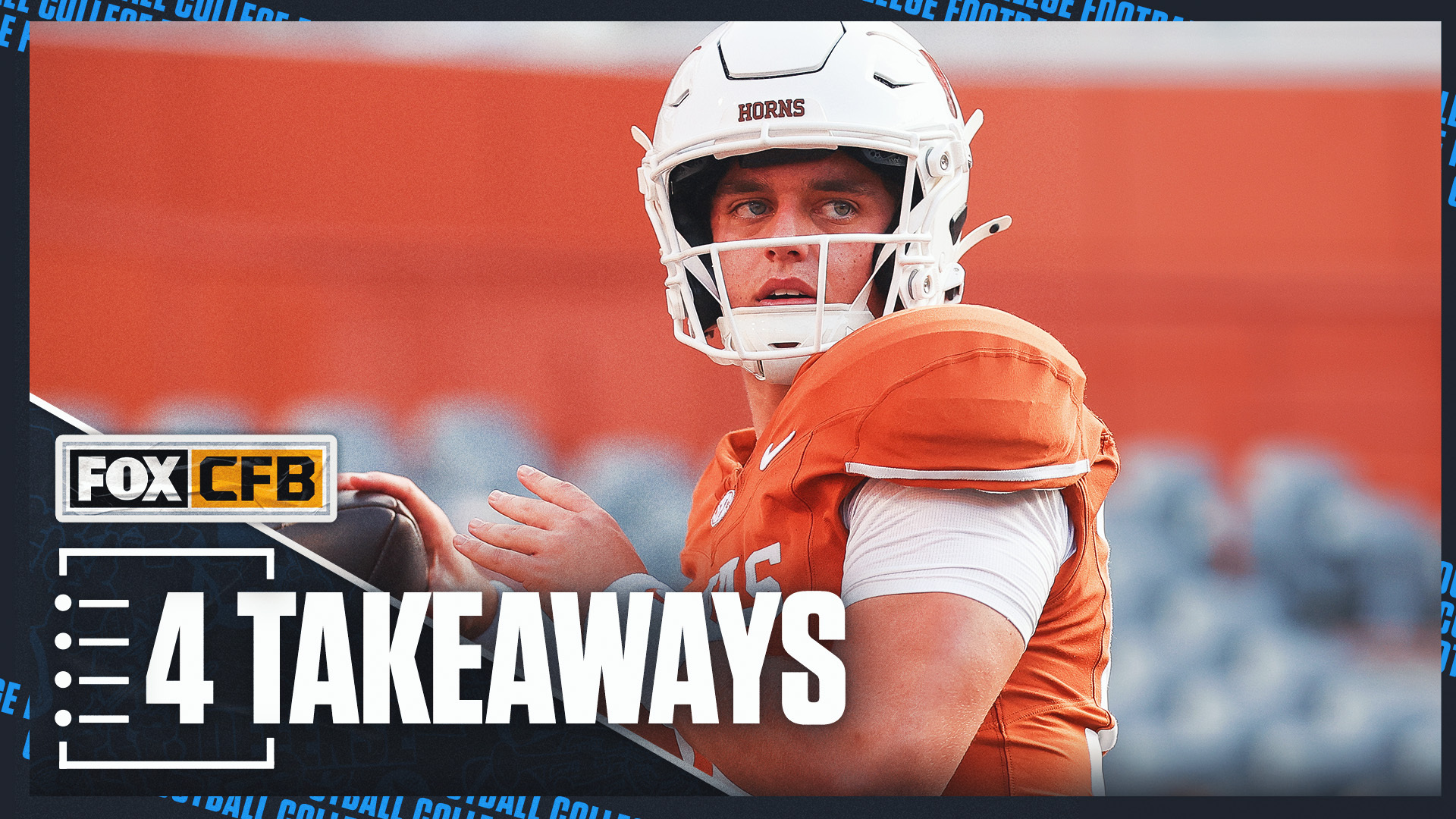
Normally, college football fans have to wait until the first snow flurries of the year for the biggest regular-season games. That wasn’t the case this year, as we were treated to a thrilling early-season showdown between Ohio State and Texas on Saturday night. Both teams entered the matchup loaded with future NFL Draft picks, but let’s face it: Most of the attention was on quarterbacks Arch Manning and Julian Sayin, along with star pass-catchers Cam Coleman and Jeremiah Smith. Sayin and Smith were spectacular in the first half, while Manning looked like a future franchise quarterback in the second. The end result? A wild, fun-filled affair that ended with the Longhorns pulling off a 24-23 comeback win. Here are my takeaways from Texas’ thrilling win over Ohio State, with an NFL Draft twist. These four prospects are ranked in the order in which I would currently select them if I were building an NFL roster. 1. Jeremiah Smith Is The Top NFL Prospect In The Country – And It’s Not Close Ohio State wide receiver Jeremiah Smith wasn’t just the best player in this game. He’s the top NFL prospect in the country and one of the highest graded prospects I’ve evaluated in nearly 30 years as a professional scout. I’ve often compared Smith to future Hall of Famer Julio Jones, but in reality, that is short-changing the Buckeyes’ star wideout. Like Jones, Smith offers an exceptional combination of size, strength and speed. He is already a far better route-runner than Jones was at this point in his collegiate career.Smith has the ability to sink his hips and change direction like you would see from a smaller wide receiver. But at 6-foot-4, 222 pounds, he not only has strong and reliable hands, but he is also savvy at shielding the ball from defenders. He displayed that late in the first half, setting up a Texas defender before contorting his body in the air to make a highlight-reel catch. Smith easily blazes by the cornerback and is wide open, but he’s forced to turn around and adjust his body midair to make the grab. He uses his strong hands to come down with the football, giving the Buckeyes a first down and putting them in scoring position. Smith finished with a game-high eight catches for 164 yards and a touchdown. He was undoubtedly the best player on the field, despite the Buckeyes’ loss. NFL Player Comparison: Julio Jones NFL Draft Grade: Top-5 selection 2. Arch Manning Possesses The Traits To Be A Franchise QB While Smith was the top player on the field Saturday night and the best overall prospect in the 2026 draft, the top quarterback will almost surely be the first pick. Quarterbacks make more money because they matter more. Fair or not, that’s just the reality of football. I’m not ready to pronounce Manning as the best quarterback in college football, but I do believe he can become that, with a few relatively small improvements. He possesses all the physical traits to project as a franchise quarterback and there is plenty of evidence that he also has the requisite mental toughness, given the microscope he’s played under his entire life. That’s just the reality of growing up a Manning. Throws like this one are just expected. Manning has endured nearly impossible expectations, with his occasional growing pains frequently cited by critics and his moments of brilliance either ignored or too often credited to his head coach, Steve Sarkisian. Some have even already labeled him as “overrated” or a “bust.” Given that he now has 40 touchdowns and just 11 interceptions in his college career, including Saturday night’s historic comeback win over the No. 2-ranked Buckeyes, it seems like Manning is being held to a higher standard than any other quarterback. He’s a quarterback, not Amazon delivery. High-level quarterback play takes time. There just aren’t many quarterbacks in college — or even the NFL — who can make throws like the one above or lead their team to 21 fourth-quarter points against an Ohio State defense littered with NFL-caliber talent from top to bottom. That is why Manning is a first-round lock. NFL Player Comparison: Trevor Lawrence NFL Draft Grade: Top-5 selection 3. Cam Coleman Is Silky Smooth — But We Didn’t See It One of the reasons I am so bullish on Manning taking his game to another level this fall is the fact that Texas lured Coleman from Auburn to Austin. In most other drafts — including last year’s — Coleman would be the top-ranked wide receiver. He’s silky smooth, with excellent agility and acceleration, and possesses the body control to make difficult receptions look easy. Early in the first quarter, Manning dropped back and threw a deep ball to Coleman, who extended his body and appeared to come down with the ball. The ball popped out of Coleman’s hands when he hit the ground and into the hands of Ohio State safety Jaylen McClain. The replay appeared to show Coleman dragging his foot while maintaining possession, but the play was ruled a pick. Now, to be clear, Coleman’s knack for making circus catches does not automatically make him a future No. 1 receiver in the NFL. He needs to show greater nuance as a route-runner and cut down on dropped passes. He finished with only three catches for 35 yards while being targeted five times on Saturday night. I believe Coleman will improve in each of these areas at Texas. Quarterbacks and receivers typically need time to develop a rapport. And while we didn’t see many highlight-reel moments from Coleman on Saturday, he did haul in two touchdown catches in the Longhorns’ Week 1 win, including a 44-yard bomb down the right sideline. It isn’t often that a receiver competing against SEC competition has 15 touchdown receptions in just 24 career games and is still only scratching the surface of his potential. That is the case with Coleman. NFL Player Comparison: A.J. Green NFL Draft Grade: Top 10 4. Julian Sayin Has Elite Diagnostic Skills And Touch Projecting Sayin to the NFL is a tougher task than projecting Manning for a variety of reasons. Most importantly, he simply isn’t as physically gifted. He isn’t as tall, strong-armed or athletic. Sayin has also been blessed with remarkably talented wide receivers. It is easier to complete passes, of course, when the receivers are seemingly always open and catch everything thrown in their general direction — which we saw in the first half with Smith on Saturday night. What Sayin lacks in arm strength, however, he makes up for with his processing ability and touch. Last year, as a redshirt freshman, he led the country with a 77% completion rate after throwing 301 passes, the most of any Big Ten quarterback. Sayin isn’t a checkdown magnet, and he rarely puts the ball in harm’s way. He is very effective on layered throws between the second and third levels of the defense and consistently shows the ability to stand tall in the pocket and deliver a pass where only his receiver can make a play on it, just as he did on this touchdown pass to Smith. Sayin isn’t the type to wow with his physical attributes, but I am impressed with his steadiness and poise. Those traits can translate even better at the NFL level than a flashy arm or scrambling ability. But he needs to play well in big games to continue to develop that reputation. After finishing the first half 12-of-16 for 192 yards and a touchdown, Sayin completed just five passes after halftime as the Buckeyes were held to three second-half points. NFL Comparison: Kirk Cousins NFL Draft Grade: Third RoundLatest Sports News from FOX Sports
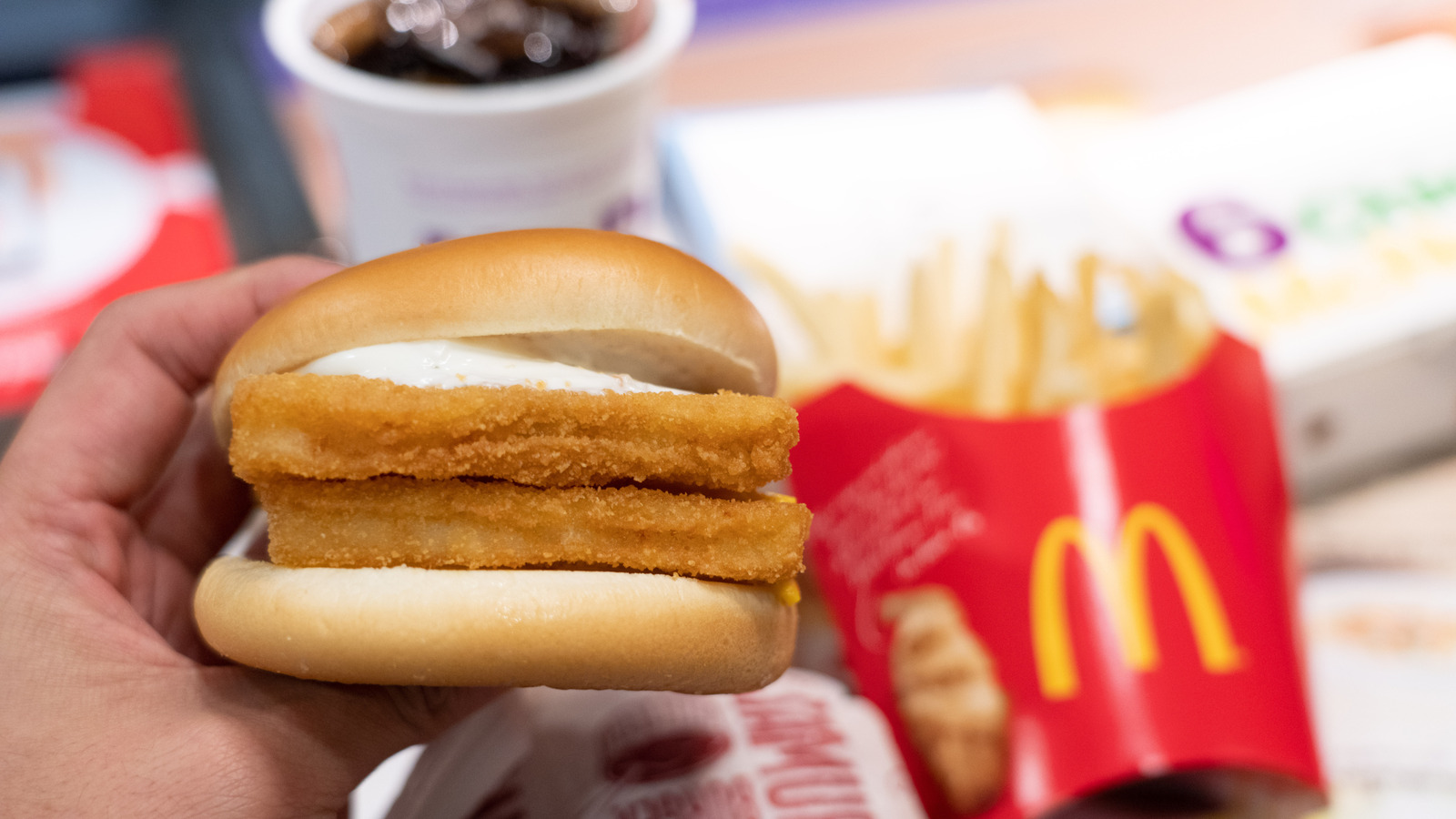
You can tweak your next Filet-O-Fish order to inch it closer to an upgraded version that McDonald’s customers can get in Scandinavian countries.
Mashed – Fast Food, Celebrity Chefs, Grocery, Reviews

Sierra Dudley (2) celebrates with other members of the Mizzou volleyball team after a point against Wichita State on Saturday at the Hearnes Center. The Tigers won the match 25-19, 25-13, 25-18.