You’ve probably heard good things about Big Green Egg grills, but just how reliable are they? Based on the warranty, the company is pretty confident.
Mashed – Fast Food, Celebrity Chefs, Grocery, Reviews








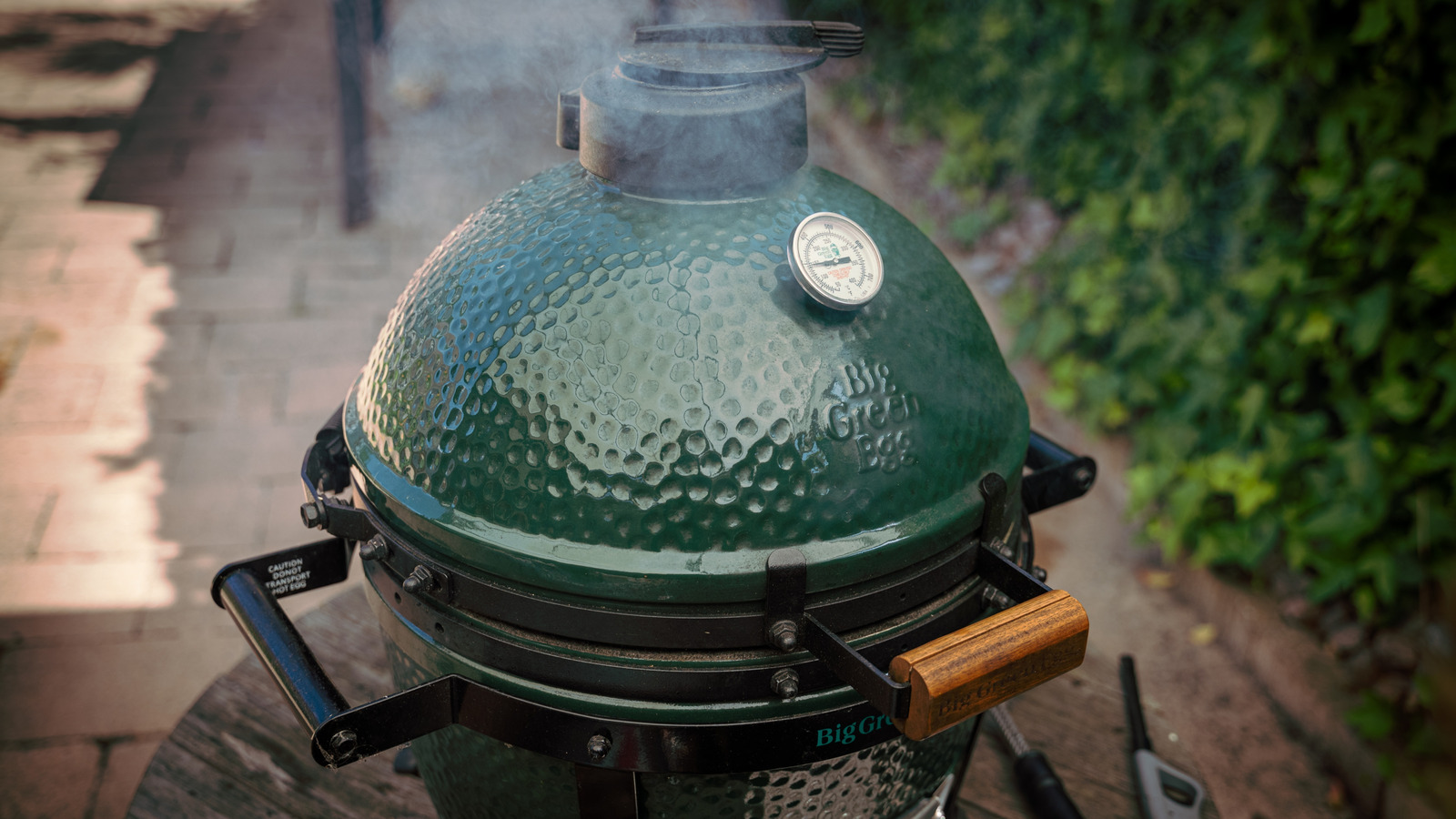
You’ve probably heard good things about Big Green Egg grills, but just how reliable are they? Based on the warranty, the company is pretty confident.
Mashed – Fast Food, Celebrity Chefs, Grocery, Reviews

Chicago Bears coach Ben Johnson already told the world that he wanted to “have the highest-scoring offense ever,” and then his club went out and put 59 points and 552 yards on the Carolina Panthers on Opening Day to back his words up. But that wasn’t the part that should really set alarms off around the league. This part is: The Bears head coach wasn’t satisfied. He wanted more. He thought his offense could have done better. And he’s probably right. Because despite all the talk about the superteam supposedly assembled in Los Angeles, the Bears have the offense that has quietly been the talk of the NFL all summer long within league circles. They look ready to explode in Year 2 under Johnson, who many acknowledge as the new best playcaller in football and the man with the best offensive system in the NFL. And he has a quarterback in Caleb Williams, who looks primed to make a run at league MVP. And there’s also one other thing that makes the Bears a legitimate Super Bowl contender: Johnson is arrogant and never satisfied — even more so than usual for an NFL coach. It’s not just that he declared “there was still a number of things out there that I didn’t love” about his offense after the Bears’ 59-37 win in Carolina on Sunday. It’s that he had his foot on the gas from the beginning of the game and never let up. The Bears scored touchdowns on their last four possessions, turning the game into a blowout. He even went for it on fourth-and-1 from his own 21-yard line before the second quarter was five minutes old. That was a bad decision — the Bears didn’t get it, and the Panthers turned the faux pas into a game-tying touchdown — but it proved his aggression is limitless. Johnson thinks this Bears offense can do anything. Because it can. Just think of what Chicago did last year when Johnson, after three years running the dynamic offense in Detroit, took over an anemic offensive team with a struggling young quarterback and turned it all into a top-10 team. He did it with a complex and creative offensive system that Williams, at times, seemed like he struggled to learn. Now the third-year quarterback knows what he’s doing, and look at the results. Williams was 21 of 29 passing for 269 yards and two touchdowns versus the Panthers, while running 10 times for 65 yards and two scores. He was a dynamic and dangerous passer outside the pocket and couldn’t be contained on the run. And he wasn’t even the real story of the game. Even Johnson said that was his running back duo. D’Andre Swift and Kyle Monangai combined for four touchdowns and 224 rushing yards — announcing their presence as perhaps the best 1-2 punch in the game. Yeah, the Bears’ defense let Panthers quarterback Bryce Young go off for 361 yards, and it’ll need to get a lot more pressure when facing the better QBs in the league. But this Bears offense that averaged 26 points and 370 yards per game last season might just be unstoppable in 2026. If Williams can improve his completion percentage (it was a disappointing 58.1% last season), he might be the most dangerous dual-threat quarterback outside of Baltimore and Buffalo. He’ll be in the MVP race right until the end. As for Johnson’s stated goal, the 2013 Denver Broncos made NFL history when they averaged 37.9 points per game on their way to Super Bowl XLVII. To beat them, the Bears need to average 36.6 points the rest of the way. That doesn’t seem impossible after the Bears scored more points than they ever had in an opener, and the fourth-most points they’ve ever scored in a game overall. And this is probably only the beginning. Because Johnson is the kind of coach who isn’t likely to stop until he gets it all. And with this team, he just might. A healthy Joe Burrow is enough to make the Bengals a contender this season, but a defensive revival is what will put them over the top. And for one week, at least, it looked like their offseason overhaul worked. The Bengals forced fumbles on three straight drives in the first half to set the tone — and then another in the fourth quarter — on their way to a 33-27 win over the Buccaneers. Cincinnati returned one fumble for a touchdown and battered Bucs QB Baker Mayfield with constant pressure and four sacks. The Bengals appear to have a formidable front with newcomers Dexter Lawrence and Jonathan Allen in the middle and Boye Mafe off the edge, and that might be just enough. They’re going to score a ton of points with Burrow and all his offensive weapons. All they need to do is play decent defense and be able to get after opposing quarterbacks late in the game. Last year they couldn’t. As a result, they had one of the worst defenses in football. This season it looks like that defense, and thus the Bengals, might be for real. There is still a long way to go for Derrick Henry to become the NFL’s all-time leading rusher. After Sunday’s Week 1 outburst, he remains 5,193 yards behind Emmitt Smith (18,355), which means at least four more really productive seasons. In other words, Henry would still have to be a 1,300-yard back at 35 years old. But doubting the 6-3, 252-pound Henry might be as pointless and painful as trying to tackle him, because he remains a freak of a man who defies any conventional wisdom. He’s topped 1,500 rushing yards in five of the past seven seasons — those five seasons are tied with Barry Sanders for the NFL record — and looks ready to do it again after plowing his way for 144 yards and three touchdowns in the Ravens’ 41-23 win over the Colts. The three scores put Henry in third place all time in rushing touchdowns (125). And he’s now up to 13,162 rushing yards (and an insane 29,879 yards when you add his glorious high school and college careers, too). That’s 16.9 miles — more than the length of Manhattan. Imagine doing that while taking hits every few yards over more than 17 years. And yet, when he runs, he always seems to deliver far more punishment than he absorbs. Injuries at his age, especially for running backs, are always a concern. But he’s only missed 12 games in his career, and more than one game in a season just once — in 2021, when he broke his foot. The man is a marvel, which is why it’s a good bet that King Henry becomes the Rushing King sometime in 2029 or 2030. Mike McCarthy has a ton of faith in his past and current quarterback, Aaron Rodgers, but their reunion debut had to be a bit concerning. The Steelers beat the Falcons 20-13, but they needed a pick-six by edge rusher T.J. Watt to do it because the offense stalled under Rodgers, who was just 24 of 40 (60%) for 221 yards and a touchdown. The 42-year-old showed all the same issues he had last year. Almost all his throws were short. His deep throws were wobbly or held up in the air way too long. His mobility is gone — a fact McCarthy seems to know, since Rodgers’ only “runs” were three kneels in victory formation at the end of the game. Rodgers spent the weeks before the opener on a media rampage, going from podcast to podcast spouting his conspiracy theories, settling scores with old girlfriends and declaring himself the victim of media witch hunts. But if he wants to drag this Steelers team to the playoffs in his final season, surely there are better ways to spend his time. Because on Sunday, the Steelers won in spite of him. I believe he can still play, but this offense he’s directing needs a lot more work. And in an improved division, with the Ravens and even the Bengals possibly emerging as Super Bowl contenders, the Steelers won’t survive if Rodgers keeps looking like a mediocre quarterback more interested in holding a grudge off the field than excelling on it. Was anyone really dumb enough to buy into the Los Angeles Rams and do something crazy like … I don’t know, put them atop their NFL Power Rankings? Yeah, OK, we all make mistakes. But a long career has taught me never to read too much into the first game of the season — especially when it comes on a Friday morning in Australia, and the Rams made the questionable decision to fly 16 hours and land in Melbourne just 27 hours before kickoff. And considering Kyle Shanahan historically has Sean McVay’s number (12-7 in head-to-head matchups), maybe the 49ers’ blowout over the Rams was an anomaly, not a warning sign. The loss of Myles Garrett for a month, though, is much more concerning. The arrival of the reigning Defensive Player of the Year was expected to transform L.A.’s defense. There was going to be no way to block him, Byron Young and the returning Aaron Donald. The pressure on opposing offenses figured to be immense. But surviving without Garrett may not be so easy in the loaded NFC West as the Rams wait for Donald to round into form, especially if their offense has any lingering jet lag in the coming weeks. Good thing for them, they get a relatively soft landing against the Giants back in L.A. next Monday night. They should be angry and rested. But keep the panic button handy, just in case. Final Thoughts From Sunday … In NFL Fallout, Ralph Vacchiano breaks down the impact of the biggest events every Sunday.Latest Sports News from FOX Sports
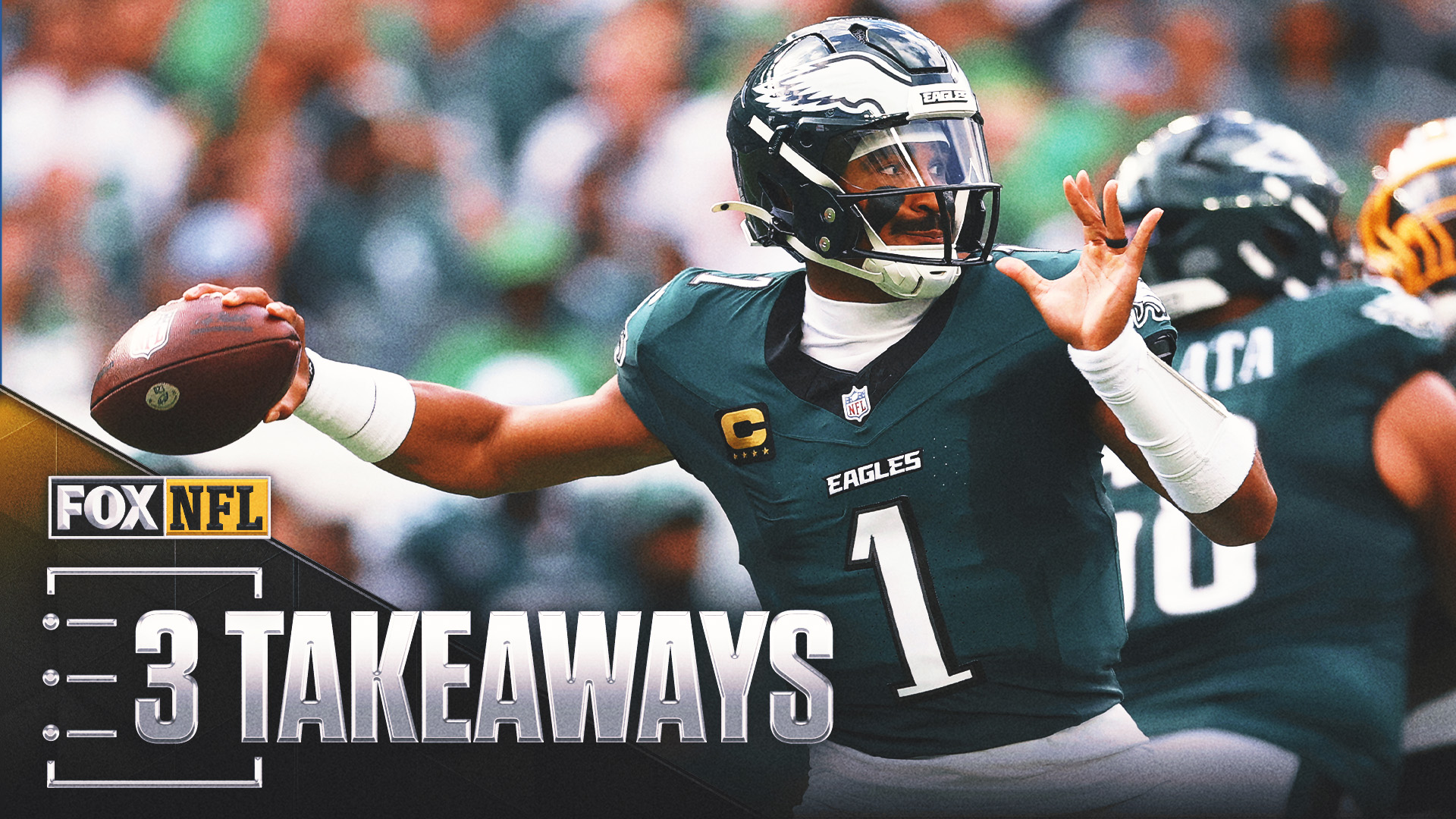
The Eagles just know how to win football games. Even with the Commanders driving for a possible game-tying score, it felt like Philadelphia would make the play to put the game away. They eventually did. It came on a Washington two-point conversion attempt that would have put the game into overtime. Jayden Daniels flipped the ball to tight end John Bates, who was immediately wrapped up by Moro Ojomo well short of the end zone, sealing a 24-22 home win to open the season. The game didn’t feel as close as the score implies. The Eagles offense generated most of the big plays in the game, and they had their way with a new Washington offense. It was less of a statement and more of a reminder that the NFC East still goes through Philadelphia. Here are my takeaways: The highs were certainly high. Jalen Hurts threw three touchdowns and hit a couple deep balls to lead the Eagles on four scoring drives, but the offense stalled out for the stretches in between those big plays. The new offense under first-year coordinator Sean Mannion didn’t feel all that different from the offenses we’ve seen in Philadelphia the past few seasons. The first touchdown drive was sparked by Mannion’s play calling. Hurts threw a beautiful deep ball to Dontayvion Wicks off play-action, beating Washington’s busted coverage for 64 yards. Wicks beat Mike Sainristil for a second time on Philly’s second touchdown. Sainristil was cheating inside, allowing Wicks to cross him up badly. Hurts just had to float the ball to the back corner of the end zone. Hurts connected with Smith on another deep ball and found Goedert up the middle for a catch-and-run that extended the Eagles’ lead in the fourth quarter. Outside of those plays, Hurts struggled to find open receivers downfield. If not for a few miracle scrambles by Hurts, the Eagles offense may have stalled out completely in the second half. Philadelphia’s new run game — built around outside zone run plays from under center — needs more work. Barkley’s runs from under center produced just 2.3 yards per pop, and his one explosive run came on an inside zone run from the gun, a staple of the old offense. It wasn’t effective on its own, but the run game served another purpose against Washington. It took the teeth out of the Commanders’ pass rush and kept Hurts in clean pockets, which he used to hit those downfield shots. Those were nice, but the run game was concerningly inefficient outside of Barkley’s 42-yarder, and the big plays came on coverage mistakes by Washington. The big plays were enough to grind out a close win against a mediocre team, but will it be enough going forward? We need to see how this new Eagles offense looks against a playoff-level defense to get a true sense of their capabilities. That first real test won’t come for a few more weeks, with matchups against the Titans and Bears, who gave up 35 to Carolina, up next on the schedule. The Rams will visit them in Philly in Week 4. Maybe that’s an overreaction after a game against an elite defense, but the season-opening loss in Philadelphia confirmed what many had speculated about Washington’s offense all summer: the Commanders haven’t put enough around Jayden Daniels. And with the third-year quarterback hitting his extension window, he won’t be playing on a discounted rookie contract for much longer, making it even more difficult to surround him with talent when he’s taking up a bigger chunk of the cap. Daniels could have been better himself, but Washington’s offense provided him with no margin for error. He was on the run for most of the game. When the Eagles weren’t getting quick pressure, Washington’s receivers were struggling to separate from Philadelphia’s secondary. He was pressured on half of his dropbacks and averaged just 1.7 yards per play under duress, per Next Gen Stats. New offensive coordinator David Blough was expected to install a new offense, built around heavier personnel and fewer spread formations, but the Commanders couldn’t move the ball without resorting to tactics from the old offense. The offense started to produce once Blough put Daniels in the gun, spread things out, and let him play up-tempo. But even when things were “working,” Daniels had to grind. Daniels didn’t get much help, but he’s not totally blameless for the disappointing performance of the offense. He did little to elevate his teammates on Sunday. Outside of one ridiculous scramble, that featured a double spin move, Daniels didn’t make many plays with his legs. He scrambled for only one first down. Before getting hot in the fourth quarter, Daniels squandered the few downfield opportunities his receivers gave him. If this Washington offense is going to be better, its quarterback will have to be better. But he sure could use some help. Even if the offense has plenty of room for improvement, Philadelphia showed why it still belongs on any shortlist of contenders. The Eagles defense has been one of the best units of the past two seasons, and it might be even better in 2026. It looked the part in Sunday’s win over Washington. I’m giving general manager Howie Roseman the credit for the improvement. He added cornerback Riq Woolen, who had been cast off by the Seahawks, in hopes of patching up the one hole that remained on the unit. Based on the first game of Woolen’s Philly tenure, the hole at the CB2 spot is officially patched. He surrendered just one catch for a single yard in his debut. The rest of the Eagles secondary played to its lofty standards, as well. Defensive tackle Jalen Carter dominated the trenches and spearheaded an Eagles pass rush that made Daniels’ life miserable. There’s a lot of pressure on Jalyx Hunt and Nolan Smith Jr. to produce on the edges, and they responded with 13 combined pressures in the opener. Philadelphia did that without its other big defensive addition, edge rusher Jonathan Greenard, who missed the game with an injured pectoral. We haven’t even gotten to the best player in Sunday’s game, linebacker Zach Baun. The All-Pro linebacker made plays all over the field. The Eagles can dominate a game at all three levels of the defense, which will come in handy in January. 3 ½. What’s Next? The Eagles get a bit of a reprieve from the NFC grind with a trip to Tennessee next week. The Titans looked first-overall-pick bad on Sunday, and their defense could be exactly what this Philadelphia offense needs to break out. It needs to sharpen up quickly, with games against the Bears and Rams rounding out the first month. By the end of that stretch, we’ll know if this team is ready to compete for a title or if it’s due for another roller-coaster season. Washington’s season may already be on the brink of collapse with a trip to Dallas next week and a visit from the Seahawks following that. Teams rarely climb out of an 0-2 hole to make the playoffs. An 0-3 start, and it might be time to start looking toward the draft.Latest Sports News from FOX Sports
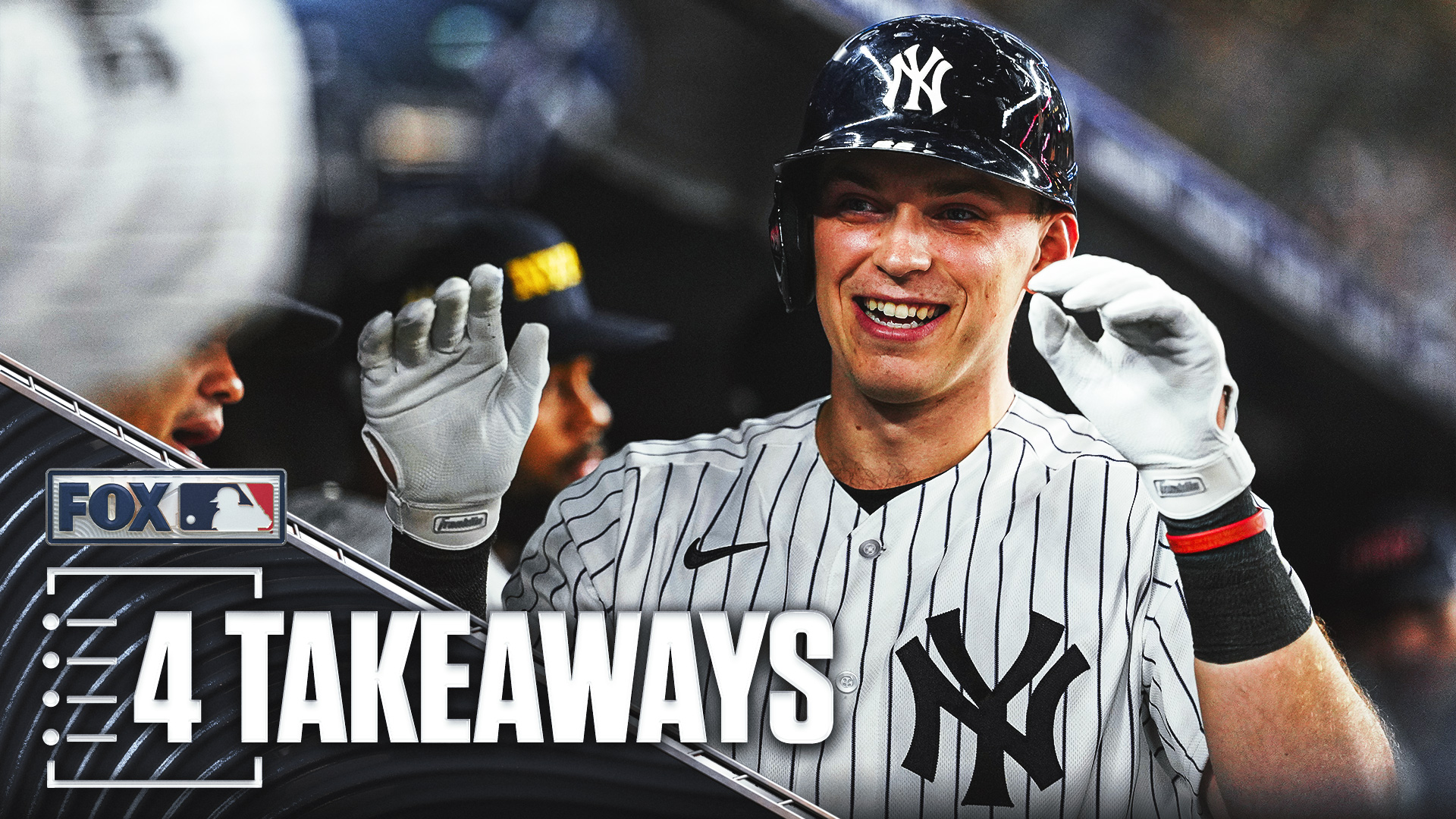
NEW YORK — The schedule makers at Major League Baseball got it right this year, arranging the Subway Series to take place during the 25th anniversary of the 9/11 attacks. After an emotional pregame ceremony before Friday’s series opener, it took no time at all for the melancholic sentiments to flip. The Yankee Stadium PA announcer began his pregame introductions, revealed Juan Soto was batting second and playing left field, and over 40,000 fans vociferously booed the former Yankee like he should be shortlisted as the biggest traitor in American history. And we were off. The Yankees (86-63) are in the middle of a pivotal stretch run, attempting to pass the Tampa Bay Rays and win the AL East. The Mets have nothing to play for in another lost season, but they didn’t mind spoiling the Yankees’ fun. In the end, the Bronx Bombers took two out of three from the Amazins, but they’re still four games behind the Rays for the division title. The Mets, who’ve been on a roll since the trade deadline, showed glimpses of their future potential throughout the hard-fought weekend. Let’s dive into four takeaways from a special Subway Series in the Bronx. 1. Gerrit Cole Has A Home Run Problem Once upon a time the Yankees ace, Gerrit Cole can officially pass that torch to Cam Schlittler after yet another disappointing outing. Cole was able to complete just 4 ⅓ innings on Saturday against a Mets team that’s only competing to avoid finishing in last place. Worse still, the veteran right-hander has allowed seven home runs in his last 11 ⅓ innings pitched — and his whiff rate has gone way down. Cole’s 24.6% strikeout rate is the lowest it’s been since 2017 with the Pirates (23.1%). His home run rate (4.2%) is tied for the highest of his career in a full season. With Schlittler, Max Fried and Carlos Rodon all dealing and performing well in the stretch run, it’s fair to say Cole is the biggest concern on the Yankees’ starting staff as we approach October. “A straightforward observation is that the hitters are seeing the ball well and able to deliver good strikes to it, regardless of the pitch type or really the location,” Cole said when asked why he’s struggled with the long ball. “This is one of those times in the season where you gotta start making adjustments. Sometimes adjustments are hard, but that’s the demand of the game.” Even though Cole has a 5.96 ERA in his past four outings (22.2 innings pitched), he’s had a solid season overall in his return from Tommy John surgery. The 36-year-old owns a 3.67 ERA and has recorded 117 strikeouts in 20 starts and 115 ⅓ innings this year, his most innings pitched since 2023. In that context, it’s logical to presume that Cole’s arm might just be taxed at this stage of the season. When asked, Cole refuted that idea and said he feels healthy. He maintained he just needs to make an adjustment between starts, and Yankees manager Aaron Boone reiterated that if there’s anyone he’s not concerned about, it’s Cole. Still, with only two weeks remaining in the regular season, this is the worst time for Cole to start spiraling. Yankees general manager Brian Cashman did not pick up a single pitcher, starter or reliever, at the trade deadline, in part because of his trust in veteran arms like Cole. The 2023 Cy Young award winner has to figure out a way to turn it around – and fast — because giving the ball to the bullpen after abbreviated outings is not a strategy for success. 2. Yankees’ Volatile Bullpen Is Concerning Right-hander Paul Blackburn, who has recently climbed up the ladder in Boone’s circle of trust, has been fading of late. He loaded the bases and allowed a run to score in the seventh inning Friday before Boone called on left-hander Brent Headrick to secure the final out of the inning. Then Headrick, who is also one of the few high-leverage arms in New York’s bullpen, copied Blackburn’s shaky performance and loaded the bases with one out in the eighth. The Yankees had no choice but to go to their closer, David Bednar, for a five-out save — against a Mets team that is arguably the most disappointing club in baseball this season. Bednar got the job done, albeit after allowing a leadoff home run to Mets outfielder A.J. Ewing in the ninth, which cut the Yankees’ lead to two runs. Bednar has been outstanding this season, sporting a 2.66 ERA and 34 saves in 59 appearances. It’s the rest of the relief corps that has a ton of questions right now. Even though the Yankees pulled out a win in the series opener, it’s concerning that their leads are never safe with a bullpen this volatile, particularly with their lack of reliable high-leverage arms. Right-hander Fernando Cruz was Boone’s go-to set-up man before he hit the injured list with a partial tear in his right UCL at the end of August. Cruz is trending toward avoiding surgery, but it’s still a long shot he’ll return this season. There’s help on the way. Right-hander Clarke Schmidt is nearing his return from a second-career Tommy John surgery. He could join the Yankees as soon as their next road trip. Left-hander Ryan Weathers (left forearm flexor strain) is also expected back before the regular season wraps up. Both Schmidt and Weathers are likely to shift into the bullpen in October, and the Yankees have no choice but to cross their fingers and hope they’ll have a smooth transition and clear up some of the relief concerns. 3. Thornton Emerges As Promising Young Mets Arm One of the most prolific hitters in the sport was up at the plate, and Mets starter Zac Thornton didn’t so much as flinch. In the first inning, ahead on an 0-2 count against Aaron Judge, Thornton challenged the reigning AL MVP with a 95.5 mph fastball up and in. It was the hardest pitch Thornton has thrown this season. Judge froze and watched the heater sail right past him for strike three. The Mets rookie southpaw kept up that same energy and aggression all day Saturday in the Mets’ dominant 12-2 win over the Yankees. Thornton delivered seven strong innings and allowed just two earned runs on five hits, while striking out four batters and walking one on just 81 pitches. The Yankees were impressed with the 24-year-old’s talent. “He does a really good job of maintaining a quick tempo, attacking different parts of the zone, keeping the guys off balance,” Yankees outfielder Spencer Jones said. “I think he just did a good job of limiting hard contact and preventing guys from getting on early, and he had a lot of success today.” When it looked like Thornton was tiring in the seventh after putting two men on base, Mets manager Andy Green walked to the mound and Thornton told him to leave him in, he’d get out of the inning. Sure enough, Thornton got Anthony Volpe to ground into a double play to escape the inning unscathed. Saturday’s outing, Thornton’s 13th start of his major-league career, was a fantastic bounce-back effort after he allowed six earned runs in five innings to the Giants his last time out. Afterward, Thornton said: “I think I shine when my back’s up against the wall. I try to rise to the occasion.” Thornton joins the list of emerging young Mets arms alongside right-handers Nolan McLean and Christian Scott as promising options for next year’s rotation. It’s a good thing, too, because Mets president of baseball operations David Stearns is going to have a hard time finding a reliable starter on this winter’s free agent list — beyond the top available arm in Tarik Skubal. In order to seriously contend next season, Stearns and the Mets need their trio of young starters to take the next step forward as soon as 2027. Thornton is the latest Mets pitcher who looks like he’s up for the challenge. 4. Judge Still Looking For His Timing The Yankees lineup sure is glad the best hitter on the team is back from the injured list. The difference in performance from the top of the lineup, especially, was noticeable. With Judge’s presence looming in the heart of the order, the surrounding batters got better pitches to hit throughout the Subway Series, and the Yankees capitalized. As encouraging as the Yankees offense was throughout their six-game homestand against bottom dwellers like the Rockies and Mets, it was just as evident that Judge is still looking for his timing. That’s expected. Judge returned from the IL on Tuesday after a three-plus month layoff due to a fractured right rib. He was completely shut down from baseball activities for the majority of that layoff, and only recently started ramping up and facing live pitching. Judge opted to forgo a rehab assignment so that he could return to the lineup and help out the Yankees in their pennant race. Instead of recapturing his timing in the minor leagues, Judge is still searching for it in the majors. Making that task more difficult, the Yankees stuck to their plan for Judge and pulled him early from some games, while completely giving him an off day in another. The 34-year-old slugger is 3-for-14 with one walk, one run scored and six strikeouts in four games since coming off the IL. He’s still searching for his first home run, RBI and extra-base hit since May. He still has some time to look like himself at the plate, but the Yankees would prefer if Judge could find his timing at least by the time they host the Rays in a crucial four-game series in the Bronx next week. When I asked Judge if he felt like he was still in a spring training ramp-up, he said, “I don’t have time for a spring training-type ramp-up. I have to turn it on soon here. And I will.”Latest Sports News from FOX Sports
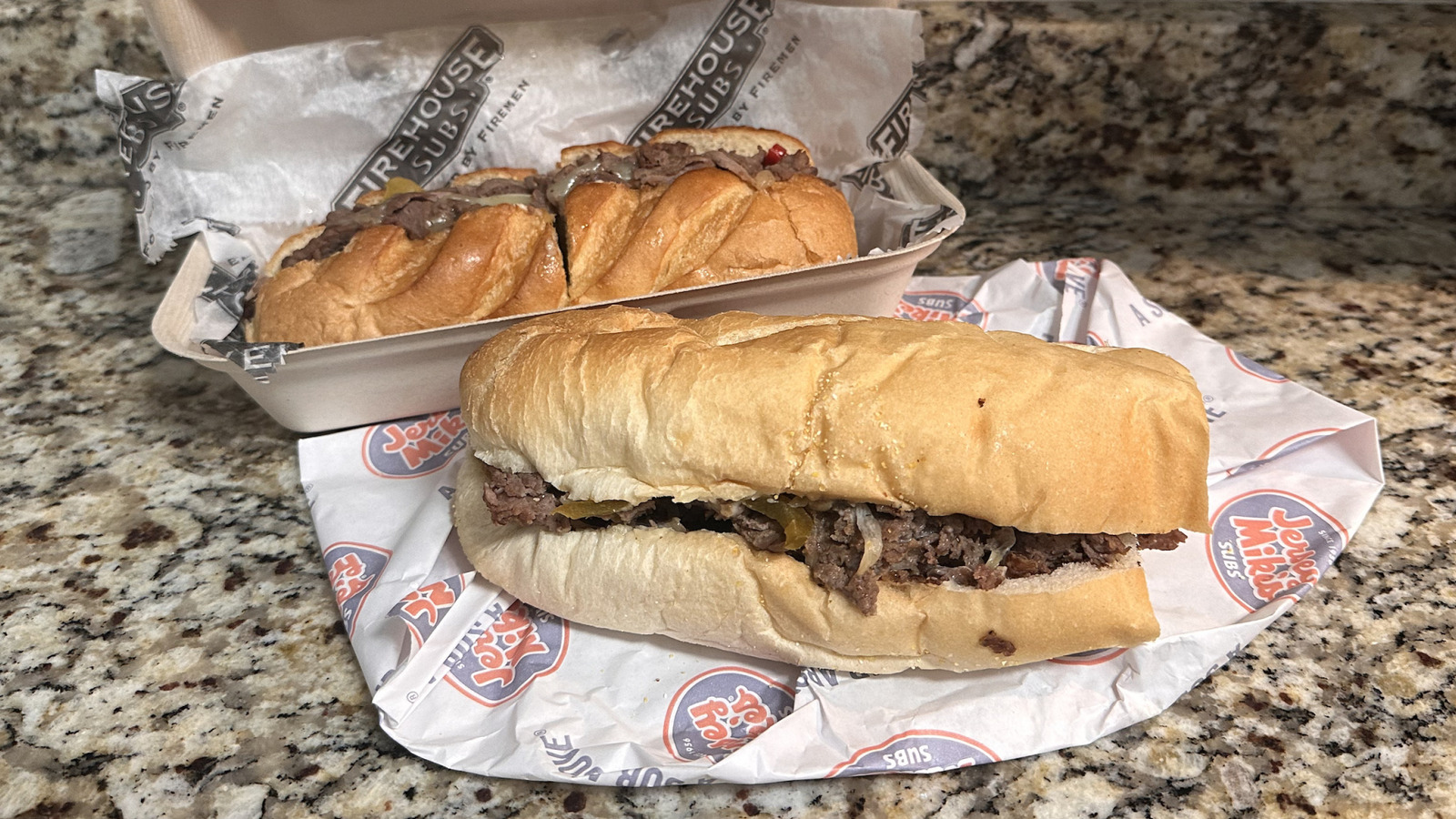
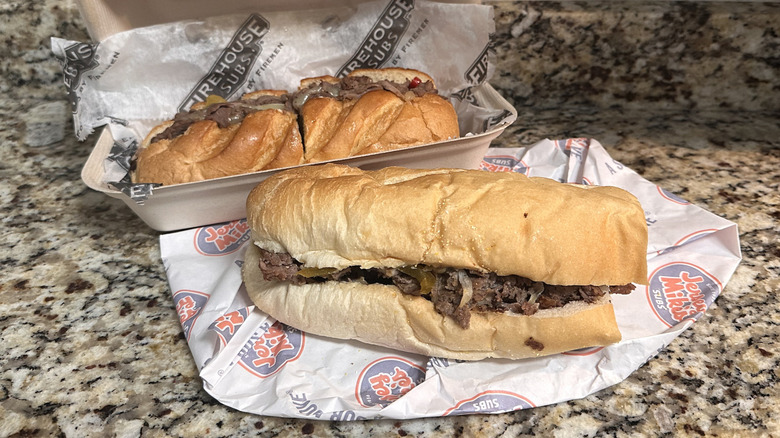
Between Firehouse Subs and Jersey Mike’s, the better-value cheesesteak is larger with more filling and tastier, even though the prices are relatively the same.
Mashed – Fast Food, Celebrity Chefs, Grocery, Reviews

When the Tomatometer and the Popcornmeter do not agree, interesting things are happening. Continue reading…The Boot – Country Music News, Music Videos and Songs

These franchises were supposed to continue … then they didn’t. Continue reading…The Boot – Country Music News, Music Videos and Songs
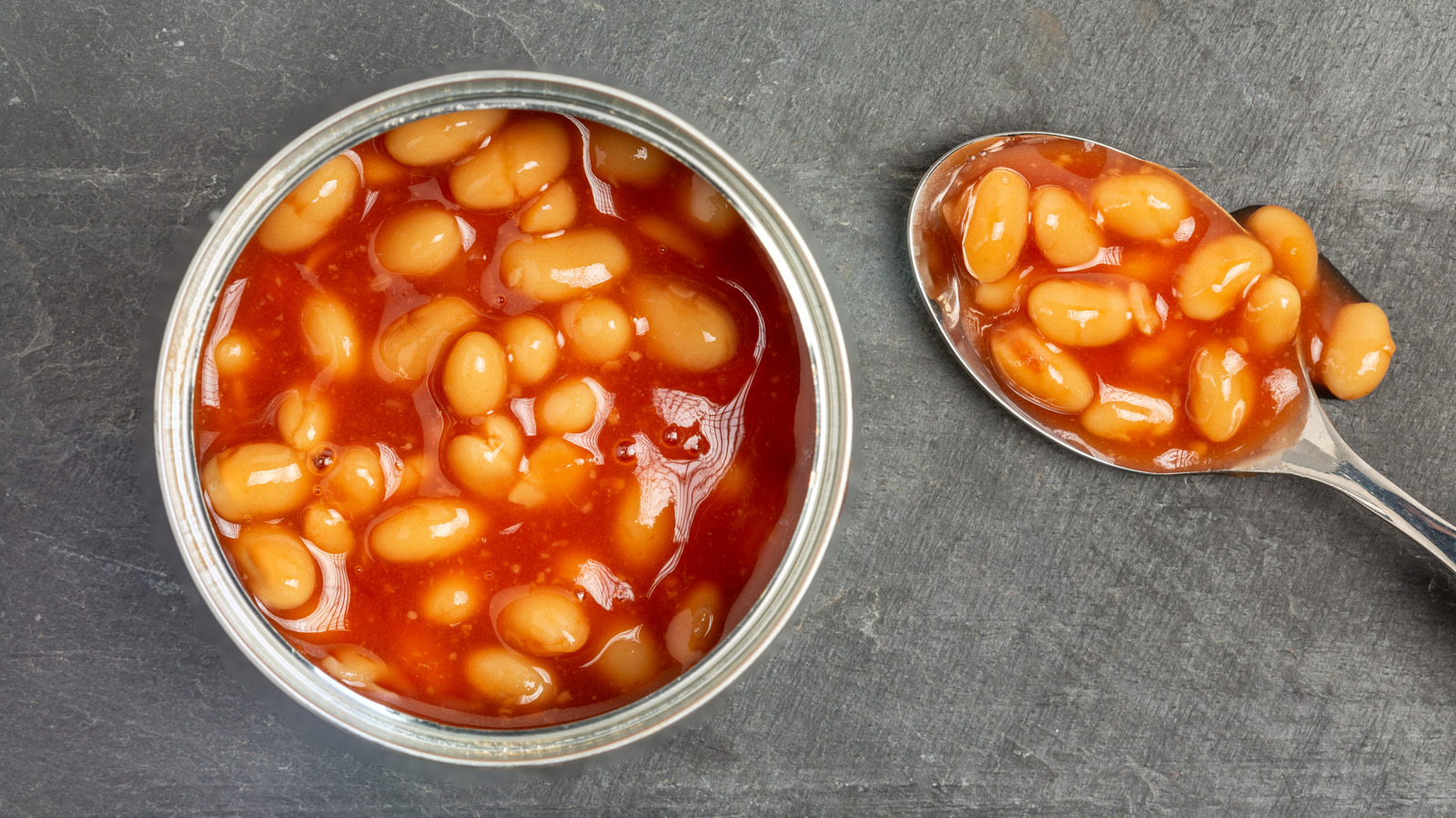
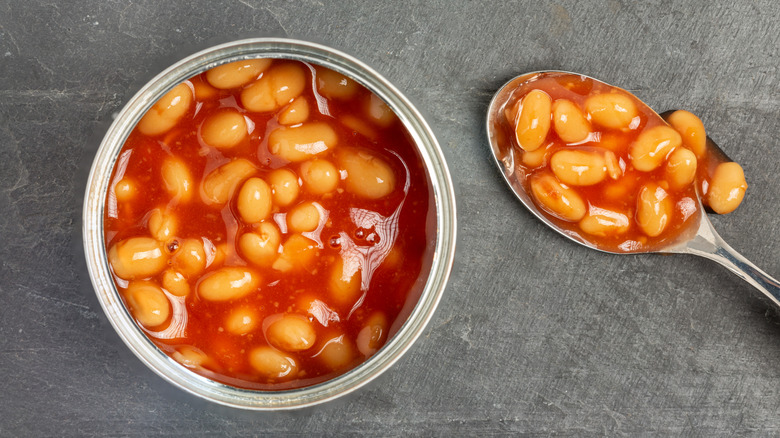
Canned baked beans are tasty on their own, but if you really want to zhuzh them up and blend in layers of flavor, consider adding in this fresh fruit.
Food Republic – Restaurants, Reviews, Recipes, Cooking Tips
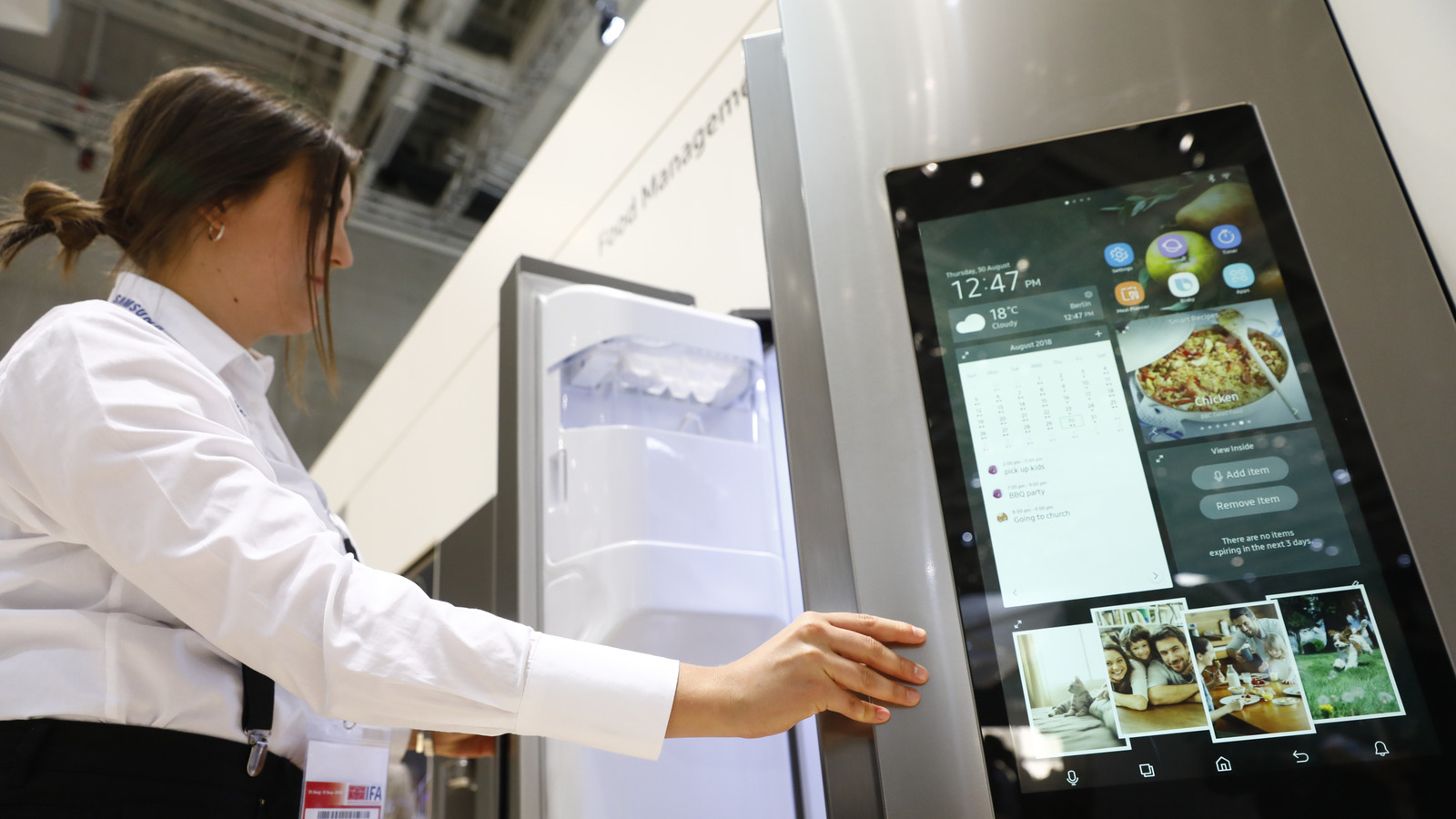
A refrigerator is a big purchase, so it’s important to know how long you can expect your chosen model to last. Here’s what to expect from Samsung.
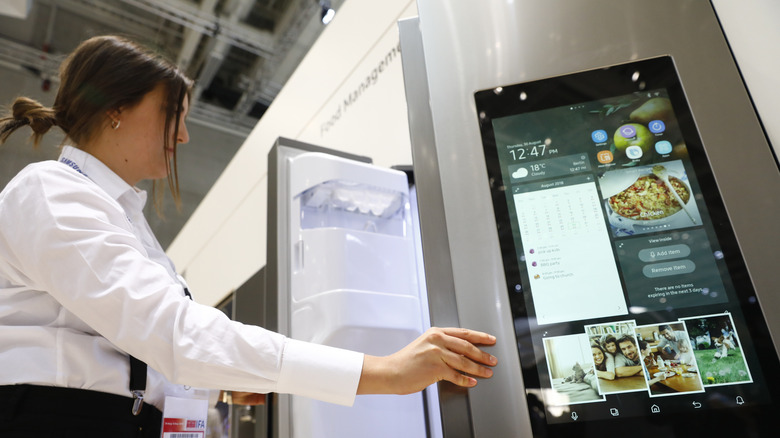
Mashed – Fast Food, Celebrity Chefs, Grocery, Reviews

Prominent Texas Republicans are denouncing Bo French, a Republican nominee to join the state’s railroad commission, after he made a xenophobic post describing a group of Asian American students attending a University of Texas football game as a “problem.”
French posted a photo on X of UT students celebrating in the crowd and wrote: “I heard UT graduation this year looked like this. I didn’t believe it. The problem is now obviously far worse than anyone imagined.”
Sen. John Cornyn immediately condemned the post as racist and called on other Republican officials to speak out.
“This is the Republican nominee for statewide office,” Cornyn wrote on X. “Are other Republican elected officials going to condemn the intolerance and racism, or look the other way while it becomes normalized. This is how great political parties self-destruct. Sad.”
Texas Gov. Greg Abbott also rejected French’s message in a statement shared with POLITICO, saying the picture instead showed Texans united behind their college football team, which had just defeated top-ranked Ohio State.
“That is not my message,” Abbott said. “A selective picture of Longhorn fans celebrating our biggest home victory-ever-actually shows a way that Texans unite. We all support our college football teams.”
“The way we win the state is the same way we win football games,” Abbott added. “We unite under the brand of Texas.”
Abbott also defended Texas’ hard-line immigration policies, saying unity “doesn’t mean that Texas cannot also lead in having the toughest immigration laws of any state in America and freezing H1B visas at our universities.”
Several Republican members of the Texas House also joined in the backlash. State Rep. Lacey Hull urged French to remove the post, writing: “This post breaks my heart. I see college kids cheering on their football team. I see Texans.”
State Rep. Jared Patterson called the post “racist” and said it demeaned students because of their race or ethnicity.
“There is absolutely nothing Christian or conservative about looking at a crowd of young Texans at a college football game, seeing the color of their skin, and declaring that they are a ‘problem,’” Patterson wrote on X. “These are 20-year-old kids cheering for their university — not political props and not targets for racial attacks.”
Texas House Speaker Dustin Burrows similarly wrote that opposing immigration policy does not justify “demeaning people because of their race or ethnicity,” adding that French’s post has “crossed the line” and should be deleted. State Rep. Jeff Leach offered a more succinct request: “Delete this, Bo.”
But French also drew support from some Republicans who attacked Cornyn for condemning him. Former Texas GOP Chair Matt Rinaldi accused Cornyn and other Republicans of mortgaging “our children’s future for government handouts and cheap labor,” while state Rep. Andy Hopper called Cornyn a “smug globalist” who had brought the policies at issue to Texas.
Attorney General Ken Paxton, who is running to succeed Cornyn, responded to a request for comment by attacking his Democratic opponent. He did not mention French.
French has repeatedly engaged in inflammatory rhetoric. Earlier this year, he suggested Republicans should fear Islam and advocated for deporting 100 million people.
Representatives for French and Lt. Gov. Dan Patrick did not immediately respond to requests for comment.
Politics