“Appalachian Memories” has a fascinating history rooted in the country music icon’s real life, with a surprising title change and a connection to Jane Fonda. Continue reading…Country Music News – Taste of Country
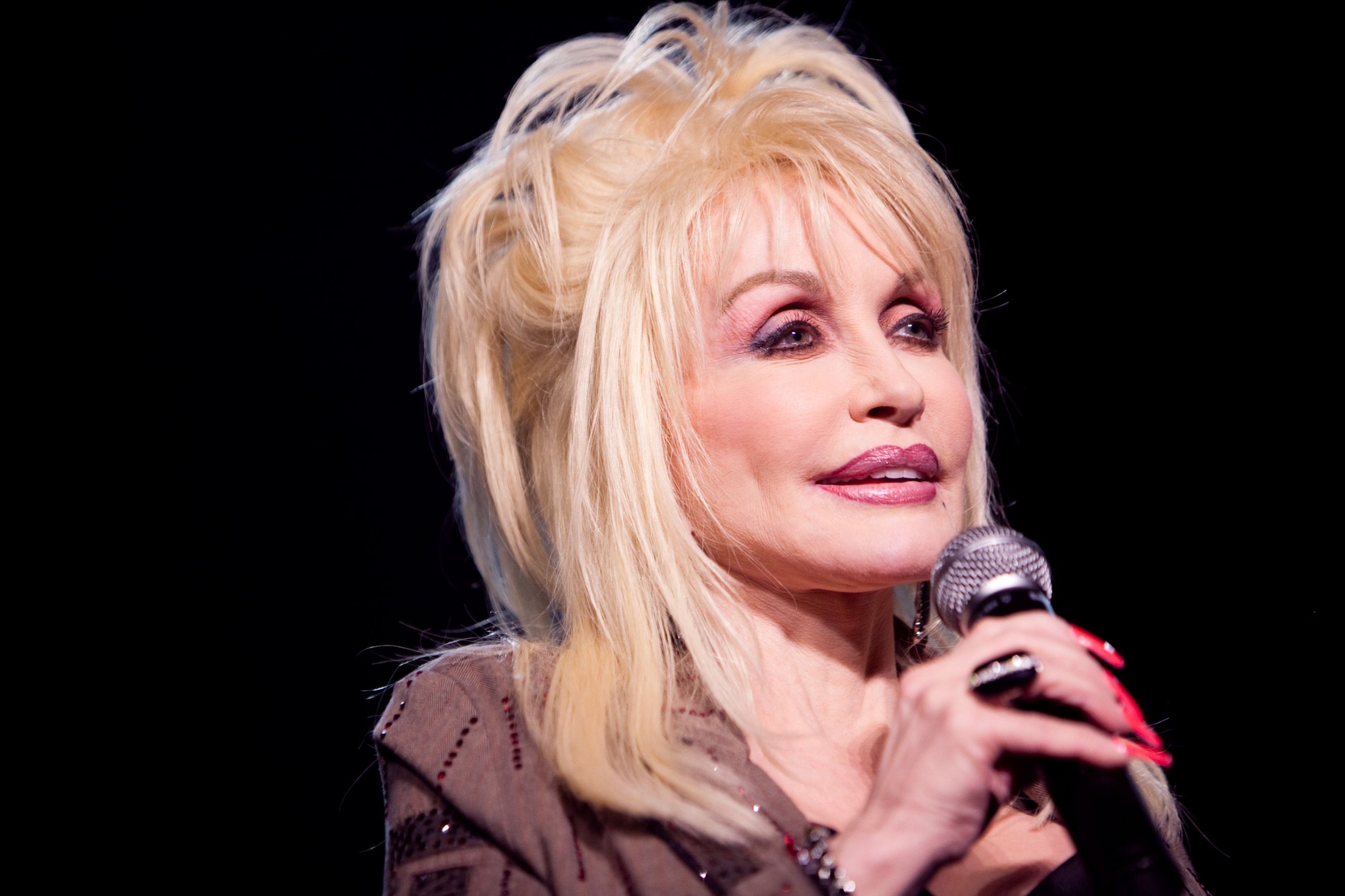








“Appalachian Memories” has a fascinating history rooted in the country music icon’s real life, with a surprising title change and a connection to Jane Fonda. Continue reading…Country Music News – Taste of Country

From Parmesan cheese ice cream to Flamin’ Hot Cheetos on several things, here are some of the wildest – and weirdest – 2026 state fair foods, so far.

Mashed – Fast Food, Celebrity Chefs, Grocery, Reviews
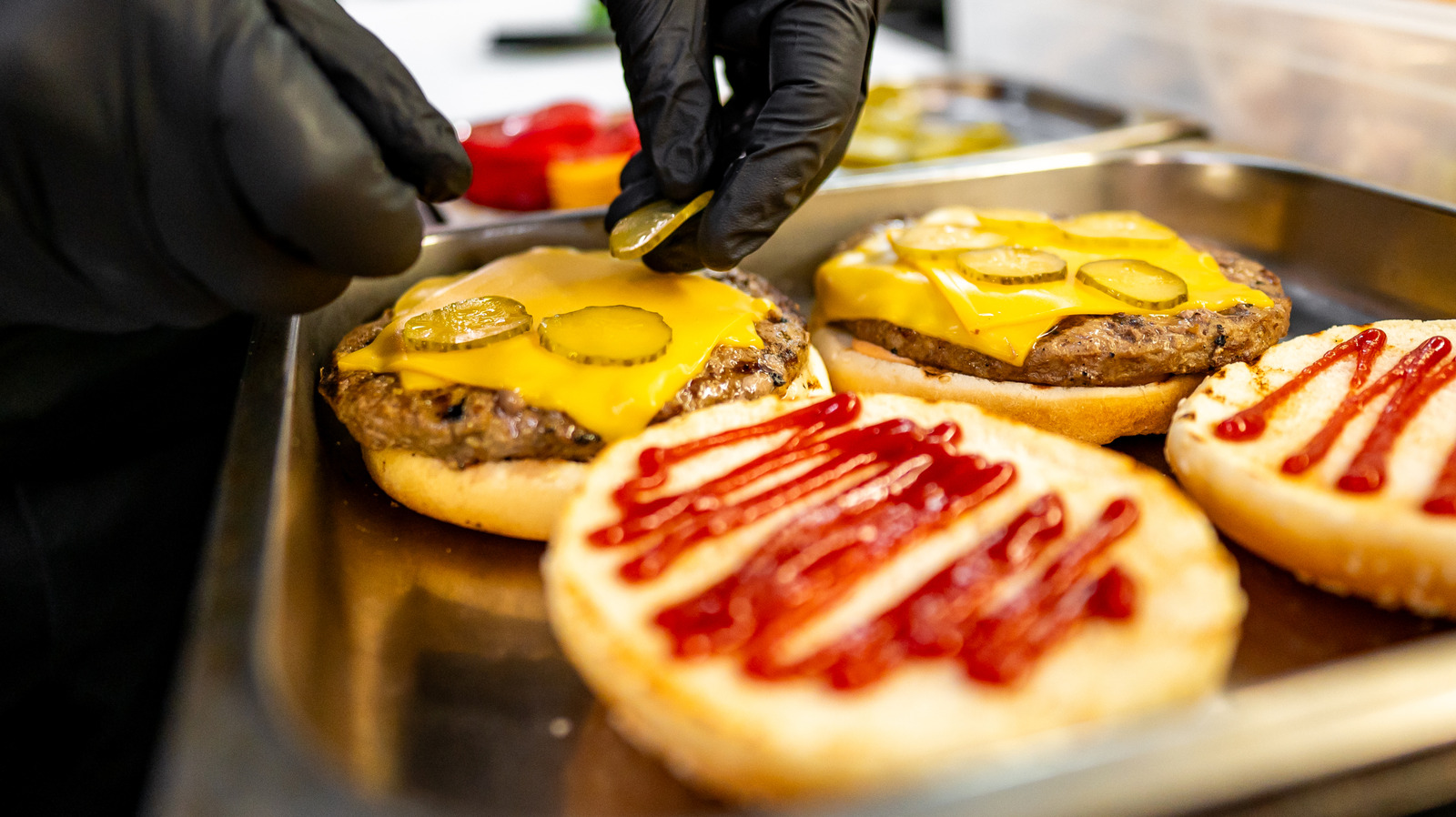
Although Fatburger and Five Guys both offer extensive customization options, one chain slightly edges out the other in its topping offerings.
Food Republic – Restaurants, Reviews, Recipes, Cooking Tips
Reading Time: 2 minutes
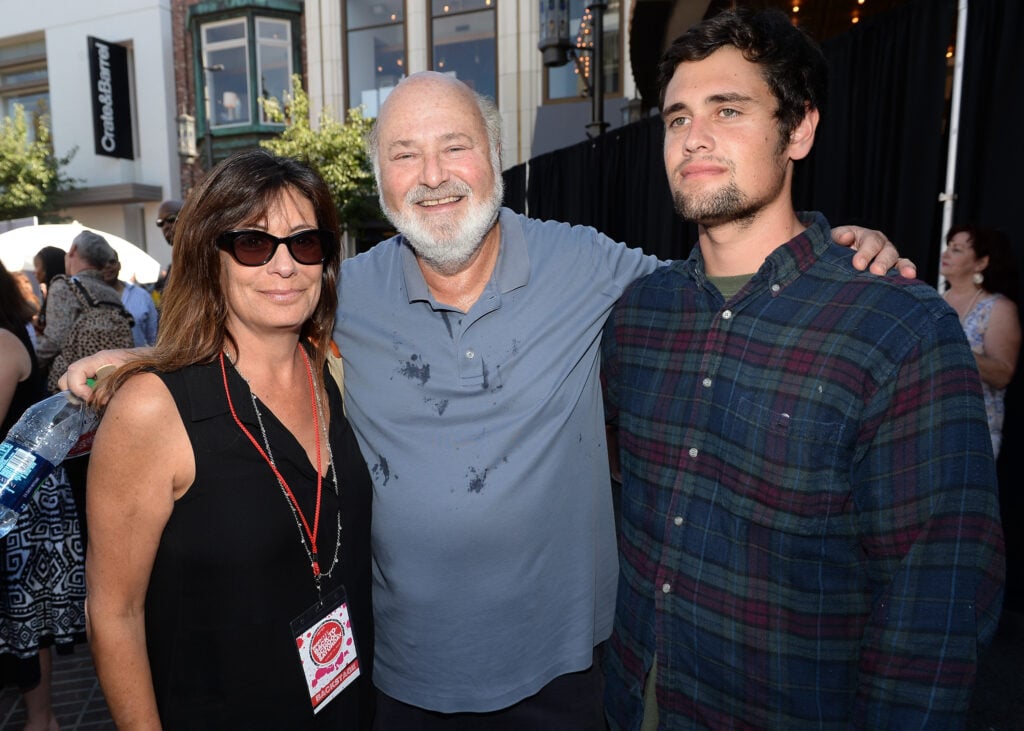
At last night’s Primetime Emmy Awards, Jamie Lee Curtis took the stage to pay tribute to her late friend and costar Rob Reiner.
As you’ll likely recall, Rob and wife Michele Reiner were stabbed to death inside their Los Angeles home last December.
Their son, Nick Reiner, was arrested in connection with their deaths.
Nick appeared in court this morning, where he waived his right to a speedy trial and surprised onlookers by thanking the judge.
The 33-year-old accused murderer looked noticeably different from his previous court appearances.
Reiner appeared “emotionless” and “eerily calm” during the hearing, according to Page Six, wearing a brown prison uniform with facial stubble and longer hair that had been combed to the side. He also appeared healthier and seemed to have gained some weight since his previous hearing in April.
Reiner was seated beside his public defender, Kimberly Greene, who took over his case after attorney Alan Jackson withdrew in January. When Judge Sam Ohta asked whether he understood that he was giving up his right to a speedy trial, Reiner simply replied, “yes.”
He also thanked the judge at one point during the proceedings.
The hearing came just hours after Los Angeles County District Attorney Nathan Hochman announced a major decision in the case:
Prosecutors will not seek the death penalty if Reiner is convicted of murdering his parents, filmmaker Rob Reiner and Michele Reiner.
“After a careful and thorough review of all these factors, the district attorney’s office will not be seeking the death penalty in this case,” Hochman said.
That means Reiner faces a maximum sentence of life in prison without the possibility of parole.
Reiner has pleaded not guilty to charges stemming from the December 2025 deaths of his parents, who were found dead inside their Brentwood home on December 14.
A grand jury recently returned a new indictment accusing Reiner of planning the killings and included the allegation that he was “lying in wait.” He also faces an allegation involving the use of a knife.
Reiner had previously been diagnosed with schizophrenia and has a history of drug addiction. He remains in custody without bail as the legal proceedings continue.
Hochman also said that Reiner’s siblings, Jake and Romy Reiner, have expressed a strong desire for grand jury transcripts to remain sealed. The siblings reportedly believe releasing details and evidence from the case would cause them additional trauma.
For now, the court will decide whether those transcripts remain private.
As for the trial, don’t expect to see Reiner in front of a jury anytime soon. Hochman estimated that proceedings are unlikely to begin before 2027.
That gives the Reiner family plenty of time to continue dealing with a tragedy that has already changed their lives forever.
We will have further updates on this developing story as new information becomes available
Nick Reiner Speaks in Court Day After Emmys Tribute to Late Dad, Will Not Face Death … was originally published on The Hollywood Gossip.
The Hollywood Gossip
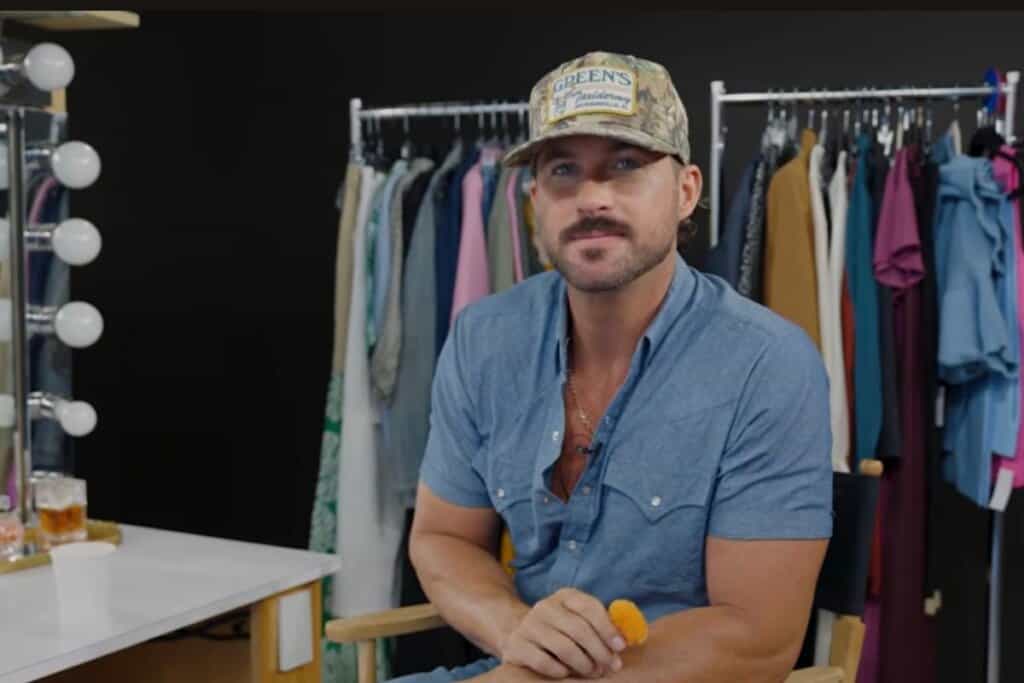
Riley Green never planned on becoming known as the “mustache guy,” but a simple shaving decidson has since turned into the most defining part of his look. During a recent interview with the TODAY Show, the country star opened up about how the facial hair came to be and the buzz that surrounds it.
“[The] mustache for me was somewhat of an accident. I think every guy goes through that phase when they’re shaving and they try goatee and they try a mustache. It just stuck. And now it’s a whole thing,” he admitted.
These days, Green reveals he can’t get through a performance without seeing some real and fake mustaches in the crowd as a nod to his signature look.
“I didn’t know I was going to be the mustache guy, but here I am,” he added.
The Alabama native has found that there are a quite a few perks that come with having such a well-known mustache. Beyond making him instantly recognizable, Green believes that his mustache and cowboy hat could also give him a leg up when it comes to winning over contestants as a coach on Season 30 of The Voice.
“I’m the only one with a cowboy hat, so I think that’d be my way to get, especially those country acts…Mustache also helps,” he noted.
Continuing to speak on his new role on the singing competition series, Green admitted that his biggest competition is going to be Kelly Clarkson because she likely has the best chance out of all his fellow coaches in snagging the country contestants.
“It’s tough because…Adam [Levine’s] been there forever. Queen Latifah is very, very famous. I think probably Kelly Clarkson. She’s going to try to get some of my country acts on the show I know.”
When asked what the funniest thing that’s happened during the filming process for the show so far, Green instantly pointed to the host, Carson Daly’s humor.
“Carson’s had some funny moments backstage. I would say trying to figure out the coach’s song. We all do a song together. That creatively has been a lot of fun.”
The Voice will return to NBC for its milestone 30th on Monday, September 21 at 8/7c on NBC with returning coaches, Adam Levine and Kelly Clarkson sitting alongside Queen Latifah and Riley Green who are both set to make their coaching debut.
Meanwhile, the “Worst Way” singer is currently in the midst of his largest headlining tour to date, his Cowboy As It Gets Tour, which will take him to major cities and arenas across the country through December.
The post Riley Green Opens Up About Becoming the ‘Mustache Guy,’ Reveals Why It Could Help Him on ‘The Voice’ appeared first on Country Now.
Country Now
Donald Trump is a Republican and self-avowed nationalist. That, apparently, is true in an Irish sense, too – even if those terms have very different meanings across the Atlantic.
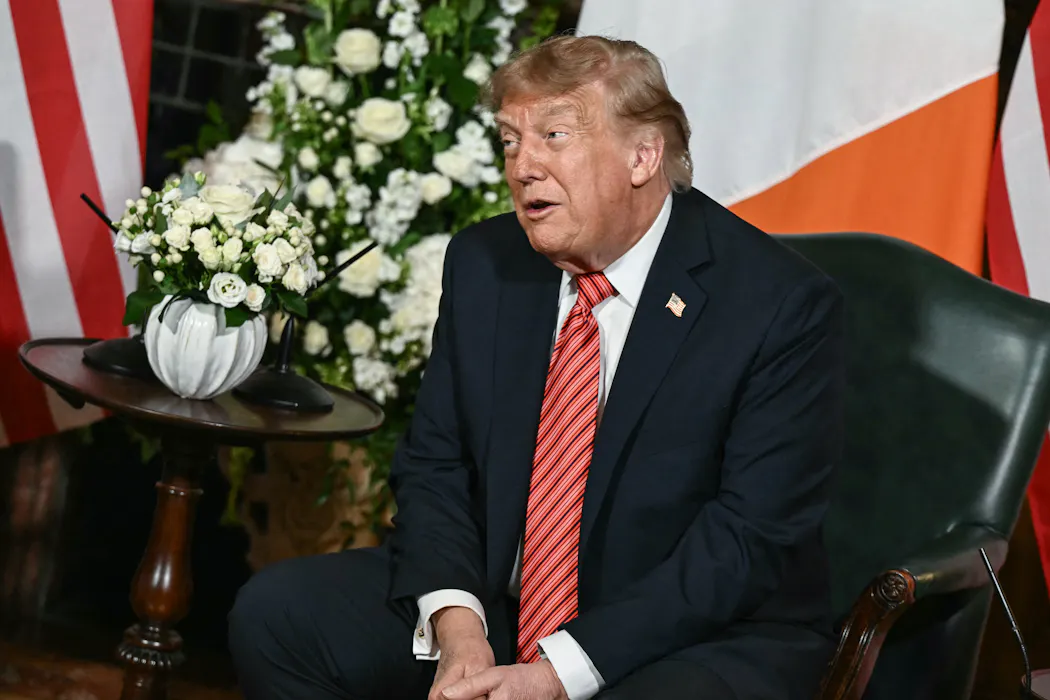
On Sept. 12, 2026, while seated next to taoiseach, the Irish title for prime minister, Micheál Martin, the U.S. president stated that he would “love to see” Ireland unified and that it is “going to happen eventually,” so it “may as well happen now.”
The next day he called reunification “a cool thing” but noted, “No matter what you say or how you say it, there’s no good answer.”
While such comments may have been welcomed by some supporters of unification both in the Republic of Ireland and Northern Ireland – or “republicans” and “nationalists” in Irish political parlance – Trump’s comments were generally denounced by all parties, including the taoiseach.
The comments likewise set off a firestorm among Northern Irish unionists, who wish the region to remain part of the United Kingdom, as well as British conservatives and Trump allies such as Nigel Farage, who likewise insist that Northern Ireland should always remain part of the United Kingdom.
As an expert in Irish-American history, I view Trump’s comments as a break from recent precedent.
Since the 1998 Good Friday Agreement – which politically resolved the rumbling civil war known as the Troubles and achieved cooperation between the North, the Republic, and the U.K. – U.S. presidents have formally adopted a policy of neutrality when it comes to the question of Irish unification. Instead, Trump’s intervention hearkens back to an earlier age in which American presidents were often more opinionated on the issue of Irish nationalism.
Ireland first became a colony of Britain in the 12th century and regularly faced discriminatory polices, such as 17th- and 18th-century penal laws, which prevented Catholics and, to a lesser degree, Presbyterians from entering the upper tier of the socioeconomic strata. That led to widespread anti-English sentiment on much of the island.
Irish nationalism, which called for independence from Great Britain, became popular during the late 18th century, around the same time American colonists defeated the British after declaring an independent United States. Many Irish had already emigrated to the American colonies, but immigration would increase dramatically during the 19th century as Ireland faced famine and disease.
Irish, and especially Irish-American, nationalists tended to look at America as a model and possibly an ally in obtaining independence. As such, they often promoted their agenda to U.S. presidents.
Andrew Jackson, whose parents emigrated from Carrickfergus, County Antrim now in Northern Ireland, was the first president of Irish ancestry. In 1833, he pronounced to the Charitable Irish Society in Boston, “I have always been proud of my ancestry, and of being descended from the noble race.”
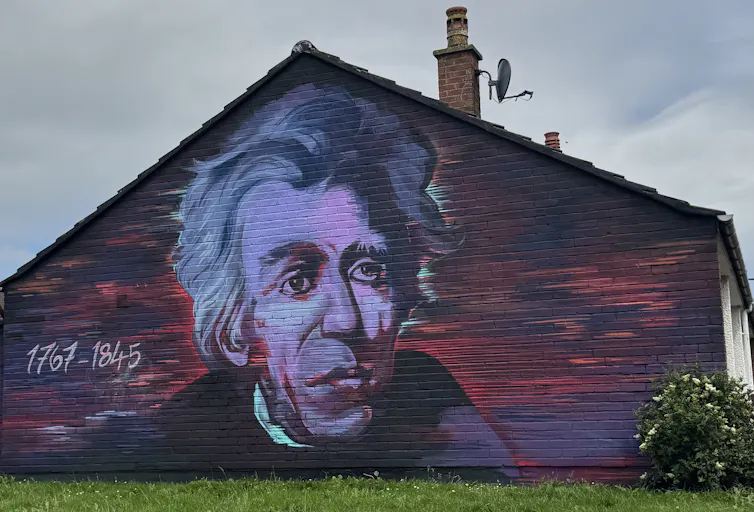
In an 1842 letter to Thomas Mooney, an advocate of Irish independence in New York, Jackson wrote: “That the Irish blood which flows in my veins will never cease, but with my life alone, to beat in unison with those who have at heart the very security of Irish liberty.”
However, Jackson’s words, while likely sincere, never resulted in a tangible policy or action to assist Ireland.
The Irish revolutionaries the Fenians, also known as the Irish Republican Brotherhood in the United States, appealed to a succession of U.S. presidents for assistance without success. Formed in the late 1850s and popularized after the American Civil War, Fenians had hoped that Andrew Johnson, and later Ulysses S. Grant, would support an Irish revolution.
Hoping to benefit from American-Anglo tensions during the Civil War, in which the British unofficially supported the Confederacy, the Fenian Bernard Killian claimed that Johnson and his secretary of state, William Seward, had privately assured him that they supported a Fenian invasion of Canada, then a colony of Great Britain.
The Fenians hoped that a successful invasion might lead to a war between the U.S. and U.K., which would result in a free Ireland. But both Johnson and Seward publicly refuted Killian’s claim. But their need for Irish votes in the upcoming 1866 midterm election might explain their private support.
Regardless of the conflicting versions of the conversation, when the short-lived invasion took place in 1866, Johnson had many of the Fenians arrested for violating neutrality laws.

Most 19th-century Irish Americans supported the Democratic Party because the Republican Party was widely seen as anti-Catholic and xenophobic.
However, Grant, a Republican, became president in 1869 with the support of many Irish Americans, especially Fenians who had fought for the Union in the Civil War.
They hoped that his frustration with the English during the war would lead to his support of independence in Ireland. Once again, they found a president unwilling to assist their conquest of Canada or even their filibustering excursions into Central America and Cuba, where rogue groups hoped to annex territories to become part of the U.S.
President Woodrow Wilson hoped that the mass slaughter of World War I would lead to dramatic reform that would prevent future atrocities. In his Fourteen Points, Wilson exclaimed, “It’s the principle of justice to all peoples of all nationalities, and their right to live on equal terms of liberty and safety with one another whether they be strong or weak.”
Unfortunately, Irish nationalists such as John Devoy, excited at the prospect of British decolonization, soon discovered that Wilson’s vision of self-determination was far less universal than he had implied.
Supporting their wartime British ally, Wilson and the U.S. declined to support the Irish nationalists during the Irish War of Independence between 1919 and 1921. In 1922, the Anglo-Irish Treaty created the Irish Free State – now the Republic – and partitioned it from Northern Ireland, which remained part of the United Kingdom. After a brief civil war in Ireland between pro-treaty and anti-treaty forces, U.S. President Calvin Coolidge established relations with the Free State government in Dublin, infuriating the anti-treaty Irish Republican Army.
John F. Kennedy, the president most associated with his Irish ancestry and the first sitting president to visit Ireland in 1963, mostly avoided the question of unification as president – although he was quite outspoken in favor as a senator. But he did note to the Irish parliament, “No people ever believed more deeply in the cause of Irish freedom than the people of the United States.”
During the Cold War, U.S. presidents were reticent to support Irish unification in order not to upset their British allies. But after the Cold War, President Bill Clinton invited Gerry Adams, the head of Sinn Fein – widely seen as the political arm of the IRA – to visit the White House, despite the protests of British Prime Minister John Major.
Eventually, Clinton would become an important part of the process that led to the Good Friday Agreement, partially due to his avowed neutrality on the question of unification. Presidents since have continued to adopt a policy of neutrality.

Trump, who has been compared to Andrew Jackson for his lack of conventional diplomacy, perhaps unsurprisingly has now agreed with Jackson that Irish independence would be good for the Irish people.
Although unlikely familiar with this history, he has perhaps unintentionally sided with past presidents as well as the people who live on the island. In a recent European Union poll, 63% of people in Northern Ireland said they would vote for unification, while 59% of the people in the Republic would support it.
Still, 29% of the Northern Irish and 22% of the Republic oppose it. And given the vocal opposition of the British government, unification is not likely to happen soon, no matter what the U.S. president wants.

Bryan McGovern does not work for, consult, own shares in or receive funding from any company or organization that would benefit from this article, and has disclosed no relevant affiliations beyond their academic appointment.
Politics + Society – The Conversation

If you love the taste of Kerrygold Butter but not its steep price tag, here’s a cheaper alternative that tastes just as good for a fraction of the price.

Food Republic – Restaurants, Reviews, Recipes, Cooking Tips
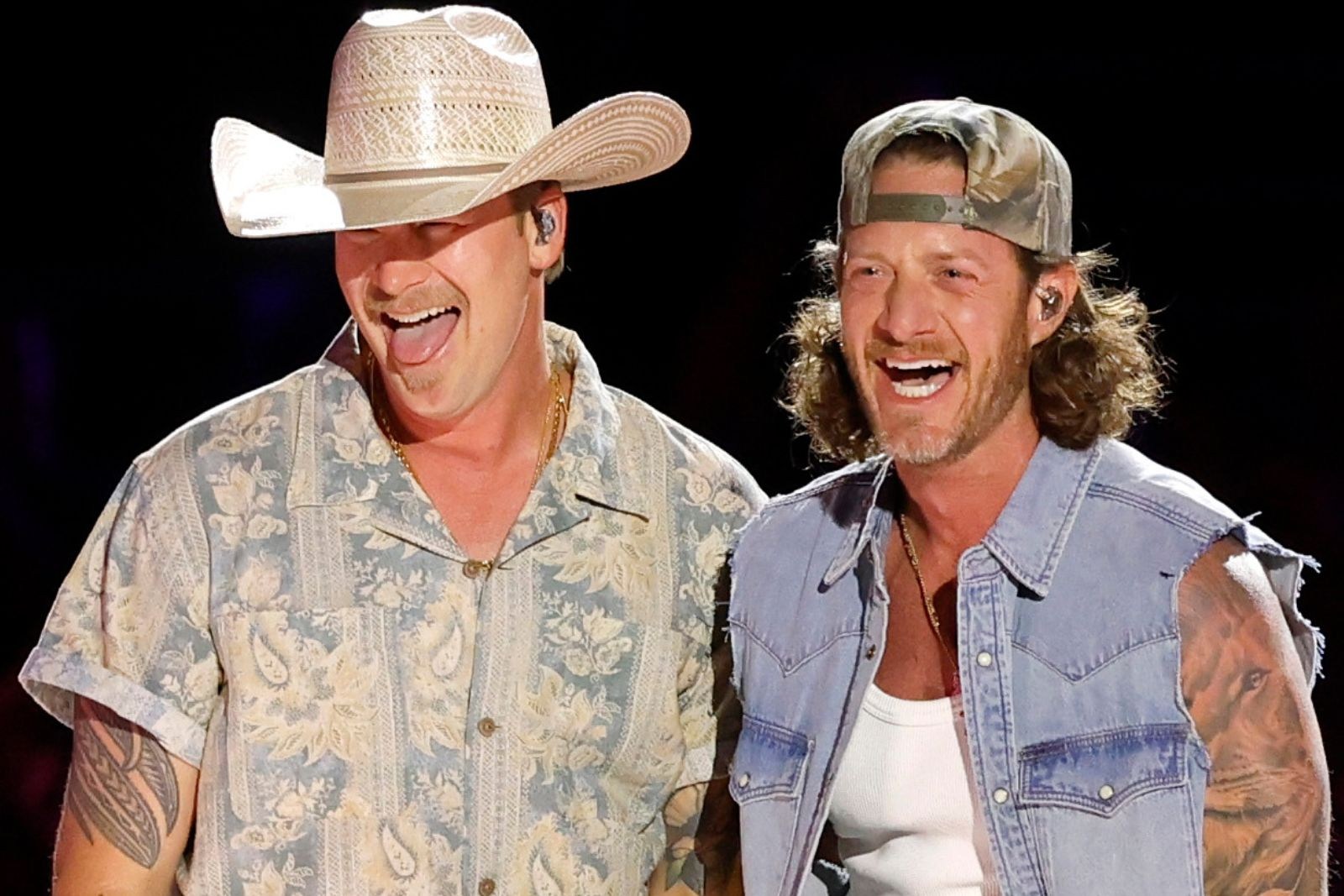
The freshly-reunited duo will play 12 major festivals together next summer. Continue reading…The Boot – Country Music News, Music Videos and Songs
The freshly-reunited duo will play 12 major festivals together next summer. Continue reading…Country Music News – Taste of Country

A sign in support of Whittier’s Samoan residents is seen outside a harbor shot on July 17, 2025. (Photo by Yereth Rosen/Alaska Beacon)
Following a ruling by the Alaska Court of Appeals, the Alaska Department of Law has dropped criminal charges against 11 American Samoan residents of Whittier who were accused of illegal voting.
American Samoans are U.S. nationals but not citizens and thus cannot vote in Alaska elections.
State prosecutors charged Tupe Smith and 10 other Whittier residents with voting illegally after Smith won a local school board race in 2022.
All 11 said they were unaware that they could not vote in local elections and said they were misinformed by local elections officials.
Smith, who was charged in 2023, sought to have her case dismissed. A Superior Court judge denied that request, but Smith appealed, and the Court of Appeals ruled this month that in order to convict someone of voting illegally, prosecutors must prove that someone intentionally sought to deceive elections officials when they cast an illegal vote.
The Department of Law had brought charges against Smith and others under a different standard, one that doesn’t require an intent to deceive.
Rather than appeal the Court of Appeals interpretation to the Alaska Supreme Court, the Department of Law dropped the charges.
“Our prosecutors have an obligation to follow the law as it is written and to apply it faithfully to the cases before us,” said Acting Alaska Attorney General Cori Mills in a statement published Friday. “It is sometimes the case that courts reach a different conclusion about what the law requires the state to prove, as the Court of Appeals has done here. This requires us to re-evaluate whether the state can prove its case beyond a reasonable doubt under the new standard, and after reviewing the decision and applying the facts, we don’t think we can do that.”
Attorneys for Smith and the other Whittier residents accused of wrongdoing said they were happy with the result but disappointed that it took years to resolve.
“We could not have been happier when we heard the news. This was a major stress. It feels like a dark cloud hanging over our heads has been removed. I could not help but worry about worst-case scenarios, and how to deal with not seeing my kids if I’m taken away to prison,” said Michael Pese, Smith’s husband and one of the 10 other American Samoans charged by the state.
“It feels good after everything we’ve been through. We are relieved to no longer have to worry about who will watch our kids if we are both put in jail,” Smith said.
“The state’s dismissal of charges is welcome, but these searches, arrests and prosecutions should never have been done in the first place,” said Charles Ala’ilima, an American Samoan attorney who represented Smith and Michael Pese, her husband.
“These prosecutions were traumatizing, not just for those charged, but for the entire American Samoan community in Alaska. It opens all of our eyes to the real difficulties we face as American Samoans because of our current ambiguous and, in my opinion, unconstitutional, noncitizen second-class legal status imposed by federal statute,” Ala’ilima added.
