I did a comparison of some noteworthy baked selections from Costco and Sam’s Club to help guide you the next time you make a warehouse bakery visit.
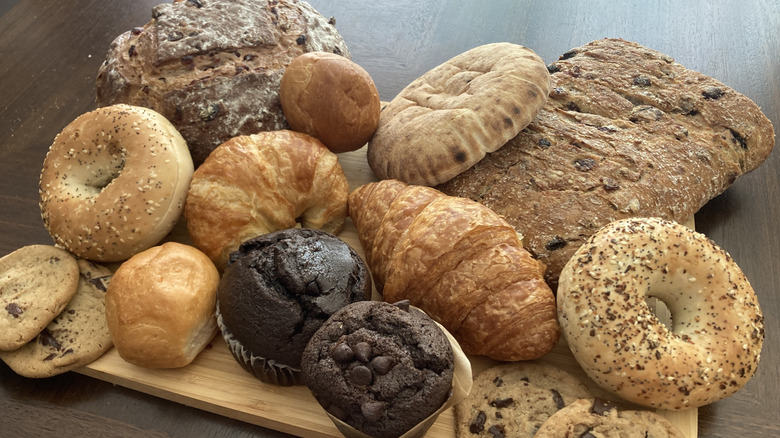
Mashed – Fast Food, Celebrity Chefs, Grocery, Reviews








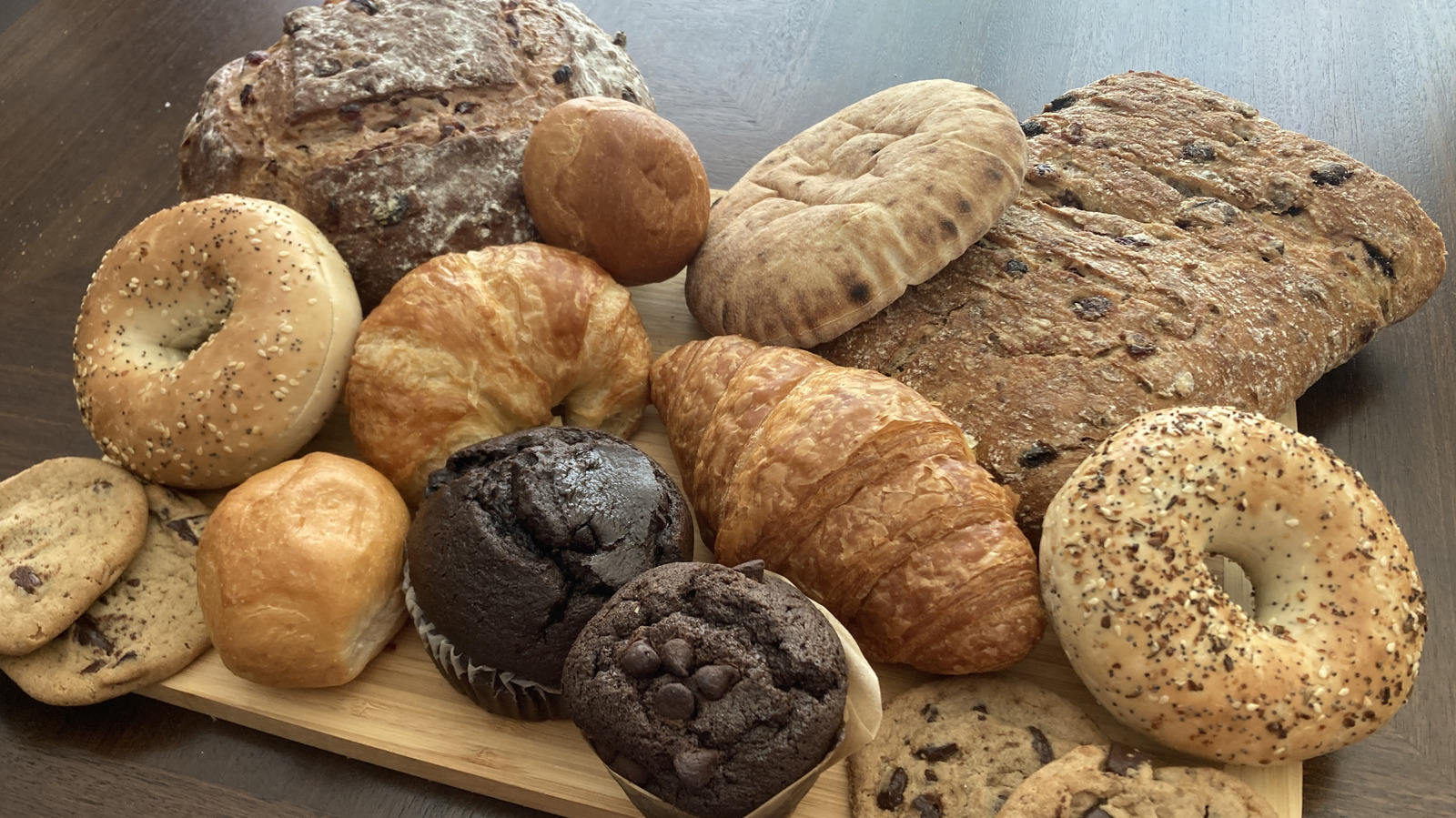
I did a comparison of some noteworthy baked selections from Costco and Sam’s Club to help guide you the next time you make a warehouse bakery visit.
Mashed – Fast Food, Celebrity Chefs, Grocery, Reviews
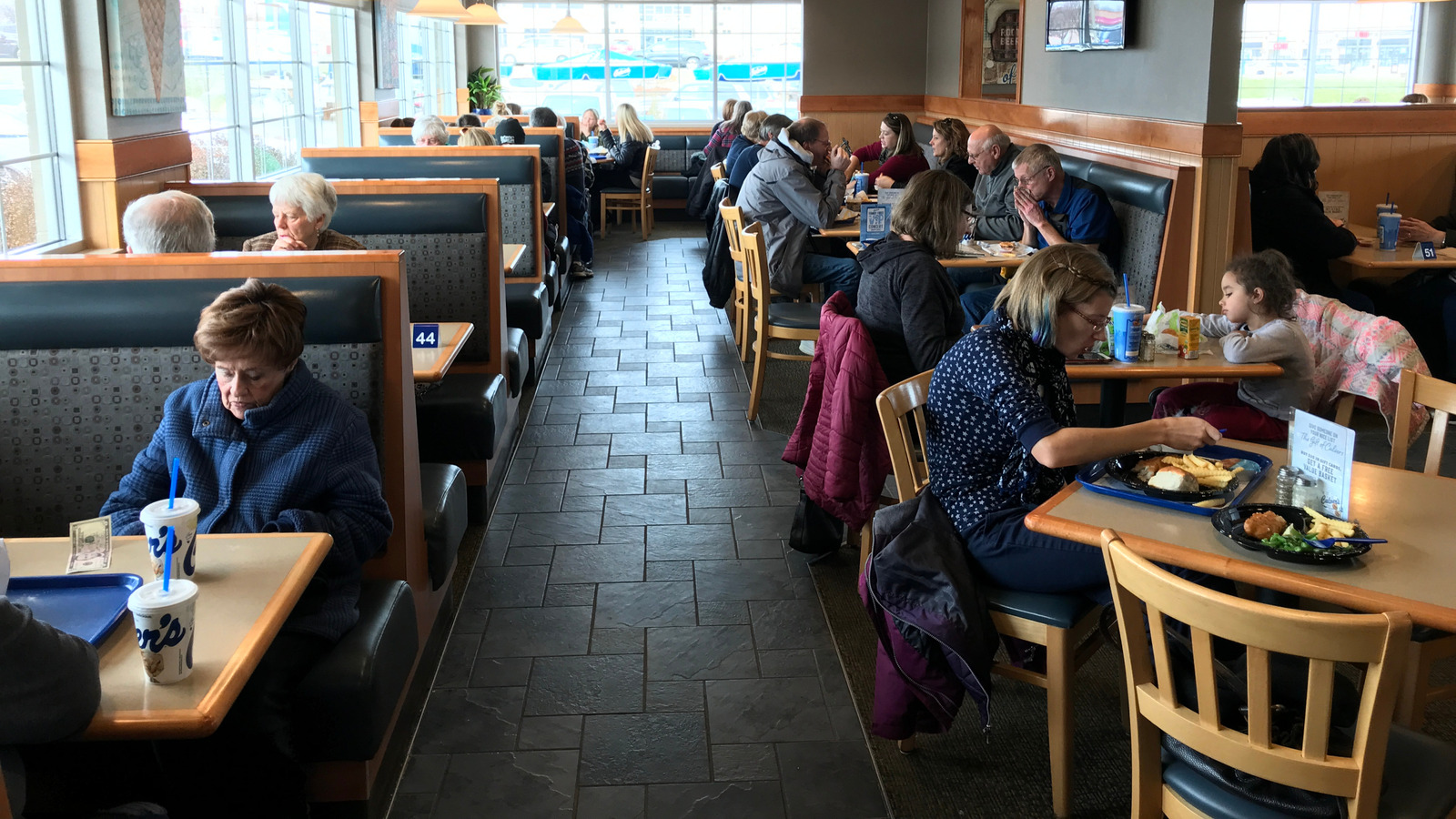
Culver’s doesn’t offer poutine. However, it sells the main components you need for making a fast food version of this classic Canadian dish.
Mashed – Fast Food, Celebrity Chefs, Grocery, Reviews

 Since season one premiered in 2023, viewers have been faithfully devoted to The Traitors.
And now real fans have a chance to claim their place at Alan Cumming’s roundtable with the Sept. 17…
E! Online (US) – Top Stories

NEW YORK — Vice President JD Vance will hit a key hurdle in his fence-mending effort with Jewish Republicans on Thursday when he hosts a popular conservative radio host at the White House.
77 WABC host Sid Rosenberg, a longtime friend and ardent ally of President Donald Trump, has publicly attacked Vance for maintaining a friendship with Tucker Carlson, the former Fox News personality accused of invoking antisemitic tropes in criticizing Israel.
Rosenberg, who’s known for making inflammatory remarks, has also taken aim at Vance for what he sees as the vice president’s lack of commitment to a “strong” U.S. alliance with Israel.
In an interview Wednesday with POLITICO, Rosenberg said he plans to grill Vance in person about both Carlson and U.S. aid for Israel at a meeting he described as coming at Vance’s request. And while he said the main purpose of Thursday’s meeting is to get to know Vance, he noted that he’ll raise his concerns to the vice president in the context of his most pressing political priority: His likely 2028 run for president.
“If he really wants to win in ‘28, he has no choice but to, at the very least, distance himself from [Carlson] if not completely disavow him,” Rosenberg said, adding that he believes the vice president “has pissed off the Jews and many Trump supporters.”
Describing distrust of Vance in right-leaning Jewish communities as “a big problem,” Rosenberg said he’ll ask the vice president to commit to steering clear of Carlson and continue significant U.S. support for Israel if elected president.
“I hope I can get some of those commitments. Do I think I can get it? I don’t know,” Rosenberg said. He added that he expects to meet with Trump in the Oval Office after his sit-down with Vance.
As the front-runner for the Republican Party’s 2028 presidential nomination, Vance’s tense relationship with Israel’s supporters in the GOP could become a serious liability. Major Republican donors have already said they would be reluctant to financially boost Vance’s presidential run because of his views on Israel, a sharp departure from how Trump has held a commanding grip in that realm, thanks in large part to his alliance with Prime Minister Benjamin Netanyahu.
In that light, Vance’s meeting with Rosenberg — who has known Trump since at least 2018 — takes on outsize significance. It also comes after Vance extended an olive branch earlier this month at the Republican Jewish Coalition’s leadership summit in Las Vegas, where he voiced concern about antisemitic hate crimes and said working with Israel is “in the best interest of the United States.” Vance touched on Carlson at that summit as well, acknowledging that “people in this room may disagree” with things he’s said, but the vice president avoided discussing his relationship with him.
Just days after that appearance, however, Vance ignited criticism from pro-Israel Republicans again by saying in a speech that the U.S. cannot allow its Middle East policy approach to be “subservient to the State of Israel.”
Asked about Rosenberg’s comments ahead of their White House meeting, a Vance spokesperson said Wednesday that the vice president would be meeting with the radio host after they didn’t meet in Las Vegas.
“The Vice President was unfortunately not able to meet with him in Las Vegas during the RJC Leadership Summit, and of course wanted to make time to meet with him in Washington,” the spokesperson said.
Rosenberg, a former sports commentator who now runs his own political radio show “Sid & Friends in the Morning” in New York City, confirmed Vance’s team asked for Thursday’s meeting. And despite his concerns about Vance’s Israel posture, he called the vice president an “affable” and “smart” person who’s “capable of the job.”
Still, Rosenberg made clear he doesn’t view Vance as the strongest Republican contender for president in 2028.
“He’s not my first choice. I’m a Marco guy,” Rosenberg said, referring to Secretary of State Marco Rubio, who’s also rumored as a possible 2028 candidate. “If it turns out Marco doesn’t run, and JD wins the primary, in the end, if JD is the last man standing, I will support him.”
Rosenberg’s influence remains mostly limited to the relatively small world of Republican politics in deep-blue New York. Still, his friendship with Trump has elevated him as a voice on the right, even as he’s attracted his share of controversy.
In March, Rosenberg called Zohran Mamdani, New York City’s first Muslim mayor, an “America hating, Jew hating, Radical Islam cockroach” while voicing displeasure with Trump’s surprisingly cordial interactions with Mamdani. After drawing intense pushback from voices across the aisle, Rosenberg apologized to Mamdani for the harsh remark, saying it was a “bit over the top” and admitting it’s “not nice to call somebody a bug.”
Rosenberg also came under intense fire earlier this year for calling Mamdani “a terrorist” — and apologized for that remark too. But he later retracted that apology, saying he was “exactly right” to use the term.
With additional reporting by Alex Gangitano
Politics

 The murder of Lizzie Borden’s parents is technically a cold case, but takes still run hot when it comes to one of America’s most notorious alleged murderesses.
Hence Ryan Murphy’s reliably…
E! Online (US) – Top Stories
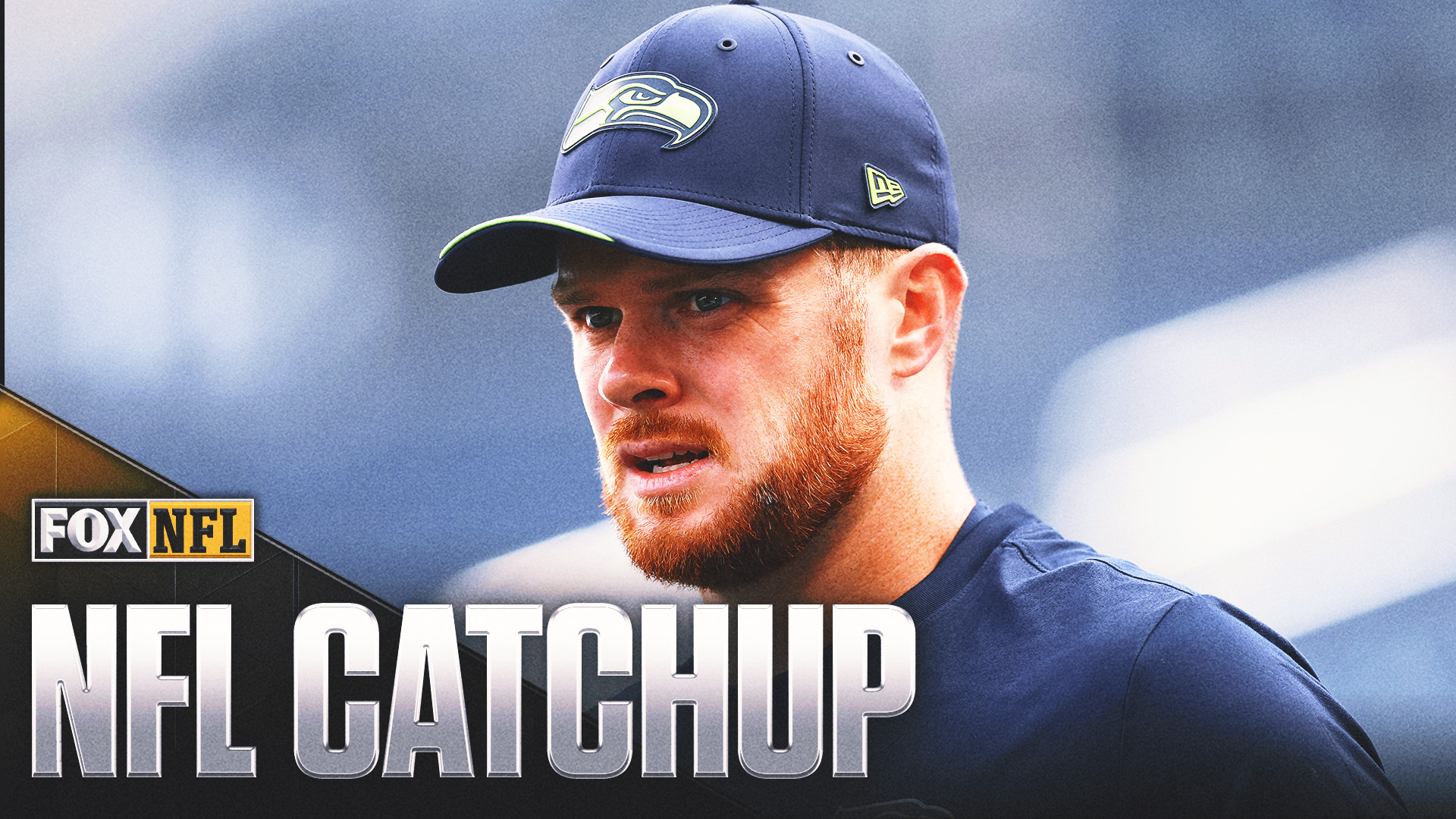
As teams around the NFL begin to shift into gear for Week 2, Wednesday brought a fresh round of injury updates. The Seattle Seahawks got some relieving news under center, while the San Francisco 49ers’ receiver room deals with another injury, and two more starting quarterbacks landed on the injury report heading into Week 2. Sam Darnold avoided a long-term absence despite being ruled out for Sunday’s game against the Arizona Cardinals, while 49ers rookie wideout De’Zhaun Stribling is now facing roughly 10 weeks on the shelf after ankle surgery. Meanwhile, Joe Burrow is dealing with back tightness but sounds intent on playing through it, and Kyler Murray took a step forward in his return from concussion protocol with a limited practice. Here’s the latest from around the NFL on Wednesday. Sam Darnold appears to have avoided a major, long-term setback after exiting Wednesday night’s season opener with a glute injury. Head coach Mike Macdonald told reporters the quarterback has been ruled out for Sunday’s game against the Cardinals, but importantly, he will not be placed on injured reserve. With IR off the table, the expectation is that Darnold could be back under center within a game or two once he’s medically cleared. In the meantime, backup Drew Lock will take the reins, and he’s already shown he can hold things together — Lock led a second-half comeback against the Patriots on Wednesday, completing 16 of 22 passes for 187 yards and a touchdown. Given Lock’s steady showing in relief, Seattle’s offense shouldn’t miss much of a beat under Macdonald in the short term. Still, all eyes now turn to Darnold’s recovery timeline and how quickly the Seahawks can get their starter back on the field. The San Francisco 49ers officially placed rookie wide receiver De’Zhaun Stribling on injured reserve Wednesday. Stribling underwent ankle surgery and is expected to miss at least two months as he recovers. Head coach Kyle Shanahan told reporters Wednesday that Stribling opted for surgery, adding that the team expects him to miss roughly 10 weeks. Losing Stribling adds to the mounting injury list in the 49ers receiver room, which lost Ricky Pearsall to a season-ending knee injury in training camp. The offense will need to rely on the veteran trio of Mike Evans, Deebo Samuel and George Kittle moving forward. Stribling initially injured his ankle late in the first quarter of the 49ers’ Week 1 win over the Los Angeles Rams. Though he briefly returned to action, his night ended on the very next drive when he went down in the second quarter and had to be carted off the field. He may have gone statless in Week 1, but Stribling’s impressive training camp proved he belongs in this offense. If the 49ers can navigate a brutal NFC West race without him, his return late in the year could give them a major dynamic boost in time for a playoff run. Joe Burrow will show up on this week’s injury report, but he isn’t sounding any alarms about his availability for Sunday’s game against the Texans. The Bengals quarterback was limited during the open portion of Wednesday’s practice and told reporters afterward that he’s dealing with back tightness, adding that he isn’t sure which play from last Sunday’s win over Tampa Bay caused it. Burrow noted he didn’t feel any pain until after the game had ended, and while he wasn’t certain whether he’d be able to practice for the rest of the week, he cleared the air on his playing status, calling it “ridiculous” to suggest he’d sit out. The Bengals travel to face the Houston Texans on Sunday, Sept. 20. After an emotional Week 1 comeback win, the Minnesota Vikings head to Chicago to take on the Bears. However, who will line up under center remains a major question mark as quarterback Kyler Murray remains in concussion protocol. On Wednesday afternoon, head coach Kevin O’Connell told reporters that Murray would practice in a limited capacity. The Vikings plan to rely on the league and medical staff before clearing Murray. Murray did not return to the game after taking a scary hit from a Green Bay Packers defender while sliding. As he remains in concussion protocol, the expectation is that Carson Wentz will step in to start in Chicago if Murray isn’t cleared. Wentz delivered a strong performance off the bench, leading a fourth-quarter comeback to seal a 39-22 victory. He completed 12 of 19 passes for 133 yards and three touchdowns, connecting with Justin Jefferson for two of those scores.Latest Sports News from FOX Sports

 Jenna Dewan scored major mom points for joining Dancing With the Stars.
The Step Up alum—mom to 13-year-old Everly Tatum with ex Channing Tatum—agreed to become a season 35 contestant in great…
E! Online (US) – Top Stories
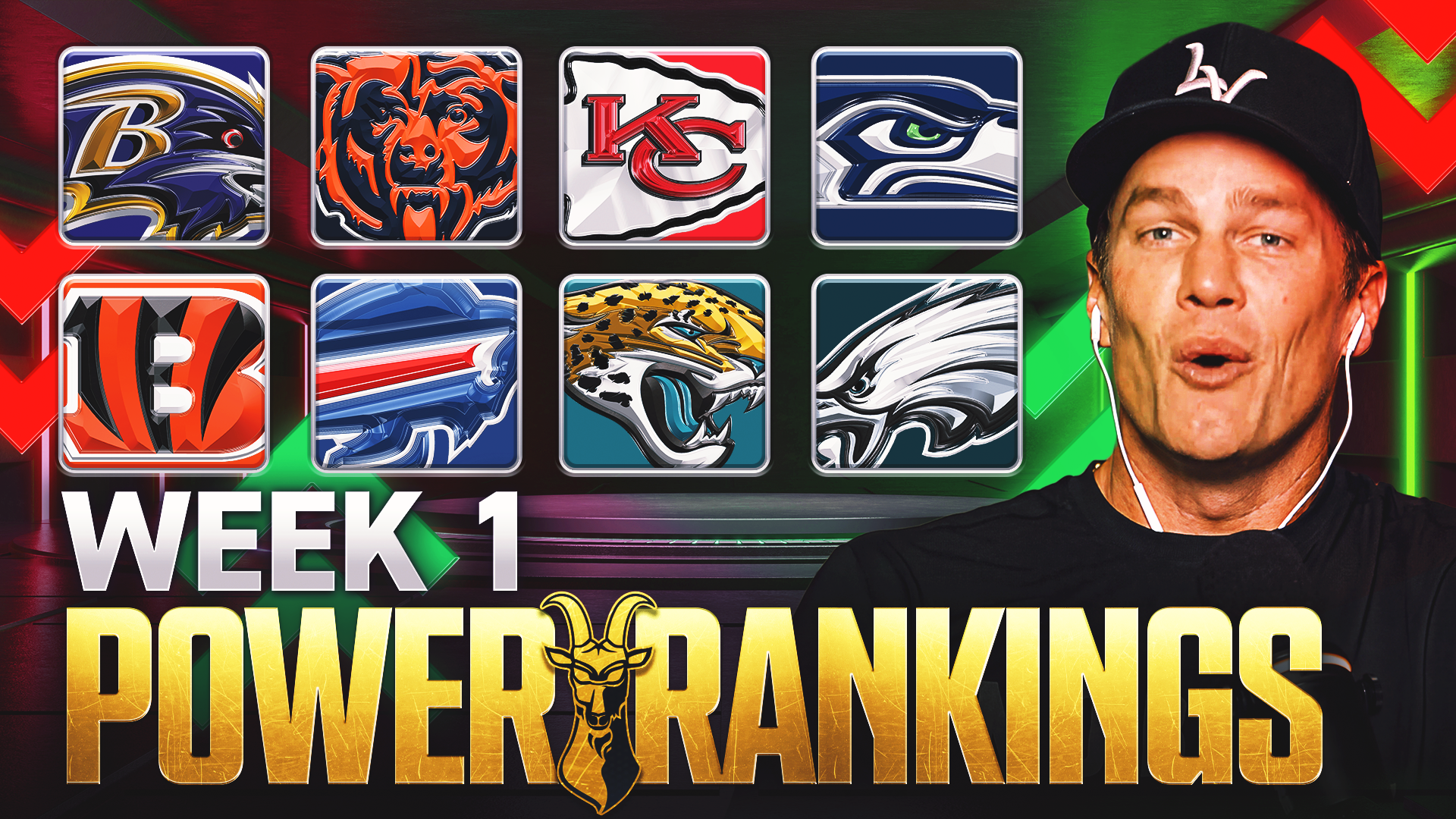
Tom Brady’s power rankings are back for a third season, and before he reveals his first top-10 of the new season, there are a few rules the GOAT has. One, in order to make this week’s top 10, you’ve had to have won in Week 1. Two, the power rankings are all about what you’ve done lately, not what you can be. And three, if you have any complaints, direct them to the new FOX Sports digital show “Gronk & Jules.” So, now that’s out of the way, let’s dive into Brady’s first top 10 of the 2026 NFL season. Brady’s thoughts: They had a great win against a very good Bucs team. I thought that Bucs team was going to go into Cincy and upset some people. Sorry to Ja’Marr Chase and all those fantasy owners. Trust me, you’ve got nothing to worry about. Brady’s thoughts: If you turned this one off early, you’re probably wondering why the Lions aren’t higher. But you really don’t want to see how this one went down. I think it’s very brave of these teams to go for 2 [to win the game like the Saints did]. It’s basically a 45/50% chance of making it. That’s what the stats say. Sometimes, I think you should make the other team beat you. But when you’re the road team against a good team, sometimes I don’t mind going for broke. Brady’s thoughts: How about the Jags? At No. 8, they ran it up against Cleveland. That’s what a lot of people forgot about Jacksonville last season. They won 13 games last year. Keep an eye out for this team. Liam Coen, really impressed, man. Keep it up. Brady’s thoughts: Kenneth Walker, he’s your [Super Bowl LX] MVP and the Chiefs are sitting at No. 7. Patrick Mahomes, are you kidding me? He might be able to contribute something to this offense as well. He wasn’t avoiding any contact [on Monday night]; I’m sure of that. I think, in a lot of ways, he’s back to [being] Patrick Mahomes. What do I mean by that? His leadership, discipline, tenacity — all of those things were on display. He’s going to pick up some steam. He’s missed some football, missed a lot of the offseason. But never sleep on No. 15 for the Chiefs. Why are we counting them out? Never count them out. I always felt like when you’ve got a great coach and you’ve got a great QB, and that organization has championship standards … watch out, man. Brady’s thoughts: KB and I, we were on the call in Philly, and the Eagles are knocking on the door of the top five. They knocked a little rust off, but they took care of business, starting 1-0 in the division. They know how to start fast. I like this team. They’re always going to play great defense. Once they figure out how to run the ball a little bit better, and they’ve still got Saquon [Barkley] back there and Tank Bigsby — they’re making those explosive plays. That’s the formula that set them up a few years ago, too. Brady’s thoughts: In our top five, you can shuffle a lot of teams here, but remember, when in doubt, my rankings are always the correct ones. The Bills are starting at five. That was a huge win in Houston. Houston had one of the best defenses in the league last year, and there’s going to be arguments to put Buffalo at the top of the list. But they were a dropped pick away from being off the [list] entirely. We know Josh [Allen], we know James Cook — they’re going to move the ball all year long. But those Bills fans are waiting for January at this point. Who can blame them? Brady’s thoughts: Another team with a new head coach, Jesse Minter. Lamar [Jackson] dominated in Indy. They brought in Minter for this defense, but I’ll be watching [offensive coordinator] Declan Doyle and what he does with the weapons on this offense. It looked pretty good the other night. They’ll need the depth chart to step up at receiver for a few weeks. But Baltimore fans, guess what? You should be excited. Brady’s thoughts: We now have the definitive guide on how to travel to Australia now, right? I think people talked more about that than the game this past week. Hats off to the Niners and Kyle Shanahan for tuning out a lot of the B.S., a lot of the noise and doing what they do: dominate a great Rams team Down Under. Brock [Purdy], quick word of advice: Keep throwing it to Mike Evans. He’s really good at catching the football, especially when you get close to the end zone. Brady’s thoughts: The Caleb Williams MVP watch is under way. They put 59 on Carolina in Week 1. Ben Johnson wants the highest-scoring offense ever. But how about a little defense from this team when they get back to Chicago? Or, you know what, screw it — keep scoring 59 points. I’m an offensive guy, either way works. They make it look easy — 300 yards rushing, Caleb does his thing and when guys aren’t open, he scrambles. When they get that offense rolling, it’s hard to stop. I saw it a lot last year. I know we’re going to see it a lot this year. Brady’s thoughts: I don’t care, to be the champ, you’ve gotta beat the champ. When you win the Super Bowl and the Super Bowl rematch in the first game back, I don’t care who is playing QB, you’ve got to get the top spot. The defense, they haven’t skipped a beat. And I’ve got another secret QB hack for Drew Lock: As long as Sam [Darnold’s] out, throw it anywhere on JSN’s (Jaxon Smith-Njigba) side of the field; he’s going to come down with it.Latest Sports News from FOX Sports
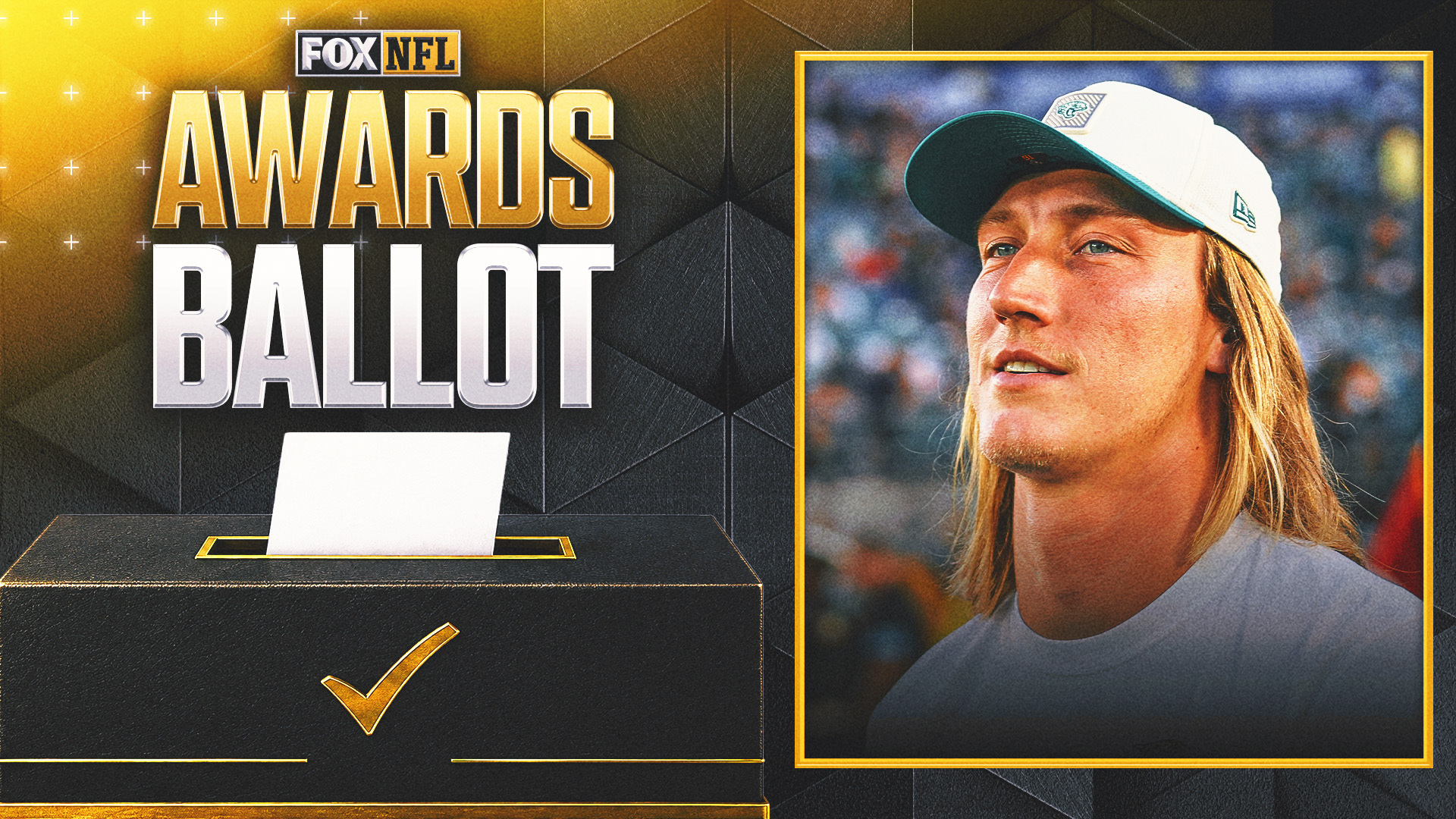
Trevor Lawrence used a sizzling second half to insert himself into the MVP conversation in 2025, emerging as a finalist for the first time in his NFL career last season. Well, Lawrence kept the high-level play going at the start of this season, completing 18 of 23 passes for 245 yards, with four touchdowns and no interceptions for a league-leading 150.6 passer rating in the Jacksonville Jaguars’ 34-10 rout of the Cleveland Browns. Lawrence was sacked just once, completing passes to nine different pass catchers. He was particularly effective pushing the ball down the field. Lawrence completed 10 of 11 passes for 179 yards and three touchdowns on passes of 10-plus air yards against Cleveland, per Next Gen Stats. Lawrence’s three touchdowns of at least 10 air yards were the most in a game during his NFL career. Week 2 should provide a tougher test for Lawrence. He and the Jaguars travel to Denver to face one of the best defenses in the Broncos in Week 2. However, Lawrence and the Jaguars carved up the Broncos last season, getting a 34-20 easy win. This is just a continuation of a hot stretch for Jacksonville’s quarterback and his team. Lawrence has led the Jaguars to victories in nine of their last 10 games. Over that span, Lawrence has completed 63.6% of his passes for 2,461 yards, with 26 touchdowns and seven interceptions for a 109.0 passer rating. Lawrence’s efficient play is validation for head coach and offensive playcaller Liam Coen that the Clemson product has the talent and consistency to lead the overlooked Jaguars on a deep playoff run.’ The oddsmakers are starting to believe as well, as Lawrence is tied with Brock Purdy with the fifth-best odds for the award at 14-to-1. Josh Allen is tops on the board. Let’s take a closer look at my picks for the top three of all the major awards heading into Week 2. Offensive Player Of The Year The skinny: Kenneth Walker III certainly has an argument for being on this list, but I went with the reigning Offensive Player of the Year in JSN at No. 3 because of what he did in the second half with Sam Darnold out to help lead Seattle to victory. The 32-year-old Henry might have had the most impressive performance, with three touchdown runs as the Ravens looked dangerous on offense again. Lions offensive coordinator Drew Petzing is apparently ready to feed Gibbs, who carried it a career-high 29 times in the win over the New Orleans Saints. Defensive Player Of The Year The skinny: Hutchinson is tied for the league lead in sacks (2) and quarterback pressures (10) after Week 1. Watt also had two sacks and completed one of the biggest defensive plays last week, intercepting Atlanta Falcons quarterback Cooper Rush on a screen pass and picking himself up to rumble 35 yards for a score. Los Angeles safety Quentin Lake finished with an interception and a league-leading three pass breakups in a loss for the Rams. Coach Of The Year The skinny: Johnson means what he says about breaking the NFL scoring record, as Chicago tallied a league-high 59 points in its Week 1 win over the Carolina Panthers. And in New York, it only took a week for Harbaugh to change the identity of the Giants, as they earned a grind-it-out win over the visiting Dallas Cowboys. Everyone thought the Cardinals were playing for 2027 draft status and Arch Manning, but no one told LaFleur, who looks like he’ll have Arizona ready to fight each week. Offensive Rookie Of The Year The skinny: Price vs. Love should be an interesting battle to watch this year. In Week 1, Price was the starter for the Seahawks, posting 52 rushing yards on 10 rushes. I was surprised the Seahawks didn’t give Price the ball more, as he averaged 5.2 yards per carry. Love served as the backup to Tyler Allgeier, finishing with 50 scrimmage yards on 13 touches, including a 5-yard run for a score. The two Notre Dame products will face off when Seattle travels to Arizona for Week 2. Williams had a nice debut for the Commanders, totaling four catches for 64 yards and a touchdown. Defensive Rookie Of The Year The skinny: A second-round selection by the Titans, Hill leads the league in tackles after Week 1 with 16. Downs showed versatility and playmaking ability in his first career start, finishing with a sack, a forced fumble and seven combined tackles. But Trotter showed off the most playmaking ability. The son of former Philadelphia Eagles linebacker Jeremiah Trotter, the younger Trotter became the first player in NFL history to record both a sack and an interception returned for a touchdown in his first career game. He finished with 10 combined tackles, a sack, two tackles for loss and an interception returned for a 38-yard score. MVP The skinny: Lawrence’s impressive play to start the year at least makes things interesting, as it’s not just a two-man race between Jackson and Allen. Speaking of Jackson, he looked just fine taking snaps under center in new offensive coordinator Declan Doyle’s offense. Jackson finished 6 of 8 for 114 yards and a 116.7 passer rating from under center, per Next Gen Stats. Allen averaged 12.6 air yards per attempt in a Week 1 win over Houston, the most for him in a game since Week 18 of the 2022 season. Patrick Mahomes looked healthy in Kansas City’s runaway win over Denver, which is bad news for the rest of the league.Latest Sports News from FOX Sports

OmFest is coming together quite nicely! The new website is beautiful and highlights some of the experiences available throughout the day. I think Om would be very impressed by the attendee list. We’re doing it at the Swedish American Hall, the same venue as the first WordCamp, where Om, of course, spoke about Blogs and Journalism. (The videos have been lost to digirot, unless anyone has some recordings? I’ve been looking everywhere.)
Below is cross-posted from OmFest.co:
September 29th is when Om would have turned 60.
When I first started thinking about how to mark the day, I knew I didn’t want a traditional memorial. Om loved bringing interesting people together, and he loved a festival that taught him something he didn’t already know. His curiosity crossed so many worlds and passions: technology, journalism, photography, investing, watches, pens, coffee, design, music, India, New York, San Francisco.
So we’re bringing these worlds together. On September 29 in San Francisco, we’re throwing OmFest—twelve hours of ideas, objects, food, music, and conversation, organized and anchored around a statement Om once said:
“If you pay enough attention to the present, you can see the future.”
Instead of tributes or keynotes, we’ll host a series of short talks with one simple challenge: teach us something you’re seeing before everyone else sees it. No pitches, no career retrospectives. You don’t even have to talk about Om. What happens to photography when anyone can generate the perfect image with AI? Why do physical objects become more meaningful as our lives become more digital? Are glasses becoming computers? What does handwriting do to the way we think? Different subjects, same goal: everyone leaves knowing something they didn’t know when they arrived.
Between the talks, there will be plenty to stumble upon. Through Om’s Lens: a gallery of Om’s photography. TIME: an exhibit that uses his watch obsession to spark a discussion about craft and collecting. Field Notes: a communal writing table stocked with fine paper, fountain pens, and ink, where you can write something worth remembering—and either keep it or leave it behind to be bound in a book to commemorate the day. And Om’s Shelf: books he read, loved, and recommended. The collection will start full and slowly empty as his favorite reads pass into other hands.
People from Om’s different worlds will drop in throughout the day to share knowledge and facilitate small, hands-on moments: a photography tutorial, a notebook-binding session, a lesson on the mechanics of a watch, an experience with a coffee you’ve never tried, a tea ceremony. And, woven into this experience, will be OM/60: sixty small discoveries about Om, hidden throughout.
The most important part, however, isn’t any of these objects. At check-in, instead of a badge with your company and title, you’ll choose the worlds through which you knew Om: photography, journalism, technology, GigaOm, investing, WordPress, India, coffee, pens and ink, design, music, or simply friends and family.
Then we build a physical map of it. It starts nearly empty. You add yourself, mark how you knew Om and whom he introduced you to, and those people connect to others. By the end of the night, I hope we’ll be able to see what Om spent a lifetime making.
The question I keep asking myself: who will meet because of Om that Om never had the chance to introduce? If OmFest works, his network won’t just be documented that day. It’ll grow.
The day flows and builds. Morning is coffee, breakfast, books, photography, and conversation. The middle is deliberately unstructured—wander, eat, write, talk. In the evening, friends share short stories as we raise a glass to Om on his 60th. Then the bars roll in, the lights go down, the music gets louder, and OmFest becomes DesiParty: his old-school New York nights, Asian Underground, bhangra, electronica. We start with ideas and end with dancing. That feels right.
What we’re building shouldn’t end on September 29. What does registration look like if it’s designed to help strangers talk to each other? How do you design a conference around curiosity instead of status? How do you make something that works for a two-hour visit or a twelve-hour one? How does a room encourage connection without forcing networking?
We’re treating OmFest as an experiment. We’ll document what works—formats, designs, code, templates, check-in, programming—and open source as much of it as we can. Other events can take the best ideas and make them better.
September 29 isn’t the end of OmFest. It’s version 1.0.
People from across Om’s life are building OmFest together. Some are contributing photographs. Someone is making a textile; another is bringing tea and guiding ceremonies. Others are helping with watches, eyewear, books, music, writing, and stories. We haven’t discovered whole parts of Om’s world yet. That’s the point.
If Om introduced you to something, or someone, we’d love to know. If there’s something you think people should experience, see, hear, taste, read, or learn that day, tell us.
And if you just want to come, come. You don’t need to have known Om. You only need to be curious.