Jason is expanding his entrepreneurial empire! Continue reading…The Boot – Country Music News, Music Videos and Songs
![<a href="https://theboot.com/ixp/204/p/jason-aldean-clothing-10stone-truetimber-walmart-photos/" target="_blank">Jason Aldean’s New Clothing Line is Called 10Stone [Photos]</a>](https://townsquare.media/site/204/files/2026/09/attachment-social-image-204-2026-09-18-10-39-20.jpg?format=natural)








Jason is expanding his entrepreneurial empire! Continue reading…The Boot – Country Music News, Music Videos and Songs
Jason is expanding his entrepreneurial empire! Continue reading…Country Music News – Taste of Country

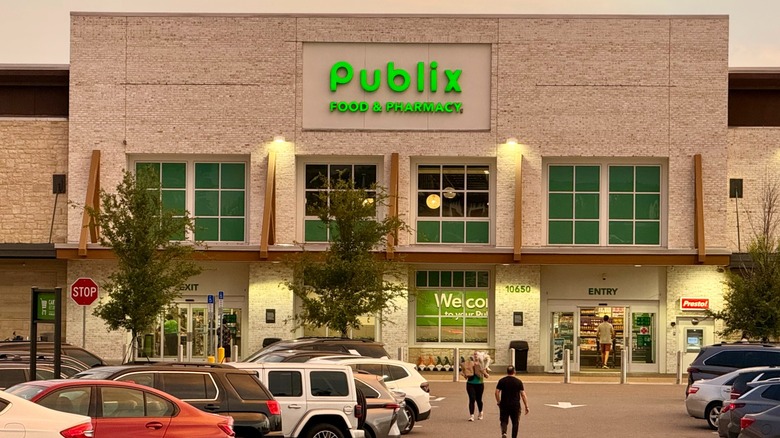
Are you planning your first trip to Publix and feel overwhelmed by all of the store’s options? Here are 14 items that should be on your shopping list.
Mashed – Fast Food, Celebrity Chefs, Grocery, Reviews
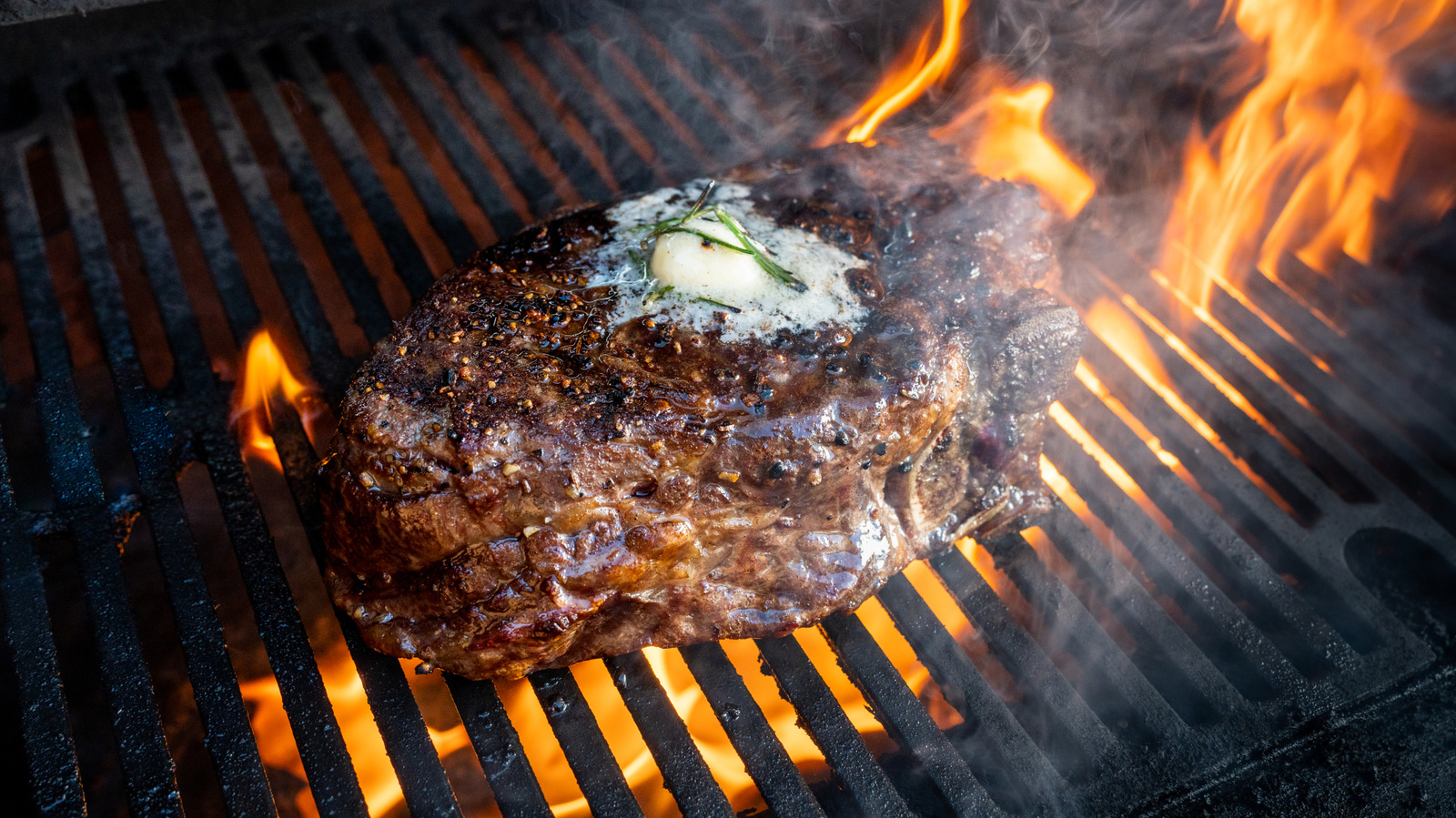
New York Strip steak may be a cut above the rest, but its price point matches its deliciousness. For something more budget-friendly, try this classic cut.
Food Republic – Restaurants, Reviews, Recipes, Cooking Tips

The next time you’re in Portland, swing by this bakery for a slice of salted honey pie. If that’s not your thing, it has plenty other flavors to choose from.

Mashed – Fast Food, Celebrity Chefs, Grocery, Reviews

Reading Time: 3 minutes
The lone holdout juror from the Lindsay Clancy trial is speaking out.
Even before the public learned of the rogue juror’s domestic violence charge, they heard from other jurors.
Where other members of the jury described the guy as being unreasonable and even admitting to doubting Clancy’s guilt, he’s telling another story.
He says that he didn’t actually have “any doubts,” accusing other jurors of cutting him off during deliberations.
Michael Péguy Desronvil released a statement to TMZ that attempts to refute his fellow jurors’ recollections.
“I didn’t have any doubts,” he insisted.
(Other jurors have described him as allegedly admitting to having reasonable doubt, with the foreperson even preparing the paperwork with a sense of relief before he pulled the rug out from under her by clarifying that he wouldn’t change his vote.)
“As I tried to explain different possible theories during deliberation,” Desronvil claimed, “I kept getting cut off.”
He continued, saying that he was cut off “as if I had doubts based on the evidence presented.”
Earlier this week, Desronvil spoke to Ray Marcel, who told NewsNation that the lone holdout “felt that she was sane by the preparation she did.”
It is possible that the defense’s experts failed to adequately explain what psychosis in any form, let alone postpartum psychosis, actually is.
(But then … the 11 other jurors all seemed to understand that and other facts of the case.)
Famously, the judge declared a mistrial after the jurors were unable to reach a verdict.
At this time, it is unclear if Massachusetts prosecutors will attempt a retrial. Many believe that the initial trial was an attempt to boost the office’s conviction count, and from the POV of anyone who sees that kind of thing as a positive, they kind of blew it.
If you’ve been following the tragedy of the Lindsay Clancy case, you’ve probably noticed a dichotomy in public comments online and in person.
The worst people in the world have turned this into a hot button culture war topic, rejecting evidence and expert testimony in the pursuit of vengeance.
Some folks just don’t understand the basic reality behind the case. At best, Michael Péguy Desronvil is one of those people.
Psychosis is a disconnection from reality. This can range from hallucinations to a believe that one most do something — such as go outside naked — with life-or-death stakes. Someone in a psychotic episode might believe that their food is poison, that their mail carrier is plotting against them, or that they are hearing voices.
Postpartum psychosis is not always deadly, but can be especially dangerous because it almost always involves the primary caregiver of small children. Sufferers might eventually believe that they have to end their child’s life in order to “save” them — and, in rare and tragic cases, they follow through.
Right now, the case is in limbo, which sort of sucks for everyone.
One could argue that it’s the best outcome for Clancy. 11 jurors were prepared to find her not guilty by reason of insanity, which would see her confined to an institution. Andrea Yates, at the heart of another famous postpartum psychosis case, is still locked away, decades later.
(“Not guilty” is its own verdict, and not the same as jurors finding that mental defect or disease is the culprit.)
A stronger argument would say that her life is ruined forever. In addition to being disabled after her attempted suicide, Clancy’s children are dead. There’s no coming back from that.
There’s debate online among very reasonable people about whether Desronvil misunderstood the case or just kind of sucks. Others question whether prosecutors are willing to gamble that they’ll somehow get a jury of 12 more Desronvils who either won’t understand the case or will refuse to engage with the evidence.
Lindsay Clancy Rogue Juror Says He Didn’t Have ‘Any Doubts’ Despite … was originally published on The Hollywood Gossip.
The Hollywood Gossip

Build a WooCommerce print-shop page where customers upload artwork, pick a size, and unlock bulk discounts. Step-by-step PPOM walkthrough inside!
The post How to Build a WooCommerce Print Shop Order Form With File Upload appeared first on Themeisle Blog.
Themeisle Blog
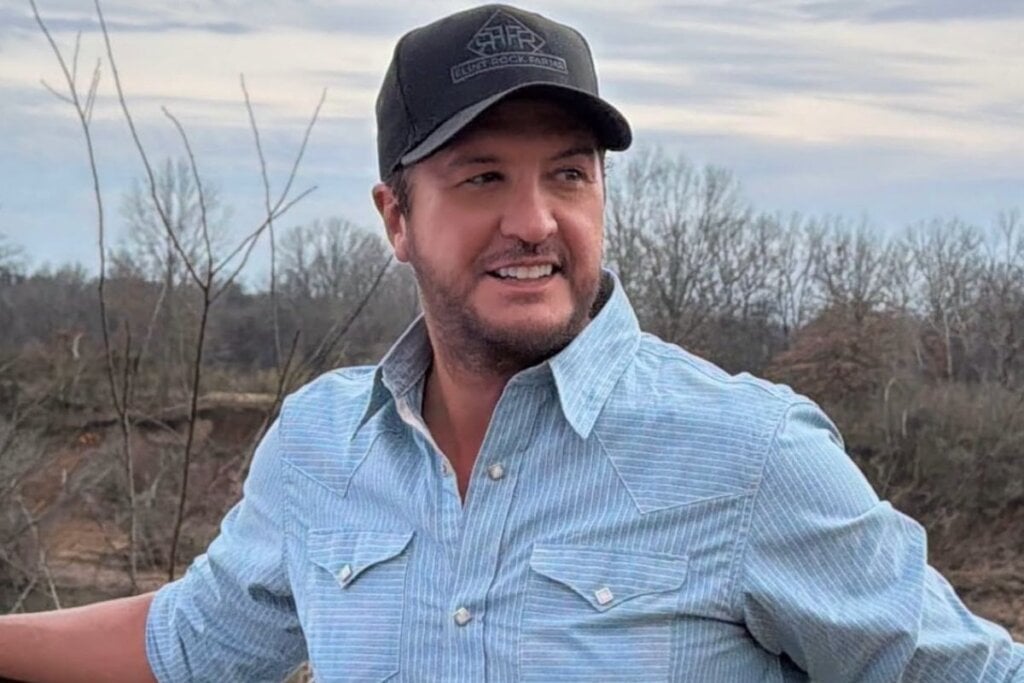
Luke Bryan has reached a point in his career where he knows when a song is meant for him. That instinct is on full display throughout his new 12-track album, Signs, which finds the country star giving fans a bit of everything as he delivers a wide range of themes and emotions.
In the months following the album announcement, Bryan has been getting fans excited by slowly releasing tracks like his current single rising up the charts, “Country and She Knows It,” as well as “Word on the Street,” “Fish Golf Hunt Drink” and more.
More recently, he revealed the full track list, giving fans another reason to look forward to Signs when they discovered that the opening track, “Finder’s Keepers,” features the album’s only collaboration with fellow country star Luke Combs.
The Georgia native recalls being in the studio for his last recording session for the project when his manger played him “Finders Keepers.” It only took a few listens for Bryan to know that he wanted to “roll the dice” and add it to the track list.
“We recorded it, and on the fly, I didn’t even really live with it. Next thing you know, three hours later, after the first time I’m hearing it, we’re recording it. The band loved it in the studio, and then I go do the vocal, and just from day one, felt like this song had all the magic qualities of it. I could go through every little thing and dissect what I love about it, but I love everything about it,” he told Country Now and other outlets.
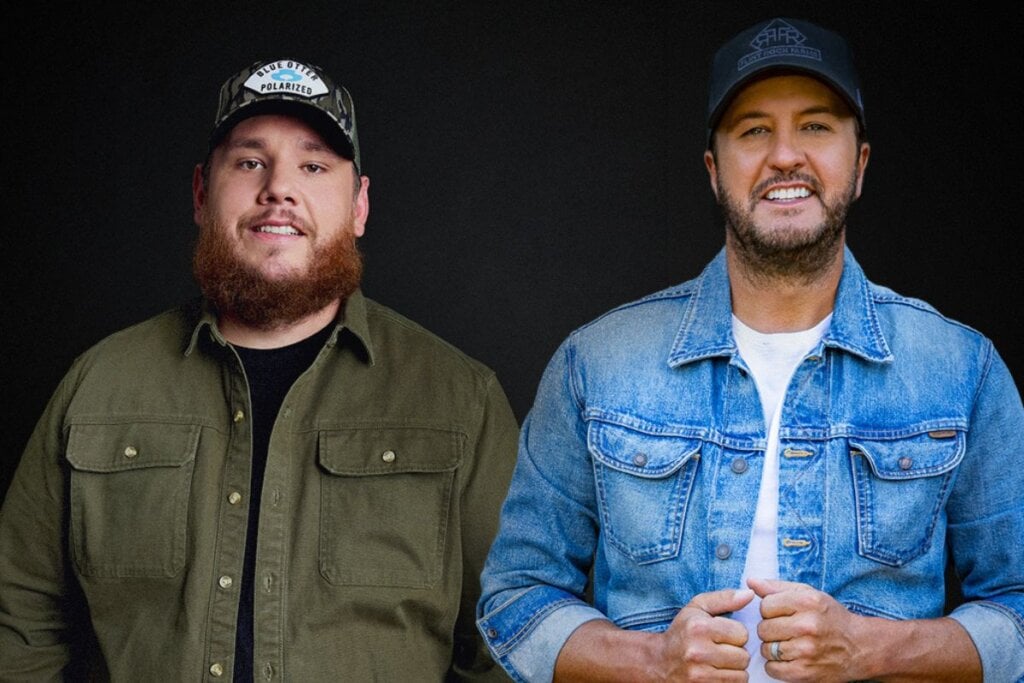
Then Bryan decided to take another leap of faith and ask his fellow country act, Combs, to lend his vocals to the track. He said he was “honored” when the North Carolina native agreed to join him, adding another layer to a song that Bryan now believes has the potential to become one of the “biggest songs of the year.”
“I did the whole spiel, ‘Hey, Luke, this is Luke. No pressure. I know you’re busy. I know you’re crazy. Your name’s Luke. My name’s Luke. We got to be a duo at some point, and let’s try out on this one.’ And he hit me right back and goes, ‘I love it. I’m in.’ I’m like, ‘Oh my God, it happened.’”
Among the 12 tracks, Luke Bryan is only a co-writer on two: “Fish Hunt Golf Drink” and “Crooked Rows of Corn.” Both songs tap into his life beyond the stage while capturing the kind of humor, authenticity and fun-loving energy that fans have come to expect from him
“Fish Hunt Golf Drink” quickly became a buzzed-about track for its playful take on the things Bryan enjoys when he’s away from the road, while “Crooked Rows of Corn” allowed him to lean even further into his rural roots. The song came together quickly in the writing room, with Bryan, who revealed he immediately connected with the story when Josh Thompson, Chase McGill and Matt Dragstrem played it for him.
“When they played it for me, I jumped up, started hooping and hollering and high-fiving them because they nailed the idea and the thought. And from there, I just started singing the second verse. We’re vibing, like the whole crop duster line, and my dad said, ‘What the hell?’ I mean, that’s straight out of me just knowing that this song is tailor-made to say everything I want… I’ve told people if ‘Good Directions’ and ‘Big Green Tractor’ had a child, it would be ‘Crooked Rows of Corn,’ and I’m proud about that.”
The title track serves as yet another easygoing, groove-filled addition to the album that offers a catchy take on all the “signs” that ultimately point to a breakup. Its pop-country production gives the song a slightly different feel from some of Bryan’s other work, but he notes that element is what drew him in initally.
“I think through my career, when you listen to my albums, there’s always been songs on the album that just go out to a different little island. And I think sonically this does that,” he explained.
Beyond the upbeat production, fans will also hear songs like “Woods,” that caters to “the good, hardworking, rural guys,” more tender sounds on tracks like “Made It a Memory” and a few powerful moments of reflection like the faith-filled “Praying by the Rules.”
“The bottom line is when I’m off the road, I spend a lot of time on my farms, either fishing or hunting or walking, and so many times that’s my chance to kind of connect with the higher power, God. And this song just really defines that,” Bryan explained. “There shouldn’t be a checklist on how you pray, and there shouldn’t be an outfit that you must wear, and there shouldn’t be a this and a that. I mean, that should all happen on your terms, and you should do that based on how your relationship with God is, and I just love how this song does that.”

Signs marks Luke Bryan’s ninth studio album and nearly 19 years since his debut album. Back in 2007, he admits that he loved being onstage and connecting with fans, but he was still figuring out what kind of artist he wanted to be. However, now Bryan has a much better understanding of what works for him as an artist and rather than being confined to one sound or image, he’s learned to embrace songs that take him somewhere unexpected. That’s exactly what he did with Signs.
“When I hear something that I know that is for me, that’s going to speak to my fans…I know it works for me. But then when I hear something that’s a little out of the box for me too, I want to go that route too. I don’t want to have a safety blanket around me where I’m only trying to pick radio songs. I want to pick stuff that talks about me as a kid, this, that…I just want songs that really speak to where I’m at.”
He continued, “I’m not even the same human being. I think vocally, I’m probably twice as more dynamic as I was the guy of the first album because I just was discovering all that…bottom line is I will always try to listen and react to what the fans seem like they want.”
Luke Bryan will get to celebrate the release with Music City next week when he takes the stage at Nissan Stadium on September 24 for a special album celebration concert, “Luke Bryan & Friends” set to feature a slew of surprise special guests.
The fun doesn’t end there because Bryan’s packed schedule also includes more Farm Tour Dates, Word On The Street Tour shows, and a performance at Las Vegas’ Allegiant Stadium in December as the last stop on his Double Down Tour with Jason Aldean.
The post Luke Bryan On ‘Signs,’ Luke Combs Collaboration And The Songs That Feel ‘Tailor-Made’ For Him appeared first on Country Now.
Country Now

I have been using WordPress for a long time, and I still love it. But wp-admin has basically worked in the same way for years.
OpenStation is our attempt to change that.
It’s a simple idea: instead of moving from one admin page to another, you have a desktop where you can open different parts of WordPress at the same time.
You can open your posts, pages, media, plugins, WooCommerce or any OpenStation app in different windows.
You can move them around, minimize them or put two things next to each other.
It may sound like a small difference, but once you start using WordPress this way, it changes a lot.
You can also see your changes while you are working on them.
No need to constantly jump between wp-admin and the frontend just to check how something looks.

This is one of my favorite parts.
We are building apps like AllTerrain Forms, Photo Editor (And more!) specifically for OpenStation.
They are still WordPress plugins, but they feel much more like normal desktop apps.

We also wanted OpenStation to work properly on mobile.
You can install it as a PWA and use WordPress from your phone almost like any other app.

OpenStation is not only about changing how WordPress looks.
We have put a lot of work into making it fast. In many cases, opening and moving between WordPress screens is faster than using them directly from wp-admin.
We are also working on caching and preloading parts of WordPress before you need them.
The goal is very simple: you click something and it opens FAST.
This is important.
We are not trying to replace WordPress or build another platform on top of it.
Your plugins are still your plugins. WooCommerce is still WooCommerce. Your content stays in WordPress.
OpenStation just gives you a different way to use all of it.
And, of course, it is open source.
And finally, a big thank you to everyone in the WordPress community who has tried OpenStation, shared feedback, reported bugs or simply told others about it.

And especially to all the contributors who are helping us build it. OpenStation would not be what it is today without you.
There is still a lot we want to do, and seeing people contributing, experimenting and building things with OpenStation is probably the best part of the whole project.
Thank you 
WordPress Planet
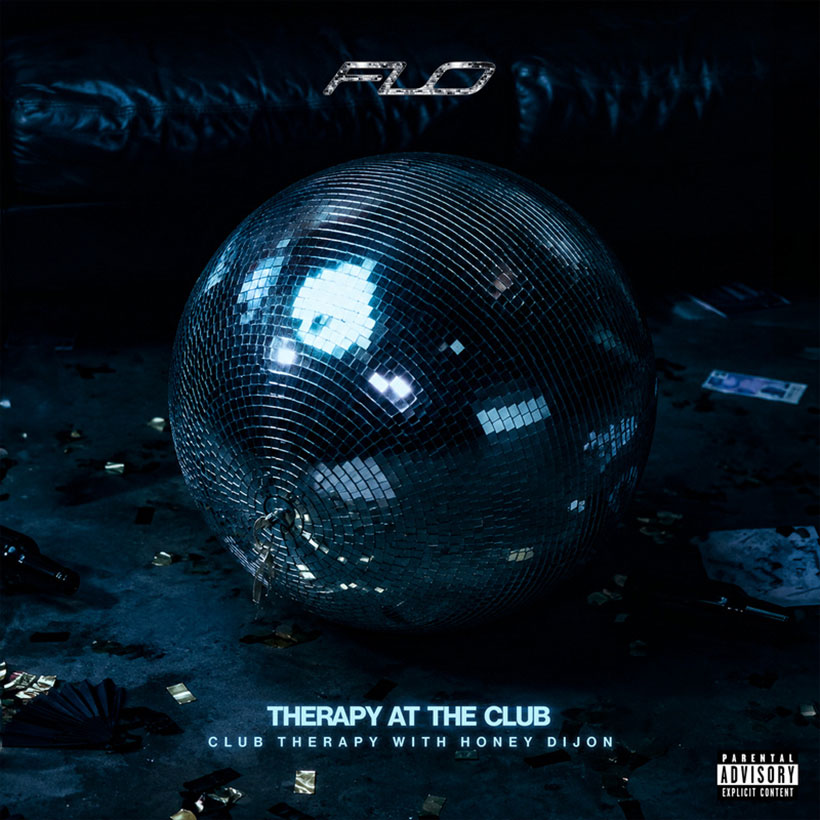
FLO have released a new remix project with Grammy-winning DJ and producer Honey Dijon following the British trio’s first headline tour of Asia. THERAPY AT THE CLUB: Club Therapy with Honey Dijon is out now via EMI and features Dijon’s reworkings of eight songs from FLO’s second album, Therapy At The Club.

The project includes new versions of the singles “Don’t Break Her Heart” and “Therapy At The Club,” as well as album tracks “Pose” and “Small Doses.” FLO said their collaboration with Dijon followed time spent together in Ibiza, where the group attended one of her shows. “I loved working on them and giving the whole project my club and house edge,” Dijon said of the remixes.
Therapy At The Club became FLO’s second consecutive UK Top 5 album and delivered the group’s biggest first-week sales in the UK. Their 2024 debut, Access All Areas, reached No. 3, making FLO the first British R&B girl group to place each of their first two albums in the UK Top 5. The second album also gave the trio career-best chart positions and first-week sales in the US, France and Belgium, along with their first album chart entries in Australia, New Zealand and Japan.
The original 16-track Therapy At The Club includes “Leak It,” FLO’s highest-charting solo single in the UK, alongside “Cry Ugly,” “Remedied” and “Don’t Break Her Heart.” FLO worked on the album with songwriters and producers including Amy Allen, Steph Jones, Julian Bunetta and Boy Matthews, while previous collaborators Skippz, Oak Felder and Sevyn Streeter also contributed. The title track received an early live airing during the trio’s NPR Tiny Desk performance.
Listen to FLO’s Club Therapy remix project here.
Discover more about the world’s greatest R&B artists | uDiscover Music