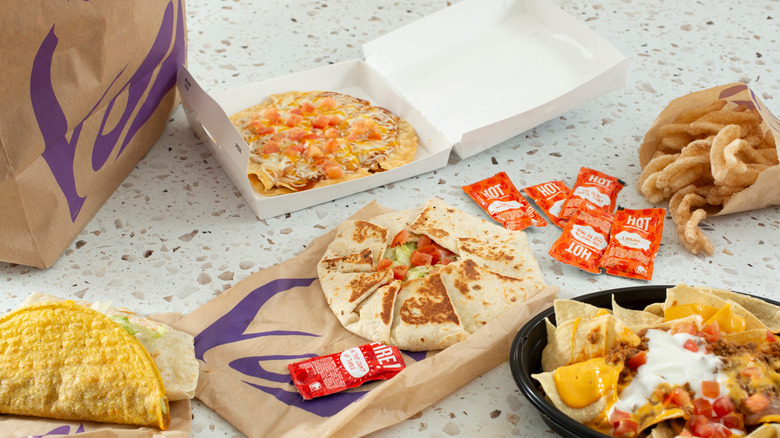
Taco Bell is well known the world over for Americanized Mexican food, but the company also boasts something called Taco Bell Cantina. Here’s the difference.
Food Republic – Restaurants, Reviews, Recipes, Cooking Tips








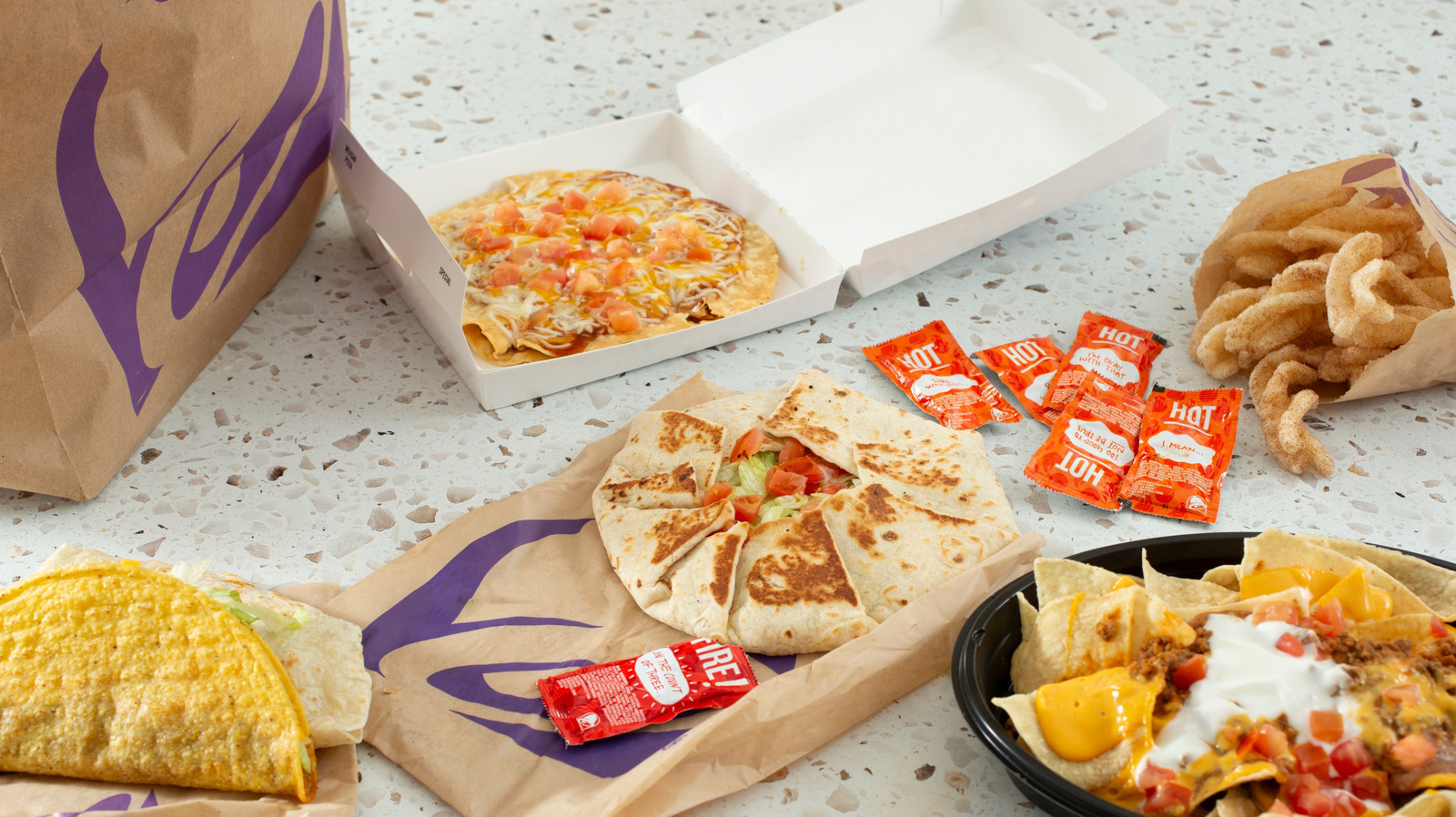
Taco Bell is well known the world over for Americanized Mexican food, but the company also boasts something called Taco Bell Cantina. Here’s the difference.
Food Republic – Restaurants, Reviews, Recipes, Cooking Tips

Dolly Parton’s niece and executive director of the upcoming Dolly’s Life of Many Colors Museum, Rebecca Ann Seaver, has annoinced that even more variations of the iconic country star’s new high-end collection of Dolly Dolls are set to be released in 2027.
Three limited-edition Dolly Dolls launched Sept. 15 through a partnership between the Dolly Archive and Integrity Toys, giving fans a chance to celebrate Parton’s legacy in a new way. These three dolls, Dreamin’ in Gingham, World on Fire, and Diamond in a Rhinestone World, each bring some of Parton’s most memorable looks to life in a 1:6 scale.
The Dreamin’ in Gingham and World on Fire were available in limited quantities through the Life of Many Colors Museum online and sold out within just hours of the launch. However, the Diamond in a Rhinestone World doll is exclusively available to visitors who purchase it in person at the museum, which officially opens its doors on September 29.
After seeing the overwhelming response to the dolls and the disappointment of those who were not quick enough to secure one of their own, Seaver assures fans that there will be more opportunities to purchase a Dolly Doll.
“This one [drop] was kind of a test run to see how they were going to do, and they did great,” Seaver told PEOPLE. “I want people to know that we have more designs and we’re ready to bring more out next year.”
Along with the positivity over the initial launch also came some questions about whether the dolls actually captured Parton’s likeness. Seaver explained that they were never meant to copy the later country star’s exact look. Instead, the goal was to give the dolls a more “glamorous” feel.
“Dolly wanted to do these dolls the way they were in their very glamorous package,” she says. “That was something that she always saw in herself and maybe didn’t see in her actual package, but she was excited to see that in the doll package. We wanted to make sure that these dolls feel like Dolly, but maybe if they don’t look exactly like her, we’re okay with that.”
However, plans for another upcoming release do include “Dolly-ized versions” of the dolls.
Much like some of the earliest Dolly Dolls, dating back to 1977, this limited-edition collection was meant to capture Dolly Parton’s most current era of her career.
“We felt like with Rockstar, that was her most recent album release that had been a huge hit, and ‘World on Fire’ was such a great moment for her,” Seaver shared. “So we just felt like that one in doll form, especially with the world skirt… We felt like that one really showcased Dolly in her most glorious doll form.”
“And then Dreamin’ in Gingham, that’s just quintessentially Dolly. There are moments throughout her entire career and throughout her entire life where she’s in denim and either a gingham shirt or a red polka dot shirt or some kind of bandana shirt. And so we just really felt like that one really just had her all over it.”

The third form of the doll and museum-exclusive, Diamond in a Rhinestone World, is dressed in a white suit covered in silver rhinestones that’s said to be based on a pre-recorded performance from Parton that fans have yet to see.
Once the museum doors open, visitors will finally get the chance to witness that virtual concert performance, which was filmed in the spring, prior to her passing.
“We really wanted it to be special for people that were coming to the museum so that they could take a little piece of that experience that they had there with her in that concert home with them.”
The whole idea for this era of Dolly Dolls came from Seaver herself. She explains she had previously asked Dolly if they could create a line to coincide with the museum opening and she approved.
“She obliged me and said that if that was something that I felt passionate about, that I could lead the project.”
She goes on to say that the “9 To 5” singer also got to see the dolls come to life and give her stamp of approval before she passed away on August 25. Seaver notes that getting to see Parton have a photoshoot with the dolls was “one of the most special moments of my life.”
“She’s had a Dolly Doll come out in every fantastic era of her life and career. And so, we didn’t know when we started the project that we were gonna lose her in it, but to be able to commemorate her and her joyous life and career this way is bittersweet. I’m very proud of it and I’m very proud that we got to work with her on it and have her blessing with it.”
During the grand opening of Dolly’s Life of Many Colors Museum, visitors can shop the Diamond in a Rhinestone World as well as a select number of the World on Fire or Dreamin’ in Gingham doll that were set aside specifically for the grand opening in Nashville.
Fans hoping to get their hands on future Dolly Dolls can sign up HERE for updates on upcoming releases.
The post More Dolly Parton “Dolly Dolls” Are Coming In 2027 After Collectibles Sell Out In Hours appeared first on Country Now.
Country Now

The 36-year-old actor died of toxic effects of fentanyl, plus several other prescription drugs. Continue reading…Country Music News – Taste of Country

Leave it to Matthew Stafford to buck the trend of a league-wide scoring collapse. While most teams saw their scoring totals decline (and I’m looking at you, Chicago), the Los Angeles Rams and Stafford had an incredible bounce-back week against the New York Giants. His four touchdown passes Monday night put him sixth on two all-time lists: career passing TDs and games with at least four passing TDs. Stafford is already back to the guy that we thought he’d be. He’s not the only one. (Looking at you, Patrick Mahomes.) So let’s get into it. Welcome back to the QB Stock Market. This isn’t your typical QB rankings. I’m focused on monitoring the fluctuations of starters’ performances throughout the season. No one — not even Josh Allen — is safe at the top. No one — not even Cooper Rush — is stuck at the bottom. There is room for quick ascent — and rapid decline. One question holds most important: What have you done for your team lately? Previous: Offseason | Preseason | Week 1 | Week 2 Here’s what I can say for Cam Ward in Week 2 versus the Eagles: He didn’t make any egregious mistakes. That’s progress. It’s what you want from Ward in these circumstances. Granted, he made plenty of mistakes, with a long list of off-target passes, but he didn’t commit any turnovers. In a game like Sunday’s, which was a one-possession contest for all 60 minutes, that’s a big deal for a young QB. It’s a sign of maturity. He understood that a turnover would effectively ruin the Titans’ chances. Ward found several open receivers in the Eagles’ secondary, and I’m 99% sure that he went so far as to complete a no-look pass. His third-quarter scoring drive, which concluded with his rushing touchdown, was one of the more complete series that I’ve seen him play, especially given that it came against the Eagles’ defense. Maybe they’re not all-world, like last year. But they’re still stellar. Alas, this is still Ward we’re talking about, too. He will regularly surprise you with a throw that’s completely off target. He did that when missing receiver Elic Ayomanor in the end zone during the first quarter. It should’ve been an easy touchdown. Ward’s throw was, frankly, awful. Some might say this is catchable. But it was a fastball behind the receiver — that’s about as hard as an “on target” ball can get. Ward’s game remains uneven — perhaps even jagged — in his second year. There’s so much talent to shape into an elite quarterback. But there’s so, so, so much work for him and the Titans’ coaching staff to undergo together. Last year, it was easy enough to make sense of Justin Herbert’s play, because he was holding up the whole offense — basically on his own. Even as it crumbled around him. We’re seeing more of that this year. But it also seems like Herbert is buckling under the pressure. And it’s almost hard not to blame the guy after seeing the abomination of an offense he’s running. Here are some of the miscues. Worst of all, I didn’t see Herbert look resilient or determined in the adversity this week. I saw him grow frustrated and, on that last pick, I can’t help but wonder if there weren’t hints of resignation with that second interception at the end of the game. It makes some sense. Like the rest of us, Herbert had been led to believe this year would be different for L.A. But the Chargers continue to Charger. It’s now just Week 3. But it’s hard to believe Herbert and Co. can turn this around. They travel to Buffalo and then Seattle. In Week 5, they host the Broncos before travelling to Kansas City. And then it’s an “away” game against the Rams. I don’t see the Chargers winning any of the games. Tyler Shough refused to take negative plays against the Ravens. And not in the foolish ways that plagued him in Week 1, where that refusal made bad plays worse. No, Shough threw away the ball. He scrambled for 1 yard when he seemed dead to rights in the pocket. Heck, he salvaged a yard or two when the rushers got him for sacks. And he checked down to his running backs and tight ends when there was nothing available downfield. But that downplays how well he handled the offense — particularly on third down. On that money down, he was 9 of 10 for 131 yards. And even though he finished with seven QB pressures and two sacks on third downs — facing a 46.2% blitz rate — he managed a completion rate of +19.7%. He also attempted a 30% tight-window rate on third down. That’s legit. Best of all, he kept his eyes open for big plays. And he found them early and often, including this chunk play to breakout receiver Devaughn Vele. This is the version of Shough that impressed me so much during his rookie season. He has an understated competence and toughness. And this year, rather than using his tools to hang around (as he did against the Lions), I wanted to see him elevate to the point where we expect the Saints to win close games. That’s exactly what he demonstrated in Week 2. Welp, it seems Jordan Love is going to be mired in offensive dysfunction for the foreseeable future. That’s going to muck up his production — and, this week, it really mucked up his film. Last week, we saw Love rise above his circumstances to generate impressive production. We didn’t see the same thing In Week 2. It’s sort of a miracle he pulled the Packers out of their nosedive for the win. He remained patient, even when the offense was largely falling apart around him. Along the way to a comeback win, he demonstrated some guile. Here’s a great example (below) where Love identified a corner blitz coming in overtime, and he made the Jets pay. He did the hard work before the snap. He took a one-step drop and floated the ball to space, where Matthew Golden managed a nice catch-and-run on the team’s last pass of the game. This is what Love told me about in the offseason when it comes to beating the blitz with his football IQ. It’s a new and crucial part of his toolbox. Ultimately, I came away more worried for Love in this win than I was in Green Bay’s Week 1 loss. The offense looked truly bad against the Jets. Some of that was a credit to their defense, which is pluckier than I expected given all the personnel turnover (from free agency and the draft). But for the Packers, it’s abundantly clear that this is not going to be the season where coach Matt LaFleur can let Love cook, as he playfully promised this preseason. No, they just have to do what they can to keep Love from getting burned. Bryce Young is second in the NFL in passing yards and first in passing touchdowns. He has completed 63% of his passes — with just one interception. Now, I’m not much for counting stats as a pure measurement of a QB’s quality of play. But my goodness, did anyone see this coming? He has been prolific, trying to stick with the Bears in the Week 1 shootout and then absolutely blowing out the Falcons in Week 2. He has been downright surgical. If you’re rolling your eyes at those counting stats, let’s look at two advanced stats. His EPA per dropback is .24, seventh in the NFL. And his completion percentage over expected is seventh-best at +8%. He’s only had to run the ball three times, but he’s gotten a touchdown and a first down, rounding out a 66% success rate. (Yes, small sample size — of course.) But he’s not a dink-and-dunk merchant. He is pushing the ball downfield with careful ball placement. It has been quietly remarkable. Now … can he do it against a truly elite defense? That remains to be seen. But Young is maturing into one of the most efficient pocket passers in the league — and this extends into last season when he dueled with Matthew Stafford in the playoffs. Young can use his mobility, but he really hasn’t had to this year. He’s in the same category as Mayfield and Brock Purdy. The knock on those guys is that they’re often only as good as their supporting cast. Which isn’t totally true. But they’re all of the same type. And it’s one that almost always gets underrated. That’s certainly true of Young, whom nobody expects will keep this up. What if he does? He has the Browns, the Lions, the Eagles and the Bucs in the coming weeks. This could be a memorable and surprising start for the young QB. It’s rare to see an organization stick with a guy who looked like Young looked in 2024. And get him to where the Panthers have Young playing in 2026. He might not ever earn the title of “elite.” But he’s starting to earn respect around the league. I think I owe Mahomes an apology. I didn’t think he could do this. I didn’t think, just nine months removed from an ACL injury, he would be helping the Chiefs look like a bona fide top-10 offense. But that’s what he’s done, with Kansas City reigniting its passing attack. It started with the run game and Kenneth Walker III. But that explosiveness has trickled into every element of the offense, which is incrementally testing defensive limits downfield. Now, to be clear, Week 1 was a low-risk game plan. It was safe. It was conservative. But Week 2? The Chiefs let Mahomes cook. It culminated in a handful of downfield throws against the Colts. You want clutch? Look at what Mahomes did to convert a third-and-12 in overtime, threading the ball in between defenders to help receiver Tyquan Thornton make an easy conversion for 30 yard. You want arm talent? Look at what Mahomes did on third-and-11 in the third quarter: hitting Thornton on a 45-yard bomb that had pinpoint precision. One of the throws I liked most came in the second quarter. He threw a perfectly timed in-crossing route to Rashee Rice. The throw’s velocity was extremely impressive. And Mahomes did it while climbing the pocket away from a rusher, which didn’t impact his ability to deliver the ball on time. That looks like a healthy Mahomes, even with 12 pressures on his dropbacks. Now, the Colts stink. That’s important context. I’ve been saying for months that I expect them to finish at the bottom of the league. But even so, Mahomes was making throws — on the move and from mucky pockets — that he had no business making. He’s back. He’s really back.Latest Sports News from FOX Sports
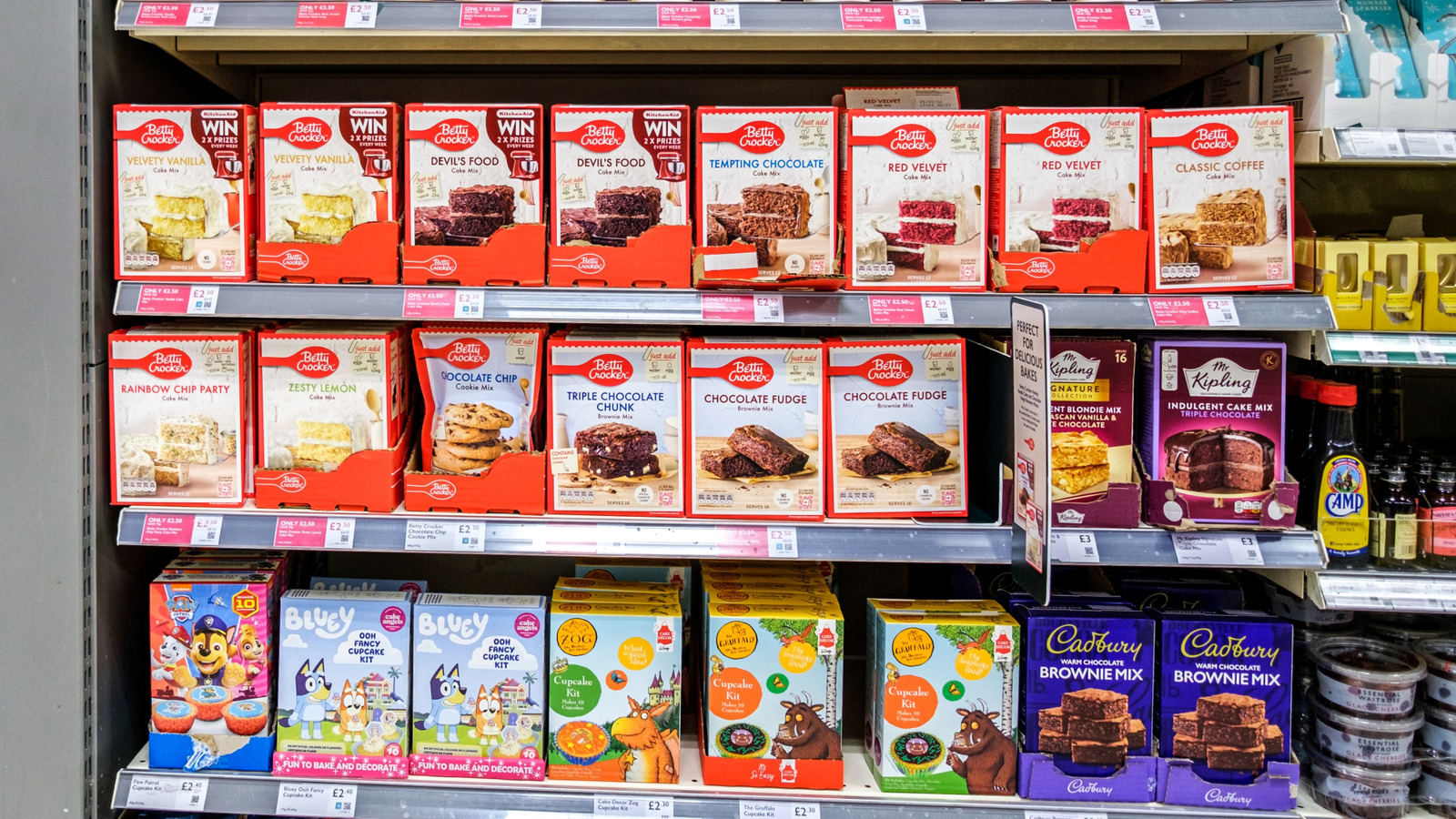
When you think of a boxed cake mix, Duncan Hines or even Pilsbury might come to mind. However, neither are the highest-rated mix at Walmart.
Food Republic – Restaurants, Reviews, Recipes, Cooking Tips
Reading Time: 2 minutes
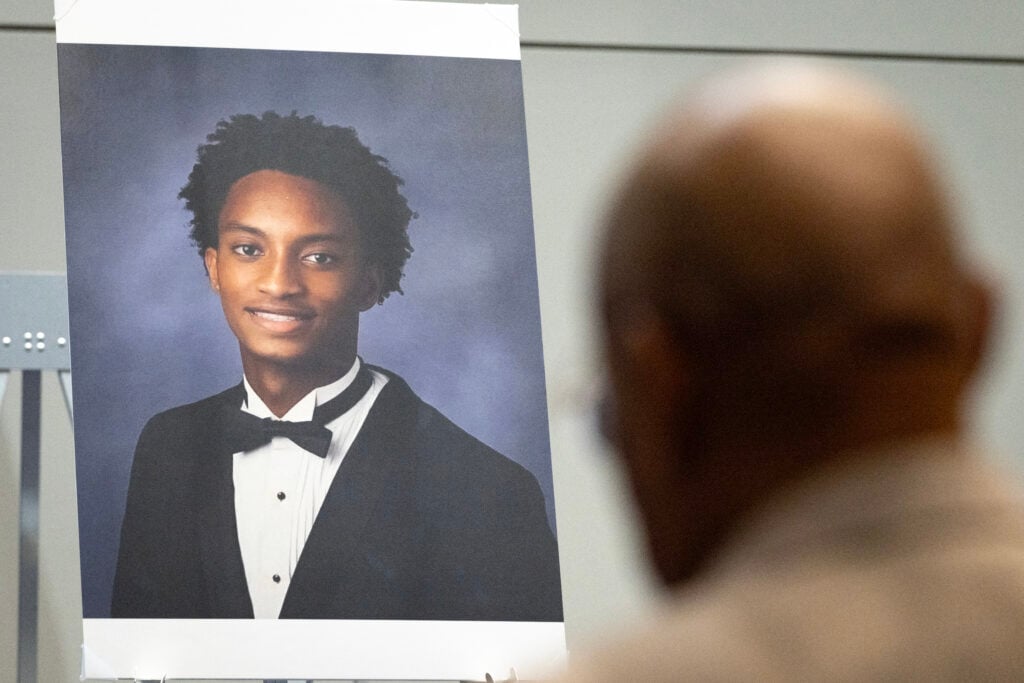
The months-long investigation into the mysterious death of 18-year-old Nolan Wells has reached a major turning point.
But his family says there are still plenty of unanswered questions.
A Mississippi grand jury has declined to bring criminal charges in connection with Nolan’s death after reviewing evidence surrounding his disappearance from Horn Island over the July Fourth holiday.
Nolan had been celebrating with friends on the Mississippi Gulf Coast on July 4 when he was last seen on the barrier island. His body was discovered two days later.
Today, Jackson County District Attorney Angel Myers McIlrath announced that the grand jury had returned a “no true bill,” meaning prosecutors did not believe there was sufficient evidence to indict anyone.
According to the grand jury report, the 23-member panel heard testimony from 43 witnesses and reviewed physical evidence, police reports, digital evidence, photographs, videos, maps and other investigative materials.
The panel concluded there was no credible evidence that anyone who traveled to or from Horn Island that day engaged in criminal conduct related to Nolan’s death.
The report also addressed questions surrounding Nolan’s decision to remain on the island after some of his friends left.
“Nolan chose to stay on the island that day,” McIlrath said in a recorded statement, adding that there was no evidence contradicting that conclusion.
The circumstances surrounding Nolan’s death have nevertheless remained difficult to explain.
Both the Mississippi medical examiner and an independent forensic pathologist hired by Nolan’s family determined that the cause and manner of death were undetermined. The grand jury report said the location and condition of Nolan’s body were consistent with drowning, while acknowledging that drowning was essentially a diagnosis of exclusion.
Bruising was also found on the back of Nolan’s head. The grand jury determined that the injury was not fatal and found no evidence of a fatal injury or underlying disease.
One witness reported seeing Nolan slip awkwardly from a boat shortly before he was last seen, although the witness could not determine whether he struck his head. The witness said Nolan continued socializing afterward and did not appear injured.
Nolan’s family and their attorney, civil rights lawyer Ben Crump, have continued to question what happened.
Following the grand jury announcement, Crump wrote that “No True Bill Does Not Resolve How Nolan Wells Died,” arguing that the public still deserves a complete account supported by evidence and records.
The grand jury report does leave the door open for the investigation to continue if new evidence emerges.
And considering how many questions have surrounded Nolan’s final hours, this case may not be disappearing from the headlines anytime soon.
Nolan Wells Death Ruled Accidental Drowning, No Criminal Charges to Be Filed was originally published on The Hollywood Gossip.
The Hollywood Gossip
Reading Time: 2 minutes
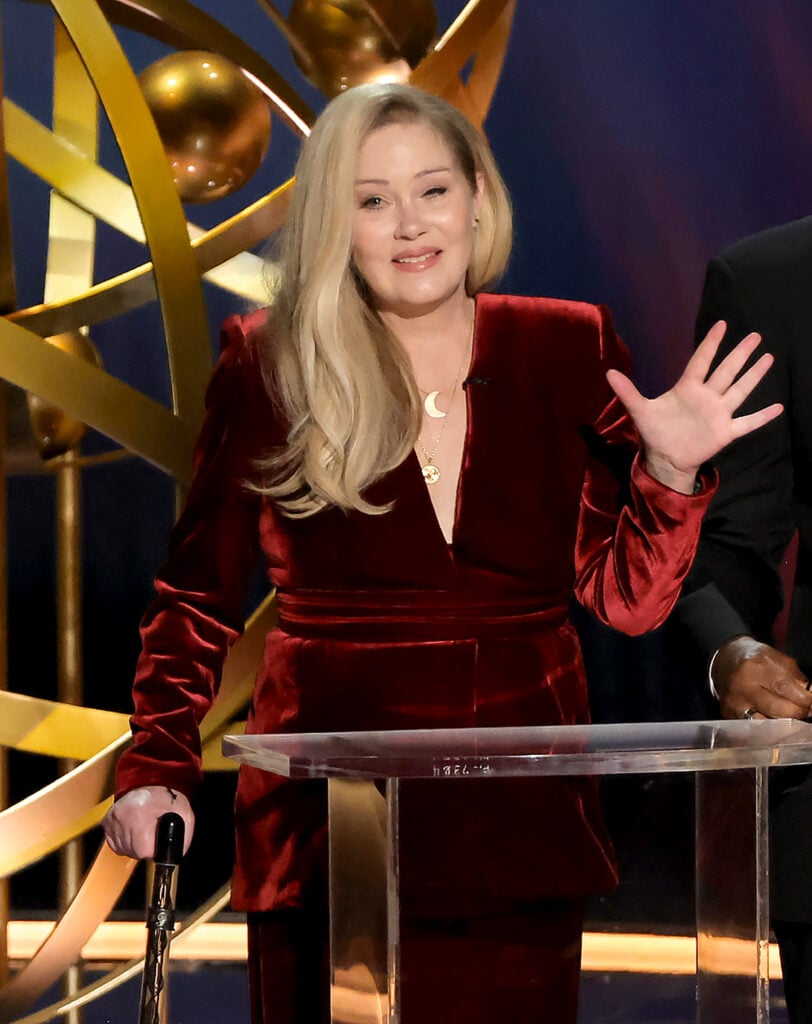
Finally, a little good news is coming from Christina Applegate.
Following reports of a hospitalization that spanned months, the 54-year-old actress is showing more than proof of life.
She’s also offering a health update and giving a shoutout to her fans.
Obviously, her MS journey remains ongoing. But this is a promising update.
On Monday, September 21, actress Christina Applegate offered up her first fresh, new Instagram look at herself in months.
(A couple of months ago, she shared some apparent throwbacks — which are great, but not necessarily reassuring to followers.)
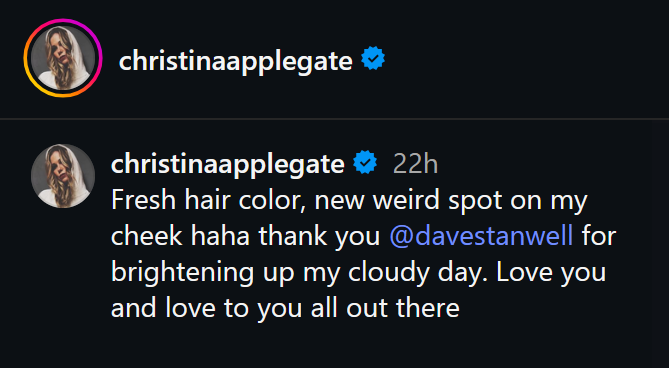
“Fresh hair color, new weird spot on my cheek haha,” she announced in the caption of a short video.
In the video, Applegate shows off her fresh blonde dye job.
“Thank you @davestanwell for brightening up my cloudy day,” she expressed.
“Love you,” Applegate wrote, “and love to you all out there.”
The video shows her wearing a cozy black hoodie and a gray shirt.
She posed, showing off her hair from the front and the side.
Applegate also shared a selfie to her Instagram Story, updating fans on her hair.
Considering that she was in the hospital four four months and only returned home in early August, it looks like she’s doing much better.
Christina Applegate was reportedly hospitalized in late March of this year.
She has multiple sclerosis.
In the second half of April, the actress thanked her fans for “the outpouring of love” while she focused upon her health.
Though she did not initially confirm her hospitalization, she did announce her own homecoming.
Taking to Instagram, she shared the humorous welcome home message that her child left for her.
Seriously, that’s a fantastic way to welcome your mom home from an extended hospitalization.
(It might depend upon your mother and her sense of humor.)
In any case, Applegate was clearly in good spirits — about her homecoming after four months and about her new hair.
Multiple sclerosis impacts a few million people worldwide. There is no cure. It can rob people of so much joy.
It is encouraging to see that Applegate is feeling up to refreshing her look.
Christina Applegate First Video Following Months-Long Hospitalization Sparks Concern was originally published on The Hollywood Gossip.
The Hollywood Gossip

Instant and ground coffee have many similarities: First and foremost, they’re both made from real coffee beans, but beyond that, there are some key differences.

Mashed – Fast Food, Celebrity Chefs, Grocery, Reviews
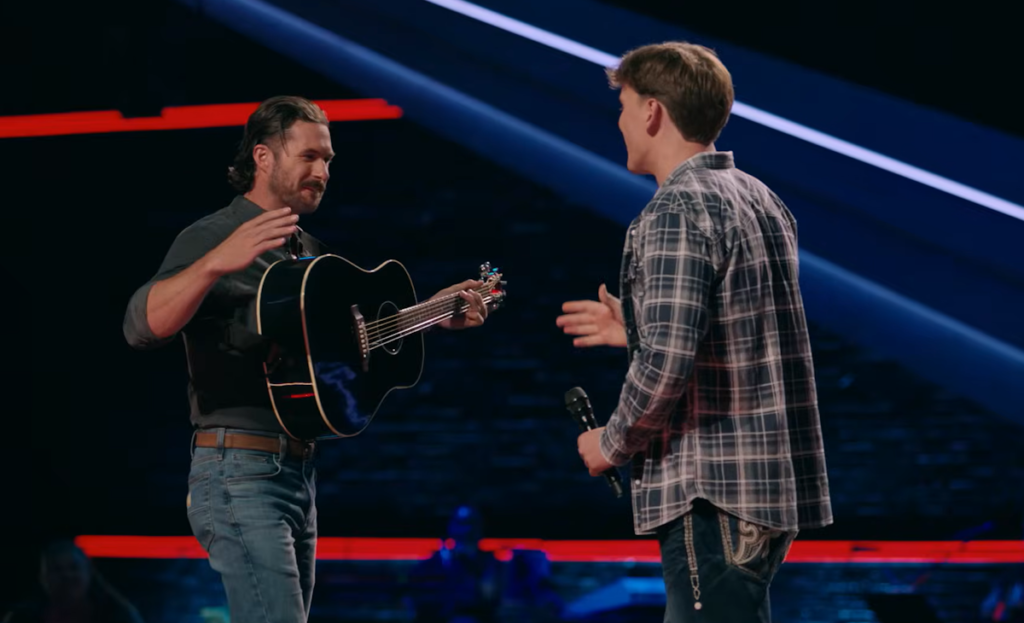
The Voice Season 30 is officially underway, and during Monday’s season premiere, brand-new coach Riley Green made it out of his famous red chair and onto the stage to perform alongside 19-year-old contestant Joe Henley.
Henley first took the stage for his Blind Audition, performing Travis Tritt’s 1991 hit “Anymore.” His deep baritone vocals instantly caught the attention of Green and fellow coach Kelly Clarkson, who both turned their chairs almost instantaneously.
Adam Levine and Queen Latifah refrained from pushing their buttons, leaving Green and Clarkson to battle it out as they attempted to convince Henley to join their respective teams.
The young contestant and Green hit it off immediately, and Clarkson seemed to know her fate as soon as Henley revealed that he was also from Alabama. However, she shot her shot anyway.
“I have won this show, man, with country singers, plural. And where do you think all the country singers are going to go? Where do you think? Riley Green. They’re going to all go to Riley Green. Wouldn’t it be incredible to be the only country superstar on my team,” Clarkson pointed out.

Green praised Henley, telling him, “You’re amazing, dude. You are amazing. You sound fantastic.”
He then asked the young singer to share some of his influences, and without hesitation, Henley listed artists like Travis Tritt, George Strait, and Keith Whitley.
Green jokingly questioned if he was also an influence, and Henley told him, “I didn’t get to my number one,” inferring that Green had taken the top spot.
He then told Green that his favorite Riley Green song was “My Way,” and without hesitation, Green got out of his chair, grabbed his guitar and made his way to the stage to sing the song with Henley.
Green let the young man take the lead, and together, they sang “My Way” from Green’s new album, That’s Just Me, while Clarkson sang harmonies from her chair.
When it was finally time to choose which team he was going to join, Henley admitted, “I love you Miss Kelly,” but ultimately chose to join “Mr. Riley Green.”

In celebration, Green gifted Joe Henley with a pair of Team Riley Carhartt bib overalls.
The Voice returns to NBC tonight at 8/7c with another round of Blind Auditions.
The post WATCH: Riley Green Leaves His ‘Voice’ Chair To Join Contestant Joe Henley For ‘My Way’ Performance appeared first on Country Now.
Country Now

 Prince Harry and Meghan Markle are serving up some food for thought at the breakfast table.
Shortly after the royals moved with their kids Archie, 7, and Lilibet, 5, from California to the U.K.,…
E! Online (US) – Top Stories