British Airways (BA) has paused its sponsorship of The Louis Theroux Podcast following an interview with Bob Vylan’s frontman.The Latest News from the UK and Around the World | Sky News
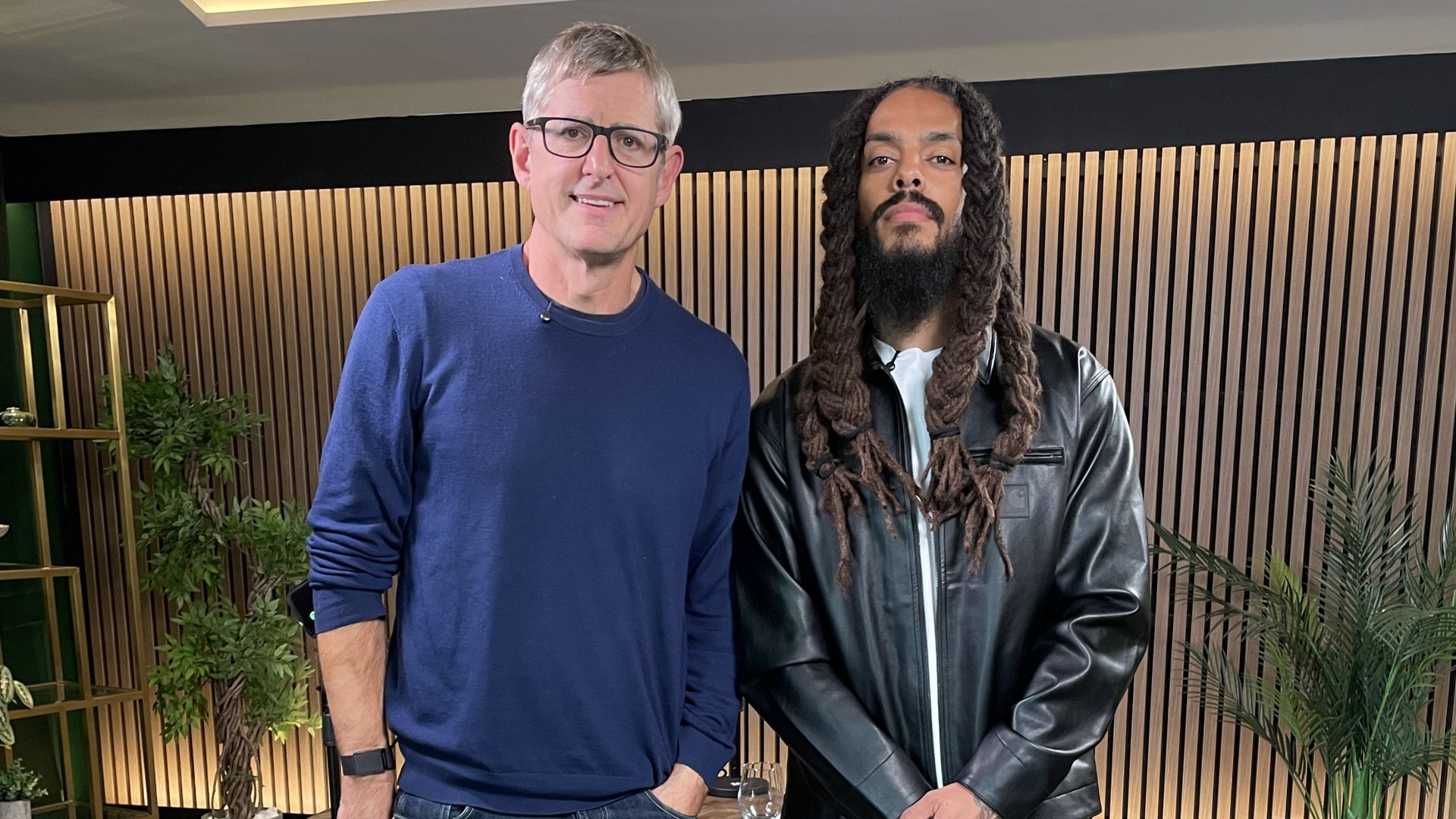










British Airways (BA) has paused its sponsorship of The Louis Theroux Podcast following an interview with Bob Vylan’s frontman.The Latest News from the UK and Around the World | Sky News
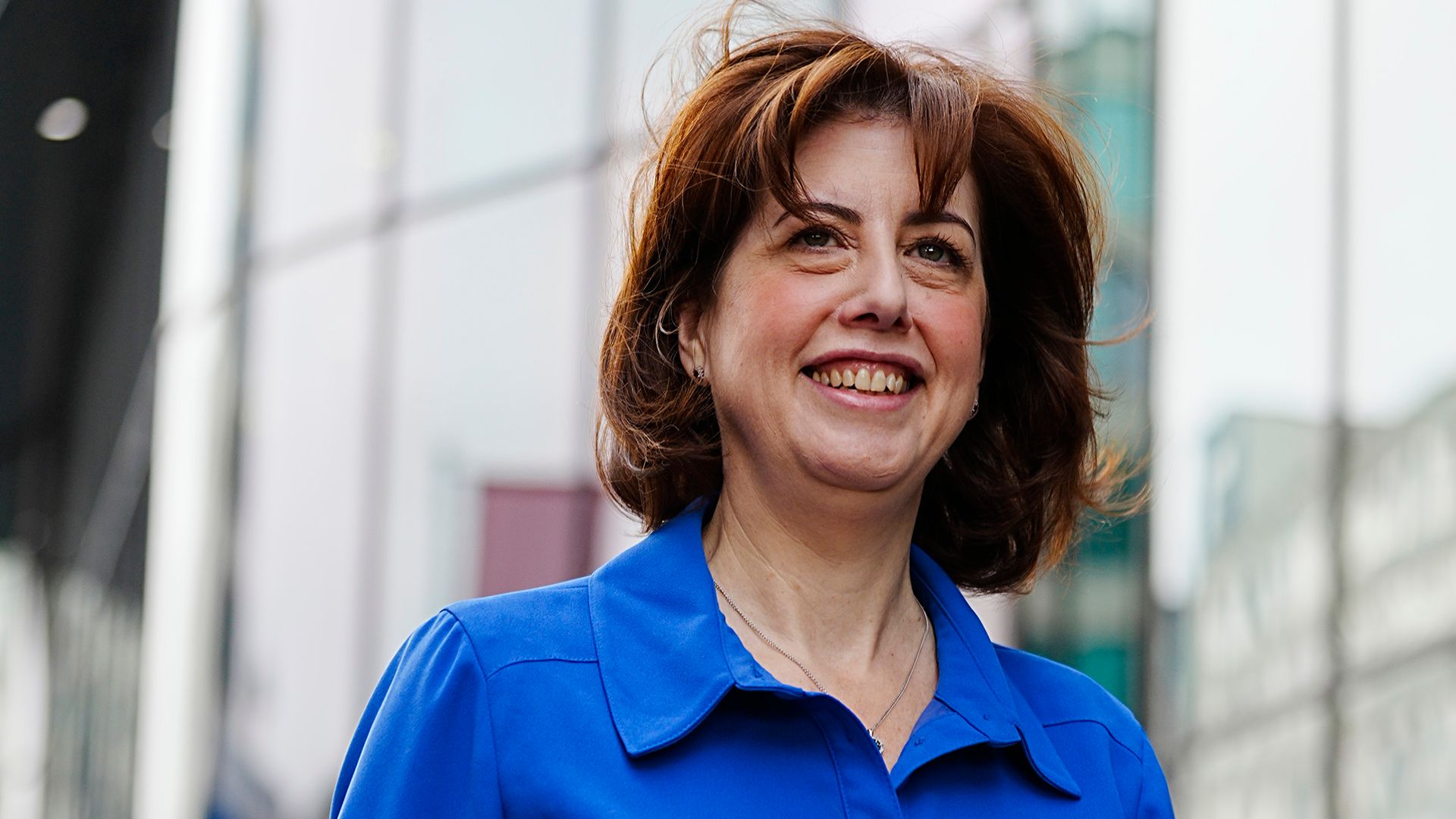
Labour’s new deputy leader Lucy Powell promised to be Sir Keir Starmer’s ally.The Latest News from the UK and Around the World | Sky News

The UK’s largest supermarkets are calling on the chancellor to exclude stores from a new business rates surtax, warning that shoppers will bear the brunt of higher prices.The Latest News from the UK and Around the World | Sky News
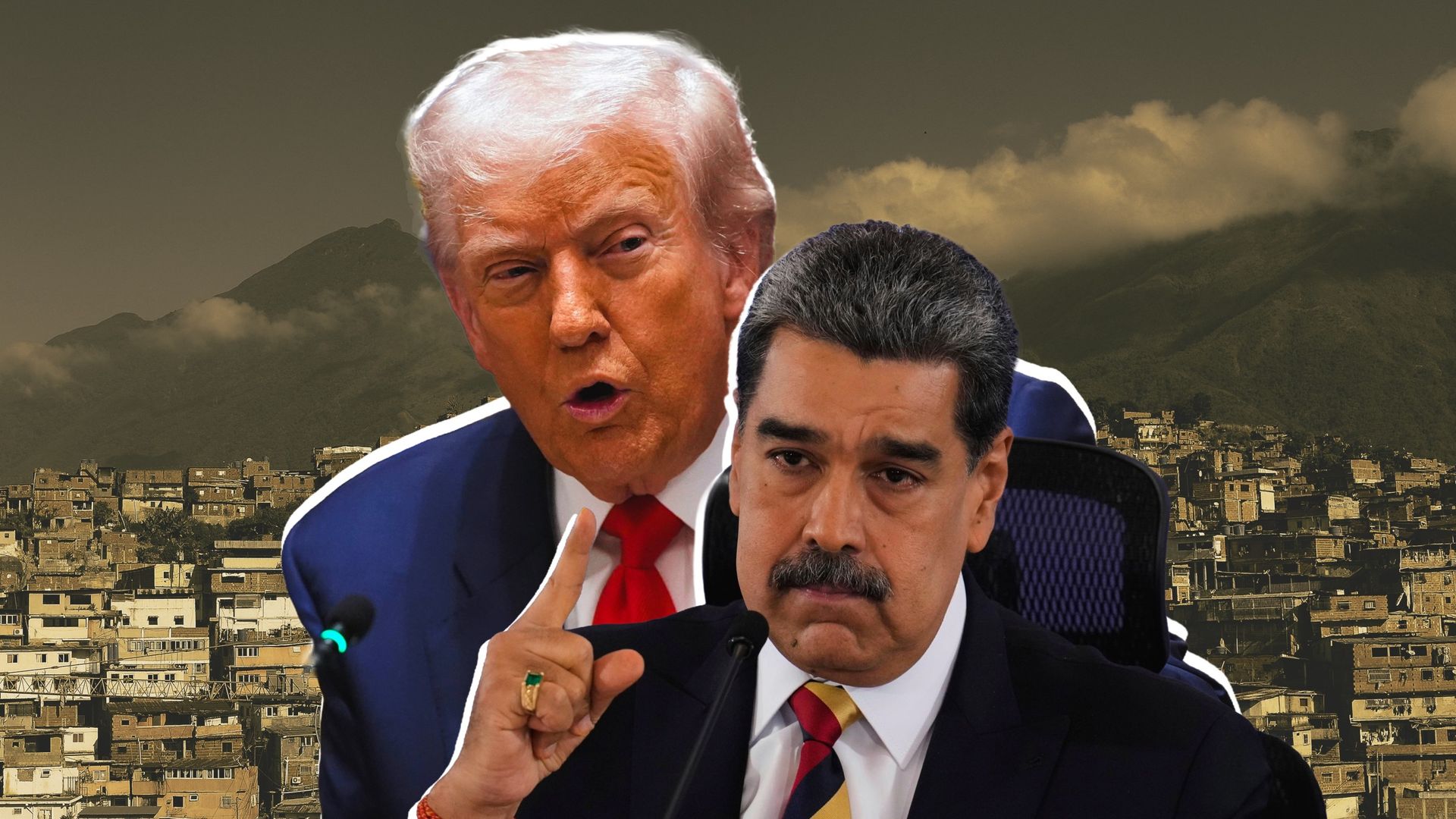
The world’s largest aircraft carrier is steaming towards the Caribbean supported by the rest of its “carrier group” to add even more muscle to the US forces already threateningly close to Venezuela.The Latest News from the UK and Around the World | Sky News

Russia has tested a new nuclear-powered cruise missile with an unlimited range, the country’s top general said.The Latest News from the UK and Around the World | Sky News

Two men have been arrested following a robbery at the Louvre museum in Paris which saw thieves escape with priceless jewellery, including part of the French crown jewels.The Latest News from the UK and Around the World | Sky News
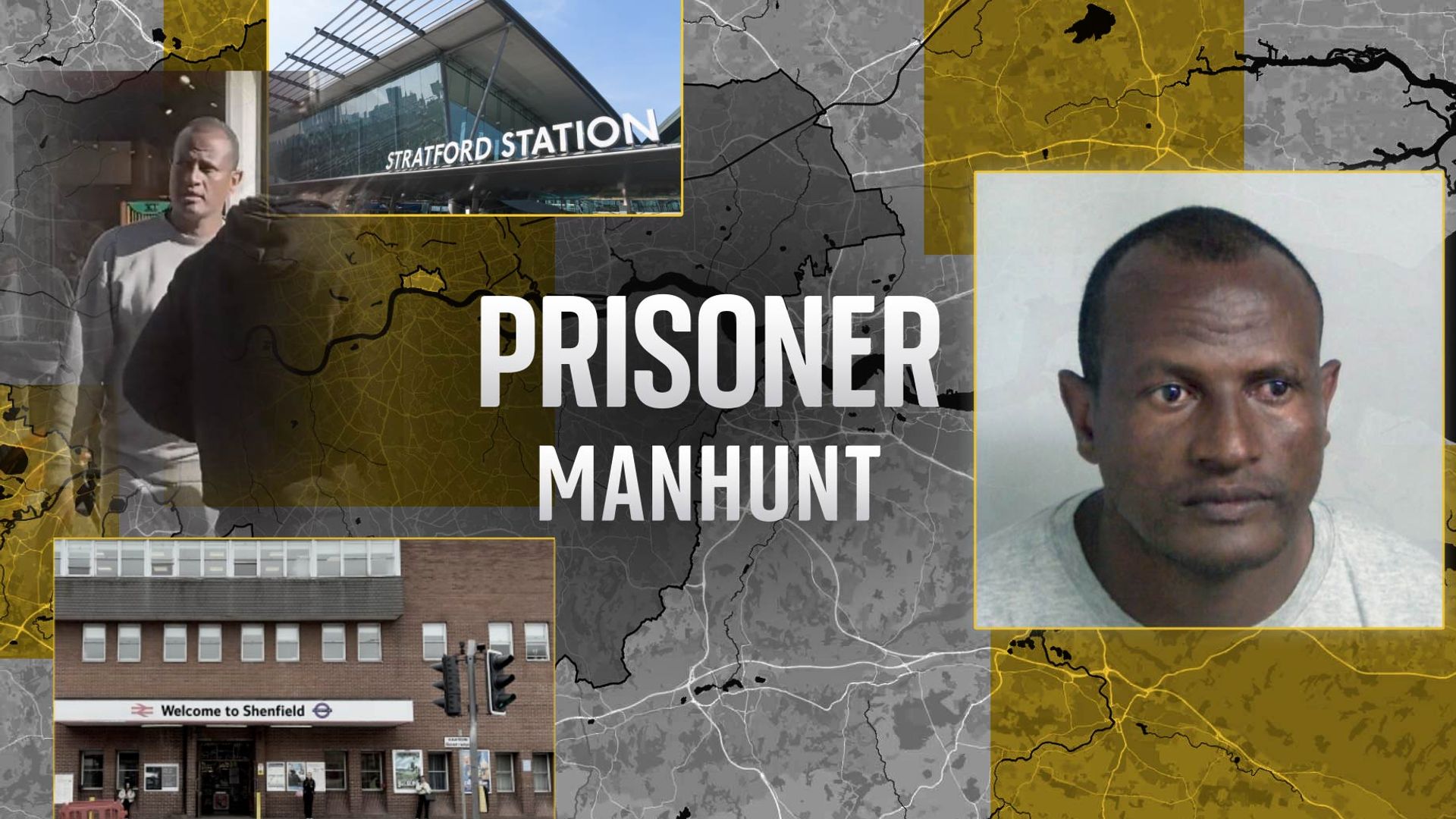
The small-boat sex offender Hadush Kebatu was arrested on Sunday morning on the third day of a manhunt after he was mistakenly freed from prison.The Latest News from the UK and Around the World | Sky News
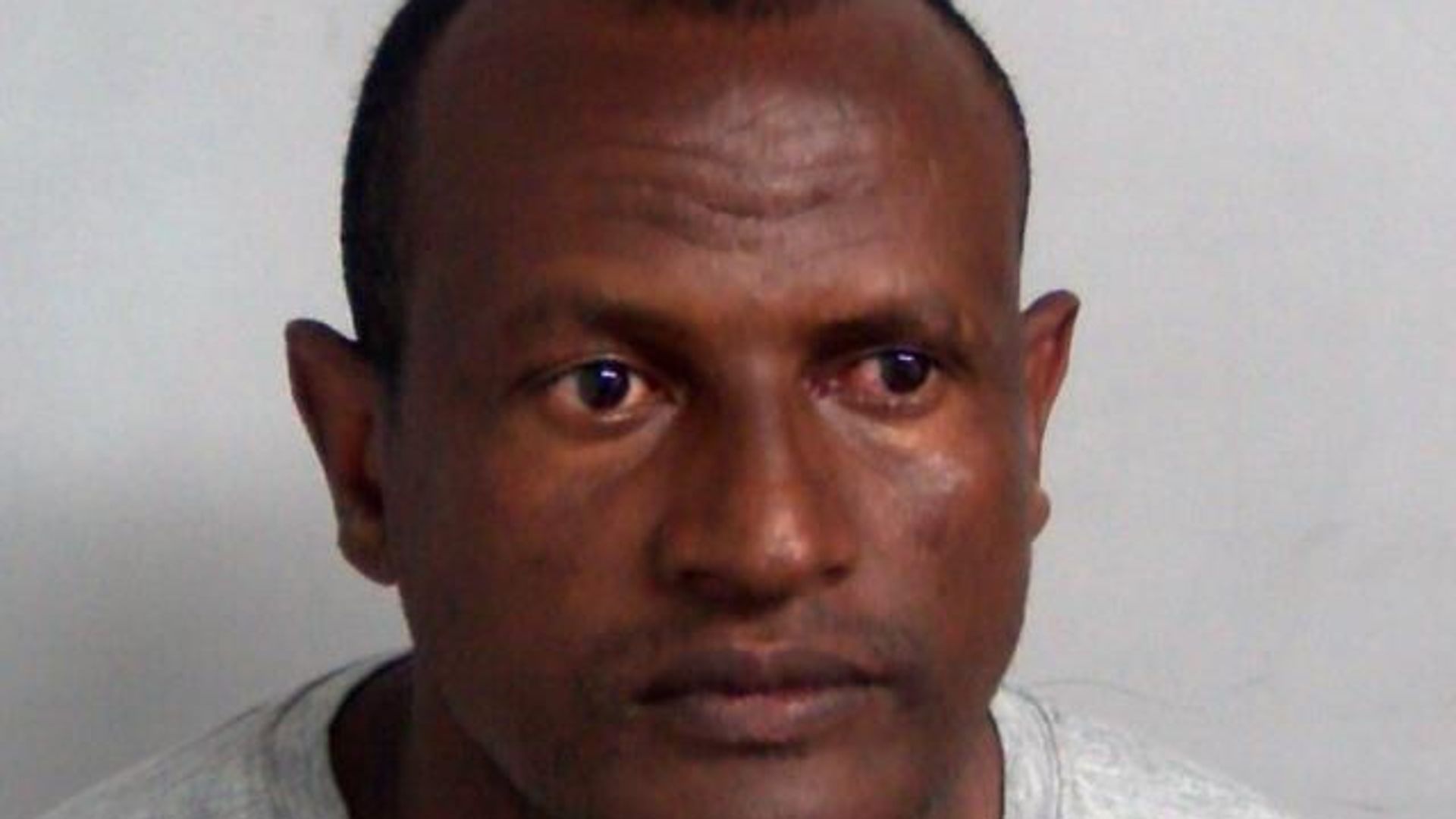
A migrant who was mistakenly released from prison has been arrested following a police manhunt.The Latest News from the UK and Around the World | Sky News
Online influencers, through their postings on Instagram, Threads, TikTok and elsewhere, have created an exuberant universe of news and commentary that often outruns mainstream media in reach and even impact. They work the same waterfront as journalism and public relations, but their relationship with those mainstay practices built around fact and advocacy is an uneasy one.
And when it comes to the rules that are supposed to keep communicators honest, they have been slow to step up, as a raging controversy over undisclosed payments to freelance influencers shows.
For the past month, social media has been ablaze with postings about a provocative story alleging improper political influence among left-leaning online commentators. Headlined “A Dark Money Group is Secretly Funding High-Profile Democratic Influencers,” it ran in Wired, the San Francisco-based magazine that specializes in tech, and was written by Taylor Lorenz, a high-profile reporter who has built a stormy career of tech coverage for outlets including The Washington Post, The New York Times and The Atlantic.
The 3,600-word article focused on Chorus, described as a secretive arm of the Sixteen Thirty Fund, whose wide-ranging support for progressive causes totals more than US$100 million a year. Starting in spring 2025, Lorenz reported, Chorus quietly recruited and supported a coterie of liberal political influencers, with monthly stipends of anywhere from $250 to $8,000.
Just how tightly Chorus sought to control what the 90-some freelancers actually produce is somewhat unclear, and was sharply disputed in the reaction to the article.
But what is clear to me, as a journalist and student of media ethics, is that any creators who conceal financial support while weighing in on matters of interest to their funders are, by implication, falsely presenting themselves as independent voices. They are no less deceitful than the business journalist who covers a company they secretly invest in.
The Wired story declared that the program supporting influencers, called the Chorus Creator Incubator Program, “was aimed at bolstering Democratic messaging on the internet.” Funded commentators got regular briefings with lawmakers and others, organized by Chorus, on newsworthy issues.
The paid influencers also allegedly agreed to forewarn Chorus about interviews with prominent sources, Lorenz wrote, saying “creators in the program must funnel all bookings with lawmakers and political leaders through Chorus. Creators also have to loop Chorus in on any independently organized engagements with government officials or political leaders.”
And, a big red flag for anyone concerned with ethical communications practices: Participating influencers were also prohibited from telling anybody about the money they were getting.
The Wired story plainly hit a nerve and triggered a spasm of angry postings on Instagram, TikTok, Bluesky, YouTube, X, Facebook and other social media sites. But for all their passion, the comments brought to light the disheveled state of online ethics.
Ad hominem attacks predominated. Posts denounced Lorenz as a liar and a hypocrite who had no business exposing the program because she herself admittedly receives similar funding. Some said her real motive was sabotaging the left. Others praised the Chorus program as a valuable attempt to sharpen the skills of participants and enrich their reporting. Still others asserted that Chorus is not hands-on, never assigns or edits anybody’s stories and is an overdue corrective that gives left-leaning influencers just the kind of support the political right has had for years.
Only rarely did the commentary touch on what should have been the white-hot core of the problem: The absence of a shared understanding of the basic responsibilities that online influencers have to the people they serve. Those responsibilities are no different from those of journalists or professional advocates – to come clean.
As Don Heider, head of the Markkula Center for Applied Ethics at Santa Clara University, told Lorenz with admirable clarity: “If the contract for getting money from a particular interest group says you can’t disclose it, then it’s pretty simple, you can’t take the money.” Or, said the influencer Overopinionatedbrit3 on TikTok: “If you are getting paid disclose or you are an influencer being influenced.”
The principle of disclosure is one that is widely accepted by professional communicators.
From their earliest iterations a century ago, journalism codes have recognized that conflict of interest is perhaps the most toxic threat to the credibility of reporters and the trust they seek from audiences.
The Public Relations Society of America has based its efforts to professionalize advocacy in part on an insistence that practitioners not conceal support or withhold information about whose message they are conveying – prohibitions that, sadly, are not universally observed. One notorious breach was the use of on-air “military analysts” by CNN and other networks during the Iraqi invasion. They were typically former high-ranking officers now employed by arms contractors whose paychecks depended on cordial relations with the Pentagon, but who nevertheless proffered supposedly independent expert appraisals of the U.S. military campaign to CNN viewers. None of that was disclosed to the public.
Femi Redwood, who chairs the National Association of Black Journalists LGBTQ+ task force, was one of the few respondents among the flood of comments on the Wired story who zeroed in on the absence of online standards. Redwood defined the problem as “the intersection of news and influencing without the ethics of journalism,” and called for a code that would make the ethical obligations of influencers explicit.
The world of influencers is, admittedly, a bit of a Wild West. How universally ethical guidelines would be embraced and whether platforms might find the stomach to consider enforcement remain open – but pivotal – questions.
But the social media commentariat may be receptive.
Online practitioners have long claimed greater intellectual independence and cleaner hands than the legacy newspeople they challenge, who they say are trapped in the cobwebs of institutional bias and material thralldom. Much of their claim to the high road has rested on their greater candor – renamed transparency and hailed as the “new objectivity” – which calls for influencers to fess up about their predispositions and biases rather than go the traditional mainstream route and imply they have none. Secrecy over funding, plainly, is incompatible with such transparency.
Indeed, in the current moment, when colossal news organizations have been brought to heel by an administration in Washington that uses their owners’ financial ambitions to enforce ideological discipline, the influencers’ potential ability to claim moral superiority seems even stronger.
But the freelance model doesn’t ensure independence. It may only create a shifting roster of dependencies and allegiances that are wholly invisible to the audience being served and a potent source of corruption.
Disclosure is an imperfect remedy. But failing to adopt it as a minimum expectation leaves the robust online universe with a moral taint that is lethal to trust.

Edward Wasserman does not work for, consult, own shares in or receive funding from any company or organization that would benefit from this article, and has disclosed no relevant affiliations beyond their academic appointment.
Politics + Society – The Conversation
From ancient Egypt to Washington, D.C., rulers have long used architecture and associated stories to project power, control memory and shape national identity. As 17th-century French statesman Jean-Baptiste Colbert observed:
“In the absence of brilliant deeds of war, nothing proclaims the greatness and spirit of princes more than building works.”
Today, the Trump administration is mobilizing heritage and architecture as tools of ideology and control. In U.S. historic preservation, “heritage” is the shared, living inheritance of places, objects, practices and stories – often plural and contested – that communities value and preserve. America’s architectural heritage is as diverse as the people who created, inhabited and continue to care for it.
As an archaeologist with three decades of practice, I read environments designed by humans. Enduring modifications to these places, especially to buildings and monuments, carry power and speak across generations.
In his first term as president, and even more so today, Donald Trump has pushed to an extreme legacy-building through architecture and heritage policy. He is remaking the White House physically and metaphorically in his image, consistent with his long record of putting his name on buildings as a developer.
In December 2020, Trump issued an executive order declaring classical and traditional architectural styles the “preferred” design for new federal buildings. The order derided Brutalist and modernist structures as inconsistent with national values.
Now, Trump is seeking to roll back inclusive historical narratives at U.S. parks and monuments. And he is reviving sanitized myths about America’s history of slavery, misogyny and Manifest Destiny, for use in museums, textbooks and public schools.
Yet artifacts don’t lie. And it is the archaeologist’s task to recover these legacies as truthfully as possible, since how the past is remembered shapes the choices a nation makes about its future.
Dictators, tyrants and kings build monumental architecture to buttress their own egos, which is called authoritarian monumentalism. They also seek to build the national ego – another word for nationalism.
Social psychologists have found that the awe we experience when we encounter something vast diminishes the “individual self,” making viewers feel respect and attachment to creators of awesome architecture. Authoritarian monumentalism often exploits this phenomenon. For example, in France, King Louis XIV expanded the Palace of Versailles and renovated its gardens in the mid-1600s to evoke perceptions of royal grandeur and territorial power in visitors.
Many leaders throughout history have built “temples to power” while erasing or overshadowing the memory of their predecessors – a practice known as damnatio memoriae, or condemnation to oblivion.
In the ancient world, the Sumerians, Babylonians, Egyptians, Romans, Chinese dynasties, Mayans and Incas all left behind architecture that still commands awe in the form of monuments to gods, rulers and communities. These monuments conveyed power and often served as instruments of physical and psychological control.
In the 19th century, Napoleon fused conquest with heritage. Expeditions to Egypt and Rome, and the building of Parisian monuments – the Arc de Triomphe and the Vendôme Column, both modeled on Roman precedents – reinforced his legitimacy.
Albert Speer’s and Hermann Giesler’s monumental neoclassical designs in Nazi Germany, such as the party rally grounds in Nuremberg, were intended to overwhelm the individual and glorify the regime. And Josef Stalin’s Soviet Union suppressed avant-garde experimentation in favor of monumental “socialist realist” architecture, projecting permanence and centralized power.
Now, Trump has proposed building his own triumphal arch in Arlington, Virginia, just across the Potomac River from the Lincoln Memorial, as a symbol to mark the 250th anniversary of the Declaration of Independence.

Born of Enlightenment ideals of John Locke, Voltaire and Adam Smith, the American Revolution rejected the European idea of monarchs as semidivine rulers. Instead, leaders were expected to serve the citizenry.
That philosophy took architectural form in the Federal style, which was dominant from about 1785 to 1830. This clear, democratic architectural language was distinct from Europe’s ornate traditions, and recognizably American.
Its key features were Palladian proportions – measurements rooted in classical Roman architecture – and an emphasis on balance, simplicity and patriotic motifs.
James Hoban’s White House and Thomas Jefferson’s Monticello embodied this style. Interiors featured lighter construction, symmetrical lines, and motifs such as eagles, urns and bellflowers. They rejected the opulent rococo styles associated with monarchy.
Americans also recognized preservation’s political force. In 1816, the city of Philadelphia bought Independence Hall, which was constructed in 1753 and was where the Declaration of Independence and the Constitution were debated and signed, to keep it from being demolished. Today the building is a U.S. National Park and a UNESCO World Heritage Site.
Early preservationists saved George Washington’s home, Mount Vernon, Jefferson’s Monticello, and other landmarks, tying democracy’s endurance to the built environment.
In remaking the White House and prescribing the style and content of many federal sites, Trump is targeting not just buildings but the stories they tell.
By challenging narratives that depart from white, Anglo-Saxon origin myths, Trump is using his power to roll back decades of work toward creating a more inclusive national history.
These actions ignore the fact that America’s strength lies in its identity as a nation of immigrants. The Trump administration has singled out the Smithsonian Institution – the world’s largest museum, founded “for the increase and diffusion of knowledge – for ideological reshaping. Trump also is pushing to restore recently removed Confederate monuments, helping to revive “Lost Cause” mythology about the Civil War.
Trump’s 2020 order declaring classical and traditional architectural styles the preferred design for government buildings echoed authoritarian leaders like Adolf Hitler and Stalin, whose governments sought to dictate aesthetics as expressions of ideology. The American Institute of Architects publicly opposed the order, warning that it imposed ideological restrictions on design.
Trump’s second administration has advanced this agenda by adopting many recommendations in the Heritage Foundation’s Project 2025 blueprint. Notably, Project 2025 calls for repealing the 1906 Antiquities Act – which empowers presidents to quickly designate national monuments on federal land – and for shrinking many existing monuments. Such rollbacks would undercut the framework that has safeguarded places like Devils Tower in Wyoming and Muir Woods in California for over a century.
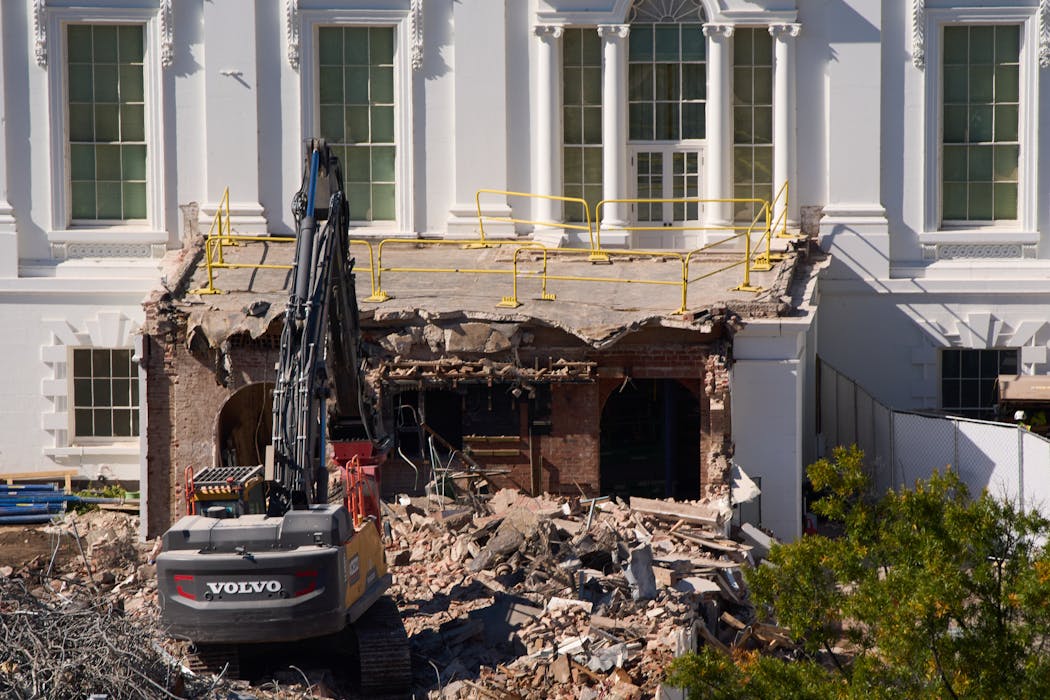
Trump’s new ballroom is a distinct departure from the core values embodied in the White House’s Federal style. Although many commentators have described it as rococo, it is more aligned with the overwrought and opulent styles of the Gilded Age – a time in American history, from about 1875 through 1895, with many parallels to the present.
In ordering its construction, Trump has ignored long-standing consultation and review procedures that are central to historic preservation. The demolition of the East Wing may have ignored processes required by law at one of the most important U.S. historic sites. It’s the latest illustration of his unilateral and unaccountable methods for getting what he wants.

When leaders push selective histories and undercut inclusive ones, they turn heritage into a tool for controlling public memory. This collective understanding and interpretation of the past underpins a healthy democracy. It sustains a shared civic identity, ensures accountability for past wrongs and supports rights and participation.
Heritage politics in the Trump era seeks to redefine America’s story and determine who gets to speak. Attacks on so-called “woke” history seek to erase complex truths about slavery, inequality and exclusion that are essential to democratic accountability.
Architecture and heritage are never just bricks and mortar. They are instruments of memory, identity and power.

R. Grant Gilmore III does not work for, consult, own shares in or receive funding from any company or organization that would benefit from this article, and has disclosed no relevant affiliations beyond their academic appointment.
Politics + Society – The Conversation