People love to cook steak on a cast-iron pan, but this heavy-duty cookware has its drawbacks, which may have you thinking twice before you sear your next cut.
Mashed – Fast Food, Celebrity Chefs, Grocery, Reviews








People love to cook steak on a cast-iron pan, but this heavy-duty cookware has its drawbacks, which may have you thinking twice before you sear your next cut.
Mashed – Fast Food, Celebrity Chefs, Grocery, Reviews
Reading Time: 2 minutes
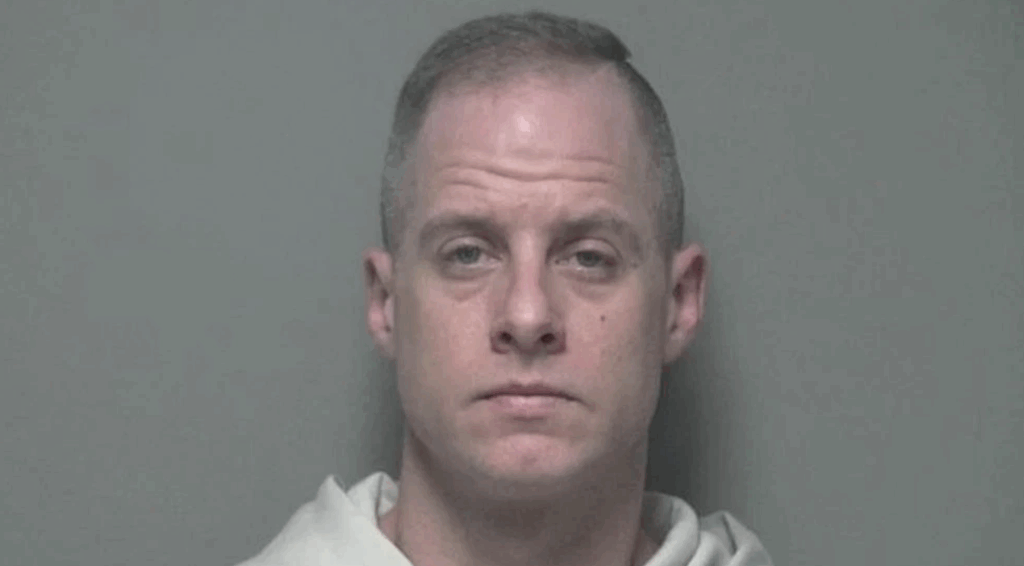
The Caleb Flynn murder trial entered its sixth day today.
And we learned a lot more about the relationship between the former American Idol contestant and his mistress.
Apparently, Flynn had an awful lot to say to Alleigha Botner during their relationship.
And unfortunately for everyone involved, he apparently decided those feelings needed a soundtrack.
Flynn’s love songs for Botner were played in an Ohio courtroom Thursday as Flynn continues to stand trial for the alleged murder of his wife, Ashley Flynn.
The songs were reportedly created using artificial intelligence and were discovered on Flynn’s phone during the investigation into Ashley’s February death.
Joseph Wilhelm, a special agent with the Ohio Bureau of Criminal Investigation, testified that investigators found audio files that appeared to have been AI-generated and connected to Flynn’s relationship with Botner (via The New York Post).
There were reportedly two versions of one song, performed in different keys, with lyrics matching notes found on Flynn’s phone.
And the lyrics? Well, they were certainly a choice.
One song included lines about the first time Flynn saw Botner and claimed it was “love at first sight.” Another referenced the “third of every month,” which Botner explained was connected to the beginning of their relationship.
As the song played in court, members of the gallery reportedly appeared visibly uncomfortable. Some struggled not to laugh, while others shook their heads.
Even Flynn appeared tense, wiping his forehead with a napkin as the romantic masterpiece played.
Botner was asked what the song meant to her, and she explained that Flynn had written it to demonstrate how much he cared about her.
“Right now they mean nothing,” she said.
Botner testified that several of the lyrics were inspired by their secret meetings. She said Flynn would meet her in the mornings when he was supposedly going to the gym and would visit her home late at night.
She also said Flynn frequently referred to her as “my love” and his “once in a lifetime.”
That may have sounded romantic at the time.
In a murder trial, however, it lands considerably differently.
Caleb, 40, is accused of killing Ashley, 37, in their Ohio home in February and allegedly staging the crime scene to make it appear that an intruder was responsible. He has pleaded not guilty and maintained his innocence.
Botner has spent multiple days testifying about her affair with Flynn, including their more than 100,000 text messages and his alleged statements about Ashley.
The prosecution has argued that Flynn wanted to eliminate his wife so he could be with Botner.
The defense, meanwhile, has argued that Flynn’s ugly messages and promises to Botner don’t make him a murderer.
For now, jurors are left to sift through everything from alleged murder plans to secret tattoos to AI-generated love songs.
And somehow, the last item might be the most painfully awkward evidence of all.
Caleb Flynn’s Love Songs Written For Mistress Played at Murder Trial: Watch and … was originally published on The Hollywood Gossip.
The Hollywood Gossip
Lainey Wilson is taking her creativity and sense of humor to a whole new level with the hilarious new music video for her current country radio single, “Phone, Keys, Wallet.”
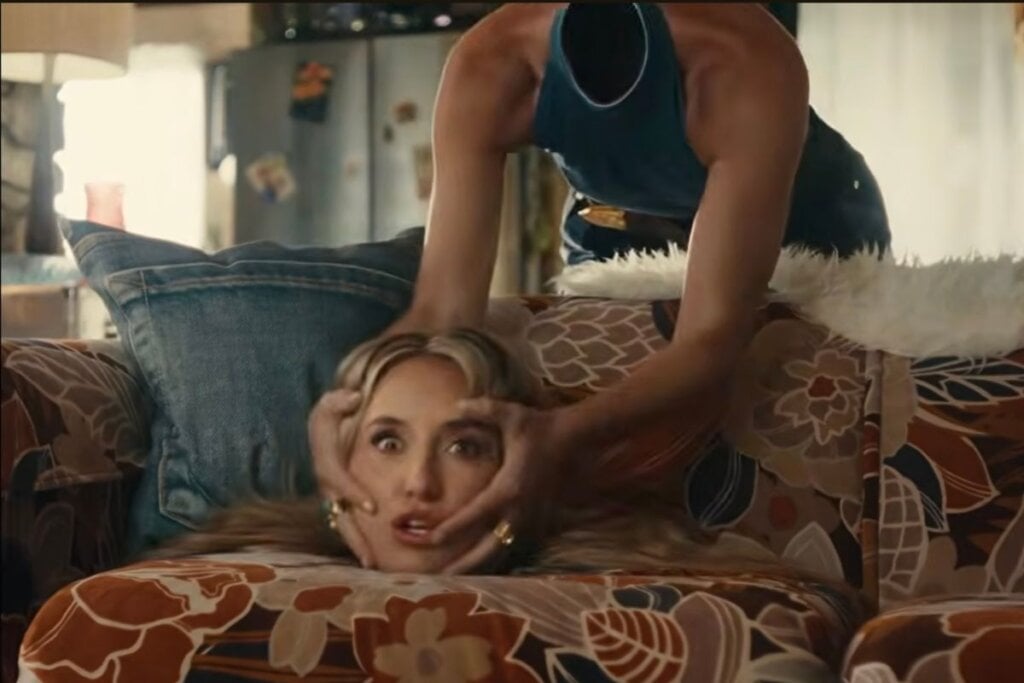
The video opens with a headless Wilson frantically making her way around the house, trying to remember everything she needs before rushing out the door already 10 minutes late. Her missing head suddenly appears on the couch, delivering the song on its own. She takes the lyrics a bit too literally as she sings, “You know I’d lose my head if it wasn’t attached, got a couple screws loose.”
The chaos only continues from there as Wilson’s head and body continue to become separated over and over again. At one point, her head is sitting on top of her car, while other scenes find it in the fridge, on a record player and even floating in a creek, pretty much everywhere except where it’s supposed to be.
Her beloved dog, Hippie Mae, also gets in on the fun, appearing in the end of the footage as she helps search for Wilson’s missing head and greets her with plenty of kisses.
At its heart, the lyrics celebrate finding someone who can embrace all the quirks and chaos and still have so much love through it all. The country superstar admits she can be a little forgetful now that her life is a whirlwind, but at the end of the day, her other half, Devlin “Duck” Hodges, is now one of the essentials that she needs to live life, alongside her phone, keys and wallet.
“Boy, you know I’d lose my head if it wasn’t attached, got a couple screws loose / Be up a creek if I ever forget what keeps the ground underneath my two boots / I’d be outta-luck lost if I ever up and lose / Yeah, Jesus, Jones, Mama, my phone, keys, wallet, and you,” Wilson sings on the chorus.
The recorded version of the track features John Mayer on guitar and was recorded at Mayer’s Chapel Studios in Los Angeles. The pair got the chance to perform the song together during Wilson’s set at the Country Music Hall of Fame and Museum’s annual All for the Hall guitar pull on Thursday, Sept. 17.
“The day we actually wrote this song, I was like, ‘Man, there is somebody that I’m thinking in particular that needs to play on this song,’ and I said it out loud,” she told the crowd, according to PEOPLE. “We were actually here in L.A. at Chaplin Studios and… we heard this guy was there and we ran over to the office and played this song for him, literally just through the cellphone speaker, and it was Mr. John Mayer.”
Lainey Wilson also showcased “Phone, Keys, Wallet” during the 2026 IHeartRadio Music Festival and Nashville’s CMA Fest back in June.
Next up, Wilson is set to reclaim her hosting duties at the 60th Annual CMA Awards, airing live from Nashville’s Bridgestone Arena on Wednesday, November 18, at 8/7c on ABC and Disney+.
The post WATCH: Lainey Wilson Literally Loses Her Head in Hilarious ‘Phone, Keys, Wallet’ Music Video appeared first on Country Now.
Country Now
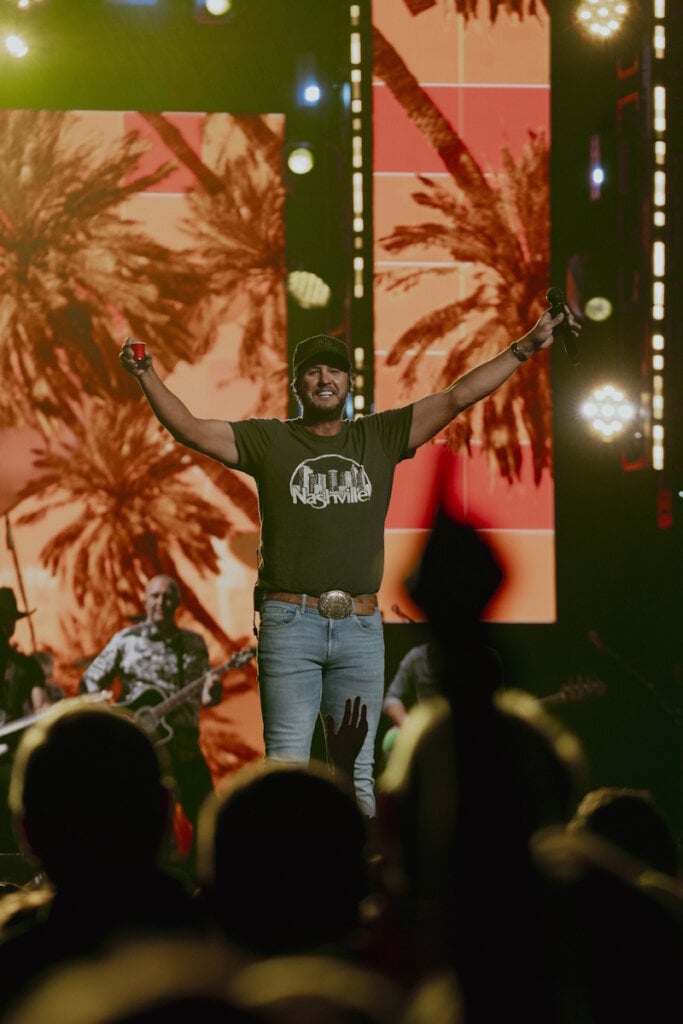
Luke Bryan pulled out all the stops in Nashville for his Luke Bryan & Friends show on Thursday night, welcoming a lineup of special guests that rivaled a country music awards show. From Carrie Underwood to Jason Aldean, Darius Rucker, Kane Brown, Dierks Bentley and Chris Stapleton, the special guests kept coming as Bryan spent three hours rocking the sold-out Bridgestone Arena alongside some of his best friends and delivering plenty of his biggest hits.
The show served as both a celebration of Bryan’s new album, SIGNS, and a chance to make up for the last time he played Music City. During his previous Bridgestone Arena appearance, Bryan was battling an illness that affected his voice, so he was determined to make his return one to remember. And he more than delivered.
“Last time i was here in Nashville I had some crazy Harpeth River…Duck River, Cumberland River mutation of COVID and the flu and I sounded like a**hole. I think people compared it to Blake Shelton, so I heard,” he joked. “But tonight I feel like a million damn dollars which there’s a downside to that, ‘cause you know that means after the show, we’re all gonna hit broadway and we’re gonna feel like Blake Shelton in the morning!”
“I’m so honored about what’s going on tonight…We wanted to make a big ole fun party in Nashville tonight.”
It was a “Big ole fun party” indeed, and his vocals sounded pretty great, too.
Bryan kicked off the night on a high note with “My Kinda Night,” followed by “Kiss Tomorrow Goodbye” and “This Is How We Roll.” Within no time, the night’s first guest, Carrie Underwood, was welcomed to the stage.
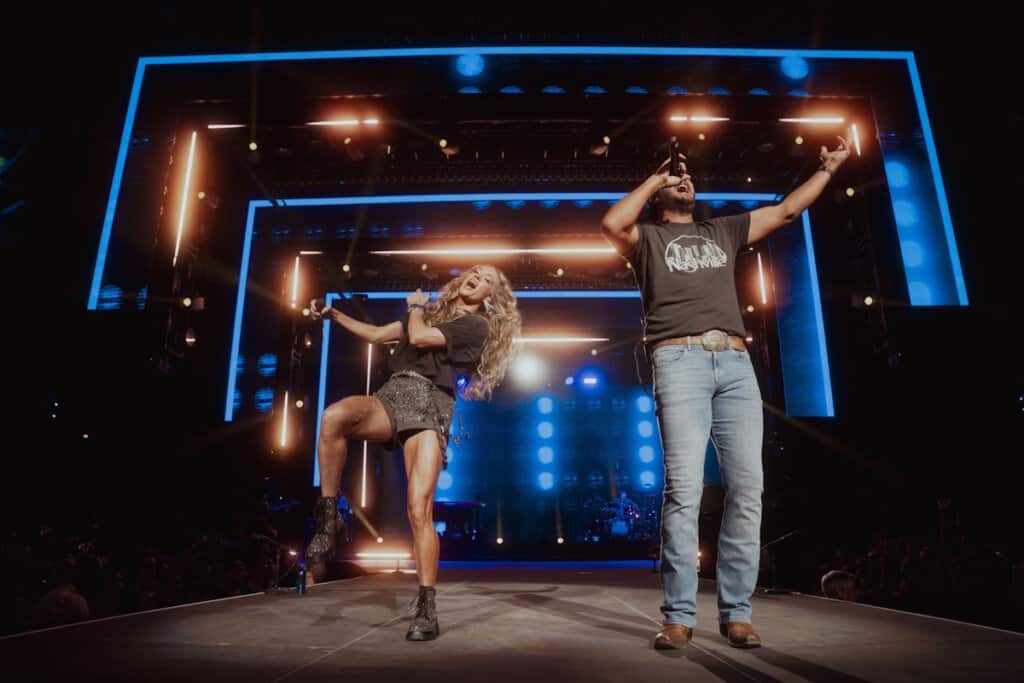
The pair joined together for a performance of the ’90s country classic “Meet in the Middle” by Diamond Rio before later rocking out to Bon Jovi’s “Livin’ on a Prayer.”
The excitement kicked into full gear when a video of Lionel Richie flashed on the screen, prompting Underwood and Bryan to reveal a big secret: They are all returning, along with Ryan Seacrest, for the next season of American Idol in 2027.
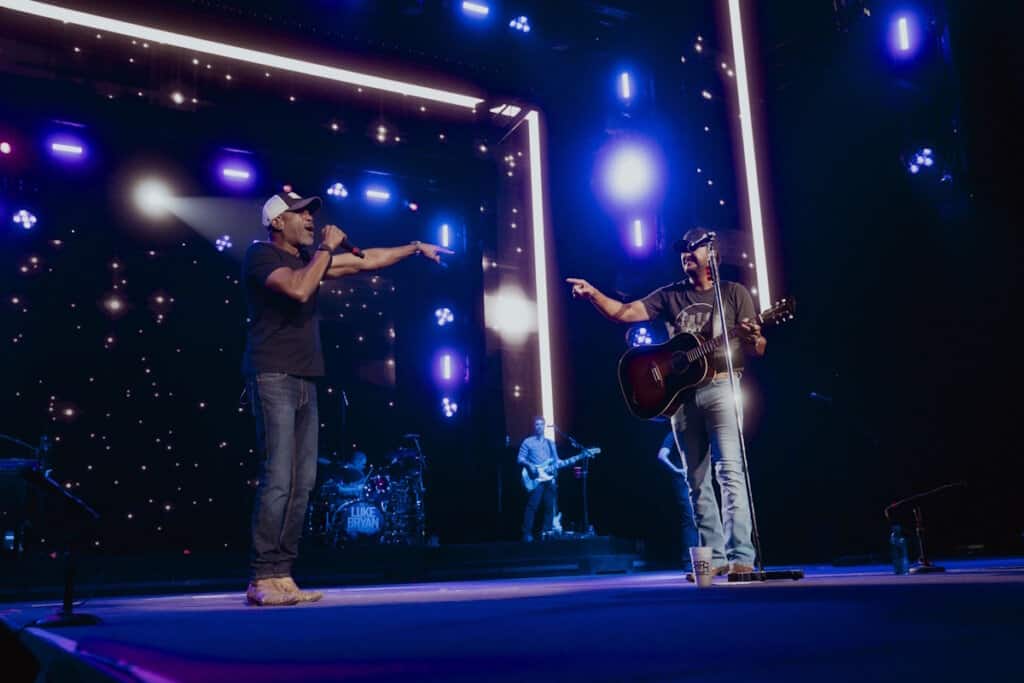
The guests came in like a revolving door, with Darius Rucker taking the stage next for a massive sing-along of “Wagon Wheel” and another iconic ’90s country moment with a cover of Brooks & Dunn’s “Neon Moon.”
Bryan praised Rucker as one of the best guys he knows and even jokingly slow danced with him during their Brooks & Dunn cover.
It wouldn’t be a Luke Bryan & Friends show without his best friend and fellow Georgia native, Jason Aldean.
Bryan had fans laughing when he told them he had to “Venmo” him “a lot” to get him to agree to joining him at the show. All jokes aside, the pair of longtime friends joined together for Shenandoah’s “Sunday in the South” and their 2012 collaboration “The Only Way I Know,” sans Eric Church.
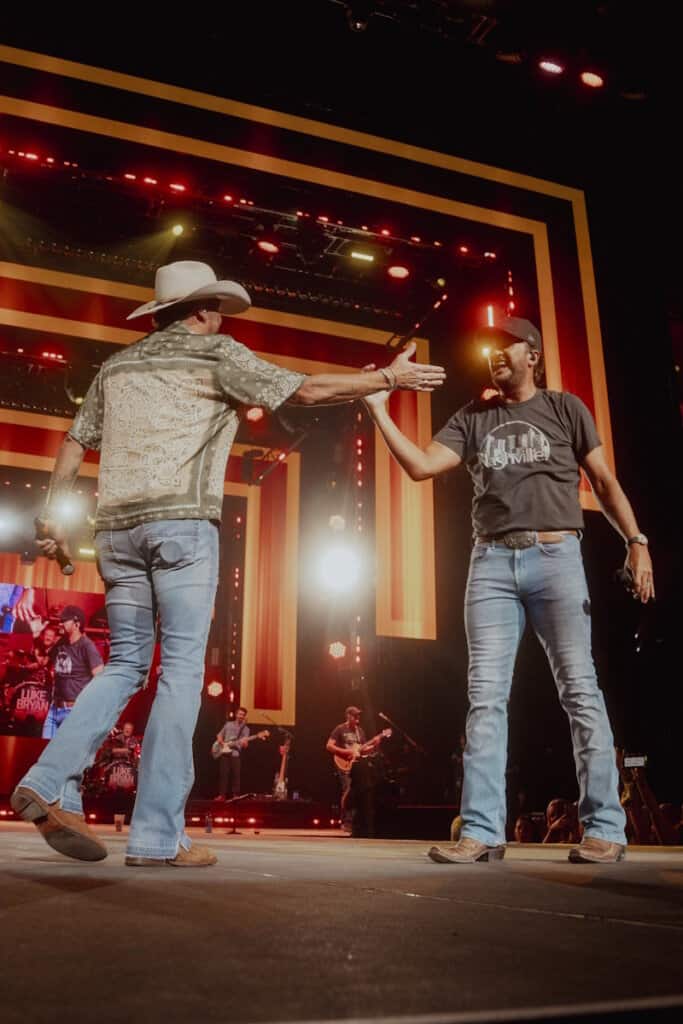
Going completely off script, they also threw in a performance of Aldean’s “She’s Country,” sending the sold-out arena into a frenzy.
Perhaps the most unexpected guest of the evening was Kane Brown, who Bryan admitted he hadn’t had a chance to cut up with too much until this moment.
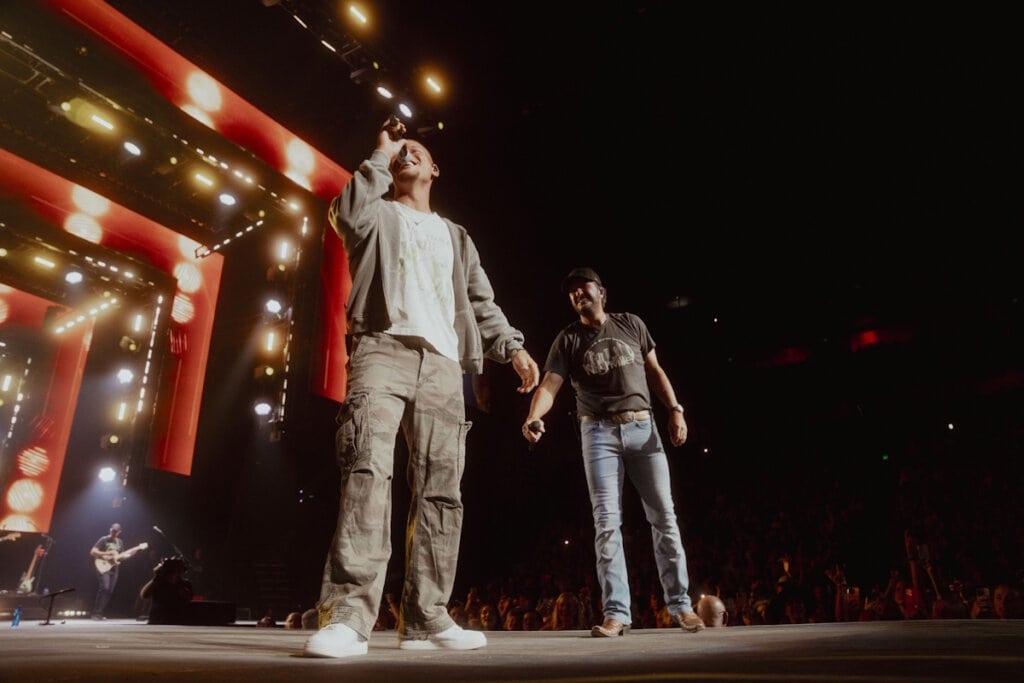
With a huge smile on his face, Brown entered the stage, sending the energy through the roof as they joined together for his chart-topping, high-energy hit “Miles On It.”
The guests didn’t stop there, because fans were soon getting “Drunk on a Plane” with Dierks Bentley.
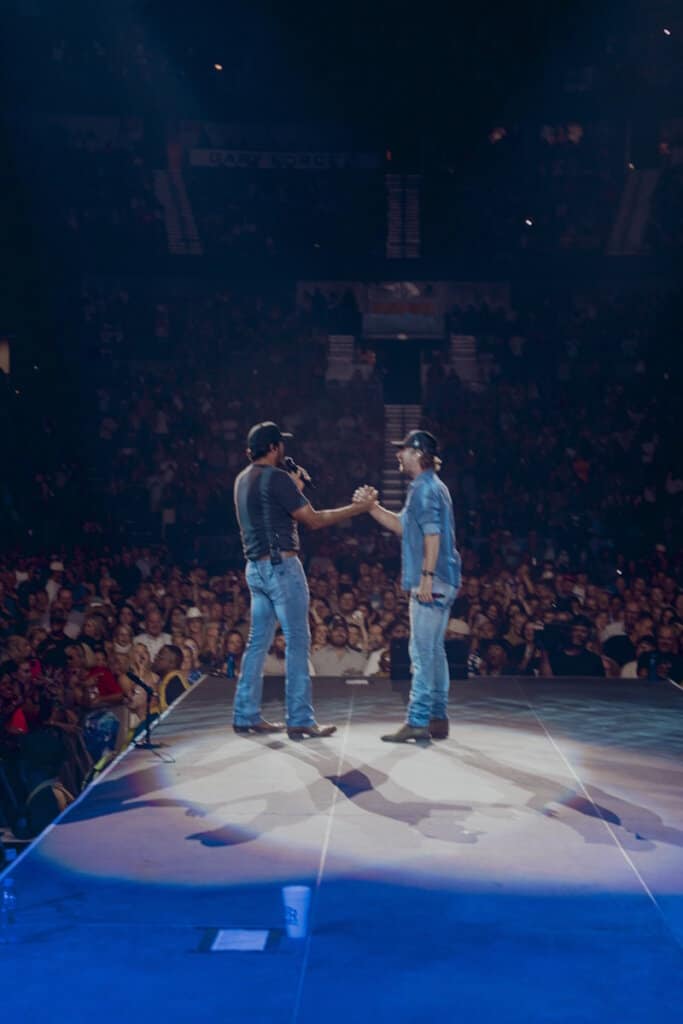
In celebration of his brand-new album, Bryan performed several new tracks, including “Country And She Knows It,” “I Liked Loving You” and the title track, “Signs.”
The performances gave fans in the sold-out arena an taste of the new album while still leaving plenty of room for the hits that have defined Bryan’s career.
The final guest of the evening was the incomparable Chris Stapleton, who added his soulful vocals to “Drink a Beer,” a song he co-wrote that Bryan took to No. 1 in early 2014.
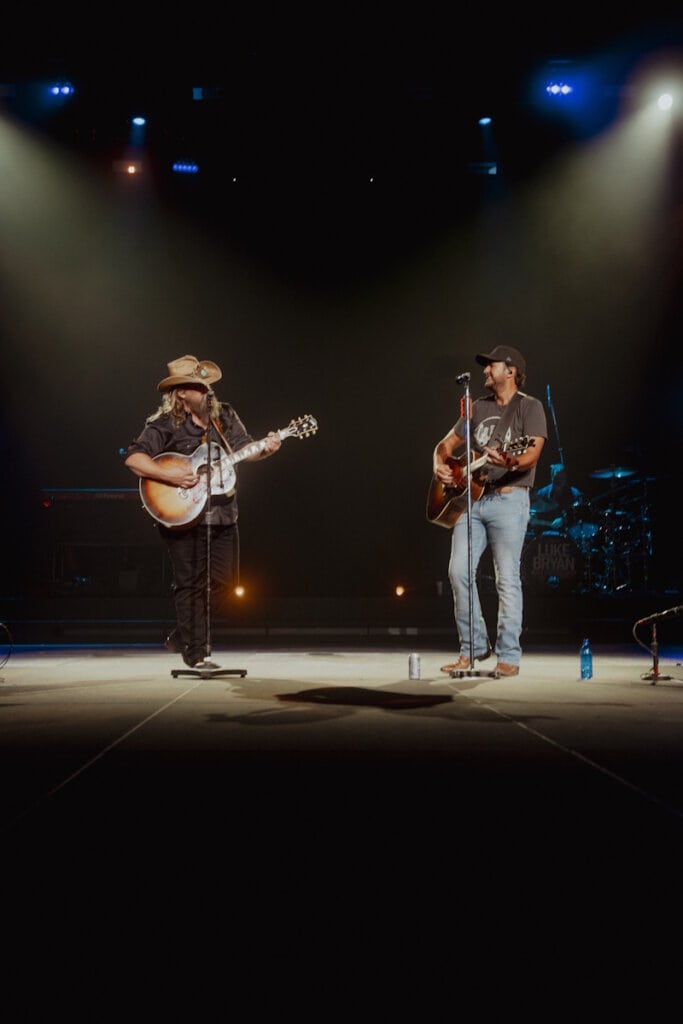
Bryan appeared to be in shock over Stapleton’s presence and couldn’t help but smile in awe as he left the stage.
The final hour was a huge party, bringing Bryan’s radio hits front and center with “Knockin’ Boots,” “One Margarita,” “Rain Is A Good Thing” and his recently Diamond-certified “Play It Again” and “Country Girl (Shake It For Me).”
Ahead of the show, Bryan was presented with Diamond plaques recognizing the RIAA certifications for “Play It Again” and “Country Girl (Shake It For Me).” He was joined for the presentation by fellow Diamond recipients and special guests Jason Aldean, Darius Rucker and Carrie Underwood.
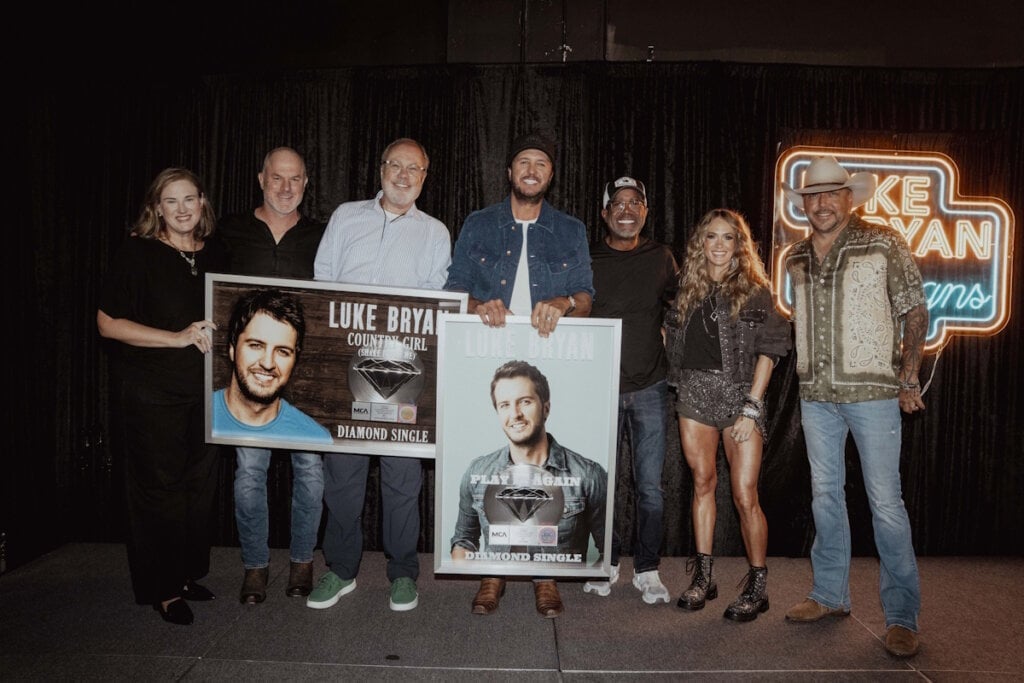
The night truly encompassed what Nashville is all about: music, friendship and the fact that country music is like one big family. It sure felt that way on Thursday night.
Only Luke Bryan could pull off a show this fun, bringing together this many country stars for one unforgettable night in Music City. With Thursday’s sold-out show, Bryan has now sold out Bridgestone Arena seven consecutive times, once again proving that nearly two decades into his career, his superstar status remains.
The post Luke Bryan’s Sold-Out ‘Friends’ Show Brings Carrie Underwood, Chris Stapleton And More To Nashville appeared first on Country Now.
Country Now
This breakfast staple was likely popular among baby boomers as kids because it was quick, inexpensive, and often fortified with iron and vitamins.
Food Republic – Restaurants, Reviews, Recipes, Cooking Tips
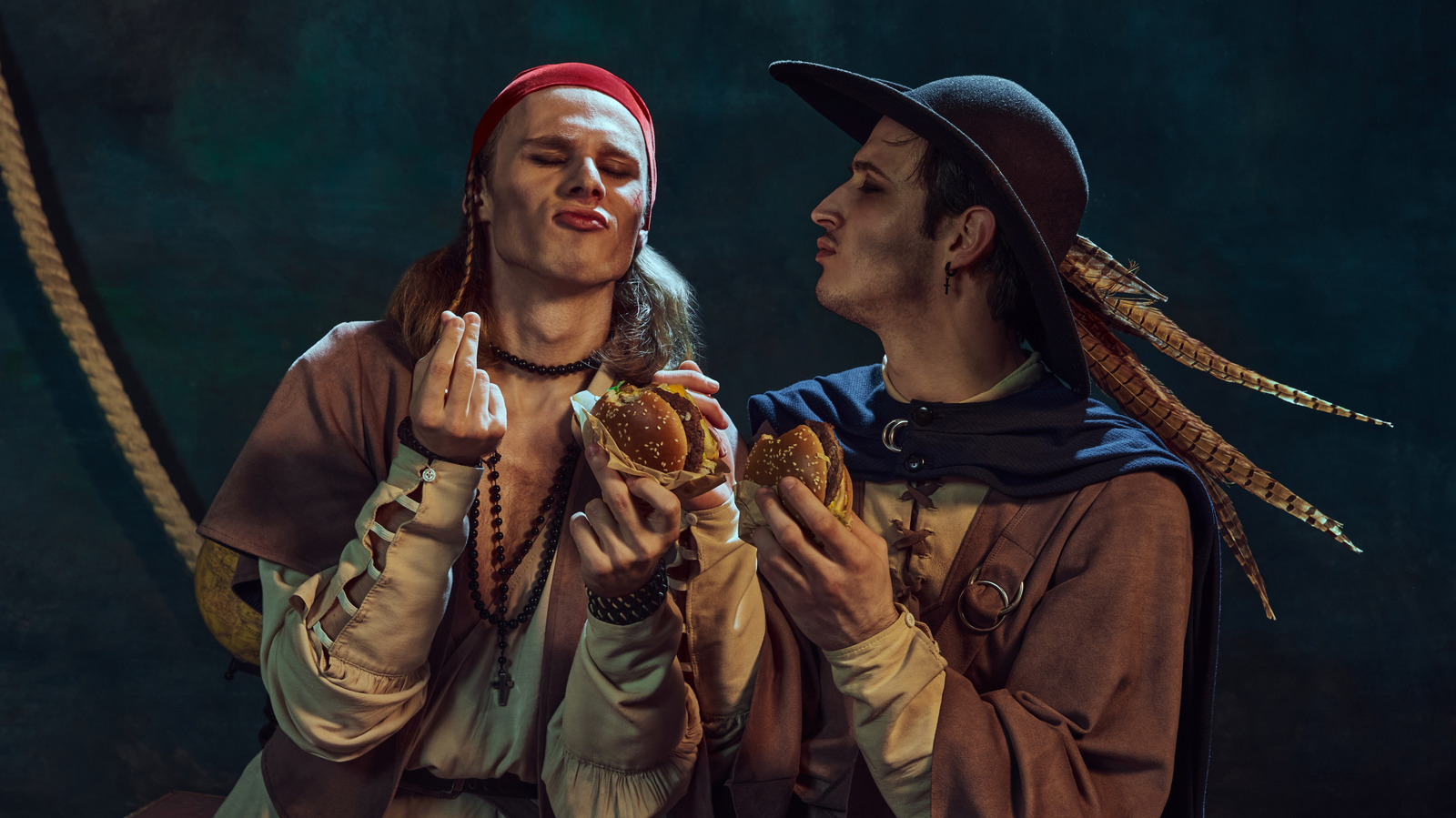
Ahoy mateys! If you were a pirate out at sea, you would likely have eaten many of these foods, some to prevent scurvy, and others out of necessity.
Food Republic – Restaurants, Reviews, Recipes, Cooking Tips
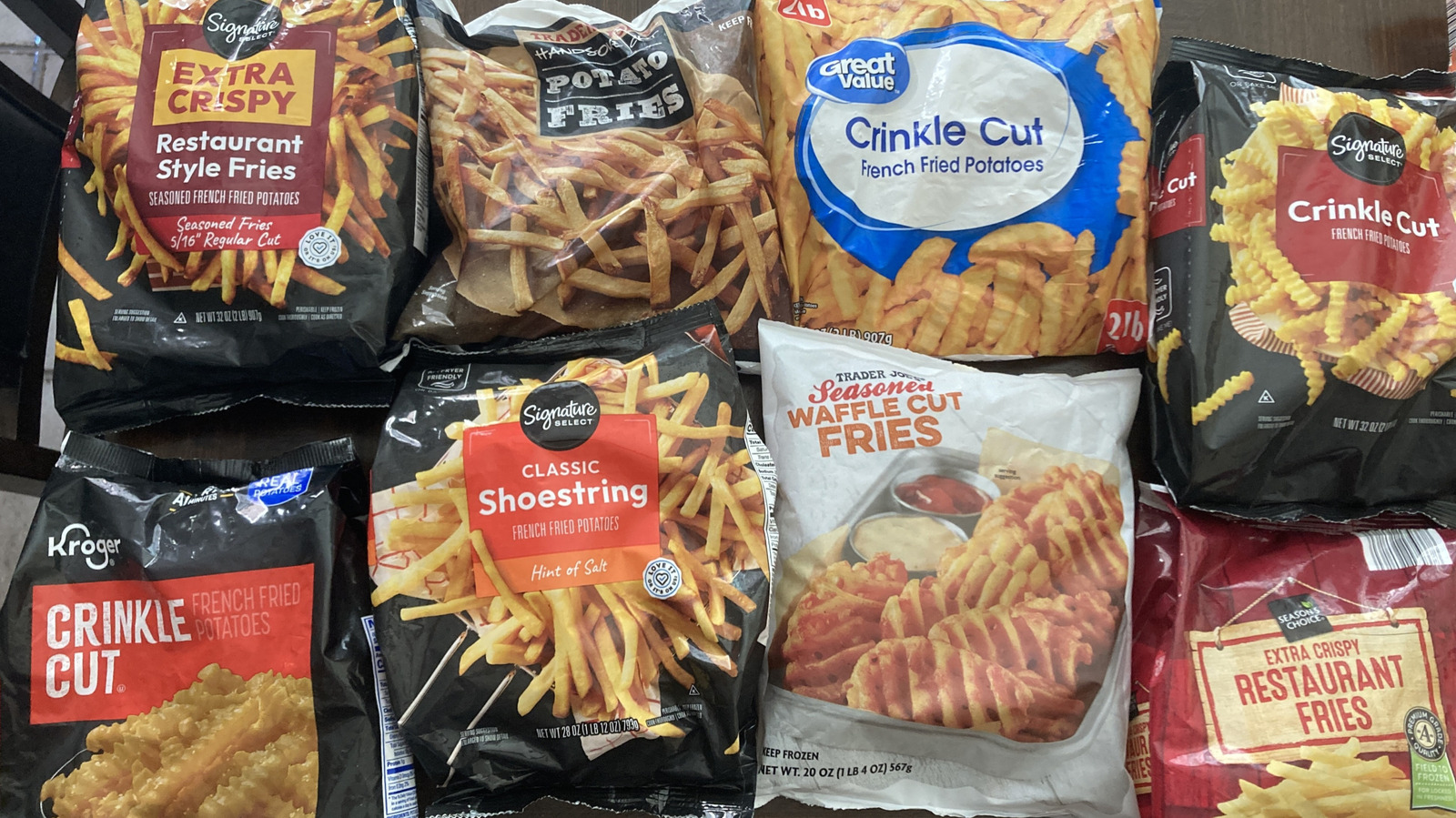
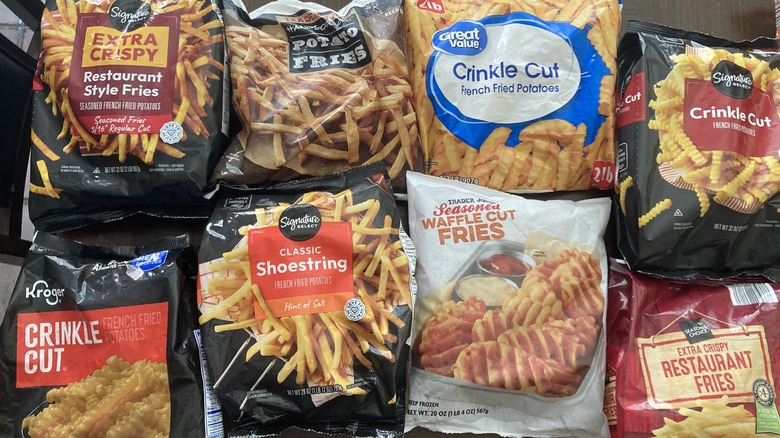
I sampled 13 store-brand frozen french fries from Kroger, Walmart, Albertsons, Costco, and Trader Joe’s to learn which brands offer the most premium choices.
Mashed – Fast Food, Celebrity Chefs, Grocery, Reviews
Reading Time: 2 minutes
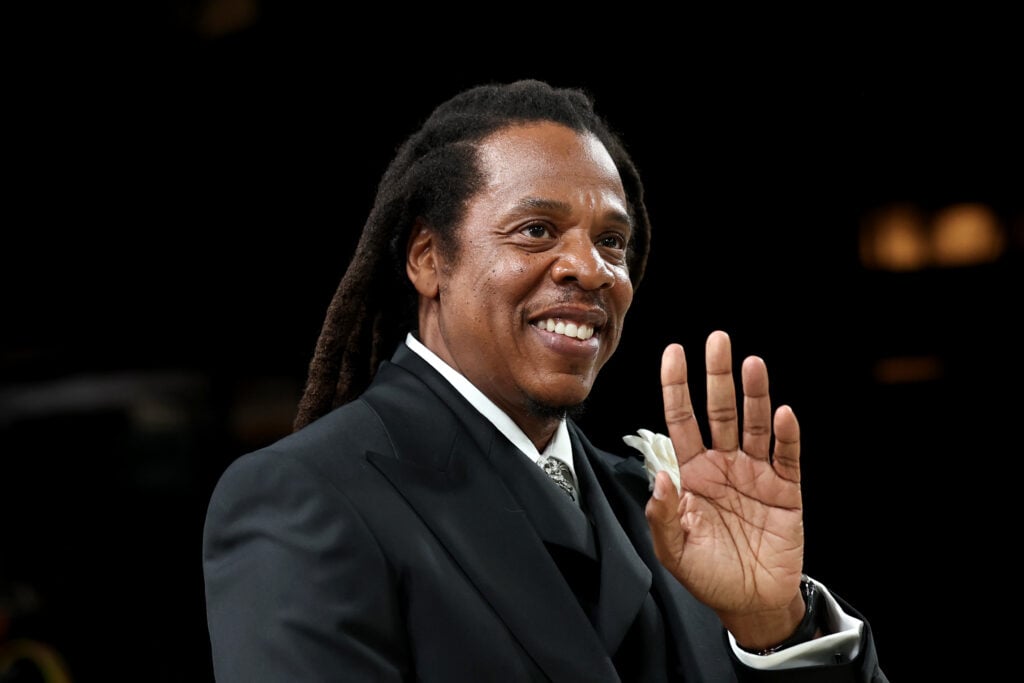
Almost two years ago, a law firm sued Jay-Z alleging that he teamed up with Diddy to rape their client when she was a child.
Now, that accuser is recanting the allegations again the famous rapper.
She is offering a full apology to the rapper and to his family, acknowledging the pain that her words caused.
The allegations are real — but she says that he was not involved.
Two years ago, a woman identified as Jane Doe filed a sexual assault lawsuit against Jay-Z, whose real name is Shawn Corey Carter.
In new documents, TMZ reports, she is recanting her allegations.
Her new filing asserts that there is “no truth” to any of her previous allegations.
“I understand my false accusations have caused Mr. Carter immense pain, suffering, and damage,” the court documents state.
Ms. Doe also acknowledged that this is pain “that can never be fully undone.”
According to the filing, Ms. Doe disclosed “mental health conditions” to her legal team before the December 2024 filing.
The original allegations, which she has now recanted, claim that Jay and Diddy raped her while an unnamed third celebrity watched.
“There is no truth to any of my claims against Mr. Carter,” she reiterated.
Just to clear the air, she attested that she has received no “financial compensation of any kind from Mr. Carter, or anyone acting on his behalf.”
To be clear, however, the woman says that she was a victim of sexual violence — but not at the hands of Beyoncé’s husband.
Ms. Doe’s new attorney, James Blair Newman Jr., spoke to TMZ about the dropped lawsuit against Jay-Z.
“Our client maintains that she was a victim of sexual assault,” Newman clarified.
“But she was entirely mistaken in her allegations identifying Mr. Carter,” the statement continued, “and those allegations were false.”
Newman reiterated: “Mr. Carter did not rape her, sexually assault her, engage in any inappropriate conduct towards her, and she has never met him.”
He added: “She sincerely and unconditionally apologizes to Mr. Carter and his family.”
False reports of rape are extremely rare — rarer even than rapists going to prison for their crimes, which is already a scarcity — but they can happen.
As in Ms. Doe’s case, it is more likely for someone who has been a victim of sexual abuse to blame the wrong person. For example, someone who was preyed upon by a trusted relative might “remember” another person as the culprit, as part of the subconscious mind protecting itself.
Another factor can, in rare cases, be fame or celebrity status. Accusing someone of sexual misconduct is rarely ruinous for the target (there are exceptions), but can easily ruin the life of the accuser. Especially when the accused is famous or powerful.
In this case, due to Ms. Doe’s specific circumstances, Jay-Z is no longer suing her now that she has recanted.
He is still going after the law firm that previously represented her.
Jay-Z Rape Accuser Exonerates Rapper, Apologizes to Beyoncé was originally published on The Hollywood Gossip.
The Hollywood Gossip
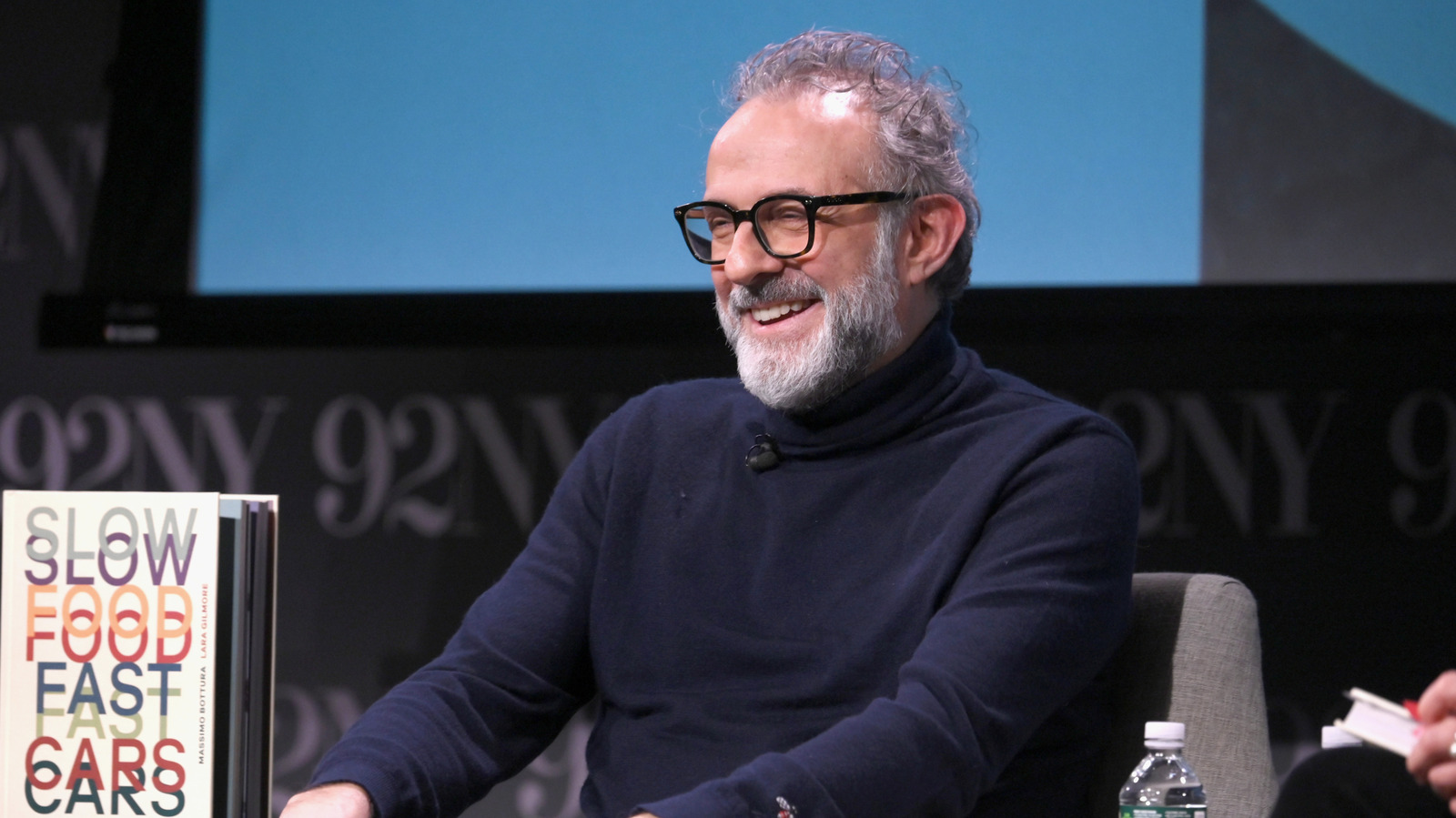
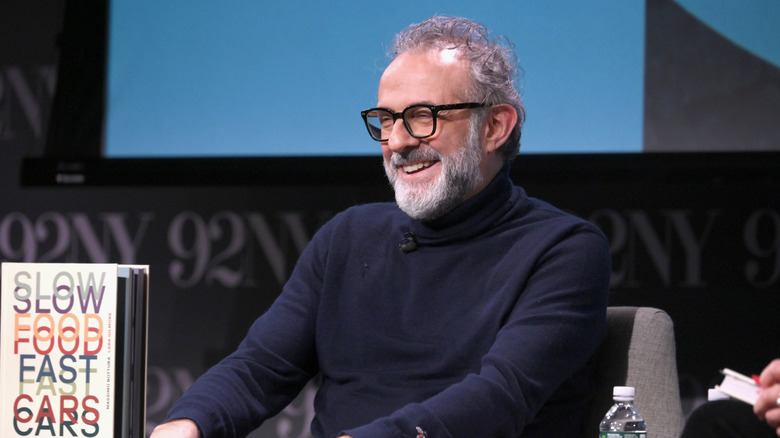
Massimo Bottura takes food seriously, believing it should bring us together, which is why his substitute for pine nuts in pesto makes a lot of sense.
Food Republic – Restaurants, Reviews, Recipes, Cooking Tips
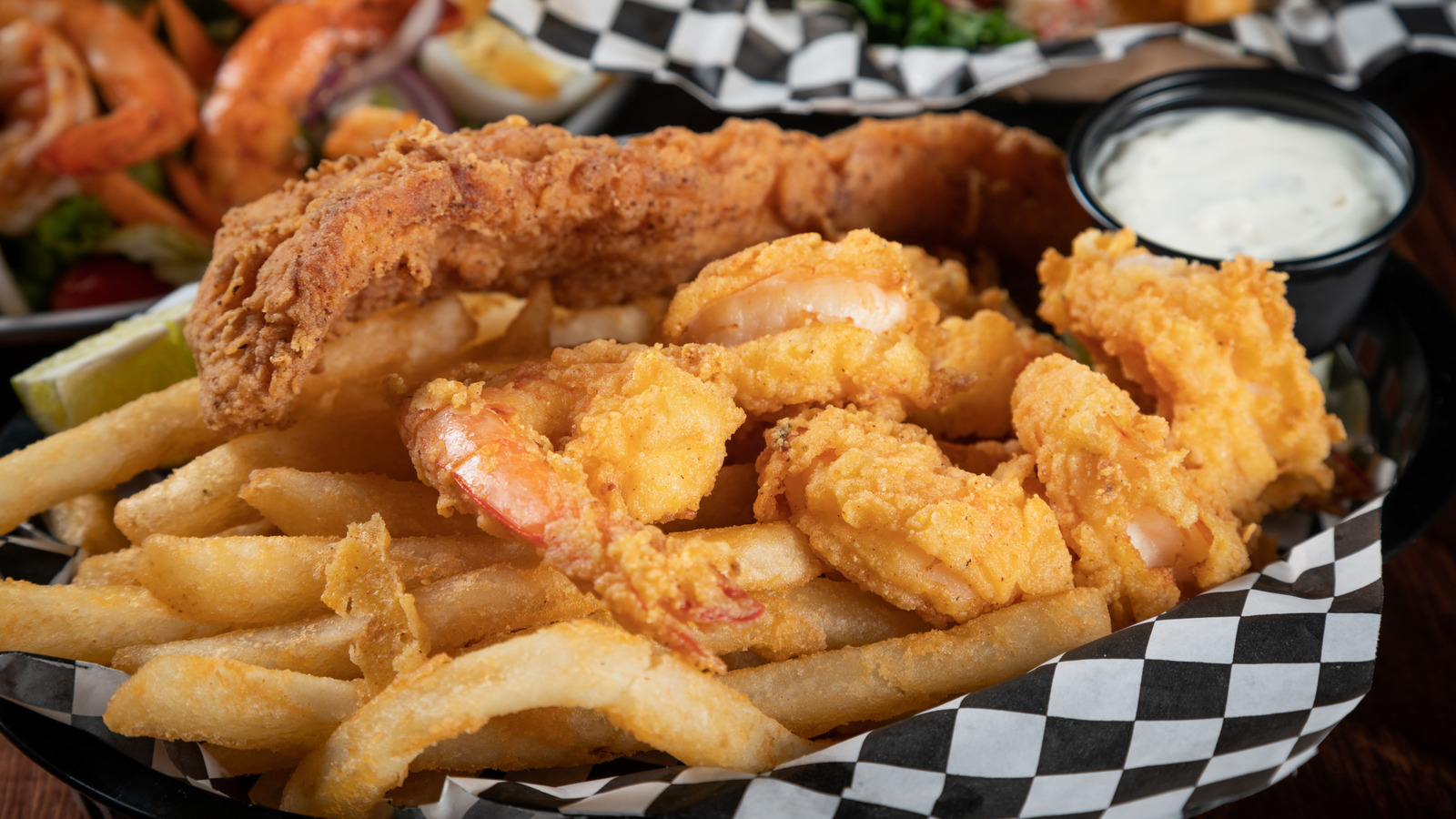
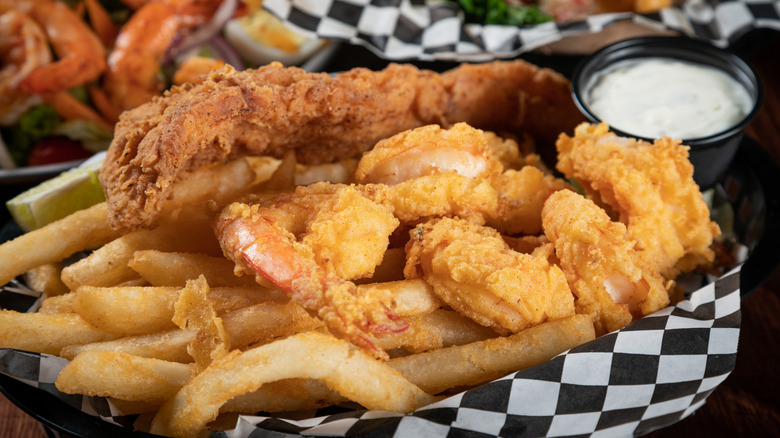
Fast food seafood can be a tricky menu option to get right, and these three chains rocked the boat entirely with fried fish sandwiches and shrimp offerings.
Mashed – Fast Food, Celebrity Chefs, Grocery, Reviews