The country music icon’s final recording with Bono came during a difficult time in her life, but she was determined to make the song happen — and gave the performance everything she had. Continue reading…Country Music News – Taste of Country









The country music icon’s final recording with Bono came during a difficult time in her life, but she was determined to make the song happen — and gave the performance everything she had. Continue reading…Country Music News – Taste of Country
The country music icon’s final recording with Bono came during a difficult time in her life, but she was determined to make the song happen — and gave the performance everything she had. Continue reading…The Boot – Country Music News, Music Videos and Songs

A mounted polar bear on display at Joint Base Elmendorf-Richardson, seen on March 24, 2021, sports a mask similar to those worn by people trying to avoid the spread of COVID-19. That year was the worst in Alaska for pandemic deaths. Now the SARS-CoV-2 virus, which causes COVID-19, is considered endemic, and the death toll in the just-completed season was only a small fraction of that during the peak years for the disease. (Photo by Yereth Rosen/Alaska Beacon)
The respiratory virus that sparked a disruptive worldwide pandemic six years ago continues to circulate in Alaska, but its effects are much diminished from past years, according to state health statistics.
In the 2025-2026 season, 22 Alaskans, including one child, died with COVID-19 listed as an underlying or contributing cause of death, according to a bulletin issued Wednesday by the Alaska Department of Health’s epidemiology section.
The statistics continue a pattern of decline since the pandemic’s peak.
In 2024, there were 58 COVID deaths in Alaska, according to the state’s most recent annual vital statistics report. In 2021, COVID was the state’s third-leading cause of death, with a toll of 762. In 2020 and 2022, it was the fourth leading cause of death in Alaska, with totals of 231 and 264 deaths respectively, according to the annual report. In 2023, the disease dropped out of the Top 10 causes of death, according to the annual report.
For the just-completed September-to-August season, lab-confirmed COVID cases in Alaska typically numbered in the hundreds each month.
Those numbers should not be considered the absolute totals for cases in the state, the epidemiology team said by email.
“The reported case numbers almost certainly underestimate the true number of infections, since many people with mild illness stay home, use an at-home test, or don’t test at all,” the epidemiology team’s email said. “The numbers are therefore more useful for tracking trends than measuring the total number of infections.”

Even if they understate actual cases, the reported cases show some waves and ebbs over time.
In September of 2025, there were nearly 1,000 lab-confirmed cases. The number dropped dramatically the following month. Case numbers increased again in late winter to a seasonal peak in February, then declined before picking up in August. The month-to-month changes were similar to those occurring nationally, according to the bulletin.
The SARS-CoV-2 virus, which causes COVID-19, is now well-established and circulating regularly, meaning it is considered endemic, the epidemiology team said.
“But it doesn’t yet seem to follow a perfectly predictable seasonal pattern in Alaska or nationally. For example, there hasn’t been a predictable back-to-school surge specifically for COVID like we see for influenza and common cold viruses,” the team’s message said.
In addition to those Alaska patients found to have COVID, there are larger numbers of patients who got medical treatment over the 12-month period for COVID-like symptoms but no official diagnosis of the infection. The condition known as COVID-like illness, or CLI, involves high fevers, shortness of breath or difficulty breathing, in patients without influenza and without confirmed COVID.
The Alaska Department of Health continues to recommend COVID vaccines for adults and children over 6 months of age, with special attention to those in higher-risk categories.
The Department of Health plans to make childhood COVID vaccines through the Vaccines for Children program. The program provides free vaccines to children covered by Medicaid programs, in low-income families or lacking insurance altogether.
The Trump administration delayed access to childhood COVID vaccines for that program. It has just now made them available for states to order, according to the University of Minnesota’s Center for Infectious Disease Research & Policy.
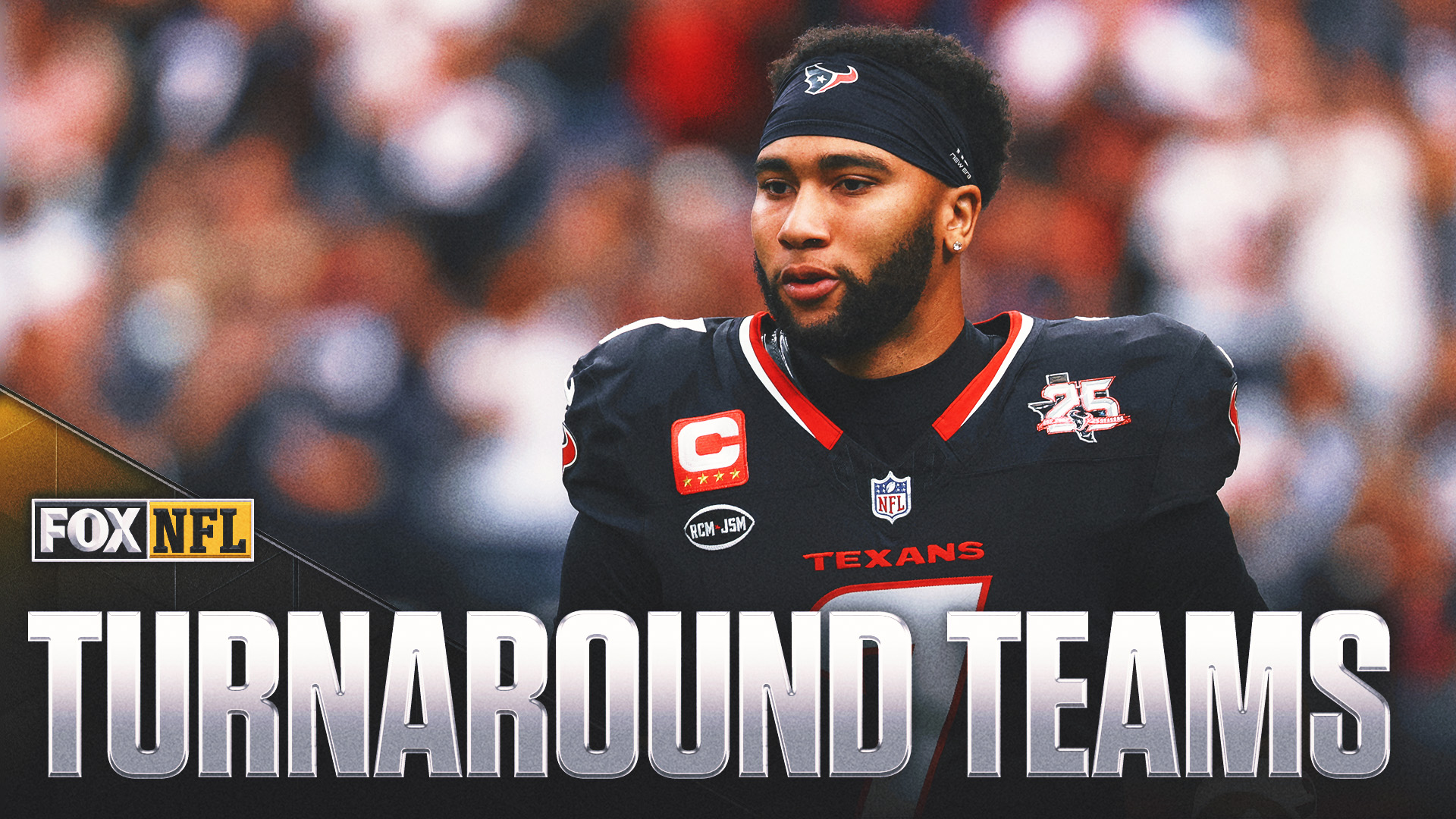
If you’re a fan of one of the eight 0-2 teams in the NFL, you’ve likely seen the stats by now that say your team is unlikely to make the postseason. We’ll still give you a reminder, though. In the last 10 years, only 12 of the 84 teams that have lost their first two games have gone on to make the postseason that year (14.3%). Last season, three of the 10 teams that started 0-2 made the postseason. So, yes, we are telling you that there’s a chance your 0-2 team can make the playoffs, but it’s pretty slim. So, which 0-2 team is the most likely to beat the odds? We each made our picks, and a common answer emerged. It pains me to say this, because I picked the Chargers to win the Super Bowl, but the Texans are the 0-2 team in the best shape to turn their season around. They’ve all but trademarked this, starting 0-2 in three of the last four years, even going 0-3 last year before turning things around in a big way. The Texans would do well to start that turnaround Sunday at the Colts, who they swept last year, and they have all three division road games in the first six weeks of the season. Go 2-1 in those, beat the Dallas Cowboys next week, and they’ll be back on track with one of the league’s best defenses as a foundation. If they can get the run game to click (David Montgomery is averaging 2.7 yards per carry), that will make life easier for C.J. Stroud as well. I must admit: I don’t believe in any of these teams. Back in May, I picked the Chargers to make the playoffs — but after seeing L.A.’s disastrous offense (and the Chiefs’ resurgence), I can’t see the Chargers turning things around. The AFC West is much more competitive than anyone could have imagined. So it’s basically a toss-up between the Buccaneers and the Texans, and I’ll give the edge to Houston — in part because of the history that Greg pointed out and in part because I think the AFC South is worse than the NFC South. It would be one thing if the Bucs could stroll through their division, but I think the Saints and Panthers are going to be tough to beat — at least for Tampa. The Texans can stroll through their division, with the Titans and Colts looking messy. Maybe C.J. Stroud and the Texans’ highly touted coaching staff can figure this thing out. (Maybe.) I’m torn between the 0-2 Texans and the 0-2 Colts, and their game in Indianapolis on Sunday will probably tell the tale. It’s a tough call because both teams ran into buzzsaws early in the season. The Texans lost to the Bills and Bengals. The Colts lost to the Ravens and Chiefs. Those are four possible Super Bowl contenders that the two teams play. But I’m going to go with the Colts for this reason: I have way more faith in their offense. Indy quarterback Daniel Jones right now is just better than quarterback C.J. Stroud. And even without wide receiver Alec Pierce, who just went on injured reserve, they have plenty of weapons. That includes running back Jonathan Taylor, one of the best in the league, who gives them the running game that the Texans just don’t have. Their defense obviously needs to be a lot better. They’ve given up a ridiculous 1,029 yards through two games — an insane pace that could doom them in the long run. But I think they’ll settle in over the next few weeks against some offensively challenged teams (the Texans, Commanders, Steelers, Titans and Vikings are up next). Once they settle down, they’re good enough to stay in the playoff race, as long as Jones and Taylor stay healthy all year long. We’ve already seen this movie before. Last year, the Texans got off to a miserable 0-3 start and then lost two games the rest of the way. I expect a similar turnaround this season. This defense is way too good — the Week 1 performance notwithstanding — and C.J. Stroud is playing solid ball despite what the numbers say. The next few weeks will tell us whether the run game is as useless as it looked against Cincinnati, but many teams will struggle to run the ball against that front. Even if the running game doesn’t improve, Houston has worked around that issue for the last few years. I don’t see why this season will be any different. The schedule should also help spark a turnaround. Houston will be favored in nearly every game it plays for the next two months, with a trip to Jacksonville as the only difficult matchup between now and an early-December game against the Ravens. I still think this team is good enough to make an AFC title game run, but even if it isn’t, they should rack up enough low-quality wins to stick around the playoff race all season. I tried to be different from my colleagues here. I kept coming back to the Texans. When you’ve been in this spot before, it helps (Houston started the 2023 and ‘25 seasons 0-2 and 0-3, respectively, and finished a game away from the AFC Championship Game both years). But the Texans’ defense, which finished second in points allowed last season, is too good to not return to elite form. Quarterback C.J. Stroud, who has regressed over the last two years, has been encouraging through two games — he’s third in passing yards entering Week 3 (627). Houston is 0-2, but it faced two of the NFL’s best teams in the early season in the Bills and Bengals. Star receiver Nico Collins didn’t play against Cincinnati, either. And if you look at the next five weeks, there’s a great opportunity for the Texans to get back on track — they face the Colts, who they swept last year, and also have meetings with the lowly Titans and Giants, who just lost Jaxson Dart for the season. If Houston wins all three of those games and splits matchups with the Cowboys (Week 4) and Jaguars (Week 6), they’ll be at .500 entering their Week 8 bye. And then they have the Chargers, who’ve been imploding, right out of that break. In just a month and a half, Houston’s season could be in great shape. Now that the Bolts have disappointed national prognosticators who tagged them as the chic, trendy pick to win the Super Bowl (again), get ready for the Chargers to do Chargers things on the road against the best team in the NFL in the Buffalo Bills, right? Nope, when everyone expects them to fall on their face, these are the moments the Chargers rise up and hit teams over their heads. In their first year in Los Angeles under first-year head coach Anthony Lynn, the Chargers started a nightmarish 0-4, with opposing teams regularly taking over their cozy temporary home in Carson. However, the Bolts rallied and finished the year 9-7. I expect a similar resuscitation effort from Jim Harbaugh here.Latest Sports News from FOX Sports
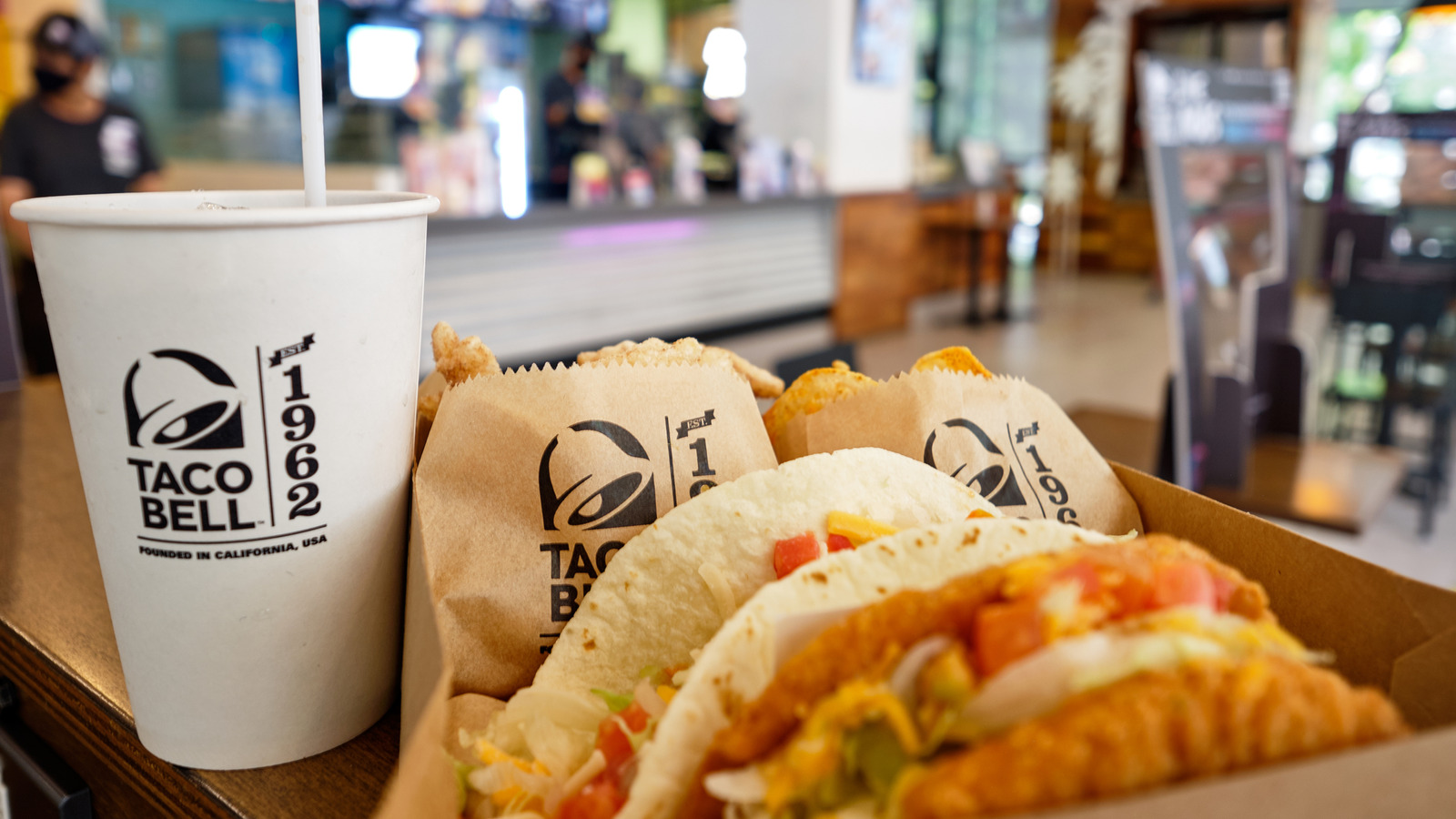
There have been no shortage of colorful, creative fast food releases in 2026. Several chains debuted new beverages. Taco Bell’s offering kicked it up a notch!
Mashed – Fast Food, Celebrity Chefs, Grocery, Reviews

Aerial view in worker hands installing bitumen roof shingles with air hammer and nail
When I leave my Boston condo every day, I say good morning to the concierge, who works for a contracting company providing staff to residential buildings. When I conduct an interview in a nearby building, the people who clean that office at night are contractors. The person who serves me my lunch sandwich is a part-timer with no career prospects in that job.
When my best intentions to eat well are for naught and I gorge on Doritos, I remember that the tasters PepsiCo hires to test the chips’ addictiveness are contractors.
These are all examples of what I call “disposable jobs.” People who have them work at an employer’s site, but their employer makes no commitment to them regarding career prospects or job security. My research shows that employers treat more than 1 in 3 U.S. workers as disposable. That comes to just under 57 million full- or part-time workers out of the nation’s workforce of 162 million.
I am a labor economist. In my new book, “Disposable Workers: The Transformation of Employment,” I explain why this is happening, what forms it takes, how common it is, what the consequences are for people and for society, and what can be done about it.
To learn more, I commissioned a nationally representative survey of over 6,000 people in late 2022. I also interviewed nearly 100 workers, employers and policymakers.
I found that there are three categories of disposable workers.
1. Contractors who are employed by a staffing firm but work at a client’s site. Examples include temporary office workers, building cleaners and security guards. Many of these people are poorly paid, but some, such as travel nurses, are highly compensated. My survey shows that these contractors account for 13% of the workforce.
2. Freelancers who work for companies, organizations or agencies without being employees. Examples include Uber and Lyft drivers, food delivery drivers, computer programmers and freelance journalists. In my survey, organizational freelancers represent 5% of the workforce. I don’t include in this category freelancers who work for individual people, such as most dog-walkers and handymen, because my focus is on how employers treat their employees.
3. Marginal workers who are employed by companies, organizations or agencies. They lack career opportunities, and their jobs have high turnover built in. Marginal workers account for 17% of the workforce in my survey.
Marginal work is important due to its magnitude and because although those jobs look standard, they are designed to be disposable.
Staff attorneys are quintessential marginal employees. They’re hired by law firms as employees, but the central feature of their jobs is that they are not on the promotion ladder to partner. Unlike their career-track counterparts, they have no job security. They are often hired to do the grunt work on a specific case, with the understanding that there is no commitment to keep them on if business lags or the project ends.
Adjunct professors are another good example. This group includes part-timers who teach a small number of courses and full-time contract faculty, but in both cases they lack job security and aren’t on track to obtain permanent, tenured, academic jobs.
In 1970 people with tenure or tenure-track jobs constituted 73% of those teaching at colleges and universities. By 2021 only 32% had that status, and the rest were adjunct instructors or contract faculty.
Another example of marginal work is part-timers.
Employing part-time workers costs less than having full-timers on the payroll. Part-time jobs pay an hourly wage that is nearly 20% below what workers with full-time jobs earn after age, education, occupation and industry are taken into account. When benefits are considered, the gap rises by another 5%.
A second advantage of part-timers from the employer’s perspective is higher turnover, which provides an easy path to be able to adjust the size of the workforce and which enables them to avoid investing in career development.
When a team of researchers led by professor Susan Lambert interviewed 88 employers that pay low wages, they found that many use part-time work to make their workforces more “flexible.” One manager explained that high churn of part-timers gave the company so much flexibility that they didn’t need temp workers.
“Temp workers: We don’t need them,” he said. “Wait a day for turnover.”
Evidence that employers try to maximize the number of people working for them part time instead of full time and with benefits arose after the Affordable Care Act fully took effect in 2014.
The ACA requires that employers with 50 or more employees either provide them with health insurance or pay for them to buy it, but only for people who work 30 or more hours a week. Otherwise they pay, as of 2026, a penalty of US$3,340 per uninsured employee.
Another team of researchers compared trends in part-time work in three low-wage industries – retail, hotels and restaurants, before and after the ACA rolled out. They found that the use of part-timers increased by 500,000 in the years after the Affordable Care Act was implemented. This suggests that companies add to their part-time ranks to save on the health insurance costs of standard employment.
Why do employers want many of their workers to be disposable?
A primary motive is to save money. Employing freelancers and contractors means they can avoid mandatory benefits such as Social Security contributions and, for larger employers, contributing to the cost of health insurance.
Marginal workers, to be sure, do receive these benefits. But the high turnover built into their jobs means that their employers can invest less in their training and avoid the management costs otherwise associated with layoff severance and fair treatment on the job.
An additional motive for many employers is a lack of respect for what front-line employees can contribute. A 2023 report from the McKinsey consulting firm illustrated this tendency when it asserted that 5% of employees deliver 95% of “an organization’s value.”
This claim, which I believe is inaccurate, still speaks volumes about the attitude of McKinsey and the firms they interviewed regarding the other 95% of workers. They see those employees as disposable.
My survey showed that contractors, freelancers who work for employers and marginal employees all earn less than regular workers do.
In addition, the survey found that contractors and marginal workers are notably less satisfied with their jobs compared with regular workers, whereas freelancers, due to their ability to choose where and when to work, are more satisfied.
The public also pays a price for the use of disposable workers. As examples, researchers have found that hospital infection rates rise when cleaners are contract workers and that the use of contractors leads to a higher rate of industrial accidents.
This article is republished from The Conversation under a Creative Commons license. Read the original article.

This is a breaking news story that will be updated.
Chalyee Éesh Richard Peterson was resoundingly elected to a seventh two-year term as the president of the Central Council of the Tlingit and Haida Indian Tribes of Alaska on Thursday, getting 68.1% of the vote in a five-way race in which the runner-up finished with 11.6%.
However, a shakeup in top leadership occurred as First Vice President Ku.seen Jacqueline Pata, who finished fourth in the…
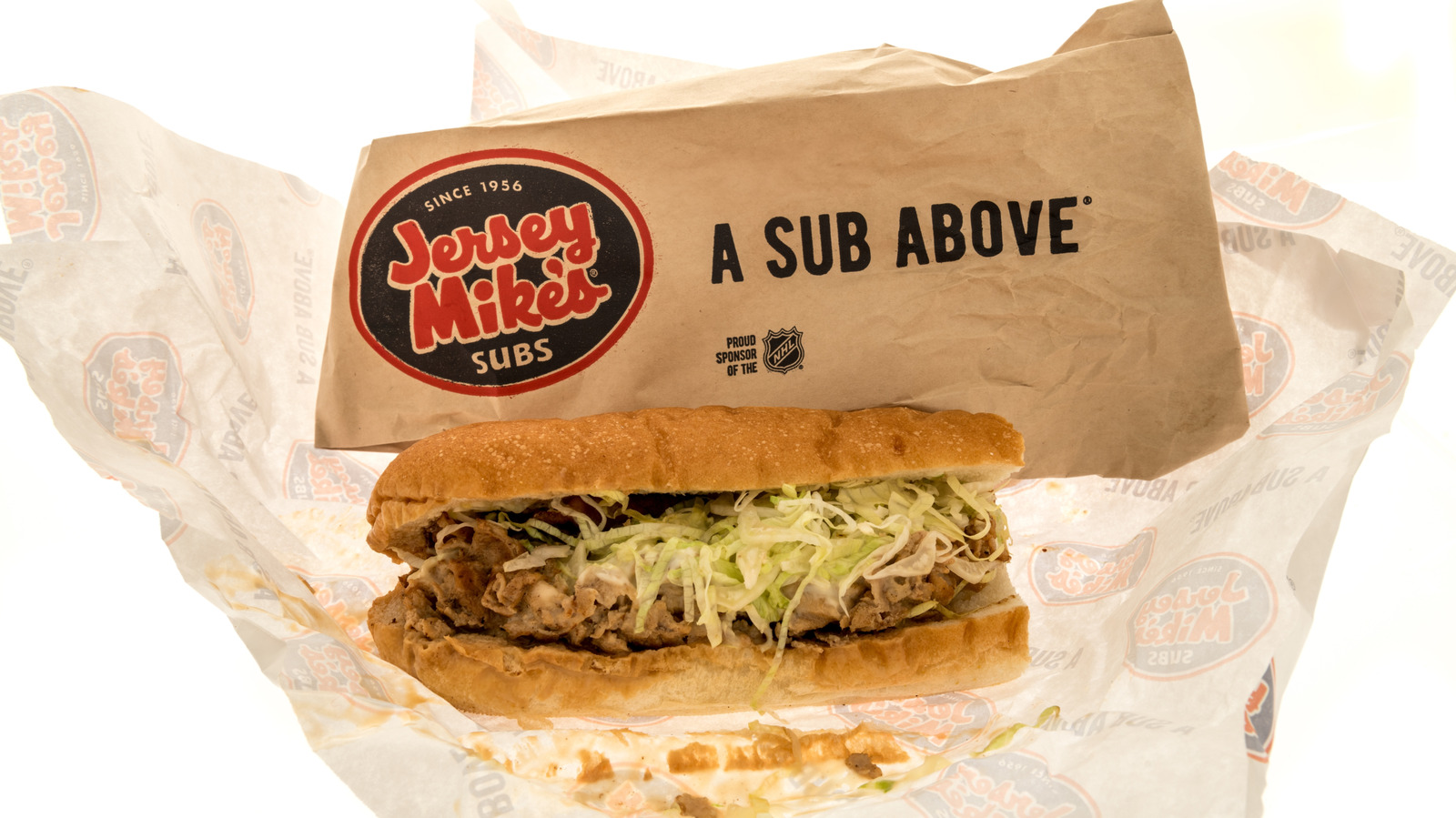
Have you ever brought a Jersey Mike’s sub home only to find that your perfectly prepped sandwich has turned soggy? We have the secret to preventing it.
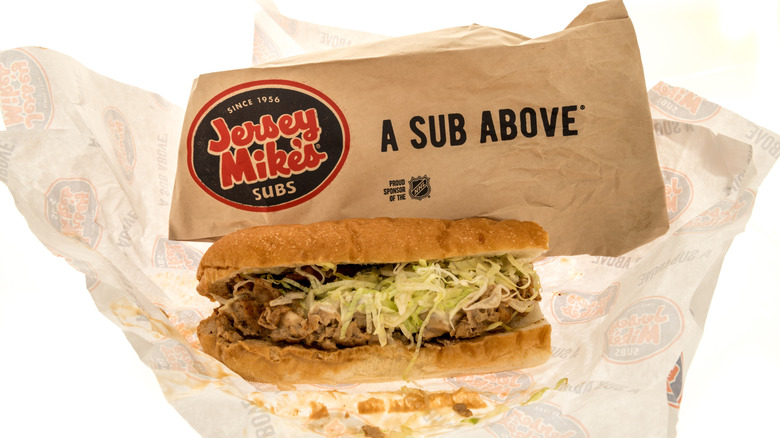
Food Republic – Restaurants, Reviews, Recipes, Cooking Tips

President Donald Trump is tentatively set to visit Alabama for a political rally next week, a curious move in a deep-red state as his party fights for control of Congress in several battlegrounds.
The event is penciled in for Oct. 2 in Mobile, but the plans have not yet been finalized and are subject to change, according to two people with direct knowledge of the preparations who were granted anonymity to disclose private planning.
An October rally in Alabama would be a somewhat confounding decision for the president. The GOP has found itself having to play defense in their own territory recently, with Democratic candidates are seriously competing for Senate seats in normally red states like Alaska and Texas. But Alabama has not been considered a state where Democrats have any real shot at winning any statewide office.
Spokespeople for the White House and Republican National Committee did not immediately respond to requests for comment.
The rally could help shore up support for state Rep. Rhett Marques, who is locked in a somewhat competitive race with Democratic Rep. Shomari Figures. Marques is still seen to have the advantage after the Supreme Court allowed the state to use a House map that reconfigured Figures’ majority-Black district earlier this year. Mobile, though, is outside of that district.
Marques’ campaign and Figures’ campaign did not respond to requests for comment.
A foray into Alabama would not be the first time that the president has tried to shore up support in a solidly Republican state this cycle — he rallied last month in South Carolina for Sen. Darline Graham during her primary runoff — but as the general election season has begun he has also started to visit battleground states. Last week, he rallied alongside GOP Senate nominee Michael Whatley in North Carolina.
Trump’s potential campaign visit would follow Secretary of Transportation Sean Duffy’s announcement last week that the Trump administration has granted a $2.5 billion loan to the Alabama Toll Road, Bridge, and Tunnel Authority. That money will fund the construction of the Mobile River Bridge — the largest infrastructure project in the state’s history. The president is also fond of GOP Rep. Barry Moore, who is running for Senate in the state. Another close ally, Sen. Tommy Tuberville, is the Republican nominee for governor. He’s running against Democratic former Sen. Doug Jones, who he unseated in 2020.
Politics
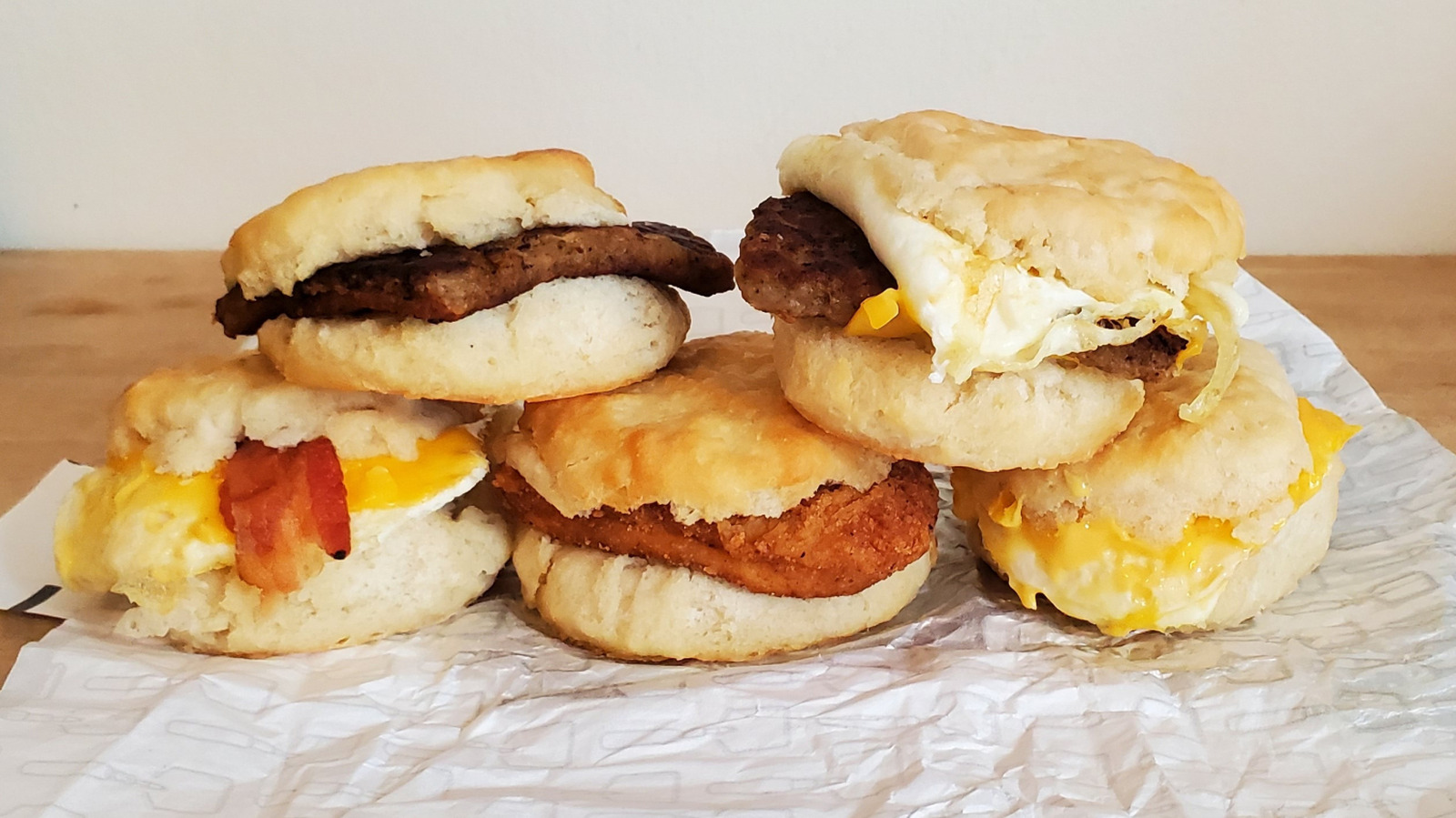
Is it worth the effort to track down a Wendy’s location that still serves breakfast? We tried every breakfast sandwich to see what’s worth ordering.
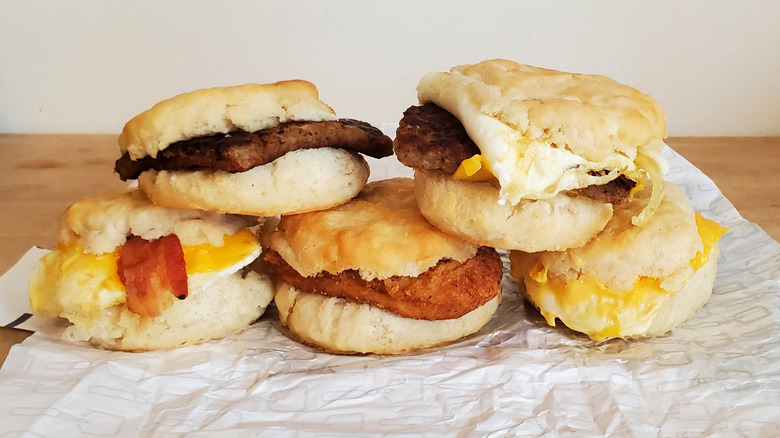
Mashed – Fast Food, Celebrity Chefs, Grocery, Reviews