Whether you’re a diehard Swiftie or just an unsuspecting social media user, by now, you’re probably aware that Taylor Swift has released four new songs.
Taylor teased the tracks — contained on her new Life of a Showgirl: The Encore bonus album — earlier this week, and fans lost their minds.
Now, the songs are finally here, and the reaction has been — decidedly mixed.
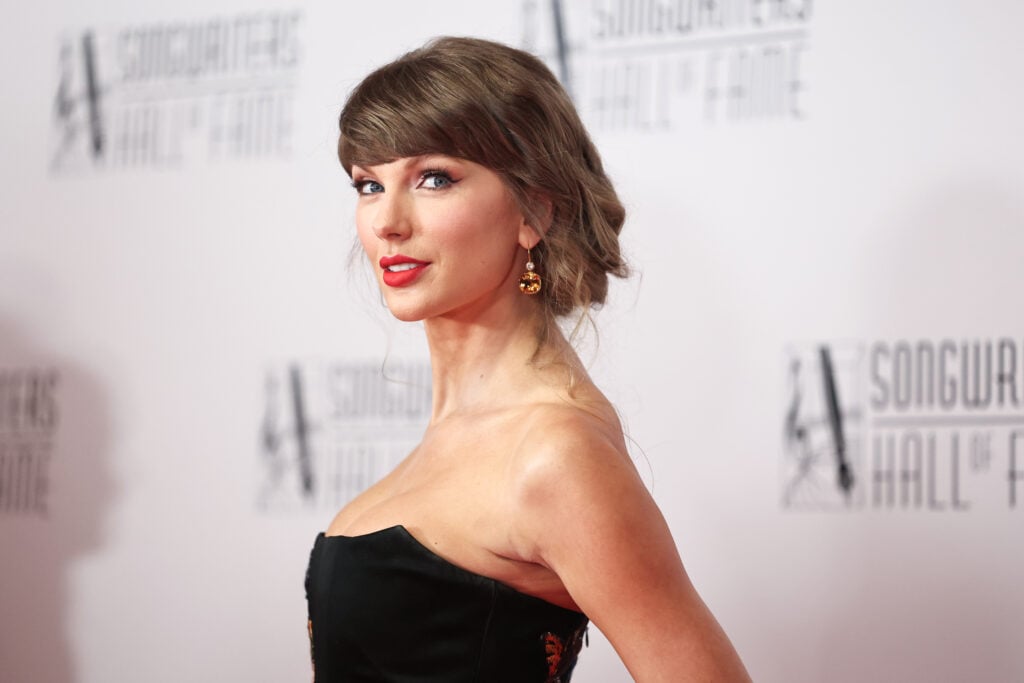
Taylor Swift attends the Songwriters Hall of Fame 55th Annual Induction and Awards Gala at Marriott Marquis Hotel on June 11, 2026 in New York City. (Photo by Jamie McCarthy/Getty Images)
While some of the tracks are darker in tone — especially “Patient Zero,” which seems to chronicle Taylor’s escape from a toxic relationship — most are cheerier, in keeping with the overall vibe of the Showgirl album.
“The taste of me is acquired, but it’s his favorite dish / He says I look like an angel, they say, ‘I hate that bitch’ / There, that house with the porch is where he lived as a kid,” Tay sings on the track.
“He’s been saying forever, must not have read / That scathin’ take ‘bout how I’m fake / And he could find someone younger,” she continues. “I can see what they mean / And now I guess there’s somethin’ we all can agree on / But my baby likes what he likes.”
The song features a bit of uncharacteristic self-deprecation with Swift declaring that Kelce is the one person who doesn’t find her “completely insufferable.”
“You only need to find one person in this entire world who doesn’t find you completely insufferable, and I have an important announcement to make, I found mine,” she sings.
It’s a bit of an odd remark coming from the world’s most famous person, and it’s not the only line that’s struck a sour note with some listeners.
“None of Taylor’s songs for Travis really feel genuine, right? It just seems like forced effort, like she’s writing in a way that NEEDS TO PROVE she’s in love and not about the actual feeling of being in love itself,” wrote one user on X (formerly Twitter).
“Cleveland is an amazing example of Taylor Swift being at her worst when she pretends that she doesn’t care about her criticism. She obviously does, and the tension of trying to be wildly beloved is what drives a lot of her best songs,” another added.
but my baby likes what he likes he already took me to Cleveland and showed me The Heights! so hate all you likes this is the love of my life pic.twitter.com/eVl69uQpgD
“Cleveland! is the most embarrassing song released by any pop star in history and probably any musician if we’re being honest. Jesus Christ lol,” a third chimed in.
You get the idea. Naturally, there were a whole lot of people who loved the track — this is still Taylor Swift we’re talking about — but saying it’s not her most well-received work would be putting it mildly.
But maybe at this stage in her life, Taylor is so content that she’s no longer bothered by the criticism.
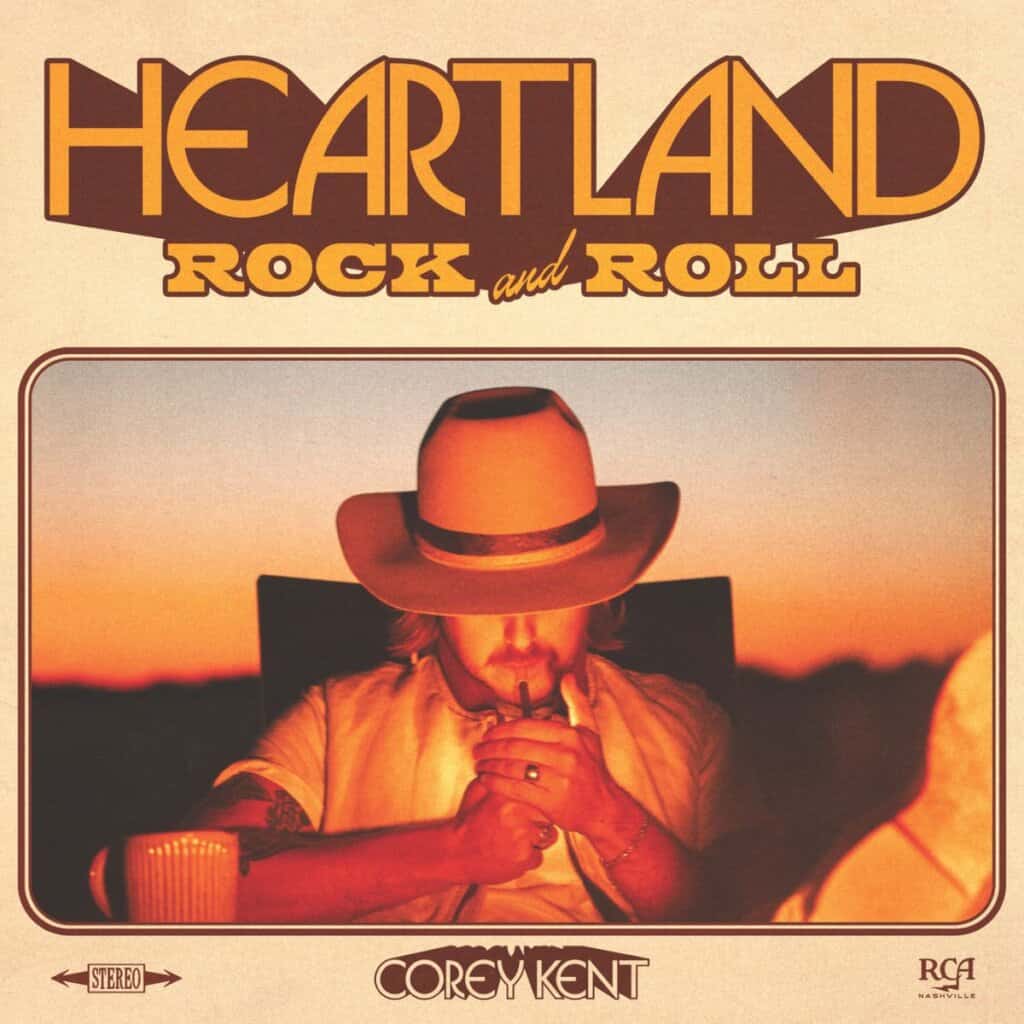
Corey Kent’s new album, Heartland Rock and Roll is a reflection of where he came from, the life he’s built and the experiences that shaped him along the way. The Oklahoma native admits this project feels different than any of his past records, noting it features some of his most autobiographical songs yet that give fans a true look behind the curtain at the man he is today.
“I’ve never felt more confident in a batch of songs, and this will be the largest record I’ve ever made. And really, it’s autobiographical in a way that I’ve never really approached a record before. I think the last couple of records, there were definitely songs that let you see a bit into my mind and what I thought was important or mantras I live by, but this record is just a little bit more detailed in the ins and outs of my actual life,” Kent explained to Country Now.
The 16-track collection, produced by Austin Goodloe, Jon Randall and Chris Farren, begins with “Motorbike,” a coming-of-age song about his desire to leave his hometown of Bixby, Oklahoma, in search of something new beyond the small town. Things eventually come full circle with the final track, “Bixby,” a song directly inspired by his hometown and the realization of missing the simplicity and the slower pace of life of back there. Listeners will hear Kent reflect on the new perspective he gains, as he now sees the beauty of where he hails from and how he was raised.
Corey Kent; Photo by Dayna White
Between those two songs are real stories of love, loss, heartbreak, growing up and the rollercoaster of experiences that come with finding your way through life.
Sonically, Kent describes the album as a “melting pot” of the music that has influenced him throughout his life. There are touches of nostalgia through ’70s rock and roll and R&B, along with influences from Creedence Clearwater Revival, John Mellencamp, Bruce Springsteen, the Eagles, and the early records of Kings of Leon. Between these influences and the Red Dirt scene he was raised on, Kent felt that the title, Heartland Rock and Roll, served as the perfect way to sum it all up.
“I’m pulling from all of it to create this record…it was really fun, honestly. It’s the most fun I’ve ever had making a record. And I finally got to take my time on it and I didn’t rush the process and I was just like, ‘It will be done when it’s done.’ And it’s finally done and it’s time to put it out into the world.
Corey Kent; Heartland Rock and Roll
One of the most personal moments on Heartland Rock and Roll came from an ordinary day at Kent’s ranch in Texas. “Everyday Life,” a deeply personal song about Kent’s life beyond the stage, offers a glimpse into his world as a husband and father and captures the everyday moments that mean the most to him.
“That song is 100% for me. Historically, the more adventurous, more rock and roll free-spirited songs have been the ones that, or even some heartbreak songs have been the ones that have really become big hits for us. But ‘Everyday Life’ is just such a snapshot of my real day-to-day that, it was for me…that song could still be a big hit for us, but it wasn’t recorded with that intent. It was recorded with the intention of being a snapshot and being a moment in my life that I could look back on and listen to and remember, and just to be grateful for all the chaos.”
The best part is that listeners will hear his kids’ voices at the very beginning, sharing their names and even what they got for Christmas last year. Kent and his producer, Austin Goodloe, captured that raw moment while on the ranch that day. It wasn’t planned, nor was it ever supposed to make the final cut. However, after hearing how much his children’s young voices added to the sentiment of the song, he knew they had to stay.
“We ended up taking it out just to clean up the song when we took it into the studio to really cut it. And I just remember going, ‘Dude, we got to put their voices back in. It’s lost so much character and it’s just special.’ So it was a happy accident that ended up being perfect.”
In addition to “Everyday Life,” fans also got an early taste of the full-length project through the fan-favorite, “Empty Words,” as well as “Wannabe,” “Cigarette Burns,” and the only two collaborations on the project, “Rather Be” feat. Jason Aldean and his current single, “Rocky Mountain Low” feat. Koe Wetzel.
Kent was selective about who he wanted to feature on the album. Because of how personal the record is, he wanted the collaborations to come from genuine friendships. That led to him working with two artists who he has organically developed strong connections with.
For “Rocky Mountain Low,” Kent says he immediately thought of Wetzel after writing the song. The two Texas-based artists had developed a friendship over the years after meeting in Cabo and bonding over some cigars. While writing this track, Kent had the realization that the second verse sounded like it was written specifically for Wetzel.
Rather than wait for schedules, labels and managers to coordinate everything, the two decided to make it happen themselves. Now, the song has reached the top 10 in 17 weeks and continues to climb its way up the the country charts.
“We cut the song and got the videos and turned it in. And we were like, ‘Hey, we put our own money up for this, and if you guys like it, then pay us back. And if not, we’re still putting it out.’ And thankfully everybody was on board and thought it was going to be a big song, and it was.”
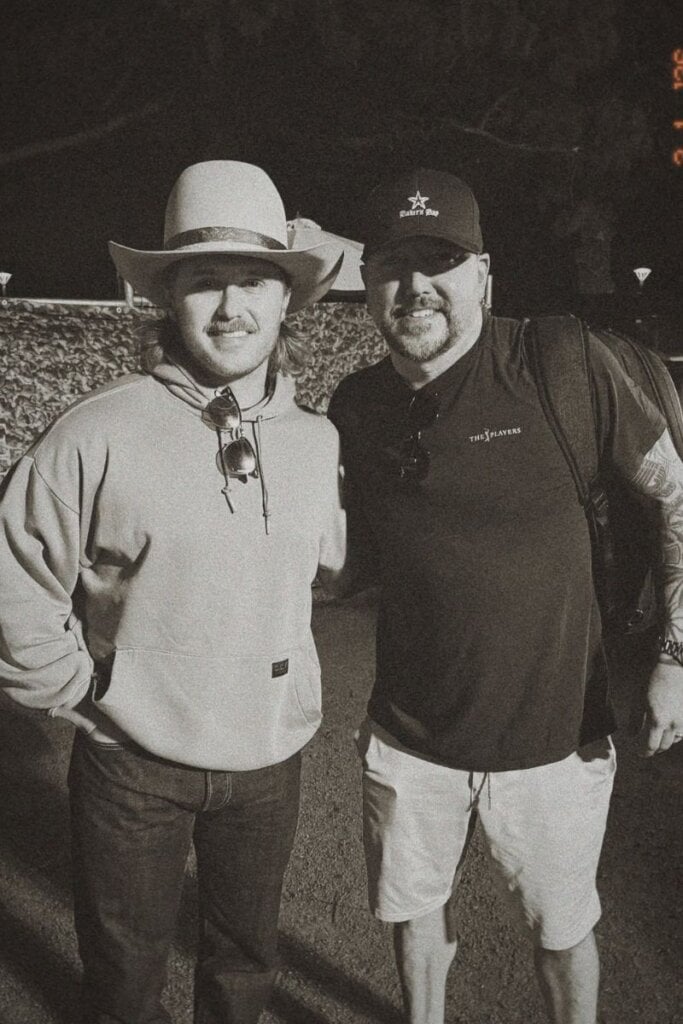
Kent credits Aldean with giving him his first opportunity to join a major national tour when he was still playing dive bars across Texas and Oklahoma. It didn’t take long for the two families to become close. The two had wanted to record a song together for years, but waited until the time was right. That moment finally came with “Rather Be.”
“I texted it to him and he’s like, ‘I love this song. I think we found the one,” he recalled. “Because I was already done with my part, I was sitting behind the board. Me and Austin Goodloe were producing Jason Aldean’s vocals, which was such a crazy surreal experience for me…And it just hit me. I looked at Austin and I was like, ‘How in the hell did we get right here. Producing Jason Aldean’s vocal? This is crazy.’ It was a fun experience, and he crushed that song, and it’s been a really fun one to play live, and it’s just fun to have songs with real genuine friends.”
Coery Kent, Jason Aldean; Photo Courtesy of Corey Kent
While Kent hopes the album helps fans understand him on a deeper level, he also wants them to find pieces of their own lives in the songs. Now that the entire record is out into the world, he hopes to fulfill his mission of giving the world a project that can be impactful on everyone, no matter what stage of life they’re in.
“I hope it’s a record that people want to put on when they’re sitting around a campfire and go back and think about the past,” Kent admitted. “And I hope it’s a live in the moment, you’re out on the lake and they’re fun songs that you want to crank up and listen to while you’re out having a good day with your friends. So it’s really casting a wide net, but I think sonically is what I’m most excited about of just carving out and really naming, identifying my sound in country music.”
After spending years building toward this moment, there’s no question as to why Kent believes Heartland Rock and Roll represents something different for him as an artist. These songs will forever be a part of his legacy, as they capture a defining chapter of his life and the sound he hopes listeners will remember him for.
“It definitely feels like a destined record. And when I talk about why it feels different, it’s got this possibility of, especially before the songs came out, it just had this feeling of this might be the record that people remember. When they think of my name in country music, they might reference this record. And I’ve never had that feeling about a record before. I’ve had songs where I was like, ‘yeah, people are going to remember this song and my name because of it,’ but this record feels like a completely different animal.”
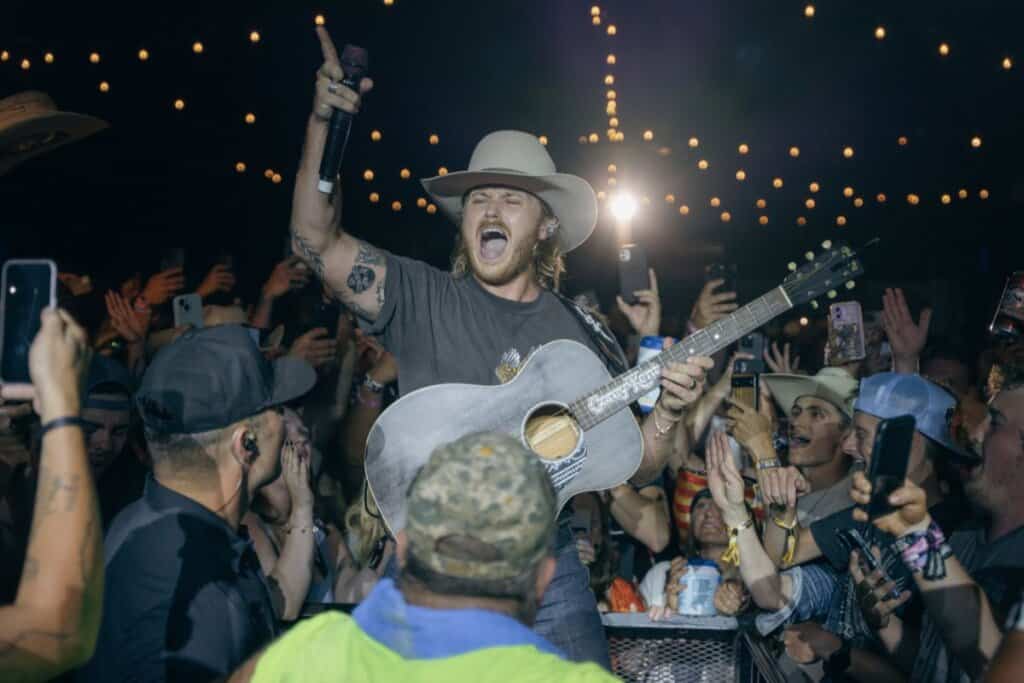
Corey Kent; Photo by Mitch Wallis
Now Kent is ready to bring the album to life with the Heartland Rock and Roll Tour. The tour will feature new venues, including Nashville’s historic Ryman Auditorium, along with a completely redesigned stage and visual production. Kent said the goal is to create a live show that matches the energy and feel of the album.
“It’s going to be a fun, fun tour, and the energy surrounding this record has been amazing. The band can feel it, the crew can feel it, and it’s making everybody just creative, and everybody’s given 110% of themselves to create the best possible show and try to match the intensity of this record and match how awesome this record is with making sure that the live show leaves no stone unturned and is just exhilarating from the start,” Kent explained.
The tour will officially launch on January 22, 2027 at Billy Bob’s Texas in Fort Worth, Texas.
Slater Nalley is tackling the kind of lingering questions that come with heartbreak on his new song, “What Do You See?”
With a voice mature beyond his 19 years, the Georgia native shares a poignent perspective as he explores the uncertainty of wondering what someone from your past thinks of you after the relationship has come to an end.
He runs through all the different ways she might see him and wonders if she’s feeling regret or missing him or if she has finally moved on. At the same time, he ponders whether certain memories, songs and moments still bring him to mind. The vulnerable reflection hones in on the relatable feeling of an unresolved heartbreak as he asks, “Tell me, what do you see when you think of me?”
Photo Courtesy of Slater Nalley
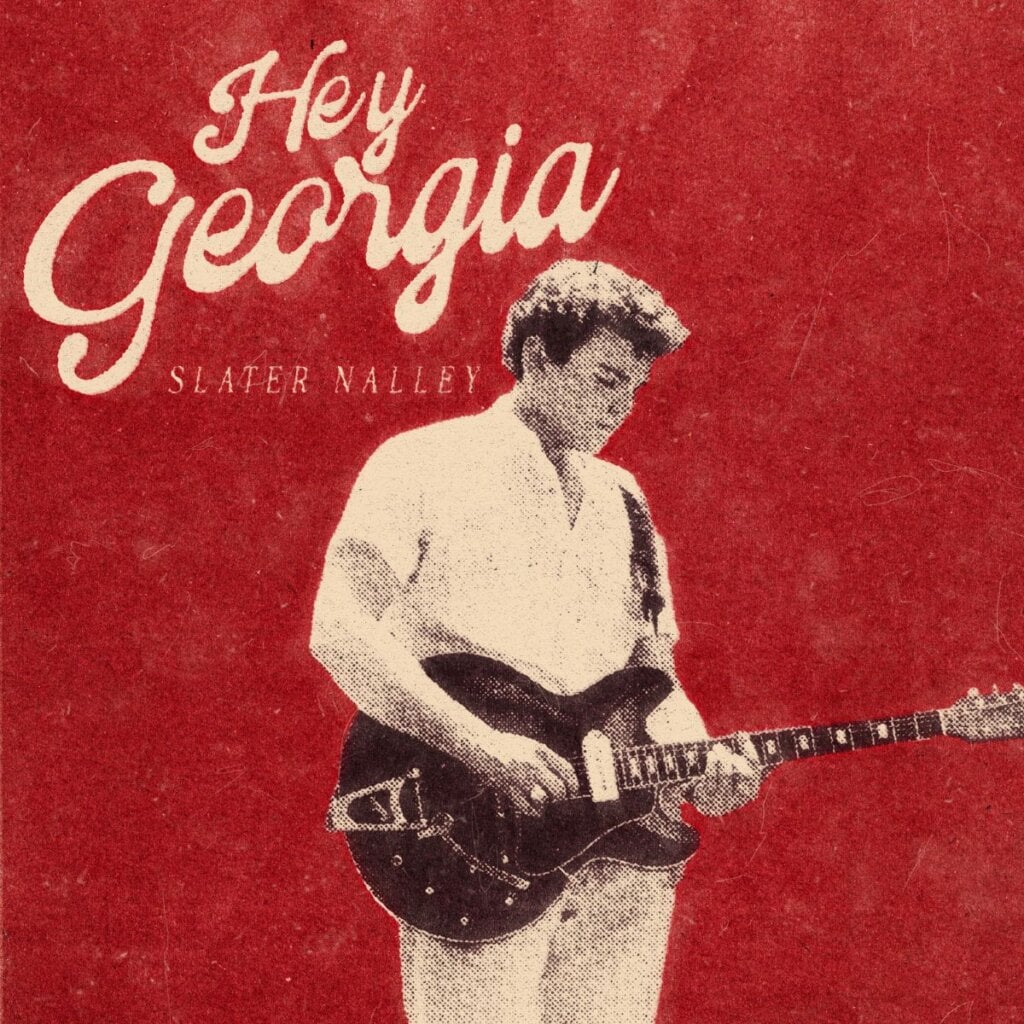
The tune was co-written by Nalley with Dave Cohen and Geoff Warburton and offers another glimpse into Nalley’s evolving sound. With each new track, he continues to establish himself as an artist to watch following his Top 5 finish on American Idol and the release of his debut EP, Hey Georgia.
Now, as Nashville resident with a Grand Ole Opry debut also under his belt, Nalley is focused on showing listeners there’s much more to his story than his time on television. He has even more new music ahead and is touring with Blake Whiten on his “Something to Say Tour” through the fall of 2026.
Keep reading to learn more about Nalley’s latest release, “What Do You See?”, his journey so far, and what he hopes to accomplish next.
Talk about the inspiration behind your newest release, “What Do You See?”
I wrote this song, ‘What Do You See?’ with Dave Cohen and Geoff Warburton. And I’ve been lucky enough to have been writing with them for a little bit now. And I feel like every time we write, we beat ourselves on the last one. So we’ll keep a good thing going and not fix what isn’t broken. So it’s been pretty fun to get to write with such incredible people. It really is just a song about wondering what somebody’s thinking about you. Oftentimes you get into a situation and you know somebody for a long time and then you don’t. And it’s like, I wonder what they think about me now. And that’s kind of the premise of the song is when you’re wondering about what somebody’s doing, sometimes it’s kind of beyond you. You can’t really keep wondering about it.
Going from hearing the bare bones of a song to finally bringing it into the studio, what is it like when you hear the finished version for the first time?
Yeah, I mean, a lot of work goes into these songs that not a lot of people know. Before I was in this industry, I sure didn’t. I just was like, “Oh, that’s a good song. I bet they wrote it like that.” And so we did write it very similar, but working with Dave Cohen, who’s a phenomenal producer and Anderson East, who’s been doing all my records so far, who’s also a phenomenal producer, I’ve been lucky enough to have the best of both worlds and their ideas are just so spontaneous and so unique, both of them in their craft. And being able to have them both have a hand in that song, we got a badass guitar solo out of it and a really cool melody that I feel like has not ever really been something in my head. And I feel like this one gets stuck in my head, so I hope it gets stuck in other people’s heads.
What has the reaction been like from crowds when you play this song live?
We’ve been playing it at some festivals and things like that, but really going to be hitting it on this Blake [Whiten] tour when we go out. That’s one of our priorities because it’s a fun song. We’re just really excited about being able to play it. The live show for me is so important. It’s something that it cannot be broken because you only get one impression on somebody and that impression can leave them either liking you or not liking you. And every impression you get is a chance. So it’s really just satisfying when we get the band together and we’re rehearsing and we put that out there and we play it live and it sounds good. So I’m excited for everybody to hear it.
How would you say “What Do you See?” fits into this chapter of music that you’re in and the sound that you’re trying to establish?
I feel like my writing and storytelling and voice is often compared to older genres and artists, which is honestly, that’s my goal. I am an old soul and I really love being able to write songs and do this for a living. So beginning to pull from my favorites and then also bringing a newer sound of this one specifically, it just felt right because I feel like the topic is a little newer and I don’t know, it felt more like an upbeat, newer sounding song and we put that together and it still got that really old school vibe with the background vocals and guitars, the way that they’ve been produced and everything. So props to them to the producers for putting this one together. And of course I had a part in that, but they’re really great.
How has it been seeing fans live with your debut EP, Hey Georgia, now that its been out in the world for a bit?
It’s pretty tough to put an eye on everything because they’re all my babies, all my songs, but some of the babies are ready to grow up. So it’s just one of those things. And I think this one follows my EP pretty nicely. The EP had a good mix of Southern rock and blues and old school stuff and then a couple new school stuff. So I feel like this one kind of shows the versatility that I’m trying to bring to the table.
Slater Nalley; Hey Georgia
With this being your first collection, was there anything about the process that surprised you while building it out?
Yeah, I mean, absolutely. Like I said, before all this, I just thought you write the song and that’s the one that you put out. I guess you don’t really think about all the production side of things. And it’s been really honestly enlightening just to learn from Anderson and Dave and learn so much about the processes and what goes down, the different vocals, the different guitars, the different instruments that they have to re-cut, and re-record and things like that, that they all mix all together for one song and that can take months. So I’m glad we got this one relatively quick and got it out.
You also recently made your Grand Ole Opry debut. Talk about that experience.
Yeah, I really loved that experience more than anything I’ve done so far, honestly. It felt like that’s where I want to be for the rest of my life is on stages like that, and that’s earned. So being able to have that experience, and I think I took advantage of it in the best way possible, and I’m so grateful that they wanted to have me, and I hope they’ll have me back. But that was really crazy to stand on that stage where so many of my heroes have stood before and be able to play songs that I wrote, not anybody else’s.
While there, you also performed your unreleased song “The Highway.” What made you decide to share that particular song with the crowd that night?
“The Highway” is one of my favorite songs I’ve ever written, probably my favorite song, and it just means so much to me. I was going through a time when I wrote it, and I feel like the emotions that are in that song are very obvious when I’m playing it live. And I just felt like that song was the one I wanted to put on stage and be vulnerable and show the Opry who Slater Nalley was. And it also shows off my voice a little bit, which I love songs that I can actually sing real loud to because I like singing loud. So that song, I’m able to unleash my emotions. And even if I’m not feeling the theme of the song, why I wrote it, I might be feeling something else that day that helped me put it into that song.
What has your first year of living in Nashville been like?
At first it was tough, but this town is amazing. Obviously, it’s cutthroat. Obviously, everybody here is very competitive, but at the end of the day, we want to see each other win, I feel like. At least the people I surround myself with, they do, because if you’re surrounding yourself with people who don’t want you to win, then that’s just stopping you from winning. So I try not to have too many things in my way that do that because this is my dream and what I want to do with my life. And so when I moved here, obviously it was a big step. I hadn’t really met anybody, and I was lucky enough to meet Elizabeth Nichols and the Castellos, and they all really introduced me into town. And now I get to be buddies with Zach Top and his crew and people that I never in a million years would’ve thought I’d be on the same level of hanging out with. And they’re just ordinary people like you and me. And so it’s really fun to be able to have the artist connection. And we’re all going through the same thing, seeing the same things with social media and everything, and we all have to do it at the end of the day. So it’s fun when we can go somewhere and have a good time and not worry about it all.
When you look back at where your journey started, what does it feel like to realize you’re now living the dream you once had for yourself?
It’s definitely a crazy thing in my mind, especially considering I’ve never really, my family, I’ve been so lucky to have support from them, but as a kid in school and stuff, I was really the only one that believed I could do this. And so to see my own dream come true because of my own work and God, of course, but doing everything I know to do to be successful and chase this thing, because for me, there’s no other option, and I hope there never is. So it was just one of those things where it was very important to me that we get these songs out and show the world who I am and not just an [American] Idol kid, but somebody who has a real love for this. And yeah, I want that to always be present.
What is next on your bucket list?
I think in this next year, I’d like people to know who I am. I’d like them to know not that I did Idol and finished in a good spot, but I want them to know exactly what I mean when I bring music out, and I want them to know who I am every time I come to the stage and what I bring and what I’ll always bring as long as I’m allowed. And I hope people like it. I guess that’s all I can hope for.
As soon as she somehow got the label of party animal, she was invited to wild parties with alleged A-listers, she says.
Amber boasts that she “had sex with so many motherf–kers,” including fellow MTV stars.
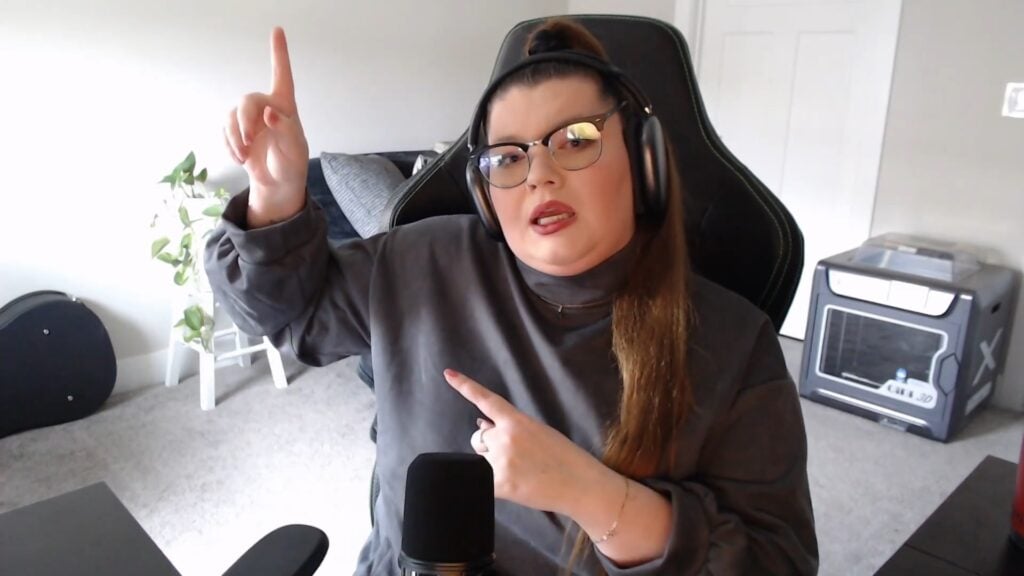
‘Teen Mom’ alum Amber Portwood gestures on her new YouTube show while discussing alleged wild celebrity parties. (Image Credit: YouTube)
Amber Portwood allegedly did very well for herself at secret celebrity parties
Taking to her new YouTube show, such as it is, Teen Mom alum Amber Portwood is spilling the alleged tea.
“I’ve had sex with so many motherf–kers from MTV,” she boasted. “It’s ridiculous.”
Amber continued: “And all [people] on television; it’s stupid.”
Thinking of her MTV days, she described: “You just get invited to the craziest things. Sometimes you don’t know who’s in front of you ’cause you’re so drunk or high and it’s dark as s–t.”
Amber added: “Then you figure it out within five minutes and you’re like, ‘Ah, OK. Over there? OK.”
“When I started getting introduced to all these underground parties, or all these parties in general,” Amber recalled.
She shared that “I would get the memo from a lot of people that, ‘Oh no, so and so from the shows, we’re not asking for them to come, because of certain reasons.’”
Amber shared: “They thought I was a partier.”
Her criminal history — the part about drugs, not the attacks on both of her baby daddies — would likely back up that characterization.
“That’s how they put me out there, as the partier, you know, in the beginning,” Amber guessed. “I think that’s why I got more [calls].”
Thinking back, Amber Portwood thinks that going to alleged celebrity parties helped her to better understand herself. (Image Credit: YouTube)
She used to ‘have a f–king ball’ at these parties
According to Amber Portwood, most of her friends were “crew and above.”
She said that they would go out and “just have a f–king ball” at these alleged parties, which took place in major cities from coast to coast and in between.
“They would literally ask me to come out to a party just for fun, without no cameras or nothing around,” Amber reminisced. “And I would just go.”
She claimed: “You don’t know exactly where you’re going. They’re buying you the tickets, first off. There’s been times where I went on planes and I didn’t even know which state I was going to because it was, like, that secretive or whatever.”
Just for the record, when you board a flight, you can tell at the gate, from the tickets, from attendants, and more exactly where the flight is going. It is possible that, hypothetically, a person who is under the influence might not pay attention to or notice these details.
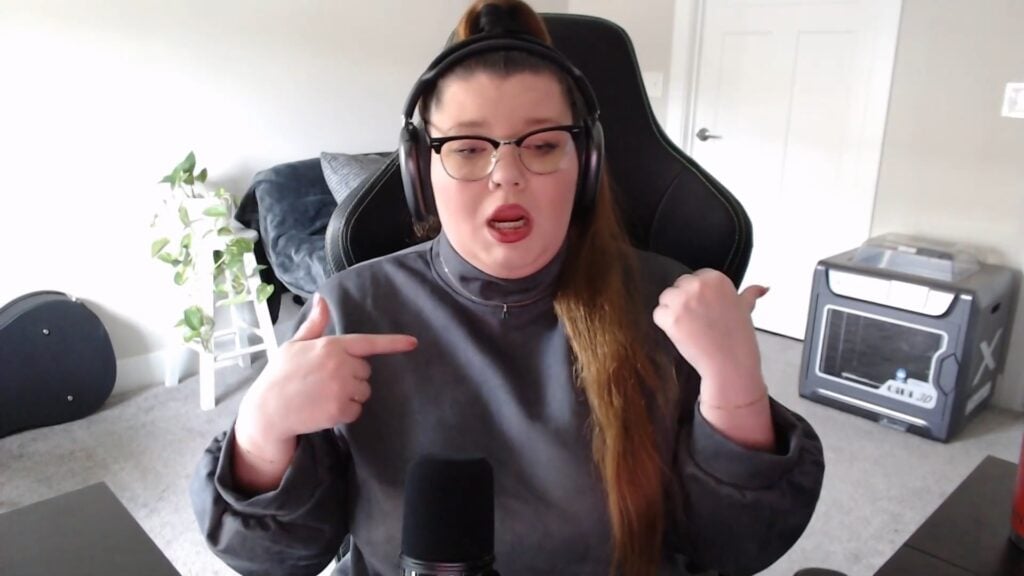
Amber Portwood gestures in her barebones YouTubing room. (Image Credit: YouTube)
“I didn’t understand why I was the person, why everybody was flocking and trying to get me to go out and party with them, and bring me to all these big things,” Amber expressed … modestly?
“These big underground parties with people who I thought were absolutely A-list celebrities or big in whatever they did … Like, producers and directors and stuff like that. … a lot of musicians,” she claimed.
Amber then added that she didn’t want to name anyone or give people identifying details.
She claimed that these A-list stars were “doing things that I never would think they would ever do in front of people. [Being] naked, sex, drugs.”
Amber did admit that all of this helped her to better understand herself and her life because she “saw that people were just human.”
That’s actually very wise, which is not something that we are accustomed to hearing from Amber.
Taylor Swift may want a couple kids, have the whole block lookin’ like husband Travis Kelce. But we just want new music.
Thankfully, we checked that item off our “Wi$h Li$t” with the 14-time… E! Online (US) – Top Stories
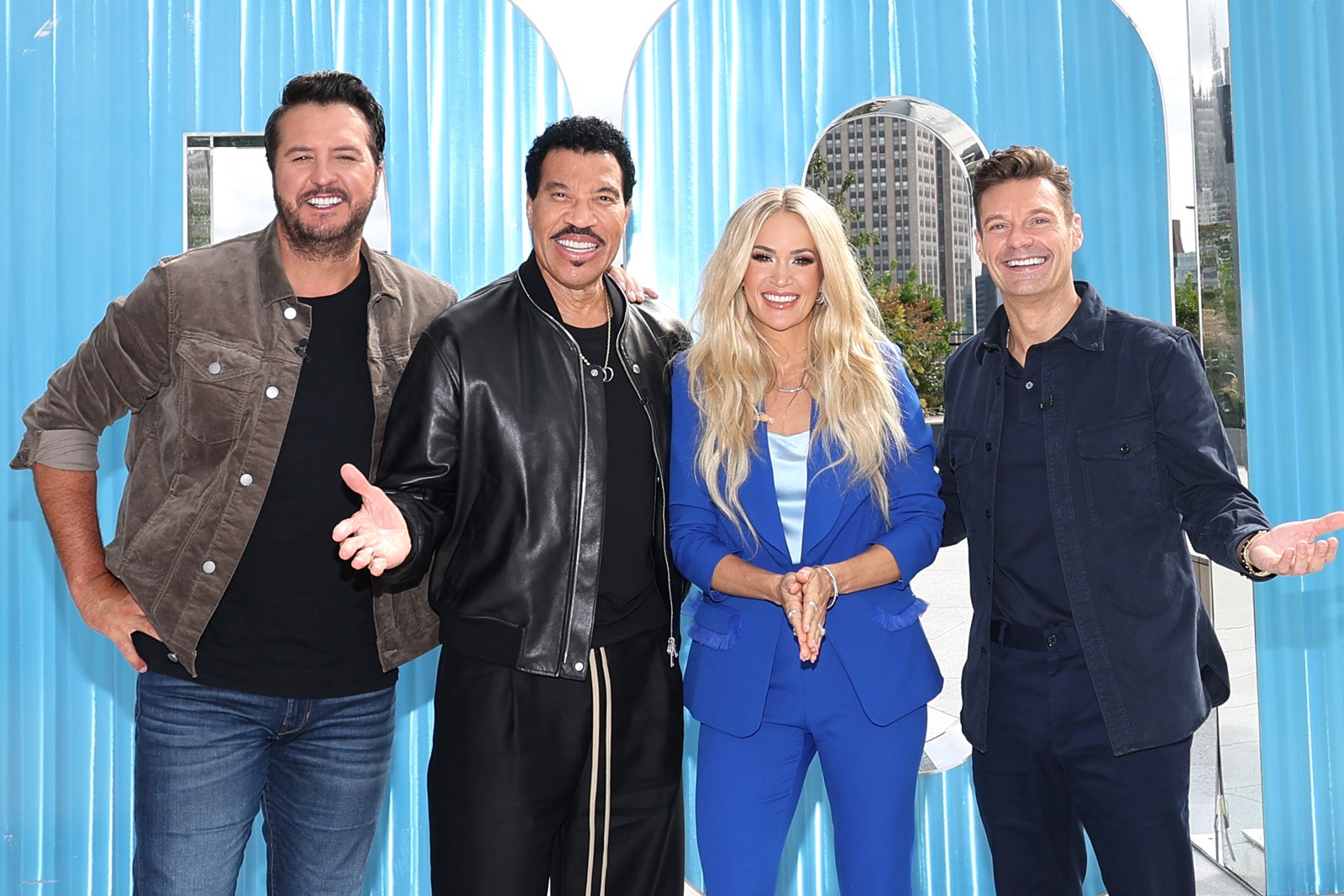
Season 25 of ‘American Idol’ will feature the same panel for a third straight year. Continue reading…The Boot – Country Music News, Music Videos and Songs
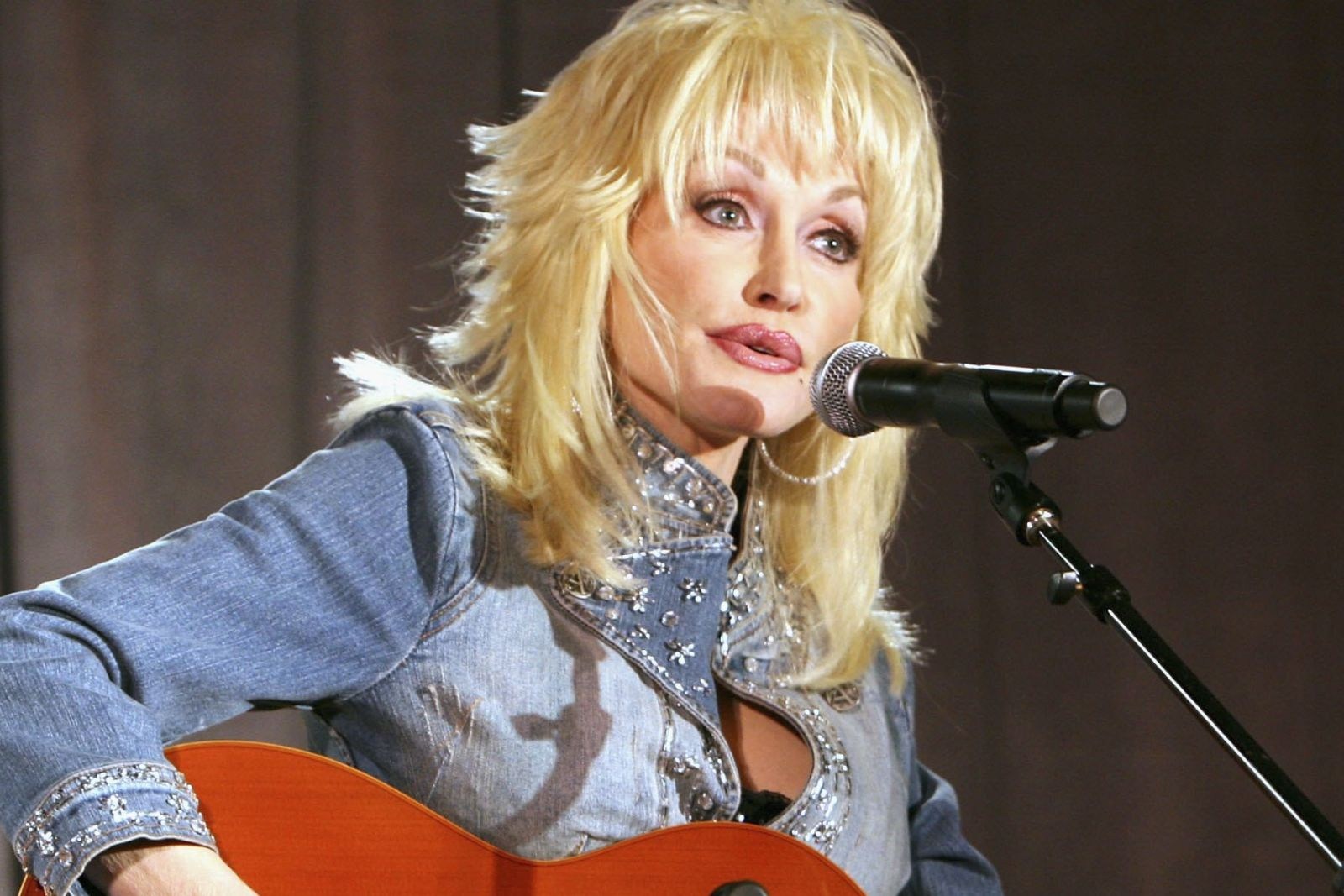
Dolly Parton had a gift for bringing people together, and that doesn’t stop after her death. Continue reading…The Boot – Country Music News, Music Videos and Songs








![<a href="https://countrynow.com/corey-kent-on-why-heartland-rock-and-roll-feels-like-a-defining-moment-in-his-career-exclusive/" target="_blank">Corey Kent on Why ‘Heartland Rock and Roll’ Feels Like a Defining Moment in His Career [Exclusive]</a>](https://countrynow.com/wp-content/uploads/2026/09/3-9-1024x683.jpg)
![<a href="https://countrynow.com/slater-nalley-reflects-on-new-song-what-do-you-see-and-finding-his-place-in-country-music-exclusive/" target="_blank">Slater Nalley Reflects on New Song, ‘What Do You See?’ and Finding His Place in Country Music [Exclusive]</a>](https://countrynow.com/wp-content/uploads/2026/09/2-23-1024x683.jpg)

 Taylor Swift may want a couple kids, have the whole block lookin’ like husband Travis Kelce. But we just want new music.