For years, Charlie Sheen’s notorious bad behavior, including substance abuse and crimes, dominated headlines.
Most would not compare beloved actress Anna Faris to him, save that both are well known Gen X actors.
Chuck Lorre, the producer behind legendary sitcoms spanning four decades, had both as stars on his shows, and compares Faris’ troubles to Sheen’s.
Faris feels pretty understandably devastated. “Of course it hurts,” she admitted in a public response.
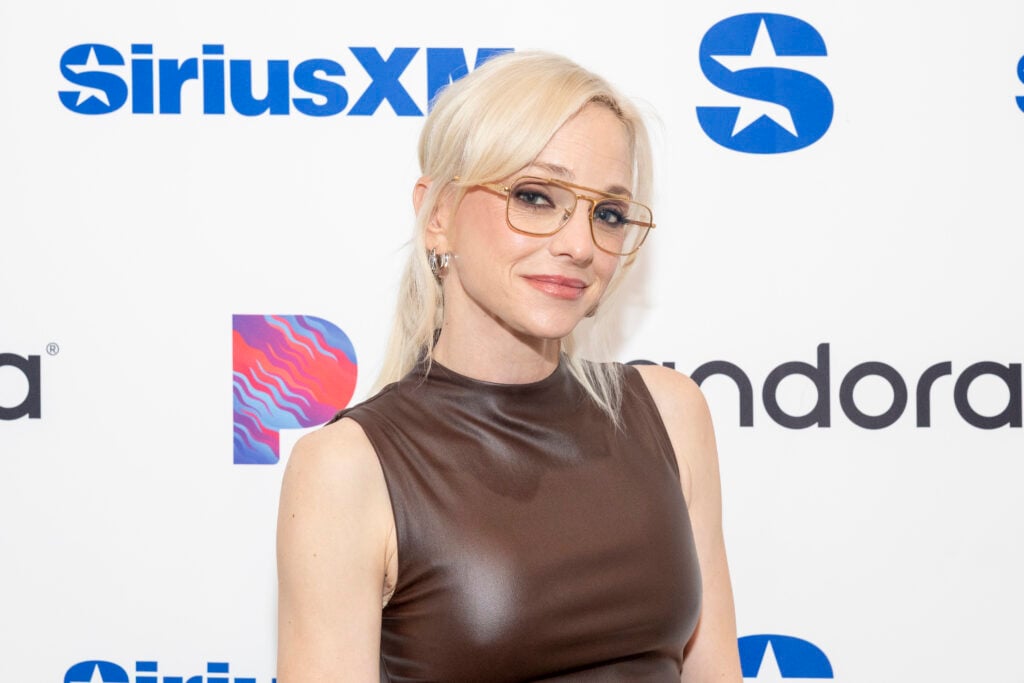
Anna Faris appears on SiriusXM’s Smith Sisters Live” on August 11, 2026. (Photo Credit: Emma McIntyre/Getty Images for SiriusXM)
‘Nothing changes how grateful I am for those people and those years’
On Thursday, October 15, Faris took to her Instagram page to express some understandable heartbreak.
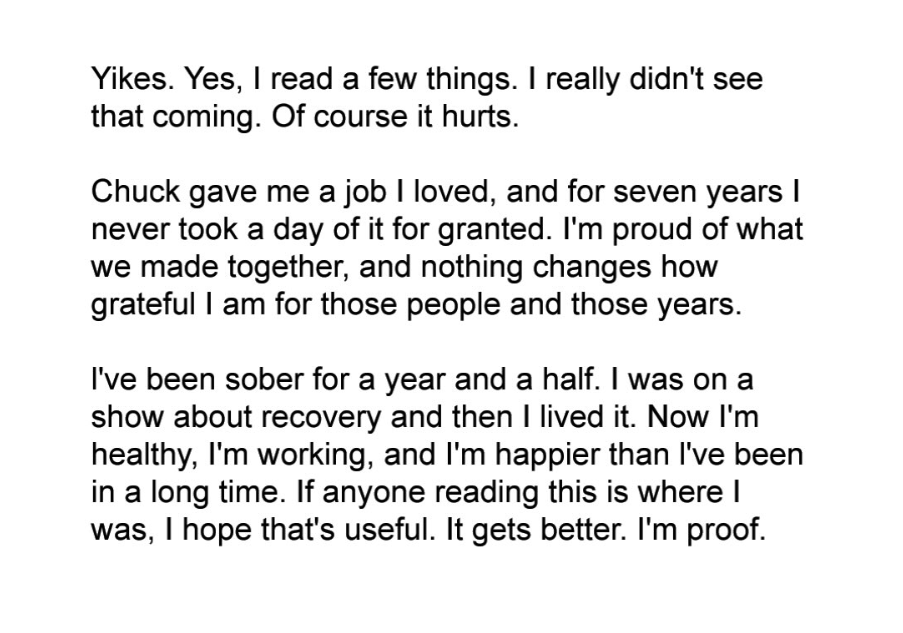
“Yikes,” she began. “Yes, I read a few things. I really didn’t see that coming. Of course it hurts.”
Referring to Chuck Lorre, Faris acknowledged: “Chuck gave me a job I loved, and for seven years I never took a day of it for granted.”
The beloved actress affirmed: “I’m proud of what we made together, and nothing changes how grateful I am for those people and those years.”
Not even the famous “king of sitcoms” comparing her to one of Hollywood’s most notorious figures could change that.
In a text post that she shared on social media, Faris shared an earnest reaction to Lorre’s diss. (Image Credit: Instagram)
“I’ve been sober for a year and a half,” Faris announced.
“I was on a show about recovery, and then I lived it,” she characterized.
Many actors who have struggled with substance abuse and addiction have been on shows where these are major recurring elements.
“Now I’m healthy, I’m working, and I’m happier than I’ve been in a long time,” Faris expressed.
“If anyone reading this is where I was, I hope that’s useful,” she concluded. “It gets better. I’m proof.”
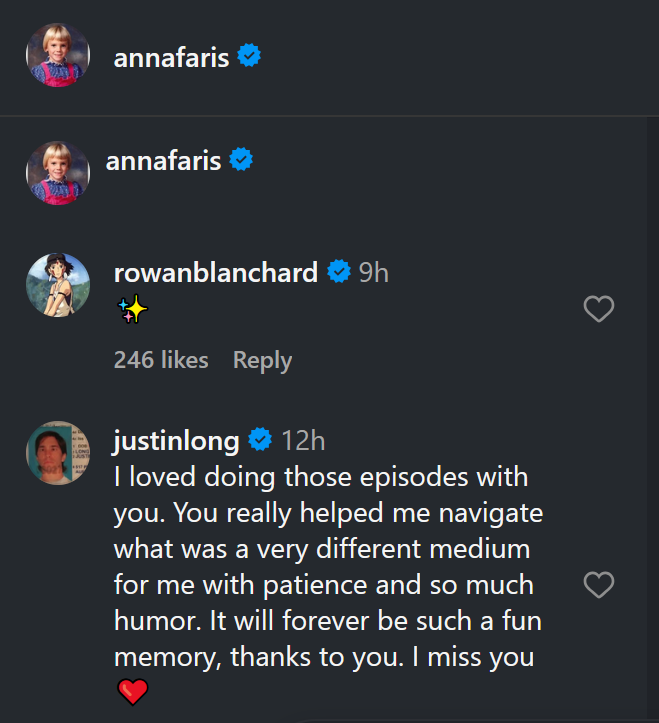
Fellow actors and countless fans showered Faris with support in Instagram comments. (Image Credit: Instagram)
What did Chuck Lorre say about her?
Starting in 2013, Faris starred as Christy on Mom.
Christy was a recovering alcoholic who was strugglign to maintain a job. She dealt with family issues.
Just as in real life, Christy’s alcoholism was not an isolated affliction. Her mother, Bonnie (played by the incomparable Allison Janney) was also in recovery, and moved in with her. Thus, the sitcom’s name.
Faris starred on the first seven of eight seasons, officially departing in 2020 to “pursue new opportunities.”
Chuck Lorre was behind the show — and countless others, from The Big Bang Theory to Two And A Half Men and beyond. Some of his shows, like Cybill, were even good.
In Sitcom, Lorre recalled: “I wasn’t sure Anna would be appropriate for this kind of material.”
He continued: “Then I thought about how badly I’d bungled my working relationship with Charlie Sheen.”
“Someone’s personal life is none of my business,” Lorre ended up concluding. “The mom in Mom would be, and should be, Anna Faris.”
Then, he declared: “As the years went by, it became apparent that my initial reluctance to hire Anna was, in fact, correct. After six years, she left the show for mysterious reasons that were not mysterious to anyone on the show.”
For the record, she has been showered with support, including by fellow actors and co-stars. Many people in many professions struggle with substance abuse.
There’s no one right answer for all of them, but publicly throwing them under the bus years later is not a great look.
When it comes to Riley Green’s career, his biggest concern is making sure he takes advantage of every opportunity that comes his way. With a packed touring schedule, new music to write, acting roles, and a new gig as a coach on The Voice, is he taking on too much, or does he thrive on staying busy?
The country star joins Kelleigh Bannen on Apple Music Country to discuss how he balances filming the singing competition with life on the road and whether all the different commitments has left him feeling overwhelmed.
“The problem now is I am doing too much and I know it, and it’s hard to even really explain to people,” he admits.
Photo Courtesy of Riley Green
Being busy is nothing new to Green as he has been touring for years and played hundreds, if not thousands, of shows. However things started to get a bit trickier when it wasn’t just about the music. Last year in the middle of touring, he filmed his role for Season 1 of the CBS Yellowstone spinoff, Marshals, which premiered in April 2026. Now, amid another headline run, he’s simultaneously filming The Voice.
“I mean, I’m literally working every single day. I’m flying to L.A., filming Sunday through Wednesday, flying to go play shows that weekend and then flying back and done that for about two months,” he explained.
With everything he has going on, the Alabama native has been forced to take a temporary step back from writing. However, he’s learned to be okay with easing up on that part of his career, as he recognizes that trying to do too much can end up taking away from the quality of his music. Green has still used his time wisely during the busier months, making sure to write down song ideas and record voice memos until he has the time to dedicate to creating a full song.
“Everybody in music probably struggles with this, the music suffers a little bit when you get spread too thin, which is crazy because that’s the most important thing,” he acknowledged. “But I end up writing a lot of titles. I end up starting a lot of stuff. And so when I’m busy, I’m still in that head space and I’ll write it down on my phone or do a little voice memo.”
He plans to finally slow down around Thanksgiving and he can finally put his thoughts to paper which in the past has resulted in him penning 10 songs in a week. As a result of this method, Green ends up with plenty of songs that are solo writes, but that doesn’t mean he’s opposed to cutting a song that he didn’t write.
“I feel like if you don’t cut outside songs, you’re mindfully making that decision, which to me, I’m like, knowing nothing about a career when I go into music, I would think to myself, ‘Man, I wish I wrote that.’ If you’ve ever though that way about a song, you should cut an outside song because… who hasn’t felt that way?”
He added, “Financially there’s incentives to cut things you wrote, publishing or whatever, but I don’t write for them to make publishing money. They’re not all going to be radio hits by any means. So yeah, I try to cut… I look for songs that I think sound like something I would’ve written, so it’s me, but melody-wise usually is what draws me to it as something I wouldn’t have come up with. Because musically, you’re only as good as you can play, really, or what you can imagine.”
Right now, fans can catch Riley Green on The Voice as he guides members of his team towards the finale each Monday night on NBC and on the road for his Cowboy As It Gets Tour .
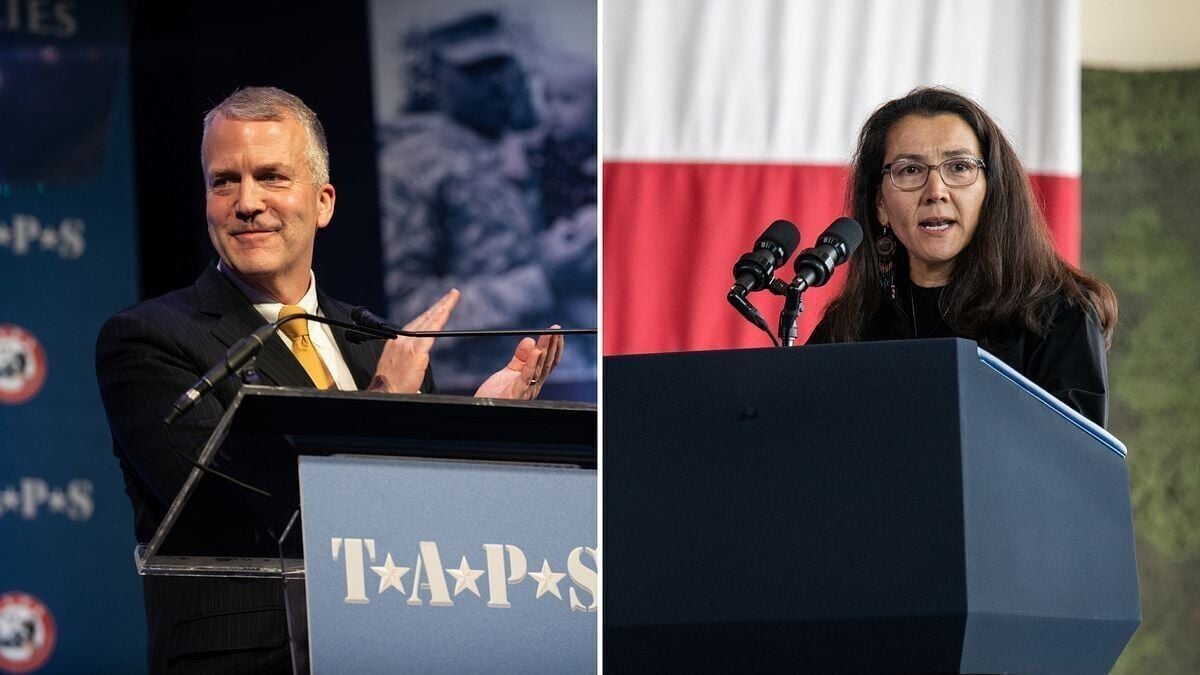
(The Center Square) – Candidates for U.S. Senate in Alaska sparred over rising gas prices, the U.S. military conflict in Iran, healthcare and the two traded personal jabs in a debate on Thursday.
Court is back in session for The Rainmaker season two—are you sure you’re ready for this?
After all, if you thought the stakes were high in season one, then they’ve gone sky-high in season two,… E! Online (US) – Top Stories
The United Nations counts 193 countries, while the Travelers’ Century Club, a Los Angeles organization, has kept its own tally at 330 since 1954. The … Read moreThe post Since 1954, one travel club has insisted the world has 330…
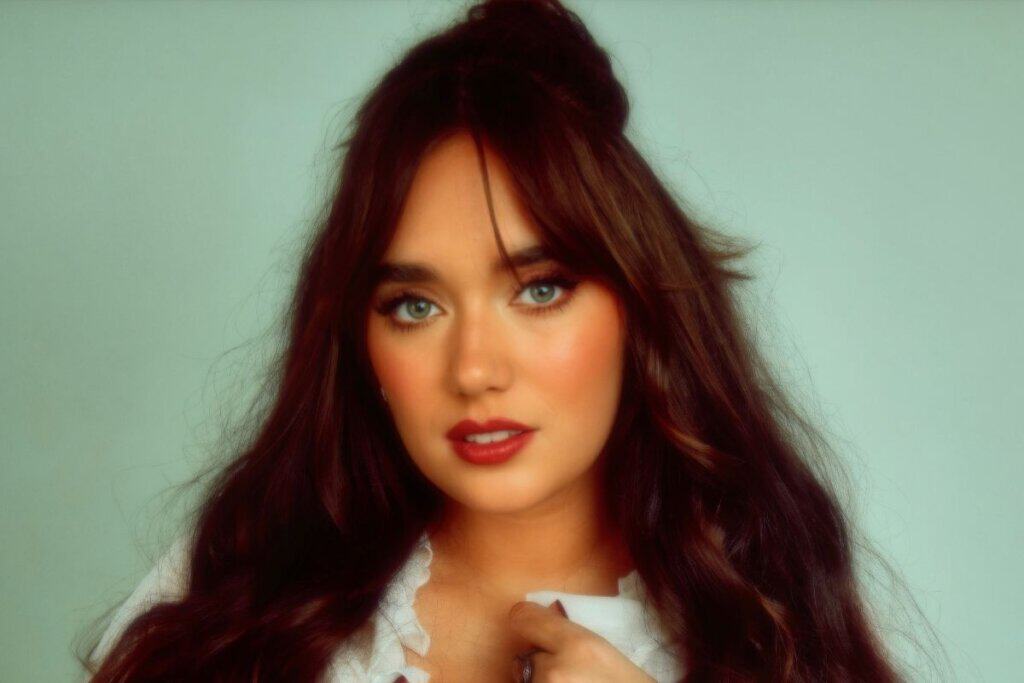
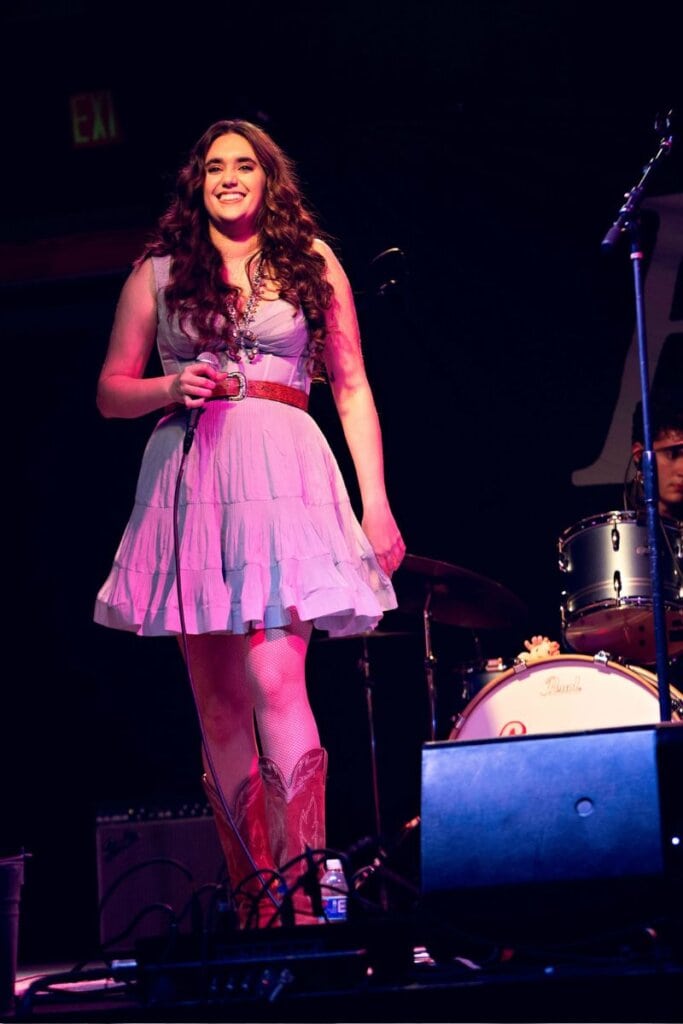
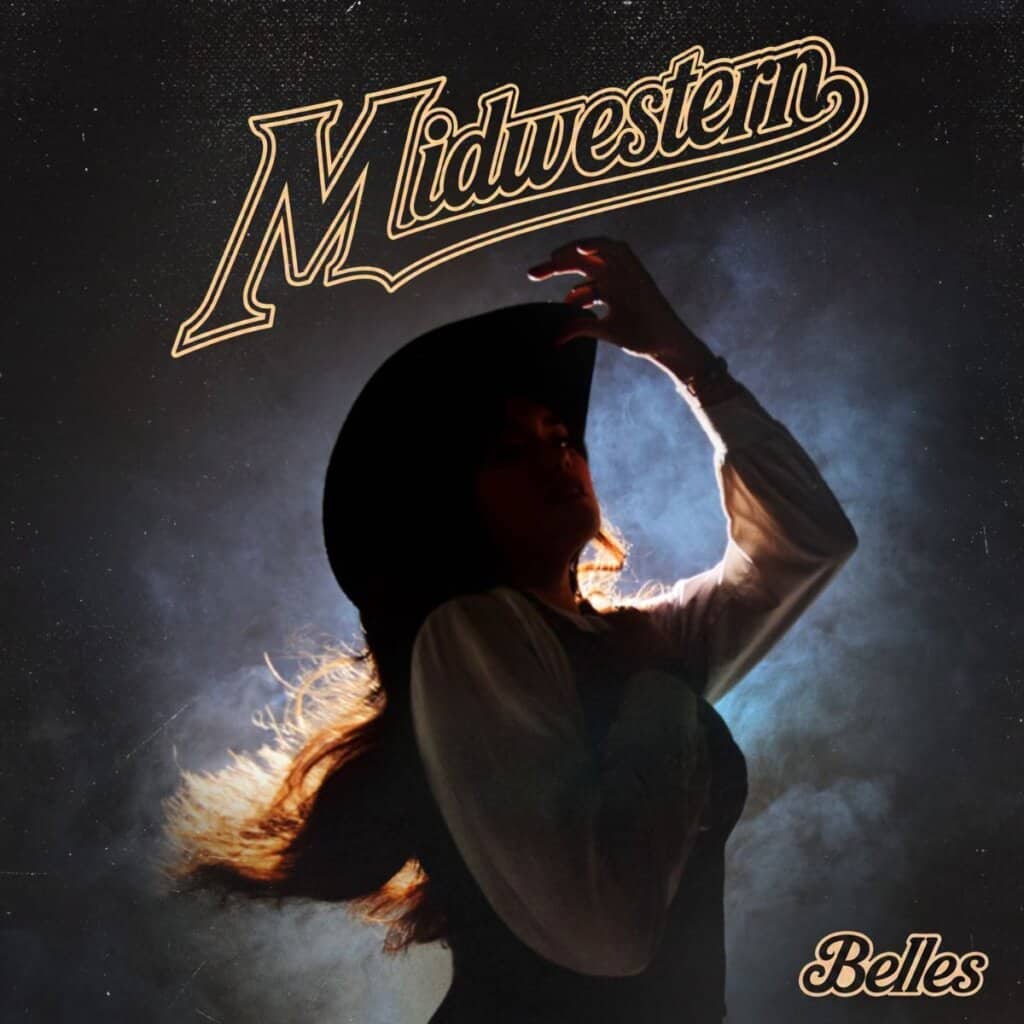
Belles is bringing her Omaha, Nebraska roots, honest songwriting and love for country music to center stage with her debut album, Midwestern, out now via East Music Row Records.
The rising country star was raised in a musical family, surrounded by generations of women who helped inspire her passion for performing and writing songs. She graduated high school at 16, and pursued a path completely her own as she stepped away for two years to study chemistry at the University of Nebraska. However she quickly found out that just because you’re good at something doesn’t mean it will bring you joy.
Belles; Photo by Shervin Lainez
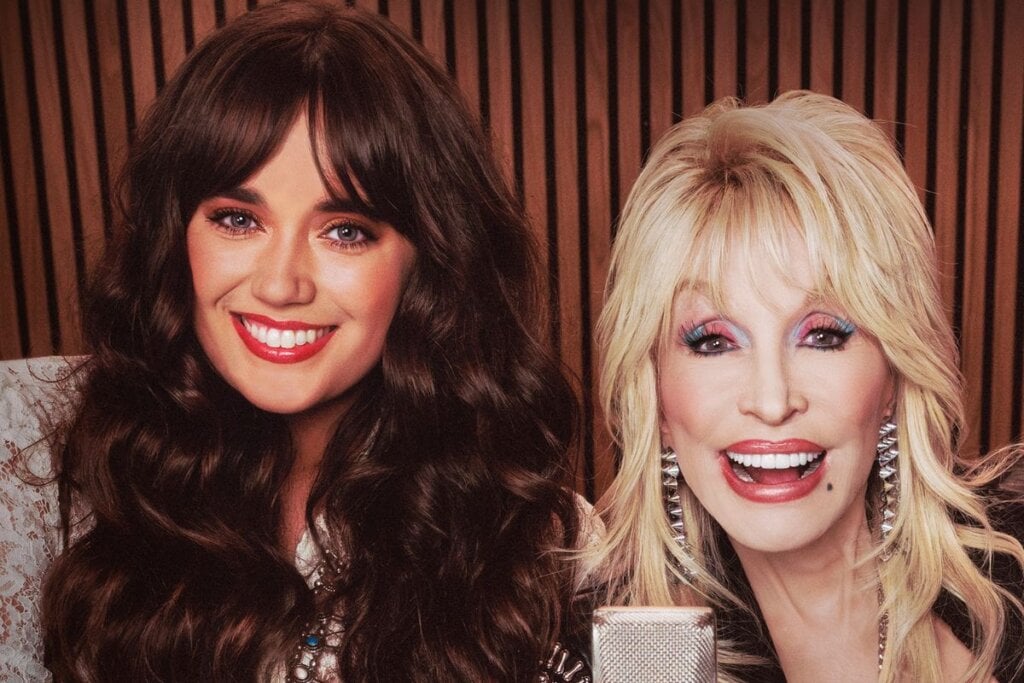
This mindset led her to shift her life completely and follow her heart and move to Nashville at just 19 years old with nothing but a dream. She eventually built a close-knit circle of friends and collaborators who would lead her to one of the biggest songs of her career so far, “Son of Jolene,” featuring the late icon, Dolly Parton. This came on the heels of the momentum of her viral hit “Crazy As Me.”
Now, Belles is turning the page with Midwestern, a project that highlights the power of chasing big dreams, the highs and lows in her personal life and celebrating her roots. In addition to the heartbreak songs fans have come to know her for, the album features a selection of upbeat tracks created to get listeners on their feet and dancing along.
Belles caught up with Country Now to discuss the stories and inspiration behind Midwestern, the journey that led to her collaboration with Dolly Parton, her Grand Ole Opry debut, touring and more.
You’re originally from Nebraska. So what was your upbringing like and how did growing up shape you to who you are today?
Born and raised in Omaha, Nebraska, and I come from a very musical family. My grandma was actually a jazz singer in Chicago, and that’s actually how she met my grandpa. She was on stage at a show and he fell in love with her. And then my mom was one of four sisters. She has three sisters and they made up this pop vocal harmony group called Mulberry Lane. And they were actually signed to MCA in 1999. And they had one top 20 pop hit, but then nothing really happened after that. But I grew up touring with them and being backstage at all their shows and doing vocal warmups at the Iowa State Fair. Just honestly fell in love with music and I just wanted to be just like my mom and my grandma when that was really the start of it for me. But I did a bunch of dance and community theater in Omaha and I think my mom was like, “Why do you have to do music?” She had been through her trials with the music industry. I think she was like, “Can you just want to do something else?” But for me, it was just always this. And my mom was kind of like, even though they weren’t a pop band, my mom was the country sister. So I grew up hearing Loretta Lynn and Linda Ronstadt in the house and The Chicks and Dolly and everything like that. So that really shaped me. And when I started writing songs, I set out to write songs like those influences.
What was the turning point where you were ready to take the leap, go to Nashville and really get involved in that community?
I had taken a couple trips down to Nashville when I was in high school, honestly, just because I loved it and I was so fascinated by Music Row and everything. And I went to the Opry for the first time in high school and I was just like, “This is the coolest thing ever.” But then I ended up going to college at University of Nebraska. I was a chemistry major for two years. I was just really weirdly good at math and science. So I just thought, “Well, if I am good at it, I should do it.” But two years in, I was just really unhappy and I just had so many feelings about just wanting to pursue this career. And I would play country bars on the weekends and then go to school all week and just look forward to playing cover gigs the whole week in school. And my heart was just pulling me in that direction. So after two years of college, I also got broken up with by my college boyfriend. So I think that helped. I was just like, “You know what? Screw it. I’m not happy here. I don’t think I want to be a doctor.” So I left college and moved down here when I was 19.
Photo Courtesy of Belles
What were those early days like in Music City, trying to navigate the industry and find your circle?
Well, it was tough. I really knew no one, but I kind of figured out just from Instagram, the writer’s rounds, and I would just show up there and talk to people and try to meet people and ask to play and ask to write with people that I thought had some good songs that night. And I mean, that was really how I met most of my friends that I’m still friends with today was just by going out and then just making friends with people. And then I found my little crew. And the crazy thing is we’re all still here and those are the guys that I wrote ‘Son of Jolene’ with, I met my first year in Nashville. So it’s crazy how that all turned out, but it was definitely, it was tough in the beginning, but I’m really glad that I stuck it out and stayed here and stayed pursuing this because now I’m so happy that we did that.
“Son of Jolene“ obviously became this really big career moment for you. Talk about bringing Dolly into the picture and seeing that song take on such a life with her.
Well, I wrote it because my opening act on one of my headlining tours, his mom came to a show and his mom’s name was Jolene. So I kind of had that idea and then I wrote it that next week with two of my best friends. And it was crazy because I remember walking away from that write, we literally just wrote it at my friend Dan’s house in his living room. And I remember I texted those guys later. I was like, “I feel like this is a really good song.” I kind of had a feeling about it, but then I started playing it for my team in Nashville and my publisher and my record label. And they were like, “We should record this and add it to the EP.” And I was like, “I totally agree.” So then we started recording it, but obviously wanted to reach out to Dolly and her team and make sure that she was good with ‘Son of Jolene.’ It’s so Jolene coded. So then it was my publisher in Nashville who got the song to Kent Wells, who’s Dolly’s producer, and he heard the song and ended up loving it and said he was going to play it for Dolly. And that for me was like, oh my God, this is nuts. And he played it for her and she loved it so much that she wanted to sing on it, which was so unbelievable. And still, I don’t know if it’s really sunken. But I mean, that was really… I always kind of believed in that song, but that was when it was like, oh my gosh, this is going to change my life. And it totally has, which has been amazing and I’m so grateful for that one.
Belles, Dolly Parton; Photo Provided
Your debut album, Midwestern, is out now. What were some goals you had for yourself when building out this collection of songs?
Well, I’ve been writing for this project for so long, and if you deep dive into my music, I have a lot of fun songs, but I also have a lot of heartbreak songs. And that last EP that I put out, most of it is pretty sad. For my debut album, I wanted to put together something that had obviously some classic Belles heartbreak on it, but I really wanted to explore having some songs that when you just put them on, immediately puts you in a good mood and it makes you want to just move and dance. So that was one of my goals with this, and I feel like I really accomplished it, and I think people are going to be surprised by some of these uptempos. And also just where I grew up in Nebraska, there’s not a ton to do. People really lean towards music and putting music on and just catching a vibe, having a couple beers. I wanted to write songs that if they played at my local honky-tonk, like Bushwhackers in Omaha, if they played that song that people would just start dancing. So that was a big goal of this project. And also it’s just so many of these songs are very, very honest, some of the most honest songs I’ve ever written, I think. And I think it’s going to be interesting to see how those connect. I feel like sometimes when I’m the most honest, those are the ones that I feel like I’m like, “Will anyone relate to this song? This so me”… I just feel like when you’re honest, people relate to that. And I’m really looking forward to seeing the reaction to some of these. So yeah, it’s definitely just very me in a project and I’m super, super proud of it.
What’s something you hope fans get to learn about you through this project that they might not know about you yet?
I think part of the reason why I called it Midwestern is because I feel like Midwestern people are so straightforward, to the point, and that really surprised me when I moved here to Nashville. I love the Southern “bless your heart” attitude, but I just don’t have that in me. I see something, I’m going to say it how it is. And I think a lot of these songs are that. I think I’m being more brutally honest about my real life on this project. And it’s like, if I think you like my boyfriend a little too much, I’m going to write a song called “I Think You Like My Boyfriend.” So I just think this is the most me I’ve ever been in my music, and I just hope that people connect with that.
Belles; Midwestern
Earlier this year you got to make your Opry debut, as the first woman from Nebraska to step into the Circle. What were you feeling the moment you stepped on stage?
I know. I can’t believe it. It was so amazing. That was such a dream. My first trip to Nashville, I went to the Opry and was just in awe. I was like, “If I could do that someday, that would be the best moment of my life.” And I mean, it’s been such a dream that I’ve been working towards for so long, and now here it is. And I mean, it was truly the best night, and so many of my friends and family came out, and Kent Wells, who is Dolly’s producer and really made “Son of Jolene” happen, gave me the best introduction, and he is so wonderful. And I don’t know, it was truly such a magical night that I will never forget. And it’s just such an honor to get to stand in that circle. And yeah, I really will never forget that.
You’re currently on the Songs and Stories Tour with plenty more dates to come. What’s been the best part of playing these shows?
It’s been so cool to get out there and just meet all these people that have found me through “Son of Jolene” or my song “Crazy as Me.” And I’ve been playing a bunch of songs from the album that people have been loving, and I can’t wait to play the full album for everyone. I mean, I’ve just been having the most fun, and I just get up there, and every night is different, and I tell crazy random stories from my wife, and sometimes to say too much, but it’s fine. And I just have a lot of fun with it. So yeah, I’ve been having a blast and I can’t wait.
In the criminal justice system, some characters become especially beloved.
But that doesn’t mean they’ll always be safe. And in the second episode of Law & Order season 26, which aired on Oct. 15,… E! Online (US) – Top Stories
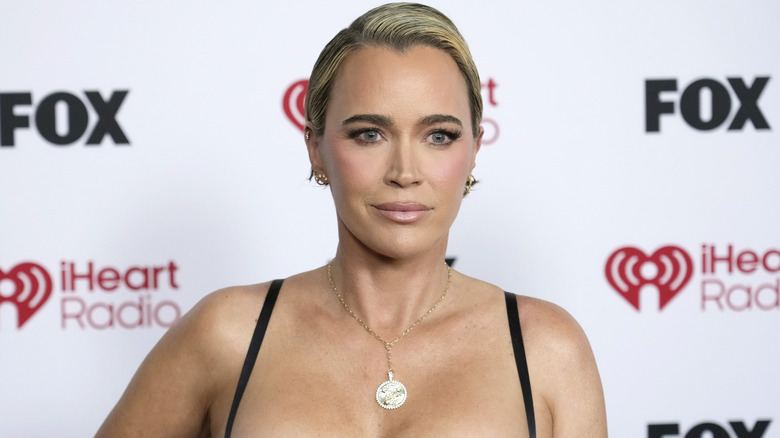
When the former “Real Housewives of Beverly Hills” star underwent an upper blepharoplasty in late 2026, some fans had a lot of not-so-nice things to say.
Health Digest – Health News, Wellness, Expert Insights
From Alaska to Florida, there once was an important job in government that most Americans rarely thought about: the secretary of state.
That changed after the 2020 presidential election, when secretaries of state in places such as Arizona, Georgia and Michigan were thrust into battles over election results, certification and false claims of widespread fraud.
In most states, the secretary of state serves as the chief election official, although the precise powers of the office vary. These officials can oversee voter registration, issue guidance to local election administrators, supervise election procedures and, in many states, participate in certifying results.
But the struggle over who controls American elections did not disappear. Now, in 2026, it has entered a different phase. It’s a struggle over the constitutionally established power given to states, not the federal government, to run elections. And secretaries of state are key players in this conflict.
Election security was one of the points debated by the Democratic and Republican candidates for Arizona secretary of state on Oct. 1, 2026.
Battles over voter rolls, citizenship and federal authority
The United States is unusual in how it selects the officials who administer elections.
Unlike most democracies, many American chief election officials are chosen through explicitly partisan processes, including partisan elections and political appointments. Yet studies have found that Democratic and Republican election officials generally administer elections impartially despite their party affiliations.
These once-obscure offices wield considerable influence.
A secretary of state cannot simply change the result of an election. But depending on state law, the office can have substantial authority over elections before, during and after voting. Secretaries of state may oversee voter registration and voting systems, establish procedures for local election officials, participate in election certification and become involved in disputes over ballot access and election administration.
The number of secretary of state candidates who deny the legitimacy of the 2020 election has declined since the last midterm, from 13 candidates in 2022 to seven in 2026.
Those declines are notable. But they do not mean disputes over election administration are receding.
Trump administration aims to expand federal election role
In practice, state and local officials carry out most of the day-to-day work, including voter registration, operating polling places and counting ballots.
The Trump administration has sought to expand the federal government’s role in several of those areas.
Some states resisted the demands, while others complied. By October 2026, 18 Republican-led states had provided voter information to the federal government. By late summer, federal courts had dismissed DOJ voter list cases against more than 20 states, although appeals remained pending in several of them.
The court ruled that the department lacked authority to collect state voter files, compare them with federal citizenship databases and use those comparisons to press states to remove voters deemed potentially ineligible. The judge concluded that the policy violated federal law and intruded on authority Congress had left with the states.
In 2025, Maine Secretary of State Shenna Bellows rejected the Department of Justice’s demand for state voter files. The DOJ sued her.
More federal election initiatives
The administration has gone beyond requesting state voter records.
In March 2025, Trump issued an executive order directing the Election Assistance Commission to require documentary proof of citizenship, such as a passport, from people registering through the federal voter registration form. The administration said the measure was intended to strengthen election integrity and prevent noncitizens from registering or voting.
A federal court permanently blocked that requirement on Oct. 31, 2025, ruling that the president lacked authority to unilaterally change federal election procedures because the Constitution assigns that responsibility to Congress and the states.
The administration has also unsuccessfully pressed Congress to pass the SAVE America Act, which would require documentary proof of U.S. citizenship to register to vote in federal elections.
Trump issued another election-related executive order in March 2026. It directed the Department of Homeland Security, working with the Social Security Administration, to create state-by-state lists of confirmed U.S. citizens eligible to vote. It also sought changes in how the Postal Service handles mail and absentee ballots. The White House said the order was designed to enhance election integrity.
In June 2026, a federal court struck down key portions of the order in a lawsuit brought by 23 states and the District of Columbia, blocking its citizenship-list and mail-ballot provisions from taking effect in those jurisdictions during the 2026 elections. In August, however, the Supreme Court stayed that ruling while the litigation continued and did not decide whether the executive order itself was lawful.
The Postal Service later issued a rule requiring states to submit voter information and meet new mail-ballot design and tracking requirements. On Sept. 14, the Supreme Court refused to let the rule take effect for the 2026 elections, leaving a nationwide injunction in place.
Secretary of state races are more consequential now
Collectively, these federal initiatives change the significance of secretary of state races.
Voters in 2026 are choosing state officials who may soon have to decide how their states respond to Washington’s efforts to assert authority over state-run elections.
Should a state provide the federal government with complete voter files containing sensitive information? How should state election officials respond to federally created citizenship databases? What happens when a presidential directive conflicts with state election law – or when courts intervene?
The answers may differ dramatically from state to state.
The officials elected in 2026 will likely be called upon to respond to legal challenges to voter eligibility, election procedures and results, and, in some states, to defend or certify contested outcomes.
For much of American history, that system functioned largely outside the national political spotlight.
The 2026 contests suggest that secretaries of state increasingly stand at the center of a growing conflict over how election authority should be divided between states and the federal government. Who holds these once-obscure offices may therefore matter well beyond the 2026 midterms – and into the 2028 presidential election.
Thom Reilly does not work for, consult, own shares in or receive funding from any company or organization that would benefit from this article, and has disclosed no relevant affiliations beyond their academic appointment.
P.S. Hilary Swank has something to say.
The 52-year-old—who shares 3-year-old twins, son Ohm and daughter Aya, with husband Philip Schneider—discussed the criticism she’s received starting her… E! Online (US) – Top Stories









 Court is back in session for The Rainmaker season two—are you sure you’re ready for this?

 In the criminal justice system, some characters become especially beloved.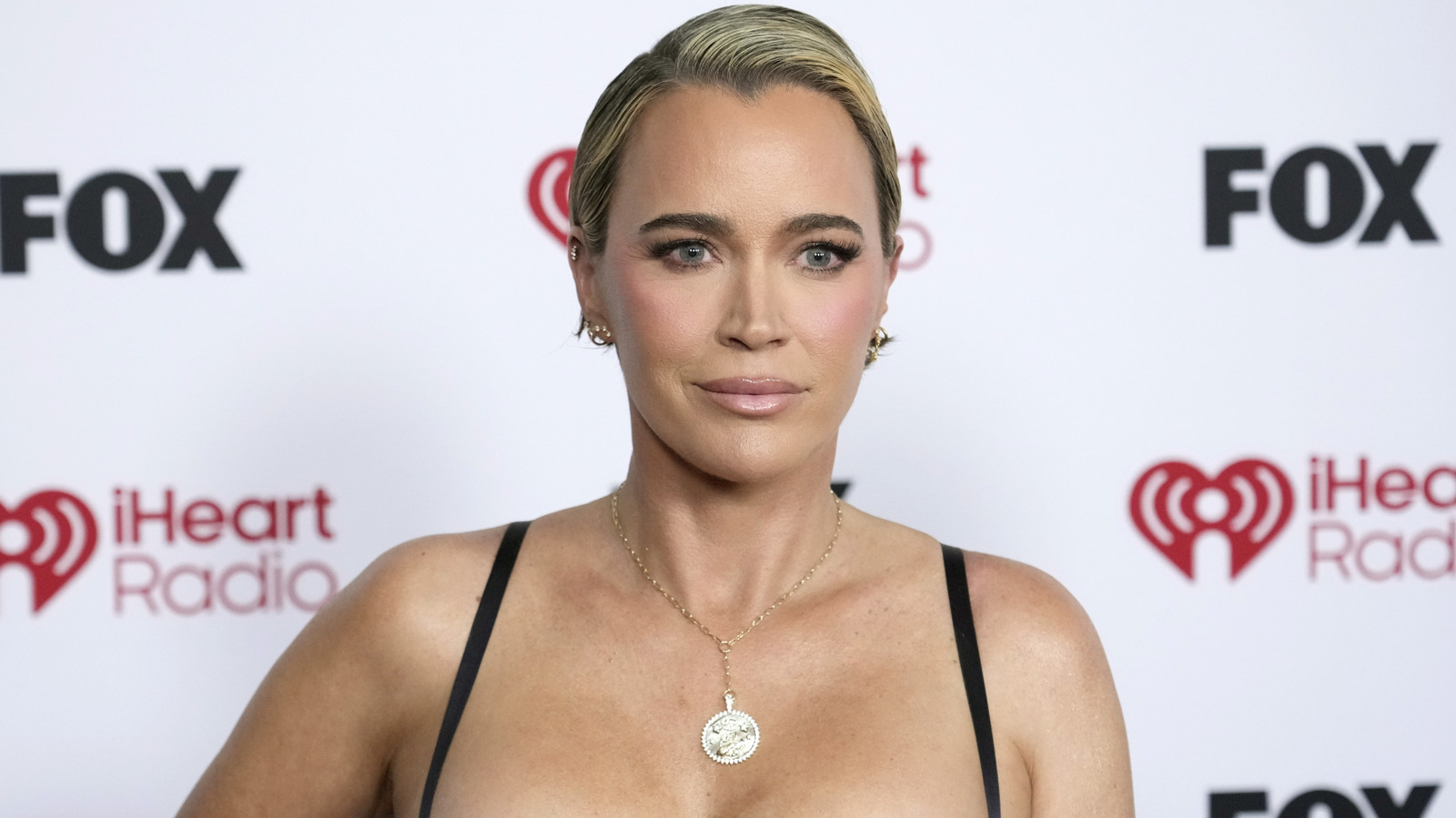


 P.S. Hilary Swank has something to say.