Because Trump picked this fight due to his concerns about Brazilian politics, that country’s presidential elections might quell it soon.









Because Trump picked this fight due to his concerns about Brazilian politics, that country’s presidential elections might quell it soon.
Post Content

Italian immigrants used to be accused of clinging too tightly to the Old World. Today, millions gather in Little Italy to celebrate the food, faith and traditions they brought with them.
Post Content

 With any luck, Mia Talerico will have her best year yet.The Good Luck Charlie alum celebrates her 18th birthday Sept. 17.
“I cannot believe I’m going to be 18 tomorrow, that today is my last day…
E! Online (US) – Top Stories
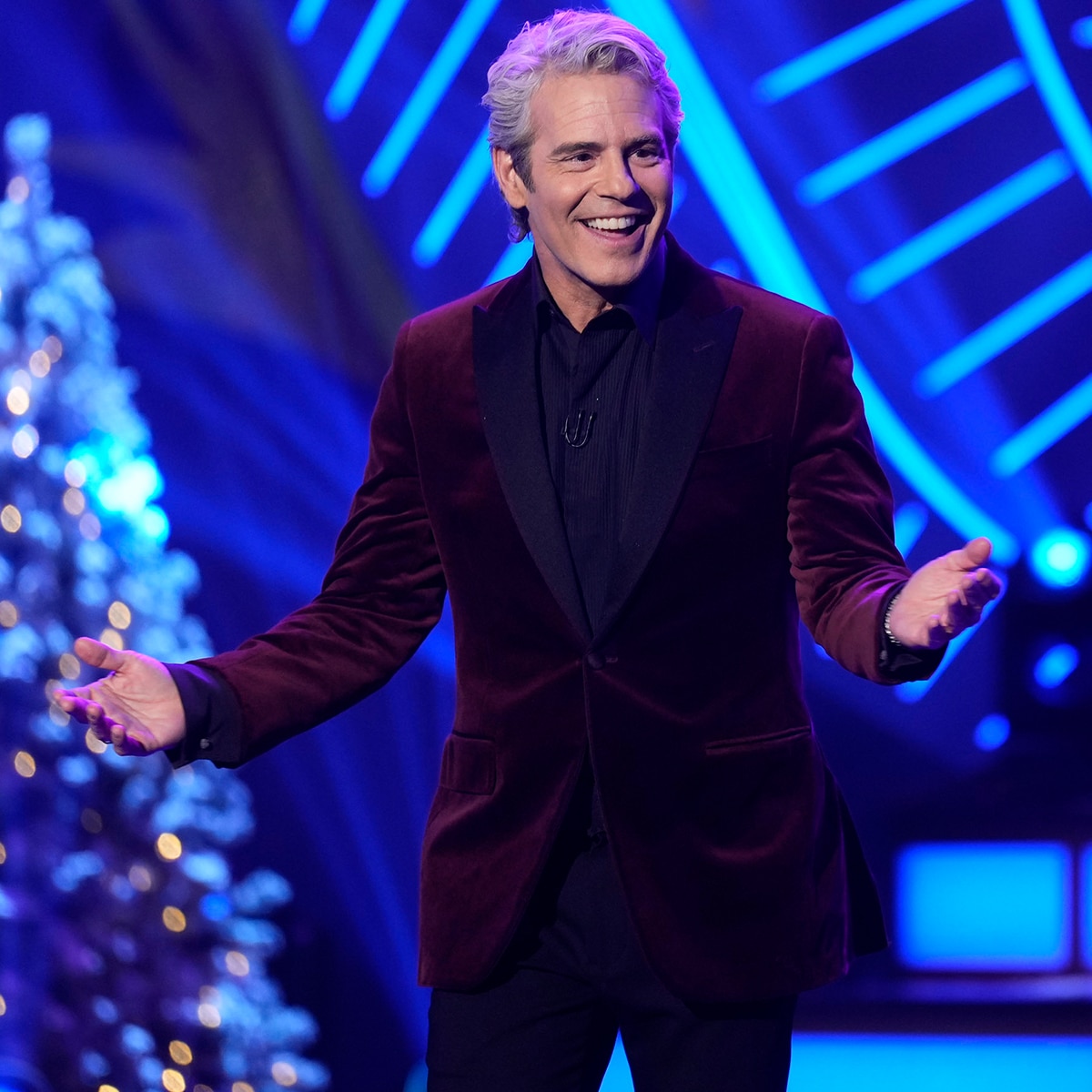
 Andy Cohen is walking back a misstep.
During the Dancing With the Stars season 35 two-night premiere Sept. 16, Julia Stiles addressed comments Cohen had made about the dance routine that got her…
E! Online (US) – Top Stories

Just like the rest of us, celebrities can experience pregnancy loss. However, it can help break down the stigma when they share that we are not alone.

Health Digest – Health News, Wellness, Expert Insights

Reading Time: 3 minutes
What is Kenny Chesney’s net worth?
As some Country stars make headlines for the worst reasons, a longtime star in the genre recently crossed a milestone.
Kenny Chesney is the first country performer, ever, to headline at the Las Vegas Sphere.
Naturally, fans and those unfamiliar with his work alike are wondering how wealthy his unending success has made him.
Kenny Chesney headlined the Sphere from May 22 through June 13.
And his residency could be renewed if demand is high enough.
That’s already happened with U2, Dead and Co., The Eagles, and Anyma. Thus far, only Phish has stuck to their initial Sphere commitment.
We don’t know exactly what Chesney has planned. But whatever it is, it’s been in the works for months.

“I’m always looking for ways to deepen the way No Shoes Nation experiences this music,” Chesney shared in a statement.
“…just the idea of 4D technology and the impossibly dialed-in sound raises the experience for No Shoes Nation, literally immersing them in music, visuals, sound, and being together,” he added.
Chesney affirmed: “To me, this is going to be a whole new way of rocking the fans, and I can’t wait.”

According to online estimates by Celebrity Net Worth, Kenny Chesney has a net worth of $180 million.
That is, of course, only an estimate.
These online estimates are not the same as deep dives by Forbes, but represent educated guesses based upon publicly available information and knowledge of the industry.
Often, net worth estimates of the very wealthy — like Chesney clearly seems to be — can prove more accurate than guessing the wealth of a newer artist or, say, a TV character actor.

It’s important to remember that Kenny Chesney is more successful than the vast majority of country stars.
This goes beyond his net worth.
He’s won twelve Country Music Awards. And he has been a country star for decades.
In 2018, Forbes estimated his annual income to be about $37 million. In this case, the $180 million estimate is believable, even without confirmation.

This sort of thing can vary widely from artist to artist.
However, U2 was reportedly making about $1 million per show at the Las Vegas Sphere.
If Kenny Chesney did the same or better (or even almost as well for himself), he definitely added some comfortable padding to his net worth.
After all, there are a lot of country fans in Vegas.
Kenny Chesney Net Worth? He Got a Lot Richer With Las Vegas Sphere Residency was originally published on The Hollywood Gossip.
The Hollywood Gossip
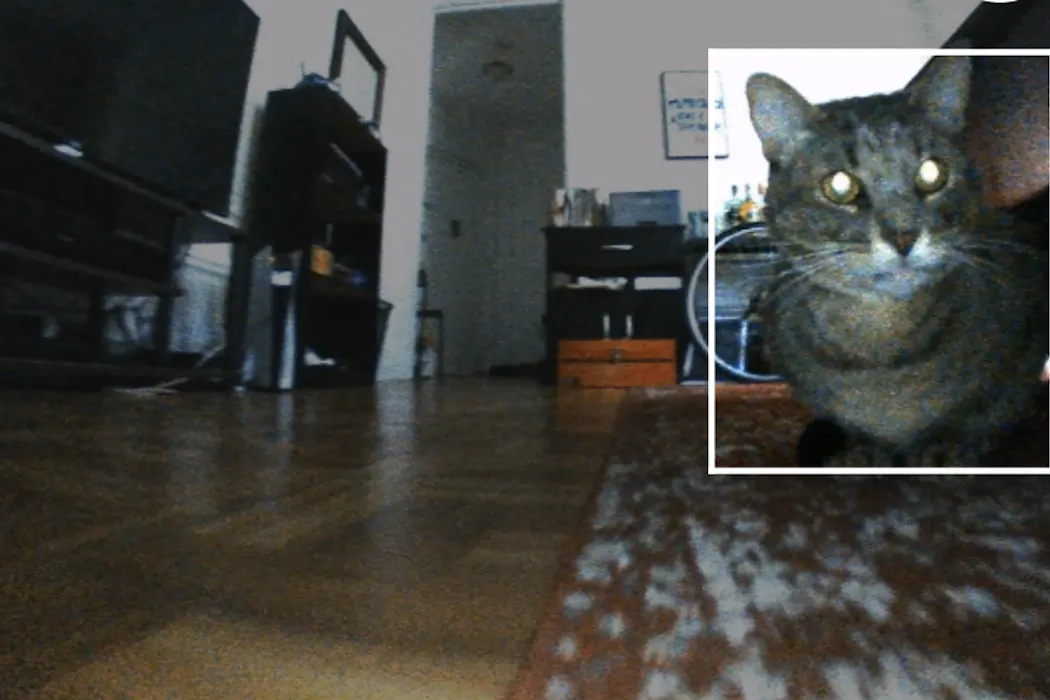
A husband in Taiwan suspected his wife of having an affair. In September 2023, he found a used toothbrush at their holiday home, and garage video showed an unfamiliar man driving his wife there. Three months later, he opened their robot vacuum’s app to speak with her and saw an intimate encounter through its live camera.
He recorded the feed and used it to win about US$16,000 from his wife and her lover for infringing on his marital rights. Then the Taoyuan District Court sentenced him to five months in jail and fined him roughly $4,700 for recording private activity without consent.
Both rulings are defensible. Together, they expose a troubling gap: Devices in homes now generate evidence continuously and often invisibly, while the governing law remains a patchwork. As faculty members in a school of interdisciplinary forensics, we see such cases where forensic practice meets law that has not kept pace.
A modern robot vacuum is a mobile sensor platform. Some models combine cameras, microphones, laser navigation and remote video access, while app-connected models create detailed floor maps and cleaning histories. Their data may also reach manufacturers’ servers.
In 2022, MIT Technology Review revealed images from development versions of iRobot’s Roomba J7, including a woman on a toilet. Test-household images had gone to a data-labeling contractor, where workers posted them in private social media groups. No hacking was required; the leak arose from the ordinary pipeline used to train object-recognition software.
Courts have confronted household data for years. Arkansas prosecutors charged James Bates with murder after a friend died in his hot tub, then sought recordings from his Amazon Echo and cited smart-meter data suggesting overnight water use. Amazon resisted until Bates consented. However, prosecutors could not eliminate other reasonable explanations, and they eventually dropped the charge.
In Connecticut, Richard Dabate claimed that an intruder murdered his wife, Connie. Her Fitbit data contradicted his timeline and helped establish when she stopped moving. A jury convicted him, and in 2025, the Connecticut Supreme Court upheld the conviction and found the Fitbit evidence scientifically reliable.
In Ohio, Ross Compton’s pacemaker data was used to challenge his account of a house fire, raising a novel Fourth Amendment question: How much privacy protection should apply to intimate medical data generated by an implanted device? The court ultimately upheld the search warrant, finding probable cause and concluded that obtaining the data remotely was not an unreasonable search. Compton died before his arson trial date.
In short, household data can convict, exonerate or mislead. That makes digital forensics indispensable and demands careful guardrails.

First is consent and notice. The wife in Taiwan argued that small indicator lights gave no meaningful warning, a concern that extends to guests, children, domestic workers and estranged spouses. Unlike a mounted security camera, a roaming appliance may record people who never saw its privacy policy.
Second, legality and admissibility do not always align. The constitutional exclusionary rule restrains government, not private parties, so the Fourth Amendment generally does not bar evidence wrongfully obtained by a private actor. The Supreme Court established that principle in Burdeau v. McDowellin 1921.
How do the courts admit evidence potentially generated and extracted by private individuals? In the Taiwan case, what exactly was recorded? Where was it stored? Was it altered? These questions go beyond whether the video appears authentic; they determine what a court can reliably infer from a digital artifact whose chain of custody may begin with a participant in the dispute.
Congress created a different rule for aural communications. Under the federal Wiretap Act of 1968, illegally intercepted wire or oral communications may be excluded, and the interceptor may face criminal and civil liability. When the act applies to recorded sound, illegality and inadmissibility can travel together.
Courts also disagreed for decades about one spouse recording another at home. The 5th Circuit created an interspousal exception in Simpson v. Simpson in 1974, but most circuits rejected it, including the 10th in Heggy v. Heggy in 1988. The 11th Circuit overruled its inherited exception in 2003, leaving the Simpson ruling a conspicuous outlier.
A robot vacuum adds another twist: The Wiretap Act covers intercepted sound, not silent video. Camera-only recording therefore falls outside that federal regime. Liability and admissibility then depend on state laws that differ sharply in scope, consent requirements and penalties.
Third is reliability. Consumer devices were designed to clean floors, not withstand cross-examination; timestamps, firmware changes and retention policies can complicate interpretation. A remote-access log may identify an account without proving who used it.
Lawyers in the Dabate case challenged the Fitbit evidence on reliability grounds, although the court upheld its admission after expert review. Each new device category raises similar questions. Examiners need validated methods to acquire, authenticate and interpret data, as the Scientific Working Group on Digital Evidence recommends for novel devices.
Consumers would have a better idea of their exposure if manufacturers disclosed at the point of sale what a device records, where the data goes and how long it persists. Federal trade regulators already urge clear prepurchase disclosures and data minimization for connected products. Those principles could be applied to remote viewing, not remain buried in terms of service agreements.
It would also help if manufacturers provided exportable logs showing when remote access occurred, which account connected and whether the camera or microphone was active. Federal vehicle event-data rules offer a model by standardizing records and retrieval. Existing internet-connected device guidance supports trustworthy time references, alteration protections, access controls and defined retention.
Legislatures could address intimate surveillance directly to prevent the current patchwork of laws from punishing betrayed spouses, enabling abusers and guiding neither clearly. Funding agencies and standards bodies could prioritize consumer-device forensics so that courts admit evidence because it is validated, not merely because it looks precise.
The vacuum in Taiwan did, in support of its primary function, exactly what it was designed to do: watch a room and report to the person holding the phone. The family and courts then improvised around evidentiary power that nobody had planned for. Congress and the states will need to decide what home robots may record, who may use the recordings and what they prove before words and actions in more homes end up as evidence in court.

The authors do not work for, consult, own shares in or receive funding from any company or organization that would benefit from this article, and have disclosed no relevant affiliations beyond their academic appointment.
Politics + Society – The Conversation
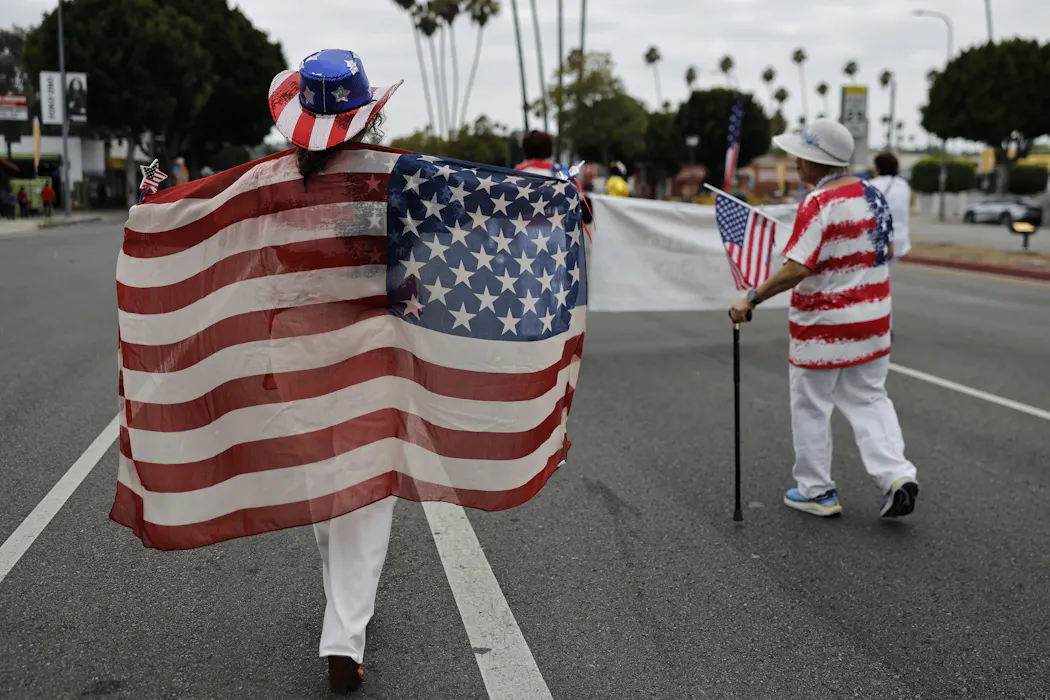
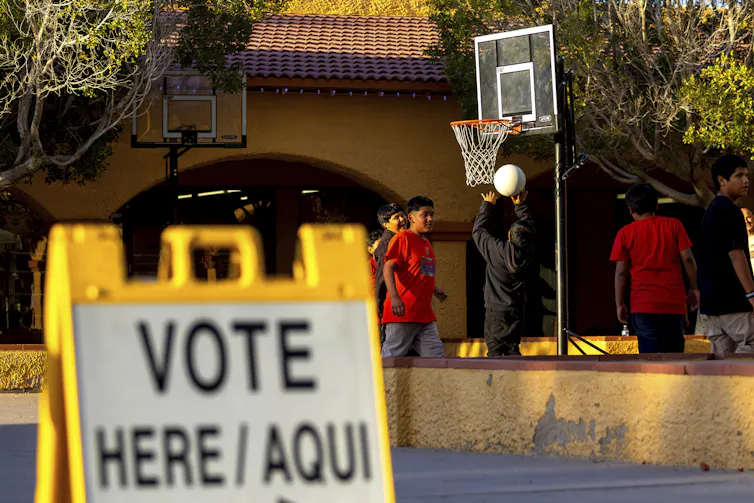
President Donald Trump won 43% of the Hispanic vote in 2024, up from 35% in 2020 – a big gain for Republicans. Now, as the midterms approach, Hispanic Americans across party lines are losing faith in the American Dream, and his administration’s immigration crackdown appears to be part of the reason.
Arrests by Immigration and Customs Enforcement of people with no criminal record are surging. Federal immigration agents have shot at nearly two dozen people – most of them Latino – since last year, according to The New York Times. Those include the fatal shootings of Lorenzo Salgado Araujo in Texas and Johan Sebastián Durán Guerrero in Maine.
This climate of aggressive immigration enforcement may be affecting Hispanic Americans’ sense of belonging and their belief that they can pursue a better life in the United States. The Public Religion Research Institute 2026 survey on American identity asked more than 5,000 adults about their thoughts on the American Dream: the idea that if you work hard, you’ll get ahead. Just 40% of Hispanic Americans say that dream holds true today, down from 52% just two years ago.
I’m the director of research at PRRI, and I study public opinion and immigration. I recently analyzed nearly 700 survey responses from Hispanic Americans to understand which factors are associated with the belief that the American Dream no longer holds true. I found that national pride, concerns about democratic rights and freedoms, attachment to living in the U.S., and Trump’s handling of immigration are significantly associated with this belief.
Surprisingly, however, party affiliation is not.
Hispanic Americans – Republican, Democrat and independent – are experiencing a growing sense of isolation, feeling less safe, less welcome and more like strangers in their own country.
The share of Hispanic Americans who identify as Republican has more than doubled, from 10% in 2013 to 21% in 2025. Over the past year, however, Hispanic Americans’ favorable views of Trump’s handling of immigration have dropped – from 31% in 2025 to 19% in 2026.
Whether Republicans keep their recent gains among Hispanic voters in the November 2026 midterms may depend on whether those voters feel the administration has made their families less safe and their finances less secure. Most Hispanic Americans – 68% – believe the surge of ICE officers is making communities less safe.
Pride has also slipped. Just 42% of Hispanic Americans say they are extremely or very proud to be American, compared with 51% of Americans overall. To be sure, national pride has fallen sharply across the country, from 82% in 2013 to 51% today. But among Hispanic Americans, the drop has been even steeper: from 77% to 42%. A majority of Hispanic Americans – 56% – now say they feel like strangers in their own country.
Concerns about the state of democracy may also be contributing to Hispanic Americans’ shifting views. When eligible voters fear they could be disenfranchised based on unfounded claims about noncitizen voting, it weakens their sense of belonging and their confidence in democratic institutions.
Research shows that Latino citizens already face disproportionately negative effects from strict ID policies, which researchers suggest may be partly due to being less likely to have an ID and feeling intimidated by an increasingly hostile immigration environment that could put undocumented family members at risk. The proposed SAVE America Act, which would require additional documentation to vote, would make voting even more difficult for them.
To understand how Hispanic Americans view the American Dream, I analyzed PRRI’s survey, accounting for differences in race, age, gender, education, religion, employment, income, region, parenthood, survey language and party identification. Even with those controls, unfavorable views of Trump’s handling of immigration remained significant. Weaker levels of national pride, weaker attachment to the U.S. and concerns about democratic rights were significantly associated with the belief that the American Dream no longer holds true.
One additional factor was statistically significant: survey language.
Unexpectedly, Hispanics who completed the survey in Spanish were more likely to believe that the American Dream holds true than those who completed the survey in English. This could be because some Spanish-language respondents evaluate economic opportunities in the U.S. relative to those in their countries of origin.
One factor that was not statistically significant was party identification.
After accounting for other characteristics, Hispanic Democrats, Republicans and independents do not significantly differ in whether they believe the American Dream holds true. This suggests that declining faith goes beyond partisanship and reflects a more fundamental question about this group’s sense of belonging.
In America, 1 in 5 people identify as Hispanic. When a growing segment of American society begins to doubt that hard work leads to opportunity, that citizenship provides security, or that participation brings acceptance, the consequences go beyond which party they will support in November. The deeper question is whether people are beginning to lose faith in the country itself, including its democratic promises and its future.

Diana Orcés is the director of research at the Public Religion Research Institute (PRRI). She is also an adjunct professor at American University, where she teaches political analysis.
Politics + Society – The Conversation
