Categories
Alaska News

Chronic conditions persist in Alaska, but there are bright spots in latest health report

Alaskans face chronic health problems that are not yet easing and, in some cases, getting worse, according to a new status report released by the Alaska Department of Health. At the same time, there are signs of improvement in health, health care and the socioeconomic conditions that support well-being, particularly among youth, according to the report.

The 2026 update is part of the long-term Healthy Alaskans program, a collaboration between the state Department of Health and the Alaska Native Tribal Health Consortium.
The program sets 10-year goals and uses a holistic approach that considers factors like food security, housing security, public safety, education and other indicators. The new report comes at about the midpoint of the period covered by the Healthy Alaskans 2030 State Health Improvement Plan.

“The State Health Assessment is a comprehensive health checkup for the whole state; it represents the health of all of us,” Dr. Robert Lawrence, the Department of Health’s chief medical officer, said in a statement. “Like any checkup, knowing where we are on target and where we can improve helps us be strategic on where we focus our time and attention to the benefit of all Alaskans.”  

The report includes some bad news, some of which concerns obesity, poor diets and related ailments.

In 2024, 185,000 Alaska adults were identified as suffering from high blood pressure and 167,00 from high cholesterol, health conditions often tied to excessive weight, the report said.

Those totals represent significant proportions of the state population. As of 2025, Alaska’s population was estimated at 738,737, about three quarters of whom were adults.
Among high school students, 33% were overweight or obese in 2023, the report said. And the vast majority of Alaskans, whether adults or students, failed to consume the recommended daily amounts of fruits and vegetables and failed to engage in the recommended daily levels of exercise, the report said.

Alaskans’ life expectancy has not increased since 2014 and actually showed a slight downward trend through 2024, though there has been recovery since the dip caused by the COVID-19 pandemic. Broken down into demographic groups, Alaska’s Asian and Pacific Islander residents had the highest life expectancy in 2024, at 81.0 years, and Indigenous residents the lowest, at 67.6 years. The Alaska Native life expectancy in 2024 was 10 years shorter than the overall U.S. average, the report said.

The statistics on life expectancy are among several examples of health disparities resulting in poorer health for Alaska Natives. Those are related in part to unequal access to health care and other services, the report said. “The current and historical conditions, policies, rules, and power structures in communities underlie whether individuals have the best chance at living a healthy life, including practicing healthy behaviors,” it said.

Rates of infant mortality showed no improvement over the past decade, and a big disparity persists for Alaska Native people. The rate of infant deaths was 13 per 1,000 births among Alaska Native people in the years from 2020 to 2024 — about twice the rate for the state as a whole, according to the report. 

Childhood vaccination rates in Alaska continue to lag national rates, the report said.

There is good news in the report, though.

Among those positive signs is a significant increase over time in prenatal care. In 2008, only 39% of women who gave birth in Alaska had received adequate prenatal care starting in the first trimester; by 2024, that measure had risen to 67%

High school graduation rates are up as well. In the 2010-11 school year, 68% of Alaska students graduated high school within four years; by the 2023-24 school year, that rate has risen to 78%. Graduation rates for Alaska Native students lagged the state average, but they also improved during the period, from 51% to 65%, the report said.

That is important because education is linked to better health, the report said
“In Alaska, 35% of adults without a high school degree reported five or more poor physical health days in the last 30 days, compared with 22% of adults with at least some college education,” it said.

Alaska teens are less likely to be exposed to secondhand tobacco smoke, part of an overall trend toward establishment of tobacco-free zones and similar policies, the report said. In 2011, 36% of high school students were exposed to tobacco smoke; the rate fell to 25% in 2024, the report said.

Some health-related metrics showed mixed signals as of 2024, according to the report.

Drug overdoses that spiked amid the national opioid crisis are showing signs of abatement. Alaska’s rate of fatal overdoses more than doubled from 2019 to 2024, from 18.1 per 100,000 people to 45.6 per 100,000 people, the report said. But the 2024 rate represented a 5% decrease from the peak rate hit the year prior. That was not as dramatic as the national drop of nearly 27% from 2023 to 2024, but indications are that the downward trend will continue into 2025, according to Department of Health records.

Climate change poses numerous health challenges, the report said. In rural areas, changes to fish runs, wildlife populations and berry crops have interfered with traditional harvests of wild foods and diminished food security. In various parts of the state, wildfire smoke is a health hazard. Risks of certain diseases have increased with the changing climate, the report added.

As those challenges mount, there are new programs and systems aimed at mitigating those threats, the report said.

Alaska’s extensive and continually improving trail system, which helps people reach sources of wild food, and also supports exercise. Contributes to overall health, the report said. More Alaska-grown food has become available over time. Organizations like the Food Bank of Alaska are reaching residents in need, including the state’s growing population of elderly residents.

The post Chronic conditions persist in Alaska, but there are bright spots in latest health report appeared first on Chilkat Valley News.

Categories
Entertainment

Dolly Parton Spent Final Months ‘Drowning In Grief’ Over Loss of Husband Carl …

Reading Time: 2 minutes

As you’ve likely heard by now, country music icon and humanitarian Dolly Parton passed away this week following a brief battle with cancer.

Parton lived one of the most iconic lives in recent American history, but her final months were marred by loss and grief.

The singer’s longtime husband, Carl Dean, passed away in March of 2025, and according to one new report, the loss devastated Dolly for the rest of her days.

Dolly Parton attends the 58th Academy Of Country Music Awards at The Ford Center at The Star on May 11, 2023 in Frisco, Texas.
Dolly Parton attends the 58th Academy Of Country Music Awards at The Ford Center at The Star on May 11, 2023 in Frisco, Texas. (Photo by Theo Wargo/WireImage)

“Carl’s death knocked the wind right out of her. She’s trying to rally herself, but most days she looks lost,” one source told Radar Online at the time.

“Carl was her rock. She depended on him more than people realized.”

“Knowing Carl for decades and being the most important person in her life, now that he is gone, as much as she can take comfort in other family members and fans having her back, it is never the same,” the insider added.

Another source says that in her final months, Dolly “was not eating right, not doing the things she usually would do for her continued health, and she let things slip.”

“When Carl died, that was the first time brakes were applied and reality set in and she didn’t know how to handle it,” the insider continued.

In the days following Carl’s death, Dolly took every opportunity to pay tribute to her loving husband, who famously maintained a low profile throughout her career.

“I fell in love with Carl Dean when I was 18 years old. We have spent 60 precious and meaningful years together,” she posted on Instagram after his passing.

“Like all great love stories, they never end. They live on in memory and song. He will always be the star of my life story.”

“Oh, you know what, I get very emotional when people bring it up,” Parton told Today‘s Savannah Guthrie, in June of last year, as she struggled to fight back tears.

“Right after I had lost Carl, I was just so bottled up with emotion, and I got in the van and just boo-hooed for the longest time, just feeling all that love and emotion,” she continued, adding:

“It’s a big adjustment just trying to change patterns and habits. I’ll do fine, and I’m very involved in my work, and that’s been the best thing that could happen to me. But I’ll always miss him, of course, and always love him. He was a great partner to me.”

Dolly’s brother, Coy “Denver” Parton also passed away in the months before her death.

As epic as her life may have been, Dolly was human and not immune from the sort of pain that impacts every life at one time or another.

Of course, her vulnerability was one of the things that made her relatable to so many millions of fans.

Dolly Parton Spent Final Months ‘Drowning In Grief’ Over Loss of Husband Carl … was originally published on The Hollywood Gossip.

​The Hollywood Gossip

Categories
Entertainment

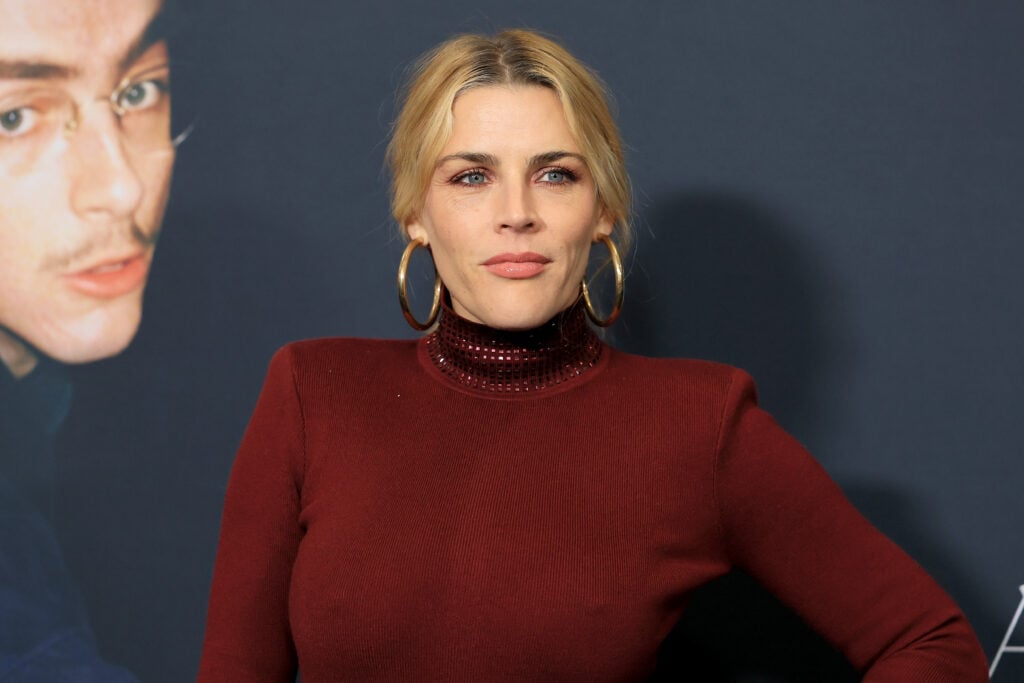
Busy Philipps Diagnosed With Rare, Malignant Brain Tumor

Reading Time: 3 minutes

Busy Philipps was diagnosed with a rare, malignant brain cancer this year.

She had known that something was off. After a lot of debate, she went in for a screening.

The day after her former co-star James Van Der Beek passed away, doctors discovered a tumor.

47-year-old Busy had to tell her ex, tell her children, and plan an invasive brain surgery.

Busy Philipps in December 2025.
Busy Philipps attends A24’s “Marty Supreme” New York Premiere on December 16, 2025. (Photo Credit: Dia Dipasupil/WireImage)

Busy Philipps feels ‘grateful to be alive’

Speaking to People, Busy revealed that she underwent two brain surgeries following her diagnosis with a malignant brain tumor.

Referring to the “weirdest six months of my life,” she expressed that she feels “grateful to be alive.”

Busy is very conscious of how deadly cancer can be, referring to herself as “the luckiest girl in the world.”

She had a grade 2 oligodendroglioma, which is a slow-growing but malignant tumor. A Prenuvo scan caught it on February 12.

Debate with different doctors — her primary care physician talking her out of a full-body scan in 2025, but a family member who was also a doctor encouraging her — led to her finally getting screened.

Busy recalled texting her ex-husband, Marc Silverstein, “OMG I have a brain tumor.”

She shared: “And he wrote back, ‘Busy, what? What are you saying? What are you talking about?’ I was like, ‘It looks fine. It’s probably benign. I don’t know.’”

It was not, in fact, benign.

“This is a real tumor, and it’s inside your brain,” Busy described a neurologist explaining to her. “And Busy, it’s got to come out.”

When the reality hit home, Busy was “hyperventilating and trying to breathe.” She also had to tell her two children.

The brain surgery to remove the tumor lasted for 5 hours

Fortunately, 18-year-old Birdie and 13-year-old Cricket are both old enough to fully understand what a brain tumor is — and old enough to process their emotions.

Busy recalled her eldest being “kind of beside herself and really, really scared and overwhelmed with emotion.” That makes sense!

“I just kept saying to her, ‘Birdie, you’re just not in the movie where your mom dies your senior year of high school. That’s just not the movie that you’re in. I promise you,’” she shared.

Meanwhile, 13-year-old Cricket “was like, ‘OK. You’re going to be fine?’ And I was like, ‘I’m totally going to be fine.’ And she’s like, ‘OK.’”

These are normal, healthy reactions. It also makes sense that the eldest child would feel more anxiety. Even just 5 years of life experience at that age can make the risk of death feel much more real.

On March 2, surgeons removed the 2.6-centimeter mass during a 5-hour procedure.

It is fortunate that they caught it relatively early.

Had Busy not gone in for a screening, waiting until symptoms became impossible to ignore might have meant finding a tumor significantly larger.

She did have to go in for a follow-up surgery after developing a Staph infection.

It is a relief to know that she survived that harrowing ordeal. Busy knows better than most that many people do not.

Busy Philipps Diagnosed With Rare, Malignant Brain Tumor was originally published on The Hollywood Gossip.

​The Hollywood Gossip

Categories
Hip Hop

VITA Announces ‘OPIA,’ Set To Be Released on September 25

VITA SINGLE

Australian-Filipino singer and songwriter VITA has revealed that her forthcoming album OPIA will be released on September 25 via Interscope Records.

To celebrate the news of the album, VITA has also unveiled a new track from the album, “SINGLE,” which was produced by Naz and Leven Kali. The triumphant alt-pop track is highlighted by VITA’s electrifying vocals and a percussive instrumental backdrop. Hard-hitting synths and drums provide a backdrop for VITA to reckon with love in the modern age.

YouTube Video
Click to load video

When the track shifts into an uptempo dance cut, built for nights in the club, VITA sings: “Faithful to this heart of mine/ I’m the only one I could cheat/ I can only see through my eyes/ And it’s all romantic to me.” During the chorus, VITA adds: “I wasn’t built for a singular love/ Don’t run away from me singular love.” The track follows the first single teased from OPIA, entitled “PLEASER.”

The artist, who hails from Sydney, worked in close collaboration with Naz, who’s been her longtime producer and serves as OPIA’s creative director. The vision they’ve cooked up together exists beyond the record, like on Instagram, where VITA has been unveiling short-form visuals that offer up a behind the scenes look at the identity of the project.

In an interview with Mido-Media, VITA explained: “I’m really genuinely psychotic about [studying the character]. I wanted the character to represent the performance… so far away from what I am in real life, that when people meet me they won’t even necessarily recognize me.”

This vision informs OPIA, which is inspired by the idea of looking into another person’s eyes and gathering all of the feelings that come from that experience.

Listen to VITA’s “SINGLE” here.

​Discover more about the world’s greatest R&B artists | uDiscover Music

Categories
Hip Hop

Genia Unveils Music Video For New Single ‘FUHYUH’

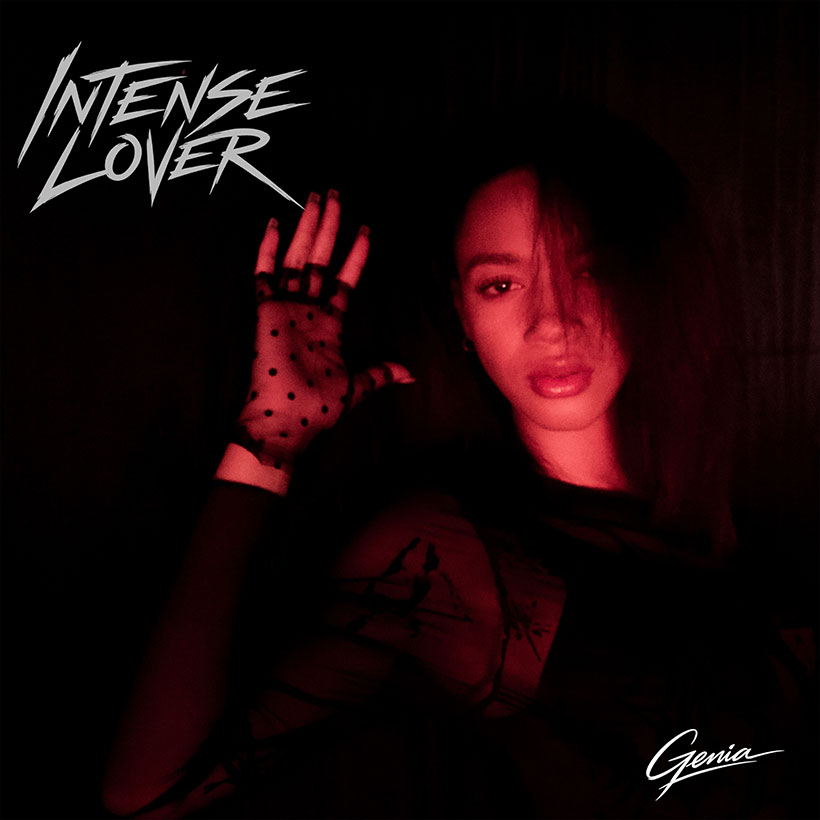
Genia Intense Lover EP

Genia has shared a music video for “FUHYUH,” one of many standout cuts from her recently released EP, INTENSE LOVER. Released on August 14 via Def Jam Recordings, the project also includes singles like “Can’t Wait” and “Miss Your Touch.”

On “FUHYUH,” which kicks off the festivities on INTENSE LOVER, Genia introduces some new jack swing elements. Bringing an electrifying energy to the proceedings, the California-raised singer croons: “I ain’t never been the type to act like I don’t give a f__k about love/ But that boy should’ve never locked eyes ever since I’ve been sprung.”

In the accompanying video, Genia showcases some dance moves in a busy warehouse-type work space, illuminated by cool blue lights, before moving to the streets of New York.

YouTube Video
Click to load video

The EP follows a run of singles Genia released earlier in 2026, including “Baby Ima Star,” “Downfall,” “Doomsday,” and “Toastyyy,” the latter featuring Timbaland.

In an interview with GQ South Africa, Genia reflected on what the title INTENSE LOVER is meant to represent. She explained, “When you hear the words ‘intense lover’, at least for me, it gives very chaotic love. It’s love, it’s pure, but at the same time, it’s really over the top. Each record on the EP is about that — very over-the-top love, big love.”

Genia also revealed how it took her a little while to find her footing as a musician, even pursuing a different career before moving to LA to give songwriting her full attention. “Music was always something I really, really wanted to do. Around my last year of high school, I had the idea of what I was ‘supposed’ to do — go to school to become a nurse,” she explained.

“But I figured out, ‘I’m not happy doing this. I feel like I’m not doing what I’m passionate about.’ So I took a leap of faith and just went for it. But I always knew I wanted to do music; it was never a question.”

Listen to Genia’s Intense Lover EP here.

​Discover more about the world’s greatest R&B artists | uDiscover Music

Categories
Sports Fox

Inside The Unspoken Telepathy Driving Jared Goff And Amon-Ra St. Brown’s Connection

DETROIT — Jared Goff pulls out his phone and looks for Amon-Ra St. Brown in his messages. He’s not hard to find. The two text often. During the offseason, they live 40 minutes from each other in Los Angeles and often meet for dinner at Sushi Bar Hermosa Beach, St. Brown’s favorite restaurant ever since Goff first took him there. But Goff isn’t feeling like Omakase. He’s feeling like a workout. Goff hits send, asking St. Brown: Available? Of course he is. For the Lions Pro Bowl quarterback, St. Brown’s schedule is basically always wide open. And that’s how the All-Pro receiver is so often wide open in Detroit’s offense. Their connection is prolific. In the past four seasons, Goff has completed 457 passes to St. Brown for 3,952 yards and 39 touchdowns. In NFL history, only three receivers have had four consecutive seasons of 100 receptions, 1,000 yards and 10 touchdowns: Marvin Harrison Sr., Antonio Brown and Davante Adams. “And he’s going to be the next one this year,” Goff told me of St. Brown. That’s in no small part because they’ve worked out together the past four offseasons, often at least once a week. The workout itself “may seem mundane,” Goff told me. They run the same routes. “You kind of do it with your eyes closed,” the quarterback told me. “It’s just the 10,000 rep rule. Whatever it is: 10,000 hours.” That repetition has given life to something more than an unspoken connection. It’s telepathy. When you watch Goff and St. Brown on the field, you can see they’re finishing each other’s sentences — if every sentence was punctuated with a first down. It’s not normal. They can make changes mid-play without even having to look at each other. It goes beyond coaching. “There’s things [they do] where I’m like, ‘Who’s said that? Who’s doing that?’ And it’s in the middle of the play, and they’re both on the same page,” said Scottie Montgomery, Detroit’s receivers coach and associate head coach. The duo’s instinctive plays don’t necessarily follow the scheme’s rules; it’s about feel. “He already knows what I’m going to do,” St. Brown told me about Goff. “Like a second into the play, he already knows what I’m doing. I know what I’m gonna do. It’s timing and rhythm. He’s not even thinking about what I’m going to do.” Their connection seems to be about absolute trust, brotherhood and, maybe, something stronger than words can express. They arrived in Detroit together in 2021. Goff, the No. 1 overall pick in 2016 by the Rams, came via a trade that he told me “for sure” put a chip on his shoulder. St. Brown arrived as a fourth-round pick from USC after leading the Pac-12 in receptions in the COVID-shortened 2020 season, and he has closely followed the careers of the receivers who went above him. They arrived in Detroit as the downtrodden. And it didn’t get better right away, with that 2021 season ending 3-13-1 in coach Dan Campbell’s first year with the Lions. But in the halls at Ford Field, in the meeting rooms at the Meijer Performance Center, at Sushi Bar and on a practice field in L.A., they’ve built themselves back up. “It’s almost like you and your wife or you and your fiancée, your girlfriend,” St. Brown told me. “Like you want to be better for her, she wants to be better for you. It makes a good couple. … We don’t want to let each other down.” ***** It’s crunch time for the Lions’ offense. There’s heat — like, it’s literally hot outside. But you can also feel the frustration and urgency. Practice is not going how they wanted it to go — at least not for the offense. Big plays keep getting called back. Drives keep faltering. If you’re thinking this is a metaphor for Detroit’s 2025 season, then you’re onto something. Last year, the Lions thought they’d be hunting a Super Bowl, but they finished last in their division. It was a season of white-hot frustration. When things get hard for the Lions, they go back to what’s most reliable: Goff and St. Brown. It’s a drive late during an August training camp practice, and the offense begins on the 25-yard line, just outside the red zone. Goff kicks things off with a 10-yard pass to St. Brown, because — why not? Not long after that, they’re at the 3-yard line. And it’s fourth down. Goff hits St. Brown on a slant route. Touchdown. It’s an easy route — made even easier by those offseason workouts. Still, they’re not done. Up next: a 2-point conversion. At the line of scrimmage before the play, Goff hits Brown with a hand signal that is so subtle that the receiver nearly misses it. “I wasn’t ready for it,” St. Brown said. “It was super last minute, and I barely saw it.” But, of course, he doesn’t miss it. He’d never. St. Brown beats his man to the corner of the end zone, where the ball is waiting for him, where only he can catch it. In less than a minute, they’ve posted eight points. The ball placement is perfect, because Goff knows exactly where St. Brown is going to be — long before he gets there. “I think we’ve been playing for so long together that he understands my body language when I’m running routes,” St. Brown said. “That he can anticipate throws before I’m even out of the break. He kind of knows, ‘Oh, that’s how it looks when he’s about to break down.’ So he already knows. He can anticipate the throw.” That’s how the receiver thinks the QB perceives him. Now listen to how the QB thinks the receiver perceives him. “It’s about him feeling when the ball’s out of my hand and how quickly it’s on him,” Goff told me. “I would imagine subconsciously he’s understanding how quickly the ball is out.” It’s about the little details. OK, I’ll admit that I hate that expression. It’s often the kind of thing that NFL coaches and players say when they don’t want to share those little details. It’s a cliché that obfuscates specificity. But Goff isn’t doing that here. Neither is St. Brown. “When I threw him that fade in the back of the end zone [for the 2-pointer], I know he’s going to want it over the top — as opposed to slowing him up with the ball. That’s reps. That’s a million of them,” Goff told me. “I know what his body language is like when he’s like, ‘I’m digging and I want it there [in the corner of the end zone].’ Because I can’t see what the defender is doing out there, really. I can see it from my vantage point, but I don’t really know how far away he is. So … I’m trusting [St. Brown] that he knows this ball needs to go there.” I wasn’t able to get video of this play, because the Lions’ practices are no phones allowed. But that’s not a problem, because, like Goff said, they’ve done this a million times. And when I asked St. Brown for a route that best exemplifies the strength of his connection with Goff, he brought up a play that’s quite similar — an inside fade in a 2023 playoff game against the Tampa Bay Buccaneers. That play’s success came down to a check at the line of scrimmage. In the red zone, St. Brown knows that Goff has different signals — and free rein to make changes at the line. So inside the 20-yard line, St. Brown knows to be especially attentive, whether it’s practice or a playoff game. In this touchdown against Tampa, Goff did something that let St. Brown know: This pass is coming to you. “It’s very subtle. You don’t want the defense to really see it,” St. Brown told me. “It makes it easy when you talk about things before it happens, and it shows up in practice or in the game. And you’re already a step ahead.” The Lions would win that game 31-23. It’s their most recent playoff victory, which is perhaps why it’s so sharp in their minds. “That was sick. To me, that one’s easy though,” Goff told me. “That one was like there was no one else on the field but me, him and the corner. And like I’m throwing it to you no matter what. I trust your route. I trust what you’re gonna do. I’m gonna throw it where only you can catch it and go make a play. And I think he loves that challenge.” We talk endlessly about how football is an 11-on-11 game. There are 22 players on the field. But Goff and St. Brown take pride in seeking opportunities to make it a three-person game. QB and WR vs. DB. “Yeah, two on one,” Goff said. “It’s fun. When he’s man-to-man, he’s winning at least probably 75 percent of the time.” But if that kind of play is “easy” (which it’s not, by the way), then what does Goff think shows their connection most clearly? He said to scrub backward in the game film against Tampa to look at a third-and-15 play, where St. Brown ran a deep hitch. Nothing fancy: The receiver runs out to the end of the field and stops. When he turns, the ball should be on him. But then Goff brought up another third-and-15 play, one against the Arizona Cardinals. It was a connection on a deep in-cutting route. In both instances, Goff releases the ball so that it’s on his receiver at precisely the right time. In both instances, the Lions had no business picking up a first down. In both instances, the defense must have known Goff wanted St. Brown. In neither instance could the defense do anything about it. “These in-cuts are often the ones that become the anticipatory throws,” Goff told me. “Because he can’t get all the way in there. He’ll run into somebody, so I have to anticipate. He has to give me the right body lean, and so all these in-cuts that you could watch on tape — you could watch 100 of them — I bet I throw him early, and I bet he’s giving me a good indicator.” It’s an indicator that only a trained eye can see. St. Brown has trained Goff well. And vice versa. “That creates this level of trust on throws that you wouldn’t normally throw, that you’re trusting are not going to end up in a bad play,” Goff said. These are the routes that are so often impossible to defend. The best defensive play call, the best defensive back, the best intentions — none of it can stop a quarterback and a receiver when they’re speaking without talking. “All we need is like a slither of space for him to throw it. All he needs is a little room to throw it. All [I] need is a little room to catch it,” St. Brown told me. “That kind of demoralizes defenses.” ***** Back when it all began again in Detroit in 2021, Goff was begging the coaches to put St. Brown on the field. Sure, the rookie wideout was only a fourth-rounder. But it was immediately apparent to the QB that he was the team’s best receiver. “In training camp, I was like, ‘Why is he not starting? Get him on the field.’ I knew right away this kid’s gonna be really good,” Goff told me. “I don’t think anyone knew that he’d become what he is. But I think that chip on his shoulder and the chip on my shoulder, both of us kind of wanting to prove ourselves and being on a team that wasn’t very good and having to lean on each other, has helped build us into a great partnership now.” Chicago Bears receiver Kalif Raymond, who spent the past five years with Detroit, said it was “only Jared and the janitor” in the building when he arrived in the morning and left at night. And when St. Brown was drafted, he brought his 202 routine with him. It started in middle school when his father heard about another receiver who caught 200 passes on the Jugs machine after every practice. So Amon-Ra would catch 202. As a Lions rookie, he’d do his 202 in addition to staying late to catch passes from Goff. “I’m cramping. I’m gassed. I got nothing. And him and Jared are running practice routes after practice, and then that’s either before or after Saint has got his 202,” Raymond told me. For all that Goff and St. Brown have accomplished since then, they still have a chip on their shoulder, still feel as if they are overlooked. And in true form, they stick up for each other. “I feel like [Goff] never gets the respect that he really deserves,” St. Brown told me. “Maybe it’s the way he plays because he can’t run. Whatever it may be. There’s always gonna be people that say, ‘There’s guys better than Jared. Jared’s not so-and-so.’ They’re always gonna have something to say. “And I feel like I’m the same way. I’m not the flashiest receiver. I’m not running go balls and Moss-ing dudes. My game is not like that.” But the way Goff talks about St. Brown, it’s almost like he’s Randy Moss. There was Goff’s promise about this upcoming season — and how St. Brown’s production would put him alongside Harrison, Brown and Adams. But there’s also the way Goff talks about St. Brown with the coaches — away from the cameras and press conferences. Goff famously texted then-Lions offensive coordinator Ben Johnson before the 2023 season. “I had texted Ben at some point, like, ‘Yo, like this dude’s gonna be a problem this year,’” Goff laughed. “He was so hungry, and you could just feel it. But … I could send any of the coaches that same text right now. I feel the same thing from him now. It just keeps getting better and bigger.” So what could be bigger or better? Right now, honestly, they look a lot like Tom Brady and Julian Edelman — elite pocket quarterback and elite slot receiver. But when I suggested that comparison to both Lions, they talked about what Brady and Edelman had — and what Goff and St. Brown do not. “For me and Jared, we got to win the Super Bowl. …  It’ll just help — I can say it — our legacy,” St. Brown told me. “We haven’t, frankly, won any really big games here. Yes, we’ve won a lot of games, but we haven’t won the big ones. So I think for us, and I think Jared’s on the same page, we want to win the big games.” Those are the hard games. But we know what happens when things get hard for the Lions.​Latest Sports News from FOX Sports

Categories
Food

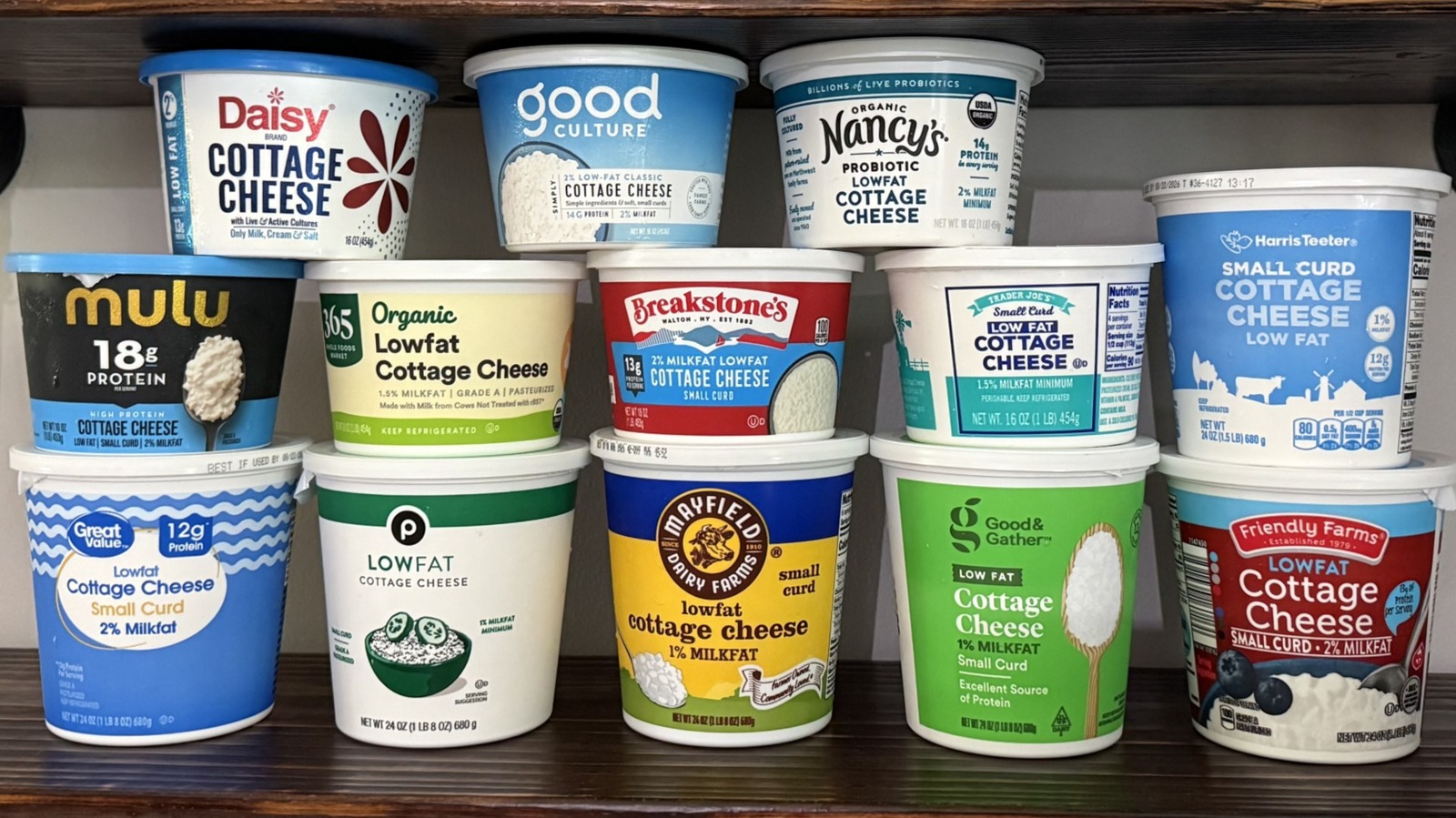
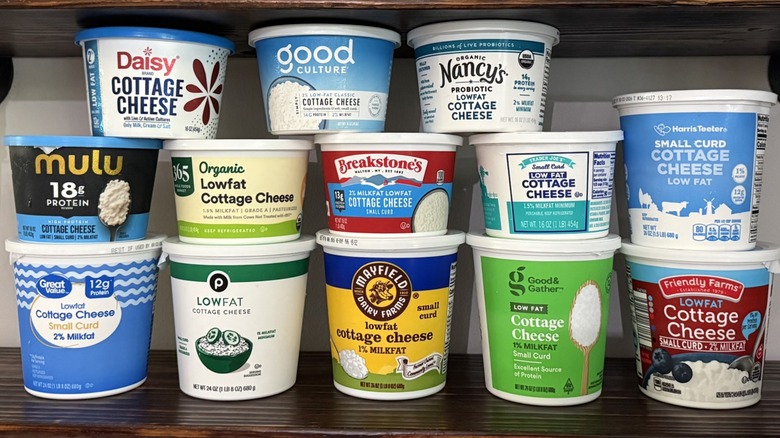
The Popular Cottage Cheese Brand You Should Leave Out Of Your Shopping Cart

If you are a lover of cottage cheese and want to enjoy it directly by the spoonful, you may want to avoid Nancy’s Organic Probiotic Cottage Cheese altogether.

​Food Republic – Restaurants, Reviews, Recipes, Cooking Tips

Categories
Entertainment

Andy Cohen Reveals Whether He’ll Appear on Dancing With the Stars

Watch What Happens Live with Andy Cohen August 2026, BravoAndy Cohen isn’t pleading the fifth when it comes to Dancing With the Stars rumors.
In fact, the Watch What Happens Live host recently addressed whether he’ll ever say yes to competing on a future…
​E! Online (US) – Top Stories

Categories
Uncategorized

#231 – Damon Cook on How WP Trend Watcher Keeps Him Up to Date With WordPress

Transcript

[00:00:19] Nathan Wrigley: Welcome to the Jukebox Podcast from WP Tavern. My name is Nathan Wrigley.

Jukebox is a podcast which is dedicated to all things WordPress, the people, the events, the plugins, the blocks, the themes, and in this case a new way to keep up with WordPress news and updates.

If you’d like to subscribe to the podcast, you can do that by searching for WP Tavern in your podcast player of choice, or by going to wptavern.com/feed/podcast, and you can copy that URL into most podcast players.

If you have a topic that you’d like us to feature on the podcast, I’m keen to hear from you and hopefully get you, or your idea, featured on the show. Head to wptavern.com/contact/jukebox, and use the form there.

So on the podcast today, we have Damon Cook. Damon has been a developer in the WordPress ecosystem for over a decade, working with WordPress centric agencies, and more recently running his own freelance business, Noma Digital. He’s a longtime community member, contributor, and someone who remains keenly engaged with the latest WordPress developments from releases like 7.1, to shifts in plugins, themes, and the broader WordPress landscape.

Damon joins us today to discuss WP Trend Watcher, an open source tool he’s created to help WordPress professionals keep up with the ever increasing deluge of news, community updates and feature releases. As the WordPress space grows more dynamic, and let’s be honest, sometimes a bit overwhelming, WP Trend Watcher is designed to sift through a fire hose of RSS feeds, summarise the trends, and inject some much needed human curation into AI generated content.

Damon talks about the importance of staying ahead in the WordPress ecosystem, especially for freelancers, agency owners, and developers who want to anticipate changes and support their clients.

He gets into the technical nuts and bolts, breaking down how the tool gathers, and summarises, news. The models and local AI setup he’s experimented with, and the balance between automation and critical human review.

If you’re someone who struggles to keep up with the relentless pace of WordPress news, and wants a smarter way to separate the worthwhile updates from the dross, this episode is for you.

If you’re interested in finding out more, you can find all of the links in the show notes by heading to wptavern.com/podcast, where you’ll find all the other episodes as well.

And so without further delay, I bring you Damon Cook.

I am joined on the podcast by Damon Cook. Hello, Damon.

[00:03:04] Damon Cook: Hi, Nathan. Good to see you again.

[00:03:05] Nathan Wrigley: Yeah, thank you. Damon and I had a chat at WordCamp US. I think you said a little while ago that it was in 2024. So it’s been a few years since we’ve had a chat, and there’s been a few pivots in your life. At the time you were working for a hosting company, which I don’t think you are doing anymore. But we’re going to have a chat today about something which caught my attention probably on social media, I imagine, I saw it there. It’s called WP Trend Watcher.

I would just say at the beginning before we get stuck into the topic, if you go to the WP Tavern website, I will bury all of the links in the show notes. So anything that we discover today, go and click on the links over there. And actually given the nature of the topic, it might be wise, dear listener, to go and do that before you get into this podcast, because it’ll be fun to have a poke around and be forewarned as to what is it that we’re going to be looking at.

So anyway, Damon, thank you for joining us again. Just before we begin, I mentioned that you have changed roles in the last 24 months or so. Do you just want to tell us a little bit about you and your roles in WordPress over these many years?

[00:04:07] Damon Cook: Sure, yeah. Yeah, been a developer in WordPress ecosystem for over a decade. And always been with WordPress-centric agencies. And yeah, as of the past year about, I’ve just been running my own freelance, Noma Digital, then also doing some contract work. And yeah, and still keeping up on all the latest WordPress news and features coming out. 7.1, what is coming out in, well yeah, in like a week, I think.

[00:04:37] Nathan Wrigley: Yes. Yeah.

[00:04:38] Damon Cook: Lots of cool stuff there.

[00:04:39] Nathan Wrigley: Yeah, there really is a lot happening. Genuinely, there is a lot happening in the WordPress space. And, it may be that you’re a developer, and so that side of things captures your attention. But from my perspective, I am not really a developer, but I am curious about all the things that are going on, because I’m fascinated by Core and plugins and themes and blocks and all of that.

But equally, the community side and all of that. There’s a whole load going on, and events and marketing and loads going on. But that deluge of information, that sort of fire hose is very hard to keep a track of. Some websites that were publishing for many years die out and other ones replace them, and things come at you from different angles.

And so you have built a tool, WP Trend Watcher, which you’re able to put on your local machine. I believe that’s right at the moment. It’s a sort of local install, and we can talk about the technicalities of that in a moment.

But this tool, the way that you’ve built it is primarily pre-built, if you like, to go out and inspect the WordPress space so that you can summarise the zeitgeist, of what’s going on in the WordPress world. You can keep up without having to do that manual slog of going out, reading everything, spending hours every day kind of wasting time, and I’m doing air quotes there, if you know what I mean.

Okay, so my first question is revolving around the why of this. What was the importance here that you felt that you wanted a tool that did this for you? And really what I’m trying to get there is why did you feel it was important to keep up with the WordPress space? Is it… if you’re a client, if you’ve got relationships with clients and you’re building client websites, is it not enough in your scenario just to know that WordPress drops, they do a version change every now and again, we get a release, I’ve got a suite of plugins, I probably need to keep up to date with those. Why? Why are you interested in the broader landscape?

[00:06:34] Damon Cook: Sure, yeah. I’ve been a, I was pretty active contributor for a while to the project, not so much lately. But, when I was a contributor there was, I mean, there’s always been a lot of news to keep up with, between Slack and Trac and WordPress.org stuff. But I started to see some of what were the reliable sources in that area. And as I work with WordPress daily, I still need to keep up with what is coming down the pipeline.

And so yeah, I just wanted to take that, it was very a selfish starting point. I needed to take all these RSS feeds, get them summarised, but then also verify that, what’s being summarised with AI isn’t just hallucinations or some kind of, you know, mistrust was there, because that’s a critical component to this project was the human layer. It’s just pulling in a bunch of RSS feeds, summarizing it, and then I go through and make sure the summaries and click through it, like a lot of the stuff, and read it, and it’s helpful for me to process and see what’s actually going on and then provide my own judgment on it, so.

[00:07:47] Nathan Wrigley: The sort of curious bit there then I suppose is that you, it feels like you always want to be one step ahead of what’s happening in the WordPress space. And I suppose if you’re being a freelancer, having that knowledge of what’s coming up, particularly in WordPress and WordPress Core, because I’ve noticed that a lot of RSS feeds, for want of a better word, and we’ll get into that in a moment, are Core related.

So that then sort of tells me that you want to be ahead of what’s coming in the next feature set so that you can, I don’t know, forewarn your clients, or practice things that you know are going to suddenly drop on a particular day of the year, and so that when the inevitable call comes, “Why is this there now?” And, “How does this new feature work?” You’re ahead of it all. Does that kind of summarise your interest in it, or is it more eclectic than that? You’re just curious about it because it’s curious.

[00:08:39] Damon Cook: Yeah, I mean there’s certainly the curiosity is there, but yes, I do like to be at the bleeding edge of what is coming down in the new, like for example, the 7.1 release coming out. Just seeing what’s being worked on, what might have gotten dropped from proposals. Yeah and just I guess being in the ecosystem, I’ve seen how a lot of the community has come and gone, and what has been critically talked about is, what is a critical feature, and why might something not be worked on and all that stuff.

So yeah, it’s just a selfish way to keep up on the latest, developer news and, yeah, and share it out and summarise it and get some human judgment behind it.

[00:09:22] Nathan Wrigley: A curious thing which is not related to this podcast, but most Mondays I do like a live show in which we have three or four panelists, and we bat around the WordPress news from the previous seven days. And I’ve been doing that show for, oh, I don’t know, maybe seven or eight years or something like that. And in the sort of the week preceding, I go around the internet, I look at social networks, I read the blogs that I’m familiar with. I’ve got a giant list of RSS URLs in a feed reader, and I go through, and I read them, and I look at them all.

And it, genuinely is incredibly time inefficient. That is to say that I open things, get halfway through, realise there’s nothing really for me to talk about here with my guests, and there’s probably nothing for the the listeners to engage with. And so I lose a lot of time, doing that exercise, and it strikes me that in the era of AI, that would be, the intention here is to cut out that. Cut through the dross, sift out the bits and pieces that are of interest, and make the bits that finally reach your eyeballs worthy of attention.

How have you orchestrated that to happen? Because with the best will in the world, I think we all know that AI can go off the rails a little bit. It may be that it doesn’t quite match the intentions that you would wish it to have. How are you corralling it to be what it is that you want?

[00:10:47] Damon Cook: Sure. Like I alluded to, it just stemmed from a selfish kind of interest in keeping up on these news sources, and I knew a lot of them all had RSS feeds. I think that even I, you know, I have a fascination, an obsession almost, with AI these days and I’m always trying some cutting, more cutting edge stuff and tinkering.

But I think even myself, and I think I see a lot of people confuse AI with automation. And so it’s interesting to see, when I, this project, I didn’t want to automate the whole thing, like just go get RSS feeds, AI summarises, AI publishes, just do it, right? Which I can, we could potentially do with the project, but I limited it to that contract of, go get these RSS feeds, the latest news, come back, summarise them, and then show them to me so I can audit them.

A lot of them, I just open up like yourself. It seems counterproductive, but I actually like that’s how I really keep up. Because if I just read the paragraph from the AI summary, which I do, it’s it’s not really covering, and might miss something in that full article that actually really interested me.

So you know, I click through most of these and I’m reading. I peruse, I don’t read every single word for sure, but I peruse and just try to validate that the summary matches, and then I look for tidbits that might been missed that I’m curious about, and then drop that in the human summary element of the published final briefing. So that’s the workflow of it right now.

[00:12:27] Nathan Wrigley: Yeah.

[00:12:27] Damon Cook: That’s how I’ve set it up and I enjoy just the whole, the sequential part of like gathering and then, there is an automation of it shows me everything I gathered, and then gives me an area to write my thoughts and then I click through everything. So it’s just turned into a weekly, kind of hobby project and it’s fun to do, so.

[00:12:48] Nathan Wrigley: Yeah, so the bit that is infuriating to me is just the dead time. And the dead time for me is not once I’ve found the link. That for me is when it actually becomes interesting. You click the link, you open it, and you do the reading and what have you. It’s finding the link and finding the interesting thing.

[00:13:07] Damon Cook: Yep.

[00:13:07] Nathan Wrigley: And so I think, it is totally credible to get AI to do that. And I have this, I’m not a great user of AI. That is to say I’m not somebody that uses AI an awful lot. But it’s becoming pretty clear to me that one of the areas which it genuinely is good at is curating like a silo of information. You give it a body of information, a corpus of information, and say, “summarise that,” or, “Draw out of that the bits that might be of interest.”

Now, it’s not perfect, but it seems to be exceedingly good at that. The creative side, maybe less so, and we don’t really need to get too much into that. But this bit of drop the corpus of information in, summarise that, publish your results. That seems like a really credible way of using AI in the year 2026, and that is indeed what you’ve done.

So now that you’ve got this built, and I will link to a report so you can see Damon’s previous, I think you’ve got seven or six or something like that, previous ones from previous weeks up, and you can see them all. It basically ends up in a bullet-pointed, numbered list of titles with links, and then maybe one sentence of about 20 words following on from that. And then that will obviously either lead to a click or not.

How have you found those summaries to be? The 20 or so that you’ve got in each of your little editions. How have you found them to be? Do they seemingly accurately represent what’s contained within, or does it tend to go off the rails a bit?

[00:14:39] Damon Cook: No, they’re accurate.

[00:14:41] Nathan Wrigley: Yeah.

[00:14:42] Damon Cook: The key kind of component there is when the summaries happen, it’s using, I set it up because I wanted to use local models. It’s all prompt-based, so essentially, it’s going to these RSS feeds, getting the latest articles and links, then parsing that through AI and saying, and passing a prompt along saying, “summarise this for developers and agency owners with a critical eye on, X, Y, Z.”

And so that’s where things do actually come, they come back pretty accurate. And the inference of what the summary shows, it’s fascinating. But yeah, it’s pretty accurate, and the fun part is trying to prove it, to see like, “okay wow,” that sounds like it would interest me as a developer and agency owner. I’m going to click and read through and make sure that’s an actual thing, and not a hallucination. So it’s like a game of just fact-checking in a way.

[00:15:46] Nathan Wrigley: I’m curious to know what it doesn’t include. So for example the addition, I’m going to call it an addition. I don’t know. Oh, summary. There we go. Weekly summary is what you’ve called it. This particular one has 19 items listed, and I don’t know if it produced 19 different things and all of them got written to the page, or if, I don’t know if you can see in the background, 34 just didn’t cut the mustard. Can you inspect what didn’t get included and thereby start to have intuition to say “okay, I wonder why that one didn’t cut the mustard?”

[00:16:20] Damon Cook: Yeah, there is a built-in, for the AI to, when it does a review, it checks sources and it looks for duplicate, two kind of posts on two different sites about the same exact topic. It’s going to try to not do a summary on both of those.

[00:16:39] Nathan Wrigley: Okay.

[00:16:40] Damon Cook: So it does check for duplicates, weak language, missing sections. So it does do some of that to cut out the duplicate work. But also, yeah, it’s not looking, like part of the prompt and part of the exercise for AI is to not look for superfluous, just like really fact-based deterministic stuff and not just you know. It’s funny because trend is in the title, right? WP Trend Watcher.

[00:17:06] Nathan Wrigley: Which is maybe the exact opposite of what you’re after.

[00:17:09] Damon Cook: It’s kind of like it’s not really looking for what’s popular, but what is factual coming out of a lot of these sources.

[00:17:17] Nathan Wrigley: Okay. When you are looking at this, this is a strange question, and I don’t know how you’re going to react to this. How does it make you feel? Do you have the intention that you’re cheating on the Damon from five years ago would’ve thought, “Oh, this is horrific, somebody did all this with a computer. This should be done by, a human being should be corralling this.” How does it make you feel on that level?

[00:17:41] Damon Cook: Yeah, it does make me feel cheap.

[00:17:43] Nathan Wrigley: Yeah.

[00:17:45] Damon Cook: And I think that’s kind of why I publish these. It’s trying to be transparent. So if anybody’s going to go and read this, they know that I even put at the bottom how much time I spent trying to look through everything. So you can take all those facts and base whether you want to read this or not.

[00:18:08] Nathan Wrigley: Yeah.

[00:18:09] Damon Cook: Did he spend enough to? You can pass your own judgment. Did he spend enough time? Maybe he should have spent more time.

[00:18:14] Nathan Wrigley: Yeah.

[00:18:16] Damon Cook: But yeah, that’s part of the exercise for me is making this open source, and just having this public, and so if folks do find it fascinating and helpful, they could even fork it and try to do something else. Or I even have, possibility to submit sources because I’m always thinking “Should I have another source in here?” or.

[00:18:39] Nathan Wrigley: Yes, yes.

[00:18:41] Damon Cook: There’s room for improvement too.

[00:18:43] Nathan Wrigley: The issue there is you end up with scope creep, don’t you? And before you know it, you’ve got 5,000 RSS feeds that you’re pummeling everywhere, and then you really are in a maze of trying to figure out what’s relevant and what’s useful.

The report that you get on the front end, obviously, you’ve got these AI generated the numbered list, in this case 19, the one that I’m looking at. Again, links will be in the show notes.

But then the interface that you built provides the option then to add sort of human notes, for want of a better word, at the end. So it’s not just a case of, okay, that’s where it ends. The idea is then that you would go in, contribute for yourself what it is that you feel is important here, free form writing like we always used to do, and so on.

[00:19:24] Damon Cook: Yep.

[00:19:24] Nathan Wrigley: Why did you include that bit? Why, what was the purpose in having that? Was it just a more human curated portion at the end, so you wanted to remember what you actually thought?

[00:19:33] Damon Cook: Yeah. It’s twofold. I wanted the human in the loop. It’s a pretty popular phrase these days with AI, but I wanted that aspect there. But also selfishly, a game to fact-check a lot of these things and make sure AI isn’t hallucinating. But also it’s the exercise of memory of like going through and reading these things, because then I actually, you know, it registers in my brain. Like this is really what’s coming down the pipe. Because if I just read through the summaries, even if they were 100% accurate and I just trusted them out of the box, I feel like it doesn’t necessarily always register for me. So the actually exercise of going and clicking and reading through and comparing to what AI summarised is helpful for to sink in that data.

[00:20:20] Nathan Wrigley: I think if this were something that I was looking at, and I’m definitely not ruling out doing something like this because I genuinely think there’s a lot of merit in my specific case for this. I think I’d be looking at four of those a day and just trying to, I don’t know, at 9 in the morning just before the day begins, or at 5 at night just as the day’s about to end, the workday. Just go in and look at a few of those. Because I’m like you, if I read the AI 20-word summary, there’d be no substance to that and I wouldn’t remember it.

But the fact that the interface is there and those articles have been surfaced, and I presume you could probably run one of these each day and adapt what was there the previous day and what have you. So technically then, how does it work? I’m fairly sure that this is a thing which you have built, and is currently sitting on a machine in your house somewhere.

[00:21:08] Damon Cook: Yep.

[00:21:08] Nathan Wrigley: Just describe the technicalities of what you need to get, on your machine to make this occur.

[00:21:13] Damon Cook: Yeah. It’s a TypeScript code base, and it’s on GitHub, so you can fork it, contribute to it. But yeah, I run it. You can pass in kind of a flag. I run it weekly. It was just an arbitrary decision, and it felt weekly would be good. But you can, yeah, it just checks basically the last date of when it ran, and then tries to grab the sources.

Then I use LM Studio application on my Mac, which allows me to kind of download models that are fit for my system. I have an 18 gigabyte memory that I can work with, so that is limiting. But, I think a lot of these models are coming down in size and the local AI movement, I don’t know if it’s a movement, but I think it’s taking off in a lot of ways.

[00:22:07] Nathan Wrigley: Yeah, I think so. Yeah. Yep

[00:22:09] Damon Cook: We’re starting to see a lot more, yeah, local implications. That was part of the exercise for me, was exploring that. What models I could use on my system, and then what were the results of using those models with this tool for the summaries.

So yeah, I think every week at the bottom, that’s part of the report is what model I used locally to run the summaries against. And I try to switch it up. I think I used probably six of them, I used the same model. I think it was a Qwen model. Then the most recent one I used, I switched it up, and it was a, I forget the name even. It was like an LS.

[00:22:49] Nathan Wrigley: Oh, these things come and go so fast. Yeah.

[00:22:51] Damon Cook: Yeah, exactly. And that’s the fascinating part is just to drop in a new model and see how it does, and the softwares look like, because they do change. And even the report, I think you’ll, if you just compare this week’s with last, just the output is a little different. And I’m trying to… That’s something I plan on working more towards is deterministic, the output. The summaries are one thing, but then when it outputs into the final report, getting that more deterministic. Especially, I really want to have footnotes, so that people can see where these summaries and stuff are, what they’re exactly they’re linking to. It’s kind in there but it does’t always output exactly the same in formatting, so.

[00:23:35] Nathan Wrigley: So you’re doing this work on the local machine, and then obviously I’m looking at it so it’s published, by the looks of it on GitHub. Is that all automated or are you curating that process? Or have you got, you know, your local machine is bound to GitHub, your GitHub repository and so this is all automated in that sense as well?

In other words, what I’m saying is if you took a break for a month and came back, would this all just be chugging along in the background and producing these weekly reports? Or is this something that you manually invoke on a weekly basis and copy and paste and what have you?

[00:24:07] Damon Cook: That’s the part that, yes. I just run the report and write my judgment in it, then publish it to GitHub, and then GitHub does a little, it takes basically the artifacts and just spits them out. But there’s not much there in the automation on GitHub. It’s just publishing it to GitHub Pages.

The fact that I have a section that’s required for human in the loop kind of takes away full automation. I could make it run, but then I would have to take that component out of me reading through, clicking through, and writing my own judgment at the end of the report. And I don’t plan on getting rid of that. I actually enjoy that aspect, so.

[00:24:47] Nathan Wrigley: So it’s become a bit of an interface. The AI plus Damon equals the finished product. You really don’t want it to be automated. And in a way, that feels to me a bit like, I don’t know, a race to the bottom. If we automate all the things, I just don’t know where the audience for that lives, because you’ll, never really know. Because there’ll never be a moment where you look back at it and say, “Is anybody reading this?”. “Has anybody talked to me about this?” and what have you. Whereas the fact that you’re interested in it, you’re on this podcast talking about it, you’ve got an interest in the subject matter, you’ve clearly engaged with it. I don’t really have a question there, but there’s definitely something there. The fact that you’re in the weeds of it and it’s not just AI for AI sake, I think is important.

[00:25:32] Damon Cook: Yeah. And it’s, yeah, that’s a great point. And I think that makes me, I don’t know, I guess go back to, where some of this started from. Yeah, I think people are creating their own knowledge bases. And you even touched on this. Just having that corpus of artifacts, a lot of that AI can do these days, and you can automate some of that.

But, how you take all that data and get the human in the loop and, is it even interesting if you, it’s interesting maybe to you to read, but if you want to share that, is it going to interest others? And yeah, the human aspect is critical for me there, because, especially if you’re going to share it publicly, you know.

[00:26:14] Nathan Wrigley: Yeah.

[00:26:14] Damon Cook: At least be transparent.

[00:26:16] Nathan Wrigley: Yeah, so you’ve called it WP Trend Watcher. And it feels to me, if I was to rewind the clock to, I don’t know 2023, where for the first time we were all beguiled when ChatGPT came along, and we all just thought this whole interface was remarkable. But it felt, oh, it’s novel, it’s interesting, it behaves in many ways it’s a bit, I don’t know, passed the Turing test and it convinced us that it was human.

But now that we’re in the year 2026, it feels like one of AI’s central roles is just, as I said earlier, these corpses of information, but not finite in the way that a human brain is. There’s only a capacity that I have to remember so much, and it’s alarmingly little. But over time, if you were to stick with this endeavor, the name that you’ve given it, this sort of Trend Watcher, it feels like the data that you’re gathering, as it grows and grows and the AI’s capacity to manipulate, understand, I’m doing air quotes, “understand” and, create meaning from the disparate bits of data, that will grow over time.

And so it’d be interesting in 2027 and 2028, what happened? Why did that bit never got built? And how did we get this thing shipped into Core? Where did it come from? What were all the little bits and pieces? Where were the jigsaw pieces that led that to happen? And how did this happen? And what’s the market trend? Why have we got a 4% decrease or an 8% increase in market share? How’s all that happened?

So it feels to me as if you keep pushing this out, that kind of information will be available, kind of MCP-able, by simply asking it questions, in a way that we’ve never had available to us in the past. Again, there’s no question, but do, you know what I’m saying there?

[00:28:03] Damon Cook: Yeah. I think, when I set out to build this there is, and there is still a component where I do want to have kind of the trend watching part of taking these past reports and having AI review them, and come up with inference of was there a trend? Why, yeah, why did we go from report 1 to report 18 about this? Maybe there’s this feature in WordPress 7, whatever. What changed there? And come up with a separate component for that. I haven’t built that in, but that’s kind of a potential, that’s always the end goal. And keeping these receipts for now and generating these reports is just the scaffolding in a way.

[00:28:48] Nathan Wrigley: So it feels to me as if it really isn’t bound to WordPress. You could run with what you’ve built and point it at just about any industry or thing. Your local tennis club or, whatever it may be. You could, over time, build up this sort of trend analysis, and see what’s going on.

And dare I say it, you could even implement it upon yourself so that you can see, what’s the cadence of my writing? How have I done my fitbit data or whatever it may be? You can see that, even as I’m saying the words, I’m thinking, “Oh, this is a dystopia that I don’t want to live in.” But at the same time, I’m really curious as to what that bigger capacity to maintain state and hold data over time. What that will furnish us with.

Because we all forget things, our brains are very ephemeral. Things that are important to us come and go. We misremember things constantly, and it will be really interesting to see what things like you’ve built, are going to enable us in the future. And it does seem like this is baby steps. The humans in 2029 looking back on the work like you’ve just been talking about for the last half an hour will think, “Oh, that was cute, but look where we got to now, we stood on the shoulders of those giants, and here we are now.” It’s fascinating and terrifying in equal measure. Let’s say it that way.

[00:30:11] Damon Cook: Yes. Yeah, absolutely.

[00:30:13] Nathan Wrigley: Yeah.

[00:30:14] Damon Cook: There’s so much data and it’s just growing, right?

[00:30:17] Nathan Wrigley: Yeah.

[00:30:17] Damon Cook: It’s going to get worse before it gets better.

[00:30:19] Nathan Wrigley: Yes. Well, it’ll be very interesting to see how it all lands. But, what I would encourage everybody to do, I’m going to link to at least three things. I will link to the GitHub repository, which is obviously at Damon’s GitHub account. It’s colorful-tones, and then this is called WP Trend Watcher. I’ll also link to damonacook.com, where there is a blog post about how you can get up and running and what the necessary steps are for you to do that.

But I will also link to the sort of output, which is again, it’s a GitHub repository, but you can go and see the weekly summaries and what have you, and judge for yourself whether or not this is something that you want to install on your local machine.

I think the inevitable is going to be that there’s going to be more and more of this in our lives. It remains to be seen whether we have the time to actually interact with the data that it puts out, or we’ll need another layer of AI to cope with the level of AI we’ve got, if you know what I mean. It’ll be wheels within wheels.

So there you go. Anything you want to add? Did I miss anything there before we wrap it up?

[00:31:27] Damon Cook: No, the only thing just you know I’m colorful-tones. Actually, it might not be with, it might not have the hyphen, but on X. And then on LinkedIn I try to just share the report out weekly on there just for folks keep up, but that’s about it.

[00:31:47] Nathan Wrigley: Lovely, in that case, I will endeavor to find your Twitter or X handle and various other bits and pieces. And, wptavern.com, if you search for the episode with Damon Cook. It’s spelt in the way that you might imagine, D-A-M-O-N Cook, C-O-O-K. Search for that. And yeah, thank you so much for chatting to me today, and bravo for a topic which I think I’m going to be leveraging very much for my WordPress news cycle.

[00:32:14] Damon Cook: We can get that, get some RSS feeds and we can get them, get you hooked up.

[00:32:18] Nathan Wrigley: Yeah.

[00:32:18] Damon Cook: You can start generating some other reports.

[00:32:20] Nathan Wrigley: Okay, great. Yeah, let’s have a chat after we click stop in a moment. Damon Cook, thanks so much for chatting to me today.

[00:32:26] Damon Cook: Thanks.

On the podcast today we have Damon Cook.

Damon has been a developer in the WordPress ecosystem for over a decade, working with WordPress-centric agencies and, more recently, running his own freelance business, Noma Digital. He’s a long-time community member, contributor, and someone who remains keenly engaged with the latest WordPress developments, from releases like 7.1 to shifts in plugins, themes, and the broader WordPress landscape.

Damon joins us today to discuss WP Trend Watcher, an open source tool he created to help WordPress professionals keep up with the ever-increasing deluge of news, community updates, and feature releases. As the WordPress space grows more dynamic, and let’s be honest, sometimes a bit overwhelming, WP Trend Watcher is designed to sift through a fire hose of RSS feeds, summarise the trends, and inject some much-needed human curation into AI-generated content.

Damon talks about the importance of staying ahead in the WordPress ecosystem, especially for freelancers, agency owners, and developers who want to anticipate changes and support their clients. He gets into the technical nuts and bolts, breaking down how the tool gathers and summarises news, the models and local AI setup he’s experimented with, and the balance between automation and critical human review.

If you’re someone who struggles to keep up with the relentless pace of WordPress news and wants a smarter way to separate the worthwhile updates from the dross, this episode is for you.

Useful links

Noma Digital

Damon on X

Damon on LinkedIn

WP Trend Watcher on GitHub

You Don’t Need a Fancy AI Setup to Stay Current With WordPress – Damons post about why he built WP Trend Watcher and how to install it

Recent “editions” of WP Trend Watcher

Categories
Entertainment

Dolly Parton Tattoos Explained: Why Did She Have So Many?

Reading Time: 2 minutes

In addition to her signature look of big hair, flashy clothes, and a colorful bust, Dolly Parton had numerous tattoos.

The national icon and music legend passed away on Tuesday after a brief battle with cancer. She was 80.

For many years, some speculated that much of her oft-costumed body was covered with tattoos. That wasn’t quite right.

Before her passing, Dolly did discuss her numerous tattoos — and explained the reason that she got them.

Dolly Parton in March 2006.
Singer Dolly Parton performs on March 4, 2006. (Photo Credit: Michael Buckner/Getty Images)

‘My tattoos are pretty’

In 2020, Dolly Parton spoke to People about her tattoos — which were, for years, a hot topic for speculation.

“I do have some tattoos, that’s true,” she acknowledged.

“But they’re tasteful,” Dolly clarified. “I’m not a tattoo girl.” She was a hair-and-cleavage girl. Perhaps sequins, as well.

“My tattoos are pretty, they’re artful, and they usually started out to cover some scar, not to make a big statement,” she detailed.

Dolly shared that butterflies, ribbons, and bows were among the motifs decorating her body underneath her famous, larger-than-life costumes.

During that interview, Dolly recalled being “very sick for a while.” So sick, in fact, that she “had to wear a feeding tube” that left a clear mark on her side.

“I didn’t like it because I’m so fair that scars turn purple on me,” she shared relatably.

“I like to make positives out of negatives,” Dolly characterized.

She shared: “I had a little beehive tattooed over it — a little yellow-and-brown beehive with a tiny little bee on top of the hive.”

Referring to the indentation where the feeding tube once entered her body, Dolly detailed: “The mouth of it is that little sinkhole.”

‘He’s tattooed on my heart’

In March of 2025, Dolly Parton lost her beloved husband, Carl Thomas Dean. He was 82.

However, she has never gotten a tattoo of him.

“No, he’s tattooed on my heart,” she confirmed.

“Who knows, I may get some more later,” Dolly acknowledged.

Referring to those who wondered if her entire body was inked under her showy costumes, she joked: “I may just have to get covered with tattoos just so everybody could be right!”

During a 2016 interview with late talk show host Larry King, Dolly again explained that her scarring is a major motive for her tattoos.

“I have a tendency to have keloid scarring, and sometimes they won’t ever lose the purple,” she detailed.

“So I started having pastel little things to disguise things, splattered them here and there,” Dolly recalled.

“But,” she joked, “I wouldn’t be a biker chick or anything.”

Dolly Parton was a national treasure and an absolute legend. We will always love her.

Dolly Parton Tattoos Explained: Why Did She Have So Many? was originally published on The Hollywood Gossip.

​The Hollywood Gossip