Categories
Uncategorized

Fauci’s COVID-origins hearing shows how conspiracy theories became political weapons

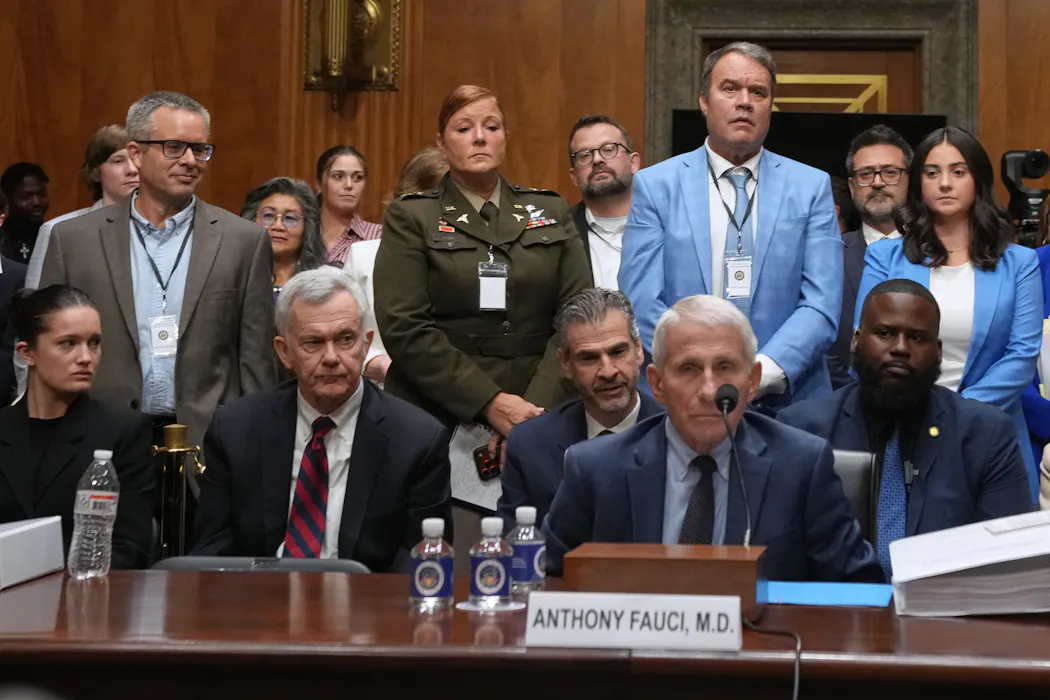
Dr. Anthony Fauci appears before the Senate Homeland Security and Governmental Affairs Committee on July 29, 2026. AP Photo/Allison Robbert

Dr. Anthony Fauci invoked the Fifth Amendment and declined to answer questions from a Senate committee more than 100 times on July 29, 2026.

The Republican-led hearing – convened to scrutinize Fauci’s management of the pandemic and the origins of COVID-19 – was the latest chapter in a political story that began in 2020, when uncertainty, fear and frustration with the government became entangled with conspiracy theories.

In the past six years, some of these theories have emerged from the margins of the internet and made their way into Republican politics, the MAGA movement, anti-vaccine communities and even white-nationalist extremist networks.

Conspiracy theories do not simply explain events, they identify villains – and Fauci has become one of the most popular in this particular story.

In the years since the pandemic, U.S. Sen. Rand Paul and others have accused Fauci of many things, but the central conspiracy accusation is that Fauci helped enable the COVID-19 pandemic through U.S.-funded research at a lab in Wuhan, China, and then participated in a coordinated government-scientific cover-up, misleading Congress to conceal that connection and suppress the laboratory-leak explanation. Paul, a Republican, has repeatedly called for Fauci’s prosecution.

In January 2025, President Joe Biden granted Fauci a preemptive pardon covering potential federal offenses related to his government service since 2014. Fauci had not been charged with a crime, but critics portrayed the pardon as evidence that he had something to hide. Fauci has denied claims of wrongdoing and has testified multiple times before Congress.

The Fauci conspiracy is much bigger than Rand Paul, though. Paul may be its most persistent congressional promoter, but it’s been amplified by a wider network of Republican lawmakers. Several Republican members of Congress, such as Rep. Steve Scalise, Rep. James Comer and former Rep. Brad Wenstrup, among others, have advanced versions of the Fauci/COVID-origin narrative. House Republicans formally investigated these claims for two years, while members repeatedly accused Fauci of suppressing the lab-leak theory and misleading the public.

That investigation ultimately endorsed a central claim of the conspiracy narrative: the House GOP’s COVID-19 investigation concluded the virus most likely leaked from a Wuhan lab, that Fauci helped shape a scientific paper dismissing that theory, and that he privately testified the “six feet apart” guidance “sort of just appeared” – though these are the conclusions of a partisan committee, not an independent inquiry, and Fauci and Democratic members have disputed them.

I’m an associate professor of sociology and criminology, and my scholarship focuses on far-right networks and digital radicalization – the exact ecosystem where these conspiracy theories have taken root and spread. My research on how these movements evolve online and intersect with political activists and extremist networks was directly relevant to tracing how COVID-origin claims moved from fringe communities into mainstream political discourse.

Fauci’s decision to invoke the Fifth Amendment, which he and his lawyer explained not only as a basic constitutional right but also a strategy to avoid the possibility that Paul might try to prosecute him for lying to Congress based on anything he might say, may be politically explosive and provide his opponents with another talking point. But, in my assessment, the spectacle says more about what happens when conspiracy theories become embedded in political institutions than it does about the origins of COVID-19.
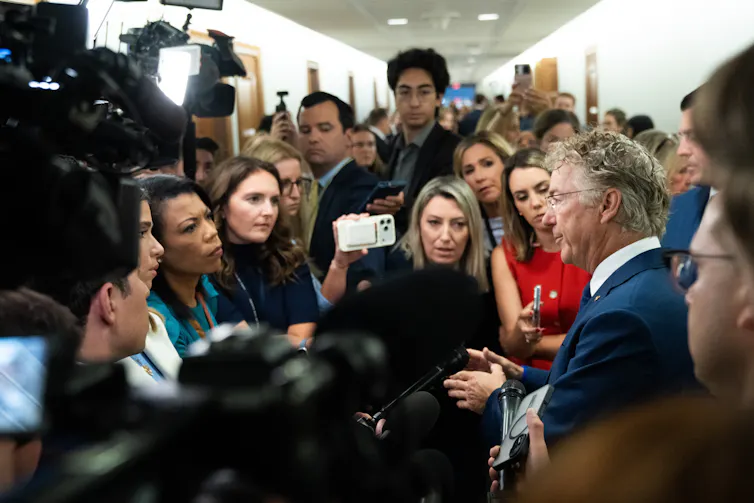
A man in a suit speaks to a crowd of reporters with phones, microphones and cameras in a hallway
U.S. Sen. Rand Paul talks to reporters following a Senate Homeland Security and Governmental Affairs Committee hearing with Dr. Anthony Fauci at the Capitol on July 29, 2026.
AP Photo/Allison Robbert

From uncertainty to conspiracy

COVID-19 created the conditions in which conspiracy theories flourish: enormous uncertainty, frightening consequences, rapidly changing information and distrust of institutions.

People wanted explanations. Why did the virus appear in Wuhan? Why did recommendations about masks change? How were vaccines developed so quickly?

These questions were legitimate. Problems emerged when those questions became connected to a predetermined conclusion: Powerful people either created the pandemic or concealed the connection to the lab in Wuhan.

A 2021 survey by the Public Religion Research Institute illustrates how widespread one version of this thinking was. About 4 in 10 Americans – 39% – agreed that the coronavirus had been intentionally developed by scientists in a laboratory. Among QAnon believers – a sprawling conspiracy theory claiming that a cabal of powerful elites, often portrayed as child-trafficking Satanists, controls government and society and that Donald Trump was secretly fighting it – the figure was dramatically higher, at 85%. The same survey found that people who embraced anti-elite and anti-expert attitudes were more likely to accept coronavirus conspiracy theories.

Conspiracy thinking is rarely isolated. For example, a person who comes to believe that public health officials are secretly manipulating information may be more receptive to claims that vaccines contain hidden dangers. Someone who distrusts pharmaceutical companies may be more receptive to claims that the pandemic was engineered for profit. Someone who believes powerful elites routinely operate in secret may be more receptive to broader conspiracy narratives such as QAnon.

These beliefs can reinforce one another, creating a broader worldview in which institutions, experts and government officials are presumed to be acting deceptively.

The Fauci conspiracy

Because Fauci was highly visible during the pandemic, advising presidents and appearing on television, he quickly became associated with government efforts to control the spread of the virus.

For some Republicans and MAGA activists, and others who distrust the government and scientific institutions, Fauci came to represent lockdowns, masks, vaccines and government mandates.

Anti-vaccine activists incorporated him into broader narratives about pharmaceutical companies and public health agencies. Conspiracists took the story further, portraying Fauci as part of a secret effort to conceal the origins of COVID-19. Extremists connected these claims to older ideas about government tyranny, social control and corrupt elites.

The result was a feedback loop.

Claims were generated in online communities, repeated by political figures and amplified by media personalities, who injected these talking points back into supporters’ social media feeds. The repetition made the claims feel increasingly familiar – and familiarity can be mistaken for evidence.
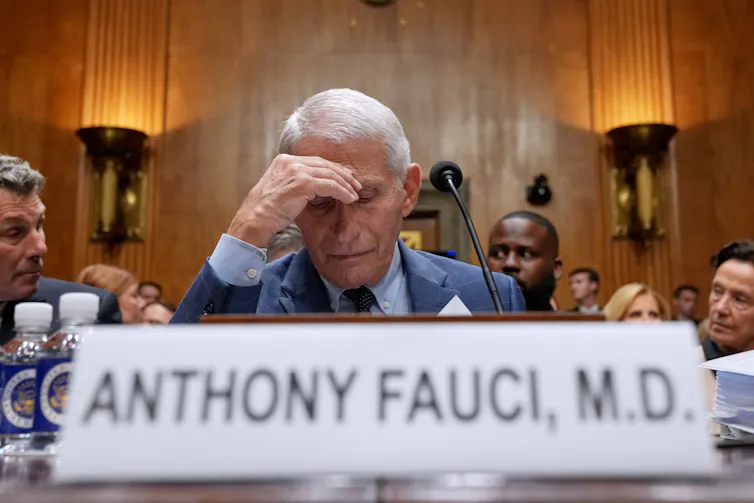
A man in a blue jacket sits behind a nameplate reading Anthony Fauci, M.D., resting his hand against his forehead, a microphone in front of him
Dr. Anthony Fauci appears before the Senate Homeland Security and Governmental Affairs Committee at the Capitol on July 29, 2026.
AP Photo/Allison Robbert

The lab-leak question is not the same as a conspiracy theory

Asking whether SARS-CoV-2 emerged through either zoonotic spillover, which is when a virus jumps from animals to people, or through a laboratory-related incident is not inherently a conspiracy theory. Scientists and governments have legitimate reasons to investigate the origins of a pandemic.

The World Health Organization’s independent scientific advisory group reported in 2025 that much of the information needed to fully evaluate the competing hypotheses had not been provided by China. It concluded that the available evidence suggests spillover but maintained that the laboratory-leak hypothesis could not be ruled out.

There is, however, a distinction between investigating whether a laboratory accident might have occurred and claiming that scientists created a virus and intentionally released it. That distinction is important in returning to Fauci and the claims raised at the July 29 hearing: Were lawmakers investigating the possibility of an accidental laboratory release, or were they advancing the more conspiratorial idea that scientists deliberately created and released the virus?

The Republican-led House subcommittee argued that U.S. government–funded research may have contributed to the pandemic.

The investigation did not establish that the virus was intentionally manufactured or released.

Today, the scientific question of where SARS-CoV-2 originated remains unresolved. But conspiracy theories can transform the absence of evidence into evidence of concealment.

From fringe theory to political reality

The most consequential feature of conspiracy theories may be their ability to move from one group to another.

A claim can begin in an obscure online community and spread through social media to become a political weapon.

The Fauci hearing demonstrates the culmination of that process. These claims have moved into the formal machinery of government, where they are being amplified by elected officials and federal agencies. A theory’s credibility can increase simply because someone with greater institutional authority has repeated it.

That may be the most important question surrounding Fauci’s hearing: What happens when conspiracy theories acquire the authority of the government?

The Conversation

Art Jipson does not work for, consult, own shares in or receive funding from any company or organization that would benefit from this article, and has disclosed no relevant affiliations beyond their academic appointment.

​Politics + Society – The Conversation
Categories
Entertainment

Nicki Minaj ‘In Talks’ to Collab With Lara Trump on New Music: Report

Reading Time: 2 minutes

Several members of the Trump family hail from New York, love gold, and have a tendency to lob creative insults at their rivals.

So we guess it makes sense that the Trumps would seek to enter the world of hip hop.

And who better to escort them into the realm of beats and rhymes than the surprise MAGA diehard Nicki Minaj?

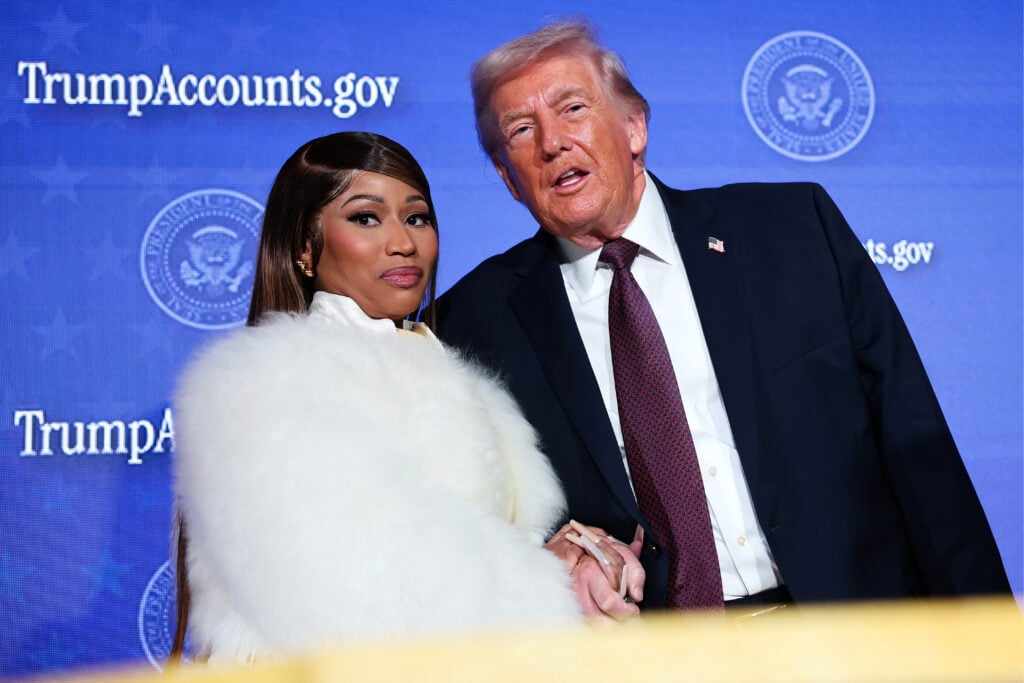
Musician Nicki Minaj joins U.S. President Donald Trump on stage as he delivers remarks during the Treasury Department's Trump Accounts Summit at Andrew W. Mellon Auditorium on January 28, 2026 in Washington, DC.
Musician Nicki Minaj joins U.S. President Donald Trump on stage as he delivers remarks during the Treasury Department’s Trump Accounts Summit at Andrew W. Mellon Auditorium on January 28, 2026 in Washington, DC. (Photo by Win McNamee/Getty Images)

Yes, Nicki certainly lost a few fans when she came out as a Trump supporter earlier this year.

But she gained a fan in Lara Trump, the wife of Eric Trump.

And apparently, Lara has been exploring the idea of collaborating with the Grammy-nominated rapper for what would undoubtedly become one of the most talked-about musical pairings in recent memory.

According to journalist Rob Shuter, the notion of a Nicki-Lara collaboration is “much more than a passing idea.”

One source alleged that Lara has been leading the conversations.

“Lara is definitely driving this,” the insider claimed (via Radar Online). “She made the first move, they’ve been talking, and Nicki hasn’t shut the door. This is much more than a passing idea.”

Another source said ideas have already been exchanged, even if the project has yet to move beyond the discussion stage.

“Everyone involved knows it would create an enormous amount of buzz,” the insider claimed. “Whether people stream it because they love it or because they can’t believe it exists is beside the point.”

For now, no recording sessions or release dates have been announced, and neither Minaj nor Trump has publicly commented on the report.

The alleged collaboration would be another unexpected chapter in Lara Trump’s music career.

Although she first gained national attention through politics and television, Trump has spent the past several years releasing music across multiple genres.

After debuting with a cover of Tom Petty’s “I Won’t Back Down” in 2023, she expanded into original material before later experimenting with pop and dance tracks, including collaborations with French Montana and Mohamed Ramadan.

Nicki, meanwhile, has made headlines in recent years not only for her music but also for her increasingly vocal support of President Donald Trump.

Once viewed as largely apolitical, the rapper has embraced the MAGA movement and has publicly praised the president, making a potential collaboration with Lara Trump seem less far-fetched than it might have appeared just a few years ago.

Whether the rumored duet ever materializes remains to be seen.

If it does, however, it would almost certainly become one of the most polarizing celebrity collaborations in recent memory, which might be exactly what Nicki and Lara are hoping for.

Nicki Minaj ‘In Talks’ to Collab With Lara Trump on New Music: Report was originally published on The Hollywood Gossip.

​The Hollywood Gossip

Categories
Alaska News

Bristol Bay is more than a fishery — it is a way of life

Bristol Bay is seen in 2004 from the community of Naknek. (Photo provided by the Alaska Division of Community and Regional Affairs)

Five days after graduating from high school in 1980, my identical twin brother, Malcolm, and I boarded a plane for Alaska. We were young, restless and convinced we were heading north to make our fortune.

We had no idea Alaska would shape the rest of our lives.

Our first couple summers were spent working long shifts in a cannery, surrounded by machinery, fish slime and the constant smell of salmon. We worked close to 100 hours a week and learned quickly that Bristol Bay did not care how tired, cold or inexperienced we were. Everyone was expected to carry his or her share of the load.

We watched the fisherman, seeing that’s who we wanted to be, and moved from the cannery to the decks of fishing boats. We became deckhands, then captains and boat owners. After years of fishing under other permit holders, we purchased our own limited-entry permit and earned a place in one of the most competitive wild-salmon fisheries in the world.

That journey became the foundation of my book, The Commercial Fishermen.

The book is my personal story, but it is also a record of 45 seasons of change in Bristol Bay. During those years, I watched boats, technology, regulations and markets evolve. Fiberglass boats replaced many of the older wooden vessels. Refrigerated seawater systems improved fish quality. Satellite communication, GPS navigation and more accurate forecasting changed how fishermen operated.

But some things never changed.

The weather could still turn without warning. A calm morning could become a dangerous afternoon of six-foot chop stacked across shallow water. Engines still failed. Nets tangled. Crew members got hurt. A missed tide, a bad delivery price or a transfer to the wrong district could determine whether a fisherman made money or went home owing it.

Commercial fishing is often portrayed as an adventure, and it certainly can be. But it is also a complicated business built around uncertainty. Before catching a single fish, fishermen invest in boats, permits, nets, fuel, insurance, repairs, food, transportation and crew. Then they depend on a wild resource, regulated openings and a market price they do not control.

Bristol Bay has always felt like the Super Bowl of wild salmon. Tens of millions of sockeyes return each summer, and thousands of boats compete during short openings sometimes measured in hours. Success requires preparation, instinct and the ability to make decisions under pressure.

It also requires respect for the fish, the ocean, the regulators, the processors and the communities that make the fishery possible.

Bristol Bay is not simply an economic engine. It is a living culture shared by fishermen, cannery workers, tender crews, mechanics, pilots, local families and Alaska Native communities whose relationship with salmon extends far beyond any commercial season. The health of the fishery depends on protecting the rivers and habitat that produce these extraordinary runs.

That responsibility belongs to everyone who benefits from Bristol Bay.

Over the decades, we witnessed strikes, low prices, record runs, enforcement disputes and seasons when optimism disappeared almost as quickly as the fish. Permit values rose to nearly unimaginable levels and later dropped dramatically. Some fishermen built successful operations. Others lost boats, marriages, money or years of their lives chasing one greater season. It’s the high of gold fever and always trying to catch more. 

Yet fishermen return because Bristol Bay becomes part of them. They return for the first announcement over the radio, the sight of salmon hitting the net and the electricity that moves through the fleet when the fish arrive. They return for the friendships formed during long days and sleepless nights. They return because, for a few weeks every summer, every decision matters.

I wrote The Commercial Fishermen because these stories deserve to be preserved. Much of Alaska’s history lives not only in official records, but also in wheelhouses, net lofts, bunkhouses and conversations between fishermen waiting for the next opener.

My brother and I arrived in Alaska as teenagers looking for opportunity. We left with something more valuable: a lifetime of experiences, friendships and respect for a place that demanded everything we had to give.

My boat has been sold, but the tide keeps moving. New generations of fishermen are now writing their own Bristol Bay stories. My hope is that they will inherit not only a productive fishery, but also an understanding of the sacrifice, responsibility and community required to keep it alive.

SUBSCRIBE: GET THE MORNING HEADLINES DELIVERED TO YOUR INBOX.

Categories
Sports Fox

Bucs And Baker Mayfield Both Choose Risk, As Tampa Becomes NFL’s Drama Capital

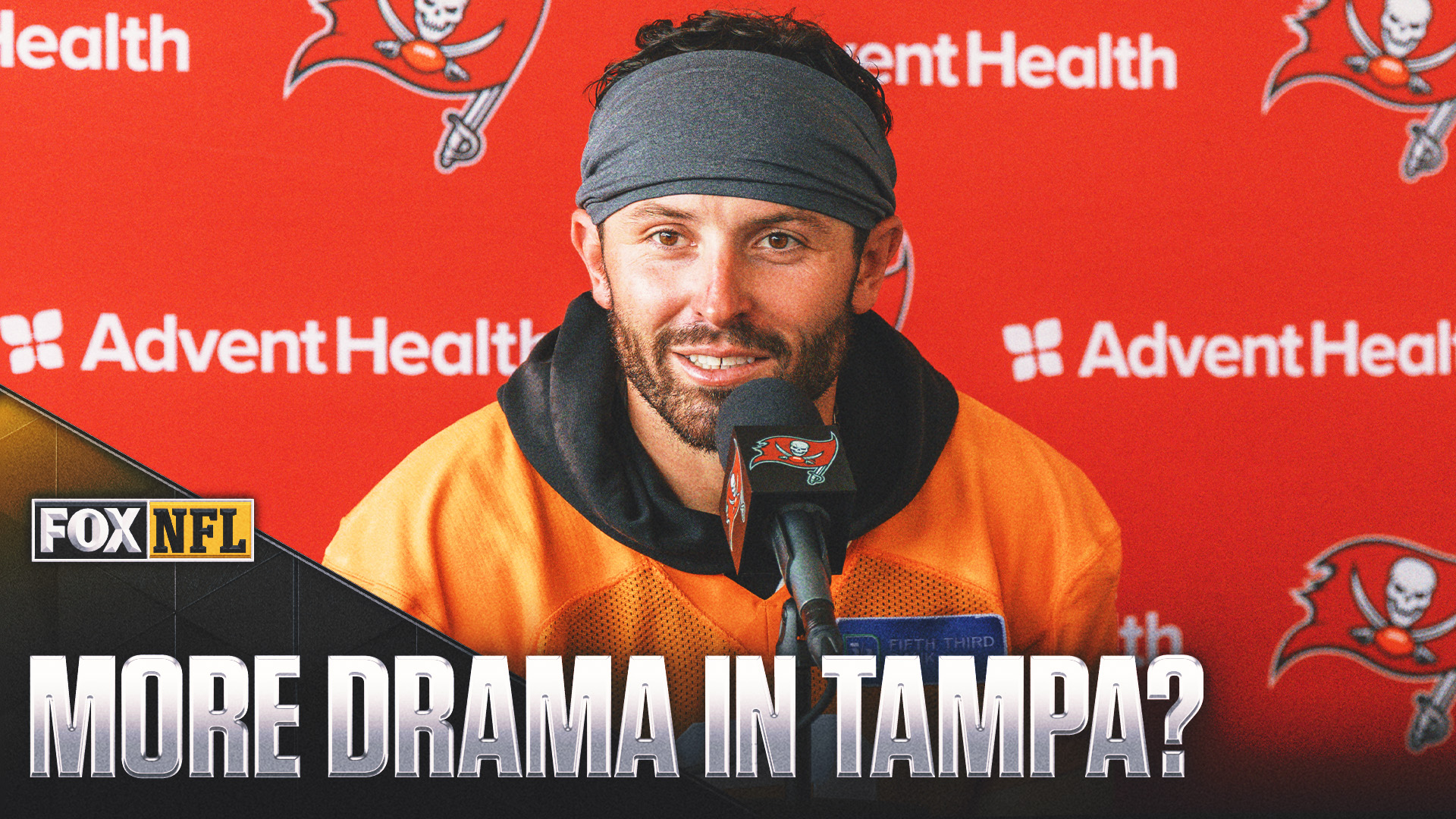
TAMPA, Fla. — Disrespected. Undervalued. Very disappointing. Those were the words Baker Mayfield used to describe how he feels his current team has treated him as he seeks a contract extension beyond the upcoming season. And with that, Tampa has solidified its status as the drama capital of the NFL, wrapping up an offseason of major departures, uncertainty and now two big and public contract squabbles. “To feel disrespected a little bit, that’s really the disappointing part, to feel undervalued after, you know, thinking you earned it,” said Mayfield, 31, who is entering the final season of a three-year, $100 million contract. “This is not a ‘poor me’ thing. There’s a lot of other people that have it way worse off. I can sit here and look at other quarterbacks and peers and evaluate myself based on that and put myself in certain categories that I deserve to be compensated for that. “I think I’m a franchise quarterback. I’ve been told I’m a franchise quarterback. It’s been said publicly from ownership down here. So to not have a deal done is very disappointing.” It’s about as pointed a criticism as you can make publicly about your employer, all said with an even voice and framed in the context of him being grateful for the opportunity the Buccaneers have given him. It would have taken compromise, but this could have been a very different story, with Tampa Bay handing out the biggest contract in franchise history to find some stability in the franchise’s future. Instead, both sides are taking on significant risks in 2026. The Buccaneers know their best scenario — Mayfield returning to his 2024 form, when he threw for 4,500 yards and 41 touchdown passes to lead them to 10 wins and a division title — is now an outcome that will cost them more financially to keep Mayfield around. And Mayfield, who was with three teams in one year before he found solid ground in Tampa, risks losing the firm grip he has on the Bucs’ future at quarterback. What if he gets hurt? What if the team continues to struggle as they did in losing seven of their last nine games last year? What if Todd Bowles isn’t back as coach, or Jason Licht isn’t kept as general manager? Could new leadership possibly have the same interest in keeping him? We don’t know the exact figures offered or sought in this negotiation, other than that the Bucs offered Mayfield a two-year deal, he told ESPN. It’s hard to imagine the Bucs offering less than the $44 million a year the Colts gave Daniel Jones, coming off a half-season of success and a torn Achilles. It’s hard to think Mayfield and his agent want more than maybe $55 million a year, on the cusp of the top 10 at his position. And the uncertainty around the Bucs is hardly limited to Mayfield. Linebacker Lavonte David retired after 14 seasons, all in Tampa, and more stunningly, receiver Mike Evans took less money to leave in free agency for the 49ers, saying they gave him the best chance to win another Super Bowl. Defensive tackle Vita Vea, who Mayfield called “the anchor of our defense” on Thursday, recently asked for a trade, unhappy the Bucs won’t give him a raise and a new contract beyond his current deal. That’s not even counting a fan base divided over the decision to keep Bowles after a collapse that saw the Bucs go from 6-2 to 8-9, missing the playoffs for the first time since 2019. It all adds up to put an incredible amount on the line in the upcoming season, which could have the Bucs back in the playoffs, or facing a complete overhaul. Even the long-term compromises look difficult.  In theory, if the two sides can’t work out a deal after the season and before free agency in March, the Bucs could use the franchise tag on Mayfield at a cost of about $50 million. They would also incur about $30 million in dead money from his current deal if they couldn’t reach a long-term extension, resulting in a cap hit of about $80 million in 2027. “Franchise tag isn’t exactly in play for them,” Mayfield said. “There will be a lot of dead money. So it is what it is.” Three years ago, Mayfield had bounced to three NFL teams in a year, from the Cleveland Browns to the Carolina Panthers to the Los Angeles Rams, and he landed in Tampa on a one-year, $4 million contract after Tom Brady’s retirement. He re-established himself as an NFL starter, and he hasn’t missed a game in three seasons. He started his comments by reiterating how much he appreciates the home he and his family have found in Tampa and the stability that comes with that. “I’m very, very thankful for the chance they gave me. Do not get me wrong on that,” Mayfield said. “But I also know, I really know what I brought to this franchise, leadership-wise and even play-wise. It’s been some of the best years of my career, and I think it’s only going to trend upwards.” Can the Bucs push through the outside noise and stay together as a team, talented enough to be the oddsmakers’ favorites to win the NFC South after losing to Carolina on a tiebreaker last season? Mayfield said he’s confident the locker room remains close-knit and he’ll be focused on having the best season — for himself and his team — to set up whatever happens after that. “I’m in the best shape I’ve ever been in, in a really good place, and feeling really confident with the staff Todd [Bowles] has put together, that we’re going to have a really good team,” Mayfield said. Both sides have expressed a consistent desire to keep Mayfield in Tampa — that hasn’t translated to an offer he’s willing to accept, saying Thursday their last offer was “not appealing whatsoever.” The cost of keeping him around could be even higher if he has a great season in 2026, but he said he won’t be motivated only by financial things like that. “Money should never be the motivation,” Mayfield said. “It’s ‘How do I help this team win?’ It’s never going to be the motivation for me when it comes to the kind of chip on your shoulder. It just puts me in the mindset of betting on myself, and that’s something I’m pretty familiar with. It’s a good place to be as a high competitive guy. Sometimes you have to back yourself into a corner and fight your way out. I have a lot of guys and a lot of staff around me that are with me, so I’m not alone in it. We’re fighting for the same goal.” Fans are divided on Mayfield – the franchise was starved for any kind of franchise quarterback for most of its first 50 years, but the second half of last season wasn’t the kind of play you want to reward with a huge contract. So, as strange as it seems, you have Mayfield essentially threatening to have a great season, to make the franchise he wants to settle in with pay by having to write a bigger check to keep him. And reiterating it’s still where he wants to play. “If you’ve waited this long to take care of your franchise quarterback, that’s too bad because it’s only going to get worse from here,” he said. “I’m going to have a really big year.”​Latest Sports News from FOX Sports

Categories
Music

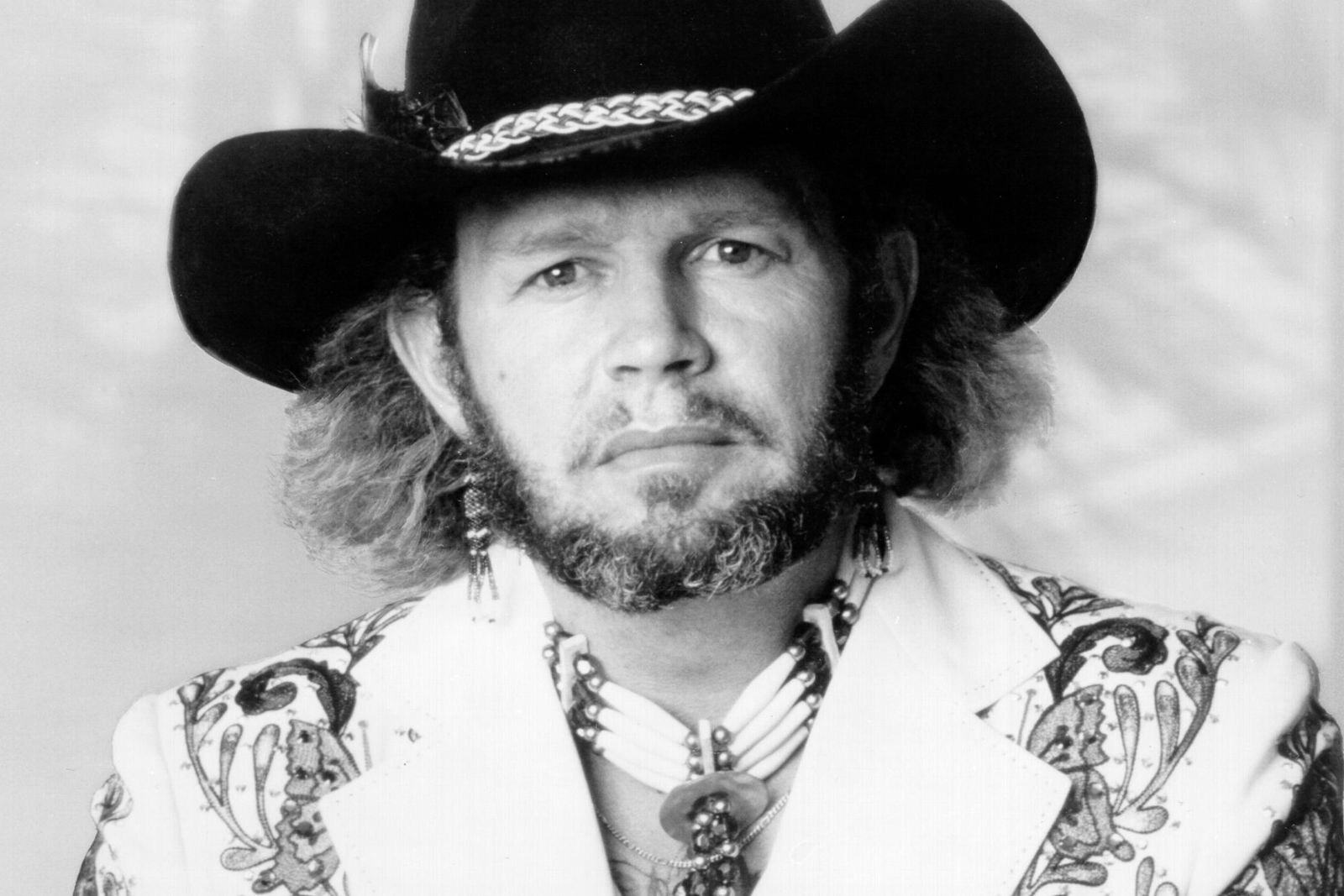
Who Are David Allan Coe’s Children?

The singer had eight biological children and was married several times. Continue reading…​Country Music News – Taste of Country

Categories
Food

Make Mashed Potatoes The Star Of Dinner With This Hearty Canned Soup

Transforming mashed potatoes into a satisfying meal doesn’t have to mean cooking from scratch – just top it with a can of this hearty canned soup.

​Food Republic – Restaurants, Reviews, Recipes, Cooking Tips

Categories
Entertainment

Jared Leto Still Not Under Investigation Despite New Allegations: What Is Going On Here?

Reading Time: 2 minutes

In a newly released BBC documentary, four women accused Jared Leto of sexually assaulting them while they were still in their teens.

In the past, such allegations in the media have resulted in a swift response from police, as in the case of comedian Russell Brand, who will soon face trial.

But according to a new report from TMZ, Leto is not currently under investigation by the LAPD.

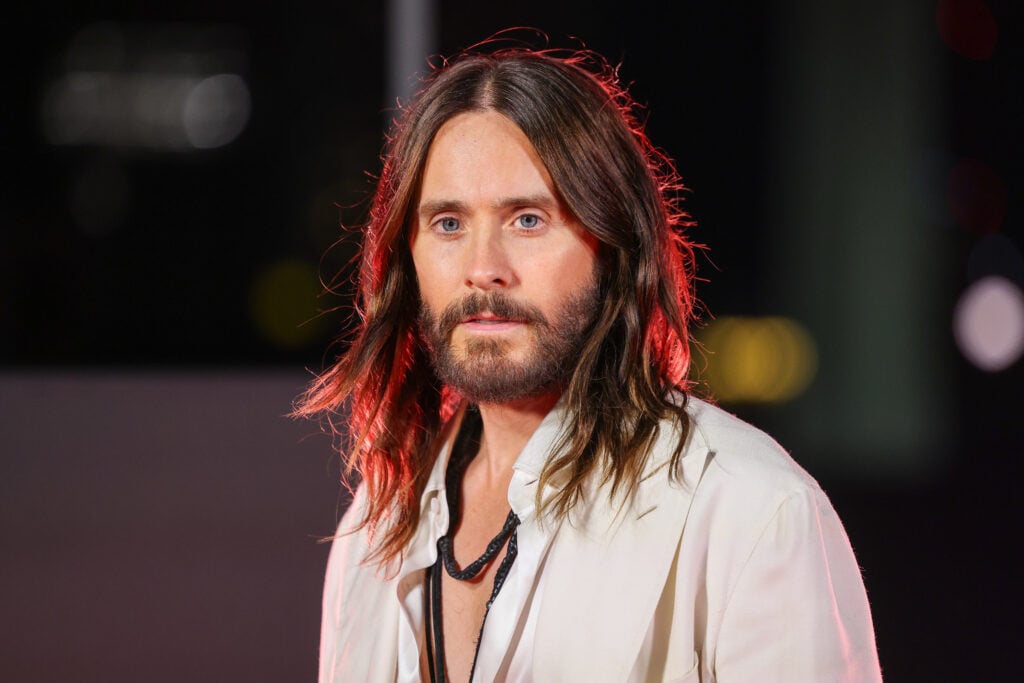
Jared Leto attends the "Tron: Ares" premiere at Humboldt Forum on September 30, 2025 in Berlin, Germany.
Jared Leto attends the “Tron: Ares” premiere at Humboldt Forum on September 30, 2025 in Berlin, Germany. (Photo by Gerald Matzka/Getty Images)

“There have been no recent cases presented by law enforcement related to Jared Leto,” a spokesperson for the Los Angeles County District Attorney’s Office tells the outlet.

That news comes on the heels of a scathing New York Post piece in which Leto is harshly criticized by insiders who’ve worked with him in the past.

“He’s not a good guy. There’s no soul behind his eyes,” said one source, who claims to have toured with Leto and his band, 30 Seconds to Mars.

“People who have known him for years have also said that he is very problematic with women,” the insider added.

“Everyone in the music industry knows there was going to be a day of reckoning for him.”

In the documentary, 10 women accused Leto of varying degrees of misconduct.

Four of them — using the pseudonyms “Clara,” “Alex,” “Isabel” and “Etta” — claimed they were sexually assaulted by the Oscar winner while they were still in their teens.

One of them, who went by Etta, alleged that Leto tried to get her to sign a non-disclosure agreement after grooming her when she was 16.

This is not the first time that Leto has faced allegations of sexual misconduct.

The previous allegations also did not lead to any civil or criminal penalties.

In a statement issued on Wednesday, Leto denied any wrongdoing.

“I have never sexually assaulted anyone in my entire life,” he said.

Leto went on to describe the allegations against him as “absolutely and categorically false.”

We will have further updates on this developing story as new information becomes available.

Jared Leto Still Not Under Investigation Despite New Allegations: What Is Going On Here? was originally published on The Hollywood Gossip.

​The Hollywood Gossip

Categories
Music

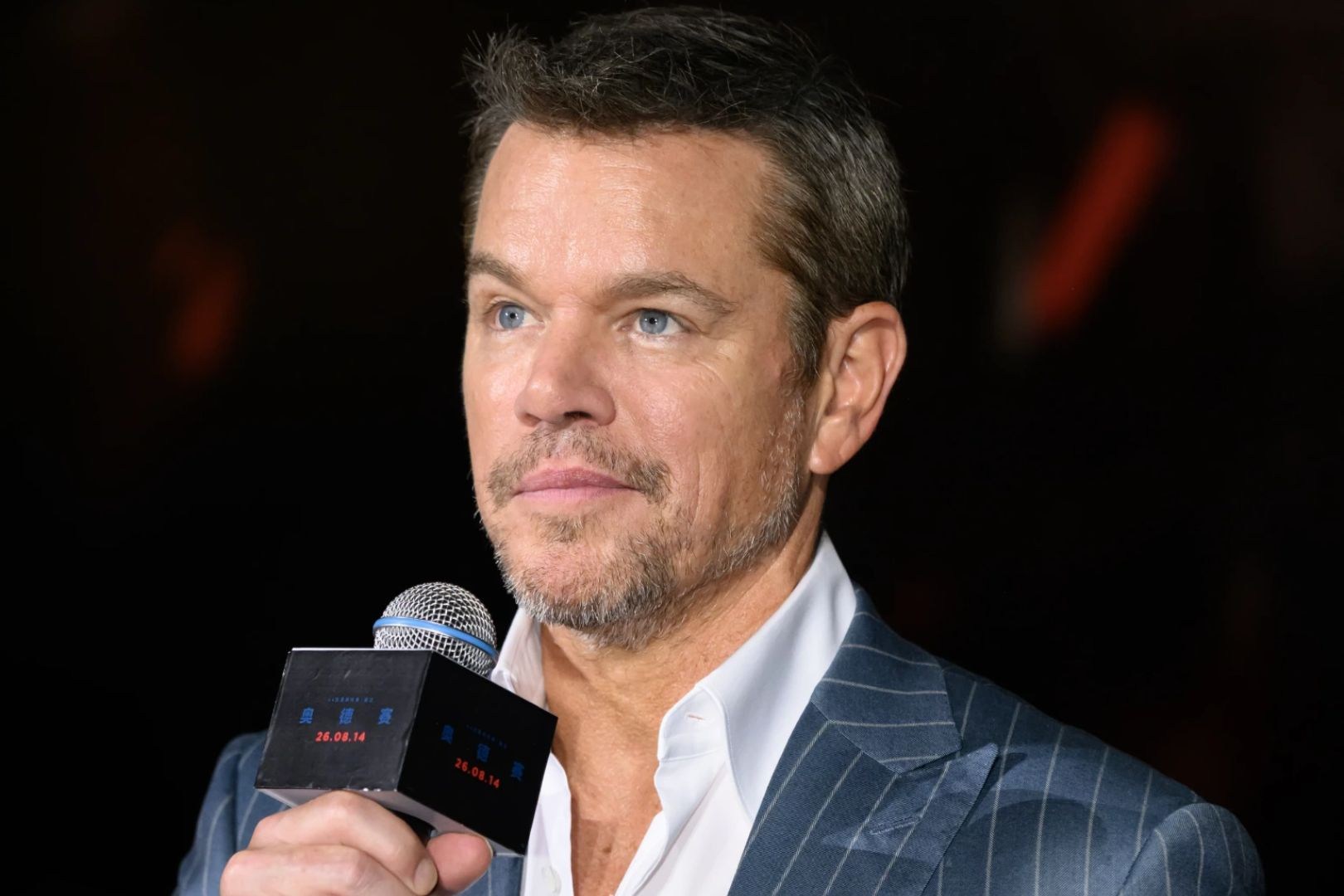
Matt Damon Worked as a Bartender in Tennessee for a Month

Matt went all in on one of his biggest roles. Continue reading…​Country Music News – Taste of Country

Categories
Music

Matt Damon Worked as a Bartender in Tennessee for a Month

Matt went all in on one of his biggest roles. Continue reading…​The Boot – Country Music News, Music Videos and Songs

Categories
Politics

Mandela Barnes drops out of Wisconsin governor race

Former Lt. Gov. Mandela Barnes dropped out of the crowded Democratic primary for Wisconsin governor on Thursday, as progressive state lawmaker Francesca Hong surges in the polls.

“It’s become very clear who our nominee is going to be,” he said in avideo posted to social media, while not directly naming another contender.

“We have to do everything to beat Tom Tiffany,” he added, referencing the likely GOP nominee.

The announcement comes as Democratic officials in the state brace for damaging media reports about Barnes, which were expected to hit in the coming hours. Barnes and his team had been on calls Thursday discussing whether to drop out, POLITICO reported earlier.

Shortly after Barnes exited the race, the Milwaukee Journal Sentinel reported it was investigating allegations that Barnes had leveraged his role within the state Democratic party to have sexual encounters with young women, based on a 2025 review conducted by the party. Barnes has not been accused of any crimes, and the Journal Sentinel reported that the party’s review did not result in an actionable outcome.

POLITICO has not independently confirmed the allegations. Barnes’ campaign spokesperson Darby O’Connor said in a statement that “there are no allegations of misconduct or wrongdoing against Mandela.”

The primary had become increasingly messy as more moderate leaning Democrats have tried to stave off Hong’s rise, worried the democratic socialist’s victory could boost Tiffany. Wisconsin Gov. Tony Evers’ endorsement of David Crowley — who reentered the race in the final stretch after current Lt. Gov. Sara Rodriguez’s campaign imploded — further complicated the moderate coalition.

A Marquette Law School poll released Wednesday showed Hong with 38 percent support among Democratic primary voters, with Barnes in a distant second with 16 percent and Crowley stuck in third with just 7 percent. The same poll found that 30 percent Barnes supporters picked Hong as their second choice, almost twice as many as those who picked Crowley, though a plurality remained undecided.

Democrats, including some close to Barnes, are hoping the last-minute drop will allow voters to coalesce around Crowley, who is set to hit the campaign trail with Evers next week in the final stretch, according to four people with direct knowledge of the matter. Evers is also slated to appear at several fundraisers for Crowley in the coming days, including one in Madison on Thursday and a Friday event in Milwaukee.

Those Democrats believe Evers can help boost Crowley’s support with older voters, who turn out more reliably than Hong’s base of younger Wisconsinites. Crowley still faces a major uphill battle, but that’s the only path to challenge Hong.

Crowley sought to attract Barnes voters in an X post Thursday: “To everyone who backed Mandela: there’s a place for you in what we’re building.”

But Crowley is still contending with two other Democrats — state Sen. Kelda Roys and former Evers cabinet member Joel Brennan — who are polling in the single-digits. Brennan said Thursday he plans to remain in the race, vowing to “continue reaching voters to talk about what I’ll do to win and lead our state to a stronger future.”

Evers told Milwaukee-based news station WISN on Thursday that he was “surprised” by Barnes’ exit.

“I don’t know why he’s getting out,” Evers said of Barnes. “I have to believe it’s something relatively important, but at the end of the day, it’s his call.”

​Politics