The “Choosin’ Texas” singer revealed that a quick haircut before a show didn’t go how she planned — but it ended up sticking in a big way. Continue reading…The Boot – Country Music News, Music Videos and Songs









The “Choosin’ Texas” singer revealed that a quick haircut before a show didn’t go how she planned — but it ended up sticking in a big way. Continue reading…The Boot – Country Music News, Music Videos and Songs

The latest news and information from your Alaska news station.

The latest news and information from your Alaska news station.

The newlyweds are reportedly planning an unforgettable getaway, complete with dreamy destinations, plenty of privacy and a little mystery. Continue reading…The Boot – Country Music News, Music Videos and Songs
Це есе також доступно українською.
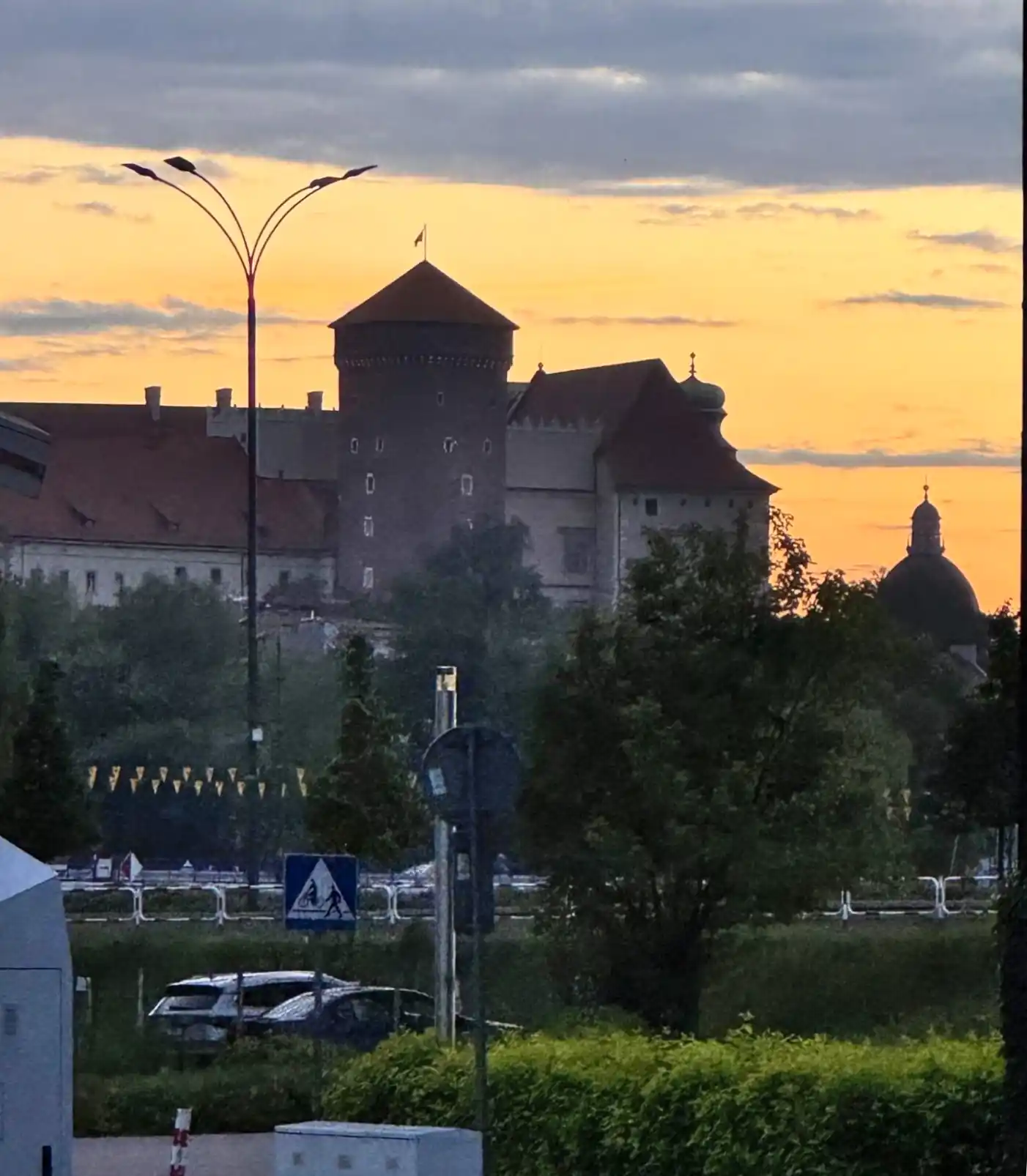
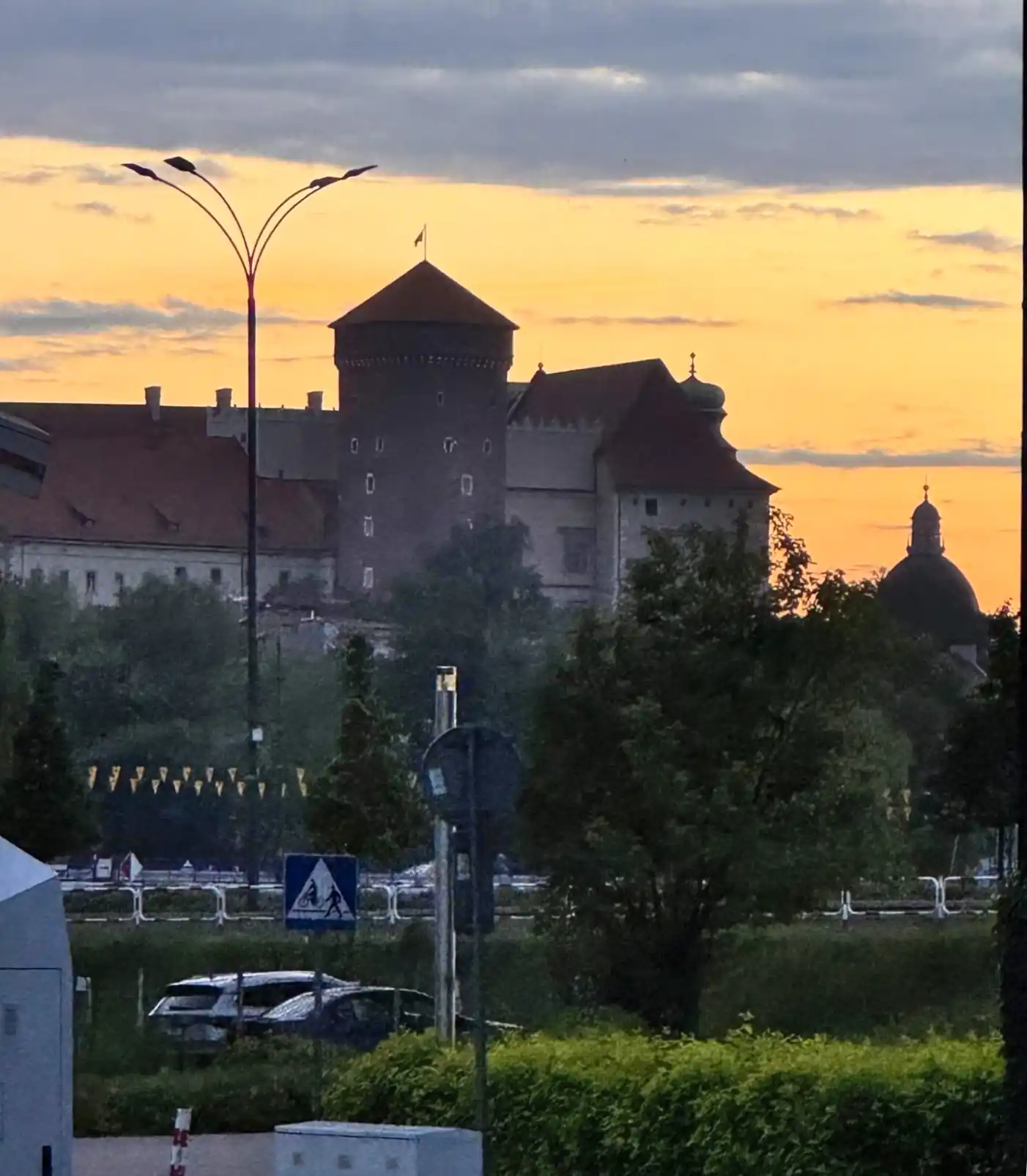
“Listen… the birds are already singing,” said Danylo — a Ukrainian I’d met at a previous WordCamp — as we were wrapping up the last hour of the WCEU afterparty in Krakow. “It’s time for us to go.” He started singing “Hei! Hei! Hei, sokoly! Omynaite hory, lisy, doly.” I started singing with him. The Polish guys next to us continued singing in Polish “Dzwoń, dzwoń, dzwoń dzwoneczku, Mój stepowy skowroneczku.” Some people behind us joined the choir. That was “Hey Sokoly” — a Ukrainian-Polish folk song — carrying us out of Bastion III, a 19th-century Austrian fortress on the edge of Krakow’s Old Town, as the night turned to morning.
But to explain how I ended up there, I need to go back to where it all began.
It all started in Mykolaiv, the city of shipbuilders and brides, where I spent my childhood. I graduated from two universities I had been attending simultaneously and started looking for a job during a gap year. I planned to find work to earn some money for further education while preparing for the entrance exams to one of the Finnish universities. Mykolaiv didn’t provide good opportunities for graduates unless you had very good connections, but I managed to find a job at an “IT” company. In 2011, the term “IT” didn’t mean much to me, but they required English, which was my major, so I thought — why not. The work wasn’t particularly difficult: I had to pretend to be “Bob” from the United States, helping customers who had purchased physical products by tracking their orders and walking them through setup instructions. I was fired after a month and a half. Maybe I underperformed, or maybe somebody just didn’t like me — either way, it’s water under the bridge.
The first job I’d gotten entirely on my own, the first paycheck that proved I could be independent, and the first time being fired — all of it hit me at once. The last part was devastating, made worse by comments like “it was too good to be true,” “we told you they’d trick you,” and “look at so-and-so, doing such-and-such and earning properly.” It was hard to sit with feeling like a failure. But somewhere in that difficulty, I got tougher — and more determined to prove everyone wrong.
The first job was a failure, but it gave me one clear answer: I needed to stay in IT. The next job was TemplateMonster.com — well known in certain circles. It was the complete opposite of what I’d experienced before. In 2012 they were selling templates for the most popular CMS platforms of the time: WordPress, Joomla, Drupal, and various e-commerce solutions. The onboarding alone took two months, which tells you something about how seriously they took their people — staff rarely left, and when they did, it was for personal reasons, not because they were pushed out.
My job was to help customers with their templates: installation, editing, customization. Difficult, but genuinely interesting — I liked it. This was the first time I encountered WordPress. I worked six nights a week, and Sundays were the strangest — your day off, but your body had adjusted to night shifts and refused to cooperate. None of that bothered me much. Being able to build sites and make things look exactly right was addictive. I overworked, learned constantly, pestered developers with questions, all just to quench my thirst for knowledge. It ended quickly: I got accepted into three master’s programs in Finland, chose one, and left for Central Finland.
Studying in Finland was genuinely different from anything I’d known in Ukraine — in the best possible way. Once the mandatory courses were done, I started looking for work. It was harder than I expected: a year of passive searching, then six months of applying every day. Eventually, I landed at a Helsinki-based agency building WordPress websites — which is still what I do today. A friendly team, around ten people — I’m still close with many of them. We built sites of varying complexity during the day and spent evenings playing board games, swapping stories, and throwing the occasional party.
That’s also where I attended my first WordPress event: WordCamp Helsinki 2017, a two-day conference. It didn’t blow me away, but it opened something. When you work in a small agency, you live inside your own bubble — and then suddenly a whole other world appears. You see the other side of WordPress: the community, the people pushing it forward, the people wrestling with the same problems you are and finding creative ways through.
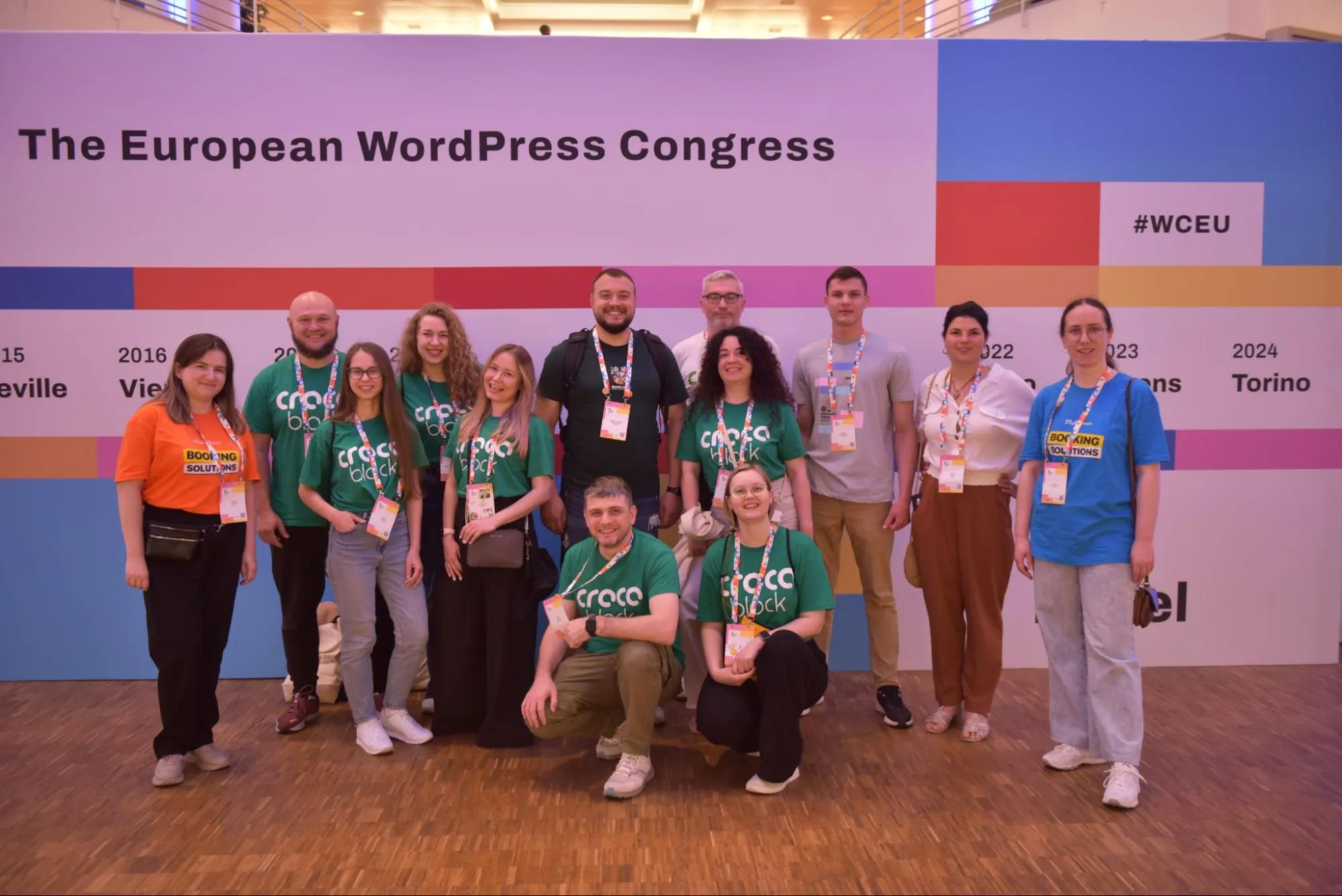
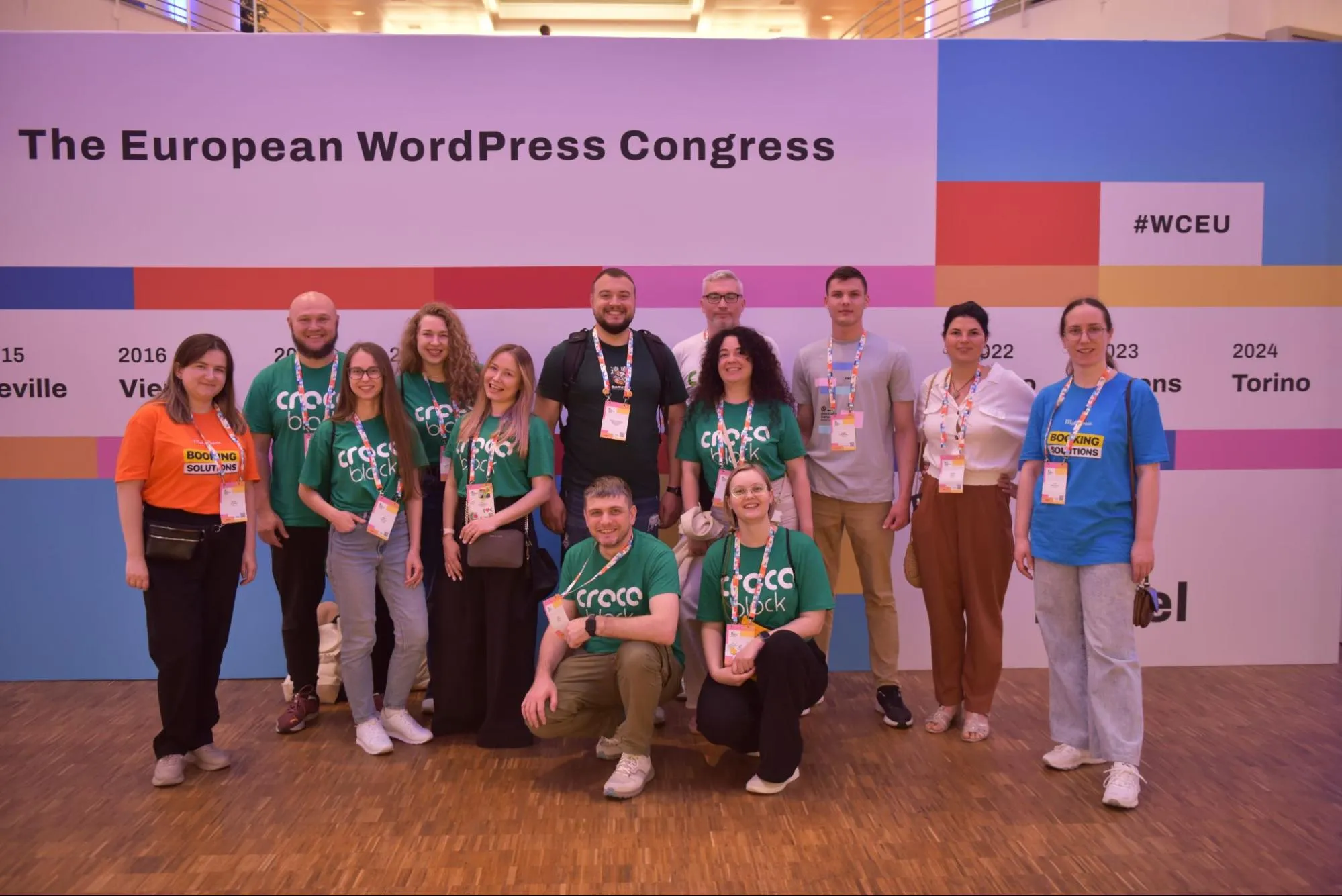
That first local WordCamp was enough to make us want to go further. In 2019 the team went to Berlin for WCEU — my first trip abroad outside of the Finland-Ukraine route I knew well. We spent a few days exploring the city and attending the event. WordCamp Europe is a different scale entirely: thousands of attendees, hundreds of volunteers making it happen. Standing in that crowd, I knew I wanted to be part of it — not just as a visitor. And then corona happened.
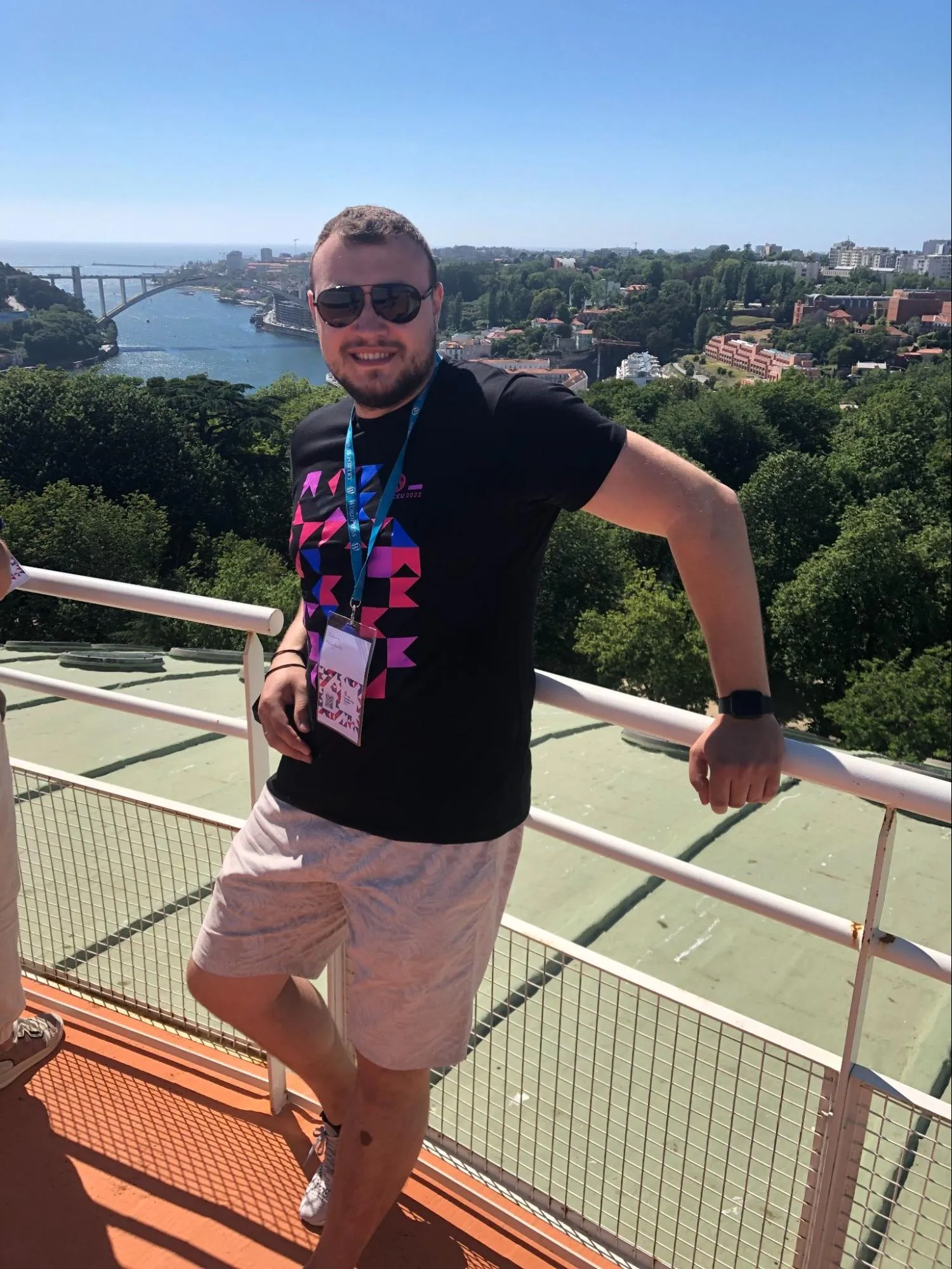
WCEU 2020 and 2021 were online, and I felt they were missing the whole point — thousands of people in one place, feeding off each other’s energy. So when Porto was announced for 2022, I started packing. This time, I joined as a volunteer, to see WordCamp from the inside. It was the right call. It was also a difficult time for Ukrainians — the full-scale invasion was by then well into its second year, and everyone was finding their own way to cope. For me, this event became a source of strength. I connected with the Ukrainian community, had real conversations with speakers, and came away feeling like I’d experienced what WCEU is actually for.
That trip also clarified something I’d been circling around for a while. I’ve always loved traveling, but there was a barrier that had nothing to do with visas or money — though those were factors too. It was a justification problem. Coming from a culture where time should be spent purposefully, traveling for its own sake felt hard to defend. A work conference, though? Completely justifiable. Nobody asks how much fun you had. I’ve been to Germany, Portugal, Italy, Switzerland, and Poland this way. Spain is next.
Attending WordCamps is one thing. Building a similar event is another.
In 2025 I became the lead organizer of WP Suomi — the first independent Finnish WordPress event, held in Helsinki. The months before October 10th were intensive in ways I hadn’t anticipated: budgets, logistics, gifts, merch, catering, venue coordination, a hundred small details that needed to be right simultaneously. I remember waking up at midnight worrying that I hadn’t ordered something in time and it wouldn’t arrive before the event. Most of the work that goes into an event like this is invisible to the people attending. They see the schedule, the food, the afterparty. They don’t see the half a year of pieces being polished before the puzzle comes together.
On the day of the event, there was nothing left to worry about. Whatever needed doing had been done — if something had been missed in the preparation, it would show up now and there would be little we could do about it. So why worry? The time for that was the preparation, not the day itself. The team — experienced, reliable, no hand-holding required — knew exactly what they were there for.
Around 300 people attended WP Suomi. Forty filled out our feedback form afterward, giving an overall score of 4.47 out of 5. But the number mattered less than what people wrote: networking, atmosphere, meeting old friends and new ones, a community that welcomes everyone openly. Reading that, I recognized the same feeling I’d had at WordCamp Helsinki 2017 — something new, interesting, and full of possibility.
Organizing WP Suomi gave me a clearer understanding of what goes into making these events happen. Having been a volunteer at WCEU and then a lead organizer at WP Suomi, I arrived in Krakow with a slightly different perspective — a better sense of what the people around me were going through. This year I’m back on the WP Suomi organizing team as speakers coordinator — a different role, another angle.
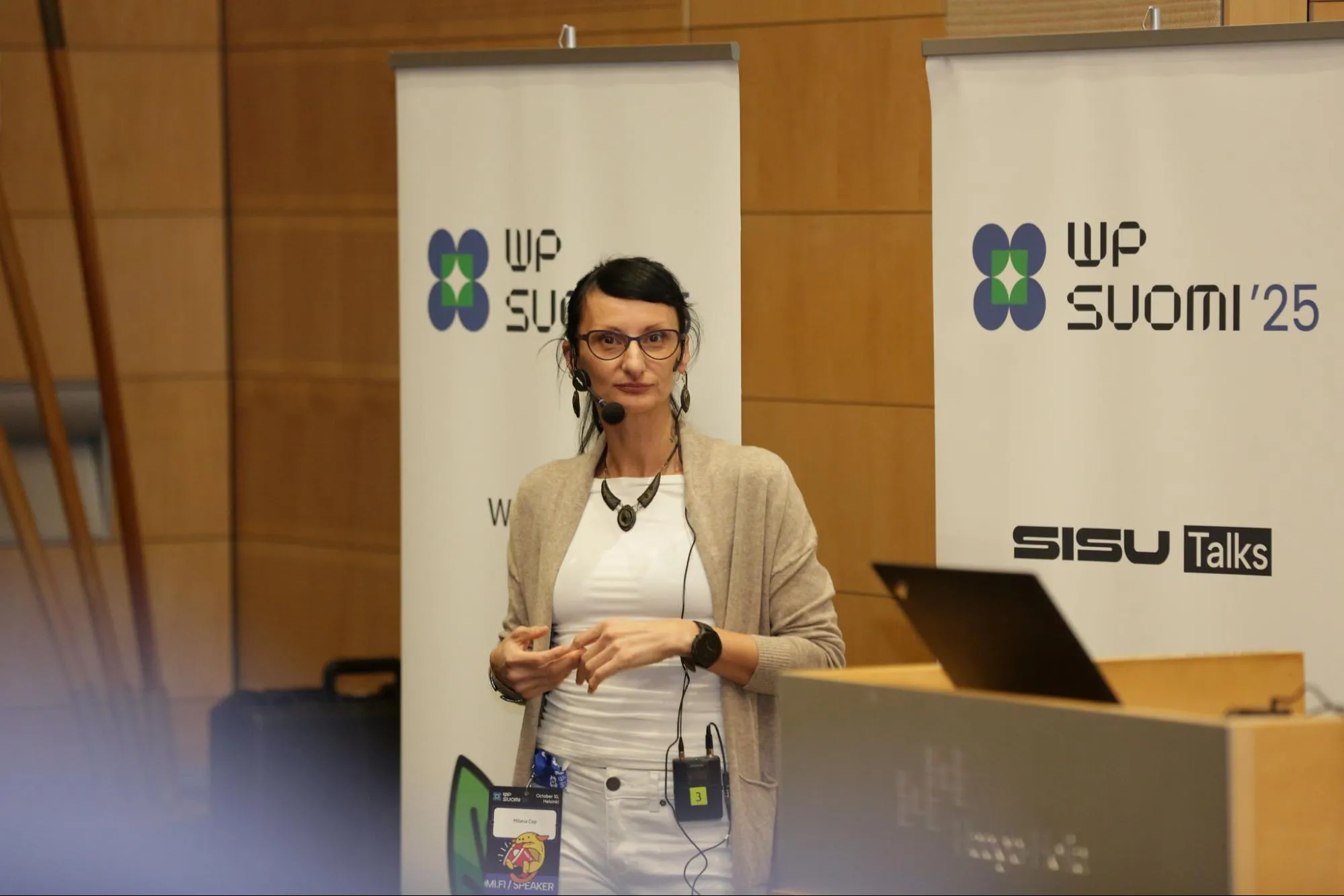
WordCamps have changed for me over the years — less about the sessions on stage, more about what happens between them. As an organizer, you miss most of the talks anyway, pulled in ten directions at once. But real life happens in the corridors, and at the parties in the evenings.
This matters especially for the Ukrainian community. The war has scattered us across Europe — different countries, different companies, different lives. WordCamp Europe has become one of the few places where we reassemble in person: to share what the year brought, to meet people we only knew online, to see the community still growing despite everything. Many couldn’t make it to Krakow, some would not be able to visit these events anymore. For those of us who could, the room carried extra weight.
That’s what Danylo and I were singing about at dawn outside Bastion III, even if neither of us said it out loud. I hope to do that someday in the afterparties in Helsinki and Kyiv — whenever that becomes possible again.
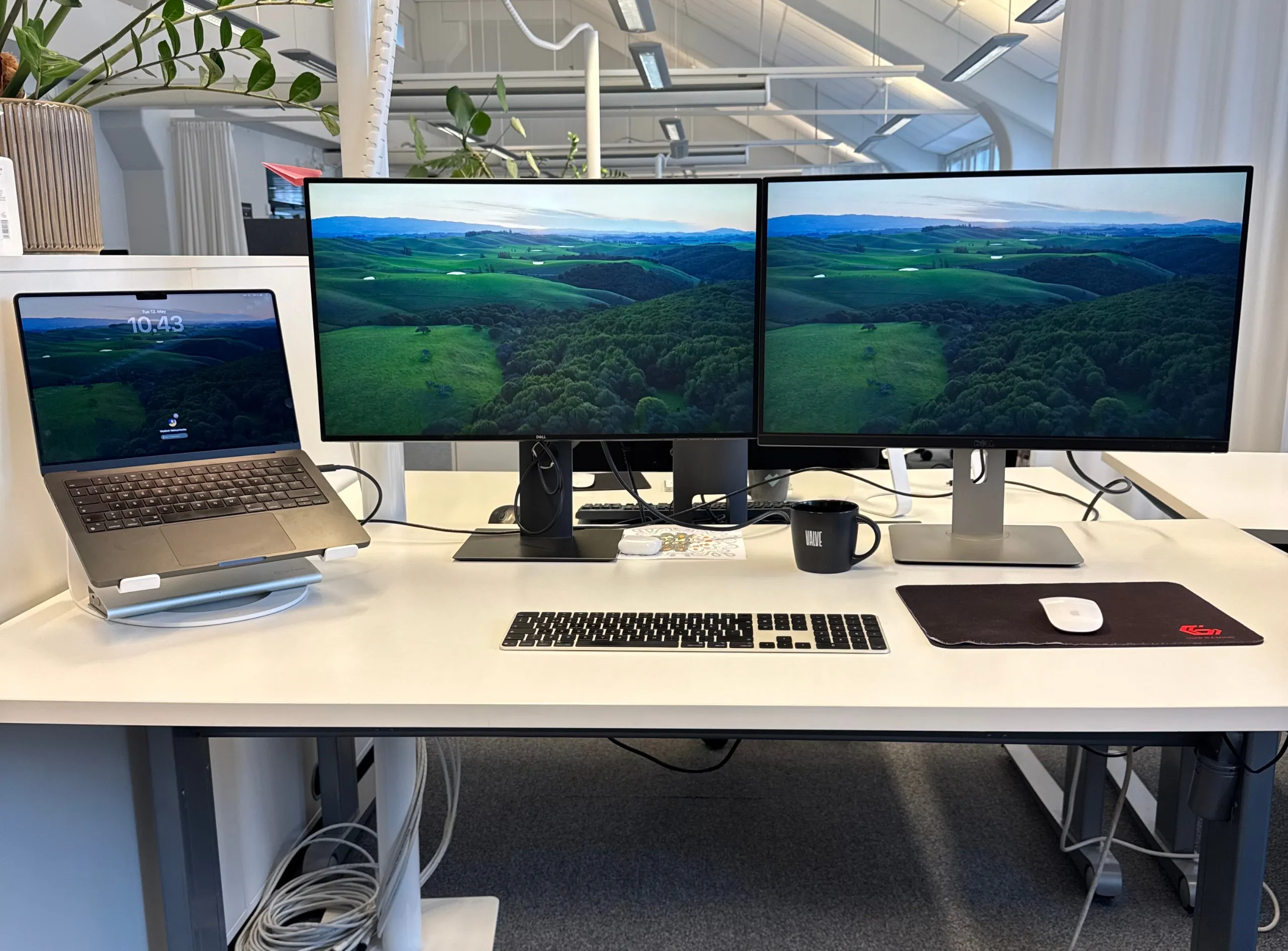
We asked Volodymyr for a view into his development life and this is what he sent!
HeroPress would like to thank Draw Attention for their donation of the plugin to make this interactive image!
«Послухай… пташки заспівали», — сказав Данило, українець, з яким я познайомився на попередньому WordCamp — ми якраз протеревенили останню годину afterparty WCEU у Кракові. «Значить нам теж час іти». І тут він від душі почав співати «Гей, гей, гей, соколи, оминайте гори, ліси, доли». Я підхопив пісню разом із ним. Поляки, що ішли поруч продовжили польською: «Dzwoń, dzwoń, dzwoń dzwoneczku, mój stepowy skowroneczku». Хтось позаду теж приєднався до хору. Це була «Гей, соколи» — українсько-польська народна пісня — під акомпанемент якої нас виносив натовп із Бастіону III, австрійської фортеці XIX століття на околиці краківського Старого міста, саме тоді, коли вже ніч переходила у ранок.
Щоб пояснити, як я там опинився, доведеться повернутися до самого початку цієї історії.
Ця історія бере свій початок у Миколаєві – місті суднобудівельників і наречених, де я виріс. Здобув освіту у двох університетах, де навчався одночасно і почав шукати роботу під час року перерви перед продовженням навчання. Я планував знайти собі роботу, щоб заробити грошенят для продовження навчання, готуючись до вступу в один із фінських університетів. У Миколаєві було важко знайти якісь серйозні перспективи для випускника, хіба що в тебе є зв’язки, але я примудрився знайти роботу в “IT” компанії. У 2011 термін “АйТі” нічого мені не говорив, але там потрібна була англійська, яка була моїм основним предметом в університеті, тому я подумав, а чом би й ні? Робота не була важкою: треба було казати, що я “Боб” із США і допомагати клієнтам, які купували фізичні продукти, відслідковувати їх замовлення і давати інструкції, як використовувати оте, що вони поназамовляли. Мене звільнили через півтора місяці. Можливо, я щось не так робив, можливо, просто не вдався обличчям — у будь-якому випадку, що було, то загуло.
На цю роботу я влаштувався самостійно, без будь-якої підтримки, перша заробітна плата була символом моєї незалежності, і перше звільнення — це був бурхливий вир емоцій. Але остання частина просто вибила землю з-під моїх ніг, гірше тільки зробили коментарі на кшталт: “це було занадто добре, щоб бути правдою”, “та ми тобі казали, що там надурять”, і “подивись на нього — він робить те та й се, ще й добре заробляє”. Дуже важко було бути вдома і відчувати себе невдахою. Але це відчуття зробило набагато більше ніж будь-яка ефемерна підтримка — воно мене загартувало і пробудило палке бажання довести, що всі помилялися щодо мене.
Хоч перша робота виявилась провалом, вона дала мені чітке розуміння, що треба продовжувати шукати роботу в IT. Наступну роботу я знайшов у TemplateMonster.com — добре відому у певних колах. Вона була повною протилежністю моєму минулому досвіду. У 2012 році вони продавали шаблони для більшості популярних CMS-ок того часу: WordPress, Joomla, Drupal, і для різних рішень електронної комерції. Лише ознайомлення з роботою і навчання зайняло два місяці, що промовисто свідчить про те, наскільки серйозно компанія сприймала своїх людей — майже ніколи не звільняли, а якщо люди й ішли з роботи, то з власних причин.
Моїм завданням було допомагати клієнтам із шаблонами, які вони придбали: встановлення, налаштування, редагування. Було доволі складно, але дуже цікаво — мені подобалося. Тоді я вперше познайомився із WordPress. Я працював шість ночей на тиждень, а неділі були найважчими, бо тіло звикало до активності вночі і відмовлялося спати. Хоча такий графік мене не дуже турбував. Можливість створювати будь-які сайти і кастомізувати їх саме під себе — оце було до дідька захопливо. Я багато перепрацьовував, вивчав щось нове, заколупував розробників питаннями, щоб хоч трохи вгамувати жагу до знань. Але усе закінчилося несподівано швидко: я отримав три листи про зарахування на магістратуру у Фінляндії, вибрав один університет і поїхав до Центральної Фінляндії.
Система навчання у Фінляндії побудована зовсім по-іншому — і, на мою думку, на краще. Коли я закінчив основні курси моєї спеціальності, я почав шукати роботу. Завдання було не з легких: рік я шукав пасивно, де-не-де подаючи заявки на роботу, і ще пів року я зайнявся цим активно, відгукуючись на декілька вакансій щодня. Зрештою, доля занесла мене у Гельсінське агентство, що розробляло сайти на WordPress — цим я займаюся і сьогодні. У нас була дуже дружня команда, приблизно з десяти людей, з більшістю з них я досі дружу. Ми будували сайти дуже різного рівня складності, удень, вечорами грали в настолки, ділились історіями зі свого життя і влаштовували грандіозні вечірки.
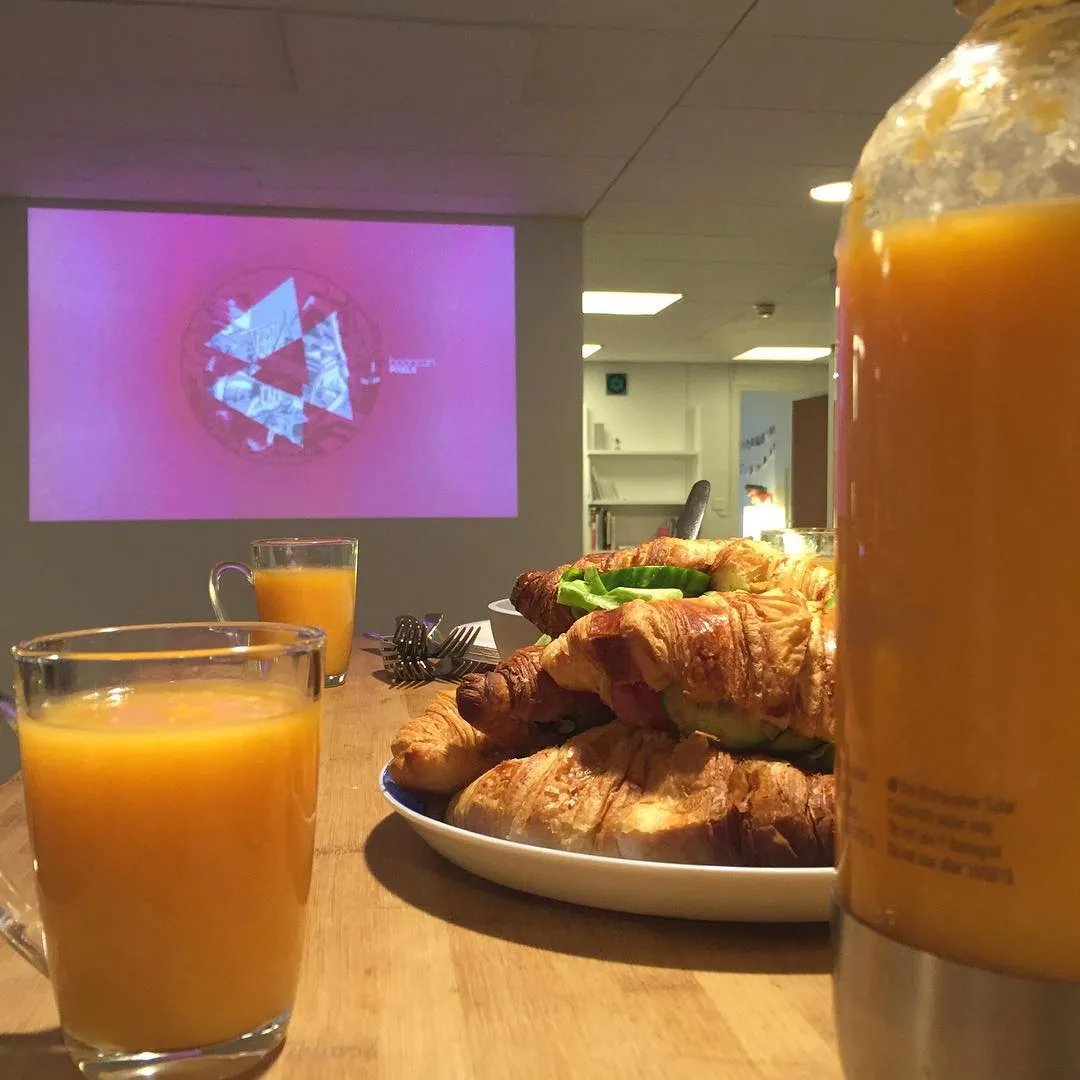
З цією командою я вперше відвідав подію WordPress: WordCamp Helsinki 2017 — дводенну конференцію. Я не був вражений наповал, але вона відкрила мої очі на дещо. Коли ти працюєш у маленькому агентстві, і живеш у своїй бульбашці, а тут неочікувано відкривається цілий всесвіт. Ти бачиш іншу сторону WordPress — спільноту, людей, які рухають увесь проект вперед, людей, які стикаються з тими самими проблемами, які знаходять творчі способи ці проблеми вирішити.
Того першого місцевого WordCamp’у було достатньо, щоб нам захотілося рухатися далі. У 2019 році наша команда поїхала до Берліна на WordCamp Europe — це була моя перша закордонна поїздка за межі звичного для мене маршруту між Фінляндією та Україною. Ми провели кілька днів, досліджуючи місто й відвідуючи конференцію. Масштаб відчувався зовсім по-іншому: тисячі учасників і сотні волонтерів, які усе організовують. Стоячи серед цього натовпу, я зрозумів, що хочу бути частиною цього, і не просто як відвідувач.
А потім почалася пандемія коронавірусу.
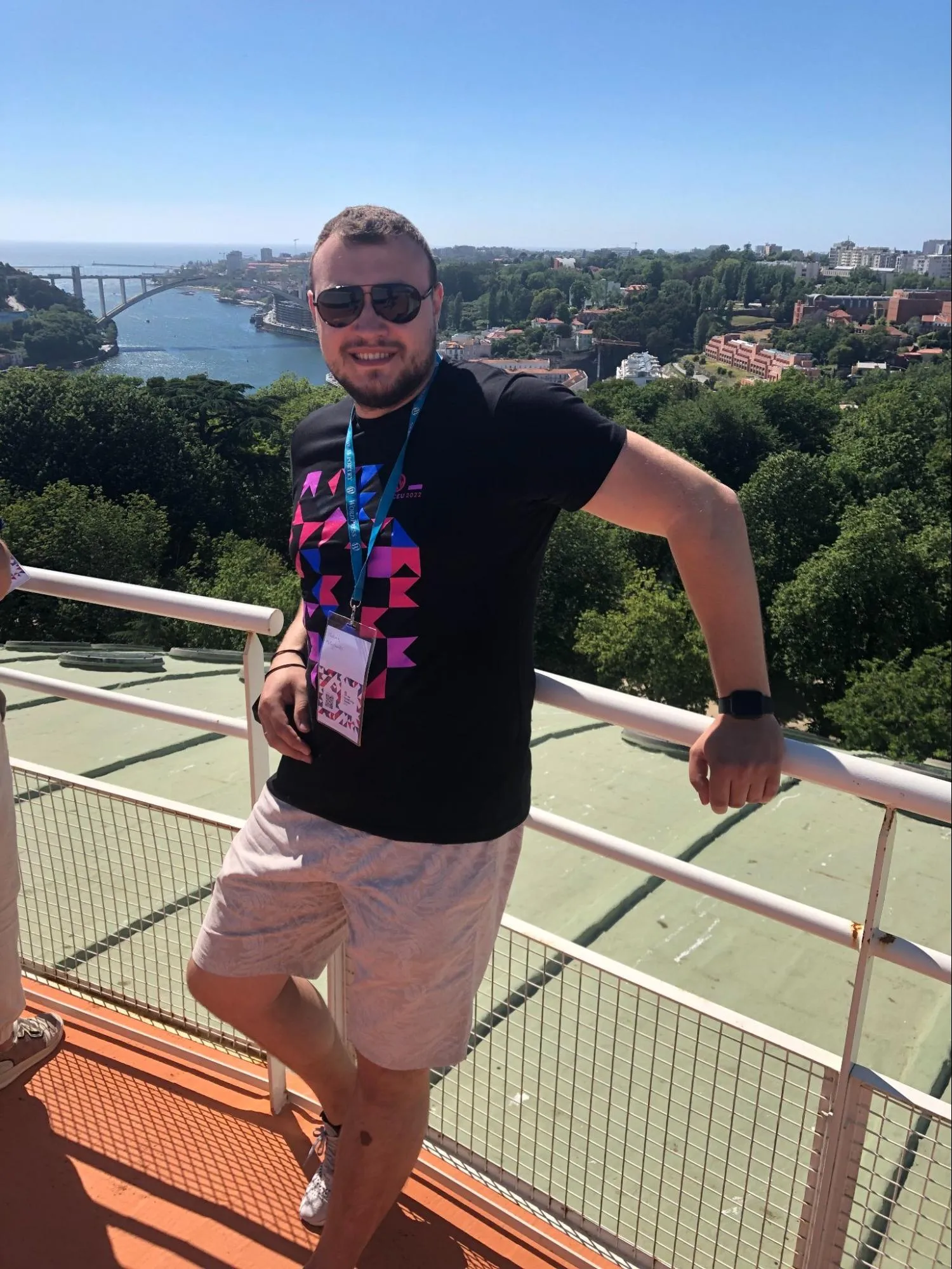
WordCamp Europe 2020 і 2021 років проходили онлайн, і мені здавалося, що вони втратили найголовніше — тисячі людей, зібраних в одному місці, які заряджають одне одного своєю енергією. Тож коли оголосили, що WCEU 2022 відбудеться в Порту, я почав збирати валізу. Цього разу я приєднався до команди волонтерів, щоб побачити WordCamp зсередини. І це було правильне рішення. Для українців це був непростий час — повномасштабне вторгнення вже тривало, і кожен шукав свій спосіб впоратися з новою реальністю. Для мене цей захід став джерелом сили. Я ближче познайомився з українською спільнотою, жваво дискутував зі спікерами й повернувся з відчуттям, що нарешті зрозумів, нашо той WordCamp.
Та поїздка також допомогла мені усвідомити дещо, над чим я давно розмірковував. Я завжди любив подорожувати, але існував бар’єр, який не мав стосунку ні до віз, ні до грошей — хоча й вони теж відігравали свою роль. Проблема була в тому, як виправдати саму подорож. Я виріс у культурі, де час потрібно витрачати з користю, тому подорожувати просто заради подорожі здавалося чимось, що важко пояснити. А ось робоча конференція — зовсім інша справа. Це цілком виправдана причина. Ніхто не питає, скільки задоволення ти на ній отримав. Саме так я побував у Німеччині, Португалії, Італії, Швейцарії та Польщі. Наступна — Іспанія.
Відвідувати WordCamp — це одне. Створювати подібний захід — зовсім інше.
У 2025 році я став головним організатором WP Suomi — першого незалежного фінського заходу, присвяченого WordPress, що відбувся в Гельсінкі. Місяці, які передували 10 жовтня, виявилися набагато напруженішими, ніж я очікував. Бюджет, логістика, подарунки, мерч, кейтеринг, координація локації — і сотні дрібниць, які мали зійтися в потрібний момент. Пам’ятаю, як прокидався посеред ночі з думкою, що не встиг замовити щось вчасно і воно не приїде до початку події. Більшість роботи, яка стоїть за такими заходами, залишається непомітною для учасників. Вони бачать програму, їжу, афтепаті. Але не бачать тих пів року, протягом яких окремі деталі поступово складаються в єдину картину.
WP Suomi відвідали близько 300 людей. Після заходу сорок учасників заповнили форму зворотного зв’язку, оцінивши його в середньому на 4,47 із 5. Але для мене важливішою була не сама оцінка, а те, що люди писали: нетворкінг, атмосфера, зустрічі зі старими друзями й нові знайомства, спільнота, яка відкрито приймає кожного. Читаючи ці відгуки, я згадав себе і те саме відчуття, яке пережив на WordCamp Helsinki 2017, — це щось нове, захопливе й сповнене можливостей.
Організація WP Suomi допомогла мені значно краще зрозуміти, що стоїть за проведенням таких заходів. Після досвіду волонтера на WCEU, а згодом і головного організатора WP Suomi, я приїхав до Кракова вже з іншим поглядом — набагато краще розуміючи, через що проходять люди, які працюють поруч. Цього року я знову в команді організаторів WP Suomi, але вже в ролі координатора спікерів. Інша відповідальність, інший погляд.
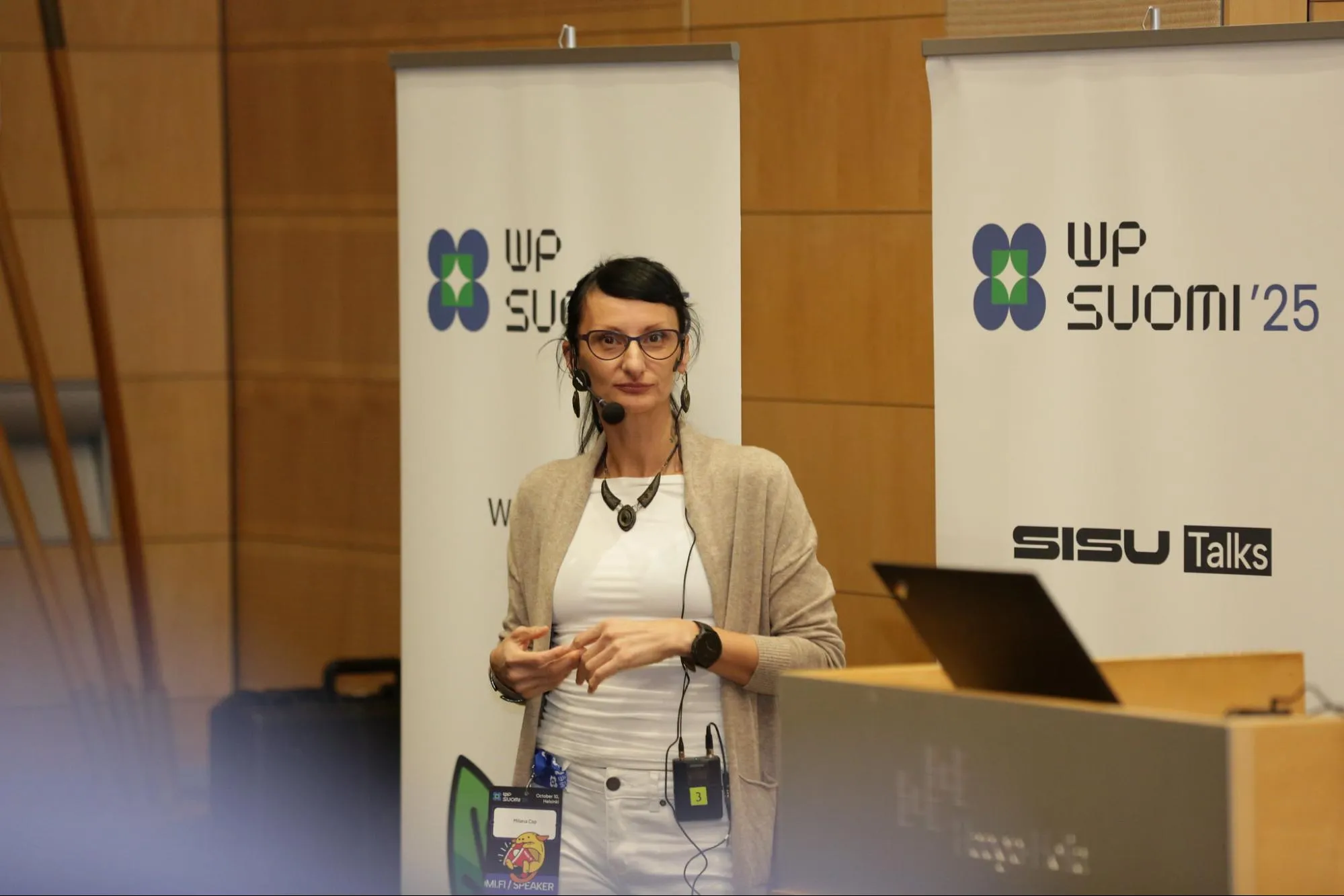
За ці роки WordCamp для мене змінився. Тепер він менше про доповіді на сцені й більше про те, що відбувається між ними. Як організатор, ти все одно пропускаєш більшість виступів, адже тебе одночасно тягнуть у десять різних боків. Але справжнє життя вирує в коридорах і на вечірках після завершення основних сесій.
Особливо важливо це для української спільноти. Війна розкидала нас по всій Європі — різні країни, різні компанії, різні життя. WordCamp Europe став одним із небагатьох місць, де ми можемо знову зустрітися наживо: поділитися тим, що приніс цей рік, побачитися з людьми, яких досі знали лише онлайн, і переконатися, що наша спільнота продовжує зростати попри все. Багато хто не зміг приїхати до Кракова, на жаль дехто вже ніколи не зможе побувати на цих заходах. Для тих із нас, кому це вдалося, ці зустрічі мають особливе значення.
Саме про це ми з Данилом співали на світанку біля Bastion III, хоча ніхто з нас не сказав цього вголос. Сподіваюся, колись мені ще доведеться робити це на афтепаті в Гельсінкі та Києві — щойно це знову стане можливим.
The post “Listen… the birds are already singing” – “Послухай… пташки заспівали” appeared first on HeroPress.
WordPress Planet

Garth’s new arena tour isn’t just about playing smaller venues again—it’s also bringing back a fan-favorite part of the live shows that helped define his career. Continue reading…Country Music News – Taste of Country
Garth’s new arena tour isn’t just about playing smaller venues again—it’s also bringing back a fan-favorite part of the live shows that helped define his career. Continue reading…The Boot – Country Music News, Music Videos and Songs

lead image
Politics

When it comes to ice cream, vanilla doesn’t have to mean boring. Take this brand, for example, which ranked at the top of the 12 we reviewed.

Mashed – Fast Food, Celebrity Chefs, Grocery, Reviews

BRUNSWICK, Maine — The effort to push Graham Platner out of the Maine Senate race has some Democrats flashing back to 2024 — and making them worry about abandoning their nominee.
Platner has seen a dramatic drop in support within the party and has lost his biggest financial backers after POLITICO reported that a woman said he forced her to have sex with him, which he denies. Democrats in Maine are already jockeying to replace him on the ballot and take on GOP Sen. Susan Collins — all before Platner has even dropped out of the race.
That series of events, several voters said in interviews, dredged up unwelcome memories of one fateful summer two years ago, when former President Joe Biden ended his reelection bid late, leaving his Vice President Kamala Harris just 107 days to beat Donald Trump. Then, she lost.
Platner should end his bid “only if he does it in time for another good strong candidate to actually hit the ground really running like hell,” Claudia Knox, 85, told POLITICO.
“I do want a fighter. I do want Collins out. So, the question to me is, if he withdraws, what happens? That’s my question,” she added. “Maybe he should hurry up, because this is feeling parallel to Joe Biden and Kamala Harris.”
Some Maine voters told POLITICO they’re doubtful that another candidate can replicate Platner’s momentum, even as some of them want him to drop out. They’re skeptical of what the process to replace him would even look like and worried whether Democrats have enough time to both pick a new nominee and unseat Collins.
Linda, a 79-year-old Brunswick resident who declined to share her last name, said that it was time for Platner to end his campaign. But she’s worried Democrats now face potentially insurmountable odds to defeat Collins with just four months left before the general election.
“It’s going to be tough, tough, tough. It’s going to be very tough,” she said. “I think [Democrats] have a reasonable slate of people to work with. … They can’t just go blue sky now. I mean, they’ve got to focus.”
If Platner withdraws by Monday, the Maine Democratic Party has until July 27 to name his replacement. Some officials have already begun maneuvering to identify who can step in and are considering the unsuccessful candidates for governor in this year’s primary — Secretary of State Shenna Bellows, former public health official Nirav Shah and former Maine Senate President Troy Jackson — as well as state Rep. Valli Geiger and brewery owner Dan Kleban, who briefly launched his own Senate campaign last year.
Harris’ experience shows the difficulty for a candidate to step in late in the process and rebuild Democrats’ ticket-topping campaign. Platner’s replacement will have a short runway to reintroduce themself to voters and broadcast their policy priorities — all while continually having to distance their campaign from the oysterman and his string of controversies.
But the two situations are not entirely analogous. None of the candidates have shared a ticket with Platner, and all have forcefully denounced him. Harris, on the other hand, had to contend with the four years she served alongside Biden, as his presidency grew increasingly unpopular.
Biden and Harris spokespeople did not respond to requests for comment.
Those differences haven’t calmed some Maine voters’ early concerns at this nascent stage in the process, though.
“We are just leery about a new kind of Kamala Harris situation, where we don’t get to choose whatever Democratic candidate will be on the ticket,” said Stephanie Gardner, 38, as she removed her Graham Platner campaign sign from her yard in Topsham on Tuesday morning.
Gardner said she believes it’s time for Platner to step aside and wants Jackson to step up in his stead. Jackson, who touted endorsements from Platner and Sen. Bernie Sanders (I-Vt.) in his unsuccessful run for governor, has already filed paperwork exploring a run.
Rose Heithoff, 35, said that she might prefer a process in which party leaders help winnow the field to avoid a full intraparty war, but acknowledged that didn’t solve Democrats’ problems in 2024: “If you look back at the Biden-Harris situation, that was a fumble in some ways because I think people felt like they didn’t necessarily have the choice,” she said.
The Maine Democratic Party has promised an open process and that it will reveal details as soon as Platner withdraws from the race. In a fiery Tuesday evening post on social media, Maine Democratic Party Executive Director Devon Murphy-Anderson also slammed Platner’s team for reaching out to party officials to “put their thumb on the scale of what this process looks like.”
But for now, it’s unclear whether there will be any public debates and campaigning, or how much voters will have a say.
Platner said on social media within minutes of POLITICO’s report publishing Monday that he was “taking the time to reflect on the best path forward.” By Tuesday, he had cancelled fundraisers, pulled down ads, and lost support from his biggest backers, including Sanders. The powerful national Democratic campaign arm and outside groups who’ve helped fund Platner’s bid said they would focus their resources elsewhere.
Even so, some voters don’t want to see Platner go at all, worried about the consequences for the race.
On Monday, outside the site of a cancelled town hall in Gorham where Platner was scheduled to field questions from voters, Kirk Little, 78, said “the Democratic Party disqualifies people too soon” and he is sticking with Platner — for now.
POLITICO had published Racicot’s allegations just an hour before the event was supposed to begin, and Little had heard of it from a radio broadcast in his car.
“If it’s true, is it disqualifying historically? Yes. But since Trump, stuff like this that we used to think of as historically disqualifying isn’t,” he said. “I’ll still vote for the guy.”

About 30 miles away in Sanford, just north of the Maine-New Hampshire border, a group of about 10 Maine voters gathered in the parking lot of a veterans community center where Platner was set to appear after his town hall in Gorham. Once it became clear that he would not show, the would-be attendees started commiserating over the canceled event and the day’s news.
Rob Brandow, 41, of nearby Waterboro, leaned against the wooden fence surrounding the building and quietly followed the conversation from a few feet away. “It’s a tough one,” he told POLITICO of the allegations. “The honest answer is, I actually don’t care.”
“I think it’s possible philosophically to walk that line where I say, like, ‘Yes, those things are bad, it shouldn’t happen, and those allegations should be given appropriate due process to see the light of day,’” he said. “And simultaneously Susan Collins should not be re-elected.”
Jessica Piper contributed reporting.
Politics