The latest news and information from your Alaska news station.









The latest news and information from your Alaska news station.

The latest news and information from your Alaska news station.

Here’s what life looks like in the smallest city in each state. Continue reading…The Boot – Country Music News, Music Videos and Songs

Sen. Brian Schatz (D-Hawaii) is set to help rally donors for Graham Platner on Sunday — a major show of support from a top establishment figure for the embattled Maine Senate candidate.
Schatz is listed as the special guest at a “virtual pre-primary event in support of Graham Platner,” according to two donors familiar with the event and an invitation obtained by POLITICO. Tickets range from $100 to $7,000, the maximum allowed contribution, for the Sunday evening event, per the invite.
It’s not clear when the event was organized, but the invitation was circulated to donors on Friday afternoon — as the campaign continued to face an onslaught of criticism from fellow Democrats over a series of scandals.
The event is the first public stamp of approval from Schatz, who has not endorsed Platner previously. Making it even more notable is Schatz’s status as a rising leader in the party: He is currently deputy conference secretary and chief deputy whip for the Senate Democratic Caucus, and he has secured the votes — and Chuck Schumer’s endorsement — to take over the No. 2 role next year.
One person from Schatz’s campaign, granted anonymity to discuss a not-yet-public donation, said the senator had given money to Platner’s campaign in May after he became the presumptive nominee, part of a practice of donating to battleground Democrats who clear their fields. (Donations from that time have not yet been disclosed in campaign finance reports.)
One person close to Platner’s campaign, granted anonymity to share private details, confirmed the event and that the senator had not formally backed Platner yet.
Schatz’s presence is the latest signal that Senate Democrats are standing by Platner as he weathers a series of scandals.
Last week, news broke that Platner had sent sexually explicit texts to other women while married. Then, on Thursday, the New York Times reported new allegations of violent and disturbing behavior toward ex-girlfriends. One of them said the Democrat knew about his tattoo resembling a Nazi symbol when he got it done, despite his saying otherwise.
Platner has denied the claims. He is poised to lock up the Democratic nomination against GOP Sen. Susan Collins in Maine in Tuesday’s primary as the sole major candidate remaining and said he has “not once” considered dropping out.
His campaign on Friday announced that it had raised more than $200,000 since the Times story was published, calling it the best day of fundraising since Democratic Gov. Janet Mills suspended her campaign.
Democrats have been torn over how to respond to the escalating controversy surrounding Platner, with some arguing he is undermining the party’s values and should drop out of the race and others maintaining that he’s their best option to beat Collins. Maine, which former Vice President Kamala Harris won in 2024, is the party’s crown jewel of Senate pickup opportunities this cycle and effectively a must-win if they are to take back control of the chamber.
But Democrats and allied groups that have backed Platner have reiterated their support, including Sen. Martin Heinrich (D-N.M.); Rep. Ro Khanna (D-Calif.); VoteVets, a group that has historically been aligned with Schumer; the Working Families Party and Showing Up for Racial Justice.
At a pre-planned Friday rally alongside Khanna, Maine 2nd District candidate Matt Dunlap and gubernatorial candidate Troy Jackson, a defiant Platner thanked the crowd for having his back.
“As every single piece of that past and journey gets dug up, litigated and weaponized, you have my back,” he said to loud applause. “And when politically motivated, serious and false accusations are made against me, Maine, you have my back.”
The presence of Dunlap and Jackson — who are both in contested down-ballot races in Tuesday’s primary — suggests they see associating with Platner as a net positive with Maine voters, despite the controversies.
Khanna, speaking after Platner, said “no one should make excuses” for the candidate’s past relationships, but urged rallygoers to give him room for redemption — and focus on the upcoming battle in November.
“The Democratic Party, from Schumer to Sanders, is united with a single goal: we will defeat Susan Collins in November,” he said.
Still, some Democrats are closely watching what happens Tuesday — and whether a protest vote for Mills emerges — before renewing their calls for Platner to drop out.
Aaron Pellish contributed to this report.
Politics
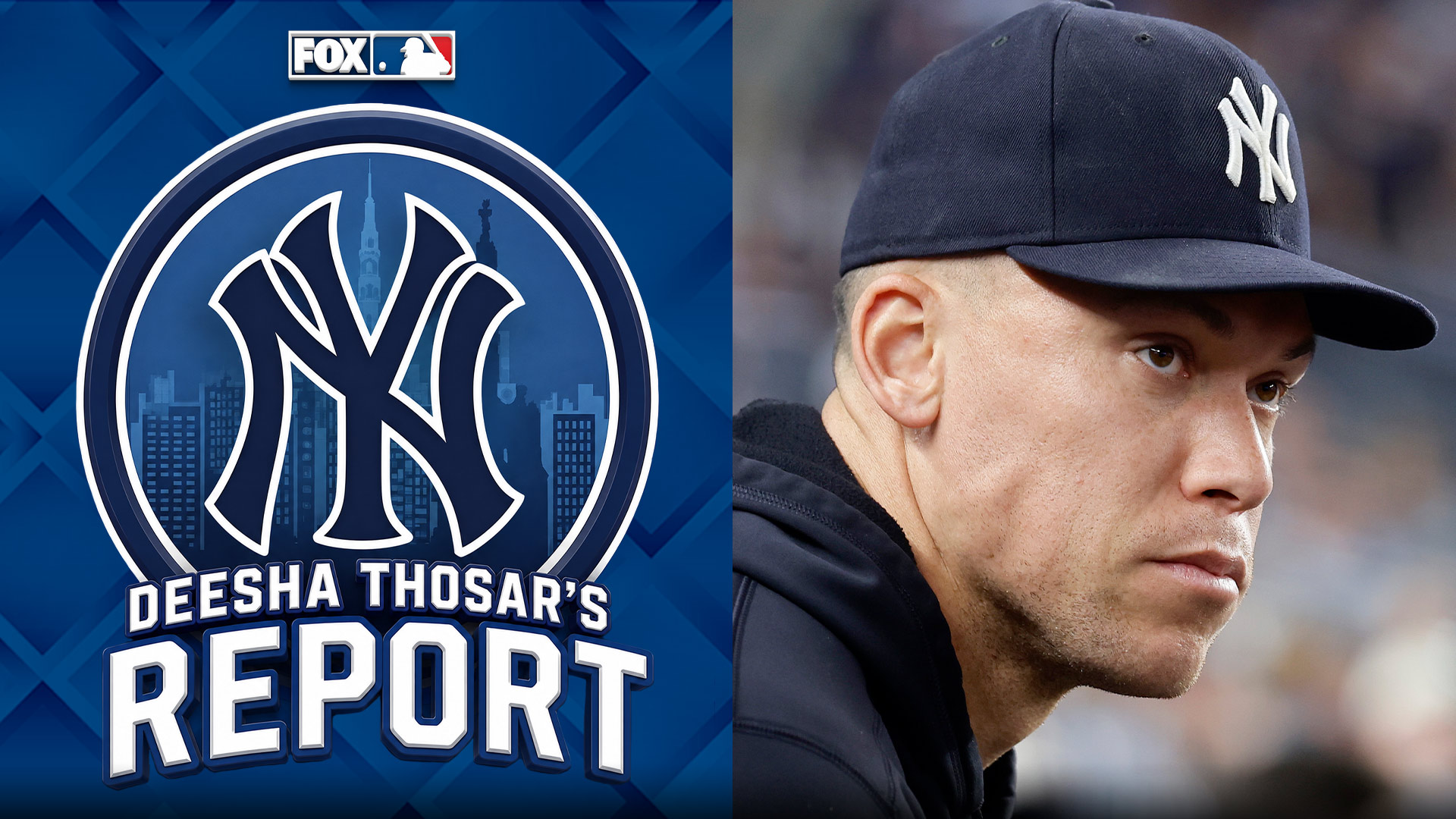
YANKEE STADIUM (New York) – Most players would have shut it down. Aaron Judge kept showing up. For more than a month, the Yankees captain played with a stress fracture on the first rib on his right side. He took swings, chased fly balls and crashed into walls, absorbing the pain in silence while anchoring the Yankees lineup. There were too many important pieces sidelined, including Giancarlo Stanton and left-hander Max Fried, for the slugger to consider missing time — until the injury revealed itself in his swings. “Big G’s hurt. Max Fried’s hurt. We got a lot of guys banged up,” Judge said on Friday afternoon at Yankee Stadium. “You gotta be out there. That’s what they’re paying me to do, is to go out there and play.” Judge, speaking to a horde of inquiring reporters in front of his locker in the Yankees clubhouse, believes he sustained the stress fracture on April 26 while diving for a fly ball during the Yankees’ series against the Astros in Houston. He called it “an awkward dive” because he was also trying to avoid running into an oncoming teammate in right field. He started feeling the pain the following day, when the Yankees opened a series against the Rangers in Texas. He felt the symptoms of his stress fracture for the past month. Judge was familiar with the pain, because it’s in the same area as the rib fracture he sustained in Sept. 2019. Yankees manager Aaron Boone noticed that Judge’s swings were off last weekend during the team’s series against the Athletics in West Sacramento. After voicing his concern with the team captain, Boone pulled Judge from the series finale against the A’s on May 31. “We did everything we could to make sure we could be out there, and Sacramento just got a little worse,” Judge said. “I fought as long as I could.” Is it possible that Judge made the injury worse because he played through it? “Probably,” Yankees general manager Brian Cashman said on Friday in the team’s press conference room. “I mean, I think it’s a culmination of different things. But no one can pinpoint when it occurred. That’s the undiscovered situation. He was never coming in, getting treatment, per se. He didn’t have any complaints.” The injury was first brought to Cashman’s attention this past Monday. “I was caught off guard by the call on the off day,” the GM said. Cashman then checked with the Yankees’ medical and training staff to find out whether Judge had shifted from his usual treatment routine. Judge receives pregame and postgame work, as well as a full-body massage, as part of his daily treatment. Everything Cashman found out from the training staff was all consistent with Judge’s normal routine. “He’s been here a long time, and I’ve talked to our trainers, and they know our players inside out,” Cashman said. “They know their tells. They can project that something’s bothering them, but they’re not really saying it. It’s just how their demeanor is, how they go about their business, and then they coax them into spilling the beans, if there’re any beans to spill — because these guys are supersapiens. “They’re unbelievable about how they can withstand more than you and I maybe can withstand. They’re amazing, strong, athletic, and this is a rigorous schedule of 162 games. So to be able to play as much as these guys do, they’re always playing with something.” The Yankees spent four days trying to understand what exactly Judge was dealing with. There was edema, or swelling, in the area of the stress fracture, so it was difficult to understand and diagnose Judge’s injury. Before getting a clear answer, the Yankees had hoped at one point that he could avoid the injured list altogether. On Thursday, the team sent his MRI, CT scan, and X-ray images to a vascular surgeon, Dr. Gregory Pearl, who specializes in treating thoracic outlet syndrome. Late Thursday night, the club was able to rule it out, before landing on the final diagnosis of a fractured rib. Cashman said because the team “ran him through a car wash of testing,” he believes that even if Judge had flagged the injury to the medical staff on April 26, they wouldn’t have found an issue. An injury this severe was not on anyone’s radar, even as Judge’s performance started to dip around the middle of May. He batted .267 with a 1.043 OPS and 16 home runs through his first 41 games of the season. Since May 11, Judge has batted .206 with a .613 OPS and one home run in his last 18 games before going on the injured list. “You’re not going to replace Aaron Judge,” Boone said of the prolonged absence of his best player. The Yankees expect Judge to rest for 4–6 weeks, giving time for the bone to heal. Both Boone and Cashman said they are intentionally not disclosing a roadmap for when exactly to expect Judge back in the Yankees lineup. It could be July. It could be August. It could even be September. But they do expect the face of their franchise to play again before the season is over. For now, Cashman said Judge’s injury does not change his upcoming trade-deadline strategy. And don’t even bother asking Judge about his timeline to return to play. “Oh, I don’t like talking timetables,” Judge said. “That stuff’s all made up. You never know what’s going to happen.” For now, Judge is limited to lower-body activities only. He is not permitted to run, throw, or swing the bat. For the next few weeks, Judge will try to keep his legs fresh by using a stationary bike, and he’ll try to stay locked in at the plate by using the team’s Trajekt machine to track pitches. Even though he can’t physically help the Yankees win games, he’s still making sure his voice is heard. Judge has been one of the loudest voices in the room during the team’s hitter meetings to prepare against opposing pitchers. While the insight from a three-time MVP and seven-time All-Star will always help, the Yankees, who entered the weekend with the most wins in the American League (37), will need more from the rest of the roster this summer. To that end, they called up top outfield prospect Spencer Jones on Friday in correspondence with Judge’s move to the IL. Jones is expected to roam right field most games, with utility players Jose Caballero and Max Schuemann serving as other options. More help is on the way after outfielder Jasson Dominguez began a rehab assignment on Friday. He could return in the next week or so. Designated hitter Giancarlo Stanton, who has been out since April 24 with a right calf strain, is 2–3 weeks away from potentially rejoining the Yankees. “We built this team the last couple of years trying to shore a couple of things up,” Boone said of the Yankees’ run-it-back roster. “We have a lot of good players and some that are going to get opportunities to try and run with something. I feel great about our club. There’s no getting around missing Aaron, of course. “But hopefully this is something that over the long haul puts us in a better position because we get to find out about more people, and more guys have an opportunity to maybe carve out a role — all with the expectation that we’re going to get our captain back later in the year, too.” The Yankees just have to survive until then.Latest Sports News from FOX Sports
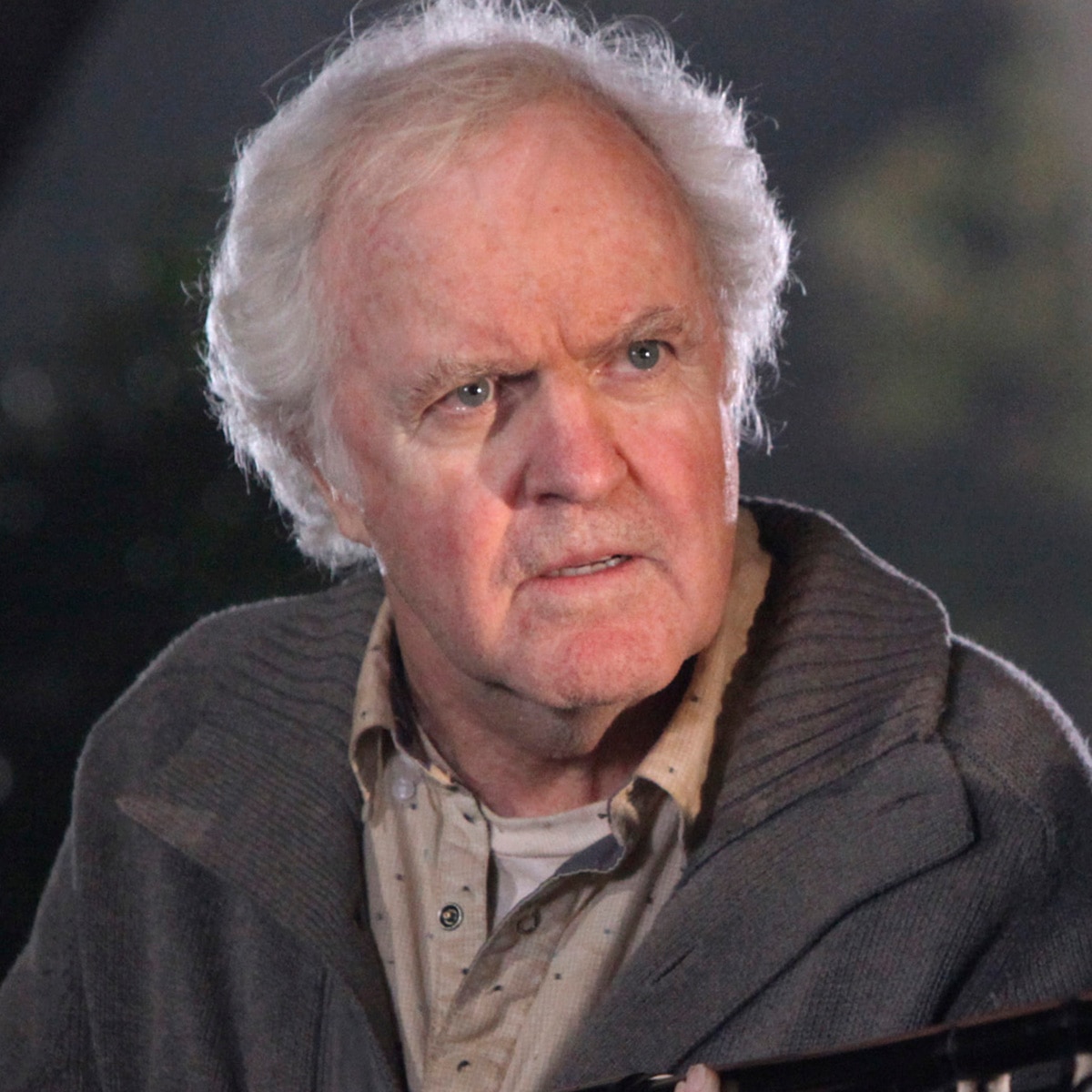
 New information has emerged regarding the death of actor James Handy.
Two days after the 81-year-old was killed, his girlfriend’s son Michael Gledhill was charged with fatally stabbing the actor…
E! Online (US) – Top Stories

 The star-studded guest list for Dua Lipa and Callum Turner’s wedding will blow your mind.
The newlywed couple—who first tied the knot in a chic courthouse ceremony May 31 in their hometown of…
E! Online (US) – Top Stories
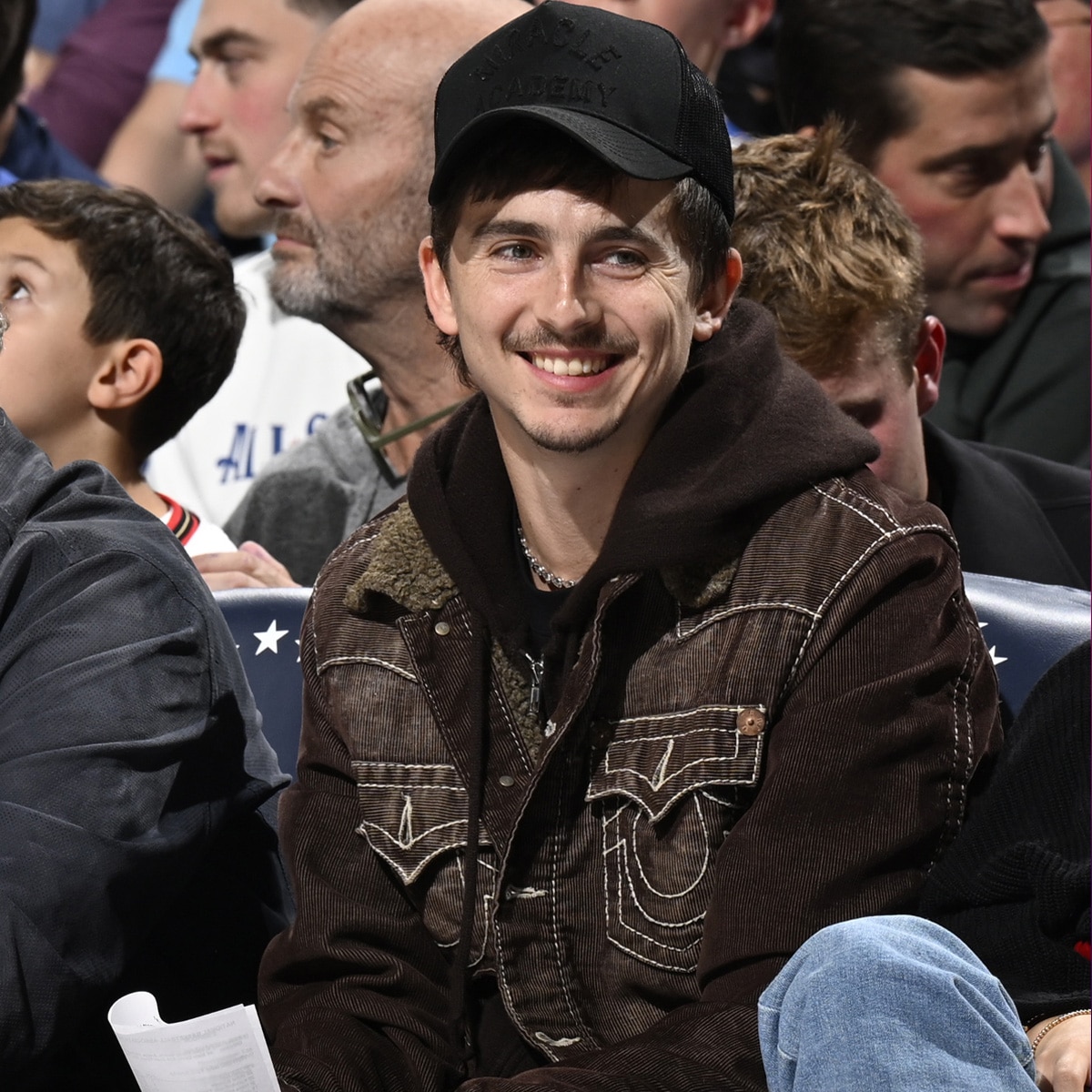
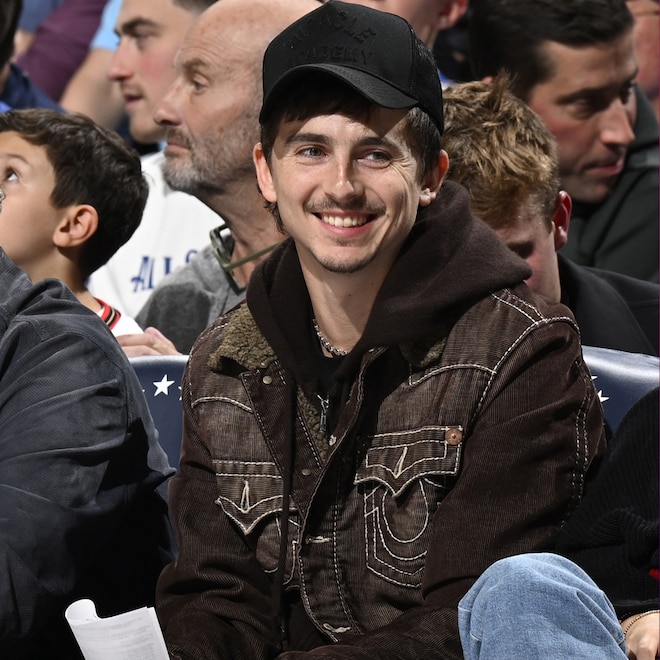 Even the Lisan al-Gaib needs time to recover.
Indeed, Timothée Chalamet shared how his love for the New York Knicks has taken a physical toll on his body, explaining the recovery efforts he’s…
E! Online (US) – Top Stories

 Sarah Michelle Gellar is mourning her father figure.
The Buffy the Vampire Slayer alum shared a heartfelt tribute to costar Anthony Head—known for his portrayal of Rupert Giles on the beloved…
E! Online (US) – Top Stories
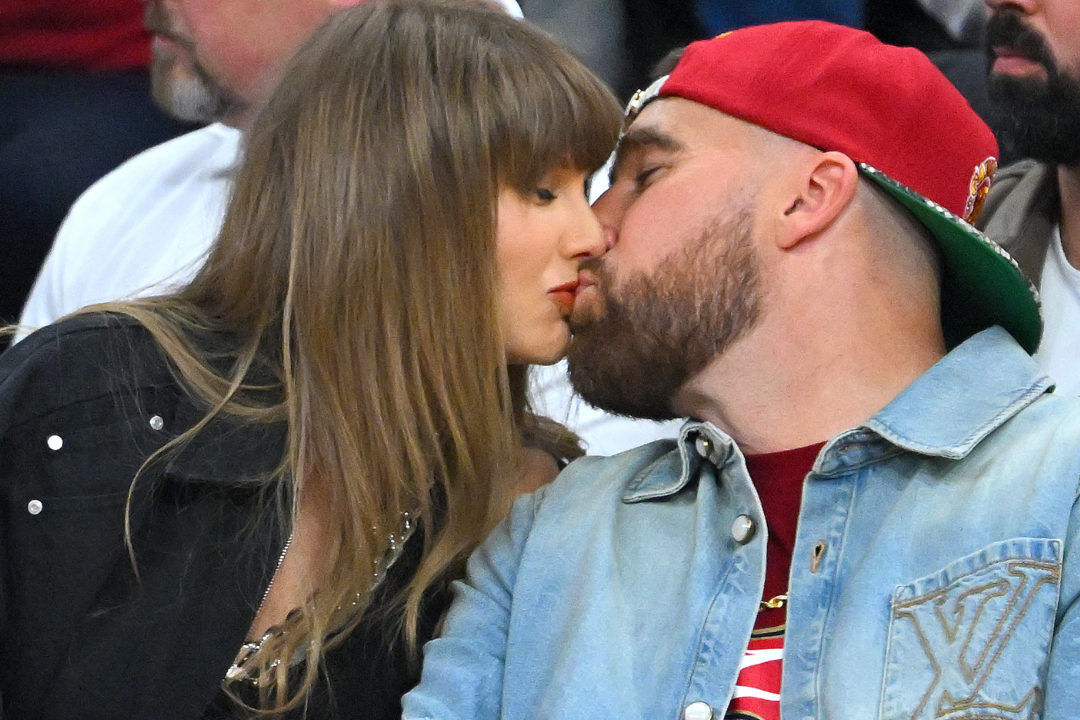
A new report claims Taylor Swift and Travis Kelce may have chosen one of New York City’s most famous venues for their wedding — and it’s not the kind of place most couples book for a ceremony. Continue reading…The Boot – Country Music News, Music Videos and Songs