‘It would be an enormous monstrosity, an absolute eyesore and detract in every way from not only the zoo but that area,’ Brad Paisley said. Continue reading…Country Music News – Taste of Country
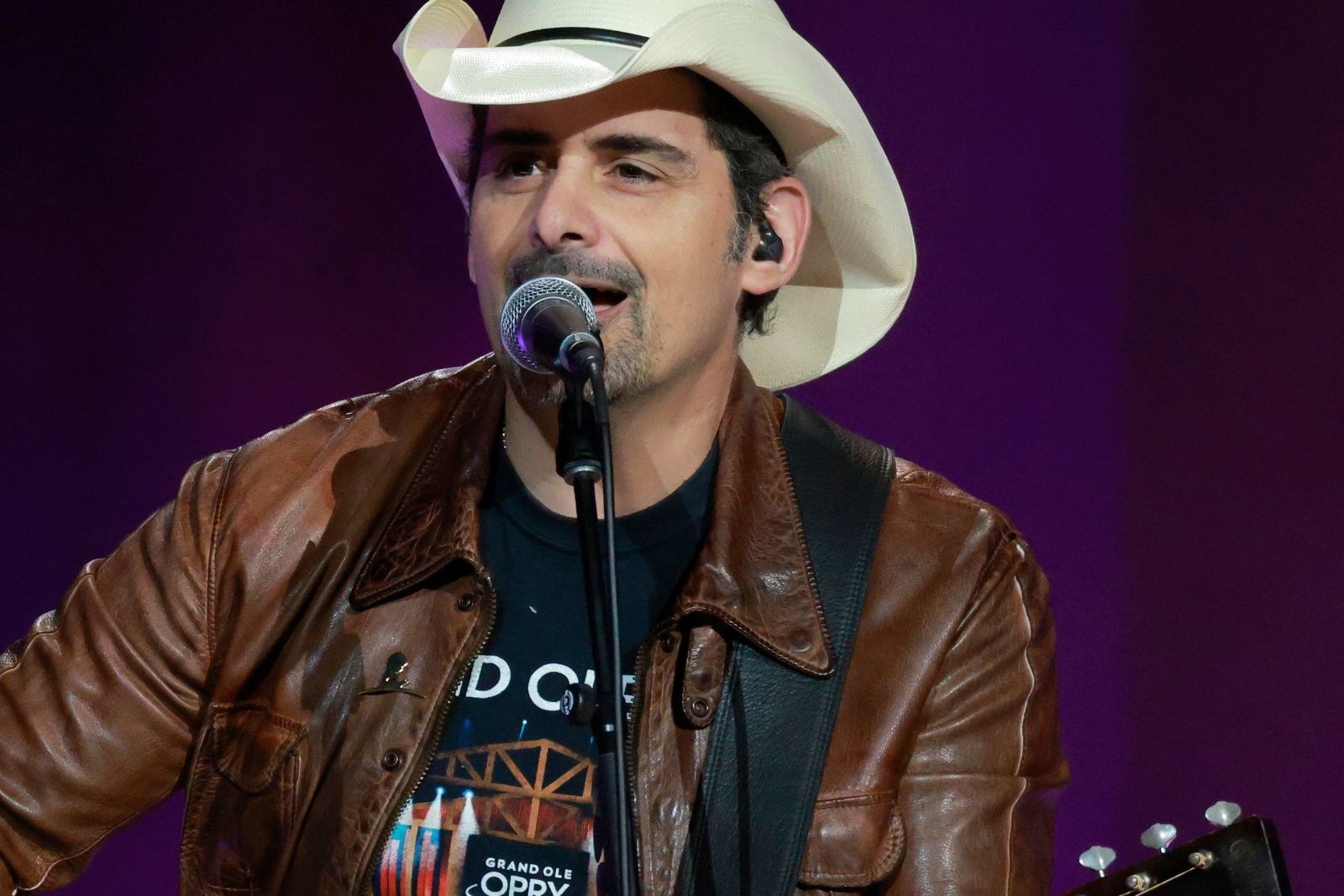








‘It would be an enormous monstrosity, an absolute eyesore and detract in every way from not only the zoo but that area,’ Brad Paisley said. Continue reading…Country Music News – Taste of Country

NOTN- City officials unveiled plans for the Jackie Renninger Park and invited the public to a Park Day over the weekend to review the design and give feedback.
Parks and Recreation Director Mark and Chris of Corvus Design say the plan fits many features into about five acres: eight pickleball courts, a covered street‑style skate park to replace an aging pipeline structure, the city’s first covered playground, a dog park, restrooms, a community gathering space for food carts and events, a loop fitness trail, a small multi‑use court, and disc golf.
“We’ve actually been working on the park design for about three years, starting off with a master planning effort and a pretty robust public involvement process. It’s a lot going into a five-acre park.” Said Chris.
Saturday’s open house, community barbecue and comment period aimed to explain the importance of recreation opportunities in what Mark called an underserved area of Juneau.
“It’s really big for quality of life for all of us here in Juneau to have those recreation spaces, those park spaces, but it’s also great for property values.” Mark said, “Getting people active and involved is better for health and better for the economy in lots of ways. When we look at the whole of Juneau, it’s pretty underserved in terms of parks, so we really want to spread parks all around our community.”
Pro skaters Kanten Russell and Brandon Turner also attended, leading an open skate and skate competition.
Chris and Mark say skilled concrete work and securing funding are the biggest challenges ahead.
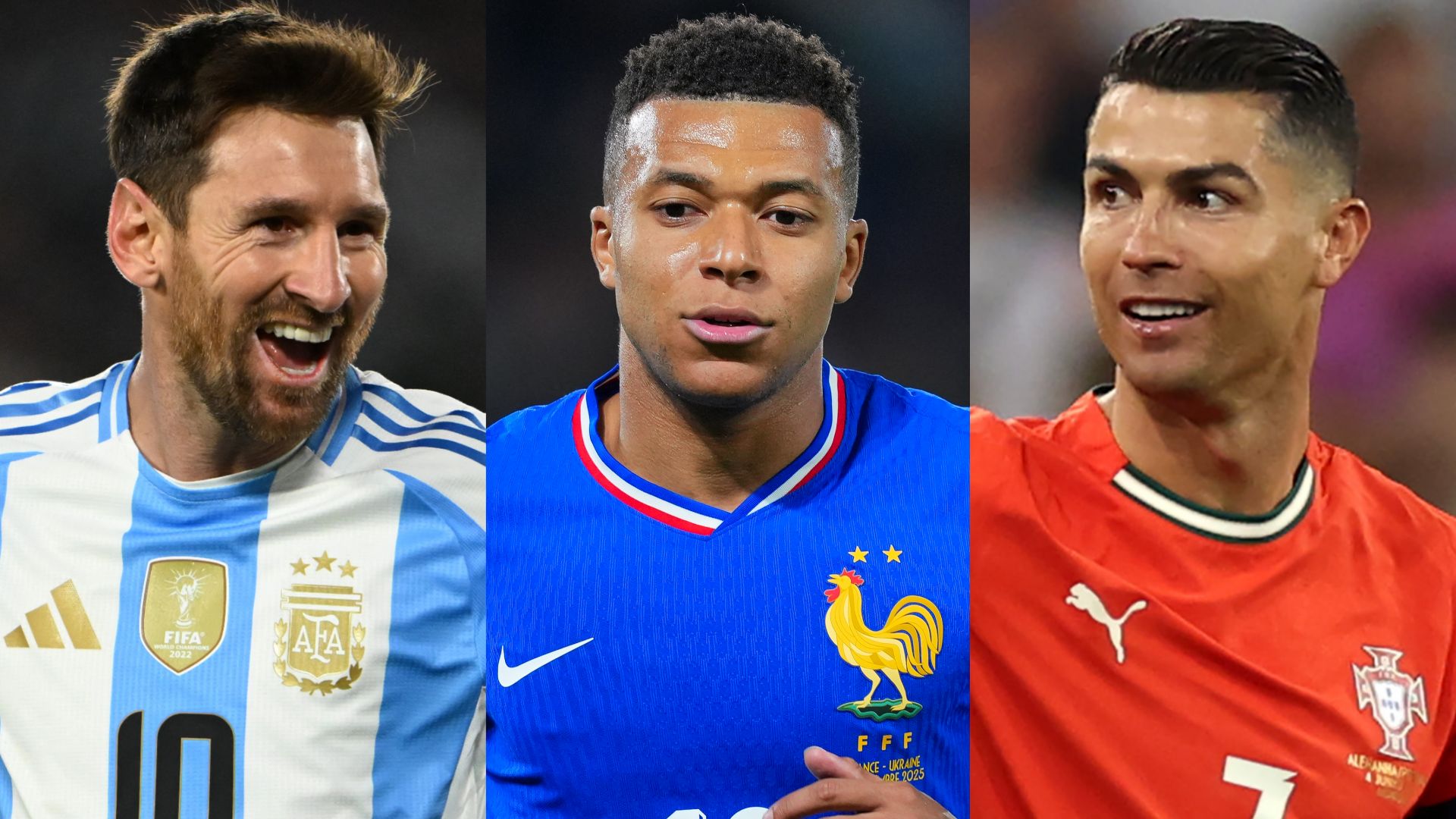
Real Madrid’s star Kylian Mbappé has set the stage for a thrilling 2026 World Cup by making a series of bold predictions regarding the tournament’s top marksmen. The France captain, who is looking to banish the memories of a painful final defeat in Qatar, has weighed in on the eternal debate between Cristiano Ronaldo and Lionel Messi while asserting his own dominance. Mbappé tips Ronaldo to edge out Messi before backing himself In a series of rapid-fire choices during a football challenge with content creator Finn Agostinelli and Sorare, the 27-year-old superstar was tasked with predicting the most prolific scorers for the upcoming tournament in North America. When the ultimate question arrived — choosing between the two greatest players of the modern era — Mbappe opted for his idol Ronaldo to outshine Messi in front of goal. While Messi has been the more influential figure on the world stage recently, leading Argentina to glory in 2022, Mbappé believes the Al-Nassr frontman will have the more clinical touch in 2026. However, when the final comparison pitted the Portuguese icon against the Frenchman himself, Mbappé did not hesitate to back his own ability to finish as the tournament’s top scorer. Picking the next generation of stars Before reaching the final showdown, Mbappé was asked to filter through the current crop of elite European and South American talent. He showed great faith in Spanish teenage sensation and his Barcelona rival Lamine Yamal, picking him over the likes of Florian Wirtz, Memphis Depay, and even the prolific Erling Haaland. Mbappé also showed loyalty to his Real Madrid colors, backing his clubmate Vinícius Jr to outscore Yamal and England’s captain Harry Kane. Eventually, the Frenchman leaned toward the pedigree of the veteran legends, placing Messi ahead of the Brazilian winger before finally crowning Ronaldo as the biggest threat among his peers — second only to himself. Defiant stance against ‘demons’ of the past The 2026 World Cup carries significant emotional weight for Mbappé, who suffered the ultimate heartbreak in Lusail despite scoring a hat-trick in the 2022 final. In a candid admission, the Real Madrid forward revealed that revisiting the match scenario might “awaken some demons”, leading him to avoid rewatching the showpiece entirely. Historical records at stake in North America The stakes for the 2026 edition are unprecedented, as both Ronaldo and Messi are expected to feature in a record-breaking sixth World Cup. Ronaldo heads into the tournament with eight career World Cup goals but faces the lingering statistic of never having scored in a knockout round match. In contrast, Messi boasts 13 goals and eight assists in the competition’s history. France will begin their campaign in Group I against Senegal, Iraq, and Norway, starting at the MetLife Stadium on June 16. For Mbappe, the tournament represents a chance to add to his staggering tally of 12 goals in just two tournaments, as he chases the all-time record of 16 held by Miroslav Klose and aims to fulfill his own prediction of outperforming the legends of the game.Latest Sports News from FOX Sports
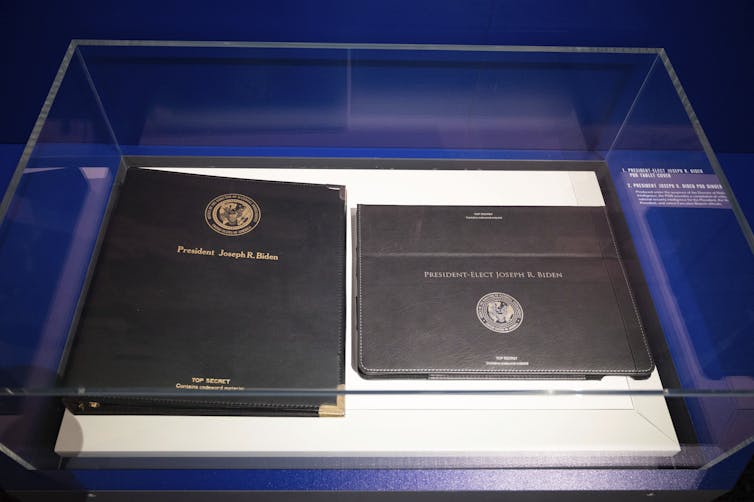
President Donald Trump’s choice for acting director of national intelligence, Bill Pulte, has proved controversial. Pulte’s lack of background in national security matters has sparked resistance from Democrats on Capitol Hill, which is not surprising. But some Republicans, too, have expressed dismay at the president’s choice, a Trump loyalist who currently runs the Federal Housing Finance Agency.
“I see no evidence of any qualifications for that job,” said U.S. Sen. John Cornyn, a Republican from Texas.
The current director of national intelligence, Tulsi Gabbard, is leaving the job at the end of June 2026.
Here’s why it matters who holds the job of director of national intelligence.
To speak of telling truth to power seems terribly old-fashioned these days, but as a veteran of White House intelligence operations, I know that is the essence of the job.
The director of national intelligence is the president’s principal adviser on intelligence, though the CIA director has remained somewhat co-equal in that role. In past administrations, the director of national intelligence has been responsible for both the President’s Daily Brief, where the most crucial and sophisticated intelligence is presented, and for the work of the National Intelligence Council.
Most of the President’s Daily Brief items are still done by the CIA, but the director of national intelligence or a deputy briefed the president, daily in most administrations but one or two times a week in the first Trump administration. Now, it is not clear the briefings take place.
The issues in those briefings lean toward the immediate and tactical: What is the situation on the ground in the wars in Iran and Ukraine? If the United States does X, how will the Iranian regime or Russian President Vladimir Putin respond?
But intelligence strives to push presidents and their colleagues to think more strategically: What are the implications of hypersonic missiles? What is the trajectory of the relationship between Russia and China? What are China’s geostrategic objectives, and what is the role of the Belt and Road Initiative in that vision? What if, far from toppling it, U.S. and Israeli attacks push the Iranian regime to become more hard line, or even produce some “rally ’round the flag” effect among previous opponents of the regime.
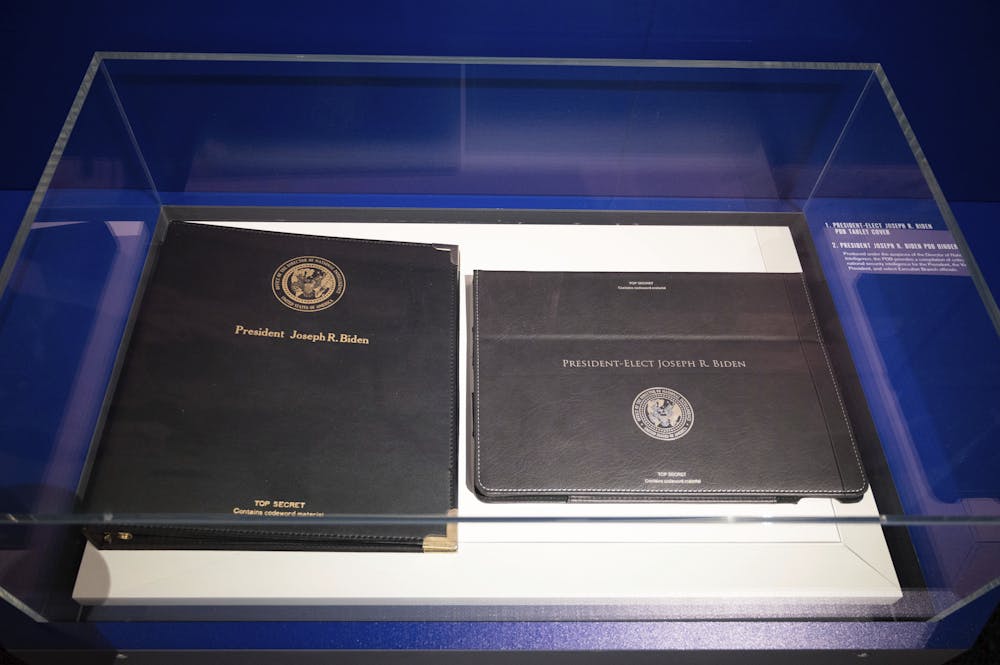
I was chair of the National Intelligence Council from 2014 to 2017, providing day-to-day intelligence support to the National Security Council and its committees, as well as trying to find time to do more strategic intelligence, looking at trends and connections across issues, producing what are called National Intelligence Estimates.
The director of national intelligence, known as the DNI, sits atop the 17 agencies that make up what is called the U.S. intelligence community. The director neither runs those agencies nor has full control of their budgets.
Rather, the director of national intelligence coordinates them, which sometimes seems like the proverbial herding of cats. They assemble a combined budget for intelligence, but many of the big agencies, such as the National Security Agency, which makes and breaks codes and intercepts signals of interest, belong to the Pentagon.
The creation of the director of national intelligence position was a direct result of the 9/11 terrorist attacks.
The report of the 9/11 Commission was vividly damning about the failures of communication between agencies in the run-up to 9/11. In meetings in New York that summer, CIA and FBI officers were literally unsure what they could tell each other: The former wondered whether the FBI people were really cleared to hear this, while the latter feared that talking might blow a case they were working on. That lack of coordination played a role in letting the plotters slip through intelligence, often in plain sight.
The result of the commission’s work was the Intelligence Reform and Terrorism Prevention Act of 2004, which created the director of national intelligence position.
Before that, the director of central intelligence wore two hats, as the director of the Central Intelligence Agency and loose coordinator of the broader intelligence community. Hardly surprisingly, directors of central intelligence spent most of their time running the CIA, for that was the source of their troops – and their troubles when they arose.
A score of blue-ribbon panels over 50 years had recommended breaking the director of central intelligence’s conflict of interest – coordinating agencies and their budgets while running one of them – and creating a director of national intelligence position.
James Clapper, the director of national intelligence for whom I worked as chair of the National Intelligence Council, constantly emphasized “integration.” Across agencies, integration mostly means talking to each other and sharing information. This works against the natural tendency to scoop your colleagues.
Across disciplines, integration means better aligning what information intelligence agencies collect with what analysts need.
If presidents want to know what the CIA thinks about a particular issue, they can simply ask. Usually, though, the question is what does the intelligence community think, and then the question goes to the National Intelligence Council, the director of national intelligence’s interagency group for intelligence analysis.
The National Intelligence Council is organized like the State Department, with officers for regions and functions. Once a question has been presented, the relevant national intelligence officer will convene his or her colleagues from the other agencies. They will argue about the answer to the question, a process sweetly called “coordination,” then agree on the answer. If need be, the process can be done in a few hours.
Major strategic analyses – national intelligence estimates – like one done in 2022 on the implications of the COVID-19 pandemic out to 2026, may take months. In all cases, though, the analysis carefully records where there are differences of view in the intelligence community.
In my last year chairing the National Intelligence Council, of the 700 or so analyses we did, about 400 were responses to questions – called “taskings” in governmentese – from the national security adviser or one of the deputies.
National intelligence officers are national experts from inside or outside federal government, and their deputies – the heart and soul of the NIC – are all assigned from intelligence agencies. The largest number come from the CIA, but I worked with a cyber analyst from the Secret Service and a wonderful analyst from the New York Police Department.
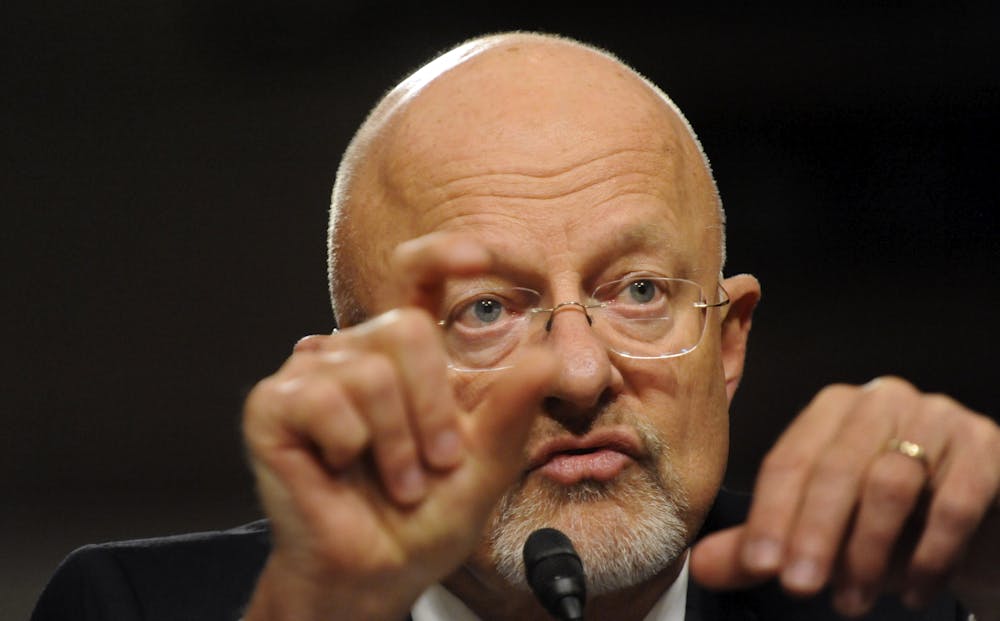
What was striking then and has struck me both times I’ve had the privilege of running a U.S. intelligence agency is the dedication of the officers.
They work for the nation, not for a political party or ideology. As chair of the NIC, I had no idea of the politics of my people, save for the several closest to me. For them, telling truth to power is not a slogan. It is what they do. They are always worried about “politicizing” – producing an assessment to suit a policymaker’s preference or, worse, being pressured to do so.
The president’s daily briefers, for instance, give up a year of their lives to come to work at 4 a.m., learn their briefs and then fan out across Washington to brief senior officials. They like being “on the team” of the person they brief, but they become uncomfortable if the conversation turns political.
The director of national intelligence sets the tone for that resolutely nonpolitical stance and polices it through principles articulated in the agency’s analytic integrity and standards. As chair of the NIC, for instance, I’d receive regular assessments of both the quality of our analyses and whether we risked becoming “politicized.”
For their part, do politicians and agency leaders like it when their pet projects are assessed by intelligence as unwise or infeasible? Of course not. I’ve been on that side of the intelligence-policy divide as well. But the United States is much the better for it.
This story, originally published on Dec. 4, 2024, has been updated to reflect that Bill Pulte has been chosen by President Trump to be the acting director of national intelligence.

Gregory F. Treverton does not work for, consult, own shares in or receive funding from any company or organization that would benefit from this article, and has disclosed no relevant affiliations beyond their academic appointment.
Politics + Society – The Conversation
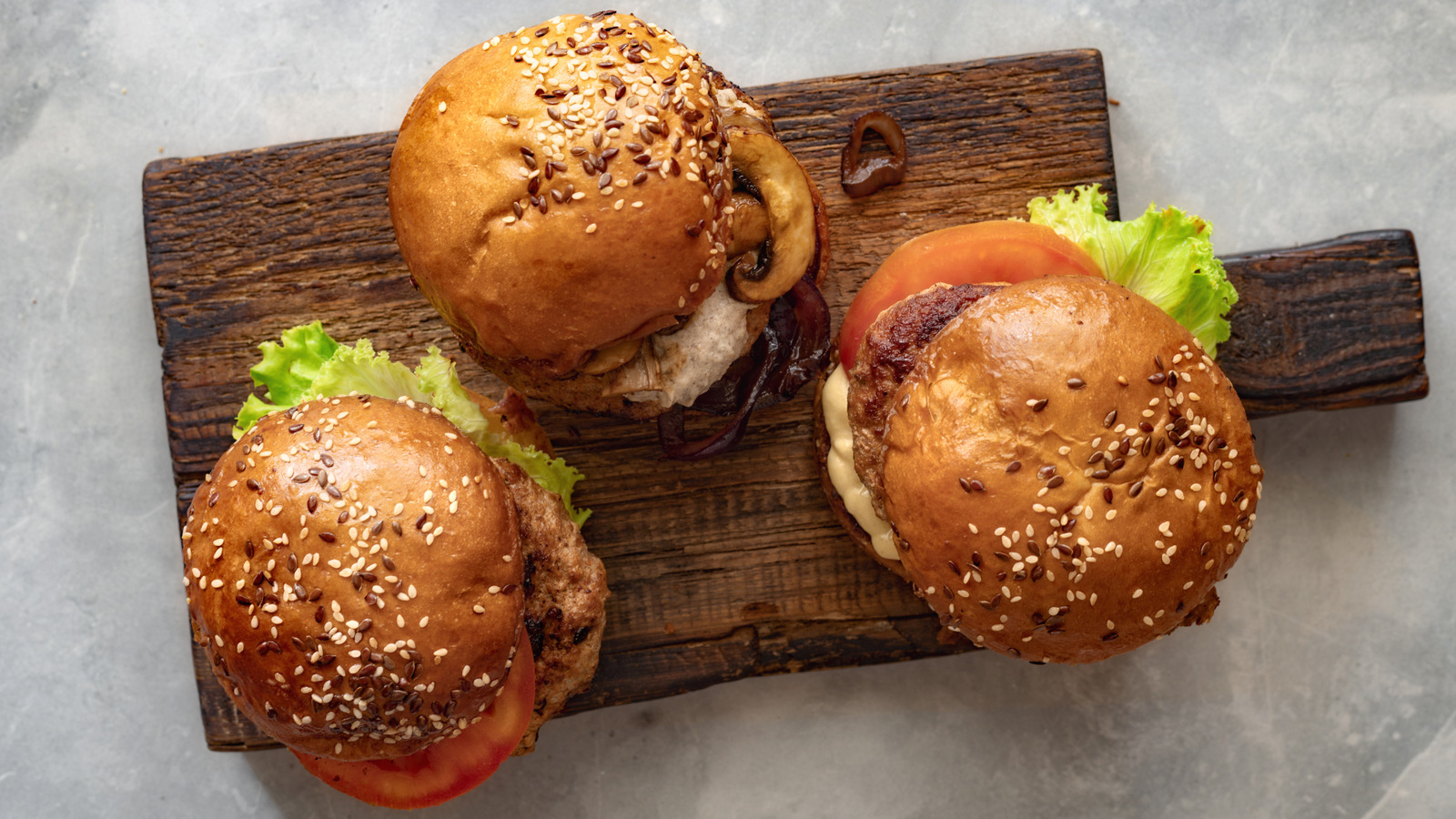
Elevate your next hamburger using this Mexican-inspired topping for added richness, depth, and creaminess. Not only is it tasty, but it’s also nutritious.

Mashed – Fast Food, Celebrity Chefs, Grocery, Reviews

If you’ve ever considered buying a refrigerator from Costco, we looked into the pros and cons for you so you can make the best informed decision for you.

Food Republic – Restaurants, Reviews, Recipes, Cooking Tips

Somewhere between a classic hot dog and pigs in a blanket, our garlic bread-wrapped hot dogs are coated in garlic butter and served with a tomato dipping sauce.

Mashed – Fast Food, Celebrity Chefs, Grocery, Reviews
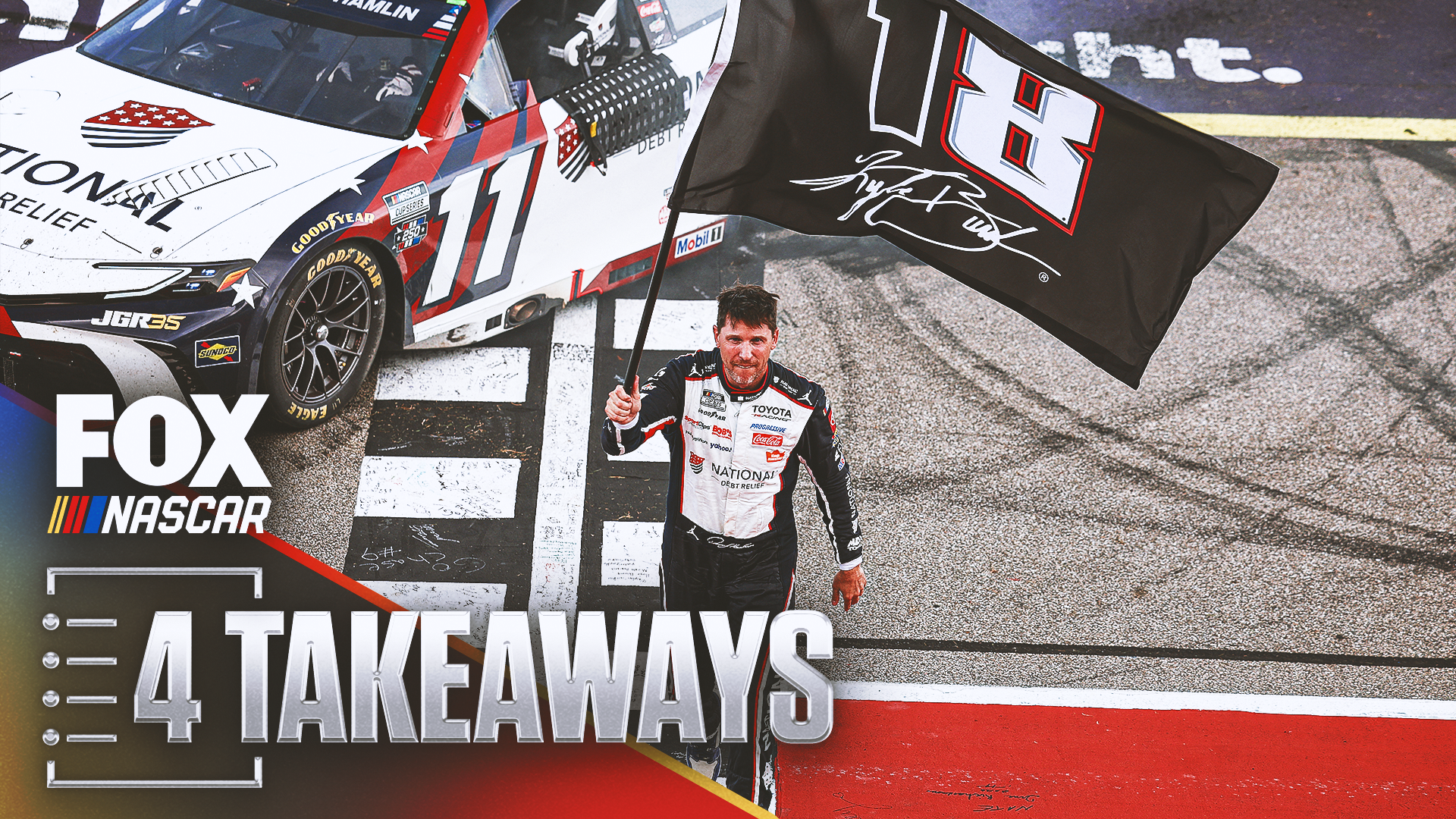
Denny Hamlin is truly living in the world of it doesn’t matter where you start, it’s where you finish. For the second consecutive week, Hamlin went from the rear of the field to Victory Lane as he won at Michigan International Speedway for his third win of the season. Hamlin, driver of the Joe Gibbs Racing No. 11 car, won the pole but damage to his underbody from a flat tire in practice resulted in fixes that dropped him to the rear of the field for the start. That was no problem for Hamlin, who won at Michigan for the second consecutive year and fourth overall. “Most athletes, they get to a point where they have everything they need,” team owner Joe Gibbs said in his postrace news conference. “And they just lose the drive and passion. “And what we’re witnessing with Denny is really just the opposite of that. He’s full-blown into the simulator, works extremely hard. … He’s really helped build what we have [at JGR].” Here are my takeaways: 1. Cool Tribute To Busch Hamlin tied Kyle Busch for ninth on the all-time wins list with 63, and he celebrated by honoring Busch, who died of complications from pneumonia May 21, a day after being hospitalized. Hamlin had a flag designed for the celebration that included Busch’s stylized No. 8 that he used since 2023 at Richard Childress Racing with a No. 1 in front of it to pay tribute to his days driving the No. 18 as Hamlin’s teammate at Joe Gibbs Racing. “I’m thinking, do I put the 8 — I know him as the 18, I don’t know the right thing,” Hamlin said in his postrace news conference. “Then this person owns this font, that person owns this trademark. It’s like we had to have some collaboration, and I appreciate RCR letting us use the stylized 8 with the Joe Gibbs Racing 1. “It was just a happy balance that I felt good about when it all came out. … I just wanted to pay my respects to someone that I really did look up to and taught me so much as a teammate. There’s nothing we can say or do that’s going to make his family feel better, but at least during that little time, you can pay him the respects that he deserves.” 2. Bell Takes Massive Hit Christopher Bell will be evaluated for possible wrist and ankle injuries after a brutal crash where Chase Elliott unintentionally drifted up into him. Both drivers got out of their cars under their own power. “We’re going to continue [to have him treated] tonight when he gets home — we’re going to make sure that he gets everything he needs to get there, whatever it might be,” team owner Joe Gibbs said. “And then we’ll just have to kind of wait [to see if he can race]. It is his wrist and his ankle.” 3. Jones surging with second Erik Jones has had progressively better results, and his second-place finish was his first top-five of the season. Like Hamlin, he also had to start at the rear. Jones now sits just 18 points behind the playoff cutoff. “Our group is rolling really well as a team, and we’re executing as well,” the Legacy Motor Club driver said. “We’ve just got to do every little thing right, and it will come. You run up front like that, it’s going to happen for you.” 4. Hocevar Causes Ire Carson Hocevar finished fifth but was the subject of ire from other drivers for causing a multicar pileup when he got into the back of John Hunter Nemechek. Hocevar said on the Prime postrace show that he was trying to avoid getting damage as the cars appeared to lift off the throttle in front of him. “It looked like they kind of accordioned a little bit and I really didn’t expect it,” Hocevar said. “I turned left. … I’m shocked that it spun him left. Ultimately, my evasiveness wrecked him and everybody there.” 4 ½. What’s Next The NASCAR Cup Series heads to the 2.5-mile triangular-shaped Pocono Raceway for its annual stop at another high-speed track. It also is one of Hamlin’s best tracks. He has seven career victories at the track, which features three distinct and uniquely shaped turns, which means a driver typically can’t be perfect in all of them.Latest Sports News from FOX Sports
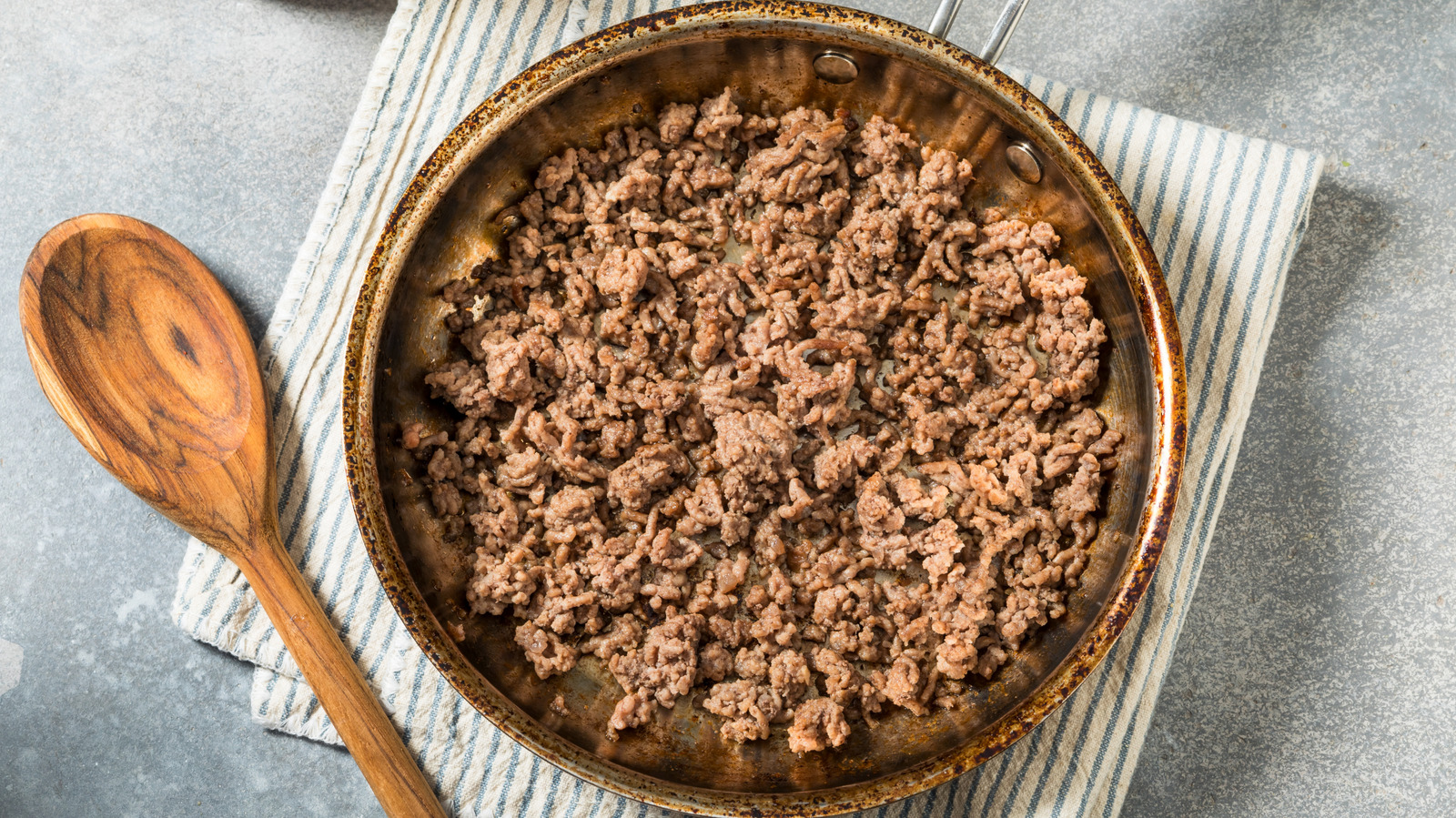
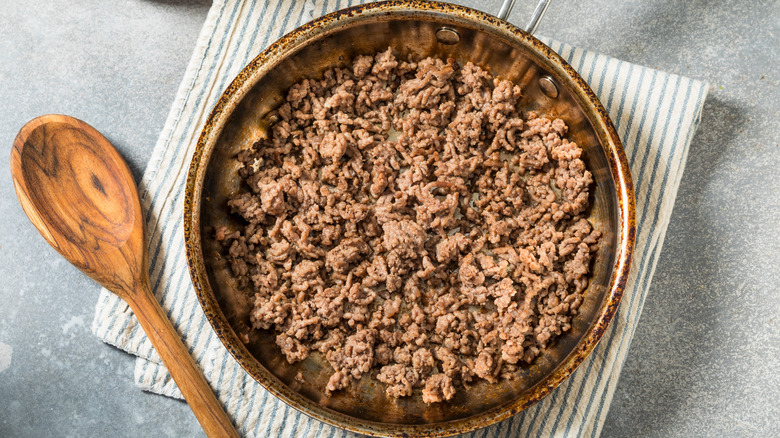
In San Francisco, there’s a local diner specialty that stars ground beef and makes for a satiating breakfast option. Plus, it’s endlessly adaptable.
Food Republic – Restaurants, Reviews, Recipes, Cooking Tips

Your dishwasher’s lifespan depends on multiple factors, such as the brand, how frequently you use it, type of tap water, regular maintenance, and user error.

Mashed – Fast Food, Celebrity Chefs, Grocery, Reviews