Some UFC Freedom 250 attendees were left with serious sticker shock after they visited the concessions stands. Continue reading…Country Music News – Taste of Country









Some UFC Freedom 250 attendees were left with serious sticker shock after they visited the concessions stands. Continue reading…Country Music News – Taste of Country
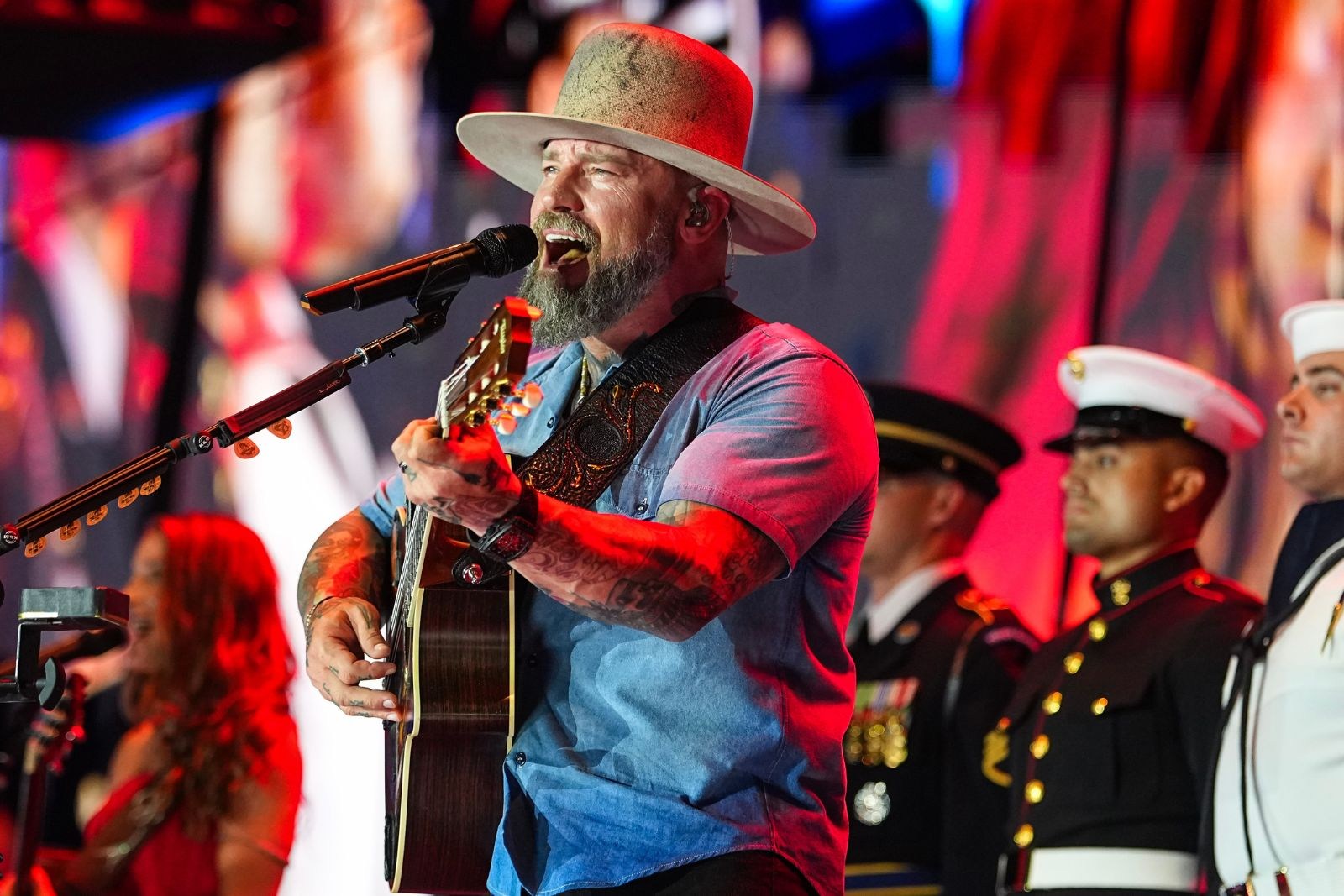
Zac Brown Band opened the UFC Freedom 250 event with a dazzling rendition of ‘The Star-Spangled Banner.’ Continue reading…The Boot – Country Music News, Music Videos and Songs
Zac Brown Band opened the UFC Freedom 250 event with a dazzling rendition of ‘The Star-Spangled Banner.’ Continue reading…Country Music News – Taste of Country
Lately, much of the news about the Arctic has been bleak. The far north is warming three to four times faster than the rest of the planet. Arctic climate change – manifesting in sea ice loss, permafrost thaw and coastal erosion, among other phenomena – is already causing serious problems for Arctic residents, ecosystems and the rest of the planet.
At the diplomatic level, Russia’s invasion of Ukraine in 2022 has had spillover effects in the Arctic, raising tensions and causing a breakdown in cooperation among the Arctic countries. The Trump administration’s interest in Greenland, along with its combative approach to NATO, has roiled relations among Arctic allies. The Arctic Council, established in 1996 to promote cooperation among the Arctic states, significantly scaled back its operations after the Russian invasion.
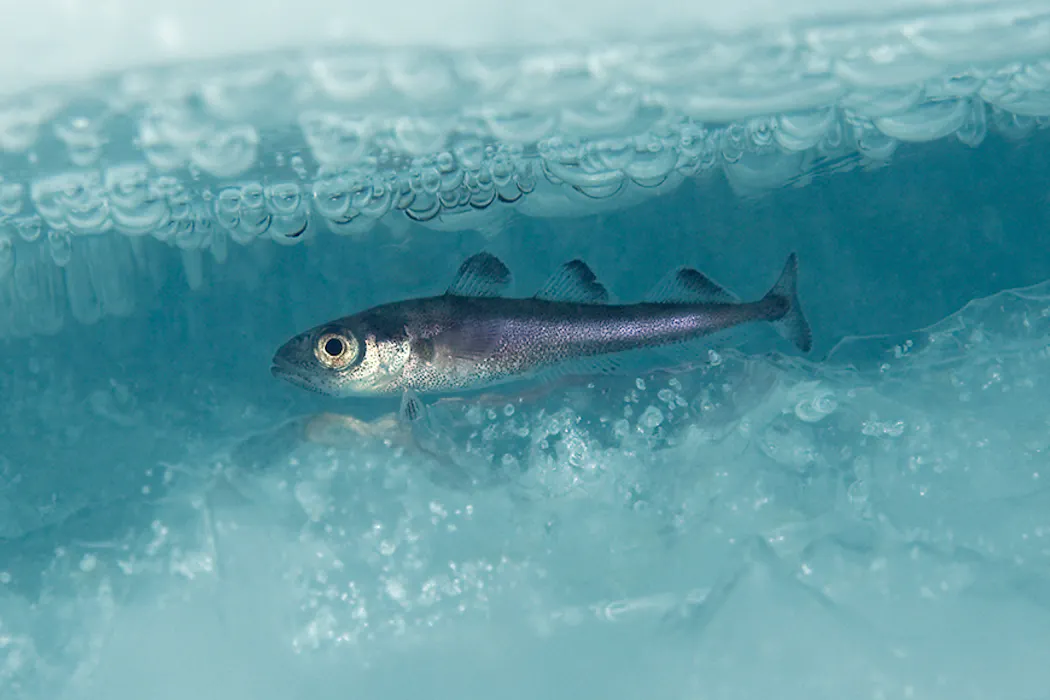
But there is a bright spot. Five years ago, the United States, Russia and China joined six other nations and the European Union to bring into force a new treaty – the Central Arctic Ocean Fisheries Agreement – to keep commercial fishing out of the region, at least for now.

The agreement’s moratorium on fishing remains in place today, and the parties to the treaty, including Russia, continue to work together to advance scientific understanding of the Arctic Ocean under the treaty, despite other tensions in the region.
While serving in the U.S. State Department, I chaired the negotiations that produced this treaty. It’s useful to look at why this unusual pact came together, why it still works, and whether it could serve as a model for future diplomacy in the Arctic.
At the heart of this treaty, and part of what can make it a good role model, is a tenet of modern international law known as the precautionary principle, or precautionary approach. In fact, it may be the best example of it that I’ve ever seen in international law.
In the context of managing international fisheries, this tenet calls upon governments to “be more cautious when information is uncertain, unreliable, or inadequate.” Unlike many treaties, including past fishing treaty failures, the countries agreed to take action in advance, before commercial fishing could become a problem.
Commercial fishing has never taken place in the Central Arctic Ocean. That’s because the area was completely covered by ice as far back as records exist, until recently. Today, as temperatures quickly rise in the Arctic and sea ice declines, a significant portion of the Central Arctic Ocean – the ocean’s international waters – is open water for part of each year.
Nobody can say what effect commercial fishing might have on the ecosystem in this region, given the dearth of scientific knowledge about the Arctic Ocean.
In the face of such uncertainty, this treaty – applying the precautionary approach – delays the start of commercial fishing until governments have adequate information to manage fishing sustainably. The treaty also sets up a research program to study and monitor the Central Arctic Ocean.
The origins of the agreement trace back to a bipartisan effort in the United States that may be difficult to imagine now. In 2008 Congress passed a joint resolution, signed by President George W. Bush, calling for a Central Arctic Ocean fisheries treaty.
Under President Barack Obama the United States convened two sets of international negotiations. The first round aligned the views of the United States and the four other countries that have coastlines on the Central Arctic Ocean: Canada, the Kingdom of Denmark, Norway and Russia. Next, the negotiations expanded to include Iceland and others with large, distant-water fishing fleets: China, Japan, South Korea and the European Union.
The treaty is also one of the best examples of a binding international agreement that requires incorporating Indigenous knowledge and the involvement of Arctic Indigenous peoples in its implementation. I believe the negotiations would not have succeeded without the involvement of Indigenous and other nongovernmental experts and groups, including scientists, industry leaders and environmental organizations.
The resulting treaty entered into force in 2021. The United States signed and ratified the agreement during President Donald Trump’s first term.
Each country has something to gain from cooperation. For the United States, the agreement extends the successful model of fisheries management off Alaska to the high seas and helps limit foreign vessel activity in the region. For countries that don’t border the Arctic Ocean, such as China, Japan and South Korea, the treaty gives them international recognition as Arctic players. At the same time, the treaty doesn’t preclude future commercial fishing in the Central Arctic Ocean, but instead allows time to ensure any fishing there can be sustainable.
The 10 parties to the treaty have met each year since 2022 to implement the agreement. They have advanced scientific research in this little-known part of our planet and are developing rules for very limited “exploratory fisheries” to study the migration of fish into the Central Arctic Ocean.
The fact that these meetings are taking place at all is an anomaly. In contrast to the Arctic Council, the conferences of the parties to this treaty have involved Russian experts each time, including during a meeting taking place June 16-17, 2026, in Brussels.
Despite the geopolitical turmoil in the world, those working to implement the treaty have put aside their differences to pursue their common interests concerning the Central Arctic Ocean.
That willingness to set aside differences in pursuit of common interests can have many benefits.
Even during the Cold War, the United States and the Soviet Union worked together on a wide range of issues, including a joint effort to spearhead the Antarctic Treaty, which has kept Antarctica demilitarized and facilitated scientific advancements at the Earth’s other pole.
After the Cold War ended, the Arctic also became a region of exceptional East-West collaboration. Nations cooperated to protect the Arctic environment, to promote economic development, to bolster search-and-rescue capacity and to improve scientific understanding.
The current breakdown in cooperation with Russia is, on one level, entirely understandable, given the desire to maintain pressure on Russia to end the war in Ukraine. However, the Arctic Ocean is facing new challenges, with commercial shipping increasing as the ice melts and the rising potential for seabed mining, each of which poses unknown risks to its environment.
I believe the Central Arctic Ocean Fisheries Agreement could serve as an inspiration, maybe even as a road map, for the path back to a cooperative, well-managed Arctic region, if countries follow its example.

David Balton receives funding from the Harvard Kennedy School’s Belfer Center and from the Ocean Conservancy.
Politics + Society – The Conversation
Pause for a moment and listen. What do you hear? Chances are, somewhere in the background, is the ever-present hum of a road.
More than 4.2 million miles of public roads crisscross the lower 48 states – enough to reach the Moon and back almost nine times. This vast network of roads spiderwebs its way across the contiguous U.S., leaving only about 5% as an inventoried roadless area or wilderness.
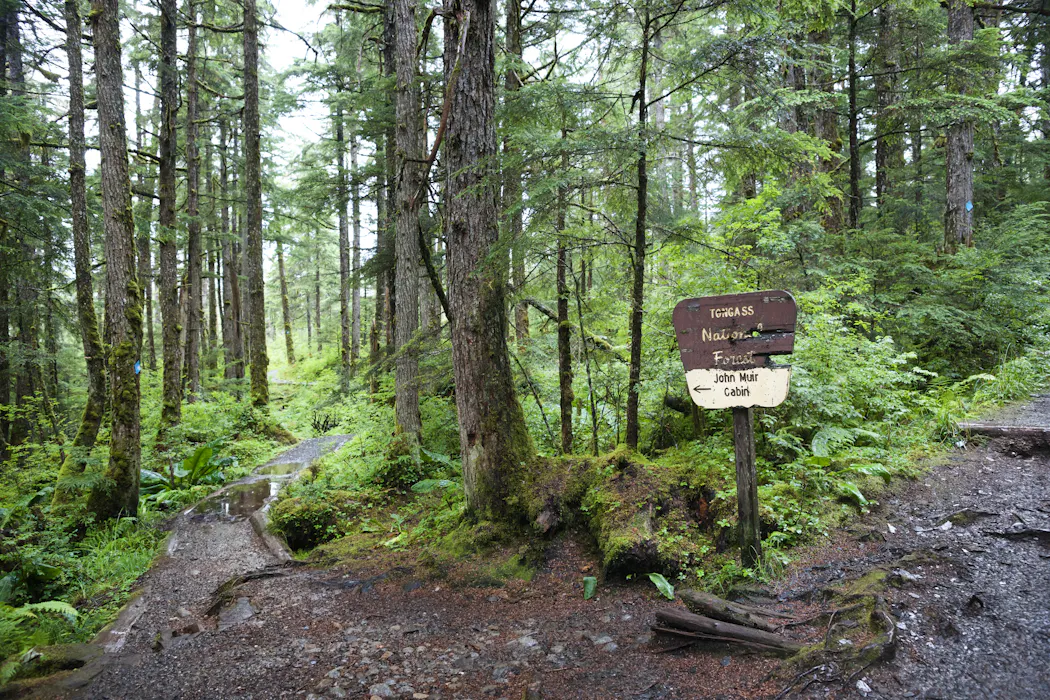
Now, some of those last remaining lands free of roads are under threat from the Trump administration’s proposed rollback of the 2001 Roadless Rule. That includes southeast Alaska’s Tongass National Forest, where eagles, bears, salmon and many other species thrive in old-growth coastal forest along the Inside Passage.

In announcing its plan, the administration said rescinding the rule would remove prohibitions on road construction and logging on nearly 59 million acres of national forest, arguing that the rule slowed economic development.
In Congress, another effort is underway to try to change the law through an amendment to the Wildfire Prevention Act. That change, if approved, would both remove the Roadless Rule and prevent the U.S. Forest Service from reinstituting it in the future, despite overwhelming public support for the rule.
As ecologists who have spent decades studying wilderness and the animals and ecological functions that depend on undisturbed habitats, we believe it’s important to understand that preserving roadless areas has value for environmental health, clean water, wildlife survival and people’s own well-being.
The National Forest Roadless Area Conservation Policy, better known as the Roadless Rule, was issued in January 2001 by President Bill Clinton. It has had overwhelming public support and received more public comments than any other rule in history.
The rule prohibits road construction, maintenance and commercial timber harvest in inventoried roadless areas within the National Forest System. It applies to over 58 million acres across the country, excluding Idaho and Colorado, which have their own state-specific roadless rules. While most of these roadless areas are in the western states and Alaska, 38 total states as well as Puerto Rico host roadless areas.

The primary goal of the Roadless Rule is to maintain forest health and productivity for future generations. It also helps avoid exacerbating the U.S. Forest Service’s road maintenance backlog by not making new roads.
The Roadless Rule prohibits new road construction, with very limited exceptions, as well as commercial logging in designated roadless areas. It does not restrict other uses that are compatible with the management plan, such as hiking and mountain biking, or resource uses such as grazing livestock and working existing mining claims.
Beyond providing vital habitat for species and enabling healthy forests, the rule protects drinking water for the millions of Americans whose water flows from national forests. It also preserves high-quality recreation opportunities – hiking, camping, hunting and fishing – that Americans cherish.
While roads can provide benefits, such as access to forests, they can also do ecological harm.
Roads enable invasive weeds to spread by being carried on vehicle tires and deposited in exposed soils, erode sediments into streams and fragment habitat that wildlife rely on. Vehicles directly kill and injure animals through collisions. They occasionally start fires, too. A recent study found that fires are more likely to start in areas with roads than in areas without.

Studies show that road noise displaces wildlife, increases stress and can affect wildlife behavior patterns at distances of over a mile from the road.
And roads don’t just cause problems for species on land. Most roads cross streams and rivers, which requires building a way for those waters to keep flowing under the road (structures called culverts). While culverts can be designed to allow fish to pass through and maintain ecological connections, they are rarely built to do so. This leads to declines in the health of fish populations and can leave some species locally extinct.
Inventoried roadless areas are among the most ecologically intact and wildest places left in the United States, yet – unlike Wilderness Areas and National Parks – there are no signs acknowledging their boundaries when you enter one.
Most are part of larger ecosystems, directly adjacent or ecologically connected to better known national parks and wilderness areas. Removing Roadless Rule protections would erode ecological buffers to these more famous protected lands.
For some species, roadless areas protect critical core habitat. For instance, over half the suitable habitat for relictual slender salamander, a critically imperiled species native to the Sierra Mountains of California, occurs in a roadless area. Nearly 40% of Mount Pinos, lodgepole chipmunk, an imperiled subspecies of the lodgepole chipmunk, also live in roadless areas in California.
Research shows that every formal roadless area provides habitat for at least two wildlife species of conservation concern – those facing risks to their long-term survival – with the median roadless area supporting 10 of these imperiled species. Some Arizona roadless areas contain habitat for up to 62 of these species.

Roadless areas also protect watersheds that supply drinking water to 47 million Americans.
Without this protection, these watersheds would still provide water, but their long-term health and hydrological sustainability could be compromised if roads block stream flow and increase sediments flowing into waterways. The result can be higher costs for water purification.
The Forest Service’s own watershed health assessment, known as the Watershed Condition Framework, uses road density as a key indicator of conditions that can disrupt water quantity and quality.
The Trump administration’s proposed rollback, expected to be formalized in 2026, would open these last wild places to development, fragmenting habitats that can never be restored.
The American public spoke loudly in 2001 when they supported the Roadless Rule. Two decades later, the public comments submitted on the recission notice overwhelming opposed rolling back the rules, a Center for Western Priorities review found, reaffirming that U.S. roadless forests remain as vital and valued as ever.
Protecting these areas is about promoting healthy ecosystems on public lands so they can provide hiking, hunting and fishing opportunities for generations to come to enjoy the tranquility of being in nature.

Mariah Meek has received research funding from federal agencies, such as the US Fish and Wildlife Service and the National Science Foundation. She also serves as the Director of Research for The Wilderness Society and is an affiliate associate professor at Montana State University.
Travis Belote does not work for, consult, own shares in or receive funding from any company or organization that would benefit from this article, and has disclosed no relevant affiliations beyond their academic appointment.
Politics + Society – The Conversation
Curious Kids is a series for children of all ages. If you have a question you’d like an expert to answer, send it to CuriousKidsUS@theconversation.com.
Who was the first transgender person? – Dexter, age 11, Las Vegas, Nevada
Imagine you have a time machine, and you can travel back to any civilization in history. Maybe you’d go back to ancient Athens, or to a monastery in the Middle Ages. Or you could mingle with Hittite warriors before battle in Bronze Age Anatolia, in what is now Turkey.
In all of these times and places, you’d see differences between people that you would understand as men and women, generally speaking. You’d see a variety of clothing, hairstyles, body shapes and other indicators of gender in these different cultures.
But if you asked anyone you met in these time periods what is essential to being a man or a woman, or whether a man could become a woman and vice versa, or whether there was any kind of human besides men and women, you’d get different answers depending on whom you asked.
And not only would a medieval monk in the 13th century respond differently from a Hittite warrior from 2,500 years earlier, but even within a single city, people with different jobs, social roles or ways of thinking might answer differently.
The interesting thing is that wherever there is evidence of gender boundaries in ancient societies, there is evidence of people crossing those boundaries. In fact, as long as there have been humans, there have been people whom we would call transgender today.
We are both teachers of classics, the study of the cultures of ancient Greece and Rome. Nick specializes in ancient Greek mathematics and science, and Ky specializes in the history of gender and gender categories in Greece and Rome. So we will focus mainly on ancient Greece and the regions near it as we consider trans people from past civilizations.
Just because people’s ability to cross, blur or redefine the boundaries of gender has been around since ancient times doesn’t mean ancient people would understand the term “transgender” as people do today. In today’s language, this word refers to someone who was labeled as either a boy or a girl when they were born, but later decided that they were not what they were labeled as.
Along with that definition comes a whole set of ideas about what it means to be a boy or a girl in the first place. The shape of your body, the hormones inside it, which chromosomes you have and how all of that affects how you behave and how other people treat you – these have all become part of people’s notion of “gender” now.
But before hormones were discovered in 1849 and DNA was discovered in 1869, people thought about gender – and therefore being transgender – pretty differently.

Aristotle, a Greek philosopher who wrote in the fourth century B.C.E., distinguished men and women in part by how much heat and moisture they supposedly have in their bodies.
Meanwhile, Isaeus, a Greek lawyer from around that same time, described men and women according to their different privileges under the law.
But there were always groups of people who didn’t easily fit into these categories. Ancient authors used many different words for these people, such as hermaphrodite, eunuch, androgyne, tribad, malthakos and others. Many of these terms were meant as insults and were – and remain today – tremendously rude, but others reflect the bewilderment of trying to categorize people who don’t fit into standard categories easily.
In the fifth century B.C.E., two Greek authors – Herodotus, known as the father of history, and Hippocrates, the father of medicine – wrote about people they call Anarieis from Scythia, a vast ancient territory to the north and west of the Black Sea that today would be part of Ukraine and Russia. Their descriptions of the Anarieis’ gender are similar to the way many people describe trans women today. Their accounts are supported by what we know about Scythia and Anarieis from anthropologists and archaeologists today.
And you can find evidence of trans people even further back in history. In March 2026, archaeologists published a study of 125 burials from a Stone Age civilization in modern-day Hungary. Their study shows that even 7,000 years ago, people could cross gender boundaries.
The archaeologists used DNA evidence and the shapes of skeletons to make their best guess as to what gender most of these Stone Age people would have been assigned if they had been born in the modern era. They labeled 64 females and 52 males.
Overall, an examination of the skeletons showed a clear difference between how the skeletons labeled as females and those labeled males lived, worked and were buried. But a few of the skeletons had lived, worked and been buried in a way opposite to the gender that the archaeologists had assigned them. One skeleton that archaeologists had marked female, for example, was buried with stone tools that otherwise went with the skeletons labeled as male, and it showed stress injuries more similar to the “male” skeletons than to the other “female” ones.
So have these archaeologists found a 7,000-year-old trans man? Well, that depends. It’s impossible to say for certain how that Stone Age person understood gender or their own place in society. It’s hard to look back in 2026 and say whether they felt or were treated the same as the men whom they seem to have worked alongside.
But looking at what anthropologists do know of this society, there were normal lifestyles for each gender, and this person didn’t follow the normal route. That’s something that most trans people can recognize and relate to. So even though it’s impossible to know how this person would self-describe, our modern idea of transgender is big enough to include them.
All this is to say that no one will ever know who the first trans person was, because there was never just one. There were people we would now call trans in ancient Egypt, Imperial China and among the Mayans. Trans people were then, as they always have been, part of the human community.
Hello, curious kids! Do you have a question you’d like an expert to answer? Ask an adult to send your question to CuriousKidsUS@theconversation.com. Please tell us your name, age and the city where you live.
And since curiosity has no age limit – adults, let us know what you’re wondering, too. We won’t be able to answer every question, but we will do our best.

The authors do not work for, consult, own shares in or receive funding from any company or organization that would benefit from this article, and have disclosed no relevant affiliations beyond their academic appointment.
Politics + Society – The Conversation
Reading Time: 3 minutes
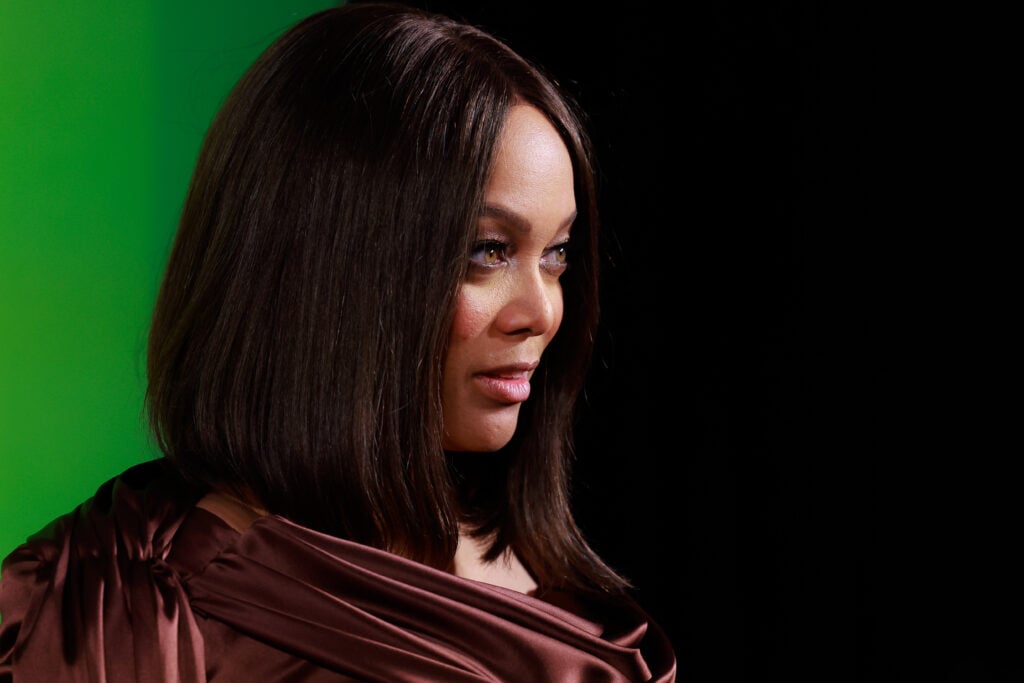
Even those who celebrate Tyra Banks often see her as an almost cartoonishly villainous figure.
Her own on-screen behavior and antics have reinforced this notion.
But Tyra says that the Netflix doc that came out earlier this year went too far, using dishonest editing.
She’s suing for defamation and more, saying that her words were spliced to make her look evil to audiences.
On Saturday, June 13, Tyra filed a defamation lawsuit against Netflix over her portrayal on the 3-part Real Check: Inside America’s Next Top Model docuseries from February.
Unlike some similar documentaries, Tyra actually participated — even if she avoided some topics, like her erstwhile friendship with Jay Manuel.
In her legal filing, which People obtained, she alleges that the docuseries was maliciously edited to reinforce a false narrative against her.
Tyra is seeking a jury trial to determine “appropriate” compensation.
“[Tyra] did share her side. Her answers were very honest,” the legal filing claims. “But the story that viewers heard was the deceptive story producers chose to tell.”
“Tyra Banks participated in the Netflix documentary series [on] America’s Next Top Model (‘ANTM’),” the filing explained.
The explanation continued: “Because she believed viewers deserved a candid conversation about the show’s legacy — its successes and its shortcomings.”
Tyra’s team added: “There are aspects of the show for which Ms. Banks takes accountability and she wanted ANTM viewers to hear that from her directly.”
Pursuant to this goal, the filing says that she “did not limit the ANTM topics the interviewer could ask.”
Even so, the filing alleges that only 16 minutes of Tyra’s lengthy interview made it into the final docuseries.
Tyra believes that the clips what the docuseries did include were “stripped of context and reassembled to support a false and defamatory narrative unrelated to what she actually expressed.”
A big issue in the filing is that the doc was marketed as a documentary, with the filing arguing that “the genre matters.”
“Viewers of a documentary do not expect manufactured drama or constructed narratives,” the filing notes. “They expect facts.”
Tyra’s team argues: “Because they were promised a documentary, that is exactly how viewers interacted with the Netflix Series.”
The filing highlights specific moments from interviews — moments that Netflix’s editors allegedly spliced out to rob other statements of context, and to make Tyra appear more villainous.
Among the moments that Tyra alleges were robbed of vital context were the sexual assault of Shandi Sullivan and Miss J’s stroke and recovery.
Her lawsuit isn’t only about damages.
Tyra is suing for “loss of future business opportunities, loss of business income, other compounding losses as will be shown at trial.”
She also wants compensation for being part of the series given the “significant mental anguish” that she has experienced in the aftermath.
This sounds like a complex legal matter. We don’t know which way a jury might rule. There’s a non-zero chance that this ends with an out of court settlement of some kind. We’ll certainly be paying attention as this lawsuit unfolds.
Tyra Banks Sues Netflix: Their Doc Made Me Look EVIL! was originally published on The Hollywood Gossip.
The Hollywood Gossip
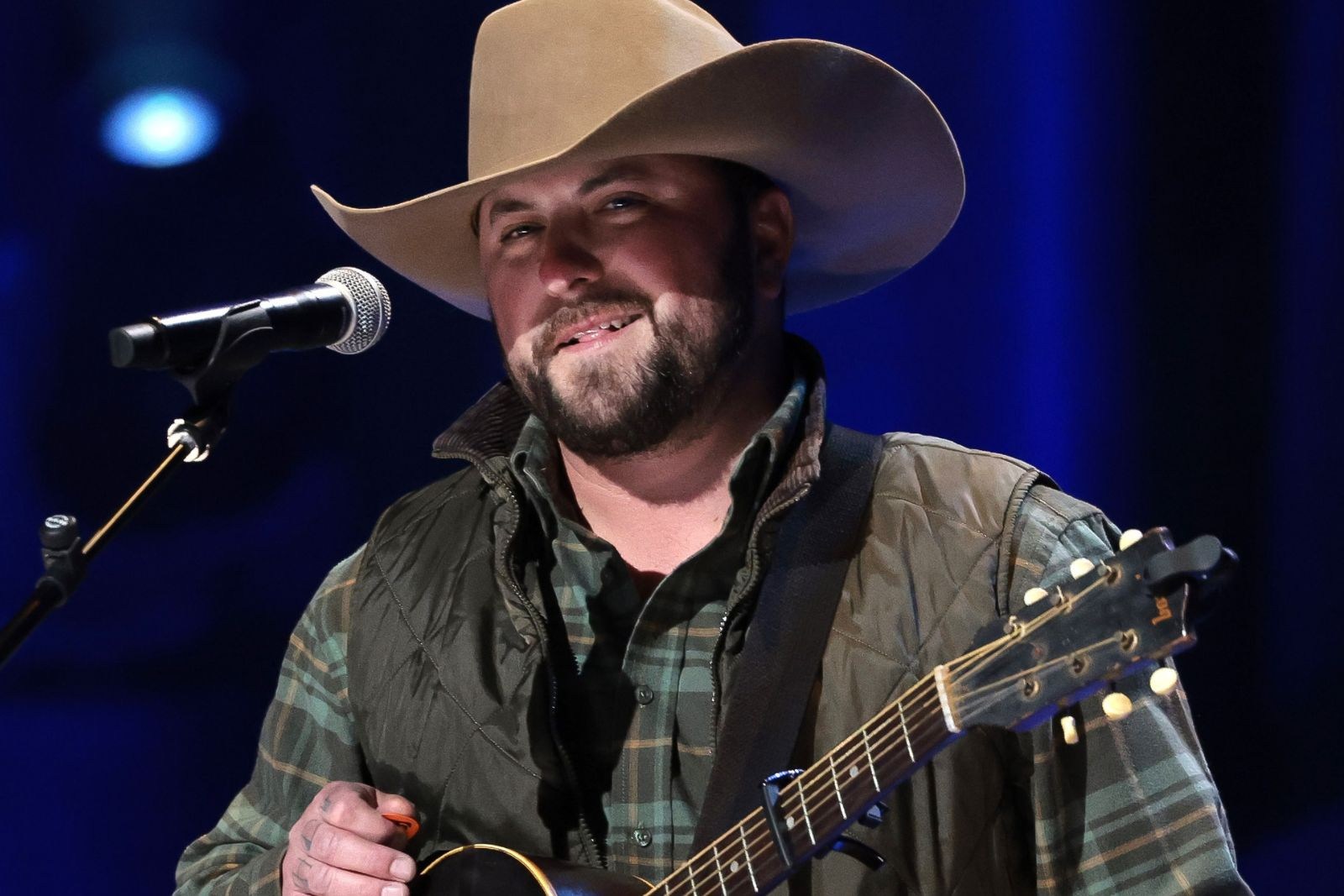
Tyler Farr was hospitalized with a "severe concussion" over the weekend after a motor vehicle accident on his farm.
The singer was forced to cancel a performance at Connectictut’s Goshen Stampede on Saturday (June 13) due to his injuries. The… Continue reading…The Boot – Country Music News, Music Videos and Songs
Tyler Farr was hospitalized with a "severe concussion" over the weekend after a motor vehicle accident on his farm.
The singer was forced to cancel a performance at Connectictut’s Goshen Stampede on Saturday (June 13) due to his injuries. The… Continue reading…Country Music News – Taste of Country

The fourth day of the 2026 FIFA World Cup delivered plenty of goals, a historic German blowout, and late-game heroics that shattered records and unbeaten streaks alike. From Amad Diallo’s dramatic 90th-minute winner to Japan fighting back from behind twice to snatch a point, the drama kept going right until the final whistle. Here is everything you might have missed from Day 4 of the World Cup: Germany vs. Curaçao Netherlands vs. Japan Ivory Coast vs. Ecuador Sweden vs. Tunisia BEST OF THE DAY Save Of The Day With all due respect to Ivory Coast goalkeeper Yahia Fofana, who was the only player that managed to keep a clean sheet on Sunday, the crossbar was called into action more than him against Ecuador. While Fofana only recorded one save against Ecuador in the 68th minute, the crossbar denied Ecuador from scoring not once, but twice! Congratulations on this prestigious honor, crossbar. Assist Of The Day Koki Ogawa might have been going for goal when he struck the ball in the 88th minute of Japan’s thrilling catchup with the Netherlands on Sunday, but he caught his teammate Daichi Kamada’s head instead. Luckily for him, he struck it hard enough to where it found the back of the net in the end, he just didn’t get credit for it. Hopefully an assist is just as meaningful for him — this one should be. Goal Of The Day There were 19 goals scored on the fourth day of the 2026 FIFA World Cup — the first one of the day is our Goal of the Day. Germany midfielder Felix Nmecha started the play by passing the ball to Florian Wirtz, and Wirtz gave it right back to a darting Nmecha, who struck it well to the far right post, well outside the reach of Curaçao goalkeeper Eloy Room. Moment Of The Day Entering the fourth day of the World Cup, everyone had the matchup between the Netherlands and Japan circled on their calendars. Thankfully, it lived up to the hype and then some. While there was no winner, it had everything else: star power, drama, great energy and four goals, including an 88th-minute match-winner from Daichi Kamada. And with Sweden’s dominant win over Tunisia, Group F is wide open.Latest Sports News from FOX Sports