 Olandria Carthen knows the power that comes with being a bombshell.
That’s why the Love Island USA star has learned how “incredibly important” it is that she use her influence in the spotlight to…
E! Online (US) – Top Stories









Olandria Carthen knows the power that comes with being a bombshell.
That’s why the Love Island USA star has learned how “incredibly important” it is that she use her influence in the spotlight to…
E! Online (US) – Top Stories

One caribou in the Teshekpuk herd approaches another on June 27, 2014. The herd, which spends the entire year on the North Slope, uses land adjacent to Teshekpuk Lake. (Photo by Bob Wick/U.S. Bureau of Land Management)
The federal government is continuing to push for oil drilling in a North Slope conservation area intended to protect caribou.
Last month, the U.S. Department of the Interior asked the 9th U.S. Circuit Court of Appeals to review a ruling from U.S. District Court Judge Sharon Gleason that blocked oil and gas lease sales in part of the National Petroleum Reserve-Alaska near Teshekpuk Lake.
Gleason’s ruling came a day before a scheduled lease sale in the reserve, and some parcels affected by her decision did go out to bid.
More than 1 million acres near the lake had been protected under a conservation agreement with a Native coalition known as Nuiqsut Trilateral. The Trump administration canceled the agreement in December, ahead of an oil lease sale in March.
Parties to the agreement sued, saying the cancellation was illegal, and Gleason preliminarily ruled in favor of the plaintiffs, placing the area off limits to oil and gas leasing while the case goes forward.
If successful, the Interior Department appeal would allow leasing to go forward, at least temporarily, while the broader case is argued in court.
Written arguments have repeatedly been delayed, and the federal government’s opening arguments are now due by July 6, with the last briefs expected in August.
Meanwhile, written arguments in the underlying case are scheduled to be finished by the end of June, with possible oral courtroom arguments to follow at a later date.
SUBSCRIBE: GET THE MORNING HEADLINES DELIVERED TO YOUR INBOX.
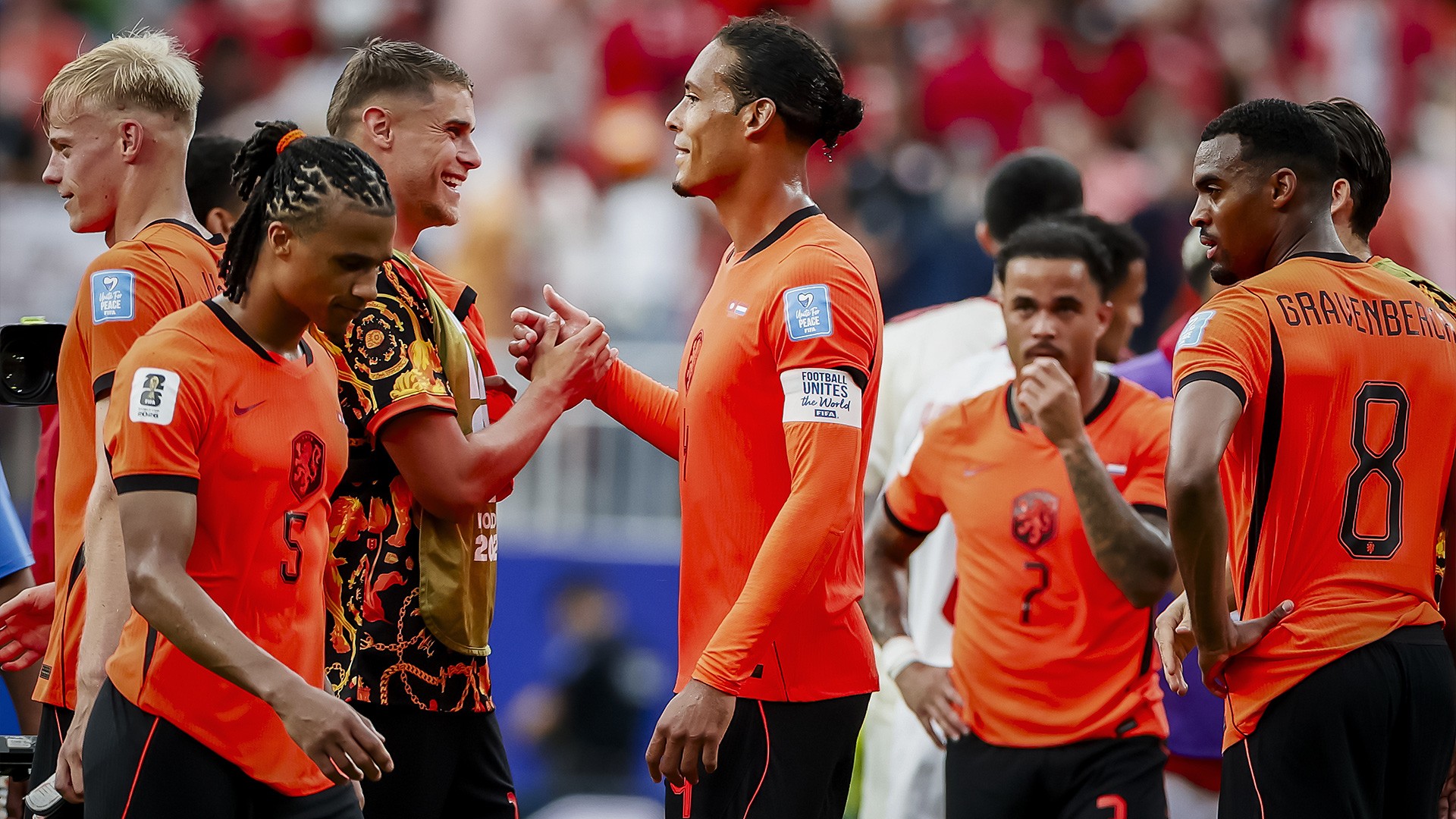
As the group stage of the 2026 FIFA World Cup proceeds, teams will secure their spot in the knockout stage, which begins on June 28 and wraps up with the World Cup final on July 19. The field of 48 will be whittled down to 32, and then the titular knockouts will begin, with extra time and penalty shootouts occurring as needed to determine a winner. Here are the teams that have managed to punch a ticket to the knockout stage of the World Cup so far. Netherlands’ Group Stage Results June 14: Netherlands 2-2 JapanJune 20: Netherlands 5-1 SwedenJune 25: Netherlands 3-1 Tunisia Sweden’s Group Stage Results June 14: Sweden 5-1 TunisiaJune 20: Netherlands 5-1 SwedenJune 25: Sweden 1-1 Japan Japan’s Group Stage Results June 14: Japan 2-2 NetherlandsJune 20: Japan 4-0 TunisiaJune 25: Japan 1-1 Sweden Ivory Coast’s Group Stage Results June 14: Ivory Coast 1-0 EcuadorJune 20: Ivory Coast 1-2 GermanyJune 25: Ivory Coast 2-0 Curaçao Ecuador’s Group Stage Results June 14: Ecuador 0-1 Ivory CoastJune 20: Ecuador 0-0 CuraçaoJune 25: Ecuador 2-1 Germany South Africa’s Group Stage Results June 11: South Africa 0-2 MexicoJune 18: South Africa 1-1 CzechiaJune 24: South Africa 1-0 South Korea Bosnia and Herzegovina’s Group Stage Results June 12: Bosnia and Herzegovina 1-1 CanadaJune 18: Bosnia and Herzegovina 1-4 SwitzerlandJune 24: Bosnia and Herzegovina 3-1 Qatar Brazil’s Group Stage Results June 13: Brazil 1-1 MoroccoJune 19: Brazil 3-0 HaitiJune 24: Brazil 3-0 Scotland Morocco’s Group Stage Results June 13: Morocco 1-1 BrazilJune 19: Morocco 1-0 ScotlandJune 24: Morocco 4-2 Haiti Canada’s Group Stage Results June 12: Canada 1-1 Bosnia and HerzegovinaJune 18: Canada 6-0 QatarJune 24: Canada 1-2 Switzerland Swizerland’s Group Stage Results June 13: Switzerland 1-1 QatarJune 18: Switzerland 4-1 Bosnia and HerzegovinaJune 24: Switzerland 2-1 Canada Colombia’s Group Stage Results June 17: Colombia 3-1 UzbekistanJune 23: Colombia 1-0 DR CongoJune 27: Colombia vs. Portugal — Miami Stadium (7:30 p.m. ET, FOX, FOX One) Norway’s Group Stage Results June 16: Norway 4-1 IraqJune 22: Norway 3-2 SenegalJune 26: Norway vs. France — Boston Stadium (3 p.m. ET, FOX, FOX One) France’s Group Stage Results June 16: France 3-1 SenegalJune 22: France 3-0 IraqJune 26: France vs. Norway — Boston Stadium (3 p.m. ET, FOX, FOX One) Argentina’s Group Stage Results June 16: Argentina 3-0 AlgeriaJune 22: Argentina 2-0 AustriaJune 27: Argentina vs Jordan — Dallas Stadium (10 p.m. ET, FOX, FOX One) Germany’s Group Stage Results June 14: Germany 7-1 CuraçaoJune 20: Germany 2-1 Ivory CoastJune 25: Germany 1-2 Ecuador USA’s Group Stage Results June 12: USA 4-1 ParaguayJune 19: USA 2-0 AustraliaJune 25: USA vs Türkiye – Los Angeles Stadium (10 p.m. ET, FOX, FOX One) Mexico’s Group Stage Results June 11: Mexico 2-0 South AfricaJune 18: Mexico 1-0 South KoreaJune 24: Mexico 3-0 CzechiaLatest Sports News from FOX Sports

Mary McLeod Bethune, the daughter of former slaves, with a line of girls from the Daytona Normal and Industrial School for Negro Girls that she founded. Daytona Beach, Florida, 1905. (Photo retrieved from the Library of Congress)
The abolitionist and writer Frederick Douglass is known for many things, but perhaps among the most significant is his views on education’s relationship to slavery. Douglass himself was born into slavery in Maryland in 1818.
Douglass described in his 1845 autobiography how one of his enslavers, Mrs. Auld, began teaching him to read when he was a child. Mrs. Auld’s husband ordered her to stop giving Douglass lessons.
“Just at this point of my progress, Mr. Auld found out what was going on, and at once forbade Mrs. Auld to instruct me further, telling her, among other things, that it was unlawful, as well as unsafe, to teach a slave to read,” Douglass writes. “To use his own words, further, he said, ‘If you give a n— an inch, he will take an ell. A n— should know nothing but to obey his master.’”
Congress enacted the 13th Amendment on Jan. 31, 1865, abolishing slavery. It was not until June 19, 1865, that word of the amendment reached enslaved people in Galveston, Texas, marking the origin of the Juneteenth holiday.
The Biden administration declared Juneteenth a federal holiday in 2021. Today, Juneteenth commemorates the end of slavery in the U.S. But the story for formerly enslaved people continued to unfold in complex ways well after Juneteenth, including when it came to their educational journeys.
Juneteenth made clear that freedom was not just confined to someone’s physical enslavement, but mental enslavement as well, bound in the laws that barred enslaved people from receiving an education in Southern states.
In 1739, the Stono slave rebellion took place in South Carolina. Fearing that educated slaves would go on to plot future rebellions, South Carolina passed an anti-literacy law in 1740, banning slaves from being taught how to read.
Most Southern states soon followed with anti-literacy laws of their own between 1740 and 1834, in the hopes of preventing any further slave rebellions. These laws applied to both enslaved and free Black people.
Despite these laws, thousands of enslaved people still learned to read and write in the antebellum South. Literacy was a means of freedom.
Meanwhile, the first African Free School for Black children was established in New York City in 1787. The one-room schoolhouse began with 40 students, the majority of whom had parents who were formerly enslaved. Six additional, similar schools were created with public funding by 1824.
Juneteenth is a complicated story of formerly enslaved people’s faith and resilience, as well as white supremacists’ hate and resistance to formerly enslaved people experiencing liberation.
It also offers an important reminder that true freedom must also include the right to an education.
Formerly enslaved individuals had various responses to their newfound freedom in 1865, ranging from gratitude and joy to despair and loss.
Many formerly enslaved people decided to leave plantations and Southern states to reunite with family members and communities separated by slavery.
Others opted to remain where they had been enslaved, seeking to experience freedom in familiar surroundings. In fact, the vast majority of freed people remained in the South.
Regardless of their choices, the approximately 4 million formerly enslaved people challenged the U.S. to acknowledge their liberation and welcome them as equals.
Relentlessly, they endeavored to establish themselves as free citizens within the nation. One of these newly freed people’s primary goals was to receive an education.
After the Civil War, newly freed people gathered in churches, homes, cellars, sheds, meetinghouses and even under shade trees in the fields where they worked the crops to learn how to read and write. They also learned basic job skills, such as the ability to read and understand labor contracts.
Many of the teachers had no formal training, and some of them were local Black people who were self-taught.
Other educators included white teachers from the South and the North, sent by churches and aid societies.
White aid societies and religious organizations from the North, including the American Missionary Association and the National Freedman’s Relief Association, sometimes funded these free schools for formerly enslaved Black people.
However, most of the money to fund these schools came from the newly freed Americans, who privately paid for their schools.
While about 90% of the Black population in Southern states were illiterate in 1865, this percentage dropped to 70% by 1880.

Newly freed Black people also began to have more options for higher education.
The first historically Black college and university, Cheyney University, was established in Pennsylvania in 1837, well before the Civil War. A total of four HBCUs were established by the end of the Civil War in 1865.
At this point, true liberation began, as a growing number of HBCUs offered academic freedom to Black Americans, who otherwise would have been prohibited from attending most colleges and universities.
In the 15 years following the Civil War, a total of 59 HBCUs had opened their doors to Black students.
In 1867, by act of Congress, Howard University was established in Washington, D.C. It provided not only basic college courses but also programs in law, medicine, education and pharmaceuticals.
A whole new set of challenges and opportunities greeted the formerly enslaved Black Americans who sought freedom in the North. Most arrived in cities such as Chicago and New York, where they found some humanitarian support but also racial discrimination and poverty.
Their lives were constantly filled with both legal and racial hostility.
Education ranked high among the free people as a priority, as they looked to gain new skills and advance in life. They learned not only the basics in reading and math, but also job skills, citizenship and advanced learning in professional careers, such as law, medicine, pharmacy and teaching.
Ultimately, Juneteenth offered a promise of freedom – but education was necessary to make it happen.
This article is republished from The Conversation under a Creative Commons license. Read the original article.
SUBSCRIBE: GET THE MORNING HEADLINES DELIVERED TO YOUR INBOX.
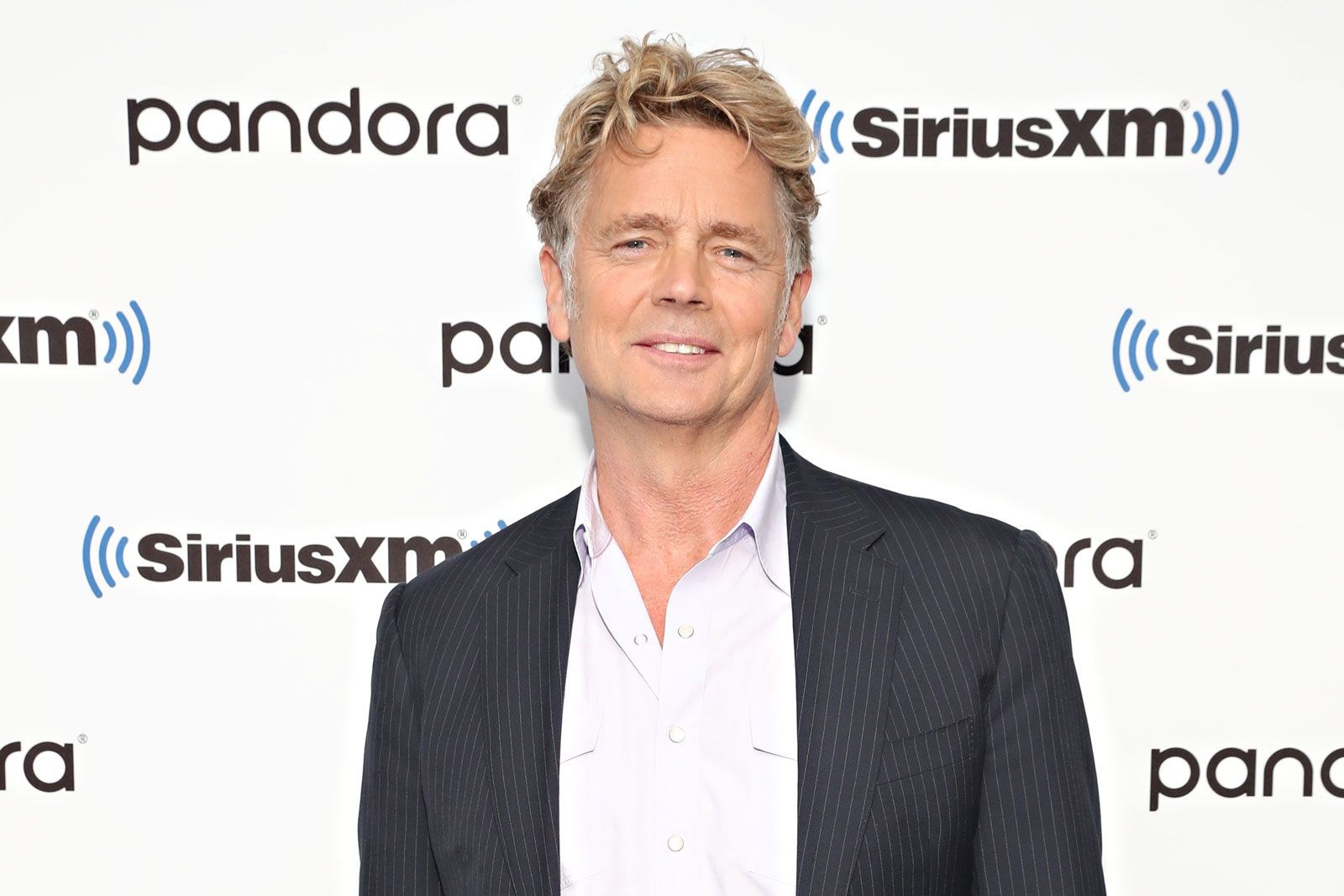
He’s pushing back against her claim that he owes her millions. Continue reading…The Boot – Country Music News, Music Videos and Songs
He’s pushing back against her claim that he owes her millions. Continue reading…Country Music News – Taste of Country

If your fridge is packed with jars and bottles of condiments, it’s time to make some room. These sauces and spreads don’t need to be refrigerated right away.

Food Republic – Restaurants, Reviews, Recipes, Cooking Tips
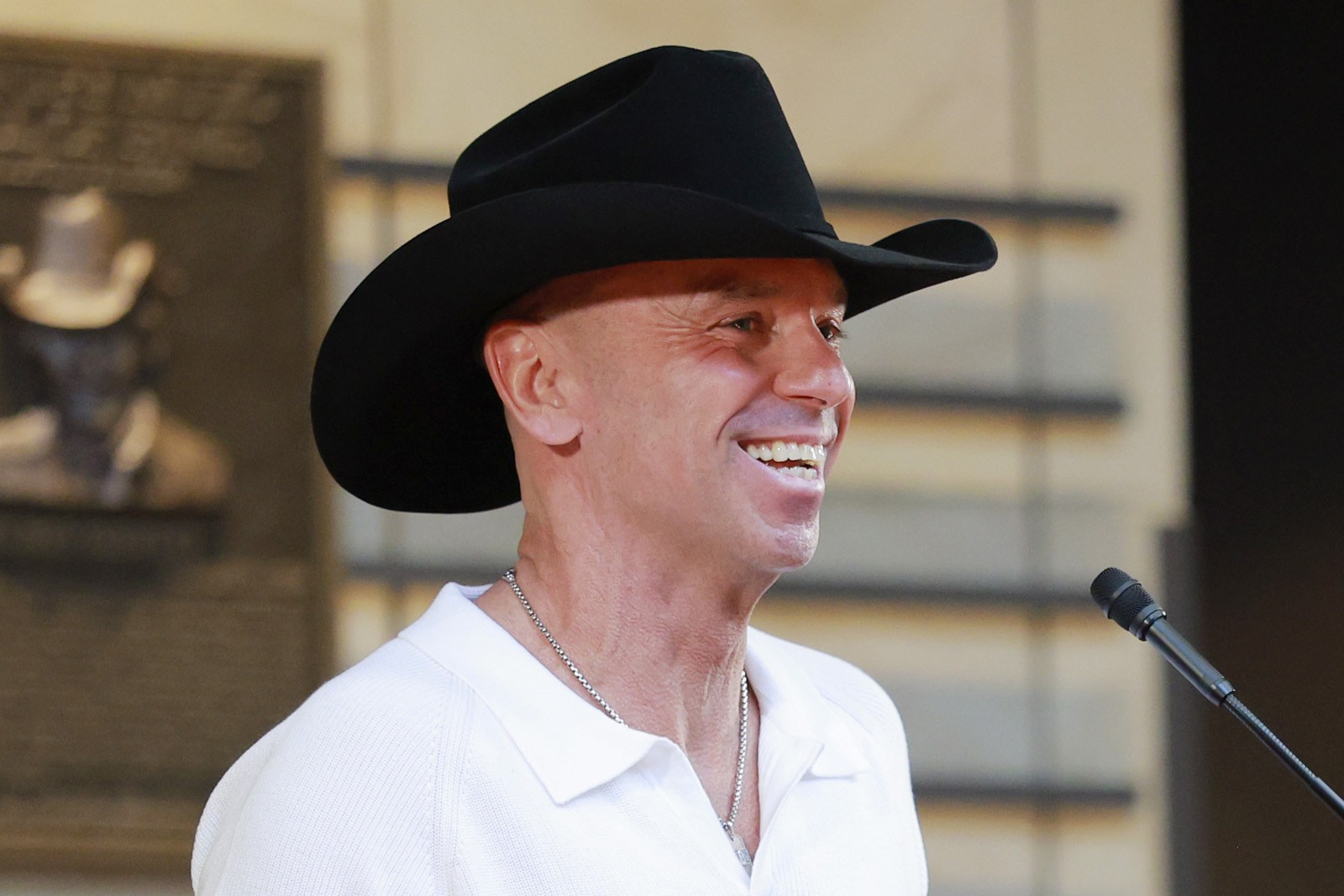
The best Kenny Chesney songs create a ripple of emotions when you least expect it. Here are the 10 greatest from his 30-plus year career. Continue reading…The Boot – Country Music News, Music Videos and Songs
The best Kenny Chesney songs create a ripple of emotions when you least expect it. Here are the 10 greatest from his 30-plus year career. Continue reading…Country Music News – Taste of Country
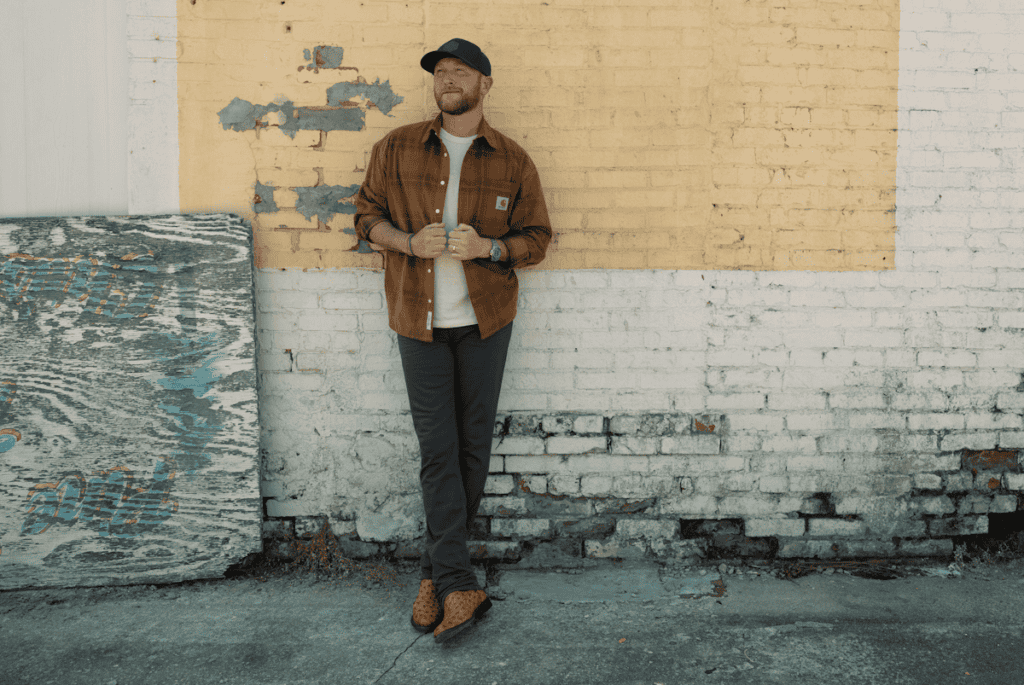
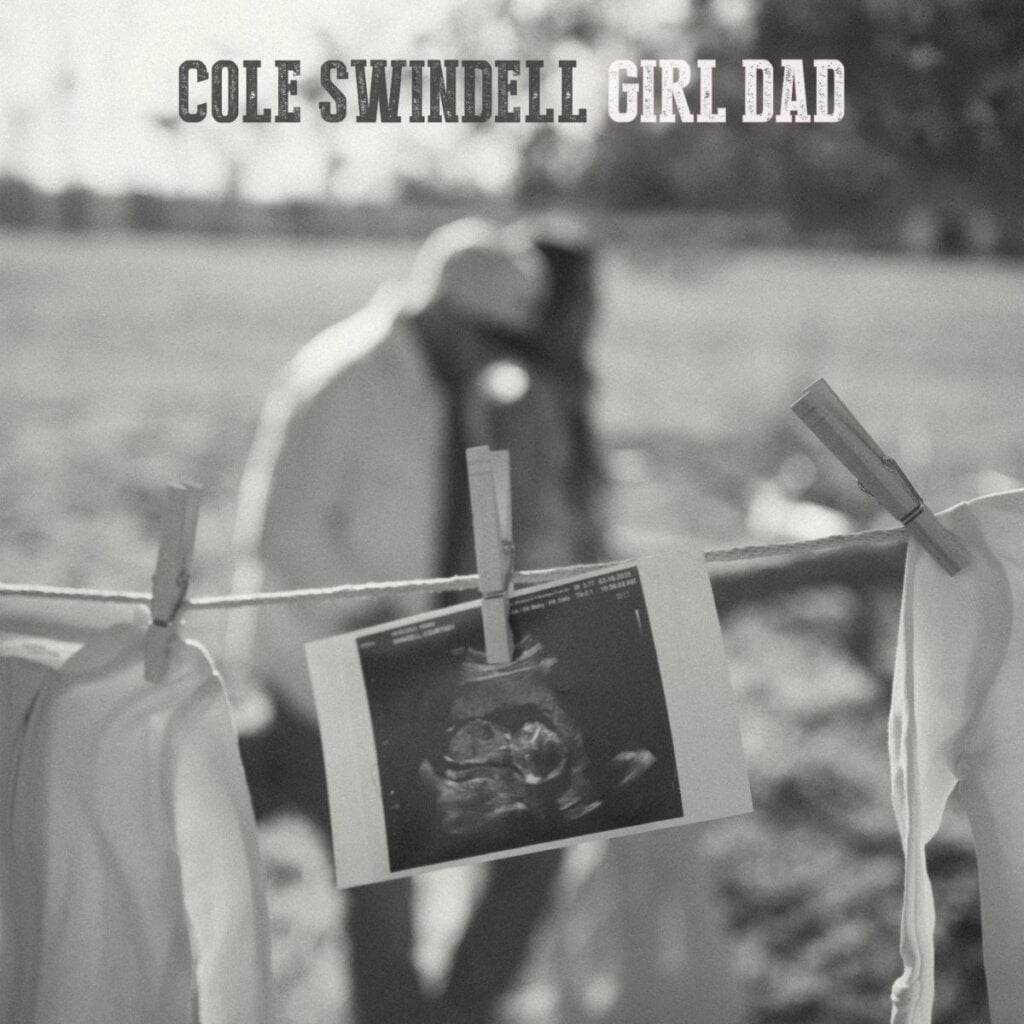
When Cole Swindell released “You Should Be Here” in 2015, he was grieving the sudden loss of his father and reflecting on all the milestones he wished they could have shared together. A decade later, life looks much different for the country hitmaker. Now married and raising a daughter of his own, Swindell has found himself writing the next chapter of that story through a new song titled “Girl Dad.”
Swindell may be embracing life as a proud girl dad these days with his daughter, Rainey Gail Swindell, whom he and his wife Courtney welcomed in August 2025, but the title of his new song carries a much deeper meaning.
Penned alongside Michael Tyler and Ben Stennis, the tender ballad is anchored by a stunning piano arrangement as the Georgia native shares the life updates he wishes he could deliver to his late father in person, from marrying the love of his life to becoming a father himself.
He immediately tugs at listeners’ heartstrings, opening the song with a visit to his father’s gravesite and admitting that, despite the years that have passed, the pain of that loss has never fully faded. From there, he begins recounting the milestones that have shaped his life since they saw each other for the last time.
“I met a girl dad/ Told her I loved her/ We got married out in California/ Sunset on her white dress/ God it was beautiful/ We saved a cold one and a chair for you/ I know you’re looking down from up there I believe it/ I just wish I could see you seeing this/ Little black and white picture/ Yeah, I wanted so bad to tell you in person, we’re having a girl, dad.”
Wrapped in heartfelt lyrics and bittersweet emotions, “Girl Dad” blends gratitude for life’s greatest blessings with the painful reality of loss, capturing the emotions that come with reaching long-awaited milestones and realizing the people you most want to tell aren’t there to hear the news.
Swindell first debuted the track privately to a select group of fans who have been on this journey with him. He explained that when deciding what to do next with his music, he came to his label and played a song straight from the heart. The singer/songwriter instantly felt himself get taken back 10 years ago, experiencing the same kind of nervousness he felt when putting out “You Should Be Here,” in fear what people would think. However he quickly learned that releasing that song was the “best decision” he ever made because of the people that it has touched over the years.
“I don’t know, it’s like we helped each other through it. And I hope y’all know that showing up at my shows and being there for me, even if I don’t get a chance to see you, I hope you know that it means the world to have you out there,” he admitted. “And we may be off in some other state and I might not know anybody but a few people on the front row, but it makes it feel like home.”
Hoping to carry that same sentiment into “Girl Dad,” he took things one step further and recreated elements of the “You Should Be Here” music video, offering a glimpse into the things that have changed and what has remained the same.
“The whole idea behind it was like, man, this song’s like, I didn’t plan on it being this but it’s almost like a 10 year update of my life and what’s happened since then. And as heavy as that video may be or that song, I think a lot of people need it. I say it at my shows, I think that’s why we love country music songs that hit us right here and say what you’re feeling, but you might not have the words for. Songs like that are why I fell in love with country music in the first place.”
He goes on to say that for a long time, many of his “You Should Be Here” moments were career-related but he always knew that one day life would bring even more significant milestones in his personal life that he would desperately wish he could share with his parents.
“I always looked out in the crowd and saw people with families and knew that their ‘You Should Be Here’ moments were way more serious and way more heavy than mine. I wouldn’t let myself go there, but I would kind of think like, ‘Man, I can’t imagine a wedding day or a child or something like that.’ That’s going to be the real ‘You Should Be Here’ moments. And you know what though I wouldn’t trade it for anything.”
Swindell continued, “I know for blessings like Rainey and Courtney and her family and just how much her dad reminds me of mine, it’s just crazy. Nothing happens by accident. I’m so thankful that the Lord just led me to a place that I never knew I could get to. And I just want you to know I’m sharing what’s on my heart with y’all for a reason because you’re the reason I’m still doing this.”
By sharing “Girl Dad” with the world, Cole Swindell hopes to offer the same sense of comfort that “You Should Be Here” has continued to provide so many listeners, as he reminds those navigating similar journeys that they are not alone.
The post Cole Swindell Shares A 10-Year Update To ‘You Should Be Here’ In Emotional New Song, ‘Girl Dad’ appeared first on Country Now.
Country Now