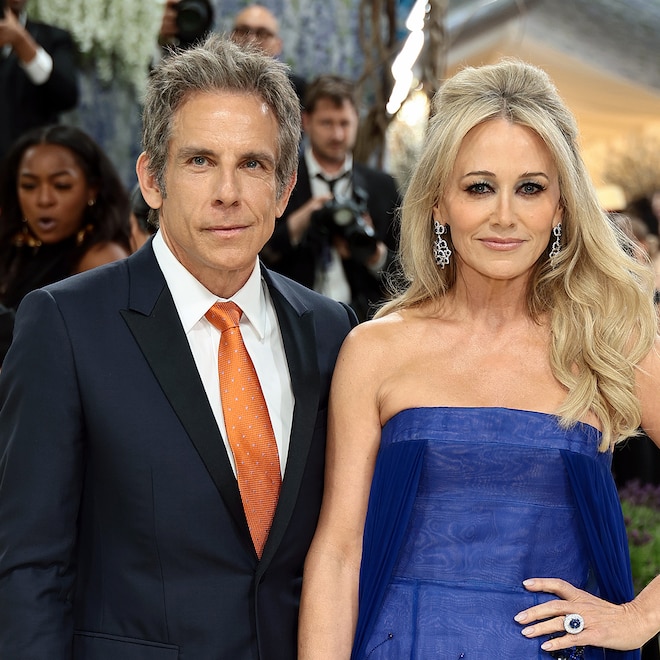
 Along came reconciliation for Ben Stiller and wife Christine Taylor.
The Craft actress—who shares kids Ella, 24, and Quinlin, 20, with the Along Came Polly star—shared insight into how she and Ben…
E! Online (US) – Top Stories









Along came reconciliation for Ben Stiller and wife Christine Taylor.
The Craft actress—who shares kids Ella, 24, and Quinlin, 20, with the Along Came Polly star—shared insight into how she and Ben…
E! Online (US) – Top Stories
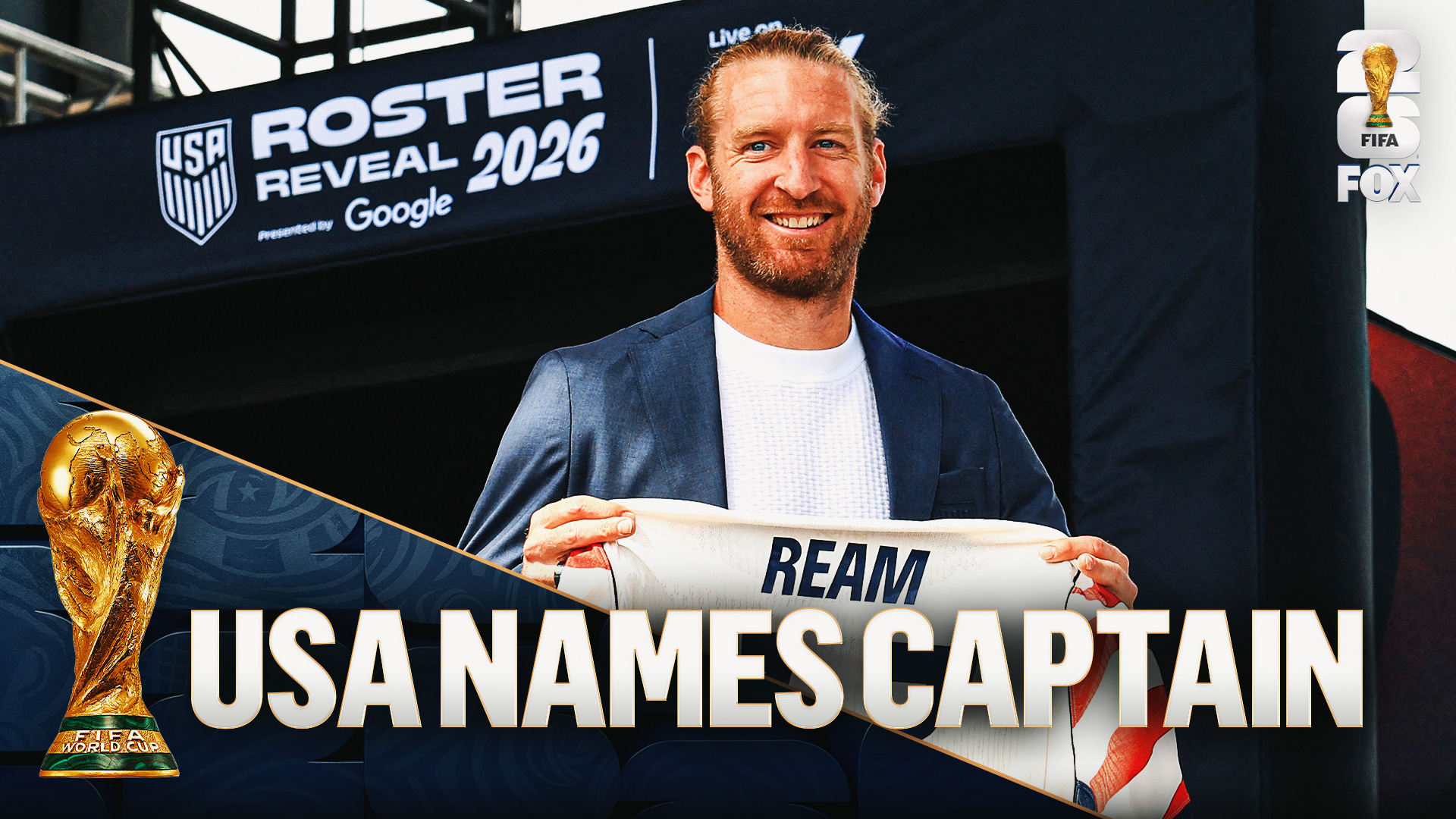
U.S. SOCCER NATIONAL TRAINING CENTER (Fayetteville, Ga.) — Tim Ream will captain the U.S. men’s national team at the World Cup this summer, manager Mauricio Pochettino announced Saturday morning. The 38-year-old center back has already worn the armband in 16 of 23 matches in the Pochettino era, including that first game vs. Panama on Oct. 12, 2024 in Austin, Texas. “What I want to say is that I am so grateful that he’s with us, because he’s a great captain not only on the field, but maybe more importantly, off the field,” Pochettino said while sitting next to Ream during a press conference at the National Training Center outside Atlanta. “I think he has the experience, he has the capacity to be the leader that we want, the positive leader. “For me, that’s one of the most important things is to connect [with] the players. He’s an amazing voice, so lucky to have a player like him with his personality and his character.” Ream, the oldest player on the USA’s 26-man roster, seemed a little bit surprised despite his veteran status on the team. “Wow,” Ream said. “This is more than a dream come true. I’ve done everything possible to be a part of this group, to help this group along, and I’m just really, really grateful to be sitting here to have this honor. And at the same time, it’s not going to change what I do or who I am or how I help the group.” Ream thanked Pochettino, before adding that this is “the highest honor for me” and “I’m not going to take that for granted.” Pochettino said he was the one who chose Ream, not the players. “Not a vote of the team, of the players,” Pochettino said, with his arms folded on the table. “It’s my decision.” Ream is already widely viewed as a leader in this team. Fellow defender Alex Freeman, who is the youngest player on the roster at 21 years old, said earlier this week that he is always trying to learn from Ream and goes to him when he needs advice. Four years ago, a then-23-year-old Tyler Adams was named captain for the 2022 World Cup in Qatar and handled the role with remarkable maturity and poise. Just because he’s not captain this summer doesn’t mean he’ll be any less of a leader. In fact, there are quite a few players on the team who could have handled captain responsibilities. “Listen, it’s a privilege and an honor for anyone who gets to wear the armband,” Adams told reporters earlier in the week before Ream was officially named. “But what I represent, how I lead, I think anybody that plays with me knows that I’m a leader. That’s just how I’ve been my entire career, whether I’m wearing the armband or not.” Ream has been on this team for 15 years and made his national team debut on Nov. 17, 2010. He has 80 appearances, scored one goal, and played every minute of the 2022 World Cup. The U.S. plays two tuneup friendlies over the next week, facing Senegal in Charlotte on Sunday and then Germany in Chicago next Saturday, June 6. The team will then fly to their World Cup base camp in Irvine, Calif. before kicking off the tournament in Group D where it will play Paraguay in Los Angeles on June 12, Australia in Seattle on June 19, and Türkiye back in L.A. on June 25.Latest Sports News from FOX Sports

COLUMBIA, S.C. — President Donald Trump endorsed three Republican gubernatorial candidates Friday, wading into contests in South Carolina, Iowa and Oklahoma that have pitted allies against each other in a fierce competition for their party leader’s blessing.
In a trio of social media posts, Trump gave his backing to South Carolina Lt. Gov. Pamela Evette, Iowa Rep. Randy Feenstra and former Oklahoma state senator Mike Mazzei as primary elections approach.
Iowa’s primary is Tuesday, South Carolina’s is on June 9 and Oklahoma’s is on June 16. All three states are having their first competitive Republican gubernatorial primaries in years.
For two terms, Evette has served alongside Gov. Henry McMaster, one of Trump’s earliest backers during his first presidential campaign. Earlier this year, the long-serving governor endorsed his No. 2, telegraphing to some that Trump’s backing could be next.
On Friday, Trump expressed both appreciation for Evette and the state she represents, noting that she stumped for him in 2024. He also said “A BIG added plus” for her campaign is that Henry McMaster Jr. — the sitting governor’s son — may be Evette’s running mate.
In the deep red state of South Carolina, the competition for the president’s support has been the most intense part of the primary race.
In a separate post, Trump described Feenstra as “MAGA all the way” and said he would “fight tirelessly” for the state on issues including the economy, border security and support of law enforcement.
Evette and Feenstra have been vocal about wanting Trump’s endorsement, in the hopes that it would carry weight in states that helped propel Trump’s return to office in 2024. Feenstra said earlier this year that he asked for Trump’s support, and much of Evette’s campaign media has featured photos of her next to Trump.
Along with Feenstra, four other Republicans — state Rep. Eddie Andrews, businessman and former conservative political director Zach Lahn, former state Rep. Brad Sherman and former director of the state Department of Administrative Services Adam Steen — are in the primary to replace outgoing Iowa Gov. Kim Reynolds, who opted out of a third bid.
Evette is competing for the South Carolina nomination against Rep. Nancy Mace, Rep. Ralph Norman and state Attorney General Alan Wilson.
Mazzei is running to replace Oklahoma Gov. Kevin Stitt, who is finishing his second term. He’s competing against state Attorney General Gentner Drummond, former state House Speaker Charles McCall and former state public safety secretary Chip Keating.
“Mike Mazzei has my Complete and Total Endorsement to be the next Governor of Oklahoma — HE WILL NEVER LET YOU DOWN!” Trump wrote on social media.
Politics
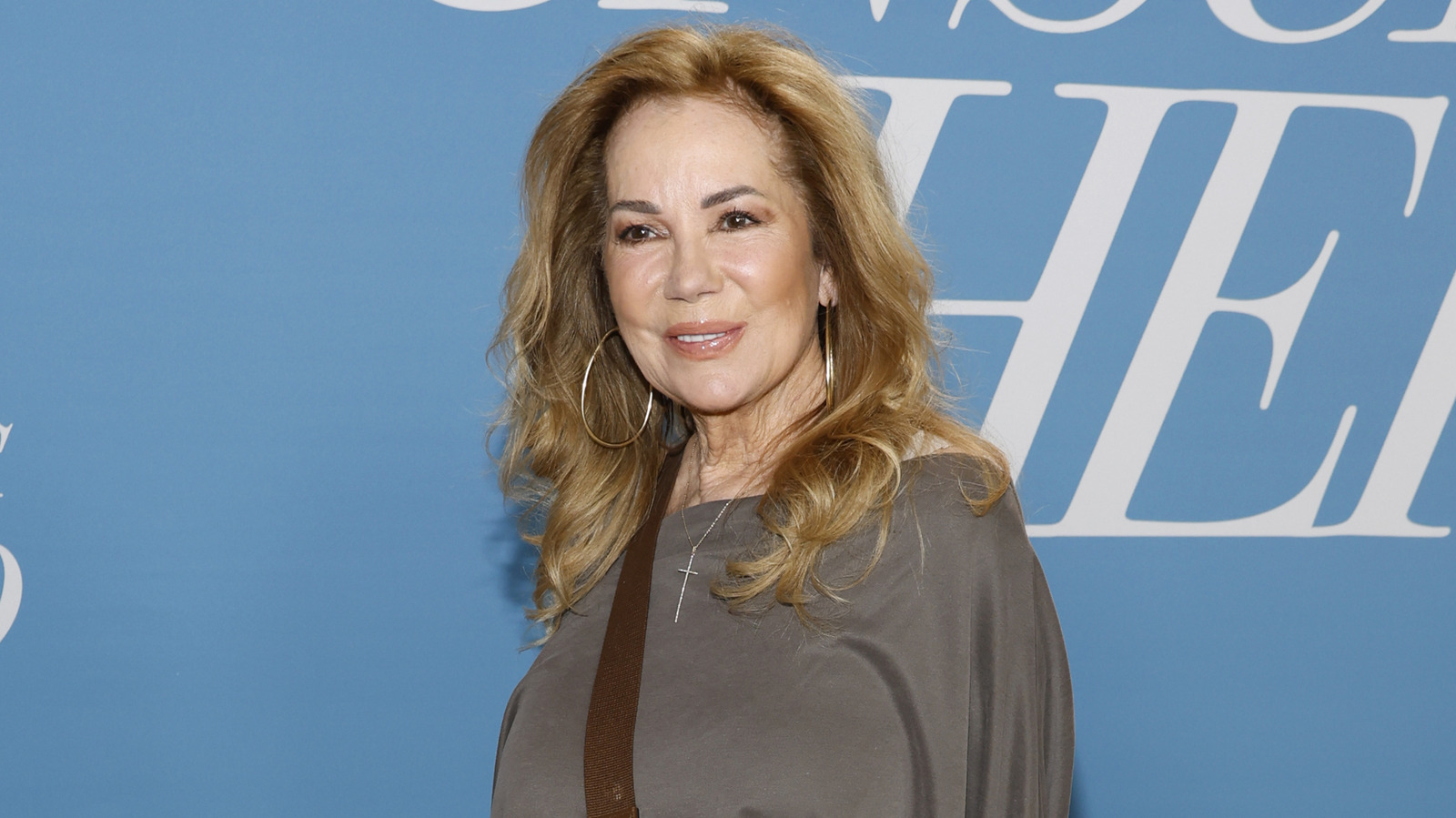
Near the end of the 20th century, the SlimFast diet became increasingly popular with weight-watchers, due in no small part to the brand’s celebrity endorsers.
Health Digest – Health News, Wellness, Expert Insights
Food recalls aren’t uncommon, but there have been quite a few in the first half of 2026. Here’s eight of the largest recalls to hit store shelves this year.
Mashed – Fast Food, Celebrity Chefs, Grocery, Reviews
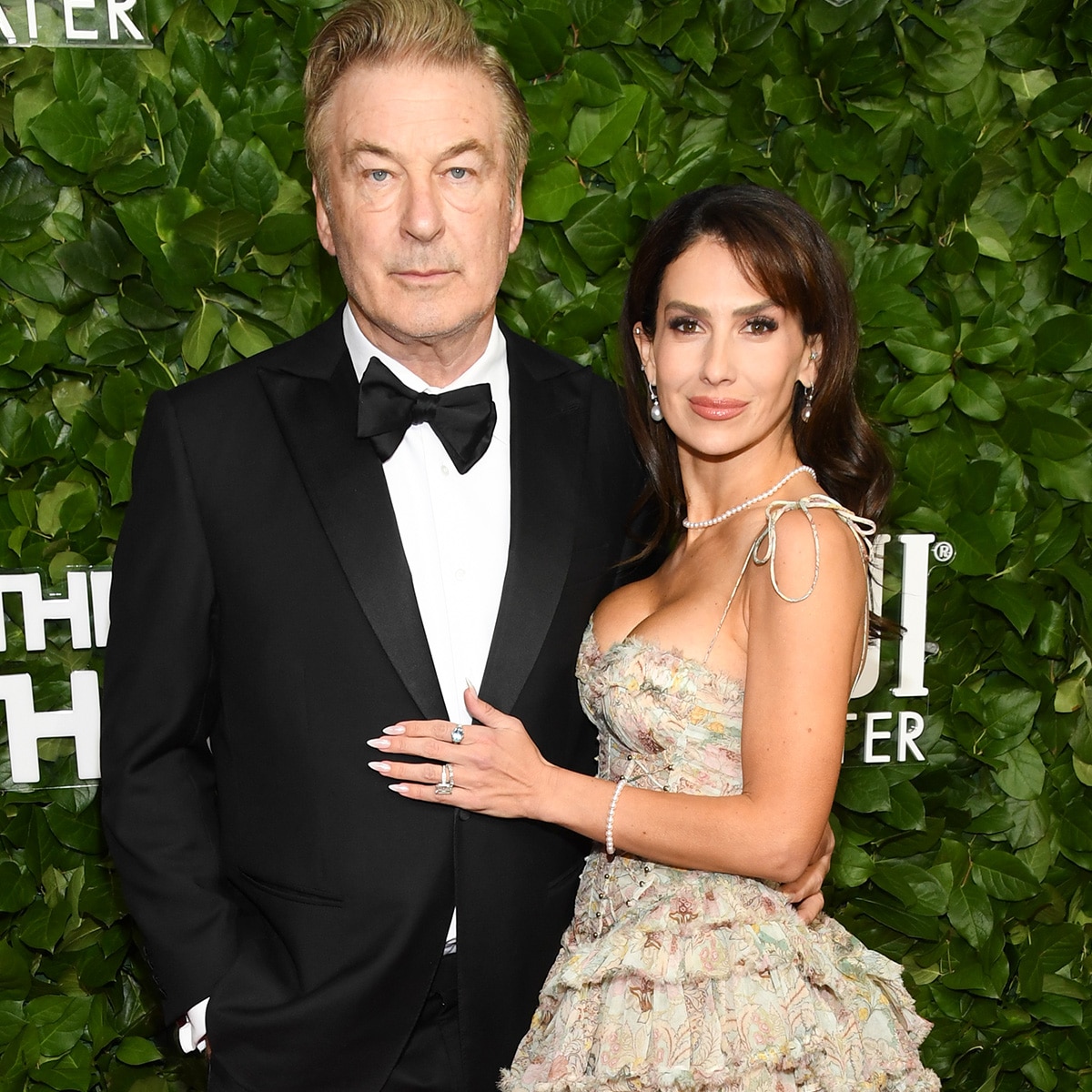
 Hilaria Baldwin and Alec Baldwin’s relationship isn’t all that complicated.
In fact, the wellness guru revealed the simple secrets to her and the It’s Complicated star’s successful marriage,…
E! Online (US) – Top Stories
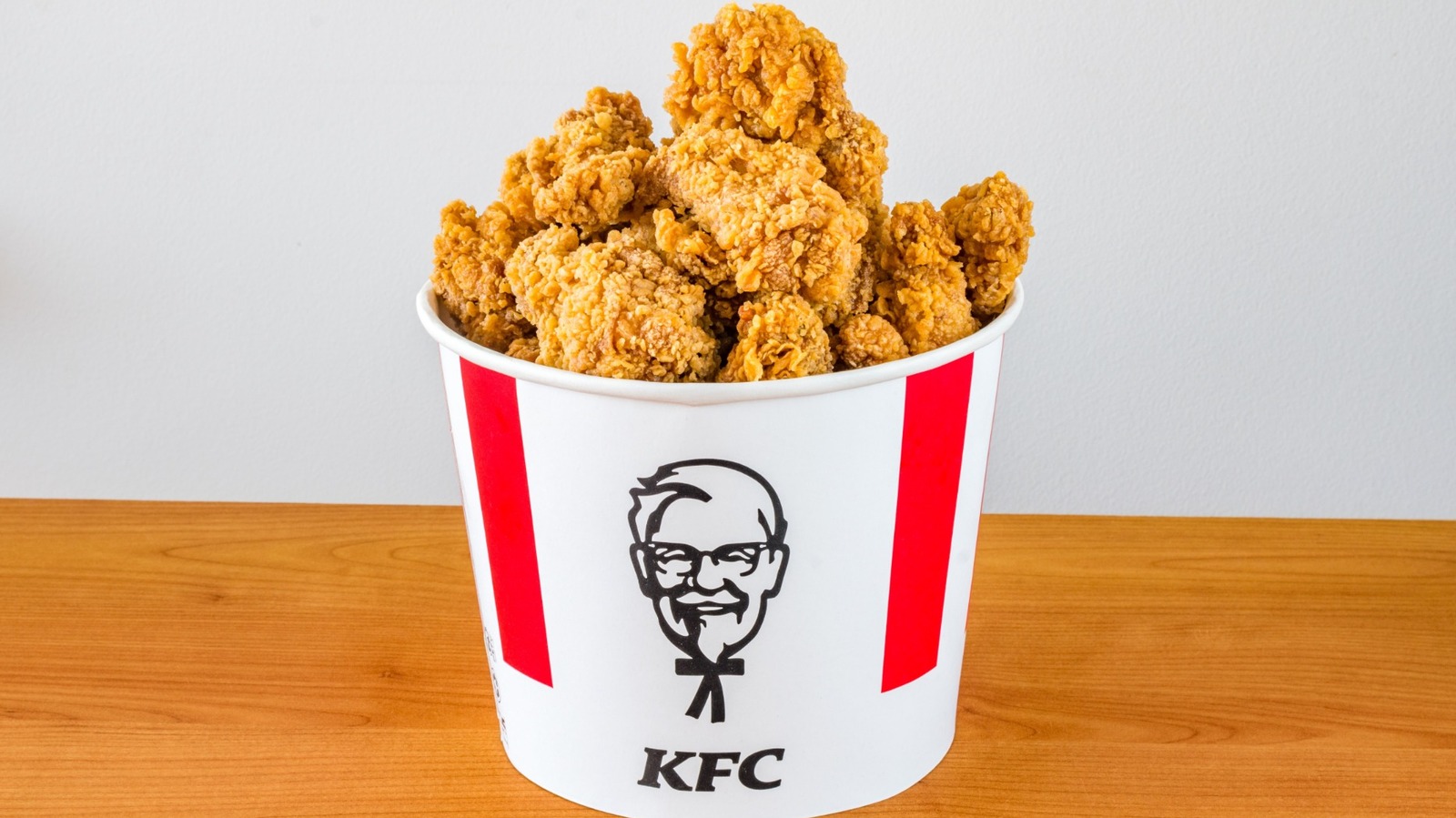
Even though there are a number of meals to order right from KFC’s menu, we have a few tips for you to get the best, freshest, and hottest meal.
Mashed – Fast Food, Celebrity Chefs, Grocery, Reviews
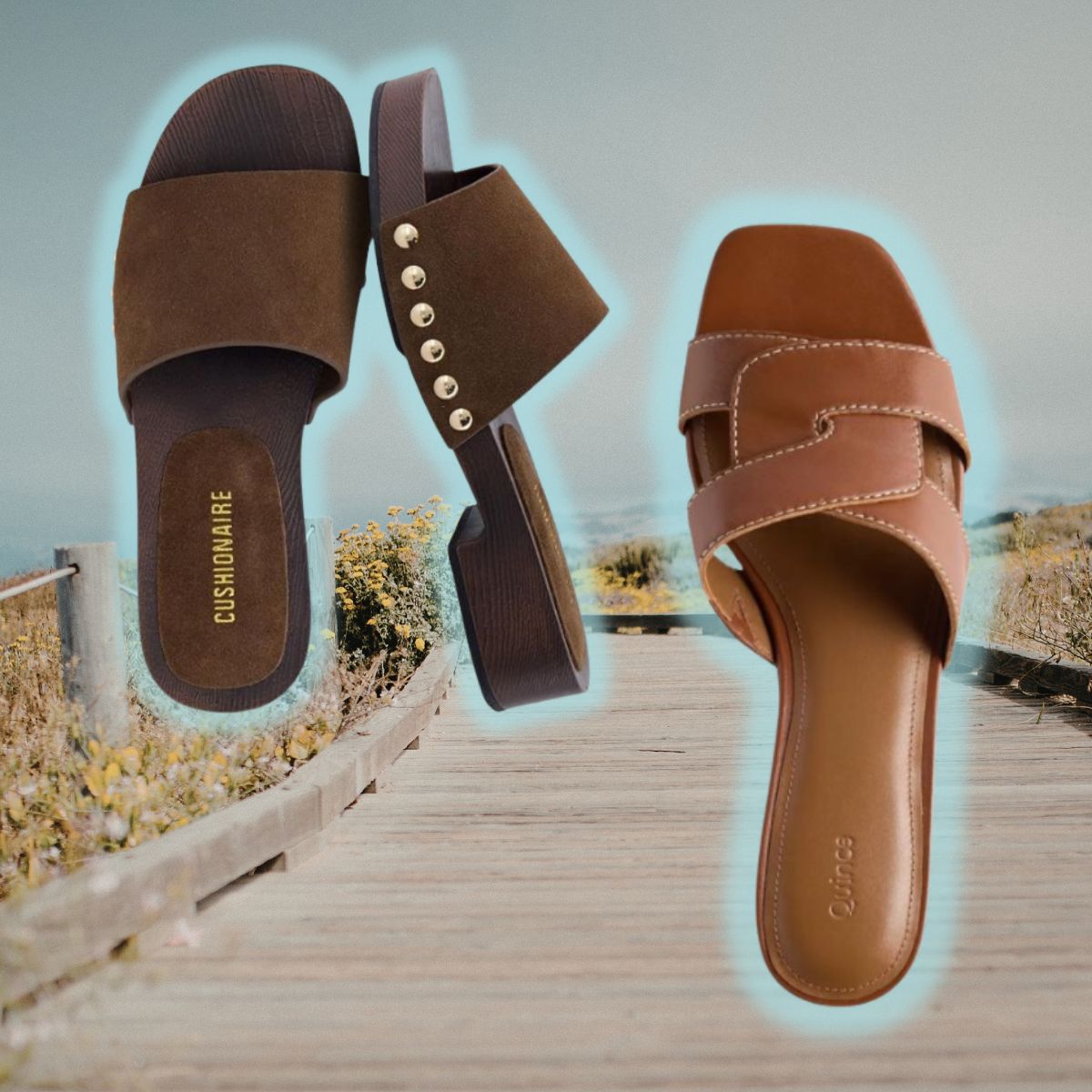
 Brown sandals are the summer trend taking over every outfit—from airport looks to brunch plans and everything in between. Easy, wearable, and surprisingly chic, they’ve become the go-to swap for…
E! Online (US) – Top Stories
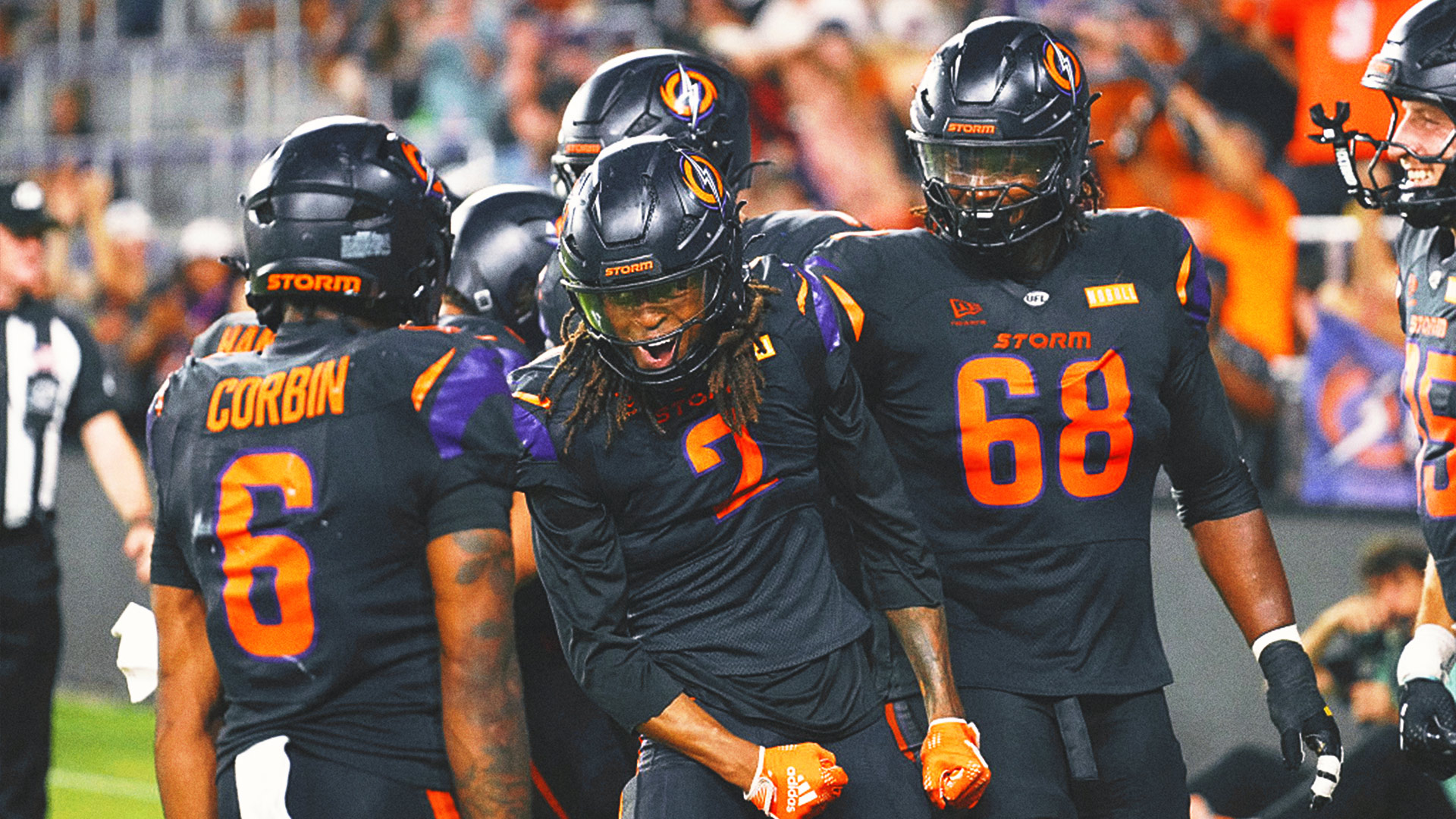
The final week of the UFL regular season has arrived, and while three playoff berths have already been secured, one postseason spot remains up for grabs. The Louisville Kings and Birmingham Stallions enter Week 10 locked in a battle for the league’s final playoff position. The action got underway Friday night with the Dallas Renegades earning an impressive road victory over the St. Louis Battlehawks. On Saturday, the Houston Gamblers took down the Birmingham Stallions, whose playoff hopes ended with the loss. Sunday began with a playoff preview as the Orlando Storm took care of DC Defenders, setting up a showdown next week. The Louisville Kings take and Colombus Aviators will finish out the slate. By the end of the weekend, the UFL playoff field will be set and the road to the championship will officially begin. Here are the results from Week 10: Orlando Storm 29, DC Defenders 23 Key players: Storm QB Jack Plummer (13-of-26 for 203 yards, three touchdowns), WR Cam Camper (three receptions for 93 yards, one touchdown); Defenders QB Jason Bean (13-of-28 for 165 yards, one touchdown, two interceptions and 116 rushing yards), WR Cornell Powell (five receptions, 70 yards). Game recap: The Storm opened the scoring with a defensive touchdown as Mishael Powell picked off Bean and returned it for a touchdown. Orlando added to its lead early in the second quarter when Plummer and Camper connected for a 31-yard touchdown. The Defenders tied the game at 17 after a rushing touchdown from Xazavian Valladay and a converted two-point attempt. Orlando scored on consecutive drives to take a commanding 12-point lead, on a 49-yard field goal from Michael Lantz. The Defenders added a touchdown with two seconds to go but it was merely a consolation. Up next: The Storm and Renegades will meet on Sunday, June 7 in the UFL playoffs. Dallas Renegades 20, St. Louis Battlehawks 16 Key players: Renegades QB Austin Reed (15-of-26 for 162 yards, three touchdowns), WR Emmanuel Butler (three receptions for 38 yards, two touchdowns); Battlehawks QB Luis Perez (18-of-29 for 272 yards, one touchdown, two interceptions), DT Neil Farrell (seven total tackles, one sack, one tackle-for-loss). Game recap: Both teams started out hot, as St. Louis opened the scoring with a 45-yard field goal on its first possession to take an early 3-0 lead. The Renegades responded shortly thereafter when quarterback Austin Reed connected with wide receiver Emmanuel Butler for a 17-yard touchdown, giving Dallas a 7-3 lead. Butler played a key role in the victory, finishing with three receptions for 38 yards and two touchdowns. The Battlehawks struggled offensively for much of the night, finding the end zone just once on a 10-yard touchdown pass from quarterback Luis Perez to wide receiver James Bostic in the third quarter. Perez finished the night with two interceptions and was sacked seven times in the loss. Up next: The Renegades close out the season with a 4-6 record, while the Battlehawks move on to the playoffs. Houston Gamblers 26, Birmingham Stallions 13 Key players: Gamblers LB Malik Fisher (four tackles, one sack, two tackles for loss), RB Marcus Major (eight carries for eight yards, two touchdowns); Stallions QB Dorian Thompson-Robinson (13-of-27 for 112 yards, one touchdown), WR Kyric McGowan (two receptions for 23 yards, one touchdown). Game recap: The Gamblers took the lead first with a field goal, despite quarterback John Rhys Plumlee throwing an interception on the first drive of the game. After running back Marcus Major rushed for a Houston touchdown to open the second quarter of play, the Stallions were still scoreless after a missed field goal from 53-yards out. Plumlee contributed another score on the ground for 11 yards to give the Gamblers a strong 17-0 lead heading into halftime. Quarterback Dorian Thompson-Robinson and the Stallions struggled through the day, as he finished with just one touchdown and 48.1% of his passes completed. Birmingham finally got on the scoreboard with a 30-yard pick six from safety Alex Cook to make it 17-7. However, the Gamblers responded on the following drive, when Major took it to the house for a 72-yard touchdown to make it 23-7. The Stallions added one more touchdown with a 6-yard reception by wide receiver Kyric McGowan, but the Gamblers answered with a 46-yard field goal to seal the 26-13 win. Up next: Since neither team qualified for the playoffs, the Gamblers and the Stallions each closed out the season 4-6 overall.Latest Sports News from FOX Sports
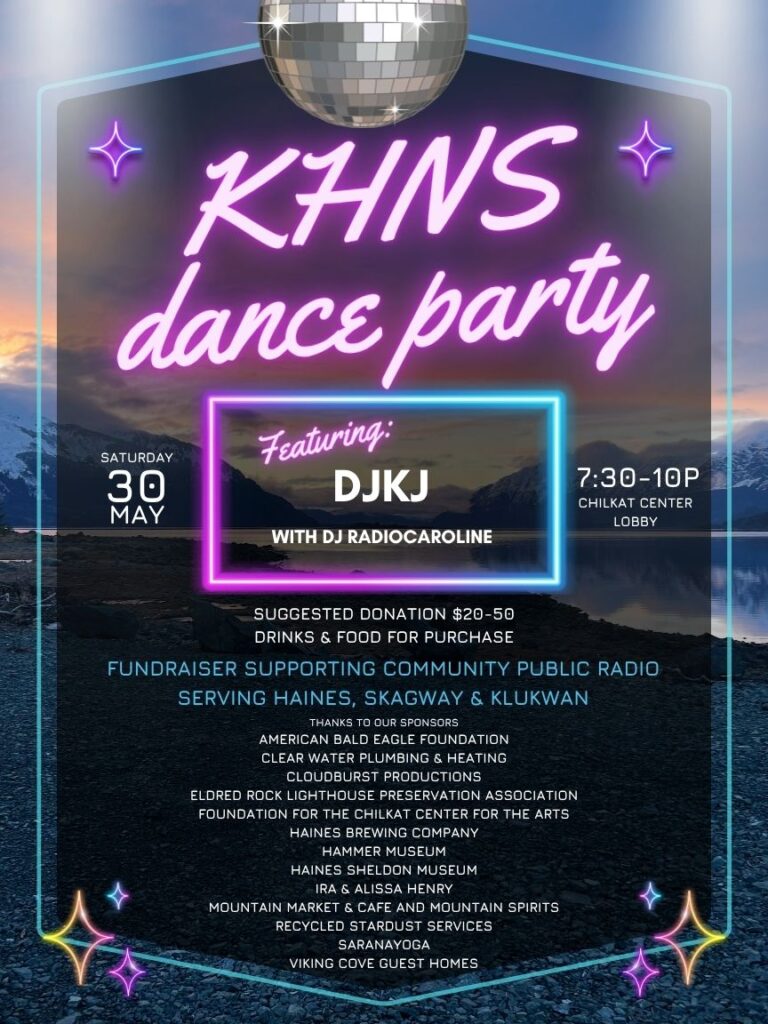
Tomorrow evening, Haines’ radio station KHNS will be hosting their annual spring fundraiser in the form of a dance party. Local DJ RadioCaroline will be opening the event and Whitehorse’s DJKJ will follow as the headliner.
In the past, KHNS has held wine tasting events and concerts as fundraisers, but decided to have a more “dance oriented event” this year, said KHNS development director Dawn Drotos
This will not be DJKJ’s, whose real name is Kevin Jack’s, first time performing in Haines, Drotos said. Jack first came to perform in the Chilkat Center three years ago.

“I was so blown away by the energy of the Haines, Alaska community,” Jack said on Friday. He said he first got connected with the Haines community after a few Haines locals went to Whitehorse for the Paradise Music Festival. Jack started DJ’ing in 2001 and said he has had to evolve as the DJ technology has shifted away from vinyls and towards online music streaming.
“I’m super pumped to bring some positivity and some light during this time. As humans we need to dance more and more connection to drown out the noise,” Jack said.
Drotos said those in Haines familiar with his style and sound should be ready for a similar “let loose and dance” environment. The main event with music will be in the lobby of the Chilkat Center, with a kids section in the wings of the theater equipped with craft projects. Both alcoholic and non-alcoholic beverages and food will be available for purchase with all proceeds going to KHNS. The admission is by suggested donation and all ages are welcome.
“We don’t want the cost to prohibit anybody from attending,” Drotos said.
Historically, Drotos said that these fundraisers typically raise a few thousand dollars. “They’re as much kind of a community event and kind of outreach as they are fundraisers for the radio station too,” Drotos said.
The room will be decked out in blacklights, a disco ball, and a sound system that Jack is bringing with him from Whitehorse.
The event runs from 7:30 – 10 p.m. Saturday, May 30 in the Chilkat Center lobby.
The post KHNS to host Dance Party, Canadian DJ appeared first on Chilkat Valley News.