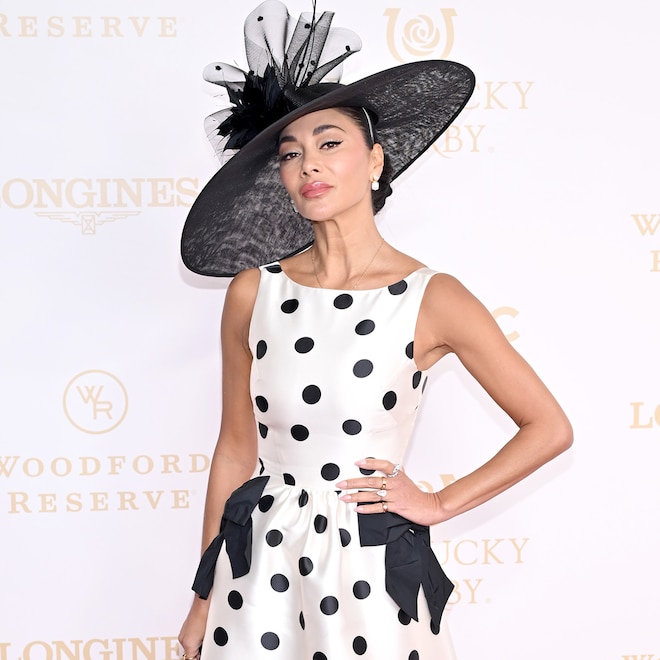
 Place your bets on who looked the best at the Kentucky Derby 2026.
Given a ton of celebs including Nicole Scherzinger, Lance Bass and Anthony Ramos stepped out at Churchill Downs in Louisville,…
E! Online (US) – Top Stories
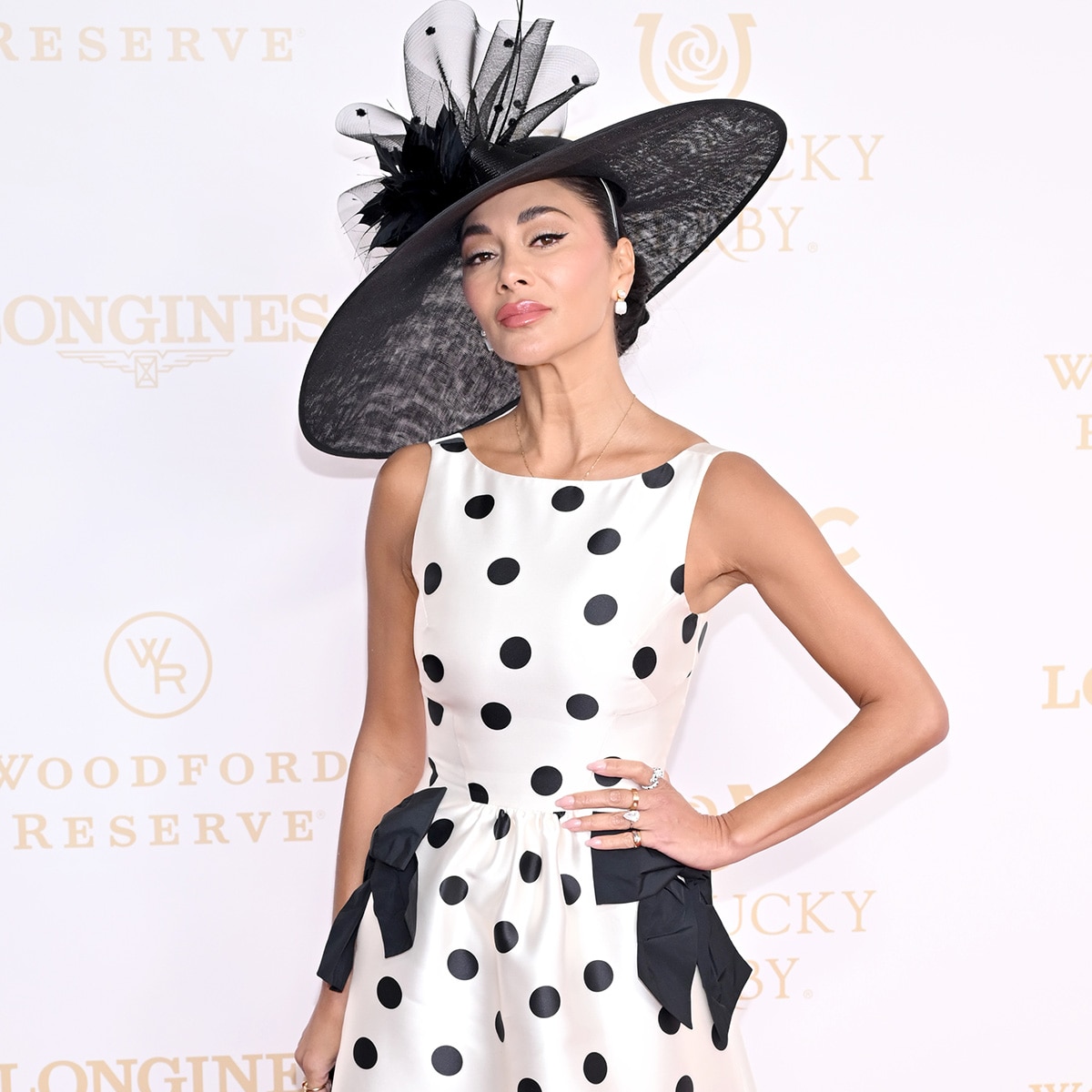









Place your bets on who looked the best at the Kentucky Derby 2026.
Given a ton of celebs including Nicole Scherzinger, Lance Bass and Anthony Ramos stepped out at Churchill Downs in Louisville,…
E! Online (US) – Top Stories
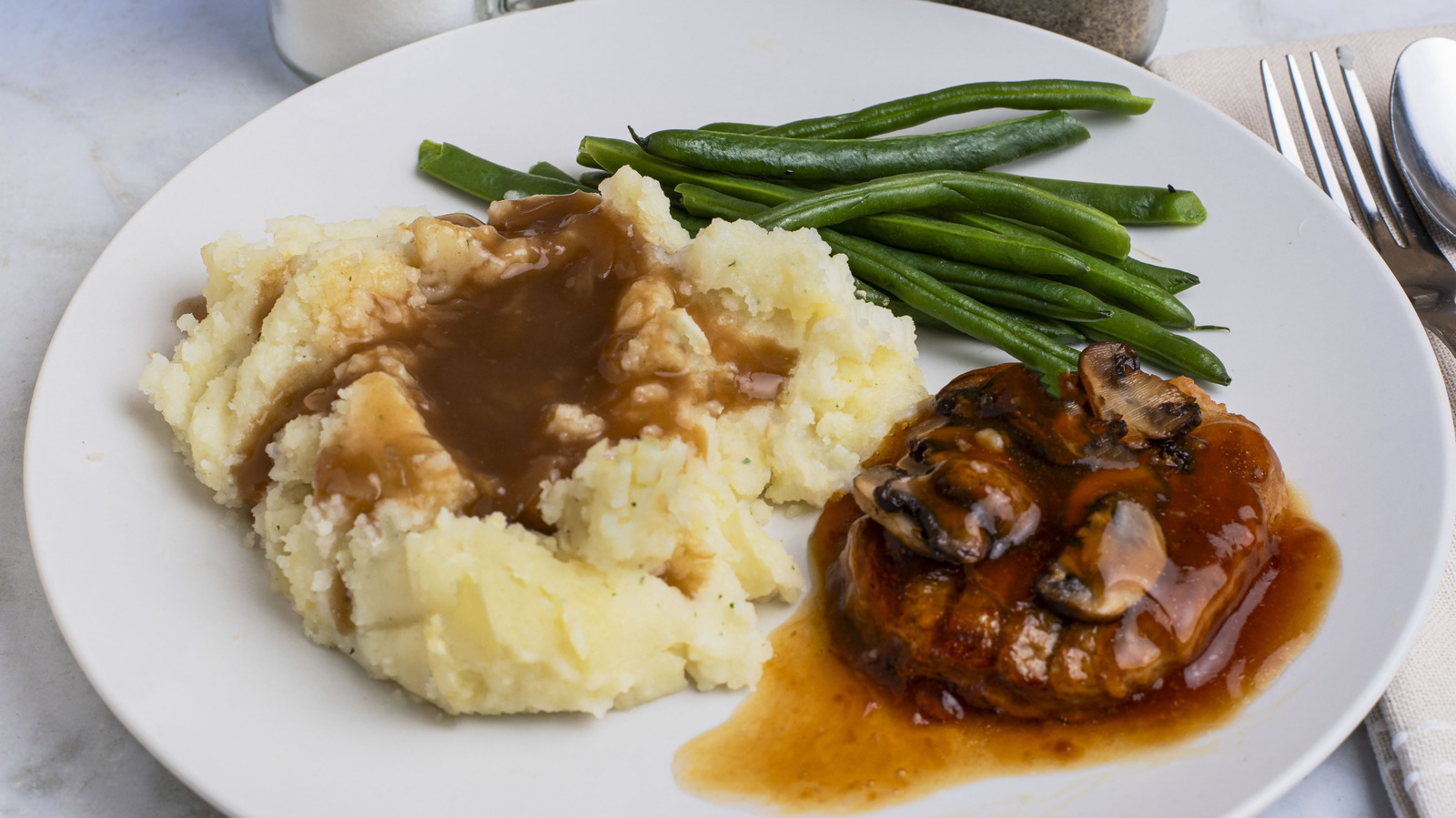
Boomers, those born in the late ’40s through the mid-’60s, often center their meals around meat (with the favorite being beef). Here’s why they do.
Food Republic – Restaurants, Reviews, Recipes, Cooking Tips
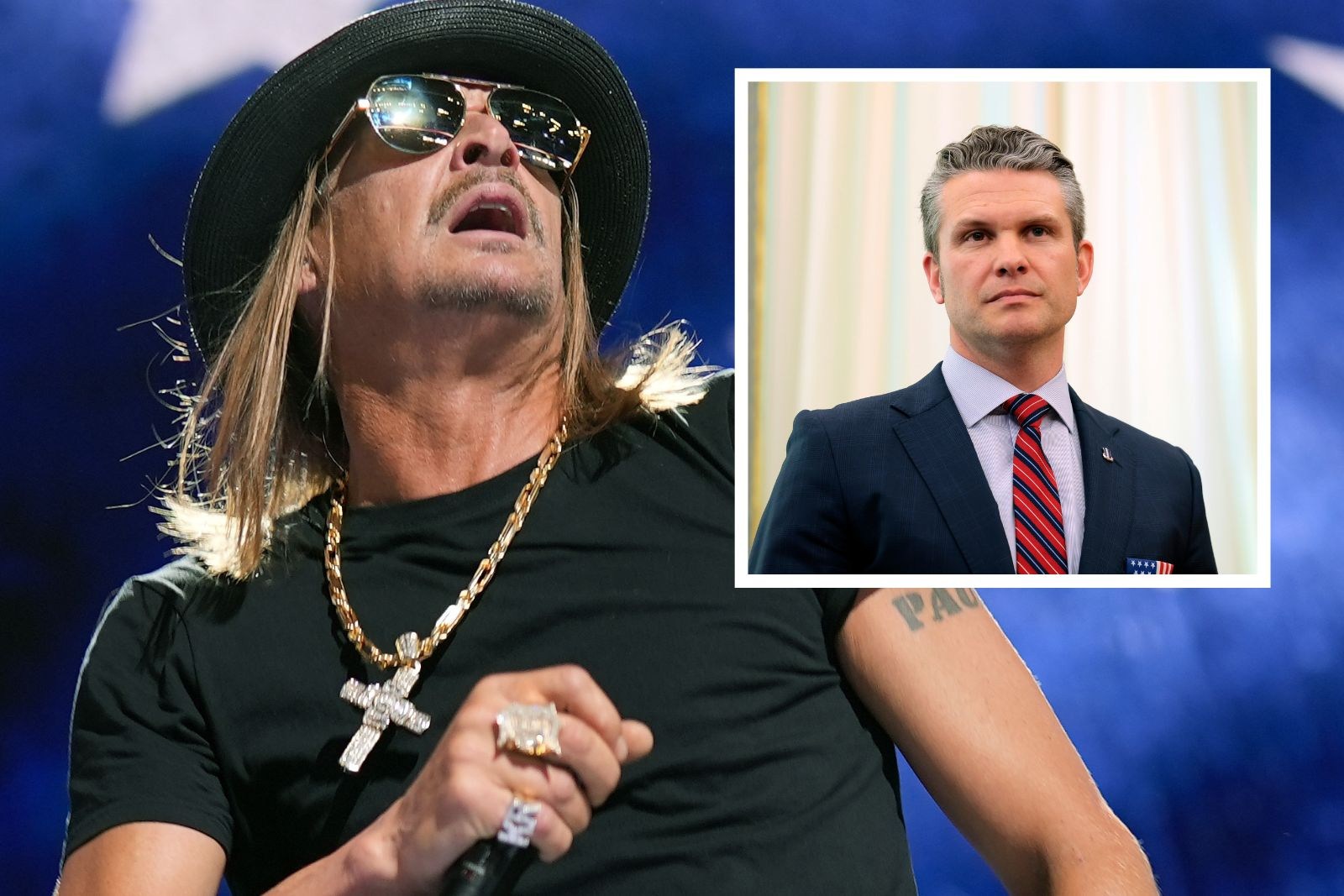
Now we know one of the reasons why Kid Rock and Pete Hegseth were spotted taking a ride in military helicopters around the D.C. area last week. Continue reading…The Boot – Country Music News, Music Videos and Songs
Now we know one of the reasons why Kid Rock and Pete Hegseth were spotted taking a ride in military helicopters around the D.C. area last week. Continue reading…Country Music News – Taste of Country

Deep-pocketed political groups tied to artificial intelligence and cryptocurrency are rapidly reshaping the midterm money landscape — but many Americans are uneasy with the industries behind the spending.
New results from The POLITICO Poll find broad public skepticism about crypto and AI, creating a possible conflict for candidates benefitting from an influx of contributions from the two industries. These groups are pouring millions of dollars into competitive 2026 races to elevate politicians who they believe will support their agendas in Washington.
Meanwhile, Americans have been slow to embrace either technology.
A 45 percent plurality of Americans say investing in cryptocurrency is not worth the risk, even if it can yield high returns, and a 44 percent plurality say AI is developing too quickly, according to the April survey conducted by independent firm Public First.
Nearly half of Americans say they trust a traditional bank with their money more than a cryptocurrency platform, while just 17 percent say the opposite. And two-thirds support lawmakers either imposing strict regulations or setting broad principles for the AI industry.
The results raise an emerging challenge for the industries as their aligned super PACs seek to translate financial might into political influence. Several of these groups are already becoming the most dominant players on the political battlefield, spending heavily for candidates on both sides of the aisle and in some cases rivaling the fundraising of long-established party groups.
It’s too early to say how candidates associated with these groups will fare in November — and the two industries could draw different reactions from voters. Still, in hypothetical head-to-head matchups, poll respondents were much less likely to choose candidates backed by a campaign group seeking looser regulations on artificial intelligence than candidates backed by a group advocating for more stringent rules on AI and tech companies. Those polled were also more likely to support a group advocating for policies to protect the environment and prevent climate change.
Skepticism of the industries, those results suggest, could turn into voter backlash if Americans grow fed up with the heavy spending.
“Democrats’ best approach is to make their spending an issue,” said Sen. Chris Murphy (D-Conn.), who has been outspoken about the need for AI regulation. “People do not want AI companies to run them over culturally and economically. They don’t trust crypto.”
Some of the resistance to the AI and crypto groups may reflect broader American dissatisfaction with special interest groups’ spending. A 41 percent plurality say special interest groups have too much influence over politics in the U.S., while 23 percent say they have the right amount. Just 12 percent say they have too little influence.
But the AI and crypto super PACs are on a new level, and the rise of these groups is creating shockwaves throughout politics. These groups could easily become the biggest spender in any House or Senate race that they choose — or several.
Leading the Future, a pro-AI super PAC founded in August, has already raised more than $75 million since its launch, according to recent filings with the Federal Election Commission. Through a network of PACs, it has deployed money on primaries in North Carolina, Texas, Illinois and New York for Democratic and Republican candidates. Fairshake, a pro-crypto group primarily funded by Coinbase, Andreessen Horowitz and Ripple Labs, is expected to back candidates in both parties and has already spent $28 million across several competitive primaries through its network of PACs.
Both industries are also spending big on Washington lobbyists to ensure their influence continues past Election Day. The AI lobby in particular has ballooned in recent years; OpenAI and Anthropic spent record amounts of money on lobbyists in the first quarter of 2026. The crypto industry has also poured millions into lobbying efforts in recent years to push Congress to enact a sweeping overhaul of how digital assets are regulated.
“The universal thread, from their perspective, is, I think an attempt to maintain a degree of bipartisanship and identify people whom they think will be champions on these issues,” said Jason Thielman, former executive director of the National Republican Senatorial Committee, of the crypto-aligned groups.
For the crypto industry, the super PAC spending is aimed at pushing through a market structure bill called the CLARITY Act that is pending in the Senate. Industry executives and lobbyists hope the proposed law would give the industry a stamp of legitimacy from Washington and deliver long-term certainty about how digital tokens will be overseen by market regulators.
The super PAC money acts as both carrot and stick: It could benefit lawmakers facing competitive reelection campaigns in 2026 who back the industry’s goals — and threaten those who stand in the way.
In 2024, a Fairshake-affiliated super PAC spent more than $40 million to help defeat then-incumbent Democratic Sen. Sherrod Brown in Ohio. Brown, a longtime crypto critic, is running again and could again be a major target for the crypto PAC network.
“Crypto groups are absolutely becoming a disruptive force in political spending, including in Ohio,” said former Ohio Republican Rep. Jim Renacci, who unsuccessfully challenged Brown in 2018. “But let’s face it, they’re not unique. It’s just the latest version of outside money.”
Fairshake declined to comment.
The AI groups spending big in elections want to ensure their nascent industry is regulated by one set of federal rules, not a state-by-state patchwork, as state legislators rapidly pass new laws regulating the technology. The White House and congressional Republicans have generally supported that goal, but have so far floated light-touch regulations that most Democrats believe don’t go far enough. While the tech sector leans toward the GOP’s deregulatory approach, some lobbyists are open to strong federal rules on AI in exchange for a ban on state laws.
“A national framework will prevent a patchwork of conflicting state laws from harming our ability to win the global AI race against China,” Leading the Future spokesperson Jesse Hunt said in a statement.
But the polling suggests these industries’ efforts may run into broader public skepticism.
More than half of Americans say they have never and would not consider buying or trading cryptocurrency. On artificial intelligence, nearly half of respondents say it is likely to eliminate more jobs than it creates, and a 43 percent plurality say the risks of the technology outweigh the benefits.
“There is a lot of work that needs to be done to help the voting public fully appreciate the national security threat that we face if we are not first in [the AI] race,” Thielman said of AI-affiliated groups. “It’s essential that [the] industry continue to invest very aggressively here, both to increasingly educate the public, educate policy makers because the issue is somewhat mixed from a public opinion perspective.”
The skepticism cuts across partisan lines, with pluralities of voters for both Trump and former Vice President Kamala Harris in 2024 saying that investing in crypto is not a risk worth taking, even if it gives high returns. A near majority of both groups — 49 percent of Harris voters and 46 percent of Trump voters — say AI is developing too quickly.
For now, many of the super PACs tied to the AI and crypto industries remain relatively unknown to many voters, allowing them to fly under the radar.
Americans associate political spending with more established industries, with a 29 percent plurality incorrectly identifying groups representing the oil and natural gas industry as the highest spenders in the midterms — ahead of AI and tech groups or crypto-backed organizations.
Just nine percent of Americans say they have heard of Leading the Future, the pro-AI super PAC, and only three percent have heard of Fairshake, the pro-crypto PAC. Meanwhile, 48 percent of Americans say they have heard of the National Rifle Association and 36 percent say they’ve heard of Planned Parenthood Action Fund.
“Until people realize where the money’s coming in from, a lot of people don’t judge it,” Renacci said. “But I do think if they see somebody is backed by crypto, that’s always going to be a problem, because, let’s face it, the people that I talk to in Ohio, they don’t understand crypto, and most say they’re not comfortable with [it].”
Politics
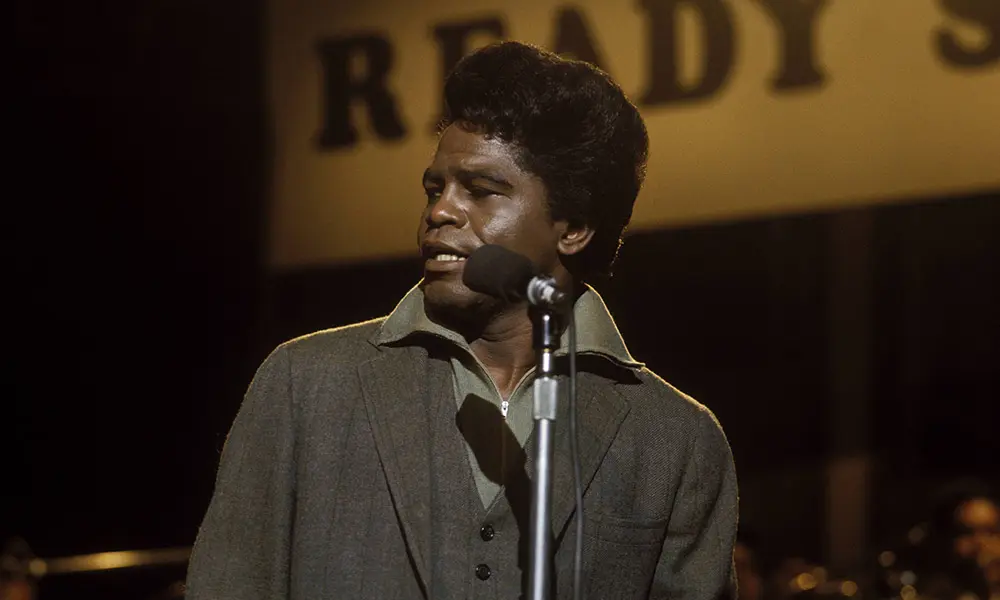
If one were to name James Brown as one of the most influential artists of the 20th century and beyond, there are few reasonable people who would argue. Born in 1933 in Barnwell, South Carolina, and raised in Augusta, Georgia, Brown grew up singing in gospel quartets and performing throughout the South. When he joined The Famous Flames, a powerful rhythm and blues ensemble fronted by his friend Bobby Byrd, Brown’s journey to stardom would begin.
An electric performer and tireless innovator, Brown’s catalog is one of the most diverse in the history of recorded music. From his emotive ballads in the 1950s, the fiery R&B sides of the 60s, the deeply funky and socially conscious workouts of the 70s, or his pop-soul hits of the 1980s, James Brown didn’t just weather the stylistic changes that shaped popular music. Most of the time, he was a major initiator of those changes.
Listen to the best James Brown songs on Apple Music or Spotify.
When the cultural revolution of hip-hop exploded onto mainstream consciousness in the 80s, sampling arose as a new and radical musical innovation. Hungry for hypnotic grooves, pounding drum breaks, dynamic vocals, and horn riffs, hip-hop producers and DJs naturally gravitated to the Godfather of Soul. Since then, countless DJs and producers have taken bits of James Brown’s best songs to use in their own new creations, thus allowing Brown’s musical DNA to continue to spread far and wide.
With dozens of studio albums, live albums, and compilations as well as the numerous hits that Brown produced for associated acts like Lyn Collins, The J.B.s, Vicki Anderson, Bobby Byrd, and others, there is no list that could fully encompass James Brown’s prodigious musical output. That being said, these 20 best songs are a great introduction to his incredible career.
Rooted in the traditions of gospel and blues, one of the greatest weapons James Brown’s arsenal is his ability to pour deep emotion into a soulful ballad. While some of his best songs like “Try Me” and “Please, Please, Please” were hits and undeniable classics, Brown brought that same ecstatic energy to ballads like “Bewildered” and “I Love You, Yes I Do.” With his strained, gravely voice, Brown was able to add a rough edge and sense of pleading urgency to these songs, a balladeer who could blur the lines between pain and pleasure, love and loss.
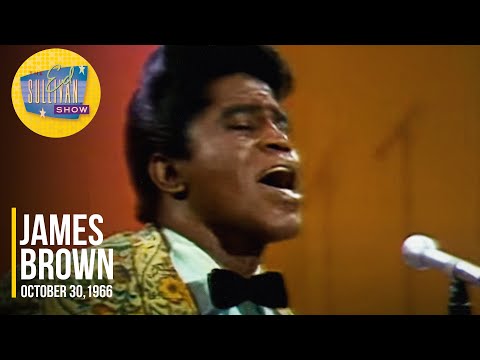
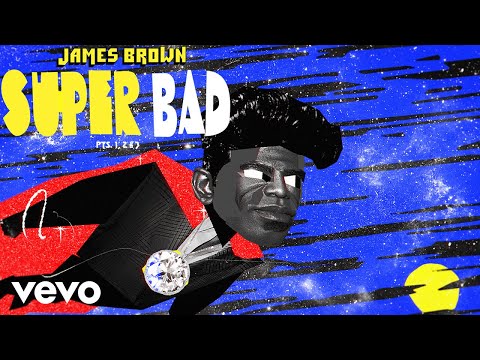
For James Brown, the mid-to-late 60s were an incredibly prolific and innovative period. Not only did Brown produce several of his best songs in this period with cuts like “I Got You (I Feel Good),” “Papa’s Got A Brand New Bag,” “I Got The Feelin’,” he would ultimately change the course of music history by introducing a new rhythmic concept and compositional matrix into the fold. With 1967’s “Cold Sweat,” Brown placed heavy emphasis on the first beat of a song’s measure and repurposed melodic instruments into agents of rhythm. With this set of daring innovations, what we know today as funk was born. Whether it as the driving, hypnotic grooves of “Superbad Pt. 1&2” and “Ain’t It Funky Now” or flamboyant anthems like “Get Up (I Feel Like Being a) Sex Machine” and “Get Up Offa That Thang,” Brown would consistently prove that he was not only the inventor of the funk, but its chief innovator.
As fate would have it, the peak of James Brown’s popularity, as well as his creative prime, would coincide with (and in many ways inspire) both the Civil Rights era and the Black Power Movement. As with many of the United States’ great musicians, Brown also sought to express the frustrations and hopes of the people by injecting socially conscious messages into his music. “Say It Loud – I’m Black and I’m Proud” emphasized Black pride in a white-dominated world, while “It’s a Man’s Man’s World” celebrated the contributions of women. Oftentimes, Brown would just rap to the brothers and sisters on the street with cuts like “The Payback,” lending his voice to articulate the Black, working-class experience.
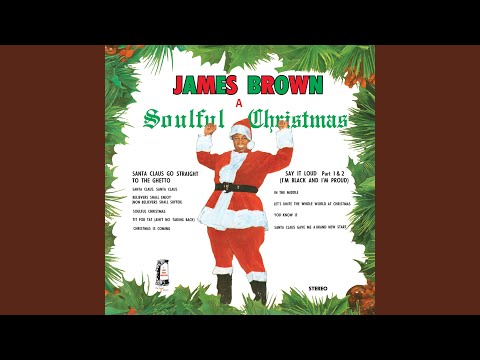
When hip-hop first emerged in the early 70s, DJs utilized the funky grooves and pounding drum breaks of James Brown and the legions of bands that his best songs inspired. As sampling technology evolved, producers would once again turn to Brown, extracting snippets of horn riffs, basslines, screams, guitar licks, and drums to build entirely new collages of sound. The hypnotic, extended grooves of “Give It Up or Turn it Loose,” “Blues And Pants,” “Mind Power,” and “Papa Don’t Take No Mess” have all been sampled famously. “Funky Drummer,” however, is perhaps Brown’s greatest contribution to sampling culture. Showing up in hundreds if not thousands of songs, “Funky Drummer” has helped to shape the future of music to this day.
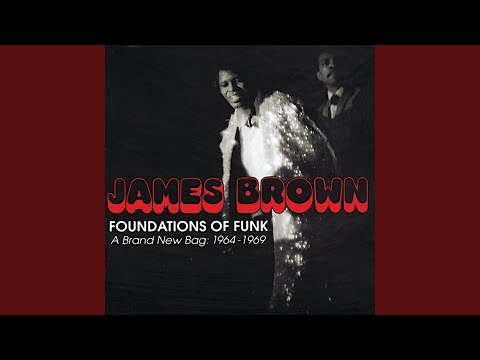
Browse James Brown’s music on limited edition vinyl and CDs here.
Discover more about the world’s greatest R&B artists | uDiscover Music

The U.S. map is dotted with several “world’s largest” attractions. Here are some of the best to checkout on your next road trip. Continue reading…The Boot – Country Music News, Music Videos and Songs
It’s no secret that fruits contain beneficial nutrients, but can a banana at night help a person sleep tight? Here’s what the evidence suggests.
Mashed – Fast Food, Celebrity Chefs, Grocery, Reviews
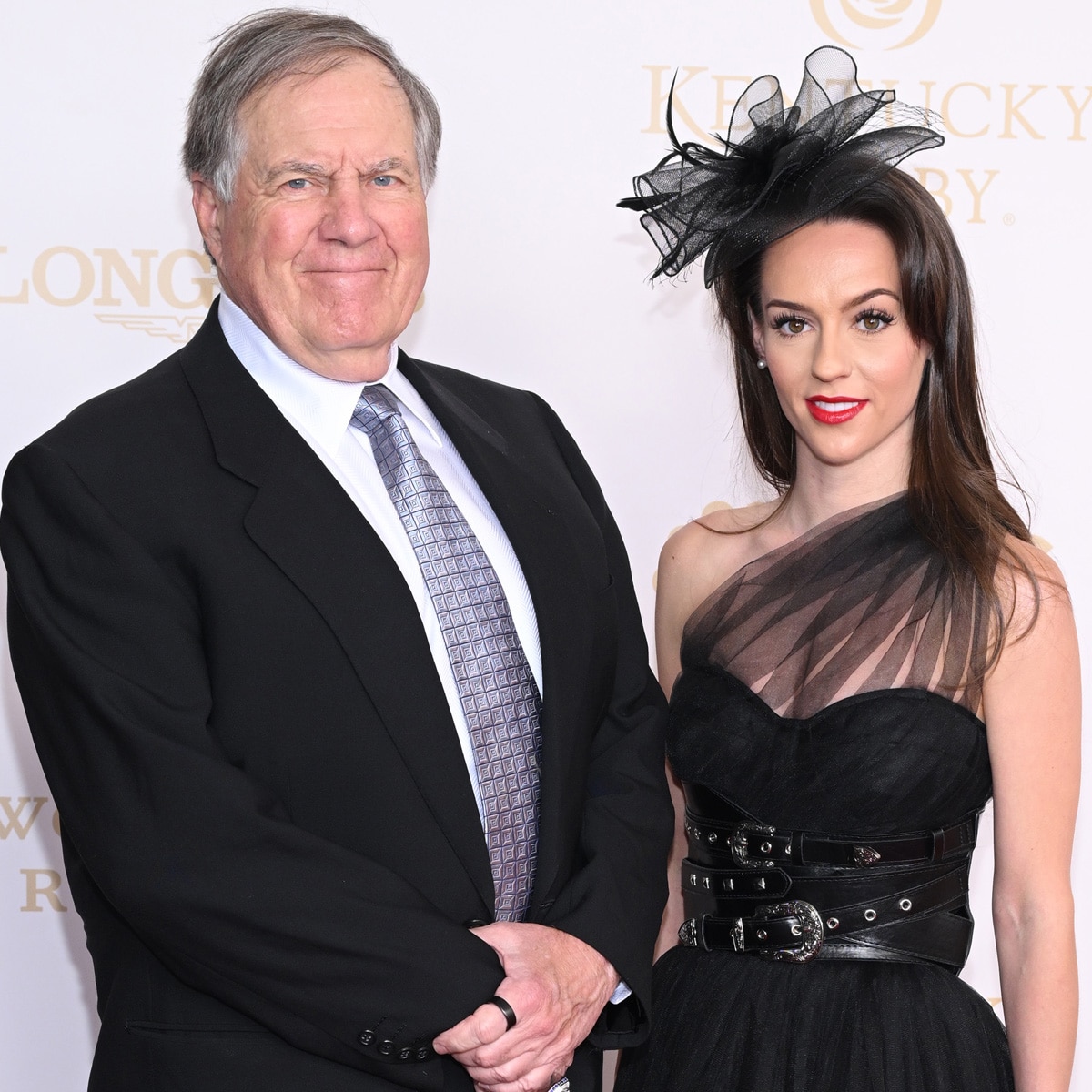
 Bill Belichick and his girlfriend Jordon Hudson aren’t letting the neigh-sayers get them down.
Indeed, the couple proved they’re stronger than ever as they stepped out together in…
E! Online (US) – Top Stories
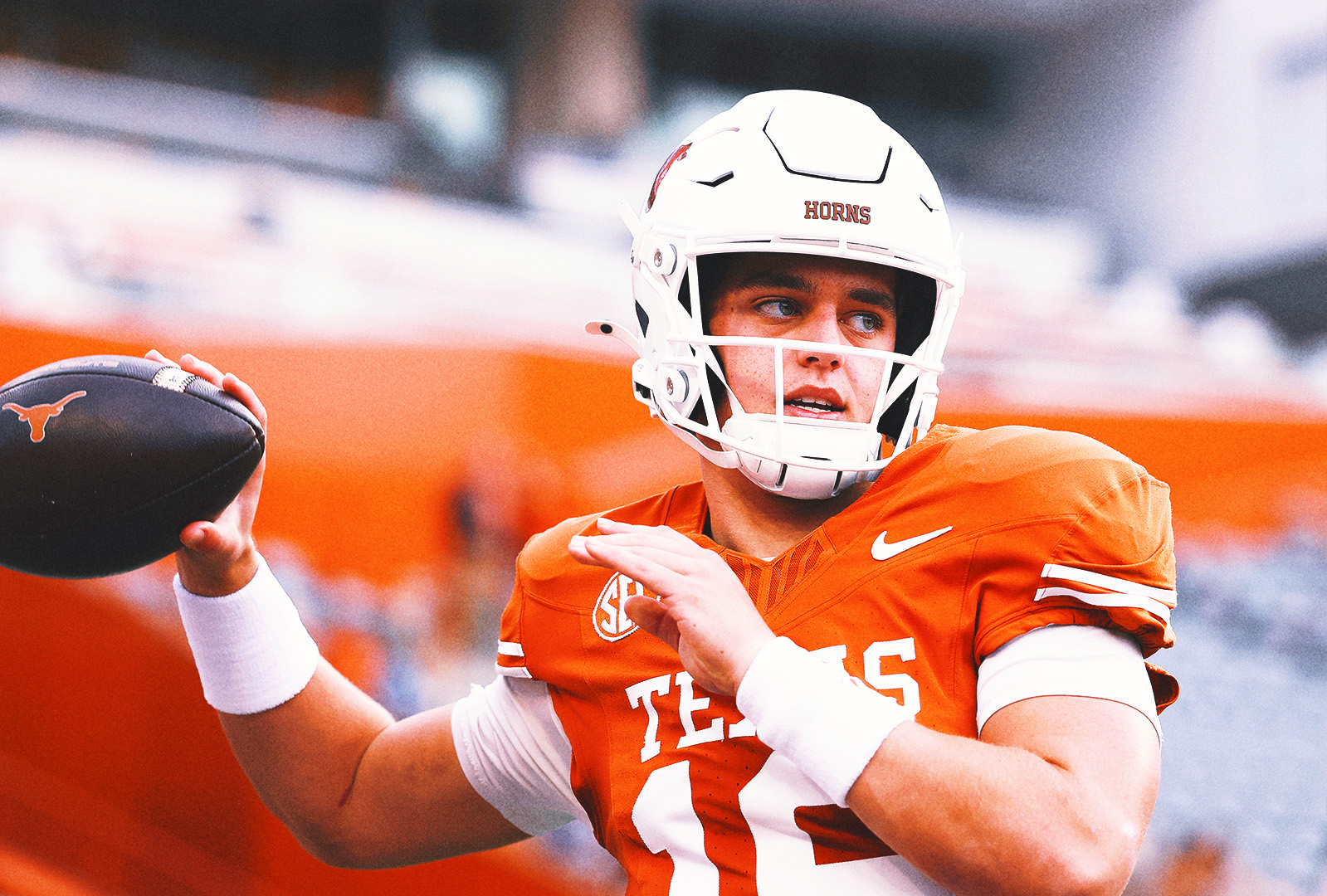
This college football season is loaded with top‑tier talent, making the 2026 Heisman race one of the most competitive. Below is a list of the top six candidates projected to win the Heisman, as well as their odds, per FanDuel as of May 2nd. Notre Dame quarterback CJ Carr is currently the favorite to win this year’s Heisman Trophy. After his first season as starting quarterback, Carr was a part of a talented Fighting Irish offense next to former running backs Jeremiyah Love and Jadarian Price, as well as former wide receiver Malachi Fields. Carr finished last season with 271 passing yards, 27 total touchdowns and six interceptions. Even with Notre Dame missing the College Football Playoff last season, Carr is an important returning piece for their 2026 team. Carr enters the season with +750 to win the Heisman. Texas quarterback Arch Manning was one of last season’s most anticipated signal-callers and a projected 2025 Heisman finalist. However, a slow start to the season quickly took him out of the race. The former five-star prospect is entering his redshirt junior season under coach Steve Sarkisian, with speculation that he’ll enter the 2027 NFL Draft. He also added 399 rushing yards and 10 touchdowns on the ground. Manning sits at +800 to win the honor. Ole Miss quarterback Trinidad Chambliss entered the year as a backup and took over for former quarterback Austin Simmons due to injury in Week 3, and instantly stole the show. Chambliss led the Rebels to their first-ever CFP appearance following former coach Lane Kiffin’s departure, where they fell in the semifinals to Miami (FL). Chambliss became a sensation in short order, and now returns to Oxford with the tools to help the Rebels reach another CFP. Chambliss finished the year with 3,937 passing yards, 26 passing touchdowns and just three interceptions. He also put up 527 yards on the ground and eight rushing touchdowns. Chambliss is listed at +1100 to take home the Heisman Trophy. Ohio State quarterback Julian Sayin is the only returning Heisman finalist from last season’s group and is already drawing attention as a potential repeat contender. Sayin was one of the most efficient quarterbacks in the country last season, and led Ohio State back to the CFP in his first starting season. He also returns Biletnikoff finalist wide receiver Jeremiah Smith and adds five-star freshman Chris Henry Jr. to his air-raid offense, which could be one of the most dangerous units come this fall. Sayin finished the year with 3,610 passing yards, 32 touchdowns and eight interceptions. Sayin sits at +1200 to win the Heisman. Following the departure of former Indiana quarterback Fernando Mendoza, head coach Curt Cignetti found his next prodigy from the portal in former TCU quarterback Josh Hoover. Hoover played four seasons with the Horned Frogs and will use his final season of eligibility playing for Cignetti in the Big Ten. Hoover capped off last season with 3,472 passing yards, 27 total touchdowns and 13 interceptions, and a 19-8 record as a starting quarterback. Hoover enters his final season with +1200 to become Indiana’s second Heisman winner following Mendoza. Oregon quarterback Dante Moore shocked the college football world when he announced he’d return to Oregon for one final season, especially after the Ducks had just signed former Nebraska quarterback Dylan Raiola. Moore was one of the most impressive quarterbacks in college football, where he led the Ducks back to the CFP, but fell to eventual champions Indiana in the semifinals. Moore closed out last season with 3,565 passing yards, 32 total touchdowns and 10 interceptions. Moore is currently +1200 to win the Heisman.Latest Sports News from FOX Sports