Of the many delicious styles of American barbecue, celebrity chef Marcus Samuelsson believes one state’s version stands in a league of its own.
Food Republic – Restaurants, Reviews, Recipes, Cooking Tips








Of the many delicious styles of American barbecue, celebrity chef Marcus Samuelsson believes one state’s version stands in a league of its own.
Food Republic – Restaurants, Reviews, Recipes, Cooking Tips

Reading Time: 3 minutes
Last week, the court dealt a setback to Blake Lively’s lawsuit against Justin Baldoni.
Technicalities — her employment status during filming and the location of production — meant, the judge ruled, that she has no legal protections allowing her to sue for sexual harassment.
With no settlement, they’re going to court.
All of this has exacted a terrible toll upon Lively who, after all, never imagined that making a film would turn her life upside down for years to come.
People reports on the deep emotional toll that this past year and a half of hell have taken on Lively.
“She didn’t file this lawsuit thinking it would be easy,” the insider acknowledged.
“She knew it would be a long, challenging process,” the source affirmed.
“But,” the insider explained, “she felt it was something she needed to do.”
According to the source: “The legal battle has been emotionally taxing, but Blake has stayed focused.”

The insider emphasized that Lively’s allegations against Baldoni have “never changed and she’s looking forward to her day in court.”
At least, as much as anyone can look forward to seeing the inside of a courtroom.
“She’s balancing this with all her responsibilities at home,” the source emphasized.
“As a mom,” the insider then explained, “she has many other priorities which help her stay grounded.”
The source added that Lively is “excited for some quiet time this summer with her family once this is behind her.”

On Monday, April 6, Lively and Baldoni attended a meeting with a judge in New York.
However, both parties declined a last-minute settlement attempt, The Daily Mail reported.
The judge had asked both legal teams for any updates on“their client’s updated settlement position” ahead of going to trial.
In other words, after last week’s changes that wiped out the sexual harassment portion of the lawsuit, did they want to settle and call it a day?
They did not, and will proceed to trial.
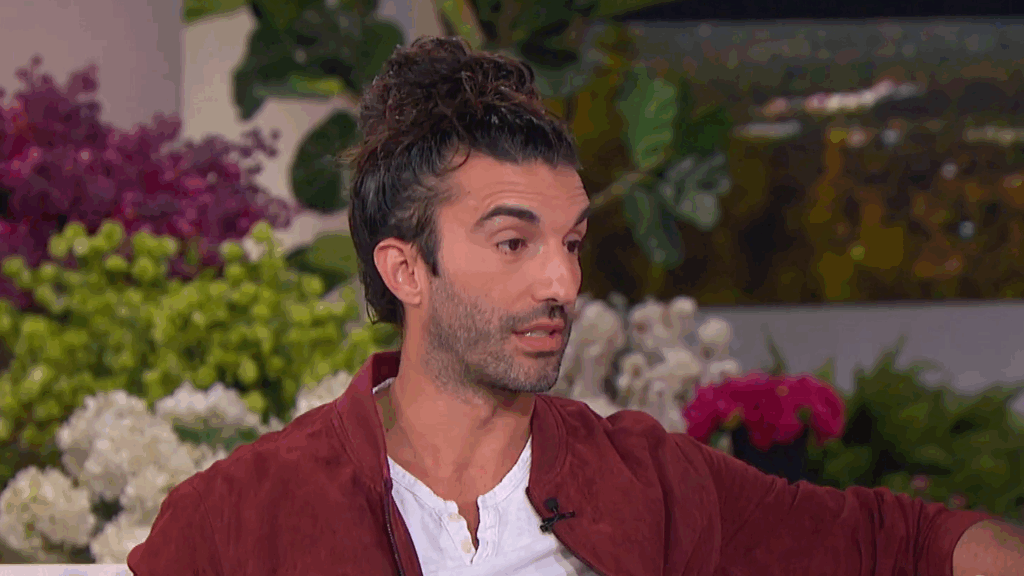
As we reported, the majority of Lively’s points of contention within her lawsuit against Baldoni were dismissed by the court.
Because she was, the judge found, an independent contractor when working on It Ends With Us, she was not technically an employee.
Therefore, Title VII federal protections against sexual harassment do not extend to her. Truly an appalling indictment of our legal system.
Additionally, she cannot sue him under California law over the sexual harassment. They filmed in New Jersey, not California.
However, key claims remain: breach of contract, retaliation, and aiding and abetting in retaliation.
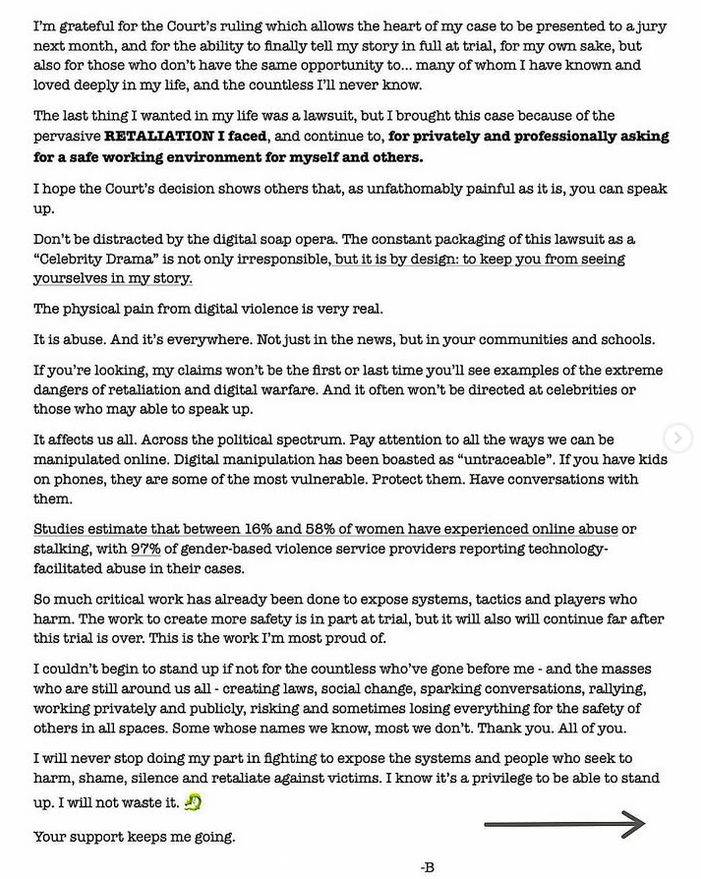
Many would argue that, in the court of popular opinion, Baldoni seems to have won, even if his lead has been shrinking steadily for the past year and a half.
But isn’t the alleged smear campaign, which Baldoni denies despite what appears to be evidence of a conspiracy to defame Lively, sort of the heart of the retaliation lawsuit?
Many are bracing themselves for a bad outcome.
Too many times, the world has watched what appears to be a solid case with solid evidence fall apart. It’s sort of like watching election results come in, in the worst way.
Even so, we hope that the outcome will be just and correct.
Blake Lively & Justin Baldoni Reject Settlement, Legal War Goes to Trial was originally published on The Hollywood Gossip.
The Hollywood Gossip

Country Music Hall of Famer Ray Stevens, 87, suffered a fall in Nashville on Sunday, March 29 that resulted in a broken neck. According to a statement from his team, the two-time GRAMMY winner was briefly hospitalized and is now at home recovering.
Doctors have instructed Stevens to wear a neck brace for the next four weeks. Despite the injury, he remains mobile and in good spirits as he heals.
This health setback comes after Stevens suffered a mild heart attack in early July 2025. At the time, he was hospitalized after experiencing chest pain and later underwent a minimally invasive heart catheterization procedure at a Nashville hospital. He subsequently had a second procedure a few weeks later, during which doctors placed two stents to treat additional blockages. After spending several days in a Nashville rehabilitation facility, he returned home to continue his recovery.
Stevens and his team are welcoming thoughts and prayers during his recovery.
Cards and well wishes can be sent to:
Ray Stevens
5724 River Rd
Nashville, TN 37209
Stevens is scheduled to release a new album, Favorites Old & New, via Curb Records this Friday, April 10. The album will be released as planned.
The 13-track collection mixes timeless classics with brand-new material, highlighting Stevens’ signature charm, humor, and versatility. Favorites Old & New brings together a thoughtful blend of beloved standards and fresh cuts from a range of songwriters, delivering a project that feels both nostalgic and new.

“I had a lot of fun creating this album, ‘Favorites Old & New,’” Stevens shares. “It really does contain a few of my favorite old songs as well as favorite new ones penned by some talented writers. I just hope Ray Stevens fans enjoy it as much as Ray Stevens!”
On Favorites Old & New, Stevens brings new life to timeless classics like “The Look of Love,” “It Had To Be You,” and “Come Rain or Come Shine,” all delivered with his signature humor, charm, and musical style. The project also features new songs such as “I Guess You’ve Never Been in Love With the Moon,” “Moving Out is Easier Than Moving On,” and “Time Machine,” blending modern songwriting with the nostalgic feel fans have always loved from him.
1. Savannah
2. Something
3. Parakeet Motel
4. First Time Ever I Saw Your Face
5. Roger
6. Just For A Thrill
7. Time Machine
8. Come Rain or Come Shine
9. Old Carousels
10. The Look of Love
11. Moving Out Is Easier Than Moving On
12. It Had to Be You
13. I Guess You’ve Never Been in Love With The Moon
The post Country Music Hall Of Famer Ray Stevens Suffers Broken Neck In Fall appeared first on Country Now.
Country Now

Sen. Robert Myers, R-North Pole, speaks on House Bill 57 in the Alaska Senate on Monday, April 28, 2025. (Photo by James Brooks/Alaska Beacon)
The Alaska Senate last week advanced a bill that would allow for the anonymous surrendering of infants in so-called infant safety devices.
The boxes are located on the exteriors of buildings. They are climate controlled and monitored by video. When the device is opened, a 911 request is automatically made.
Alaskans have been able to surrender infants since 2008. Newborns must be given directly to police officers, firefighters, doctors or other medical personnel. They are then turned over to the Alaska Office of Children Services for adoption.
In Alaska, an infant must be aged 21 days or younger to be surrendered legally.
North Pole Republican Sen. Robb Myers is the lead sponsor of Senate Bill 9. It would allow newborns to be surrendered in climate-controlled boxes, located outside police stations, fire departments, hospitals and other locations.
Myers said that around one baby a year has been surrendered in Alaska since 2008. Despite that, three infants have been found abandoned in Alaska since 2013: Two were found dead; one newborn was discovered alive in Fairbanks in a box in winter.
Myers said safe surrender devices would help save lives. Parents can feel shame or the fear of potential recognition when giving a child to another person, he said. The climate-controlled boxes are intended to remove that barrier.
The Anchorage Fire Department, City of Fairbanks, the Alaska Children’s Trust and other groups support the legislative change.
The Alaska Senate advanced the bill on an 18-2 vote. Sens. Bert Stedman, a Sitka Republican, and Löki Tobin, an Anchorage Democrat, voted no.
Tobin said the anonymity of surrendering a child into a baby box could lead to abuse of women. She said the boxes introduce the potential that traffickers could surrender babies without a mother’s consent.
“The potential misuses for these devices far outweigh the benefits,” Tobin said.
All 50 states allow for the surrendering of infants. Almost half of states allow for newborns to be surrendered in baby boxes, which has accelerated since Roe vs. Wade was overturned, particularly in Republican-led states.
If the bill passes, the Alaska Department of Public Safety would be tasked with drafting regulations for the placement of infant safety devices. Each infant safety device is estimated to cost $16,000. That excludes surveillance and security costs, which state officials say could be “significant.”
SB 9 now advances to the House for its consideration. Similar legislation has been advancing through that legislative chamber.

From the earliest days of his professional golf career, Tiger Woods has struggled with an assortment of health-related issues, some of which required surgeries.

Health Digest – Health News, Wellness, Expert Insights
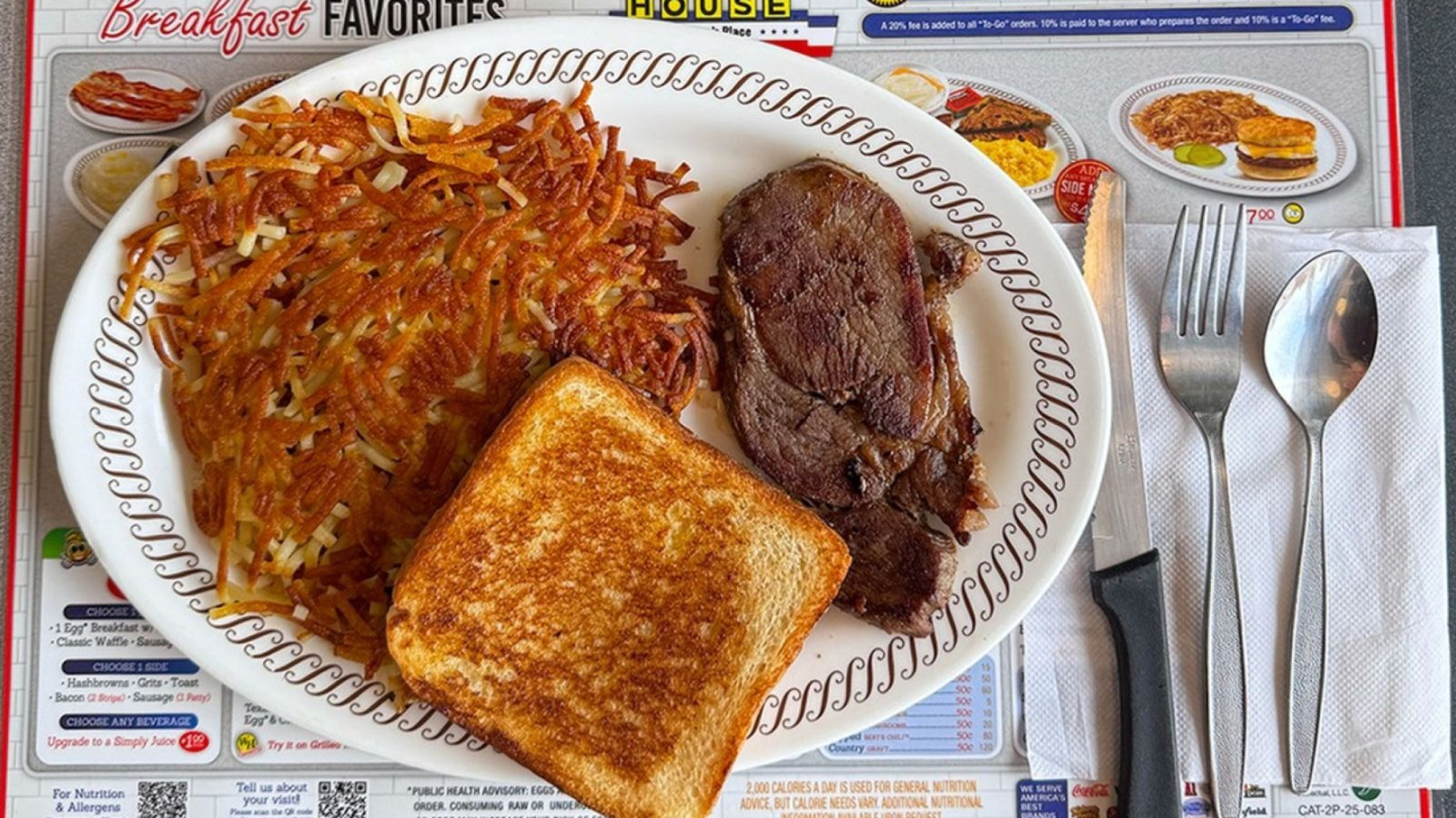
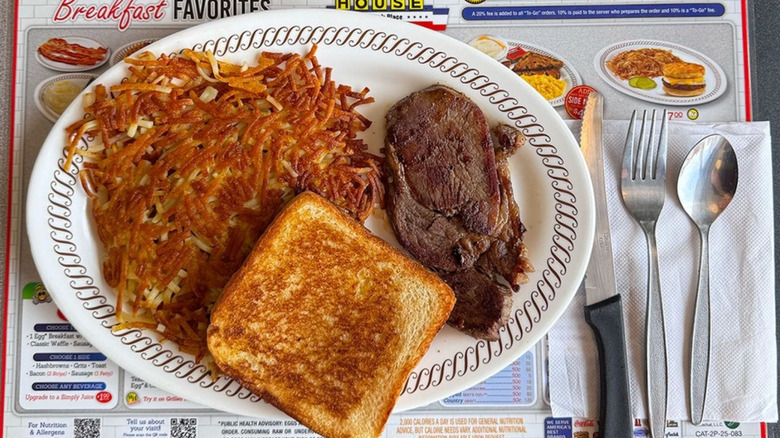
Every single steak that Waffle House serves, no matter what state you’re in, comes from this one supplier that’s headquartered up in Chicago.
Food Republic – Restaurants, Reviews, Recipes, Cooking Tips
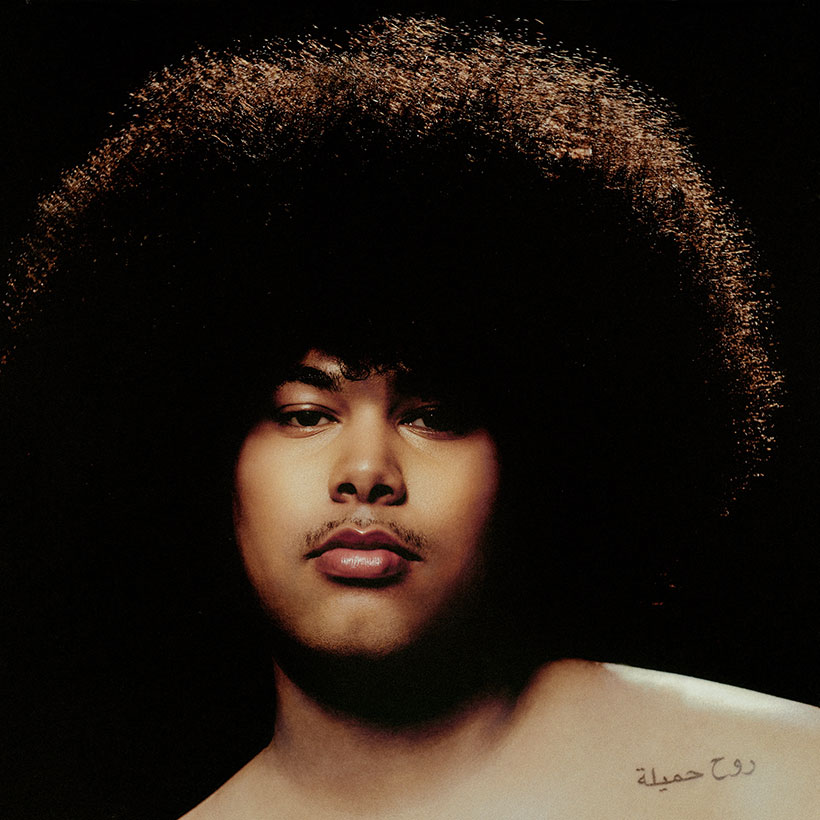
Sekou has returned with his new single “Dangerous Lover,” marking his first new release since last year’s In A World We Don’t Belong Pt. 1. The British singer-songwriter unveiled the track on April 3 as he builds momentum ahead of his upcoming UK and EU headline tour, which includes dates in Brussels, Amsterdam, Paris, Manchester, and London.
On “Dangerous Lover,” Sekou leans further into his R&B influences, shaping a sleek, modern record rooted in honesty and self-reflection. In a statement shared with the release, he described the song as an escape as well as a personal reckoning, explaining that he was focused less on perfection in the studio and more on truth. That perspective carries into the single itself, which arrives as another confident step forward in his evolution as both a vocalist and songwriter.

The new single follows the release of In A World We Don’t Belong Pt. 1, the five-track mixtape that showcased Sekou’s ability to blend familiar melodies with a fresh, contemporary edge. The project included highlights such as “Catching Bodies” and “Never Gunna Give You Up,” helping further establish his sound and deepen his connection with listeners. Next month, Sekou will bring that material and more to the stage when he launches his In A World We Don’t Belong UK and EU Tour. Demand for the run has already been strong, with additional dates added, and the itinerary includes a London stop at EartH Hackney on April 20.
Sekou has also stayed busy in recent months with a series of high-profile appearances and milestones. He played a pop-up show at London’s Rough Trade with Kevin Abstract, opened for Sam Smith during the To Be Free: San Francisco residency, and made his BBC Radio 1 Live Lounge debut with performances of “Catching Bodies” and Justin Bieber’s “Yukon.” He also earned his first MOBO Awards nomination for Best Newcomer.
Listen to “Dangerous Lover” here.
Discover more about the world’s greatest R&B artists | uDiscover Music

Reading Time: 3 minutes
Joseph Duggar was recently sprung from jail after his father, Jim Bob Duggar, shelled out $600,000 for his bail.
But before he was extradited to Florida and granted bail, Joe spent several days in the jail that once housed his older brother, Josh Duggar.
During his lockup, Joseph made several recorded phone calls, and he sent and received emails that have now been made public.
(Yeah, it’s sort of messed up, bur prisoners aren’t generally entitled to much privacy. Not that Joseph is entitled to any sympathy at the moment.)
The first email published by TMZ this week shows the accused child molester pitching woo to his wife, Kendra Duggar.
“Hopefully this finds you well. love you sweetie! <3 <3 <3 love you to the moon and back,” he wrote in his first message.
Kendra quickly fired back a brief response, writing, “I got your message! I love you!! Hang in there.”

“Great talking with you today! iI always love getting to hear your voice! Hope you have a wonderful grade filled day! and in Psalm 54 that’s the one I am praying over each of you and replacing the personal pronouns with your name!” Joseph replied, adding:
“That passage has brought me great comfort! All of the Psalms that have meant a lot to me are 8, 18, 54, 86, 91 119 and 139. Listen to them if you get a chance. Maybe in song form if needed;) love u so much! <3 <3 <3”
Psalm 54, in case you were wondering, has a lot of stuff about God smiting your enemies, which is apparently the kind of stuff that Joseph was thinking of while he was locked up.
Anyway, Joe also received messages of support from Austin Forsyth, the husband of his sister Joy-Anna Duggar.

“I want you to know that I love you! Jesus loves you, and continues to draw you closer to Him. I don’t want to discuss your issues over these communications,” Austin wrote, adding:
“You need to only be talking to your attorney. Please know that God works despite the sin of man for his good.
“I am praising God that we started getting closer to you guys within the last year and a half. He knew that Kendra was going to need help. We will, and are helping her!”
So while several Duggars have condemned Joseph’s actions, it’s clear that he’s still receiving a tremendous amount of support from his family.
He’s due back in court in Panama City Beach, Florida on April 20.
We will have further updates on this developing story as new information becomes available.
Joseph Duggar’s Prison Emails From Kendra, Austin Forsyth Revealed: ‘Jesus … was originally published on The Hollywood Gossip.
The Hollywood Gossip

Whiteness appears to be an official immigration credential in the eyes of the United States government.
The Trump administration in late 2025 slashed the annual cap on refugee admissions to 7,500 for budget year 2026, down from the 125,000 cap set in 2024 by the Biden administration. That’s a historic low that will shut out thousands of global refugees from war and persecution, such as the victims of Taliban repression in Afghanistan or the Rohingya minority in Myanmar facing documented mass violence.
The new refugee cap, however, will mostly benefit white South Africans, known as Afrikaners. The State Department is building infrastructure to process 4,500 refugee applications per month from Afrikaners, a pace that would easily exceed the administration’s global cap.
The Trump administration’s justification are claims of racial persecution.
Elon Musk, born in South Africa, posted on X in March 2025 that “there is a major political party in South Africa that is actively promoting white genocide.” President Donald Trump agreed. “They’re being killed,” he said in May 2025. Casting blame on the news media, he said, “It’s a genocide that’s taking place that you people don’t want to write about.”
Tucker Carlson had spent years on Fox News pushing the claim that white South Africans were being murdered en masse. Trump had apparently been listening. The white genocide claim moved from fringe websites to cable television to the Oval Office.
As a historian who has spent years studying how racial supremacy gets weaponized as policy, I’d say these claims are worth examining carefully. The numbers don’t support the claims.
Over a year in 2023-2024, AfriForum, an Afrikaner civil rights organization, recorded 49 murders of Afrikaners. That’s .2% of the 27,621 murders across the country. As the Institute for Security Studies in Pretoria concluded, “The idea of a ‘white genocide’ taking place in South Africa is completely false.”

White genocide is a contemporary rallying cry for a project that predates it by over a century: keeping English-speaking nations white. The claim persists because it’s useful. Claims of white genocide, partly rooted in the fear that nonwhite populations are growing while white ones are shrinking, has been a far-right organizing concept for decades. But that fear was called “replacement theory” well before that.
Afrikaner lobby groups have successfully embedded their cause within a transnational far-right network, projecting South Africa as a warning for the U.S. and Europe. The Afrikaner myth is supposed to be a warning: white people are already being crushed in South Africa, and the same fate awaits whites everywhere unless something is done.
This has a specific history, one I’ve traced in my latest book, “White Supremacy: A Short History.”
Some English-speaking settler colonies explicitly identified themselves as “white men’s countries.” And in the early 20th century they coordinated immigration restrictions to keep them that way through a succession of acts passed in Australia, Canada, New Zealand and the United States between 1901 and 1924.
These were pieces of a linked ideological network, as I trace in the book, with ideas and personnel circulating between countries that understood themselves as outposts of the same white civilization.
Australia passed immigration acts from 1901 onward that largely barred people from East Asia, Eastern Europe and the Pacific Islands. Attorney General Alfred Deakin justified the restrictions to Parliament in 1901 in the name of “the purity of race.”
In that same September 1901 debate, another member of the Australian House warned that Black political power in the United States offered a cautionary lesson: “The black people there have increased to such an extent, and have gained such power, that the jurists and statesmen there pause and look with fear upon them.”
Canada’s Immigration Act of 1910 gave the government authority to exclude “any race deemed unsuitable to the climate and requirements of Canada,” implementing what historians call the “White Canada” policy. The aim was to limit immigration to “healthy, white, preferably British or American agriculturalists.” By the early 1920s, most nonwhite people were categorically excluded.
New Zealand’s Immigration Restriction Amendment Act of 1920 required entry permits for anyone “not of British or Irish parentage,” establishing what contemporaries called a “white New Zealand” policy.
The United States passed its own Immigration Act in 1924 to preserve what its proponents called an “unadulterated” and “Nordic breed,” restricting immigration from southern and eastern Europe and barring most Asians entirely.

South Africa was part of this network. The career of one eugenicist, who promoted the theory that humans can be improved through selective breeding of populations, shows how it worked.
Harold Fantham, who lived from 1876 to 1937, was educated in London, taught zoology at Cambridge, then moved to South Africa in 1917. There, he took a leading role in promoting racial immigration restrictions, arguing in the South African Journal of Science in 1924 that the goal was “safeguarding our nation from racial deterioration.”
He praised the U.S.’s 1924 act for barring “idiots, feeble-minded, paupers,” and admired Germany’s compulsory sterilization laws. He became president of the South African Association for the Advancement of Science. Fantham bore his ideas across the English-speaking world, picking up American and German models along the way.
Behind all these restrictions was a shared fear: that growing numbers of nonwhite people would overwhelm white populations. Eugenicists imagined a race to make babies that whites were losing. They believed democracy itself was a liability, because more nonwhite immigrants could mean more nonwhite votes.
Woodrow Wilson, who resegregated the federal civil service after taking office in 1913, agreed. His intellectual framework was plain. As he wrote in The Atlantic in 1889, only “races purged of barbaric passions” could be entrusted with self-governance.
The Afrikaner program reactivates this logic. It treats whiteness as a refugee status and frames a former colonial ruling class as victims. It sits alongside a deportation campaign targeting people the president says are “poisoning the blood of our country.”
The countries that coordinated a century ago to build white nations are doing the same work again, with the same tools.
The majority of people suffering violence in South Africa are Black South Africans. They are not invited to the United States as refugees.
And while the Trump administration builds a race-based welcome for white South Africans, it’s also building a race-based enforcement apparatus.
In September 2025, in a 6-3 decision, the Supreme Court ruled in Noem v. Vasquez Perdomo that federal agents could use “apparent race or ethnicity” as a factor when stopping people to check their immigration status. Critics call the resulting detentions “Kavanaugh stops,” after Brett Kavanaugh, the justice who wrote the concurrence.
As justice Sonia Sotomayor put it in dissent, “We should not have to live in a country where the Government can seize anyone who looks Latino, speaks Spanish, and appears to work a low wage job.”
Whiteness is functioning as a credential on the streets of American cities. And white skin qualifies Afrikaners for expedited entry. Darker skin qualifies you for a stop.

John Broich does not work for, consult, own shares in or receive funding from any company or organization that would benefit from this article, and has disclosed no relevant affiliations beyond their academic appointment.
Politics + Society – The Conversation
A crowd gathered along the waterfront in New York City in the summer of 1776. The scene they witnessed was terrifying.
The largest expeditionary force in British history sailed into the American harbor. Over 300 ships brought 32,000 professional soldiers and Hessian mercenaries to crush a rebellion.
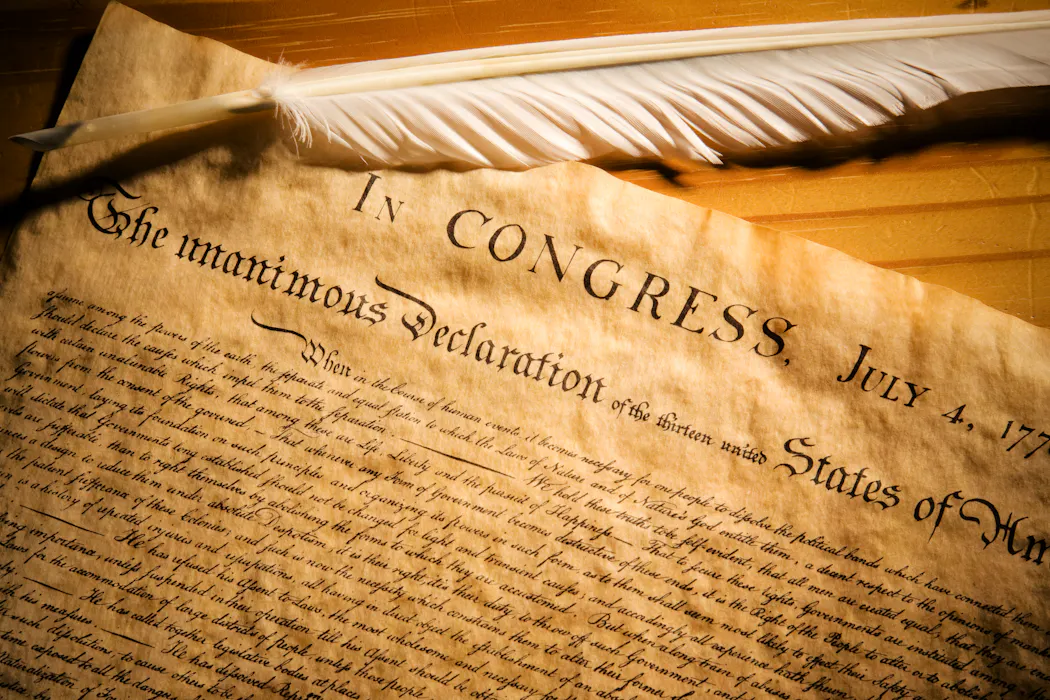
Nearby, Gen. George Washington’s army gathered to hear their commander read a document that would forever change the nature of their fight: the Declaration of Independence.
And contrary to how Americans now think of that document – as an inspiring declaration that detailed the grievances of Colonists against the British king and announced their independence from Great Britain – what Washington read to his army was also something else.
The Declaration of Independence was America’s first formal declaration of war. It planted a symbolic flag for Patriots to rally around. It transformed illegitimate rebels without hope of foreign aid into state-sponsored freedom fighters eligible for military alliances.
This foundational American text wasn’t just a philosophical breakup letter but a strategic move to secure vital support for the American war effort. America’s first declaration of war was a high-stakes geopolitical gamble essential to achieving independence.

As I and other military historians show in our forthcoming collection of essays, “America’s First War: The Military History of the Declaration of Independence,” the declaration was written within the confines of 18th-century legal standards that strictly governed diplomacy and warfare.
Thomas Jefferson, the foremost writer of the declaration, relied heavily on the Swiss jurist Emer de Vattel’s 1758 treatise “The Law of Nations.” Vattel stressed the fact that in the eyes of European courts, providing aid to rebels was a violation of sovereignty and a dangerous precedent.
Vattel argued that for foreign powers to intervene legally in conflicts, the oppressed party had to formally declare its independence and assume the status of a state. Jefferson kept Vattel’s treatise open while he was working on the Declaration of Independence to ensure he used the specific terminology required to transform the American rebellion into a just war.
By framing independence as “necessary,” Jefferson was not just waxing philosophical. He was satisfying the legal requirement set out by Vattel that all peaceful avenues for reconciliation had been exhausted, which justified war to the “Powers of the Earth.”
A formal declaration of war, approved by Congress, increased support for the American military here at home. It rallied a divided and wary population. Even as late as 1776, there were Americans who remained fence-sitters, uncertain about the risks of a total break with the British Empire.
The declaration functioned as a public rallying flag that allowed Americans to identify themselves as a legitimate, unified group. Like Thomas Paine’s widely read pamphlet “Common Sense,” the declaration educated the uncommitted on the inescapable necessity of breaking away from the British Empire:
“We hold these truths to be self-evident,” the declaration reads, “that all men are created equal, that they are endowed by their Creator with certain unalienable Rights, that among these are Life, Liberty and the pursuit of Happiness.–That to secure these rights, Governments are instituted among Men, deriving their just powers from the consent of the governed, –That whenever any Form of Government becomes destructive of these ends, it is the Right of the People to alter or to abolish it, and to institute new Government, laying its foundation on such principles and organizing its powers in such form, as to them shall seem most likely to effect their Safety and Happiness.”
By framing the fight in the universal language of the preamble, Jefferson sought to inspire and unite disparate Americans through a shared vision of a better life.
In doing so, he helped transform localized resistance movements into a collective national mission. In the words of the declaration, “But when a long train of abuses and usurpations, pursuing invariably the same Object evinces a design to reduce them under absolute Despotism, it is their right, it is their duty, to throw off such Government, and to provide new Guards for their future security.”

This psychological shift was especially critical for the rank-and-file soldiers in the Continental Army.
That’s why, on July 9, 1776, Washington ordered the declaration to be read to his troops in New York. His aim: to provide a fresh incentive for the coming struggle.
This public address was intended to transform the nature of their service. They were no longer disloyal subjects in rebellion against a legitimate sovereign, but soldiers of a new nation defending their own homeland. Through Jefferson’s words and Washington’s address, the declaration fueled enthusiasm for a new political system and rededicated America’s soldiers to a cause that was not yet won.
Washington told the troops he hoped “this important Event will serve as a fresh incentive to every officer, and soldier, to act with Fidelity and Courage, as knowing that now the peace and safety of his Country depends (under God) solely on the success of our arms.”
America’s first declaration of war bolstered troop morale at a pivotal point in the conflict. The Continental Army was going to square off against the largest expeditionary force in British history in the summer of 1776. And Washington’s troops consisted of approximately 19,000 militiamen.
The British army had the British navy. Washington had only minimal naval support. The arrival of the first waves of Hessian mercenaries, auxiliaries for Britain, in July 1776 only deepened American resolve to seek out their own foreign military allies.
The declaration helped bring about much-needed support for the American war effort among foreign governments.
The primary strategic target of the declaration was the Bourbon monarchies of France and Spain, Britain’s chief rivals. The Continental Congress understood that the fledgling United States could not withstand British military might without receiving overseas shipments of gold and gunpowder, in addition to warships, sailors and soldiers.

Silas Deane, the Americans’ first secret envoy, arrived in Paris in July 1776 with instructions to procure equipment for an army of 30,000 men and to inquire about a formal alliance once independence was declared.
Working with the French playwright Pierre-Augustin Caron de Beaumarchais, Deane established the shell company Roderigue Hortalez and Co. to funnel secret aid from the French government to America. This clandestine supply chain eventually provided thousands of muskets, field artillery and millions of pounds of gunpowder that made possible the 1777 victory at Saratoga and France’s subsequent formal alliance.
While France provided the bulk of the naval support, Spain’s role was equally critical to the American war effort.
Following the declaration, the Continental Congress intensified its appeals to Spain. Bernardo de Gálvez, the governor of Spanish Louisiana, became a central figure in this secret war. Even before Spain formally entered the war in 1779, Gálvez channeled over $70,000 worth of medicine, weapons and uniforms up the Mississippi River to Pittsburgh and Philadelphia. This southern lifeline kept the American war effort viable in the Western theater and forced the British to maintain a defensive posture on multiple fronts.
Reframing the declaration as a strategic war measure highlights the Founding Fathers’ sophisticated understanding of power.
They recognized that each individual’s “unalienable rights” were a fantasy without the “full Power to levy War, conclude Peace, [and] contract Alliances.” Jefferson and the members of Congress understood that American freedom required support for the war effort at home and abroad.
By transforming a localized insurrection into a state-sponsored homeland defense and an international conflict, the declaration ensured that the American Revolution would not be a mere sound of one hand clapping, but a successful geopolitical struggle that brought about independence.

Christopher Magra does not work for, consult, own shares in or receive funding from any company or organization that would benefit from this article, and has disclosed no relevant affiliations beyond their academic appointment.
Politics + Society – The Conversation