If you’ve been a fan of Luke’s for a while, this will make you feel pretty dang old. Continue reading…Country Music News – Taste of Country








If you’ve been a fan of Luke’s for a while, this will make you feel pretty dang old. Continue reading…Country Music News – Taste of Country
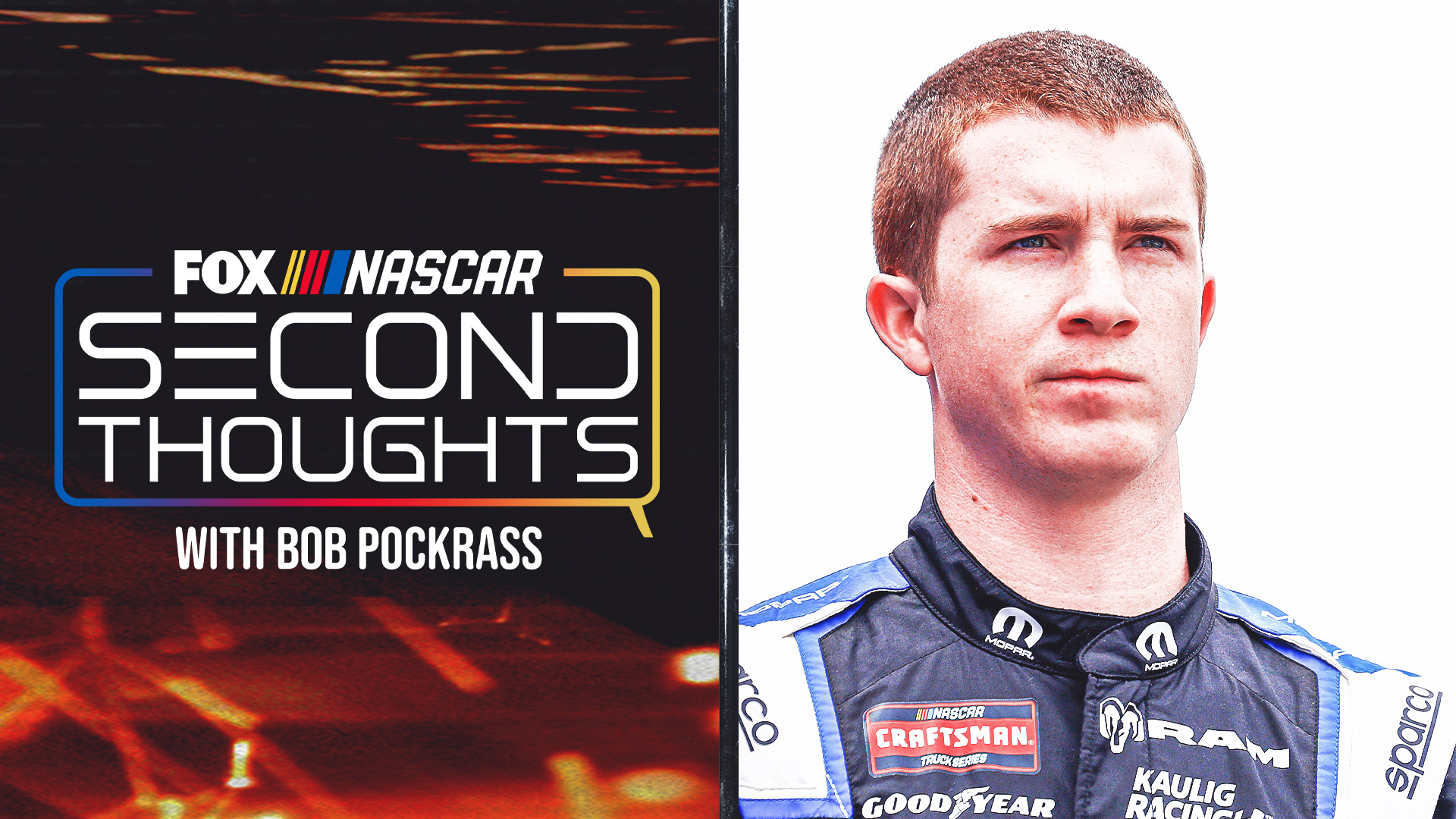
The Daniel Dye suspension shows, once again, that NASCAR drivers need to be aware of what they say on social media, how their actions and words can be harmful and that NASCAR is willing to act when it determines a line has been crossed. As Dye was going through trading cars with fellow driver Brent Crews while watching an INDYCAR telecast on the streaming platform Whatnot, Dye mocked the voice of INDYCAR driver David Malukas. Dye, a driver for Kaulig Racing in the truck series, made inferences about Malukas’ sexuality, apparently not rooted in fact, and raised his voice octaves, seemingly mocking stereotypes of gay men. The stream took place Monday night, and after a clip appeared online Tuesday, NASCAR and Kaulig Racing both announced indefinite suspensions of Dye by the early evening. NASCAR will require Dye to undergo sensitivity training, which is tailored to the individual and does not have a specific length. NASCAR’s code of conduct rules include the following: “NASCAR Members shall not make or cause to be made a public statement or communication that criticizes, ridicules, or otherwise disparages another person based upon that person’s race, color, creed, national origin, gender, sexual orientation, marital status, religion, age, or handicapping condition.” Dye posted a lengthy statement on social media, apologizing to Malukas, a driver now for Team Penske who finished second in the Indianapolis 500 last year driving for A.J. Foyt Racing. “I chose my words poorly, and I understand why it upset people,” Dye said in his statement. “I’m sorry to anyone who was offended. … I didn’t think enough before I spoke, and in no way meant any harm. “I know that intention does not erase impact and I need to do better.” The damage Dye has done to his career remains to be seen. Dye was 13th in the series standings after three races, not great but on par with teammates Butterbean Queen and Justin Haley. When Dye returns after completing the sensitivity training likely will be up to Kaulig — and more than likely up to Ram, which sponsors the five-car Kaulig operation as part of the manufacturer’s entry into the series this year. He likely will get another chance — virtually everyone suspended under this policy has returned to the sport — whether that is at Kaulig or with another team. Dye vowed that he is “taking meaning steps to ensure my actions reflect respect and inclusivity going forward.” NASCAR will need to make sure that he is sincere. That is why the sensitivity training is tailored to the individual and how they respond to the assignments. As the saying goes, there is freedom of speech, but that doesn’t mean freedom from consequences — and is specifically about government infringement. NASCAR (and the teams and the companies that sponsor them) rely on the drivers to help build their brands. Actions and words matter. Daniel Dye just learned that the hard way.Latest Sports News from FOX Sports
Reading Time: 2 minutes
We have tragic news to report from the world of social media.
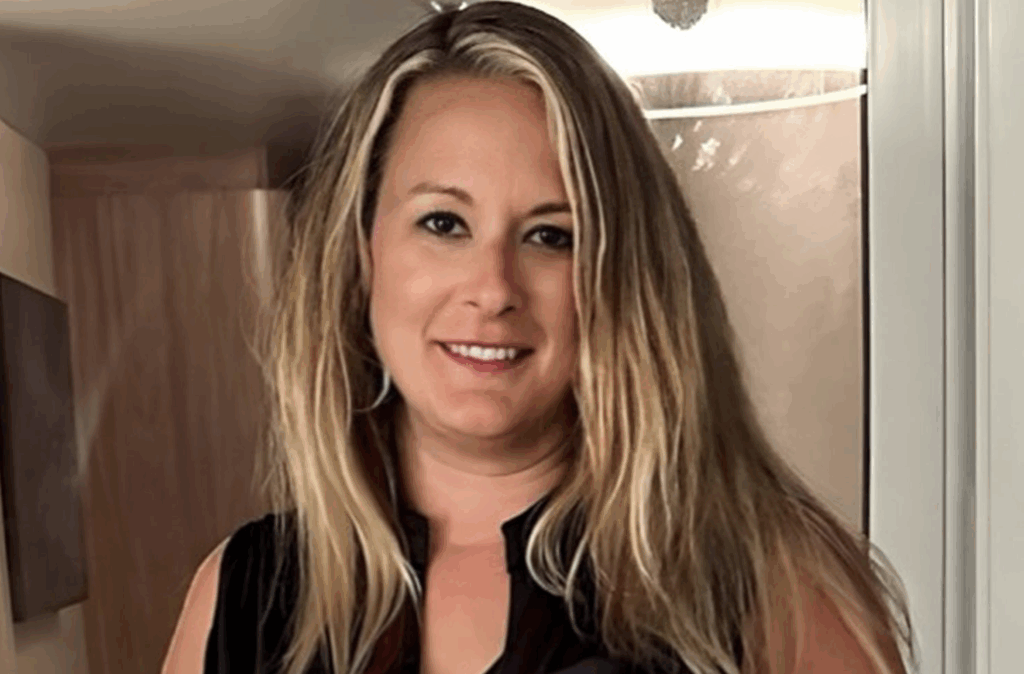
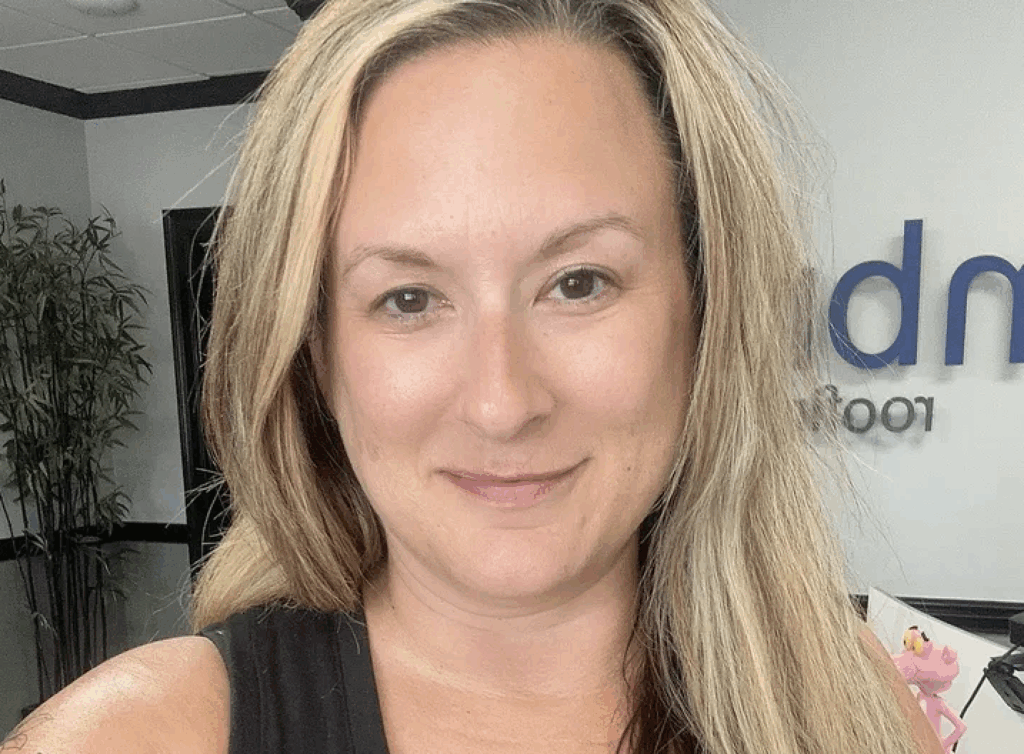
Rachel Tussey — the beloved TikTok star who gained fame with her “midlifeunmuted” account — has passed away.
She was just 47 years old.
News of Rachel’s death comes courtesy of an announcement from her grieving widower, Jeremy Tussey.
On March 3, Jeremy took to his wife’s page to reveal that she had been left brain dead after being deprived of oxygen during surgery.
Rachel had previously informed her followers that she would soon be undergoing a tummy tuck as part of her larger “mommy makeover” image overhaul.
“She was without oxygen for over six minutes,” Jeremy said in the March 3 video. “I was told last night that she’s brain dead.”
The procedure went horribly awry, and Jeremy now claims that his wife was a victim of medical malpractice.
Rachel’s loved ones offered additional information on a GoFundMe page that was set up to help the family cover medical expenses.
“On Wednesday, February 25th, Rachel underwent a surgery that tragically resulted in an unfortunate situation of medical neglect. Following the procedure, she suffered severe brain damage after extended loss of oxygen and was placed on a ventilator under sedation,” Jeremy wrote, adding:
“Rachel fought bravely with her family by her side, but the extent of the damage left her with very minimal brain activity.
“On March 5th, her husband Jeremy faced the unimaginable and heartbreaking decision to remove her from life support.”
The surgeon who performed the procedure, Dr. Shahryar Tork, has offered his condolences to the Tusseys in a statement issued to TMZ.
“I am heartbroken for Rachel Tussey and her family. My thoughts remain with her loved ones during this devastating time. Like them, I am struggling to understand how this could have occurred,” he said, adding:
“Rachel’s surgery was completed successfully and without complications. When I last saw her in the recovery room as she prepared for her planned overnight stay, she was awake and in excellent condition with her husband by her side.
“Out of respect for Rachel and her family, and due to patient privacy laws, I will not comment further.”
“On February 25th, Rachel Tussey suffered a permanent anoxic brain injury, from which she will never recover, after undergoing a surgical procedure at a private surgical center in Cincinnati, Ohio,” says Bernard Layne, an attorney retained by the Tussey family.
“I have been retained to represent the Tussey family and to conduct a full and thorough investigation surrounding the facts and circumstances of this tragedy,” Layne continued.
Our thoughts and prayers go out to Rachel’s loved ones during this incredibly difficult time.
We will have further updates on this developing story as new information becomes available.
Rachel Tussey Cause of Death: TikTok Star Passes Away at 47 Following ‘Mommy … was originally published on The Hollywood Gossip.
The Hollywood Gossip

Easter is celebrated around the globe in many different cultures and forms. These traditional Easter dishes from around the globe are just delicious.

Food Republic – Restaurants, Reviews, Recipes, Cooking Tips
Reading Time: 4 minutes
The latest round of Dirty Rotten Scandals exposure delves into the world of The Price Is Right.
No, the wholesome daytime game show doesn’t seem like a scandal-ridden house of horrors.
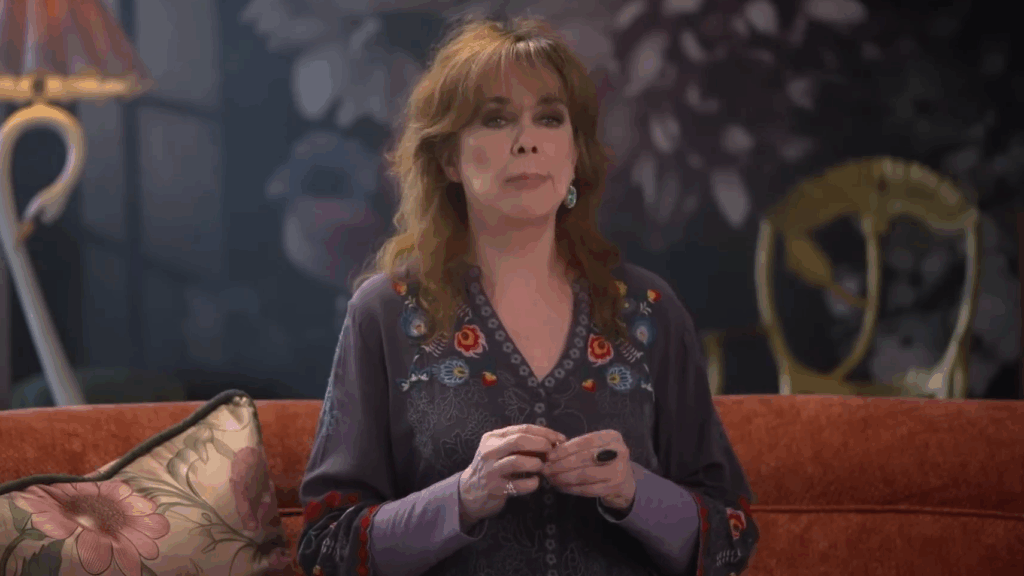
But model Holley Hallstrom, who spent nearly 20 years on the show, was left shaken by her experience — and by her firing.
She says that the shocking weight gain story behind her firing — which Bob Barker denied — was only a cover story.
From 1977 until 1995, Hallstrom appeared as one of “Barker’s Beauties” on The Price Is Right.
She says that her firing in 1995 was blamed on weight gain caused by medication.
That is horrible — but, sadly, she says that it was the cover story, not the actual scandal.
In the new episode of E!’s docuseries, Dirty Rotten Scandals, Hallstrom explains why she really left the show.
She says that it was retaliation — related to fellow model Dian Parkinson’s sexual harassment lawsuit against Barker.
In 1994, Parkinson filed a suit against Barker, accusing him of asking her to perform oral sex upon him.
She explained that she only agreed to the sex act because she feared losing her job.
Hallstrom had already faced issues — like pressure to get breast implants when she was first hired.
But the tension on set grew worse after Barker, with his wholesome family image, faced these sexual misconduct allegations.
“When Dian filed her suit, oh boy, that was the beginning of when everything got really bad,” Hallstrom said, according to Fox News Digital.
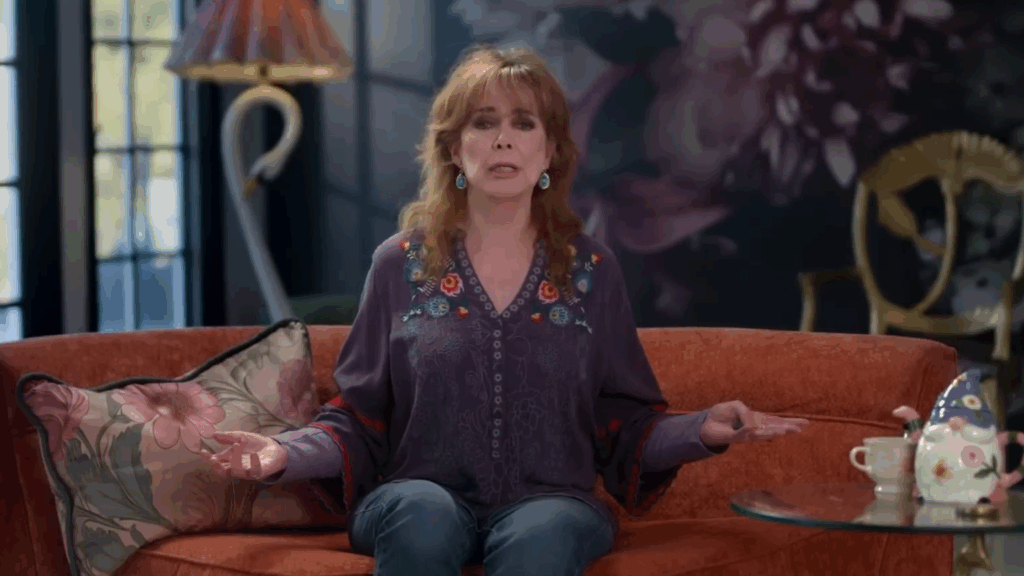
“I didn’t want to be involved in it at all,” Hallstrom emphasized. “Barker wanted us to go on all these talk shows and say he was the victim and that Dian was lying.”
She explained: “I didn’t participate because I didn’t want to, and I thought it was tacky.”
Hallstrom added: “And also because I could not honestly say, ‘Oh yes, Dian is lying,’ or ‘Oh no, Dian is not lying.’ I was not present for those conversations.”
She shared: “I just avoided doing all of Bob’s PR tour. Finally, I was told I would be appearing on ‘The Suzanne Somers Show,’ period. And I did.”
Hallstrom recalled: “Of course, all they wanted was for me to say that Dian was lying. When Suzanne asked me if I thought Dian was lying, I just babbled some answer, and that was that.” But the story did not end there.
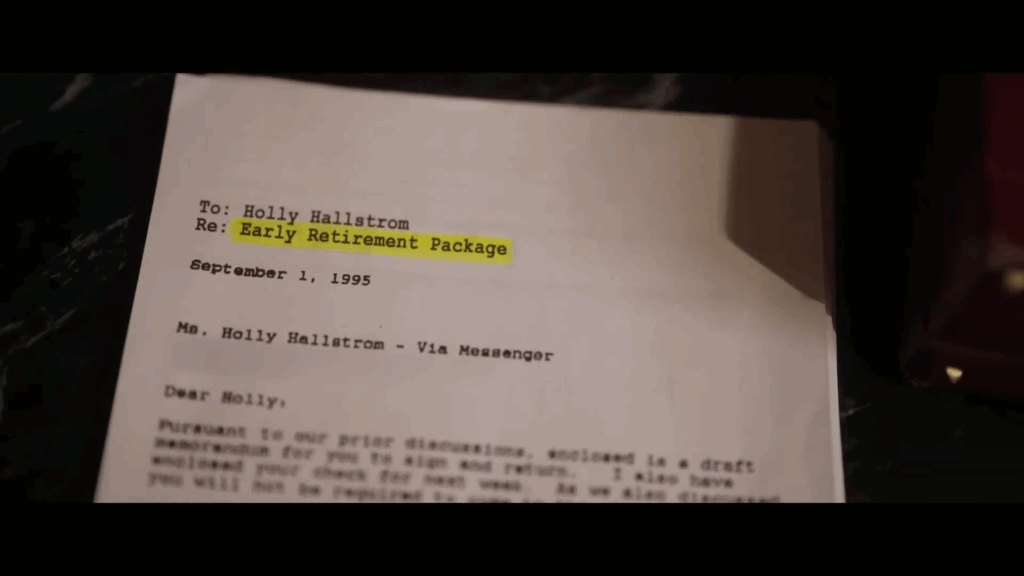
“But then that week, I read in the tabloids, ‘Holly says, ‘Dian is lying.’ I never said that,” Hallstrom described.
“I called the tabloid and demanded a retraction,” she shared. “They printed a retraction.”
Hallstrom continued grimly: “But that was the beginning of the big rift between Bob and me. That’s when I got on his s–t list.”
In 1995, Parkinson dropped her lawsuit, citing that it was emotionally and financially draining. Barker, who insisted that any sexual relationship had been consensual, took a victory lap.
“Barker went all over television saying, ‘Her case was dismissed, and I’m totally vindicated,’” Hallstrom described. “I said, ‘That’s not true.’”
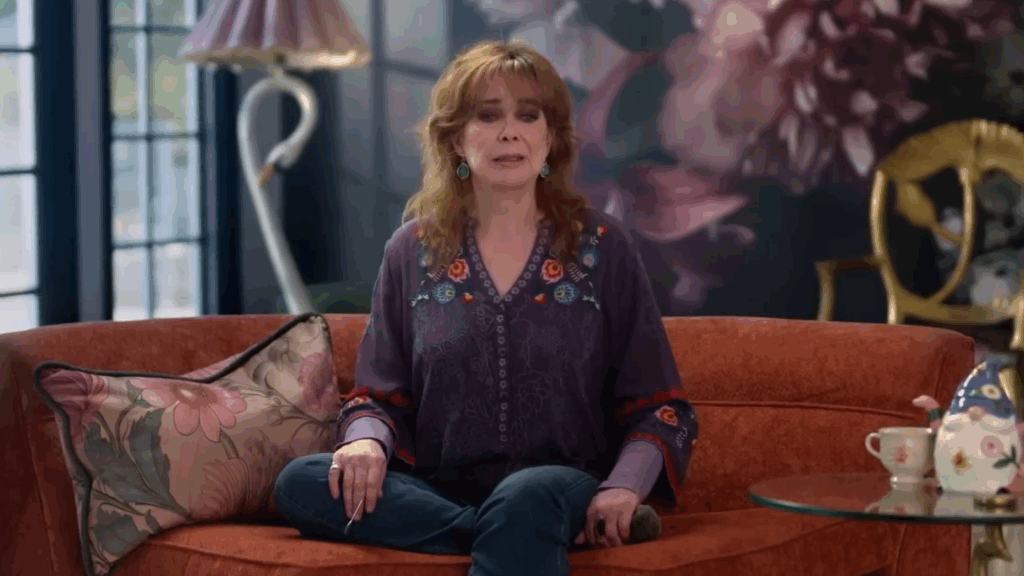
“I would not comment on that. I did not participate in those interviews,” Hallstrom shared. “I would not change my testimony to suit Barker. That’s when I was told my weight was a problem. I was off the show.”
“That was, well, probably the worst thing in my life at that point that had ever happened,” she went on. “It only got worse from there.”
What followed was a nearly decade-long legal battle, in which Barker sued her for defamation. According to Hallstrom, she turned down lucrative settlement offers because she did not want to surrender her right to speak on the topic.
“As soon as I said I was fired because of my weight, for the first time in his career, Bob Barker was bombarded with hate mail,” Hallstrom reported. “They would bring boxes, bags of letters to the network by the truckload.”
This chilling story of power and allegations plays out in more detail on Dirty Rotten Scandals: The Price Is Right, starting on March 18.
Holly Hallstrom Says ‘The Price Is Right’ Firing Was Retaliation; Weight Gain … was originally published on The Hollywood Gossip.
The Hollywood Gossip

Every major escalation in the Middle East sends shock waves far beyond the region. In the United States, those shock waves arrive not as distant tremors but as catalysts for domestic radicalization and violence, particularly against Jewish communities.
The data is unambiguous.
Following the Hamas attack on Israel on Oct. 7, 2023, which led to the deaths of more than 1,200 Israelis and taking of more than 200 hostages, Israel’s military responded in a campaign that intensified the following year, killing more than 70,000 Gazans.
At the same time, in 2024 the Anti-Defamation League recorded 9,354 antisemitic incidents in the U.S. – averaging more than 25 acts per day – the highest figure in the audit’s 46-year history.
FBI hate-crime statistics documented 1,938 anti-Jewish offenses in 2024, constituting 69% of all religion-based hate crimes. Jews comprise roughly 2% of the population.
The Secure Community Network, which provides Jewish communities in North America security services, tracked over 10,000 threat incidents and suspicious-activity reports since Oct. 7, 2023, including more than 500 credible threats to life in 2024.
Research shows similar trends following past military escalations in the Middle East.
Geopolitical violence abroad translates, with alarming efficiency, into homegrown threats in the U.S. and Canada. For the first time in the ADL audit’s history, a majority of incidents in 2024, 58%, contained elements explicitly related to Israel or Zionism. As someone who has studied domestic terrorism and hate for over 20 years, such dynamics are not surprising. They illustrate what my own research and that of others calls “imported conflict.”
The recent attacks against Jewish targets in Toronto, Michigan and possibly the one in San Jose underscore that the threat is neither abstract nor hypothetical.

Foreign conflict can become domestic violence via multiple pathways.
Left-wing extremists, Jihadi-inspired militants and far-right white supremacists occupy distinct spaces along the ideological spectrum, yet they converge on a shared target: Jews.
Each escalatory cycle in the Middle East energizes their exposure to and gradual adoption of extremist views. Online ecosystems accelerate the process dramatically.
Encrypted Telegram channels circulate operational guidance from jihadist media wings within hours of a Middle East strike, encouraging attacks against Jews wherever they can be found. On platforms like 4chan and Gab, white-supremacist accelerationists seize on the same events to amplify “great replacement” narratives casting Jews as orchestrators of unwanted demographic change.
Meanwhile, TikTok and Instagram accounts repackage eliminationist slogans, advocating the end of the state of Israel – “from the river to the sea,” “glory to the resistance” – as mainstream progressive content, reaching millions of young users whose algorithmic feeds reward outrage over nuance.
What once required years of indoctrination within a closed network can now unfold in weeks of passive scrolling.
On university campuses, the atmosphere has grown particularly volatile. Campus Jewish organization Hillel International documented 2,334 antisemitic incidents during the 2024–25 academic year, the highest since tracking began.
These confrontations involve physical intimidation, exclusion from student organizations and what the organization describes as the normalization of eliminationist language cloaked in social justice vocabulary.
To understand the increasing ease with which geopolitical violence abroad turns into antisemitic violence in the U.S. requires understanding the ideological developments in recent progressive thinking.
One observation that our research demonstrates is that today’s antisemitism may not come from the political fringes but from within progressive movements themselves. Much of progressive ideological frameworks tend to divide the world into oppressors and oppressed. Because Jews are often seen as white, wealthy and well connected, they can get placed on the oppressor side of that line.
Intersectionality – a concept originally designed to show how different forms of disadvantage overlap – is now regularly used to justify shutting Jews out of progressive coalitions and solidarity campaigns.
According to ADL survey data, Americans who agreed with the belief that problems in the world “come down to the oppressor vs. the oppressed” were 2.6 times more likely to hold negative or stereotypical views about Jewish people compared to those who disagreed with the statement.
I believe this is not a fringe problem. Among some parts of the intellectual and cultural elite, such as parts of academia, nonprofits and political parties, hostility toward Jews has become more apparent, with some suggesting that Jews simply do not deserve the same moral sympathy extended to other minorities. In some of these circles, if you do not accept that Jewish collective life is inherently oppressive, you are labeled a bad progressive and exiled.
A coalition of progressive California Democratic delegates pushed a resolution that opponents described as a Zionism “litmus test,” effectively requiring that delegates reject Zionism to be considered legitimate progressives. The D.C. chapter of the Sunrise Movement, an influential progressive climate group, boycotted a voting rights rally because of “the participation of a number of Zionist organizations.”
Such dynamics reflect that there is little room in this framework for the complexity of Jewish history, people who have been both persecuted and resilient.
Furthermore, they can facilitate the rebranding of antisemitism as anti-racism. Some writers have noted that attacking Jewish influence can become a moral duty rather than a bigoted act. Antisemitism is renovated with concepts such as equity, decolonization and liberation, despite promoting the same traditional antisemitic tropes.

I assert that multiple ideological movements targeting Jews reflect a deeper structural alignment between political Islam and segments of the progressive left.
Superficially, the two camps could hardly appear more different. Contemporary left-wing activism champions LGBTQ rights, environmentalism, social and economic equality, human rights and government transparency. Radical Islamist movements reject most of these commitments outright.
Beneath these contradictions appears to exist a shared ideological architecture powerful enough to sustain cooperation: anti-globalization, anti-imperialism, rejection of the Western nation-state, the primacy of collective identity over individual rights, a revolutionary vision and, most critically, a common set of enemies.
This alliance is visible in the protest movements that have erupted on American streets and campuses since the attacks of Oct. 7, 2023. Marches under the banner of Palestinian liberation routinely feature Islamist slogans such as “From the water to the water, Palestine is Arab” alongside progressive placards, or Hezbollah iconography beside “Queers for Palestine” signs. What binds this coalition is opposition to Israel, to American power, and, increasingly, to Jews as symbols of both.
For domestic security, this Red-Green alliance matters because it creates a shared radicalization experience in which grievances originating in very different worldviews are fused into a single call to action.
And as a scholar of political violence and extremism, I believe that when a progressive activist and an Islamist militant attend the same rally, share the same social media space and chant the same slogans, the boundary between political protest and operational violence becomes dangerously thin. Consider two recent cases.
In May 2025, Elias Rodriguez − steeped in anti-Zionist rhetoric and whom the ADL has called a far-left activist − shot and killed Yaron Lischinsky and Sarah Milgrim, two young Israeli Embassy staffers, outside the Capital Jewish Museum in Washington, D.C., pulling out a keffiyeh and chanting “Free Palestine” as he was subdued. Weeks later in Boulder, Colorado, Mohamed Sabry Soliman, allegedly yelling “Free Palestine,” hurled Molotov cocktails at a weekly vigil for hostages held by Hamas, killing 82-year-old Karen Diamond.
These attackers occupied different positions on the spectrum between ideological radicalism and organized militancy, but they drew from the same well of dehumanizing language that circulates freely in spaces where political protest and incitement to violence have become indistinguishable.
The structures governing how security agencies carry out their work in the U.S. are inadequate to this challenge.
Counterterrorism agencies seem to continue to treat Islamist militancy, far-right extremism and far-left radicalism as separate, unrelated threats. But the examples above point in a different direction: Ideologically distinct movements are converging on the same target − Jewish communities.
Meanwhile, civil rights agencies and nonprofit advocacy groups struggle to name progressive antisemitism for what it is, caught between legitimate commitments to anti-racism and the uncomfortable recognition that some anti-racist discourse has itself become bigotry.
Addressing the feedback loop between Middle East escalation and domestic antisemitic violence requires an honest reckoning with all of its sources – not only the familiar threats from jihadist networks and white supremacist cells, but also the ideological currents within progressive spaces that make hatred of Jews newly respectable.
Until policymakers, educators and leaders of civil society confront this threat’s full topology, Jewish Americans will continue to face a reality in which more than half report experiencing antisemitism in the past year and nearly half doubt that their neighbors would stand with them if the worst were to come.

Arie Perliger receives funding from Federal grants affiliated with DHS and DOJ.
Politics + Society – The Conversation

A cheese favorite is causing quite a stir, with E. coli making its way into kitchens across the country. Stay tuned for the details. Continue reading…The Boot – Country Music News, Music Videos and Songs
A cheese favorite is causing quite a stir, with E. coli making its way into kitchens across the country. Stay tuned for the details. Continue reading…Country Music News – Taste of Country
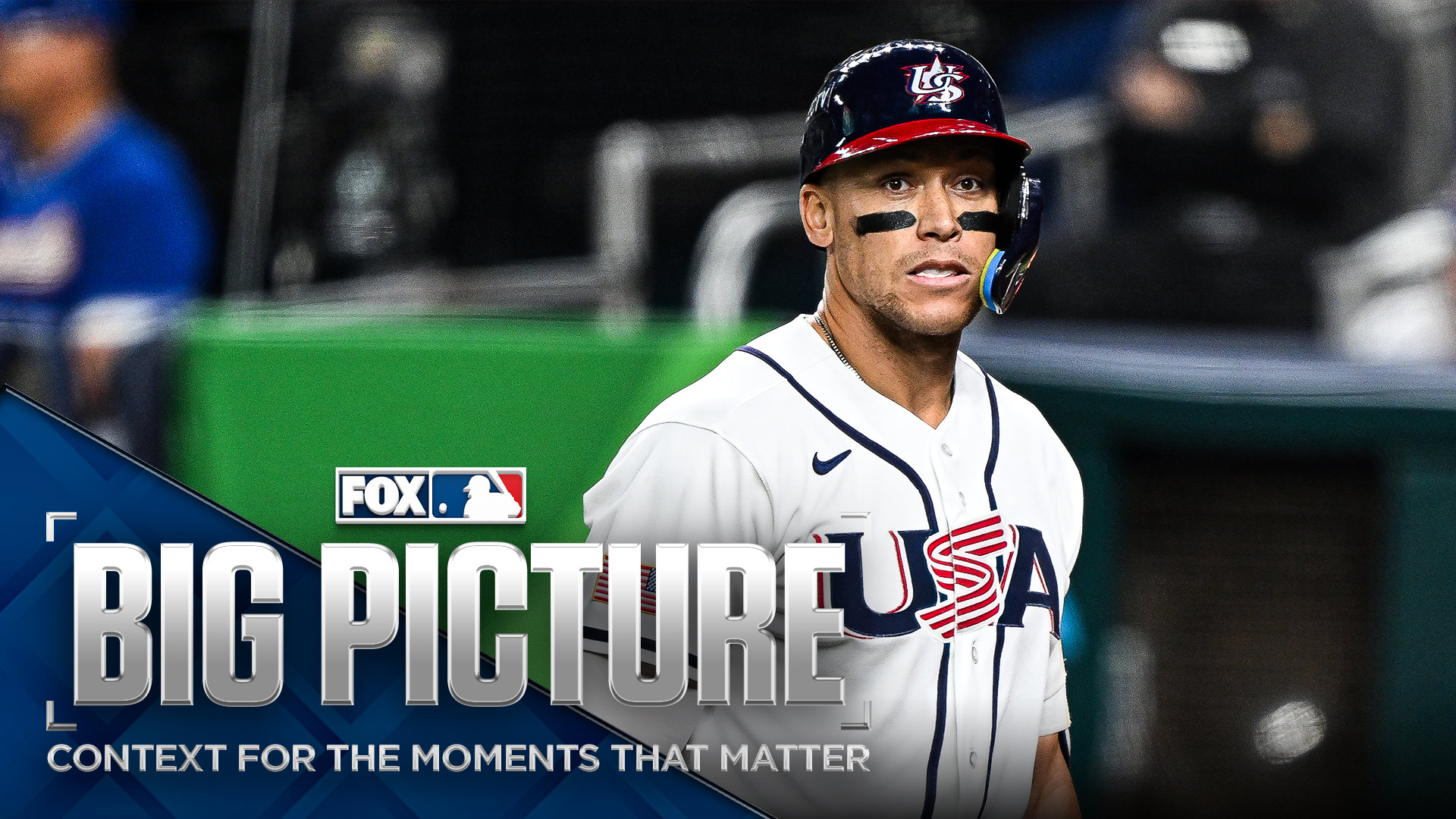
LoanDepot Park (Miami) – Team USA players stood on the top step of the dugout with their arms thrown over the railing in defeat. They were motionless as they watched a sea of Venezuelan players in royal blue jerseys dogpile on the field at the home of the Miami Marlins and celebrate their 3-2 win and first World Baseball Classic title. Luis Arraez wore a Venezuelan flag draped over his shoulders and could not stop crying. Eugenio Suarez dropped to his knees, raised his arms and looked up at the sky. Daniel Palencia tossed his glove in the air, pounded his chest and fell down in disbelief. During Tuesday’s post-game medal ceremony on the very same field in which Team USA lost the 2023 final to Japan, a dejected Schwarber was among several USA players who quickly removed their silver medals that were handed out by MLB commissioner Rob Manfred.A bitter end to what should have been a sweet finish for the strongest USA squad ever assembled.It was nearly two hours after the game before Team USA players emerged from their clubhouse. Reporters and stadium staff mulled and waited around the tunnel, waiting to hear from the disappointed players.”It hurts,” Schwarber said in a low voice when he emerged from the clubhouse. “You expect to win a baseball game when you walk out of the room. That’s just how you operate. Not to have that happen, it hurts. But give credit to Venezuela. Tip your cap to them. They played a great ballgame today. There are no ifs, ands, or buts. They beat us, and they deserved it.” The scenes of unbridled elation in front of a raucous crowd on Tuesday night were supposed to be covered in red, white and blue. The national anthem that blared from the stadium speakers was supposed to be the Star-Spangled Banner. That was how Team USA envisioned this would all go when it came together and rostered the most star-studded club this tournament had ever seen. There were multi-time MVPs and Cy Young winners. There were future Hall of Famers. There were more All-Stars on Team USA than any other country in the 20-team tournament. It was a dream team. The absurd level of talent on the American roster should’ve been enough to win the WBC title for the first time since 2017. “Hats off to Venezuela for playing a great ballgame and coming away with the win,” Judge said, emerging from the clubhouse nearly two hours after the final out. “But obviously disappointed. We came here, all of us put on this uniform, signed up to go out there and get a gold medal. We fell short of that.” They fell short because the biggest bats went quiet when it mattered most. In the championship game, the USA lineup went 3-for-30 and struck out 10 times against six pitchers. Judge went 0-for-4, whiffing three times. Schwarber and Witt each worked a walk, but combined to go 0-for-6. Just once, they all spilled onto the field and lined up for high-fives, after Bryce Harper hit a game-tying two-run home run in the eighth inning. He was the only American batter to record an extra-base hit. All that star power, and still no spark. “They made their pitches,” Judge said. “They were working the corners on both sides. When we did get a pitch, we either popped it up or hit it on the ground. Stuff like that can’t happen. When you get a pitch to hit, even if you get one pitch in the game, you gotta do something on it. So they just went out there and executed their pitches and their game plan, and we couldn’t get anything going offensively.” Venezuela’s starter, left-hander Eduardo Rodriguez, held what was supposed to be a menacing USA lineup to 4 ⅓ shutout innings. He allowed one hit: an 89 mph single to the No. 8 hitter, Brice Turang. Rodriguez has one of the worst changeups in the major leagues, according to Baseball Savant’s offspeed run value metric. USA players, including Judge, still swung wildly at it all night. As much as Harper claimed that Rodriguez “threw the ball awesome” on Tuesday, his fastball sat at 92–93 mph with little movement. Rodriguez gave Judge a couple of pitches to hit in his second at-bat, most memorably throwing him a 3-1 fastball down the middle that the three-time MVP missed. It was a continuation of their confrontations in the big leagues. Judge is hitting just .152 with one home run in 41 career plate appearances against Rodriguez. “We both kind of looked at each other like, usually you don’t miss that one,” Judge said of the gift-pitch from Rodriguez. “So I fouled it off. Then I got a slider there late. Those are two pitches you wish you could have back and do something different, but that’s baseball.” After the loss, in his final press conference before heading back to MLB Network to resume his job as a studio analyst, Team USA manager Mark DeRosa said, “Rodriguez has been a darn good pitcher in the league for a long time.” Not lately. Since the 2024 season, Rodriguez has recorded a 5.02 ERA in 39 starts and 204 innings for the Arizona Diamondbacks. Even though he was once upon a time a solid starter, now on the cusp of his 11th big-league season, Rodriguez is no longer elite. The Americans were missing the 2023 WBC version of Trea Turner, a key hitter who got hot and carried the team for an extended stretch. It pointed to a bigger issue. Throughout the tournament, USA’s lineup never really got going. Through seven games in the WBC, Team USA ranked sixth in batting average (.250) and seventh in slugging (.428). And it wasn’t even close. Italy outslugged the USA by nearly 90 points. This was a USA lineup that featured a big-name slugger in Cal Raleigh, who led baseball with 60 home runs last season, and dynamic or experienced hitters up and down the lineup. Raleigh went 0-for-9 in the WBC. Witt put on a show on defense, but he was inconsistent at the plate. Byron Buxton went 0-for-7. Alex Bregman batted .143. Will Smith had one extra-base hit in 13 at-bats. Gunnar Henderson, who led USA with a 1.267 OPS in the WBC, was left on the bench against Venezuela, only to appear as a pinch-hitter in the ninth inning. By then, Team USA was two outs away from accepting silver medals for the second consecutive WBC. DeRosa, after Sunday’s semifinal win over the Dominican Republic, said he was “still waiting for the offense to explode.” He’ll have to wait a while longer. The next WBC is expected to take place in 2030. That’s a lot of time to think about what went wrong. While Venezuela played loose and capitalized with timely hitting the entire tournament, the United States looked tense in the box and missed their chances. Maybe it was the single-game stakes. Maybe it was the pressure to win. But their timing was off, and they didn’t execute when they needed to, when they were expected to. “I thought we played great,” Harper said standing outside the USA’s clubhouse. “Obviously, we didn’t win. We got beat tonight. It’s part of the game. It’s kind of what happens.” Sure, but it wasn’t supposed to happen to this star-studded team. Even Australia, in a smaller sample size of four games, walked away from the WBC with a higher slugging percentage. The USA built a power-heavy roster that never truly arrived. Next time, they’ll have to rethink how to construct their lineup. They’ll have to inject more contact hitters and table setters, and make smarter decisions from the manager’s seat, particularly when it comes to lineup decisions and understanding clinch scenarios. So now players will rejoin their MLB teams and get ready for the season. Opening Day is in one week. Soon they’ll get to turn the page and play 162. But, as far as back-to-back second-place finishes in the WBC? This one will sting for a while. “I’m always fired up for the Yankees, but I’m still pissed about this,” Judge said. “I’m looking forward to the next time we get a chance to throw on the red, white and blue and take care of business.” In the Big Picture, we contextualize key moves and moments so you can instantly understand why they matter.Latest Sports News from FOX Sports
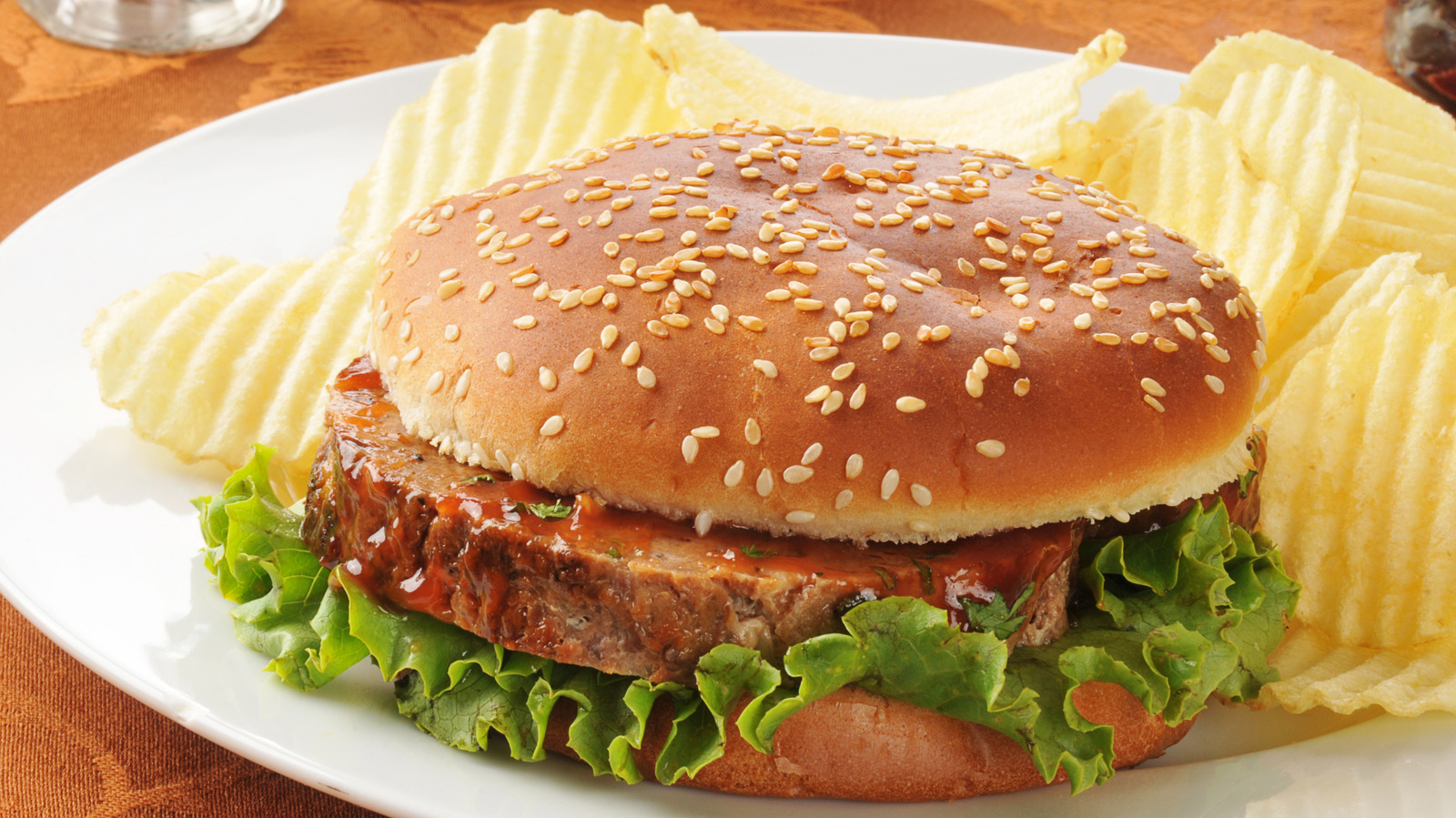
When you hear “fast food burger joint,” the food that pops into the mind is a burger (or maybe fries) but not meatloaf. No wonder this sandwich didn’t last.
Food Republic – Restaurants, Reviews, Recipes, Cooking Tips