He was a pioneer and a legend in the world of Texas country and rock. Continue reading…Country Music News – Taste of Country









He was a pioneer and a legend in the world of Texas country and rock. Continue reading…Country Music News – Taste of Country
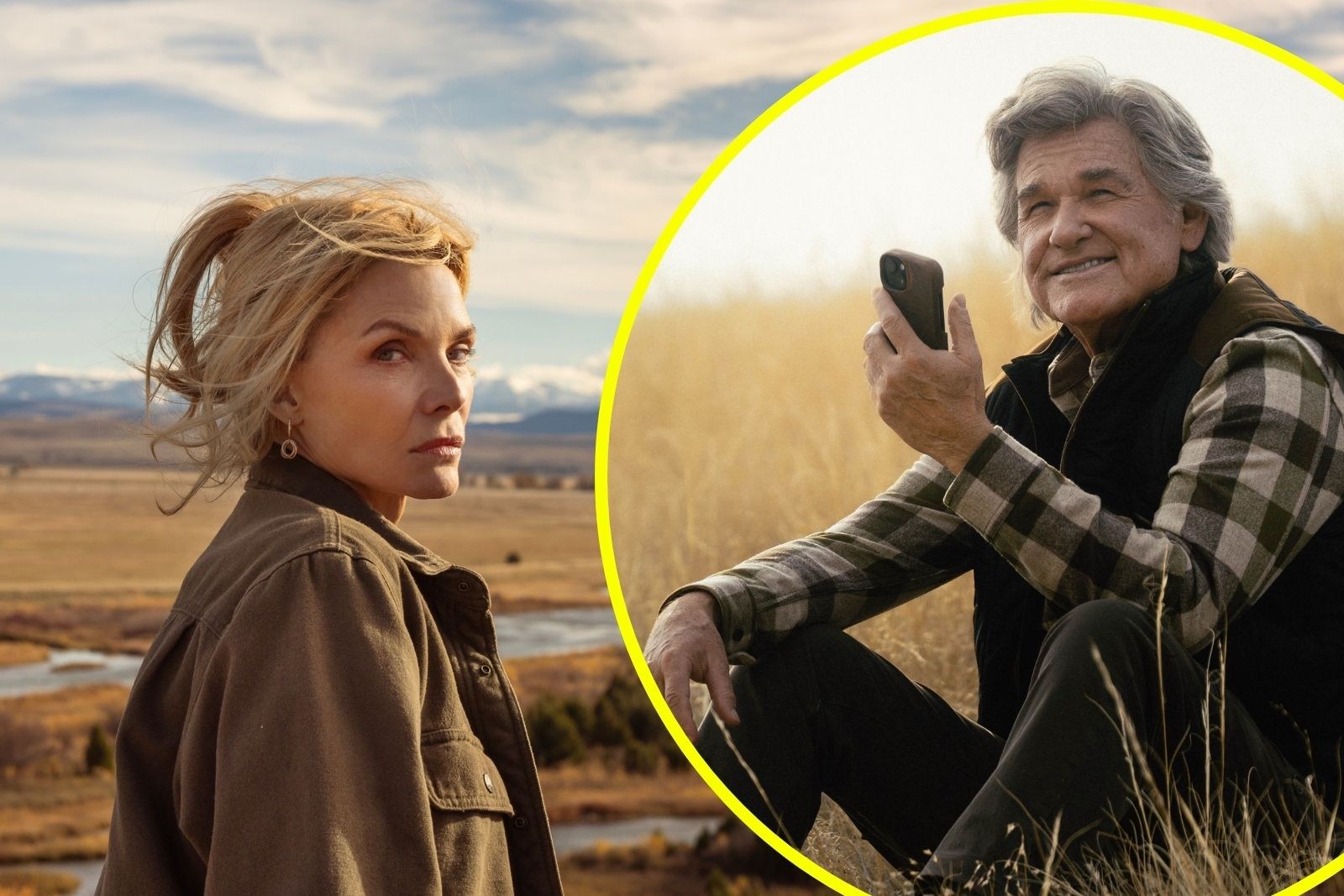
‘The Madison’ begins on March 14 on Paramount+, but new pictures from Ep. 1 offer clues about what happens. Continue reading…The Boot – Country Music News, Music Videos and Songs
‘The Madison’ begins on March 14 on Paramount+, but new pictures from Ep. 1 offer clues about what happens. Continue reading…Country Music News – Taste of Country
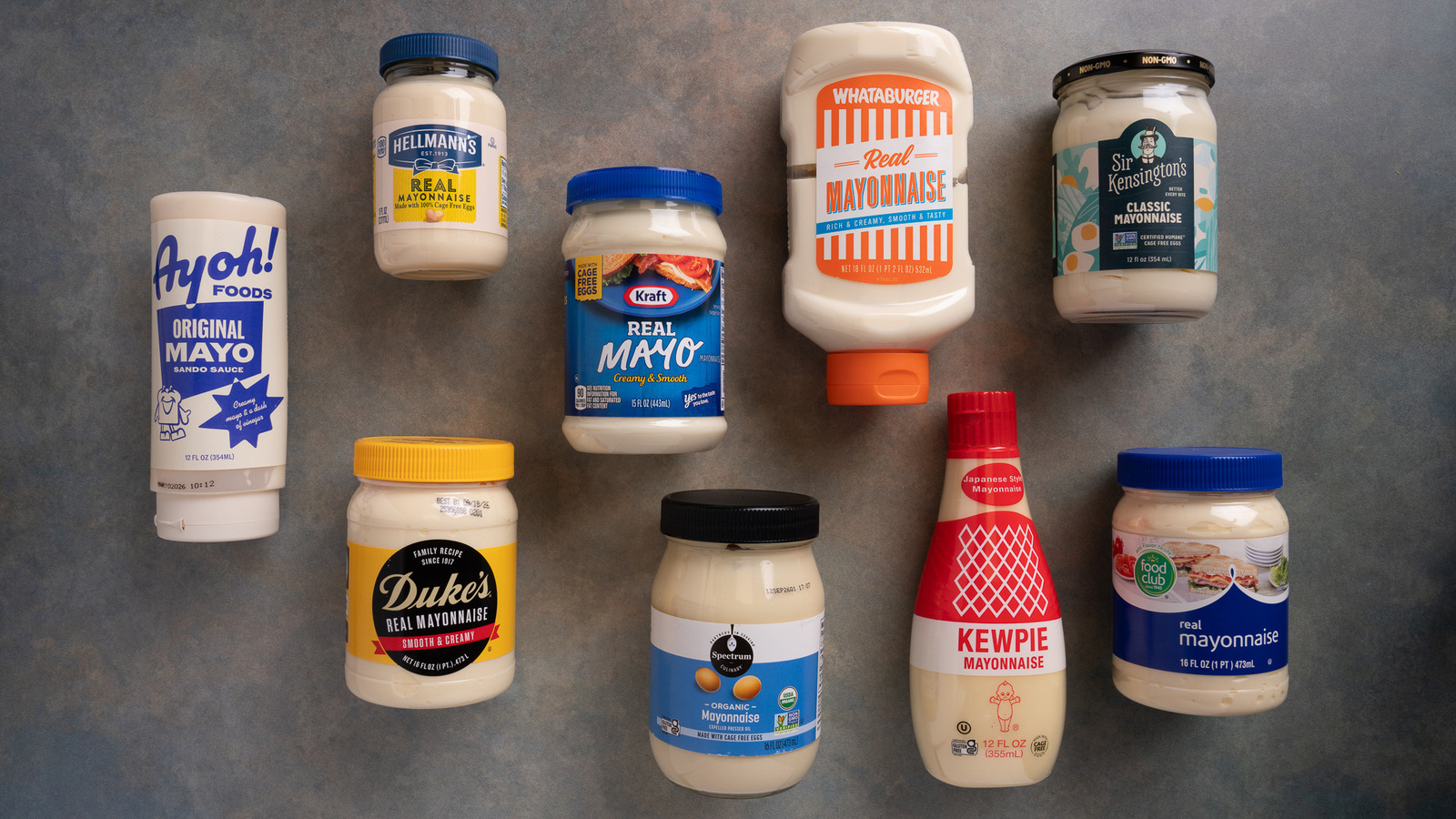
Food Republic’s least favorite store-bought mayo comes from a ubiquitous fast-food chain that unfortunately fails to deliver on the creamy condiment.
Food Republic – Restaurants, Reviews, Recipes, Cooking Tips
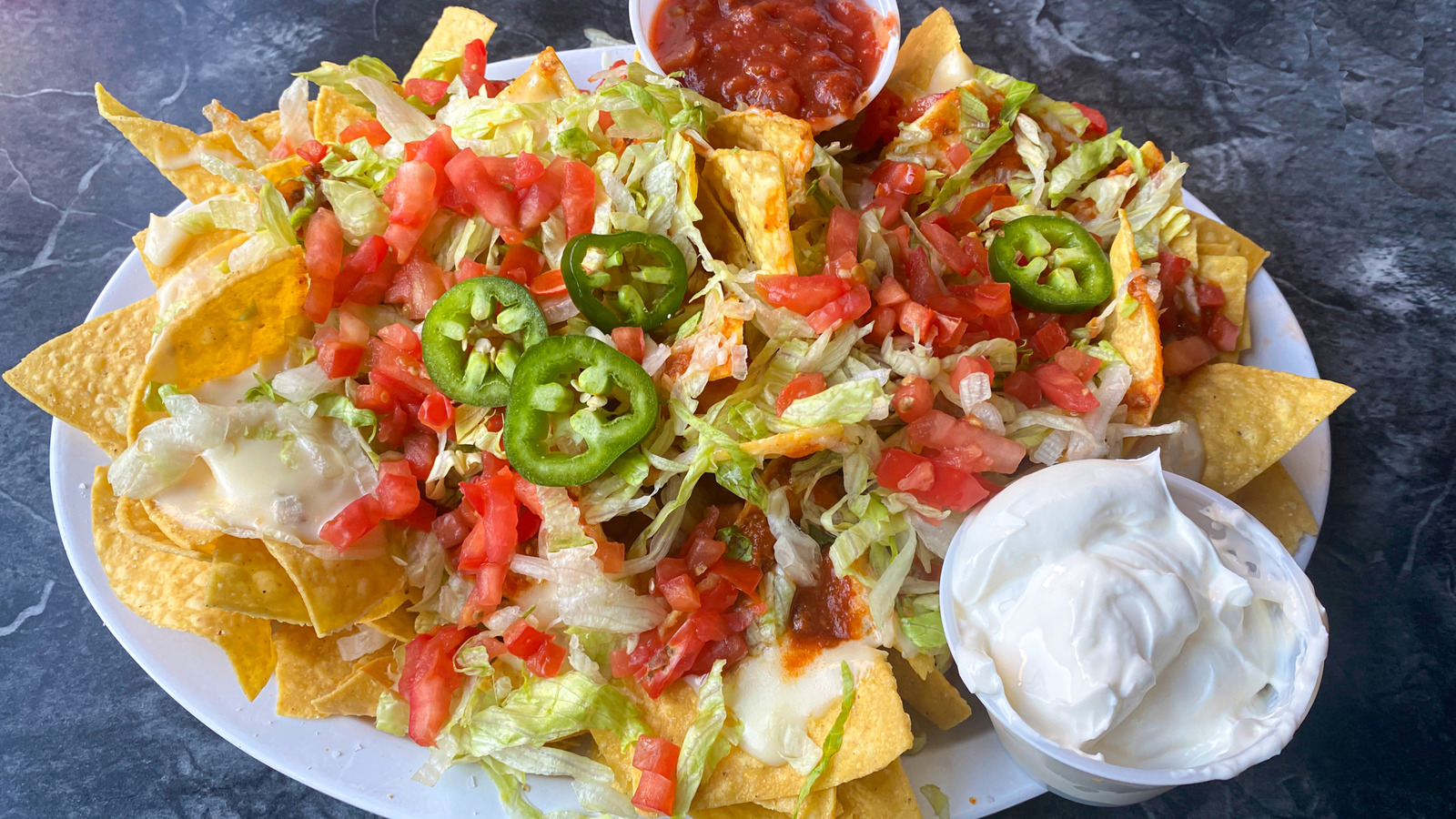
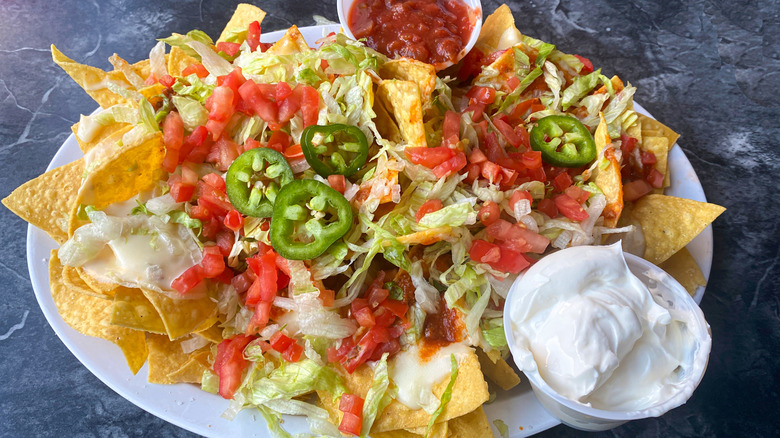
In the U.S., it’s practically obligatory to top tacos and Tex-Mex dishes with sour cream. However, traditional Mexican meals may use these tangy products.
Mashed – Fast Food, Celebrity Chefs, Grocery, Reviews
Long before the season began, Illinois men’s basketball head coach Brad Underwood and his staff devised a training tool they believed would help optimize offensive efficiency. Each and every kind of shot a player might take was funneled into a grading system derived from easily understood imagery: a podium at the Olympics. Regardless of whether shots were made or missed, each attempt could then be deemed worthy of a gold, silver or bronze medal based on how closely it adhered to principles outlined by the coaches. For the rest of summer, Illinois players worked through pick-up games in which winners were decided by shot selection rather than a traditional score. “Who got the most gold-medal shots? Who got the most total medals?” Underwood explained to me last month. “There were negatives for mid-range jump shots, contested shots, et cetera. There was a lot of creativity that went into that. And then just over the course of time, players start to understand. “Early in the season, we made a lot of quick substitutions based on really poor shots. And we weren’t going to take those. We weren’t going to take the contested mid-range pull-up with 22 on the shot clock. Or we weren’t going to take a contested 3 with 16 or 18 on the shot clock. Those things have been emphasized literally since June.” Nine months later, Illinois’ offense is operating in rarified air. If the season ended today, the team’s current mark of 131.7 points per 100 possessions would be the highest ever recorded in 30 years of KenPom data. Underwood has drawn widespread praise from coaches around the country for an embrace of modern analytics that is manifesting through enviable floor spacing, mathematically sound shot selection and a roster bursting with seven players who have already made at least 27 3-pointers this season. Some of the statistics that Illinois’ approach best exemplifies are indicative of a larger philosophical shift in shot spectrum across the sport. That shift helps explain why nearly three times as many teams are averaging at least 120 points per 100 possessions during the 2025-26 campaign as in any season over the past 30 years. The Illini rank ninth nationally in 3-point field goal rate at 50.9%, a measurement reflecting the percentage of a team’s shots that originate beyond the arc. So far this season, 92 teams are attempting at least 44% of their field goals from 3-point territory. There were only 37 such teams five years ago, only 22 teams 10 years ago and only seven teams 15 years ago. “If you look at the best offensive teams in college basketball,” Houston head coach Kelvin Sampson told me last month, “Illinois is a good example. Illinois is a great offensive team [because] there’s nobody on the floor that can’t make a 3. That spacing that’s created from the 3-point shot also creates driving lanes. And then you’re driving to collapse the defense, and then you move [the ball] and you shoot a 3. That’s how the game has changed.” In Part 2 of our series, some of men’s college basketball’s keenest minds explain how the rapid evolution of shot selection translates to such an uptick in offensive efficiency: [THE BLUEPRINT: Offense-First Player Acquisition] *** *** *** Pat Kelsey, Louisville: We went to modern basketball analytics years ago, starting when I was at Winthrop. I met Nick Nurse, who is the head coach of the 76ers, who used to be with the Raptors, and before that was a successful G-League coach with the Houston Rockets organization that was one of the pioneers in modernizing basketball. They went to the extreme end of it with the James Harden era when it was just 3s and rim shots, and that’s it. He introduced me to that when I didn’t know anything about anything with modern basketball metrics. Jon Scheyer, Duke: It’s a math game, at the end of the day. Obviously, it’s something we take a lot of pride in ourselves, but shot selection has a lot to do with it. If you can get guys to buy into taking the right shots and fighting for the most efficient shots in basketball, it puts defenses in a tough position where you’re going to see more scoring because of the math. Underwood: When everybody started playing drop coverage [on defense], everybody started getting really good at mid-range pull-ups. Chris Paul built a career on that. That was the shot. Now we’ve kind of evolved even more with the five-out spacing and the game has not become as much [about] how high you jump and how fast you run as it has become, OK, let’s find as much space as we can on the floor and do it with positional size. Sampson: I did a seminar with the Spurs a few years ago, and as we were sitting there talking, I kept hearing [Gregg Popovich] say, “We have to make sure we’re chasing space.” So I stole that term from him. With our offense, any time you get the ball in the paint and you kick it, you can’t stay [in one place]. You’ve gotta go chase space to open it up for another drive and create help so now you can pass it. Ryan Odom, Virginia: The more access to models and really smart people getting involved in sports, you can utilize the numbers to help you and help individuals on your team improve their efficiency. A lot of it is based on what expected numbers would be. It’s to help the individual become the most efficient player they could be. But then also, most importantly, our team overall. And a lot of it is shot diet. What type of shots are you taking? Scheyer: We teach a class, basically, in the summer. A shot selection class. And there’s two parts to it. We show shot selection, and we quiz our guys and talk to them. I think it’s a misconception with a lot of young players where they think 3s are worth more and those are the best shots. When in reality, a dunk is the best shot you can get. And then obviously free throws, and you work your way out. We just want to give them a basic understanding of that. Then we try to just really reinforce every day in practice, so it’s very clear from the get-go the shots we’re fighting for. We talk about fighting for the rim and what that means and what that looks like. We talk about the 3s that we want to shoot, and we go through the numbers and explain it to our guys. Sean Miller, Texas: If you go in order, free throws by a great free-throw shooter, dunks at the rim … and then one-two step open 3s taken by the right shooter. Those are the three high-value shots. The more we can take of those, the better. And you try to teach our team and the individual player what that means. We also have one or two players on this year’s team that are really good in that area that we want to discourage shots from. And sometimes, when you have that player, you have to see that for what it is and allow him and make sure that everybody understands, for him, this is a better shot because of how efficient he is in that space. As a coach, you have to have that responsibility because you can’t put the square peg in a round hole. Todd Golden, Florida: When we got here three and a half, four years ago, we wanted to build a program that would be consistently good, hoping to have a high floor and also try to root out any unnecessary volatility in our results. We made a conscious effort to play bigger and play a two-big system where we’re constantly trying to get really good rim 2s and catch-and-shoot 3s. This year, we haven’t shot it great from the perimeter. So we’ve continued to find different ways to get those highly efficient 2-point field goal shots. Especially with this year’s team, I think the less 3s we take, the more consistent we’re going to be. I think other teams across the country are playing that way, like Arizona [and] Michigan are good examples of that, who have kind of traded out the 3-point volatility hoping to be more consistent with the higher floor. Odom: We’re searching for “our shots,” and there’s different parts of a possession. Early in the possession, in transition, is a great opportunity to get a clean look because the defense, a lot of times, isn’t set. Most coaches, those that play fast, are trying to do that [with] a willingness to shoot open 3s early in the clock. I think that the key is just the discernment that you have to teach your players. Which shots are the right shots for that particular individual and convincing them to stick with it and shoot those shots. And then, what’s the best shot for our team? It’s a constant exercise for us each day. We grade our guys. We call it the ‘Cav score.’ Everybody gets a Cav score after every practice. Matt Painter, Purdue: One of the things I always bang on in recruiting is, ‘Here’s how I see you as a player if you’re one of our top three scorers.’ And then they always follow that back with a question, ‘Well, how do you see me if I’m not one of your top three scorers?’ Well, you’re gonna have to blend in with those top three scorers. Ben McCollum, Iowa: I think shot selection for us is you want to get layups, you want to get the easiest shot in basketball. The best way to get layups is obviously to space the floor. The best way to space the floor is to shoot 3s. I think it works that way rather than shoot 3s to get layups, if that makes sense. Rather than working from the outside in, we work from the inside out. Teaching shot selection [is about] understanding natural points per possession. All kickout 3s aren’t the same. All contested versus uncontested 3s aren’t the same. All extra-pass 3s aren’t the same. [All] transition 3s [aren’t the same]. Everything is a little bit different based off how good a shooter that guy is, how heavy the contest is, time and score — meaning where are we at in the game — and then, obviously, who can make what shots. T.J. Otzelberger, Iowa State: I think more than anything, we talk about other teams, and we call a contested pull-up from mid-range a ‘surrender shot.’ We try to encourage as many surrender shots [from our opponents as possible]. Our guys yell ‘Surrender!’ in practice when somebody shoots one. I think they know to stay away from those. We talk about paint-touch 3s, and those are the ones that we want. Consistent feedback and communication is important. We want our guys to know what great shots are, so we’re going to continue to talk about it with them and continue to demand it from them. Sampson: Paint touches was not something that was talked about in the ‘80s or early ’90s. You just told your point guard to get to the basket. But the paint touch is what opens the game up. Everybody is trying to get in and then play inside out. Three yards and a cloud of dust was throwing the ball into the center and you lived off 2s. Now, the 2-point shot is only at the rim, and everything else is a 3. Miller: We’re playing teams in our league where you go, “Hey, they’re shooting 25 3s a game. That means that over 50% of their shots are 3s.” Next game, “Actually, 54% of their shots [are 3s].” You’re going through these stretches where, holy s—, I’ve never seen more 3s taken. McCollum: “We might turn down a contested layup for an elite kick-out 3. Or we might turn down a contested layup for an extra pass for an uncontested layup. So often, people just assume, “Since I’m near the rim and there’s not a ton of bodies around me, I deserve to shoot it.” And in reality, you really don’t. You have to make it. Because ultimately, the more missed 2s you have, the easier it is for runouts because those rebounds aren’t very long. And now [the opponent’s shooting] percentage goes up. When their percentage goes up, and they score on you more, you’re not going to play in transition, you’re going to play against more set defenses. And then your 2-point field goal percentage goes down because you’re out of rotation. It all kind of adds together. Kelsey: We’re always revisiting and presenting our shot spectrum to the guys. We just want to make sure that our volume is in line with what our philosophy is. And if we get out of line or out of whack, we’ll present that to the guys. … We’ve done stuff in practice where we place a higher point total [on certain quality shots]. Then, I don’t lose my mind if a guy with 16 seconds on the shot clock shoots a contested mid-range and it goes in. As they run by me, just under my breath, I just say, ‘that’s the lowest-percentage shot in the game,’ and move on. Underwood: The last two years — and especially this year — has been much, much, much more about shot selection than maybe some of my other teams. Come back on Wednesday for Part 3 in this series, which focuses on a shift in offensive rebounding philosophy that has wide-ranging implications for both shot selection and efficiency. In The Blueprint, our in-depth, long-form series takes you inside some of the most amazing stories in sports.Latest Sports News from FOX Sports

It’s clear that regime change is among the biggest objectives of the U.S. war in Iran.
“I have to be involved in the appointment” of Iran’s next leader, President Donald Trump said on March 5, 2026.
Trump has also said he might put U.S. boots on the ground to get the job done.
Trump now joins a long list of modern U.S. presidents – from Franklin Roosevelt to Harry Truman, Lyndon Johnson, George W. Bush and Barack Obama – who started wars to either overthrow hostile regimes or support embattled friendly governments abroad.
For all the parallels to history, though, Trump’s Iran war is historically unique in one critically important way: In its early stages, the war is not popular with the American public.
A recent CNN poll found that 59% of Americans oppose the war – a trend found in poll after poll since the war began.
As an expert on U.S. foreign policy and regime change wars, my research shows that what’s likely generating public opposition to the Iran war today is the absence of a big story with a grand purpose that has bolstered public support for just about every major U.S.-promoted regime change war since 1900. These broad, purpose-filled narratives generate public buy-in to support the costs of war, which are often high in terms of money spent and lives lost when regime change is at stake.
In the 1930s and ’40s, a widely accepted – and largely true – story about the dangers of fascism spreading and democracies falling galvanized national support in the United States to enter and then take on the high costs of fighting in World War II.
Likewise, in the 2000s a dominant narrative about preventing a repeat of the Sept. 11, 2001, attacks and stopping terrorism brought strong initial public support for the war in Afghanistan, with 88% support in 2001, and the war in Iraq, with 70% support in 2003.
With no comparable narrative around Iran today, Trump and Republicans could face big problems, especially as costs continue to rise.
Iran has been a thorn in the side of many American presidents for a long time. So, what’s missing? Why no grand-purpose narrative at the start of this war?
Two things.
First, grand-purpose narratives are rooted in major geopolitical gains by a rival regime – the danger to the U.S. For the anti-fascism narrative, those events were German troops plowing across Europe and the Japanese attack on Pearl Harbor. For the anti-terrorism narrative, it was planes crashing into the World Trade Center and the Pentagon.

Gains like these by rivals prove traumatic to the nation. They also dislodge the status quo and provide the opportunity for new grand-purpose narratives with new policy directions to emerge.
Today, most Americans see no existential danger around Iran. A Marist poll from March 3, 2026, found that 55% of Americans view Iran as a minor threat or no threat at all. And the number who see Iran as a major threat, 44%, is down from 48% in July 2025.
By contrast, 64% of Americans saw Iraq as a “considerable threat” prior to the 2003 U.S. war in Iraq.
The poll numbers on Iran aren’t surprising. Iran is far from a geopolitical menace to the United States today. To the contrary, it’s been in geopolitical retreat in the Middle East in recent years.
In the summer of 2025, Iran’s nuclear nuclear enrichment facilities were significantly damaged – “completely and totally obliterated,” according to Trump, though there is no confirmation of that claim – during the 12-Day war between Iran and Israel.
And in recent years, Tehran has lost a major ally in Syria and witnessed its proxy network all but collapse. Iran has also faced crippling economic conditions and historic protests at home.
As the polls show, none of that has sparked a grand-purpose narrative.
The second missing factor for narrative formation today is any strong messaging from the White House.
In the months prior to World War II, Roosevelt used his position of authority as president to give speech after speech, setting the context of the traumatic events of the 1930s, explaining the dangers at hand and outlining a course going forward. Though less truthful in its content, Bush did the same for nearly two years before the Iraq War.
Trump did almost none of this storytelling leading up to the Iran war. Five days before the war started, the president devoted three minutes to Iran in a nearly two-hour State of the Union Address.

Prior to that, he made a comment here and there to the press about Iran, but no storytelling preparing the nation for war. Likewise, since the war began, the administration’s stated reasons for military action keep shifting.
No wonder 54% of Americans polled disapprove of Trump’s handling of Iran and 60% of Americans say Trump has no clear plan for Iran. Also, 60% disapprove of Trump’s handling of foreign policy in general.
By comparison, Americans approved of Bush’s handling of foreign policy by 63% in early 2003.
Absent a cohesive, unifying story, it’s also no surprise there is lots of political fracturing today.
Partisan divides run deep – Democrats and independent voters strongly oppose the war. But Trump’s MAGA coalition is cracking too, with people like Tucker Carlson and Marjorie Taylor Greene sharply criticizing the war.
If he opts for it, there is an off-ramp for Trump from the Iran war. It’s one he knows well.
When U.S. leaders get caught up in costly regime change wars that outrun national support, they tend to back down, often with far fewer political costs than if they’d continued their unpopular war.
When the disaster referred to as Black Hawk Down hit in Somalia in 1993, killing 18 U.S. Marines, President Bill Clinton opted to end the mission to topple the warlords that ruled the country. Troops came home six months later.
Likewise, after the Benghazi attack killed four Americans in Libya in 2012, Obama pulled out all U.S. personnel working in Libya on nation-building operations.
And just last year, when Trump realized that U.S. ground troops would be necessary to topple the Houthi militant group in Yemen, he negotiated a ceasefire and ended his air war in that country with no significant political fallout.
With Trump’s Iran war, gas prices keep rising, more soldiers are likely to die, and stocks are highly volatile.
Backing down makes a lot of sense. History confirms that.

Charles Walldorf is a Senior Fellow at Defense Priorities.
Politics + Society – The Conversation
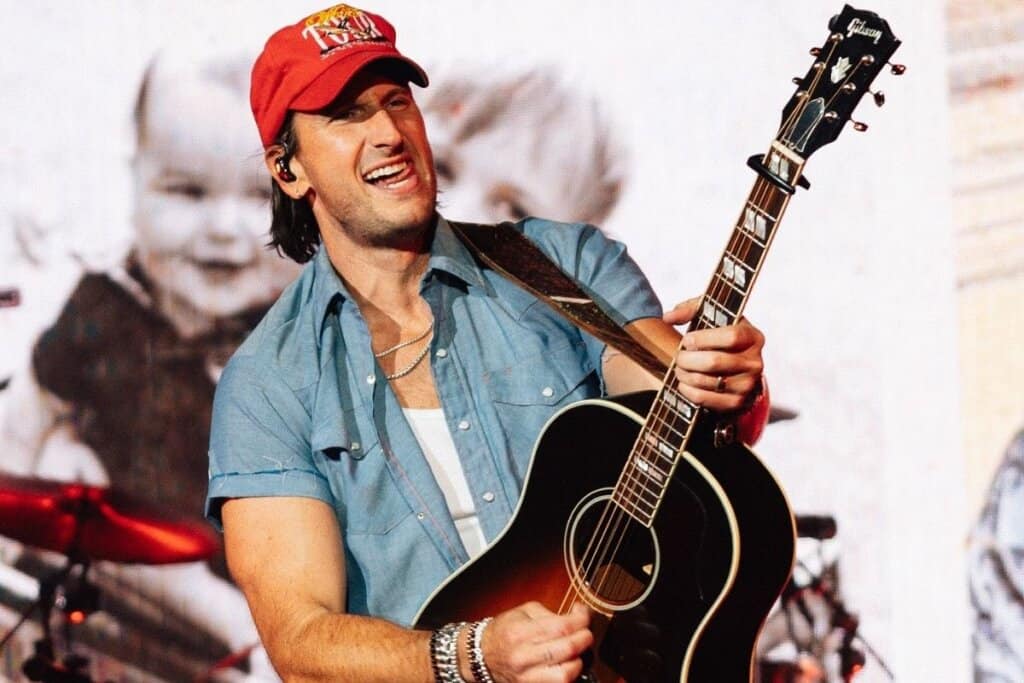
Russell Dickerson and Thomas Rhett share more than just a place in country music. The two of them have also built a close friendship over the years, bonding over their careers and raising families. So when Rhett recently welcomed his fifth child, and first baby boy, Dickerson made sure he was there cheering him on behind the scenes.
Rhett and his wife, Lauren Akins, announced the arrival of their newest family member, Brave Elijah Akins, on Friday, February 27, about a week after he was born. The baby boy joins his sisters Willa Gray (10), Ada James (8), Lennon Love (6), and Lillie Carolina (4).
While recently serving as a co-host on Country Countdown USA with Lon Helton, Dickerson revealed that he knew Rhett and his wife were heading to the hospital and decided to send him a text the night before to show his support. Although Rhett didn’t know the baby’s gender at the time, Dickerson appeared to be hopeful that his friend would finally get his first son.
“I told him we’re praying for a healthy baby boy. They didn’t know going in what gender it was gonna be,” he shared.
The Tennessee native also said he sent a follow-up message congratulating the couple when news finally dropped that they had in fact welcomed a boy. He noted that Rhett responded with enthusiasm writing, “I can’t believe it. Finally got a boy.’”
When the official announcement post went live to the world, fans got the first glimpse at the adorable baby boy through a carousel of newborn photos, and special family moments captured in the hospital with alongside their four daughters. At the time, Lauren revealed that Brave was born at nearly 10 pounds.
“Oh. my. goodness. Our hearts are just in a big ole puddle with this precious baby BOY 🩵 🦆🩵⚾️🩵🦌🩵🐟🩵,” she wrote.
Hundreds of fans and fellow country acts filled the comment section with heartfelt messages. Among them was Dickerson’s wife, Kailey, who expressed her excitement over the inevitable friendship that will be formed between Brave and her two sons, Remington Edward, 5, and Radford Arthur, 2.
She wrote, “The adventures of Rem, Rad, and Brave are loading….. 🥹”
Russell Dickerson’s friendship with the “Beautiful As You” singer goes back years. In addition to spending time on the road together on past tours, their families have also grown close. Back in 2024, they spent Easter together and even might have gotten a glimpse into their future when Dickerson’s son Remington was spotted holding hands with Rhett’s daughter, Lennon.
“We did not initiate this at all,” Russell told Us Weekly at the time. “That wasn’t even their youngest daughter. That’s like their second youngest, which Remi is way younger than but they’re about the same size so I guess they thought they were the same age.”
He went on to explain that Lennon walked up to Remi, grabbed his hand and they proceeded to make their way around the party. When Rhett noticed what was going on he first did a double take and then turned to the camera and signaled a thumbs down. Luckily this adorable moment was captured on video and shared across the artists’ socials.
“The video could not have been more perfect. They’re walking by and TR sees them and he’s just, like, thumbs down. I was like, ‘Whatever, bro.’ He just knows that he’s going to be the one that has to pay for the wedding and we’re not going to settle for anything subpar.”
It’s clear that the bond between Russell Dickerson and Thomas Rhett goes beyond music. From cheering each other on through big life moments to watching the next generation of their kids form friendships of their own, it’s safe to say their friendship is built to last.
The post Before Thomas Rhett Welcomed His First Son, Russell Dickerson Sent Him A Heartfelt Message appeared first on Country Now.
Country Now

Costco is home to bulk buys and excellent groceries, and every month, you can find something new. Here are the best new goodies coming in March.

Food Republic – Restaurants, Reviews, Recipes, Cooking Tips
Reading Time: 3 minutes
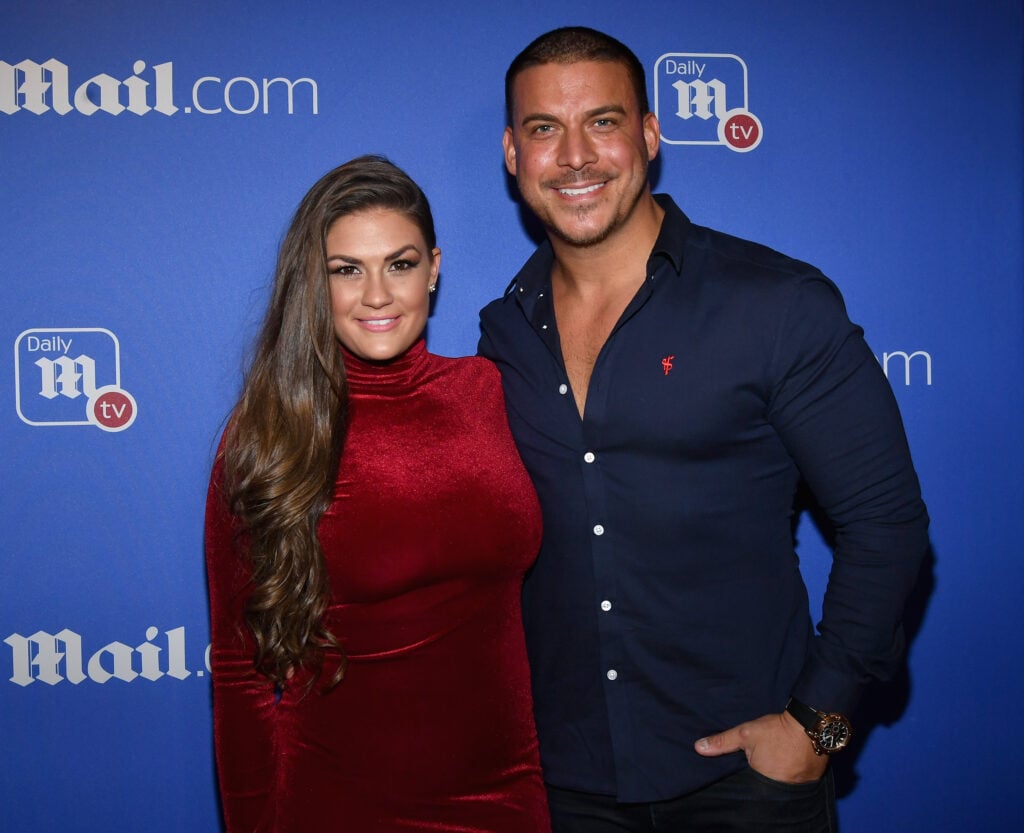
When former Vanderpump Rules stars Jax Taylor and Brittany Cartwright ended their marriage, the news didn’t exactly come as a shock.
After all, the relationship was marred by frequent instances of infidelity and booze- and drug-fueled outbursts.
Thankfully, after years of legal wrangling, it now looks as though Jax and Brittany have prioritized the needs of their 4-year-old son, Cruz.
Not only have they hammered out a custody deal, they’ve also agreed to limit the kid’s exposure to their hard-partying lifestyle.
Yes, according to a new report from TMZ, Jax and Brittany have agreed to a shared custody agreement that would have Cruz staying with Jax every other weekend and every Wednesday night.
So as expected, Brittany will have the kid the vast majority of the time.
But perhaps the most significant part of this arrangement is the fact that both parties have agreed to abstain from alcohol and drugs while Cruz is under their care.
Both parties have also agreed not to speak about one another negatively in front of Cruz and to wait six months before introducing him to any new romantic partners that may have entered their lives.
Brittany and Jax got married in 2019 after dating on and off for 4 years but split in 2024.
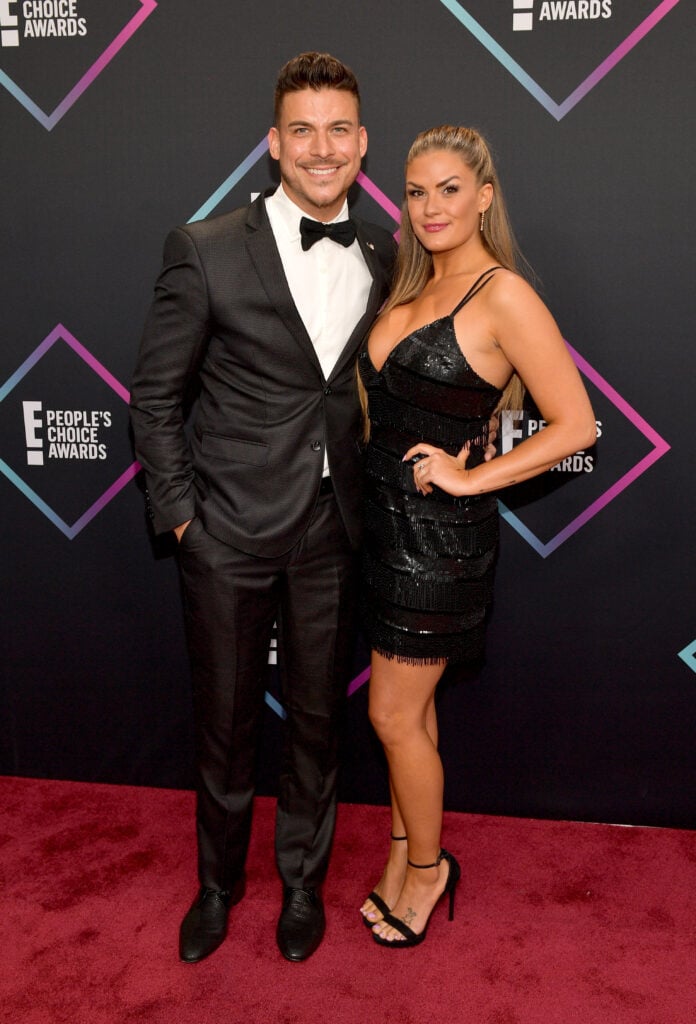
Cartwright filed for divorce in 2024 while Jax was in a mental healthcare facility, receiving treatment for PTSD and other mental health issues.
Jax has stated that he used substances to self-medicate, but they only made his issues worse.
So it makes sense that Brittany would want him to steer clear of the booze and whatnot while Cruz is under his care.
Brittany also agreed to abstain while she’s on mom duty, but that might have just been a ploy to get Jax to go along with the deal.

After all, she’s never battled any major addiction issues like he has (that we know of), but she did enjoy turning up quite a bit in her Vanderpump days.
As for the financial aspects of the split, it seems that neither party will be receiving alimony or child support.
Both Jax and Brittany were earning roughly the same amount as veteran Bravo stars at the time of their split.
And now that they’ve both been cut loose in favor of a younger cast, there might not be a whole lot of cash to fight over!
Jax Taylor & Brittany Cartwright Finally Reach Custody Deal (Complete With Booze … was originally published on The Hollywood Gossip.
The Hollywood Gossip